Hotels in Oestrich-Winkel
Discover your perfect stay in Oestrich-Winkel.
Oestrich-Winkel(Germany) Travel 2026: Cheap Flights, Hotels & Top Attractions
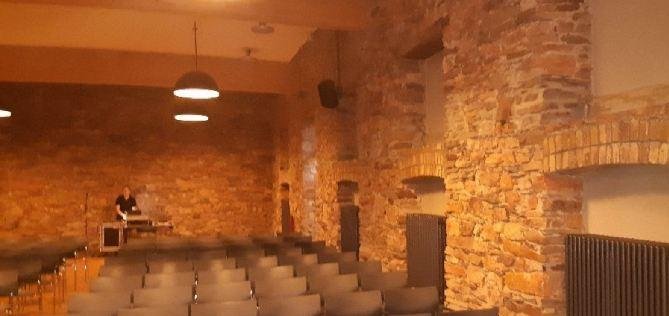
Popular Landmarks in Oestrich-Winkel
Discover the most iconic attractions in Oestrich-Winkel
Recommended Hotels in Oestrich-Winkel
Find the perfect place to stay in Oestrich-Winkel
Frequently Asked Questions about Traveling to Oestrich-Winkel
Questions You Might Need to Know About Traveling to Oestrich-Winkel
Oestrich-Winkel Overview
City Summary
Oestrich-Winkel, a picturesque town in Hesse's Rheingau region, is renowned as a world-class wine-producing area. Nestled along the Rhine River, it blends medieval architecture with vineyard landscapes, with its core appeal lying in winemaking traditions dating back to Roman times. Visitors can explore the Rheingau Wine Route, tour historic wineries, and admire the UNESCO-listed Upper Middle Rhine Valley.
Must-See Attractions
Must-see sites include the medieval defense tower at Alter Turm Park, Gothic-style St. Mary's Church, and Rhine cycling paths. The Wine Museum details local viticulture history, while Schloss Johannisberg showcases Renaissance aristocracy. Summer wine festivals offer perfect opportunities to taste signature Rieslings.
Food Guide
Local cuisine features Rheingauer Rindergulasch (wine-braised beef) and Handkäse (sour milk cheese), best paired with regional Riesling. Weingutsschänken (winery taverns) serve traditional dishes like pork knuckle with sauerkraut. For dessert, try Traubenkuchen (grape cake) made with local grapes.
Transportation Guide
The town is best explored on foot or by bike. Oestrich-Winkel train station connects to Mainz (30 mins) and Wiesbaden via regional trains. Rhine ferries cross to opposite banks, while drivers should note old town traffic restrictions. Consider the RMV day pass for unlimited regional transport.
Best Time to Visit
Visit between May-October for lush vineyards and mild weather (18-25°C), coinciding with harvest seasons. September wine festivals draw crowds, so book accommodations early. Winter (Nov-Mar) sees some wineries closed, but Christmas markets offer charm.
Travel Tips
- Maintain quiet focus during wine tastings to respect the ritual.
- Cover shoulders when entering churches, even in summer.
- Carry small cash as some wineries don't accept cards.
- Cyclists have right-of-way on dedicated paths; step aside when walking.
- Book winery tours 2-3 days in advance.
- Most shops close Sundays; only station supermarkets operate.
Useful Information
German is primary, though English works in tourist areas. 4G coverage is town-wide, with some wineries offering free Wi-Fi. Cash remains common; Visa/Mastercard accepted at hotels/restaurants. Dial 112 for emergencies; pharmacies display "Apotheke" signs. Tap water is drinkable, but wine tastings provide spittoons. Follow German recycling rules—wine bottles go in designated bins.