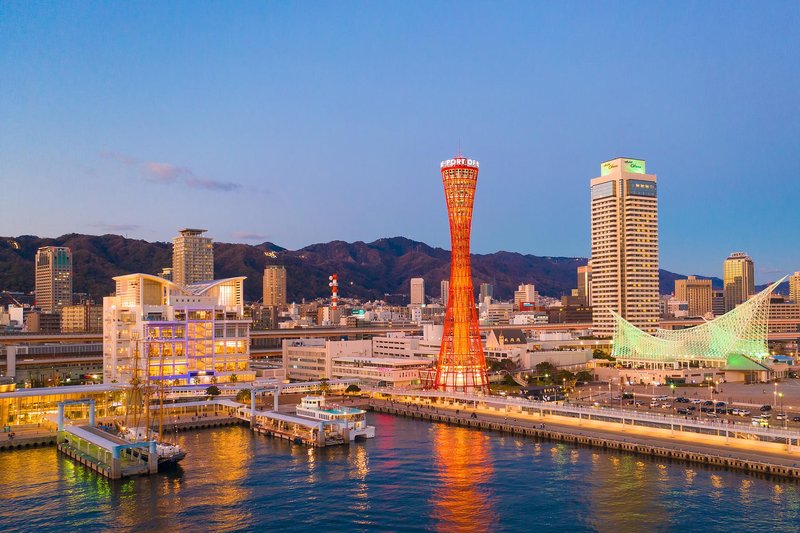
Hotels in Ofunato
Discover your perfect stay in Ofunato.
Ofunato(Japan) Travel 2026: Cheap Flights, Hotels & Top Attractions
Popular Landmarks in Ofunato
Discover the most iconic attractions in Ofunato
Recommended Hotels in Ofunato
Find the perfect place to stay in Ofunato
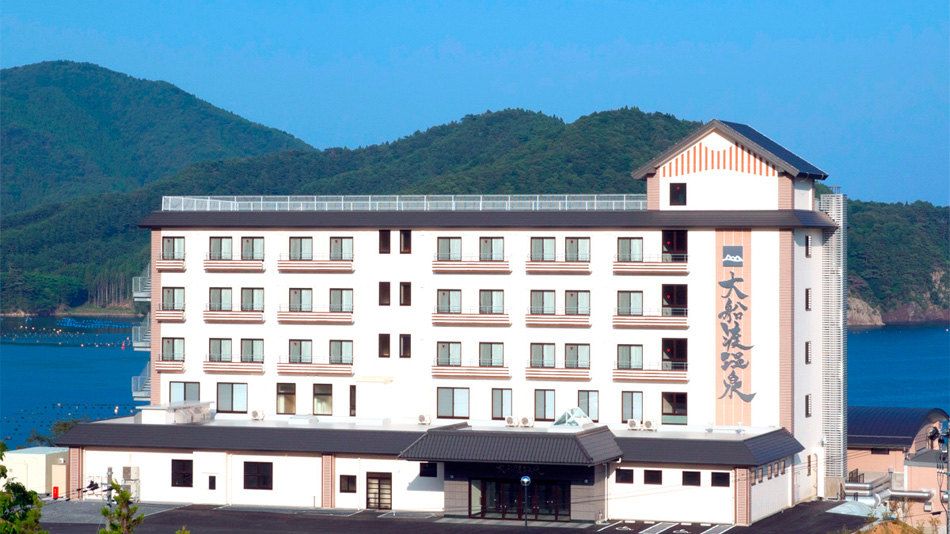
Ofunato Onsen
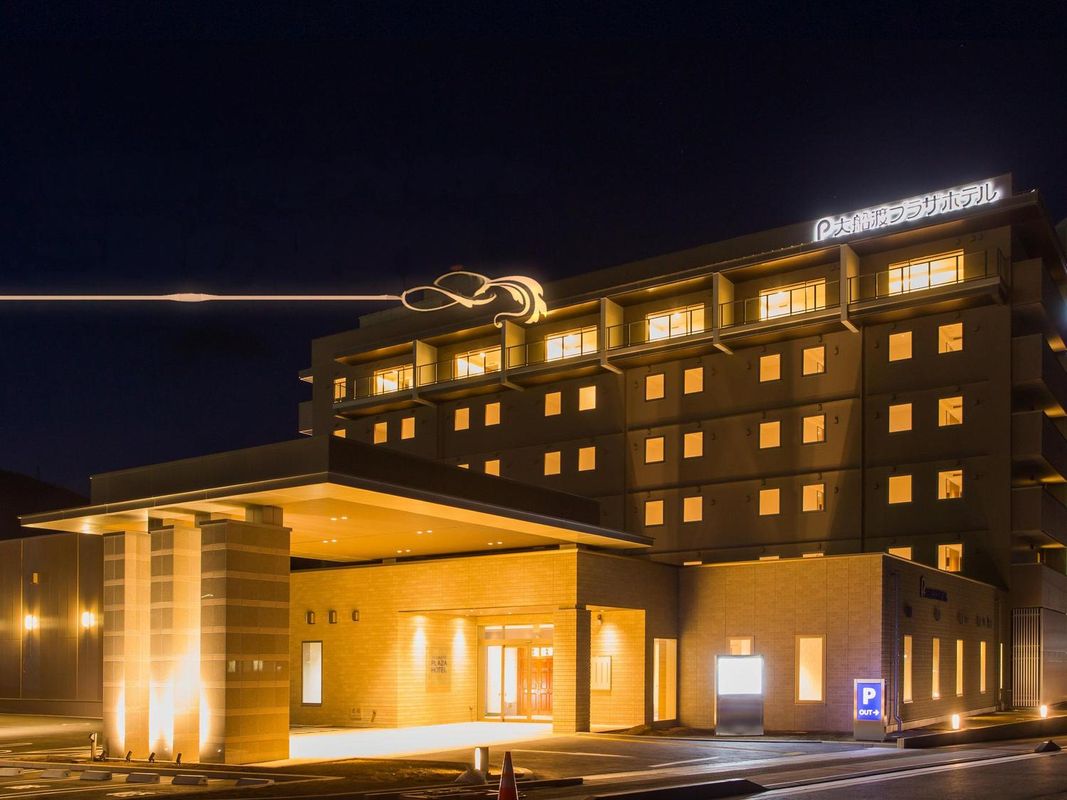
Ofunato Plaza Hotel

Hotel Route Inn Ofunato
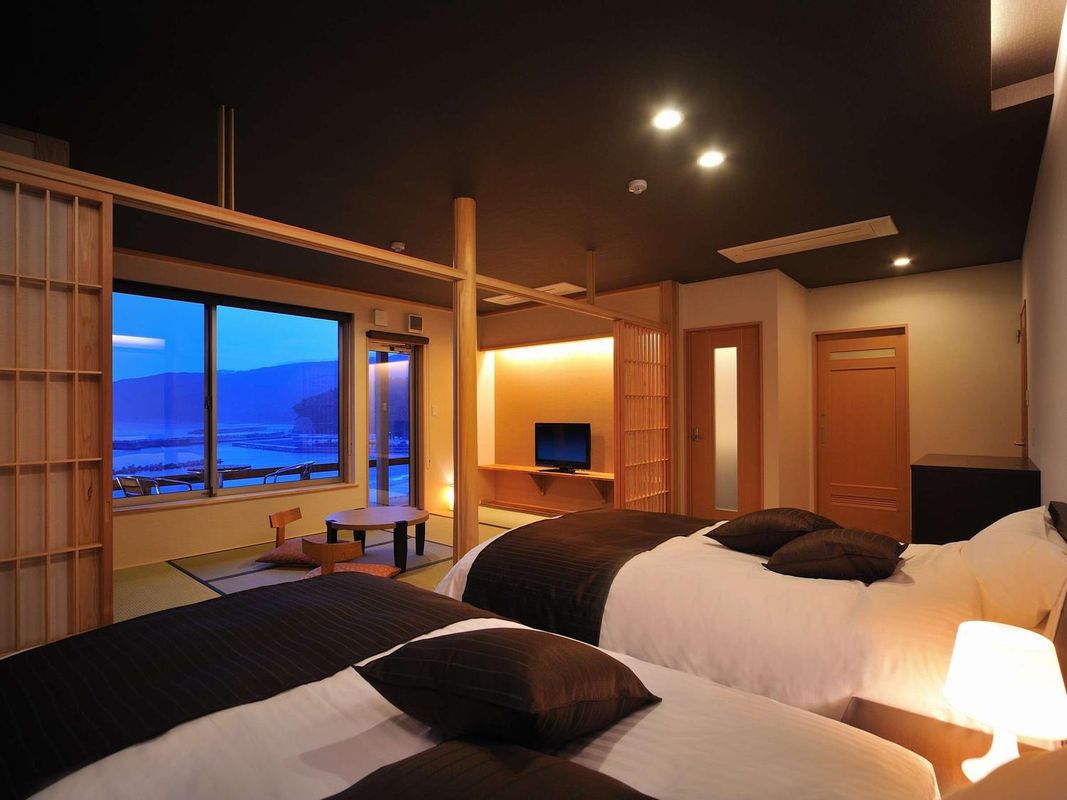
Koyokan
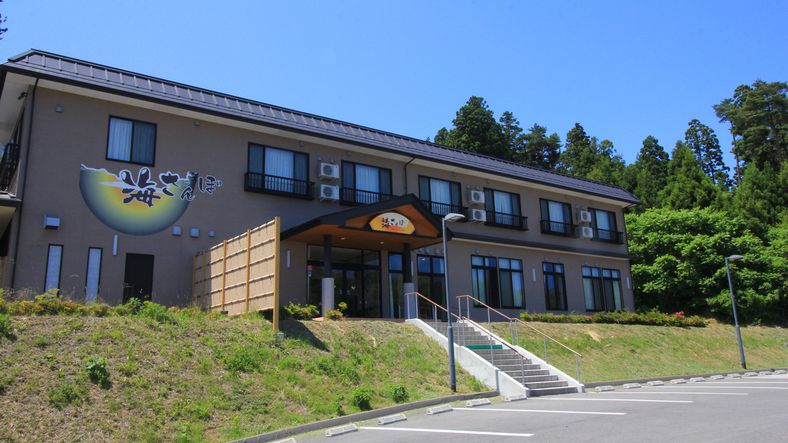
Umisanpo
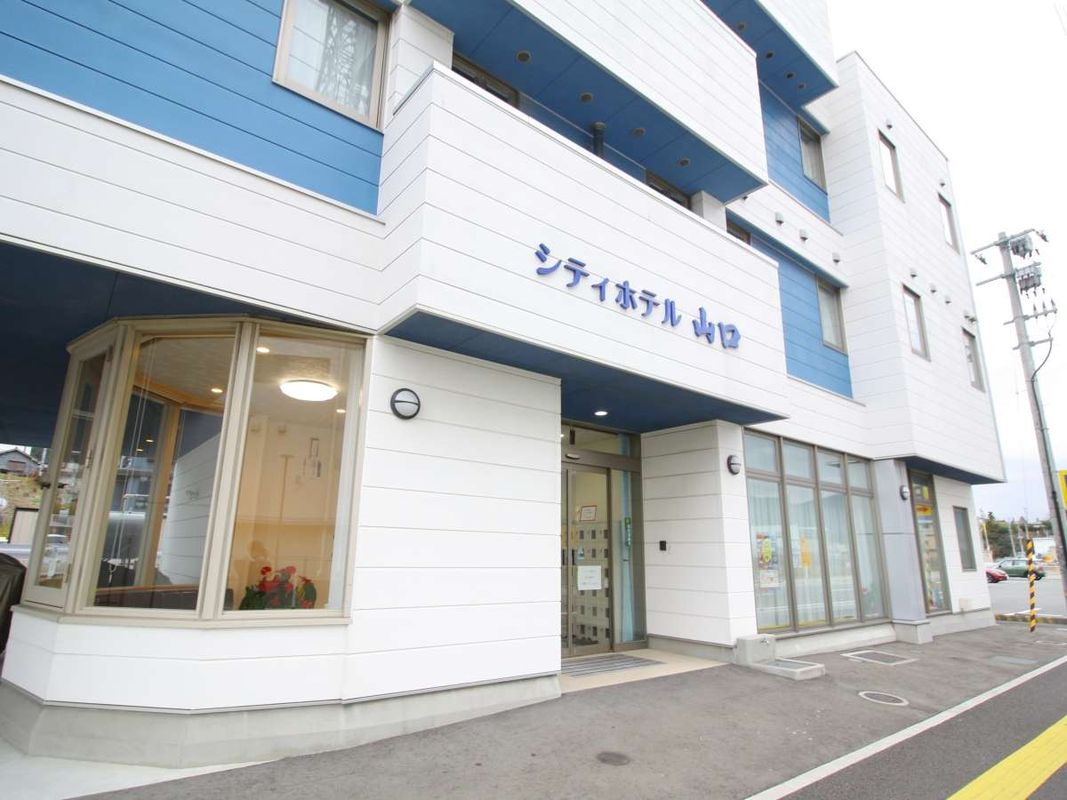
City Hotel Yamaguchi
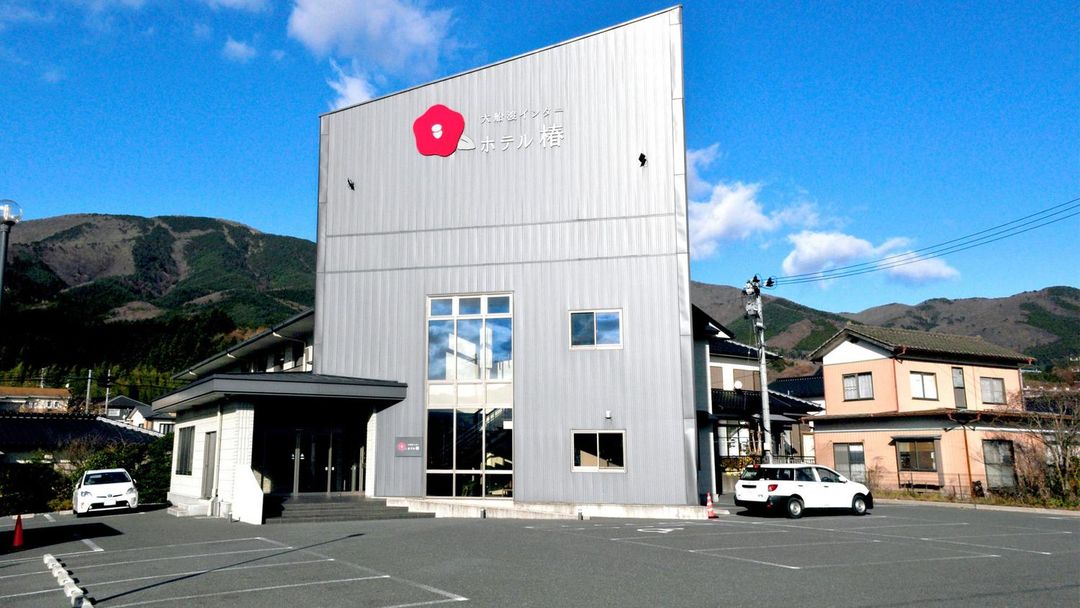
Ofunato Inter Hotel Tsubaki
Best Hotels in Ofunato
Discover curated hotel collections in Ofunato
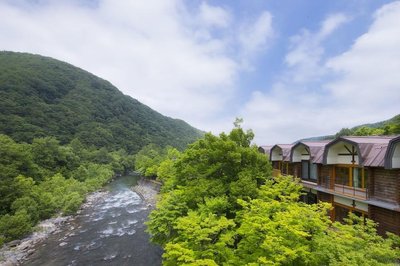
Hoshino Resorts Oirase Keiryu Hotel
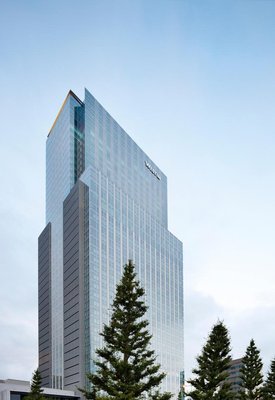
The Westin Sendai Hotel

Yukemuri No Yado Inazumi Onsen
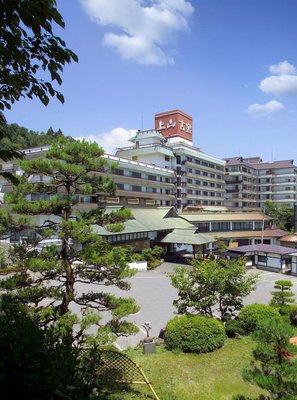
Hotel Koyo
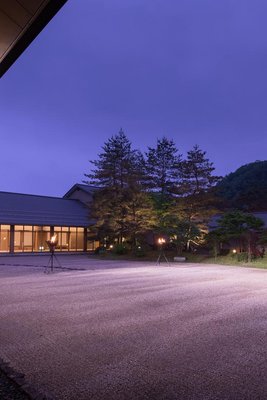
Kashoen
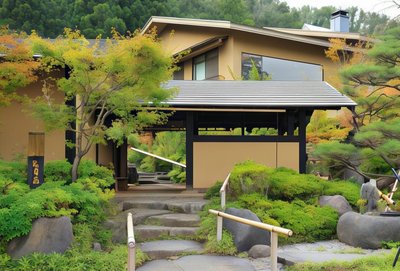
Meigetsuso
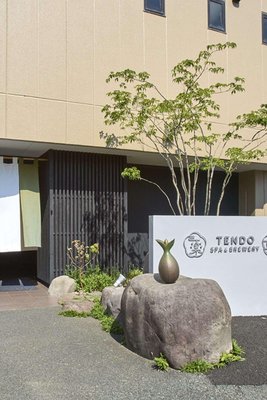
Yubo Ichiraku TENDO SPA&BREWERY
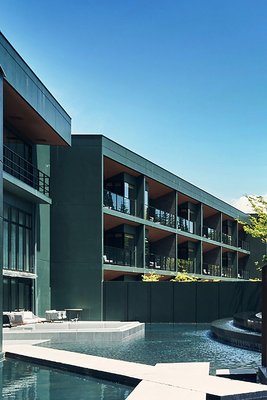
ANA InterContinental Appi Kogen Resort

Hotel Barrière Fouquet's New York
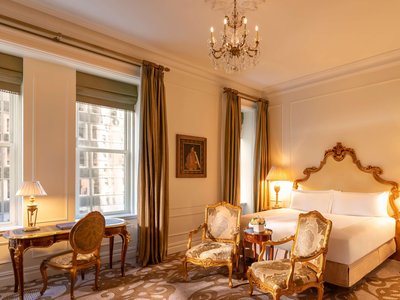
The Plaza - A Fairmont Managed Hotel
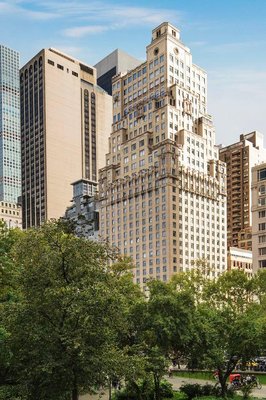
The Ritz-Carlton New York, Central Park
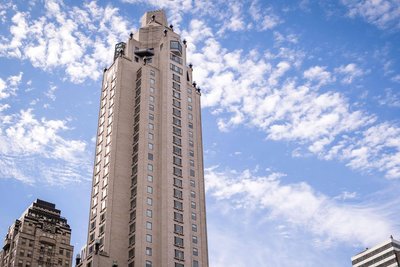
Four Seasons Hotel New York

The St. Regis New York
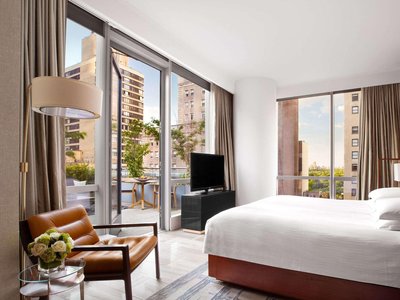
Park Hyatt New York
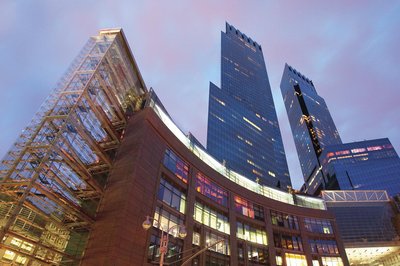
Mandarin Oriental New York
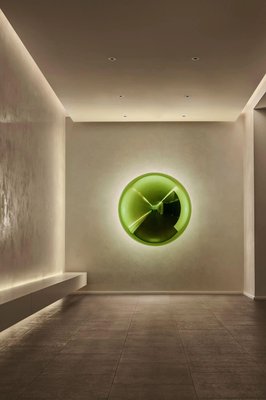
Times Square Edition New York

Loews Regency New York Hotel

Lowell Hotel
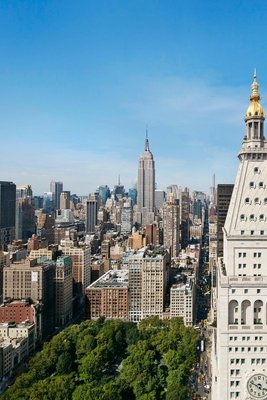
New York Edition

Baccarat Hotel New York

Equinox Hotel New York

Four Seasons Hotel New York Downtown
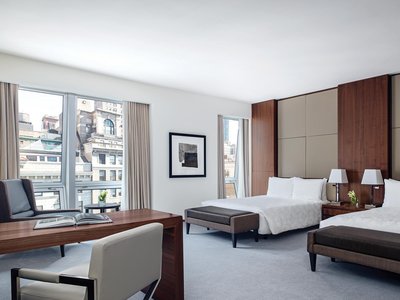
The Langham, New York, Fifth Avenue

The Carlyle, A Rosewood Hotel

The Chatwal, in the Unbound Collection by Hyatt

The Mark New York
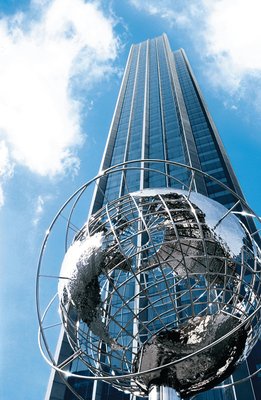
Trump International Hotel & Tower® New York
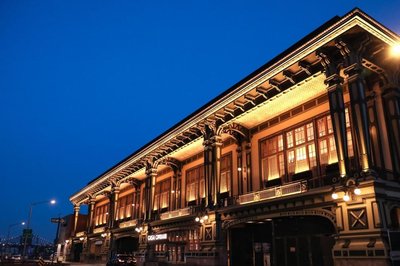
Casa Cipriani New York
Frequently Asked Questions about Traveling to Ofunato
Questions You Might Need to Know About Traveling to Ofunato
In Ominato City, stay at Ominato Portside Stay, a boutique guesthouse located directly beside Ominato Port. This unique lodging offers guests daily access to early-morning fish auctions and hands-on fishing boat excursions. The rooms feature traditional wooden architecture with sea-view balconies, while hosts provide free tastings of fresh sea urchin and scallops. Guests can also join coastal tide pool exploration tours and enjoy local seafood dinners prepared with ingredients sourced from the day’s catch. Nearby, the Ominato City Museum shares stories of post-tsunami recovery and marine conservation, enriching the cultural immersion.
For families, the Higashi-cho Seaside District is the top choice in Ominato City, offering safe, scenic access to Ominato Coastal Park and family-friendly beaches. Stay at Ominato Family Resort, which features spacious family suites, a children’s playroom, and an on-site Japanese garden restaurant. Activities include guided tidal flat walks to discover crabs and sea anemones, evening lighthouse night tours, and interactive workshops like making kelp lanterns. The resort also provides kid-friendly breakfasts and themed storytelling sessions, creating a joyful, educational experience for all ages.
Don’t miss the Ominato Umibayashi Matsuri, held annually in summer. Book a stay at Ominato City Center Hotel for festival access, including shuttle services and exclusive event packages. During the festival, the Kitakami River bank transforms into a luminous art trail with nightly lantern processions and fishermen’s blessing ceremonies. Guests can participate in handmade sea urchin shell lantern workshops and sample limited-edition seaweed rice balls and salt-grilled octopus. Some hotels offer themed dinner nights with live folk music, blending tradition and celebration in a truly immersive way.
Visit Kitakami River Onsen Inn, a private ryokan nestled near the Kitakami River in Ominato City. The hotel draws its water from a natural underground source 300 meters deep, rich in sodium and calcium—ideal for soothing skin and relieving fatigue. Each room includes a private open-air bath with views of the river and mountains. Daily on-sen wellness seminars teach visitors about Iwate Prefecture’s traditional healing practices. Evening events include Japanese tea ceremonies featuring local Yahata tea and nori snacks, allowing guests to unwind in serene, authentic surroundings.
Choose Ominato Forest Lake Cottage, located at the edge of the Kitakami Wetland Reserve, near Lake Ominato and white egret habitats. Built with reclaimed timber, the cabins feature solar power and emphasize sustainable living. Guests can join morning birdwatching tours to spot egrets, herons, and even endangered crested ibises. The property offers nighttime firefly viewing walks and seasonal activities like snow hiking and ice fishing. The hotel also hosts organic cooking classes using wild herbs and lake-caught fish, promoting harmony with nature through mindful travel.
Photography lovers should stay at Portlight Stay Ominato, a minimalist design guesthouse overlooking Ominato Port. Its dark metal façade and floor-to-ceiling windows create perfect contrasts for capturing sunrise silhouettes, golden-hour reflections, and twilight harbor scenes. Each room features a dedicated photography corner with tripods and filters. The hotel hosts monthly urban micro-photography workshops, guiding guests to shoot daily fishing routines, wave textures, and human moments. A rooftop terrace offers prime spots for star trails and time-lapse videos, while staff provide curated photo routes and equipment rentals.
Yes, Ominato Future Light Hotel is a memorial-affiliated lodging built on the site of the 2011 tsunami disaster zone. The hotel integrates earthquake simulation rooms and oral history audio guides that share personal stories of community rebuilding. Monthly community co-creation days invite guests to participate in pottery-making or wood restoration projects, crafting symbolic keepsakes. The front desk provides maps to key sites like the tsunami barrier monument, evacuation tower, and newly cultivated rice fields, helping travelers understand the resilience of the region.
Solo travelers will appreciate Shinkai Bikan, a secluded Japanese-style inn with only six rooms tucked along a quiet tributary of the Kitakami River. Constructed with hinoki wood and featuring tatami rooms and semi-private courtyards, it prioritizes tranquility. Guests can meditate by the stream at dawn or enjoy moonlit tea under bamboo fences. No public bars exist, but the inn offers personalized programs like single-person deep-sea fishing, mailing handwritten letters to beach mailboxes, or attending intimate local author talks, transforming solitude into meaningful reflection.
Stay at Umami Kishi Hotel, a chef-owned guesthouse where daily meals center around fresh seafood from Ominato Port. Guests join early morning market tours to select ingredients and learn how to identify premium sea urchin and salmon roe. In-house cooking workshops let you prepare dishes like uni donburi and salt-grilled mackerel bento. Dinner includes chef’s table experiences with local sake and plum wine. The hotel runs a "One Meal, One Story" program, where each dish comes with audio recordings from fishermen and farmers, turning every meal into a narrative journey through regional heritage.
For unparalleled ocean vistas and sunsets, book Tenkai Sea View Pavilion, perched on a hillside overlooking Ominato Port and the Pacific Ocean. Its 360-degree glass terrace delivers panoramic views of the sun sinking below the horizon, painting the sky in gold and violet hues. The hotel offers sunset cocktail pairings (like sea salt lemon soda) and provides professional photography stations and telescopes. During full moon nights, guests can attend moonlit sound concerts featuring shakuhachi flute and taiko drumming, combining natural beauty with artistic expression in a truly unforgettable setting.
Ofunato Overview
City Summary
Ōfunato City in Iwate Prefecture, Japan, is a coastal gem renowned for its dramatic Sanriku Coastline and resilient spirit post-2011 tsunami. As a major oyster farming hub, its annual "Ōfunato Bay Oyster Festival" draws food enthusiasts nationwide. The city serves as a vital site for learning about disaster recovery through preserved tsunami memorials, blending natural wonders with profound human stories.
Must-See Attractions
Don't miss the breathtaking Kisei Coast with its wave-sculpted rock formations. The Ōfunato Disaster Prevention Center offers immersive exhibits on earthquake preparedness. For authentic local life, visit the bustling fish market at dawn or join a oyster harvesting boat tour. Sunset at Suzaki Peninsula paints the Pacific with unforgettable hues. History buffs will appreciate the Tsunami Memorial Park's sobering monuments.
Food Guide
Indulge in freshly grilled Ōfunato oysters prized for their creamy brininess. The abalone rice bowl featuring live-caught shellfish is a must-try. Seek out rare fermented sea squirt delicacies at old-town teahouses. Dessert lovers shouldn't miss Sanriku milk pudding, made with rich local dairy. Street vendors sell sea urchin nigiri at one-third Tokyo prices. Tip: Many seafood stalls only accept cash.
Transportation Guide
Central areas are walkable, with bicycle rentals available (~¥1,500/day). The scenic Sanriku Railway connects coastal attractions (single fares ¥300-1,000), but check sparse schedules beforehand. Taxis start at ¥680; book via "Ōfunato Taxi Association" app. Drivers note: Narrow coastal roads require caution, with paid parking (¥200-300/hour). Winter snow may disrupt transport – verify conditions in advance.
Best Time to Visit
May-June offers mild temperatures (15-22°C) and fewer crowds during peak oyster season. July-August brings tourists but typhoon risks. September-October suits hiking with crisp air. Many facilities close November-March when bitter sea winds prevail. Avoid Golden Week and Obon festival periods.
Travel Tips
- Wear provided rubber gloves when handling sharp oyster shells
- Maintain solemnity at disaster memorials; some exhibits may distress sensitive viewers
- Drone use is prohibited around fishing ports
- Avoid icy drinks immediately after raw seafood to prevent stomach upset
- Remove silver jewelry before soaking in sulfur-rich hot springs
- Carry powerful flashlight for poorly lit coastal paths at night
- Market vendors accept cash only; prepare small denomination bills
Useful Information
Basic English signage exists at stations/major sites, but offline translation apps help with dialect. Free WiFi hotspots concentrate at city hall, libraries and main stations. Cash dominates, though credit cards work at larger restaurants. Dial 110 for police or 119 for ambulance; Ōfunato City Hospital offers 24/7 emergency care. "Sugiyama Pharmacy" stocks common medicines until 20:00. Post offices handle international mail (closed weekends). Power outlets are Type A (100V).