Hotels in Ofunato
Discover your perfect stay in Ofunato.
Ofunato(Japan) Travel 2026: Cheap Flights, Hotels & Top Attractions
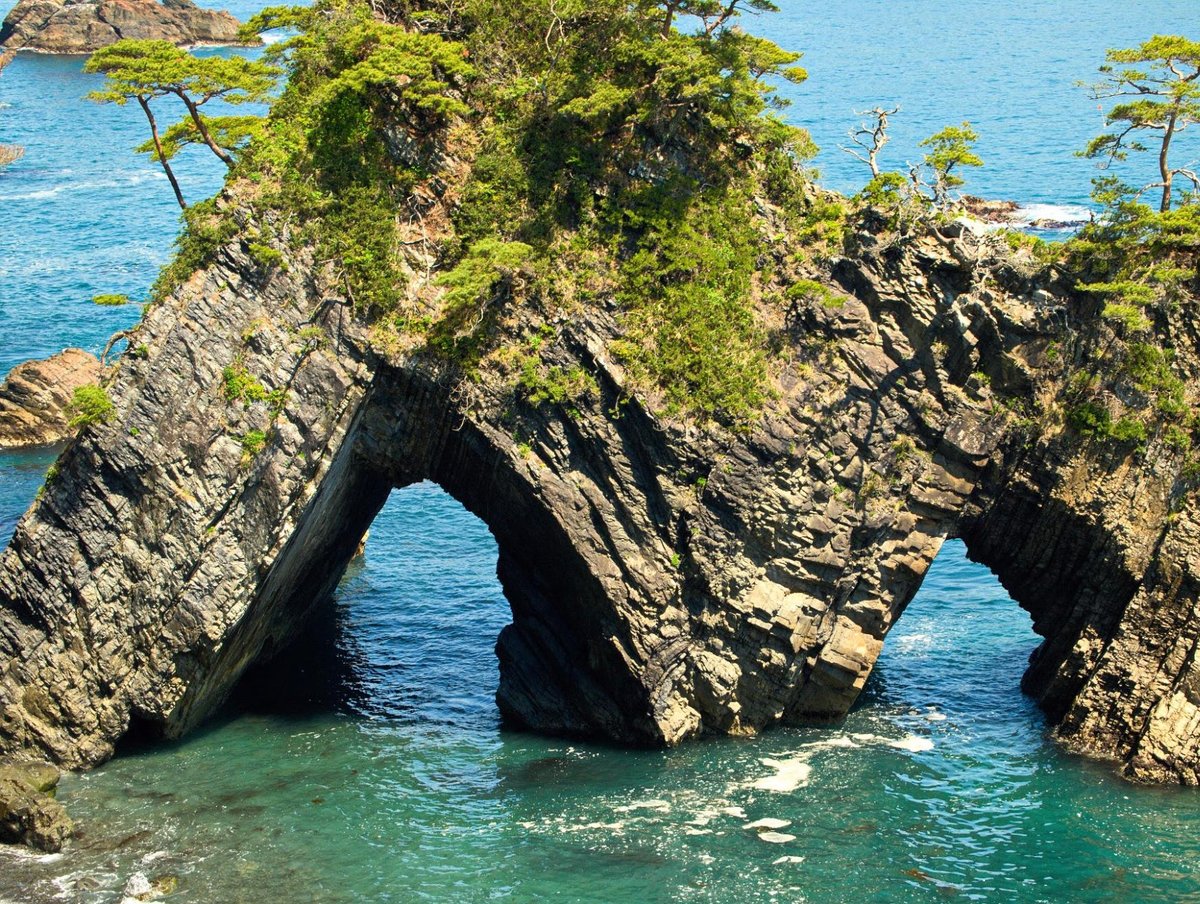
Popular Landmarks in Ofunato
Discover the most iconic attractions in Ofunato
Recommended Hotels in Ofunato
Find the perfect place to stay in Ofunato
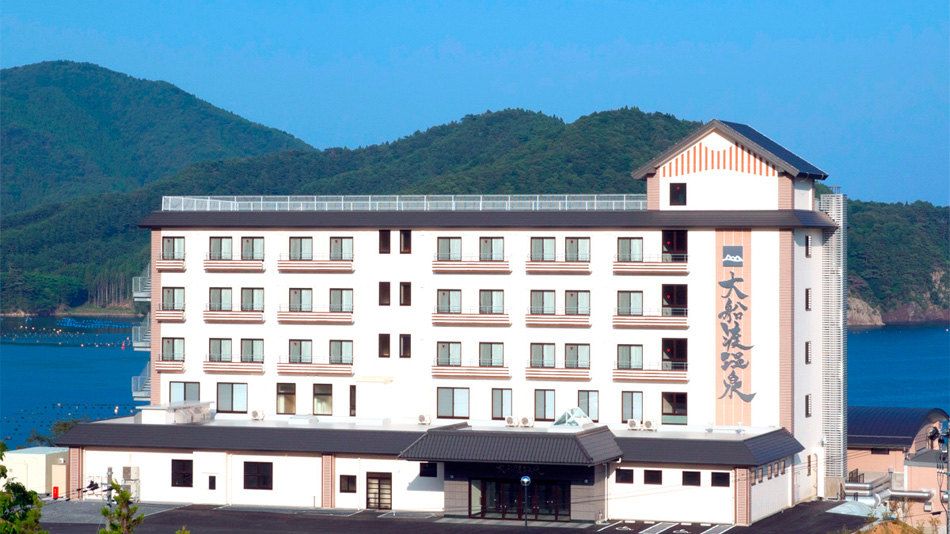



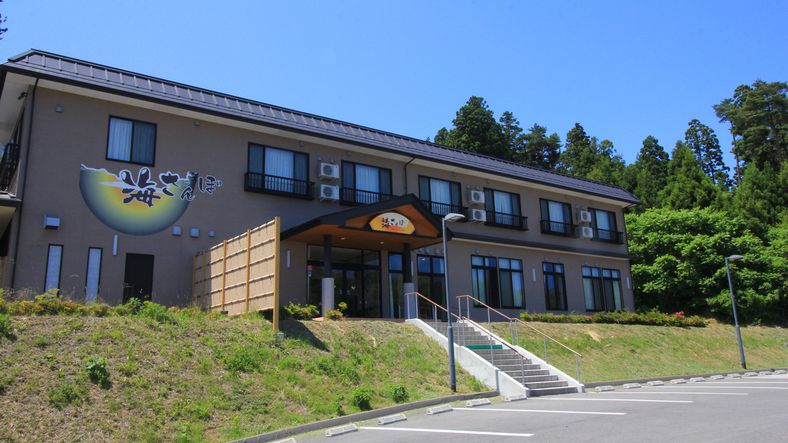
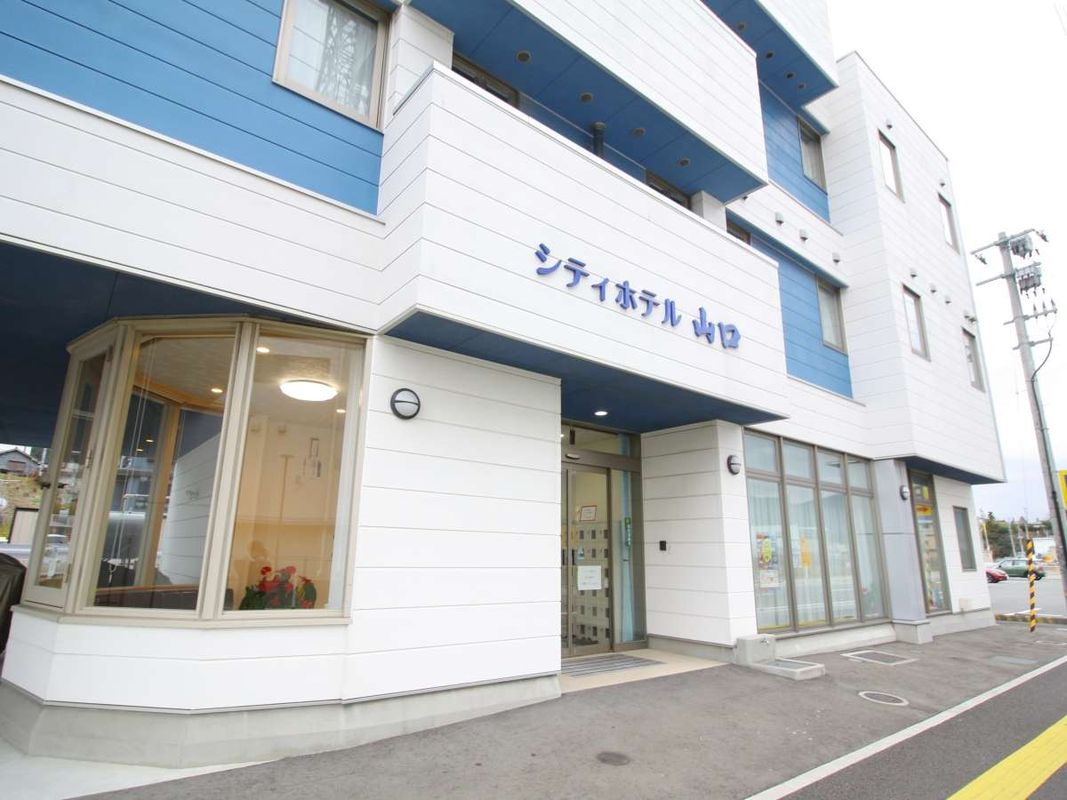
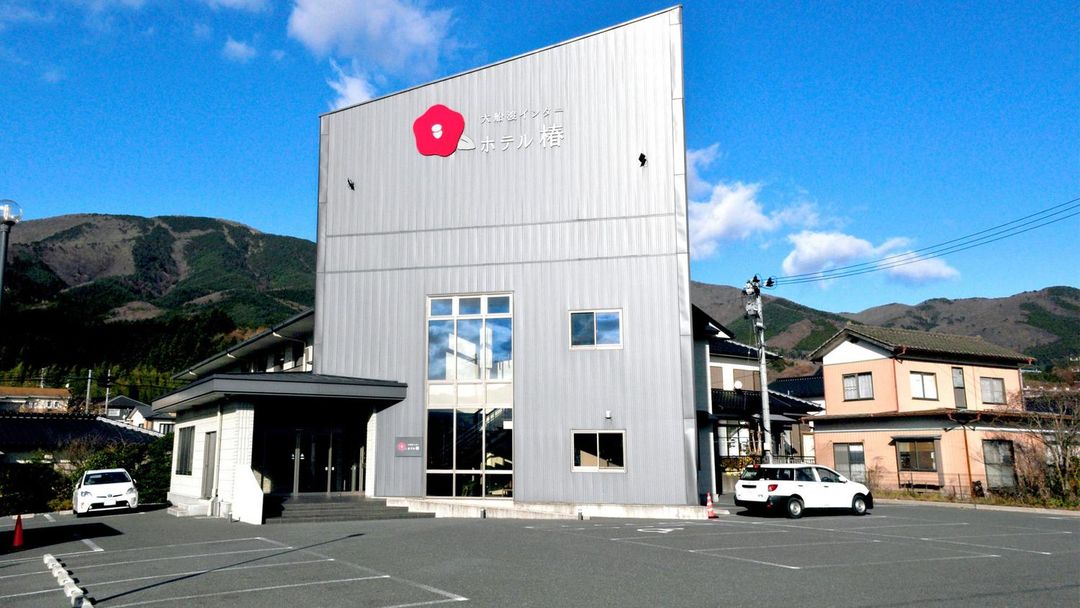
Best Hotels in Ofunato
Discover curated hotel collections in Ofunato
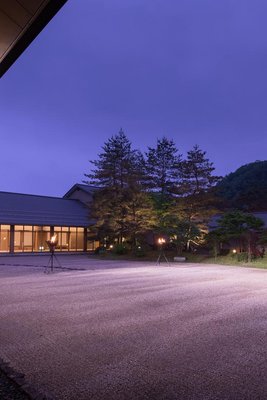





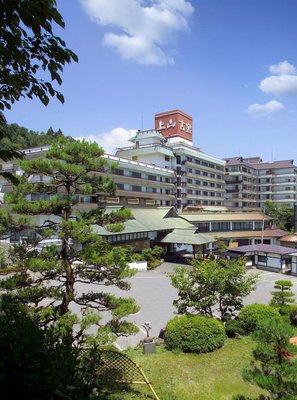
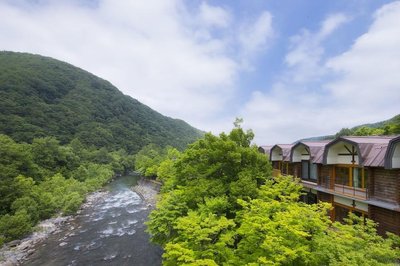




















Frequently Asked Questions about Traveling to Ofunato
Questions You Might Need to Know About Traveling to Ofunato
Ofunato Overview
City Summary
Ōfunato City in Iwate Prefecture, Japan, is a coastal gem renowned for its dramatic Sanriku Coastline and resilient spirit post-2011 tsunami. As a major oyster farming hub, its annual "Ōfunato Bay Oyster Festival" draws food enthusiasts nationwide. The city serves as a vital site for learning about disaster recovery through preserved tsunami memorials, blending natural wonders with profound human stories.
Must-See Attractions
Don't miss the breathtaking Kisei Coast with its wave-sculpted rock formations. The Ōfunato Disaster Prevention Center offers immersive exhibits on earthquake preparedness. For authentic local life, visit the bustling fish market at dawn or join a oyster harvesting boat tour. Sunset at Suzaki Peninsula paints the Pacific with unforgettable hues. History buffs will appreciate the Tsunami Memorial Park's sobering monuments.
Food Guide
Indulge in freshly grilled Ōfunato oysters prized for their creamy brininess. The abalone rice bowl featuring live-caught shellfish is a must-try. Seek out rare fermented sea squirt delicacies at old-town teahouses. Dessert lovers shouldn't miss Sanriku milk pudding, made with rich local dairy. Street vendors sell sea urchin nigiri at one-third Tokyo prices. Tip: Many seafood stalls only accept cash.
Transportation Guide
Central areas are walkable, with bicycle rentals available (~¥1,500/day). The scenic Sanriku Railway connects coastal attractions (single fares ¥300-1,000), but check sparse schedules beforehand. Taxis start at ¥680; book via "Ōfunato Taxi Association" app. Drivers note: Narrow coastal roads require caution, with paid parking (¥200-300/hour). Winter snow may disrupt transport – verify conditions in advance.
Best Time to Visit
May-June offers mild temperatures (15-22°C) and fewer crowds during peak oyster season. July-August brings tourists but typhoon risks. September-October suits hiking with crisp air. Many facilities close November-March when bitter sea winds prevail. Avoid Golden Week and Obon festival periods.
Travel Tips
- Wear provided rubber gloves when handling sharp oyster shells
- Maintain solemnity at disaster memorials; some exhibits may distress sensitive viewers
- Drone use is prohibited around fishing ports
- Avoid icy drinks immediately after raw seafood to prevent stomach upset
- Remove silver jewelry before soaking in sulfur-rich hot springs
- Carry powerful flashlight for poorly lit coastal paths at night
- Market vendors accept cash only; prepare small denomination bills
Useful Information
Basic English signage exists at stations/major sites, but offline translation apps help with dialect. Free WiFi hotspots concentrate at city hall, libraries and main stations. Cash dominates, though credit cards work at larger restaurants. Dial 110 for police or 119 for ambulance; Ōfunato City Hospital offers 24/7 emergency care. "Sugiyama Pharmacy" stocks common medicines until 20:00. Post offices handle international mail (closed weekends). Power outlets are Type A (100V).