Hotels in Ogōri
Discover your perfect stay in Ogōri.
Ogōri(Japan) Travel 2026: Cheap Flights, Hotels & Top Attractions
Popular Landmarks in Ogōri
Discover the most iconic attractions in Ogōri
Recommended Hotels in Ogōri
Find the perfect place to stay in Ogōri

HOTEL Villamure – Adults Only
Best Hotels in Ogōri
Discover curated hotel collections in Ogōri
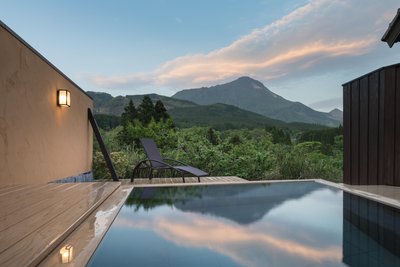
Ikkoten
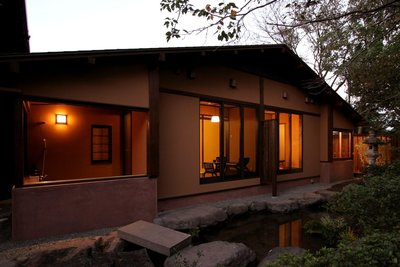
SEKIYA RESORT Bettei Haruki
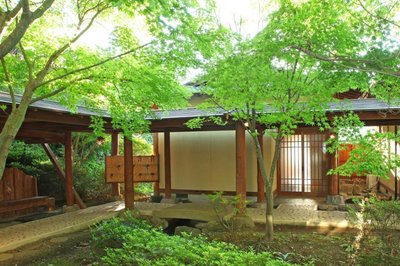
Chikurakutei
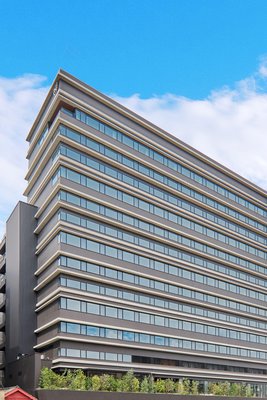
The Royal Park Canvas Fukuoka Nakasu
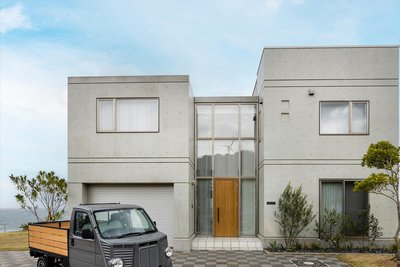
Izumo Hotel the Cliff
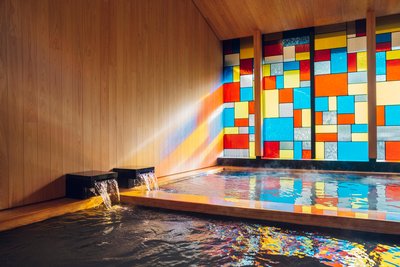
Hoshino Resorts Kai Unzen
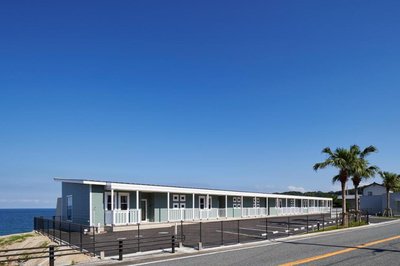
Alfacio Resort Stay Itoshima
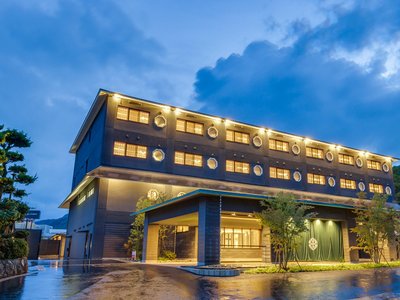
Ureshino Yadoya

seven x seven itoshima
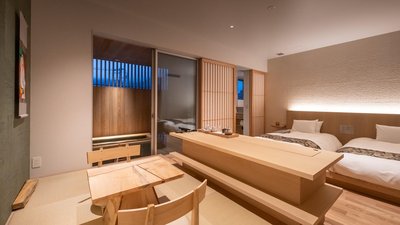
Japanese Auberge Kararako
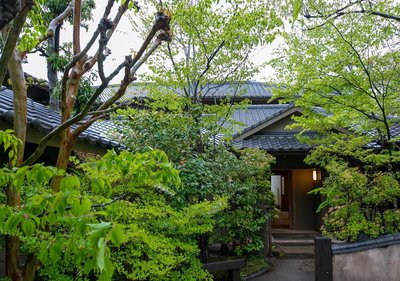
Yufuin Onsen Hinoharu Ryokan
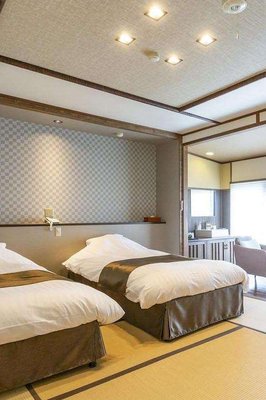
Sozankyo
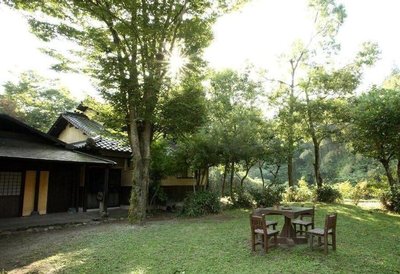
Yamashinobu
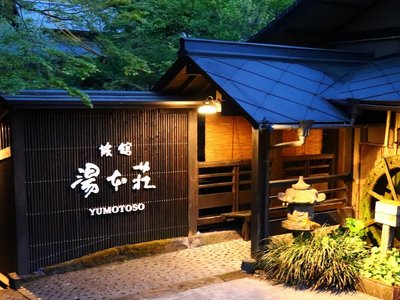
Ryokan Yumotosou
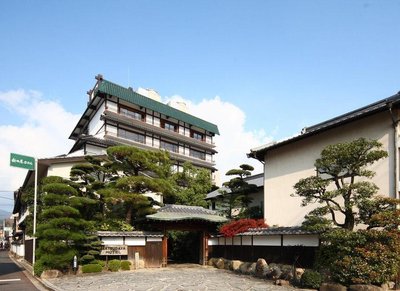
Matsudaya Hotel
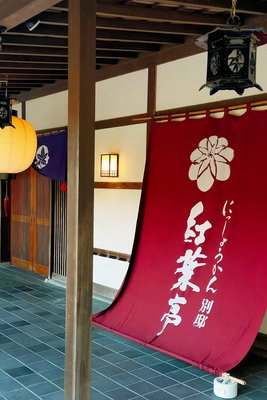
Nisshokan Bettei Koyotei
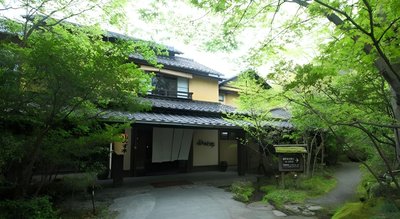
Kurokawaonsen Yamamizuki
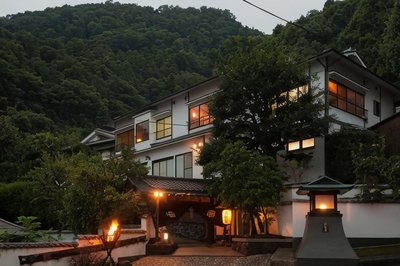
Beppu Showaen
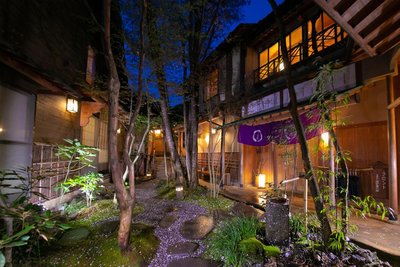
Oyado Ichizen
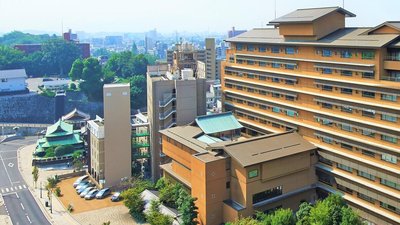
Yamatoya Honten
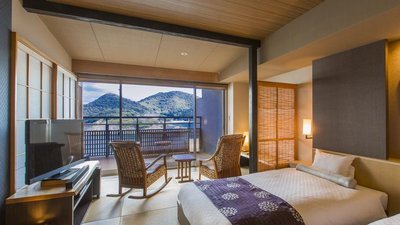
Migiwatei Ochi Kochi
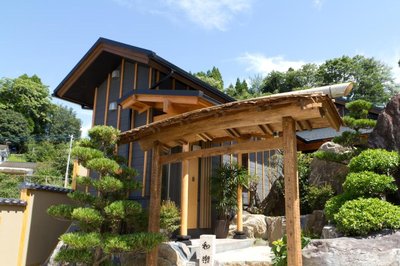
Ryokan Shinsen
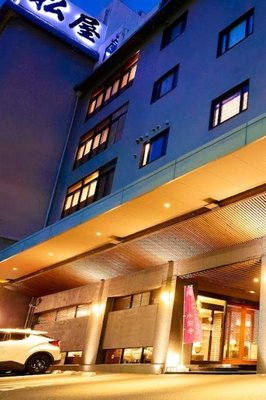
Ryotei Matsuya Honkan Suizenji
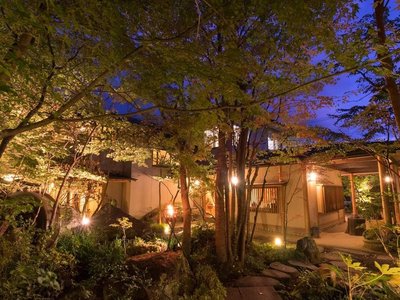
Ryoso Yufuin Yamadaya
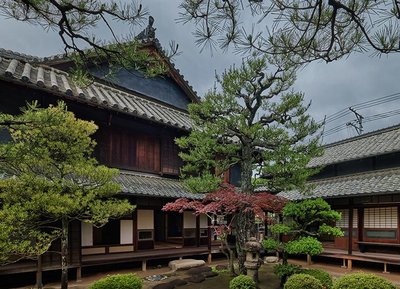
NIPPONIA HOTEL Takehara Saltworks Town
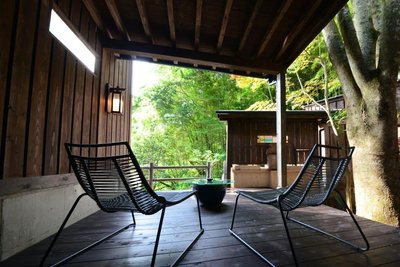
Sanso Tensui
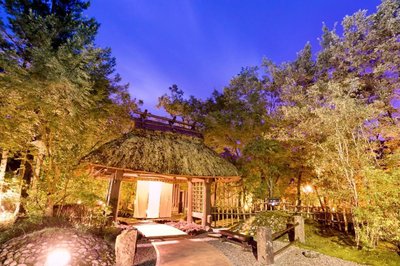
Satonoyu Waraku
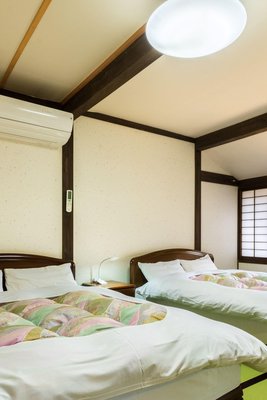
Tobise Onsen Tenga Sanso
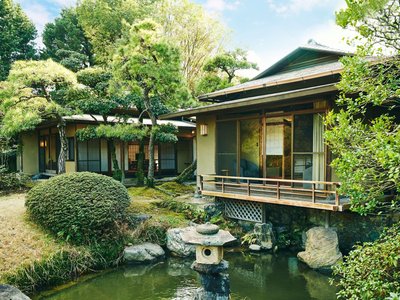
Suisui Garden Ryokan (in the Art Hotel Kokura New Tagawa)
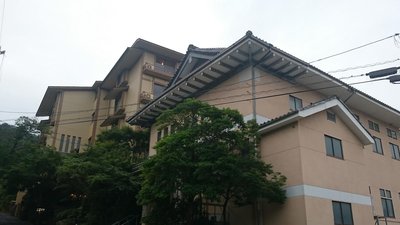
Miyajima Hotel Makoto
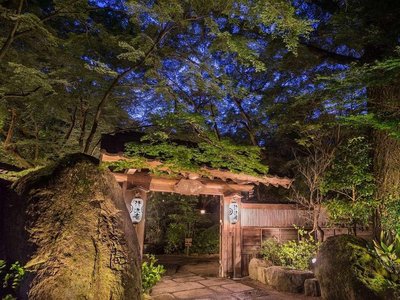
Akizuki Spa Ryokan Seiryuan
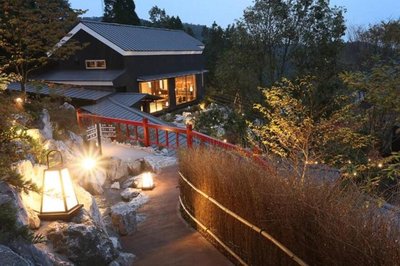
Gekkoju Kurokawa
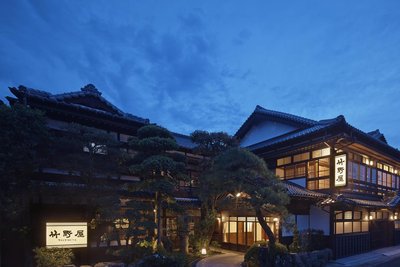
Takenoya
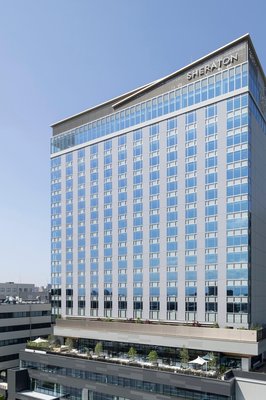
Sheraton Kagoshima
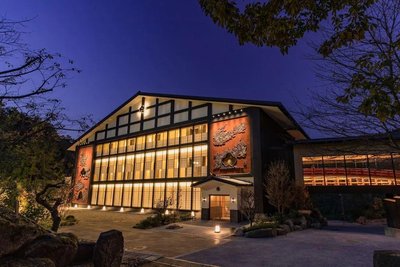
Okuhita Onsen Umehibiki
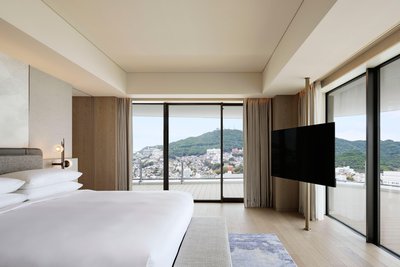
Nagasaki Marriott Hotel
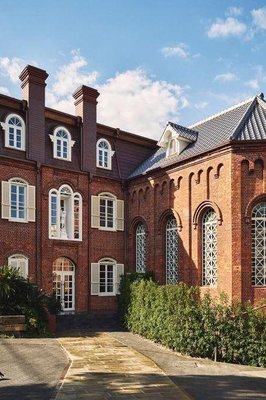
Hotel Indigo Nagasaki Glover Street by IHG
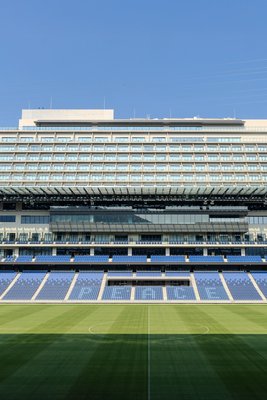
Stadium City Hotel Nagasaki
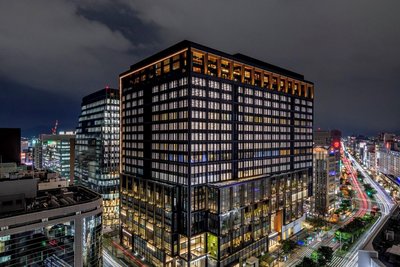
ONE FUKUOKA HOTEL
Ryokan Shinsen
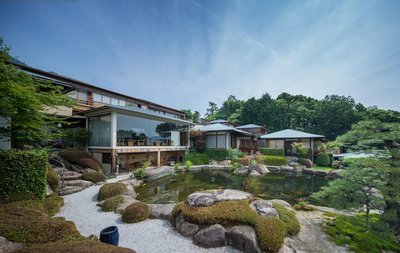
SEKITEI

Yamatoya Besso
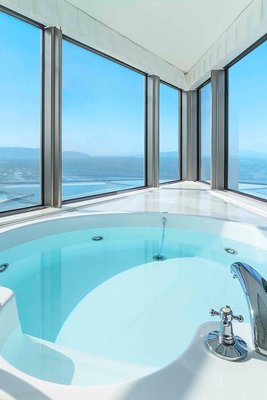
Hilton Fukuoka Sea Hawk

Olive Bay Hotel
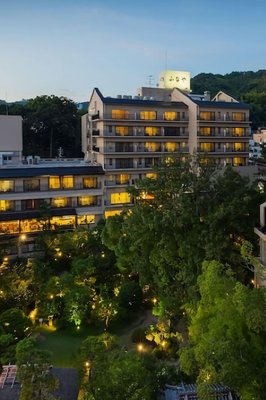
Funaya
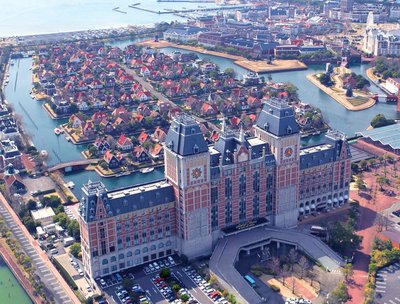
Hotel Okura Jr Huis Ten Bosch

Bettei Oborozukiyo

La Vista Kirishima Hills
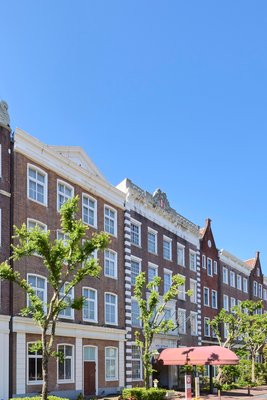
Hotel Amsterdam Huis Ten Bosch

Yumotoankiyohime
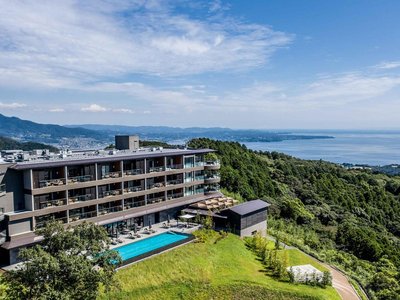
Ana InterContinental Beppu Resort & Spa
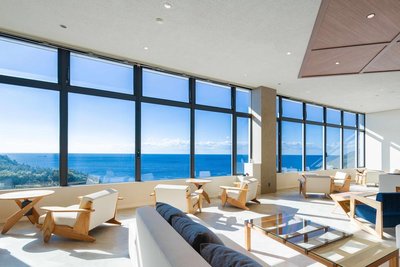
TheMana Village
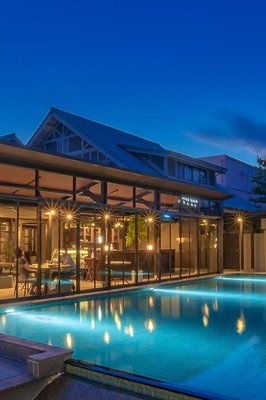
Amane Resort Gahama
Frequently Asked Questions about Traveling to Ogōri
Questions You Might Need to Know About Traveling to Ogōri
In Kojo City, recommended is Kojo City Hot Spring Hotel, located near Kojo River and central district. This hotel offers Japanese-style tatami rooms, a natural hot spring bath, and a children’s play area. Guests can enjoy local specialties like Fukuoka-style yakitori and Hakata ramen at the on-site restaurant. Nearby attractions include Kojo Shrine and Tanaka Park, making it ideal for families seeking a peaceful rural getaway with easy access to nature and culture.
The best area for sightseeing stays is central Kojo City, close to Kojo Station and Kojo River. This district offers convenient access to Kojo Shrine, Tanaka Park, and local farmers’ markets. Stay at Kojo City Citizens' Hall Hotel, which blends traditional wooden architecture with modern comfort. Rooms feature scenic windows overlooking the river, perfect for viewing cherry blossoms in spring. A short drive leads to Hakata Port in Fukuoka, balancing tranquility with urban accessibility.
Visitors can join a traditional pottery workshop at Kojo Pottery Workshop, crafting glazed ceramics inspired by the region’s 1,000-year-old kiln heritage. During the annual Kojo Cherry Blossom Festival in Tanaka Park, guests enjoy lion dances, craft markets, and illuminated night processions, capturing authentic Kyushu festival spirit. Evening strolls along the Kojo River with glowing lanterns offer serene views of historic bridges and willow trees, embodying the city’s quiet, pastoral charm.
Yes, Kojo River Green Oasis Resort sits beside the Kojo River, surrounded by forests and rice paddies. The resort features wooden villas and rooftop balconies with direct river views, ideal for morning birdwatching and evening stargazing. On-site activities include organic farming workshops and bamboo rafting trips. Located just 45 minutes from Fukuoka City, it’s perfect for travelers seeking a deep connection with nature and rural life.
Kojo City Folk Inn stands out as the most culturally immersive option. Housed in a century-old building with Edo-era wooden architecture and a traditional garden, it displays local crafts and vintage farming tools. Daily breakfast features pesticide-free vegetables from nearby farms, paired with tea ceremony sessions and guided tours in local dialect. Hosts share stories of village life, offering an authentic glimpse into Kyushu’s rural heart and values.
Recommended routes include the Kojo River Bike Path from Kojo Station to Tanaka Park, a 6-kilometer scenic ride through cherry groves, rice fields, and ancient bridges. Stop at Kojo River Rest Stop for freshly baked Hakata black sugar mochi. For longer rides, continue south toward Kurume City, traversing the Chikugo Plain with open landscapes. Most hotels offer free bicycle rentals and provide multilingual route maps for safe and enjoyable exploration.
Must-try dishes include Kojo Miso Yaki Chicken, grilled with Fukuoka’s signature red miso paste, creating a rich, savory crust. Served at local night markets and folk restaurants, it pairs perfectly with steamed rice and pickled vegetables. Also try handmade tofu from the Kojo River, made with mountain spring water—silky smooth and served in clear broth or miso soup—showcasing Kyushu’s minimalist culinary tradition.
Absolutely. Kojo City is just 40 minutes from Fukuoka Airport, with convenient public transport and 24-hour convenience stores. Stay at Kojo City Express Hotel, offering budget-friendly rooms with free Wi-Fi and breakfast. Start your day at Kojo Shrine, relax at Tanaka Park, then return to enjoy a bowl of Hakata ramen in the evening. Perfect for a one-day escape or weekend retreat, blending culture, nature, and ease.
Top photogenic locations include Kojo River Old Bridge, framed by willows and cherry blossoms in spring; Kojo Shrine’s red torii gate set against forested hills; and Tanaka Park’s seasonal flower beds, especially vibrant during autumn chrysanthemum exhibitions. The mural-covered wall at Kojo City Folk Museum depicts traditional farming scenes, ideal for creative street photography. Visit early morning or dusk for soft lighting and fewer crowds, maximizing visual impact.
Kojo Onsen Hotel features unique amenities: open-air baths with views of the Kojo River at night and starry skies; herbal back wraps using locally harvested mugwort and angelica; and a hot spring journal where guests record their wellness journey. The hotel hosts moon-viewing tea nights with sake and wagashi. All hot springs come from 1,200 meters underground, rich in minerals beneficial for skin and joint health—ideal for relaxation and rejuvenation.
Ogōri Overview
City Summary
Ogori City, located in central Fukuoka Prefecture, Japan, is a tranquil town blending historical culture with natural beauty. Renowned for its traditional pottery and abundant hot spring resources, it offers easy access from Fukuoka urban area, ideal for cultural exploration and relaxation.
Must-See Attractions
Must-visit sites include the Ogori Government Ruins, a significant historical heritage showcasing ancient official architecture. Ogori Hot Springs feature therapeutic baths for relaxation. Don't miss Michi-no-Eki Ogori, a roadside station perfect for local farm produce and crafts.
Food Guide
Ogori specializes in local agriculture and traditional Japanese cuisine. Try Ogori beef for its tenderness, and Amaou strawberries, a sweet local specialty. Street stalls offer tasty yakitori (grilled chicken skewers) and oden (hot pot).
Transportation Guide
Take the JR Kagoshima Line from Fukuoka to Ogori Station (30 mins). Local buses are primary transport; a day pass is recommended. Taxis suit short trips but cost more. Self-driving allows flexibility but parking is limited.
Best Time to Visit
Spring (March-May) offers mild weather for cherry blossoms; autumn (September-November) features stunning foliage. Avoid summer heat/rainy season. Winters are chilly but less crowded.
Travel Tips
- Follow nudity etiquette in hot springs—no swimwear allowed.
- Rinse hands/mouth at shrines as respect.
- Practice strict trash sorting; public bins are rare.
- Many restaurants are cash-only—carry change.
- Check bus schedules in advance due to infrequent service.
- Rural roads lack lighting—caution at night.
Useful Information
Japanese is primary; minimal English at stations/tourist spots. Free WiFi is scarce—rent a pocket WiFi. Cash remains dominant; convenience stores exchange currency. Dial 110 (police) or 119 (ambulance) for emergencies. Drugstores sell over-the-counter medicine, but prescriptions require hospital visits.









