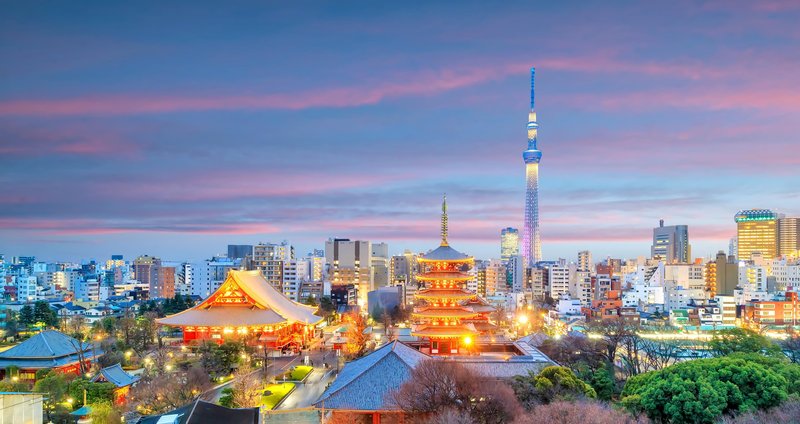
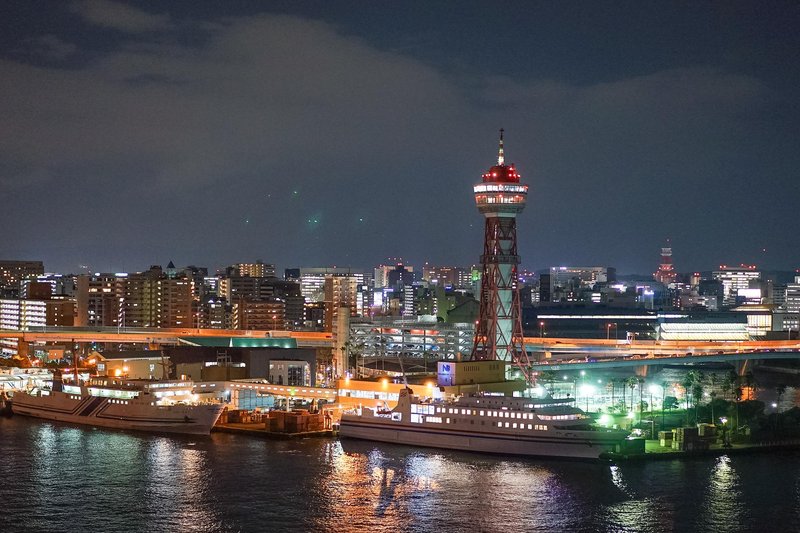
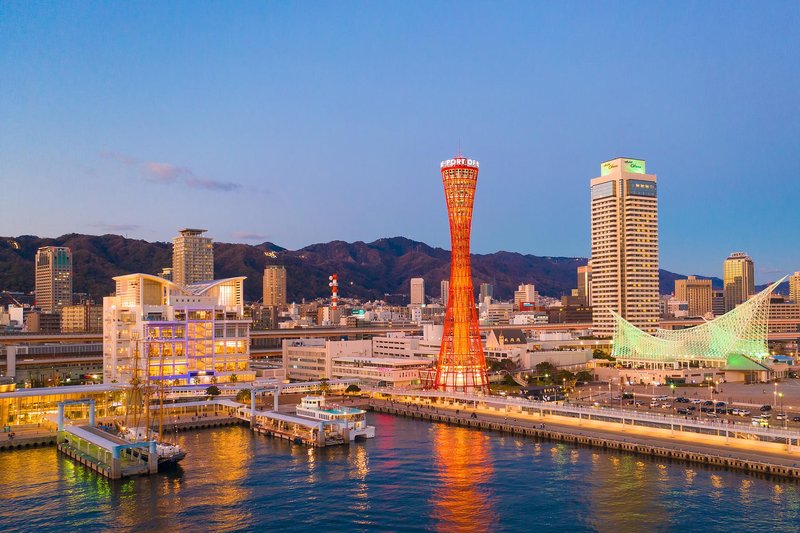
Hotels in Ogano
Discover your perfect stay in Ogano.
Ogano(Japan) Travel 2026: Cheap Flights, Hotels & Top Attractions
Popular Landmarks in Ogano
Discover the most iconic attractions in Ogano
Recommended Hotels in Ogano
Find the perfect place to stay in Ogano
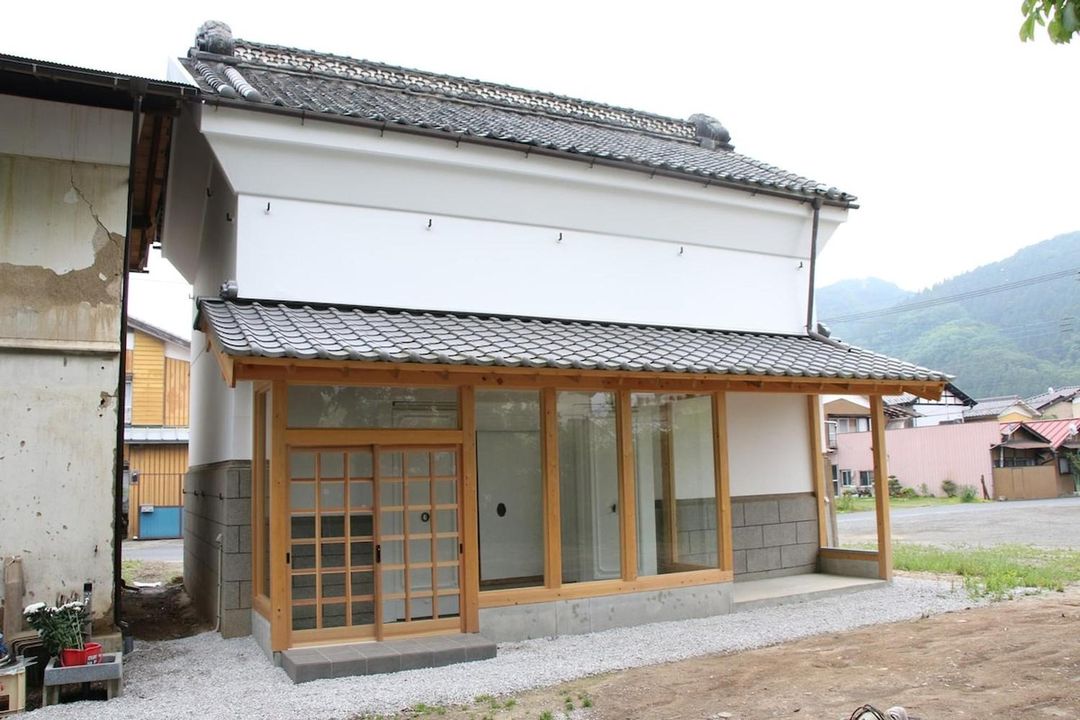
Big Log House
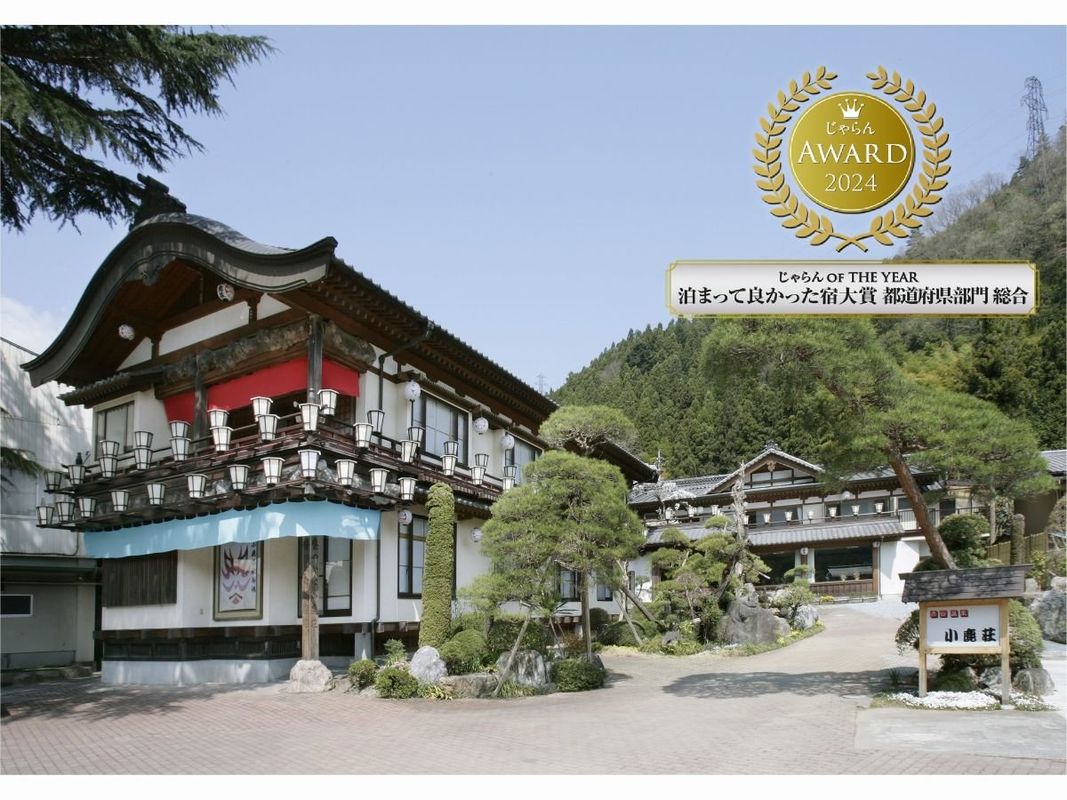
Ojikasou
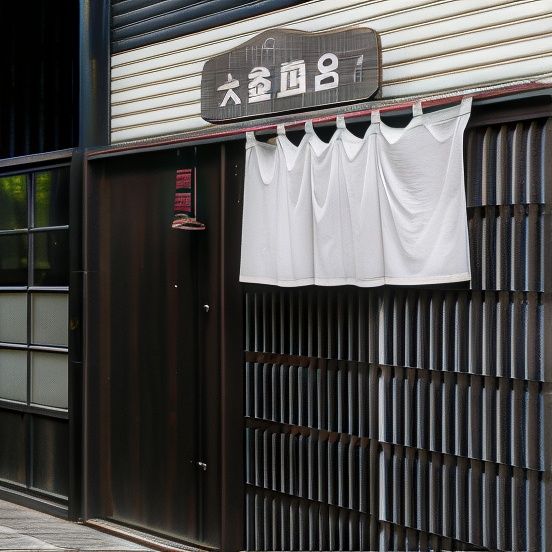
Miyamotoke
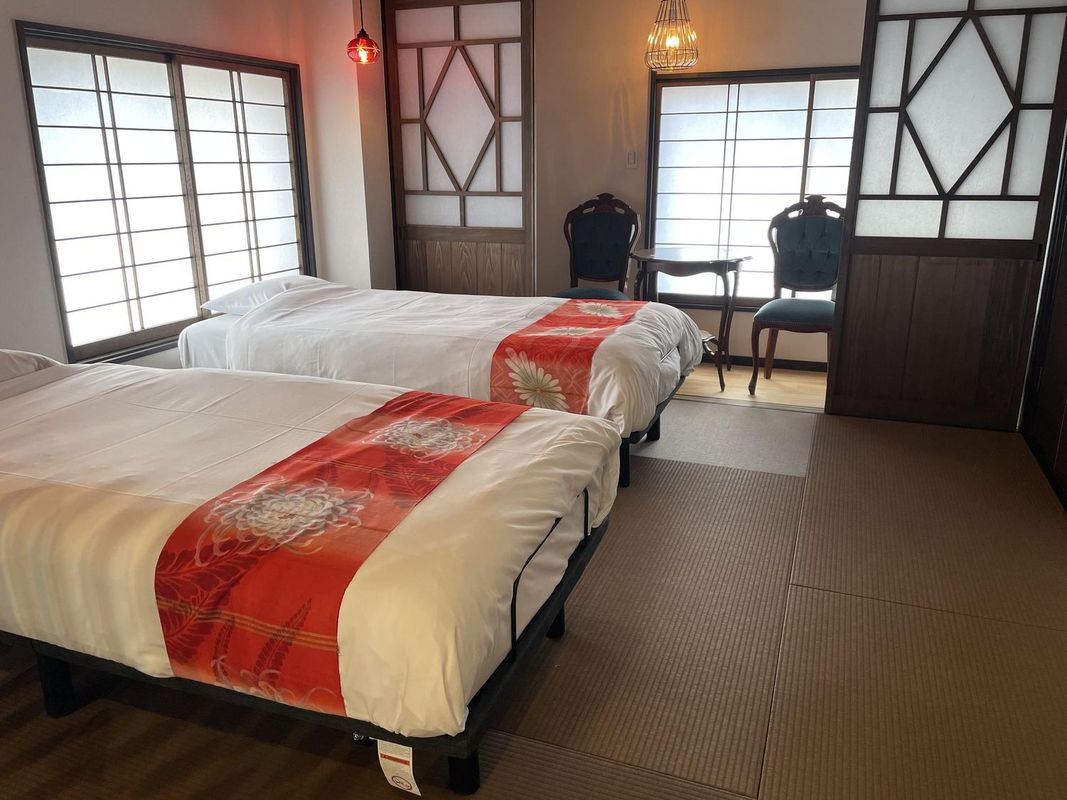
Ogano Onsen Suzaki Ryokan
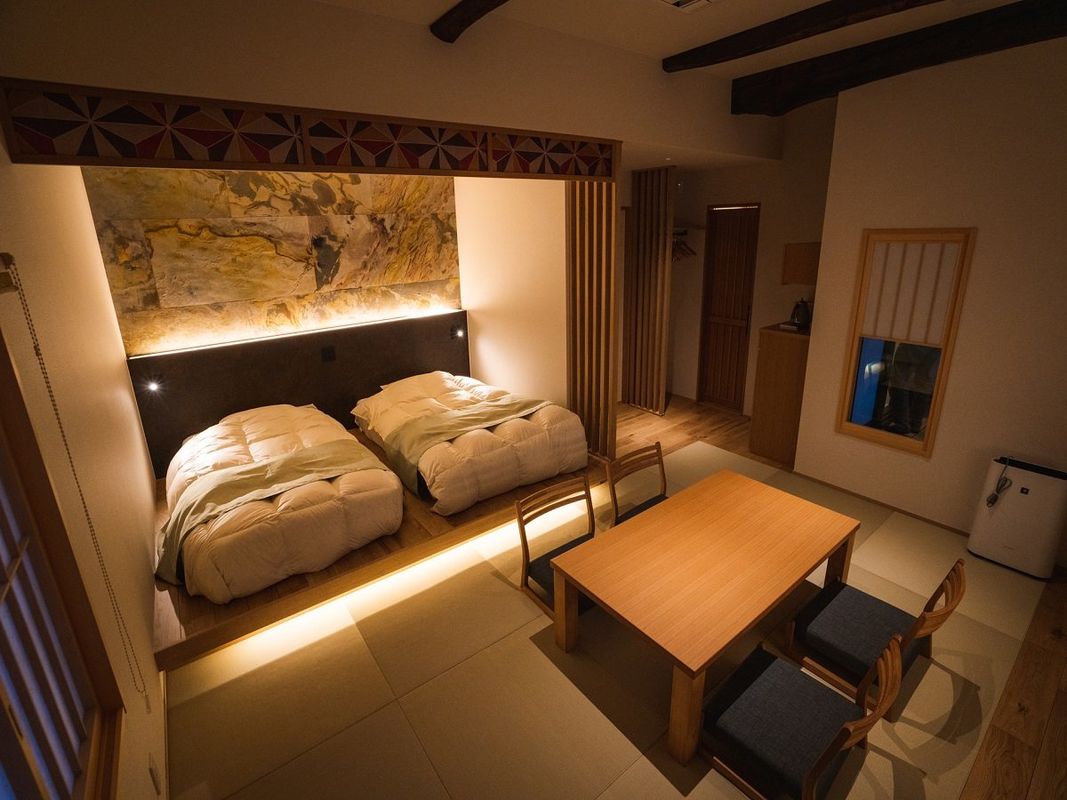
Chichibu Ogano Hot Spring Ryokan Ryouzanpaku
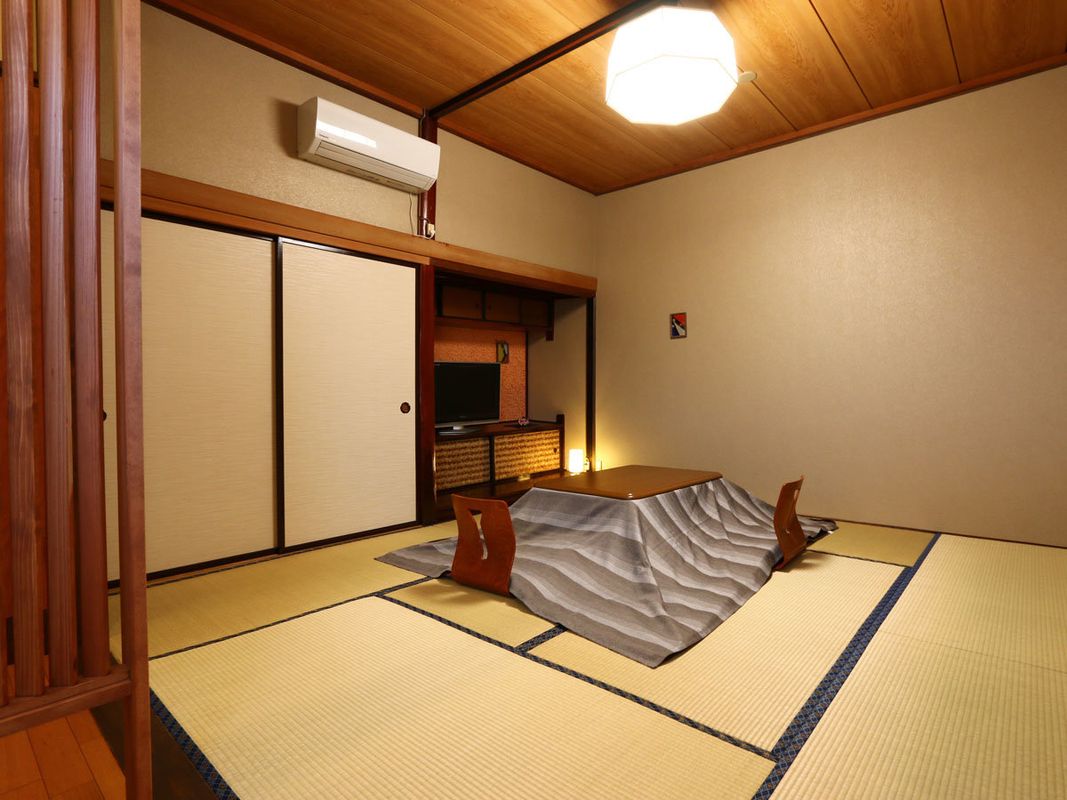
Echigoya Ryokan
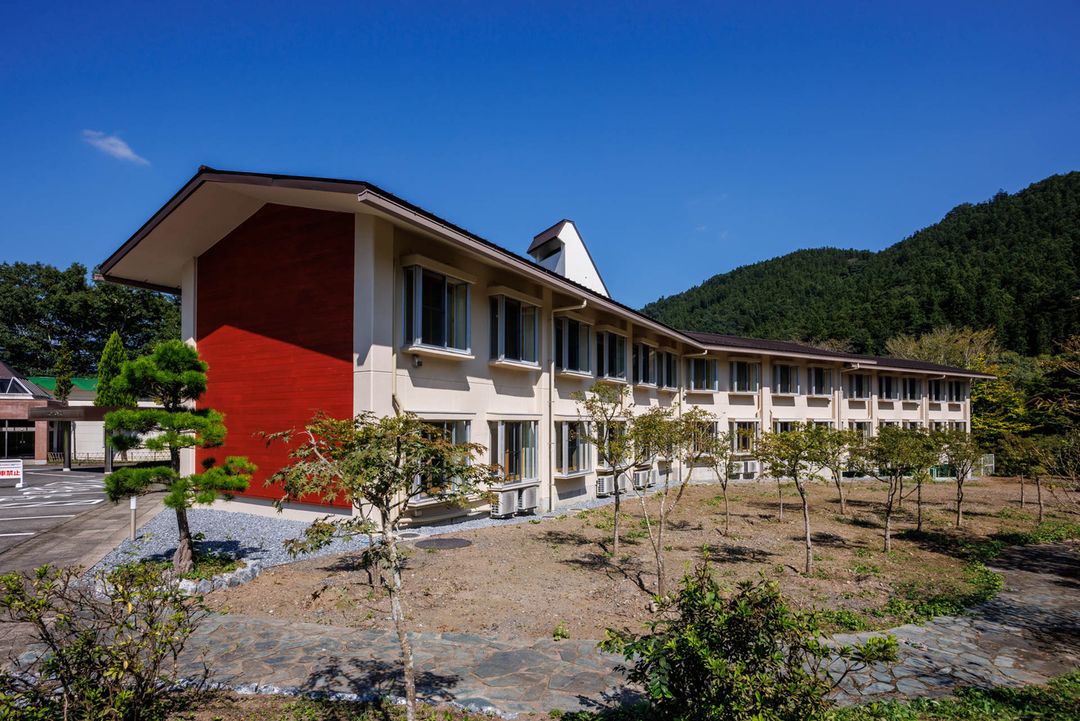
Ryokamisho
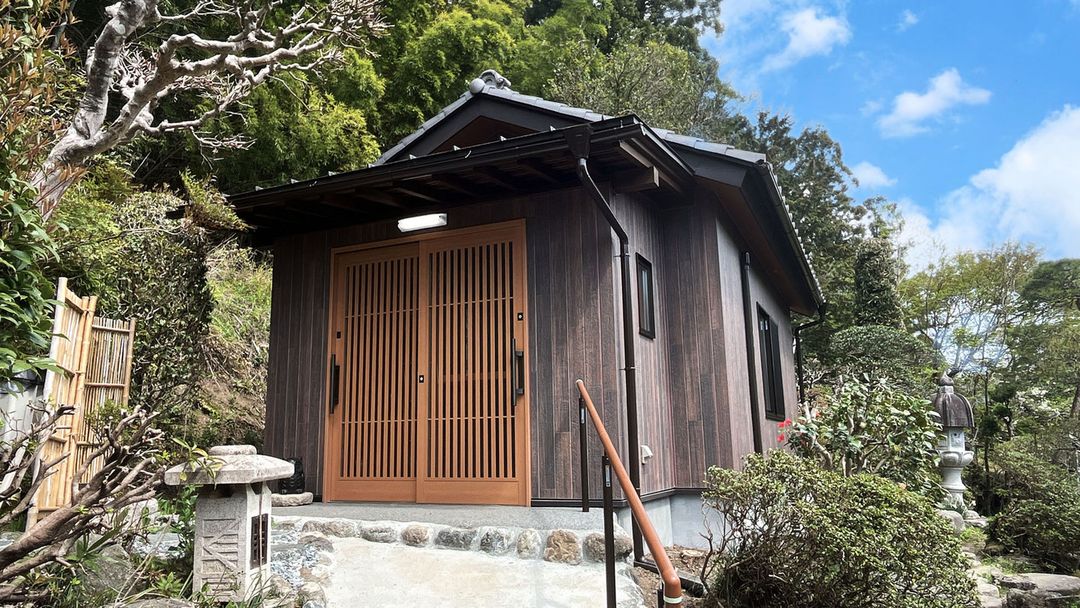
Yamaai No Yado Yashiki

Ryozanpaku
Best Hotels in Ogano
Discover curated hotel collections in Ogano
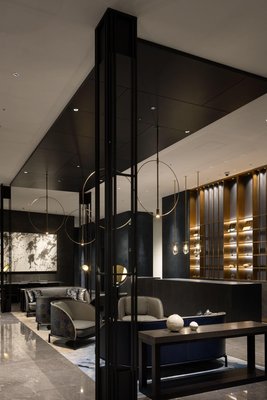
Bellustar Tokyo, A Pan Pacific Hotel

Bvlgari Hotel Tokyo
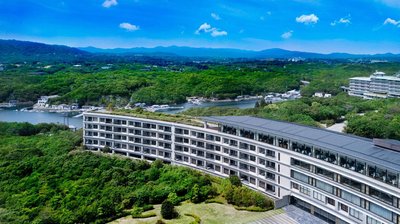
Shima Kanko Hotel the Bay Suites
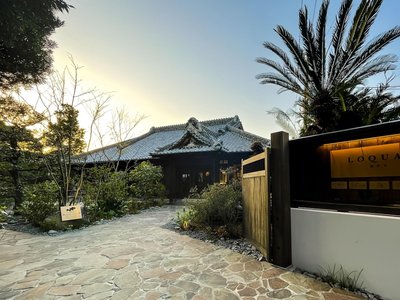
Loquat Nishiizu
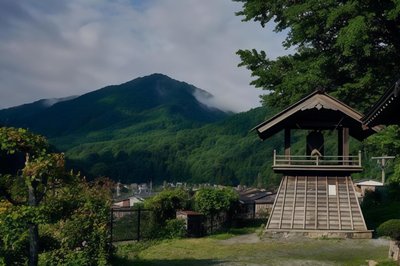
Byaku Narai
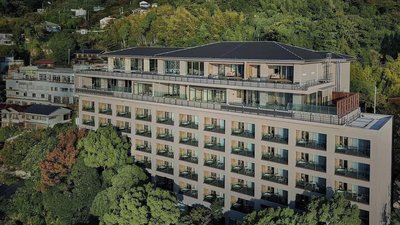
Atami Izusan Karaku
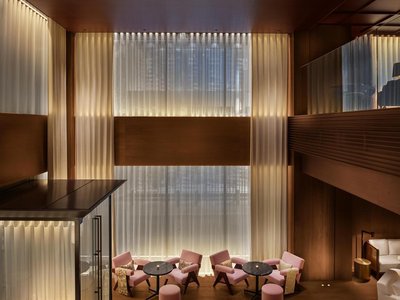
The Tokyo Edition, Ginza

Janu Tokyo
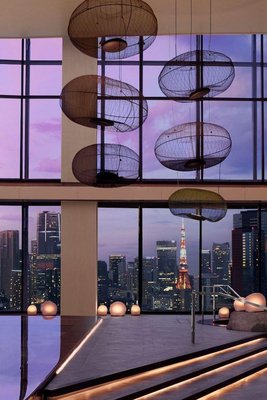
JW Marriott Hotel Tokyo
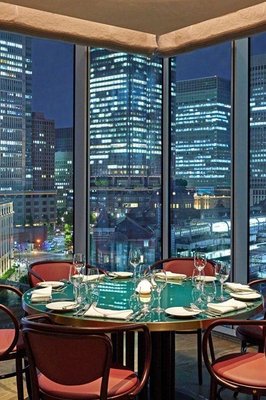
Four Seasons Hotel Tokyo at Marunouchi

Mandarin Oriental, Tokyo
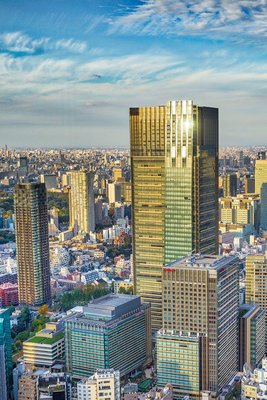
The Ritz-Carlton, Tokyo
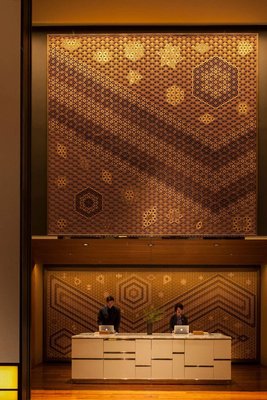
Andaz Tokyo Toranomon Hills- A Concept by Hyatt
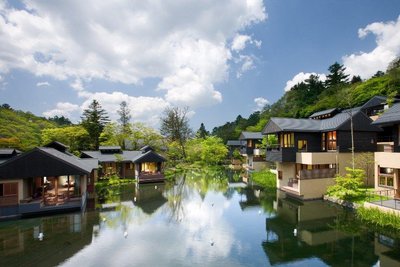
Hoshinoya Karuizawa
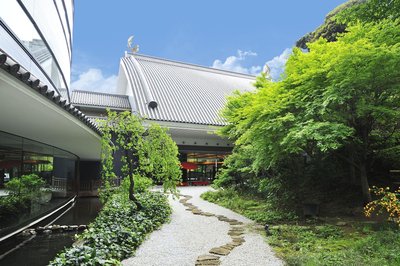
Hotel Gajoen Tokyo
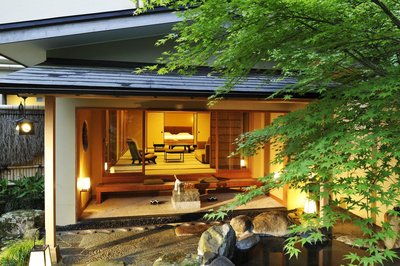
Gora Kadan
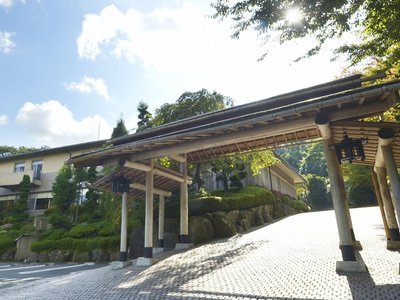
Gora Hanaougi

The Hiramatsu Hotels & Resorts Kashikojima
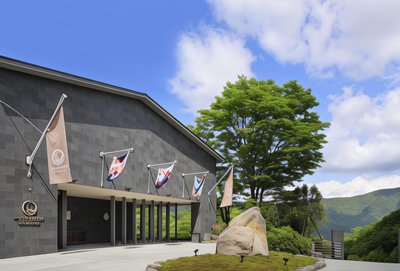
The Hiramatsu Hotels & Resorts Sengokuhara Hakone

Abba Resorts Izu - Zagyosoh
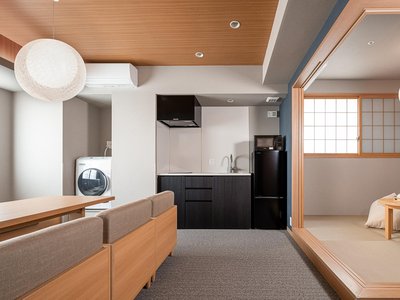
MIMARU SUITES Tokyo Asakusa
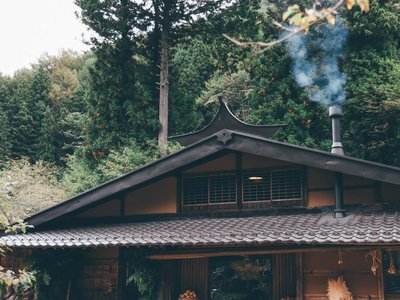
La Terra Resort
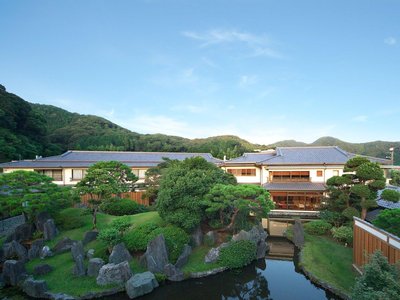
Kagetsutei

karaksa hotel colors Tokyo Yaesu

HOTEL GROOVE SHINJUKU, A PARKROYAL Hotel

Awaumi Fujikawaguchiko Resort
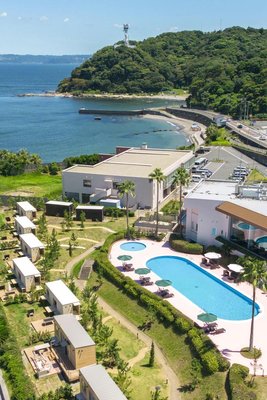
La vista Yokosuka Kannonzaki Terrace
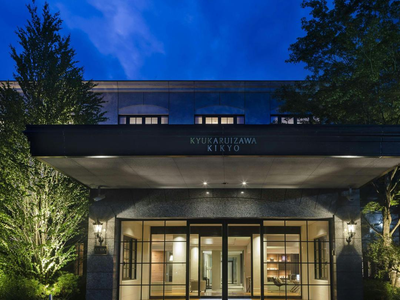
Fufu Karuizawa Wind of Sunshine

Hotel Taiko, Akakura Onsen
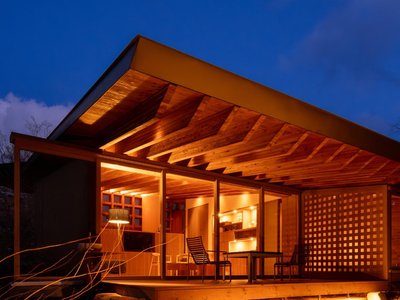
Nasu Mukunone
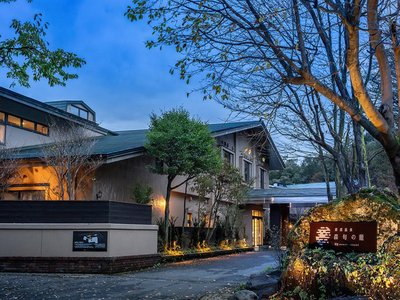
Nasu Onsen Shinshun no Kago Hewitt Resort

Scapes the Suite
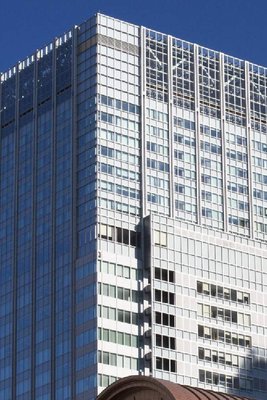
Hotel Metropolitan Tokyo Marunouchi
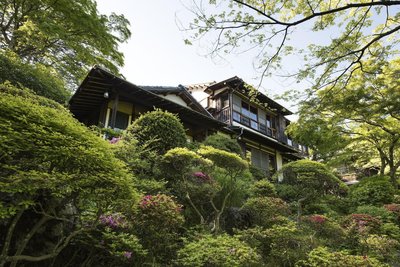
Gora Kansuiro
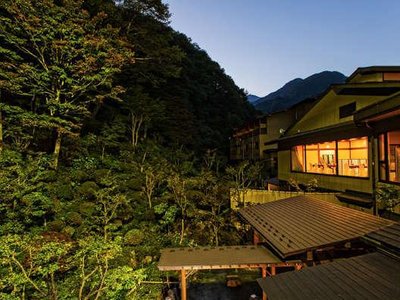
Futari Shizuka
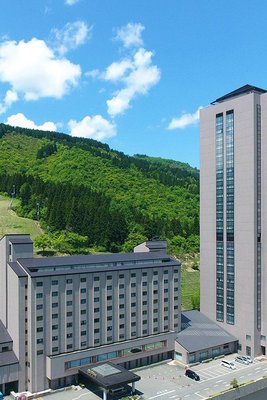
Naspa New Otani

HOTEL KANICHI
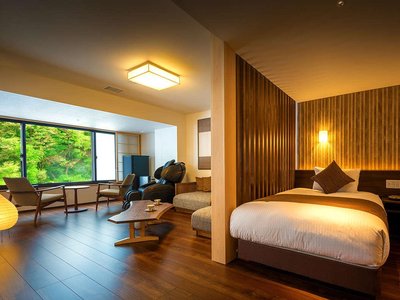
Harataki
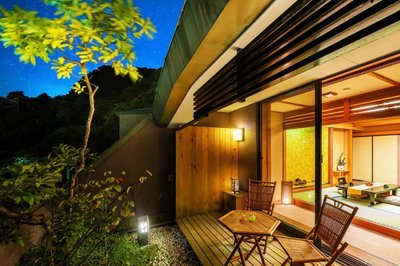
Konjakutei
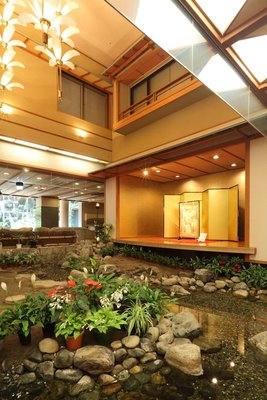
Hotel Futaba
Bellustar Tokyo, A Pan Pacific Hotel
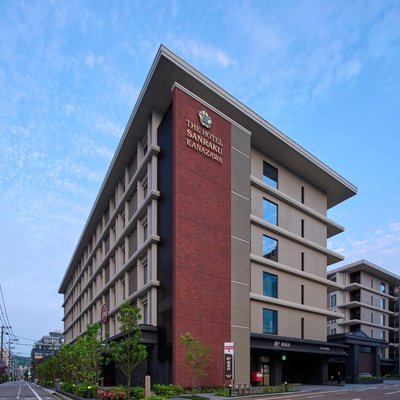
The Hotel Sanraku Kanazawa 21th December 2022 Open
JW Marriott Hotel Tokyo
Andaz Tokyo Toranomon Hills- A Concept by Hyatt
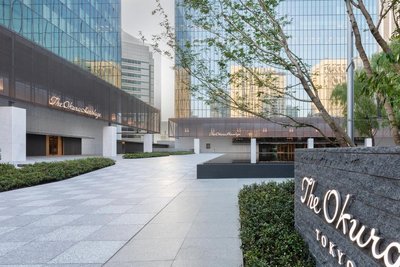
The Okura Tokyo

The Lively Azabujuban Tokyo
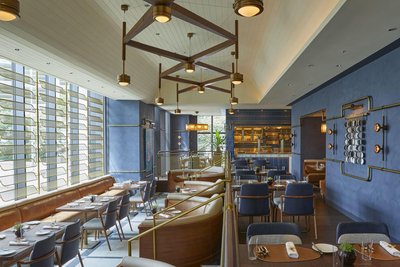
Kimpton Shinjuku Tokyo

HOTEL K5
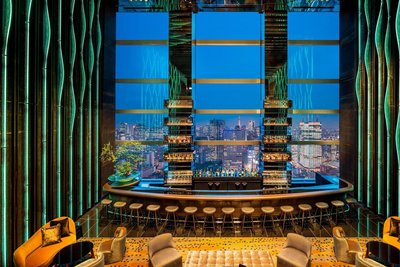
The Prince Gallery Tokyo Kioicho, a Luxury Collection Hotel

Muji Hotel Ginza
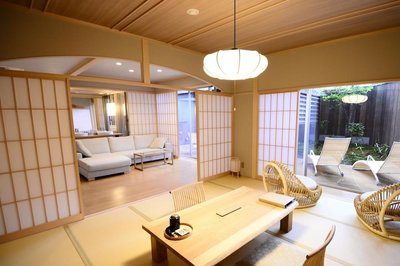
Hakone Gora Byakudan
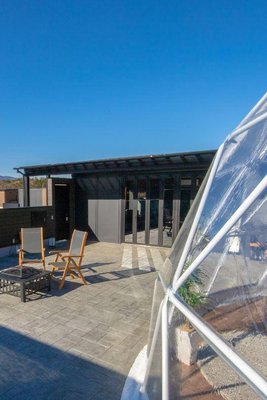
Panoramic Mt. Fuji Views from All Rooms – Vision Glamping Resort & Spa Yamanakako
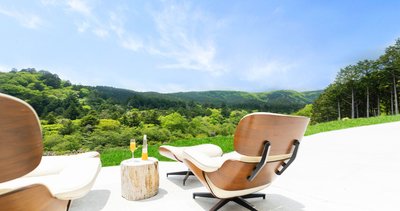
Shelter Garden Nikko
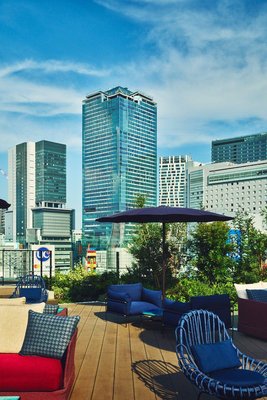
Hotel Indigo Tokyo Shibuya

TIAD, AUTOGRAPH COLLECTION
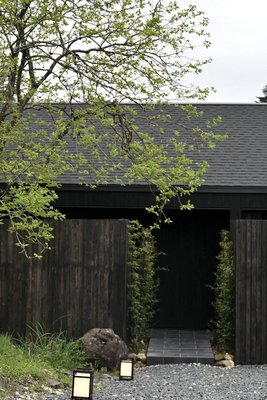
THE LAKOTAN
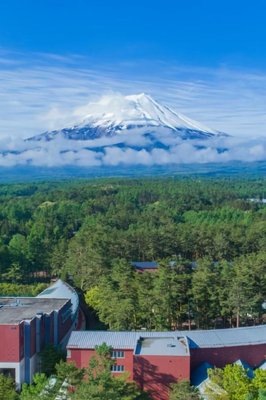
Forest Village (Fuji Premium Resort)

Hotel Toranomon Hills
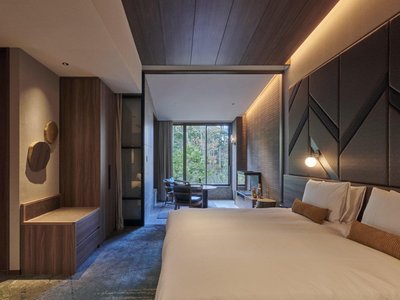
Fufu Kyu-Karuizawa Restful Forest
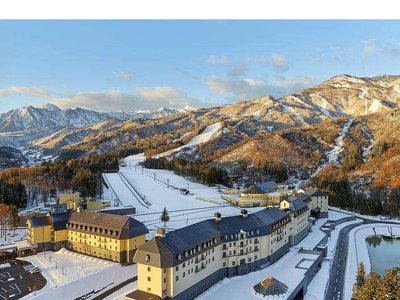
Lotte Arai Resort
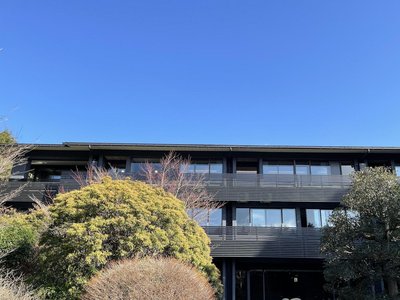
Sengokubara Cocon
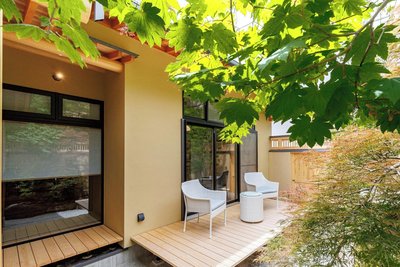
Shoraiso
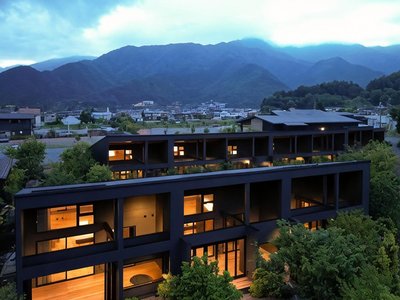
7C Villa and Winery

Hotel la Vigne Hakuba by Onko Chishin
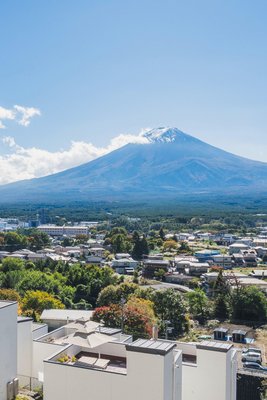
THE TOKI FujiKawaguchiko
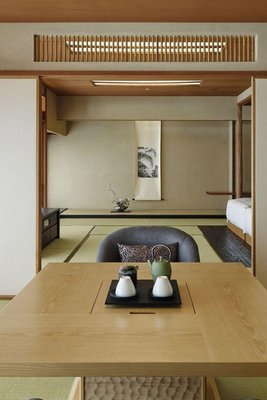
Takanawa Hanakohro (in Grand Prince Hotel Takanawa)
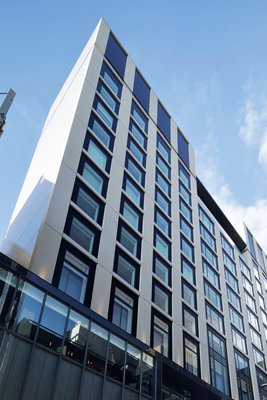
Hyatt Centric Ginza Tokyo
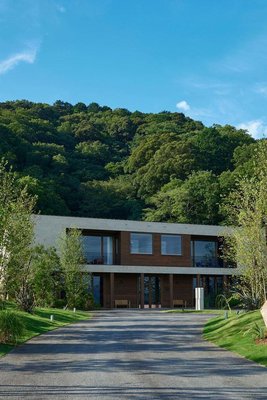
HACIENDA VISON
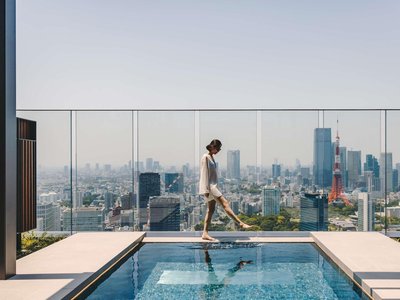
Fairmont Tokyo
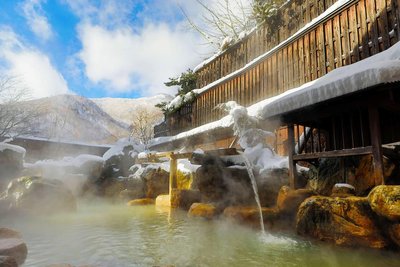
Miyamaouanbekkan yumegurinoyado hirayukan
Bvlgari Hotel Tokyo
Four Seasons Hotel Tokyo at Marunouchi
Mandarin Oriental, Tokyo
The Ritz-Carlton, Tokyo
Andaz Tokyo Toranomon Hills- A Concept by Hyatt
Gora Kadan

Hotel New Otani Tokyo the Main
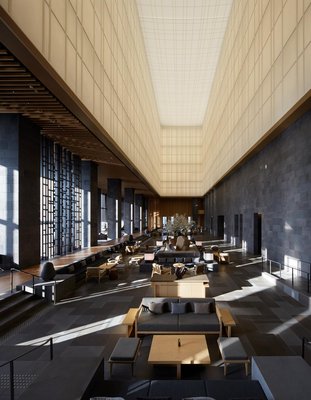
Aman Tokyo
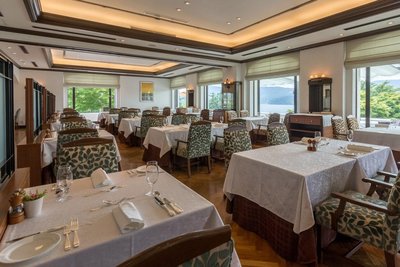
Odakyu Hotel de Yama
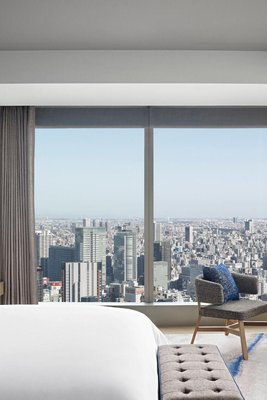
Four Seasons Hotel Tokyo at Otemachi

The Tokyo Edition, Toranomon

Hyatt Centric Kanazawa
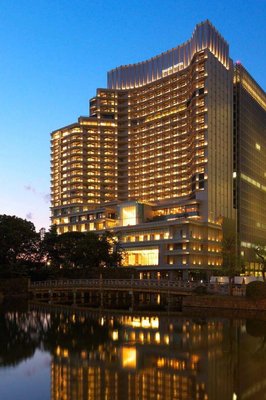
Palace Hotel Tokyo
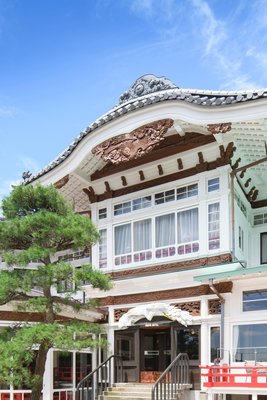
Fujiya Hotel
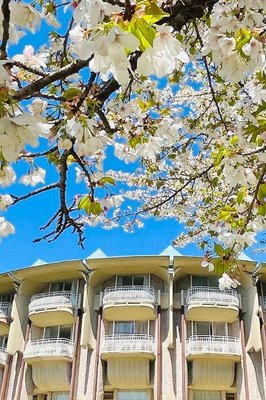
The Prince Hakone Lake Ashinoko
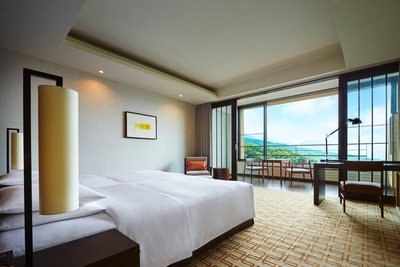
Hyatt Regency Hakone Resort and Spa
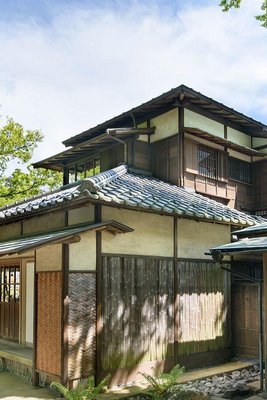
Hakone Suishoen

Nagoya JR Gate Tower Hotel (JR-Central Hotels)
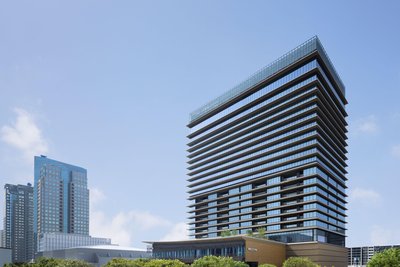
The Westin Yokohama

Nagoya Marriott Associa Hotel

Rakuten STAY VILLA Nasu
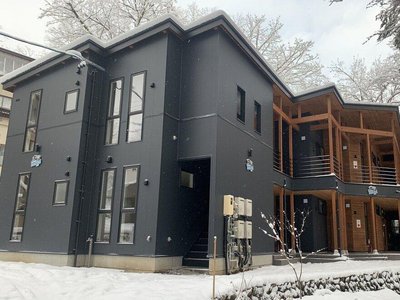
Hakuba Gondola Apartments
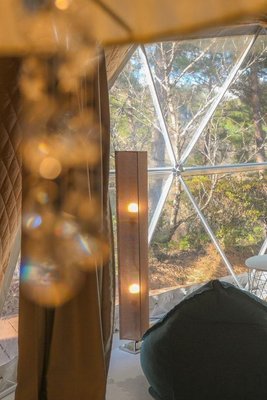
glampark Gekkabijin Nagano
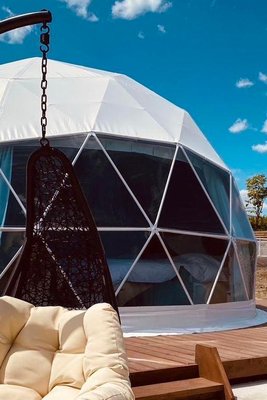
chillout glamping zao
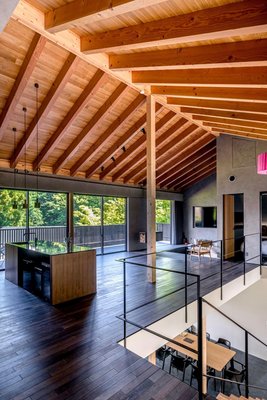
MONS GORA

Phoenix Chalets by Hhg
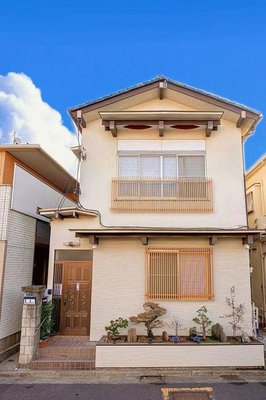
Tokyo Star House-Shinkoiwa
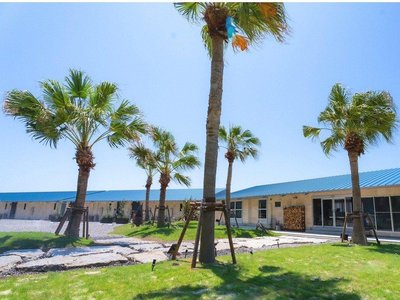
Glamping&Resort Wood Design Park Noma
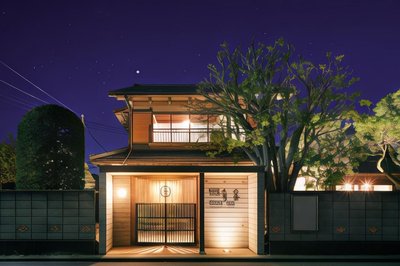
Machi-Jyu
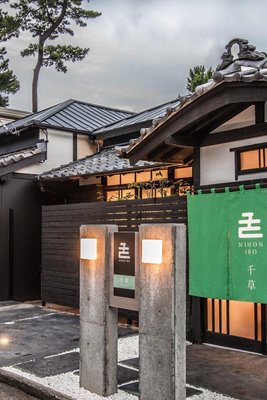
Nihon Iro
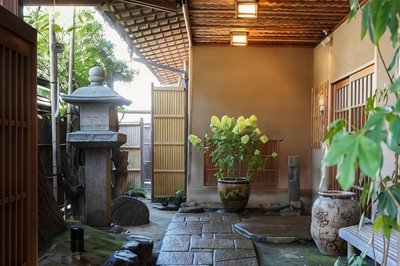
Ryokan Asadaya
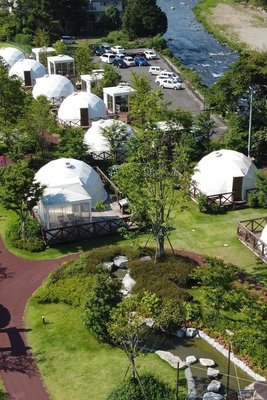
Ufufu Village
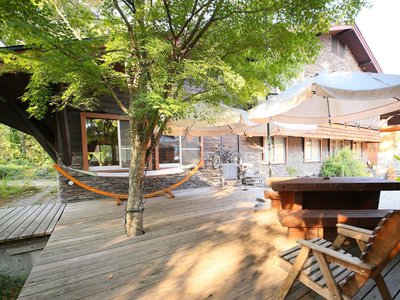
Kunugi Relaxation with 4 Modern Rooms
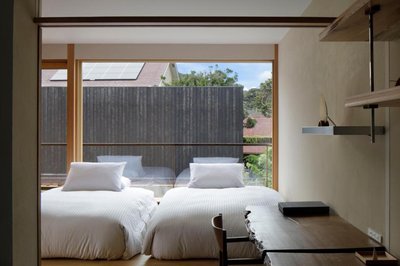
Modern Ryokan Kishi-ke

Petals Tokyo - Floating Hotel
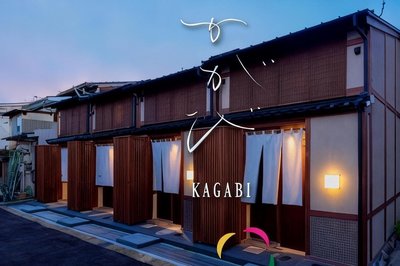
Kagabi Machiya House

The Flow Kamakura
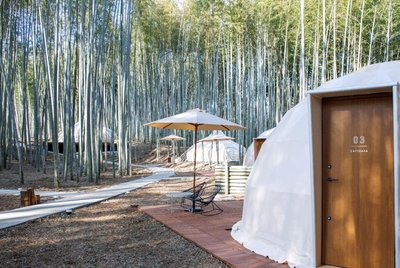
THE BAMBOO FOREST
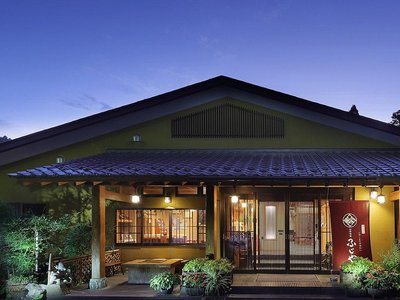
Shikimitei Fujiya
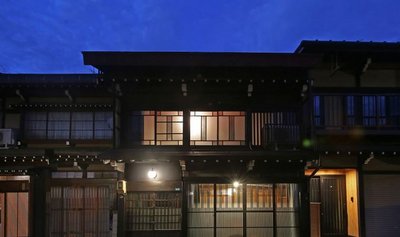
Iori Stay Hida
Bellustar Tokyo, A Pan Pacific Hotel

Hotel Barrière Fouquet's New York
Bvlgari Hotel Tokyo

Shima Kanko Hotel the Bay Suites
Loquat Nishiizu
Byaku Narai
Atami Izusan Karaku
The Tokyo Edition, Ginza
Janu Tokyo
JW Marriott Hotel Tokyo
Four Seasons Hotel Tokyo at Marunouchi

The Plaza - A Fairmont Managed Hotel
Mandarin Oriental, Tokyo
The Ritz-Carlton, Tokyo
Andaz Tokyo Toranomon Hills- A Concept by Hyatt
Hoshinoya Karuizawa
Hotel Gajoen Tokyo
Gora Kadan
Gora Hanaougi
The Hiramatsu Hotels & Resorts Kashikojima
Frequently Asked Questions about Traveling to Ogano
Questions You Might Need to Know About Traveling to Ogano
In Koma-no, Saitama, the top boutique stay is Mori no Ie (Forest House), a secluded wooden ryokan nestled among cedar groves. This eco-conscious retreat features minimalist interiors with tatami floors, floor-to-ceiling windows facing the Koma-no River, and private onsen baths with mountain views. Guests enjoy locally sourced breakfasts featuring organic rice, wild berries, and fermented soy dishes. The hotel also hosts seasonal workshops like pottery-making using local clay and forest foraging tours. Its quiet location makes it ideal for digital detox and immersive nature experiences near the Omiya Nature Park and Takaiwa Trail.
The central district of Koma-no, especially around Koma-no Station and Koma-no Town Hall, offers the most peaceful accommodations with easy access to nature trails. Stays like Kasuga Villa and Green Hill Cottage provide serene, family-run guesthouses with gardens, outdoor seating, and direct access to the Koma-no River Pathway. These areas are surrounded by farmland and ancient trees, perfect for early morning walks or evening strolls under starlit skies. The low population density ensures tranquility, while nearby attractions like Mount Odaigahara and Nishi-Fusō Forest offer ample hiking opportunities. Ideal for travelers seeking slow living and deep connection with rural Japan.
Visitors to Koma-no can engage in authentic cultural experiences such as traditional pottery workshops where they craft "Koma-no-yaki" ceramics using local clay—known for their rustic texture and earthy tones. Another highlight is the seasonal farming experience, allowing guests to participate in rice planting in spring or harvest festivals in autumn alongside local farmers. The annual Koma-no Red Maple Festival in October features lantern parades, folk performances in historic homes, and handmade crafts markets. These immersive activities foster genuine connections with the community and showcase the town’s enduring rural heritage and craftsmanship.
Absolutely. Many Koma-no hotels are family-friendly, including Mori no Ie Family Lodge, which offers spacious multi-room suites, child-safe gardens with sandbox play areas, and free bicycle rentals for exploring the Koma-no River Park. Special programs like "Kids’ Nature Craft Days" teach children how to make bamboo baskets or leaf rubbings using forest materials. Some lodges even host "Family Forest Walks" with guided storytelling about local wildlife. With safe, quiet surroundings and activities that encourage outdoor exploration, Koma-no provides an ideal environment for parents and kids to bond through nature and tradition.
Near Koma-no, the Mount Odaigahara Trail is a must-visit, offering a 5-kilometer scenic hike through evergreen forests and along clear streams, culminating in panoramic views of the Saitama Basin and distant Kiso Mountains. The Koma-no River Ecological Zone features birdwatching platforms, wetland education centers, and seasonal wildlife spotting—especially ducks and dragonflies. In autumn, the Red Maple Pathway transforms into a breathtaking crimson canopy reflecting off the river. For a broader adventure, Nishi-Fusō Natural Park, just 15 minutes away, offers grasslands, picnic zones, and native animal habitats. These spots seamlessly integrate with lodging, creating a complete nature immersion journey.
Yes, many Koma-no hotels feature curated local food experiences. Kasuga Villa serves daily meals made from ingredients grown on-site, including farm-fresh vegetables, wild mushrooms, and homemade miso soup. Guests can join "Farm-to-Table Breakfast Workshops," where they pick seasonal produce and prepare breakfast together with the staff. Others offer "Morning Harvest Tours," followed by cooking sessions using freshly gathered ingredients. These hands-on experiences emphasize sustainability, seasonality, and regional flavors—offering a true taste of Koma-no’s agricultural soul from soil to plate.
For winter stays, Yuki no Mori Onsen Villa stands out as the premier choice—a secluded hot spring retreat surrounded by snow-laden forests. Its glass-roofed private onsen allows guests to soak while watching snowflakes fall, while the open-hearth lounge provides cozy evenings with wood-fired stoves. Seasonal highlights include "Snow Lantern Nights" and "Ice Sculpture Workshops." The property also offers warm blankets, heated slippers, and electric vehicle charging stations. Located in a quiet zone with minimal traffic, it’s perfect for experiencing Japan’s serene winter landscapes. Nearby, the Koma-no River Ski Area offers short-distance skiing, making it a full-service winter getaway.
Yes, nearly all Koma-no hotels and guesthouses provide ample parking. Mori no Ie and Green Hill Cottage offer secure, private parking lots with 24-hour surveillance and EV charging stations. The town’s low traffic volume and wide roads ensure easy access and ample space for vehicles. Many properties also assist guests with route planning, recommending scenic drives to nearby sites like Takaiwa Observation Deck and Koma-no Shrine. With convenient car access, travelers can freely explore the surrounding countryside, mountains, and seasonal festivals at their own pace.
Yes, most Koma-no accommodations offer guided tours led by local experts. Partnered with the Koma-no Tourism Association, hotels like Kasuga Villa provide "Local Heritage Walks" through historic farmhouses, century-old cherry trees, and traditional rice fields. Some lodges offer "Audio Guide Kits" with smartphone-compatible narration explaining flora, fauna, and regional legends. Specialized tours such as "A Day in One Rice Field" follow the entire farming cycle from planting to harvest. While primarily in Japanese, English-speaking guides can be arranged upon request. These experiences deepen cultural understanding and create lasting memories.
Highly recommended. Koma-no offers exceptional photographic opportunities due to its pristine natural beauty and unspoiled landscapes. Stay at Mori no Ie, where large windows frame misty rice paddies at dawn and golden sunsets over the Koma-no River. The Spring Cherry Blossom Tunnel, Summer Firefly Glows, Autumn Maple Reflections, and Winter Snow-Covered Roofs provide stunning seasonal backdrops. Some lodges even offer "Photographer-Only Rooms" with tripods, silent shutters, and extended check-out times for night photography. With minimal light pollution and low visitor numbers, the area is ideal for capturing untouched moments in nature—perfect for both amateur and professional photographers seeking inspiration.
Ogano Overview
City Summary
Ogano Town, nestled in the northwest of Saitama Prefecture, Japan, is renowned for its traditional washi paper-making and picturesque mountain scenery. Preserving Edo-period streetscapes, the town exudes historical charm, with the annual "Ogano Kabuki" being a cultural highlight. Visitors can experience the perfect blend of traditional crafts and rural Japanese life.
Must-See Attractions
Must-see spots include the Ogano Kabuki Theater showcasing unique local performing arts, and "Washi no Sato" where you can try handmade paper crafting. Nature lovers shouldn't miss Nagatoro Gorge, especially stunning during cherry blossom and autumn foliage seasons.
Food Guide
Local cuisine features mountain delicacies - try "Ogano Soba" made with local buckwheat, and "Miso Dengaku" (grilled vegetables/ tofu with miso paste). Don't miss sake brewed with pristine mountain water.
Transportation Guide
From Tokyo, take JR Takasaki Line to Kumagaya Station, then transfer to Chichibu Railway to Ogano Station (about 2.5 hours). Attractions are scattered - renting a car is recommended (note limited bus service). Winter driving requires extra caution on snowy mountain roads.
Best Time to Visit
Best seasons are spring (April-May) for cherry blossoms or autumn (October-November) for foliage. Summers are humid, while winter offers snowscape but some sites may close.
Travel Tips
- Ogano Kabuki performs only on specific winter dates - check schedules.
- Bring layers as mountain temperatures drop sharply at night.
- Book washi workshops in advance (via tourism association).
- Many traditional shops are cash-only - carry sufficient yen.
- Always ask permission before photographing cultural performances.
- Download offline maps as mountain areas may have spotty signals.
Useful Information
Language: While tourist sites provide English pamphlets, staff English proficiency is limited - translation apps are handy.
Connectivity: Limited WiFi coverage - consider pocket WiFi or local SIM cards.
Healthcare: Only small clinics available; serious cases require travel to Chichibu City (40min drive).
Payments: Cash dominates, though some shops accept VISA/JCB. Carrying 20,000-30,000 yen in cash is advisable.