Hotels in Ogi
Discover your perfect stay in Ogi.
Ogi(Japan) Travel 2026: Cheap Flights, Hotels & Top Attractions
Popular Landmarks in Ogi
Discover the most iconic attractions in Ogi
Recommended Hotels in Ogi
Find the perfect place to stay in Ogi

Kaisenkaku
Best Hotels in Ogi
Discover curated hotel collections in Ogi

Ikkoten
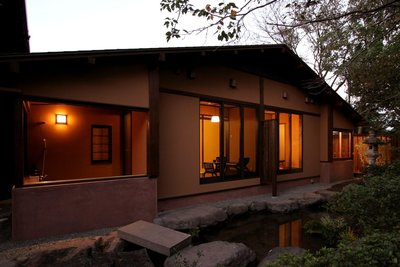
SEKIYA RESORT Bettei Haruki
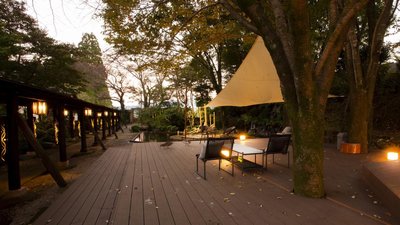
Chikurakutei

The Royal Park Canvas Fukuoka Nakasu
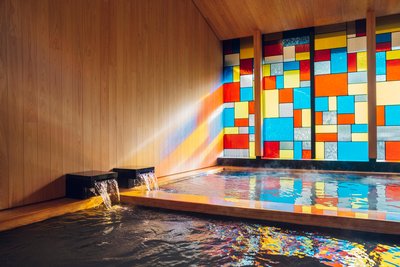
Hoshino Resorts Kai Unzen

Alfacio Resort Stay Itoshima

Ureshino Yadoya

seven x seven itoshima
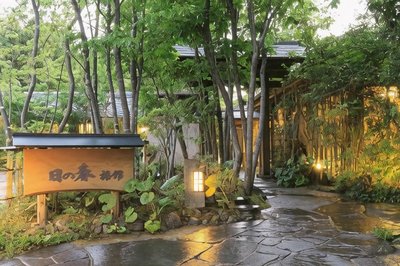
Yufuin Onsen Hinoharu Ryokan
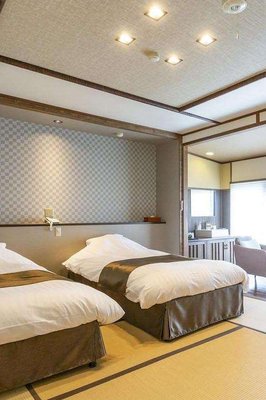
Sozankyo
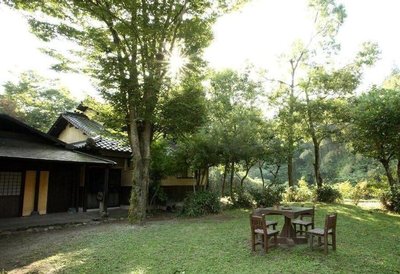
Yamashinobu
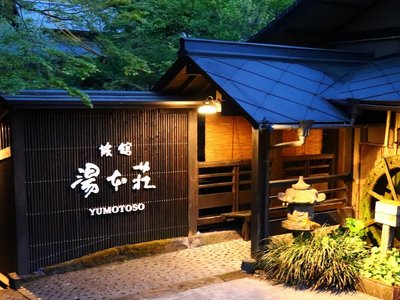
Ryokan Yumotosou
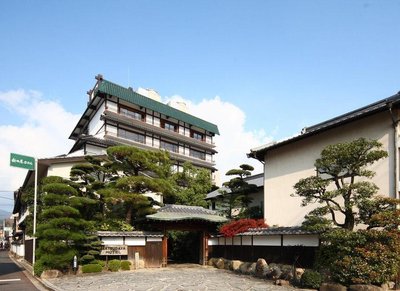
Matsudaya Hotel
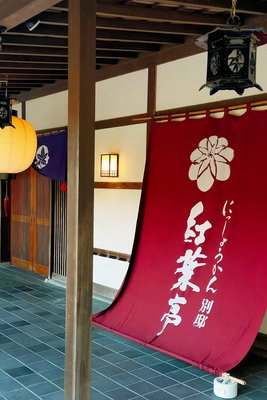
Nisshokan Bettei Koyotei
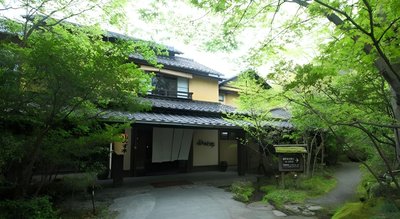
Kurokawaonsen Yamamizuki
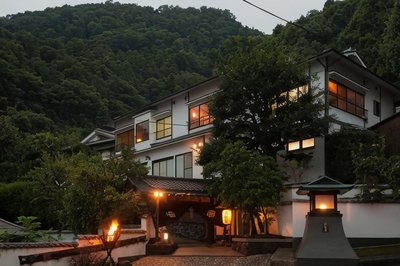
Beppu Showaen
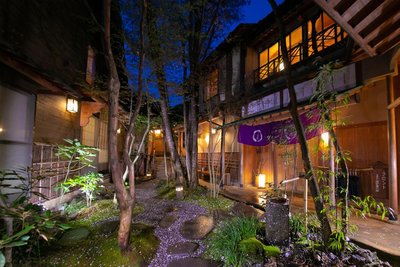
Oyado Ichizen
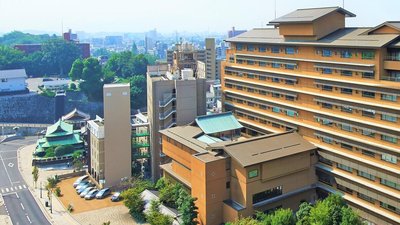
Yamatoya Honten

Garden Terrace Nagasaki Hotel & Resort
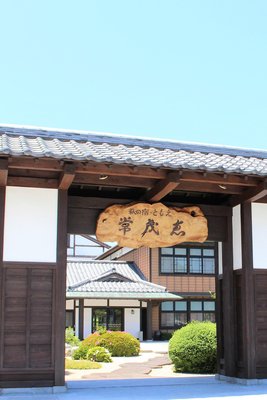
Hagi No Yado Tomoe
Garden Terrace Nagasaki Hotel & Resort

Holiday Inn Resort Miyazaki

Yufuin Kotobuki Hananosho

Karatsu Seaside Hotel
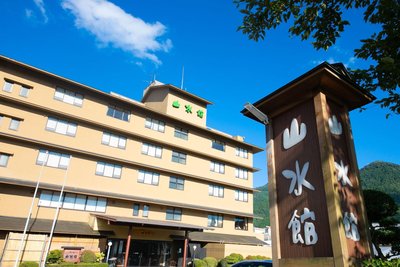
Yufuin Sansuikan

Kinsuikan
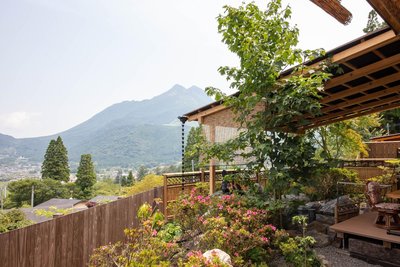
Yufuin-Sanso Waremokou

Ana InterContinental Beppu Resort & Spa

I+Land Nagasaki

The OneFive Villa Fukuoka

LiVEMAX RESORT MIYAHAMA ONSEN OCEAN
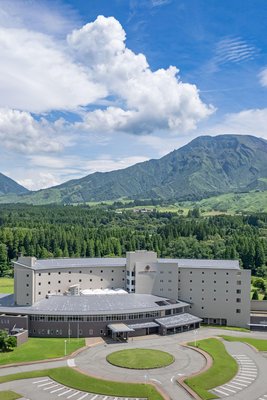
KAMENOI HOTEL ASO

Amane Resort Gahama

SEKIYA RESORT GALLERIA MIDOBARU

Beppu Suginoi Hotel

Phoenix Seagaia Ocean Tower

Kagoshima Sunamushi Onsen Ibusuki Hakusuikan

The Luigans Spa and Resort
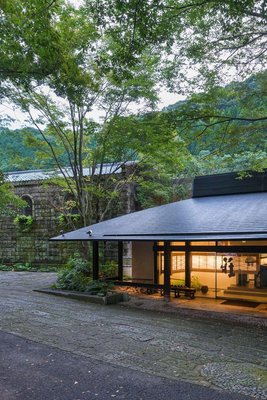
Myoken Ishiharaso

SHIROYAMA HOTEL kagoshima
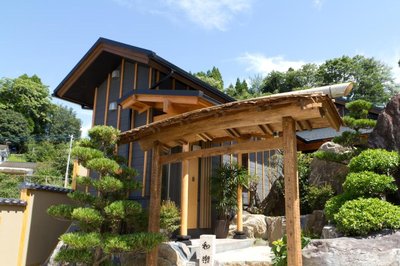
Ryokan Shinsen

Ryotei Matsuya Honkan Suizenji
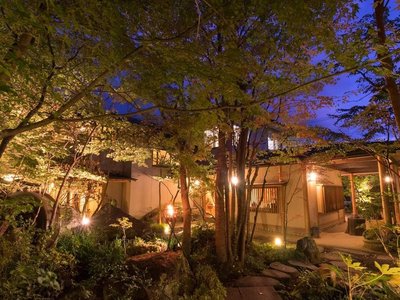
Ryoso Yufuin Yamadaya
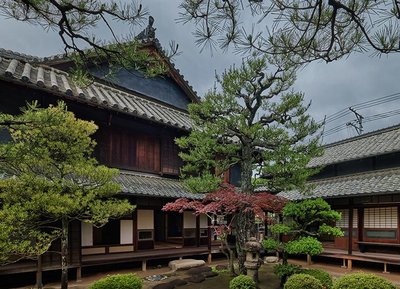
NIPPONIA HOTEL Takehara Saltworks Town
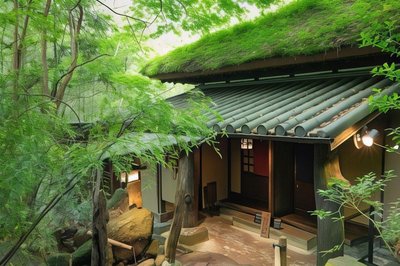
Sanso Tensui
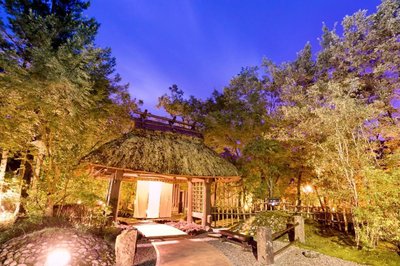
Satonoyu Waraku
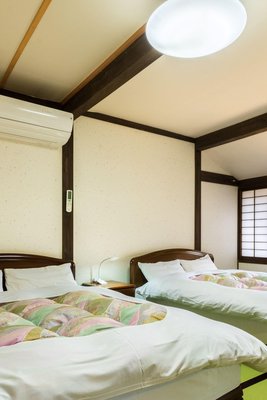
Tobise Onsen Tenga Sanso
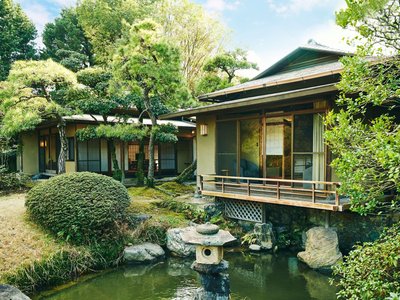
Suisui Garden Ryokan (in the Art Hotel Kokura New Tagawa)
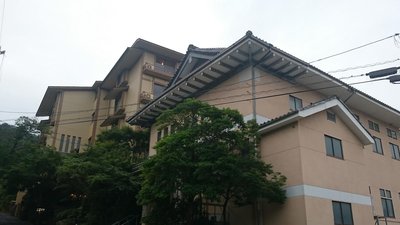
Miyajima Hotel Makoto
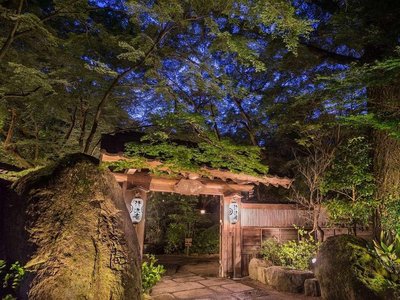
Akizuki Spa Ryokan Seiryuan
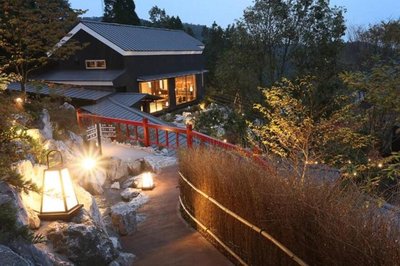
Gekkoju Kurokawa

Sheraton Kagoshima
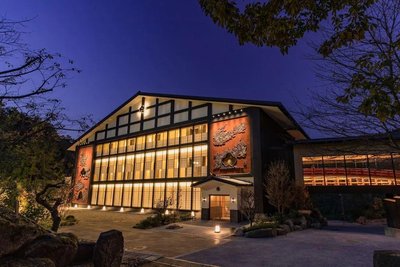
Okuhita Onsen Umehibiki

Nagasaki Marriott Hotel

Hotel Indigo Nagasaki Glover Street by IHG

Stadium City Hotel Nagasaki

ONE FUKUOKA HOTEL
Ryokan Shinsen
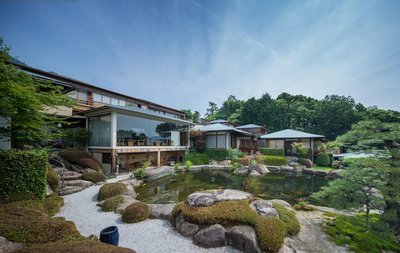
SEKITEI

Yamatoya Besso

Hilton Fukuoka Sea Hawk

Olive Bay Hotel
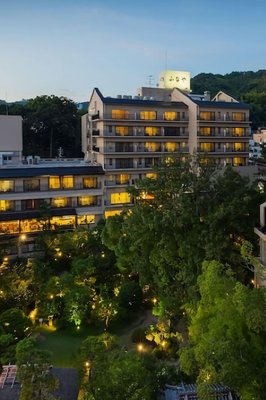
Funaya

Hotel Okura Jr Huis Ten Bosch

Bettei Oborozukiyo

La Vista Kirishima Hills

Hotel Amsterdam Huis Ten Bosch

Yumotoankiyohime
Ana InterContinental Beppu Resort & Spa

TheMana Village
Amane Resort Gahama

Hotel Barrière Fouquet's New York

The Ritz-Carlton, Fukuoka

The Plaza - A Fairmont Managed Hotel
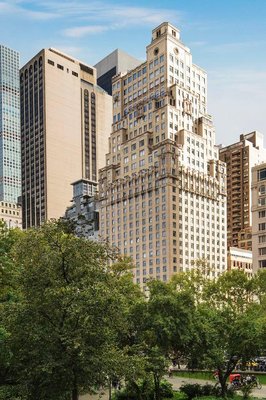
The Ritz-Carlton New York, Central Park

Four Seasons Hotel New York

The St. Regis New York

Park Hyatt New York

Mandarin Oriental New York

Times Square Edition New York

Loews Regency New York Hotel

Lowell Hotel

New York Edition

Baccarat Hotel New York

Equinox Hotel New York

Four Seasons Hotel New York Downtown

SETOUCHI RETREAT by Onko Chishin

The Langham, New York, Fifth Avenue

The Carlyle, A Rosewood Hotel

The Chatwal, in the Unbound Collection by Hyatt

The Mark New York
Frequently Asked Questions about Traveling to Ogi
Questions You Might Need to Know About Traveling to Ogi
In Koshi, the top boutique stay is Kochi City Minamikyōkai Hotel, a charming blend of traditional Japanese architecture and modern comfort. Located in the city center, it’s steps from Koshi Shrine and Owada River, offering guests local "Sagami beef" breakfasts and a private onsen bath. The hotel also hosts cultural events like Koshi Shibori dyeing workshops, showcasing the town's centuries-old textile heritage. Nearby, the Koshi Historical Archives provides deep insight into its Edo-period domain history.
The ideal area for staying in Koshi is the city center, where you’ll find convenient access to Koshi Station, main shopping streets, and key attractions like Koshi Shrine and Owada River Park. Accommodations range from cozy family-run guesthouses to small ryokans, all offering authentic local charm. The walkable layout makes exploring the historic alleys, cafes, and craft shops easy. Plus, the surrounding area features farms and art studios perfect for quiet retreats or cultural immersion.
Don’t miss the traditional Shibori dyeing workshop at Koshi Tsumugi Hall, where you can learn the ancient technique of hand-tied indigo dyeing, a UNESCO-recognized craft. Experience the annual Koshi Festival, featuring Shinto dances, lantern parades, and community rituals that reflect deep-rooted local traditions. You can also join a Sagami Beef tasting event, sampling premium locally-raised wagyu at a family-owned restaurant. These hands-on activities offer genuine insight into Koshi’s living culture.
Absolutely! Koshi Nature Park offers a child-friendly environment with splash pools, nature trails, and birdwatching platforms. At Koshi Farm Experience Garden, kids can dig up carrots, feed goats, and learn about sustainable farming. For a magical evening, try stargazing tours—the area has minimal light pollution, making it ideal for viewing the Milky Way, especially during meteor showers. It’s a perfect mix of fun and education for young explorers.
Explore the historic alleyways of Old Koshi Town, where well-preserved Meiji-to-Shōwa era wooden houses now house cafés and art galleries like Makibishi Bookstore and Furukawa Tea House. Another secret spot is the bamboo grove path along Owada River, where sunlight filters through tall bamboo stalks, creating a serene, cinematic atmosphere. Perfect for photography or quiet reflection, this hidden trail is often overlooked by tourists but cherished by locals.
Start your day at Koshi Shrine and the Koshi Historical Archives to explore the town’s rich past. Enjoy lunch at a local Sagami beef restaurant. In the afternoon, stroll along the Owada River Trail, enjoying seasonal cherry blossoms or autumn foliage. End your day relaxing in the onsen at Kochi City Minamikyōkai Hotel, then wander through the old town’s artisan shops. Everything is within walking distance, offering a seamless, immersive experience.
Must-try dishes include Koshi Gyu Don—a rich bowl of tender Sagami beef over rice with a savory sauce—and Koshi Pot Rice, a clay-pot meal of rice, chicken, and vegetables cooked slowly. Don’t miss Bamboo Tube Sake, a fermented rice wine served in hollow bamboo tubes, which adds a subtle herbal aroma. Many eateries are family-run, offering warm hospitality and authentic taste.
Yes! Capture the iconic vermilion torii gates of Koshi Shrine and stone lanterns at golden hour. The falling leaf bridge along Owada River turns breathtaking in autumn. Explore the wooden eaves and shoji screens of Old Town, where soft light creates dramatic shadows. For night photography, visit Koshi Nature Park during the Winter Light Festival, where thousands of lanterns illuminate the forest path—ideal for long-exposure shots of starry skies.
Take a West Japan Railway bus from Saga Station to Koshi, taking around 40 minutes with frequent departures. The journey is comfortable and scenic. Once in Koshi, most attractions are walkable. If driving, take the Kyushu Expressway via the Koshi Interchange, just a 25-minute drive. Free parking is available near the town hall and tourist center. For visitors unfamiliar with routes, the Koshi Tourist Information Center offers maps and multilingual guides.
Visit during the Koshi Festival in October, featuring Shinto dances, illuminated floats, and nightly lantern ceremonies that celebrate local heritage. In spring, the Koshi Cherry Blossom Festival transforms the Owada Riverbank into a pink paradise with thousands of blooming sakura trees. During winter, the Koshi Winter Lantern Festival lights up the old town with warm glow, creating a magical atmosphere—perfect for romantic walks and photo ops.
Ogi Overview
City Summary
Ogi City, located in the central part of Saga Prefecture, Japan, is a tranquil town that blends tradition and modernity. Known for its scenic natural beauty and rich cultural heritage, it attracts visitors especially during spring for cherry blossoms and autumn for vibrant foliage. Ogi is also famous for its hot springs and handicrafts, making it an ideal destination to experience rural Japanese charm.
Must-See Attractions
Must-see attractions in Ogi City include Ogi Park, a prime spot for cherry blossom viewing in spring. Oxford-yaki Kiln showcases traditional pottery, offering workshops for visitors. Tenzan Onsen is perfect for relaxation with its mineral-rich waters. Additionally, the Ogi History and Folklore Museum provides deep insights into local history and culture.
Food Guide
Ogi's cuisine highlights local ingredients, with Saga Beef being a must-try for its tender texture. Ogi Yokan, a traditional sweet, is another delicacy. Street food like yakitori (grilled chicken skewers) and oden (hot pot) are popular. Many restaurants serve regional dishes such as "Sara Udon," a stir-fried noodle specialty of Saga.
Transportation Guide
Transportation in Ogi relies mainly on buses and taxis. From Saga City, take the JR Nagasaki Main Line to Ogi Station (about 30 minutes). Buses from the station connect to major sights, but schedules are limited—check timetables in advance. Renting a car offers more flexibility, but remember Japan drives on the left. Taxis are pricey but convenient for short trips or groups.
Best Time to Visit
The best times to visit are spring (March-May) and autumn (September-November). Spring offers cherry blossoms and mild weather, while autumn features stunning foliage. Summers can be humid, and winters occasionally snowy, but these seasons are less crowded.
Travel Tips
- Onsen Etiquette: Always wash thoroughly before entering hot springs; swimsuits are prohibited.
- Cash: Many small shops only accept cash, so carry sufficient yen.
- Trash: Follow strict local recycling rules.
- Quietness: Keep voices low in public spaces.
- Footwear: Remove shoes when entering traditional buildings or restaurants.
- Reservations: Book popular restaurants and ryokans (inns) ahead.
Useful Information
Language: Japanese is primary; English is limited—download a translation app. Internet: Buy prepaid SIMs or rent pocket Wi-Fi at convenience stores. Payment: Credit cards work at larger establishments, but cash is king. Emergencies: Dial 119 for medical help; hospitals are scarce in Ogi. Voltage: 100V, with two-flat-pin plugs. Water: Tap water is safe to drink.