Hotels in Ogose
Discover your perfect stay in Ogose.
Ogose(Japan) Travel 2026: Cheap Flights, Hotels & Top Attractions
Popular Landmarks in Ogose
Discover the most iconic attractions in Ogose
Recommended Hotels in Ogose
Find the perfect place to stay in Ogose
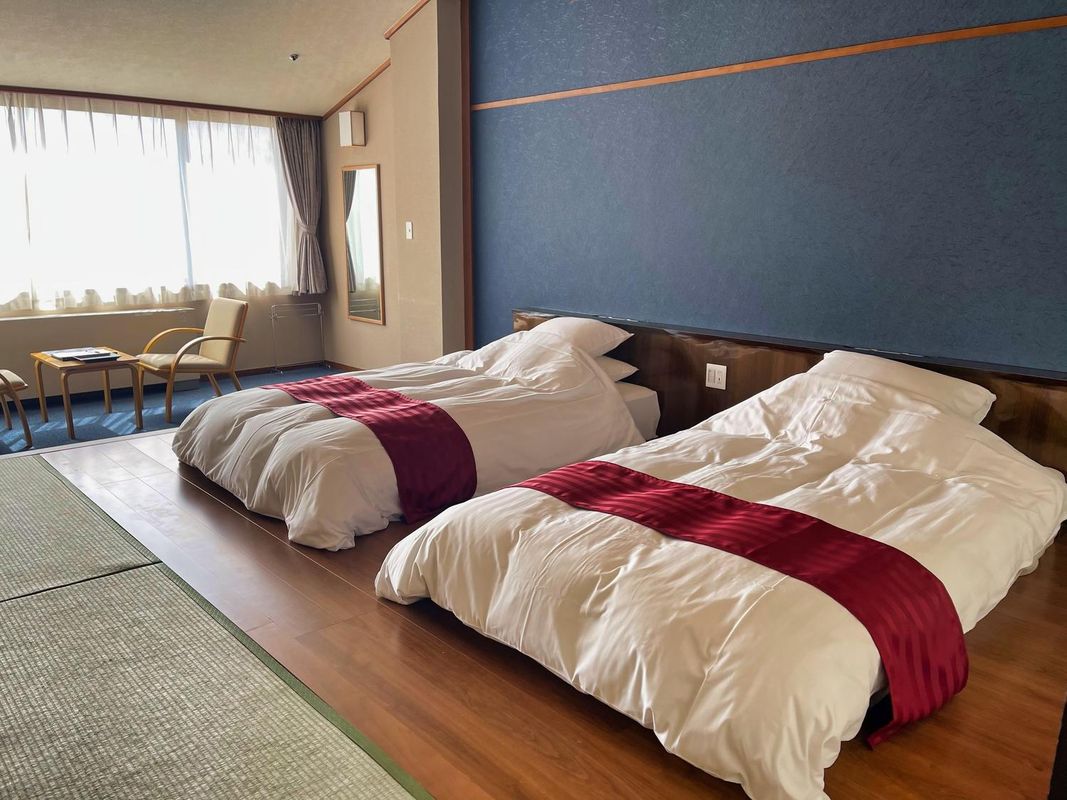
New Sunpia Saitama Ogose
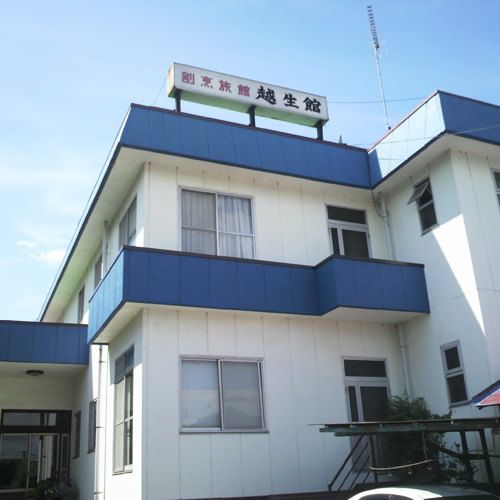
Ogosekan
Best Hotels in Ogose
Discover curated hotel collections in Ogose
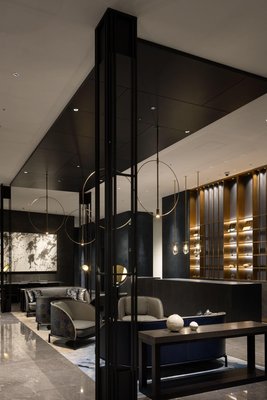
Bellustar Tokyo, A Pan Pacific Hotel

Bvlgari Hotel Tokyo
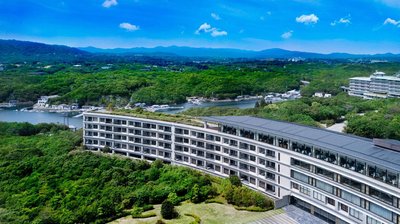
Shima Kanko Hotel the Bay Suites
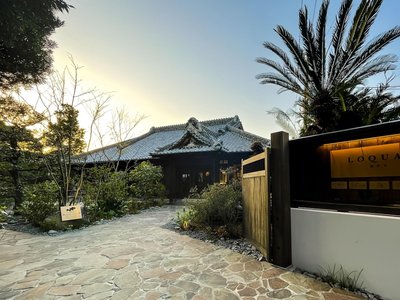
Loquat Nishiizu
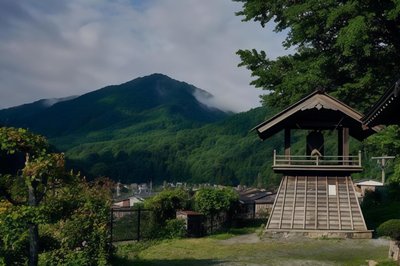
Byaku Narai

Atami Izusan Karaku
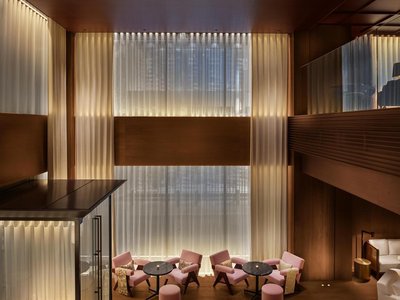
The Tokyo Edition, Ginza

Janu Tokyo
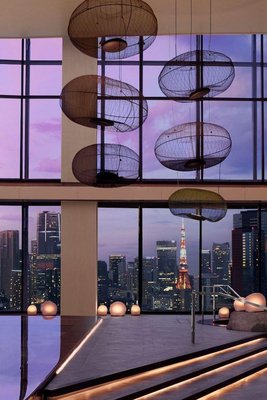
JW Marriott Hotel Tokyo
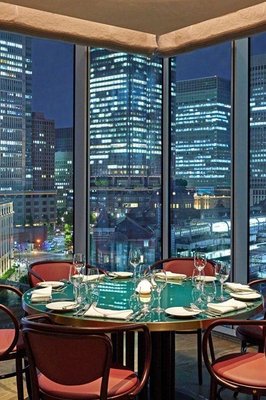
Four Seasons Hotel Tokyo at Marunouchi

Mandarin Oriental, Tokyo
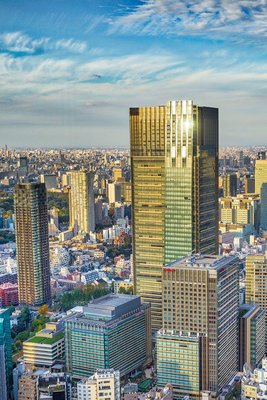
The Ritz-Carlton, Tokyo
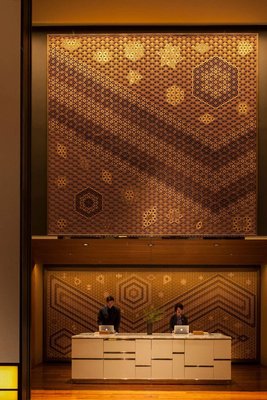
Andaz Tokyo Toranomon Hills- A Concept by Hyatt
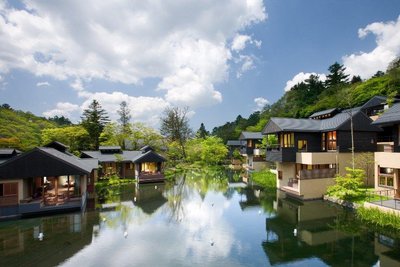
Hoshinoya Karuizawa
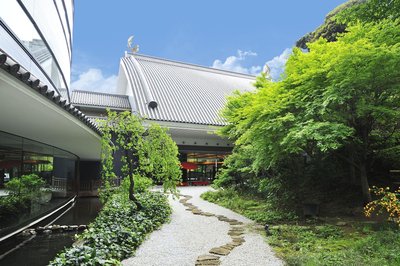
Hotel Gajoen Tokyo
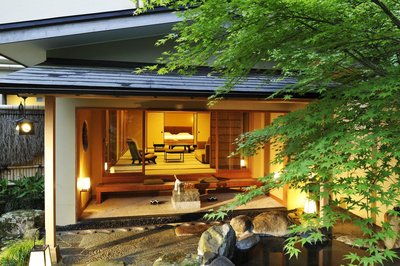
Gora Kadan
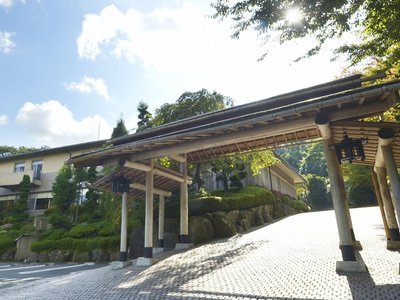
Gora Hanaougi

The Hiramatsu Hotels & Resorts Kashikojima
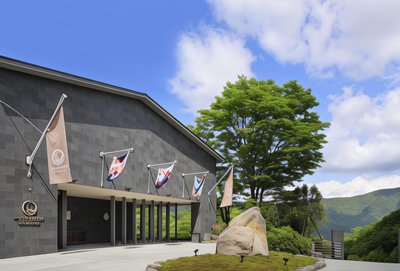
The Hiramatsu Hotels & Resorts Sengokuhara Hakone

Abba Resorts Izu - Zagyosoh
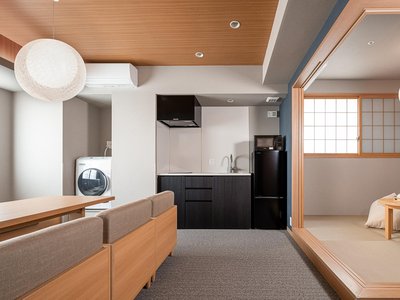
MIMARU SUITES Tokyo Asakusa
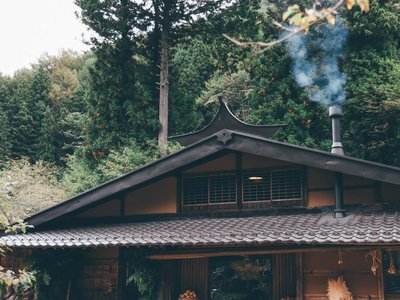
La Terra Resort
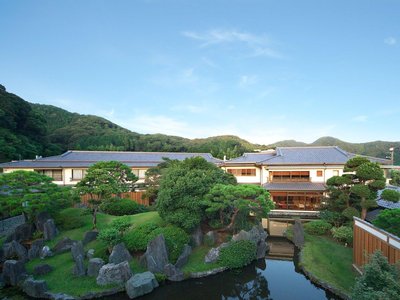
Kagetsutei

karaksa hotel colors Tokyo Yaesu

HOTEL GROOVE SHINJUKU, A PARKROYAL Hotel

Awaumi Fujikawaguchiko Resort
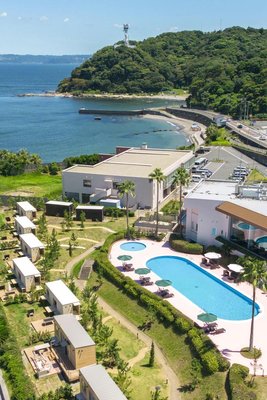
La vista Yokosuka Kannonzaki Terrace
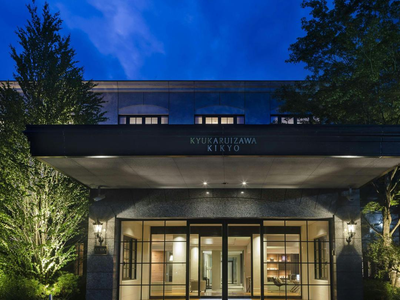
Fufu Karuizawa Wind of Sunshine

Hotel Taiko, Akakura Onsen
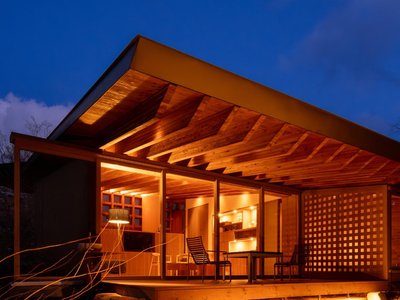
Nasu Mukunone
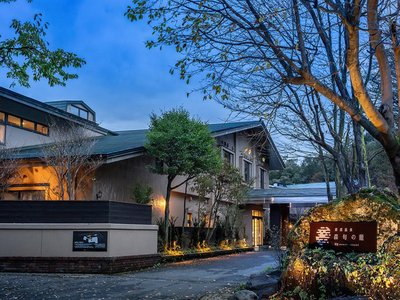
Nasu Onsen Shinshun no Kago Hewitt Resort

Scapes the Suite

Hotel Metropolitan Tokyo Marunouchi
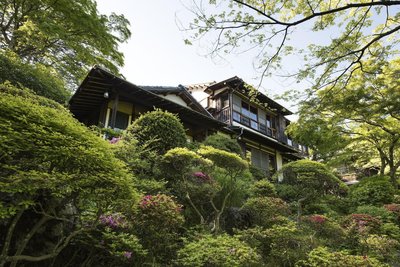
Gora Kansuiro
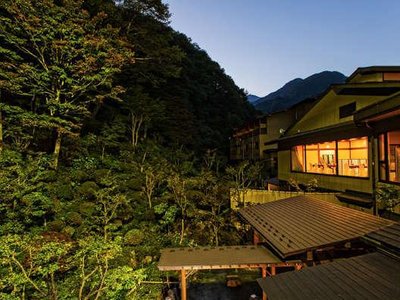
Futari Shizuka
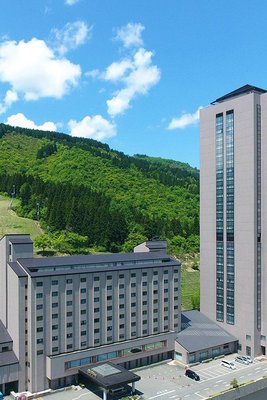
Naspa New Otani

HOTEL KANICHI
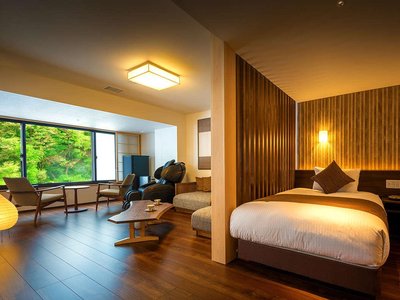
Harataki
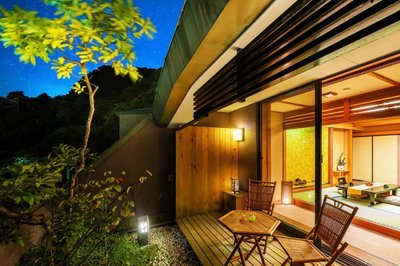
Konjakutei
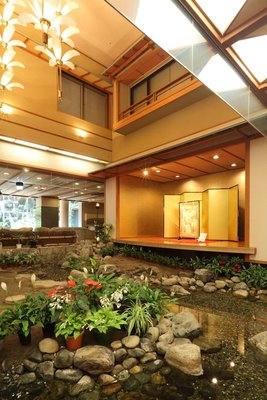
Hotel Futaba
Bellustar Tokyo, A Pan Pacific Hotel
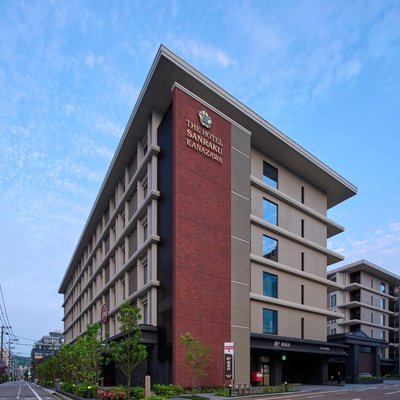
The Hotel Sanraku Kanazawa 21th December 2022 Open
JW Marriott Hotel Tokyo
Andaz Tokyo Toranomon Hills- A Concept by Hyatt

The Okura Tokyo

The Lively Azabujuban Tokyo

Kimpton Shinjuku Tokyo

HOTEL K5
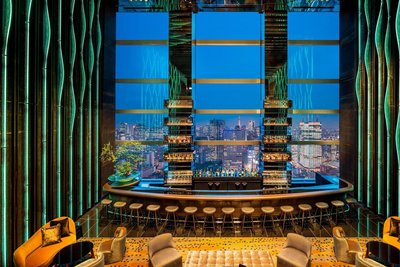
The Prince Gallery Tokyo Kioicho, a Luxury Collection Hotel

Muji Hotel Ginza
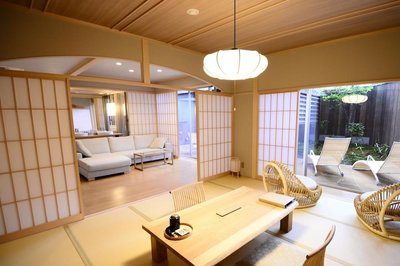
Hakone Gora Byakudan

Panoramic Mt. Fuji Views from All Rooms – Vision Glamping Resort & Spa Yamanakako
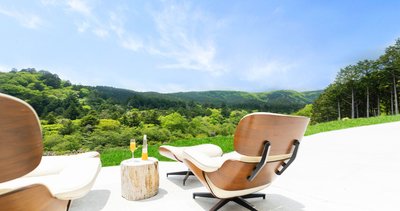
Shelter Garden Nikko
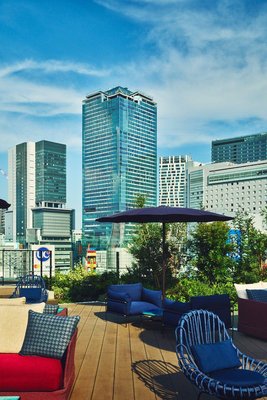
Hotel Indigo Tokyo Shibuya

TIAD, AUTOGRAPH COLLECTION
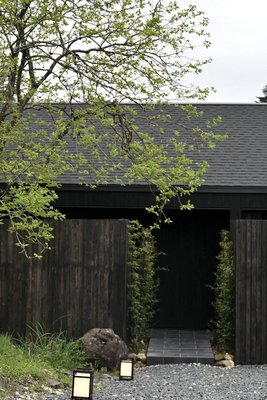
THE LAKOTAN

Forest Village (Fuji Premium Resort)

Hotel Toranomon Hills

Fufu Kyu-Karuizawa Restful Forest
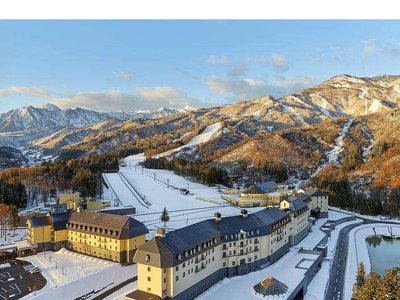
Lotte Arai Resort

Sengokubara Cocon
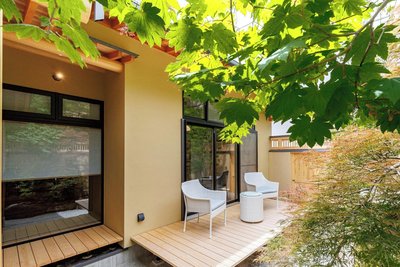
Shoraiso
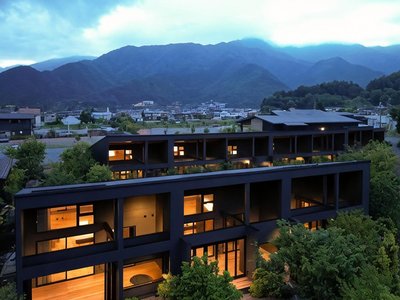
7C Villa and Winery

Hotel la Vigne Hakuba by Onko Chishin
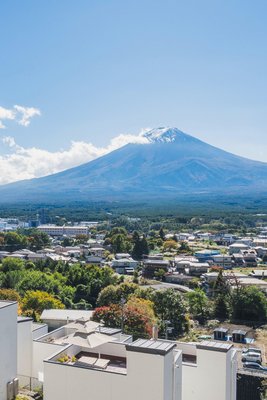
THE TOKI FujiKawaguchiko
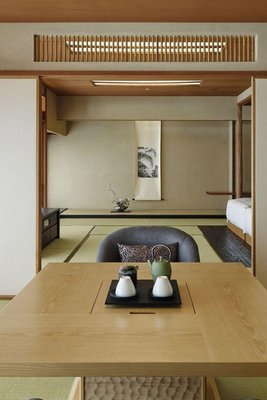
Takanawa Hanakohro (in Grand Prince Hotel Takanawa)

Hyatt Centric Ginza Tokyo
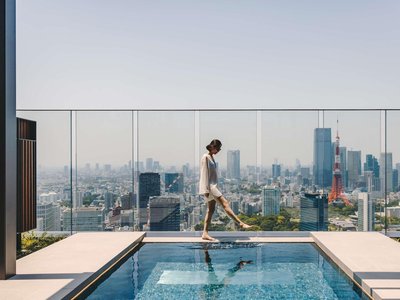
Fairmont Tokyo
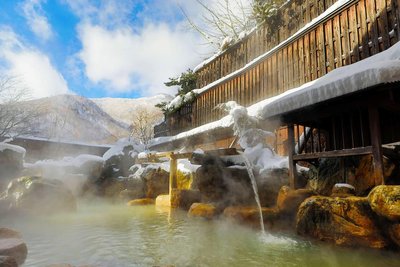
Miyamaouanbekkan yumegurinoyado hirayukan
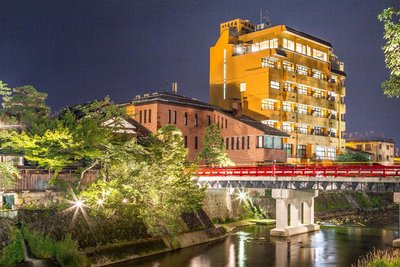
HONJIN HIRANOYA BEKKAN
Bvlgari Hotel Tokyo
Four Seasons Hotel Tokyo at Marunouchi
Mandarin Oriental, Tokyo
The Ritz-Carlton, Tokyo
Andaz Tokyo Toranomon Hills- A Concept by Hyatt
Gora Kadan

Hotel New Otani Tokyo the Main
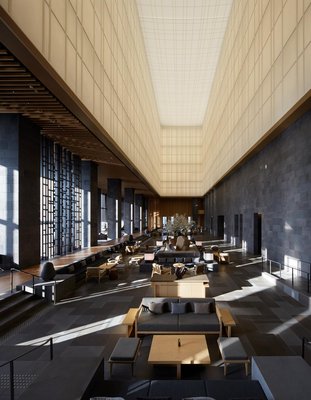
Aman Tokyo
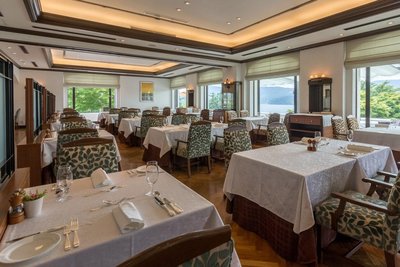
Odakyu Hotel de Yama
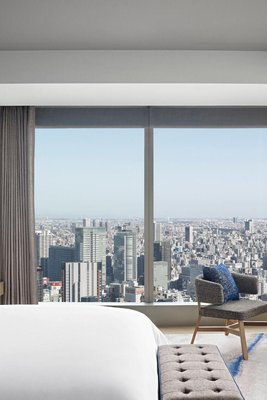
Four Seasons Hotel Tokyo at Otemachi

The Tokyo Edition, Toranomon

Hyatt Centric Kanazawa
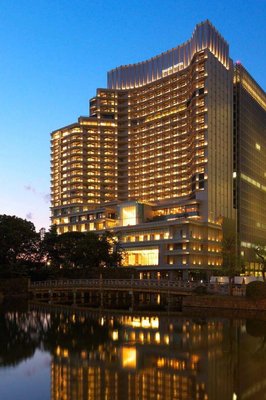
Palace Hotel Tokyo
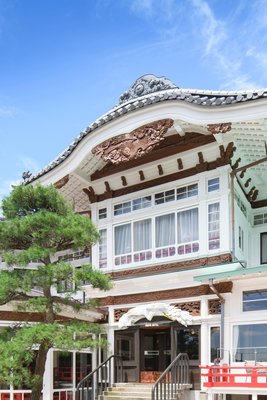
Fujiya Hotel
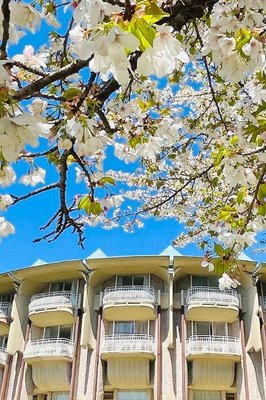
The Prince Hakone Lake Ashinoko

Hyatt Regency Hakone Resort and Spa
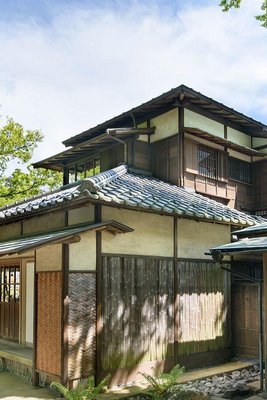
Hakone Suishoen

Nagoya JR Gate Tower Hotel (JR-Central Hotels)

The Westin Yokohama

Nagoya Marriott Associa Hotel

Rakuten STAY VILLA Nasu
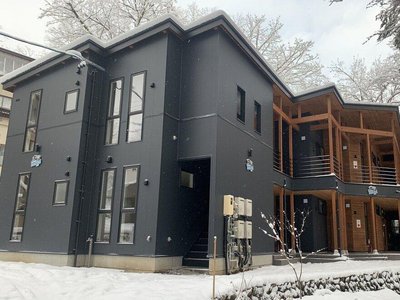
Hakuba Gondola Apartments
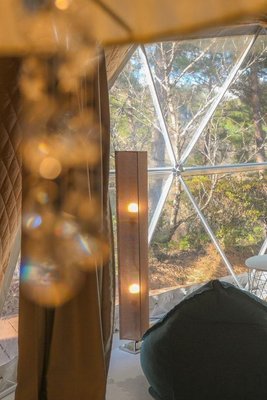
glampark Gekkabijin Nagano
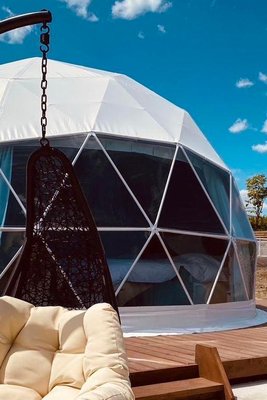
chillout glamping zao

MONS GORA

Phoenix Chalets by Hhg
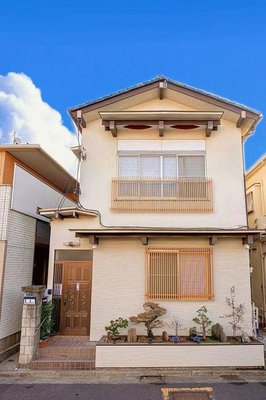
Tokyo Star House-Shinkoiwa
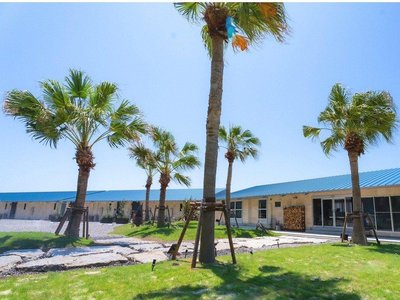
Glamping&Resort Wood Design Park Noma
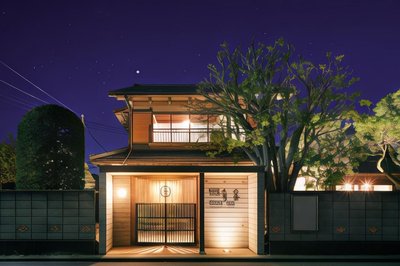
Machi-Jyu
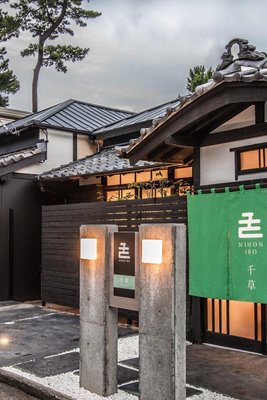
Nihon Iro
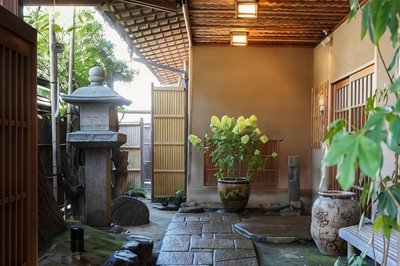
Ryokan Asadaya
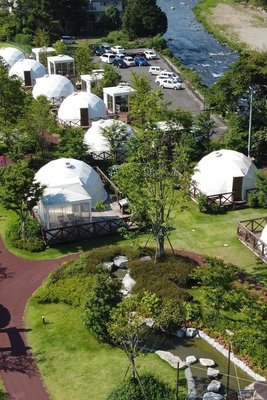
Ufufu Village
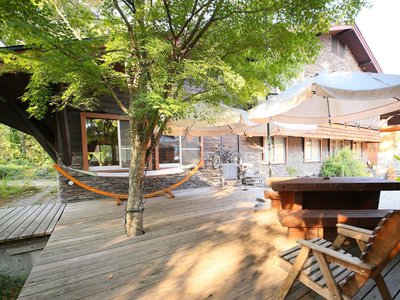
Kunugi Relaxation with 4 Modern Rooms

Modern Ryokan Kishi-ke

Petals Tokyo - Floating Hotel
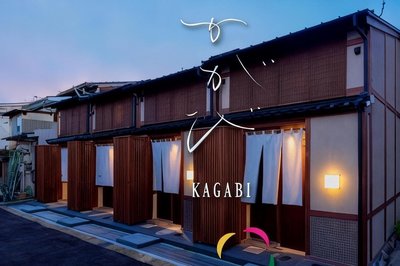
Kagabi Machiya House

The Flow Kamakura
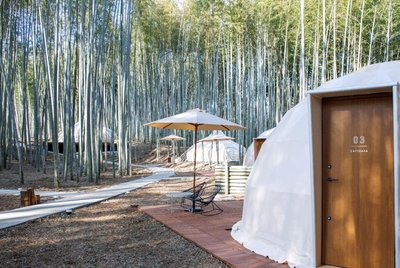
THE BAMBOO FOREST
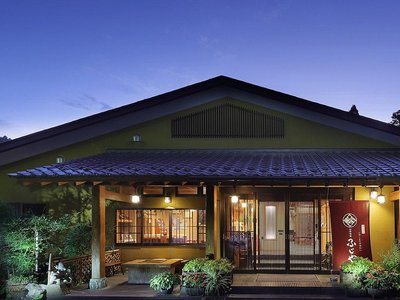
Shikimitei Fujiya
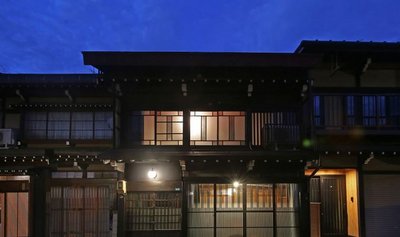
Iori Stay Hida
Bellustar Tokyo, A Pan Pacific Hotel

Hotel Barrière Fouquet's New York
Bvlgari Hotel Tokyo

Shima Kanko Hotel the Bay Suites
Loquat Nishiizu
Byaku Narai
Atami Izusan Karaku
The Tokyo Edition, Ginza
Janu Tokyo
JW Marriott Hotel Tokyo
Four Seasons Hotel Tokyo at Marunouchi

The Plaza - A Fairmont Managed Hotel
Mandarin Oriental, Tokyo
The Ritz-Carlton, Tokyo
Andaz Tokyo Toranomon Hills- A Concept by Hyatt
Hoshinoya Karuizawa
Hotel Gajoen Tokyo
Gora Kadan
Gora Hanaougi
The Hiramatsu Hotels & Resorts Kashikojima
Frequently Asked Questions about Traveling to Ogose
Questions You Might Need to Know About Traveling to Ogose
In Koshi Town, the top family-friendly option is Koshi Town Stay, a cozy homestay nestled near the Ogasawara Mountains. It offers Japanese-style rooms with tatami mats and modern amenities, including a garden for children to play. Guests can join hands-on workshops like traditional paper umbrella making and enjoy breakfast using local ingredients. The property is just a 10-minute walk from Koshi River Path, ideal for nature walks and birdwatching. Accessible via a 1-hour train ride from Tokyo Station, it’s perfect for families seeking an authentic rural retreat away from urban noise.
The best area for sightseeing in Koshi Town is around Koshi Station, where several boutique lodges and guesthouses are located. This central hub connects directly to Seibu Railway, allowing quick access to Koshi Shrine and Koshi Town Cultural Hall. Evening strolls along the Koshi River Promenade offer scenic views illuminated by lanterns. Nearby, the Oshu Road Farm Experience Park invites visitors to participate in rice harvesting and local cooking classes. Choose accommodations with a private courtyard or garden for a serene atmosphere, ideal for morning tea and quiet reflection.
In Koshi Town, travelers can engage in handmade washi paper umbrella crafting, guided by local artisans using traditional Koshi washi paper. Another highlight is the annual Koshi Cherry Blossom Festival held at Koshi River Park, featuring food stalls, tea ceremonies, and Edo-period parades. You can also book a farmhouse dinner experience, where dishes are prepared with locally grown Koshi rice and Oshu vegetables, offering a true taste of regional cuisine. These activities require advance HopeGoo—check the town’s official website for schedules and availability.
Top photo spots in Koshi Town include the Koshi River Bridge, whose arched silhouette reflects beautifully on the clear water, especially during golden hour. The vermilion torii gate at Koshi Shrine, framed by autumn foliage, creates stunning contrast shots. The terraced rice fields in the Oshu Road Agricultural Zone offer breathtaking views—lush green in spring and golden in fall. For a tranquil aesthetic, visit the courtyard garden at Koshi Town Stay, featuring a karesansui (dry landscape) and bamboo fence, perfect for capturing peaceful Japanese scenery with a kimono.
While Koshi Town has no natural hot springs, nearby Oshu Onsen (about 30 minutes by car) offers luxury options like Yukizora Ryokan, known for private onsen baths and wooden architecture. For a similar experience, Koshi Town Stay provides a sauna and dry steam room infused with local herbal aromas, simulating a spa-like retreat. Consider combining a day trip: visit Koshi Shrine in the morning, then relax at the onsen in the afternoon. Dinner back at your lodging features regional dishes like Oshu chicken hot pot—a full sensory journey into local wellness culture.
Must-try dishes in Koshi Town include Koshi rice dumplings, made from locally grown Koshi rice, served with miso or plum sauce. Try Oshu mountain vegetable tempura, featuring fresh seasonal greens and radishes fried to perfection. Don’t miss Koshi Town sake, brewed with pure mountain spring water and rich in aroma. Visit Koshi Market’s Tanakaya Restaurant for hearty meals, where the owner shares stories behind each dish. Seasonal specialties like spring bamboo shoots set menu and autumn chestnut rice are available during festivals—perfect for experiencing the rhythm of local harvests.
The easiest way to reach Koshi Town from Tokyo is via Seibu Railway, taking the Saitama New Urban Center Line from Ikebukuro Station to Koshi Station, approximately 1 hour. Trains run frequently, costing about ¥800. Upon arrival, rent bicycles or take a local bus to explore nearby sites. If driving, use the Koshu Expressway and exit at Koshi Interchange, about 45 minutes. Avoid weekends during peak seasons due to increased traffic. Use a Seibu Pass or Suica card for seamless travel and cost savings.
Recommended hiking trails in Koshi Town include the Koshi River Eco Trail (3 km), ideal for birdwatching and photography, with informative signage along the riverbank. The Oshu Mountain Trailhead Path starts near Koshi Shrine, leading to Mikamiyama Mountain, where ancient stone markers and moss-covered rocks await hikers. The Koshi Rural Loop connects farms and orchards, offering seasonal fruit picking (strawberries in spring, blueberries in summer). Wear non-slip shoes, carry water, and bring sunscreen—some sections lack shade. Perfect for light hikes with nature immersion.
Accommodation prices in Koshi Town range from ¥6,000 to ¥12,000 per night for family-run guesthouses and small inns, often including breakfast. Premium rooms with gardens or private baths cost ¥15,000+. Compared to Tokyo, this offers excellent value. Many lodgings provide free bicycle rentals, enhancing exploration. For a full spa experience, consider staying at Oshu Onsen Ryokan, priced from ¥20,000 per night, including meals and onsen access. Book early, especially during cherry blossom and autumn foliage seasons when demand spikes.
The best times to visit Koshi Town are spring (late March to May) and autumn (October to November). Spring brings blooming cherry blossoms along the Koshi River, while autumn paints the Oshu Mountains in vibrant reds and golds. The annual Koshi Cherry Blossom Festival (April) and Autumn Harvest Festival (November) feature local crafts, performances, and seasonal feasts. To avoid crowds, skip Golden Week and Obon holidays. Be prepared for occasional rain in June–July; pack a lightweight raincoat and umbrella for a comfortable visit.
Ogose Overview
City Summary
Ogose Town, located in the southwestern part of Saitama Prefecture, Japan, is a peaceful small town surrounded by nature, renowned for its hot springs and rich historical culture. With dense forests and clear streams, it is an ideal getaway from urban noise. The town also attracts visitors with its traditional crafts and festivals, showcasing a strong local charm.
Must-See Attractions
Must-see attractions in Ogose include the Ogose Plum Grove, which offers spectacular plum blossoms in spring, and the Kuroyama Three Waterfalls, a perfect spot for enjoying natural beauty with hiking trails nearby. Additionally, Ogose Hot Springs provides various therapeutic baths for relaxation.
Food Guide
Ogose's cuisine focuses on local agricultural products. Recommended dishes include pickled plums and plum wine made from local plums, known for their unique flavor. Local vegetable dishes and traditional Japanese hot spring cuisine, such as nabemono and tempura using local ingredients, are also worth trying.
Transportation Guide
The main transportation options in Ogose are buses and trains. From Tokyo, take the Tobu Tojo Line to Ogose Station, which takes about 1.5 hours. Buses from the station service major attractions. Renting a car is another good option for exploring the surrounding nature. Note that rural bus services are infrequent, so check schedules in advance.
Best Time to Visit
The best time to visit is spring (March to May) when plum blossoms bloom, and the weather is pleasant. Autumn (September to November) is also ideal for vibrant foliage. Summers can be humid, while winters may bring snow, requiring warm clothing.
Travel Tips
- Respect local customs, especially when visiting shrines.
- Bring your own towel for hot spring facilities.
- Rural shops close early, so carry essentials.
- Use insect repellent in natural areas.
- Check the last train/bus times when using public transport.
- Some restaurants require reservations, especially during peak seasons.
Useful Information
The primary language in Ogose is Japanese; English is limited, so a translation app or basic Japanese phrases are helpful. Mobile coverage is good, but signal can be weak in mountainous areas. Cash is the main payment method; credit cards have limited acceptance. For emergencies, dial 110 (police) or 119 (ambulance). Local clinics are available, but major hospitals are in Saitama City.