Hotels in Oguni
Discover your perfect stay in Oguni.
Oguni(Japan) Travel 2026: Cheap Flights, Hotels & Top Attractions
Popular Landmarks in Oguni
Discover the most iconic attractions in Oguni
Recommended Hotels in Oguni
Find the perfect place to stay in Oguni
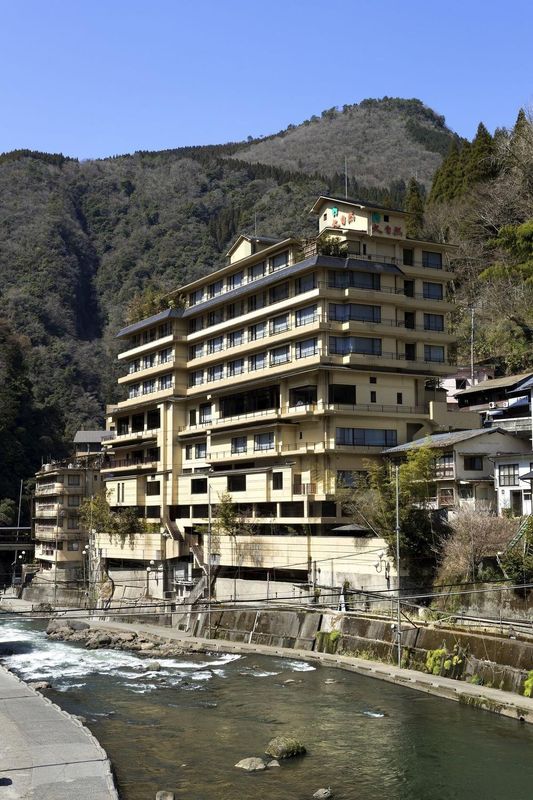
Tsuetate Keiryu No Yado Daishizen
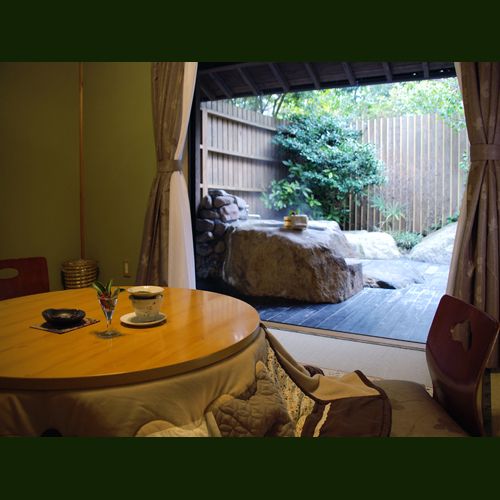
Yamakawa Onsen Ryokan Yotsuba
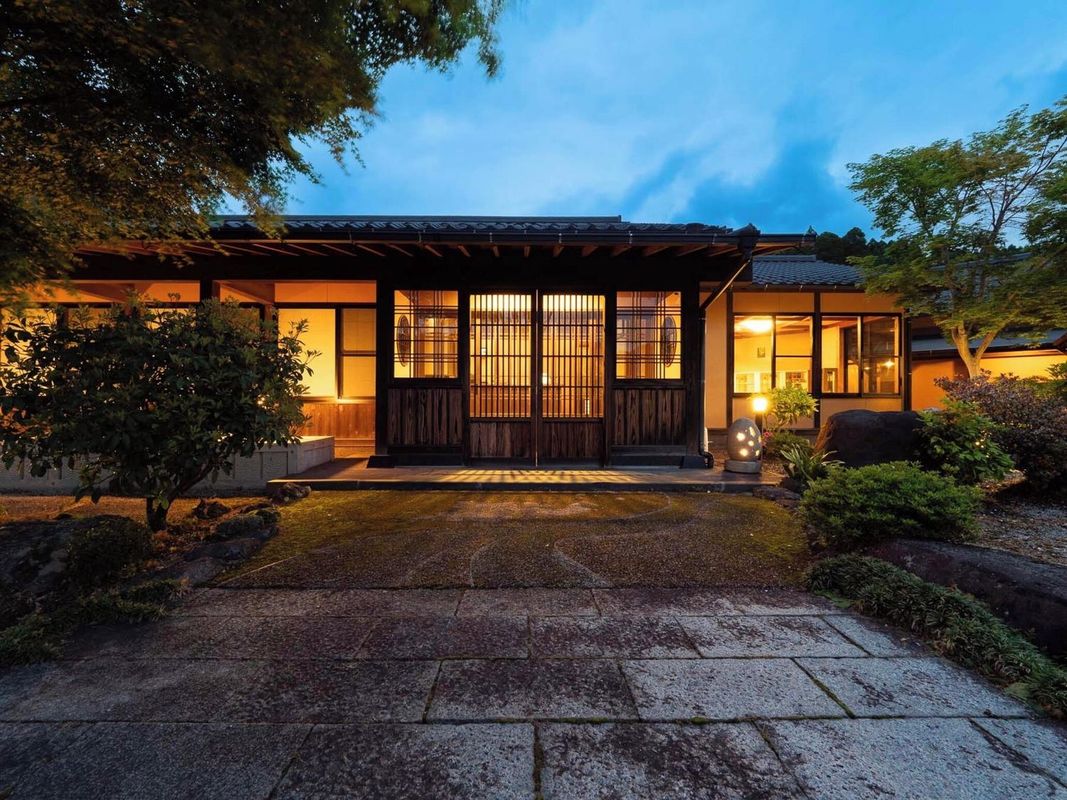
Tenkuu No Yuya Sansou Hanayuu
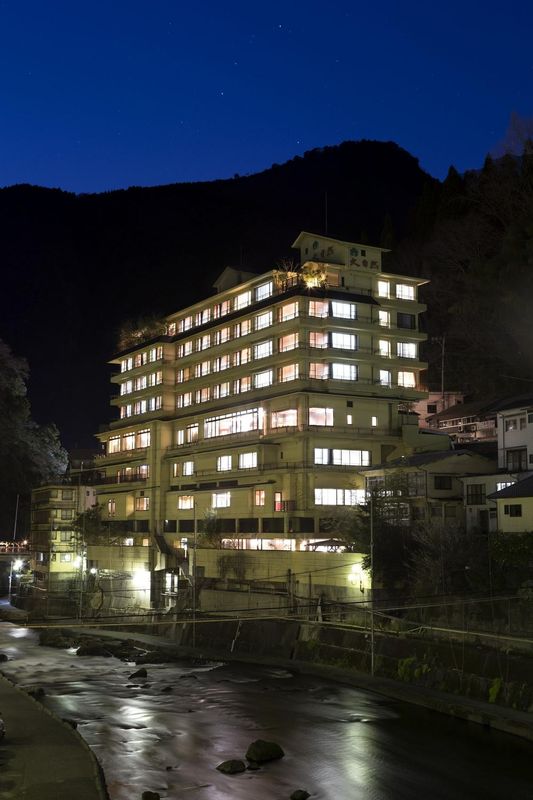
Tsuetate Keiryu no Yado Daishizen
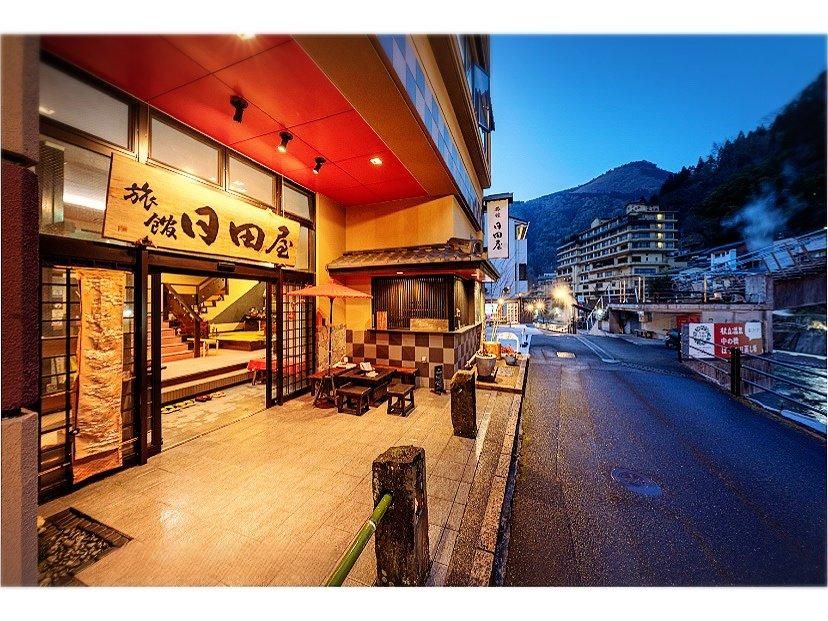
TsuetateSpa Hitayaryokan
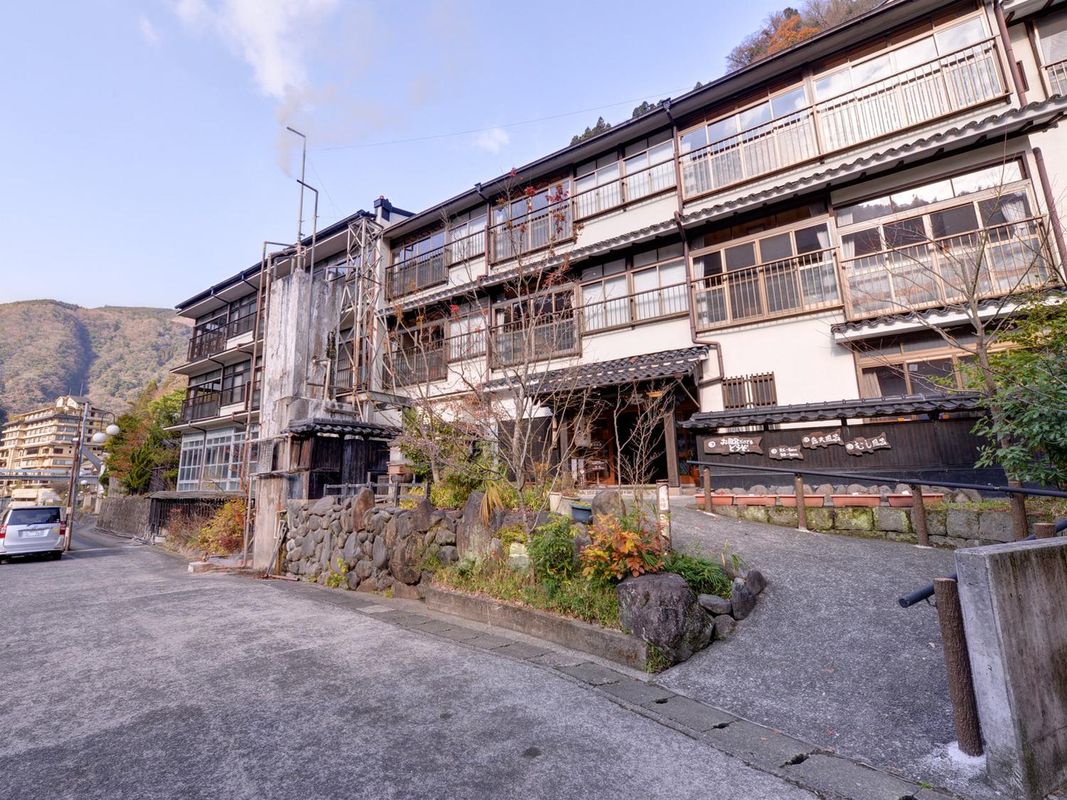
Izumiya
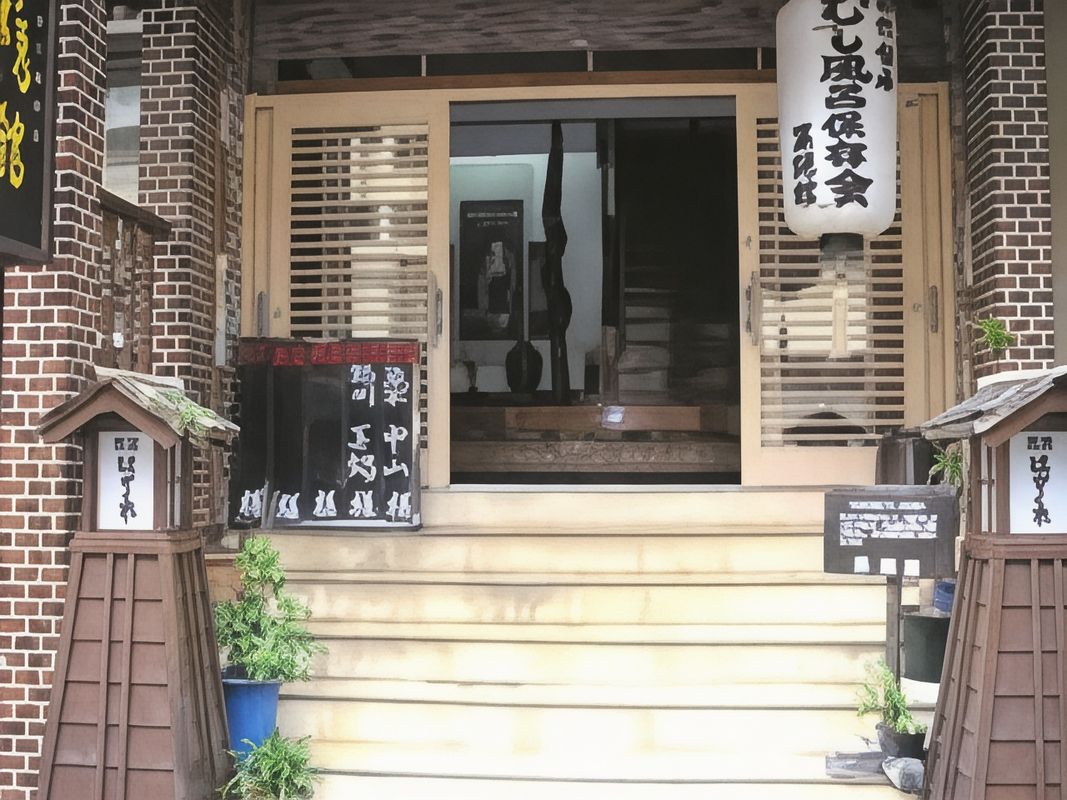
Hagakurekan
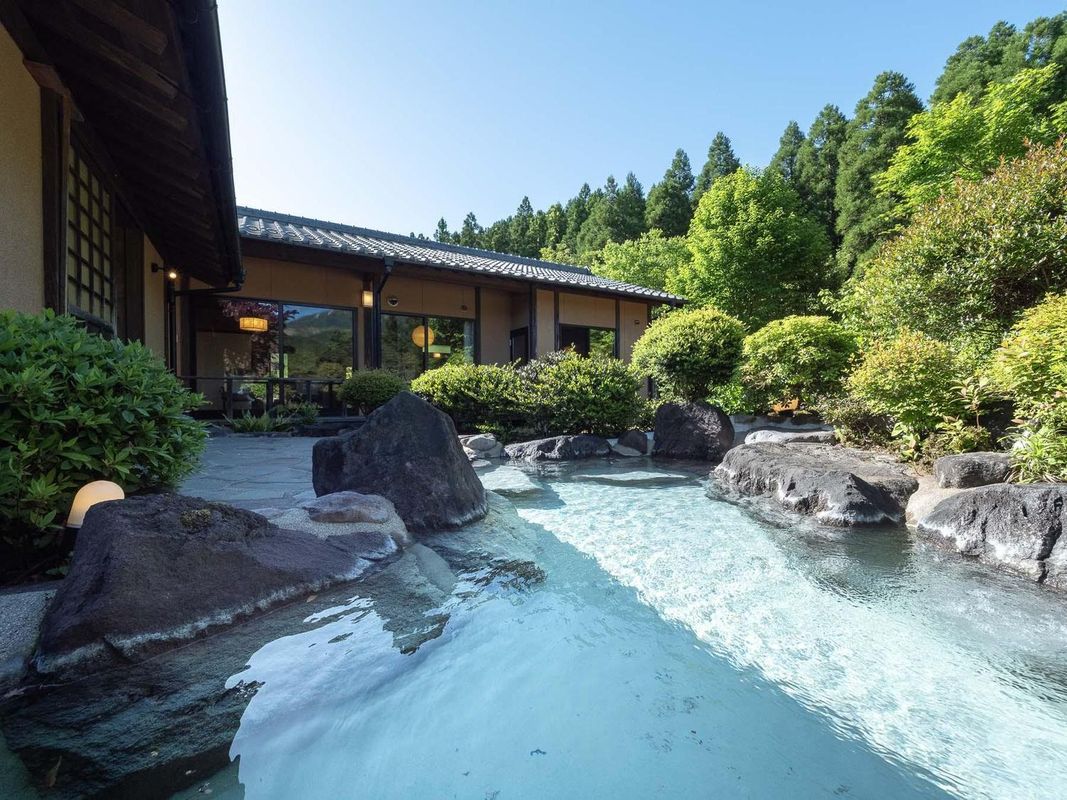
Yamakawa Onsen Hanayu
Frequently Asked Questions about Traveling to Oguni
Questions You Might Need to Know About Traveling to Oguni
In Kōkoku Town, the top family-friendly option is Shiki no Ie Homestay, a cozy, nature-immersed guesthouse nestled beside the Kōkoku River. It offers spacious Japanese-style rooms with tatami mats, private garden access, and child-safe facilities. Families can enjoy fishing at the riverbank, explore the Kōkoku Town Natural Museum on foot, or join seasonal farm activities like strawberry picking. The hosts often prepare homemade meals using local ingredients—such as mountain vegetables and fresh fish—offering an authentic taste of rural Kumamoto.
Another excellent choice is Kōkoku Onsen Ryokan Fū no Sato, which features private outdoor baths for each room, ideal for relaxing after a day of hiking or sightseeing. With its warm hospitality and family-oriented services—including baby cots and kids’ menus—this ryokan ensures a comfortable stay for all ages while immersing guests in the tranquil beauty of the surrounding mountains.
The best times to visit Kōkoku Town are spring (March to May) and autumn (September to November). Spring brings breathtaking cherry blossoms along the Kōkoku River, creating a pink-hued tunnel perfect for walking or cycling. The mild weather makes it ideal for outdoor adventures.
Autumn transforms the region into a vibrant tapestry of red and gold foliage, especially across the Kōkoku Highlands, where panoramic views of layered forests draw photographers and hikers alike. During this season, the annual Kōkoku Autumn Festival celebrates traditional farming practices with rice-planting demonstrations, handcraft stalls, and local food tastings. Early mornings offer crisp air and fewer crowds, enhancing the peaceful experience of rural Japan.
Must-try dishes in Kōkoku Town include Kumamoto-style grilled pork belly (Karaage) and mountain vegetable hot pot (Yamagata Nabe) made with seasonal greens from local farms. At the Kōkoku Market, visitors can savor Kōkoku Pumpkin Rice, a sweet and savory dish featuring locally grown pumpkins cooked with rice and miso, served with a side of fermented soybean soup.
For a deeper cultural experience, book a Farm-to-Table Dining Workshop at a resident’s home, where you’ll learn to prepare dishes like stewed sweet potato chicken using clay pots. Another highlight is dining at riverside camping restaurants that serve freshly grilled wild mountain chicken skewers paired with homemade plum wine. These dishes reflect the town’s sustainable agriculture and deep-rooted culinary traditions.
Recommended hiking trails in Kōkoku Town include the Upper Kōkoku River Trail, a 4-kilometer path winding through pristine forest and cascading waterfalls. Ideal for families, it features rest benches, clear signage, and scenic viewpoints overlooking the river.
The Kōkoku Highlands Loop Trail (approx. 8 km) offers a more challenging route across alpine meadows and mixed woodland, rewarding hikers with panoramic views of autumn foliage or summer wildflowers. Well-marked and maintained, it includes several trailheads with drinking water stations.
For beginners, the Yama no Ko Trail near the Kōkoku Town Natural Museum is a gentle 2.5-km loop perfect for spotting birds and small mammals. Equipped with educational plaques about native flora, it’s ideal for learning about local ecology. Hikers should bring insect repellent, water, and start early to avoid midday heat.
Kōkoku Town’s onsen ryokans stand out for their natural mineral-rich waters and serene mountain settings. The standout option is Fū no Sato Onsen Ryokan, which draws water from a depth of 300 meters, rich in sodium and calcium—ideal for skin health and muscle relaxation.
Each room features a private open-air bath (rotenburo) with views of the valley and night sky, offering a deeply immersive experience. Guests can enjoy "Morning Solitude Bath" sessions, where the onsen is reserved exclusively for guests before sunrise, accompanied by soft meditation music.
The ryokan also serves local ingredient breakfasts, including organic sweet potatoes, fresh river fish, and house-made miso. Some rooms even have traditional Japanese gardens with lanterns, creating a meditative atmosphere perfect for unwinding.
In Kōkoku Town, visitors can engage in authentic cultural experiences. The Traditional Weaving Workshop at the Kōkoku Folk Museum teaches how to use vintage wooden looms to create Kumamoto indigo-dyed fabric, a skill passed down for generations.
During summer, the Kōkoku River Lantern Festival invites participants to craft handmade paper lanterns and join a nighttime procession along the riverbanks, symbolizing peace and heritage.
For agricultural immersion, the Rice Planting Experience Day allows guests to try planting and harvesting rice in real paddies, learning about seasonal rhythms. In winter, the Snow Bamboo Shelter Workshop teaches how to build temporary shelters using bamboo—a survival technique from old mountain communities. These hands-on activities foster deep connections with the town’s history and natural environment.
The most photogenic spots in Kōkoku Town include the Cherry Blossom Tunnel along the Kōkoku River, where overhanging sakura trees form a dreamy pink canopy in spring. Best captured at dawn, the reflection in the river creates a mirror-like effect.
The Kōkoku Highlands Vista Point offers sweeping views of autumn-colored valleys and morning mist, perfect for landscape photography. Early light enhances the contrast between golden leaves and blue skies.
The Moss Garden at Kōkoku Town Natural Museum features lush green mosses, stone lanterns, and quiet pathways—ideal for minimalist or contemplative shots. For a touch of rural charm, visit the Old Village District, where weathered wooden houses with ivy-covered walls evoke timeless serenity.
Bring a wide-angle lens and tripod for long exposures; sunrise and sunset provide the most dramatic lighting.
Kōkoku Town offers numerous family-friendly attractions. The Kōkoku Town Natural Museum features interactive exhibits such as "Insect World Simulator" and "Forest Sound Theater," engaging children through play-based learning. Outside, the Mini Zoo lets kids feed rabbits, guinea pigs, and lambs.
The Kōkoku River Kids’ Fishing Zone provides safe, supervised fishing with child-sized rods and nets—success stories come with a certificate and release ceremony, teaching conservation values.
The Kōkoku Highlands Children’s Playground has climbing frames, sand pits, and treehouses surrounded by forest, perfect for active play. Weekend events like "Nature Treasure Hunt" turn exploration into fun, educational games. All sites offer family restrooms, shaded seating, and easy accessibility, making them ideal for stress-free family outings.
To reach Kōkoku Town, take the Kyushu Shinkansen to Kumamoto Station, then transfer to the Kumamoto Prefectural Bus 'Kōkoku Line', which runs hourly and takes about 1 hour. Tickets can be purchased via mobile app or at the station.
For those who prefer driving, follow National Route 218 into the town—scenic but winding, so use GPS navigation. Bicycles are available for rent at the Kōkoku Town Tourist Center, offering a low-impact way to explore nearby areas.
Some ryokans, like Fū no Sato, provide complimentary shuttle service from Kumamoto Station during peak seasons. Check schedules in advance, especially during holidays when bus frequencies may change. For an eco-friendly journey, combine bus travel with bike rental to minimize environmental impact.
For couples seeking romance, Fū no Sato Onsen Ryokan offers the "Star View Room," a premium suite with a private outdoor hot spring bath facing the mountain sky—perfect for stargazing under clear night skies. Rooms feature minimalist Japanese design, a kotatsu heater, and champagne chilled in a bucket.
Another unique option is the Riverfront Treehouse Inn, a two-story wooden cabin suspended above the Kōkoku River, with floor-to-ceiling glass windows framing flowing water and forest views. Couples can enjoy a candlelit dinner prepared by the host using local ingredients, followed by a shared bottle of plum wine.
The inn also offers a "Candlelight Heart-to-Heart Room" service, complete with ambient music and soft blankets. Early morning sunrise views from the deck make for unforgettable memories. These stays blend seclusion, comfort, and nature, ideal for renewing love amidst the quiet beauty of rural Japan.
Oguni Overview
City Summary
Oguni Town in Kumamoto Prefecture, Japan, is renowned for its onsen culture and pristine nature. Nestled between the outer rim of Aso Caldera and the Kuju Mountain Range, it boasts lush forests and crystal-clear streams, with Kurokawa Onsen being a top-tier hot spring recognized by Japan's Hidden Hot Spring Association. The town preserves traditional thatched-roof villages, reflecting profound agricultural heritage and craftsmanship.
Must-See Attractions
Must visit Kurokawa Onsen Village to experience over 30 unique open-air baths—purchase a "onsen tegata" pass for access to 3 facilities. Nabegataki Falls features a rare "curtain-type" waterfall where you can walk behind the water curtain in summer. The 1,000-year-old cedar at Oguni Sugi Shrine and Edo-period thatched houses at Nishimura Residence showcase harmonious coexistence with nature.
Food Guide
Try Akaushi beef, Wagyu raised on Aso's mineral-rich grass; Oguni soba noodles are handcrafted with mountain spring water, served with duck broth. Local snack "ikinaridango" is a sweet potato-mochi dumpling with red bean paste. Don't miss jigokumushi (hell-steamed) vegetables and river fish cooked by geothermal steam at onsen ryokans.
Transportation Guide
From Fukuoka Airport, take a 2.5-hour direct bus to Kurokawa Onsen (Kyushu Odan Bus, 3 daily). Local sights require town buses or taxis (advance HopeGoo recommended)—check sparse bus schedules carefully. Self-driving is ideal via Route 387; winter driving demands snow tires. Most ryokans offer pickup services.
Best Time to Visit
Best in spring/autumn: April-May for cherry blossoms and fresh greenery, September-November for autumn foliage illuminations. Summer (June-August) suits waterfall hikes but brings rains; winter (December-February) offers stunning snowscapes with some road closures. Avoid Golden Week and Obon for quieter onsens.
Travel Tips
- Onsen etiquette: Fully rinse before bathing, tie up long hair, no swimsuits allowed
- Cash reliance: Rural shops/onsen passes only accept JPY—only 1 ATM in town
- Footwear: Wear non-slip shoes for mossy trails and waterfalls
- Drone restrictions: Nabegataki Falls aerial photography requires prior permits
- Reservation culture: Premium ryokans need bookings 2+ months ahead
- Eco-practices: Bring towels to reduce disposable item usage
Useful Information
Language: Basic English works, most inns have Chinese brochures; Connectivity: Free WiFi in onsen village, weak signals in rural areas; Payments: Cards only accepted at upscale ryokans; Emergencies: Town clinic operates daytime—night emergencies require travel to adjacent towns; Post: Oguni Post Office handles international mail; Attire: Yukata provided at onsens, pack winter coats; Voltage: 100V two-pin plugs (same as Hong Kong).









