Hotels in Ojiya
Discover your perfect stay in Ojiya.
Ojiya(Japan) Travel 2026: Cheap Flights, Hotels & Top Attractions
Popular Landmarks in Ojiya
Discover the most iconic attractions in Ojiya
Recommended Hotels in Ojiya
Find the perfect place to stay in Ojiya
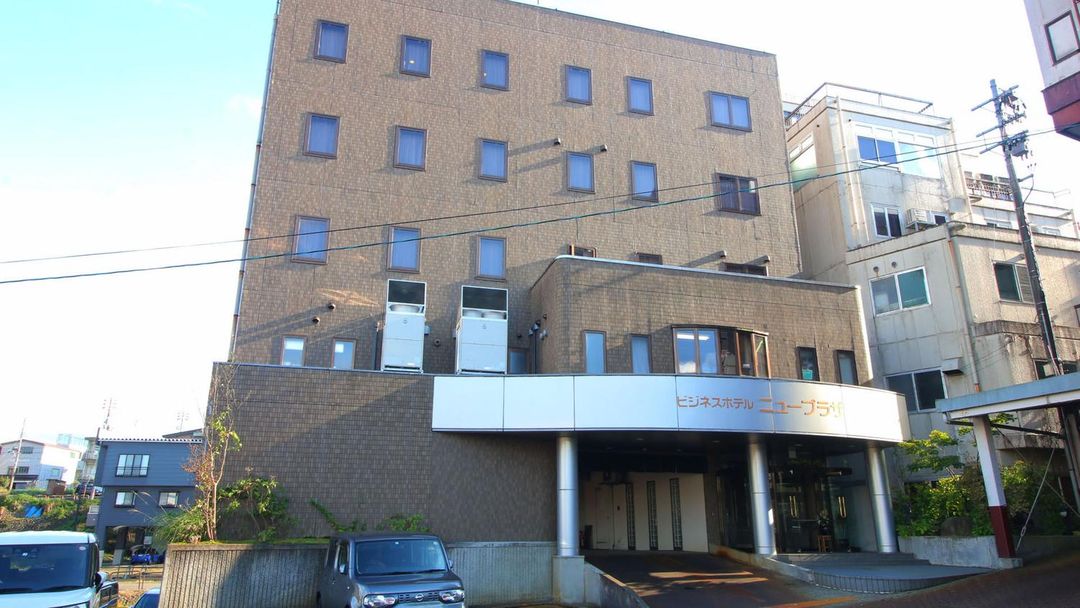
Business Hotel New Plaza
Best Hotels in Ojiya
Discover curated hotel collections in Ojiya
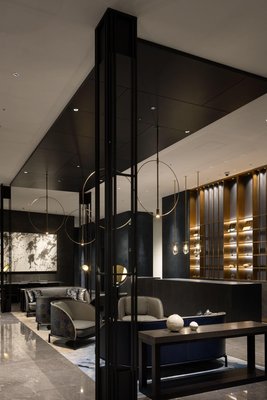
Bellustar Tokyo, A Pan Pacific Hotel
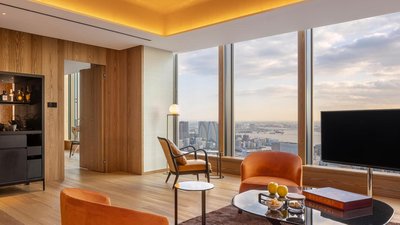
Bvlgari Hotel Tokyo
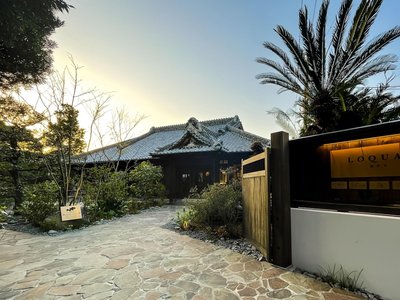
Loquat Nishiizu
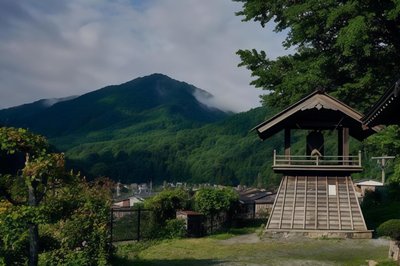
Byaku Narai
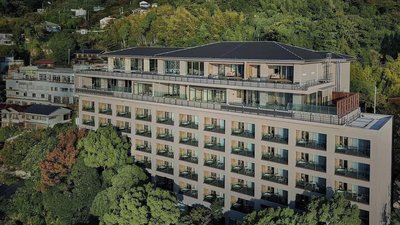
Atami Izusan Karaku
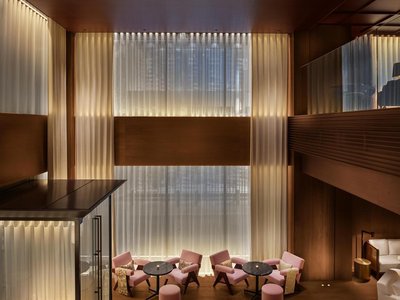
The Tokyo Edition, Ginza

Janu Tokyo
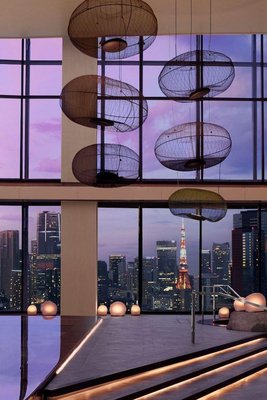
JW Marriott Hotel Tokyo
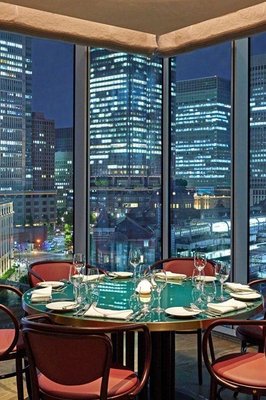
Four Seasons Hotel Tokyo at Marunouchi

Mandarin Oriental, Tokyo
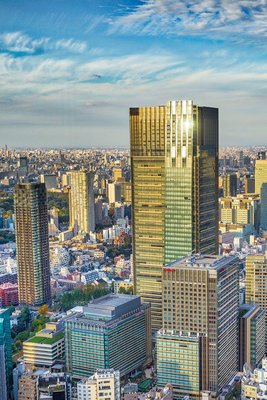
The Ritz-Carlton, Tokyo
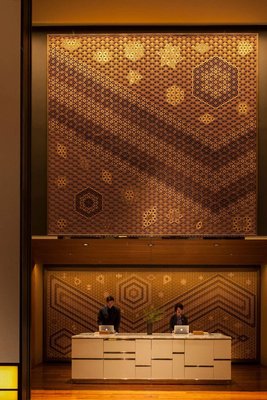
Andaz Tokyo Toranomon Hills- A Concept by Hyatt
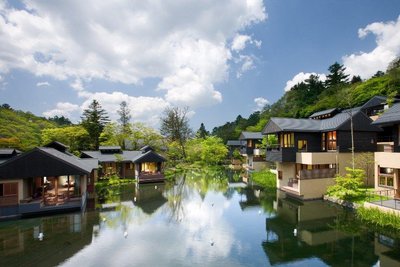
Hoshinoya Karuizawa
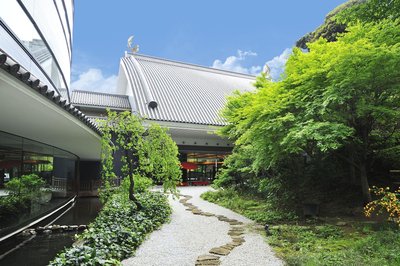
Hotel Gajoen Tokyo
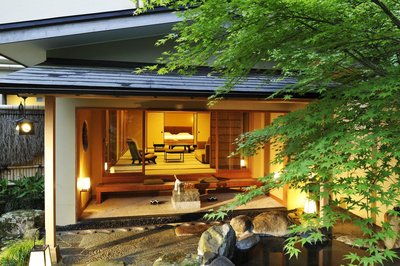
Gora Kadan
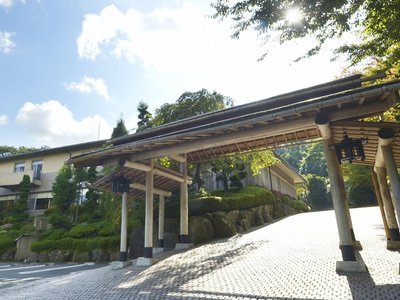
Gora Hanaougi
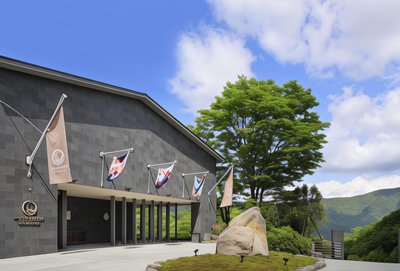
The Hiramatsu Hotels & Resorts Sengokuhara Hakone

Abba Resorts Izu - Zagyosoh
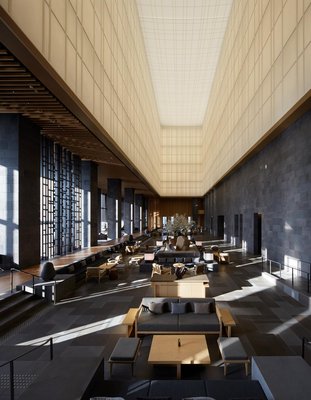
Aman Tokyo
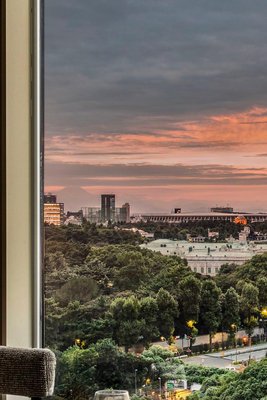
Hotel New Otani Tokyo, Executive House Zen
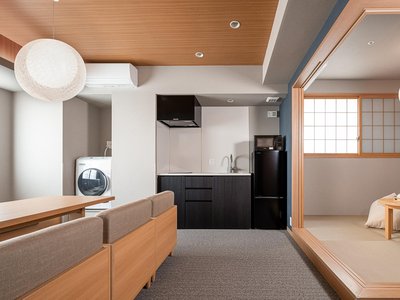
MIMARU SUITES Tokyo Asakusa
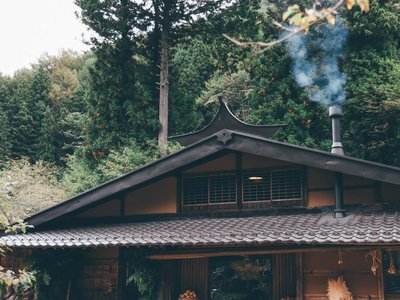
La Terra Resort

karaksa hotel colors Tokyo Yaesu
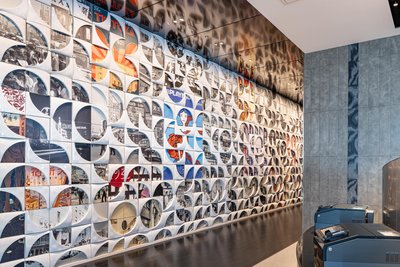
HOTEL GROOVE SHINJUKU, A PARKROYAL Hotel
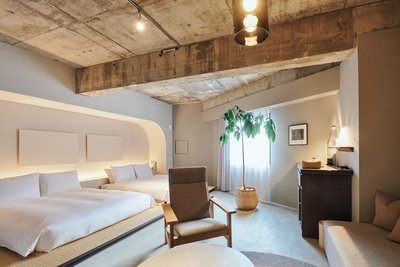
Korinkyo

EN Resort Grandeco Hotel
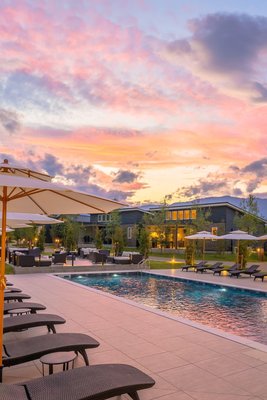
Awaumi Fujikawaguchiko Resort
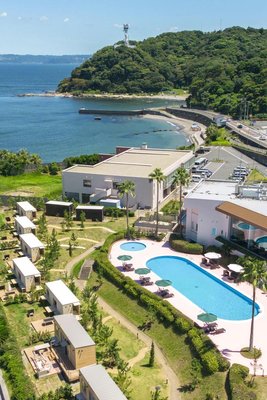
La vista Yokosuka Kannonzaki Terrace
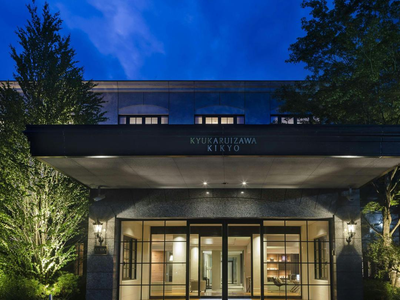
Fufu Karuizawa Wind of Sunshine
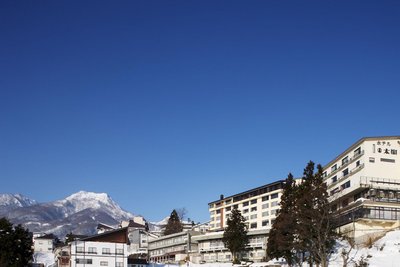
Hotel Taiko, Akakura Onsen
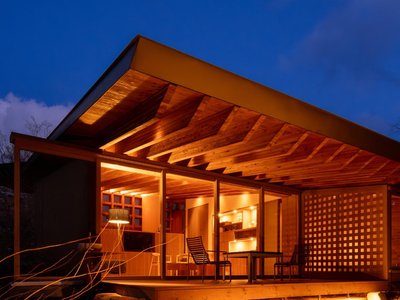
Nasu Mukunone
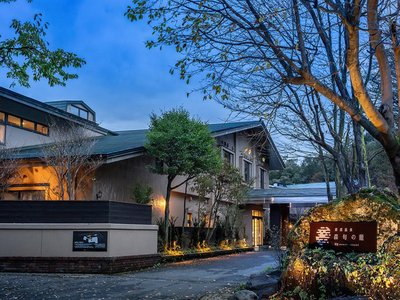
Nasu Onsen Shinshun no Kago Hewitt Resort

Scapes the Suite
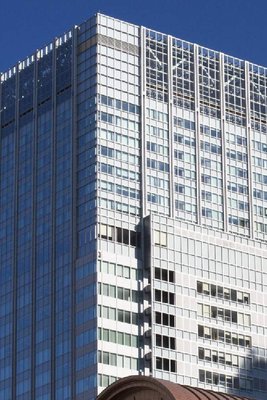
Hotel Metropolitan Tokyo Marunouchi
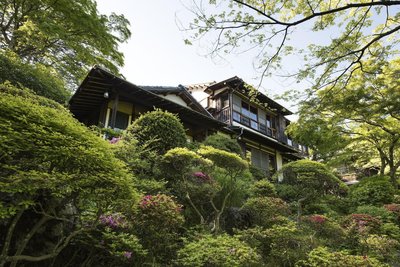
Gora Kansuiro
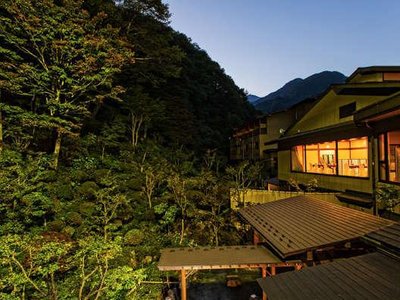
Futari Shizuka
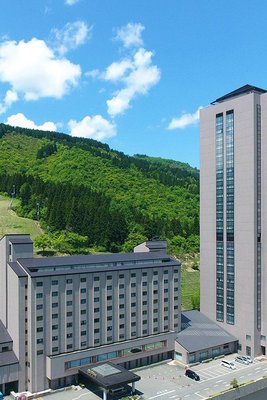
Naspa New Otani
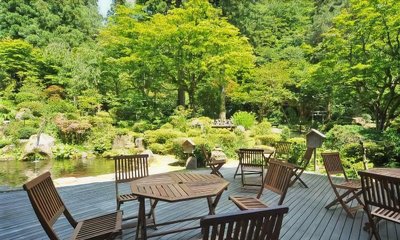
Choseikan
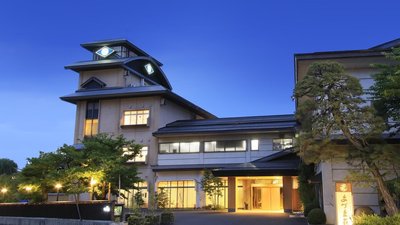
Shouhakutei Azumaso
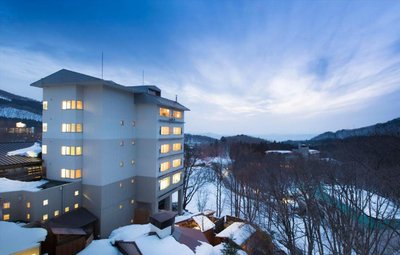
Takamiya Hotel Lucent
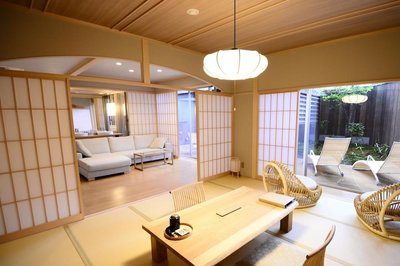
Hakone Gora Byakudan
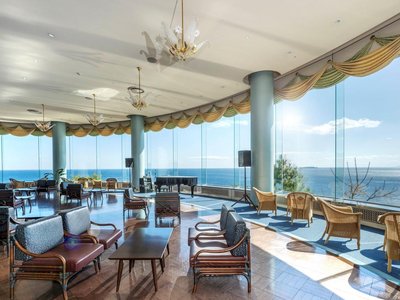
Hotel New Akao
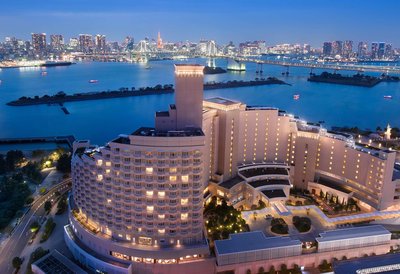
Hilton Tokyo Odaiba
JW Marriott Hotel Tokyo
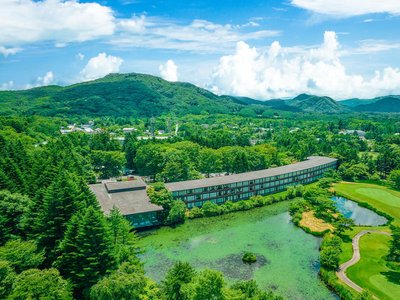
The Prince Karuizawa

The Kukuna
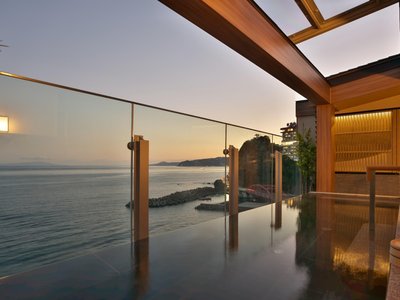
Hotel New Sagamiya
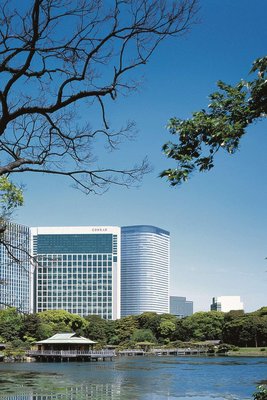
Conrad Tokyo
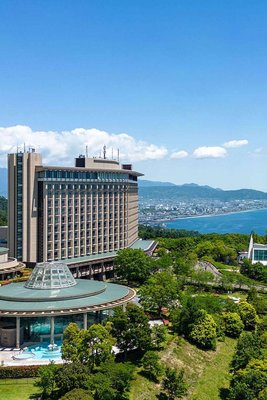
Hilton Odawara Resort & Spa
Hoshinoya Karuizawa
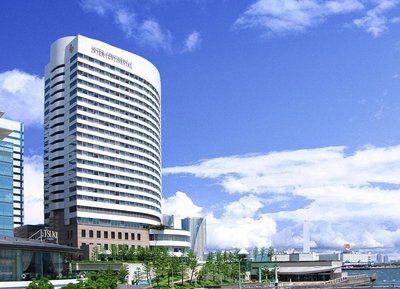
InterContinental Tokyo Bay
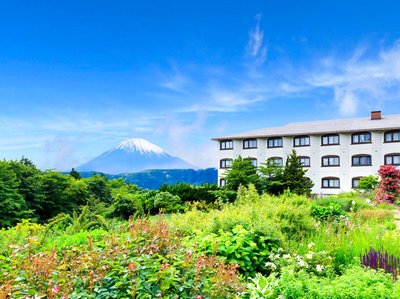
Hotel Green Plaza Hakone
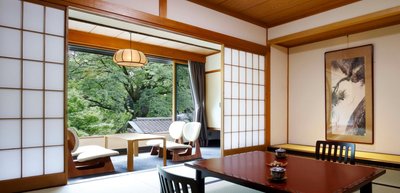
Yoshiike Ryokan
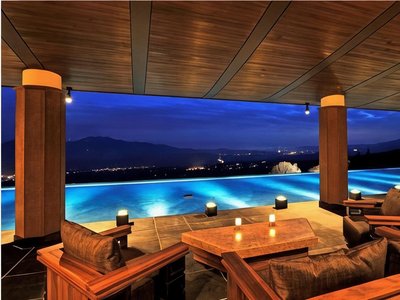
Akakura Kanko Hotel
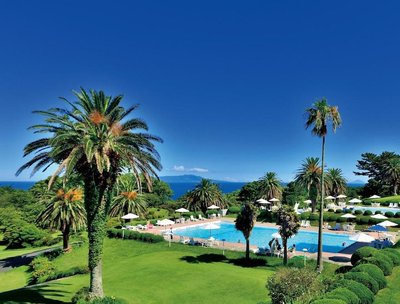
Kawana Hotel
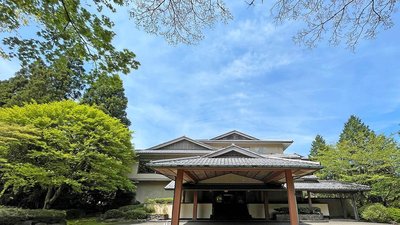
Ryuguden
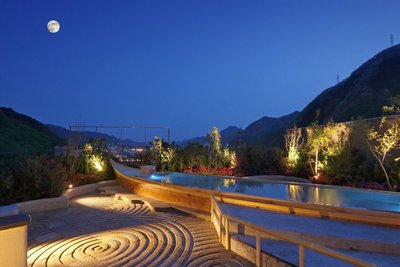
Asaya
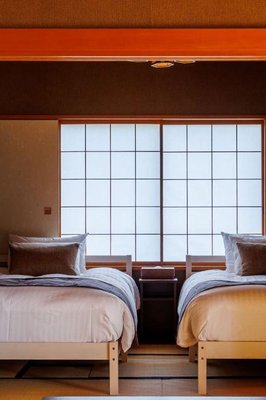
Sado Resort Hotel Azuma
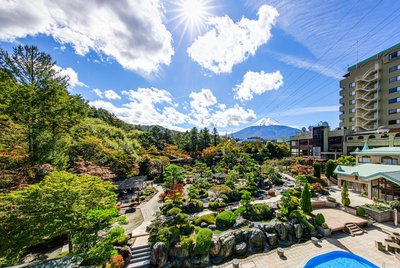
Kaneyamaen
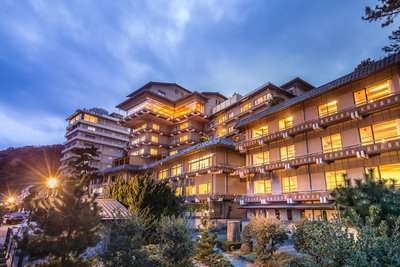
Bousui
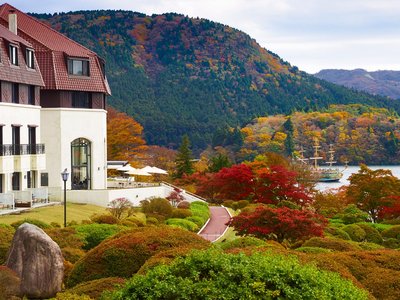
Hotakajyo
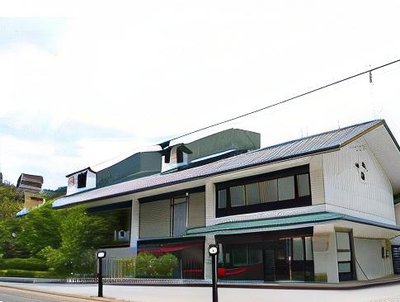
Auberge Suzukane

Onyado Nono Asakusa Bettei Hot Spring
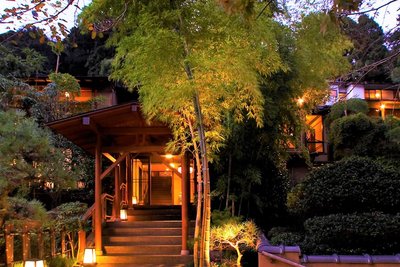
Shiki wo Ajiwau Yado Yamano Chaya
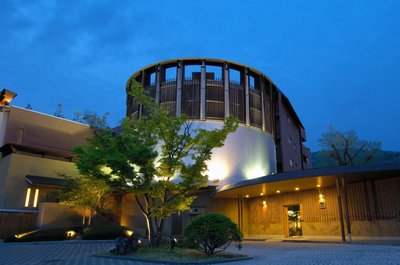
Hoshino Resorts Kai Matsumoto
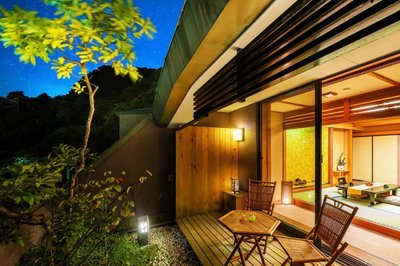
Konjakutei
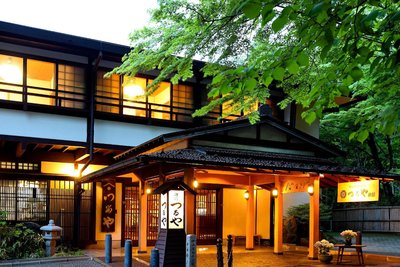
Tsuruya Ryokan
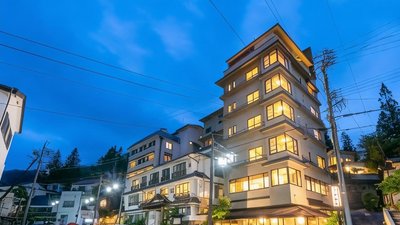
Nakamatsuya Ryokan
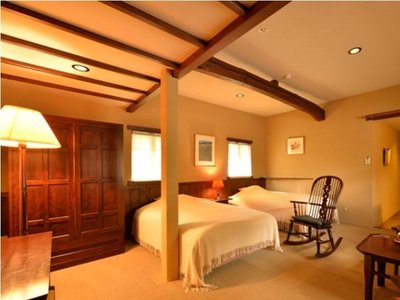
Ryokan Sugimoto
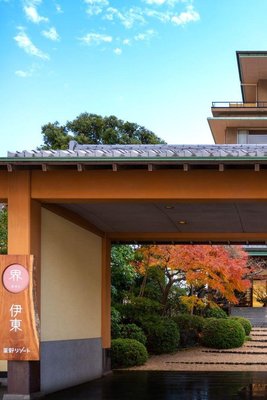
Hoshino Resorts Kai Ito
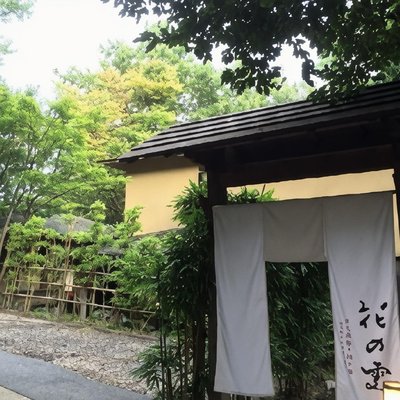
Hana No Kumo
Yoshiike Ryokan
Hotel Gajoen Tokyo
Gora Hanaougi
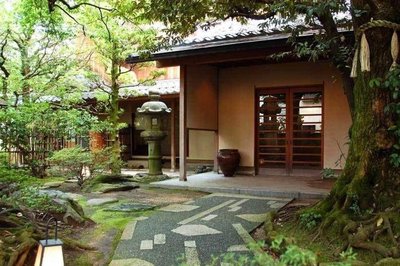
Kocho
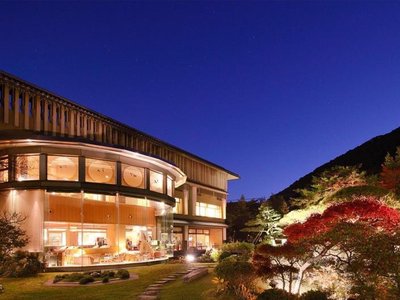
Shikisai Ichiriki
Sado Resort Hotel Azuma
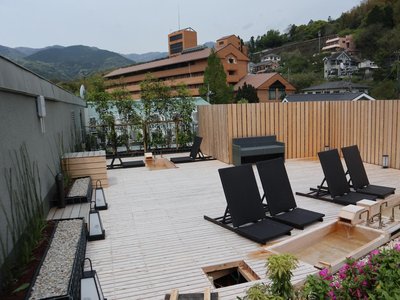
Fukiya Ryokan
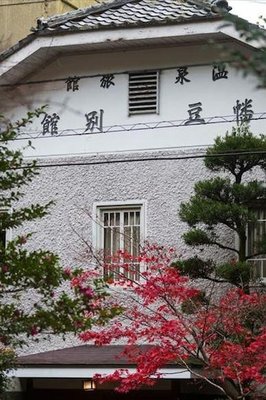
Oku-Mikawa・Yuya Onsen HAZU Bekkan
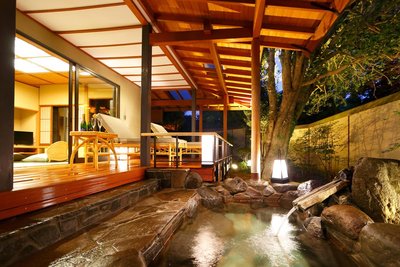
Yoshiharu Ryokan – Izu Nagaoka Onsen
Bellustar Tokyo, A Pan Pacific Hotel
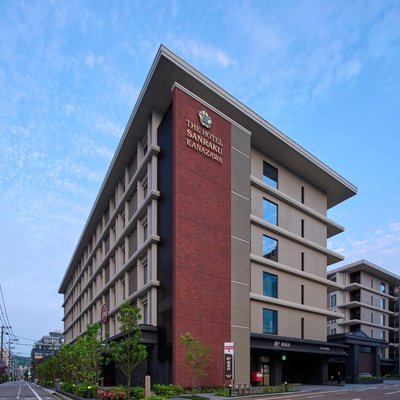
The Hotel Sanraku Kanazawa 21th December 2022 Open
JW Marriott Hotel Tokyo
Andaz Tokyo Toranomon Hills- A Concept by Hyatt
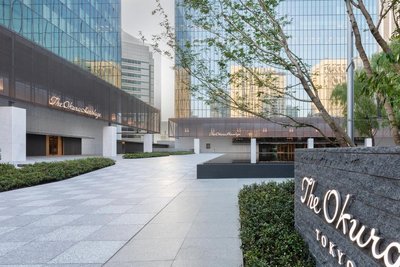
The Okura Tokyo
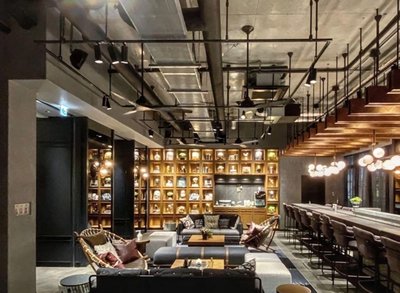
The Lively Azabujuban Tokyo
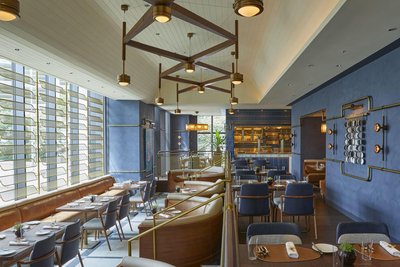
Kimpton Shinjuku Tokyo

HOTEL K5
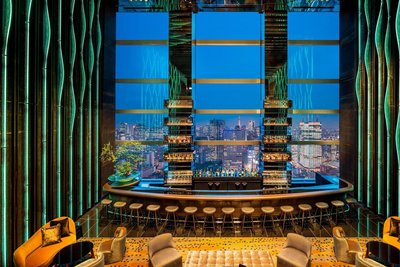
The Prince Gallery Tokyo Kioicho, a Luxury Collection Hotel
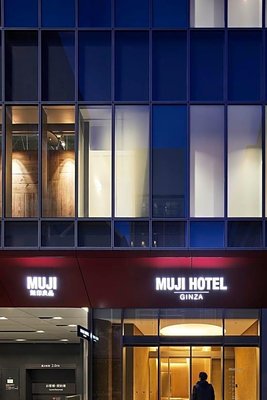
Muji Hotel Ginza
Hakone Gora Byakudan
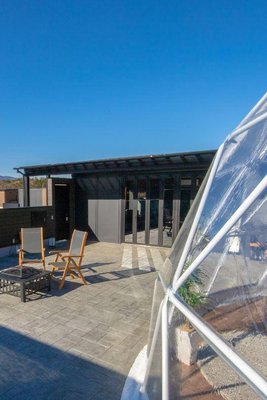
Panoramic Mt. Fuji Views from All Rooms – Vision Glamping Resort & Spa Yamanakako
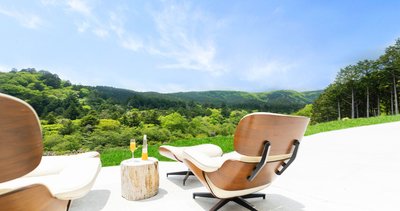
Shelter Garden Nikko
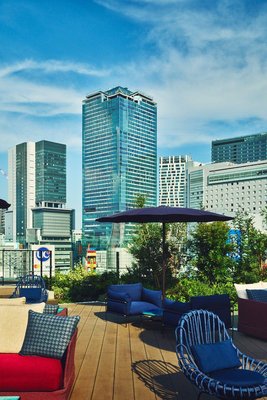
Hotel Indigo Tokyo Shibuya

TIAD, AUTOGRAPH COLLECTION
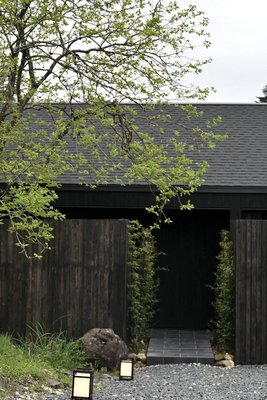
THE LAKOTAN
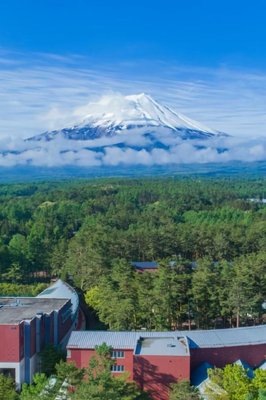
Forest Village (Fuji Premium Resort)
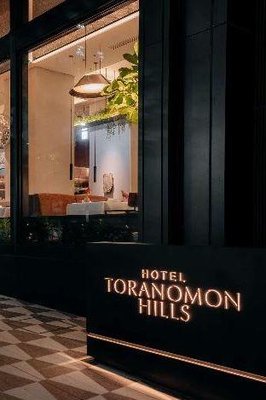
Hotel Toranomon Hills

Fufu Kyu-Karuizawa Restful Forest
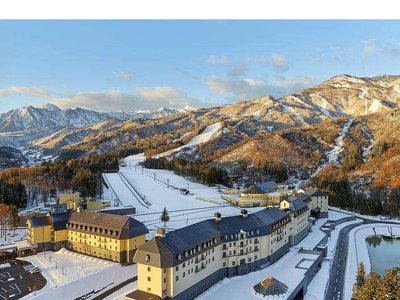
Lotte Arai Resort
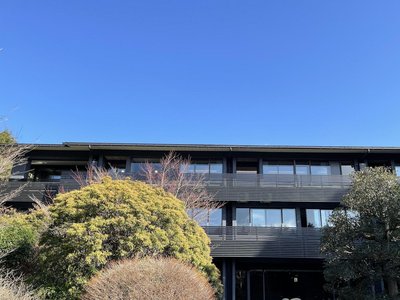
Sengokubara Cocon
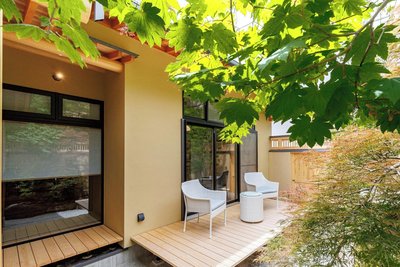
Shoraiso
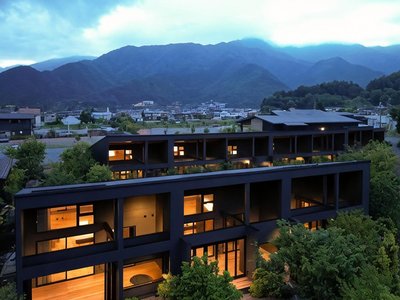
7C Villa and Winery
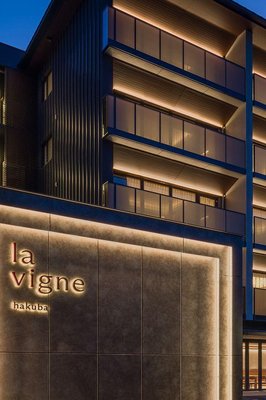
Hotel la Vigne Hakuba by Onko Chishin
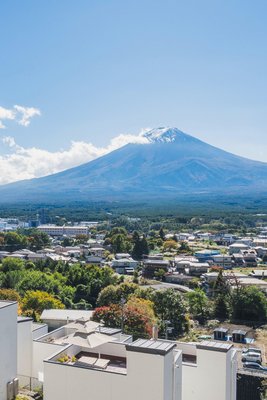
THE TOKI FujiKawaguchiko
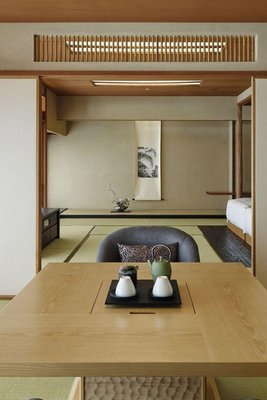
Takanawa Hanakohro (in Grand Prince Hotel Takanawa)
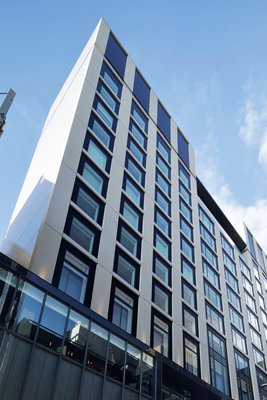
Hyatt Centric Ginza Tokyo
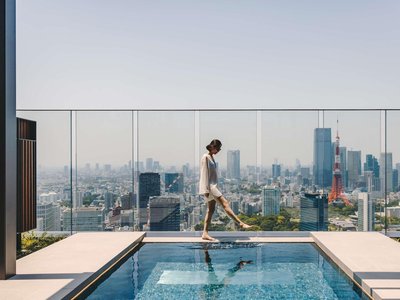
Fairmont Tokyo
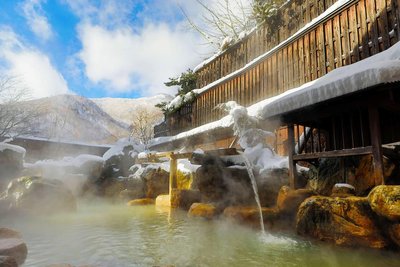
Miyamaouanbekkan yumegurinoyado hirayukan
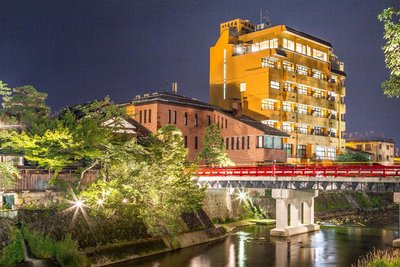
HONJIN HIRANOYA BEKKAN
Bvlgari Hotel Tokyo
Four Seasons Hotel Tokyo at Marunouchi
Mandarin Oriental, Tokyo
The Ritz-Carlton, Tokyo
Andaz Tokyo Toranomon Hills- A Concept by Hyatt
Gora Kadan

Hotel New Otani Tokyo the Main
Aman Tokyo
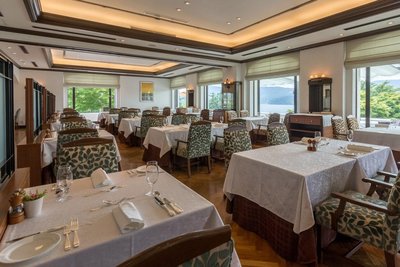
Odakyu Hotel de Yama
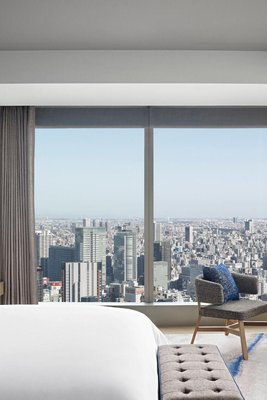
Four Seasons Hotel Tokyo at Otemachi
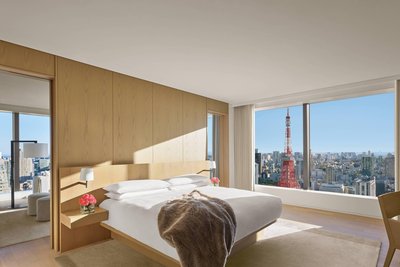
The Tokyo Edition, Toranomon

Hyatt Centric Kanazawa
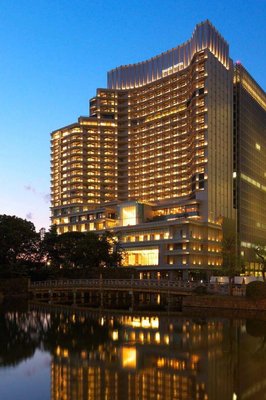
Palace Hotel Tokyo
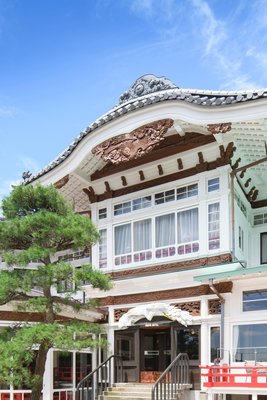
Fujiya Hotel
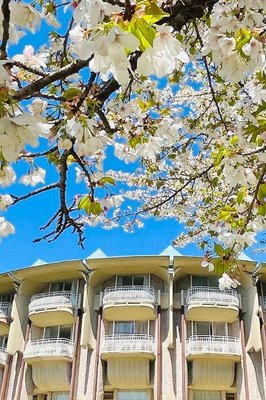
The Prince Hakone Lake Ashinoko
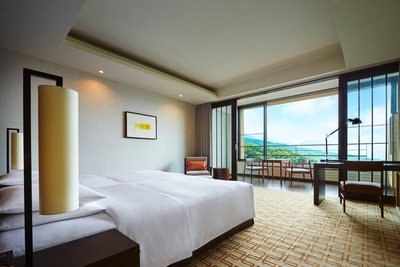
Hyatt Regency Hakone Resort and Spa
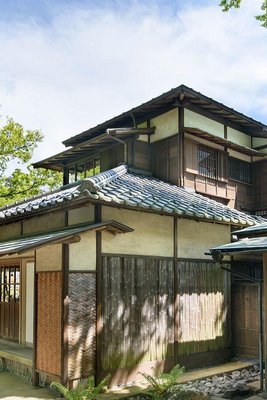
Hakone Suishoen
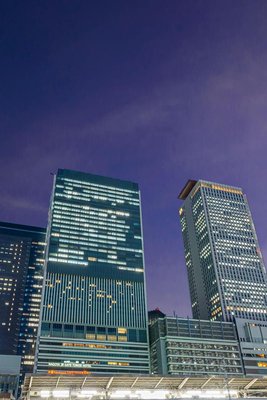
Nagoya JR Gate Tower Hotel (JR-Central Hotels)
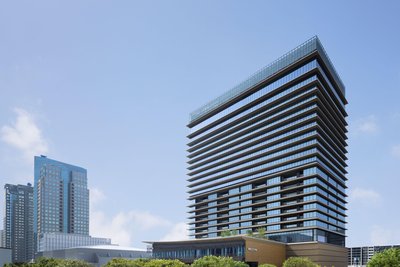
The Westin Yokohama
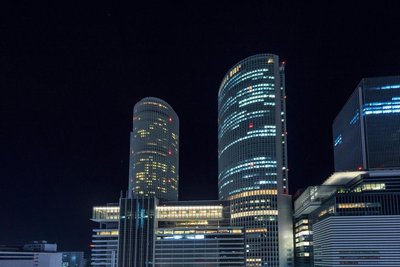
Nagoya Marriott Associa Hotel

Rakuten STAY VILLA Nasu
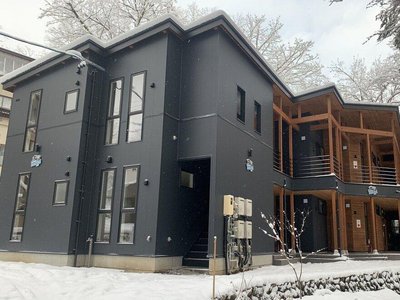
Hakuba Gondola Apartments
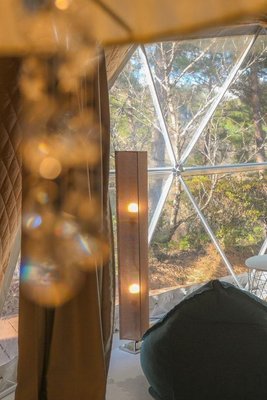
glampark Gekkabijin Nagano
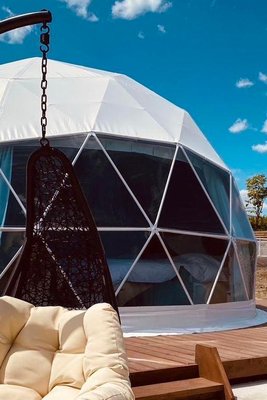
chillout glamping zao
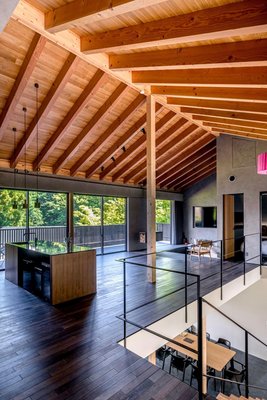
MONS GORA

Phoenix Chalets by Hhg
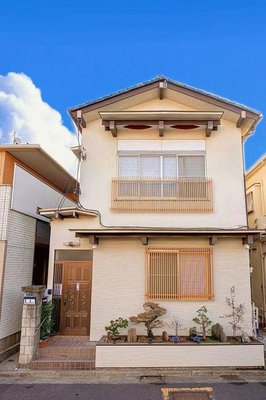
Tokyo Star House-Shinkoiwa
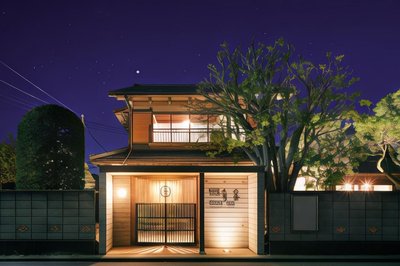
Machi-Jyu
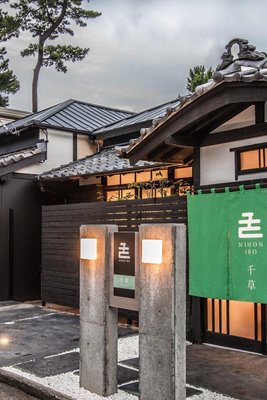
Nihon Iro
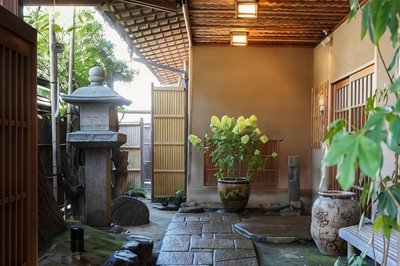
Ryokan Asadaya
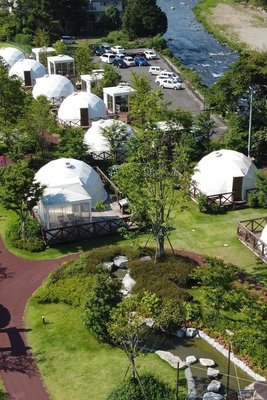
Ufufu Village
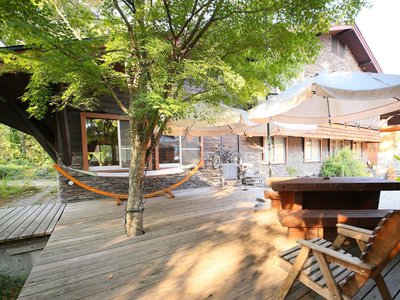
Kunugi Relaxation with 4 Modern Rooms

Modern Ryokan Kishi-ke

Petals Tokyo - Floating Hotel
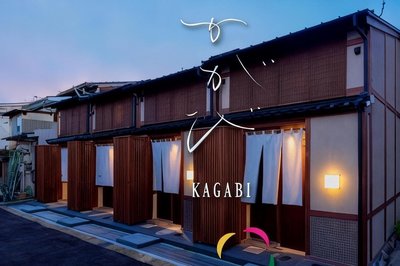
Kagabi Machiya House

The Flow Kamakura
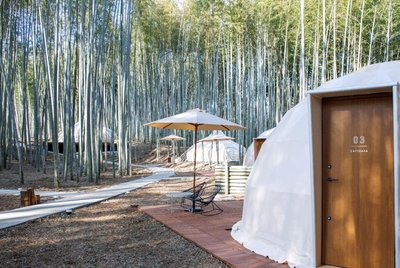
THE BAMBOO FOREST
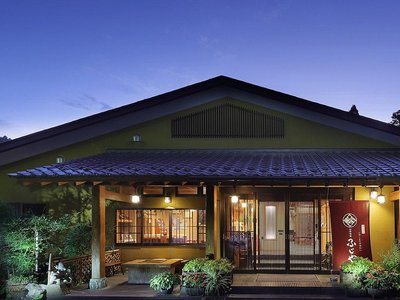
Shikimitei Fujiya
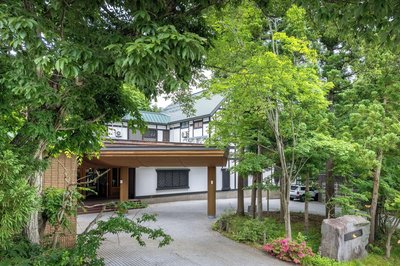
Forest Resort Yamanote Hotel
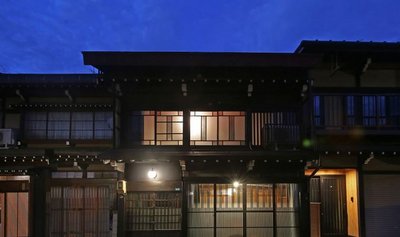
Iori Stay Hida
Bellustar Tokyo, A Pan Pacific Hotel

Hotel Barrière Fouquet's New York
Bvlgari Hotel Tokyo
Loquat Nishiizu
Byaku Narai
Atami Izusan Karaku
The Tokyo Edition, Ginza
Janu Tokyo
JW Marriott Hotel Tokyo
Four Seasons Hotel Tokyo at Marunouchi
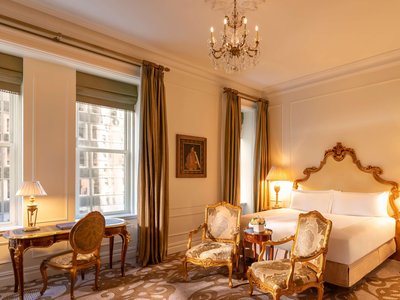
The Plaza - A Fairmont Managed Hotel
Mandarin Oriental, Tokyo
The Ritz-Carlton, Tokyo
Andaz Tokyo Toranomon Hills- A Concept by Hyatt
Hoshinoya Karuizawa
Hotel Gajoen Tokyo
Gora Kadan
Gora Hanaougi
The Hiramatsu Hotels & Resorts Sengokuhara Hakone
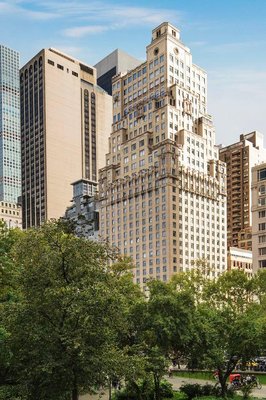
The Ritz-Carlton New York, Central Park
Frequently Asked Questions about Traveling to Ojiya
Questions You Might Need to Know About Traveling to Ojiya
In Kōgane City, the most recommended hotel with authentic Japanese charm is Kogane Yuya Onsen Ryokan, a centuries-old family-run inn nestled near the city center. It offers private onsen baths, tatami rooms with wooden beam ceilings, and exquisite kaiseki meals made from local ingredients like mountain vegetables and fresh fish from the Shinano River.
For a more intimate experience, Chigaya Machi Yado stands out—a beautifully restored Edo-period house turned boutique guesthouse. Guests enjoy personalized tea ceremonies, access to handloom workshops, and guided walks through old alleyways where artisans still practice Chigaya Nuno weaving. Both properties emphasize sustainability and cultural preservation, making them ideal for travelers seeking deep-rooted authenticity.
The city center and Chigaya Riverfront district are the optimal areas for lodging and sightseeing in Kōgane City. This region surrounds Kōgane Station, offering easy access to key attractions such as the Chigaya Textile Museum, Kōgane City Museum, and bustling local markets.
Staying here means walking distance to restaurants serving regional specialties like Chigaya tofu with beef fat and fermented pickles. Accommodations include cozy minshuku, modern ryokans, and eco-friendly lodges. For those interested in history, many buildings feature preserved timber frames and sliding paper doors—perfect for capturing photos and immersing in rural Japanese life. Public buses connect all major sites, ensuring seamless exploration.
Visitors to Kōgane City can immerse themselves in the ancient craft of Chigaya Nuno textile weaving, a tradition dating back over 300 years. At the Chigaya Textile Museum’s hands-on workshop, guests learn to operate a traditional bamboo loom and create their own small fabric keepsake using natural indigo dye.
Another highlight is the Kōgane Fireworks Festival, held annually in spring along the Chigaya River, where colorful pyrotechnics reflect off the water under historic lanterns. In winter, the Snow Bath Festival invites guests to soak in open-air onsen surrounded by snow-laden trees, often accompanied by live folk music and warm sake service. These seasonal events blend heritage, nature, and community spirit.
Yes, Kogane Family Onsen Hotel is a top choice for families visiting Kōgane City. This child-oriented ryokan features spacious family rooms, a dedicated playroom with traditional games, and outdoor gardens perfect for kids to explore.
They also offer interactive programs like mini weaving sessions for children and “Kōgane Treasure Hunt” maps that guide families through hidden historical spots around town—such as old blacksmith shops and bamboo craft stalls. The hotel provides baby cots, high chairs, and multilingual staff. Another option is Chigaya Machi Yado’s Family Suite, a renovated Edo-era home with large tatami halls and a courtyard, ideal for multi-generational travel. All facilities comply with accessibility standards.
While not a major onsen resort, Kōgane City boasts charming, low-key hot springs with soft, alkaline waters rich in minerals beneficial for skin and joint health. The main onsens are located in the Kōgane Onsen District, including Kogane Yuya Onsen Ryokan and Chigaya Spring Pavilion.
Both offer private outdoor baths with views of surrounding mountains and forests. A must-try is the Winter Snow Bath Experience: during cold months, temporary wooden huts are built around open-air baths, allowing guests to soak while snowflakes fall gently around them. Some inns even provide foot baths after soaking. Reservations are advised, especially during festivals.
Tourists visiting Kōgane City must try Chigaya Beef Fat Tofu, a local delicacy made by slow-cooking silken tofu with premium beef tallow, resulting in a rich, velvety texture. It's typically served chilled with soy sauce or miso broth.
Another must-try is the Kōgane Pickle Platter, featuring fermented vegetables like radish, eggplant, and cucumber, crafted using traditional methods passed down through generations. At Chigaya Market, visitors can sample freshly made soba noodles and sake lees braised pork, a dish using leftover sake mash that adds depth and sweetness.
For an authentic meal, book a private dinner at Chigaya Machi Yado, where the host prepares a four-course menu using seasonal ingredients and serves homemade umeshu plum wine.
The best photo spots in Kōgane City include the Chigaya River Cherry Blossom Trail, where weeping cherry trees arch over the water, creating dreamy reflections perfect for portraits and landscape shots. Another standout is the Indigo-Dyed Fabric Wall at the Chigaya Textile Museum, adorned with vibrant blue panels created by locals and visitors alike.
Don’t miss the retro electric train sculpture near Kōgane Station and the historic bank building with its original wooden façade—ideal for vintage-style photography. For panoramic views, hike to the North Hill Vista Point at sunset, where golden rice fields stretch toward distant mountains and the silhouette of Mount Akagata dominates the horizon. Bring a wide-angle lens for sweeping compositions.
Absolutely. Kōgane City offers well-maintained hiking trails suited for all levels. Start with the Chigaya River Eco Trail, a 3-kilometer path along a clear stream, lined with wild ferns, birdsong, and century-old maple trees. Signage is available in English and Japanese, with benches and rest shelters along the way.
More adventurous hikers can tackle the Mount Akagata Trail, a 2-hour ascent with rewarding views of the entire Kōgane Basin and the Sea of Japan on clear days. Along the route lies the Chigaya Loom Observation Deck, a scenic spot built from repurposed looms where you can pause and appreciate both nature and textile heritage. Wear sturdy shoes and carry water—best visited in spring or autumn.
Transportation in Kōgane City is convenient via rail and bus. The Echigo Line connects Kōgane Station to Niigata and Nagano, with trains running every 30 minutes; Suica cards are accepted.
Local buses cover major sights, including the Chigaya Textile Museum, Onsen District, and City Museum. Tourists can purchase the Kōgane One-Day Pass, which includes unlimited bus rides and free admission to top attractions. For drivers, National Route 117 leads directly into town, with parking available at the Chigaya River Visitor Center and Onsen Street Parking. Check schedules in advance, especially during peak seasons.
The best times to visit Kōgane City are spring (late March to May) and autumn (October to early November). Spring brings blooming cherry blossoms along the Chigaya River and the lively Kōgane Fireworks Festival, where fireworks light up the night sky.
Autumn offers stunning red and gold foliage across Mount Akagata and surrounding farmlands, ideal for photography and hiking. Temperatures are mild, and crowds are smaller. Winter is quiet but magical, especially during the Snow Bath Festival, when guests enjoy open-air onsen under snowfall. Avoid summer due to heat and humidity, and rainy season if possible for the best overall experience.
Ojiya Overview
City Summary
Ojiya City, located in the southern part of Niigata Prefecture, Japan, is a tranquil town renowned for its traditional textile craft "Ojiya-chijimi." The city boasts beautiful natural landscapes including the Shinano River flowing through the urban area, surrounded by terraced rice fields and mountains. Ojiya attracts visitors with its rich history, hot springs, and handicrafts, making it an ideal destination to experience Japanese rural charm and traditional culture.
Must-See Attractions
Key attractions in Ojiya include the Ojiya-chijimi Center, where visitors can learn about this Important Intangible Cultural Property. The Shinano River banks offer pleasant walks with scenic views, while Ojiya Onsen provides relaxing hot spring experiences. The annual Ojiya Gion Festival in summer showcases vibrant local traditions and culture.
Food Guide
Ojiya's cuisine features Niigata specialties like the famous Koshihikari rice and local sake. Don't miss trying "Ojiya beef," a premium wagyu variety, as well as regional dishes made with local ingredients. The city also has traditional Japanese confectionery shops offering rice-based sweets.
Transportation Guide
Public transportation in Ojiya mainly consists of buses connecting major sights and neighboring cities. From Tokyo, take the Shinkansen to Echigo-Yuzawa Station then transfer to local trains or buses (about 1 hour). Most attractions are within walking distance, and bicycle rentals are available. Taxis are limited, so advance HopeGoo is recommended.
Best Time to Visit
The best seasons to visit are spring (April-May) and autumn (September-November) with pleasant weather and beautiful scenery. Summer (June-August) offers traditional festivals but can be hot. Winter (December-February) has charming snowscapes but may have transportation disruptions.
Travel Tips
- Book a traditional textile experience at Ojiya-chijimi Center in advance.
- Follow Japanese onsen etiquette - wash before entering baths.
- Rural shops have shorter hours, so check schedules.
- Bring anti-slip footwear for winter visits.
- Always ask permission before taking photos of people.
- Reserve restaurants ahead, especially on weekends.
Useful Information
Japanese is the main language with limited English, so a translation app is helpful. Free Wi-Fi spots exist but coverage is limited. Cash remains primary; credit cards accepted only at larger establishments. For emergencies, dial 110 (police) or 119 (ambulance/fire). Pharmacies are scarce, so bring essential medications. Locals are friendly but reserved - maintain polite distance.









