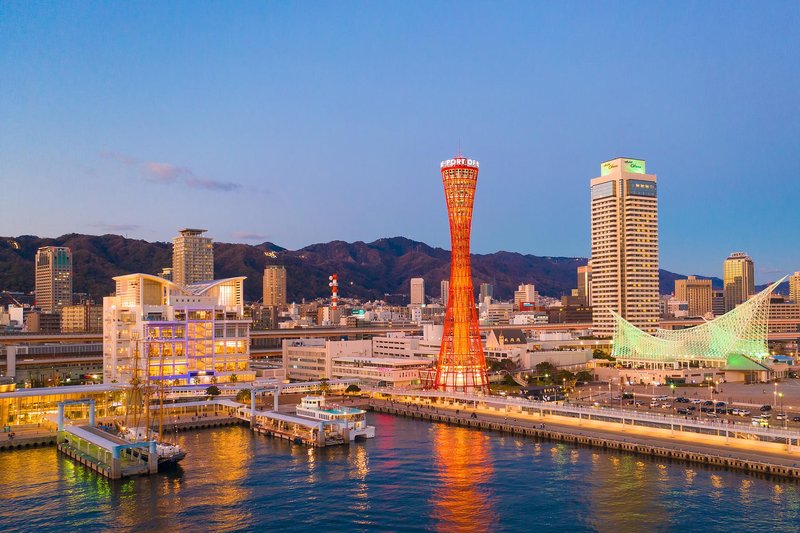
Hotels in Okaya
Discover your perfect stay in Okaya.
Okaya(Japan) Travel 2026: Cheap Flights, Hotels & Top Attractions
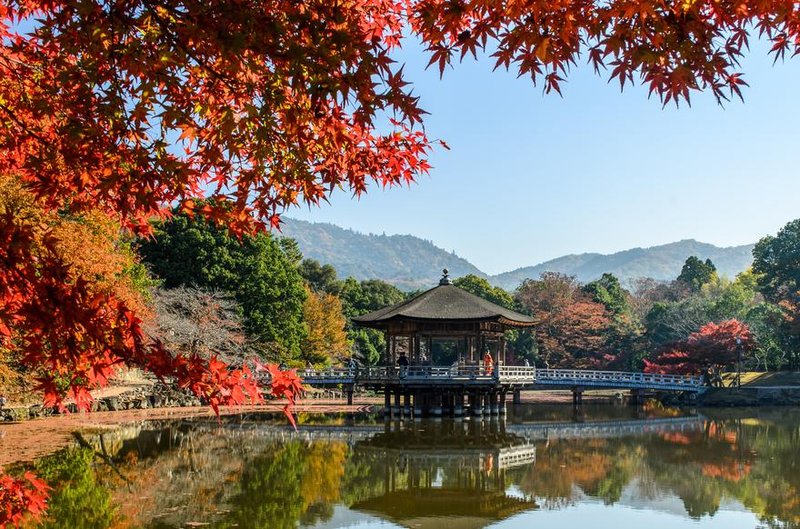
Popular Landmarks in Okaya
Discover the most iconic attractions in Okaya
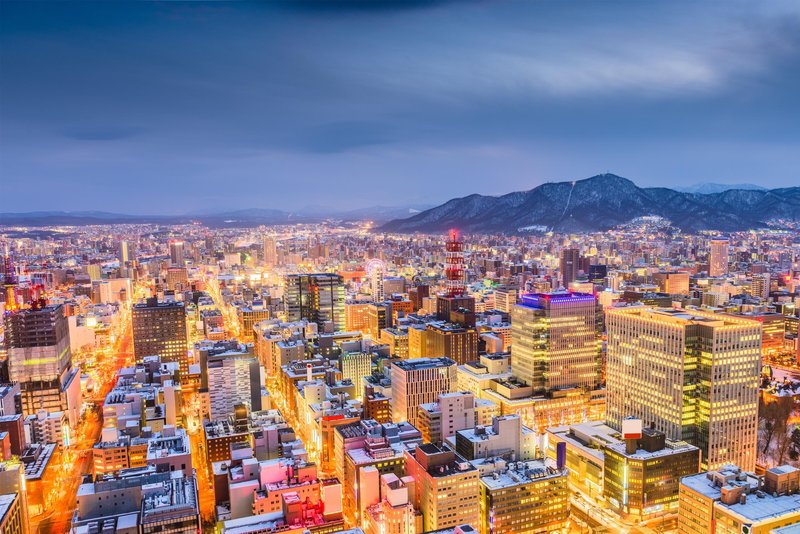
Recommended Hotels in Okaya
Find the perfect place to stay in Okaya
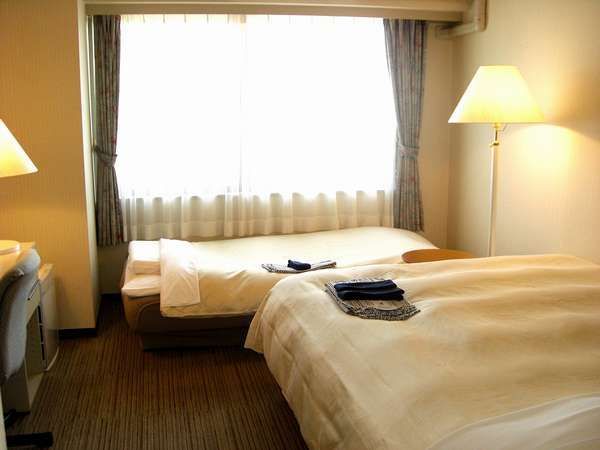
Okaya Central Hotel
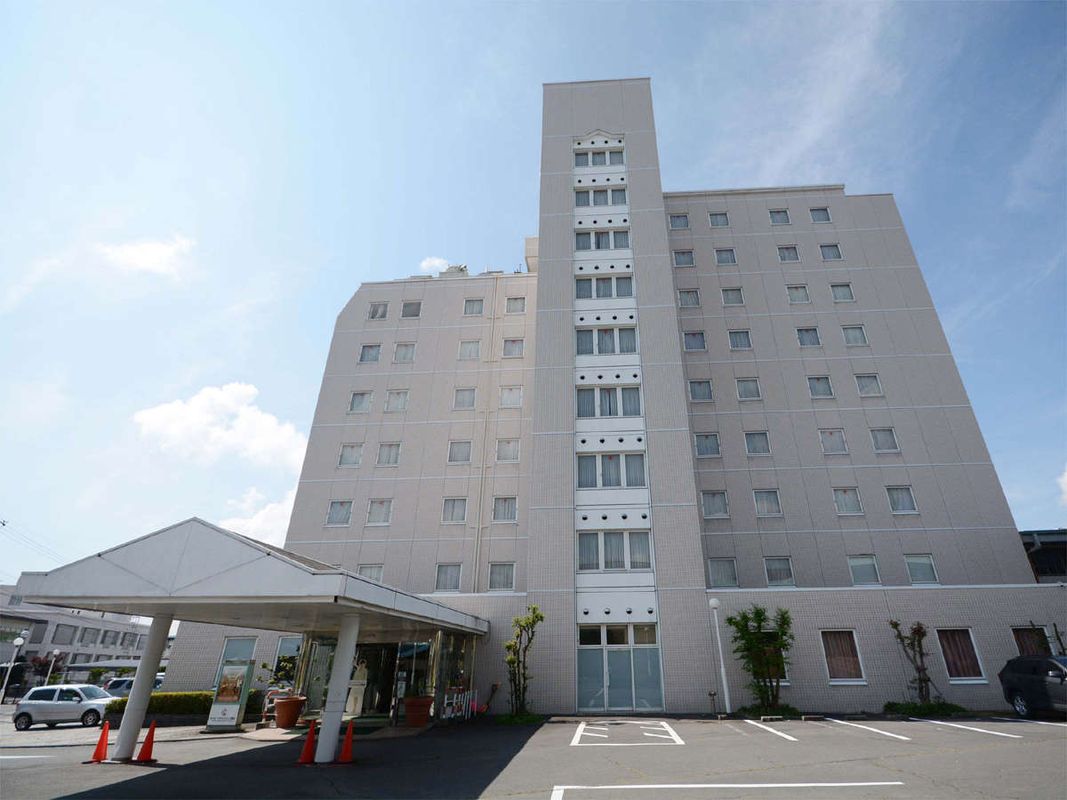
Hotel Crown Hills Okaya
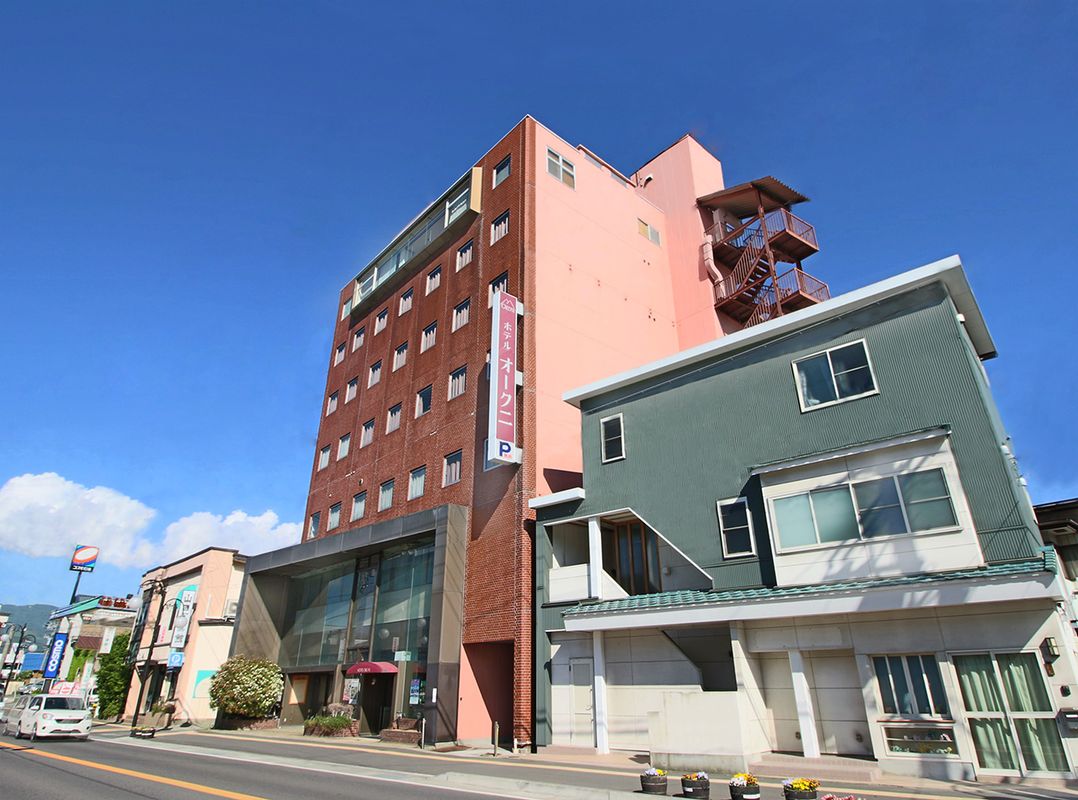
Hotel Okuni (Royal Inn Group)
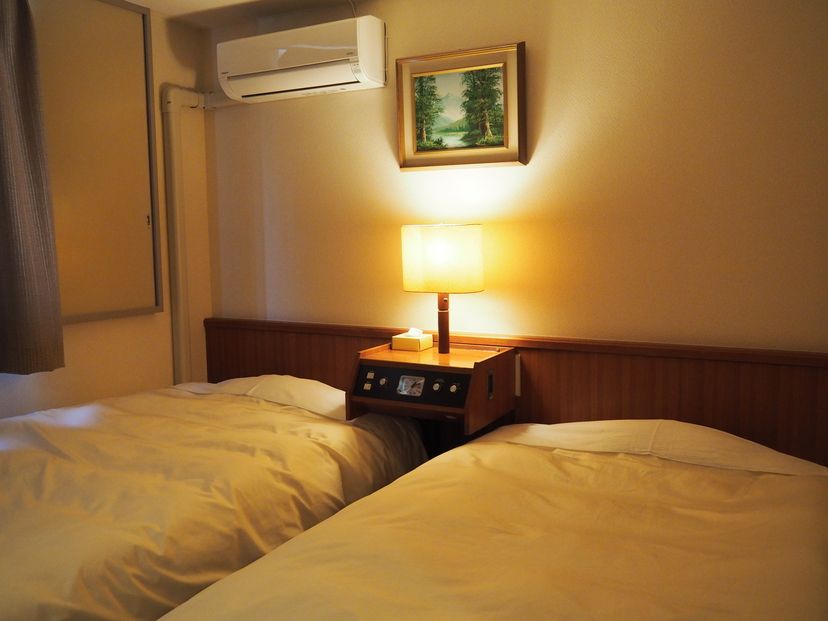
Hotel Okaya
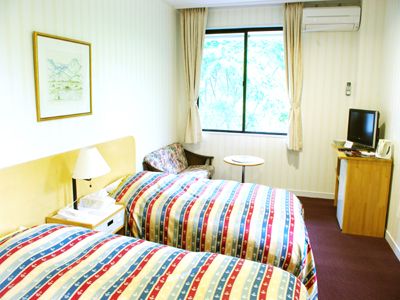
Hotel Meadow Gardens
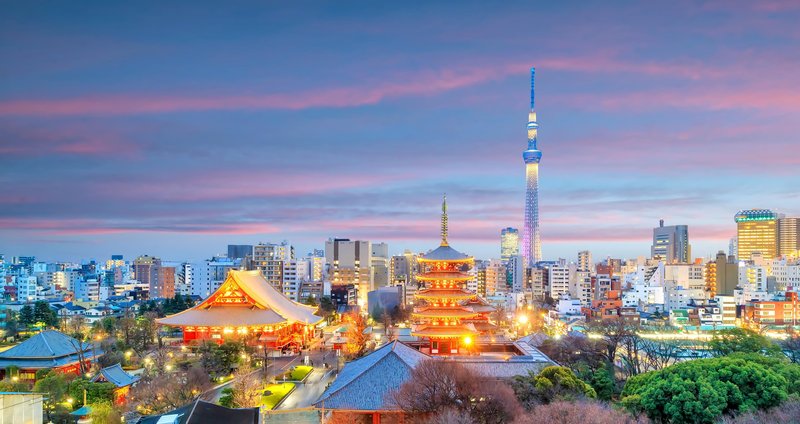
Best Hotels in Okaya
Discover curated hotel collections in Okaya
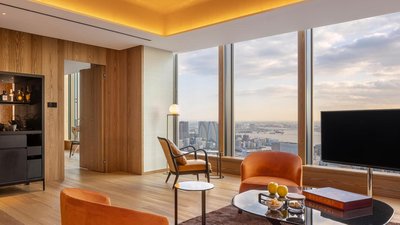
Bvlgari Hotel Tokyo
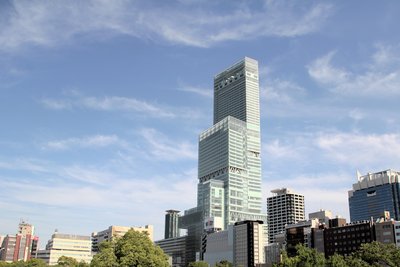
Osaka Marriott Miyako Hotel
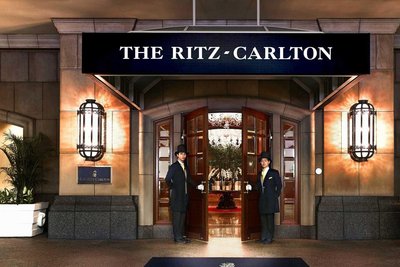
The Ritz-Carlton, Osaka
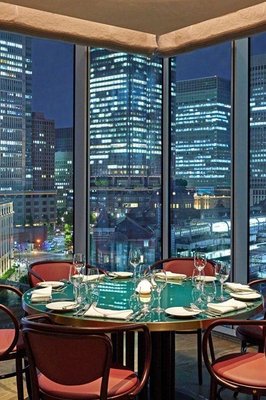
Four Seasons Hotel Tokyo at Marunouchi

Mandarin Oriental, Tokyo
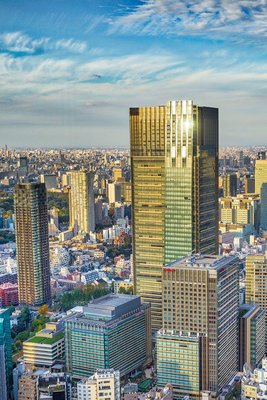
The Ritz-Carlton, Tokyo
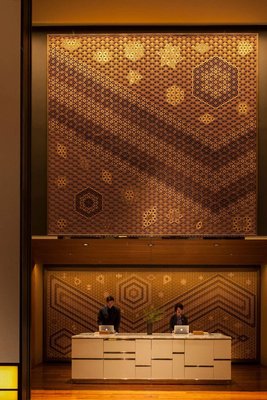
Andaz Tokyo Toranomon Hills- A Concept by Hyatt
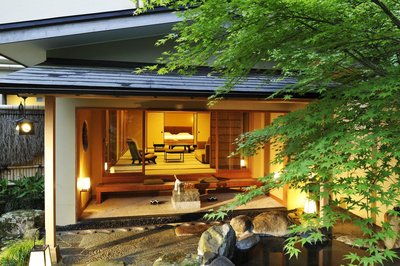
Gora Kadan
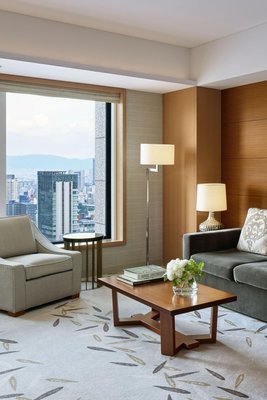
InterContinental Hotel Osaka
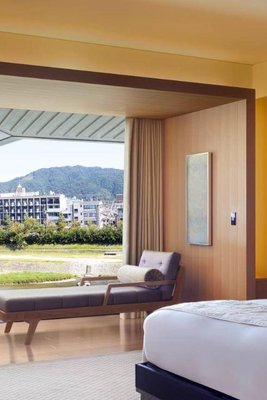
The Ritz-Carlton, Kyoto
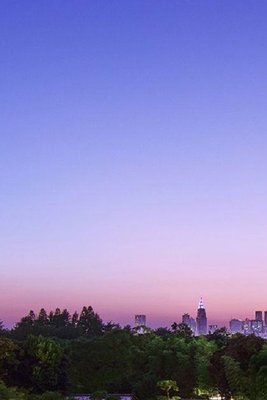
Hotel New Otani Tokyo the Main
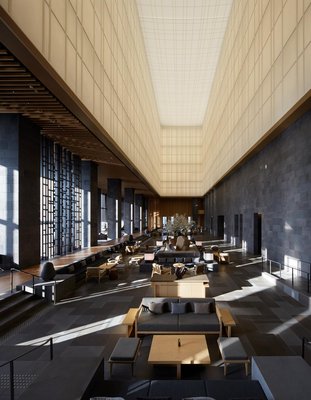
Aman Tokyo
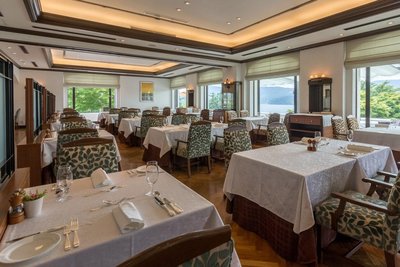
Odakyu Hotel de Yama
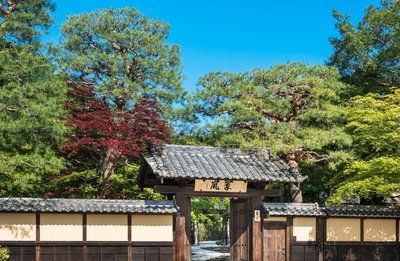
Suiran, a Luxury Collection Hotel, Kyoto
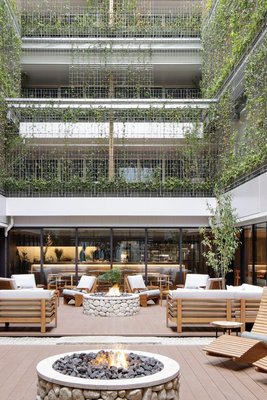
GOOD NATURE HOTEL KYOTO
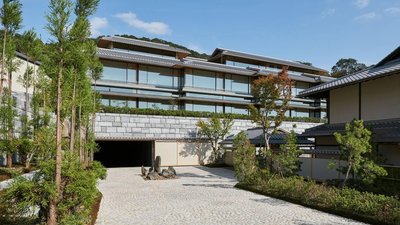
Park Hyatt Kyoto
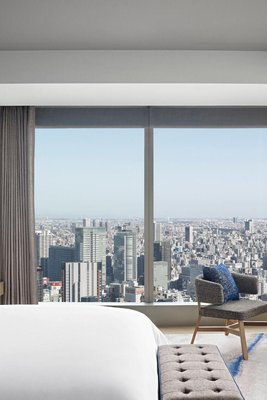
Four Seasons Hotel Tokyo at Otemachi
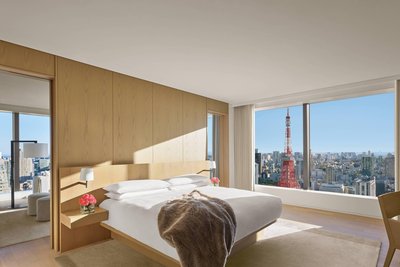
The Tokyo Edition, Toranomon
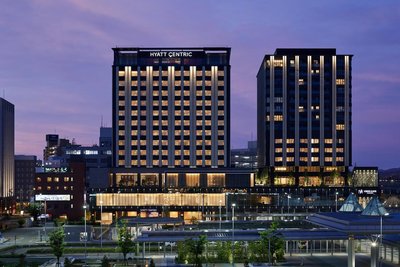
Hyatt Centric Kanazawa
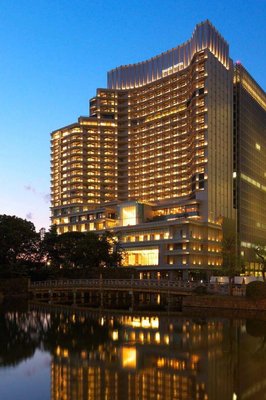
Palace Hotel Tokyo
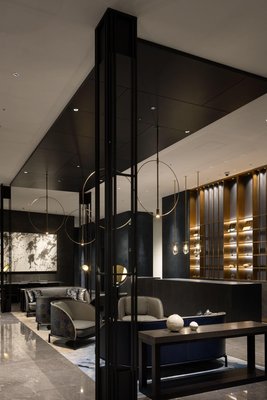
Bellustar Tokyo, A Pan Pacific Hotel
Bvlgari Hotel Tokyo

Shima Kanko Hotel the Bay Suites
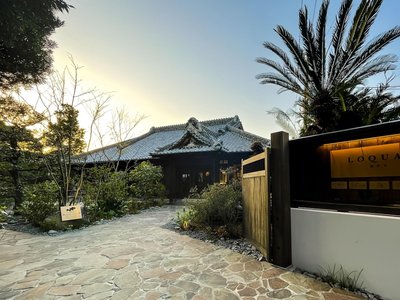
Loquat Nishiizu
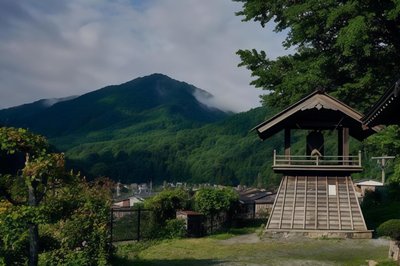
Byaku Narai
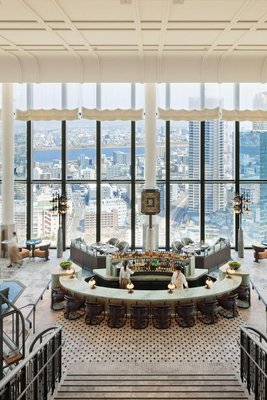
Waldorf Astoria Osaka
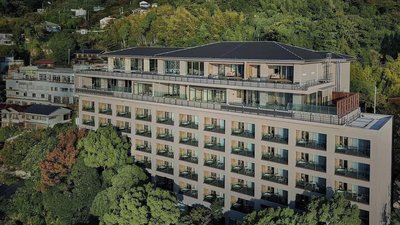
Atami Izusan Karaku
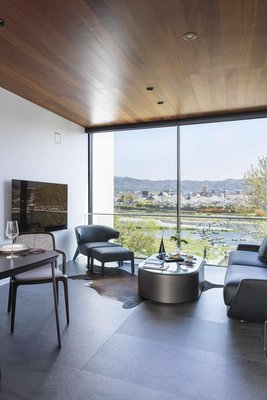
Kamo Residences by Reflections
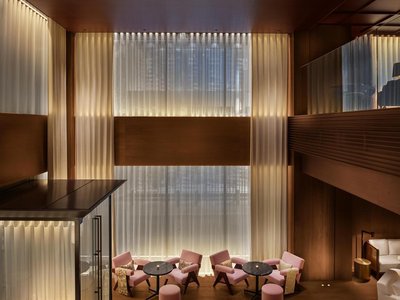
The Tokyo Edition, Ginza
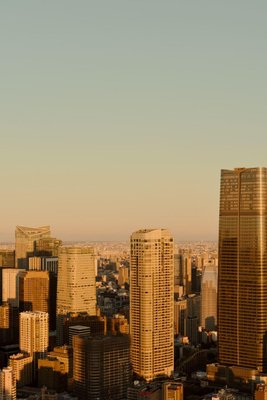
Janu Tokyo
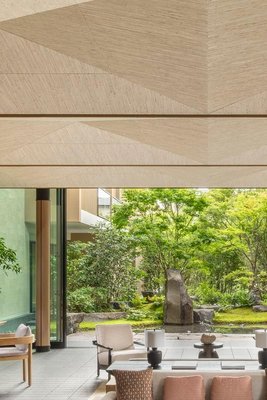
Six Senses Kyoto
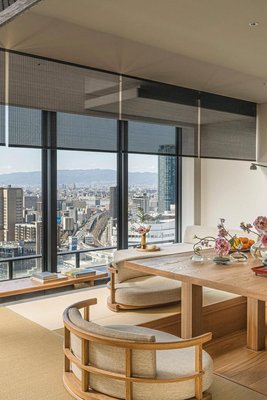
Four Seasons Hotel Osaka
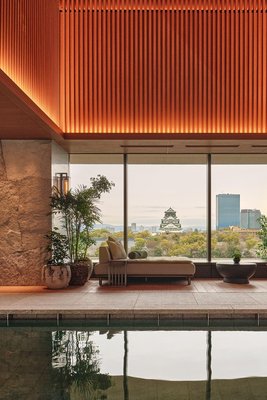
Patina Osaka
The Ritz-Carlton, Osaka
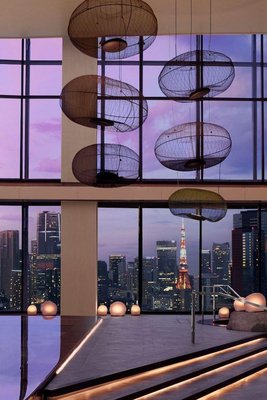
JW Marriott Hotel Tokyo
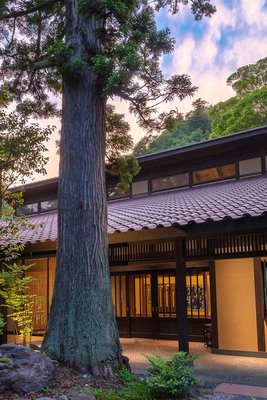
Arimasansoh Goshobessho
Four Seasons Hotel Tokyo at Marunouchi
Mandarin Oriental, Tokyo
The Ritz-Carlton, Tokyo
Andaz Tokyo Toranomon Hills- A Concept by Hyatt

The Address Akakura
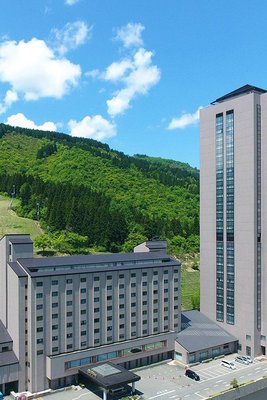
Naspa New Otani
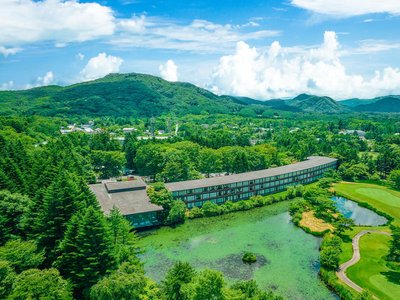
The Prince Karuizawa
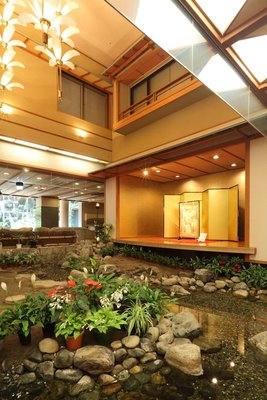
Hotel Futaba
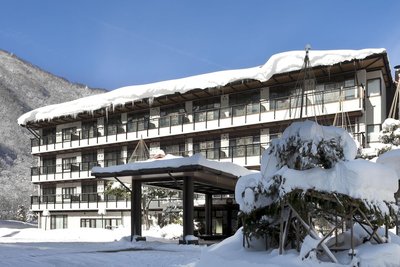
Okada Ryokan Warakutei
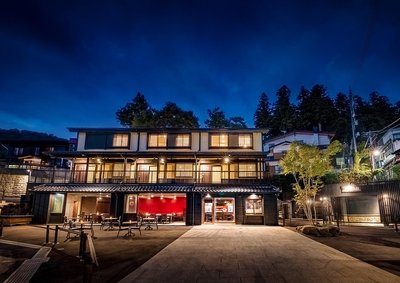
Ryokan Sakaya
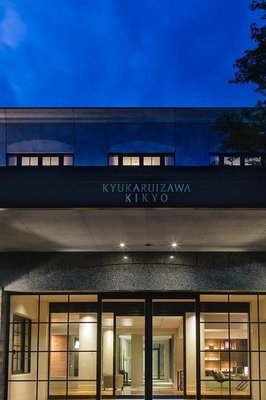
Kyukaruizawa Kikyo, Curio Collection by Hilton
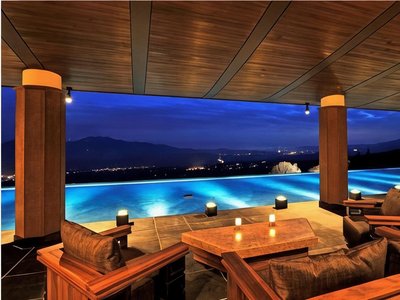
Akakura Kanko Hotel
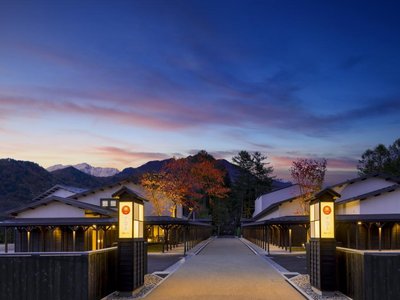
Hoshino Resorts KAI Alps
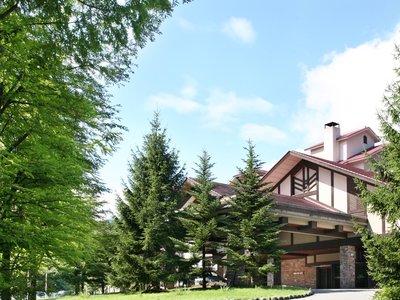
Hakuba Tokyu Hotel
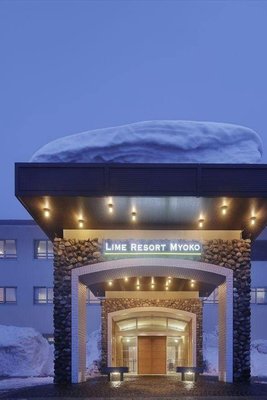
Lime Resort Myoko
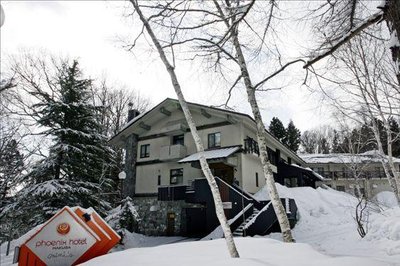
Phoenix Hotel by Hhg
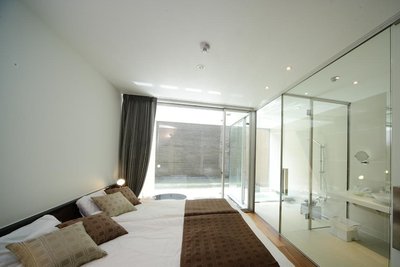
Four Seasons Yuzawa Quattro
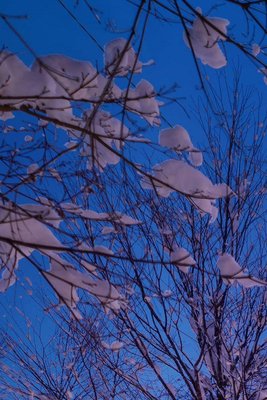
Courtyard by Marriott Hakuba
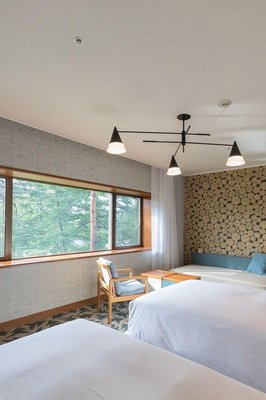
Karuizawa Prince Hotel East
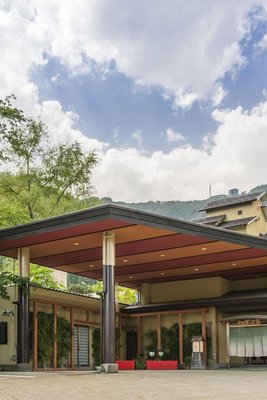
Shosenkaku Kagetsu
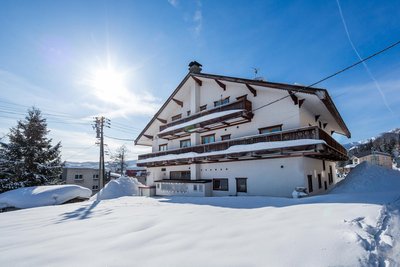
Marillen Hotel by Hhg
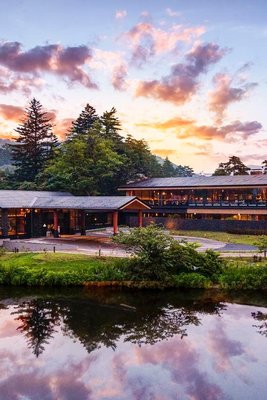
Karuizawa Prince Hotel West
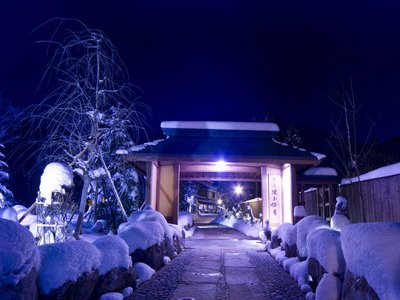
Miyama Ouan
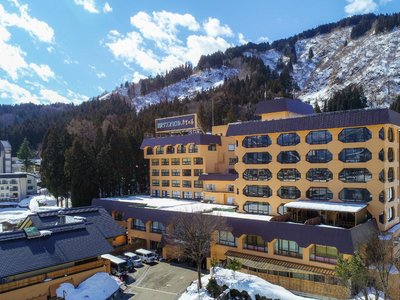
Yuzawa Grand Hotel
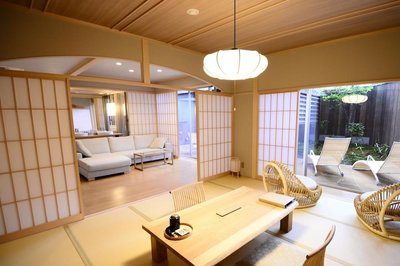
Hakone Gora Byakudan
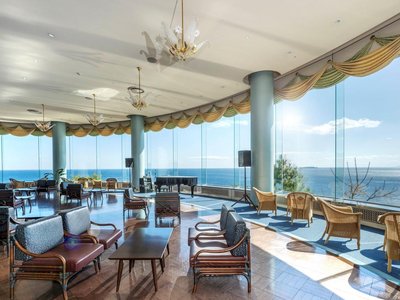
Hotel New Akao
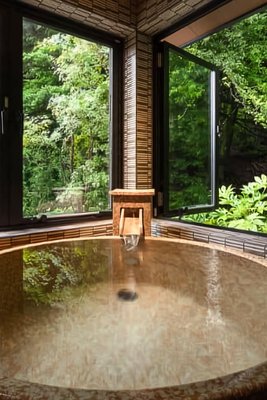
Hakkai Konohanakan

Onyado Nono Asakusa Bettei Hot Spring
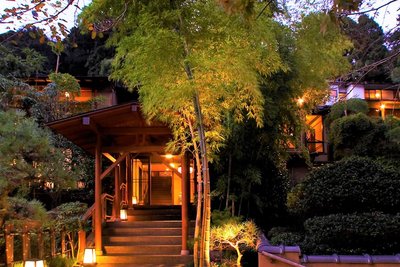
Shiki wo Ajiwau Yado Yamano Chaya
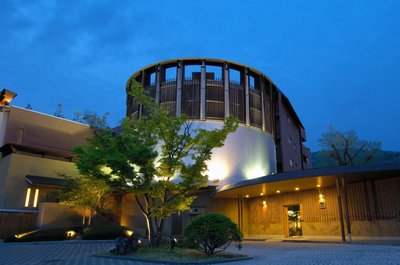
Hoshino Resorts Kai Matsumoto
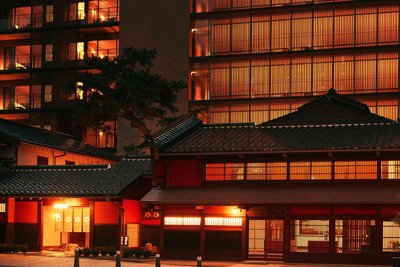
Hoshino Resorts Kai Kaga
The Address Akakura
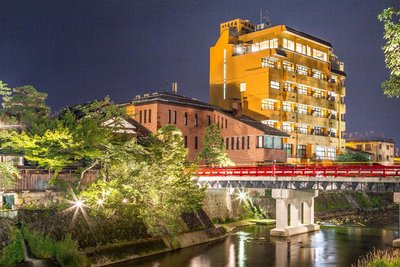
HONJIN HIRANOYA BEKKAN
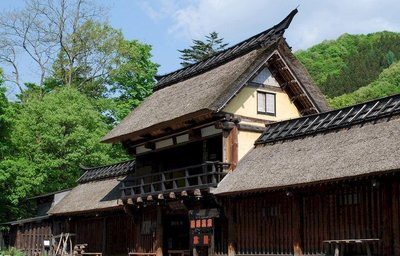
Kayabukinosato Yakushionsen Hatago
Hotel Futaba
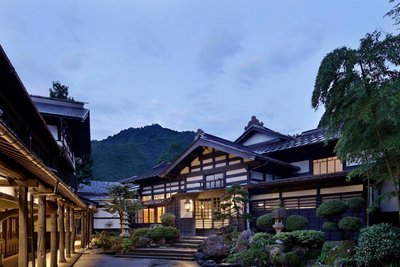
Ryugon

Tokinoniwa
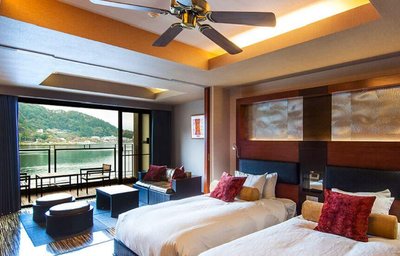
The Kukuna
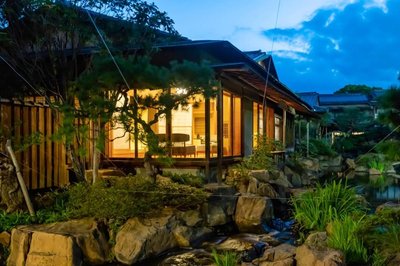
Tokiwa Hotel
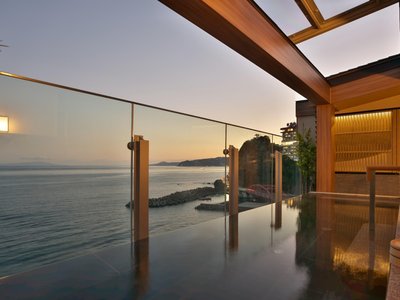
Hotel New Sagamiya
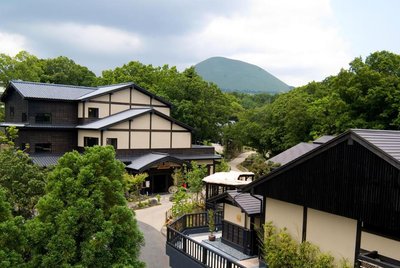
Mori no yu Kira No Sato 【Reopening on December 22, 2025】
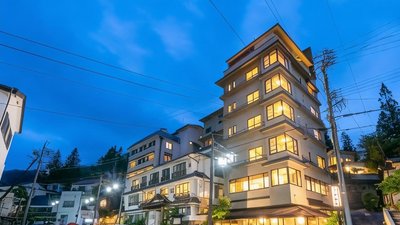
Nakamatsuya Ryokan
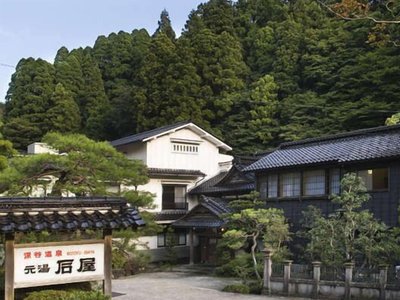
Motoyu Ishiya
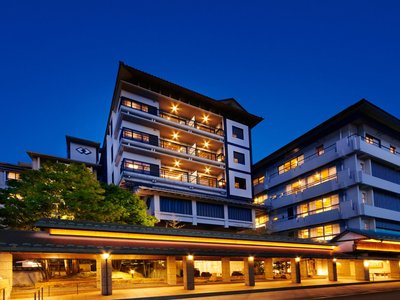
Yunokuni Tensyo
Hakone Gora Byakudan
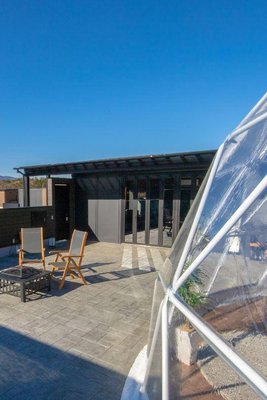
Panoramic Mt. Fuji Views from All Rooms – Vision Glamping Resort & Spa Yamanakako
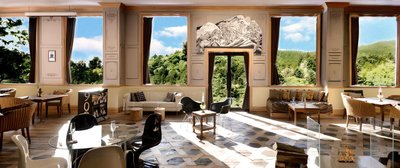
Shelter Garden Nikko
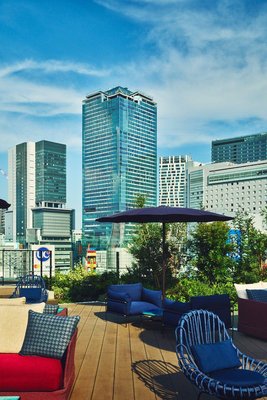
Hotel Indigo Tokyo Shibuya
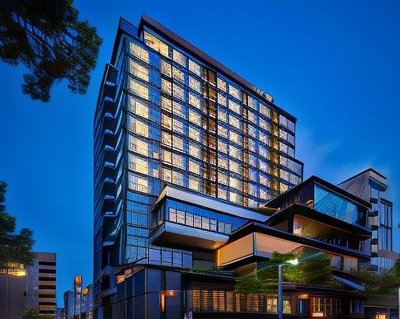
TIAD, AUTOGRAPH COLLECTION
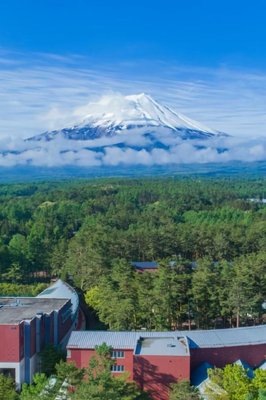
Forest Village (Fuji Premium Resort)
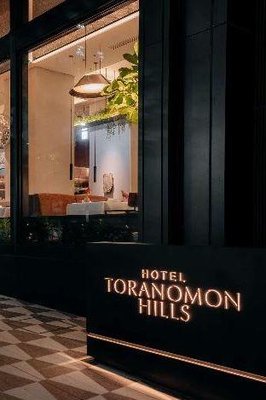
Hotel Toranomon Hills
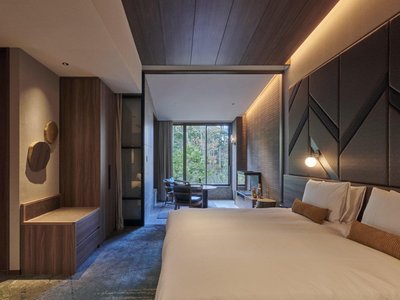
Fufu Kyu-Karuizawa Restful Forest
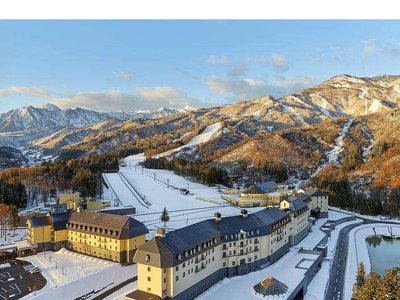
Lotte Arai Resort
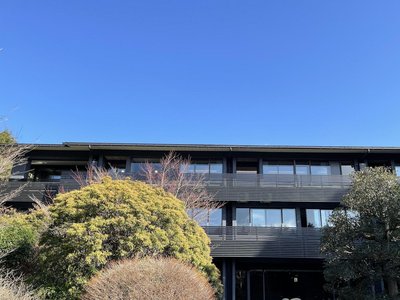
Sengokubara Cocon
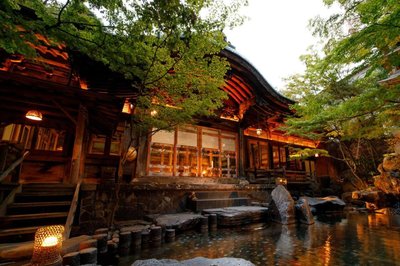
Shoraiso
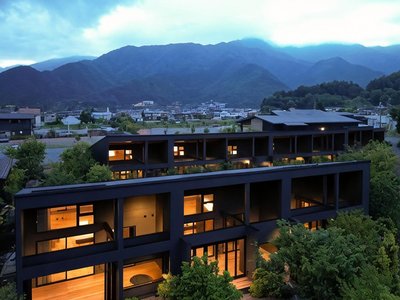
7C Villa and Winery
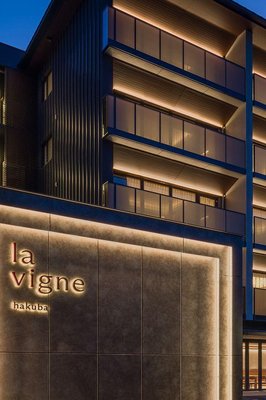
Hotel la Vigne Hakuba by Onko Chishin
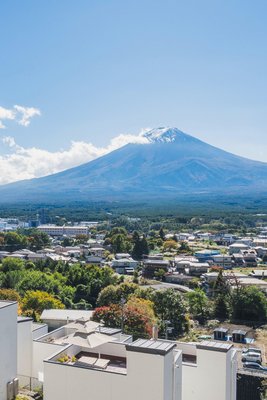
THE TOKI FujiKawaguchiko
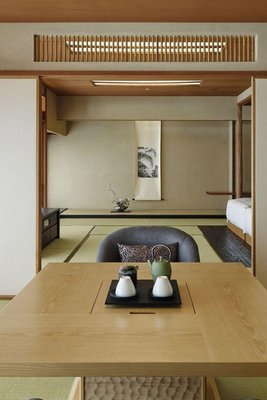
Takanawa Hanakohro (in Grand Prince Hotel Takanawa)
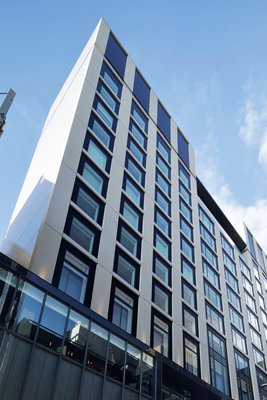
Hyatt Centric Ginza Tokyo
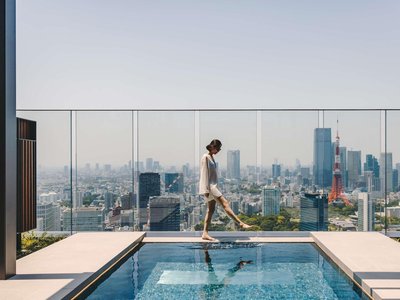
Fairmont Tokyo
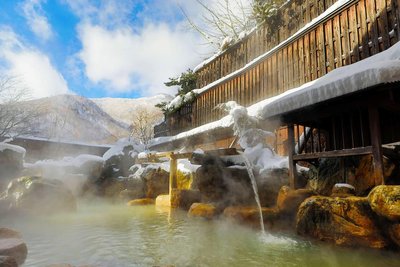
Miyamaouanbekkan yumegurinoyado hirayukan
HONJIN HIRANOYA BEKKAN
The Prince Karuizawa

La Terra Resort
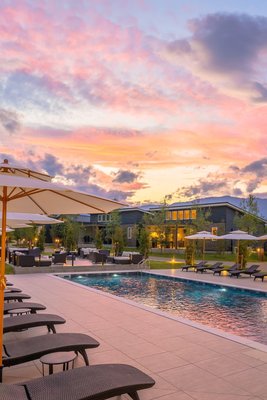
Awaumi Fujikawaguchiko Resort
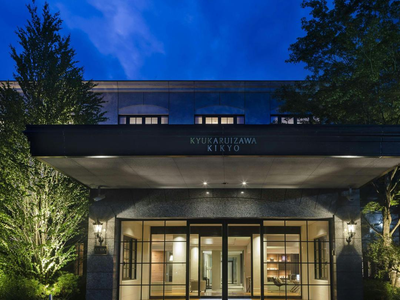
Fufu Karuizawa Wind of Sunshine
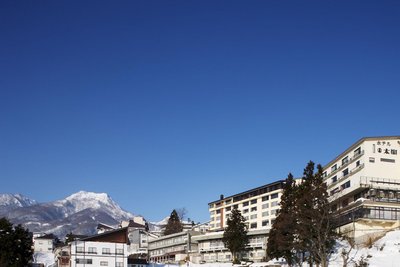
Hotel Taiko, Akakura Onsen
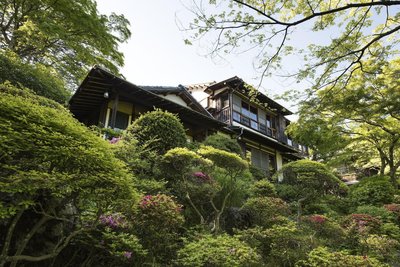
Gora Kansuiro
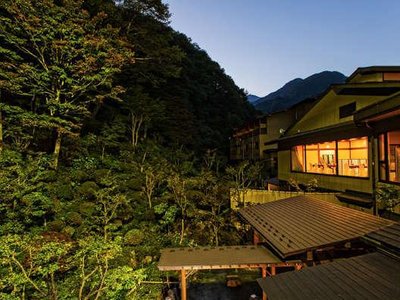
Futari Shizuka
Naspa New Otani
Hotel Futaba
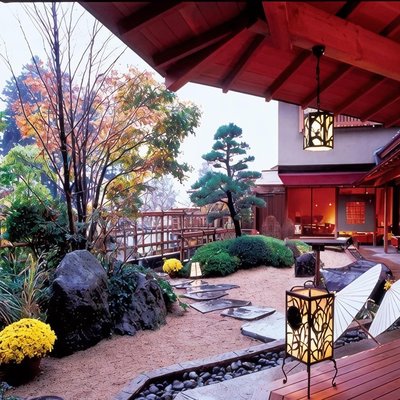
Oyado Tamaki
Tokinoniwa
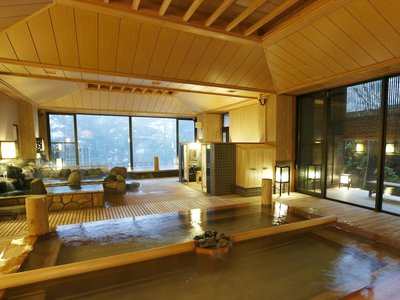
Konoha
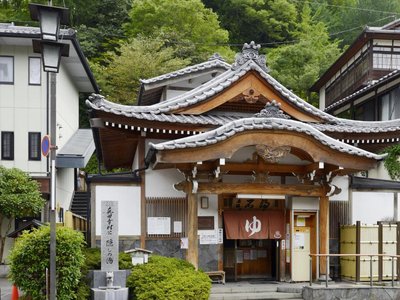
Nakamatsuya Ryokan
Okada Ryokan Warakutei
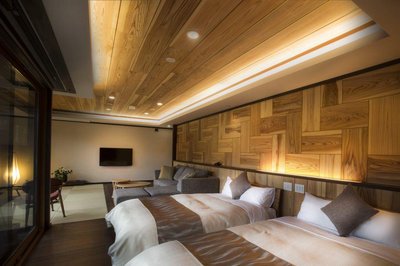
Hidatei Hanaougi
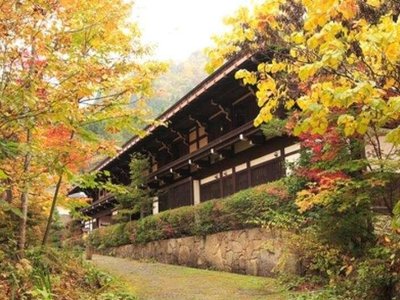
Yumoto Choza
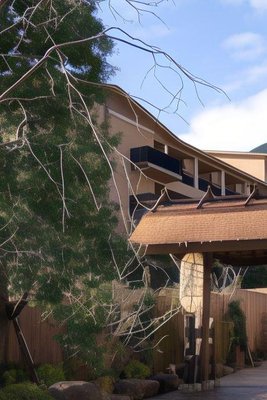
Setsugetsuka
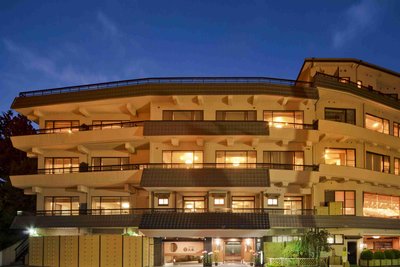
Maruei
Akakura Kanko Hotel
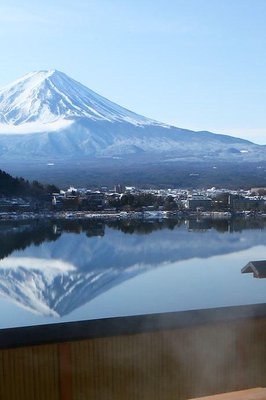
Fuji Ginkei
Hoshino Resorts KAI Alps
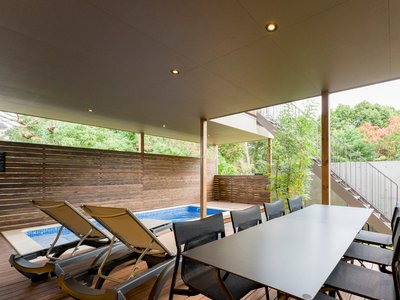
Rakuten STAY VILLA Kamogawa
Awaumi Fujikawaguchiko Resort
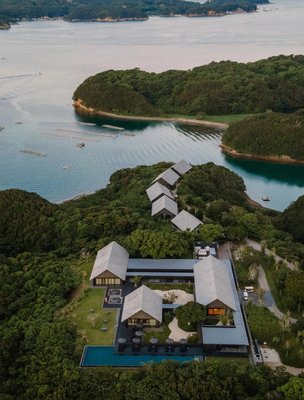
Amanemu
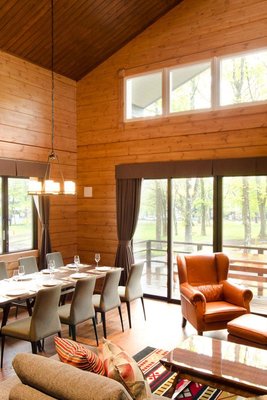
The Prince Villa Karuizawa
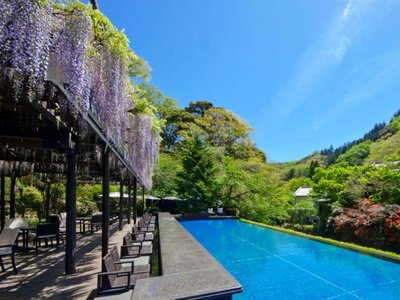
Tofuya Resort & Spa Izu
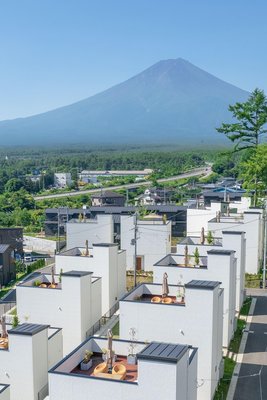
Fuji Granvilla -TOKI-
Hakone Gora Byakudan
Hotel New Akao
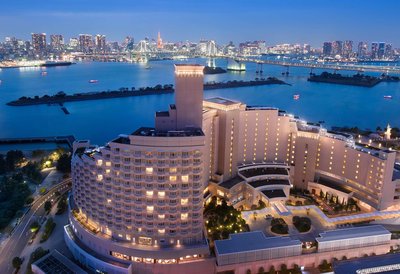
Hilton Tokyo Odaiba
JW Marriott Hotel Tokyo
The Prince Karuizawa
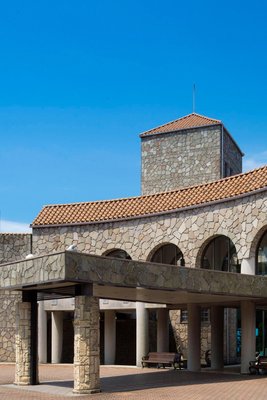
Izumigo Hotel Altia Toba
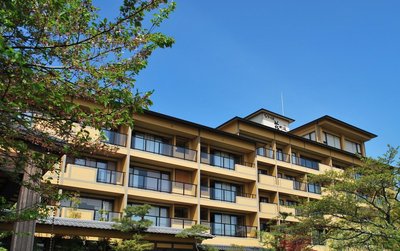
BIWAKO HANAKAIDO
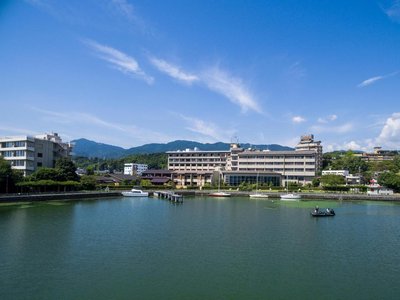
Biwako Ryokusuitei
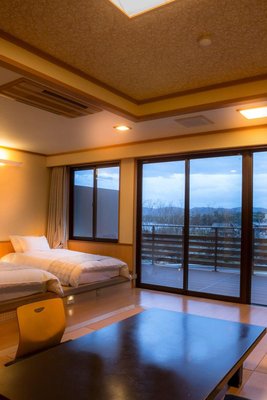
Hotel Kitanoya
The Kukuna
Hotel New Sagamiya
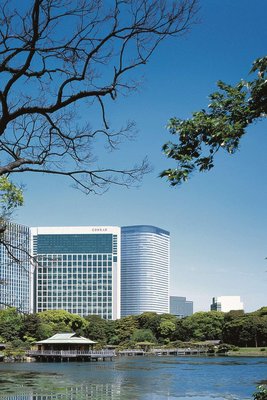
Conrad Tokyo
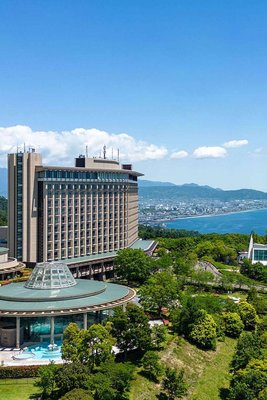
Hilton Odawara Resort & Spa
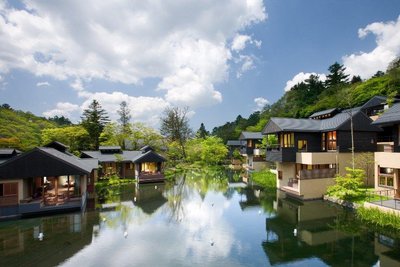
Hoshinoya Karuizawa
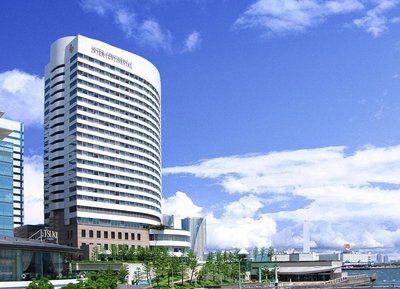
InterContinental Tokyo Bay
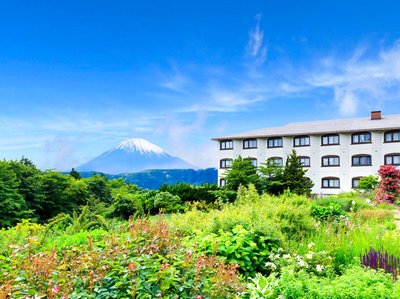
Hotel Green Plaza Hakone
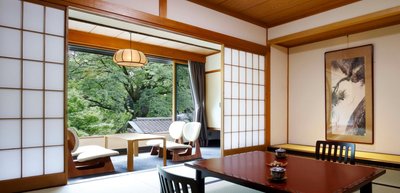
Yoshiike Ryokan
Akakura Kanko Hotel
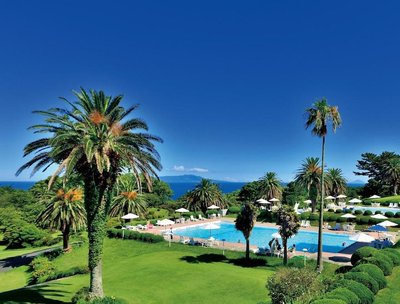
Kawana Hotel
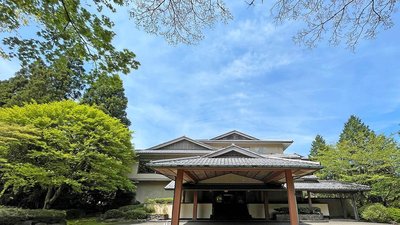
Ryuguden
Bellustar Tokyo, A Pan Pacific Hotel
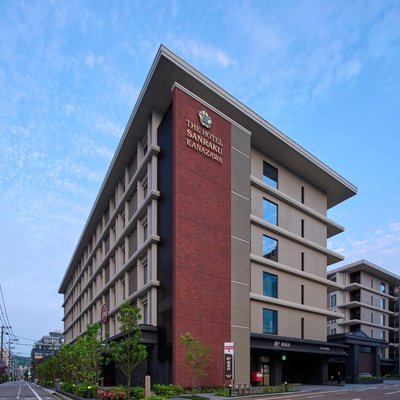
The Hotel Sanraku Kanazawa 21th December 2022 Open
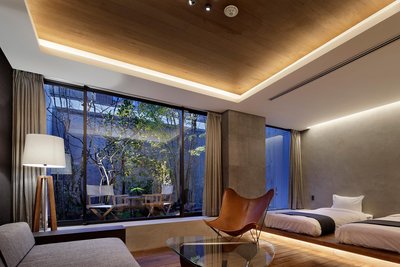
22 PIECES
The Ritz-Carlton, Osaka
JW Marriott Hotel Tokyo
Andaz Tokyo Toranomon Hills- A Concept by Hyatt
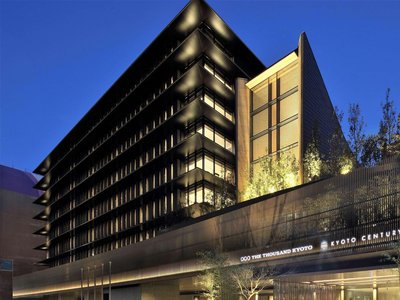
The Thousand Kyoto
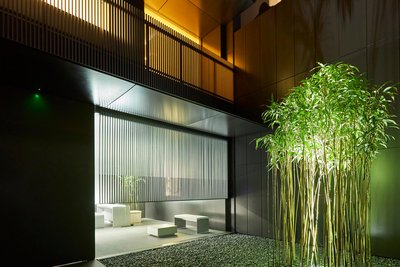
Mogana
GOOD NATURE HOTEL KYOTO
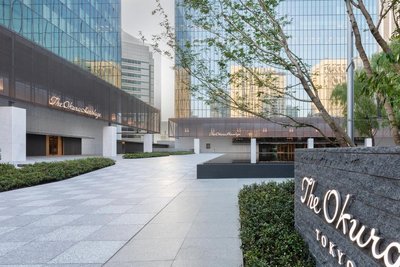
The Okura Tokyo
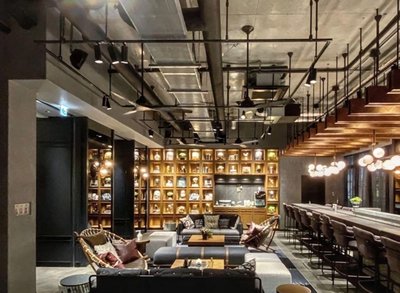
The Lively Azabujuban Tokyo
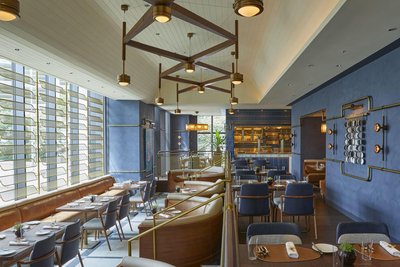
Kimpton Shinjuku Tokyo
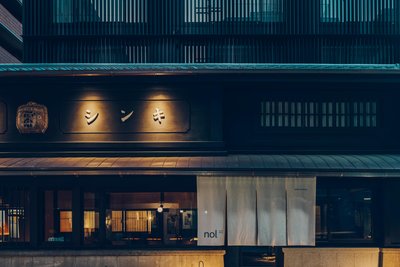
Nol Kyoto Sanjo

HOTEL K5
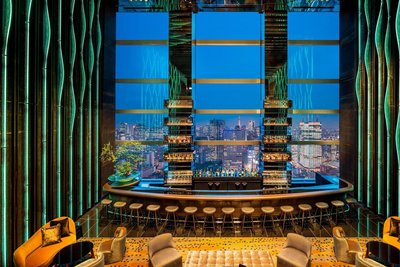
The Prince Gallery Tokyo Kioicho, a Luxury Collection Hotel
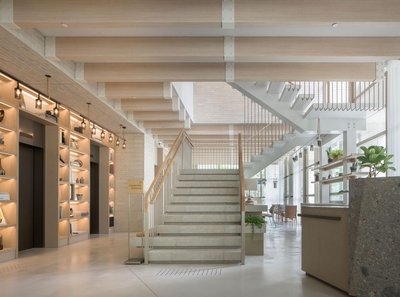
Zentis Osaka
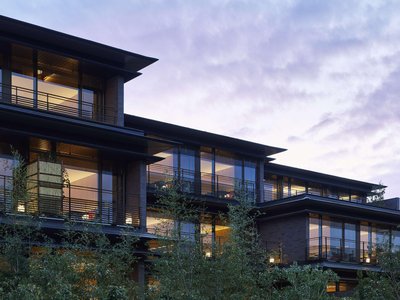
Garrya Nijo Castle Kyoto
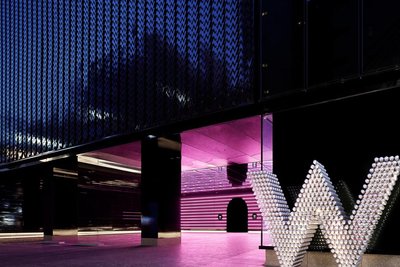
W Osaka
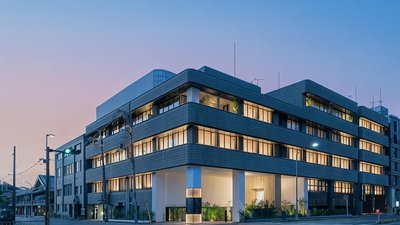
Hotel Kanra Kyoto
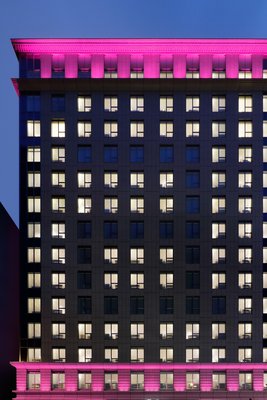
Aloft Osaka Dojima
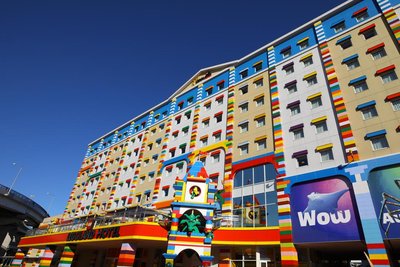
Legoland Japan Hotel
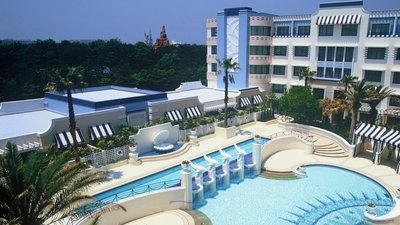
Disney Ambassador® Hotel
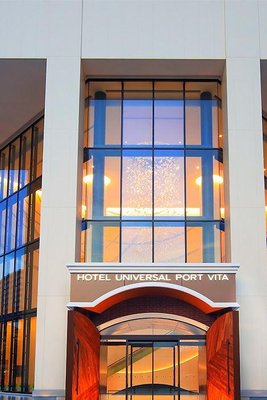
HOTEL UNIVERSAL PORT VITA
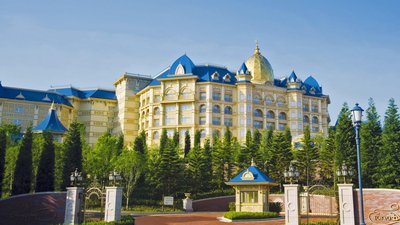
Tokyo Disneyland Hotel

The Park Front Hotel at Universal Studios Japan
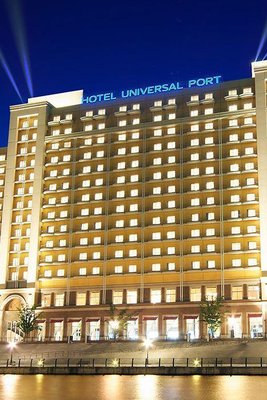
HOTEL UNIVERSAL PORT
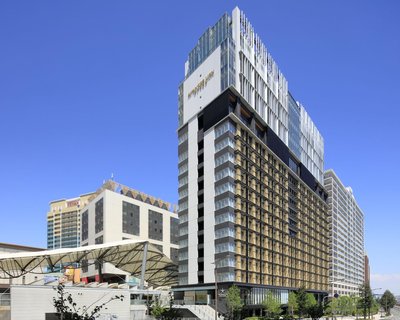
THE SINGULARI HOTEL & SKYSPA at UNIVERSAL STUDIOS JAPAN
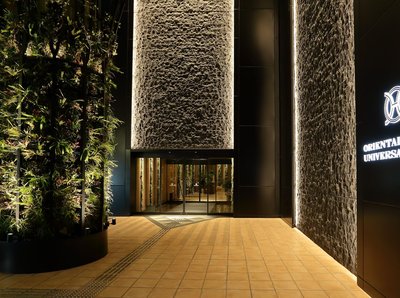
Oriental Hotel Universal City
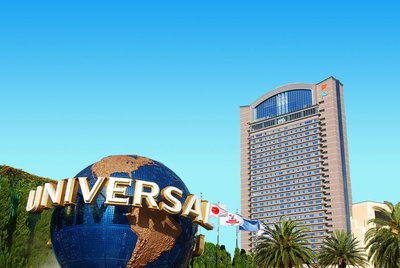
Hotel Keihan Universal Tower
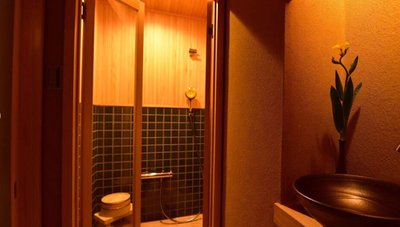
Yado Kiramachi
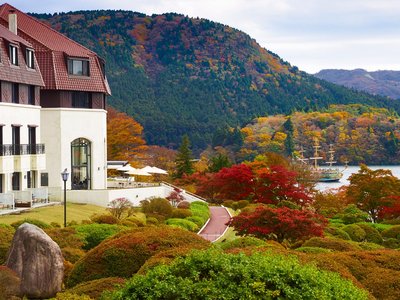
Hotakajyo
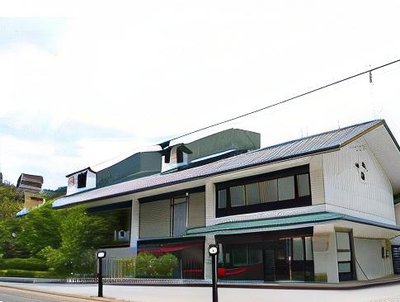
Auberge Suzukane
Onyado Nono Asakusa Bettei Hot Spring
Shiki wo Ajiwau Yado Yamano Chaya
Arimasansoh Goshobessho
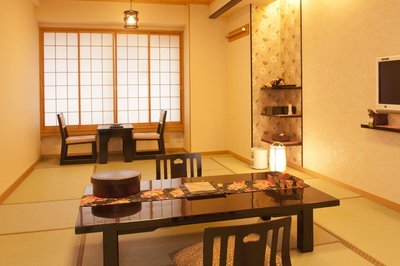
Matsui-Bekkan Hanakanzashi
Hoshino Resorts Kai Matsumoto

Taikyourou
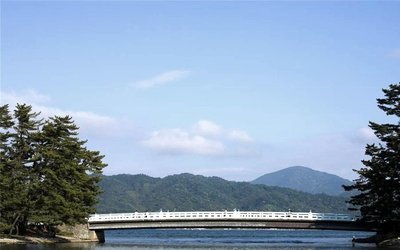
Monjusou Shourotei
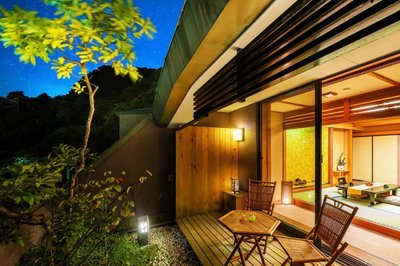
Konjakutei
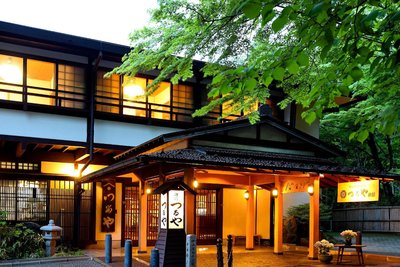
Tsuruya Ryokan
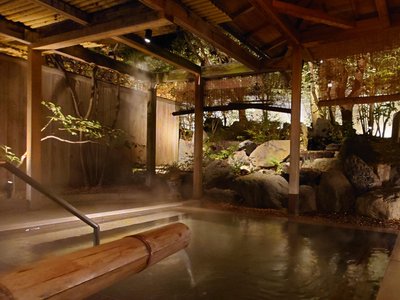
Kasuga Hotel
Nakamatsuya Ryokan
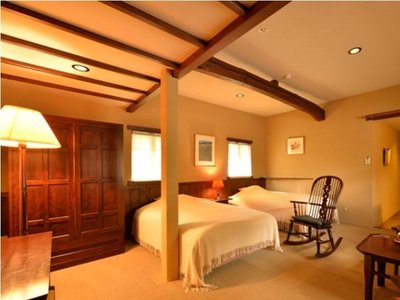
Ryokan Sugimoto
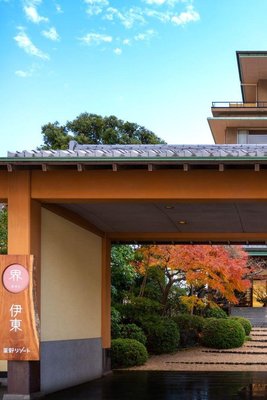
Hoshino Resorts Kai Ito
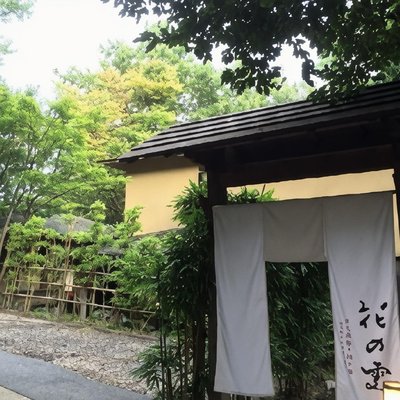
Hana No Kumo
Yoshiike Ryokan
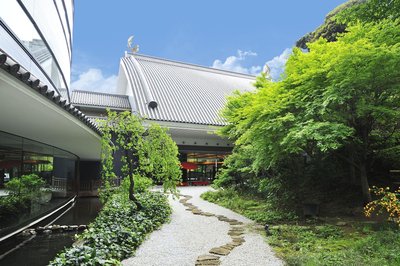
Hotel Gajoen Tokyo
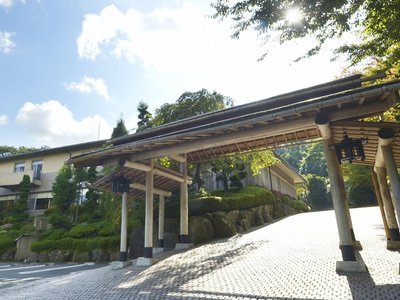
Gora Hanaougi
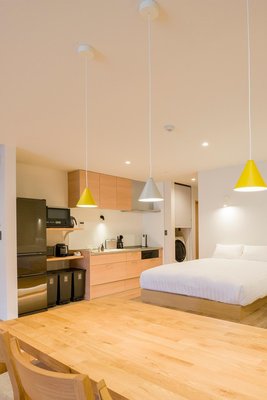
Rakuten STAY VILLA Nasu
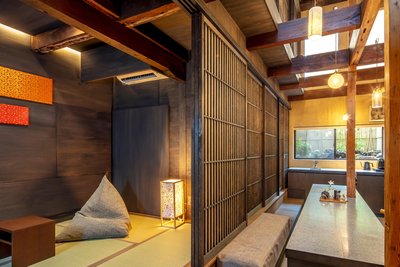
Kyo No Oozora Kihana
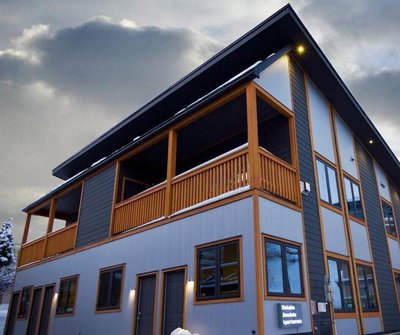
Hakuba Gondola Apartments
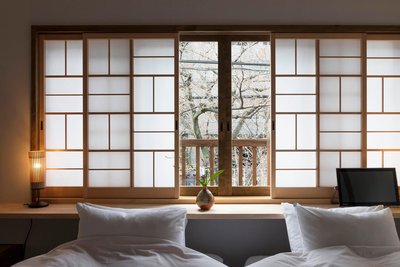
Hanagoromo Machiya House
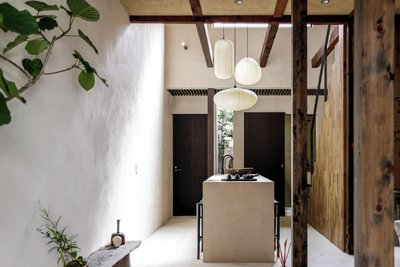
Maana Kiyomizu
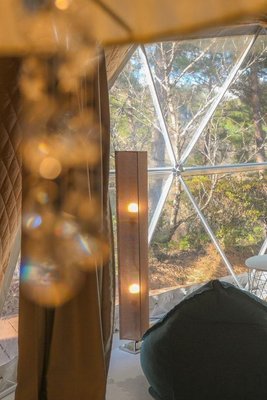
glampark Gekkabijin Nagano
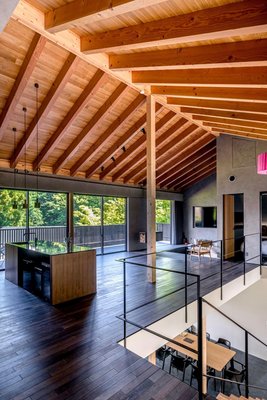
MONS GORA
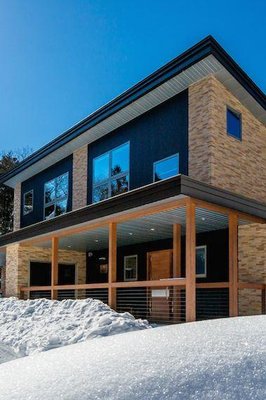
Phoenix Chalets by Hhg
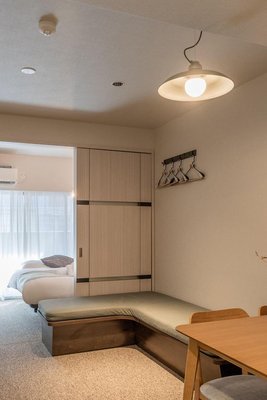
Apartment Hotel 11 Shinsaibashi
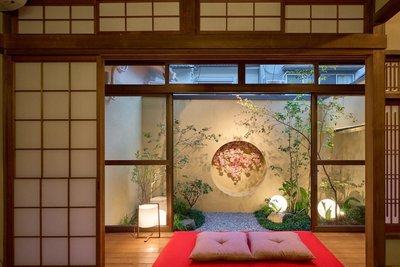
KONJAKUSO Osaka Tengachaya "NIHONCHA" Tea & Relax
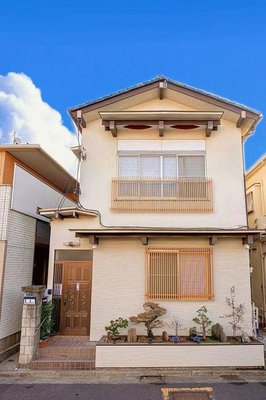
Tokyo Star House-Shinkoiwa
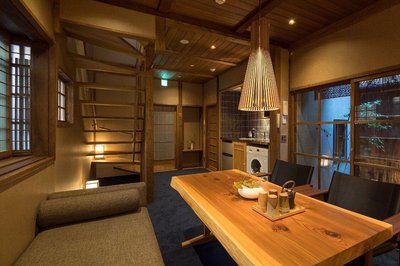
Bonbori an Machiya House
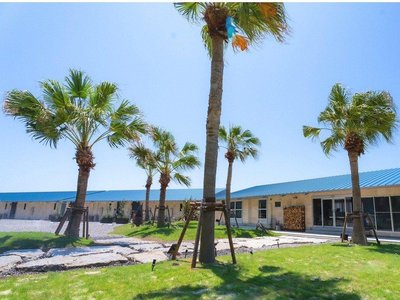
Glamping&Resort Wood Design Park Noma
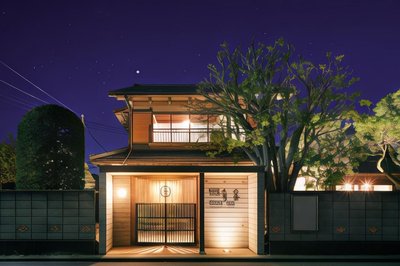
Machi-Jyu
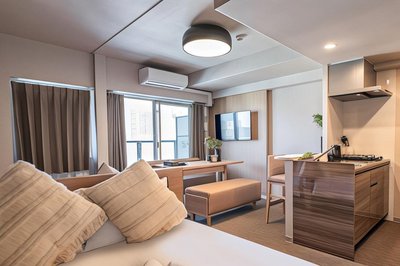
Apartment Hotel 11 Shinsaibashi III
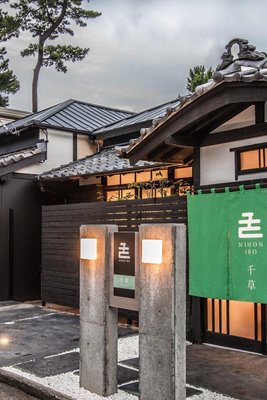
Nihon Iro
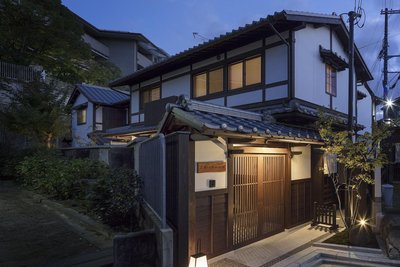
The Machiya Villa Sanjo Shirakawa Koji
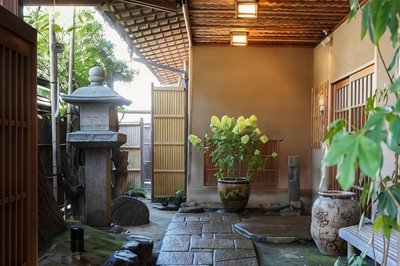
Ryokan Asadaya
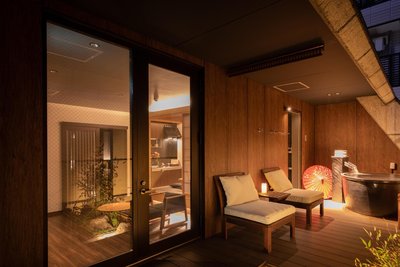
Konjaku-So Dotonbori
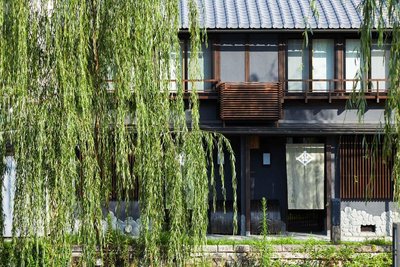
Gion Shirakawa No Yado
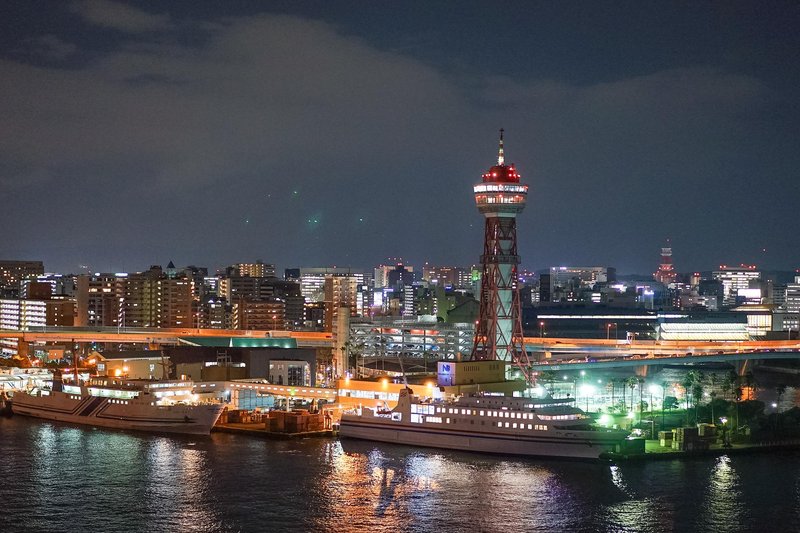
Frequently Asked Questions about Traveling to Okaya
Questions You Might Need to Know About Traveling to Okaya
In Komoro City, the top choice for families is Komoro Grand Hotel, located just a 5-minute walk from Komoro Station. This hotel offers spacious rooms with Japanese-style tatami mats, heated flooring, and free Wi-Fi. It features a kids' playroom, baby cots, and a garden with a small pond where children can feed fish. The hotel also provides family packages including breakfast and nearby access to Komoro Castle Park and Yukawa River Trail. Perfect for a relaxed, safe stay with easy access to nature and culture.
The best area for accommodations in Komoro City is the city center near Komoro Station, offering excellent connectivity via Nagano Electric Railway Line. This district is packed with convenience—shops, restaurants, and supermarkets like Komoro Central Shopping Street are within walking distance. It’s also ideal for visiting nearby attractions such as Komoro Castle Ruins and Suzuka Lake, making it a convenient base for exploring the region. Stay within a 10-minute walk of the station for quiet nights and effortless travel.
One must-try cultural experience in Komoro City is attending the Komoro Autumn Festival, held every October, featuring traditional matsuri floats, taiko drum performances, and local folk dances rooted in Suzuka region heritage. Additionally, visit the Komoro History Museum to explore artifacts from the Edo period and learn about the city's role as a historic castle town. During winter, don’t miss the Snow Lantern Festival, where illuminated lanterns light up snow-covered streets, creating a magical atmosphere reminiscent of old Japan.
While Komoro City itself has no major hot springs, nearby Hakubetsu Onsen (White Bone Hot Spring) is highly recommended. Stay at Asahi no Yu Ryokan, a century-old traditional inn offering private onsen baths, kaiseki meals, and serene mountain views. The inn sits nestled in the foothills of Mount Shukusai, surrounded by forest and fresh air. A 30-minute bus ride from Komoro Station, this ryokan blends authentic hospitality with natural healing—ideal for a peaceful retreat after exploring the region.
Photography enthusiasts should visit Suzuka Lake at dawn, when mist rises over the water, reflecting the distant silhouette of Mount Fuji in clear weather. The Komoro Station front cherry blossom avenue (in spring) and the rural railway line scenery offer stunning seasonal shots. For architectural detail, capture the ancient torii gates and wooden structures at Otemon Shrine, especially during festivals or golden hour. These locations blend natural beauty with cultural depth for compelling imagery.
Must-try dishes in Komoro City include Shinshu buckwheat soba noodles served cold with a savory soy-based sauce, fresh sushi made with Suzuka Lake fish, and red rice (aka-kome), a traditional dish dyed with azuki beans. Try them at Old Town Diner, a local favorite. During autumn, sample mountain vegetable stew made with wild mushrooms and bamboo shoots from nearby forests. These flavors highlight the region’s seasonal ingredients and deep-rooted culinary traditions.
For couples seeking romance, stay at Lake Kanagawa Resort, which offers private balconies with hot tubs overlooking Suzuka Lake. The resort provides candlelit dinners, sunrise lake cruises, and evening strolls along the lakeside path. With panoramic views of Mount Shukusai and minimal noise, it’s perfect for quiet moments together. Located just 15 minutes from Komoro Station, it balances seclusion with accessibility—ideal for anniversaries or honeymoon escapes.
Yes, Komoro City is well-connected via the Nagano Electric Railway Line, linking directly to Matsumoto, Shirakawa, and Nagano Station. From there, you can easily transfer to JR lines or express buses heading to Karuizawa, Shirakaba, or Senjō Temple. Buses from Komoro Station take around 40 minutes to reach Hakubetsu Onsen and 60 minutes to Suzuka Lake. Free shuttle services operate between key attractions and the city center. Consider purchasing the Nagano Electric Railway One-Day Pass to save on travel costs.
Komoro City is an excellent autumn destination. From late October to early November, the Suzuka Lake area transforms into a vibrant tapestry of red and gold maple leaves, especially along the Yukawa River Path. The crisp air and mild temperatures make it ideal for hiking and sightseeing. Autumn is also the season for wild mushroom foraging, with guided tours available in nearby forests. At night, enjoy the Autumn Bonfire Festival, where locals gather around glowing fires, sharing stories and traditional songs—a heartfelt celebration of nature’s cycle.
Yes, Komoro Kids Paradise Hotel is specifically designed for families. It features a dedicated indoor play zone, a child-safe swimming pool, and daily activities like pottery workshops and paper lantern making. Rooms come with baby beds, non-slip mats, and kid-sized toiletries. Just a 8-minute walk from Komoro Station, it’s close to Komoro Municipal Park, which includes a mini zoo and merry-go-round. The hotel also offers family meal packages and themed weekends, making it a stress-free, fun-filled option for parents and children alike.
Okaya Overview
City Summary
Okaya City, nestled in the mountains of Nagano Prefecture, is a serene destination renowned for Lake Suwa's beauty and precision manufacturing heritage. Once a hub of Japan's watchmaking industry, it preserves unique industrial legacy alongside traditional crafts. The city's allure lies in its lakeside landscapes, sacred Suwa Taisha shrines, and seasonal outdoor activities framed by dramatic alpine scenery.
Must-See Attractions
Top attractions include Lake Suwa, famous for summer fireworks and winter "Omiwatari" ice cracks phenomenon. The ancient Suwa Taisha Shrine complex showcases exquisite Shinto architecture. Okaya Silk Museum chronicles local silk production history, while Takashima Castle ruins park offers panoramic lake views. Don't miss soaking in hot springs surrounded by mountain tranquility after dark.
Food Guide
Must-try "Suwa Soba" features mountain-grown buckwheat noodles served hot or cold. Lake fish specialties like "Wakasagi tempura" are seasonal delicacies. Try "Oyaki" dumplings with miso filling at street stalls, and pair local sake with Nagano apple jams or "Goheimochi" rice cakes. Confectionery shops sell traditional wagashi reflecting seasonal ingredients.
Transportation Guide
Local buses cover major sights but have limited schedules—check timetables in advance. JR Okaya Station is walkable to downtown; bicycle rentals are ideal for lakeside exploration. The "Suwako Meguri" loop bus serves lake attractions. Taxis require phone HopeGoo. From Tokyo, take JR Chuo Line Limited Express (2.5 hours). Winter driving demands snow tires/chains for mountain roads.
Best Time to Visit
Visit during May-June greenery or October-November foliage for mild weather and fewer crowds. Summer festivals peak in July-August but are humid. December-February offers snow activities—pack warm gear. Avoid Golden Week and Obon holiday periods.
Travel Tips
- Follow "2 bows, 2 claps, 1 bow" at shrines
- Remove shoes before entering onsen bathing areas
- Carry umbrellas for sudden mountain weather changes
- Strict trash sorting—follow disposal instructions
- Few English menus—research dishes beforehand
- Winter drivers must equip snow chains
- Public smoking (including e-cigarettes) is prohibited
- No eating/loud talking within Suwa Taisha precincts
Useful Information
Basic English is available at stations/tourist sites; translation apps are helpful. Limited free WiFi—consider a Japan SIM card. Cash remains dominant; IC cards work at major stores. Dial 119 for emergencies; Okaya Municipal Hospital has 24/7 ER. International ATMs operate at post offices/convenience stores (typically 9am-5pm). Voltage is 100V (Type A plugs). MatsumotoKiyoshi drugstore near station has Chinese-speaking staff.