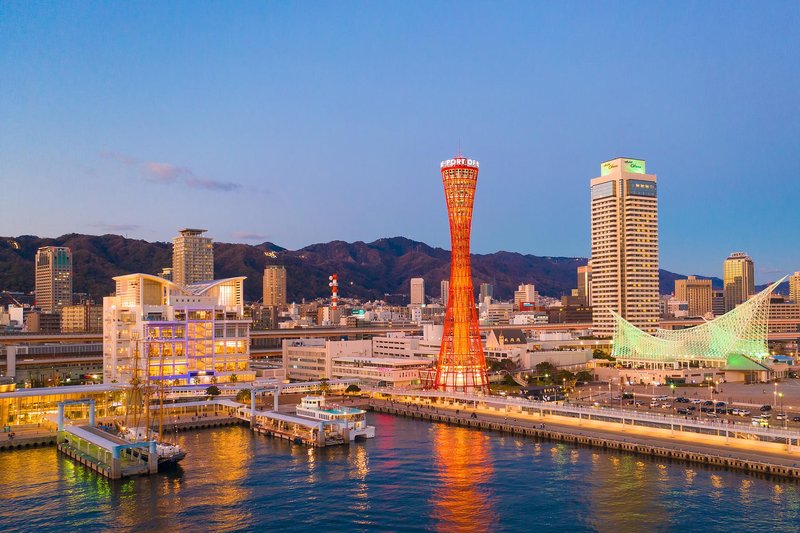
Hotels in Okutama
Discover your perfect stay in Okutama.
Okutama(Japan) Travel 2026: Cheap Flights, Hotels & Top Attractions
Popular Landmarks in Okutama
Discover the most iconic attractions in Okutama
Recommended Hotels in Okutama
Find the perfect place to stay in Okutama



Frequently Asked Questions about Traveling to Okutama
Questions You Might Need to Know About Traveling to Okutama
In Odawara Town, recommended stays include Odawara Forest Resort, a nature-immersive eco-lodge nestled near Odawara Lake and Oyagi River. The resort offers wooden cabins, kid-friendly activities like fishing, stream hiking, and forest workshops, plus an on-site hot spring and restaurant serving local ingredients.
Another excellent option is Mount Odama Lodge, a traditional-style mountain retreat with Japanese garden aesthetics and private outdoor baths. Its proximity to attractions like Sangō Waterfalls and Jinmei Tree makes it ideal for families seeking tranquility and authentic wilderness experiences just 90 minutes from Tokyo.
The best area for accommodation in Odawara Town is the Odawara Lake District, offering scenic lake views and easy access to key attractions such as Oyagi River and Sangō Waterfalls. This region features cozy ryokans, forest cottages, and eco-lodges like Lakeview Ginza Villa and Odawara Lake Onsen Inn, known for their privacy and regional charm.
With convenient transport links from Tokyo (approx. 1.5 hours by train), this area is perfect for both day trips and overnight stays, making it the ideal gateway to experiencing the serene mountain landscapes of the Kanto region.
Experience the Jinmei Tree Festival and guided tours of the historic Okubo Mine Ruins—two standout cultural activities in Odawara Town. The annual festival celebrates gratitude to nature with traditional dances, bamboo weaving workshops, and community rituals passed down through generations.
The Old Iron Mine Exploration Tour allows visitors to walk through former Edo-era mining tunnels, learning about the town’s rich history as a former mining hub. These immersive experiences offer genuine connections with locals and provide insight into the deep-rooted relationship between people and the mountains here.
Recommended hot spring stays include Yamayu Onsen Inn, a century-old ryokan located beside the Oyagi River, featuring natural sulfur-rich baths known for muscle relaxation and skin benefits. Rooms blend traditional Japanese design with modern comfort, some offering private outdoor onsen.
Another top choice is Mori no Yado Go-ya, a boutique wellness lodge offering full-package healing programs including morning forest meditation, night-time kaiseki dining, and locally sourced mountain vegetables. Guests enjoy a deeply restorative stay centered around nature and mindfulness.
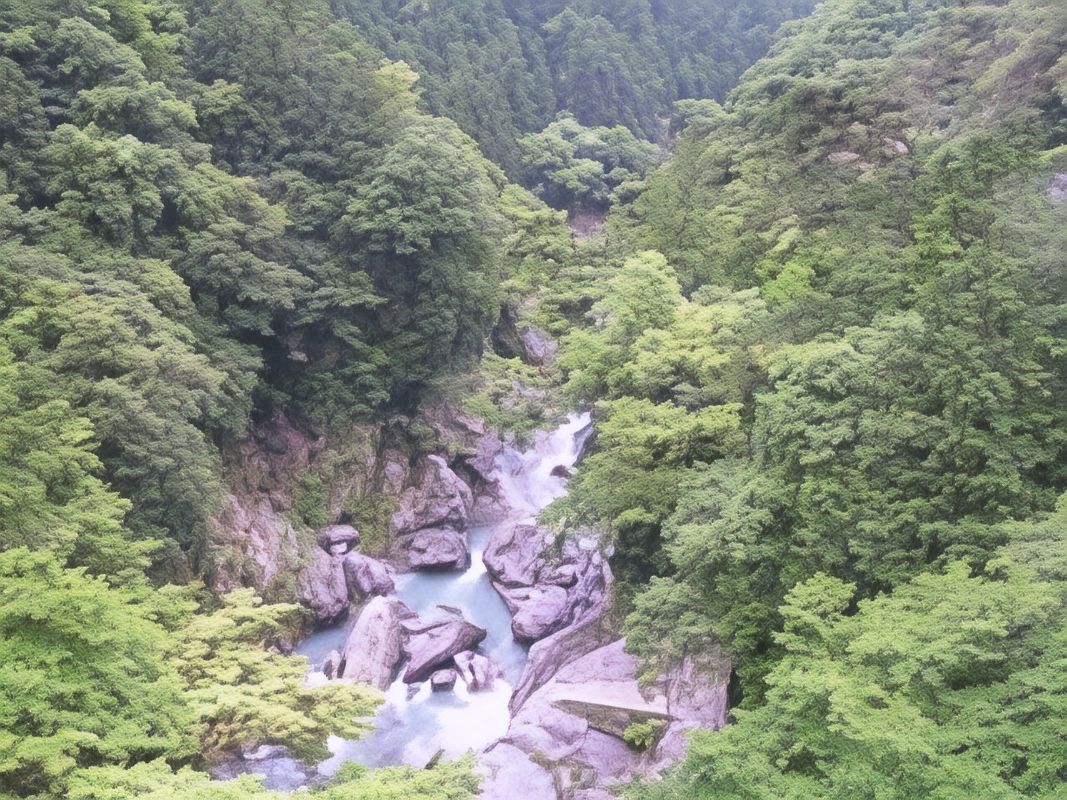
Top hiking trails in Odawara Town include the Odawara Three Gorges Trail and the Jinmei Tree to Oyagi River Route. The former spans across Oyagi River, Nikko River, and Sangō River, featuring dramatic cliffs, waterfalls, and lush forests—ideal for intermediate hikers (approx. 3 hours).
The Jinmei Tree Trail is shorter (1.2 km) but scenic, perfect for families and beginners. Interpretive signs explain local ecology and legends. Best visited early in the morning to avoid crowds and enjoy crisp mountain air and bird songs.
Must-try dishes in Odawara Town include Odawara Lake Carp Sushi and Mountain Vegetable Tempura. The former uses fresh, daily-caught carp from the lake, served over vinegared rice—deliciously sweet and tender—available at lakeside restaurants like Koyama Tei.
Mountain Vegetable Tempura features wild ferns, bamboo shoots, and mountain parsley, lightly battered and fried to perfection. Also sample Jinmei Tree Honey Tea, handcrafted by local beekeepers—sweet, aromatic, and a great souvenir.
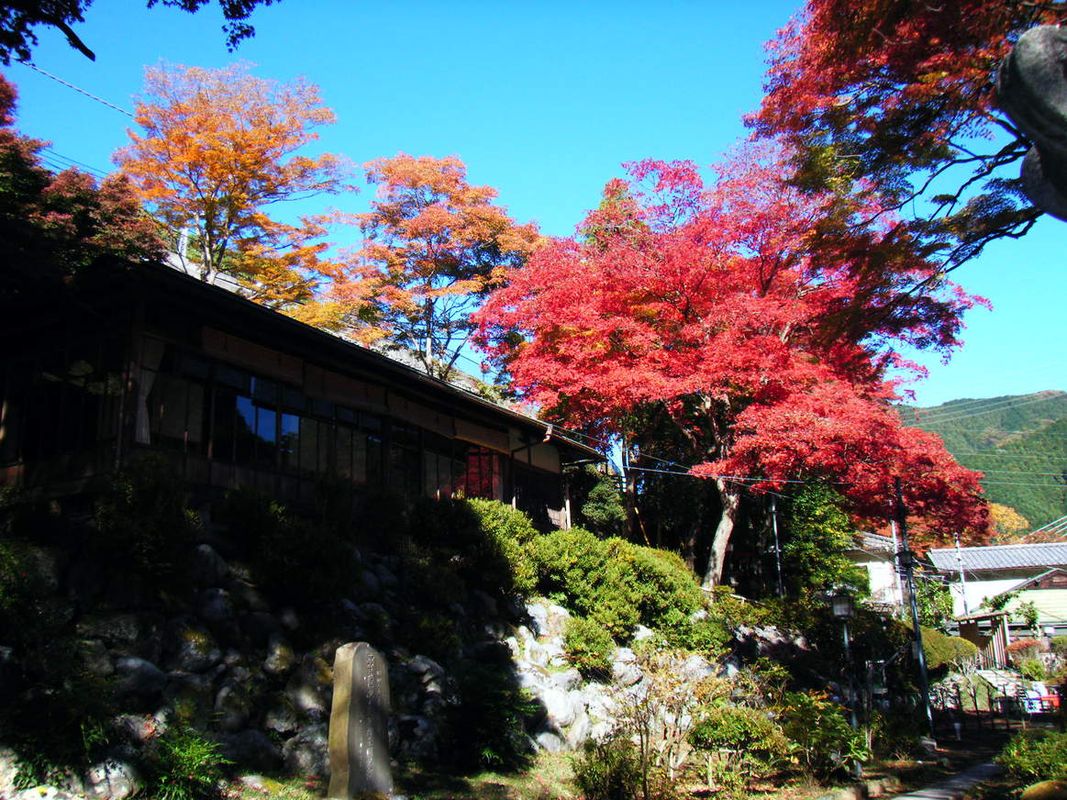
The best time to visit Odawara Town is autumn (October–November), when maple trees turn vibrant red and gold, especially along Odawara Lake and Sangō Waterfalls, creating breathtaking scenery.
Spring (March–May) brings cherry blossoms and wild azaleas in bloom, while summer remains cool due to higher elevation—perfect for escaping city heat. Winter offers snow-covered forests and peaceful onsen visits, ideal for those seeking quiet reflection and natural beauty.
Ideal photography spots in Odawara Town include the Odawara Lake Reflection Zone, where calm morning waters mirror the surrounding mountains and sky—perfect for sunrise shots and star photography.
The Jinmei Tree Viewing Platform frames the ancient cedar tree within a natural frame, ideal for portraits and landscape photography. During rainy seasons, Oyagi River Waterfalls create misty effects, enhancing dreamlike visuals. Bring a polarizing filter and tripod for optimal results.
A suggested one-day itinerary:
- Morning: Arrive and take a boat ride on Odawara Lake, enjoying panoramic views and reflections.
- Lunch: Dine at a lakeside restaurant on Odawara Lake Carp Sushi and seasonal mountain vegetables.
- Afternoon: Hike to Sangō Waterfalls, explore the trail past Jinmei Tree, and capture photos of the cascading falls.
- Evening: Return to your accommodation, soak in a natural hot spring, and enjoy the stars under the quiet mountain sky.
This balanced itinerary combines nature, culture, food, and relaxation—perfect for short getaways.
Yes, Mori no Yado Go-ya is an ideal retreat destination, offering daily forest meditation sessions and guided mindfulness practices in a serene, wood-lined setting with minimal light pollution. The space emphasizes silence, simplicity, and connection with nature.
Also consider Yamayu Onsen Inn's "Mindful Stay" Package, which includes a private room, breakfast, and two meditation workshops led by certified instructors. With limited guest capacity and a focus on stillness, this experience is perfect for digital detox and inner renewal amidst the sounds of the Oyagi River.
Okutama Overview
City Summary
Okutama, located in the northwest of Tokyo, is known as "Tokyo's Backyard" for its stunning mountains, clear rivers, and rich natural landscapes. It's an ideal escape from the city's hustle and bustle, famous for outdoor activities like hiking, camping, and hot springs. Okutama blends traditional Japanese rural charm with modern amenities.
Must-See Attractions
Key attractions in Okutama include Okutama Lake, offering breathtaking views throughout the year, especially during autumn foliage. The Mukayama Suspension Bridge, one of Japan's longest, is perfect for photos and leisurely walks. Hot spring enthusiasts will love Okutama Onsen for its natural hot springs.
Food Guide
Local delicacies include river fish like sweetfish and trout, typically grilled or stewed. Mountain vegetable dishes such as bracken and bamboo shoots are also popular, best paired with local sake.
Transportation Guide
From central Tokyo, take the JR Chuo Line to Okutama Station, about a 2-hour ride. Local buses are available but infrequent, so plan ahead. Renting a car is another option for exploring the area.
Best Time to Visit
The best times to visit are spring (April-May) and autumn (October-November) for pleasant weather and scenic beauty. Summer is great for escaping the heat, while winter offers snowy hot spring experiences.
Travel Tips
- Okutama can be chilly; pack warm clothing.
- Some attractions require walking; wear comfortable shoes.
- Follow etiquette at outdoor hot springs.
- Respect nature; no littering.
- Some restaurants may require reservations.
- Carry cash; some places don't accept cards.
Useful Information
Japanese is the primary language in Okutama, with limited English. Internet coverage is good but may be spotty in mountains. Cash is preferred; carry enough yen. Medical facilities are limited; bring basic medications.