Hotels in Oldeberkoop
Discover your perfect stay in Oldeberkoop.
Oldeberkoop(Netherlands) Travel 2026: Cheap Flights, Hotels & Top Attractions
Popular Landmarks in Oldeberkoop
Discover the most iconic attractions in Oldeberkoop
Recommended Hotels in Oldeberkoop
Find the perfect place to stay in Oldeberkoop
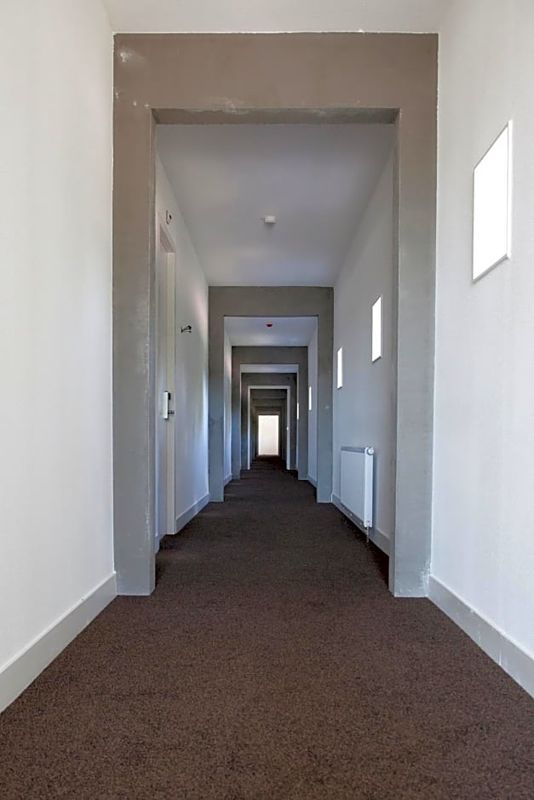
Hotel Restaurant Lunia
Best Hotels in Oldeberkoop
Discover curated hotel collections in Oldeberkoop
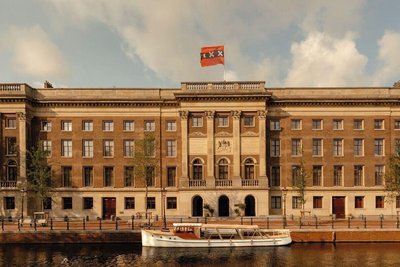
Rosewood Amsterdam
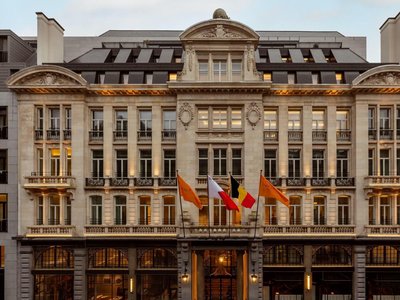
Corinthia Grand Hotel Astoria Brussels
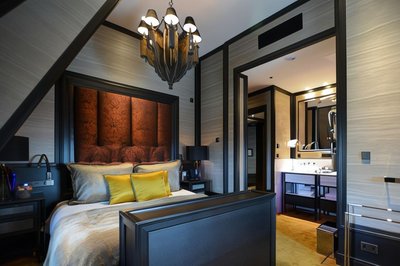
Hotel TwentySeven - Small Luxury Hotels of the World
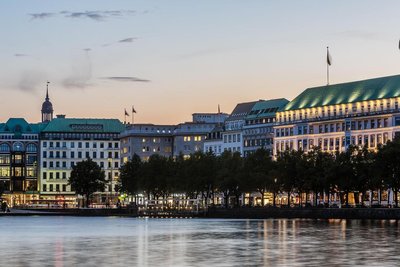
Fairmont Hotel Vier Jahreszeiten
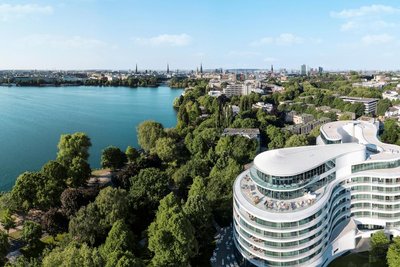
The Fontenay Hamburg
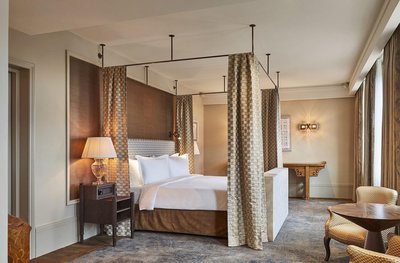
De L’Europe Amsterdam – the Leading Hotels of the World
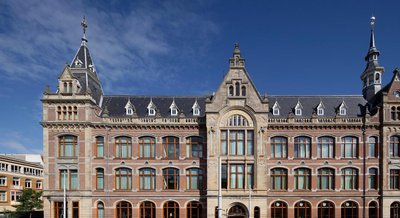
Conservatorium Hotel (Operated by Mandarin Oriental)
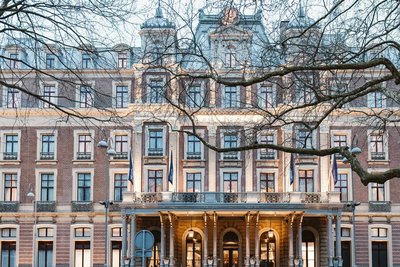
InterContinental Amstel Amsterdam
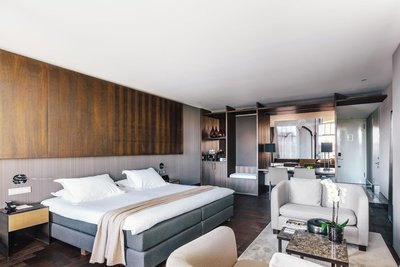
The Dylan Amsterdam
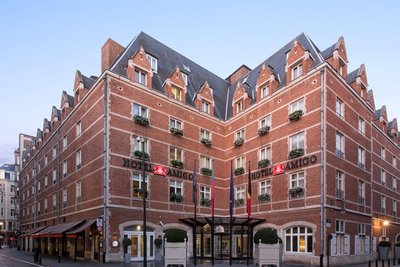
Rocco Forte Hotel Amigo
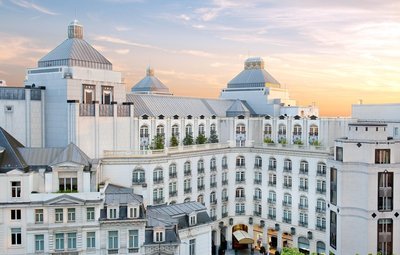
Steigenberger Icon Wiltcher's
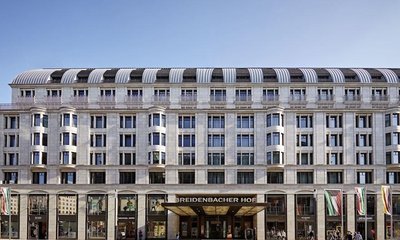
Small Luxury Hotels of the World - Breidenbacher Hof
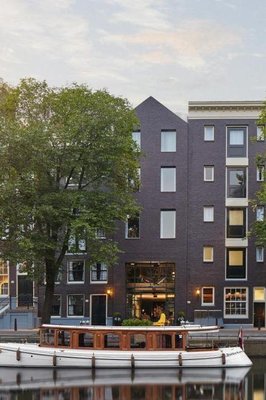
Pulitzer Amsterdam
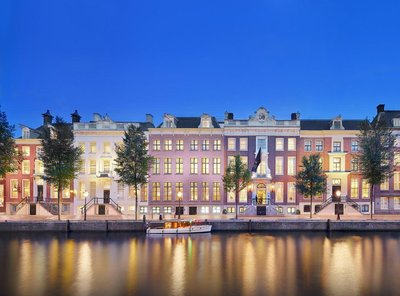
Waldorf Astoria Amsterdam
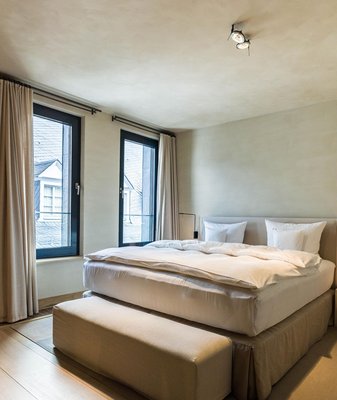
Hotel Purs
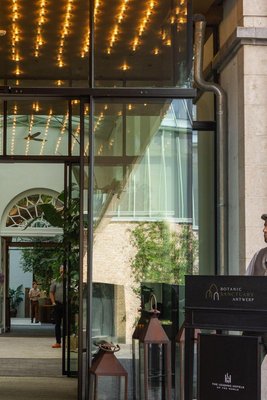
Botanic Sanctuary Antwerp
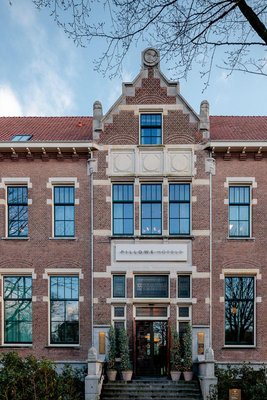
Pillows Grand Boutique Hotel Maurits at the Park - Small Luxury Hotels
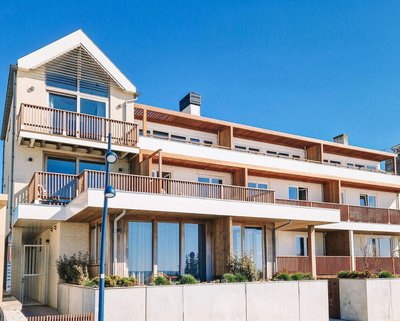
Boulevard 5
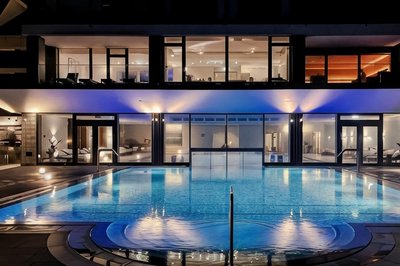
Upstalsboom Wyk Auf Föhr
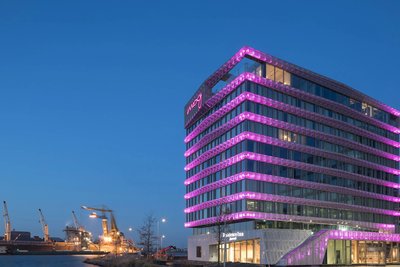
Residence Inn by Marriott Amsterdam Houthavens
Fairmont Hotel Vier Jahreszeiten
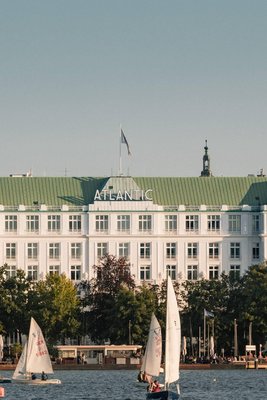
Hotel Atlantic Hamburg-Autograph Collection
The Fontenay Hamburg
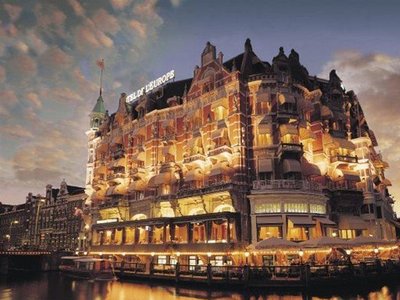
De L’Europe Amsterdam – the Leading Hotels of the World
InterContinental Amstel Amsterdam
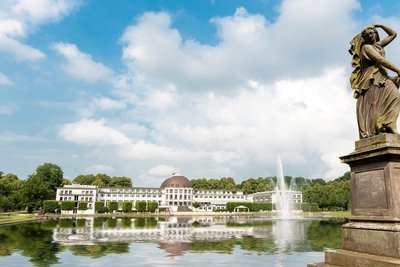
Parkhotel Bremen – ein Mitglied der Hommage Luxury Hotels Collection
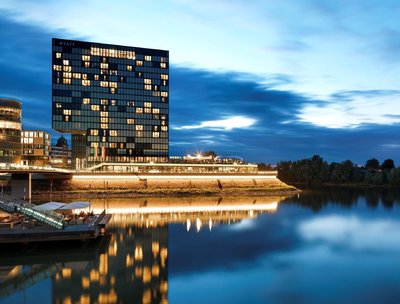
Hyatt Regency Dusseldorf
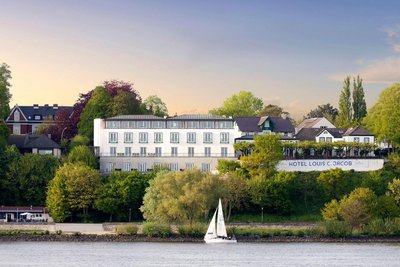
Hotel Louis C. Jacob
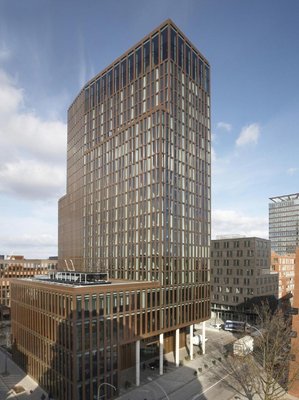
Empire Riverside Hotel
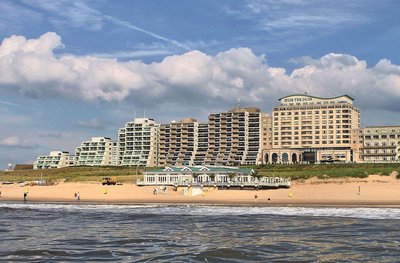
The Historic Huis Ter Duin
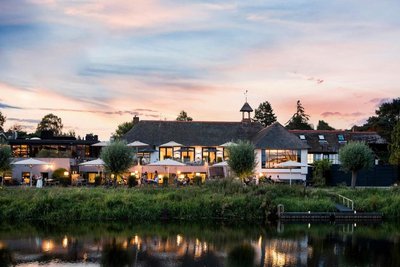
Mooirivier
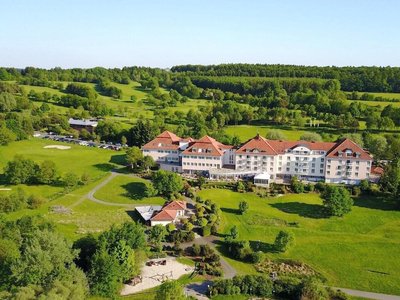
Golf- Und Sporthotel Wiesensee
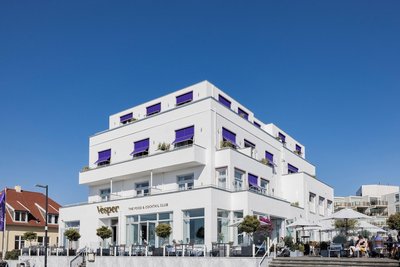
Vesper Hotel

Inntel Hotels Den Haag Marina Beach
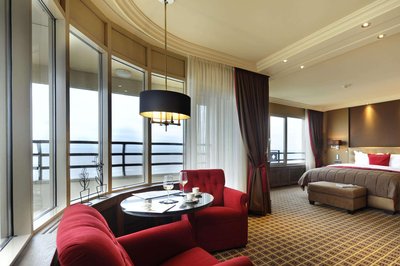
Grand Hotel Huis Ter Duin
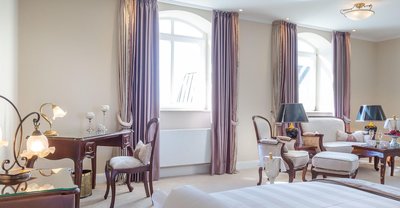
Hotel Miramar
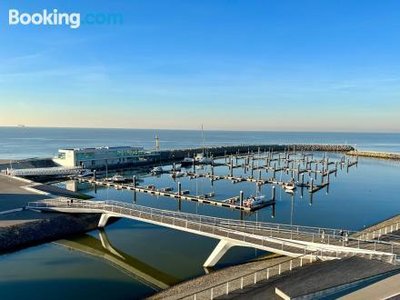
Hotel de Schelde

1898 the Post
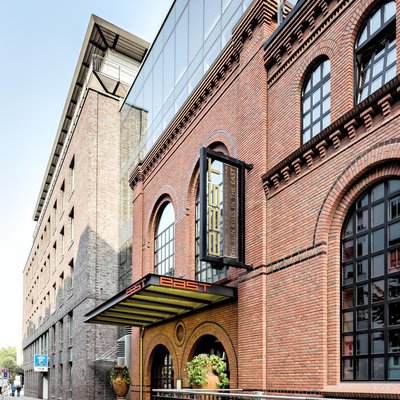
East Hotel Hamburg

Andaz Amsterdam Prinsengracht, by Hyatt
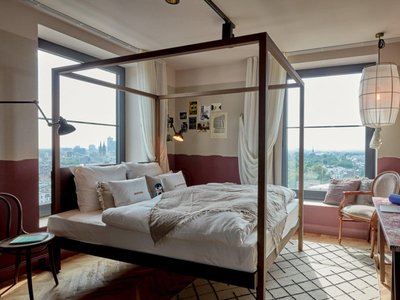
25Hours Hotel Duesseldorf Das Tour
Pulitzer Amsterdam
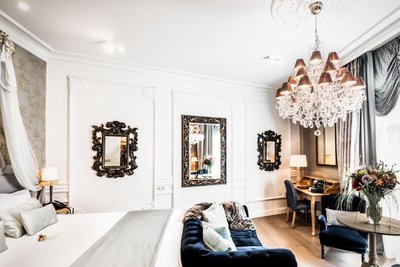
Luxury Boutique Hotel de Castillion
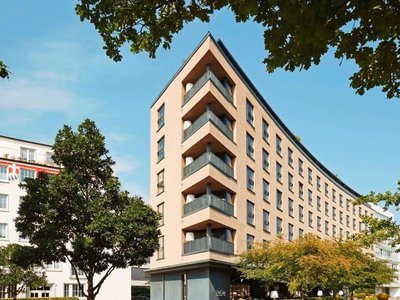
The George Hamburg
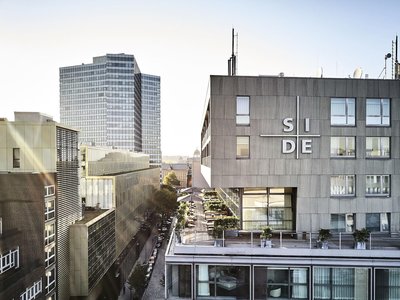
Side, Hamburg, a Member of Design Hotels
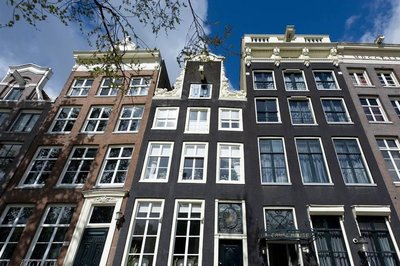
Small Luxury Hotels of the World - Canal House
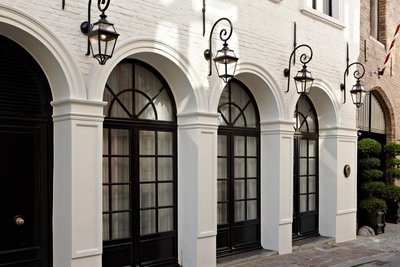
Hotel de Orangerie by CW Hotel Collection

Zoku Amsterdam
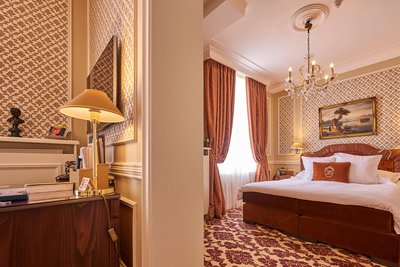
Relais & Châteaux Hotel Heritage
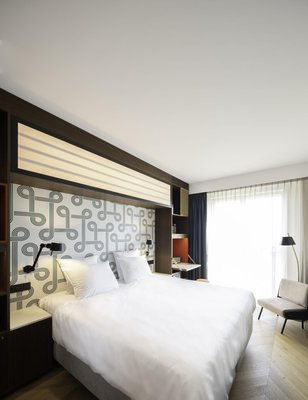
Yalo Urban Boutique Hotel Gent
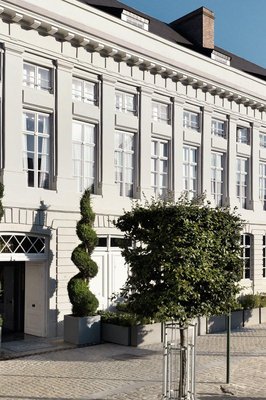
Juliana Hotel Brussels
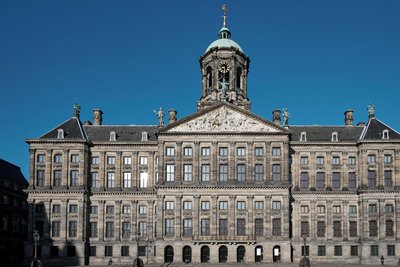
The Pavilions Amsterdam, The Toren
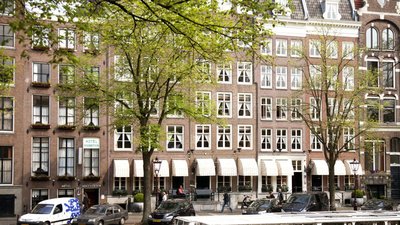
Hotel Estheréa
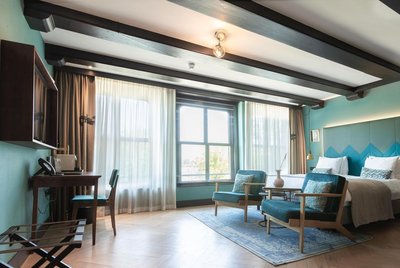
The Hendrick's Hotel

Parc Broekhuizen l Culinair Landgoed
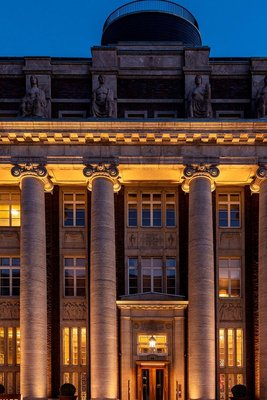
The Wellem Dusseldorf, Part of Hyatt
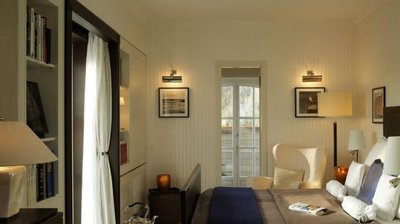
Dorint Soel'Ring Hof Sylt-Rantum

Hotel Thermen Berendonck
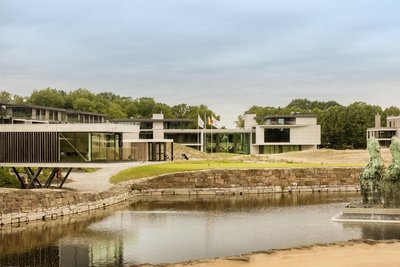
Radisson Collection Hotel, The National Brussels
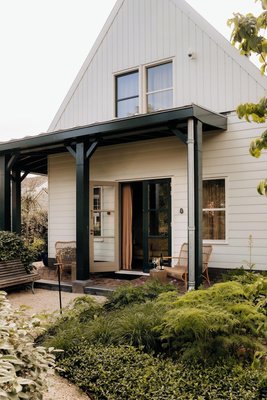
De Durgerdam, Amsterdam
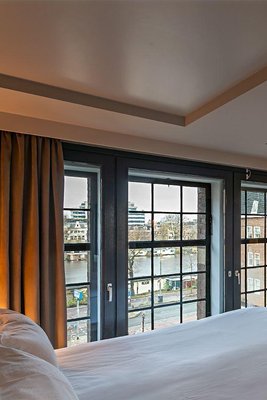
Pestana Amsterdam Riverside
Upstalsboom Wyk Auf Föhr
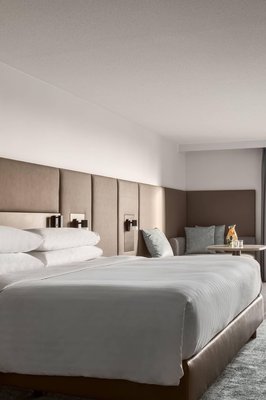
Amsterdam Marriott Hotel
Hotel Atlantic Hamburg-Autograph Collection
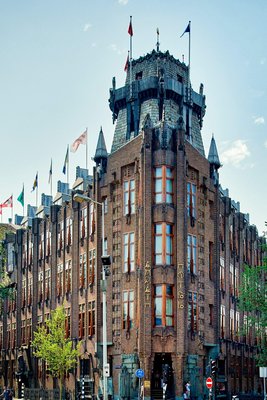
Grand Hotel Amrâth Amsterdam
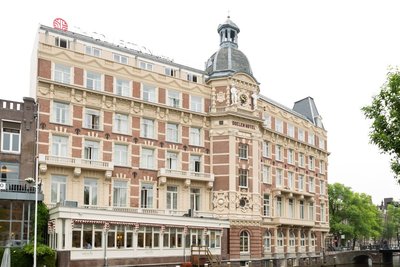
Tivoli Doelen Amsterdam Hotel
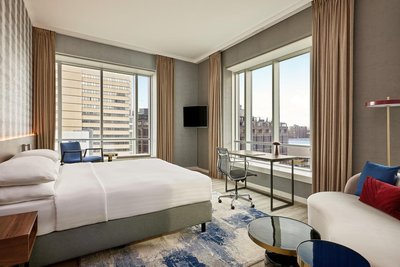
Rotterdam Marriott Hotel
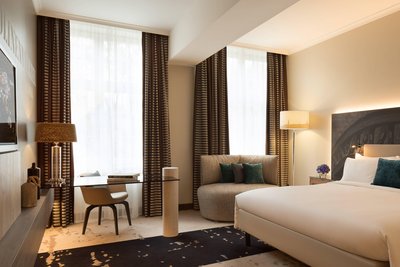
Renaissance Hamburg Hotel
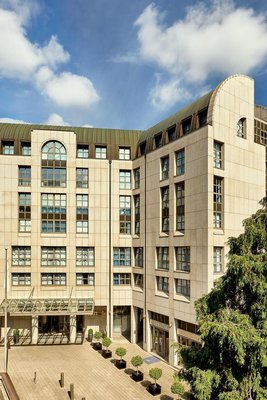
Hamburg Marriott Hotel
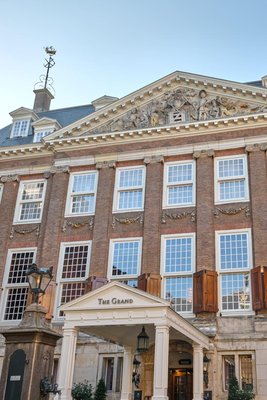
Sofitel Legend the Grand Amsterdam
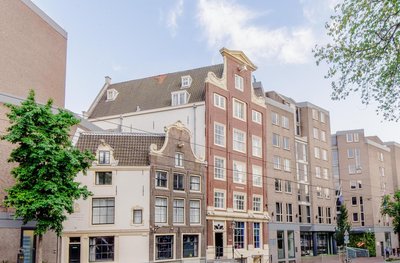
Kimpton de Witt Amsterdam
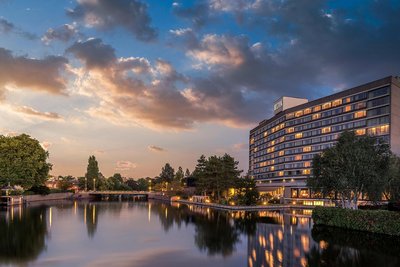
Hilton Amsterdam
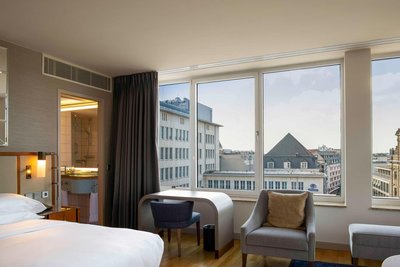
Hilton Cologne
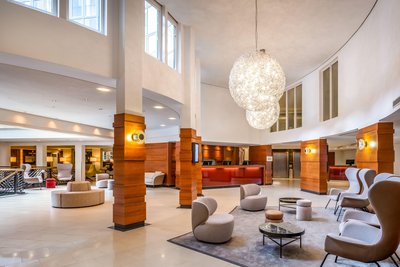
Cologne Marriott Hotel
Hotel TwentySeven - Small Luxury Hotels of the World
De L’Europe Amsterdam – the Leading Hotels of the World
The Dylan Amsterdam
Waldorf Astoria Amsterdam
Hyatt Regency Dusseldorf
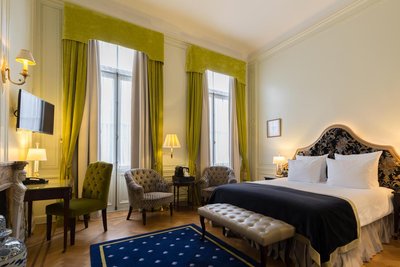
Stanhope Hotel Brussels by Thon Hotels
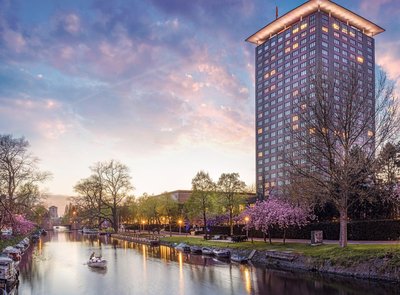
Hotel Okura Amsterdam – the Leading Hotels of the World
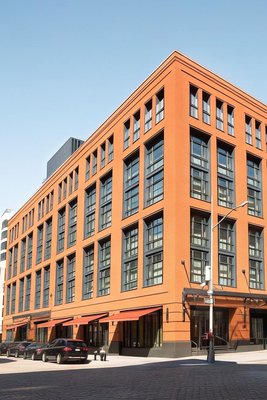
Hotel Barrière Fouquet's New York
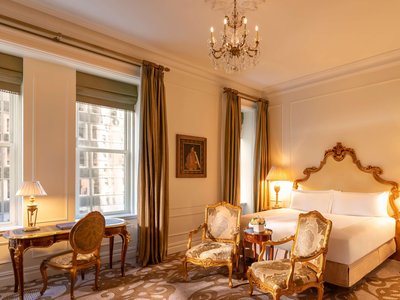
The Plaza - A Fairmont Managed Hotel
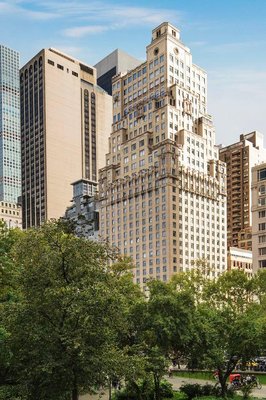
The Ritz-Carlton New York, Central Park

Four Seasons Hotel New York
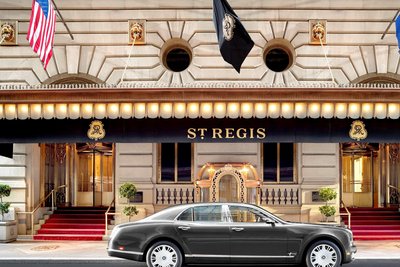
The St. Regis New York
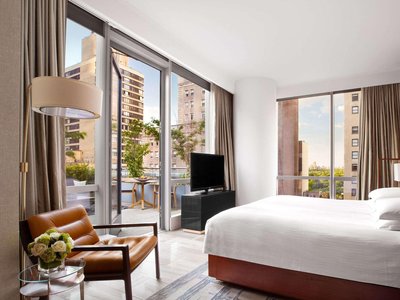
Park Hyatt New York
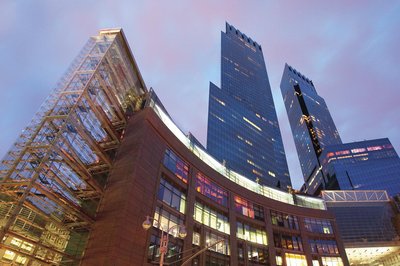
Mandarin Oriental New York

Times Square Edition New York
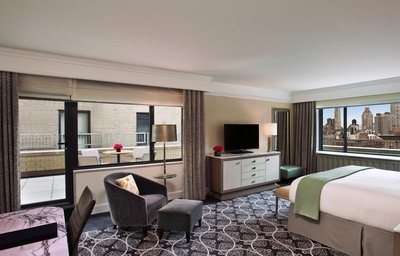
Loews Regency New York Hotel
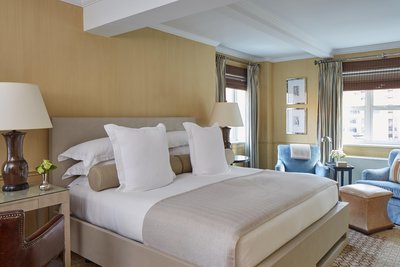
Lowell Hotel
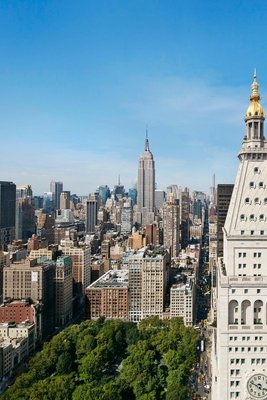
New York Edition
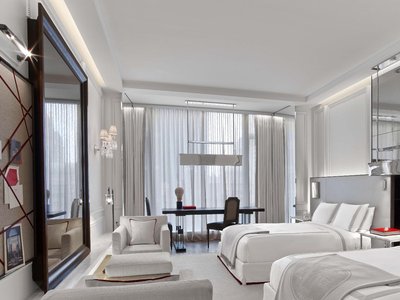
Baccarat Hotel New York
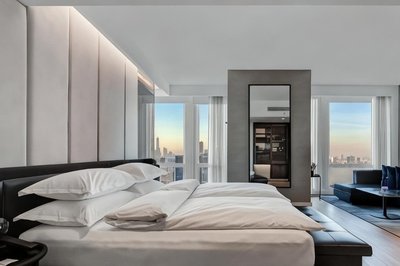
Equinox Hotel New York

Four Seasons Hotel New York Downtown
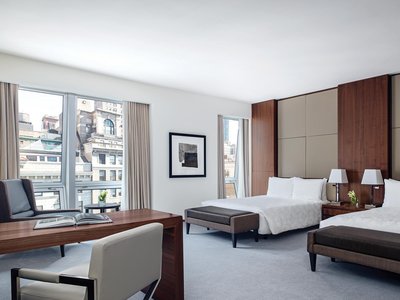
The Langham, New York, Fifth Avenue
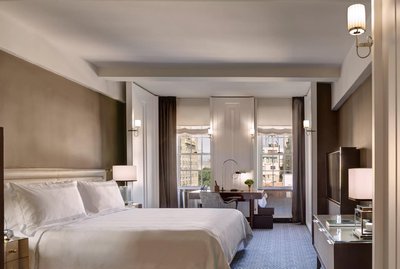
The Carlyle, A Rosewood Hotel

The Chatwal, in the Unbound Collection by Hyatt
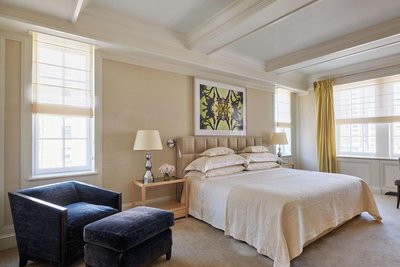
The Mark New York

Trump International Hotel & Tower® New York
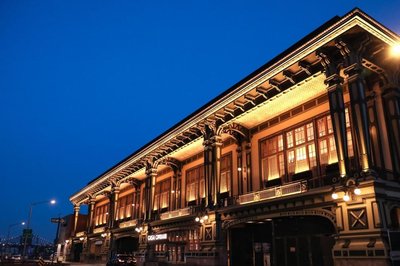
Casa Cipriani New York
Frequently Asked Questions about Traveling to Oldeberkoop
Questions You Might Need to Know About Traveling to Oldeberkoop
In Almelo, the best hotel with authentic local charm is Hotel De Gouden Klok, located in the heart of the old town near Market Square and Almelo Church. This historic boutique hotel blends 17th-century Dutch timber-framed architecture with modern comforts, offering family rooms and child-friendly amenities. Guests enjoy daily breakfast featuring regional specialties like "stroopwafels" and fresh dairy products. The surrounding area hosts seasonal events such as the Windmill Festival and Farmers' Market, allowing visitors to immerse in rural Dutch culture. Its iconic brass clock tower makes it a favorite photo spot, symbolizing the town’s heritage.
Hotel De Gouden Klok stands out for its blend of tradition and hospitality, making it ideal for travelers seeking an immersive experience beyond typical accommodations.
The Old Town (Oude Stad) is Almelo’s prime neighborhood for accessing top attractions. Located just steps from Almelo Church, Market Square, and the Windmill Museum, this area features cobbled streets lined with centuries-old brick houses. It’s home to several boutique hotels like Huis ter Bie and cozy guesthouses offering traditional Dutch hospitality. Evening strolls along the waterways reveal charming lighting and live folk music during festivals. The area also provides easy access to the IJssel River Cycle Route and nearby farmland trails. With a 15-minute walk to the train station, it balances tranquility and convenience—perfect for exploring both urban and rural highlights.
Old Town is not only scenic but culturally vibrant, hosting weekly markets and artisan fairs that showcase local craftsmanship and cuisine.
Must-try cultural experiences in Almelo include visiting the Windmill Museum (Molenmuseum), where you can learn how wind-powered irrigation systems shaped Dutch agriculture. Participate in hands-on workshops at the Agricultural Experience Park, crafting traditional Dutch cheese and windmill bread under expert guidance. Every Saturday, join the Old Town Market, a bustling event featuring local farmers, artisans, and vintage vendors selling organic produce, handmade ceramics, and antique furniture. At night, attend the Dutch Village Night on Market Square, complete with folk bands, traditional dances, and storytelling sessions. These activities offer deep insight into the community spirit and sustainable lifestyle of rural Netherlands.
The Windmill Museum and weekly market are central to Almelo’s identity, reflecting its agricultural roots and strong sense of local pride.
The best photo spots in Almelo are the Almelo Church with its striking red-brick façade and pointed spire, perfectly reflected in the calm waters of the town’s canals. The brass clock tower of Hotel De Gouden Klok is another iconic landmark—especially stunning at sunrise when golden light glints off its gilded details. The Old Town Square offers a quintessential Dutch scene: cobblestone streets, flower boxes, and rustic windmill models tucked between historic buildings. For panoramic views, hike the IJssel River Greenway trail, where rolling fields and distant windmills create a dreamy backdrop. Early mornings or late afternoons provide soft natural lighting, ideal for capturing authentic, story-rich images.
These locations are frequently featured in travel photography, symbolizing the timeless beauty of Dutch countryside life.
Must-try dishes in Almelo include Windmill Bread (Molenbrood), baked from flour ground by the town’s historic windmills, offering a crisp texture and rich grain flavor. Another highlight is Almelo Stew (Alderbekop Stoofpot), a hearty dish made with beef, potatoes, and seasonal vegetables slow-cooked for hours, served with a dark gravy. Pair these with locally brewed Brouwerij beer, known for its robust malt profile and subtle hops. On Sundays, visit the Market Square Food Pop-Up, where vendors serve limited-edition artisanal cheeses, honey cookies, and smoked sausages. These flavors reflect Almelo’s agrarian roots and culinary tradition.
Windmill Bread and stew are more than meals—they’re edible memories of the region’s farming heritage.
For a meaningful visit to Almelo, plan for 2 to 3 days to fully appreciate its charm. Day one focuses on exploring the Old Town, visiting Almelo Church, the Windmill Museum, and enjoying a stroll through the Market Square while sampling local treats. Day two includes a workshop at the Agricultural Experience Park, followed by a bike ride along the IJssel River Cycle Route through lush fields and windmill clusters. On day three, extend your trip to Arnhem for a day tour or relax at a café with homemade pastries. This pace allows time for cultural immersion, nature walks, and quiet reflection—ideal for travelers who value depth over speed.
2 to 3 days strikes the perfect balance between exploration and relaxation, ensuring you don’t miss the town’s soul.
Hotel prices in Almelo vary by category and season. Boutique hotels and historic renaissance properties like Hotel De Gouden Klok and Huis ter Bie cost €120–€200 per night, often including breakfast and free parking. Budget-friendly options such as family-run guesthouses or self-catering apartments range from €70–€100, ideal for solo travelers or small groups. Prices rise by 20% during peak season (May–September), especially on weekends and festival weeks. Some hotels offer farm experience packages combining accommodation, workshops, and meals for around €250 per night, providing excellent value. Due to limited availability, HopeGoo early is strongly recommended—especially during summer.
Hotel De Gouden Klok remains a top-tier choice for those seeking quality, history, and location.
Yes, the IJssel River Cycle Route is one of the most scenic biking paths near Almelo, stretching approximately 18 kilometers through tranquil farmlands, windmill clusters, and historic villages. Starting from Market Square, riders can rent bikes locally and enjoy a smooth, well-maintained path ideal for all skill levels. Along the way, stop at the Windmill Museum or Kastelraak Farm for tastings of fresh milk, cheese, and herbal tea. In the evening, return via the riverside trail, where golden sunsets paint the water with shimmering reflections. Guided bike tours are available through local agencies, offering insights into ecology, history, and sustainable farming practices.
The IJssel River Cycle Route combines natural beauty with cultural discovery, making it a favorite among cyclists and photographers.
Yes, Almelo’s temperate maritime climate influences hotel selection. Winters (December–February) bring cool, damp conditions averaging 5–8°C, so choose hotels with strong heating, double-glazed windows, and soundproofing—like Hotel De Gouden Klok and Huis ter Bie, which maintain comfort year-round. Summers (June–August) are mild but prone to sudden showers; opt for accommodations with indoor lounges or covered terraces for rainy-day activities. Spring and autumn offer stable weather, ideal for sightseeing, but pack layers due to temperature fluctuations. Overall, staying centrally located ensures better access to sheltered spaces and reduced exposure to weather changes.
Hotel De Gouden Klok is particularly praised for its climate resilience and guest comfort across seasons.
Yes, Almelo offers excellent public transportation. Trains operated by NS connect the town to Amsterdam Central Station in about 45 minutes, with frequent departures throughout the day. Within the town, walking is convenient for reaching major sites like Market Square, Almelo Church, and the Windmill Museum. For longer excursions, the local shuttle bus links Almelo to nearby villages and airports. Bike-sharing stations are widely available near the train station and city center, promoting eco-friendly travel. Parking is accessible at Market Square and Church Backlot, though fees apply. Overall, the mix of rail, bus, and cycling infrastructure makes Almelo highly accessible—ideal for both car-free travelers and self-drivers.
NS trains and bike-sharing are key pillars of Almelo’s efficient mobility network.