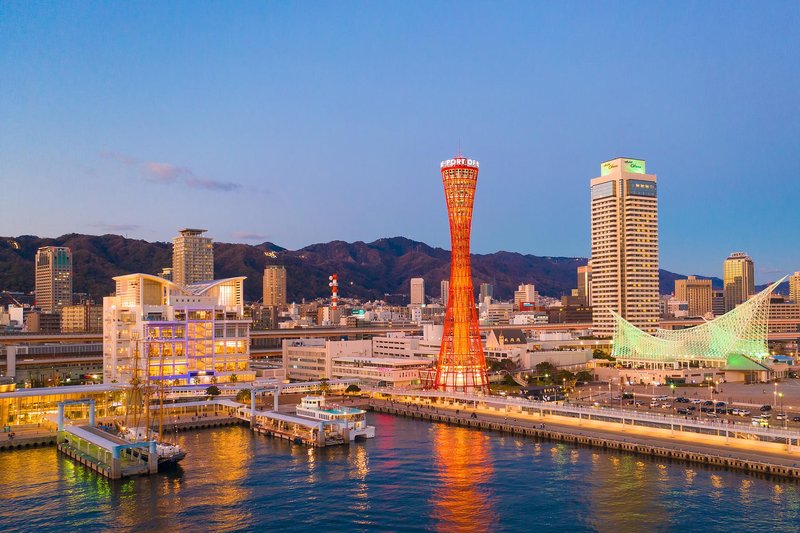
Hotels in Omi
Discover your perfect stay in Omi.
Omi(Japan) Travel 2026: Cheap Flights, Hotels & Top Attractions
Popular Landmarks in Omi
Discover the most iconic attractions in Omi
Recommended Hotels in Omi
Find the perfect place to stay in Omi
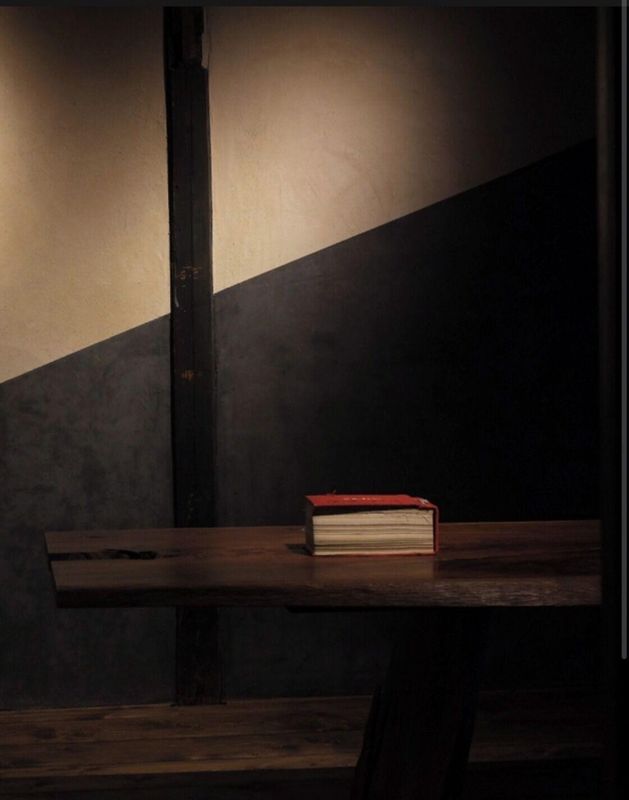
Ryokan Tsuchi to Ito
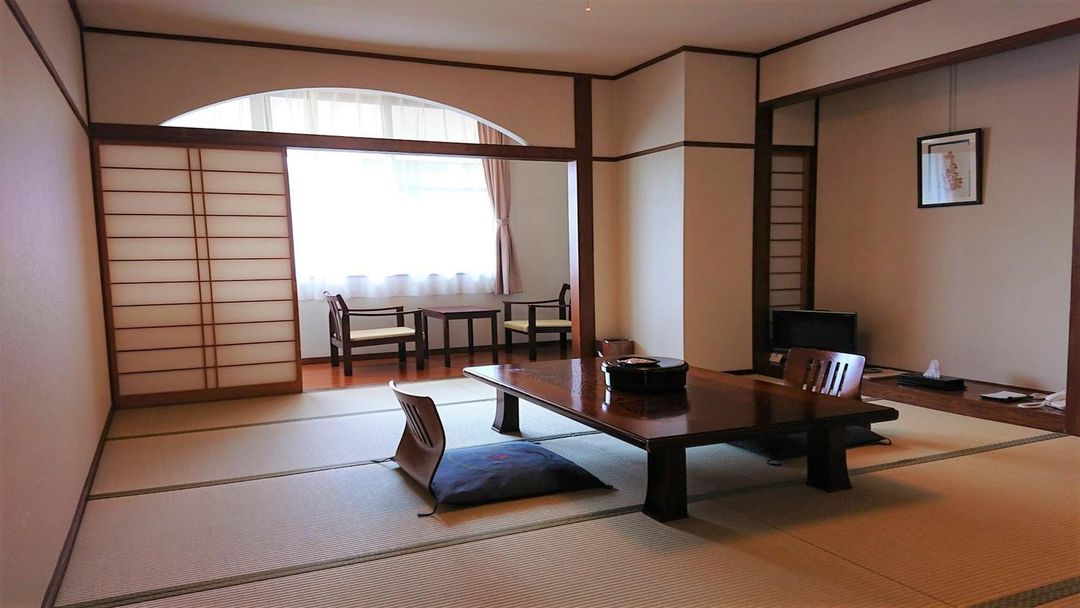
Sehongarten Omi
Best Hotels in Omi
Discover curated hotel collections in Omi
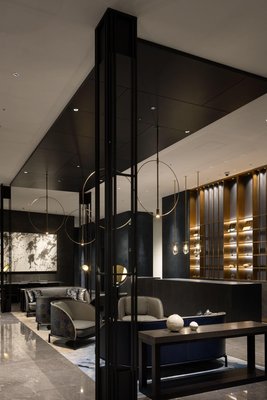
Bellustar Tokyo, A Pan Pacific Hotel
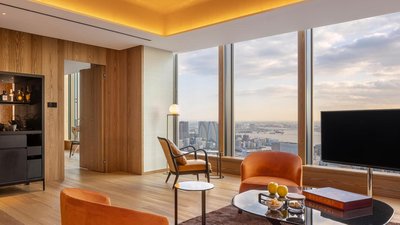
Bvlgari Hotel Tokyo
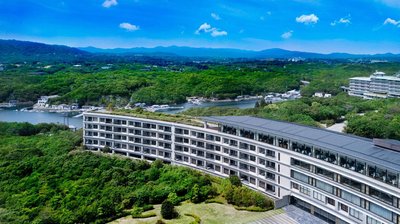
Shima Kanko Hotel the Bay Suites
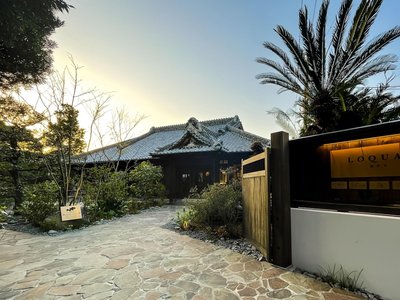
Loquat Nishiizu
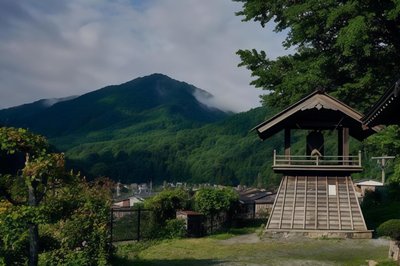
Byaku Narai
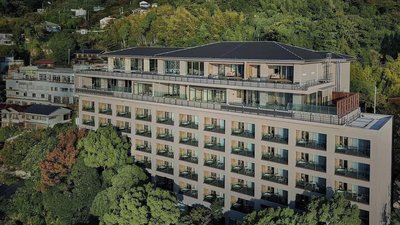
Atami Izusan Karaku
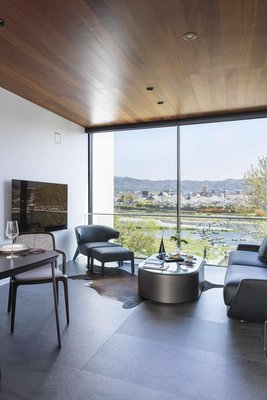
Kamo Residences by Reflections
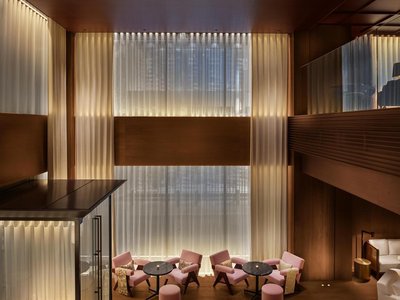
The Tokyo Edition, Ginza
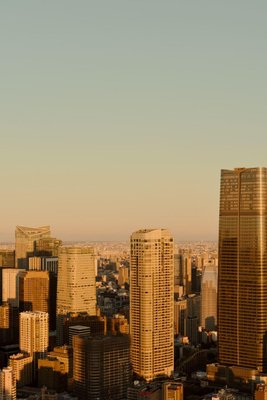
Janu Tokyo
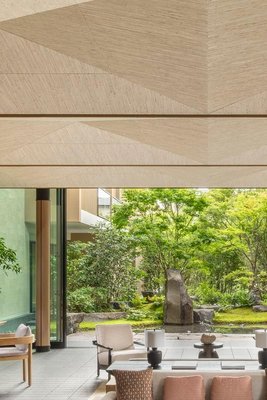
Six Senses Kyoto
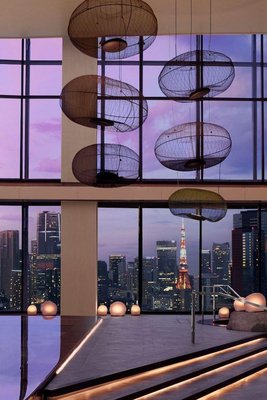
JW Marriott Hotel Tokyo
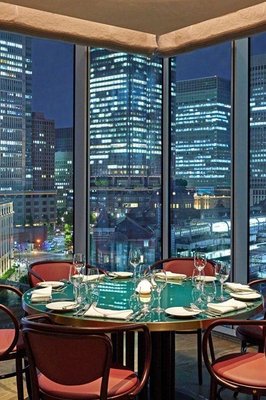
Four Seasons Hotel Tokyo at Marunouchi

Mandarin Oriental, Tokyo
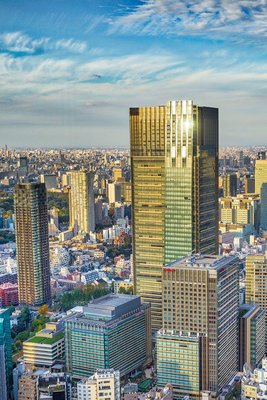
The Ritz-Carlton, Tokyo
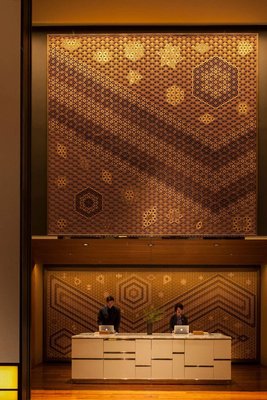
Andaz Tokyo Toranomon Hills- A Concept by Hyatt
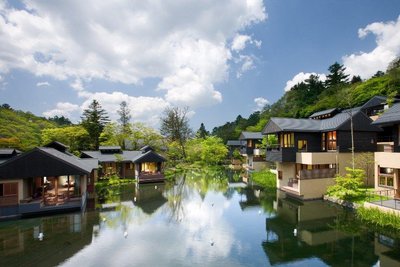
Hoshinoya Karuizawa
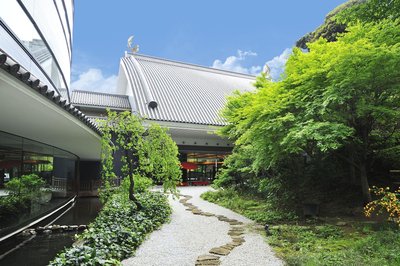
Hotel Gajoen Tokyo
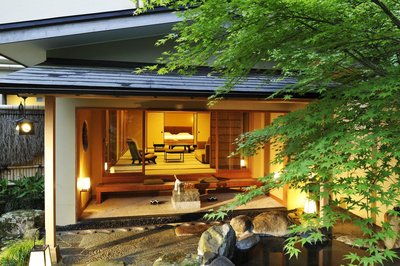
Gora Kadan
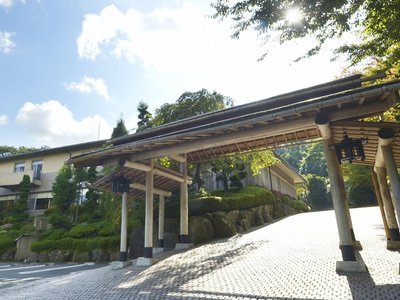
Gora Hanaougi
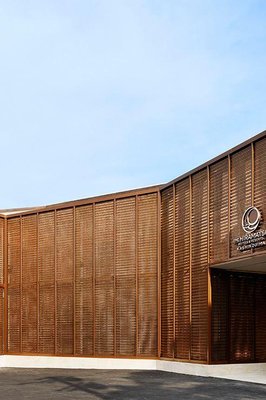
The Hiramatsu Hotels & Resorts Kashikojima
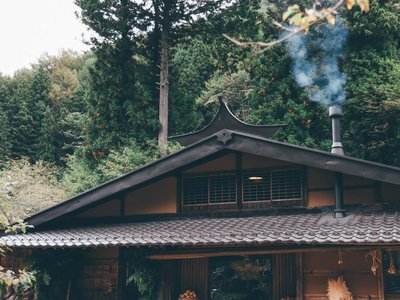
La Terra Resort
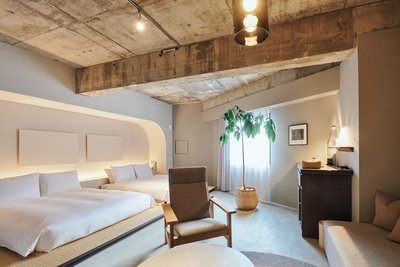
Korinkyo
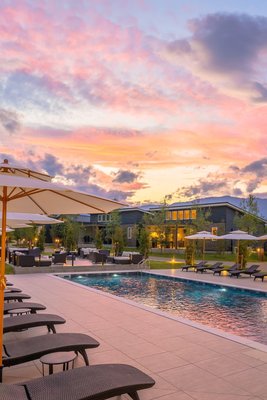
Awaumi Fujikawaguchiko Resort
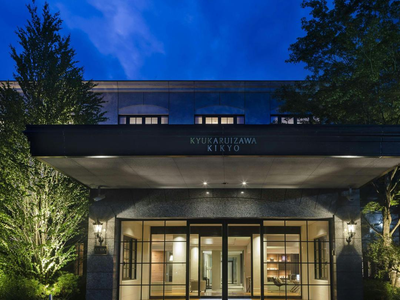
Fufu Karuizawa Wind of Sunshine
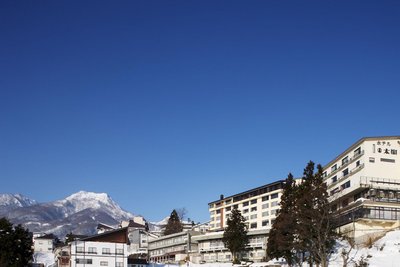
Hotel Taiko, Akakura Onsen
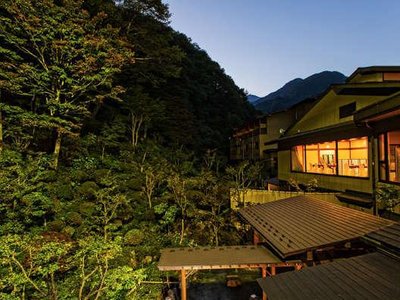
Futari Shizuka
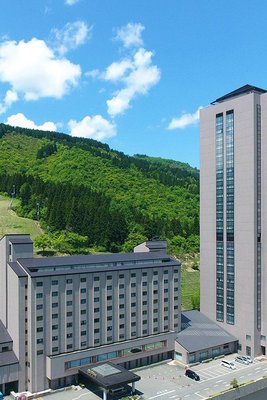
Naspa New Otani
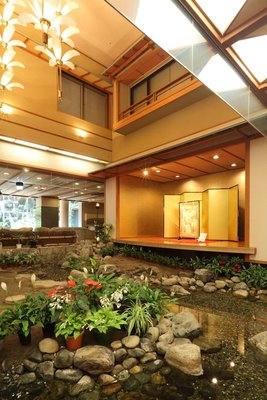
Hotel Futaba
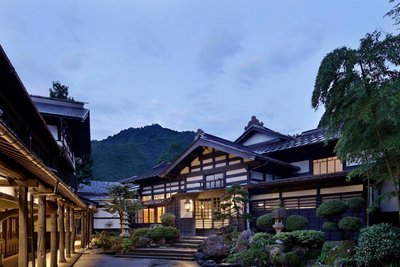
Ryugon
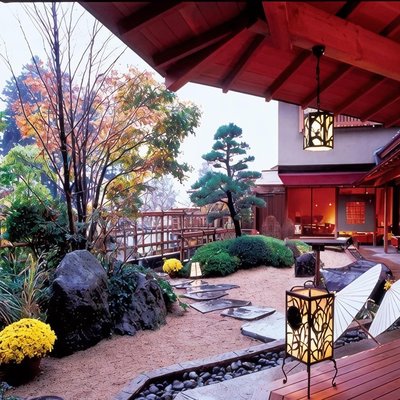
Oyado Tamaki

Tokinoniwa
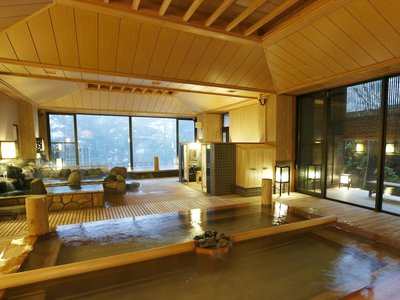
Konoha
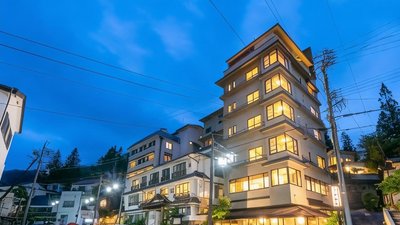
Nakamatsuya Ryokan
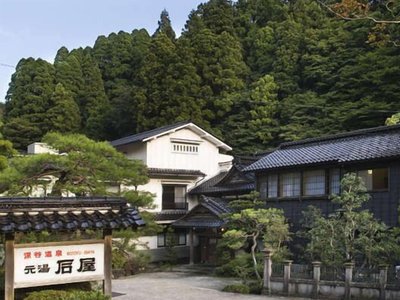
Motoyu Ishiya
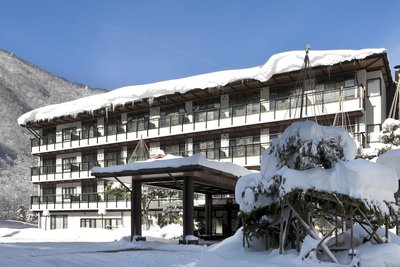
Okada Ryokan Warakutei
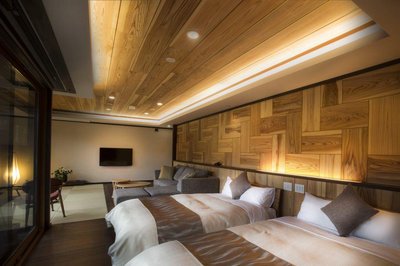
Hidatei Hanaougi
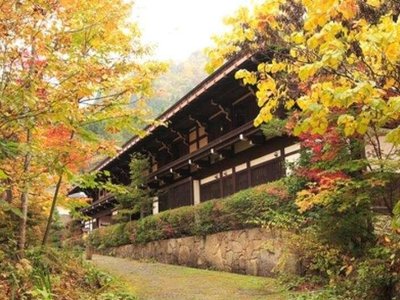
Yumoto Choza
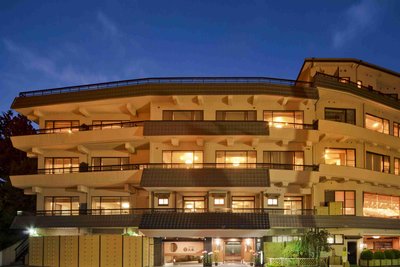
Maruei
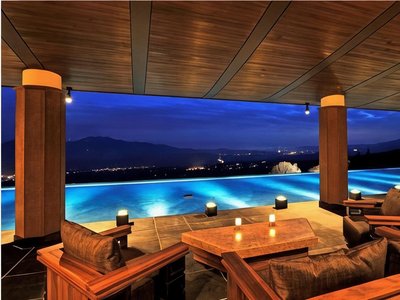
Akakura Kanko Hotel
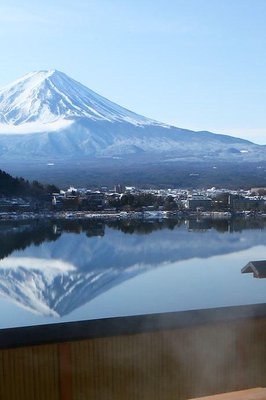
Fuji Ginkei
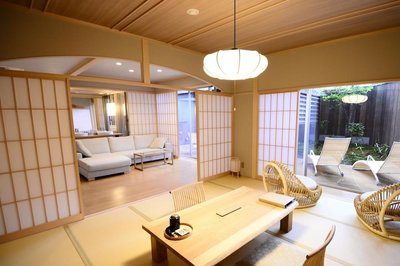
Hakone Gora Byakudan
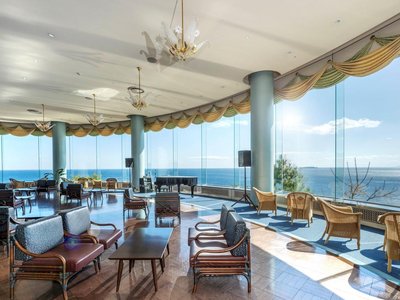
Hotel New Akao
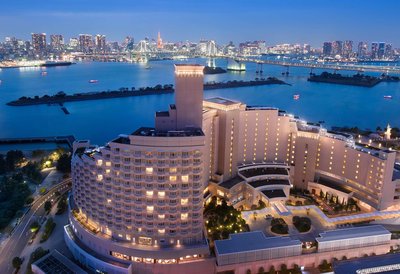
Hilton Tokyo Odaiba
JW Marriott Hotel Tokyo
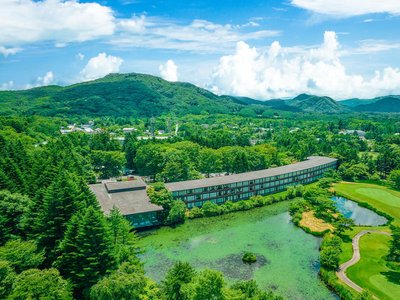
The Prince Karuizawa
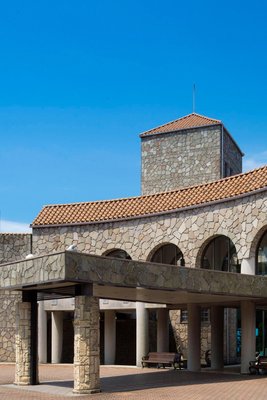
Izumigo Hotel Altia Toba
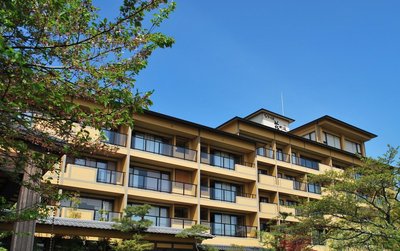
BIWAKO HANAKAIDO
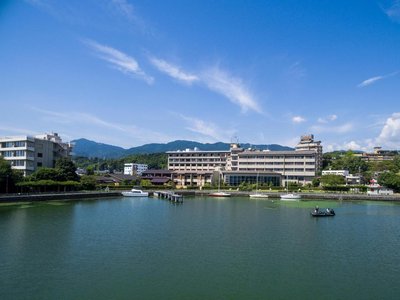
Biwako Ryokusuitei
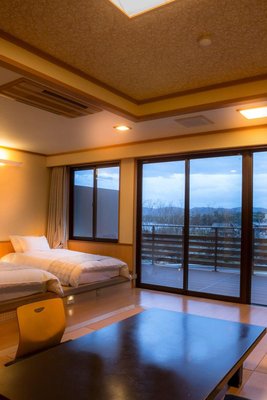
Hotel Kitanoya
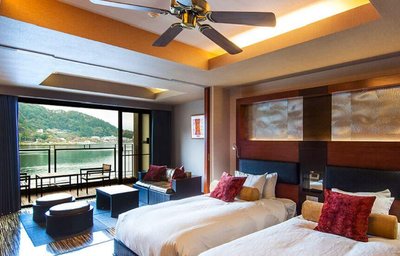
The Kukuna
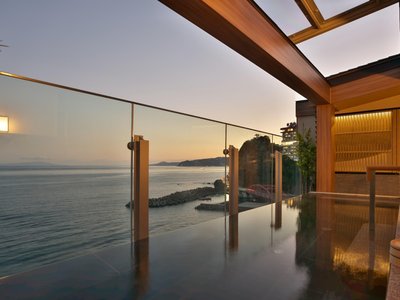
Hotel New Sagamiya
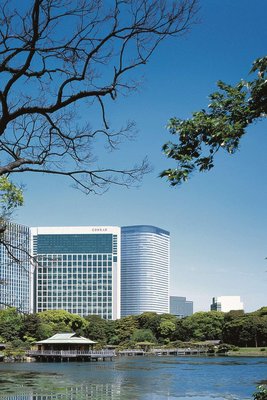
Conrad Tokyo
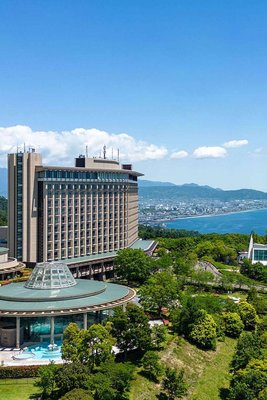
Hilton Odawara Resort & Spa
Hoshinoya Karuizawa
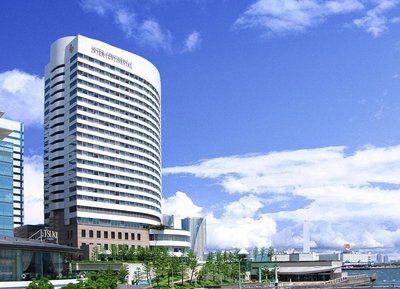
InterContinental Tokyo Bay
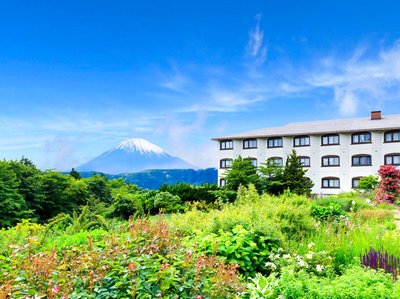
Hotel Green Plaza Hakone
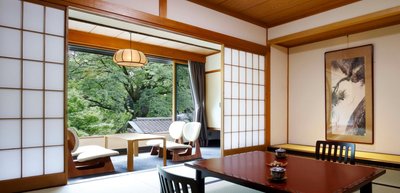
Yoshiike Ryokan
Akakura Kanko Hotel
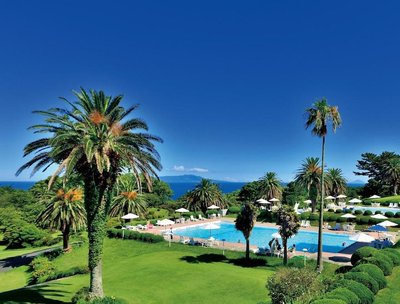
Kawana Hotel
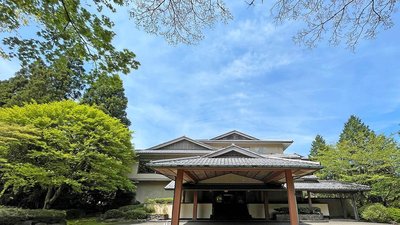
Ryuguden
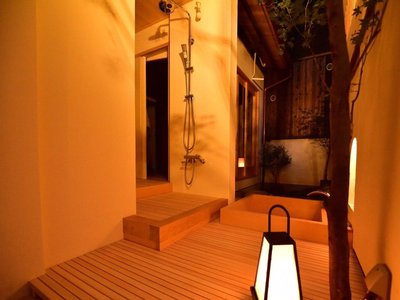
Yado Kiramachi
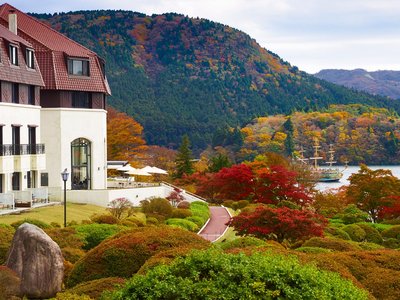
Hotakajyo
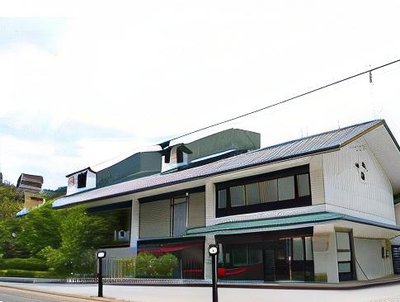
Auberge Suzukane

Onyado Nono Asakusa Bettei Hot Spring
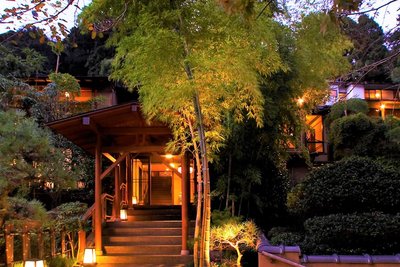
Shiki wo Ajiwau Yado Yamano Chaya
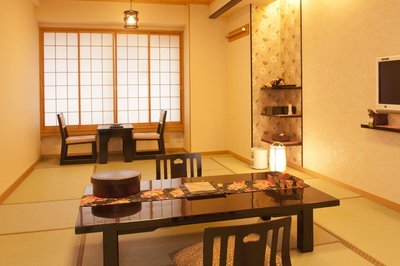
Matsui-Bekkan Hanakanzashi
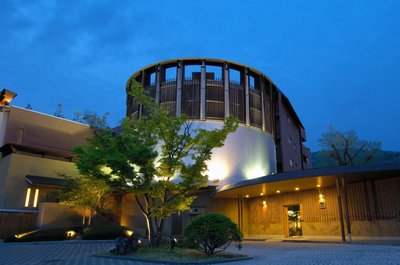
Hoshino Resorts Kai Matsumoto

Taikyourou
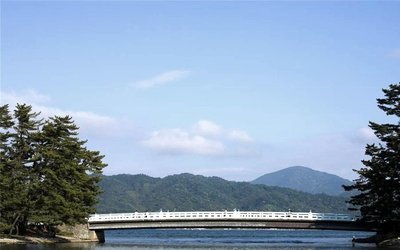
Monjusou Shourotei
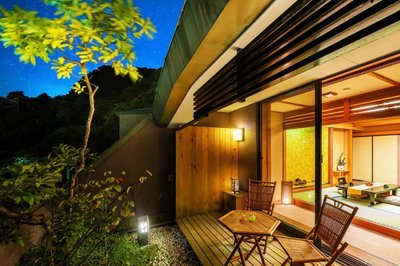
Konjakutei
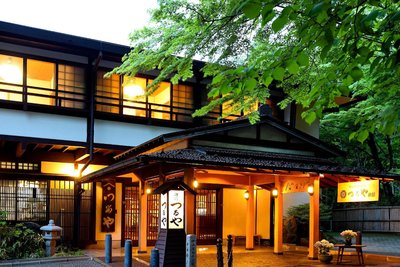
Tsuruya Ryokan
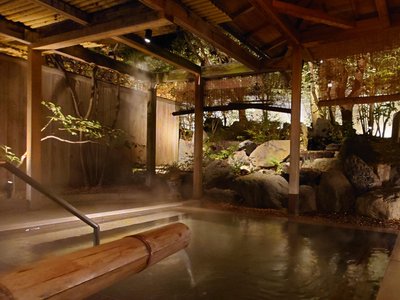
Kasuga Hotel
Nakamatsuya Ryokan
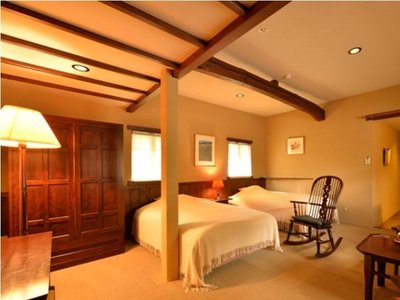
Ryokan Sugimoto
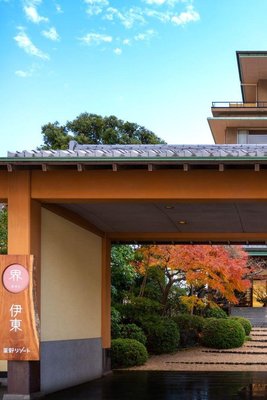
Hoshino Resorts Kai Ito
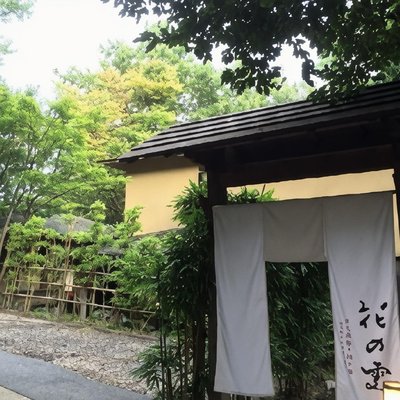
Hana No Kumo
Yoshiike Ryokan
Hotel Gajoen Tokyo
Gora Hanaougi
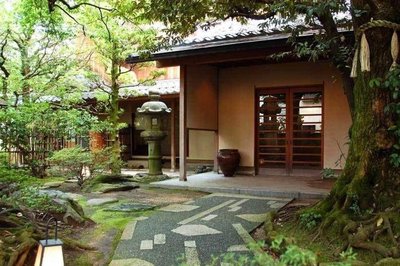
Kocho
Bellustar Tokyo, A Pan Pacific Hotel
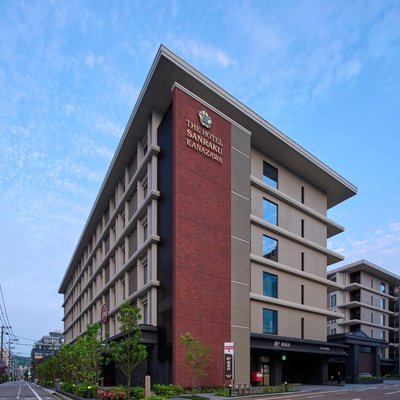
The Hotel Sanraku Kanazawa 21th December 2022 Open
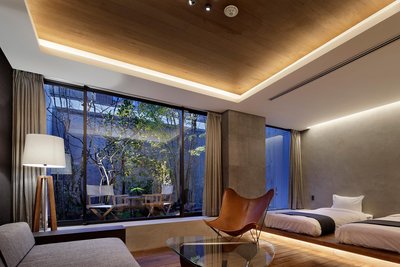
22 PIECES
JW Marriott Hotel Tokyo
Andaz Tokyo Toranomon Hills- A Concept by Hyatt

The Thousand Kyoto
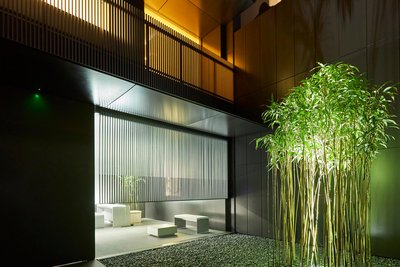
Mogana
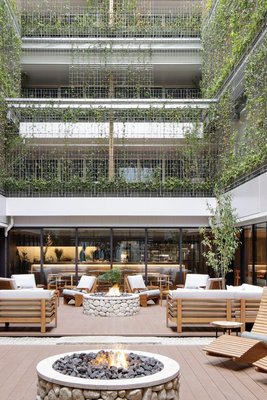
GOOD NATURE HOTEL KYOTO
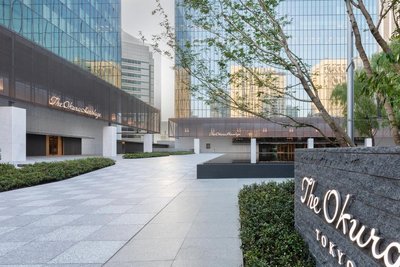
The Okura Tokyo
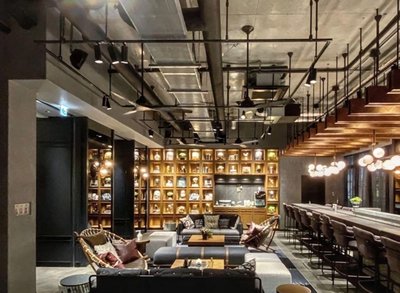
The Lively Azabujuban Tokyo
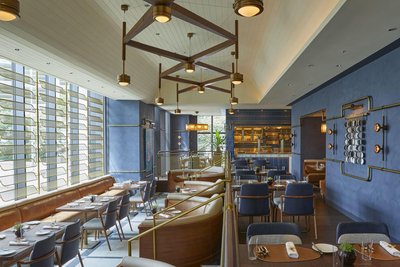
Kimpton Shinjuku Tokyo
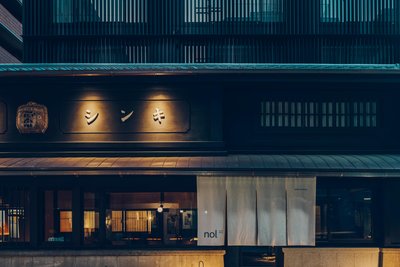
Nol Kyoto Sanjo

HOTEL K5
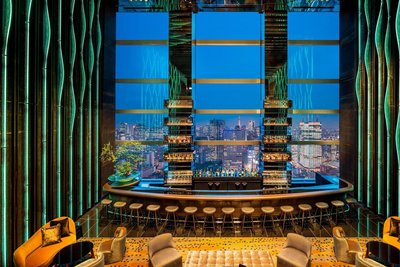
The Prince Gallery Tokyo Kioicho, a Luxury Collection Hotel
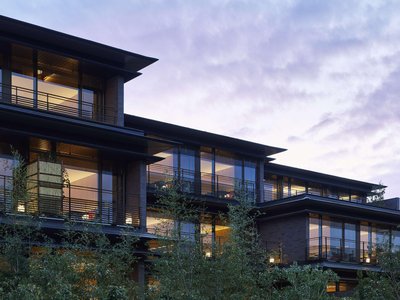
Garrya Nijo Castle Kyoto

Hotel Kanra Kyoto
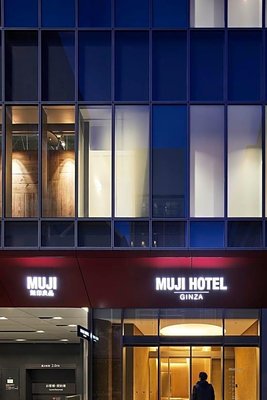
Muji Hotel Ginza
Hakone Gora Byakudan
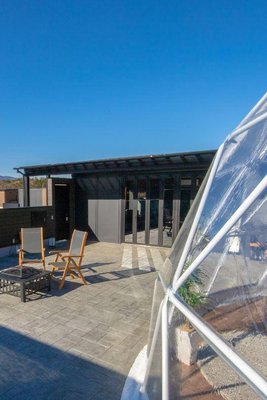
Panoramic Mt. Fuji Views from All Rooms – Vision Glamping Resort & Spa Yamanakako
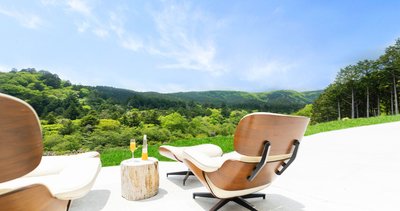
Shelter Garden Nikko
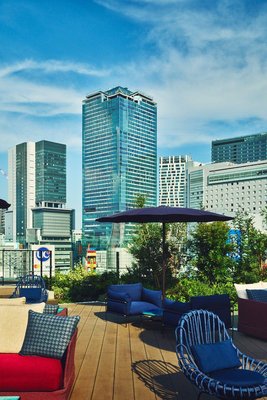
Hotel Indigo Tokyo Shibuya
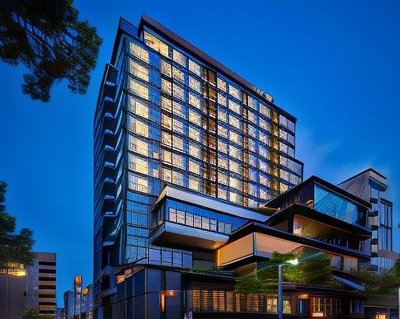
TIAD, AUTOGRAPH COLLECTION
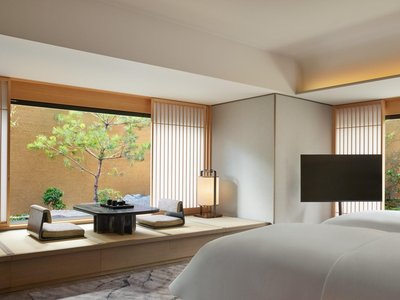
Dusit Thani Kyoto
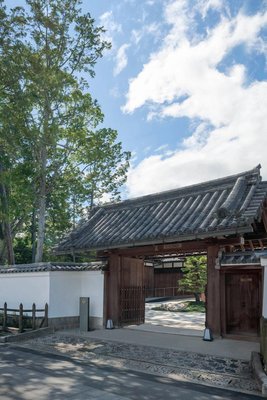
Shisui, a Luxury Collection Hotel, Nara

Hilton Kyoto
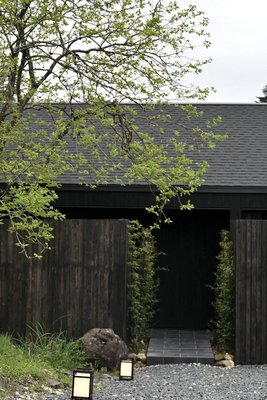
THE LAKOTAN
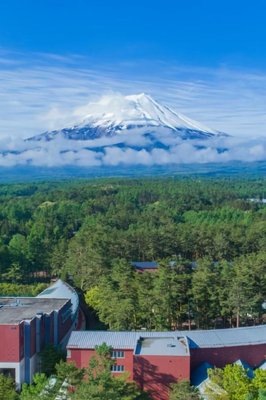
Forest Village (Fuji Premium Resort)
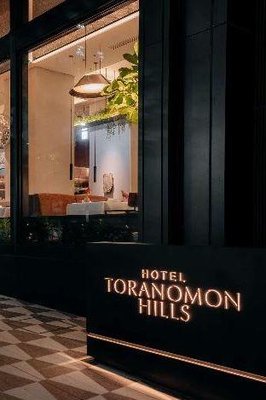
Hotel Toranomon Hills
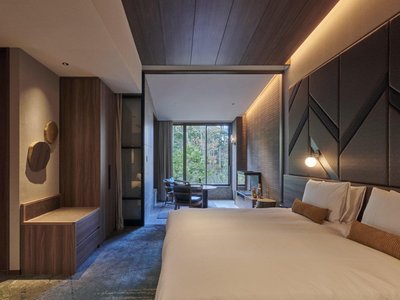
Fufu Kyu-Karuizawa Restful Forest
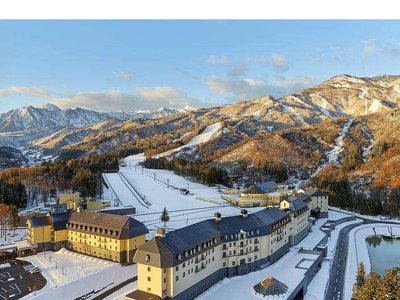
Lotte Arai Resort
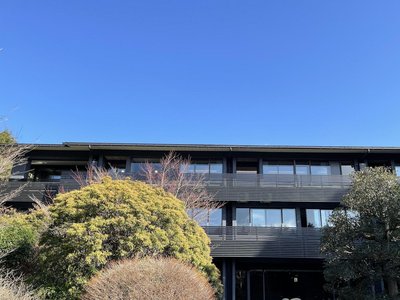
Sengokubara Cocon
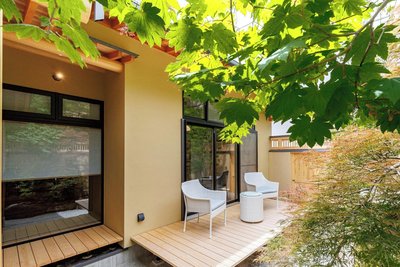
Shoraiso
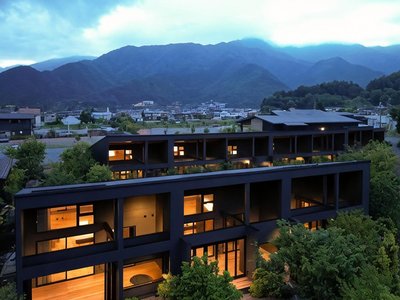
7C Villa and Winery
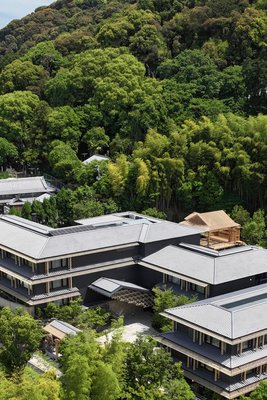
Banyan Tree Higashiyama Kyoto
Hotel la Vigne Hakuba by Onko Chishin
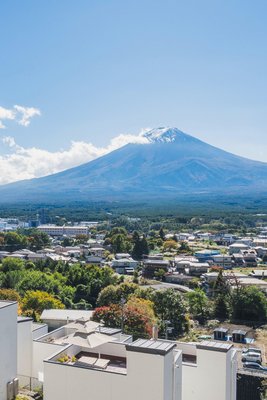
THE TOKI FujiKawaguchiko
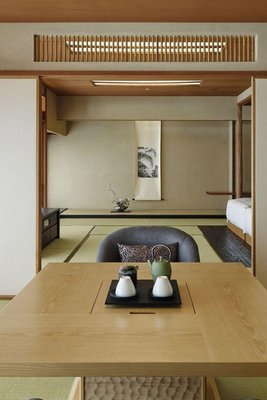
Takanawa Hanakohro (in Grand Prince Hotel Takanawa)
Bvlgari Hotel Tokyo
Four Seasons Hotel Tokyo at Marunouchi
Mandarin Oriental, Tokyo
The Ritz-Carlton, Tokyo
Andaz Tokyo Toranomon Hills- A Concept by Hyatt
Gora Kadan
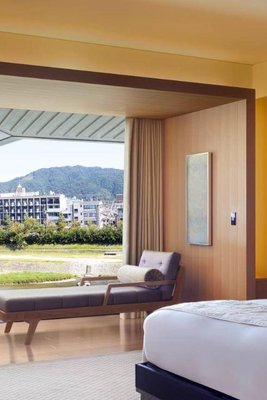
The Ritz-Carlton, Kyoto

Hotel New Otani Tokyo the Main
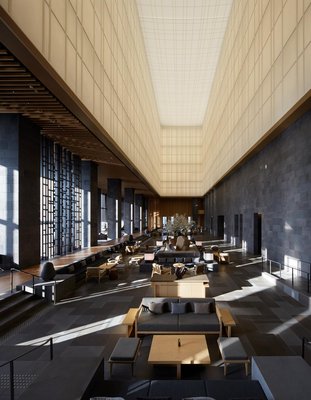
Aman Tokyo
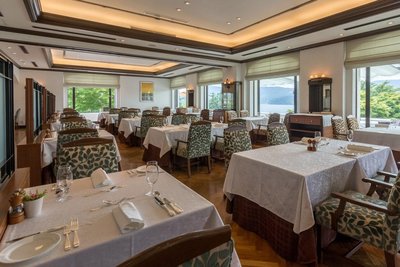
Odakyu Hotel de Yama
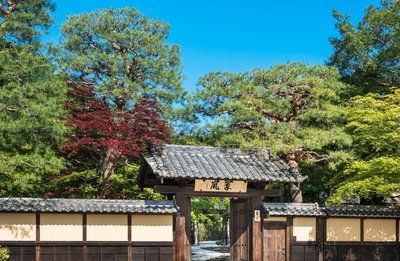
Suiran, a Luxury Collection Hotel, Kyoto
GOOD NATURE HOTEL KYOTO
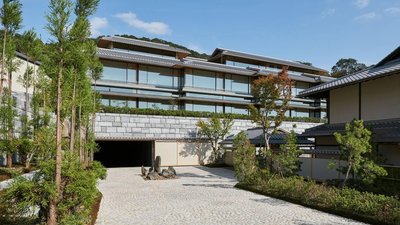
Park Hyatt Kyoto
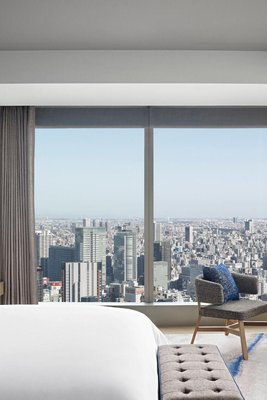
Four Seasons Hotel Tokyo at Otemachi
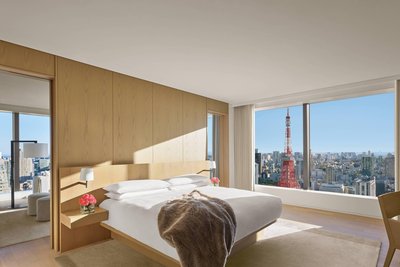
The Tokyo Edition, Toranomon

Hyatt Centric Kanazawa
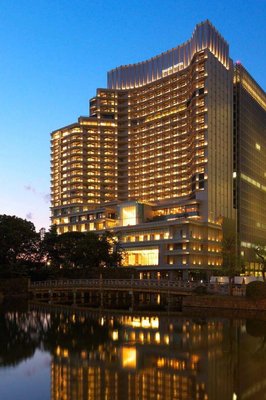
Palace Hotel Tokyo
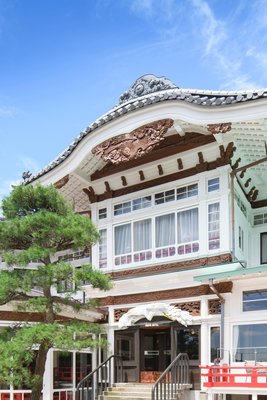
Fujiya Hotel
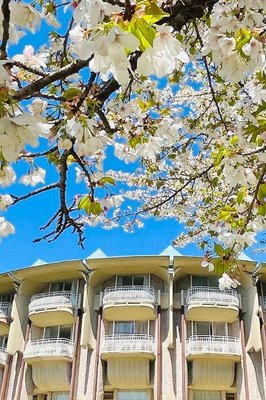
The Prince Hakone Lake Ashinoko
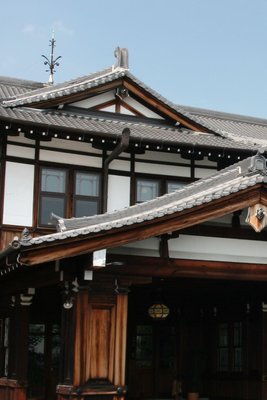
Nara Hotel
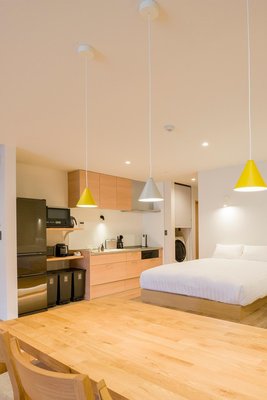
Rakuten STAY VILLA Nasu
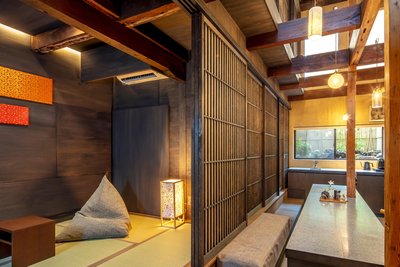
Kyo No Oozora Kihana
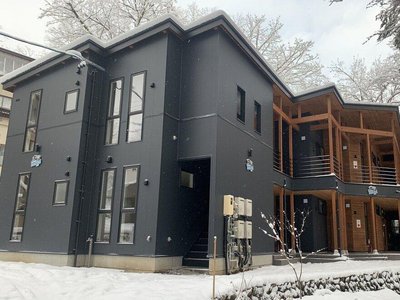
Hakuba Gondola Apartments
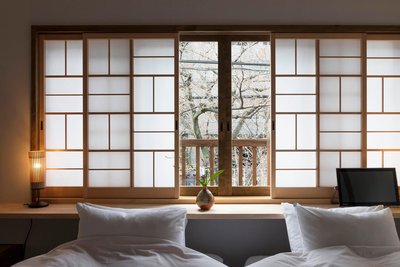
Hanagoromo Machiya House
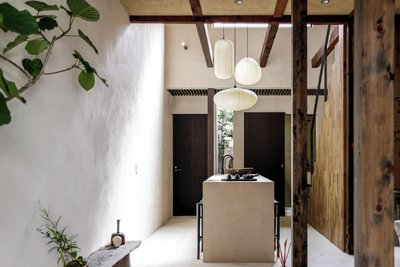
Maana Kiyomizu
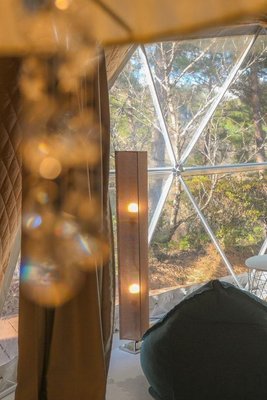
glampark Gekkabijin Nagano
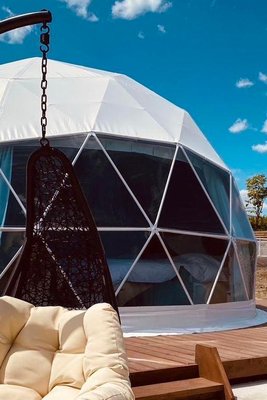
chillout glamping zao
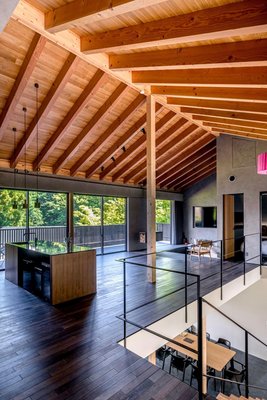
MONS GORA
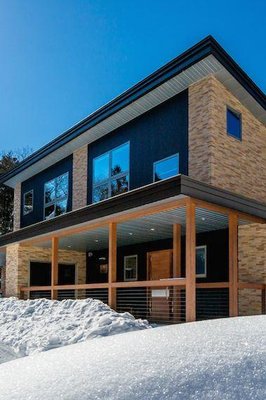
Phoenix Chalets by Hhg
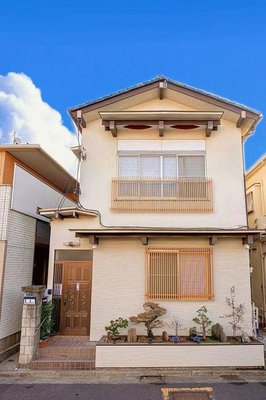
Tokyo Star House-Shinkoiwa
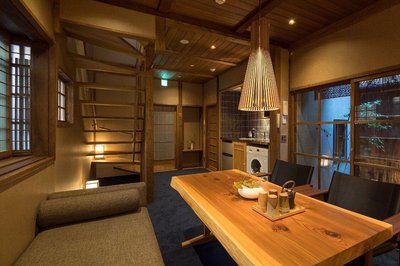
Bonbori an Machiya House
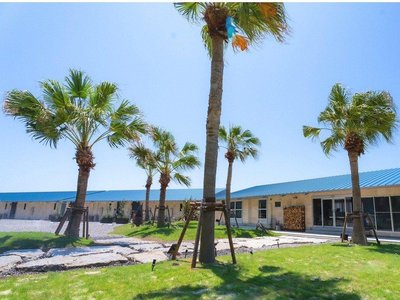
Glamping&Resort Wood Design Park Noma
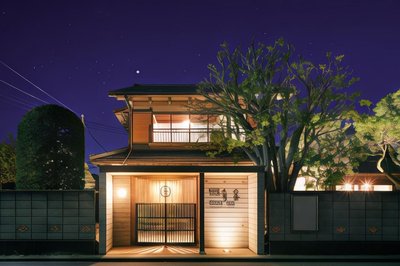
Machi-Jyu
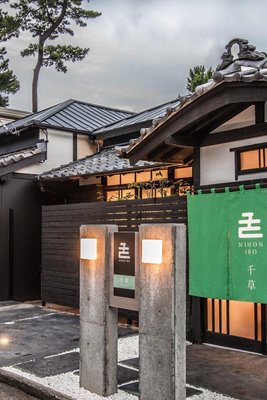
Nihon Iro
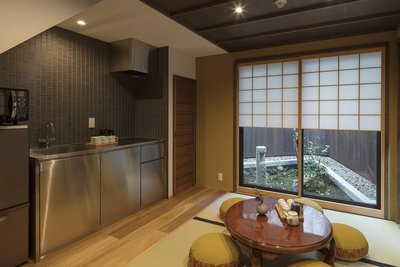
The Machiya Villa Sanjo Shirakawa Koji
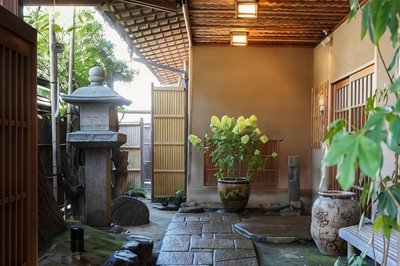
Ryokan Asadaya
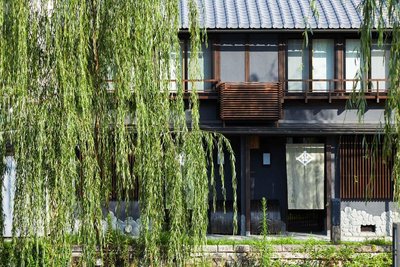
Gion Shirakawa No Yado

Kitashirakawa Natural Radium Onsen
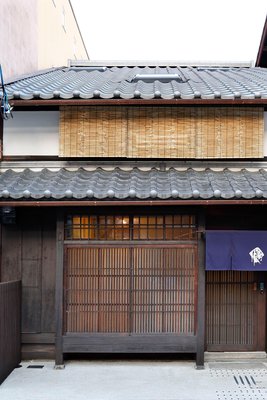
Kyo No Ondokoro Kamanza Nijo #2
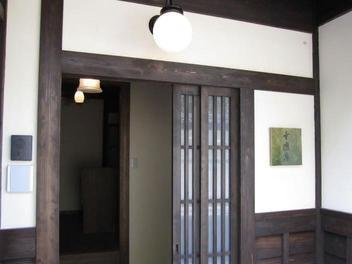
Gion Koyu an Machiya House
Bellustar Tokyo, A Pan Pacific Hotel

Hotel Barrière Fouquet's New York
Bvlgari Hotel Tokyo

Shima Kanko Hotel the Bay Suites
Loquat Nishiizu
Byaku Narai
Atami Izusan Karaku
Kamo Residences by Reflections
The Tokyo Edition, Ginza
Janu Tokyo
Six Senses Kyoto
JW Marriott Hotel Tokyo
Four Seasons Hotel Tokyo at Marunouchi
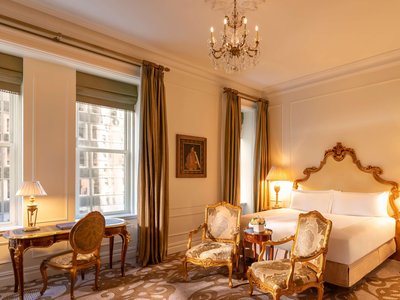
The Plaza - A Fairmont Managed Hotel
Mandarin Oriental, Tokyo
The Ritz-Carlton, Tokyo
Andaz Tokyo Toranomon Hills- A Concept by Hyatt
Hoshinoya Karuizawa
Hotel Gajoen Tokyo
Gora Kadan
Frequently Asked Questions about Traveling to Omi
Questions You Might Need to Know About Traveling to Omi
In Makishima Village, the top boutique stay is Makishima Forest Cabin, a charming wooden lodge blending traditional Japanese architecture with modern comfort. Located near the Mount Myōkō trailhead, it offers serene mountain views and access to forest walks, hot spring baths, and stargazing. The hosts share local stories about snow monkeys and onsen culture, making it ideal for travelers seeking authentic rural Japan. Organic breakfasts feature regional ingredients like wild mushrooms and chestnuts.
The best area for lodging is Upper Makishima, nestled at the foot of Mount Myōkō. This quiet zone offers clean air, easy access to hiking trails like the Birch Forest Path and Glacier Lake Trail, and is home to several eco-friendly cabins and family-run inns. Many accommodations feature private onsen baths and panoramic mountain views. With minimal light pollution, it's perfect for night sky viewing and peaceful retreats.
Winter in Makishima Village shines with snow-covered onsen tours and snow monkey watching. Visit the Myōkō Onsen Street to soak in open-air baths surrounded by snow-laden pines—a true "snow bath" experience. Just 30 minutes away, Shimosuwa Snow Monkey Park allows visitors to observe wild Japanese macaques relaxing in natural hot springs, one of Japan’s most iconic wildlife spectacles. Wear thermal layers and non-slip shoes for safety.
Savor Nagano specialties like purple sweet potato tempura, made from locally grown tubers, and wild fern miso soup, crafted from seasonal foraged greens. At Yama no Mi Restaurant, enjoy handmade buckwheat noodles served with mountain spring water—refreshing and flavorful. During spring, book a bamboo shoot feast; villagers harvest fresh shoots daily and prepare them on-site, offering an unforgettable taste of terroir.
Yes, Makishima Village is highly family-friendly. Facilities like Mount Myōkō Children’s Nature Classroom offer interactive programs in plant identification and insect observation. Many lodgings provide free child stays, cribs, and storybooks. Gentle forest paths, such as the stroller-accessible trail near the village center, allow safe walks where kids can feed deer (under supervision). Evening events include starlight storytelling sessions led by elders, sharing ancient folk tales.
From Tokyo Station, take the JR Shin'etsu Main Line to Matsumoto Station, then transfer to a Nagano Electric Railway bus bound for Makishima Village—about 4 hours total. For scenic routes, drive via the Jōshin-Etsu Expressway, taking 3.5 hours. Stop en route at Iida Pass to enjoy views of autumn foliage and mountain vistas. Book bus tickets in advance, especially during weekends and holidays.
Autumn transforms Makishima Village into a breathtaking canvas of red and gold. Highlights include the Crimson Falls Trail and the Thousand Cedar Grove Path, where maple and ginkgo trees blaze in vibrant hues. From late October to early November, the Myōkō Valley glows under sunlight reflecting off rivers. At Ootaki Bridge, enjoy panoramic views of the colored forest. Many inns offer autumn photography tours with professional guides to capture the perfect moment.
Engage in hands-on traditions like woodworking workshops, crafting bamboo baskets or chopsticks using local timber. Try washi paper-making, where you learn traditional techniques from artisans using bark pulp. During summer, join the Bonfire Festival, featuring traditional taiko drumming and rice offerings at the Inari Shrine, celebrating agricultural heritage and community bonds.
The onsen in Makishima Village are weakly alkaline carbonated springs, rich in minerals beneficial for skin and joint health. At Myōkō Onsen Inn, the outdoor baths are built atop natural rocks, surrounded by untouched forest—ideal for immersive relaxation. Some spas incorporate herbal steam rooms and heated stone beds, known as "forest healing" therapy. After soaking, enjoy a cup of yuzu honey tea made from local produce.
Top hikes include the Mount Myōkō Trail, a 2.5-km moderate climb with stunning views of Lake Suwa and Mount Asama. Another favorite is the Glacier Lake Loop, a 3-km trail circling a mirror-like alpine lake framed by evergreens. Signposted paths provide info on flora and geology. Bring a map and headlamp—some sections lack cell service. Ideal for nature lovers and photographers alike.
Omi Overview
City Summary
Omimura is a tranquil village nestled in the mountains of Nagano Prefecture, Japan, renowned for its traditional rural scenery and abundant natural resources. With distinct seasons, the village offers cherry blossoms in spring, lush greenery in summer, vibrant autumn foliage, and snowy landscapes in winter, making it an ideal escape from urban hustle. Omimura preserves many traditional Japanese customs, allowing visitors to experience authentic rural life.
Must-See Attractions
Key attractions in Omimura include its picturesque countryside, ancient temples and shrines, and nearby hiking trails. A visit to Omimura Shrine is highly recommended; this historic shrine offers a serene environment perfect for meditation. Additionally, traditional farm experiences like fruit picking and handicraft workshops are popular among visitors.
Food Guide
In Omimura, visitors can enjoy authentic rural cuisine such as soba noodles, mountain vegetable dishes, and local pickles. Don't miss "Omimura Soba," known for its unique flavor and handmade craftsmanship. Small farmers' markets in the village also offer fresh produce and handmade goods.
Transportation Guide
Public transportation in Omimura is limited, so renting a car is advisable. From Nagano City, take the JR Shinonoi Line to Shinonoi Station, then transfer to a bus to Omimura (about 1 hour). Within the village, walking or cycling is the best way to explore, as some attractions require hiking.
Best Time to Visit
The best times to visit are spring (April-May) and autumn (September-November), when the weather is pleasant and the scenery is at its finest. Summers can be hot, while winters are cold and snowy, ideal for skiing enthusiasts.
Travel Tips
- Respect local customs, especially when visiting shrines.
- Bring essentials, as shops in the village are limited.
- Wear comfortable shoes for hiking to certain attractions.
- Dress warmly in winter, as roads may be icy.
- Appreciate the local cuisine and the farmers' hard work.
- Carry out your trash to maintain cleanliness.
Useful Information
Japanese is the primary language spoken, with limited English proficiency. Internet coverage is generally good but may be weak in remote areas. Cash is the preferred payment method, as credit cards are not widely accepted. Medical facilities are sparse, so bring basic medications. In emergencies, contact local public facilities or visit hospitals in Nagano City.