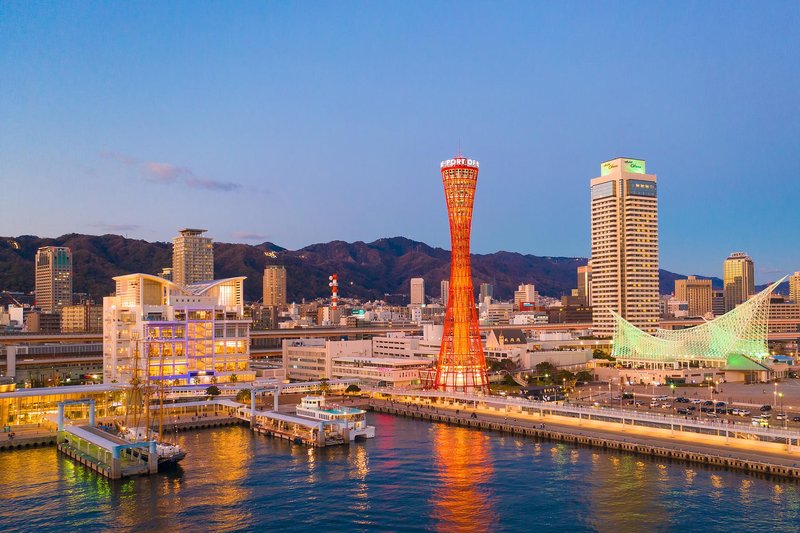
Hotels in Omihachiman
Discover your perfect stay in Omihachiman.
Omihachiman(Japan) Travel 2026: Cheap Flights, Hotels & Top Attractions
Popular Landmarks in Omihachiman
Discover the most iconic attractions in Omihachiman
Recommended Hotels in Omihachiman
Find the perfect place to stay in Omihachiman
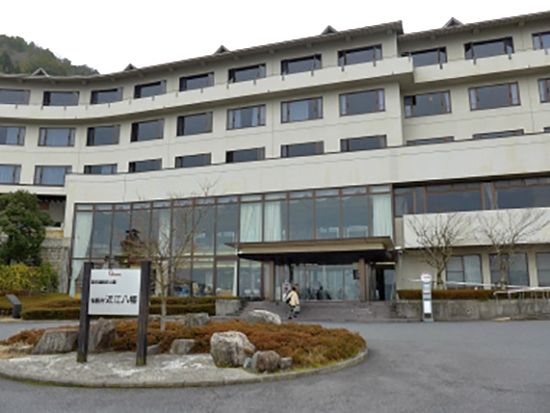
Kyukamura Ohmi-Hachiman

Hotel New Omi
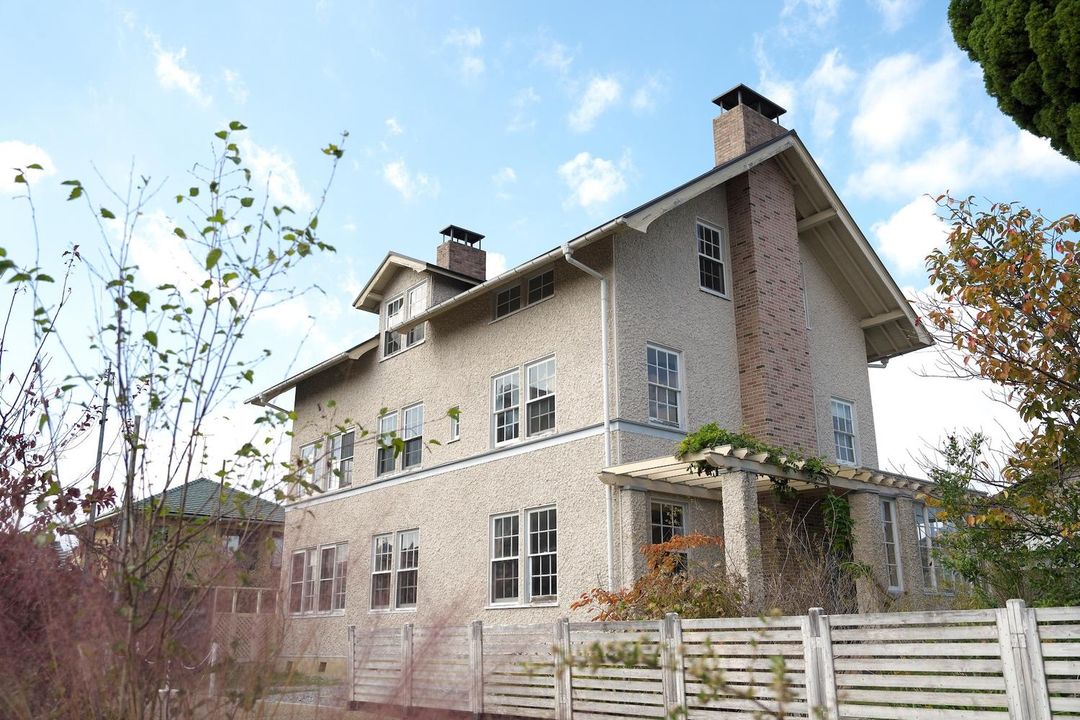
Waterhouse House Built by Vories a Nationally re
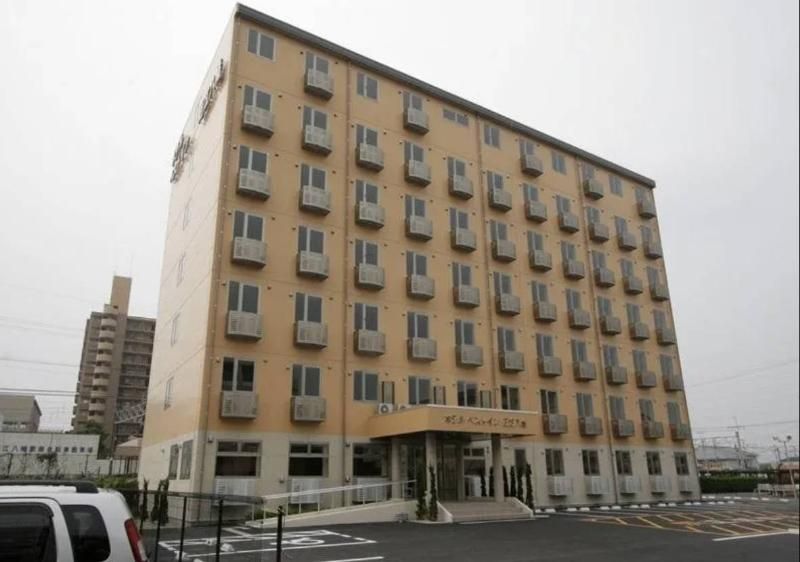
Comfort Inn Omihachiman
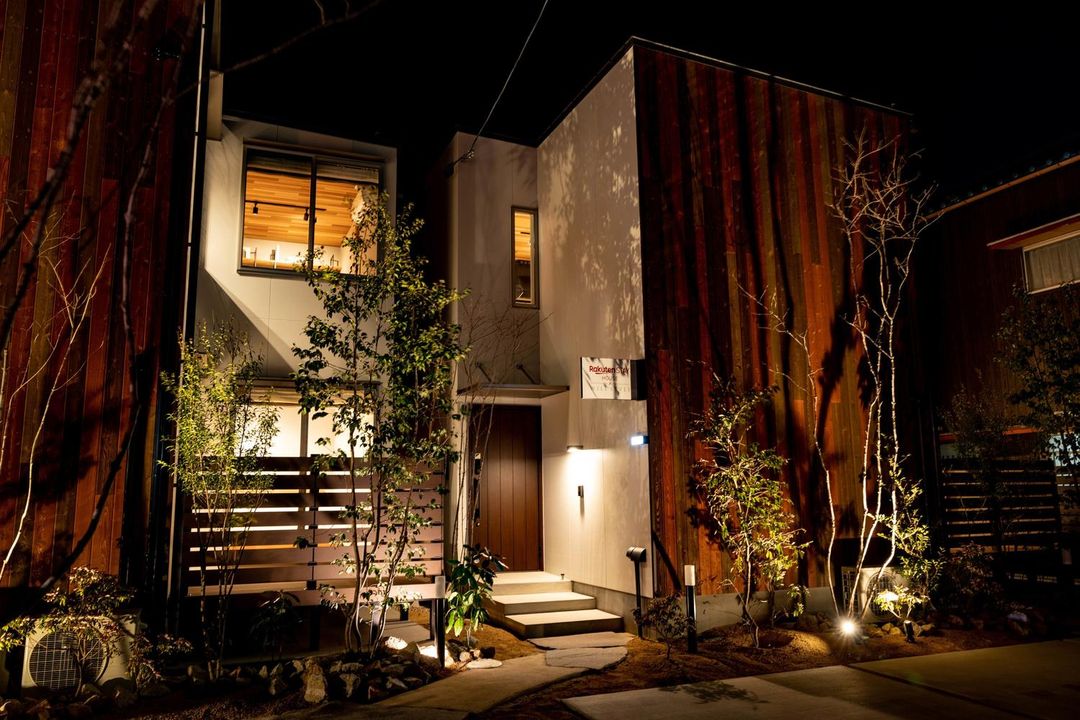
Rakuten STAY HOUSE Hachimanbori
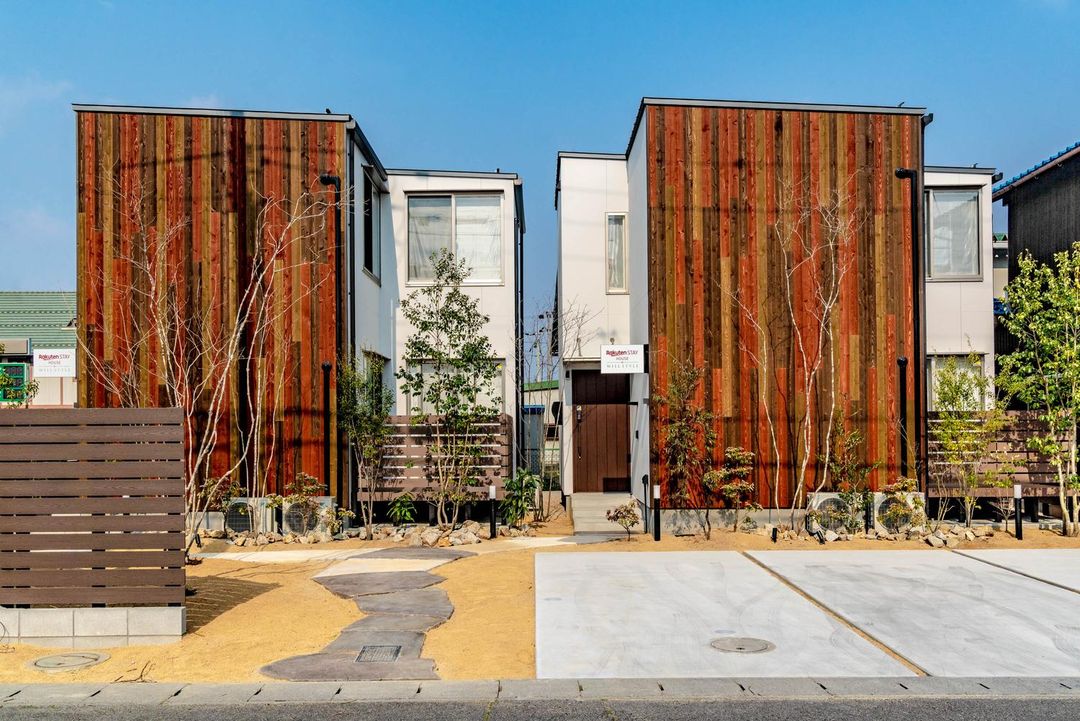
Rakuten STAY HOUSE × WILLSTYLE Hachimanbori
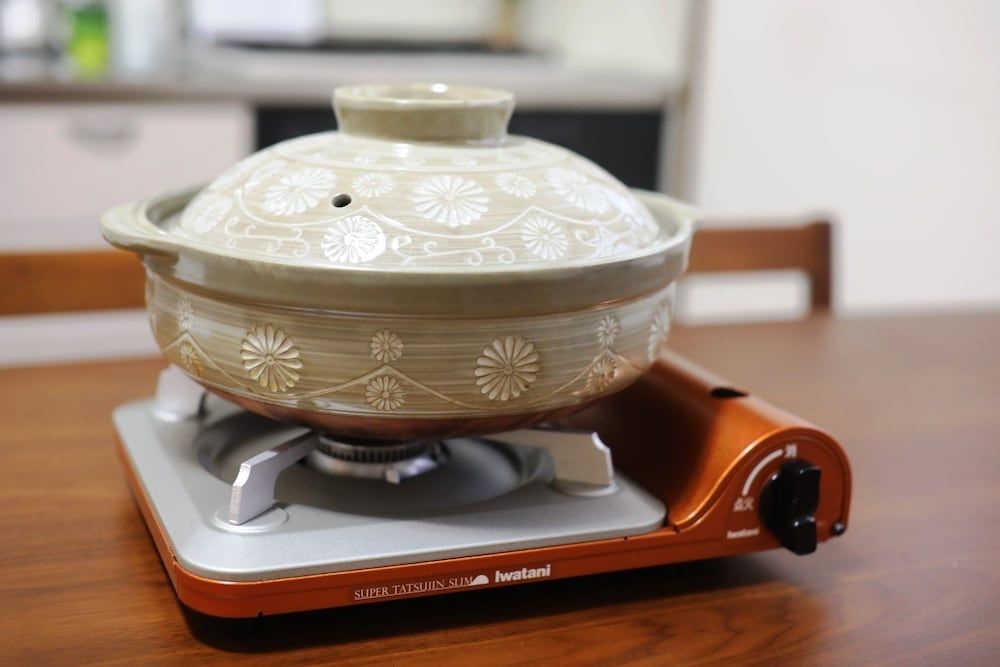
Stay Omihachiman Ekimae Inn
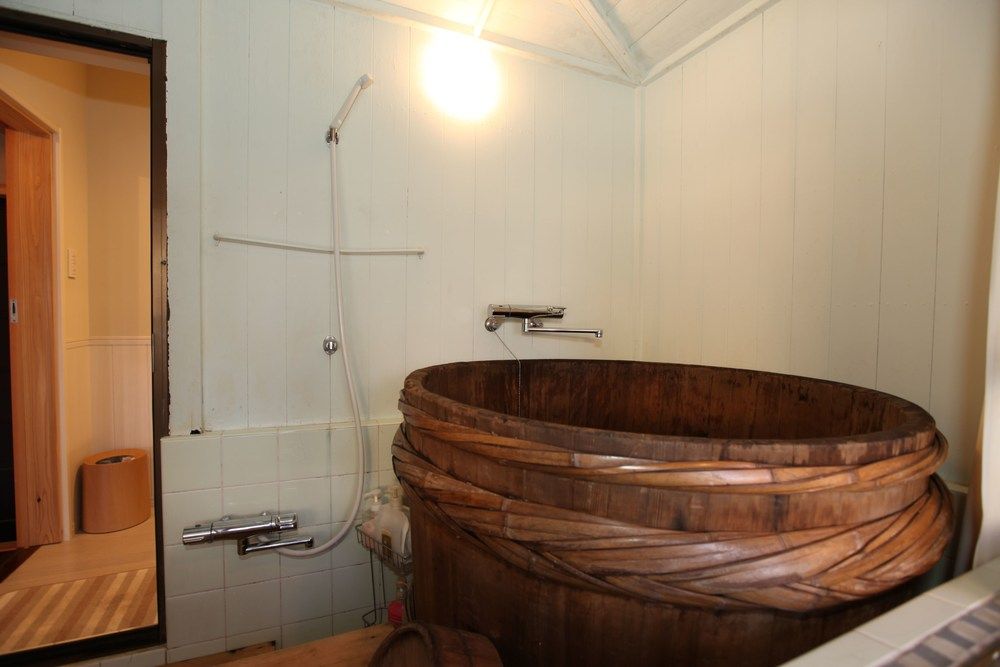
Machiya Inn Omihachiman
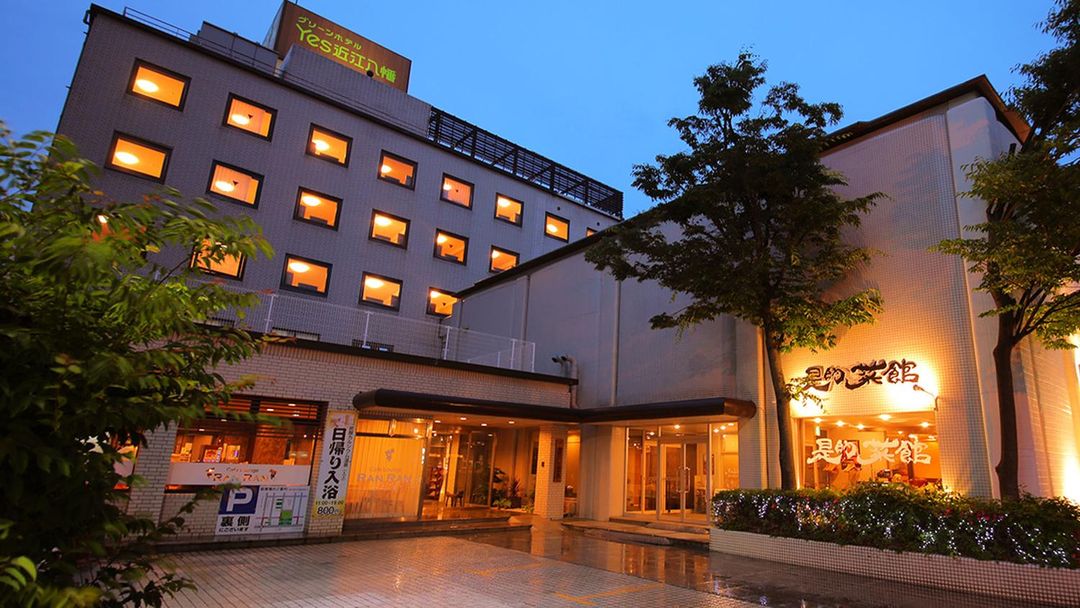
Green Hotel Yes Omihachiman
Best Hotels in Omihachiman
Discover curated hotel collections in Omihachiman
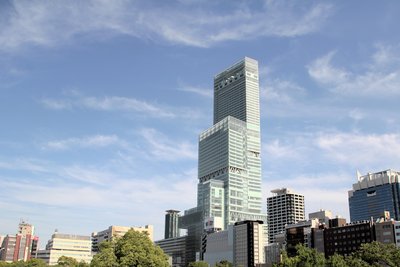
Osaka Marriott Miyako Hotel
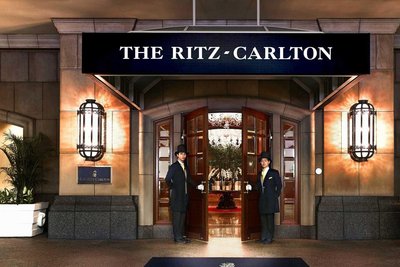
The Ritz-Carlton, Osaka
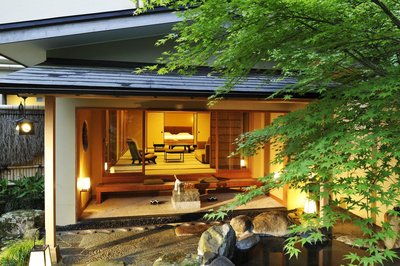
Gora Kadan
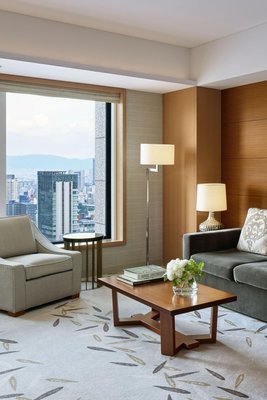
InterContinental Hotel Osaka
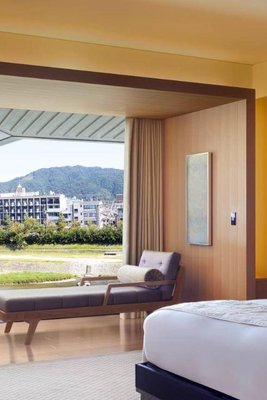
The Ritz-Carlton, Kyoto
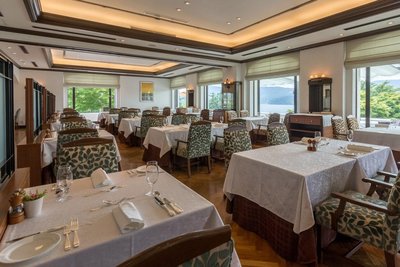
Odakyu Hotel de Yama
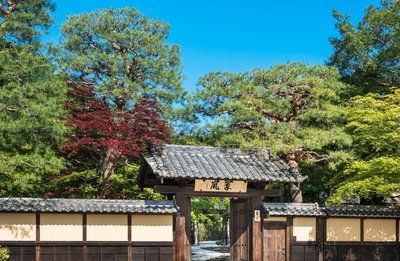
Suiran, a Luxury Collection Hotel, Kyoto
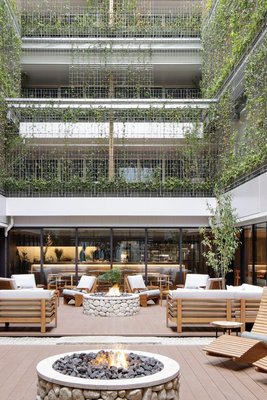
GOOD NATURE HOTEL KYOTO
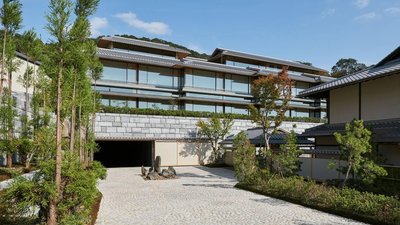
Park Hyatt Kyoto
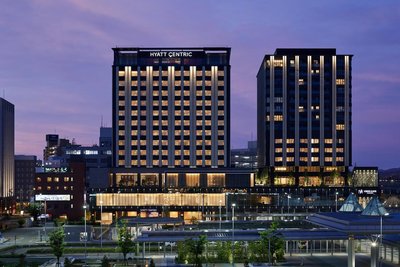
Hyatt Centric Kanazawa
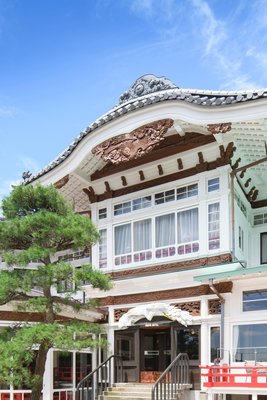
Fujiya Hotel
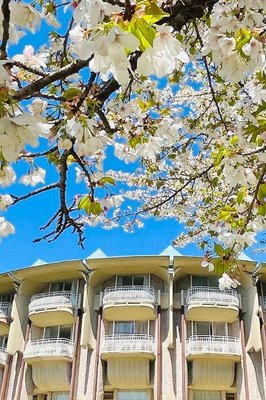
The Prince Hakone Lake Ashinoko
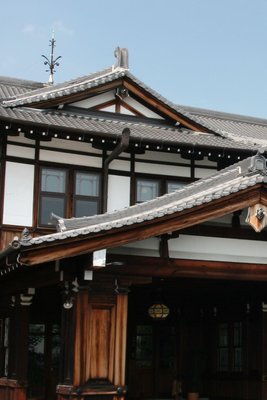
Nara Hotel
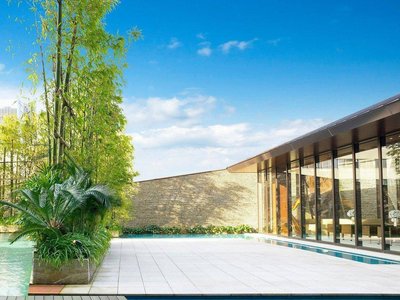
ORIENTAL HOTEL
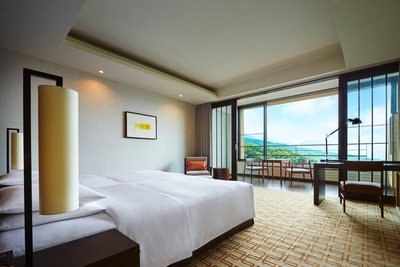
Hyatt Regency Hakone Resort and Spa
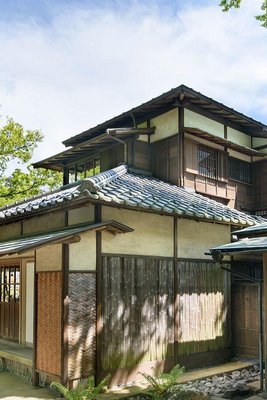
Hakone Suishoen
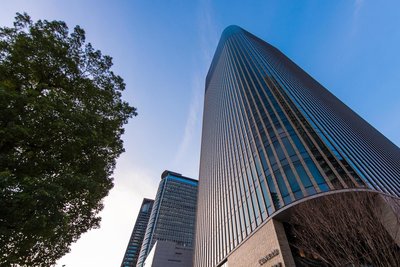
Conrad Osaka
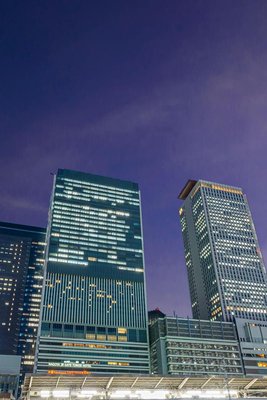
Nagoya JR Gate Tower Hotel (JR-Central Hotels)
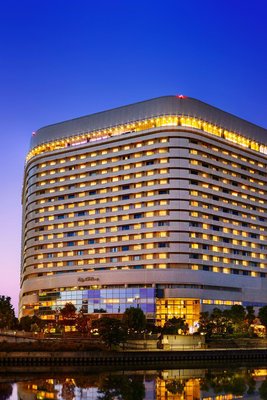
Hotel New Otani Osaka
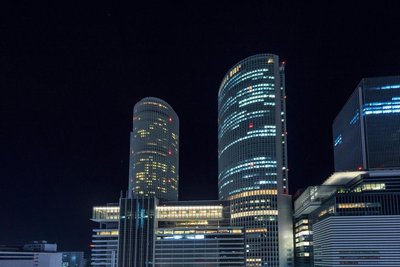
Nagoya Marriott Associa Hotel

Shima Kanko Hotel the Bay Suites
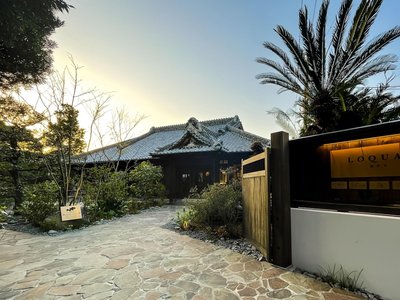
Loquat Nishiizu
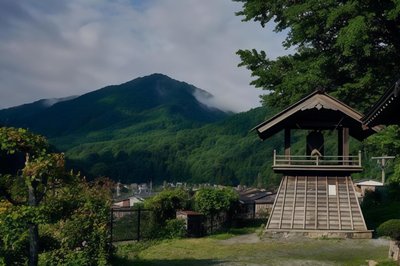
Byaku Narai
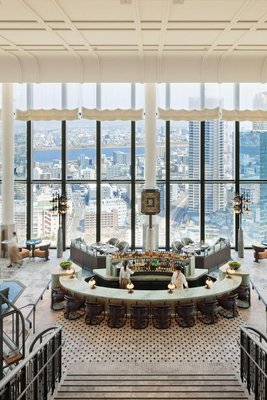
Waldorf Astoria Osaka
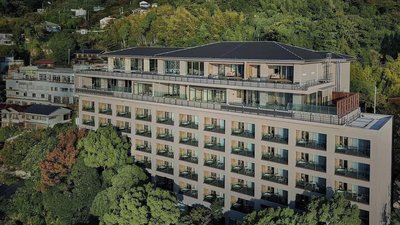
Atami Izusan Karaku
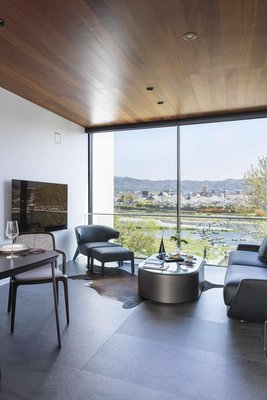
Kamo Residences by Reflections
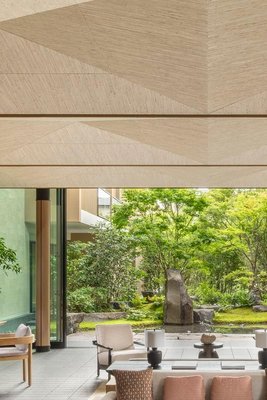
Six Senses Kyoto
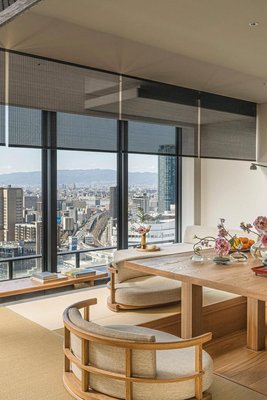
Four Seasons Hotel Osaka
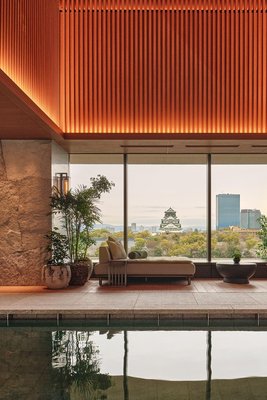
Patina Osaka
The Ritz-Carlton, Osaka
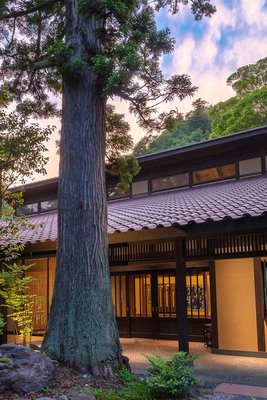
Arimasansoh Goshobessho
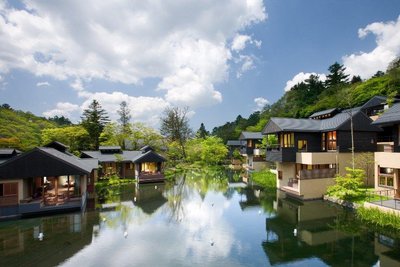
Hoshinoya Karuizawa
Gora Kadan
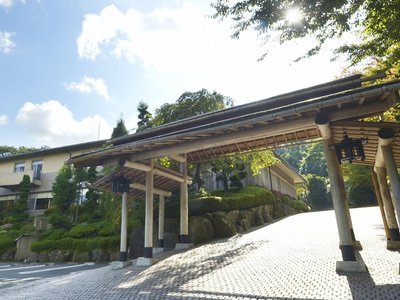
Gora Hanaougi
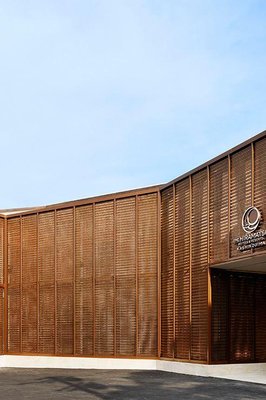
The Hiramatsu Hotels & Resorts Kashikojima
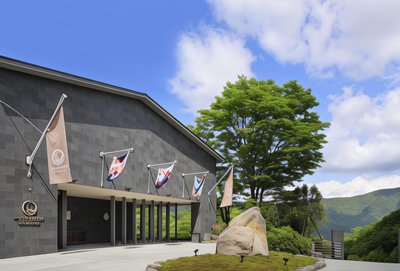
The Hiramatsu Hotels & Resorts Sengokuhara Hakone
The Ritz-Carlton, Kyoto
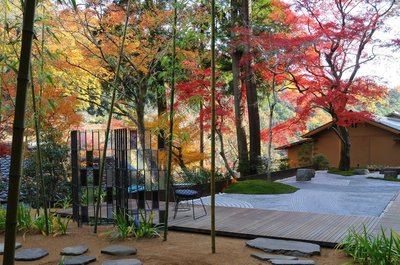
HOSHINOYA Kyoto
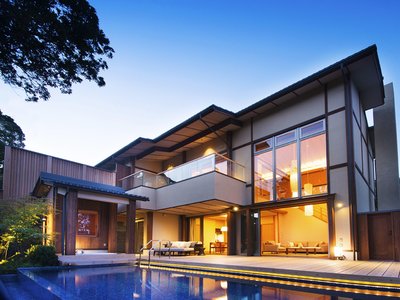
Abba Resorts Izu - Zagyosoh
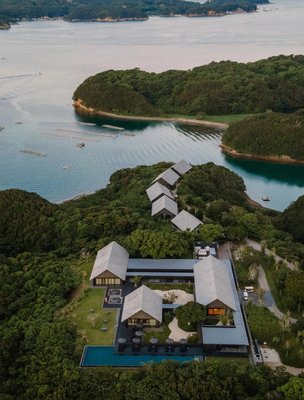
Amanemu

The Address Akakura
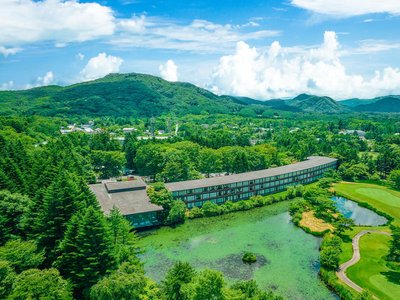
The Prince Karuizawa
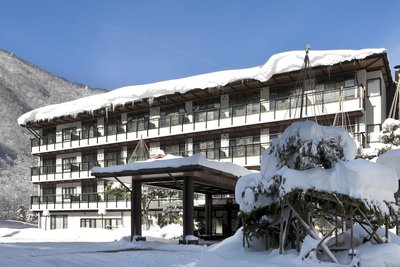
Okada Ryokan Warakutei
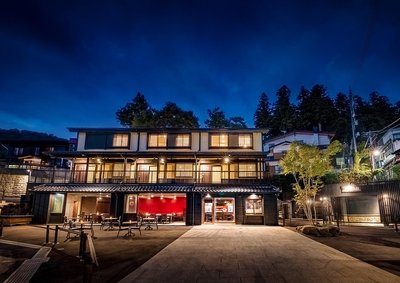
Ryokan Sakaya
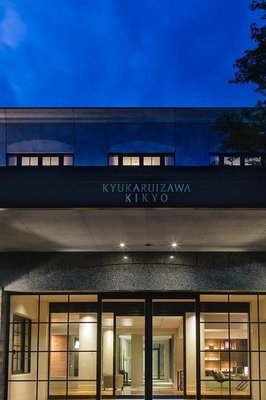
Kyukaruizawa Kikyo, Curio Collection by Hilton
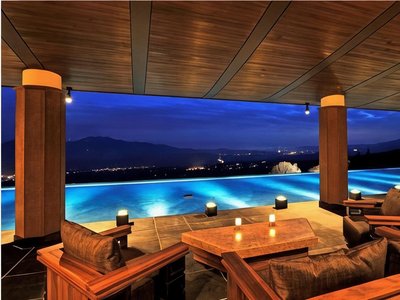
Akakura Kanko Hotel
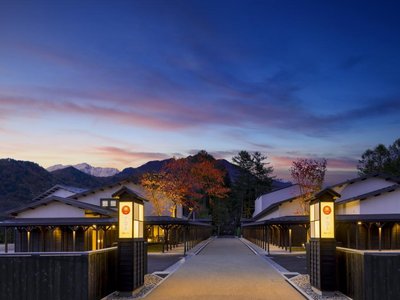
Hoshino Resorts KAI Alps
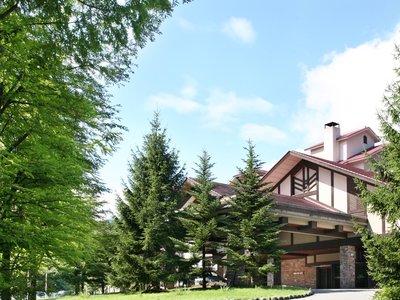
Hakuba Tokyu Hotel
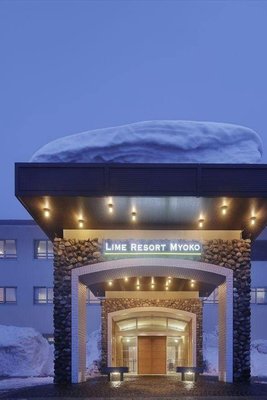
Lime Resort Myoko
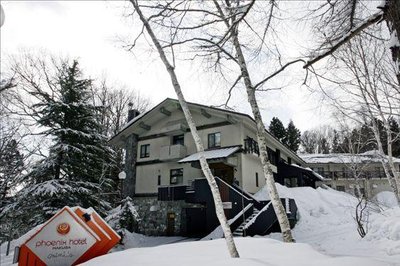
Phoenix Hotel by Hhg
Courtyard by Marriott Hakuba
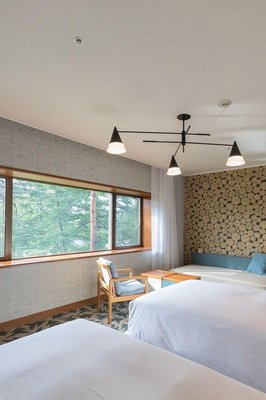
Karuizawa Prince Hotel East
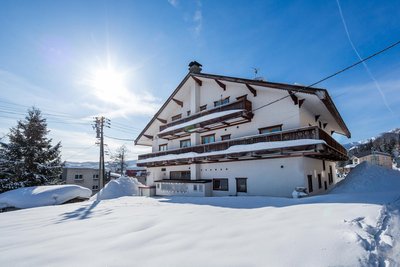
Marillen Hotel by Hhg
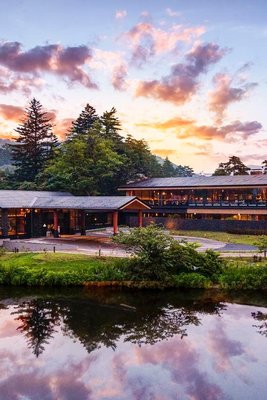
Karuizawa Prince Hotel West
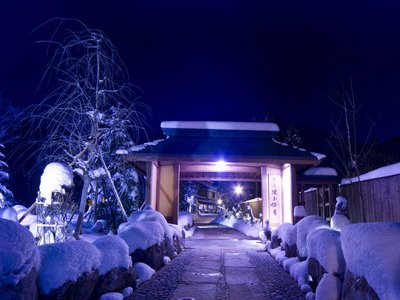
Miyama Ouan
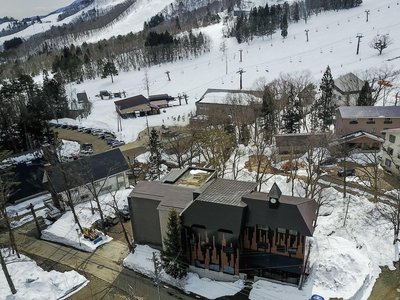
Hotel Villa Hakuba by Hhg
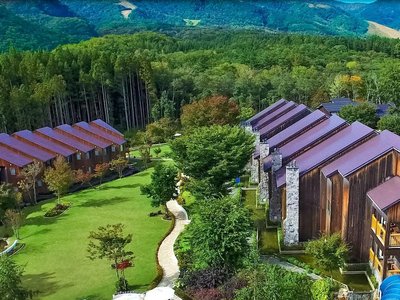
Hotel Sierra Resort Hakuba
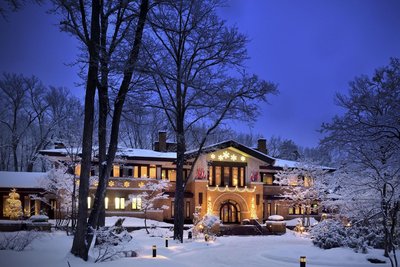
Hotel la Neige Higashikan
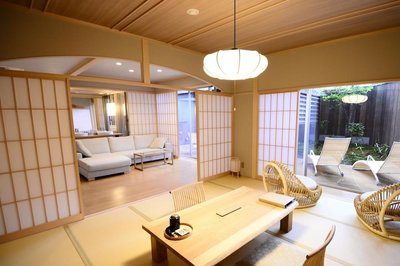
Hakone Gora Byakudan

Toba International Hotel Shiojitei
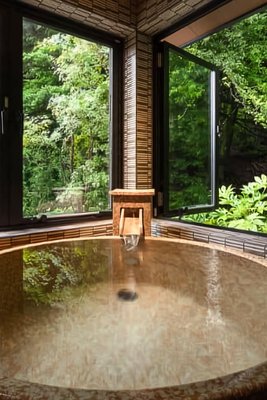
Hakkai Konohanakan
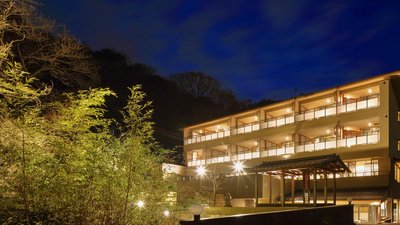
Okuno Hosomichi
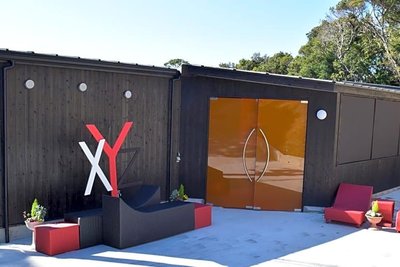
XYZ Private Spa and Seaside Resort
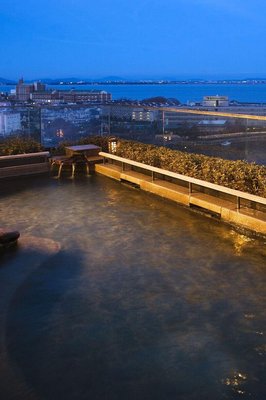
Yumotokan
Arimasansoh Goshobessho
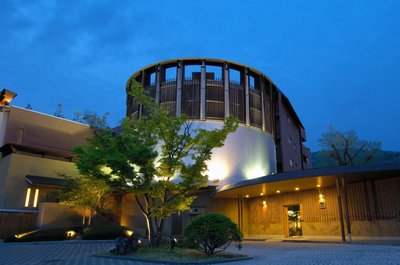
Hoshino Resorts Kai Matsumoto
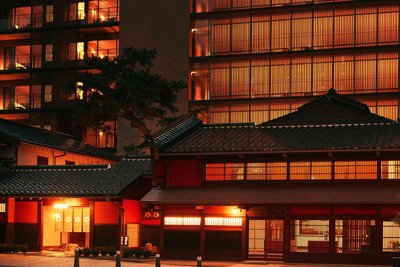
Hoshino Resorts Kai Kaga

Taikyourou
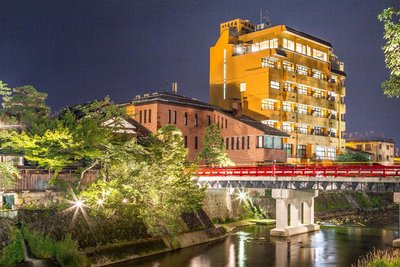
HONJIN HIRANOYA BEKKAN
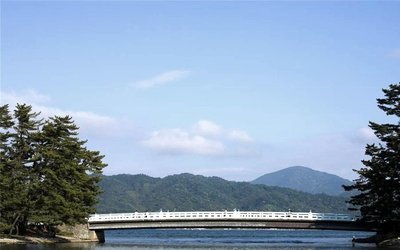
Monjusou Shourotei
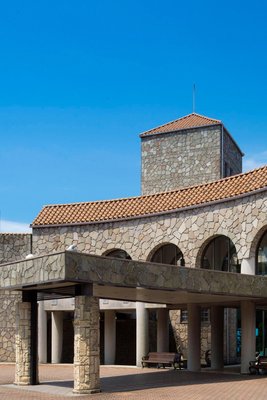
Izumigo Hotel Altia Toba
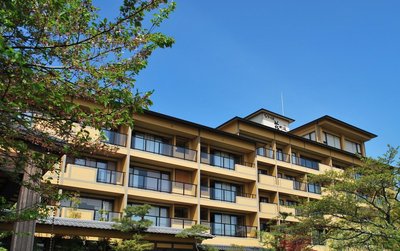
BIWAKO HANAKAIDO
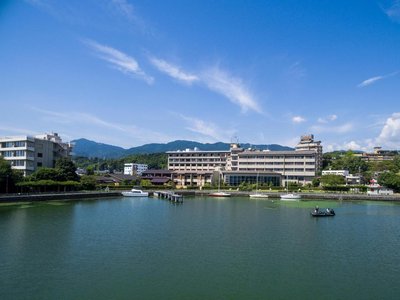
Biwako Ryokusuitei
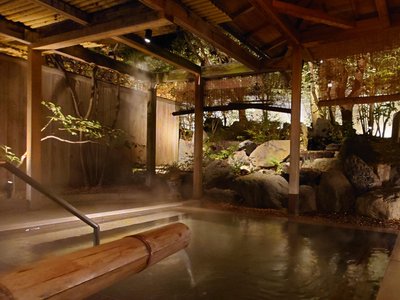
Kasuga Hotel
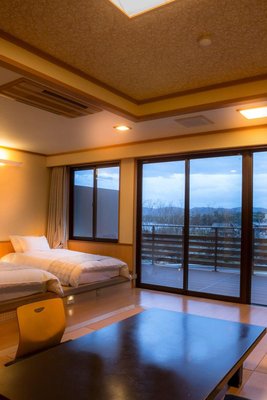
Hotel Kitanoya
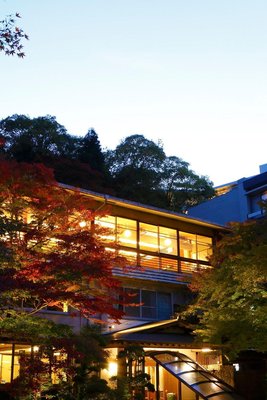
Negiya Ryofukaku
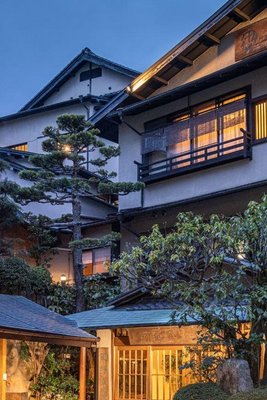
Arima Onsen Tocen Goshobo
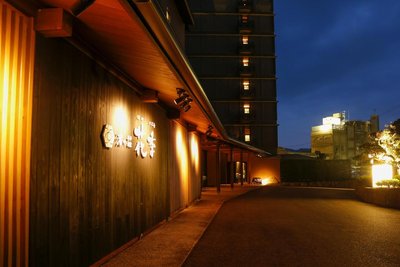
Hanagoyomi
Hakone Gora Byakudan
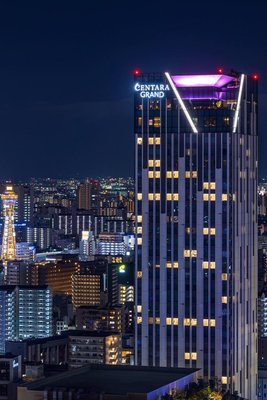
Centara Grand Hotel Osaka
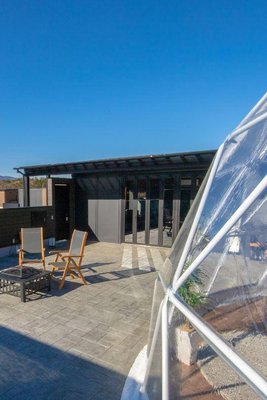
Panoramic Mt. Fuji Views from All Rooms – Vision Glamping Resort & Spa Yamanakako
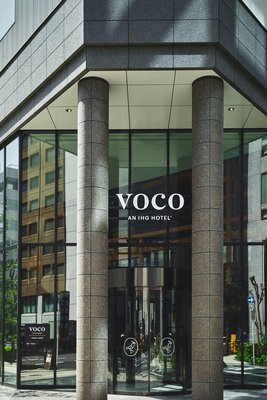
voco Osaka Central
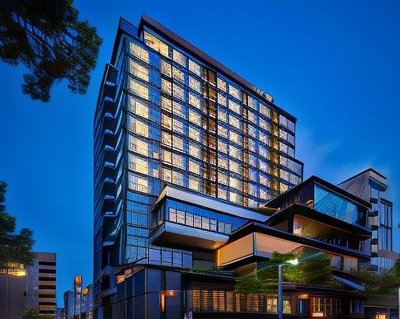
TIAD, AUTOGRAPH COLLECTION
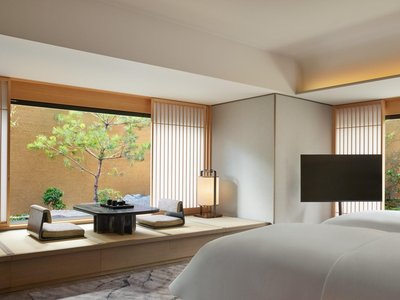
Dusit Thani Kyoto
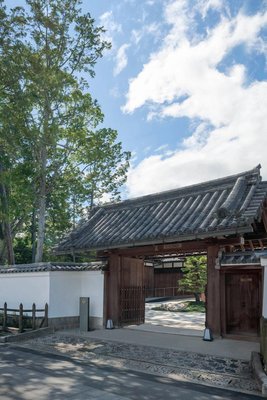
Shisui, a Luxury Collection Hotel, Nara
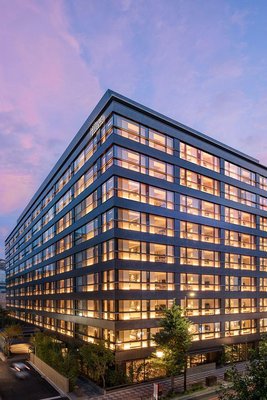
Hilton Kyoto
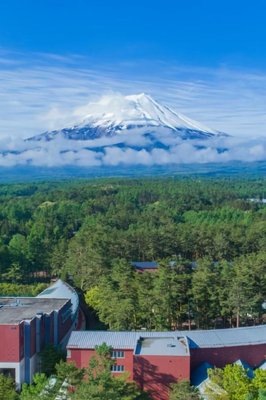
Forest Village (Fuji Premium Resort)
Osaka Marriott Miyako Hotel
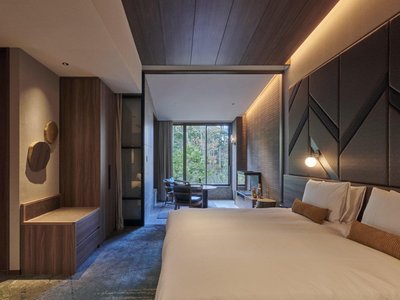
Fufu Kyu-Karuizawa Restful Forest
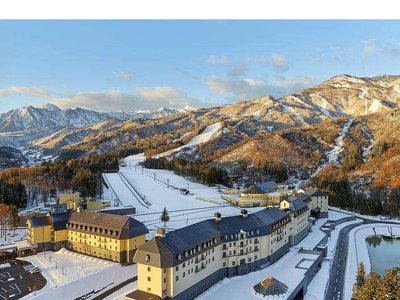
Lotte Arai Resort
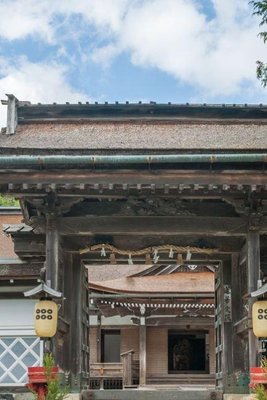
Koyasan Rengejoin
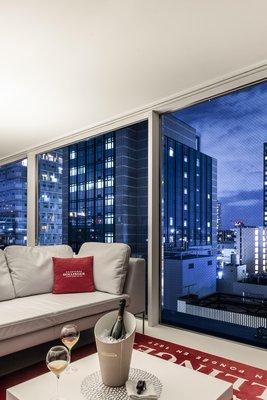
CUVÉE J2 HOTEL OSAKA by Onko Chishin
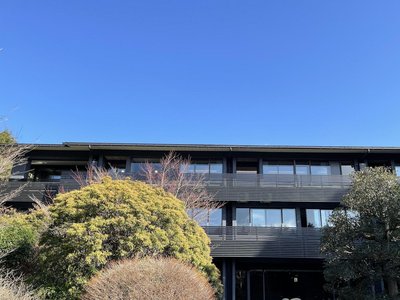
Sengokubara Cocon
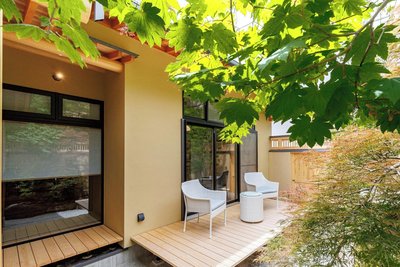
Shoraiso
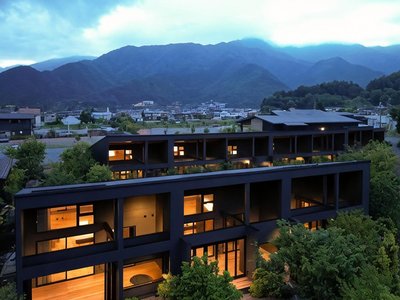
7C Villa and Winery
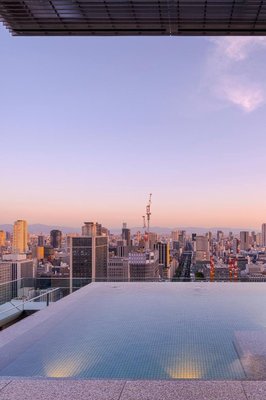
Candeo Hotels Osaka The Tower
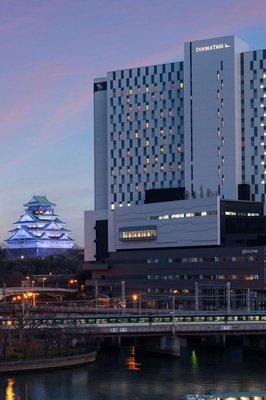
DoubleTree by Hilton Osaka Castle
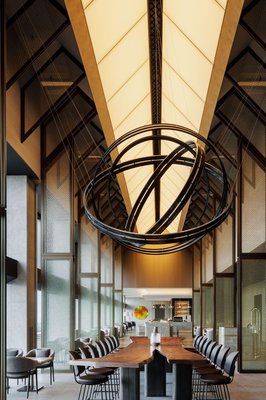
The Osaka Station Hotel, Autograph Collection
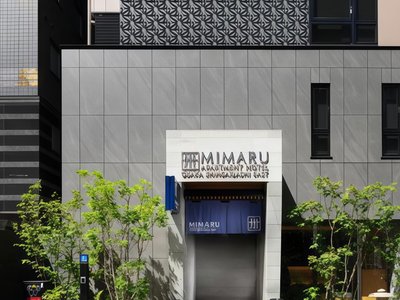
MIMARU Osaka Shinsaibashi East
Toba International Hotel Shiojitei
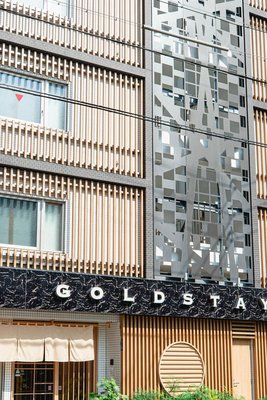
Gold Stay Nagoya OSU
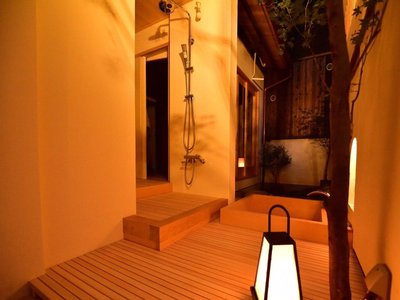
Yado Kiramachi
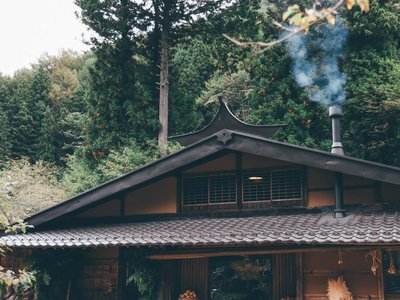
La Terra Resort
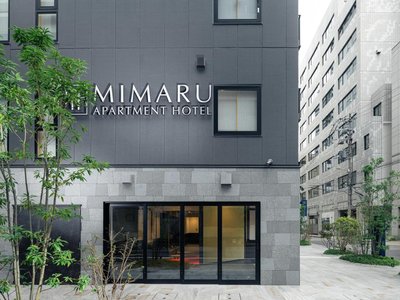
MIMARU Osaka Shinsaibashi North
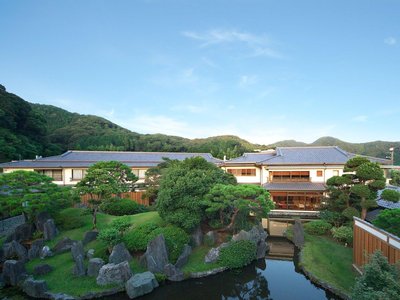
Kagetsutei
Okuno Hosomichi
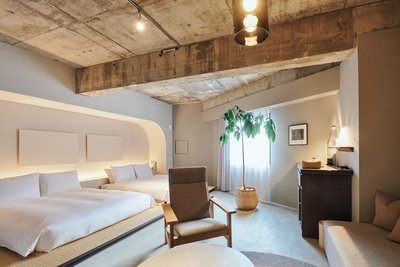
Korinkyo
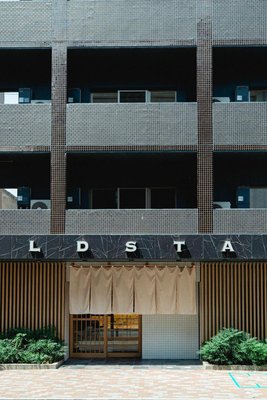
GOLD STAY Nagoya Sakae
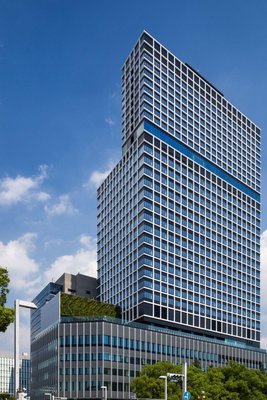
The Royal Park Hotel Iconic Nagoya
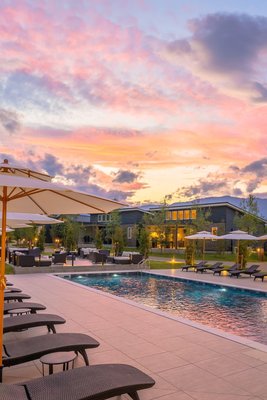
Awaumi Fujikawaguchiko Resort
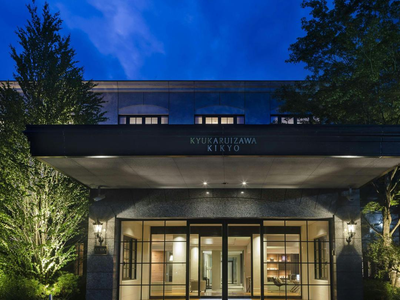
Fufu Karuizawa Wind of Sunshine
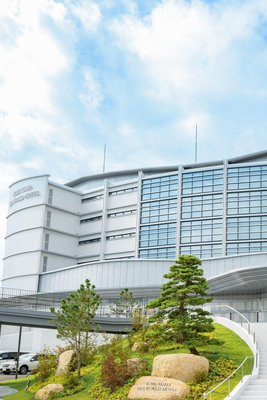
Kobe Suma Sea World Hotel
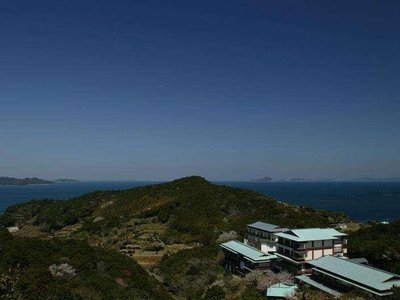
Hanashinsui
Yumotokan
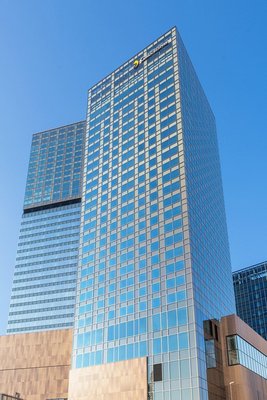
Hotel Hankyu GRAN RESPIRE OSAKA
Hoshino Resorts Kai Kaga
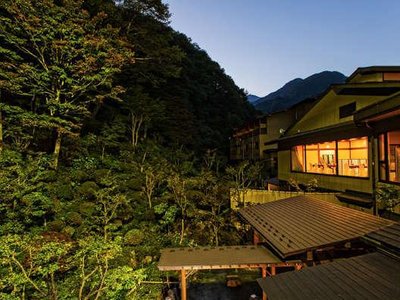
Futari Shizuka
Taikyourou
Awaumi Fujikawaguchiko Resort
Amanemu
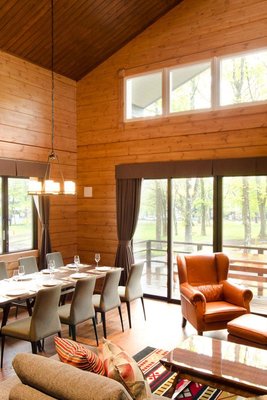
The Prince Villa Karuizawa
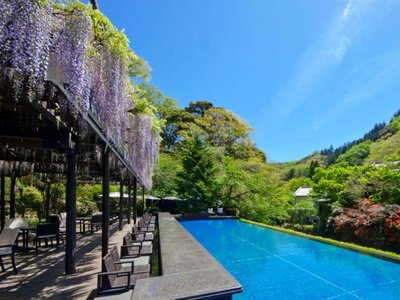
Tofuya Resort & Spa Izu
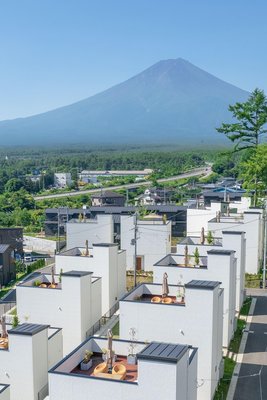
Fuji Granvilla -TOKI-
Hakone Gora Byakudan
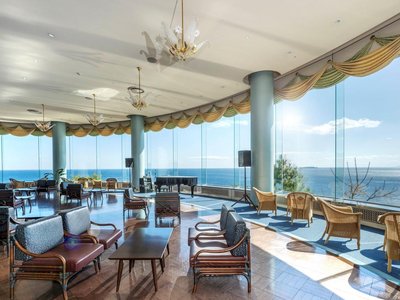
Hotel New Akao
XYZ Private Spa and Seaside Resort
Osaka Marriott Miyako Hotel
The Prince Karuizawa
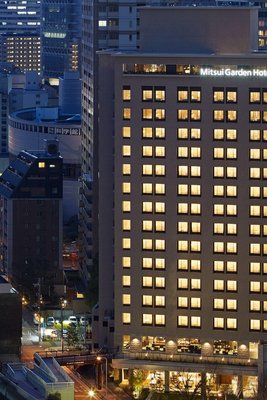
Mitsui Garden Hotel Osaka Premier
Izumigo Hotel Altia Toba
BIWAKO HANAKAIDO
Biwako Ryokusuitei
Hotel Kitanoya
Hanagoyomi
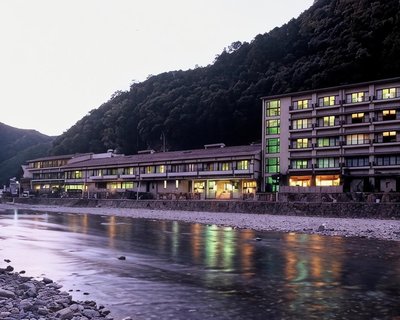
Kawayu Onsen Fujiya
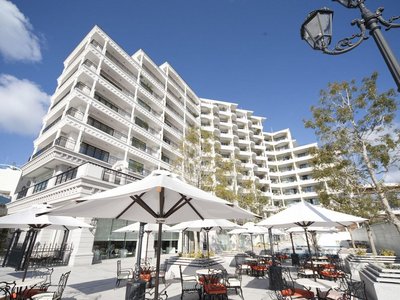
Hotel La Suite Kobe Harborland
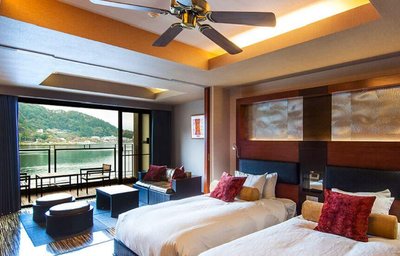
The Kukuna
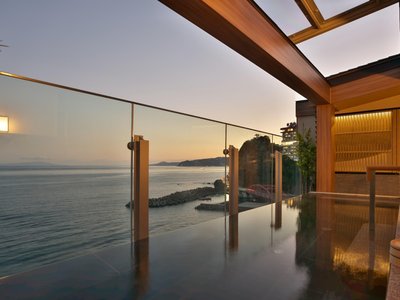
Hotel New Sagamiya
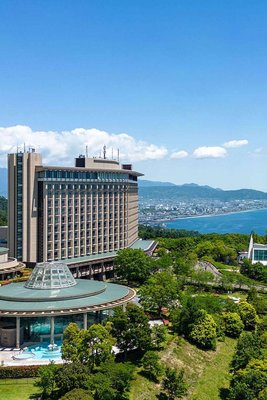
Hilton Odawara Resort & Spa
Hoshinoya Karuizawa
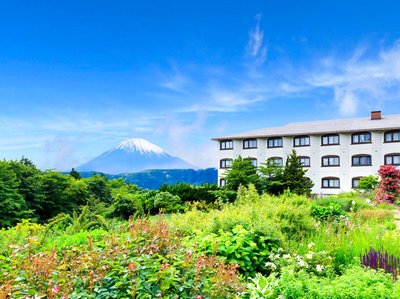
Hotel Green Plaza Hakone
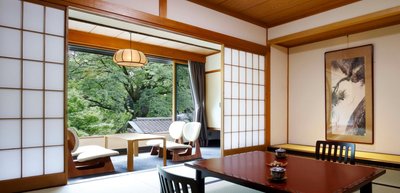
Yoshiike Ryokan
Akakura Kanko Hotel
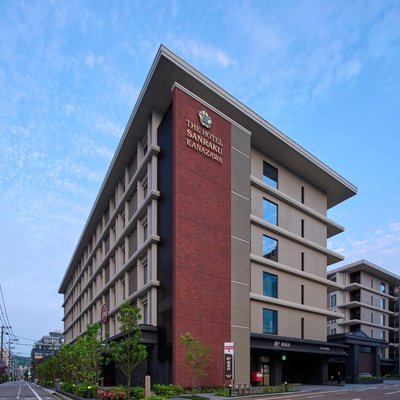
The Hotel Sanraku Kanazawa 21th December 2022 Open
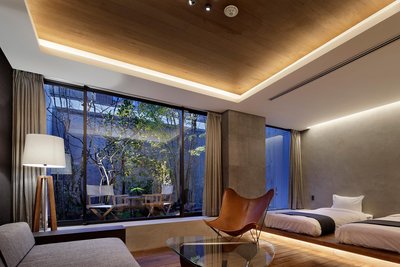
22 PIECES
The Ritz-Carlton, Osaka
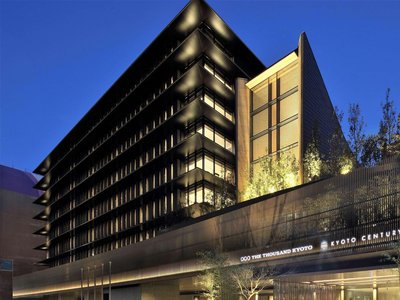
The Thousand Kyoto
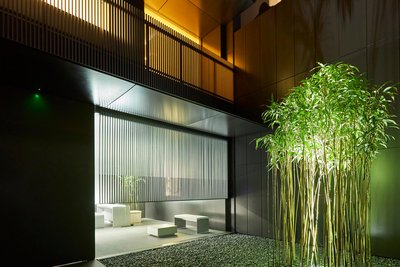
Mogana
GOOD NATURE HOTEL KYOTO
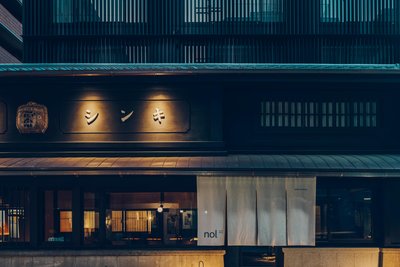
Nol Kyoto Sanjo
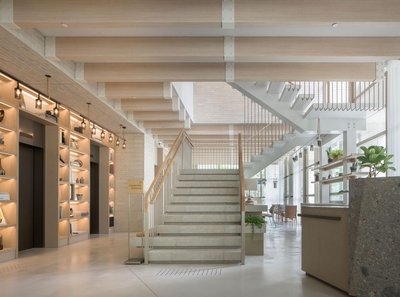
Zentis Osaka
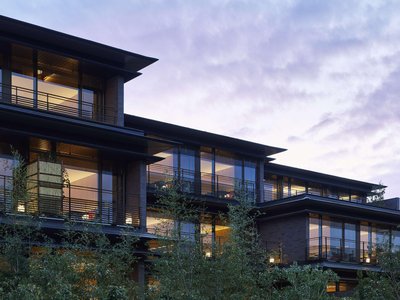
Garrya Nijo Castle Kyoto
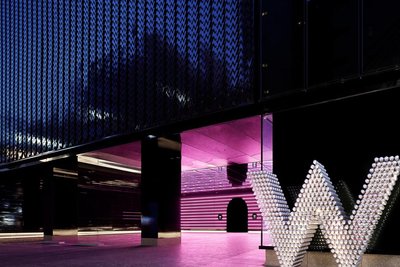
W Osaka
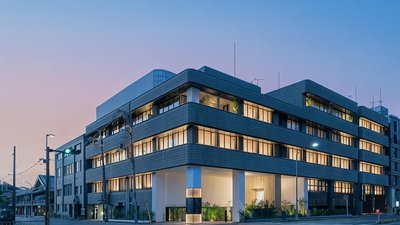
Hotel Kanra Kyoto
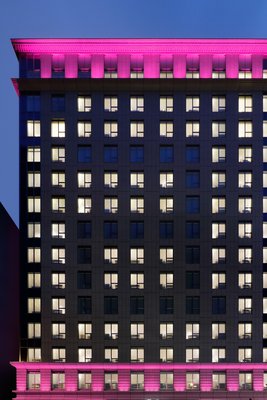
Aloft Osaka Dojima
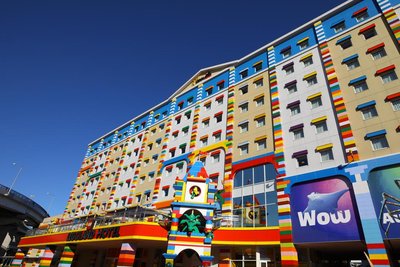
Legoland Japan Hotel
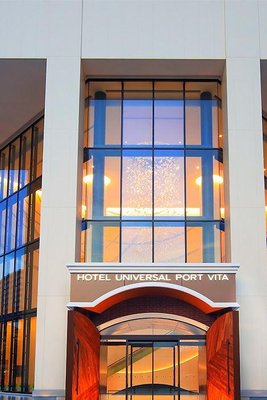
HOTEL UNIVERSAL PORT VITA

The Park Front Hotel at Universal Studios Japan
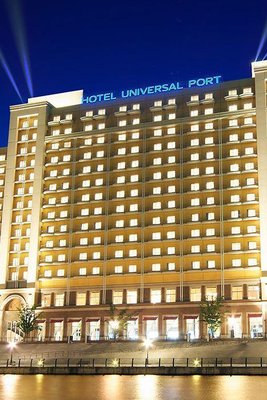
HOTEL UNIVERSAL PORT
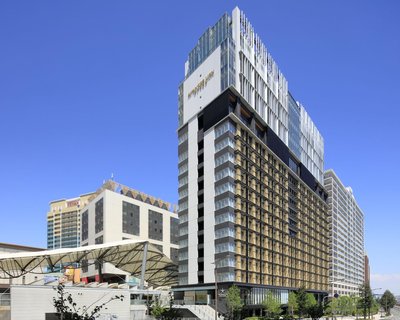
THE SINGULARI HOTEL & SKYSPA at UNIVERSAL STUDIOS JAPAN
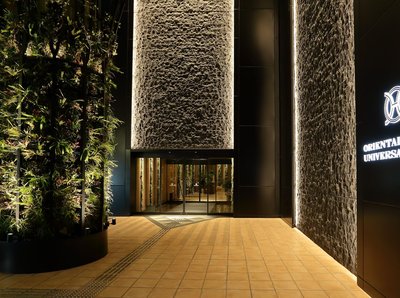
Oriental Hotel Universal City
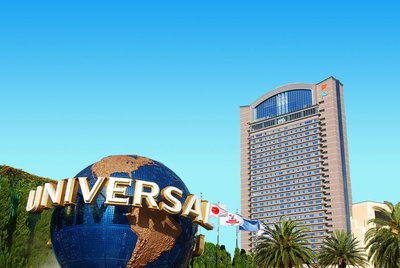
Hotel Keihan Universal Tower
Yado Kiramachi
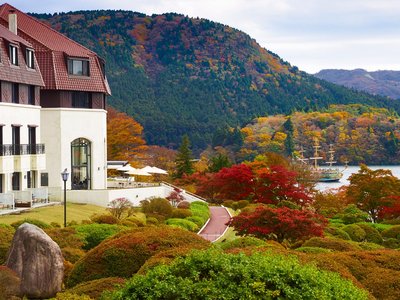
Hotakajyo
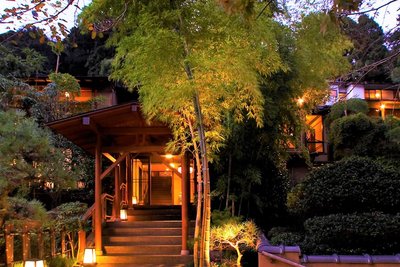
Shiki wo Ajiwau Yado Yamano Chaya
Arimasansoh Goshobessho
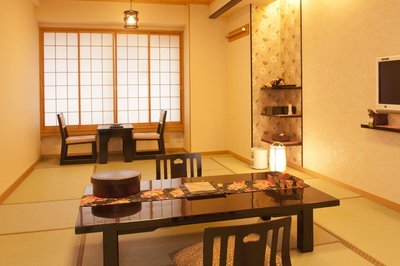
Matsui-Bekkan Hanakanzashi
Hoshino Resorts Kai Matsumoto
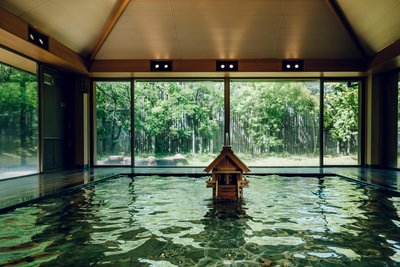
Hoshino Resorts KAI Tamatsukuri
Taikyourou
Monjusou Shourotei
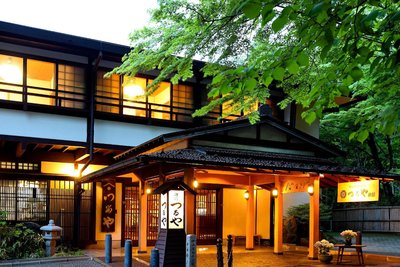
Tsuruya Ryokan
Kasuga Hotel
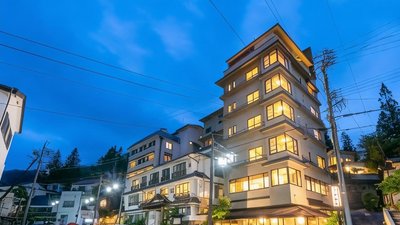
Nakamatsuya Ryokan
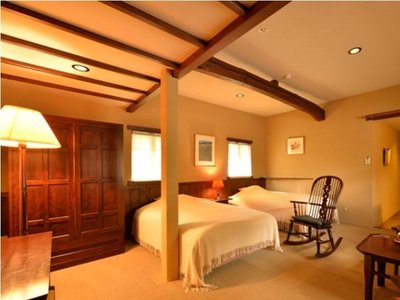
Ryokan Sugimoto
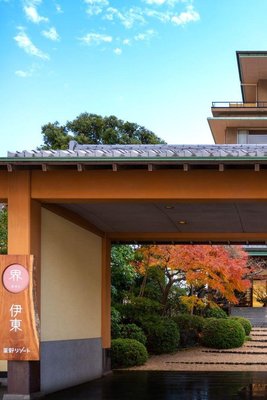
Hoshino Resorts Kai Ito
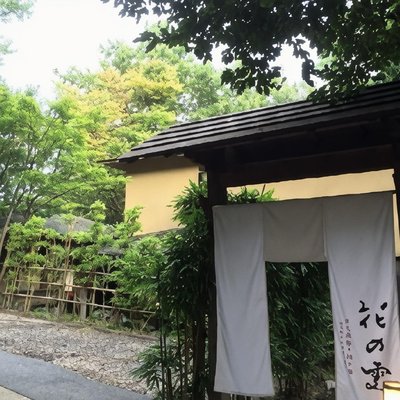
Hana No Kumo
Yoshiike Ryokan
Gora Hanaougi
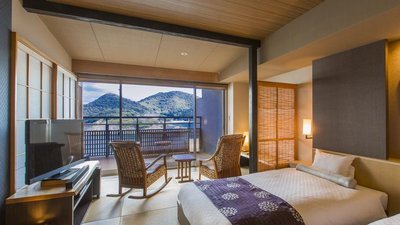
Migiwatei Ochi Kochi
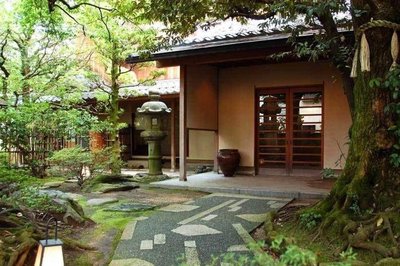
Kocho
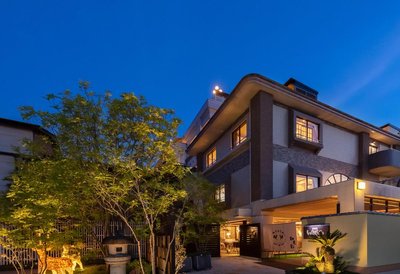
Hotel New Wakasa
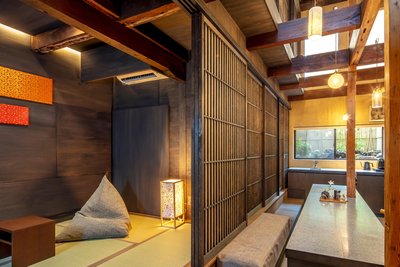
Kyo No Oozora Kihana
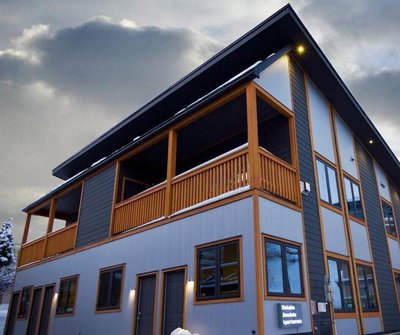
Hakuba Gondola Apartments
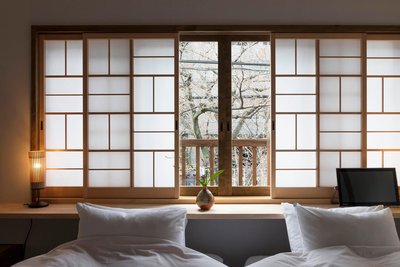
Hanagoromo Machiya House
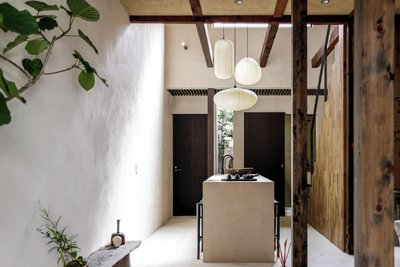
Maana Kiyomizu
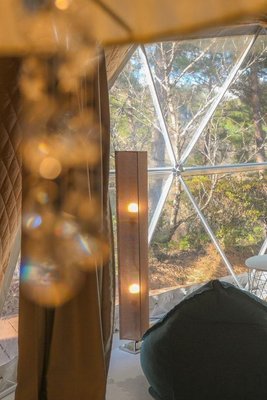
glampark Gekkabijin Nagano
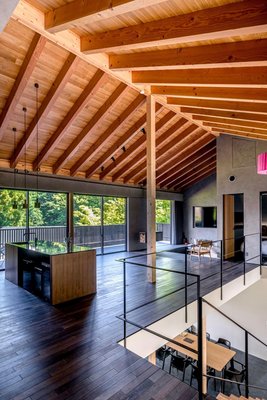
MONS GORA
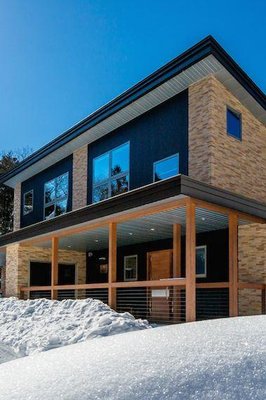
Phoenix Chalets by Hhg
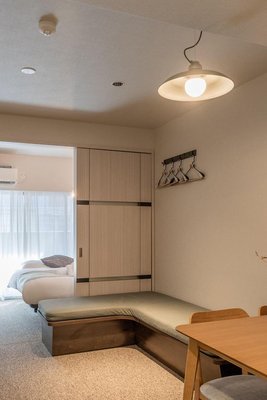
Apartment Hotel 11 Shinsaibashi
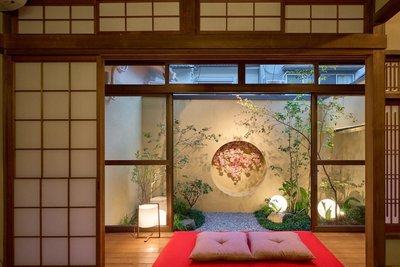
KONJAKUSO Osaka Tengachaya "NIHONCHA" Tea & Relax
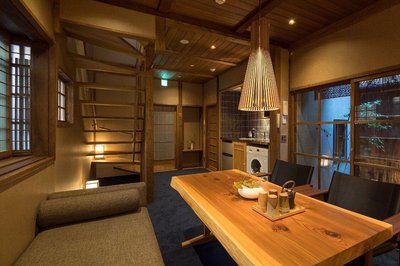
Bonbori an Machiya House
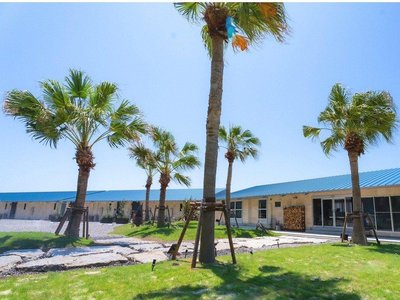
Glamping&Resort Wood Design Park Noma
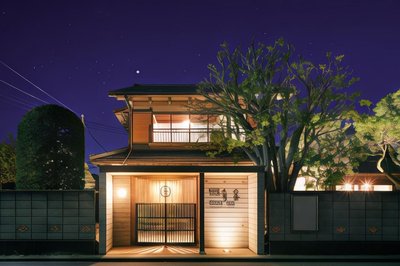
Machi-Jyu
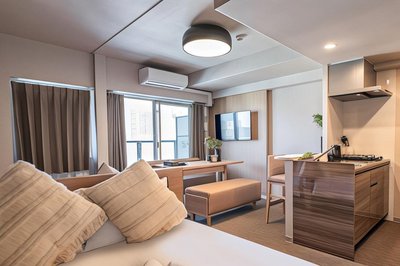
Apartment Hotel 11 Shinsaibashi III
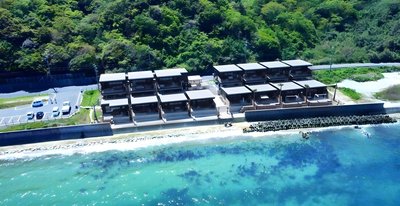
Solavilla Umi Terrace Minamiawaji
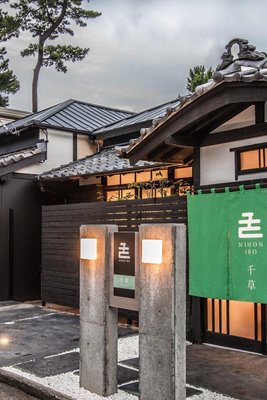
Nihon Iro
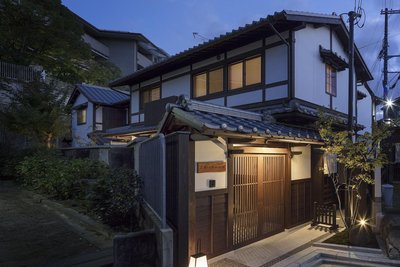
The Machiya Villa Sanjo Shirakawa Koji
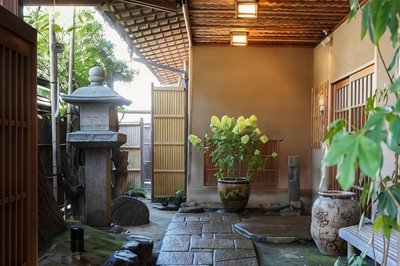
Ryokan Asadaya
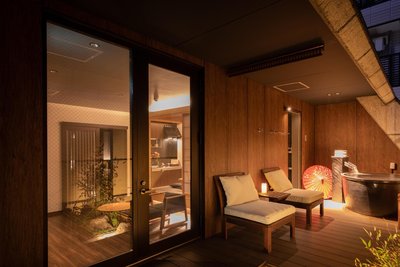
Konjaku-So Dotonbori
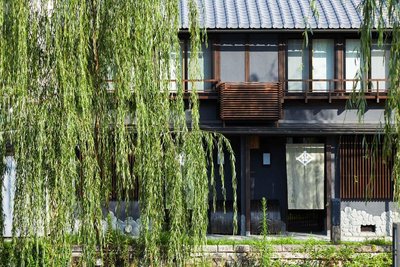
Gion Shirakawa No Yado

Kitashirakawa Natural Radium Onsen
Frequently Asked Questions about Traveling to Omihachiman
Questions You Might Need to Know About Traveling to Omihachiman
In Omi-Hachiman, stay at Hachiman Suku Ryokan, a meticulously preserved Edo-period inn nestled in the heart of Hachiman Suku Historic District. With tatami rooms, private onsen baths, and authentic kaiseki cuisine made from local ingredients, it offers an immersive cultural experience. Guests enjoy easy access to Omi-Hachiman Castle, Hasegawa Art Museum, and the scenic Lake Biwa trails—perfect for history lovers and nature seekers alike.
The Hachiman Suku district is the best place to stay in Omi-Hachiman. This well-preserved Edo-era town features cobbled streets, centuries-old machiya houses, and traditional shops selling crafts and local delicacies. Walking distance to Hachiman Shrine, Hasegawa Art Museum, and the lakeside promenade, it provides an authentic glimpse into rural Japanese life and heritage.
Visitors can take part in hands-on workshops like indigo dyeing and pottery making at local craft studios. The annual Hachiman Festival (held in August) features vibrant parades, taiko drum performances, and fireworks. Additionally, explore Hasegawa Art Museum to discover regional art spanning from Edo to modern times, reflecting the deep cultural roots of Shiga Prefecture.
Must-try dishes include Omi beef sukiyaki, prepared simply to highlight its rich flavor, often served at ryokans in Hachiman Suku. Also sample fresh carp hot pot from Lake Biwa and matcha mochi made with local rice. Many restaurants offer guest-exclusive menus featuring seasonal ingredients sourced daily from nearby farms and fisheries.
Families will enjoy the Hachiman Suku Kids’ Experience Center, where children can try on Edo-period clothing and learn bamboo weaving. The Lake Biwa family walking trail includes interactive nature signs perfect for kids. Summer offers paddle boat tours across the lake, providing scenic views and peaceful moments for all ages—ideal for a relaxed, memorable outing.
Take the Ōmihachiman Line from Kyoto Station, a 30-minute direct train ride to Ōmihachiman Station. Alternatively, use Keihan Electric Railway + shuttle bus, taking about 45 minutes. From the station, a 10-minute walk leads directly into Hachiman Suku Historic District, making it ideal for day trips or short stays.
The illuminated lanterns of Hachiman Suku at night create a magical atmosphere—warm golden lights reflect on cobblestone streets, evoking a sense of time travel. At dusk, Ōmihachiman Castle’s donjon glows against the backdrop of Lake Biwa, offering stunning photo opportunities. Some ryokans also provide evening garden seating, allowing guests to enjoy dinner under the stars with panoramic lake views.
Capture the charm of Hachiman Suku’s historic streets at sunrise, when soft light highlights aged wooden facades and lanterns. The Ōmihachiman Castle donjon framed by Lake Biwa offers dramatic compositions. In autumn, the Hasegawa Art Museum gardens burst with red and gold foliage—perfect for blending culture and nature in your shots. A wide-angle lens is recommended for full-frame scenes.
While Omi-Hachiman itself lacks natural hot springs, nearby Ibuki Mountain Onsen (20 km away) offers high-quality mineral-rich baths. Some local ryokans, including Hachiman Suku Ryokan, feature small private onsen pools using recycled natural water. Soaking while gazing out at Lake Biwa is a serene way to unwind after a day of exploring.
Visit Hachiman Suku’s traditional shops for hand-dyed indigo textiles, handmade washi lanterns, and Omi beef gift sets. Local favorites include biwa lake dried abalone and shinmai rice-based sweets. The Hasegawa Art Museum Shop sells limited-edition prints and artist-designed items—ideal for collectors seeking unique, culturally meaningful mementos.
Omihachiman Overview
City Summary
Omi-Hachiman City, located in the central part of Shiga Prefecture, Japan, is a historic town renowned for its "water town" charm, featuring a network of canals and well-preserved Edo-period architecture. As the birthplace of Omi merchants, the city boasts rich commercial heritage and is a popular destination around Lake Biwa.
Must-See Attractions
Key attractions include the "Hachiman-bori" canal district with its traditional streets and white-walled warehouses. "Himure Hachiman-gu" Shrine hosts the famous "Sagicho Festival" every spring. The "Omi Merchant Museum" showcases the history of Edo-era merchants, while "Hakugan Bridge" offers panoramic views of the water town.
Food Guide
Omi-Hachiman is famous for "Omi beef," a premium wagyu best enjoyed as yakiniku or shabu-shabu. Local delicacy "funazushi" (fermented crucian carp from Lake Biwa) offers unique flavors. Don't miss "Omi tea" paired with traditional Japanese sweets.
Transportation Guide
Local buses operate from JR Omi-Hachiman Station. Cycling is ideal for exploring the water town, with rental shops across the city. The city is accessible via JR Tokaido Main Line from Kyoto/Osaka (≈1 hour). The "Ohmi Railway Day Pass" provides cost-effective regional travel.
Best Time to Visit
Best visited in spring (Mar-May) for cherry blossoms and autumn (Sep-Nov) for fall foliage. Summers are humid, while winters may bring snow.
Travel Tips
- Observe shrine etiquette during visits.
- Navigate narrow water town paths cautiously.
- Budget accordingly for premium Omi beef.
- Carry cash for traditional shops.
- Book accommodations early during spring festivals.
- Reserve canal boats in advance during peak seasons.
Useful Information
Japanese is primary; basic English is spoken in tourist areas. Limited free Wi-Fi exists; local SIM cards are recommended. Credit cards are accepted at major establishments, but cash is king in smaller shops. Emergency numbers: 110 (police) or 119 (ambulance). Pharmacies (marked "薬") often require prescriptions. Tourist information is available at JR Omi-Hachiman Station with multilingual support.