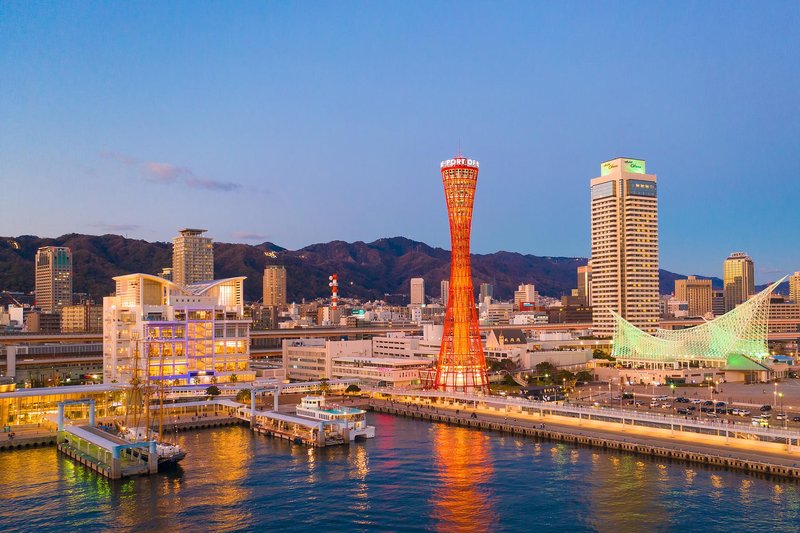
Hotels in Omitama
Discover your perfect stay in Omitama.
Omitama(Japan) Travel 2026: Cheap Flights, Hotels & Top Attractions
Popular Landmarks in Omitama
Discover the most iconic attractions in Omitama
Recommended Hotels in Omitama
Find the perfect place to stay in Omitama
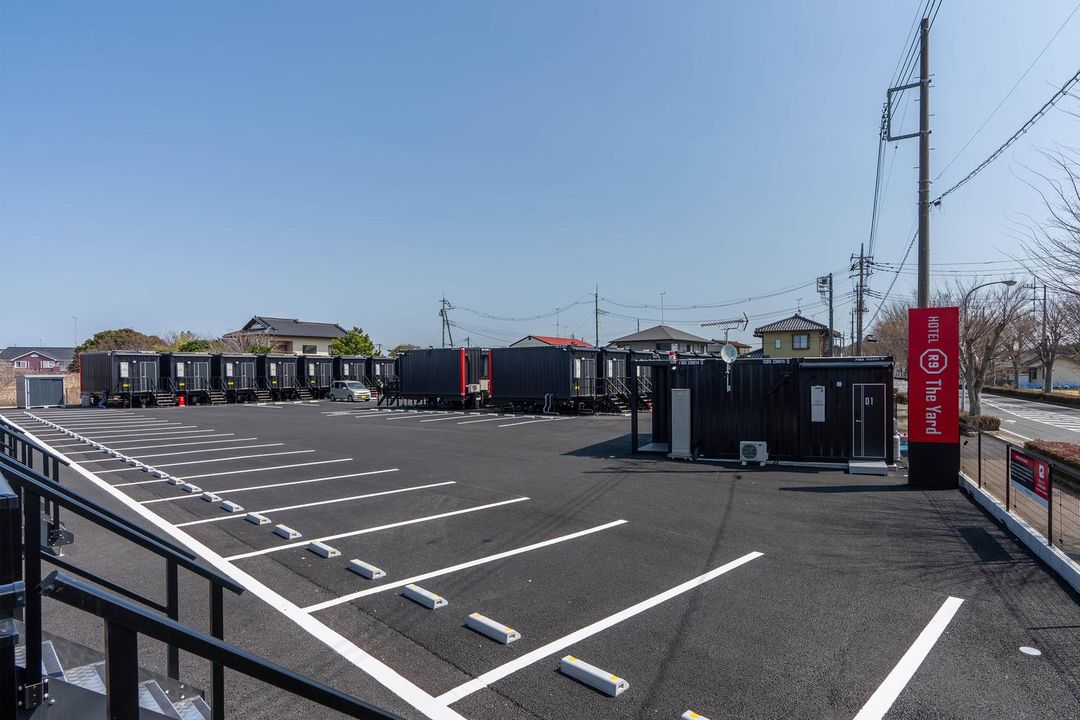
Hotel R9 the Yard Omitama
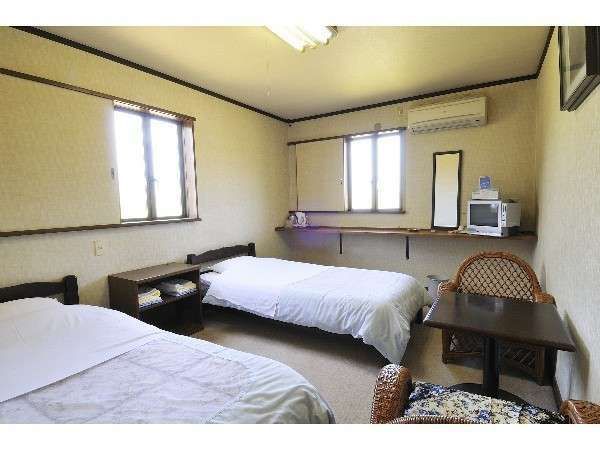
Business Hotel Rokugo
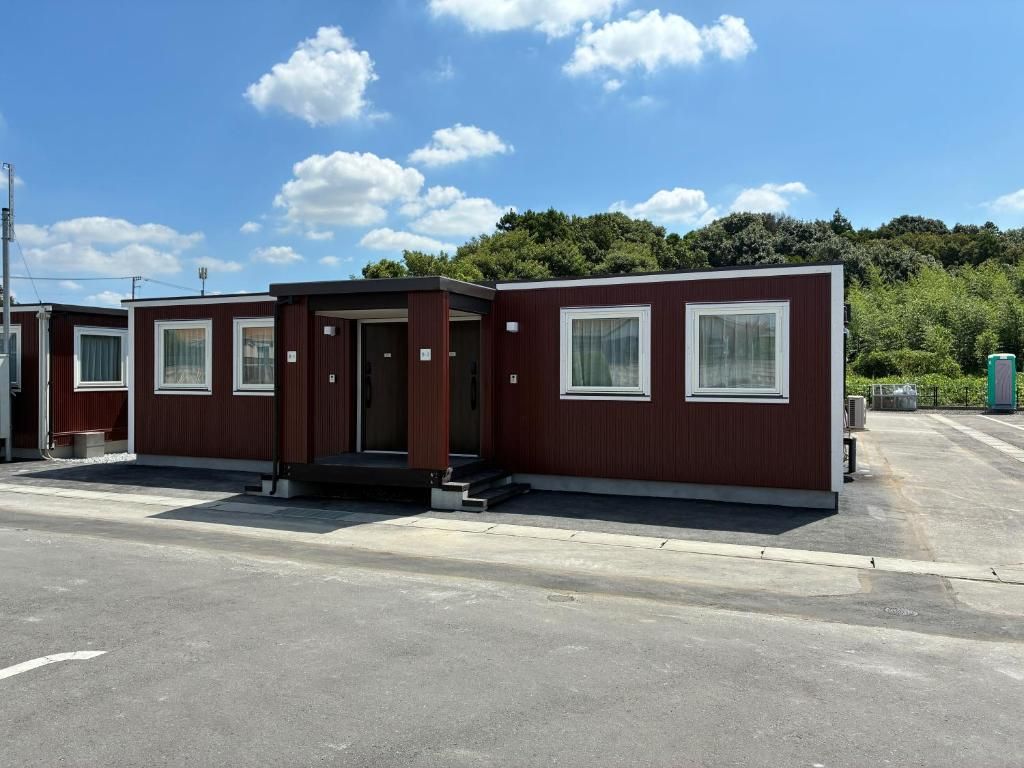
SMA・MO inn Omitama
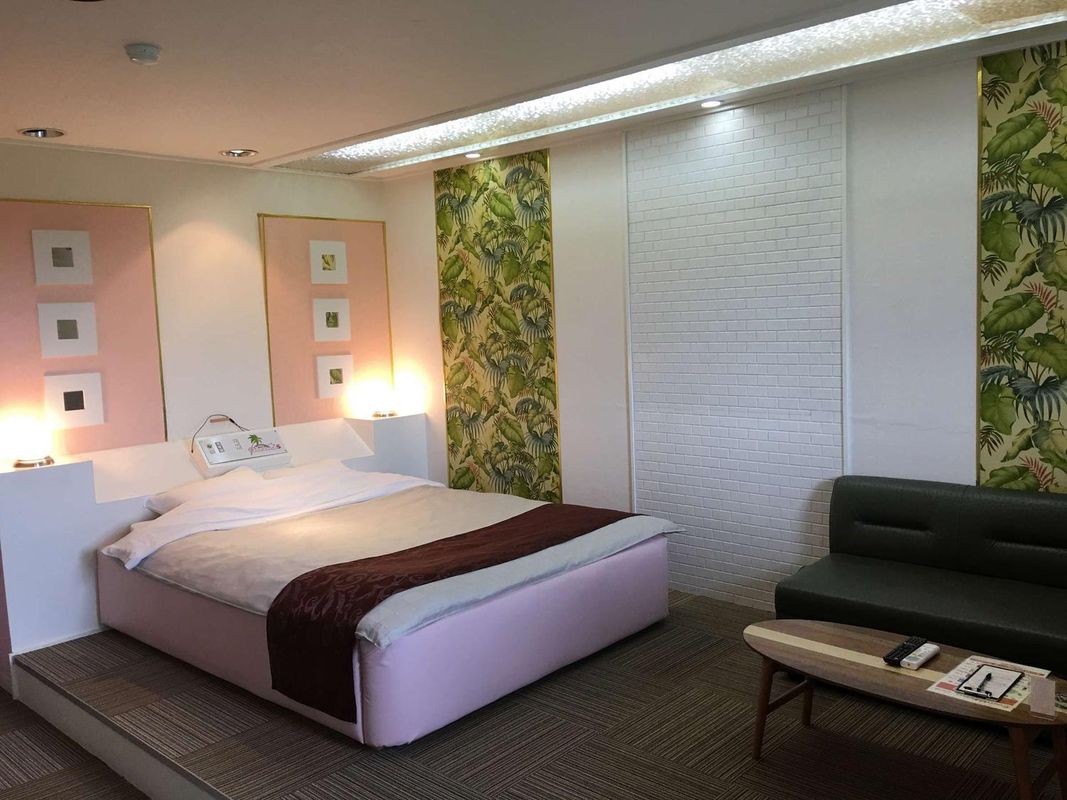
Family Inn Ibaraki
Best Hotels in Omitama
Discover curated hotel collections in Omitama
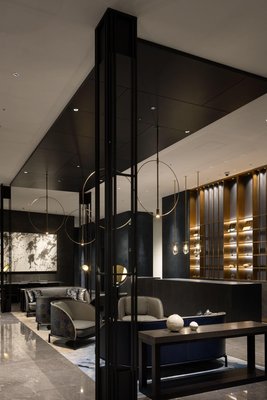
Bellustar Tokyo, A Pan Pacific Hotel
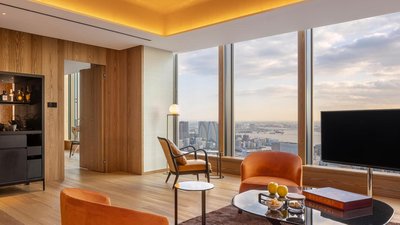
Bvlgari Hotel Tokyo
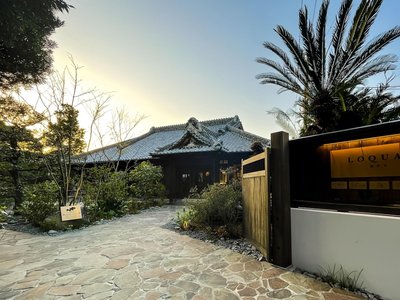
Loquat Nishiizu
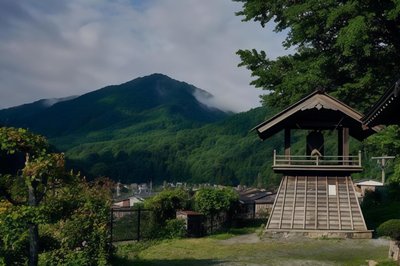
Byaku Narai
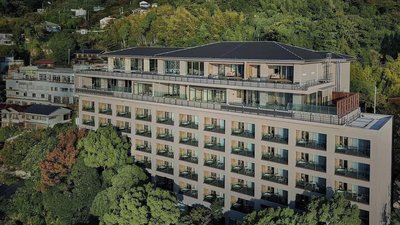
Atami Izusan Karaku
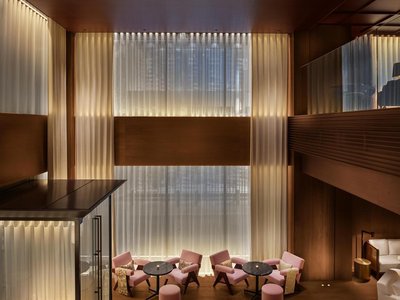
The Tokyo Edition, Ginza
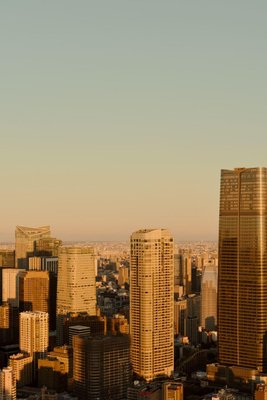
Janu Tokyo
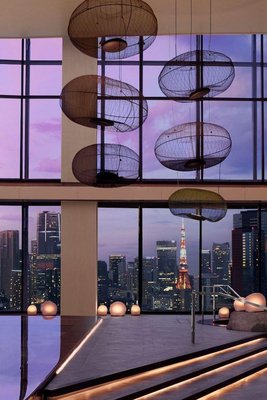
JW Marriott Hotel Tokyo
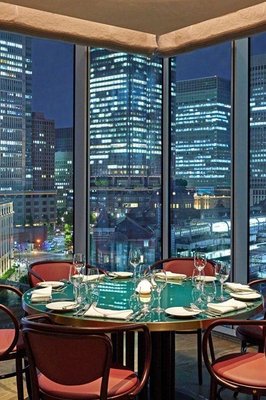
Four Seasons Hotel Tokyo at Marunouchi

Mandarin Oriental, Tokyo
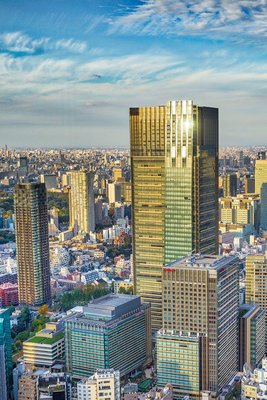
The Ritz-Carlton, Tokyo
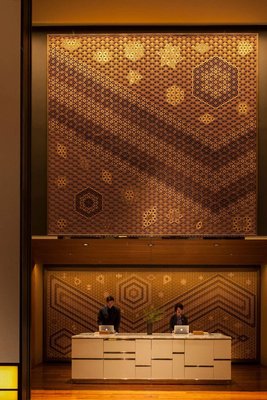
Andaz Tokyo Toranomon Hills- A Concept by Hyatt
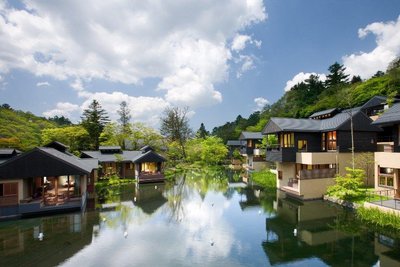
Hoshinoya Karuizawa
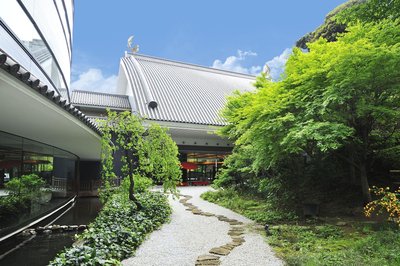
Hotel Gajoen Tokyo
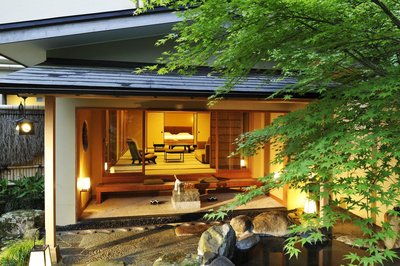
Gora Kadan
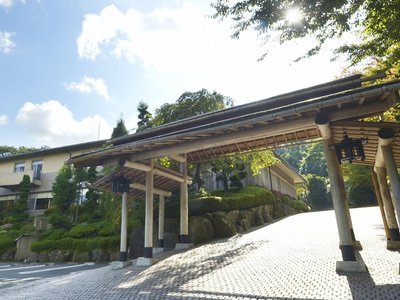
Gora Hanaougi
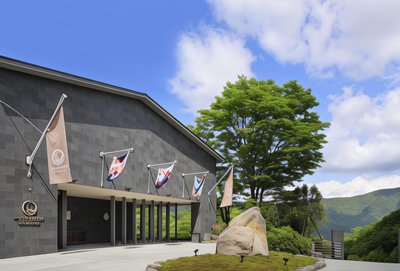
The Hiramatsu Hotels & Resorts Sengokuhara Hakone
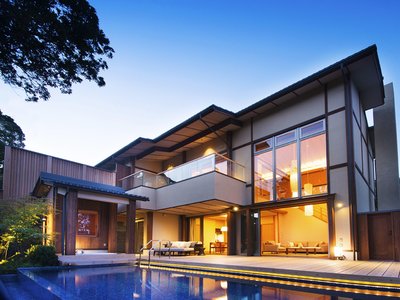
Abba Resorts Izu - Zagyosoh
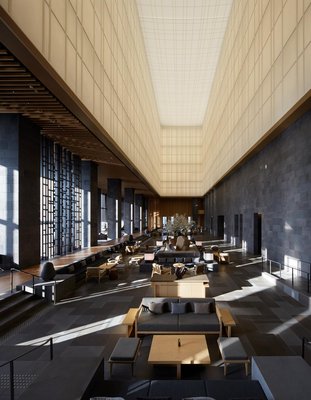
Aman Tokyo
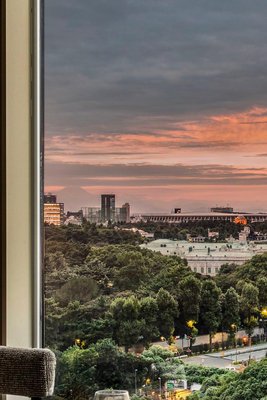
Hotel New Otani Tokyo, Executive House Zen
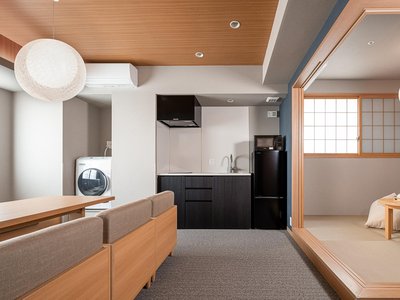
MIMARU SUITES Tokyo Asakusa
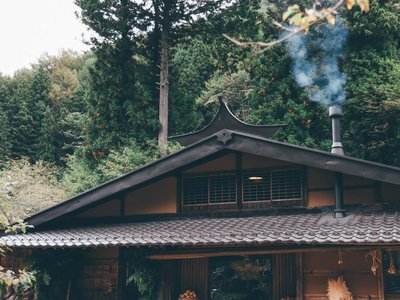
La Terra Resort
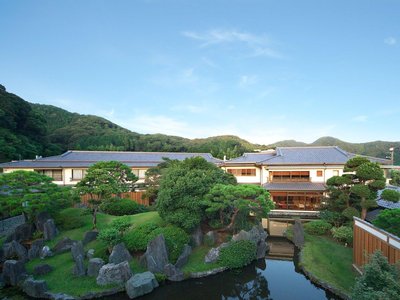
Kagetsutei

karaksa hotel colors Tokyo Yaesu
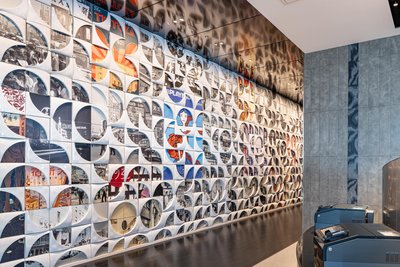
HOTEL GROOVE SHINJUKU, A PARKROYAL Hotel

EN Resort Grandeco Hotel
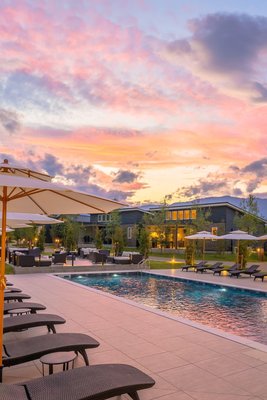
Awaumi Fujikawaguchiko Resort
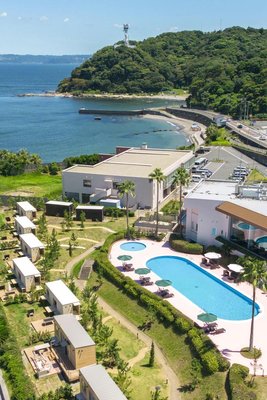
La vista Yokosuka Kannonzaki Terrace
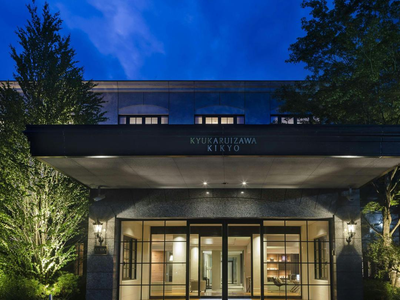
Fufu Karuizawa Wind of Sunshine
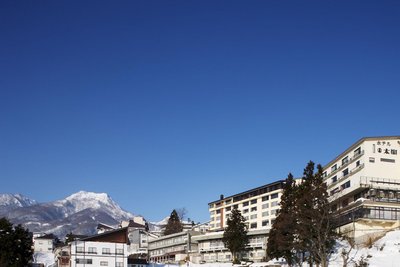
Hotel Taiko, Akakura Onsen
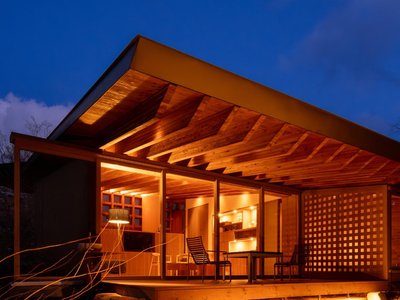
Nasu Mukunone
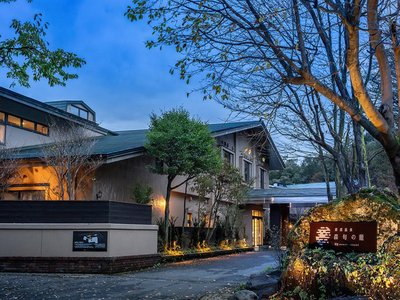
Nasu Onsen Shinshun no Kago Hewitt Resort

Scapes the Suite
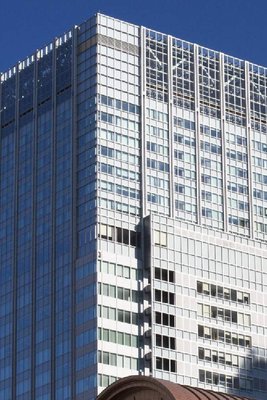
Hotel Metropolitan Tokyo Marunouchi
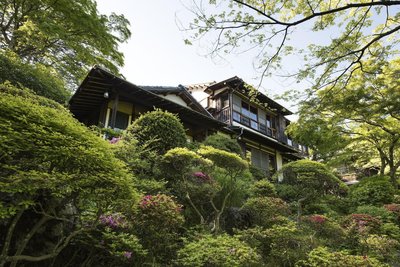
Gora Kansuiro
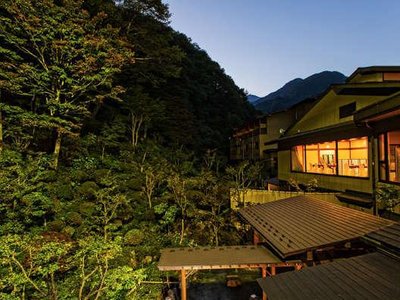
Futari Shizuka
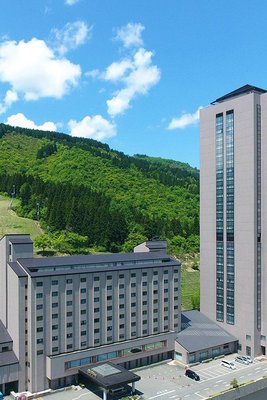
Naspa New Otani
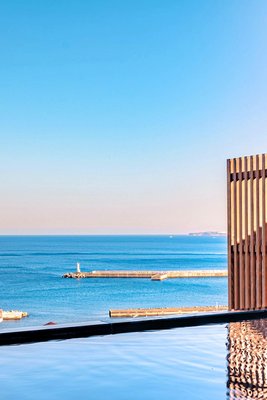
HOTEL KANICHI
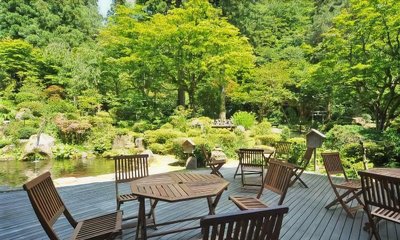
Choseikan
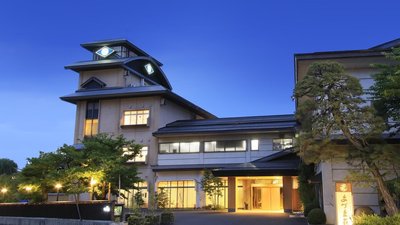
Shouhakutei Azumaso
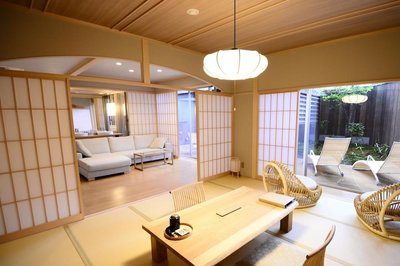
Hakone Gora Byakudan
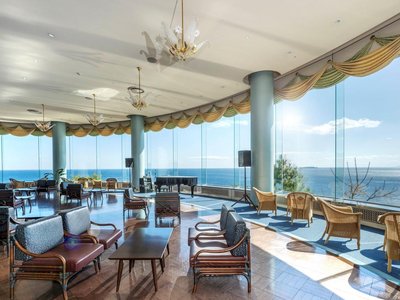
Hotel New Akao
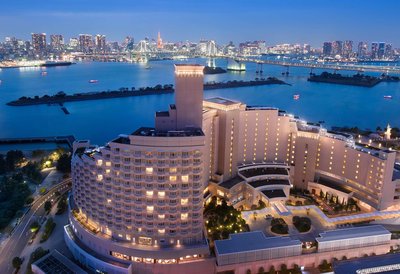
Hilton Tokyo Odaiba
JW Marriott Hotel Tokyo
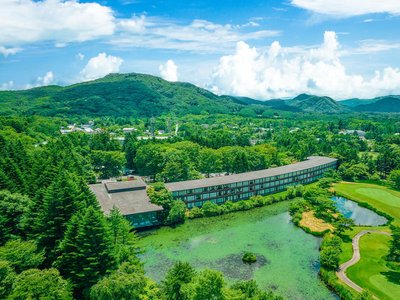
The Prince Karuizawa

The Kukuna
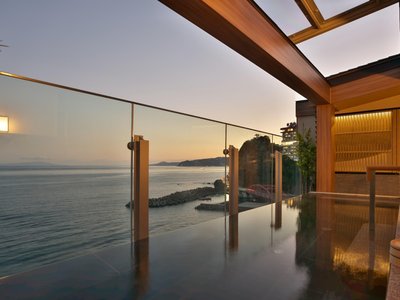
Hotel New Sagamiya
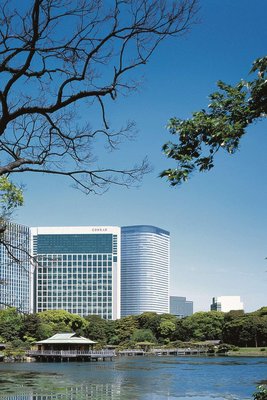
Conrad Tokyo
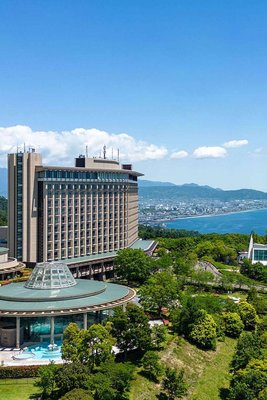
Hilton Odawara Resort & Spa
Hoshinoya Karuizawa
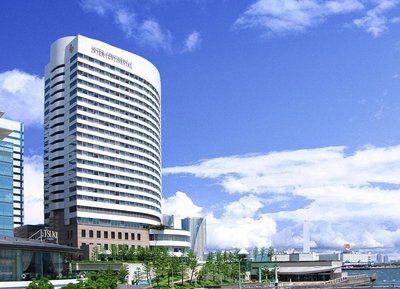
InterContinental Tokyo Bay
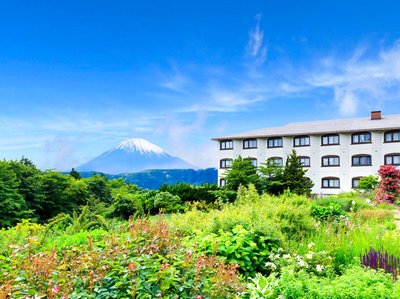
Hotel Green Plaza Hakone
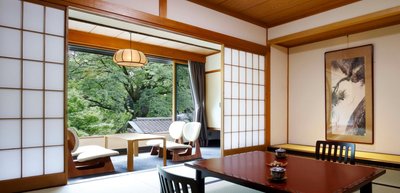
Yoshiike Ryokan
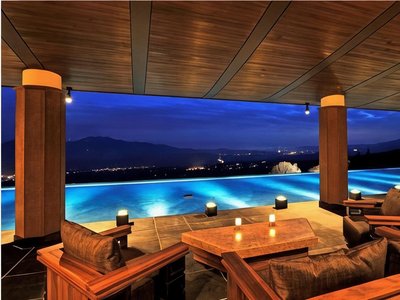
Akakura Kanko Hotel
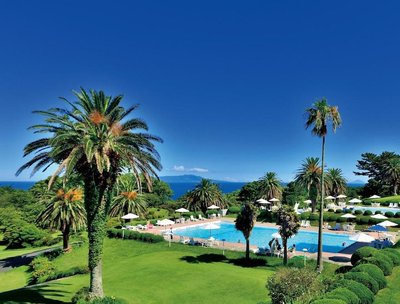
Kawana Hotel
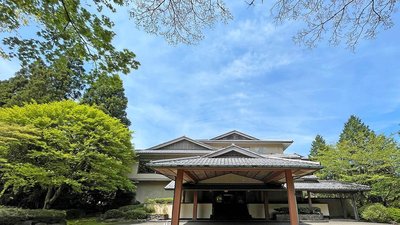
Ryuguden
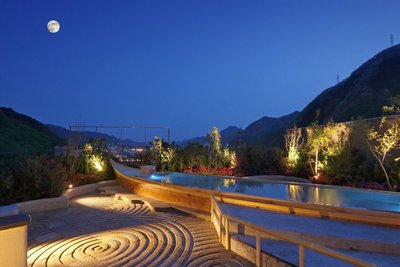
Asaya
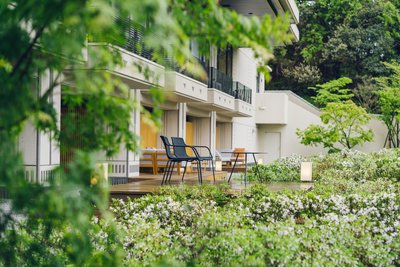
Hoshino Resorts Kai Enshu
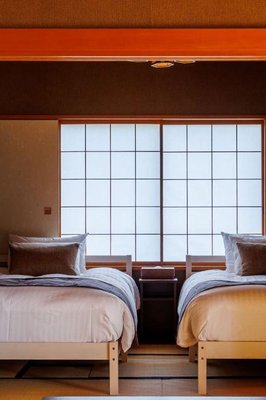
Sado Resort Hotel Azuma
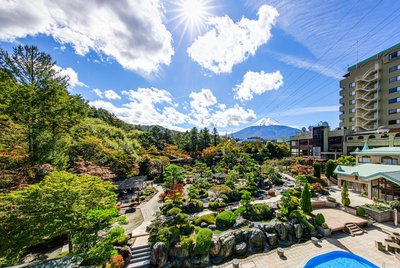
Kaneyamaen
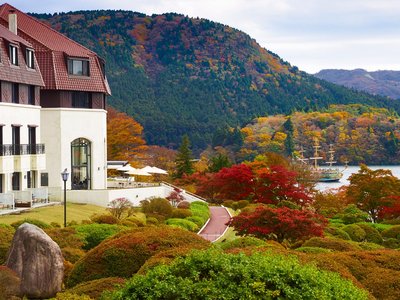
Hotakajyo
Auberge Suzukane

Onyado Nono Asakusa Bettei Hot Spring
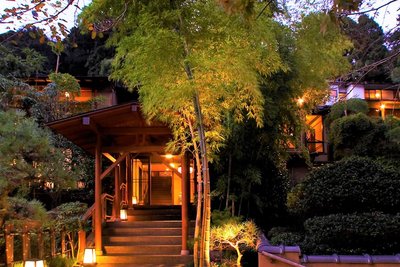
Shiki wo Ajiwau Yado Yamano Chaya
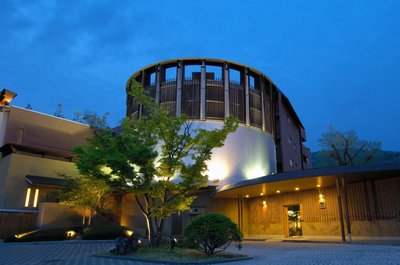
Hoshino Resorts Kai Matsumoto
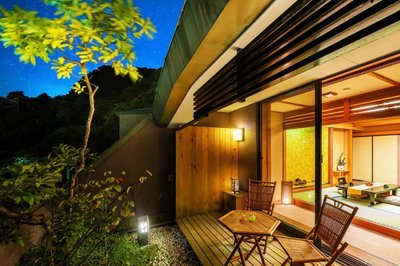
Konjakutei
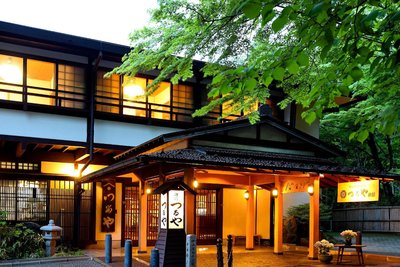
Tsuruya Ryokan
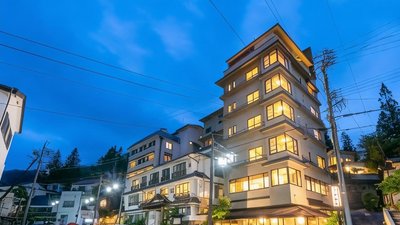
Nakamatsuya Ryokan
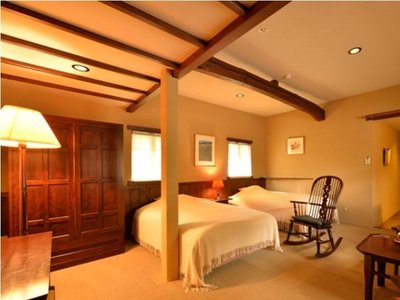
Ryokan Sugimoto
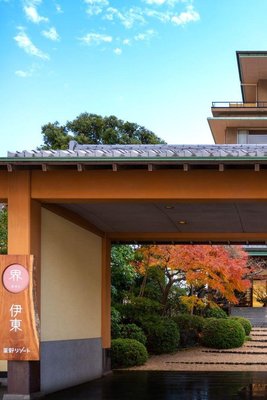
Hoshino Resorts Kai Ito
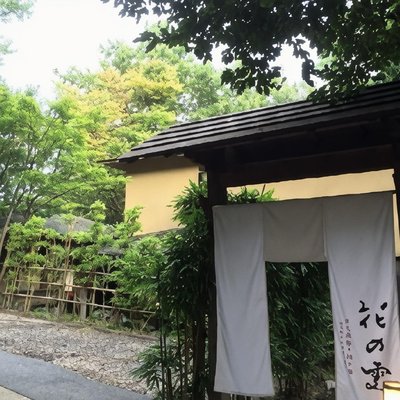
Hana No Kumo
Yoshiike Ryokan
Hotel Gajoen Tokyo
Gora Hanaougi
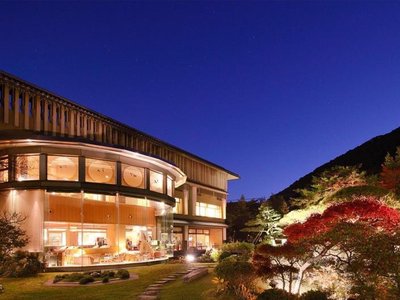
Shikisai Ichiriki
Sado Resort Hotel Azuma
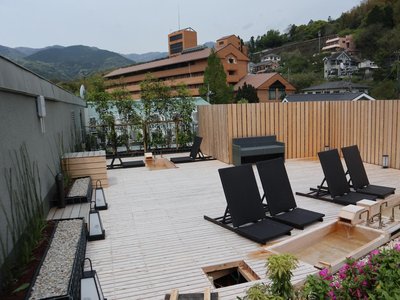
Fukiya Ryokan
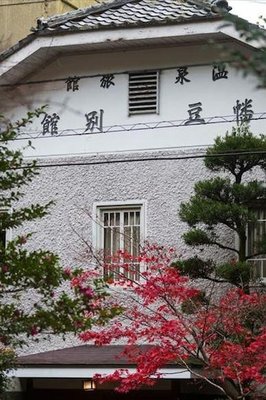
Oku-Mikawa・Yuya Onsen HAZU Bekkan
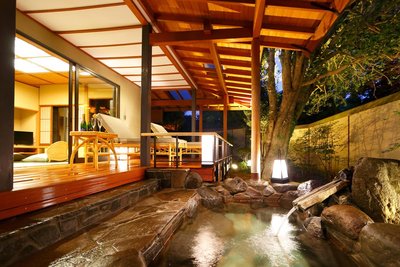
Yoshiharu Ryokan – Izu Nagaoka Onsen
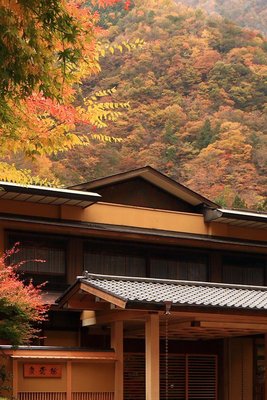
Nishiyama Onsen Keiunkan
Bellustar Tokyo, A Pan Pacific Hotel
JW Marriott Hotel Tokyo
Andaz Tokyo Toranomon Hills- A Concept by Hyatt
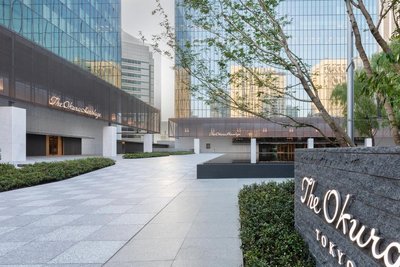
The Okura Tokyo
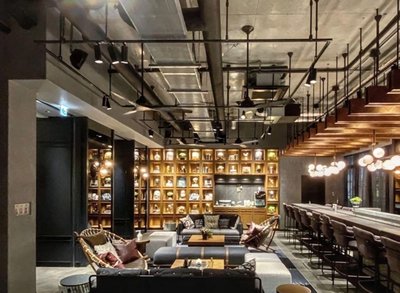
The Lively Azabujuban Tokyo
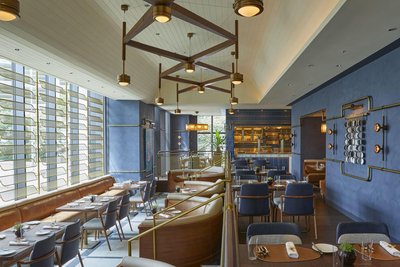
Kimpton Shinjuku Tokyo

HOTEL K5
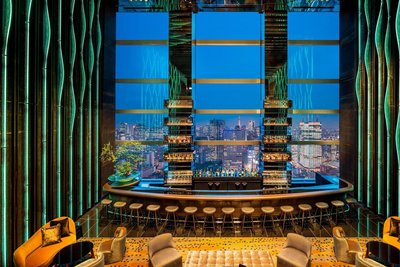
The Prince Gallery Tokyo Kioicho, a Luxury Collection Hotel
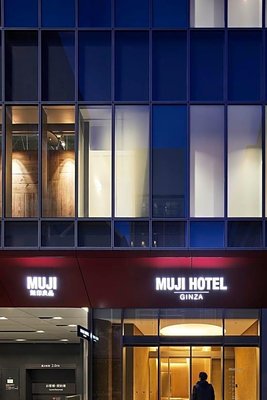
Muji Hotel Ginza
Hakone Gora Byakudan
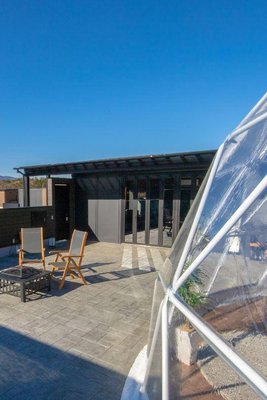
Panoramic Mt. Fuji Views from All Rooms – Vision Glamping Resort & Spa Yamanakako
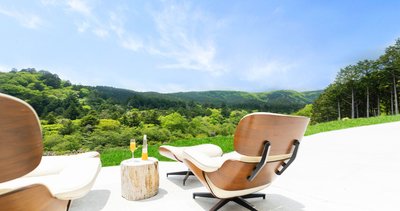
Shelter Garden Nikko
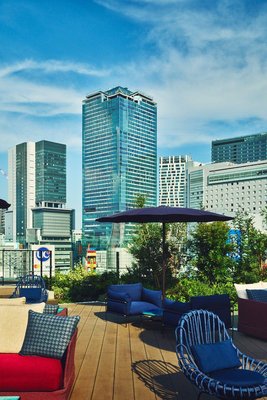
Hotel Indigo Tokyo Shibuya
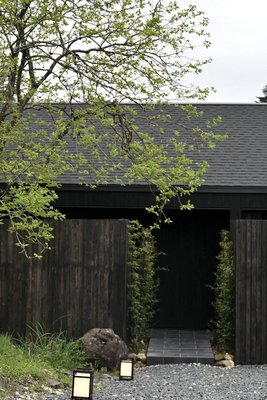
THE LAKOTAN
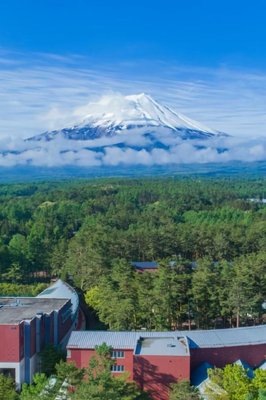
Forest Village (Fuji Premium Resort)
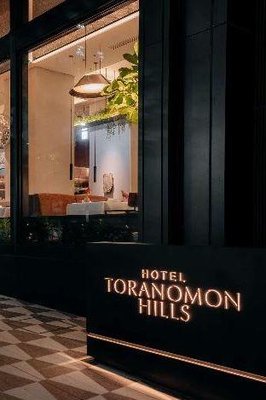
Hotel Toranomon Hills
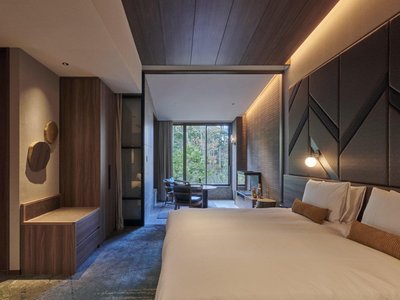
Fufu Kyu-Karuizawa Restful Forest
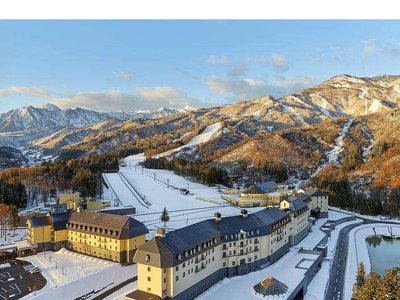
Lotte Arai Resort
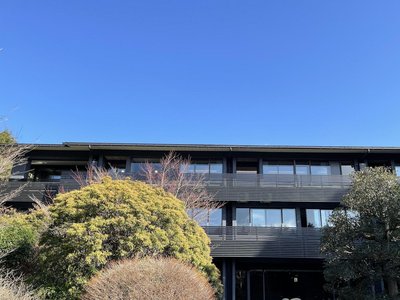
Sengokubara Cocon
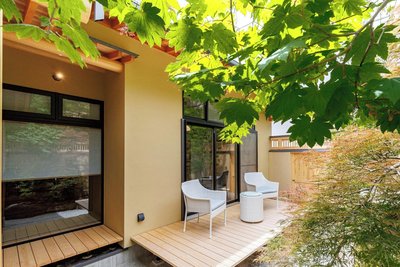
Shoraiso
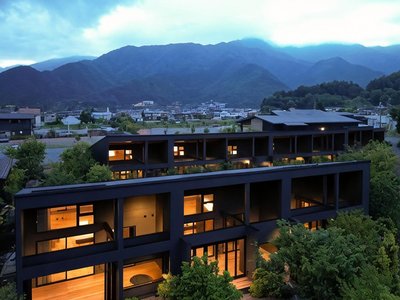
7C Villa and Winery
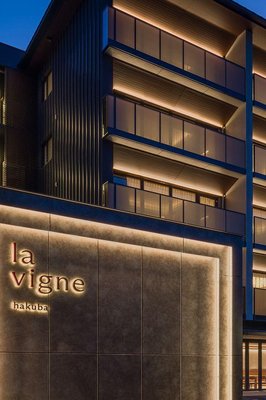
Hotel la Vigne Hakuba by Onko Chishin
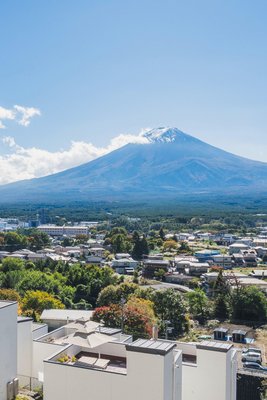
THE TOKI FujiKawaguchiko
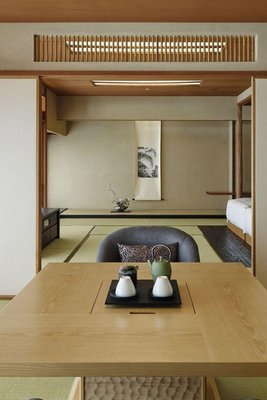
Takanawa Hanakohro (in Grand Prince Hotel Takanawa)
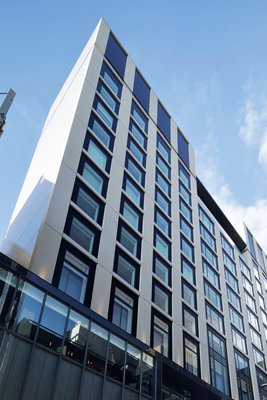
Hyatt Centric Ginza Tokyo
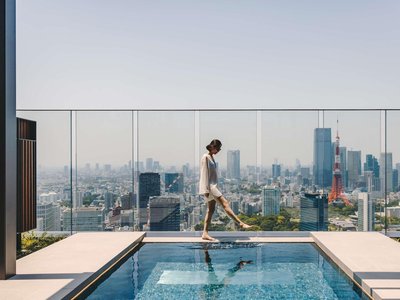
Fairmont Tokyo
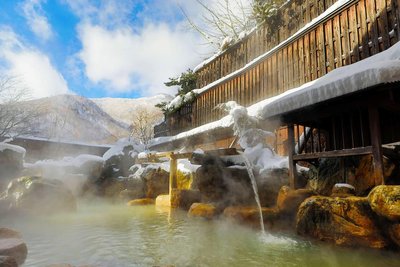
Miyamaouanbekkan yumegurinoyado hirayukan
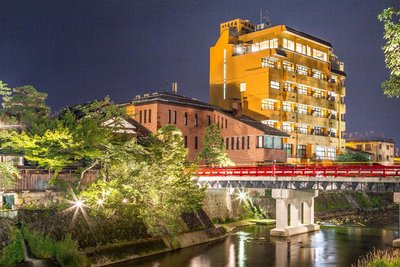
HONJIN HIRANOYA BEKKAN
The Prince Karuizawa
Bvlgari Hotel Tokyo
Four Seasons Hotel Tokyo at Marunouchi
Mandarin Oriental, Tokyo
The Ritz-Carlton, Tokyo
Andaz Tokyo Toranomon Hills- A Concept by Hyatt
Gora Kadan

Hotel New Otani Tokyo the Main
Aman Tokyo
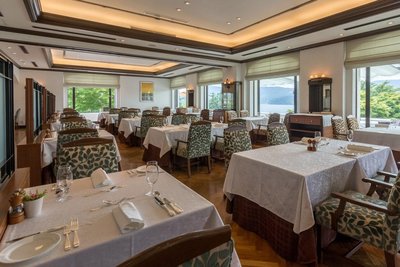
Odakyu Hotel de Yama
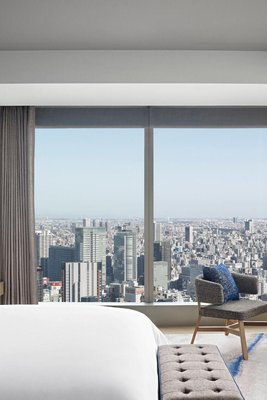
Four Seasons Hotel Tokyo at Otemachi
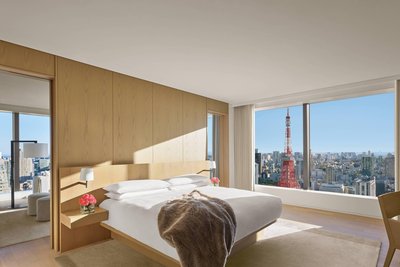
The Tokyo Edition, Toranomon
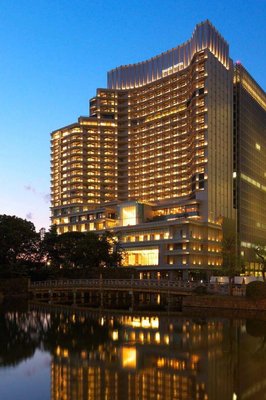
Palace Hotel Tokyo
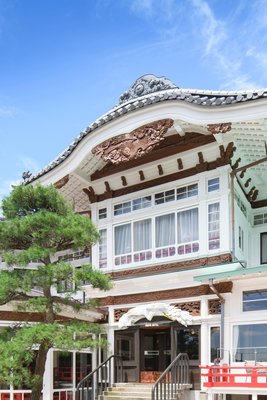
Fujiya Hotel
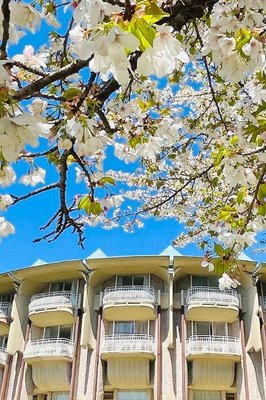
The Prince Hakone Lake Ashinoko
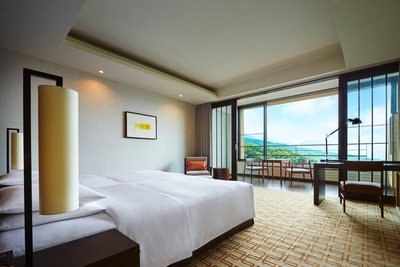
Hyatt Regency Hakone Resort and Spa
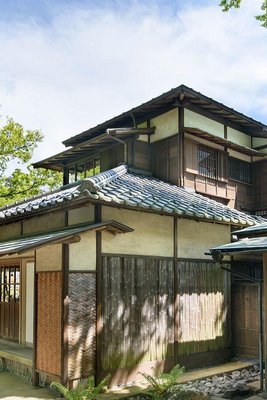
Hakone Suishoen
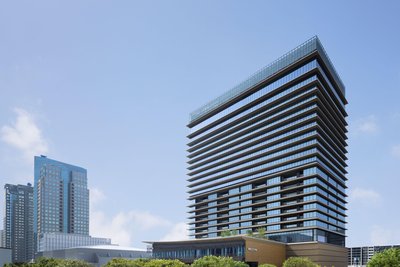
The Westin Yokohama
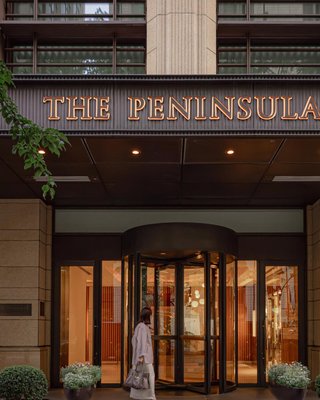
The Peninsula Tokyo

Imperial Hotel, Tokyo

Rakuten STAY VILLA Nasu
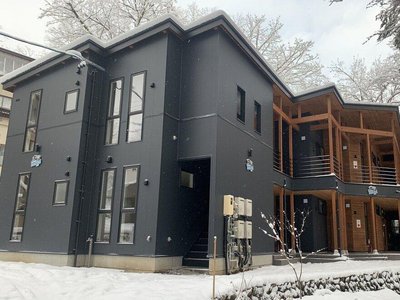
Hakuba Gondola Apartments
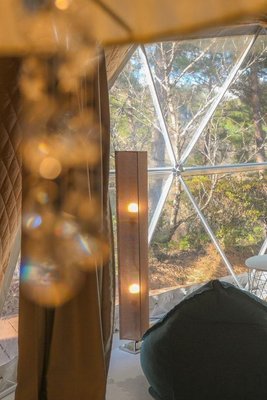
glampark Gekkabijin Nagano
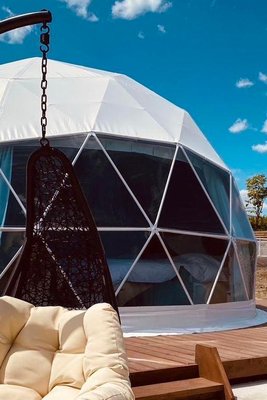
chillout glamping zao
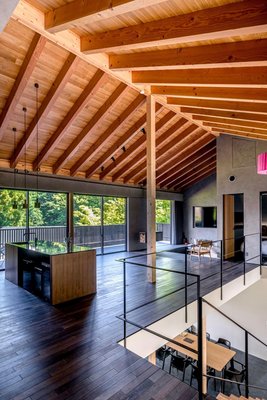
MONS GORA
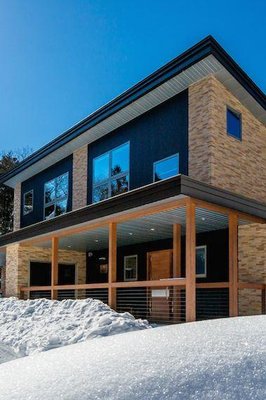
Phoenix Chalets by Hhg
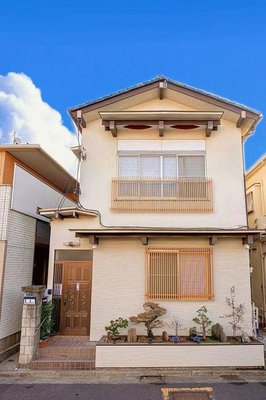
Tokyo Star House-Shinkoiwa
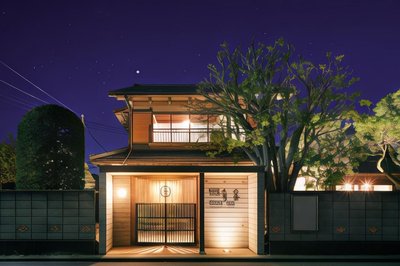
Machi-Jyu
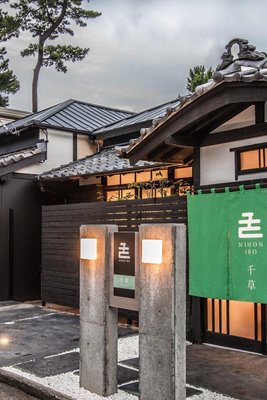
Nihon Iro
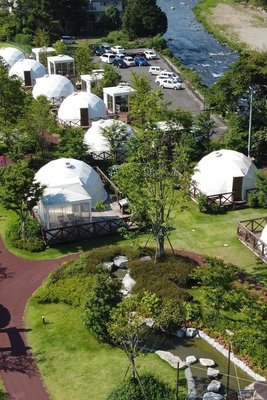
Ufufu Village
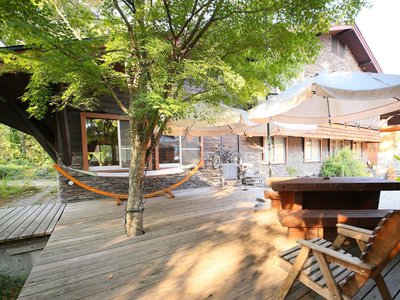
Kunugi Relaxation with 4 Modern Rooms
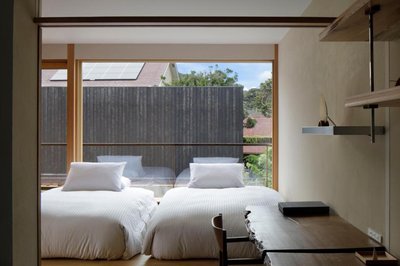
Modern Ryokan Kishi-ke
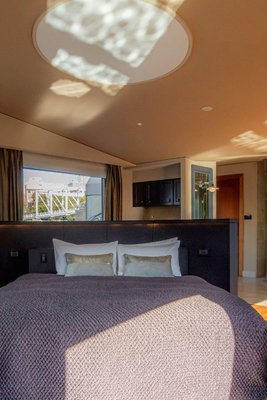
Petals Tokyo - Floating Hotel
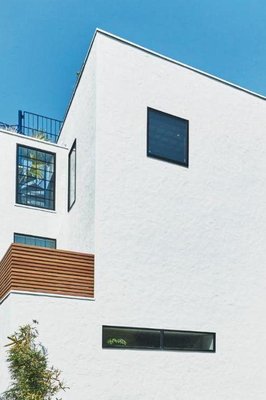
The Flow Kamakura
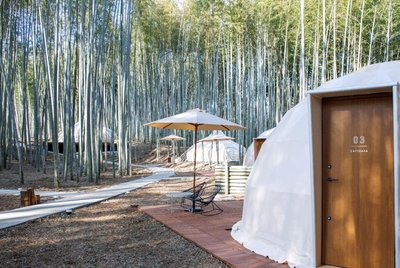
THE BAMBOO FOREST
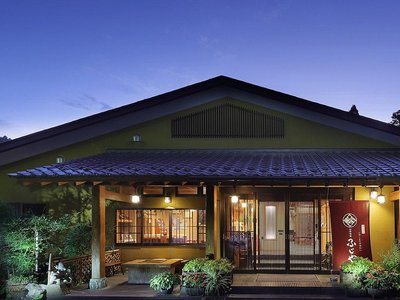
Shikimitei Fujiya
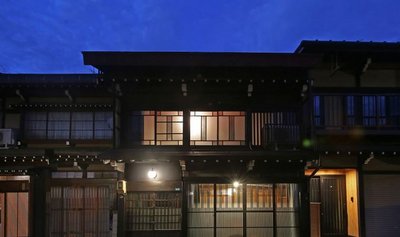
Iori Stay Hida

Hotel Barrière Fouquet's New York
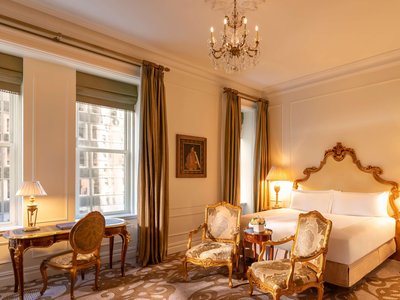
The Plaza - A Fairmont Managed Hotel
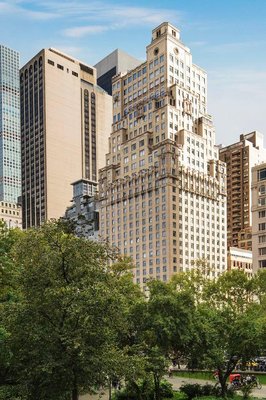
The Ritz-Carlton New York, Central Park
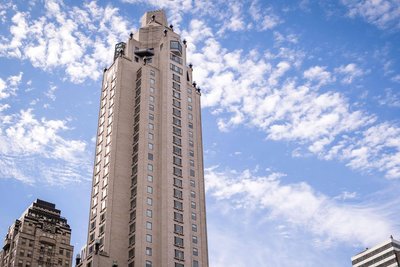
Four Seasons Hotel New York
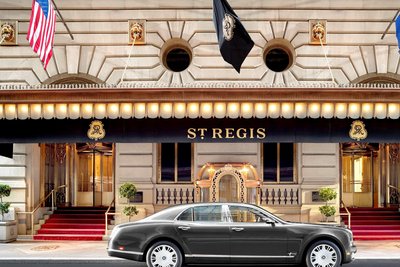
The St. Regis New York
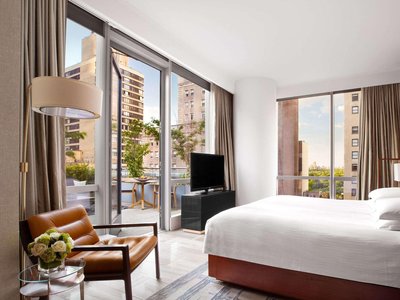
Park Hyatt New York
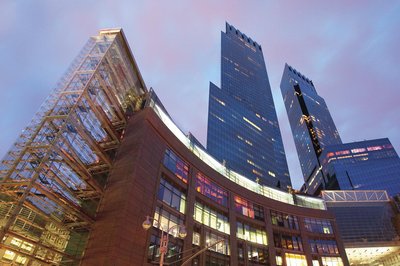
Mandarin Oriental New York
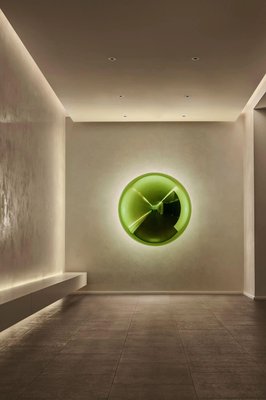
Times Square Edition New York

Loews Regency New York Hotel

Lowell Hotel
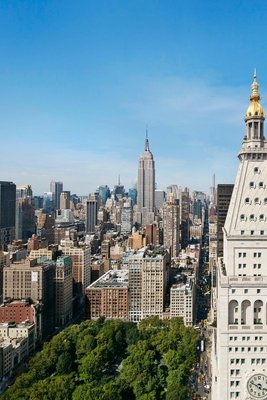
New York Edition
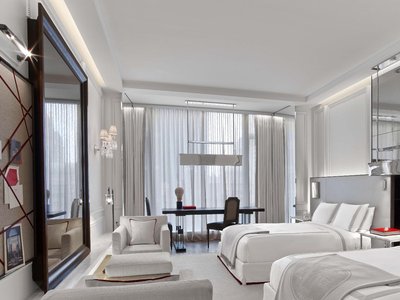
Baccarat Hotel New York

Equinox Hotel New York

Four Seasons Hotel New York Downtown
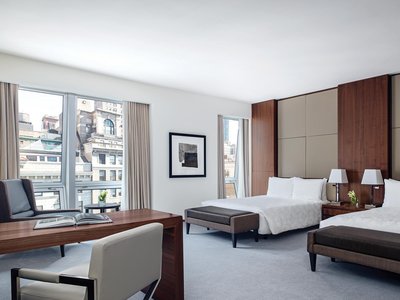
The Langham, New York, Fifth Avenue

The Carlyle, A Rosewood Hotel

The Chatwal, in the Unbound Collection by Hyatt
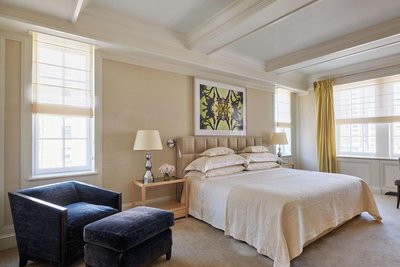
The Mark New York
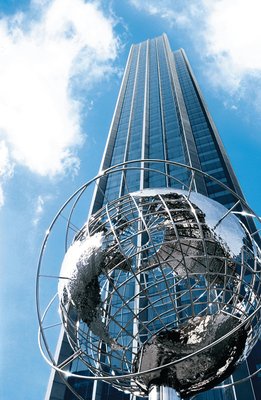
Trump International Hotel & Tower® New York
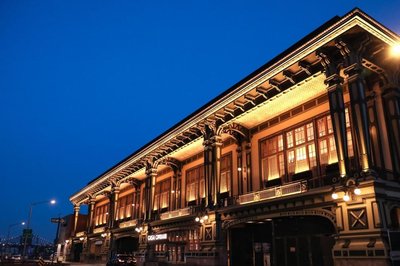
Casa Cipriani New York
Frequently Asked Questions about Traveling to Omitama
Questions You Might Need to Know About Traveling to Omitama
In Omitama City, the top choice for families is Omitama Onsen Hotel, a resort blending traditional Japanese design with modern comfort. The hotel features a natural hot spring, dedicated family suites, and on-site children's activity zones. Guests can easily walk to Omitama Park and the Ibaraki Children’s Science Museum, perfect for kids’ learning and play. Nearby, Omitama Civic Center offers seasonal cultural workshops like rice-paper lantern making. Complimentary shuttle buses connect to the nearest Omitama Station, ensuring convenient access. Surrounded by greenery and quiet streets, this hotel provides a peaceful retreat ideal for family bonding.
Stay in the central Omitama district, close to the Omitama Civic Center and Ibaraki Agricultural Information Center, where authentic rural traditions thrive. Recommend Omitama Minkan Home, a guesthouse housed in a restored old farmhouse with tatami floors and wooden beams. Hosts guide guests in crafting local straw dolls and washi paper lanterns. Evening events include the Night Lantern Parade, a community-led tradition illuminating the streets. Local markets nearby serve regional specialties like Mizusawa beef and black bean rice. This immersive stay offers genuine insight into daily life and heritage in rural Ibaraki.
Near Omitama City, the Omitama River Greenway Trail and Ōnuma Wetland Park offer exceptional natural experiences. These protected wetlands attract migratory birds such as white egrets and red-necked grebes, especially during spring. Join guided tours at the Ōnuma Nature Education Center to learn about conservation efforts. Enjoy sunset views from riverside terraces while savoring meals made with local ingredients. Many hotels provide free bicycles for exploring nearby farmland and forest trails, offering an eco-friendly way to experience the region’s biodiversity and serene landscapes.
Book the "Mizusawa Flavor Dinner" experience at Omitama Onsen Hotel, featuring locally sourced dishes like grilled Mizusawa beef, fresh Ibaraki mountain vegetables, and house-made sake-based cocktails. The open kitchen allows chefs to explain each dish’s origin and preparation. Just steps away, the weekly Omitama Night Market (Saturdays) serves street favorites such as mochi balls, fried tofu skewers, and homemade persimmon cakes. Reservations are recommended due to limited seating—don’t miss out on these seasonal delicacies.
For solo travelers seeking peace, try Omitama Shizukana Yado, a boutique inn with only 12 rooms nestled in the western hills near the Omitama Forest Trail. Each room has a private garden and meditation nook, with walls made of natural bamboo. Breakfast includes organic brown rice porridge and homemade plum pickles. The inn hosts monthly Stargazing Nights under dark skies, complete with telescopes and guided sessions. With minimal staff interaction and a focus on tranquility, it’s ideal for introspection and recharging after urban life.
Consider staying at Omitama Hikari-ya, a former post office transformed into a creative guesthouse with a dynamic metal facade that shifts with sunlight. Rooms feature panoramic view windows perfect for capturing dawn mist over Omitama River and seasonal flower fields. The hotel offers a free "One-Day Photographer Program", including camera rentals and curated routes to shoot traditional rice paddies and historic farmhouses. The rooftop terrace has a telescope for night sky photography. Ideal for landscape and documentary photographers seeking inspiration in rural Japan.
Yes, Omitama Onsen Hotel and Omitama Shizukana Yado provide free shuttle services to major sites like Ōnuma Wetland Park, Omitama Civic Center, and Ibaraki Agricultural Information Center, with departures every 30 minutes. Some premium hotels also offer reserved electric golf carts for deeper exploration of hilly farmlands, stopping at scenic viewpoints and historical markers. All shuttles support mobile HopeGoo and multilingual audio guides, enhancing convenience for international visitors.
Omitama Onsen Hotel offers a full-package "Mind & Body Wellness Retreat" with three nights' stay, twice-daily access to natural hot springs (including sulfur and carbonated types), and treatments by certified therapists. Facilities include an open-air starlight bath and a forest stone pool. Guests can also participate in aromatherapy workshops, using plants from the on-site garden to create personal scent blends. Weekly moonlit meditation sessions are held on the lakeside lawn, promoting relaxation and inner balance—perfect for rejuvenation.
The Omitama Civic Center Guesthouse hosts the annual "Omitama Festival Experience Week," inviting guests to join preparations for events like the Rice Harvest Festival. Activities include learning traditional rice-threshing dances, crafting straw ropes, and wearing kimono during processions. Each stay comes with a cultural handbook detailing festival history, costumes, and etiquette. Video archives and small exhibitions display hand-painted mikoshi models and regional folk songs, deepening guests’ appreciation of local heritage and community spirit.
For a cost-effective weekend trip, choose Omitama Anshin Station, a youth hostel chain offering dorms from ¥4,800 JPY per night, inclusive of breakfast. Located just a 5-minute walk from Omitama Station and the City Library, it’s ideal for travelers on a budget. Despite its affordability, the hostel features soundproof windows, smart climate control, and shared kitchens. Weekend packages include free guided tours and pottery-making workshops. A cozy reading corner and communal space encourage socializing—perfect for meeting fellow explorers.
Omitama Overview
City Summary
Omitama City, located in central Ibaraki Prefecture, is a tranquil rural area renowned for its pristine natural environment and agricultural heritage. Dubbed "the garden city of water and greenery", it features crystal-clear rivers and expansive rice fields. The city is famous for premium quality rice production and traditional "Yuki-tsumugi" silk weaving, recognized as UNESCO Intangible Cultural Heritage. Seasonal attractions include spring canola flower fields and autumn golden rice waves, popular among photographers.
Must-See Attractions
Top attractions include the 16-hectare "Omitama Fudoki-no-Oka" featuring reconstructed ancient villages and Jomon-period artifacts. At the koi-filled "Hinezaki Adjustment Pond", visitors can feed colorful carp. The "Ogawa Imo-no-Fuji" garden offers stunning wisteria tunnels from September to October. For cultural immersion, watch silk weaving at "Yuki-tsumugi Workshop" or sample local sake at "Tamazake Shuzo" brewery.
Food Guide
Must-try dishes feature rice balls and kamameshi made with premium "Omitama rice", paired with Ibaraki's iconic natto. "Okukuji Chicken" dishes and "Sakura Pork" rice bowls showcase local livestock. For desserts, traditional "mitarashi dango" and sake-infused "manju" steamed buns are essentials. The "Road Station" market on first weekends offers fresh produce and handmade pickles.
Transportation Guide
From Tokyo Station, take Joban Line to Ishioka Station then transfer to Kantetsu buses (30min). Consider "Ibaraki Enjoy Pass" for unlimited rides. Local movement relies on buses and taxis, with free rental bikes at major sites. Drivers can use Joban Expressway Omitama IC - note narrow rural roads. JR East's "Ibaraki Country Pass" covers trains and buses.
Best Time to Visit
Best seasons are mid-April to early May for canola flowers, or September-November for golden rice fields. July-August are hot/humid with rain. December-February are chilly with rare snow. Avoid Golden Week and Obon periods for quieter experience.
Travel Tips
- Stay on designated paths when visiting farm areas
- Traditional workshops often require Japanese phone reservations
- Carry cash (under ¥10,000 bills) for rural transactions
- Always nod/smile for permission before photographing locals
- Many onsens prohibit tattooed visitors
- Follow strict garbage separation - convenience stores have recycling bins
Useful Information
Free WiFi spots concentrate around city hall and stations - prepaid SIM cards are recommended. Currency exchange at convenience stores/gas stations have poor rates. Dial #7119 for English medical advice, or visit Ishioka Municipal Hospital. Learn basic phrases - local dialect "mengge" means "thank you". Roadside "Michi-no-Eki" stalls accept IC cards, but traditional markets are cash-only.