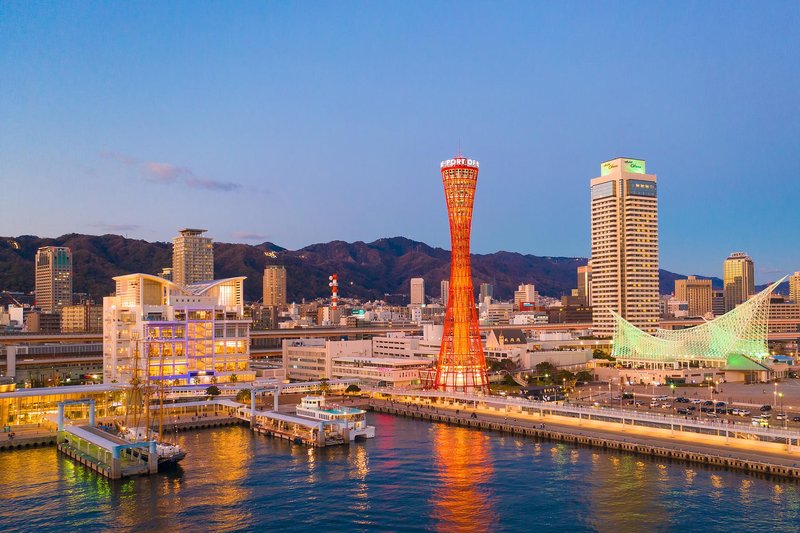
Hotels in Onga
Discover your perfect stay in Onga.
Onga(Japan) Travel 2026: Cheap Flights, Hotels & Top Attractions
Popular Landmarks in Onga
Discover the most iconic attractions in Onga
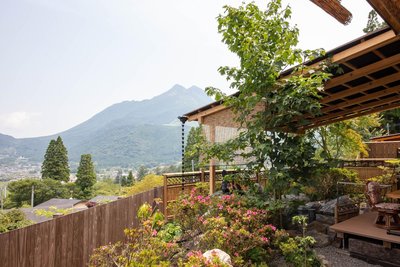
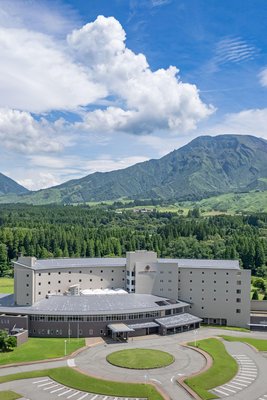
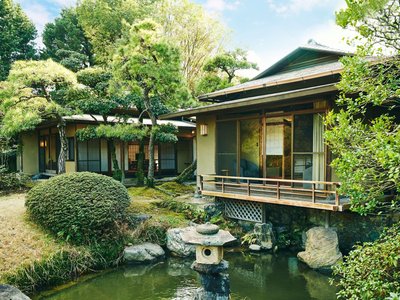
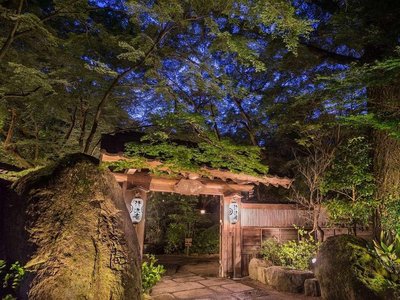
Best Hotels in Onga
Discover curated hotel collections in Onga






























































Frequently Asked Questions about Traveling to Onga
Questions You Might Need to Know About Traveling to Onga
For budget-conscious travelers, Ennō Town's Local Farmstay Homestays offer affordable and authentic stays. Located near the Ennō River, these family-run lodgings provide simple yet comfortable rooms with tatami flooring and shared bathrooms. Prices start at ¥3,000 per night, including a homemade breakfast featuring local rice and seasonal vegetables.
Many homestays include free access to on-site gardens and cooking workshops, where guests can learn to prepare traditional dishes like Ennō-style eel grilled over charcoal. The village’s quiet charm and proximity to Shinjuku Station (via West Japan Railway) make it ideal for day-trippers from Fukuoka City.
Guests also enjoy personalized recommendations from hosts—such as hidden hiking trails or small local markets—enhancing the experience beyond mere lodging. These stays emphasize sustainability and community, offering an immersive alternative to chain hotels.
Yes, Ennō Town is exceptionally family-friendly. The town offers child-safe green spaces, including the Ennō River Walkway, where kids can safely explore nature along gentle paths lined with cherry trees and birdwatching spots.
Several family-oriented farmstays provide spacious rooms, outdoor play areas, and interactive experiences such as planting rice seedlings or making clay pottery under expert guidance. Some even host weekly Kids’ Nature Workshops—like building bamboo huts or identifying local insects—fostering curiosity and environmental awareness.
The Ennō Town Children’s Library features bilingual story hours and hands-on art stations, giving parents a chance to relax while children engage in creative play. With minimal traffic, clean air, and a strong sense of community, Ennō Town delivers a safe, nurturing environment perfect for raising happy memories.
Ennō Town preserves deep-rooted traditions through events like the Rice Planting Festival, held annually in early spring. Visitors join locals in wearing traditional yukata and participating in ceremonial rice seeding, symbolizing gratitude for fertile land.
Another highlight is Ennō Textile Craft Workshops, where artisans teach visitors to weave hand-dyed Ennō Tsumugi fabric using natural indigo and looms unchanged since the Meiji era. Each participant leaves with a handmade scarf or tote bag.
The town’s historic alleyways feature preserved Meiji-era wooden houses, some converted into tea ceremony venues. Guests can experience a genuine chanoyu (tea ceremony) with matcha and wagashi, guided by elder residents who value cultural continuity.
These intimate, non-commercial experiences allow travelers to connect meaningfully with rural Japanese life and heritage.
Absolutely. Ennō Town offers serene, photogenic landscapes ideal for both amateur and professional photographers. The Ennō River Sunset Trail—a 3-kilometer path along the riverbank—is especially stunning at golden hour, when sunlight reflects off the water and creates dreamy silhouettes of willow trees and distant farmland.
Hidden gems include the abandoned railway bridge near the river’s tributary, its rusted steel frame entwined with ivy—a hauntingly beautiful contrast between decay and nature.
Another favorite is the old stone lantern lane tucked within the historic district. At dusk, the warm glow of lanterns illuminates cobblestone streets, creating a cinematic atmosphere.
For urban-chic shots, visit the white barn mural wall at a local farm, painted with vibrant seasonal motifs like blooming rice flowers and flying cranes. These unspoiled, low-traffic locations deliver authentic, Instagram-worthy moments without crowds.
Ennō Town is renowned for its fresh, locally sourced ingredients. Try Ennō Rice, grown without chemical fertilizers—its sweet, chewy texture shines in a simple bowl served with pickled vegetables and miso soup at any guesthouse.
A must-eat is Ennō River Eel Grilled Over Charcoal, a regional specialty. The eel is slowly roasted over binchotan, resulting in a crisp skin and tender, savory flesh. Many roadside stalls and family-run restaurants serve it with a house-made tare sauce.
Don’t miss the handcrafted tofu from local farms—made daily using traditional methods and served chilled with soy sauce and grated ginger. It’s creamy, delicate, and full of umami.
All dishes reflect the town’s philosophy: respect for land, simplicity in flavor, and seasonal authenticity—making every meal a taste of sustainable living.
The best times to visit Ennō Town are spring (March–May) and autumn (September–November). Spring brings blooming cherry blossoms along the Ennō River, creating a soft pink canopy perfect for walks and photos.
This season also hosts the Rice Planting Festival, where visitors can join in traditional rituals and enjoy seasonal food fairs. The weather is mild, and the fields turn lush green.
Autumn is equally magical—the rice paddies transform into golden waves under clear skies, ideal for panoramic photography. Cooler temperatures make hiking and biking along the Ennō River Cycle Path particularly enjoyable.
While winter offers peaceful snow-covered scenes, it’s less accessible due to occasional closures. Summer is hot and humid, so only recommended for short stays. For a balanced mix of beauty, culture, and comfort, spring and autumn are unbeatable.
Yes, Ennō Town boasts several well-maintained hiking trails suited for all levels. The Ennō River Greenway Trail stretches 8 kilometers along the riverbank, with flat, paved paths ideal for families and beginners. Rest stops, interpretive signs, and shaded benches make it comfortable for long strolls.
For more adventure, the Ennō Mountain Ridge Trail (3 km) winds through forested slopes, ending at a viewpoint with sweeping views of the entire town and Fukuoka’s outskirts. The trail is moderately steep but well-marked and safe.
Both trails feature GPS navigation points and emergency call stations. Bring insect repellent and a refillable water bottle—many trails pass through organic farms where you can stop for fresh fruit or herbal tea.
These routes offer a peaceful escape into nature, blending physical activity with mindfulness and ecological appreciation.
Transportation in Ennō Town is convenient and eco-friendly. The West Japan Railway Line connects Fukuoka City to Ennō Station in just 25 minutes, with multiple daily trains and weekend express services.
From the station, guests can rent electric bicycles or take the Ennō Community Bus, which runs hourly to major attractions, farms, and homestays. Fares are affordable, and the buses are wheelchair-accessible.
For self-drivers, the Kyushu Expressway leads directly to Ennō Interchange, then a 10-minute drive via Prefectural Route 14. Free parking is available at the Ennō Town Tourism Center and Farm Plaza.
With reliable public transit, bike-sharing, and clear signage, getting around is seamless—perfect for travelers seeking a relaxed, low-stress journey.
Ennō Town is packed with off-the-beaten-path photography locations. Visit the abandoned railway bridge near the river’s fork—its weathered steel beams and creeping vines create a surreal, cinematic backdrop.
Tucked away in old alleys is the stone lantern lane, where dozens of vintage lanterns cast a warm glow on cobblestones after sunset—ideal for moody, romantic shots.
The white barn mural wall at a local farm features large-scale murals of rice fields, migrating birds, and seasonal harvests. Its bold colors and artistic detail attract photographers seeking unique compositions.
Finally, the riverbank bench at twilight—empty except for a lone willow tree—offers a powerful image of solitude and stillness. These quiet, uncrowded spots deliver authentic, soulful photographs without commercial interference.
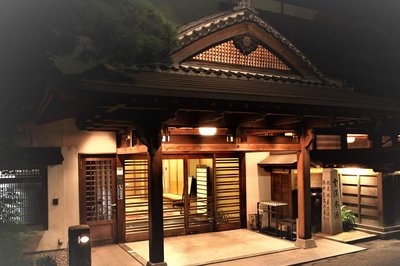
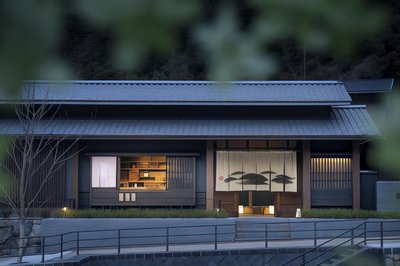
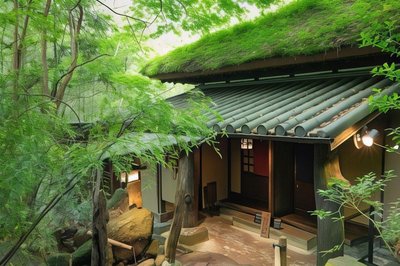
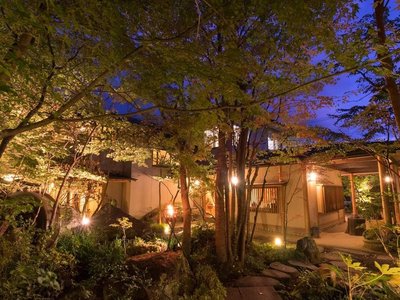
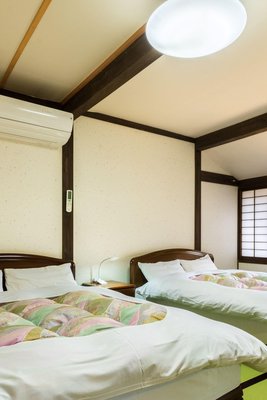
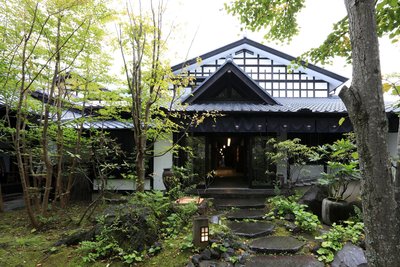
Ennō Town’s guesthouses stand out for their authentic, community-driven hospitality. Most are family-run homes converted into cozy lodgings, featuring traditional elements like tatami mats, sliding shoji doors, and handcrafted furniture.
Each stay includes a homemade breakfast with ingredients grown right on-site—such as fresh eggs, rice, and vegetables—highlighting the town’s commitment to sustainability.
Many guesthouses offer interactive experiences: participate in farming tasks, join a tea ceremony, or learn to make local crafts like pottery or woven baskets. Hosts often share personal stories about the town’s history, creating meaningful connections.
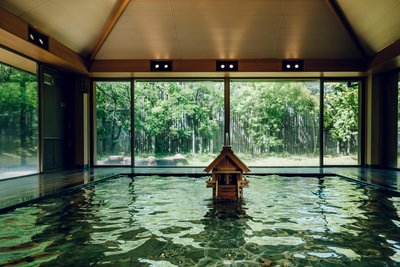
Some even provide private onsen baths overlooking the river, allowing guests to unwind under starlit skies. This blend of simplicity, warmth, and cultural immersion sets Ennō’s guesthouses apart from standard hotels.
Onga Overview
City Summary
Onga Town, located in the northern part of Fukuoka Prefecture, Japan, is a small town known for its rich natural resources and industrial history. It offers serene rural landscapes, traditional fishing village culture, and unique industrial heritage. Situated near the Onga River, it is an ideal destination for those seeking a blend of nature and culture away from urban hustle.
Must-See Attractions
Key attractions in Onga Town include the Onga River Riverside Park, where visitors can stroll or cycle while enjoying river views. The town's industrial heritage, such as the old Onga River Iron Bridge, showcases its historical significance. Cultural enthusiasts can explore local shrines and temples to experience traditional Japanese religious practices.
Food Guide
Onga Town's cuisine features fresh seafood and local delicacies. Don't miss grilled fish and udon noodles, especially soba noodles made with water from the Onga River. Local izakayas and small eateries offer a variety of authentic Japanese dishes, perfect for savoring regional flavors.
Transportation Guide
Transportation in Onga Town primarily relies on buses and bicycles. The town has a convenient bus network connecting major sights and nearby areas. Renting a car is also a good option for exploring the surrounding nature. From Fukuoka City, it takes about an hour by train or bus to reach Onga Town.
Best Time to Visit
The best times to visit are spring and autumn, when the weather is pleasant for outdoor activities. Summers can be hot but offer local festivals. Winters are quieter, ideal for travelers seeking solitude.
Travel Tips
- Respect local customs, especially when visiting shrines.
- Carry cash, as some small shops may not accept cards.
- Follow strict garbage sorting rules.
- Check bus schedules, as services are limited in rural areas.
- Learn basic Japanese greetings for better communication.
- Keep the environment clean by not littering.
Useful Information
Japanese is the primary language in Onga Town, with limited English proficiency. Bringing a translation tool or learning basic phrases is helpful. Internet access is reliable, with Wi-Fi available in most areas. Cash is the main payment method, though some shops accept credit cards. Medical facilities are available, and emergency services can be reached by dialing 119. Post offices and convenience stores provide essential services for travelers.