Hotels in Onjuku
Discover your perfect stay in Onjuku.
Onjuku(Japan) Travel 2026: Cheap Flights, Hotels & Top Attractions
Popular Landmarks in Onjuku
Discover the most iconic attractions in Onjuku
Recommended Hotels in Onjuku
Find the perfect place to stay in Onjuku

Pension Flying Sumo
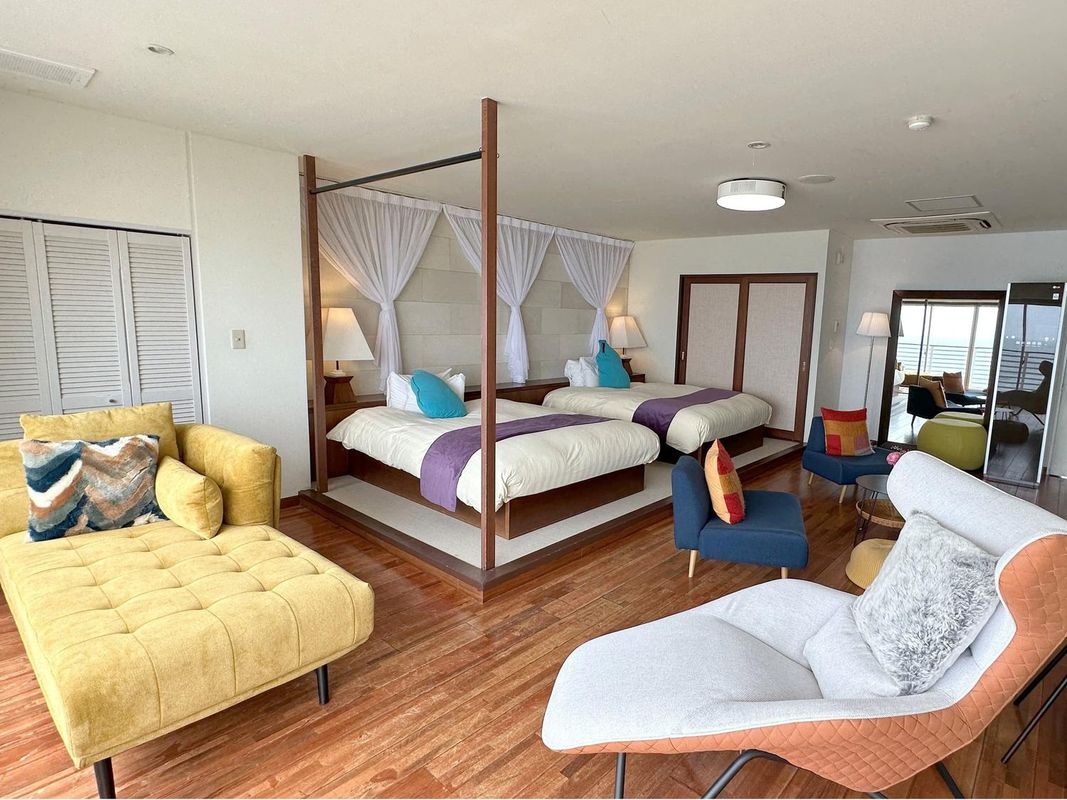
Sayan Terrace Hotel & Resort
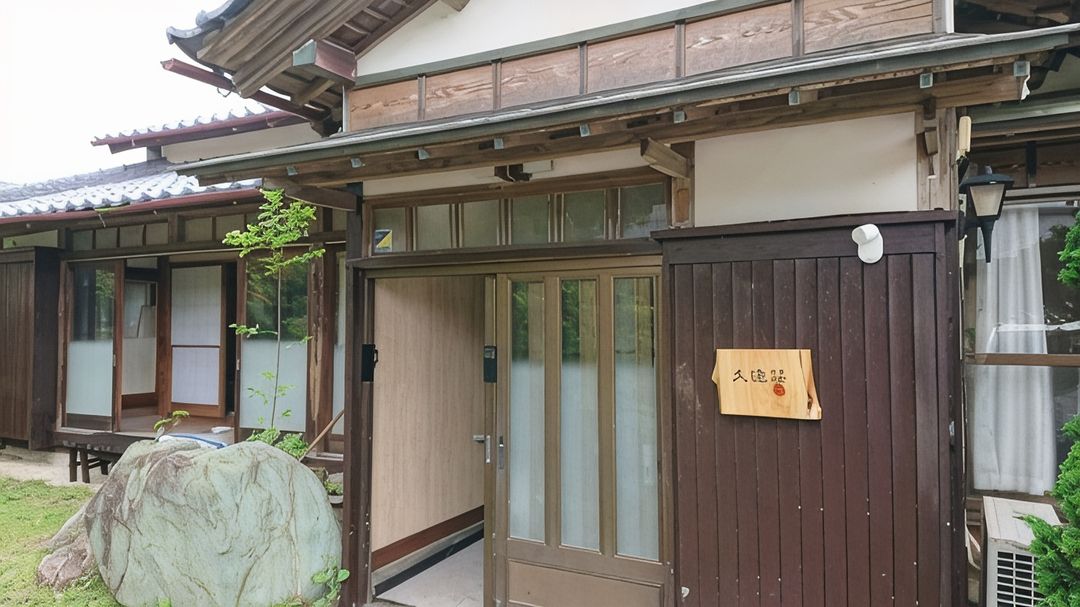
Limited to One Group Per Day Firstclass Charter S
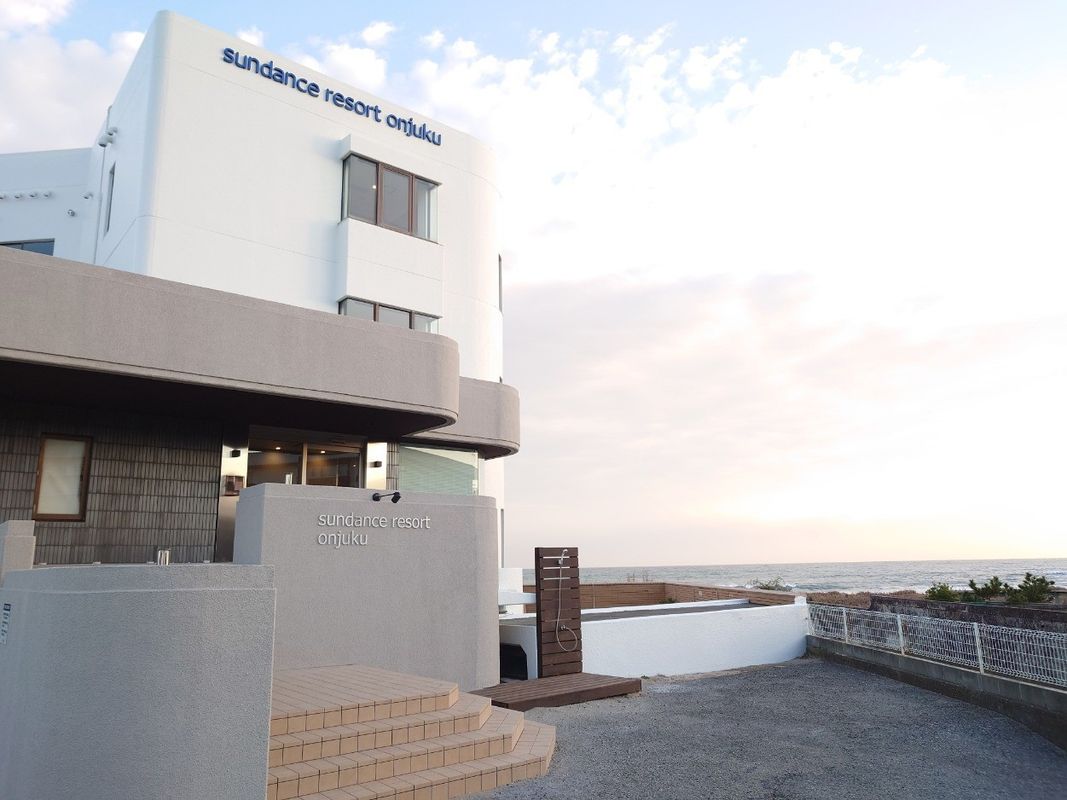
Sundance Resort Onjuku

Eternity Marina House Onjuku
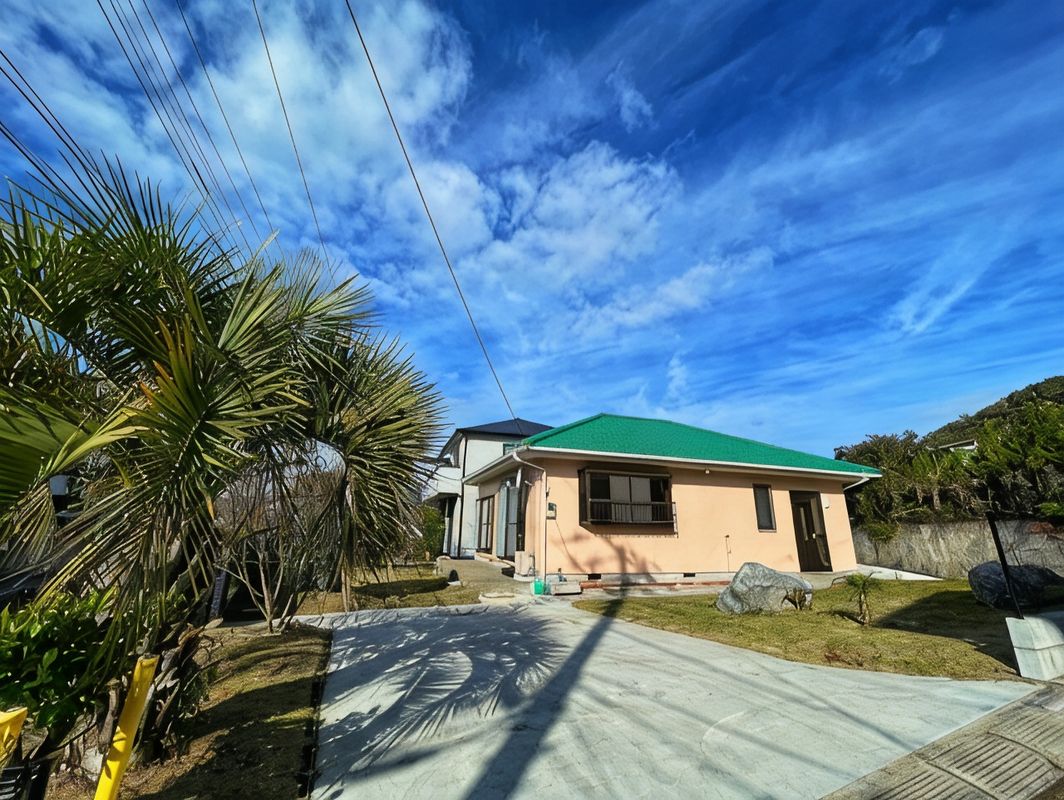
Twilight Villa Onjuku

Local Cuisine Yado Mataemu
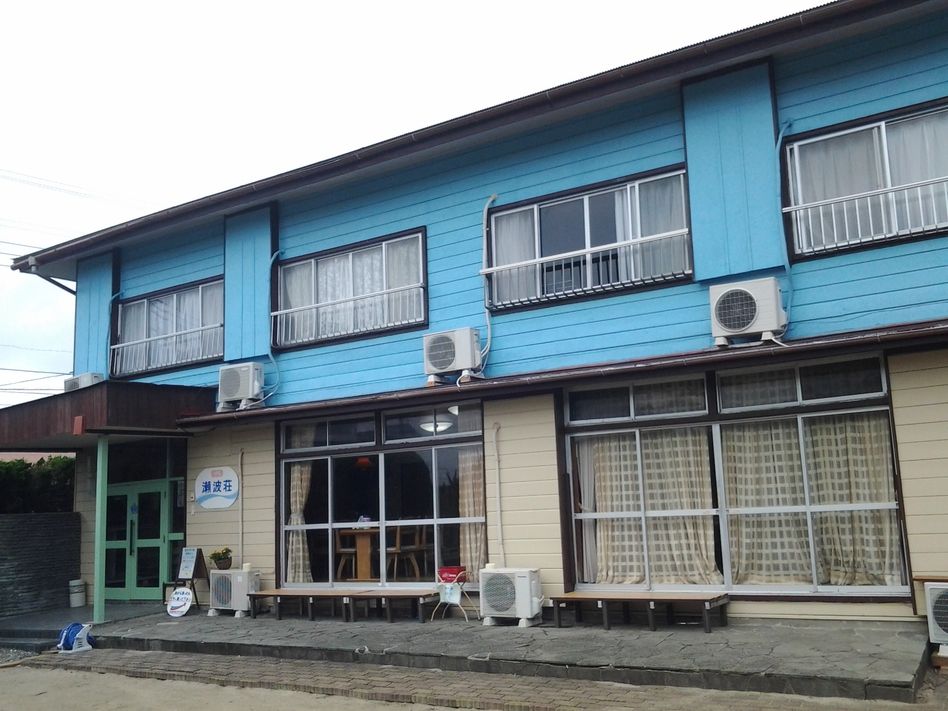
Minsyuku Senamiso
Best Hotels in Onjuku
Discover curated hotel collections in Onjuku
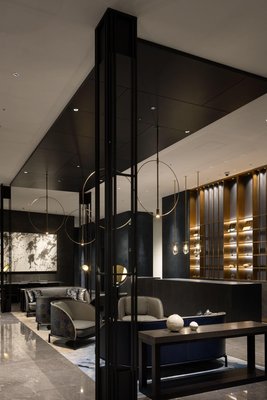
Bellustar Tokyo, A Pan Pacific Hotel
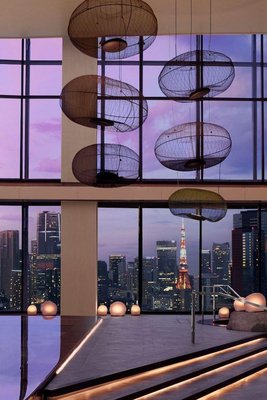
JW Marriott Hotel Tokyo
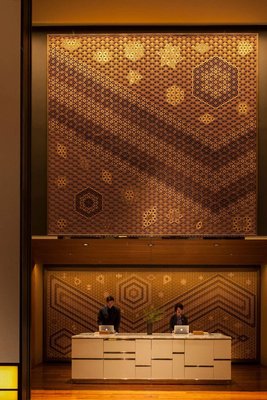
Andaz Tokyo Toranomon Hills- A Concept by Hyatt
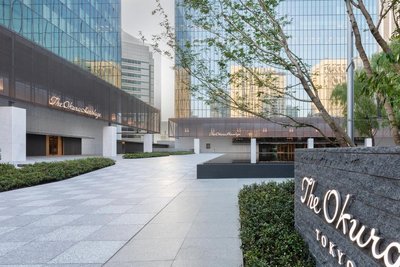
The Okura Tokyo
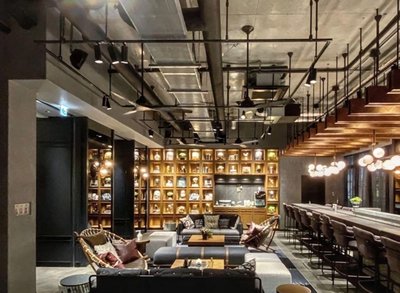
The Lively Azabujuban Tokyo
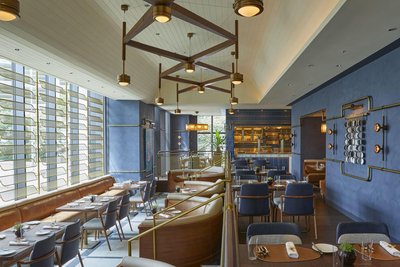
Kimpton Shinjuku Tokyo

HOTEL K5
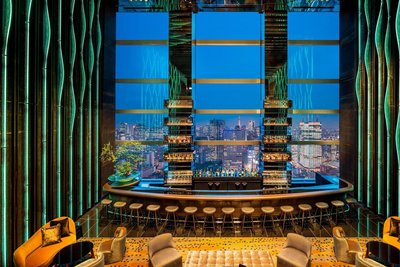
The Prince Gallery Tokyo Kioicho, a Luxury Collection Hotel
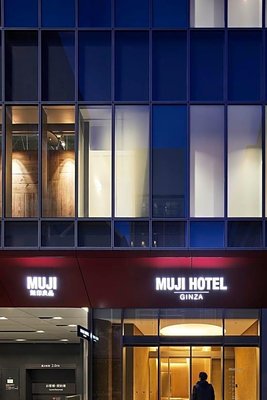
Muji Hotel Ginza
Bellustar Tokyo, A Pan Pacific Hotel
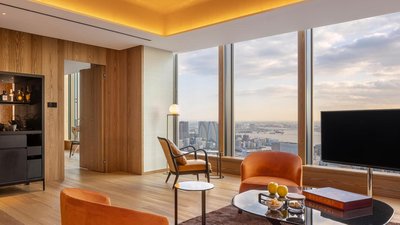
Bvlgari Hotel Tokyo
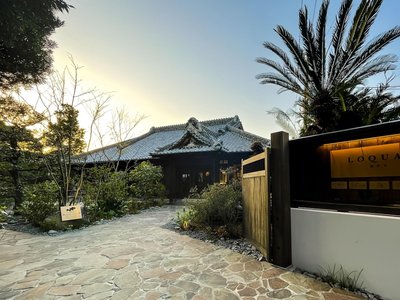
Loquat Nishiizu
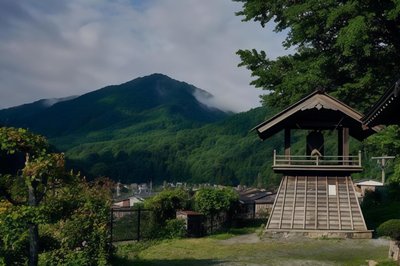
Byaku Narai
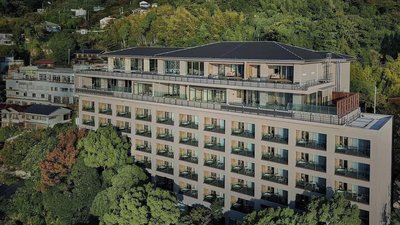
Atami Izusan Karaku
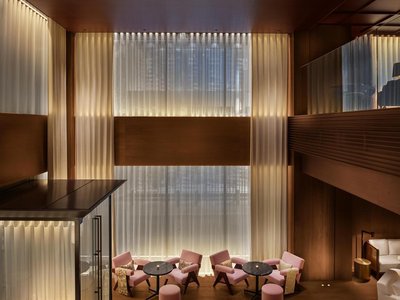
The Tokyo Edition, Ginza

Janu Tokyo
JW Marriott Hotel Tokyo
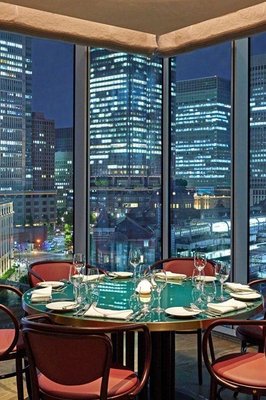
Four Seasons Hotel Tokyo at Marunouchi

Mandarin Oriental, Tokyo
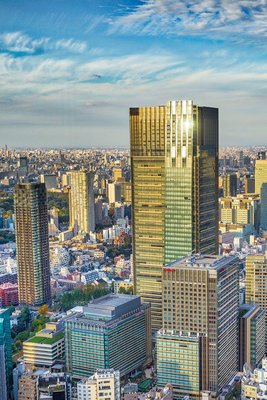
The Ritz-Carlton, Tokyo
Andaz Tokyo Toranomon Hills- A Concept by Hyatt
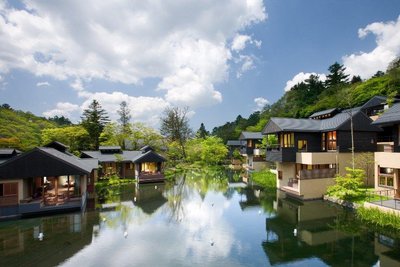
Hoshinoya Karuizawa
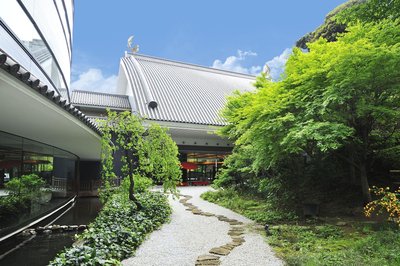
Hotel Gajoen Tokyo
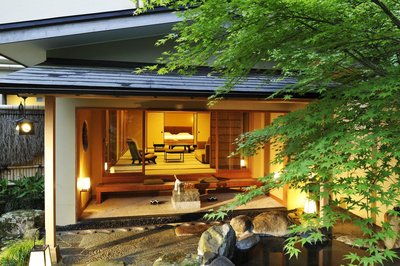
Gora Kadan
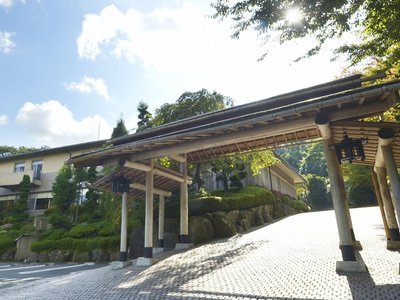
Gora Hanaougi
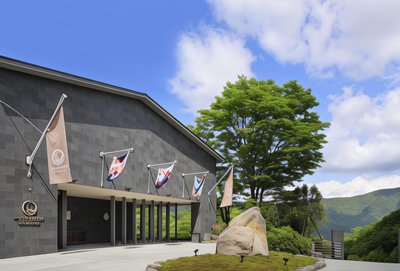
The Hiramatsu Hotels & Resorts Sengokuhara Hakone

Abba Resorts Izu - Zagyosoh
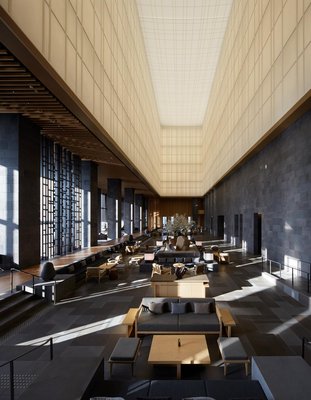
Aman Tokyo

Hotel New Otani Tokyo, Executive House Zen
Frequently Asked Questions about Traveling to Onjuku
Questions You Might Need to Know About Traveling to Onjuku
In Mitosu-machi, the top choice for families is Mitosu Town Forest Resort, a nature-themed retreat nestled in Chiba Prefecture's lush greenery. This eco-lodge offers private wooden cabins, kid-friendly outdoor activities, and easy access to Mitosu Town Nature Park. Guests can enjoy stargazing, picnics, and gentle forest walks. The resort features a traditional Japanese garden and an on-site hot spring bath, creating a serene wabi-sabi atmosphere perfect for reconnecting with nature and culture.
The central district of Mitosu-machi is ideal for travelers seeking convenience and charm. Located near the Mitosu Town Hall and local market, this area offers easy access to daily necessities, cozy tea houses, and casual eateries. It’s also just a 20-minute drive from Chiba Port, making it convenient for coastal excursions. Additionally, it borders the Tokyo Bay Coastal Trail, perfect for morning jogs or evening strolls, combining urban amenities with peaceful natural surroundings.
Mitosu-machi celebrates its fishing heritage and hosts the annual Mitosu Town Sea God Festival in summer, featuring vibrant parades, taiko drum performances, and lantern processions. Visitors can also join hands-on workshops like making traditional nori sushi rolls and tasting freshly caught mackerel and bonito. These immersive experiences allow travelers to engage directly with locals, gaining insight into the town’s rich maritime traditions and warm community spirit.
Yes, the Mitosu-machi coastline is a photographer’s dream—especially at dawn when mist hovers over the water, creating ethereal light effects. The Mitosu-machi Seaside Observation Deck offers panoramic views perfect for sunrise shots, with fishing boats and red buoys adding dynamic elements. Nearby, the old railway trail features rusted tracks and vintage signal lights, evoking nostalgic industrial charm, ideal for documentary-style photography.
Umi Kaze Yu, a boutique hot spring inn in Mitosu-machi, combines ocean views with therapeutic baths. Its open-air bath faces the Tokyo Bay, allowing guests to soak under the stars while listening to waves. The mineral-rich spring water, sourced from deep underground, is excellent for skin health. The inn serves locally inspired kaiseki meals and offers guided seaside tours, blending relaxation with authentic Chiba coastal culture.
A two-night stay is ideal for a fulfilling visit. On Day 1, explore the Mitosu Town Historical Museum and the ancient harbor site, then enjoy fresh seafood dinner at the waterfront. On Day 2, participate in a handmade nori workshop, hike along the coastal trail to Mitosu Cape Lighthouse, and savor sunset views. This balanced itinerary offers depth without rushing, capturing both nature and culture.
Must-try dishes include Mitosu-style mackerel miso grills and kelp tofu stew, both highlighting local ingredients. The grilled mackerel is marinated in house-made miso and slow-roasted for rich flavor, while the stew blends fresh kelp and regional tofu for a delicate, warming broth. Don’t miss the fresh octopus takoyaki and sea urchin rice balls from the Mitosu Morning Market, made daily by local fishermen—true taste of the sea.
Despite being rural, Mitosu-machi is well-connected. From Tokyo Station, take the JR Seibu Line to Mitosu-machi Station, a 50-minute ride with frequent departures. Free community shuttle buses link major attractions and accommodations. For drivers, the Tokyo Bay Crossing Highway provides quick access, offering scenic drives through coastal landscapes—perfect for reaching eastern Chiba’s hidden gems.
Many guesthouses in Mitosu-machi are restored traditional wooden houses, preserving original timber frames and tatami rooms. Kojima Family Guesthouse, for example, offers home-cooked meals using seasonal vegetables from their garden and hosts storytelling evenings with the owners. These stays emphasize slow travel, minimizing digital distractions and offering a tranquil, authentic experience rooted in rural Japanese life.
At night, enjoy the Starlight Lantern Festival at Mitosu-machi Seaside Plaza, where locals parade with handmade paper lanterns, symbolizing peace and harvest. Alternatively, relax in the open-air bath at Umi Kaze Yu, gazing at the stars above Tokyo Bay. Or dine at a harbor-side restaurant, sipping sake while enjoying fresh sea urchin sashimi and grilled bonito. The quiet, unhurried nights capture the poetic essence of a Japanese coastal village.
Onjuku Overview
City Summary
Onjuku Town, located in the southern part of Chiba Prefecture, Japan, is a tranquil coastal town known for its beautiful beaches and rich cultural history. It is home to the unique "Spanish Village" theme park, blending Eastern and Western cultures. The town's coastline, especially Iwai Beach, offers stunning views and attracts many visitors during summer.
Must-See Attractions
Must-see attractions in Onjuku include Iwai Beach, famous for its white sand and clear waters, perfect for summer activities. The Spanish Village theme park showcases distinctive Spanish architecture and cultural performances, ideal for families. The Onjuku Town Historical Folk Museum provides insights into local fishing and history.
Food Guide
Onjuku is renowned for its seafood, particularly the "Iwai Oysters," known for their juicy and flavorful meat. Street food like seafood pancakes and grilled fish skewers are also popular. Local restaurants serve fresh seafood dishes, with sushi and sashimi being standout choices.
Transportation Guide
Public transport in Onjuku mainly relies on buses, with a loop bus connecting major attractions. From Tokyo, take the JR line to Onjuku Station (about 2 hours). Walking or renting a bike is convenient for short distances. Taxis are limited, so advance HopeGoo is recommended.
Best Time to Visit
The best time to visit is summer (June to August) for beach activities. Spring and autumn offer pleasant weather with fewer crowds. Winter is colder, and some attractions may close.
Travel Tips
- Arrive early at beaches in summer to avoid crowds.
- Respect local culture; check performance times at Spanish Village.
- Seafood can be pricey, so budget accordingly.
- English signage is limited; a translation app is helpful.
- Follow lifeguard instructions for beach safety.
- Some attractions close on Mondays; check opening hours in advance.
Useful Information
Japanese is the primary language in Onjuku, with limited English proficiency. Cash is widely accepted, but credit card use is less common. WiFi hotspots are scarce; consider a local SIM card. For emergencies, dial 110 (police) or 119 (ambulance). Pharmacies are few, so bring essential medications. The voltage is 100V, with Type A sockets, same as in Taiwan.