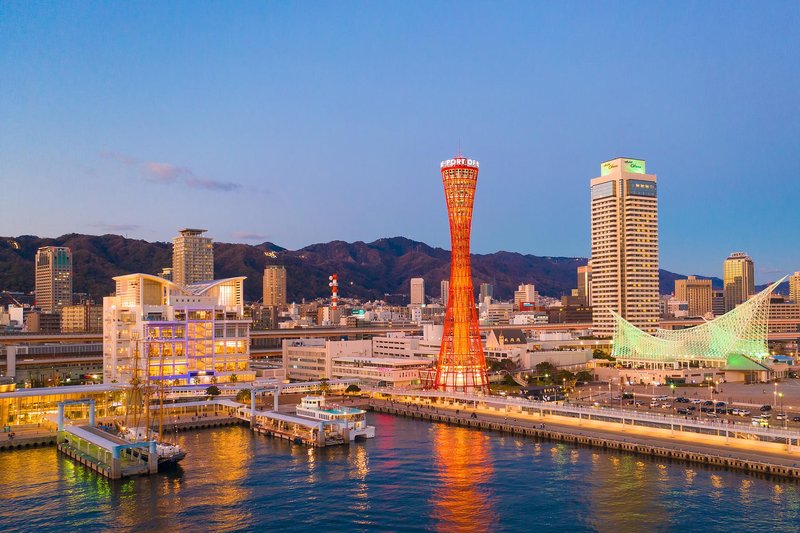
Hotels in Ono
Discover your perfect stay in Ono.
Ono(Japan) Travel 2026: Cheap Flights, Hotels & Top Attractions
Popular Landmarks in Ono
Discover the most iconic attractions in Ono
Recommended Hotels in Ono
Find the perfect place to stay in Ono
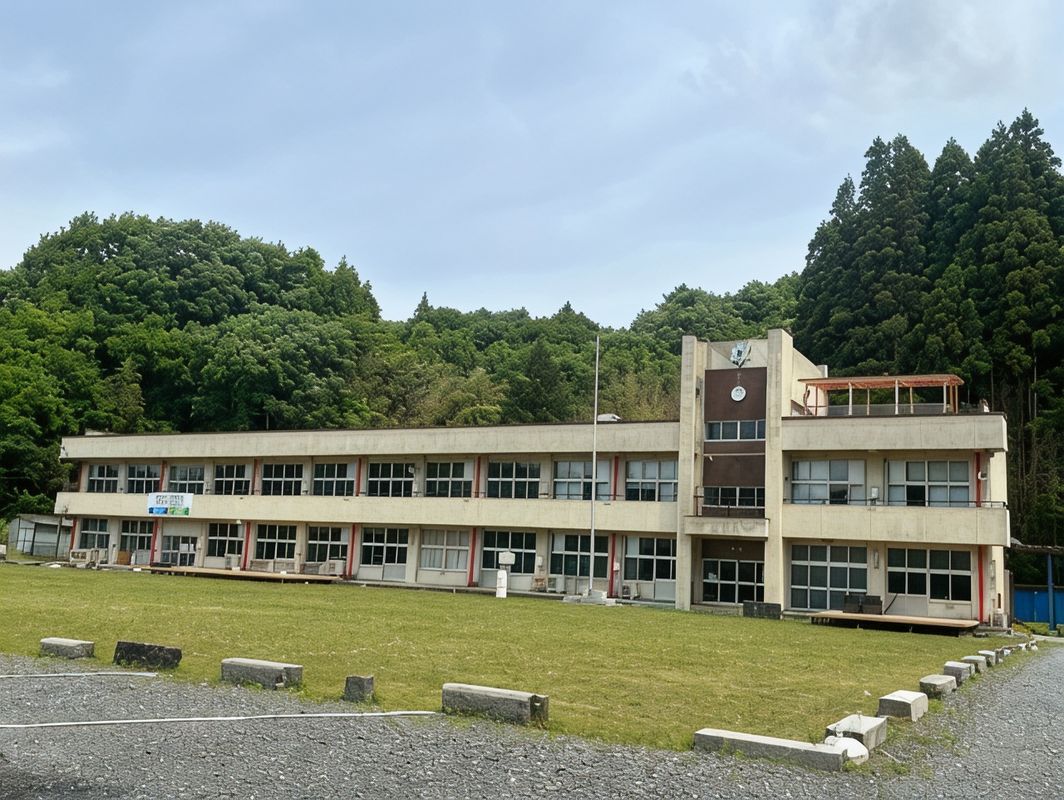
Hobby Complex Iitoko
Best Hotels in Ono
Discover curated hotel collections in Ono
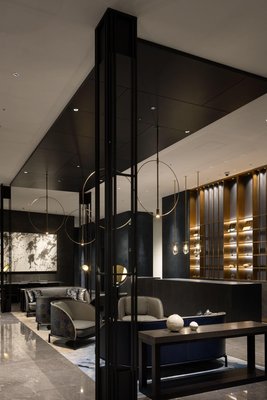
Bellustar Tokyo, A Pan Pacific Hotel
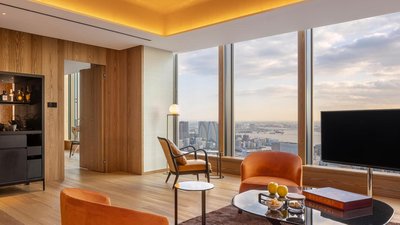
Bvlgari Hotel Tokyo
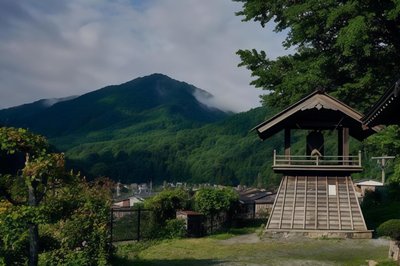
Byaku Narai
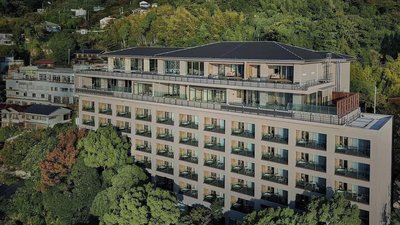
Atami Izusan Karaku
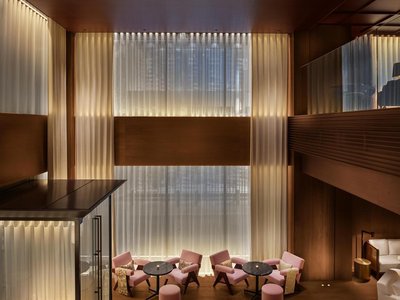
The Tokyo Edition, Ginza
Janu Tokyo
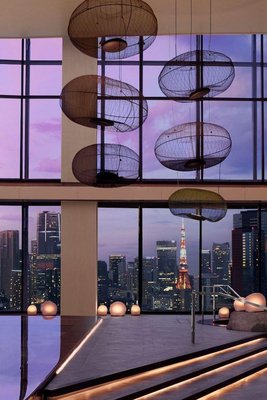
JW Marriott Hotel Tokyo
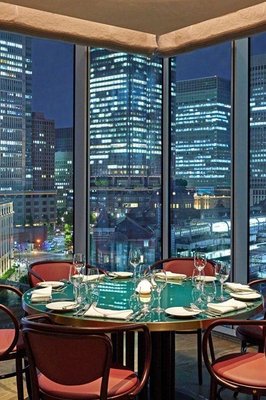
Four Seasons Hotel Tokyo at Marunouchi

Mandarin Oriental, Tokyo
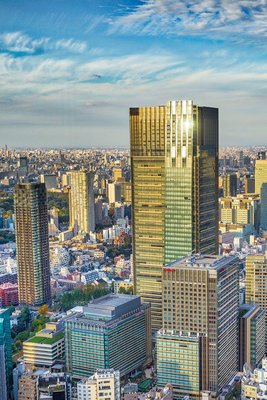
The Ritz-Carlton, Tokyo
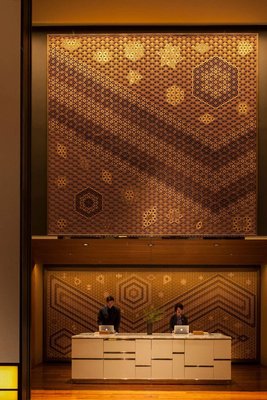
Andaz Tokyo Toranomon Hills- A Concept by Hyatt
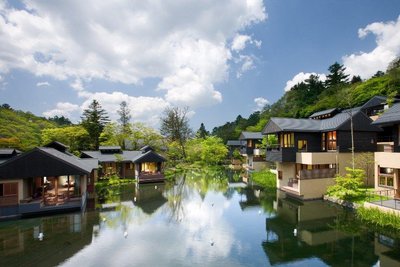
Hoshinoya Karuizawa
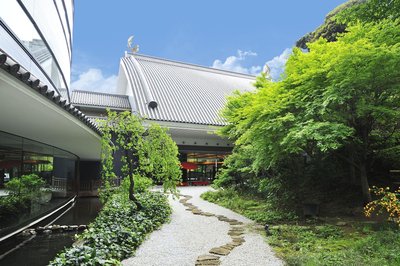
Hotel Gajoen Tokyo
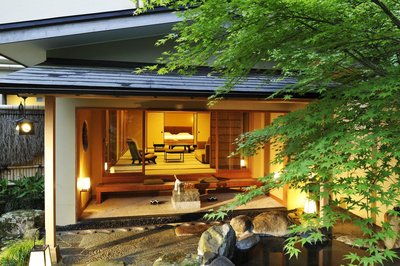
Gora Kadan
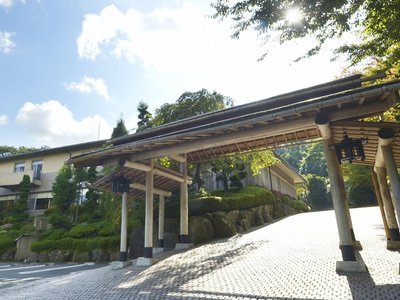
Gora Hanaougi
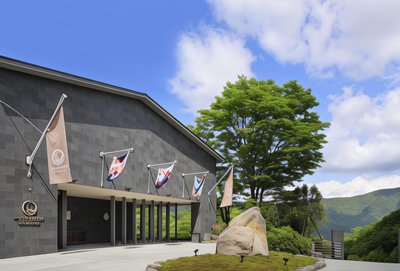
The Hiramatsu Hotels & Resorts Sengokuhara Hakone
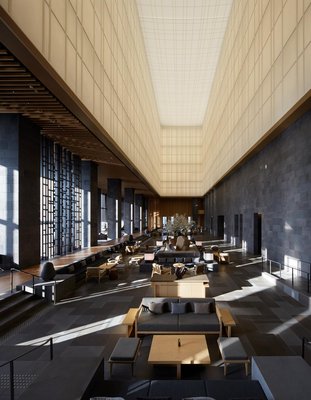
Aman Tokyo
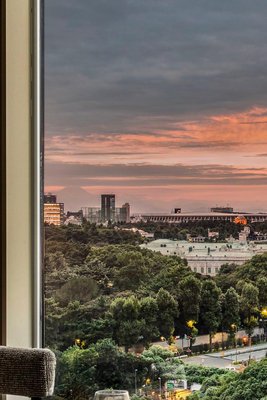
Hotel New Otani Tokyo, Executive House Zen
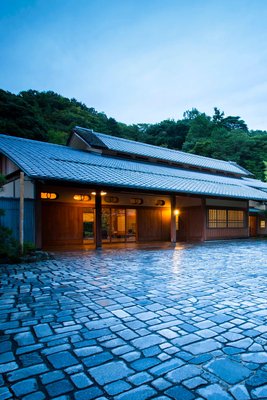
Sanyo-so
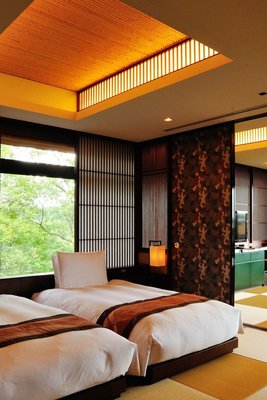
Chikusenso Onsen
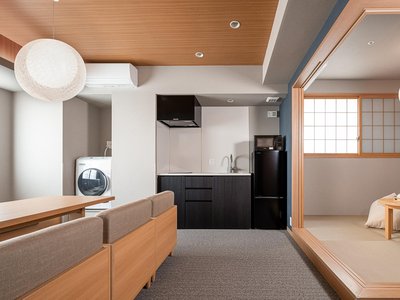
MIMARU SUITES Tokyo Asakusa
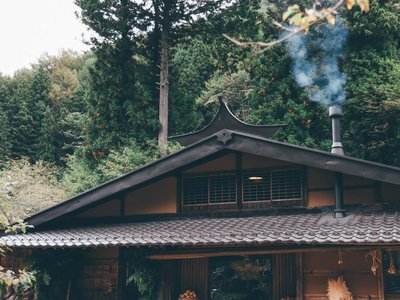
La Terra Resort

karaksa hotel colors Tokyo Yaesu
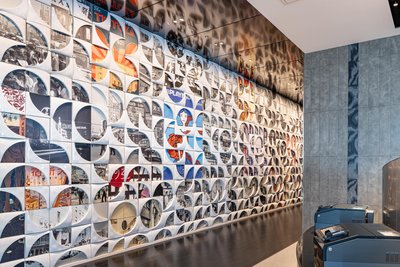
HOTEL GROOVE SHINJUKU, A PARKROYAL Hotel

EN Resort Grandeco Hotel
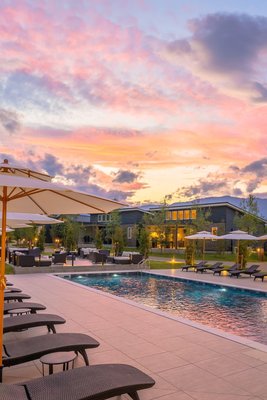
Awaumi Fujikawaguchiko Resort
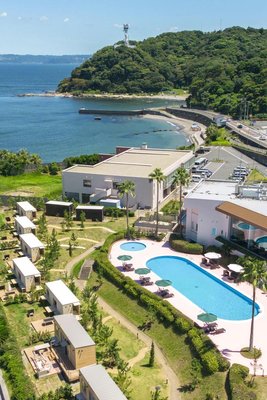
La vista Yokosuka Kannonzaki Terrace
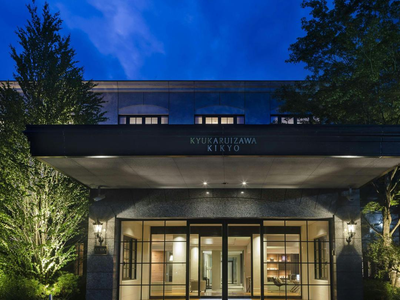
Fufu Karuizawa Wind of Sunshine
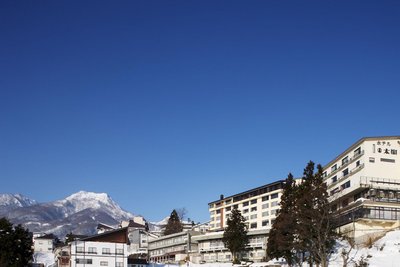
Hotel Taiko, Akakura Onsen
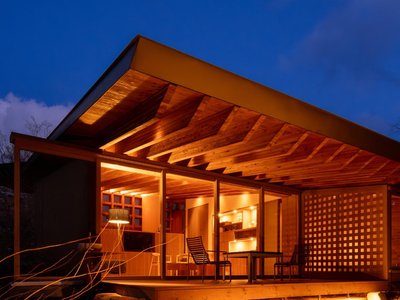
Nasu Mukunone
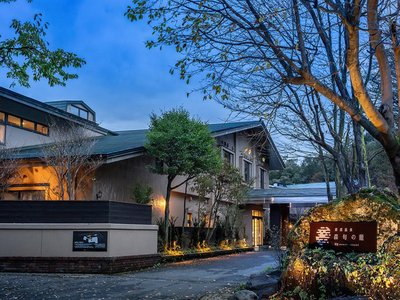
Nasu Onsen Shinshun no Kago Hewitt Resort

Scapes the Suite
Hotel Metropolitan Tokyo Marunouchi
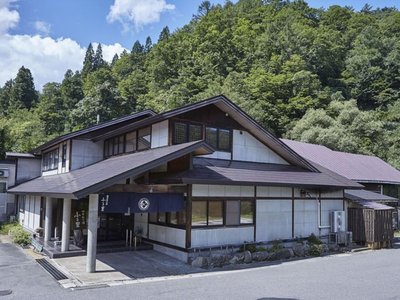
Fulsato
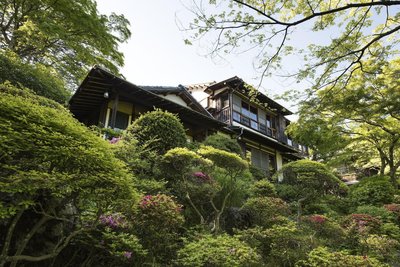
Gora Kansuiro
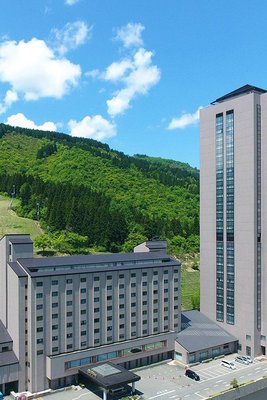
Naspa New Otani
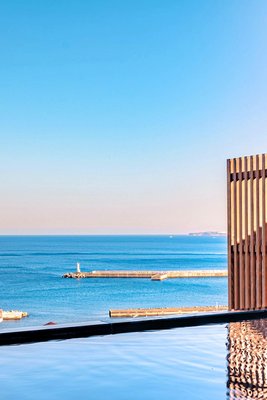
HOTEL KANICHI
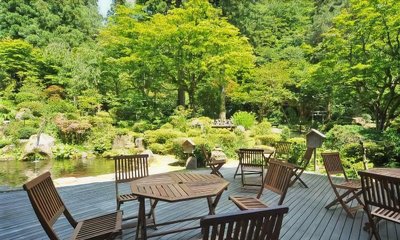
Choseikan
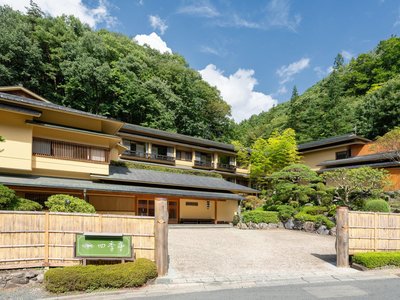
Shikitei Morioka TsunagiOnsen
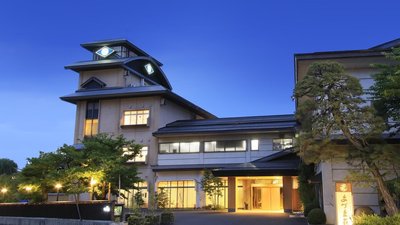
Shouhakutei Azumaso
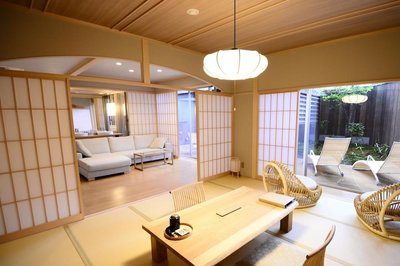
Hakone Gora Byakudan
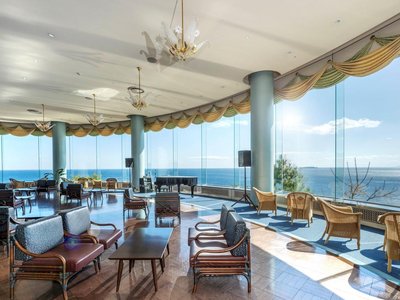
Hotel New Akao
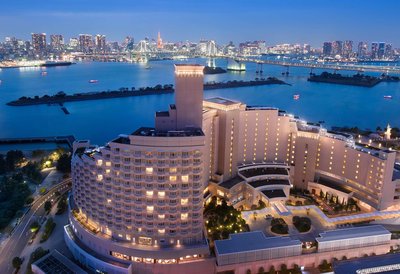
Hilton Tokyo Odaiba
JW Marriott Hotel Tokyo
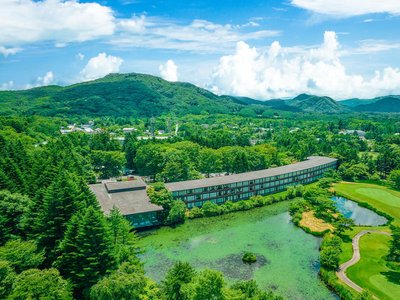
The Prince Karuizawa

The Kukuna
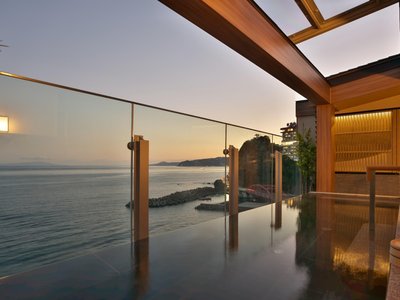
Hotel New Sagamiya
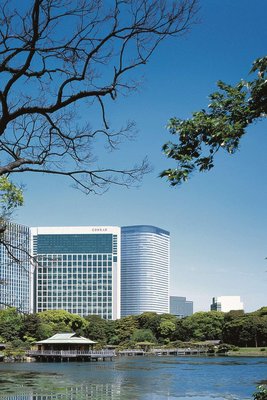
Conrad Tokyo
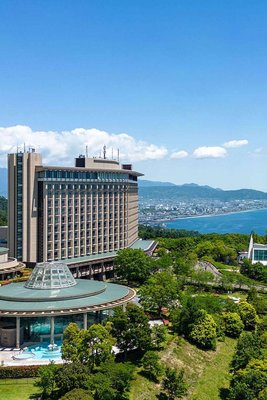
Hilton Odawara Resort & Spa
Hoshinoya Karuizawa
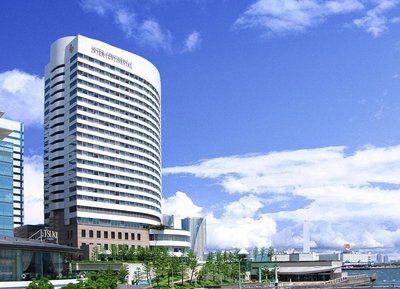
InterContinental Tokyo Bay
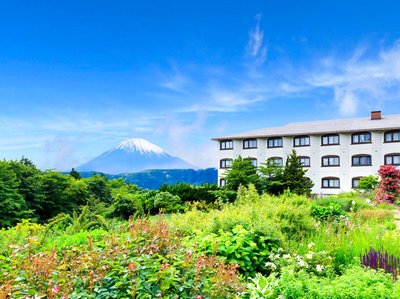
Hotel Green Plaza Hakone
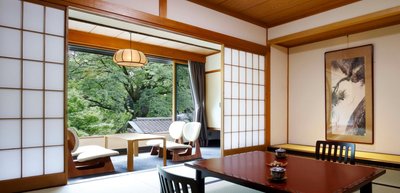
Yoshiike Ryokan
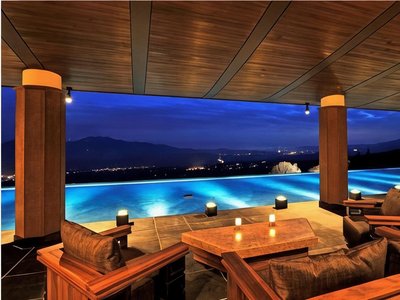
Akakura Kanko Hotel
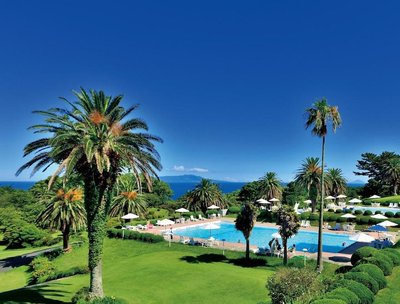
Kawana Hotel
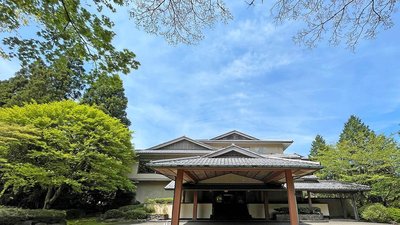
Ryuguden
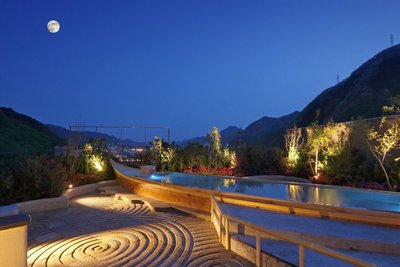
Asaya
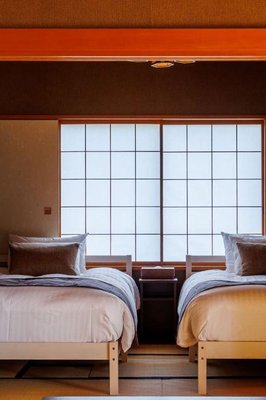
Sado Resort Hotel Azuma
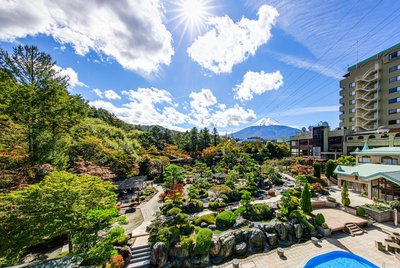
Kaneyamaen
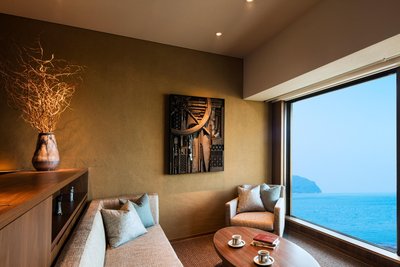
Hoshino Resorts Kai Anjin
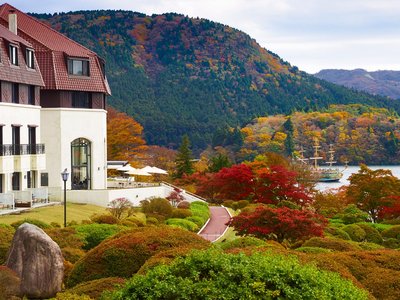
Hotakajyo
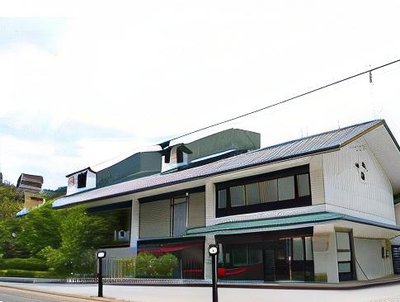
Auberge Suzukane

Onyado Nono Asakusa Bettei Hot Spring
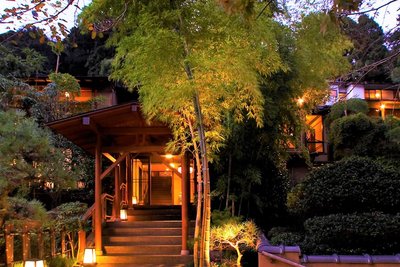
Shiki wo Ajiwau Yado Yamano Chaya
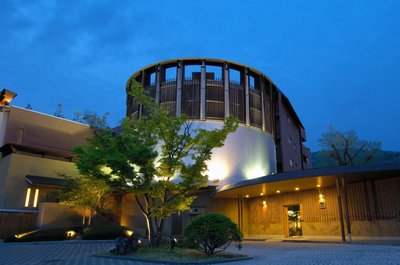
Hoshino Resorts Kai Matsumoto
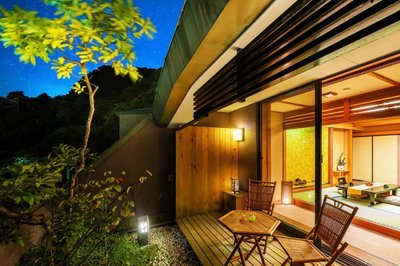
Konjakutei
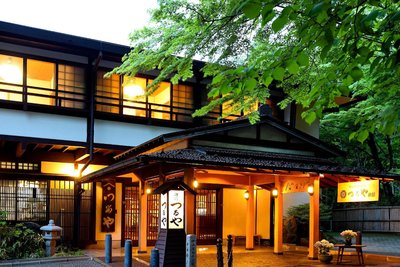
Tsuruya Ryokan
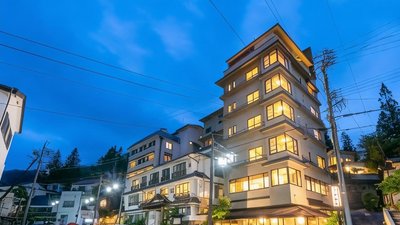
Nakamatsuya Ryokan
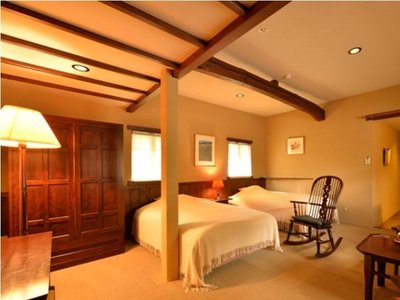
Ryokan Sugimoto
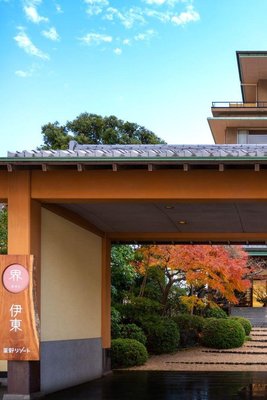
Hoshino Resorts Kai Ito
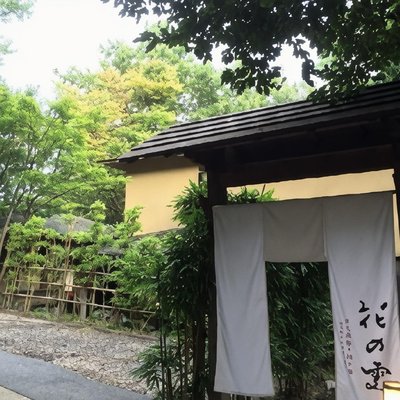
Hana No Kumo
Yoshiike Ryokan
Hotel Gajoen Tokyo
Gora Hanaougi
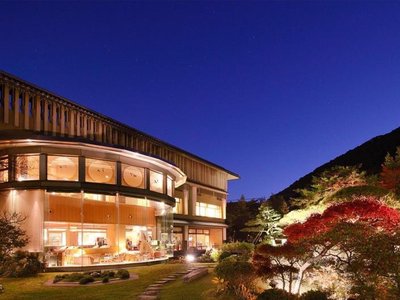
Shikisai Ichiriki
Sado Resort Hotel Azuma
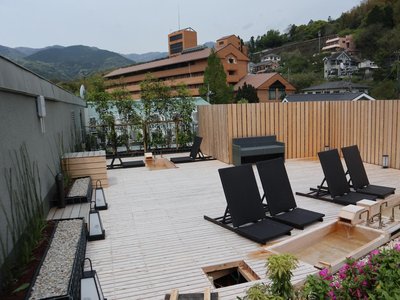
Fukiya Ryokan
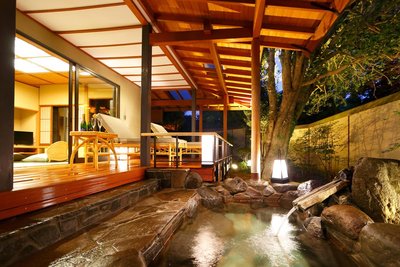
Yoshiharu Ryokan – Izu Nagaoka Onsen
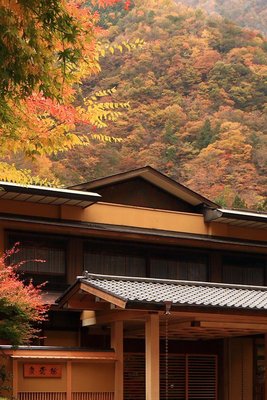
Nishiyama Onsen Keiunkan
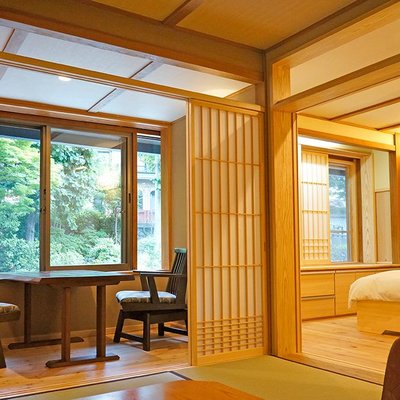
Sumiyosiya Ryokan
Bellustar Tokyo, A Pan Pacific Hotel
JW Marriott Hotel Tokyo
Andaz Tokyo Toranomon Hills- A Concept by Hyatt
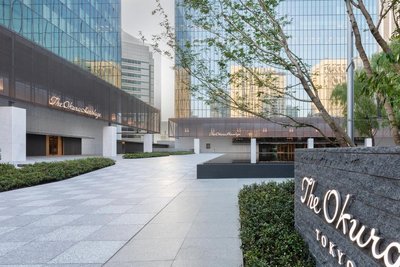
The Okura Tokyo
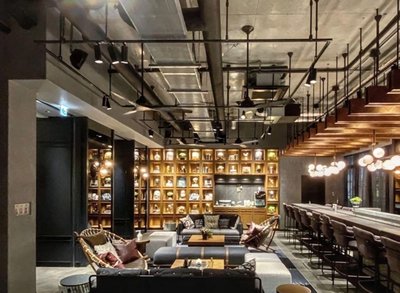
The Lively Azabujuban Tokyo
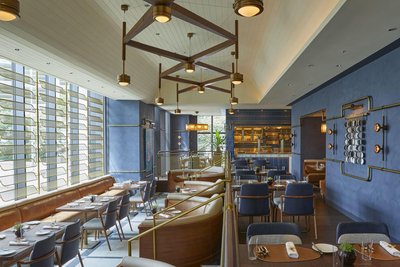
Kimpton Shinjuku Tokyo

HOTEL K5
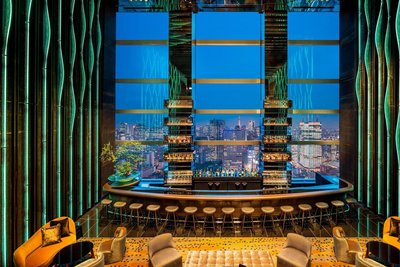
The Prince Gallery Tokyo Kioicho, a Luxury Collection Hotel
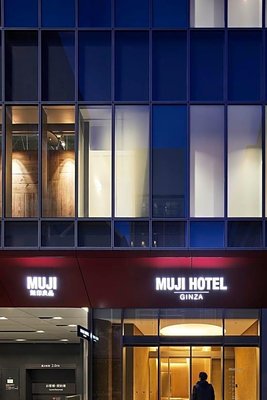
Muji Hotel Ginza
Hakone Gora Byakudan
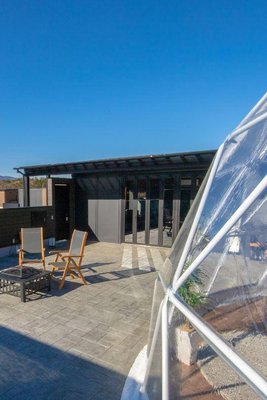
Panoramic Mt. Fuji Views from All Rooms – Vision Glamping Resort & Spa Yamanakako
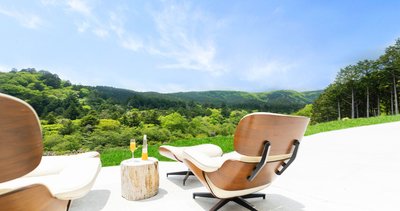
Shelter Garden Nikko
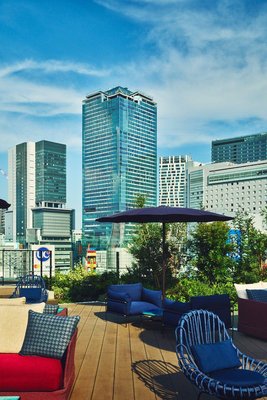
Hotel Indigo Tokyo Shibuya
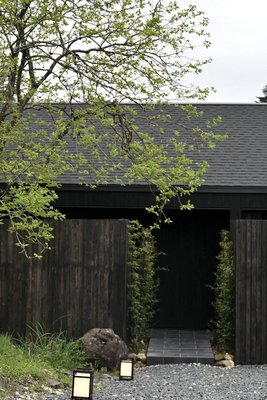
THE LAKOTAN
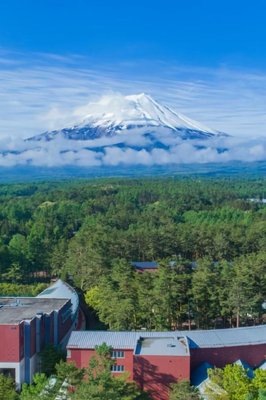
Forest Village (Fuji Premium Resort)
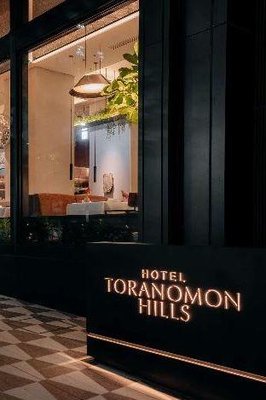
Hotel Toranomon Hills
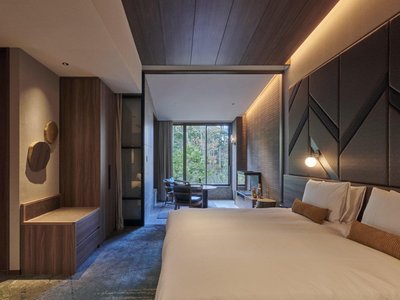
Fufu Kyu-Karuizawa Restful Forest
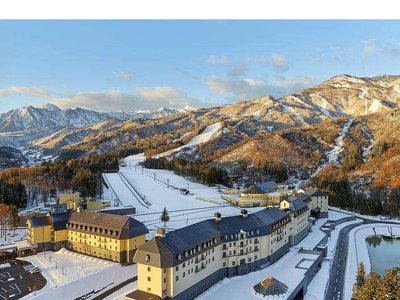
Lotte Arai Resort
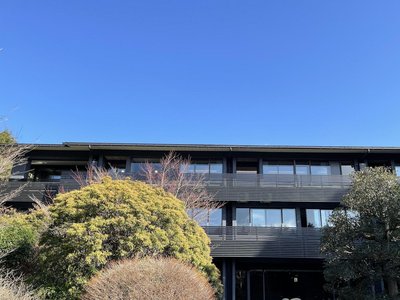
Sengokubara Cocon
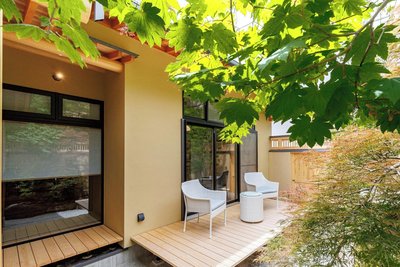
Shoraiso
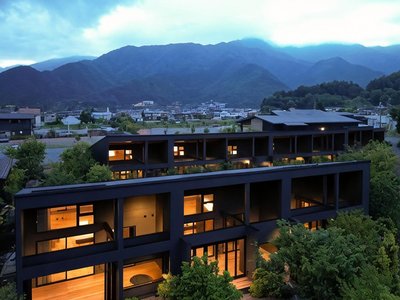
7C Villa and Winery

Hotel la Vigne Hakuba by Onko Chishin
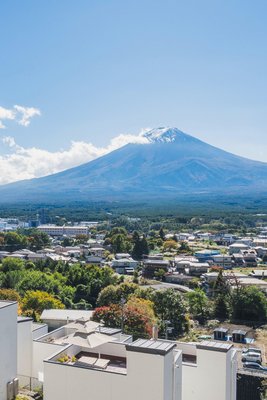
THE TOKI FujiKawaguchiko
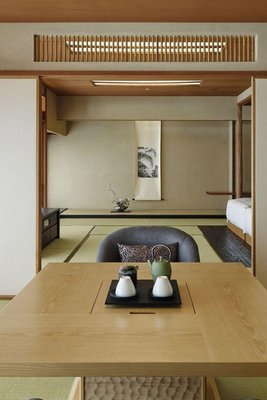
Takanawa Hanakohro (in Grand Prince Hotel Takanawa)
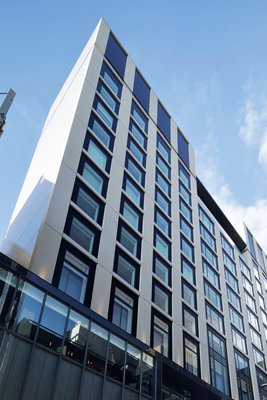
Hyatt Centric Ginza Tokyo
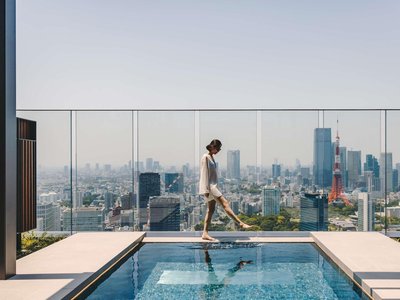
Fairmont Tokyo
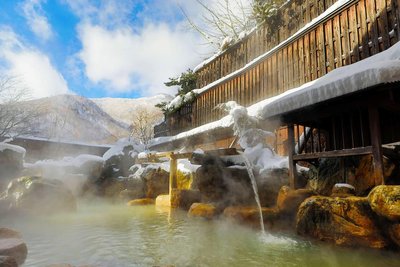
Miyamaouanbekkan yumegurinoyado hirayukan
The Prince Karuizawa
Conrad Tokyo
Bvlgari Hotel Tokyo
Four Seasons Hotel Tokyo at Marunouchi
Mandarin Oriental, Tokyo
The Ritz-Carlton, Tokyo
Andaz Tokyo Toranomon Hills- A Concept by Hyatt
Gora Kadan

Hotel New Otani Tokyo the Main
Aman Tokyo
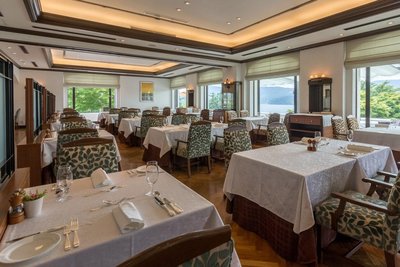
Odakyu Hotel de Yama
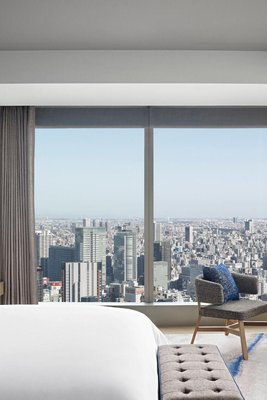
Four Seasons Hotel Tokyo at Otemachi
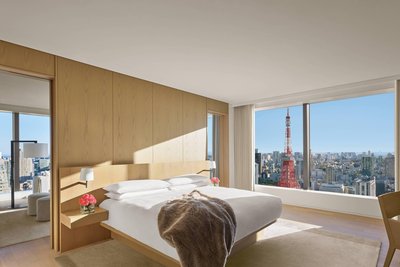
The Tokyo Edition, Toranomon
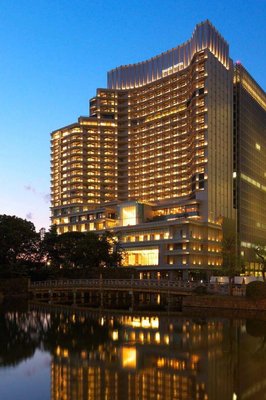
Palace Hotel Tokyo
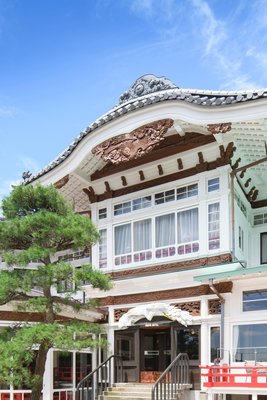
Fujiya Hotel
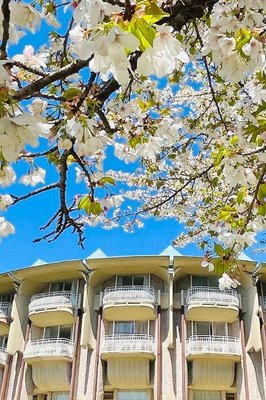
The Prince Hakone Lake Ashinoko
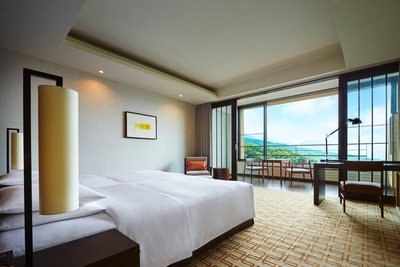
Hyatt Regency Hakone Resort and Spa
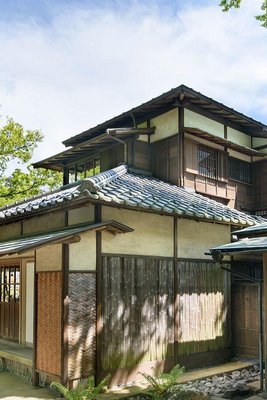
Hakone Suishoen
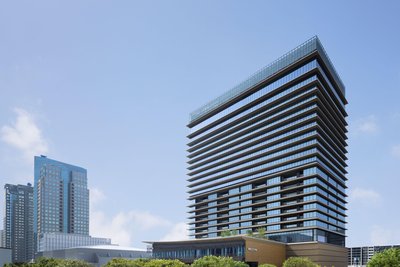
The Westin Yokohama
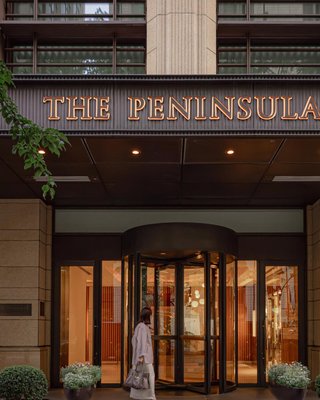
The Peninsula Tokyo

Imperial Hotel, Tokyo
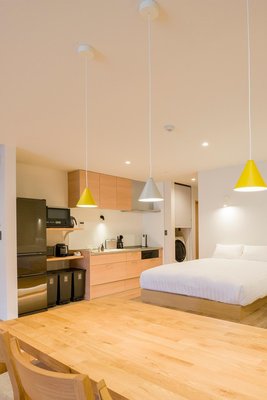
Rakuten STAY VILLA Nasu
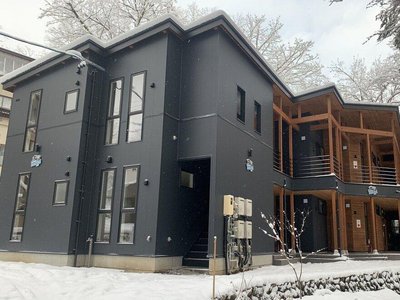
Hakuba Gondola Apartments
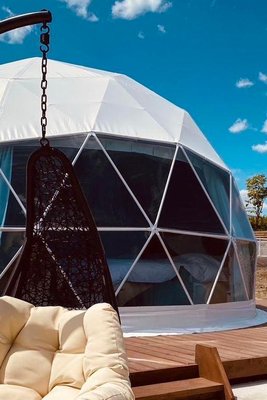
chillout glamping zao
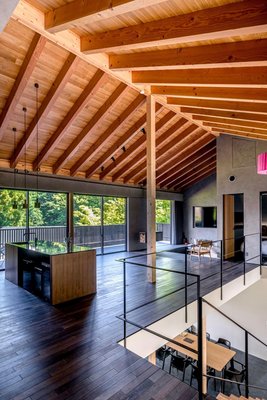
MONS GORA

Phoenix Chalets by Hhg
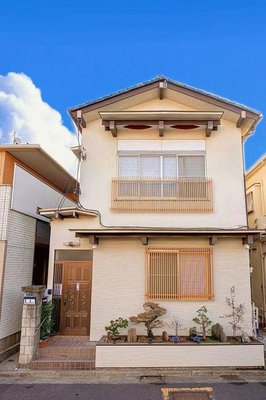
Tokyo Star House-Shinkoiwa
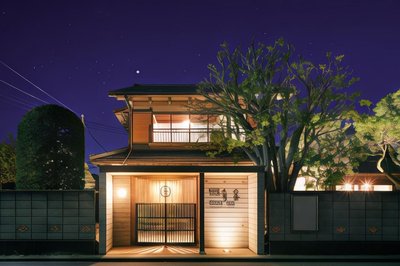
Machi-Jyu
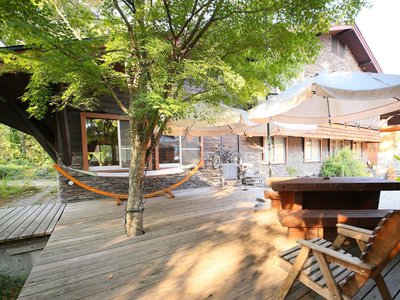
Kunugi Relaxation with 4 Modern Rooms
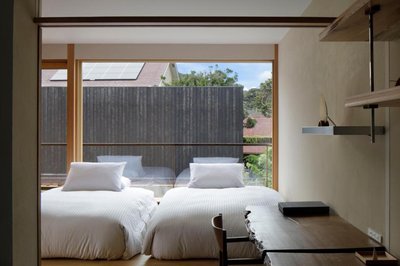
Modern Ryokan Kishi-ke
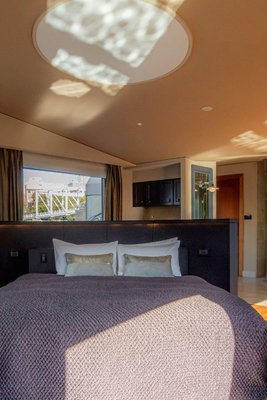
Petals Tokyo - Floating Hotel
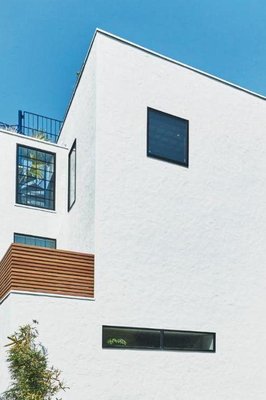
The Flow Kamakura
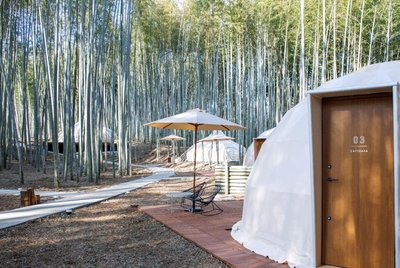
THE BAMBOO FOREST
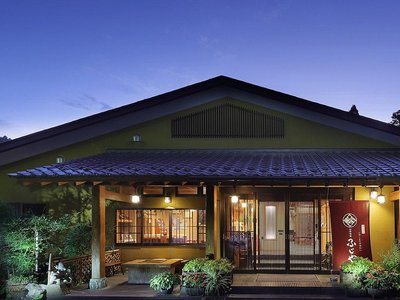
Shikimitei Fujiya
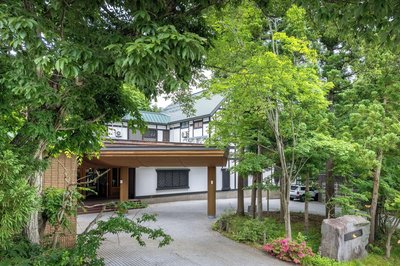
Forest Resort Yamanote Hotel

Hotel Barrière Fouquet's New York
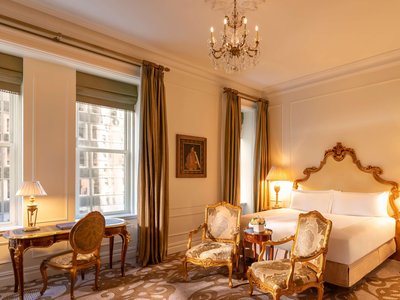
The Plaza - A Fairmont Managed Hotel
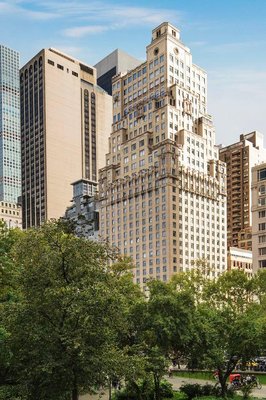
The Ritz-Carlton New York, Central Park
Four Seasons Hotel New York
The St. Regis New York
Park Hyatt New York
Mandarin Oriental New York
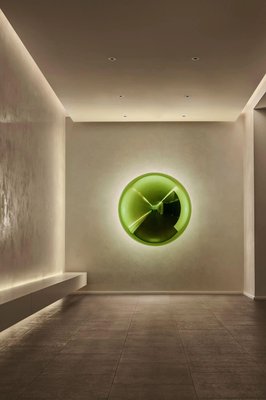
Times Square Edition New York

Loews Regency New York Hotel

Lowell Hotel
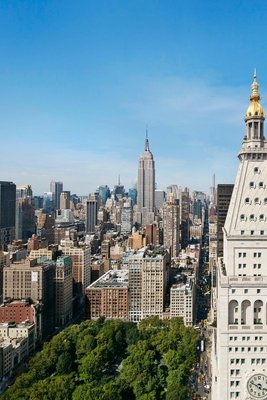
New York Edition
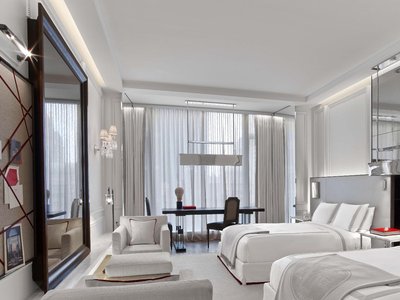
Baccarat Hotel New York

Equinox Hotel New York

Four Seasons Hotel New York Downtown
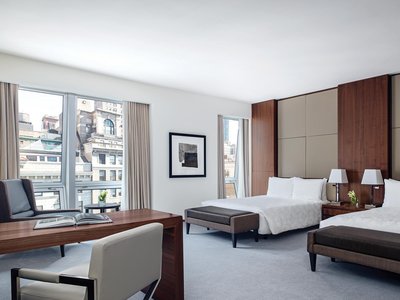
The Langham, New York, Fifth Avenue

The Carlyle, A Rosewood Hotel

The Chatwal, in the Unbound Collection by Hyatt
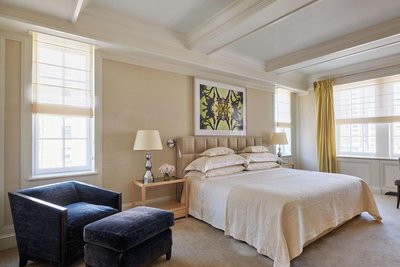
The Mark New York
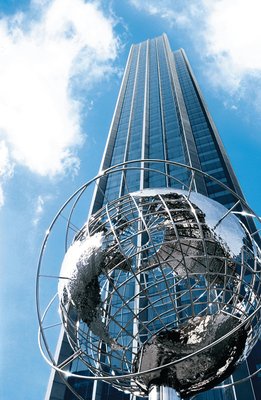
Trump International Hotel & Tower® New York
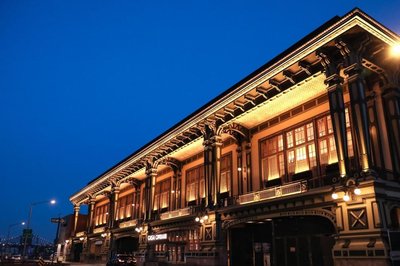
Casa Cipriani New York
Frequently Asked Questions about Traveling to Ono
Questions You Might Need to Know About Traveling to Ono
In Ono-chō, the best accommodation is Ono-chō Onsen Ryokan, a traditional Japanese inn nestled in the quiet valley of Fukushima Prefecture. It features natural hot springs, tatami-matted rooms, and a serene garden overlooking the Kiyogawa River. Guests can enjoy authentic Tohoku cuisine, including grilled mackerel and locally brewed sake, while participating in cultural activities like tea ceremonies and kimono rentals. The inn’s wooden architecture and seasonal decorations reflect deep respect for local heritage, offering a peaceful retreat surrounded by nature and tradition.
The ideal place to stay in Ono-chō is the Old Town District near the Kiyogawa River. This tranquil neighborhood offers easy access to Ono Shrine, historic timber houses, and local craft workshops. Many guesthouses here, such as Kiyogawa Hakkan, provide family-style hospitality and guided tours of nearby farms and forests. Morning walks along the river, afternoon visits to the Fukushima Prefectural Museum Branch, and evening participation in seasonal festivals create an immersive experience in authentic rural Tohoku life.
Visitors to Ono-chō should not miss the Inaho Festival, held every October, where locals wear traditional attire and rhythmically beat rice with bamboo poles to celebrate harvest. The town also hosts hands-on workshops at the Ono-chō Ceramics Studio, where guests can craft Fukushima earthenware using local clay. Another highlight is the Traditional Papermaking Village, where you can learn how to make washi paper from kozo bark. These experiences, led by skilled artisans in historic farmhouses, offer deep insight into northeastern Japanese craftsmanship and heritage.
Ono-chō's hot springs are renowned for their natural bicarbonate-rich waters, especially at Shiratama Onsen in the Omiyama foothills. The mineral-rich baths soothe skin and relieve fatigue, with warm temperatures perfect for all seasons. The onsen complex features Edo-period wooden cabins and open-air baths overlooking the Kiyogawa River, creating a tranquil atmosphere. Some ryokans even offer "night-only" private baths with soft lighting and ambient music, enhancing the meditative quality of the experience. A true escape into nature and relaxation.
Tourists visiting Ono-chō must try grilled mackerel with pickled umeboshi served over Koshihikari rice, a staple of local cuisine. Another must-try is the mountain vegetable platter, featuring wild parsley, fiddlehead ferns, and matsutake mushrooms harvested from nearby forests. For a full immersion, book a "Day-in-the-Life" meal at Tanabata Guesthouse, where you’ll help gather ingredients, cook, and serve a traditional miso soup and handmade tofu. Don’t forget to sample black bean sake, a rich, sweet drink made from local grains—perfect for pairing with meals.
Yes, Ono-chō is highly suitable for families. Kids can enjoy feeding sheep and milking cows at the Kiyogawa Children’s Farm, or planting carrots and pumpkins in organic plots. Guided nature trails around the Kiyogawa River include interactive signs teaching about local wildlife. In winter, safe snow tubing events take place at Omiyama Foothills. Most guesthouses offer children’s yukata and craft workshops like paper umbrella painting and mochi-making, making it both fun and educational. The quiet, scenic environment provides a peaceful escape from urban chaos.
While Ono-chō lies inland in Fukushima Prefecture, it’s easily reachable via public transit. Take the Tōbu Railway from Koriyama Station to Ono-chō Station, then transfer to local shuttle buses. For greater flexibility, renting a bicycle or hiring a car is ideal—especially for reaching remote villages like Omiyama and Kiyogawa. The Ono-chō Tourist Center offers free maps and multilingual guides, including accessibility routes for elderly and disabled travelers. With clear signage and well-planned access points, exploring the town is smooth and stress-free.
Ono-chō changes beautifully with each season. Spring brings cherry blossoms along the Kiyogawa River, forming a pink tunnel. Summer is lush and green, perfect for hiking in Omiyama Forest. Autumn paints the hills red with maple trees, coinciding with the Inaho Festival. Winter blankets the village in snow, turning Shiratama Onsen into a magical lantern-lit wonderland. The annual Snow Lantern Festival sees villagers hang handcrafted lanterns across village lanes. Seasonal guided tours—like spring cherry-picking or autumn fruit-picking—offer immersive experiences that showcase the rhythm of rural Tohoku life.
Photographers love Ono-chō for its scenic beauty. Must-capture locations include the Kiyogawa Suspension Bridge, framed by morning mist; the red torii gate at Ono Shrine, set against ancient stone lanterns; and the historic timber house cluster, with weathered wood and climbing vines. During winter, Shiratama Onsen’s snow-covered outdoor baths are breathtaking under soft lantern light. The Omiyama Observation Deck offers panoramic views of the entire village and distant mountains. Many ryokans also provide dedicated photo zones—such as kimono dressing areas and tea ceremony gardens—ideal for capturing authentic moments.
Top souvenirs in Ono-chō include handmade Fukushima earthenware, rustic and functional; black bean sake and local rice wine, crafted from regional grains; and dried mountain vegetables like fiddlehead ferns and matsutake mushrooms. Visit the monthly Ono-chō Handicraft Market in the Old Town for artisan-made dolls, embroidery, and wood carvings. For a hands-on gift, try the paper umbrella workshop, where you design and paint your own waterproof umbrella. Each item comes with a story card detailing its origin and cultural significance—perfect for bringing home a piece of authentic Tohoku heritage.
Ono Overview
City Summary
Ono Town is located in Fukushima Prefecture, Japan, a quiet town known for its rural charm. It is famous for its natural landscapes and traditional culture, especially its hot springs and cherry blossom season. The town's historical sites and local produce markets are also great places to experience local life.
Must-See Attractions
The main attractions in Ono Town include Ono Hot Springs, known for its high-quality water perfect for relaxation. Ono Castle Ruins is a must-visit for history enthusiasts, offering a panoramic view of the town. During cherry blossom season, the parks and streets turn into a pink paradise, ideal for photography. The local produce markets are great for fresh vegetables and handmade crafts.
Food Guide
Ono Town's cuisine focuses on local produce, with highlights like Fukushima beef and vegetable dishes. Street food such as grilled fish stalls and soba noodle shops are popular, especially the handmade soba noodles made with local ingredients. For desserts, try sakura mochi and red bean soup.
Transportation Guide
Public transport in Ono Town relies mainly on buses, which have limited schedules, so check timetables in advance. From Fukushima City, take the JR Tohoku Main Line to Ono Station, then transfer to a bus to the town center. Renting a car is more flexible, with ample parking available. Taxi services are limited, so HopeGoo ahead is recommended.
Best Time to Visit
The best time to visit is spring (March to May) when cherry blossoms bloom and the weather is pleasant. Autumn (September to November) is also nice for fall foliage. Summers can be hot, and winters may bring snow, affecting transportation.
Travel Tips
- Respect local customs, such as washing before entering hot springs.
- Cash is king; small shops may not accept cards.
- Buses are infrequent, so plan your schedule ahead.
- Strict waste sorting; follow local rules.
- Keep quiet; Ono Town is known for its serenity.
- Dress modestly, especially when visiting shrines.
Useful Information
Language: Japanese is main; English is rare, so learn basic phrases or use a translation app. Internet: Signal can be weak; consider renting a Wi-Fi device. Payment: Cash preferred; cards accepted at larger stores. Emergency: Small clinics in town; serious cases may require going to Fukushima City. Etiquette: Remove shoes in homes/restaurants; avoid loud noises.