Hotels in Orgon
Discover your perfect stay in Orgon.
Orgon(France) Travel 2026: Cheap Flights, Hotels & Top Attractions
Popular Landmarks in Orgon
Discover the most iconic attractions in Orgon
Recommended Hotels in Orgon
Find the perfect place to stay in Orgon
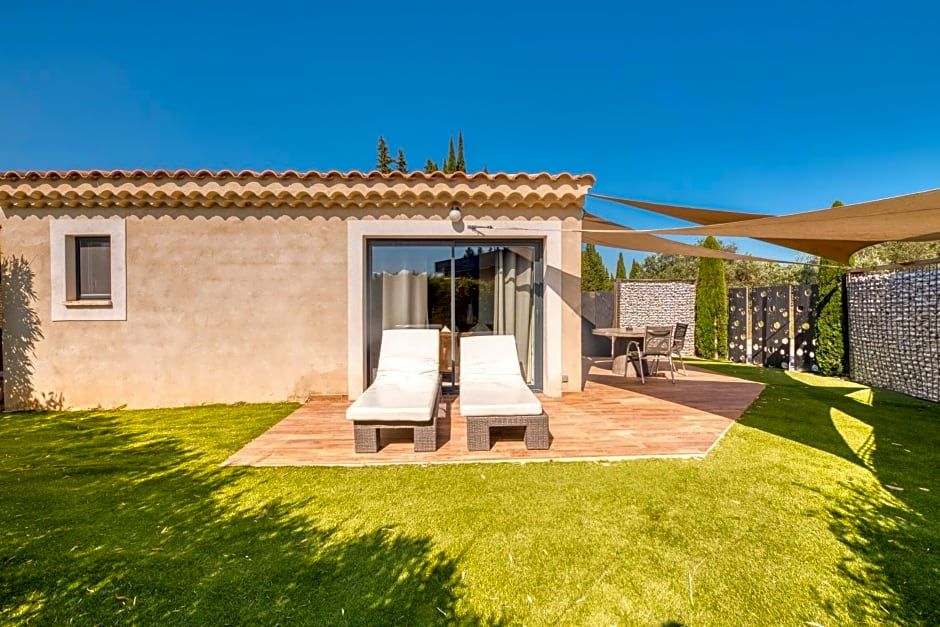
Mas des Cigales
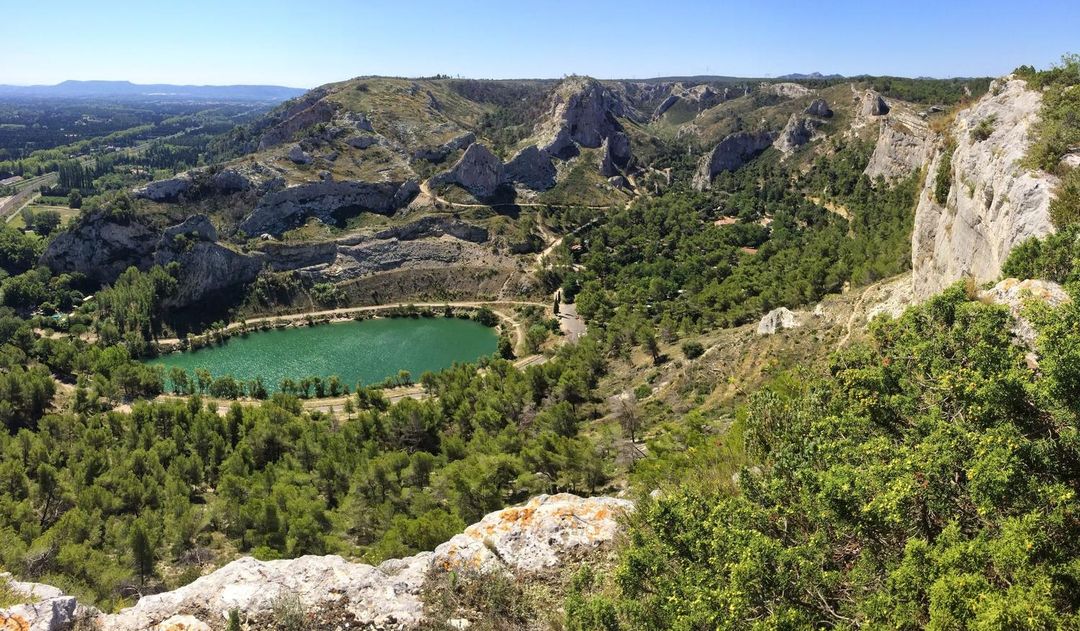
Domaine de la Vallée Heureuse
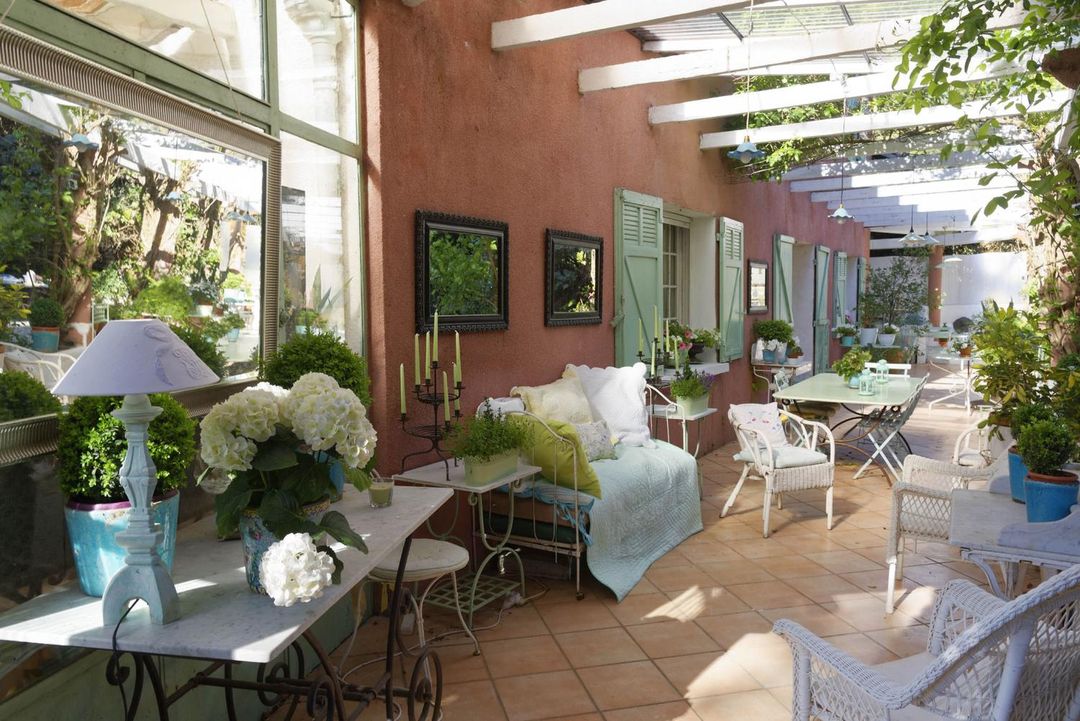
Le Domaine de Saint Veran
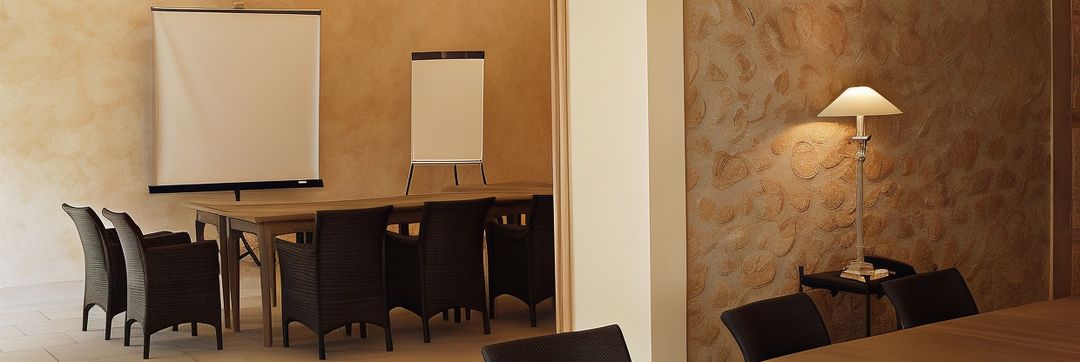
Le Mas de La Rose
Best Hotels in Orgon
Discover curated hotel collections in Orgon
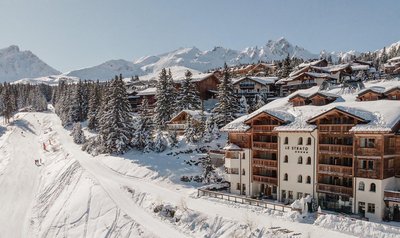
Le Strato
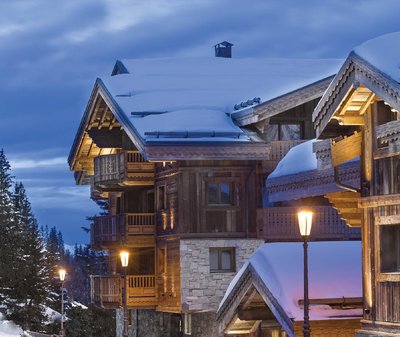
Six Senses Residences Courchevel
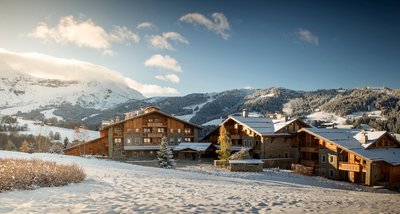
Four Seasons Hotel Megeve
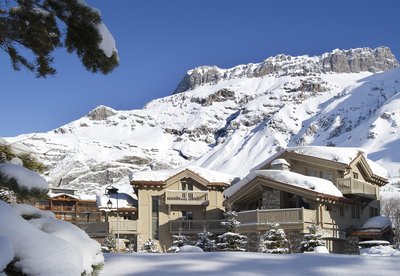
Hotel le K2 Altitude
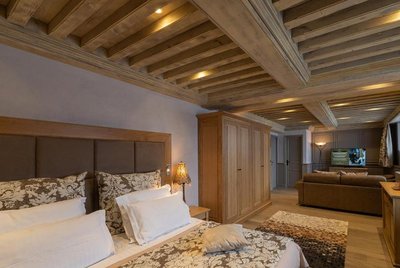
Le Lana
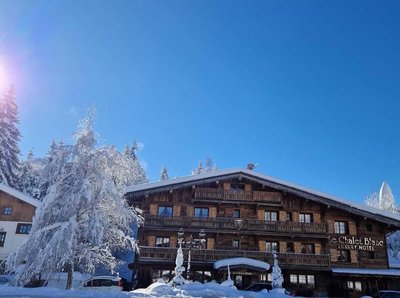
Le Chalet Blanc
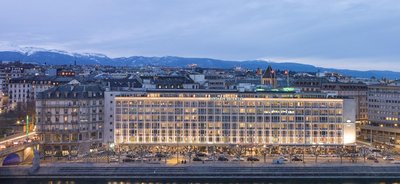
Mandarin Oriental, Geneva
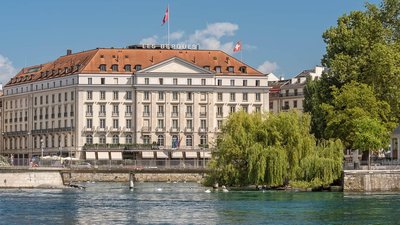
Four Seasons Hotel des Bergues Geneva
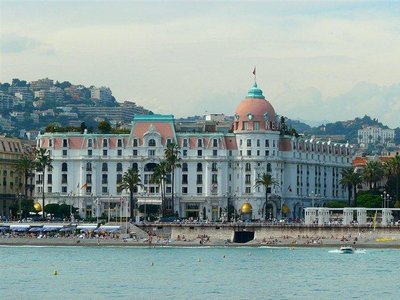
Hotel le Negresco
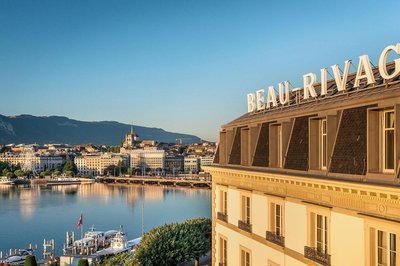
Beau-Rivage Genève
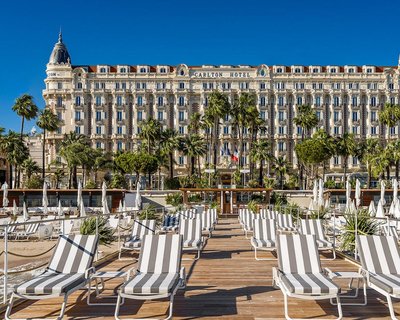
Regent Carlton Cannes
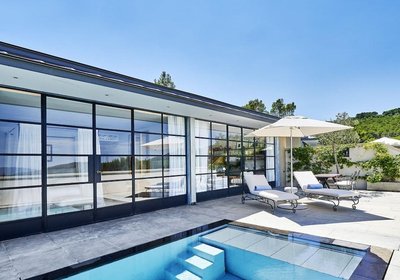
Villa la Coste
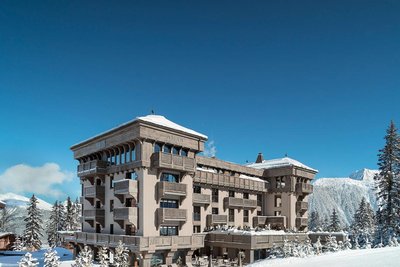
Aman le Mélézin
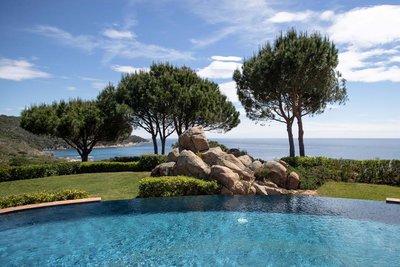
La Reserve Ramatuelle Hotel Spa & Villas
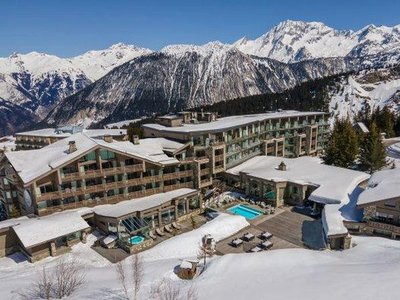
Hotel Annapurna

Hotel du Cap-Eden-Roc
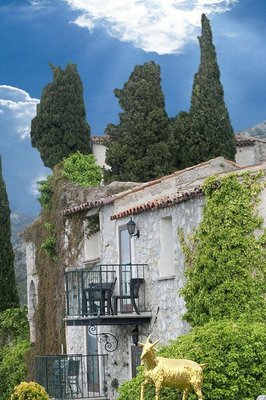
La Chèvre d'Or
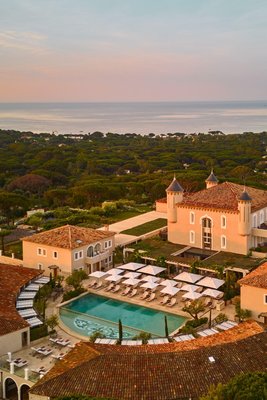
Airelles Château de la Messardière
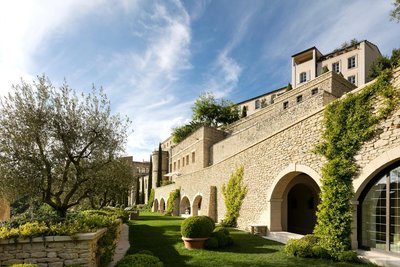
Airelles Gordes, la Bastide
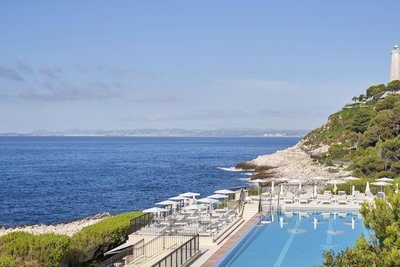
Grand-Hotel du Cap-Ferrat, A Four Seasons Hotel
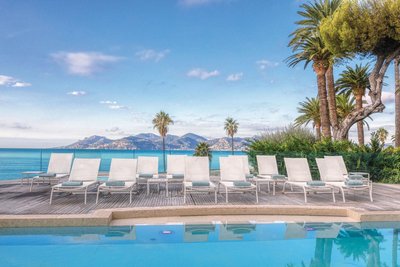
Canopy by Hilton Cannes
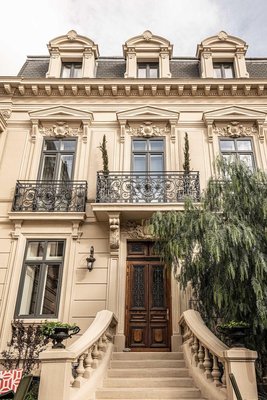
Hôtel le Mosaïque
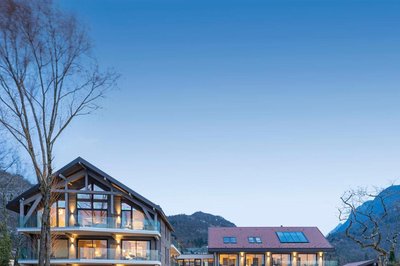
Villa Caroline, Lac d'Annecy
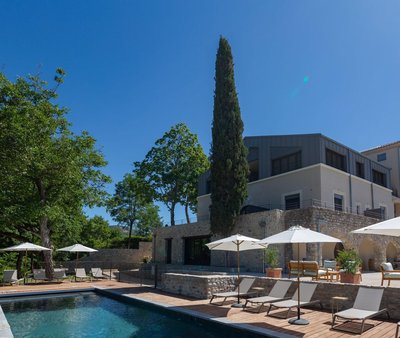
Hôtel Villa Walbaum
La Maison de Lyna - Suites de Charme Intra-Muros Avec Parking & Autonomie
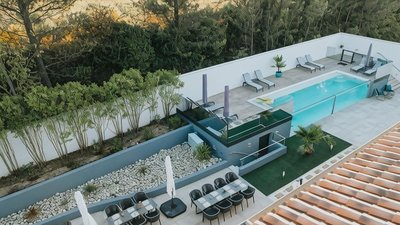
Le Meez
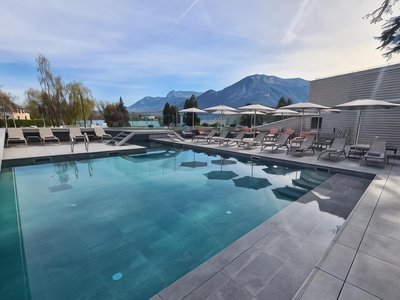
Le Pélican
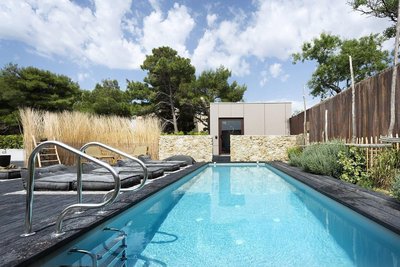
Le 19-21 - Un Amour d'Hotel
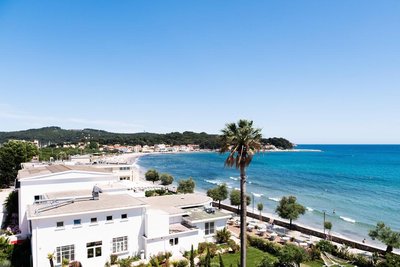
Grand Hotel Des Sablettes Plage, Curio Collection By Hilton
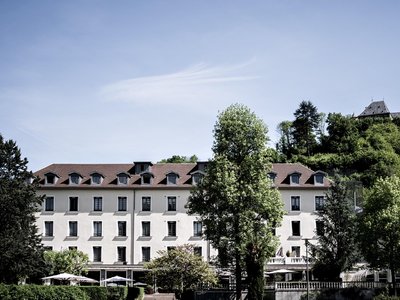
Grand Hôtel & Spa Uriage
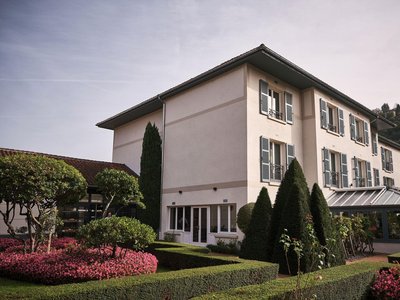
La Pyramide - Maison Henriroux
Chateau D Arpaillargues
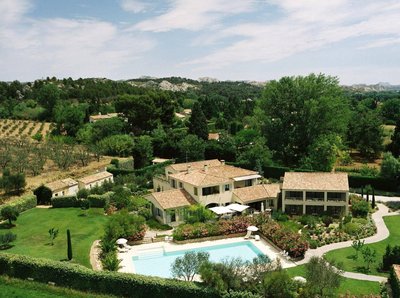
Du Côté des Olivades
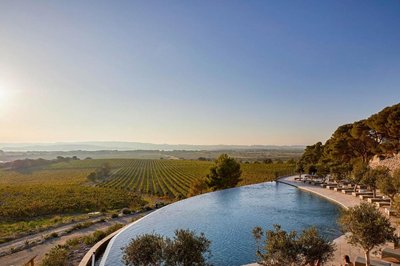
Château Capitoul
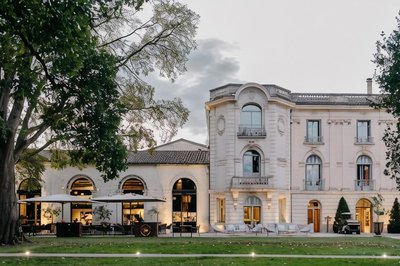
Hôtel Domaine de Biar
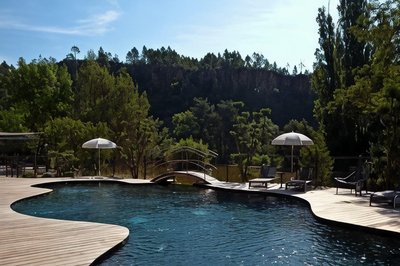
Hostellerie les Gorges de Pennafort
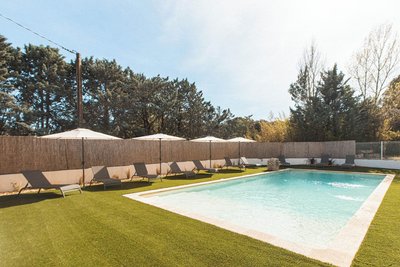
Soko Hotels-Pont du Gard

La Maison Hôtel les Peupliers
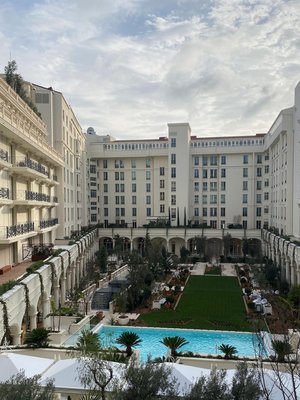
Residence Carlton Riviera
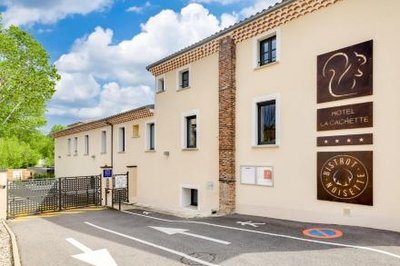
La Cachette
Canopy by Hilton Cannes
Le Pélican
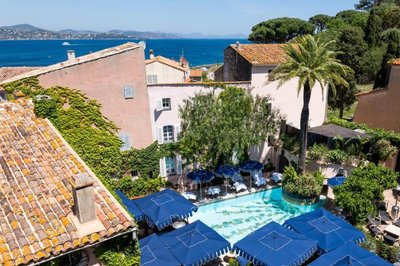
Le Yaca Saint-Tropez
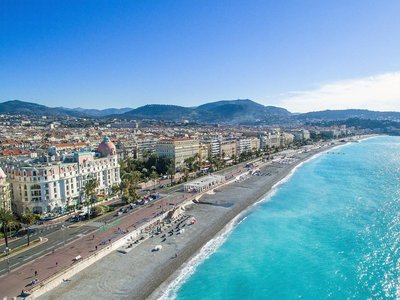
Hotel Suisse Nice
Mandarin Oriental, Geneva
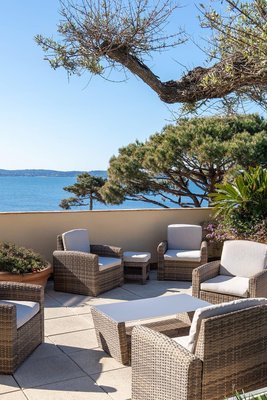
Best Western Premier Montfleuri
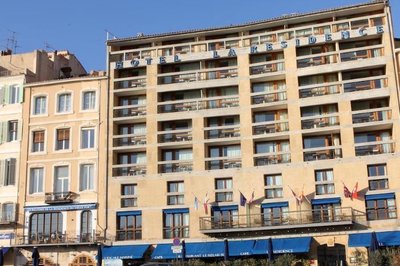
La Residence du Vieux Port
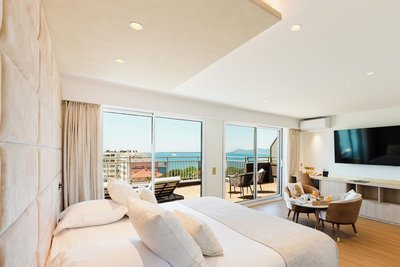
Hôtel Hélios
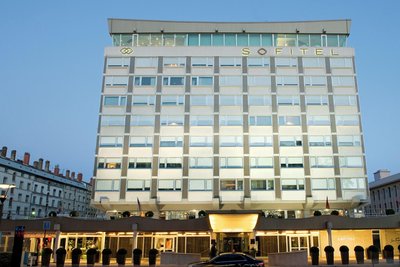
Sofitel Lyon Bellecour
Beau-Rivage Genève
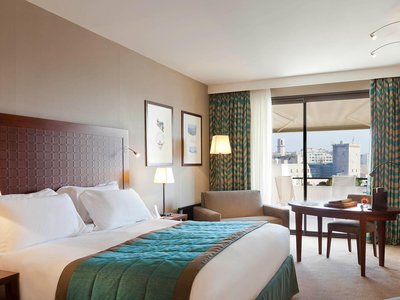
Sofitel Marseille Vieux-Port
Regent Carlton Cannes
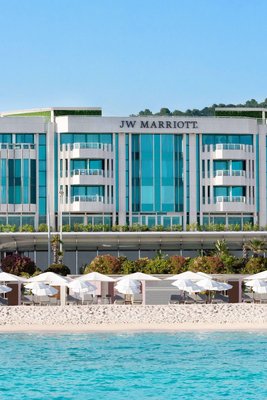
JW Marriott Cannes
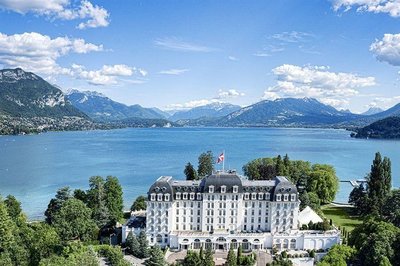
Impérial Palace
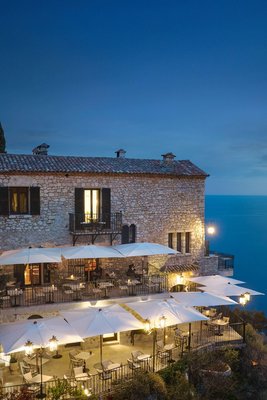
Chateau Eza
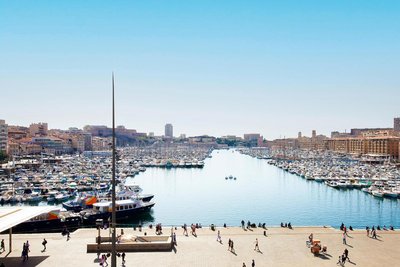
Grand Hôtel Beauvau Marseille Vieux-Port - MGallery
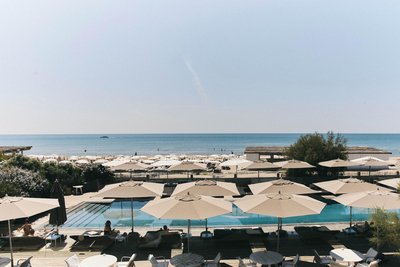
Hôtel Plage Palace & Spa
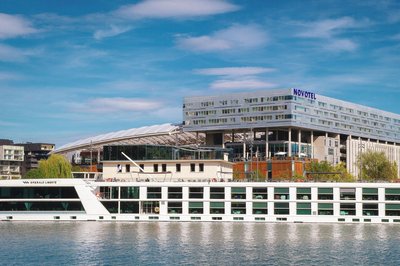
Novotel Lyon Centre Confluence Bord de Saone
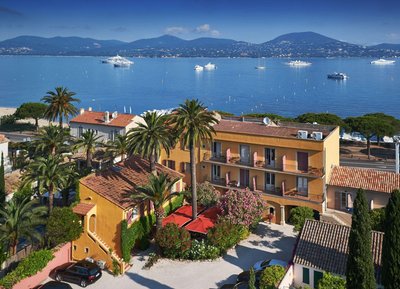
La Bastide du Port - Hôtel de Charme
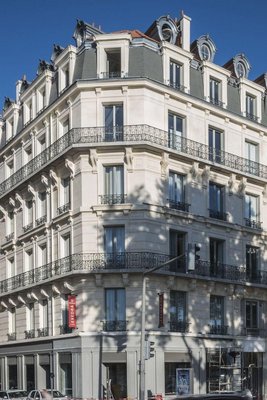
Boscolo Lyon Hotel & Spa
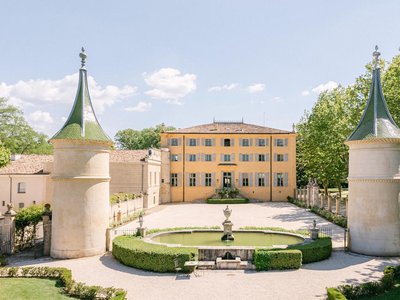
Château de Fonscolombe
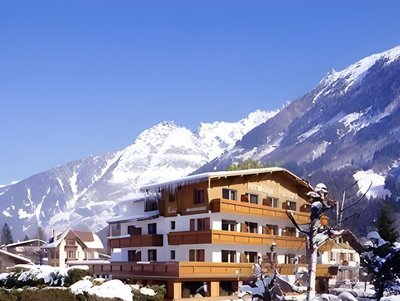
Chalet Hôtel Hermitage Chamonix
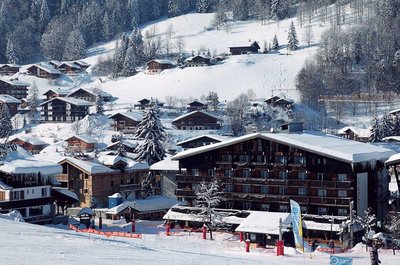
Chalet-Hôtel la Marmotte, la Tapiaz & Spa, the Originals Relais

Demeures et Château de La Caze
Le Chalet Blanc
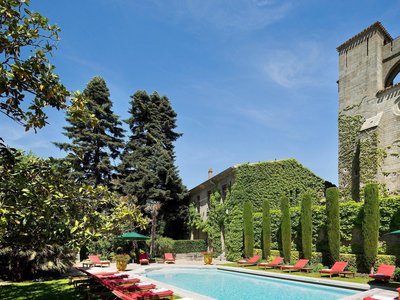
Hôtel de la Cité Carcassonne - MGallery Collection
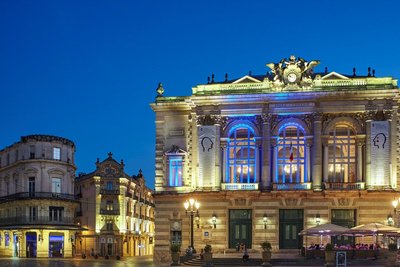
Grand Hôtel du Midi Montpellier - Opéra Comédie
Hotel Suisse Nice
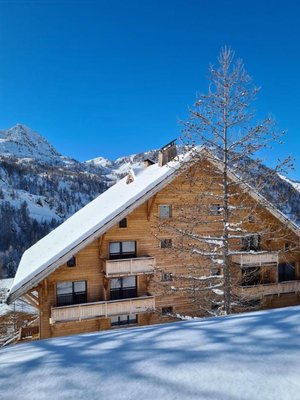
Chalet Marano Restaurant & Spa
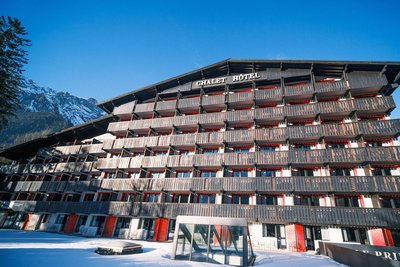
Chalet Hôtel le Prieuré & Spa
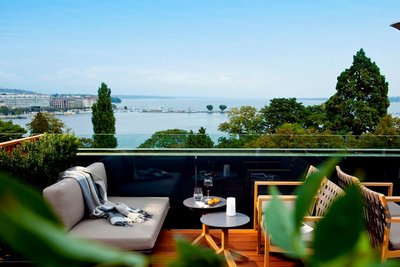
Hôtel Métropole Genève
Hotel le Negresco
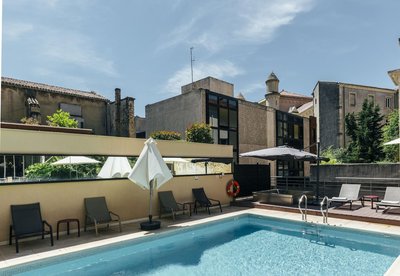
Hôtel Oceania le Métropole
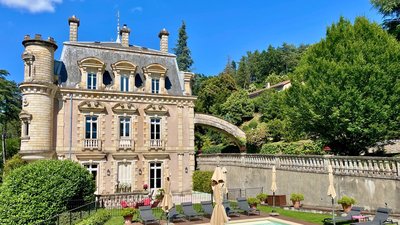
Château Clément - Teritoria
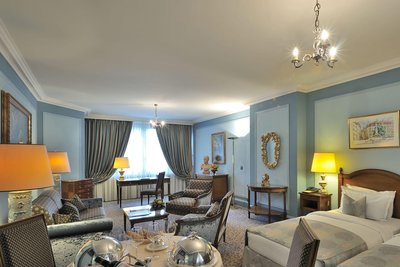
Hôtel de la Cigogne
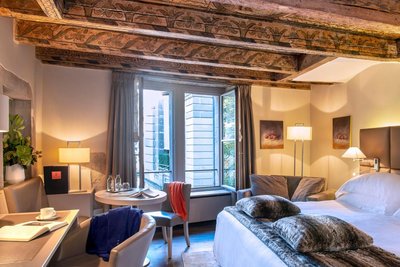
Hôtel les Armures
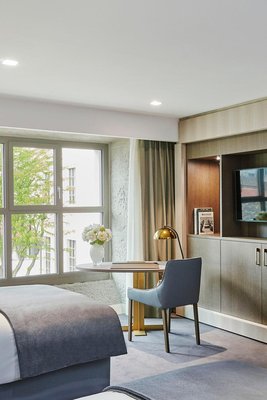
InterContinental Lyon - Hotel Dieu by IHG
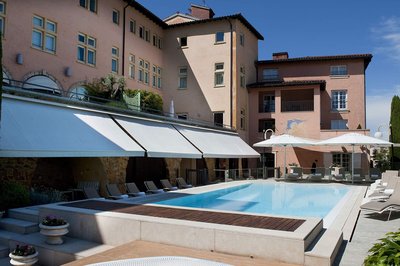
Villa Florentine
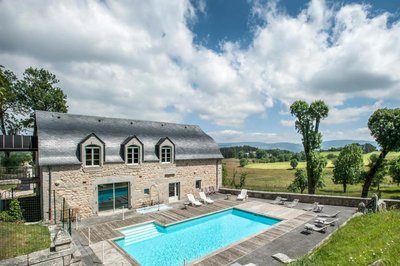
Le Château d'Orfeuillette
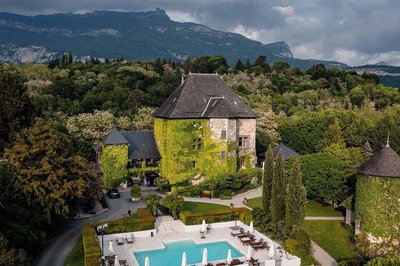
Château de Candie
Le 19-21 - Un Amour d'Hotel
Four Seasons Hotel des Bergues Geneva
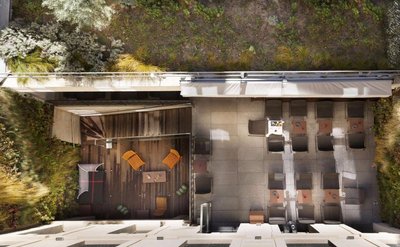
Hotel C2
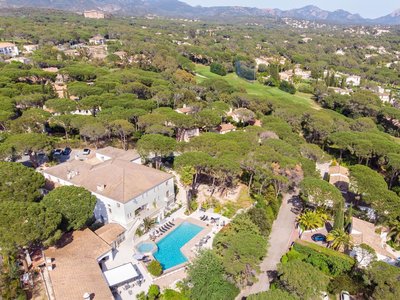
Le Confidentiel Hôtel & Spa
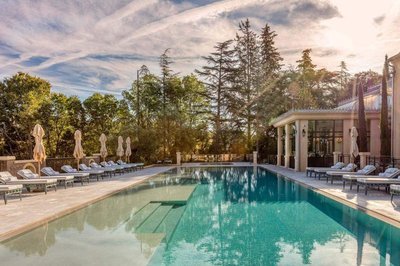
Villa Saint-Ange
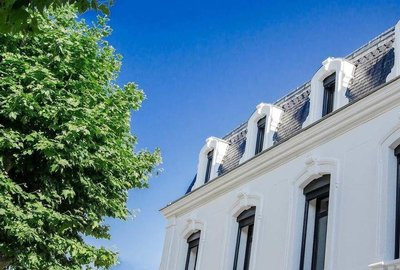
Hôtel In Situ
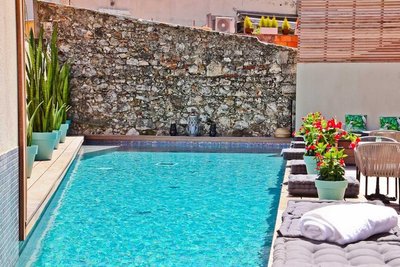
Hôtel la Villa Port d'Antibes & Spa
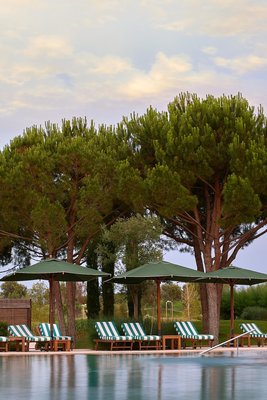
Hotel Camiral – The Leading Hotels of the World
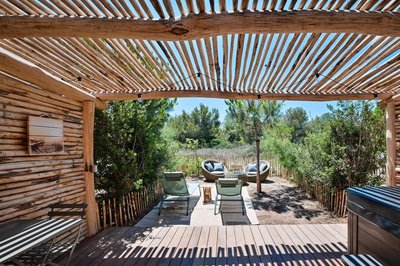
Le Hameau des Pesquiers Ecolodge & Spa, Curio Collection by Hilton
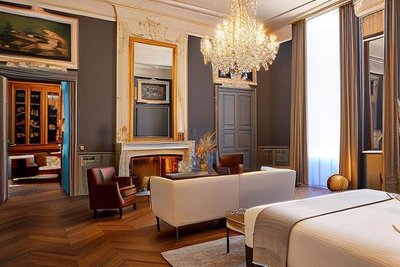
Margaret - Hôtel Chouleur
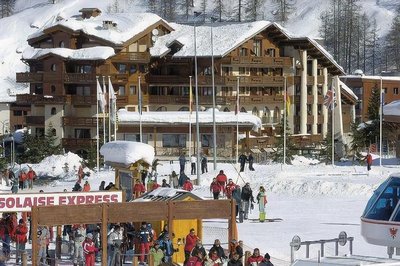
Hôtel Christiania
Château de Fonscolombe
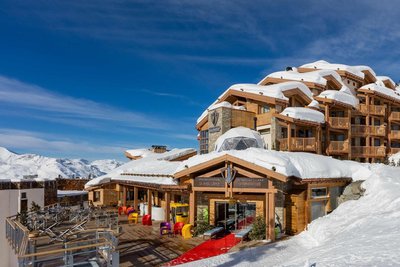
Hotel Pashmina le Refuge
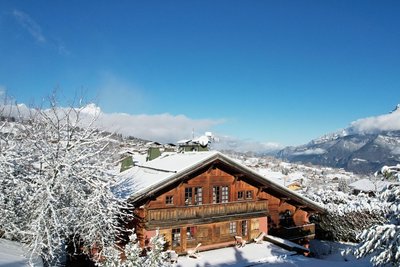
Magic Megève Bois
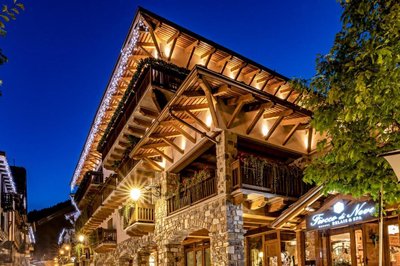
Fiocco di Neve Relais & Spa

Villa Maïa
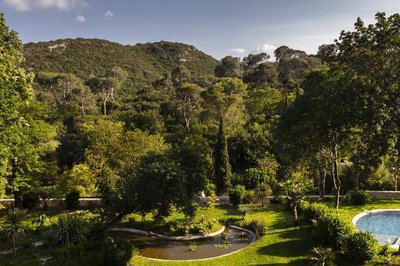
Château de Collias
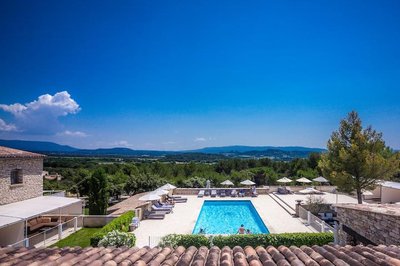
Le Phébus & Spa – Relais & Châteaux
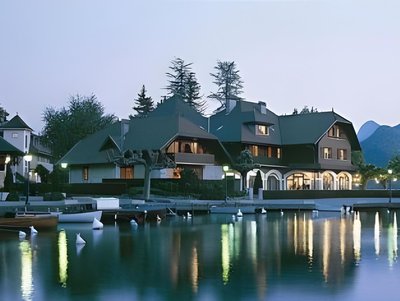
Auberge du Père Bise - Jean Sulpice
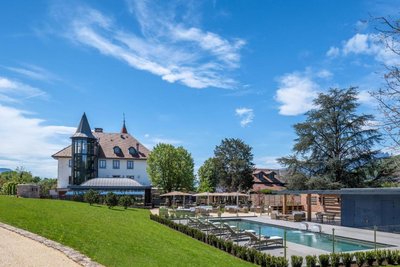
Château Brachet
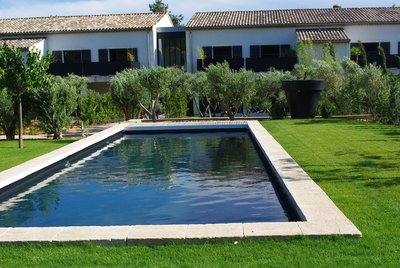
Bdesign & Spa
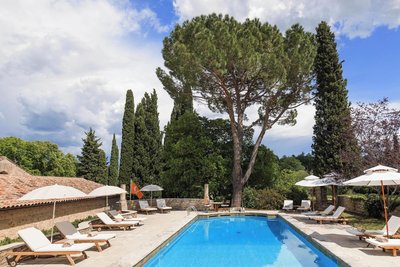
Hostellerie de l'Abbaye de La Celle - Teritoria
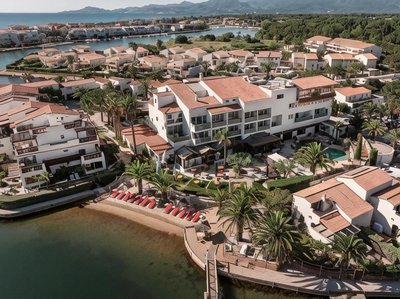
Relais et Châteaux Thalasso & Spa Ile de la Lagune
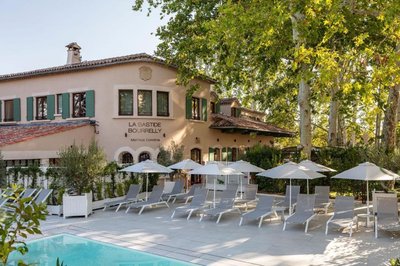
Hôtel et Restaurant la Bastide Bourrelly - Mathias Dandine
Le Yaca Saint-Tropez
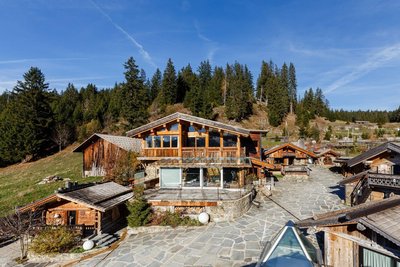
Le Hameau de Mon Père
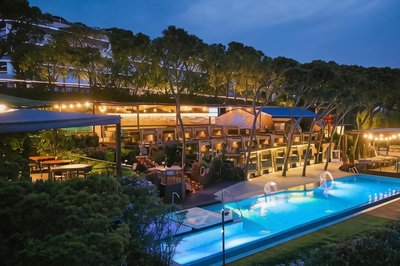
Alàbriga Hotel & Spa GL
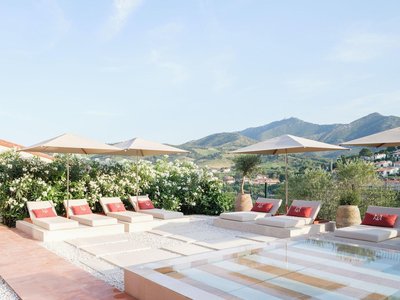
Maison Nova - Boutique Hôtel & Spa
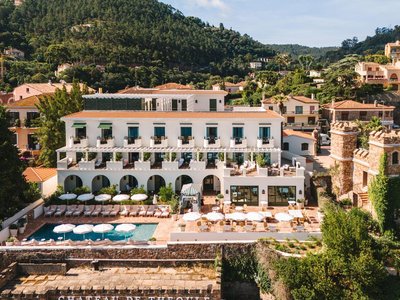
Château de Théoule
Four Seasons Hotel des Bergues Geneva
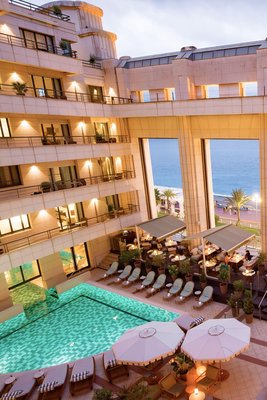
Hyatt Regency Nice Palais de la Méditerranée
Hôtel les Armures
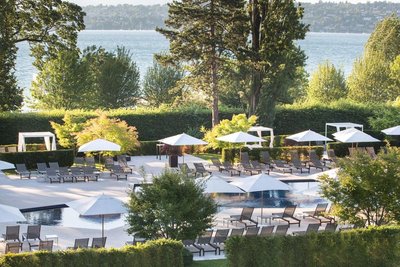
La Réserve Genève Hotel & Spa
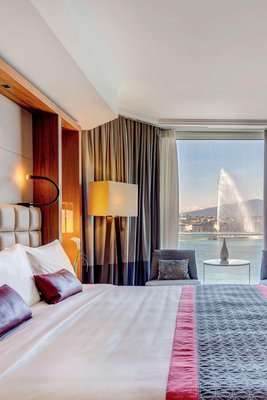
Fairmont Grand Hotel Geneva
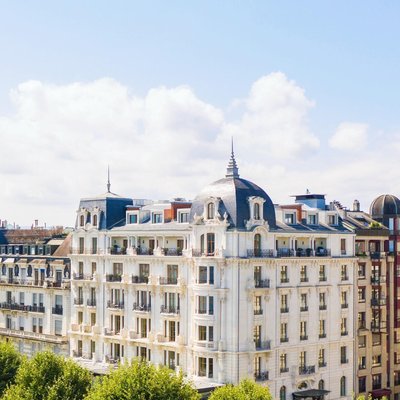
The Woodward - Auberge Resorts Collection

Hotel President Wilson, a Luxury Collection Hotel, Geneva
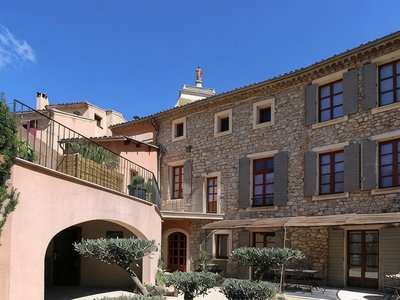
Ancienne Cure
Villa Ottolenghi Wedekind
Borgese Camere e Suites
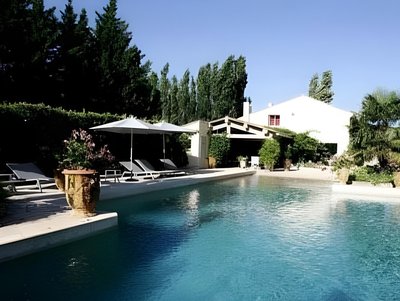
Domaine de Mejeans - Teritoria
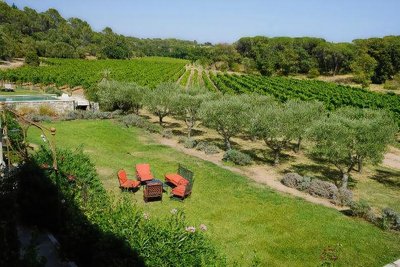
La Bastide du Clos des Roses
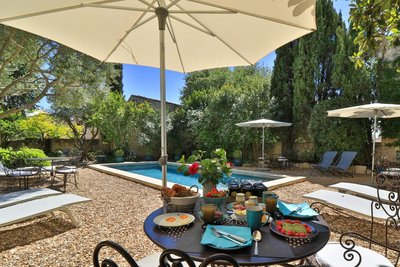
Le Jardin de Mazan
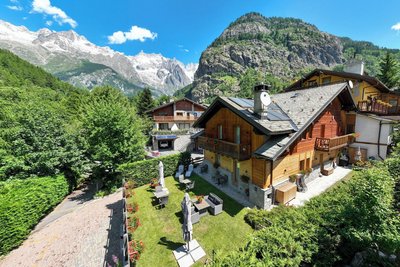
L'Abri des Amis
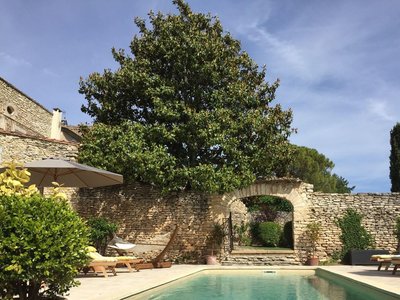
Domaine les Martins - Gordes
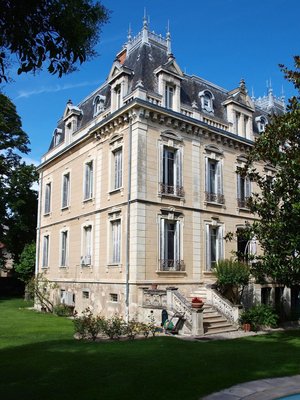
Villa Magnolia Parc - Adults Only
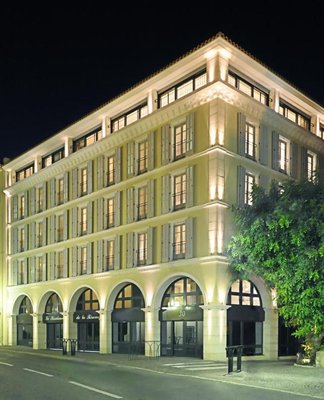
La Résidence de La Réserve
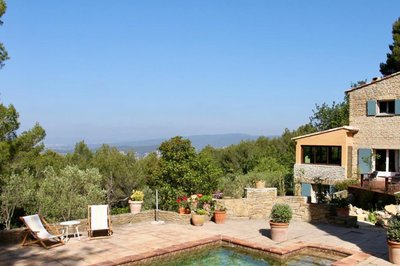
La Bastide du Beausset-Vieux
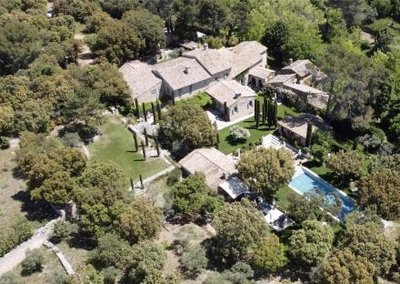
Villa Hautvallon - Peaceful Escape in Provence
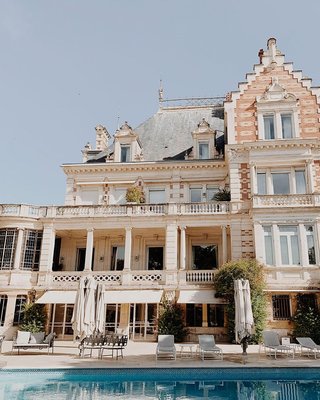
La Villa Guy & Spa - Teritoria

Hotel Barrière Fouquet's New York
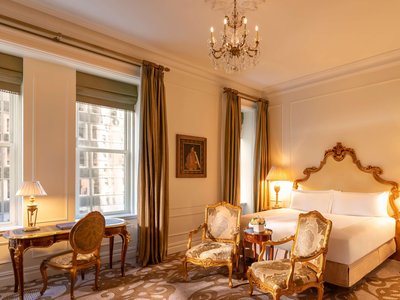
The Plaza - A Fairmont Managed Hotel
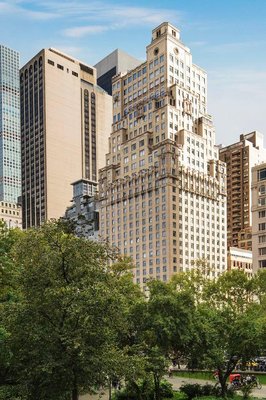
The Ritz-Carlton New York, Central Park

Four Seasons Hotel New York
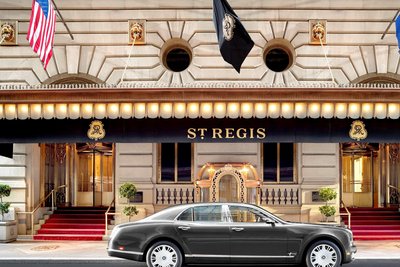
The St. Regis New York
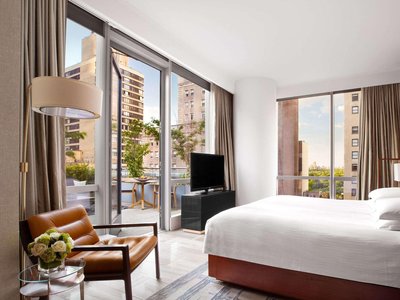
Park Hyatt New York
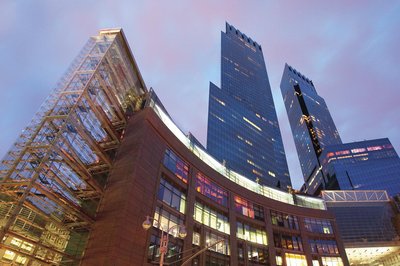
Mandarin Oriental New York
Times Square Edition New York
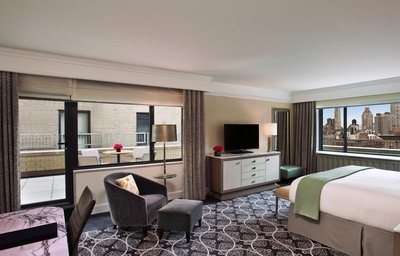
Loews Regency New York Hotel
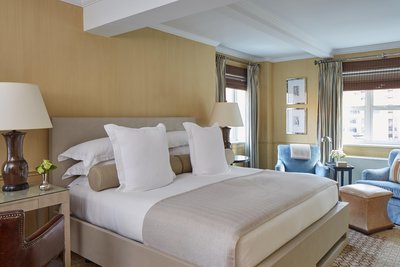
Lowell Hotel
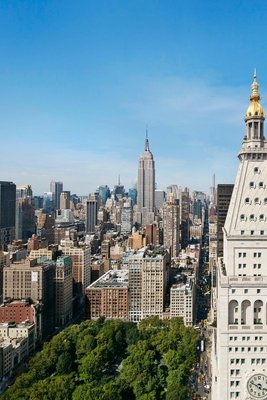
New York Edition
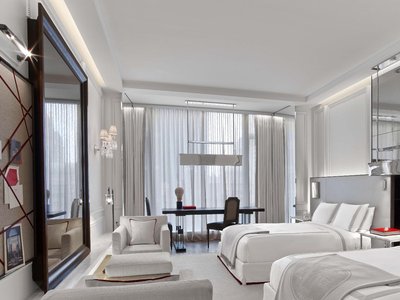
Baccarat Hotel New York
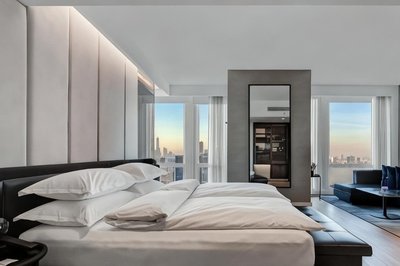
Equinox Hotel New York

Four Seasons Hotel New York Downtown
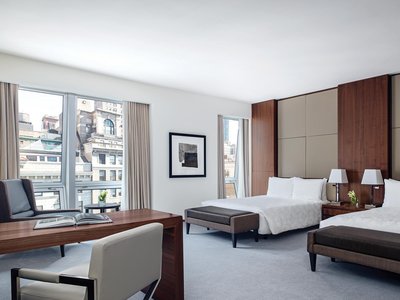
The Langham, New York, Fifth Avenue
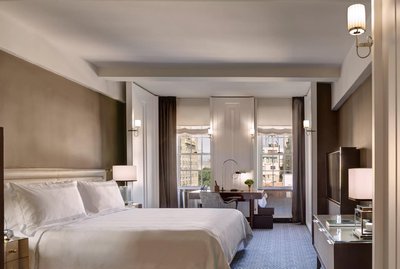
The Carlyle, A Rosewood Hotel

The Chatwal, in the Unbound Collection by Hyatt
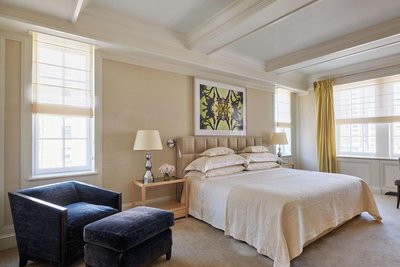
The Mark New York

Trump International Hotel & Tower® New York
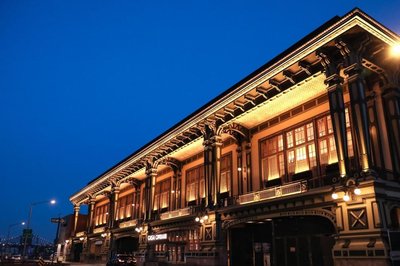
Casa Cipriani New York
Frequently Asked Questions about Traveling to Orgon
Questions You Might Need to Know About Traveling to Orgon
For an authentic cultural experience in Aigues-Vives, stay in the historic Old Town Quarter near the Church of Sainte-Marie-Madeleine. This area features cobbled streets, 18th-century stone houses, and local artisan shops selling handmade ceramics and lavender products. The Domaine de la Boulie vineyard offers guided wine tastings with regional Côtes de Provence wines. Enjoy evening strolls along the River Durance, where seasonal festivals highlight Provençal music and traditional dance. Many boutique hotels here blend rustic charm with modern comforts, making it ideal for travelers seeking immersive rural French life.
For authentic Provençal cuisine in Aigues-Vives, visit La Table du Moulin, a family-run restaurant housed in a restored 17th-century mill. Their signature dish is Ratatouille de la Terre, a slow-cooked vegetable stew infused with fresh herbs from the garden. They also serve Socca, a chickpea flour pancake topped with rosemary and olive oil—perfect as a street food snack. Ingredients are sourced daily from nearby farms, including organic olives and wild thyme. For dessert, try their Clafoutis aux Cerises made with locally grown cherries. The restaurant hosts monthly cooking classes where guests learn to prepare traditional dishes using ancestral recipes.
The best time to visit Aigues-Vives for pleasant weather and fewer crowds is late April to early June. During this period, temperatures range from 18°C to 25°C, ideal for exploring the countryside without the summer heat. The lavender fields begin to bloom in late May, adding a fragrant purple hue to the landscape. Local markets are vibrant but less crowded than July and August. Additionally, many cultural events—such as the Festival des Arts Ruraux—take place during these months, offering intimate performances and workshops. Avoid peak holiday weeks in August when most locals take vacations, leading to higher accommodation prices and full restaurants.
Yes, Le Petit Écolodge de l’Olivier is a certified eco-friendly hotel in Aigues-Vives, powered entirely by solar energy and rainwater harvesting systems. The rooms are built with reclaimed wood and natural insulation materials, featuring zero-waste bathrooms and organic cotton linens. Guests can participate in on-site composting workshops and tree-planting activities. The hotel operates a small organic farm supplying ingredients to its on-site restaurant, Le Jardin Bio, which serves plant-based meals using seasonal produce. It also partners with local conservation groups to protect the surrounding Mediterranean scrubland. Eco-conscious travelers appreciate the hotel’s commitment to sustainability without compromising comfort.
Yes, Aigues-Vives offers several bike and e-scooter rental options through Vélo'Provence and EcoRide Aix. Rentals are available at the town square kiosk and near the Rhône River Path, with options ranging from standard bicycles to electric-assist models suitable for hilly terrain. All vehicles come equipped with helmets, GPS trackers, and lock systems. The city has developed a network of dedicated cycling lanes connecting major attractions like the Old Town, Lavender Fields, and Caveau des Vignerons. Rentals include 24-hour access, and apps allow real-time tracking and payment. Many visitors use them to explore the scenic Durance Valley Trail, enjoying panoramic views of the Alpilles Mountains and ancient Roman ruins along the way.
In Aigues-Vives, unique souvenirs include hand-painted ceramic tiles from Atelier Terracotta, each one individually designed with Provençal motifs like sunflowers and olive branches. Another standout is artisanal lavender-infused honey, produced by local beekeepers using wildflower nectar and dried lavender from nearby fields. You can also find olive wood carvings—small animals, kitchen utensils, and decorative boxes—crafted by master woodworkers in the village workshop. These items are sold at the Marché de Terroir, held every Saturday morning at the Place de la Liberté, where vendors offer direct support to local artisans. Many shops provide custom gift wrapping with recycled paper, making them perfect keepsakes that reflect authentic southern French craftsmanship.
Top outdoor activities in Aigues-Vives include hiking the Sentier des Olives, a scenic trail winding through terraced olive groves and offering panoramic views of the Alpilles Mountains. For adventure seekers, kayaking on the Durance River provides a thrilling way to explore hidden gorges and ancient rock carvings. Birdwatchers love the Marais de la Tour wetlands, home to over 150 species of migratory birds. Families enjoy the Parc Naturel de la Vallée, which features nature trails, a children’s discovery zone, and weekly storytelling sessions in French and English. Seasonal events like Night Walks Under the Stars and Moonlight Vineyard Tours add magical touches to the outdoor experience, blending nature, culture, and relaxation.
Yes, Aigues-Vives is highly suitable for solo travelers. The town’s small size and welcoming community make it easy to connect with locals and fellow visitors. Many cafés, such as Café L’Éclat, feature cozy corners ideal for reading or journaling, while the Public Library & Cultural Center hosts regular meetups, language exchanges, and art exhibitions. Solo adventurers can join guided hikes, pottery workshops, or wine-tasting tours tailored for individuals. The town’s safety, clean streets, and reliable public transport—including free Wi-Fi on buses—enhance comfort. Evenings are peaceful, with inviting bars and open-air cinemas, allowing solo travelers to enjoy quiet reflection or spontaneous socializing in a relaxed, authentic French setting.
Must-see natural landmarks near Aigues-Vives include the Montagne de la Selle, a limestone ridge offering panoramic views of the Alpilles and the Rhône Valley. The Lavender Fields of Val de l’Or stretch across the hillsides in late June, creating a breathtaking sea of purple blooms—perfect for photography and sensory immersion. Nearby, the Grotte des Fées (Fairies’ Cave) features stunning stalactite formations and underground streams, accessible via guided tours. The Marais de la Tour wetland reserve supports diverse wildlife, including rare herons and dragonflies. All sites are well-marked with walking paths and interpretive panels, making them ideal for nature lovers seeking both beauty and ecological education in a serene Provençal landscape.
Must-visit historical buildings in Aigues-Vives include the Église Notre-Dame-de-l'Assomption, a 12th-century Gothic church with intricate stained-glass windows and a bell tower offering panoramic views. Adjacent is the Place du Puits, a medieval marketplace with original cobblestones and a 17th-century fountain. The Aqueduc Romain, an ancient Roman aqueduct spanning the valley, showcases remarkable engineering and remains partially intact. Nearby, the Maison Bleue—once a 18th-century apothecary—is now a local history museum displaying antique farming tools, herbal manuscripts, and traditional clothing. These sites collectively illustrate the town’s layered past, from Roman settlement to Provençal village life, and are ideal for history enthusiasts seeking authenticity beyond tourist spots.
Orgon Overview
City Summary
Orgon is a charming town in the Bouches-du-Rhône department of France, located in the heart of Provence. Known for its medieval architecture, tranquil rural atmosphere, and stunning natural landscapes, Orgon boasts a rich historical heritage, including ancient churches and castles. It is also an ideal starting point for exploring the Provençal countryside.
Must-See Attractions
Key attractions in Orgon include the Church of Saint-Michel, a Romanesque church with exquisite architectural details and historic frescoes. The ruins of Orgon Castle offer a fantastic vantage point to overlook the town and surrounding countryside. Additionally, the nearby Alpilles Mountains are a paradise for hikers and nature lovers, with numerous scenic trails.
Food Guide
In Orgon, you can savor traditional Provençal cuisine, such as Ratatouille and Bouillabaisse. Local markets offer fresh produce and artisanal cheeses, particularly goat cheese and olive oil, which are must-try specialties.
Transportation Guide
Public transportation in Orgon is relatively limited, so renting a car is recommended. The town itself is walkable, but a car is the most convenient way to explore the surrounding areas. The nearest train stations are in Avignon or Marseille, from where you can take a bus or taxi to Orgon.
Best Time to Visit
The best time to visit is during spring (April to June) and autumn (September to October), when the weather is mild and there are fewer tourists. Summer (July to August) can be warm and crowded.
Travel Tips
- Respect local culture: Orgon is a quiet town, so maintain a low profile and respect the pace of local life.
- Wear comfortable shoes: The town has cobblestone streets and hills, so comfortable walking shoes are advisable.
- Carry cash: Some small shops and markets may not accept credit cards, so it's good to have some cash on hand.
- Language: While English is understood in tourist areas, learning a few basic French phrases will be appreciated.
- Eco-consciousness: Do not litter and help keep the environment clean.
- Safety: Be cautious when walking in poorly lit alleys at night.
Useful Information
Language: French is the main language, but English is commonly understood in tourist areas. Internet: Most hotels and cafés offer free Wi-Fi. Payment: Credit cards are accepted in larger stores and restaurants, but smaller vendors may only take cash. Emergency: The nearest hospitals are in Avignon or Marseille, so travel insurance is recommended. Voltage: 220V, with European standard two-pin round plugs.