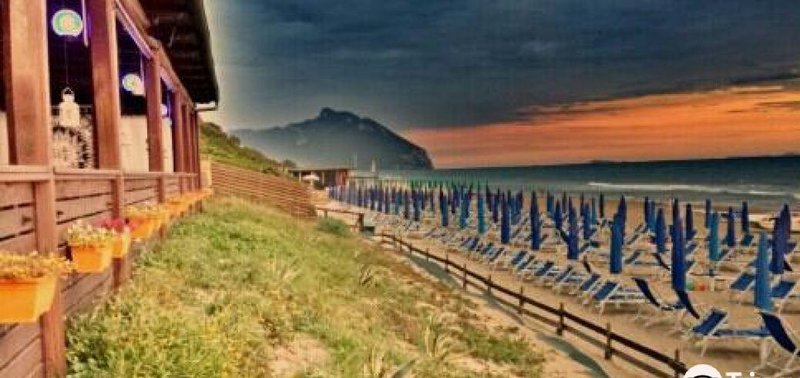
Hotels in Orvieto
Discover your perfect stay in Orvieto.
Orvieto(Italy) Travel 2026: Cheap Flights, Hotels & Top Attractions
Popular Landmarks in Orvieto
Discover the most iconic attractions in Orvieto
Recommended Hotels in Orvieto
Find the perfect place to stay in Orvieto
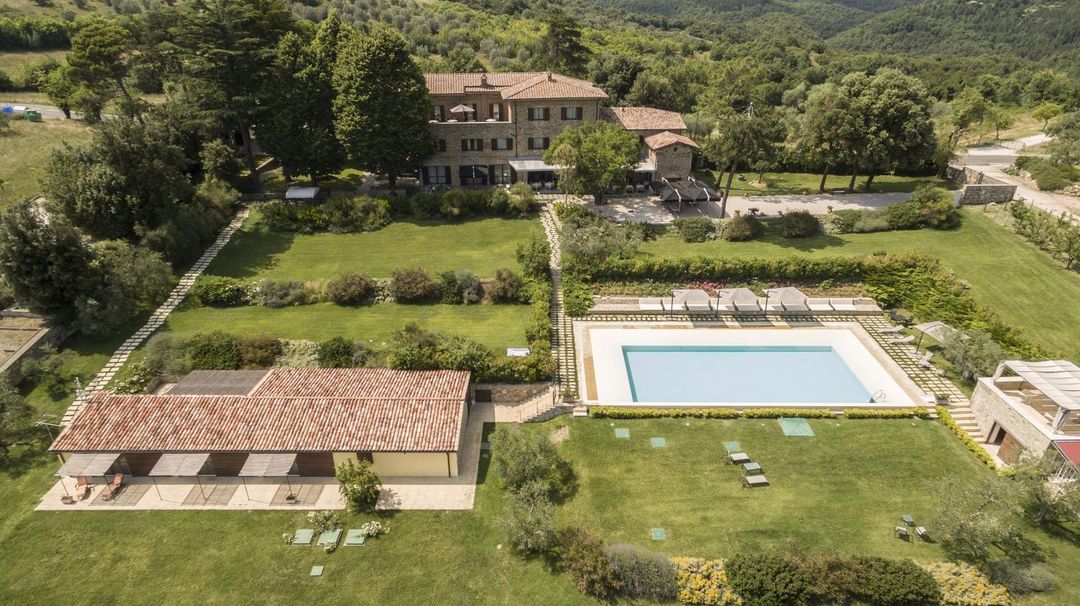
Tenuta Ponziani
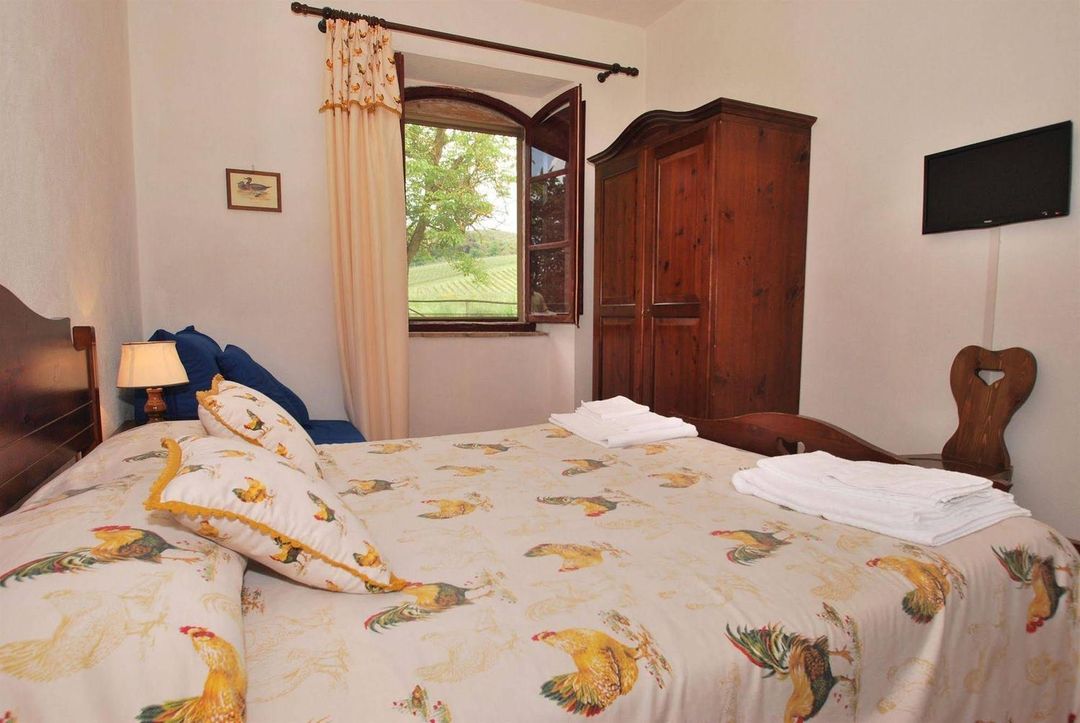
Tenuta di Corbara
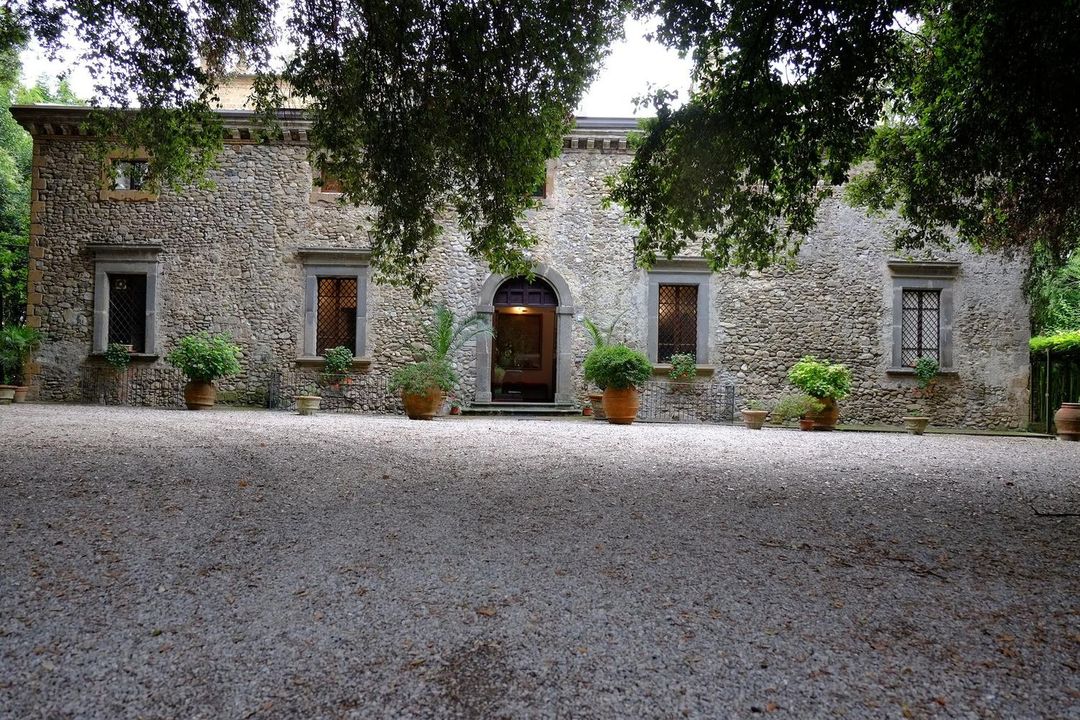
Hotel Villa Ciconia
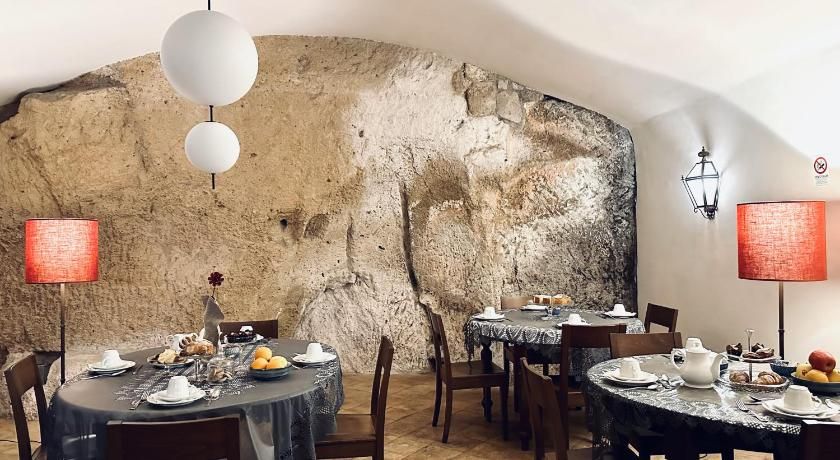
Hotel Palazzo Piccolomini
Podere la Vigna Locazione Turistica
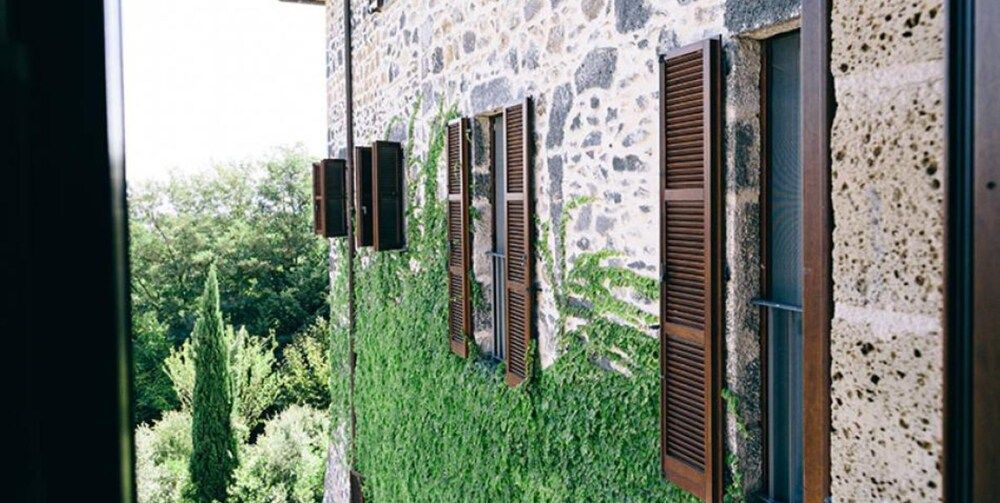
Pietra Campana Italian Villa Orvieto
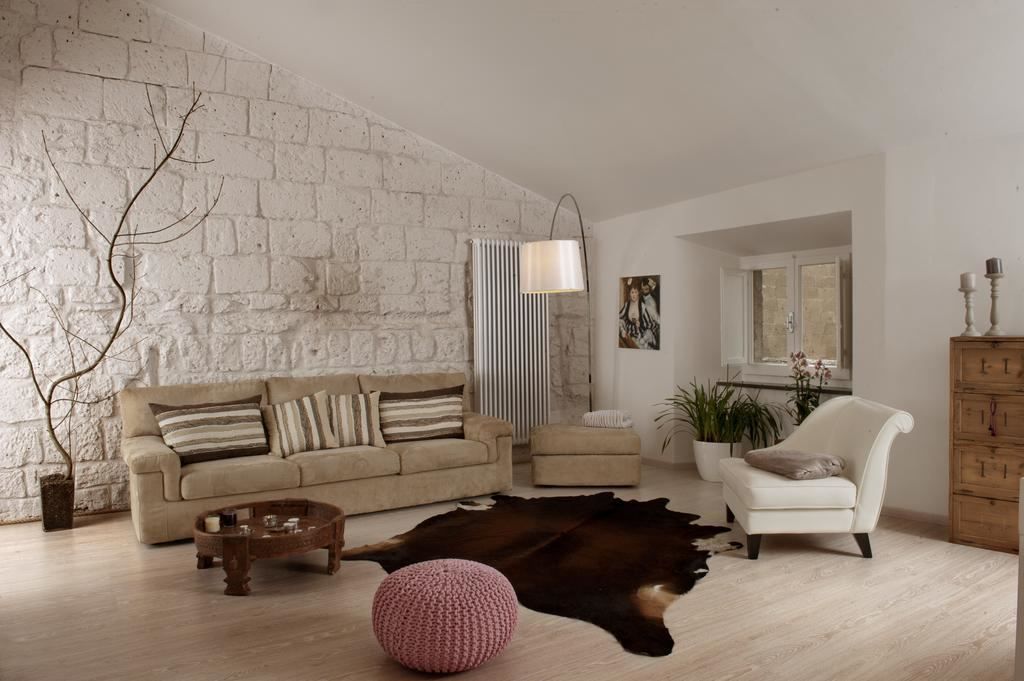
Appartamento Manassei
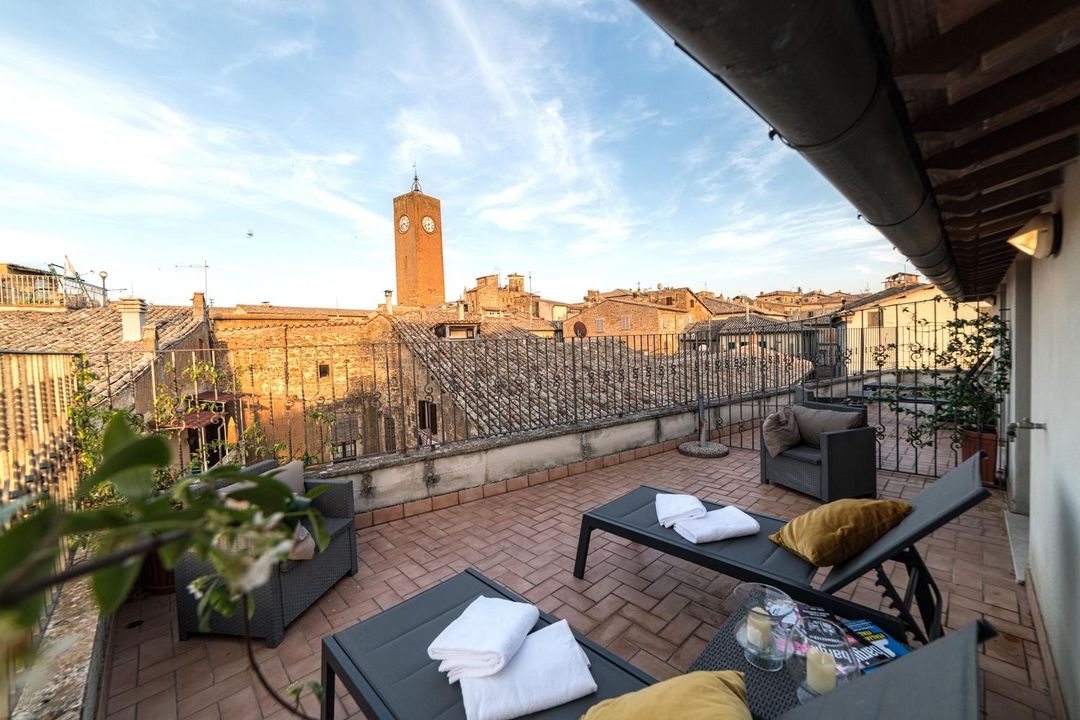
Grand Hotel Italia
Best Hotels in Orvieto
Discover curated hotel collections in Orvieto
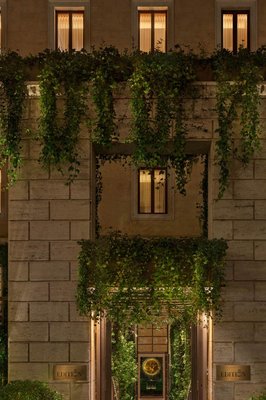
The Rome Edition
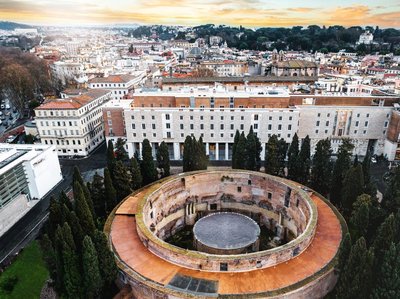
Bulgari Hotel Roma
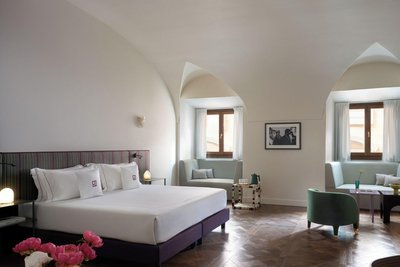
Palazzo Talìa - Small Luxury Hotels of the World
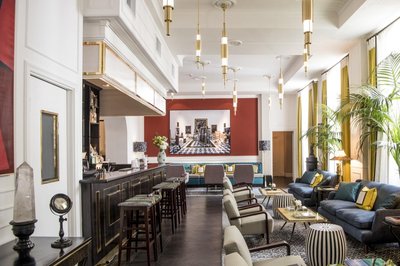
Hotel Vilòn
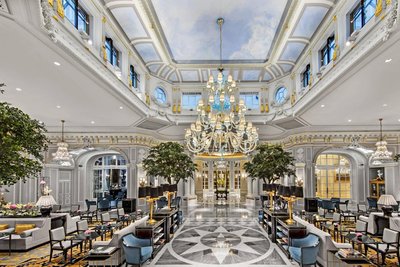
The St. Regis Rome
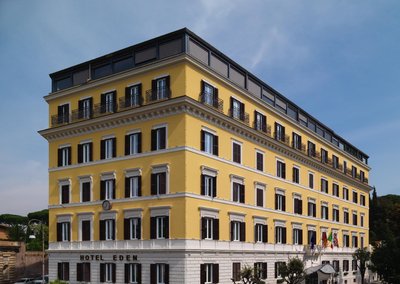
Hotel Eden - Dorchester Collection
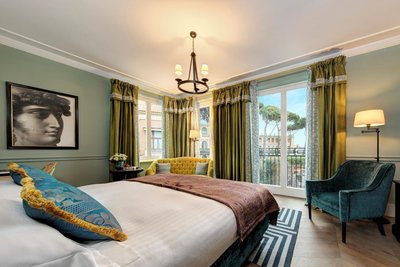
Rocco Forte Hotel de La Ville
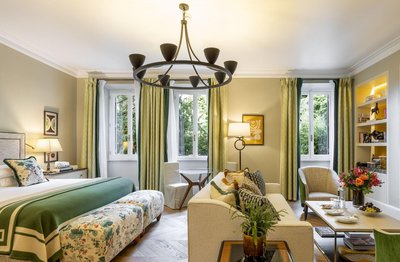
Rocco Forte Hotel De Russie
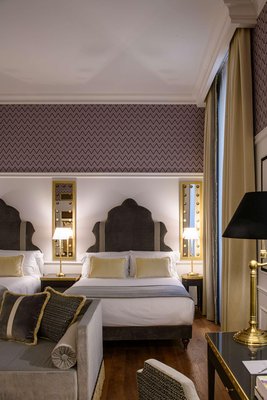
Il Tornabuoni Unbound
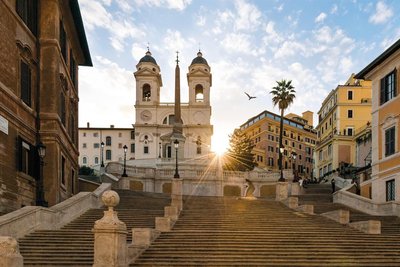
Hassler Roma
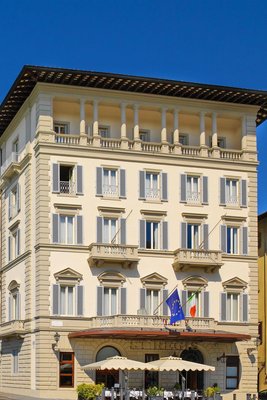
The St. Regis Florence
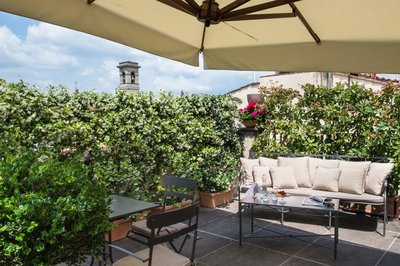
Palazzo Vecchietti - Residenza d'Epoca
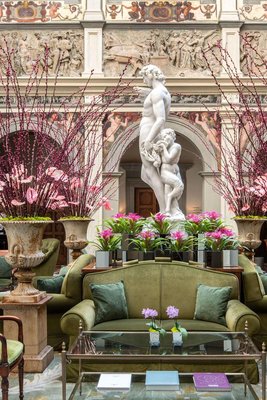
Four Seasons Hotel Firenze
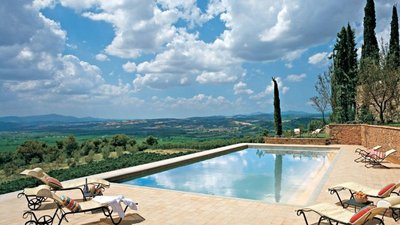
Castello Banfi - Il Borgo - Relais et Chateaux
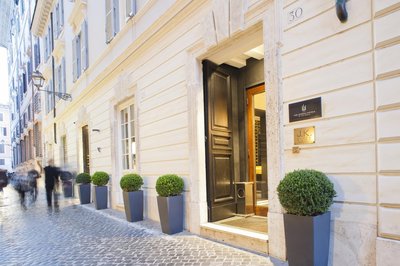
J.K. Place Roma - the Leading Hotels of the World
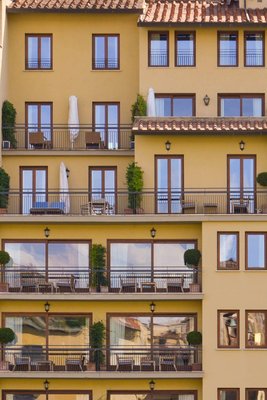
Hotel Lungarno - Lungarno Collection
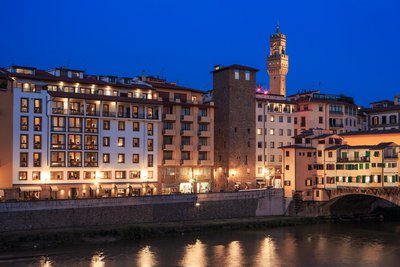
Portrait Firenze - Lungarno Collection
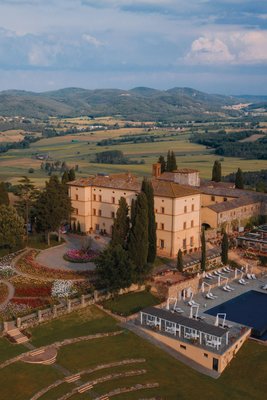
Castello di Casole, A Belmond Hotel, Tuscany
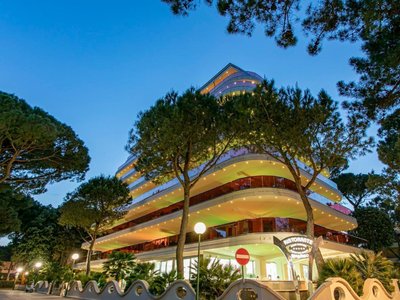
Boutique Hotel Paradiso Bovelacci
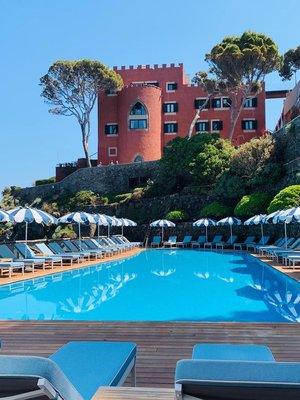
Mezzatorre Hotel & Thermal Spa
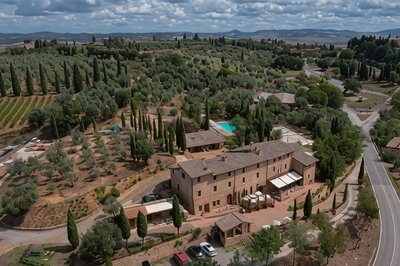
Il Miraggio in Val d'Orcia Relais & Spa
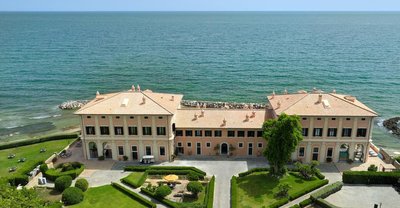
La Posta Vecchia Hotel
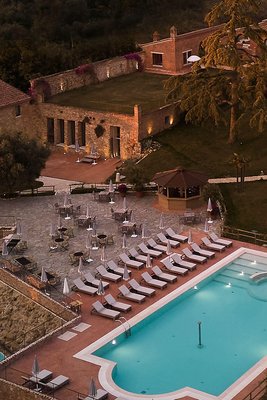
Precise Tale Poggio Alla Sala

Palazzo Roma
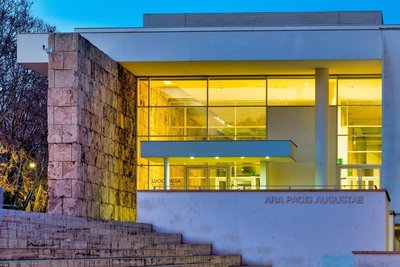
Palazzo Shedir - the Leading Hotels of the World
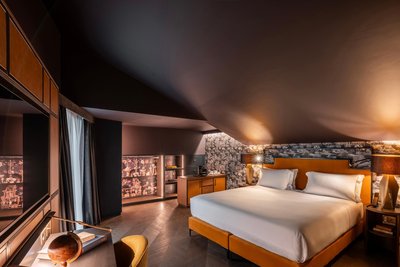
The Goethe Hotel
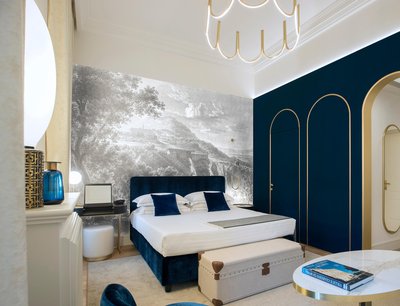
Elizabeth Unique Hotel Rome By Design Hotels
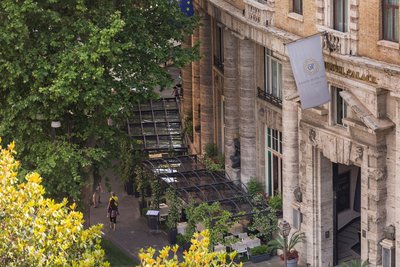
Grand Hotel Palace Rome
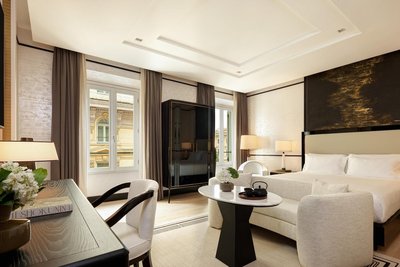
Nobu Hotel Roma
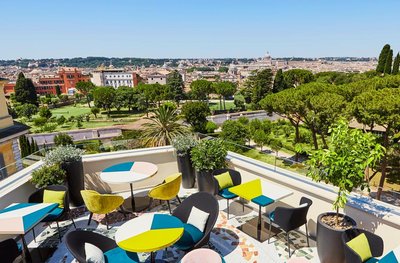
Sofitel Roma Villa Borghese
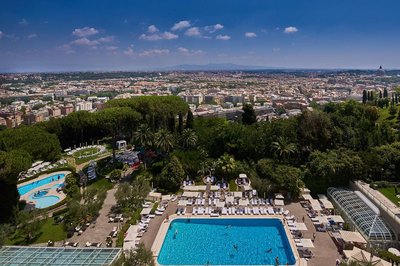
Rome Cavalieri, A Waldorf Astoria Hotel
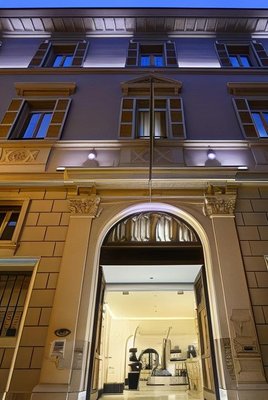
The First Arte - Preferred Hotels & Resorts
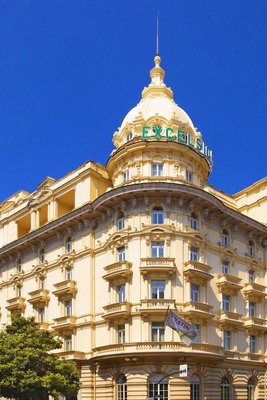
The Westin Excelsior, Rome
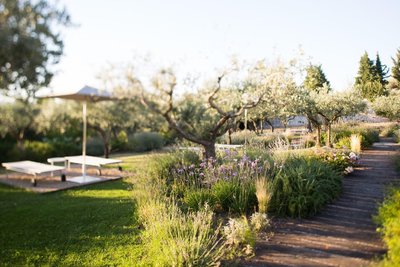
Nun Assisi Relais & Spa Museum
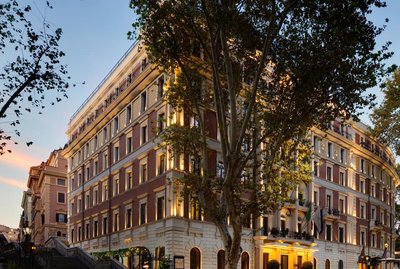
InterContinental Rome Ambasciatori Palace
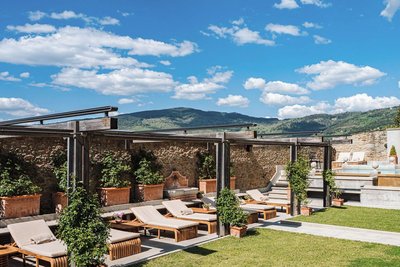
Monastero di Cortona Hotel & Spa
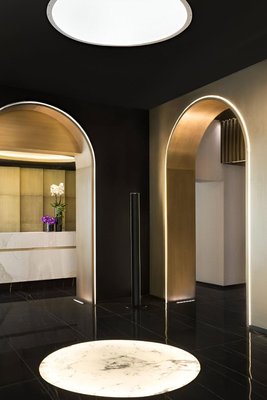
The Pantheon Iconic Rome Hotel, Autograph Collection
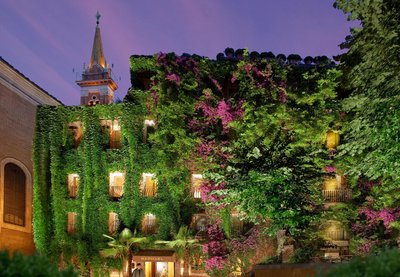
Bio Hotel Raphael - Relais & Châteaux
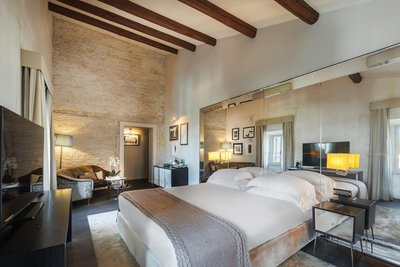
Dom Hotel Roma - Preferred Hotels & Resorts
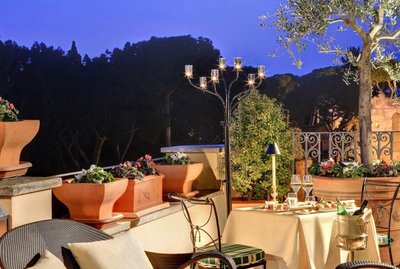
Hotel Splendide Royal - the Leading Hotels of the World
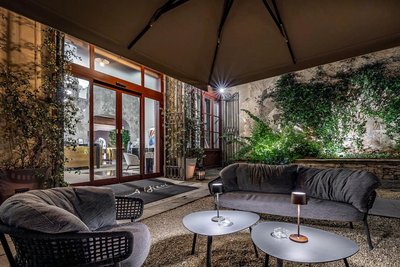
Il Rivalta
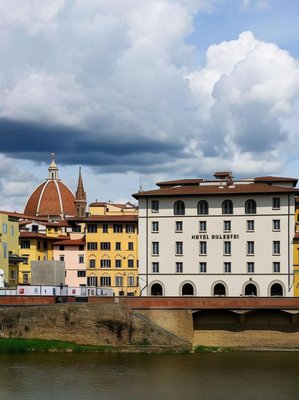
Hotel Balestri - Wtb Hotels
The St. Regis Florence
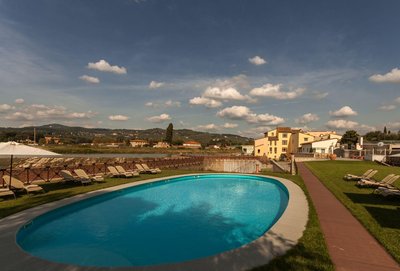
Hotel Mulino di Firenze, WorldHotels Crafted
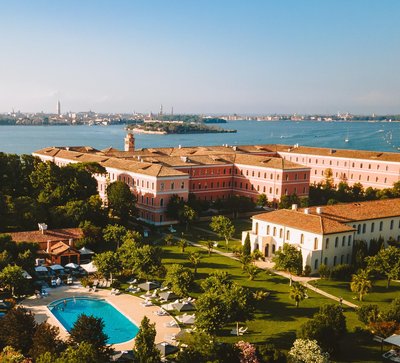
San Clemente Palace, Venice
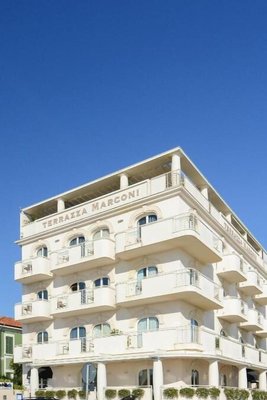
Terrazza Marconi Hotel&Spamarine

Boutique Hotel Torre di Cala Piccola
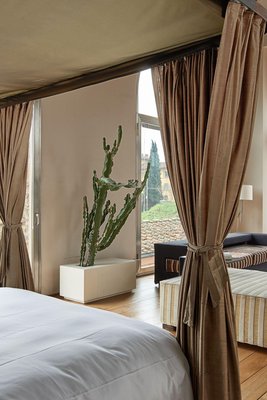
Riva Lofts Florence
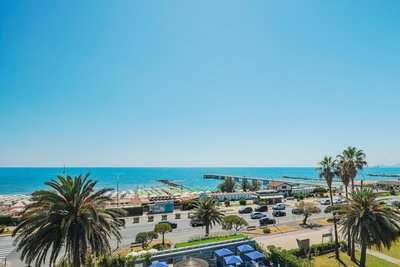
Hotel Excelsior
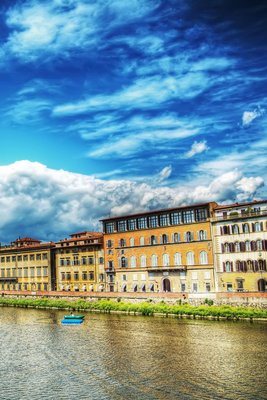
Palazzo Alfieri Residenza d'Epoca
Hotel Lungarno - Lungarno Collection
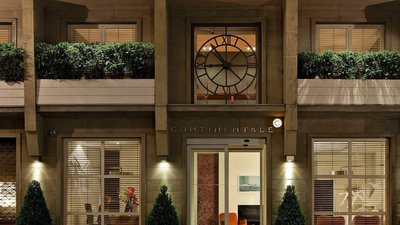
Hotel Continentale - Lungarno Collection
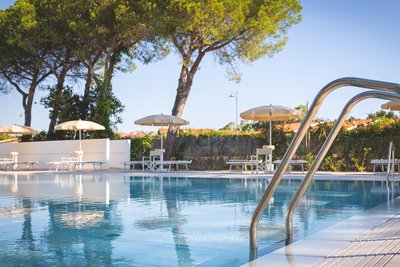
The Sense Experience Resort - Preferred Hotels & Resorts
Portrait Firenze - Lungarno Collection
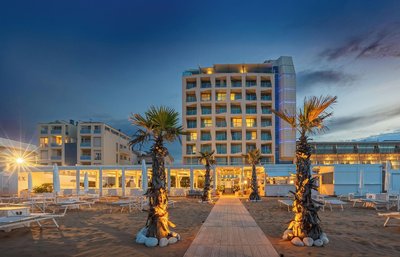
Excelsior Hotel, Spa & Lido
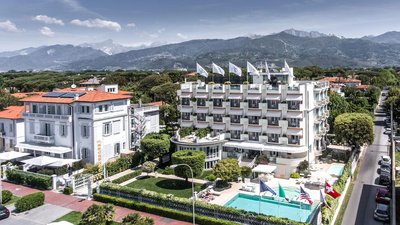
Hotel Il Negresco

Grand Hotel Gallia
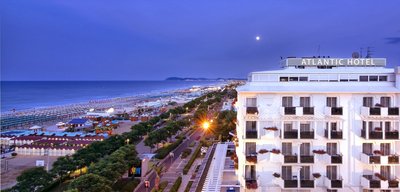
Hotel Atlantic
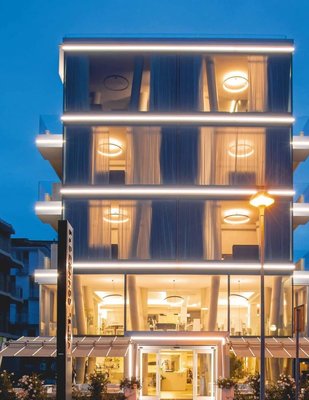
Hotel Commodore
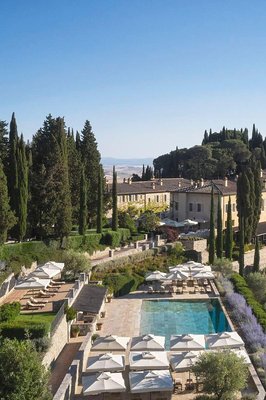
Rosewood Castiglion del Bosco
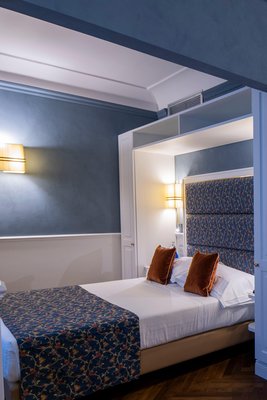
Rivoli Boutique Hotel
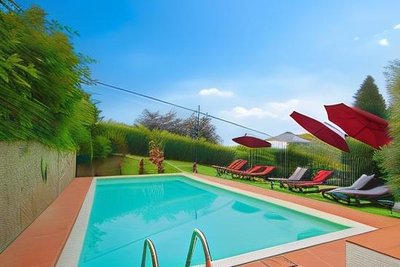
Hotel Villa Sermolli
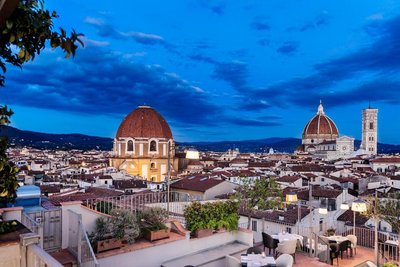
Grand Hotel Baglioni
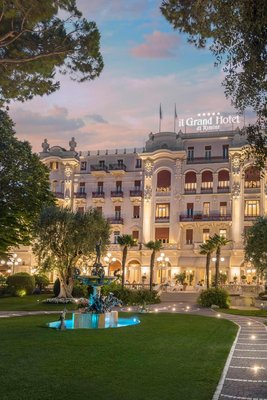
Grand Hotel Rimini
The St. Regis Rome
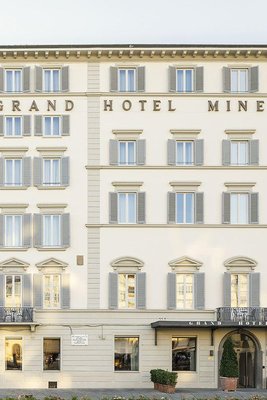
Grand Hotel Minerva
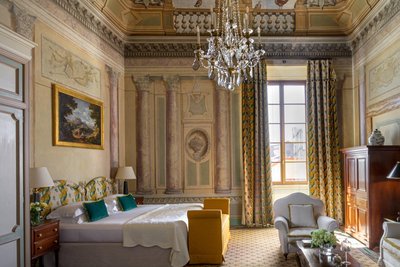
Grand Hotel Continental Siena - Starhotels Collezione
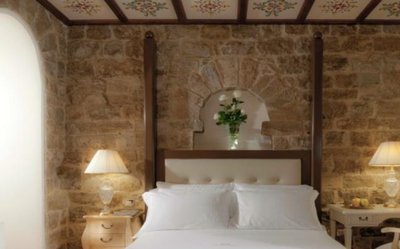
Golden Tower Hotel & Spa
The Westin Excelsior, Rome
InterContinental Rome Ambasciatori Palace
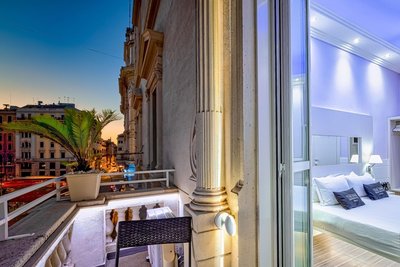
The One Boutique Hotel & Spa Rome
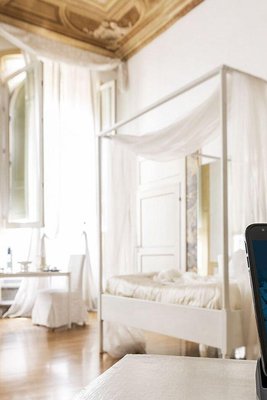
Palazzo Tolomei - Residenza d'Epoca
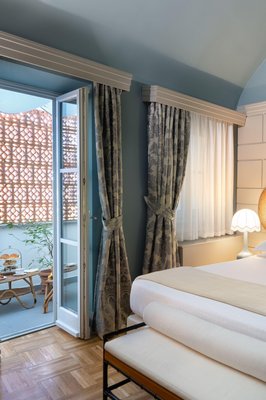
Hotel Number Nine
Dom Hotel Roma - Preferred Hotels & Resorts
Hotel Splendide Royal - the Leading Hotels of the World
Four Seasons Hotel Firenze
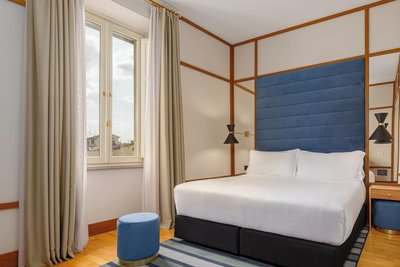
Room Mate Luca, Florence
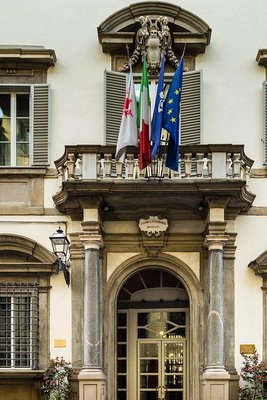
Palazzo Firenze by Baglioni Hotels & Resorts
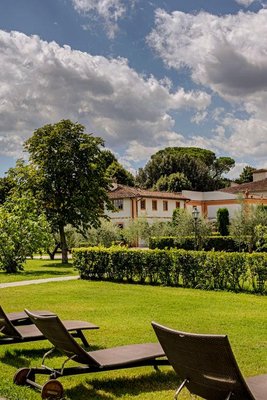
Villa Olmi Firenze
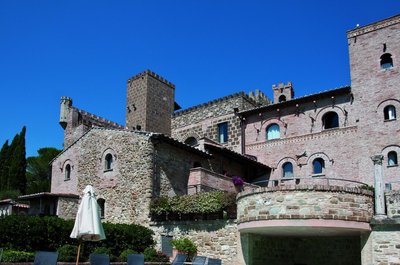
Castello di Monterone
Bulgari Hotel Roma
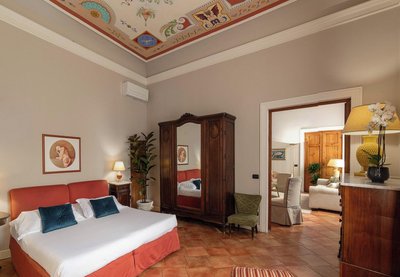
Palazzo Alfani - Residenza d'Epoca
Elizabeth Unique Hotel Rome By Design Hotels
Grand Hotel Minerva
The First Arte - Preferred Hotels & Resorts
Il Tornabuoni Unbound
Hassler Roma
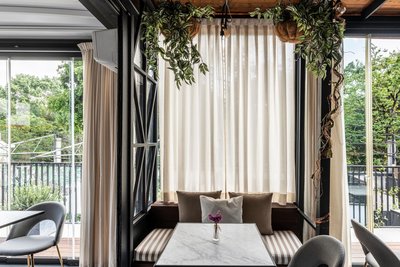
Horti 14 Borgo Trastevere Hotel
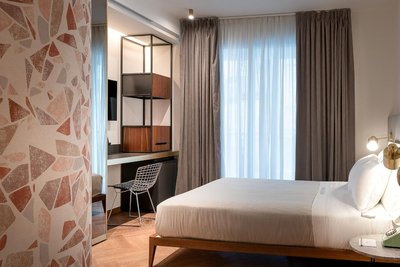
The Box Riccione - Adults Only
J.K. Place Roma - the Leading Hotels of the World
Portrait Firenze - Lungarno Collection
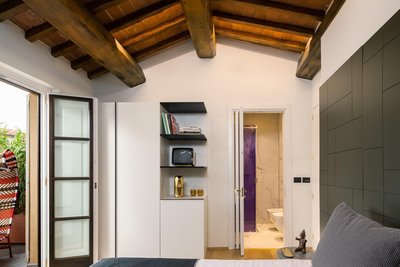
Hotel Milu Florence
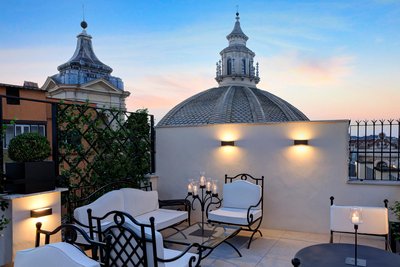
Palazzo Nainer
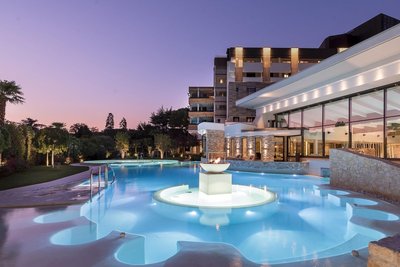
Esplanade Tergesteo - Luxury Retreat
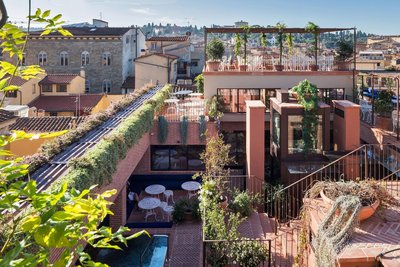
Hotel Calimala Florence
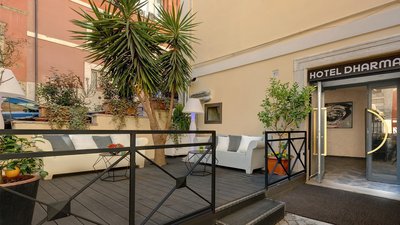
Dharma Boutique Hotel & Spa
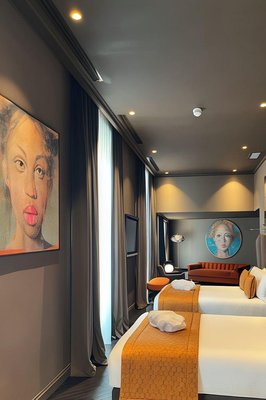
U-VISIONARY ROMA HOTEL
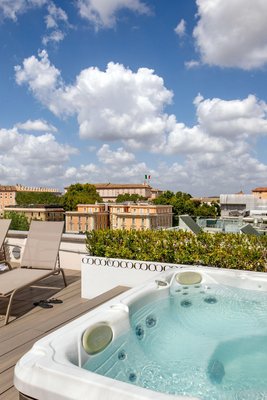
The Glam

The Social Hub Bologna
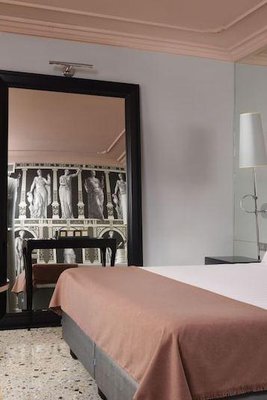
Leon's Place Hotel
Grand Hotel Baglioni
Hotel Eden - Dorchester Collection
Sofitel Roma Villa Borghese
Rome Cavalieri, A Waldorf Astoria Hotel
The First Arte - Preferred Hotels & Resorts
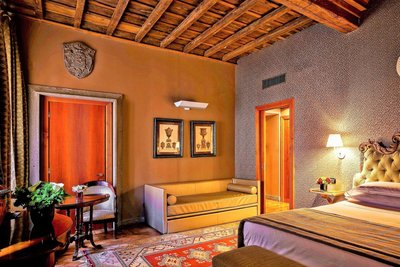
Hotel Valadier
Hassler Roma
The St. Regis Florence
The Pantheon Iconic Rome Hotel, Autograph Collection
Bio Hotel Raphael - Relais & Châteaux
Hotel Splendide Royal - the Leading Hotels of the World
Four Seasons Hotel Firenze
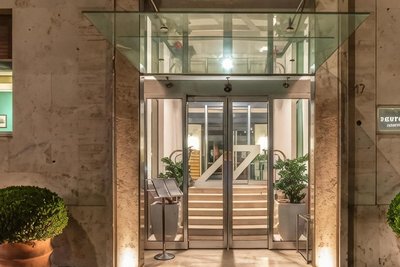
47 Boutique Hotel
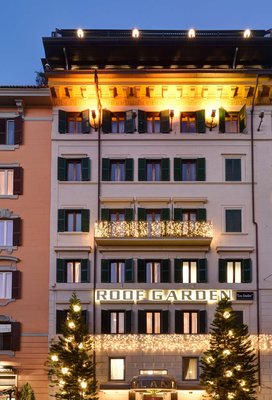
Atlante Star Hotel
Portrait Firenze - Lungarno Collection
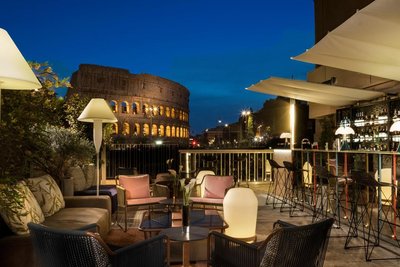
Hotel Palazzo Manfredi – Small Luxury Hotels of The World
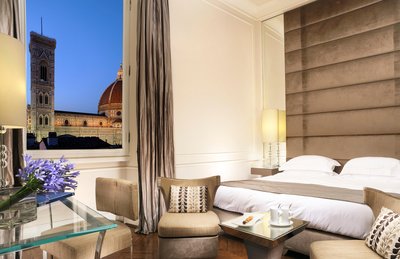
Brunelleschi Hotel
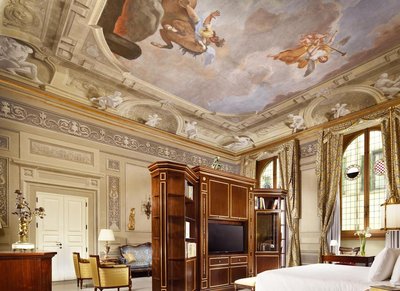
Palazzo Portinari Salviati Residenza d'Epoca
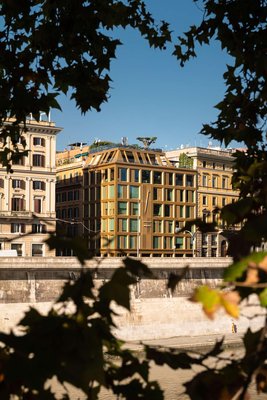
The First Musica - Preferred Hotels & Resorts
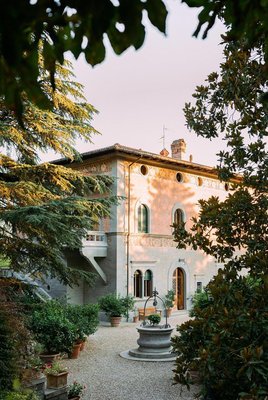
Villa la Commenda Concordia
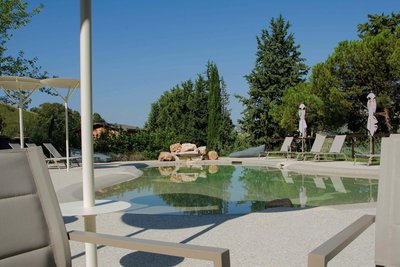
Colle Serrano Relais & Spa
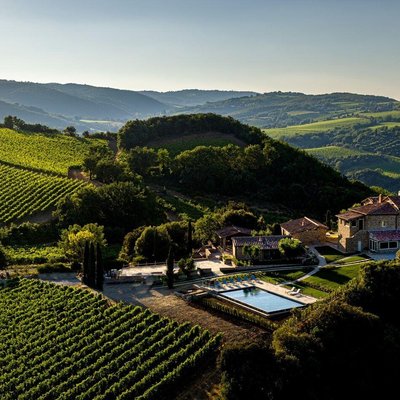
Mastrojanni Relais
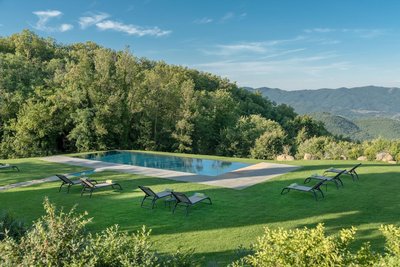
Badia di Pomaio
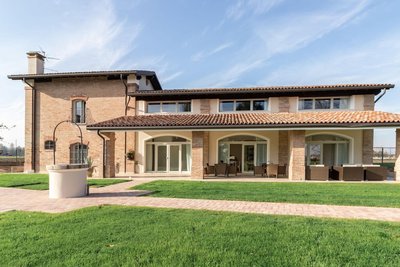
Monteborre
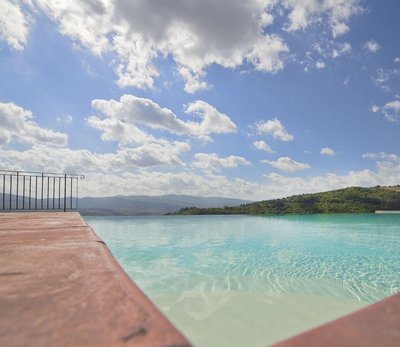
Castello Vicchiomaggio
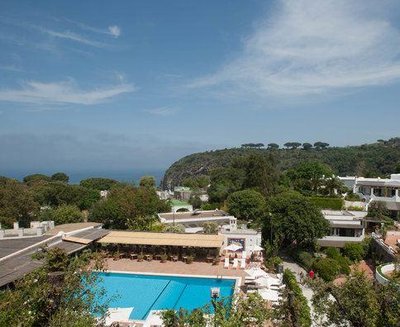
Botania Relais & Spa - the Leading Hotels of the World
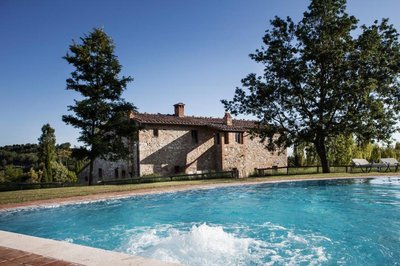
B&B - Podere Monti
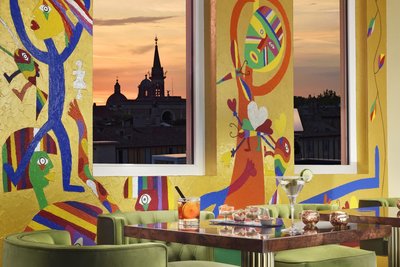
Lifestyle Suites Rome
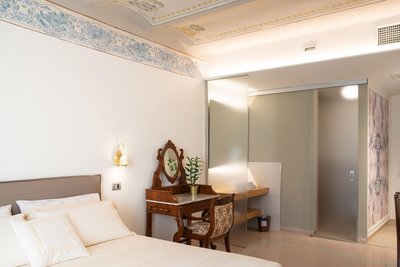
Portica10
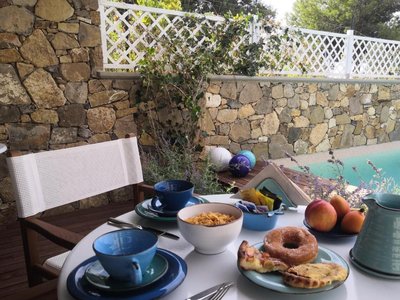
Stile Libero b&b
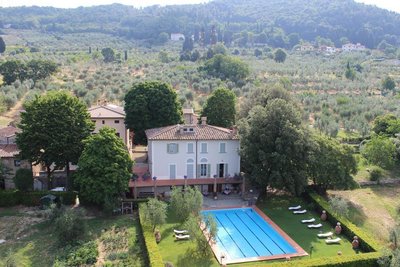
Borgo I Vicelli
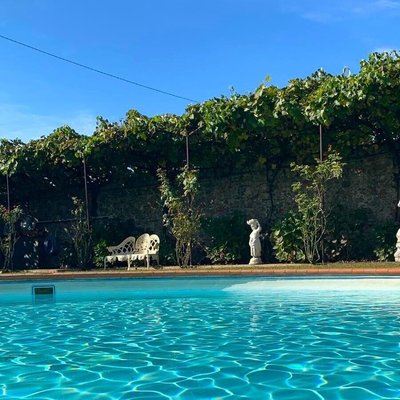
Villa la Preziosa
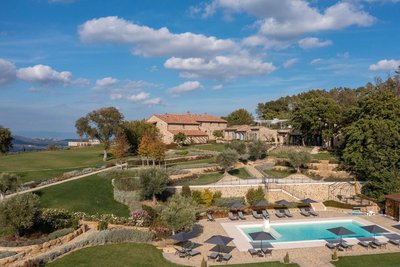
I Borghi Dell'Eremo
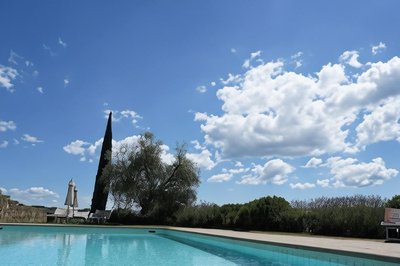
Wine Resort Dievole
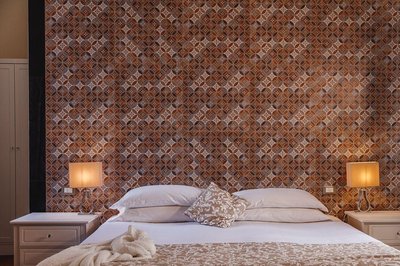
My Spanishsteps
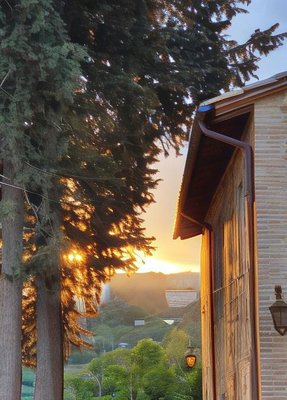
Stelle di Monte
Frequently Asked Questions about Traveling to Orvieto
Questions You Might Need to Know About Traveling to Orvieto
In Orvieto, the Hotel Santa Maria stands out as a boutique hotel nestled in the heart of the ancient city, offering original medieval stone walls and arched ceilings. Located steps from the Duomo and Basilica della Madonna del Soccorso, it blends authentic heritage with modern comfort. Another exceptional choice is Palazzo del Capitano, a former 14th-century town hall transformed into a luxury guesthouse with private gardens and panoramic views over Umbria’s countryside. Both properties provide free Wi-Fi, breakfast, and personalized service, making them ideal for travelers seeking character-rich stays in a UNESCO-recognized hilltop town.
The Old Town (Città Vecchia) is the best area to stay in Orvieto, perched atop a volcanic rock plateau at 600 meters above sea level. This historic district offers breathtaking views of the surrounding Umbrian landscape and unparalleled walkability—most landmarks including the Duomo, Sanctuary of Santa Maria, and Roman ruins are within a 10-minute stroll. Staying here allows guests to experience the city’s medieval atmosphere firsthand, with narrow cobblestone alleys, hidden courtyards, and sunset vistas from the city walls. The area is also safe and quiet, perfect for evening strolls under the stars.
Visitors to Orvieto must not miss touring the Duomo di Orvieto, home to the masterpiece frescoes by Luca Signorelli depicting The Last Judgment. These vivid, dynamic paintings are among the most important in Renaissance art. Additionally, the annual Festival di Orvieto in summer features world-class classical and jazz concerts held in historic churches and open-air venues. For a deeper connection to local history, join a guided underground tour through the ancient subterranean tunnels and cisterns, revealing how the city sustained itself during sieges through its sophisticated water system.
Must-try dishes in Orvieto include Pici con la Cinghiale—thick hand-rolled pasta served with wild boar sauce—a regional specialty bursting with flavor. Don’t miss Orvieto White Wine (Vernaccia di Orvieto), a crisp, aromatic white wine produced from local grapes, perfect with seafood or cheese. Other highlights are Crostini di Funghi Porcini (wild mushroom bruschetta) and Sfogliatelle, flaky pastries often filled with ricotta. Sample these at traditional trattorias in Piazza del Popolo or the monthly Mercato Coperto, where local farmers sell fresh produce, honey, and handmade pasta.
Yes, Orvieto is family-friendly. Major attractions like the Duomo, Basilica della Madonna del Soccorso, and Archaeological Area offer accessible entrances and child-friendly audio guides. Many hotels provide family rooms and baby amenities. Outdoor options include gentle hiking trails around the city walls and farm visits such as Umbrian Vineyard Tours, where kids can learn about grape harvesting. With low crime rates and minimal traffic, families enjoy a peaceful, enriching experience amid stunning natural and historical surroundings.
Tourists can reach Orvieto via regional train from Rome in about 90 minutes. Once in the city, walking is the best way to explore the compact old town, though some areas involve steep stairs. Renting an electric bike through local providers is ideal for covering longer distances comfortably. For trips to nearby towns like Todi or Assisi, take the Frecce Express high-speed train or book a private transfer. Some hotels offer shuttle services, and designated parking areas are available on the outskirts for those driving.
Key historical landmarks in Orvieto include the Duomo di Orvieto, a stunning fusion of Gothic and Renaissance architecture featuring intricate façade carvings and the renowned frescoes by Luca Signorelli. The Basilica della Madonna del Soccorso boasts beautiful stained-glass windows and a serene interior. The Roman Archaeological Area reveals ancient foundations beneath the city, while the medieval city walls and Porta Buca gate offer dramatic views. These structures reflect Orvieto’s strategic importance as a religious and military center throughout history.
Nighttime in Orvieto is magical. Enjoy a drink at a terrace café in Piazza del Popolo, admiring the illuminated Duomo against the starry sky. Summer brings special events like open-air concerts at the Basilica della Madonna del Soccorso and candlelit tours of the cathedral. For local culture, visit a traditional enoteca in Via dei Pellegrini to hear live folk music and taste home-cooked dishes. Astronomy enthusiasts can join guided night walks to observe the Milky Way—thanks to Orvieto’s low light pollution—offering a unique blend of science and serenity.
For authentic souvenirs, visit the artisan shops around Piazza del Popolo, offering handcrafted ceramics, carved stones, and locally produced Vernaccia di Orvieto wine. The monthly Mercato Coperto (covered market) is ideal for sampling fresh cheeses, honey, dried mushrooms, and handmade pasta directly from local producers. For antiques, explore Antiquariato di Orvieto, which features medieval relics, vintage books, and religious artifacts. Consider buying a silk scarf printed with the Duomo’s façade or a limited-edition wine set—each item tells a story of Orvieto’s rich heritage.
The best times to visit Orvieto are spring (April–June) and autumn (September–October). During these seasons, temperatures are mild, skies are clear, and tourist crowds are thinner than in peak summer. Spring brings blooming flowers and lush greenery, while autumn offers harvest festivals and vibrant vineyard colors. These months also host cultural events like the Festival di Orvieto and wine tastings, allowing visitors to enjoy the city’s beauty and traditions without the heat and congestion of July and August.
Orvieto Overview
City Summary
Orvieto is a gem in Umbria, Italy, renowned for its medieval charm and cliff-top location. The city boasts a stunning Gothic cathedral and underground cave networks, blending Etruscan heritage with Renaissance art. Its core appeal lies in the slow-paced lifestyle and unspoiled authenticity.
Must-See Attractions
The Orvieto Cathedral is a must-see, with its mosaic façade and Signorelli frescoes being artistic marvels. St. Patrick's Well showcases Renaissance engineering with its 62-meter spiral staircase. Explore the Orvieto Underground to discover Etruscan cave dwellings. At dusk, enjoy cliffside sunsets at Piazza del Popolo or visit ceramic workshops for千年-old pottery traditions.
Food Guide
Savor the famed Orvieto Classico wine, paired with truffle pasta or wild boar ragù. Street food highlights include roasted pigeon (Palombacci) and chickpea flatbread (Farinata). For dessert, try almond biscuits (Tozzetti) dipped in Vin Santo, or the "best tiramisu in town" at historic Caffè Montanucci.
Transportation Guide
Reach Orvieto by train from Rome (1.5 hours) or drive via A1 highway (Orvieto exit). Within the city, walking is ideal, but use the funicular for steep slopes between old and new towns. Mini-buses (Linea A/B) circle the historic center (1.5€ per ride). Drivers should note ZTL restrictions and park at Porta Romana, then take shuttles.
Best Time to Visit
May-June and September-October offer 20-25°C temperatures and fewer crowds. July-August is hot but features the Umbria Jazz Festival. Winter (November-February) has shorter attraction hours but Christmas markets and thermal baths. Avoid Easter for cathedral overcrowding.
Travel Tips
- Dress code: Cover shoulders/knees for cathedral entry—carry a shawl.
- Cave safety: Wear grippy shoes in dim underground passages.
- Dining hours: Restaurants open 12:30-14:30/19:30-22:00; cafes only otherwise.
- Cash needs: Markets/small shops often cash-only; ATMs near the cathedral.
- Festival alerts: Roads close during Corpus Christi—check event calendars.
- Ceramic buys: Authentic pieces bear "Orvieto" stamps; avoid touristy knockoffs.
Useful Information
Language: Basic Italian phrases help (e.g., "Dov'è il bagno?" for restrooms). Internet: Free WiFi at Piazza Duomo/town hall; prepaid SIMs (TIM/Vodafone) require passports. Payments: Visa/Mastercard accepted, but ID needed for 50€+ purchases. Emergencies: English-speaking staff at Farmacia del Duomo; dial 112. Water: Safe to drink from historic fountains (e.g., Pozzo della Cava).