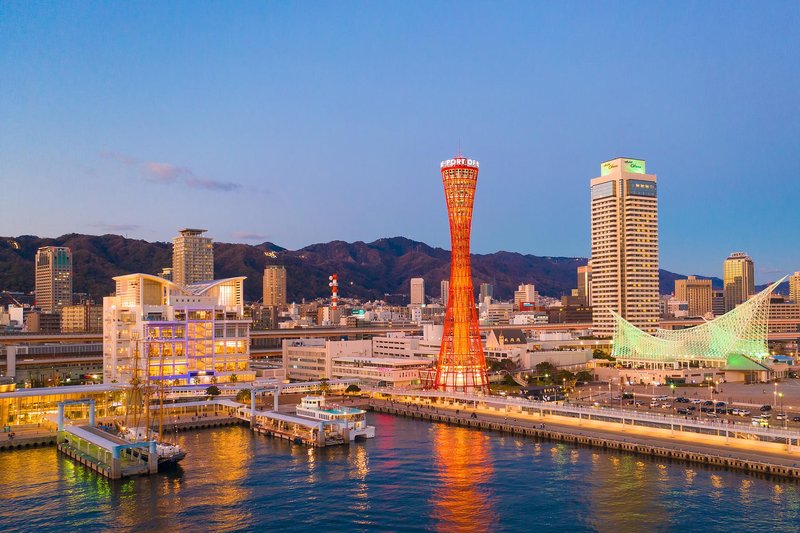
Hotels in Oshino
Discover your perfect stay in Oshino.
Oshino(Japan) Travel 2026: Cheap Flights, Hotels & Top Attractions
Popular Landmarks in Oshino
Discover the most iconic attractions in Oshino
Recommended Hotels in Oshino
Find the perfect place to stay in Oshino
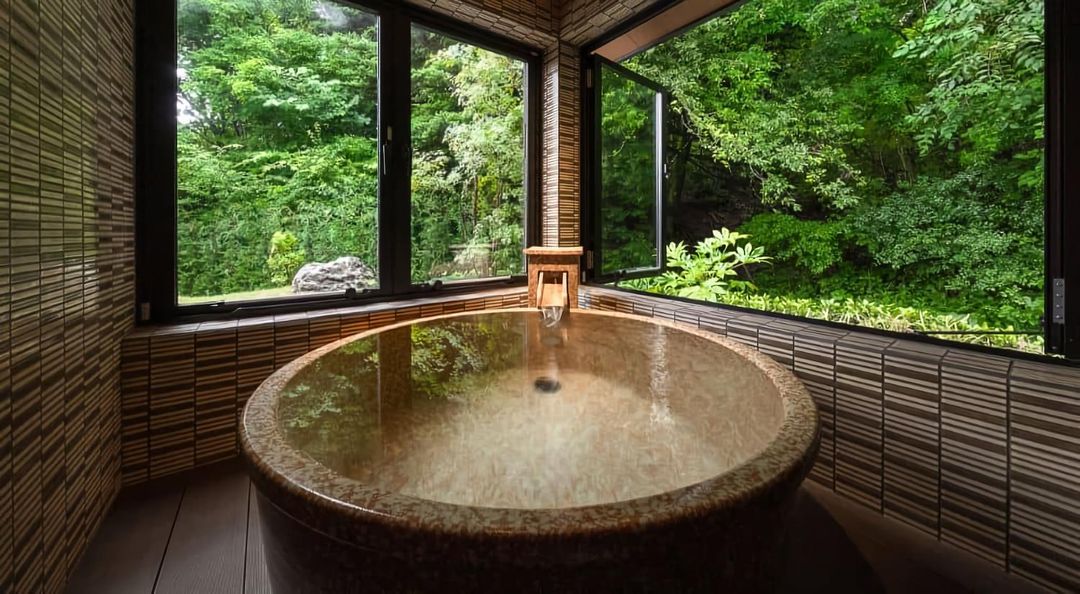
Hakkai Konohanakan
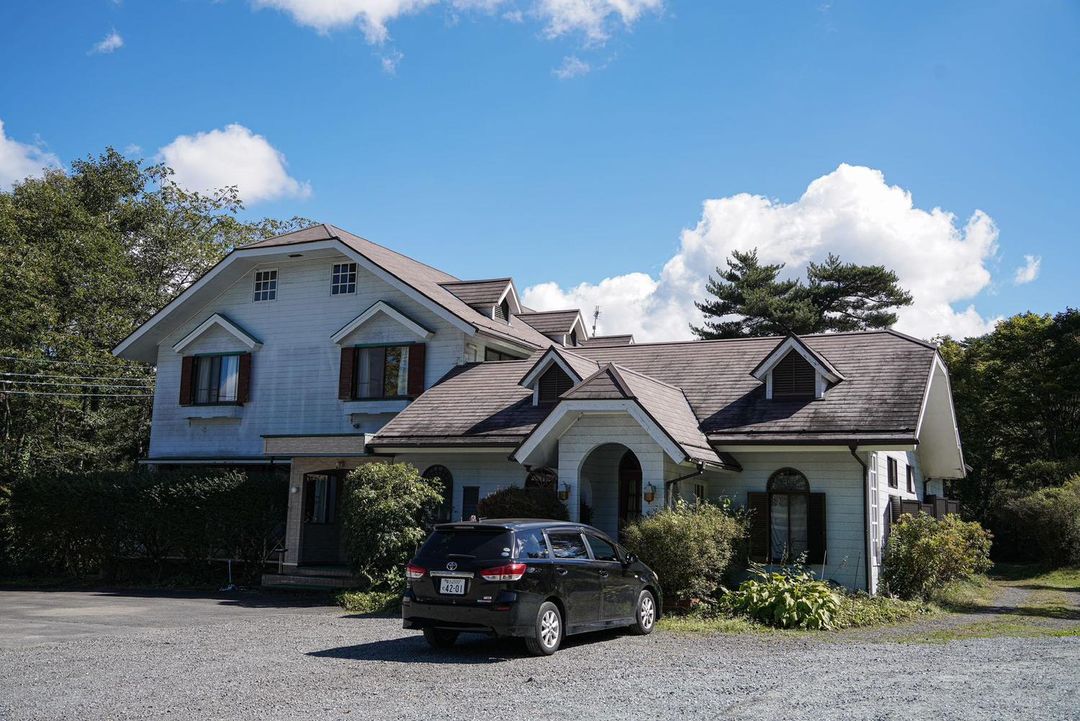
FOREST GARDEN HOTEL
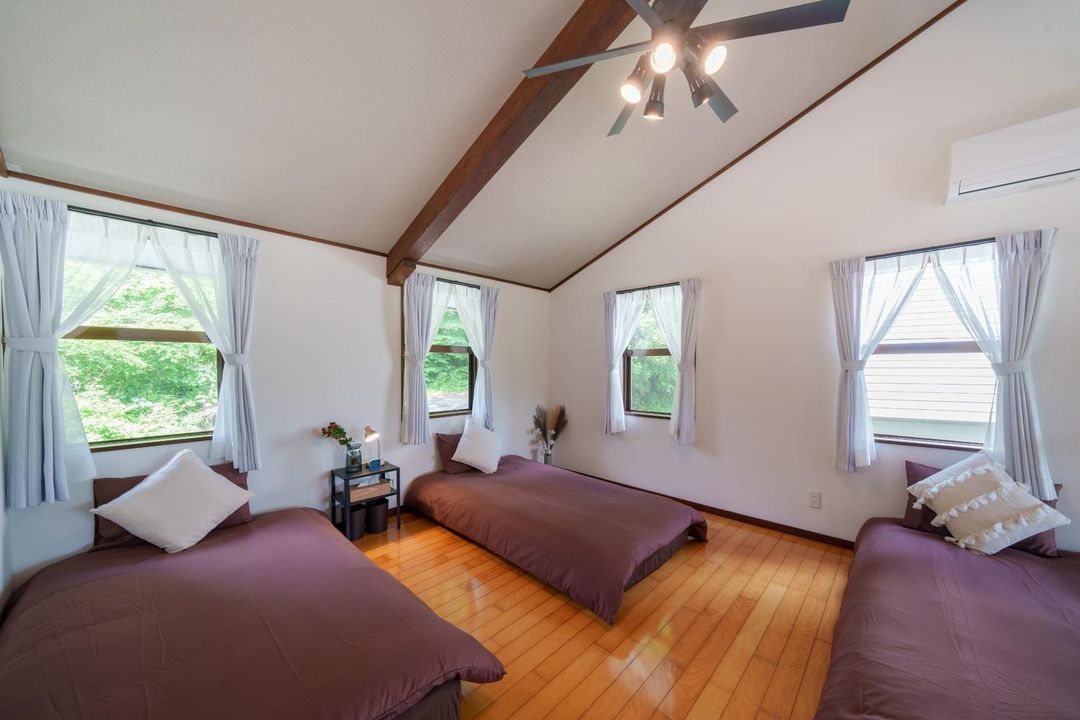
R-House 1st
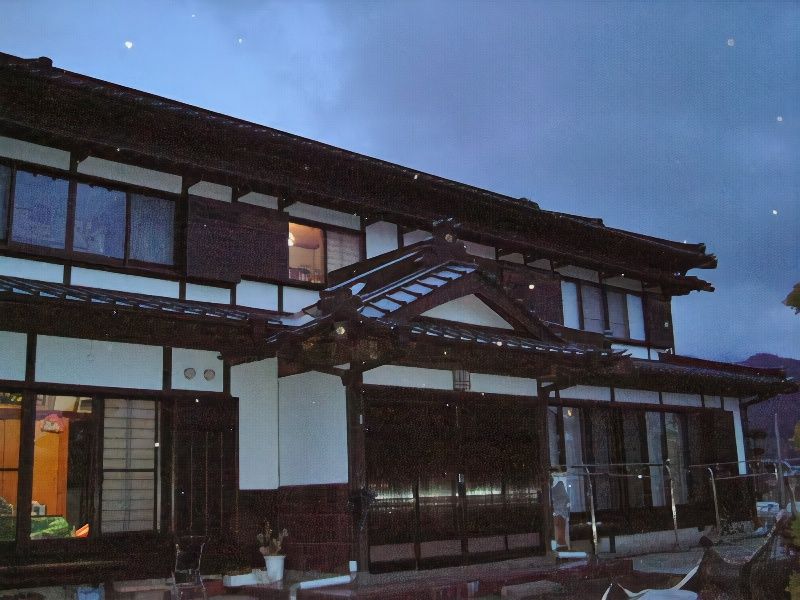
Minshuku Fujiso
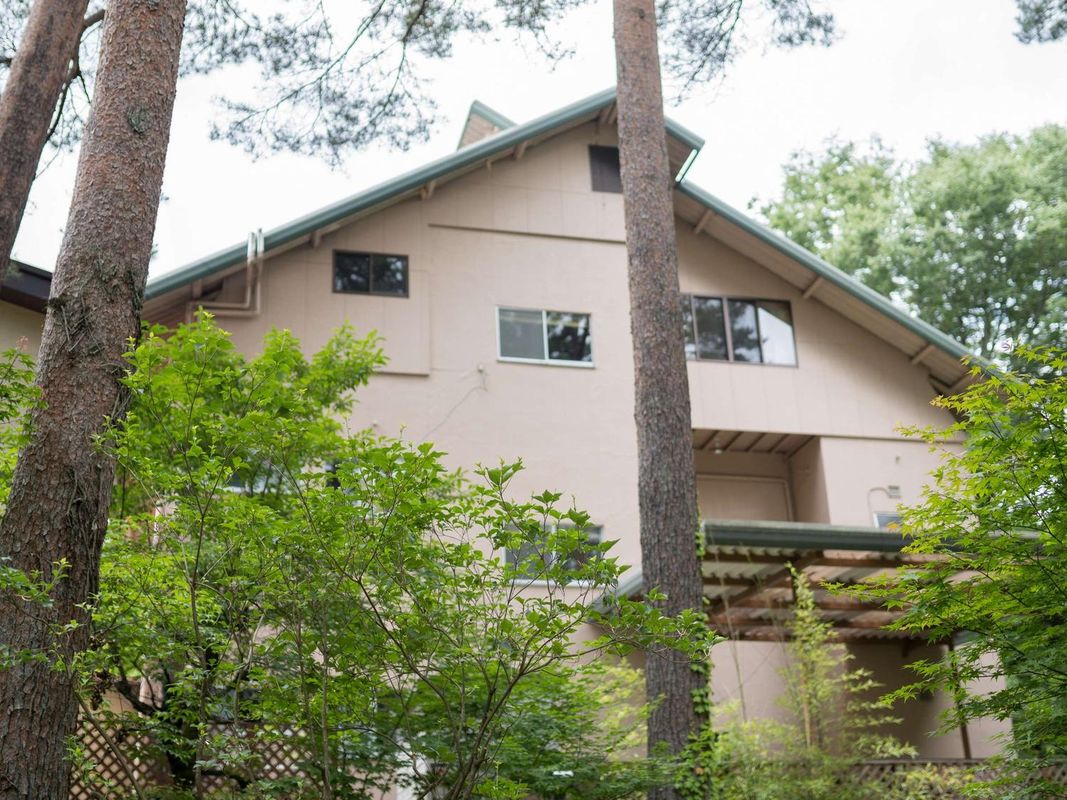
Oshino Kogen Hotel
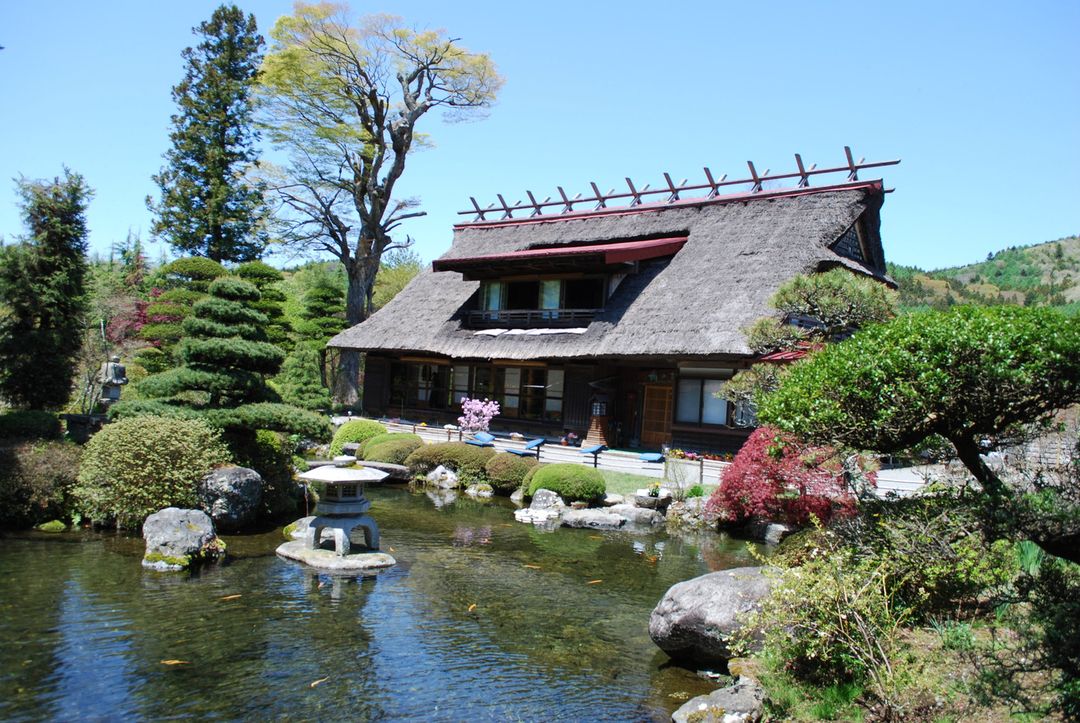
Minshuku Masunoie
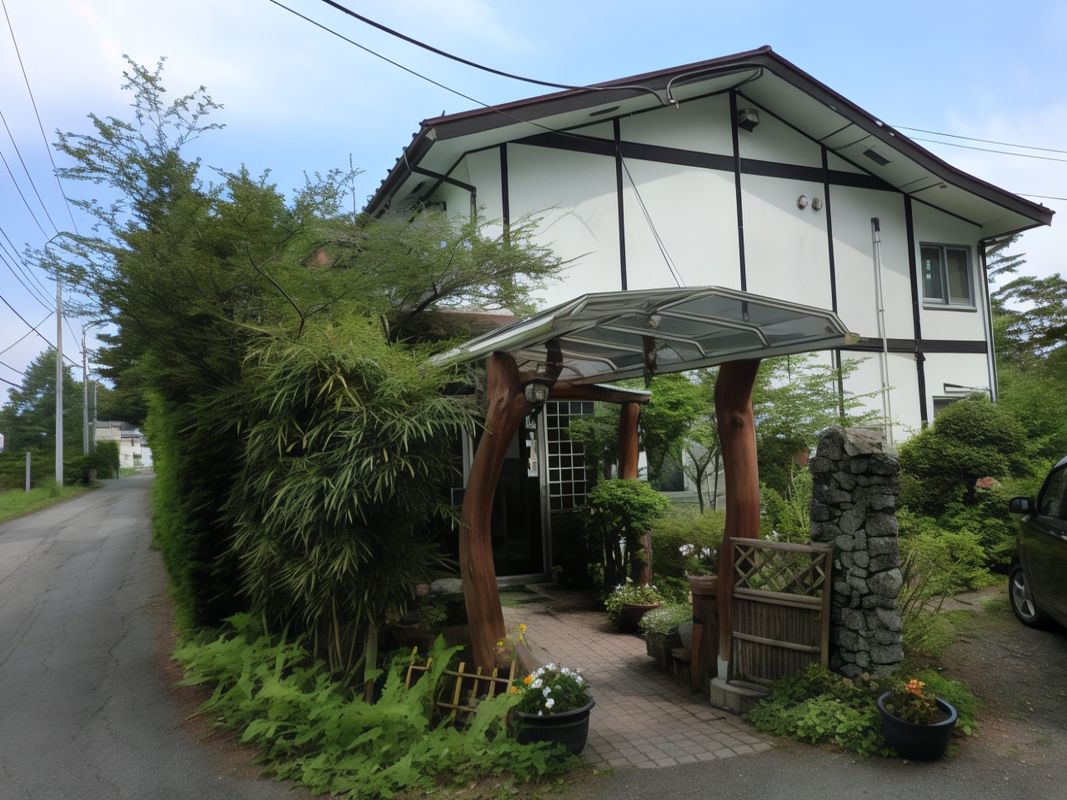
Inn Fujitomita
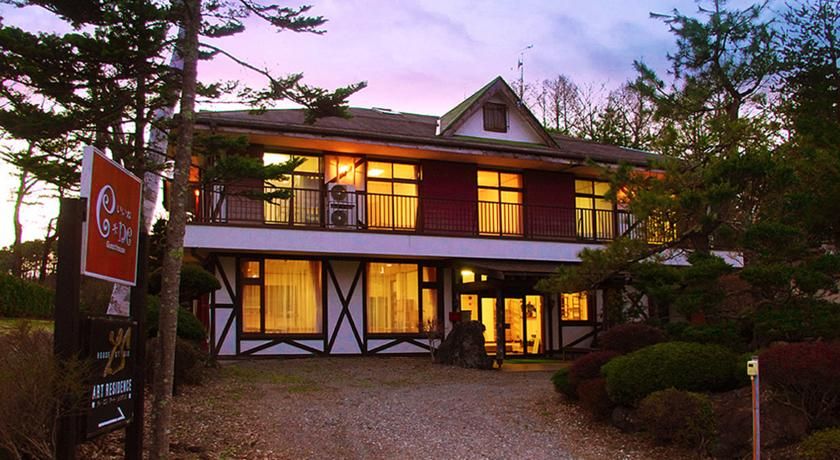
Guesthouse E-ne
Best Hotels in Oshino
Discover curated hotel collections in Oshino
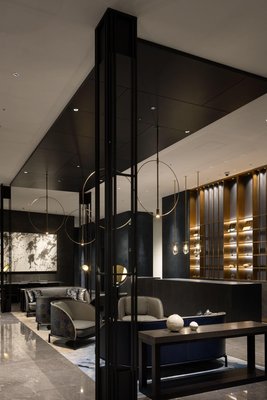
Bellustar Tokyo, A Pan Pacific Hotel
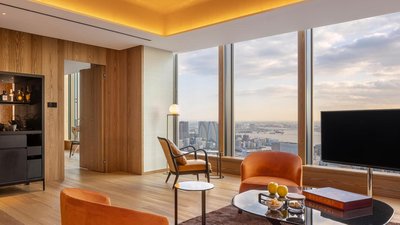
Bvlgari Hotel Tokyo
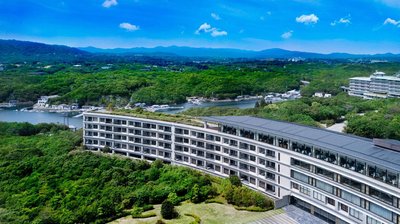
Shima Kanko Hotel the Bay Suites
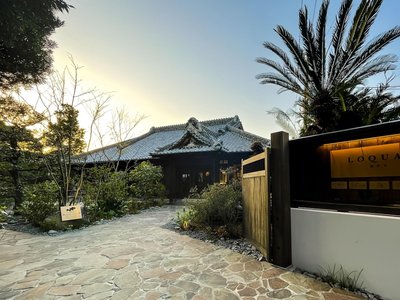
Loquat Nishiizu
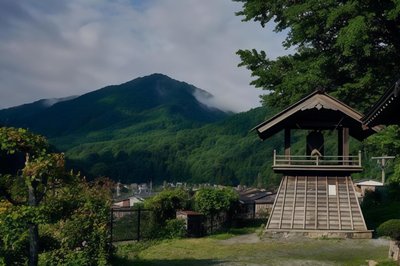
Byaku Narai
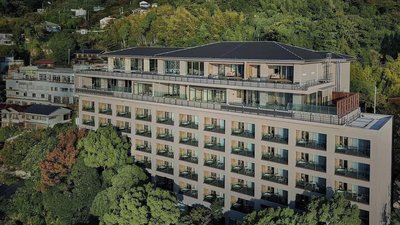
Atami Izusan Karaku
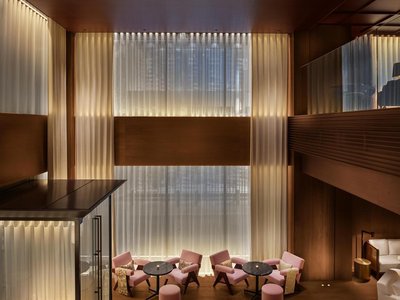
The Tokyo Edition, Ginza
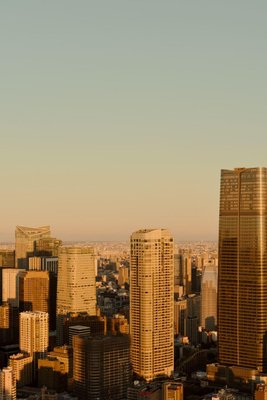
Janu Tokyo
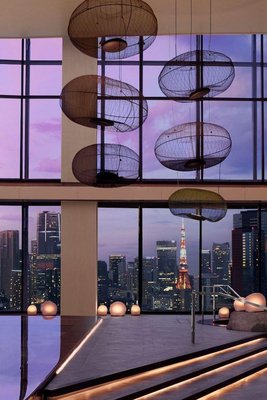
JW Marriott Hotel Tokyo
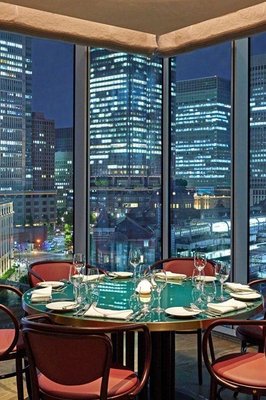
Four Seasons Hotel Tokyo at Marunouchi

Mandarin Oriental, Tokyo
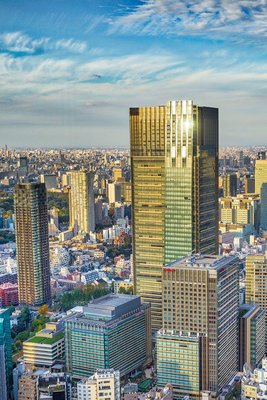
The Ritz-Carlton, Tokyo
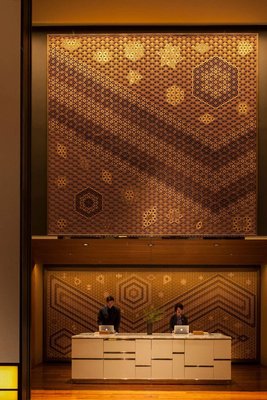
Andaz Tokyo Toranomon Hills- A Concept by Hyatt
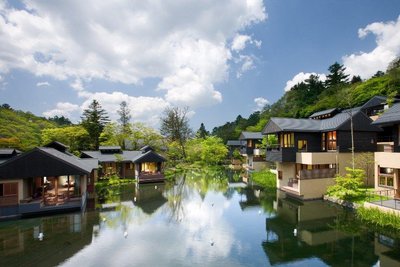
Hoshinoya Karuizawa
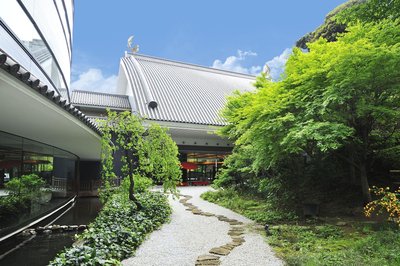
Hotel Gajoen Tokyo
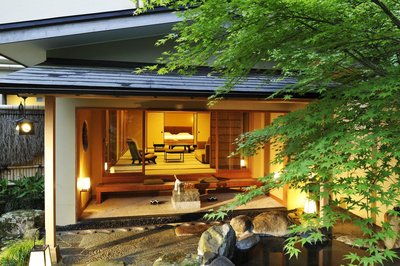
Gora Kadan
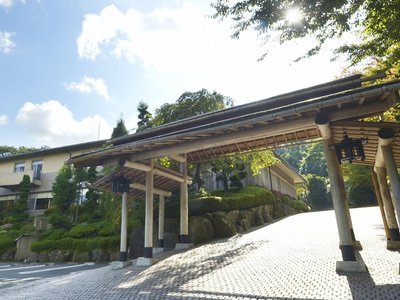
Gora Hanaougi
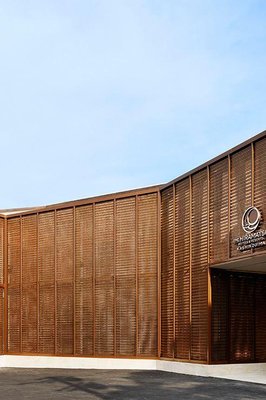
The Hiramatsu Hotels & Resorts Kashikojima
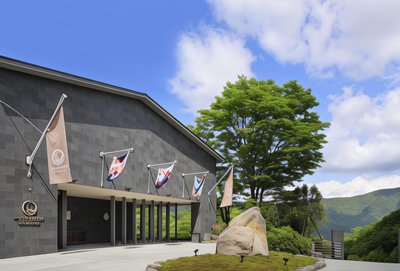
The Hiramatsu Hotels & Resorts Sengokuhara Hakone
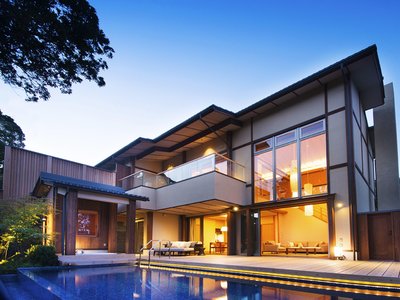
Abba Resorts Izu - Zagyosoh
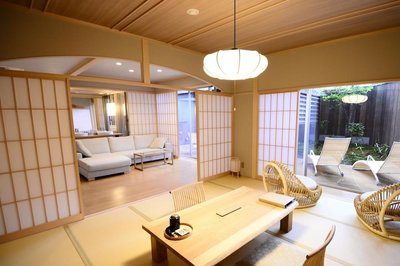
Hakone Gora Byakudan
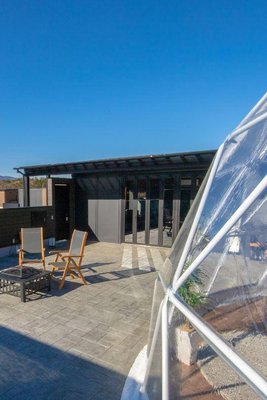
Panoramic Mt. Fuji Views from All Rooms – Vision Glamping Resort & Spa Yamanakako
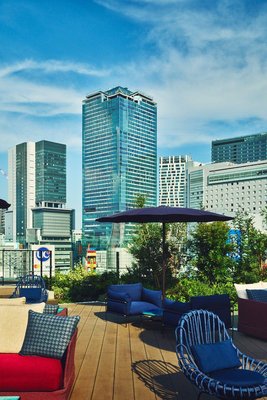
Hotel Indigo Tokyo Shibuya
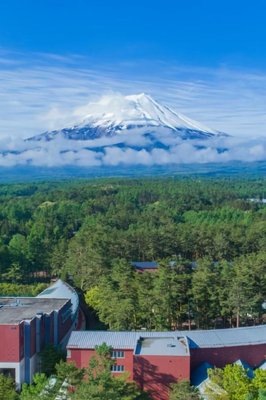
Forest Village (Fuji Premium Resort)
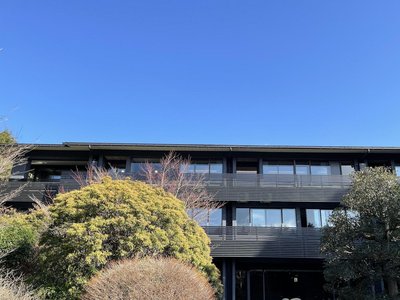
Sengokubara Cocon
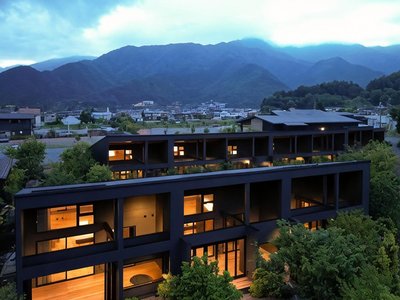
7C Villa and Winery
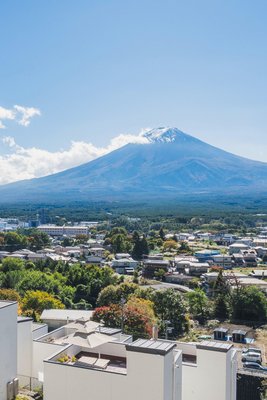
THE TOKI FujiKawaguchiko
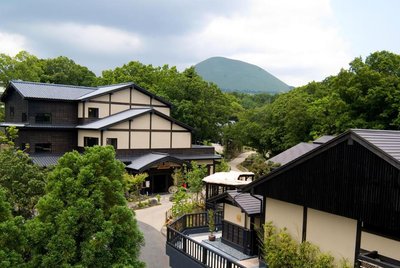
Mori no yu Kira No Sato 【Reopening on December 22, 2025】
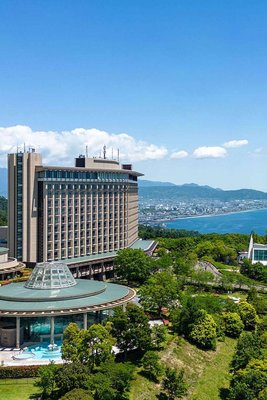
Hilton Odawara Resort & Spa
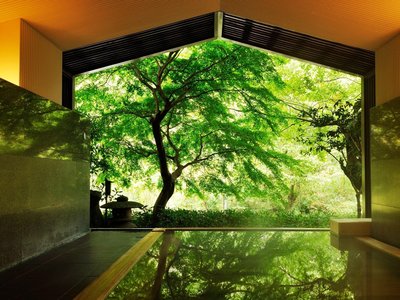
Hoshino Resorts KAI Hakone
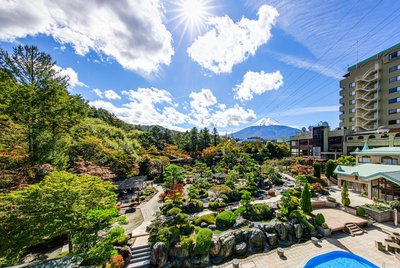
Kaneyamaen
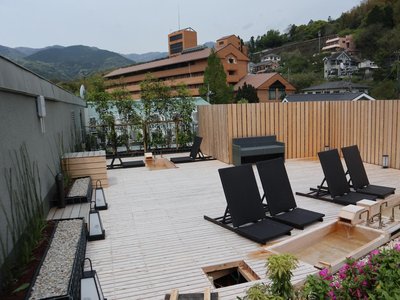
Fukiya Ryokan

Toushinan Komeya
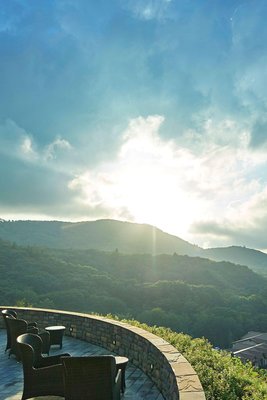
Le Grand Karuizawa Hotel & Resort
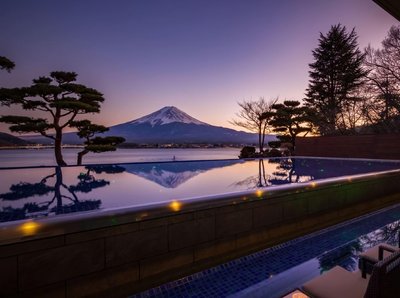
Shuhokaku Kogetsu

Gora-Onsen Setsugetsuka-Bettei Suiun

Ishinoya Izunagaoka (TKP Hotels & Resorts)

Laforet Shuzenji Sanshisuimei
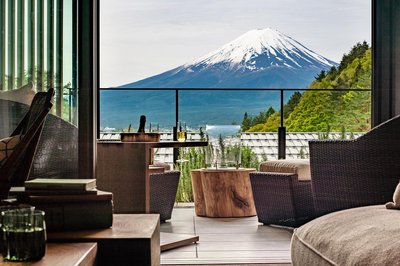
FUFU Kawaguchiko

Omuro No Mori Gyokusui -Adult Only-
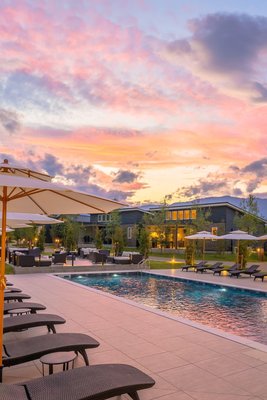
Awaumi Fujikawaguchiko Resort
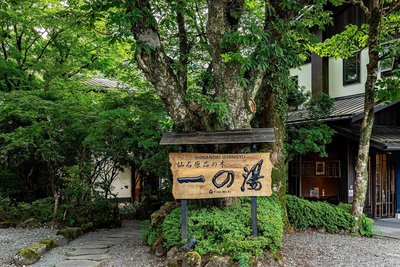
Sengokuhara Shinanoki Ichinoyu
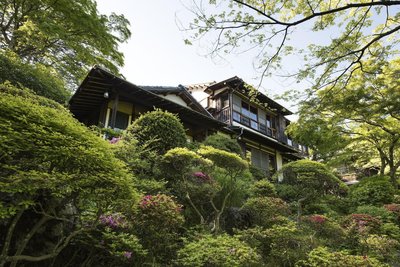
Gora Kansuiro
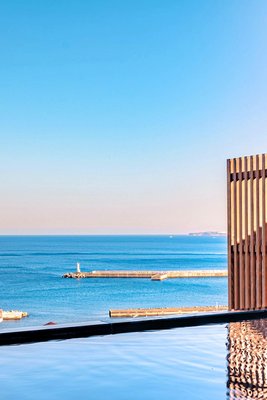
HOTEL KANICHI
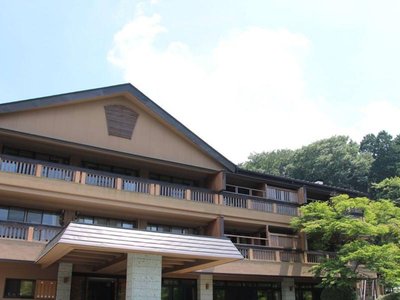
Senkyoro
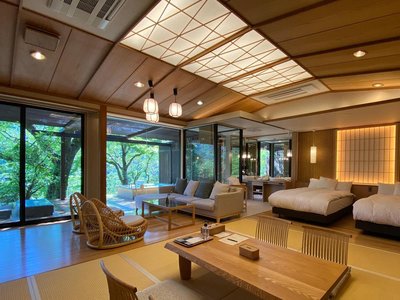
Kaiseki Ryokan Ashikari
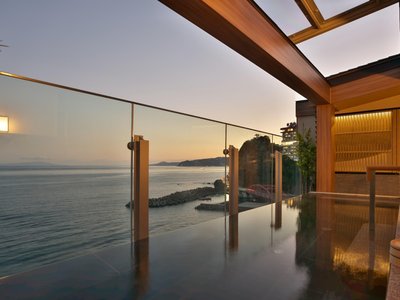
Hotel New Sagamiya
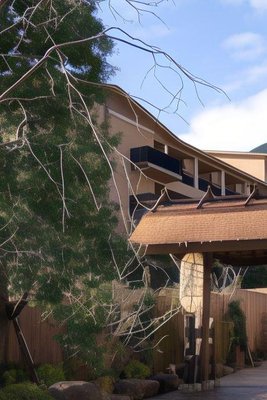
Setsugetsuka
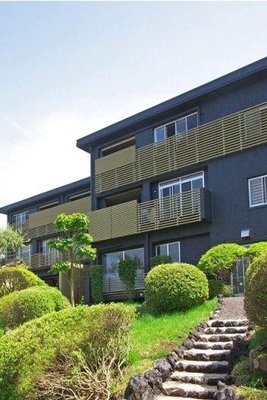
HAKONE YUYADO ZEN
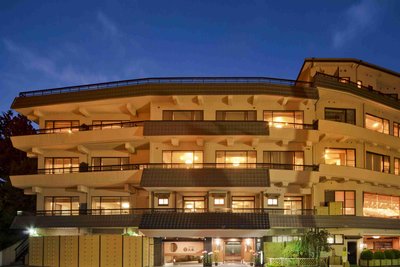
Maruei
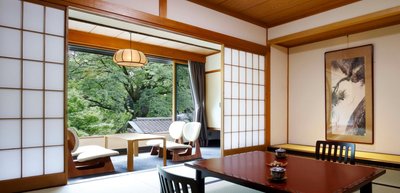
Yoshiike Ryokan
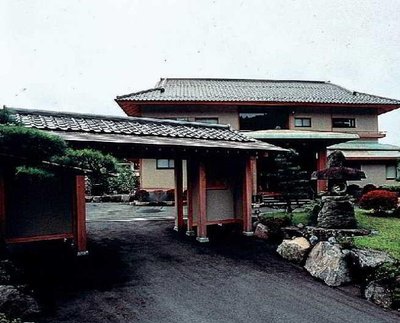
Yoshimatsu
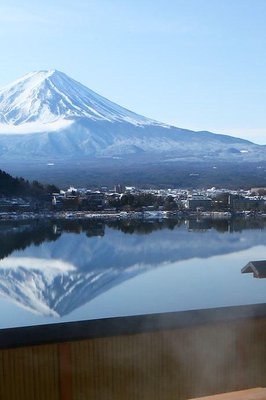
Fuji Ginkei
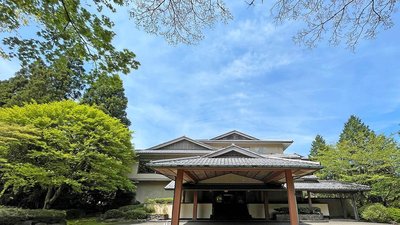
Ryuguden
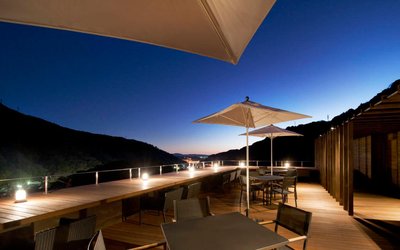
Hakone Yumoto Aura Tachibana
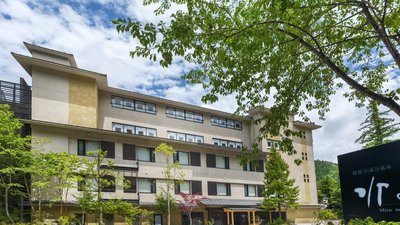
Mizunoto
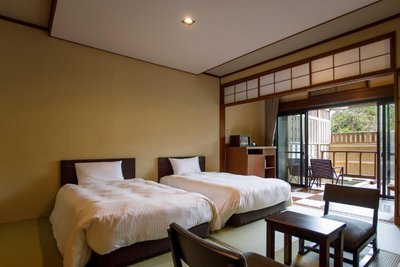
Hakone Kowakien Mikawaya Ryokan
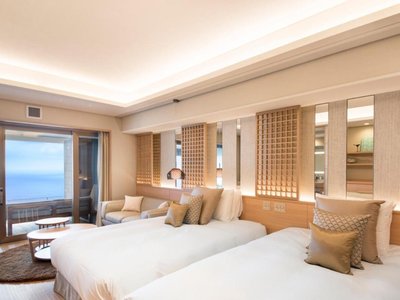
Atami Sekaie
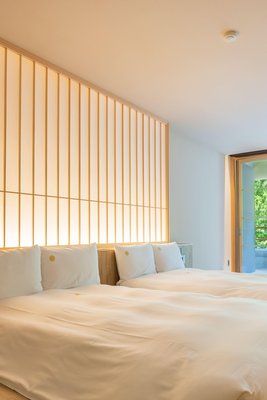
Kinnotake Tonosawa
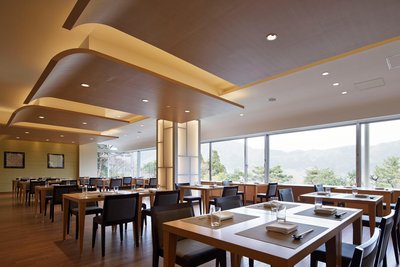
Laforet Hakone Gora Yunosumika
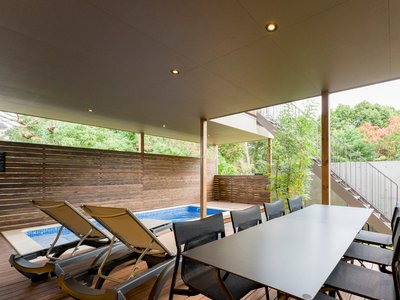
Rakuten STAY VILLA Kamogawa
Awaumi Fujikawaguchiko Resort
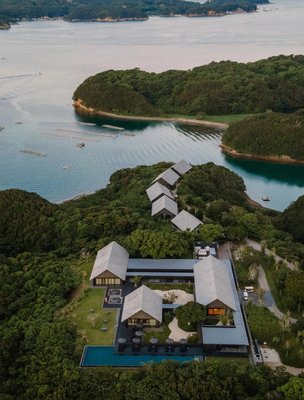
Amanemu
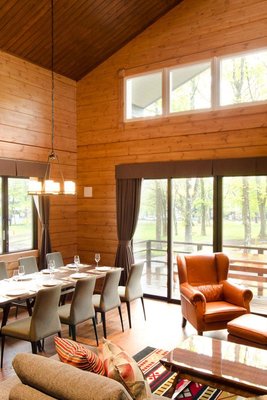
The Prince Villa Karuizawa
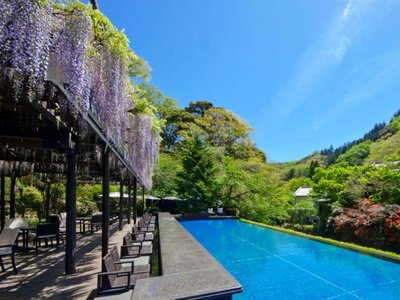
Tofuya Resort & Spa Izu
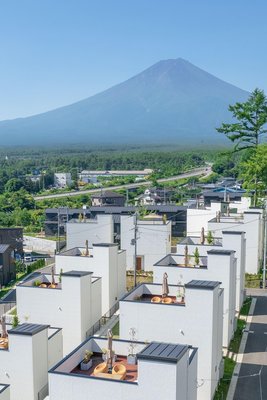
Fuji Granvilla -TOKI-
Hakone Gora Byakudan
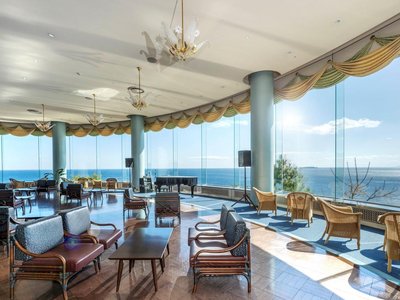
Hotel New Akao

The Kukuna
Hotel New Sagamiya
Hilton Odawara Resort & Spa
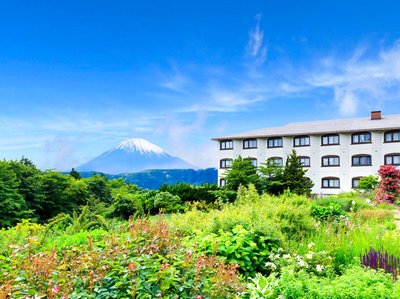
Hotel Green Plaza Hakone
Yoshiike Ryokan
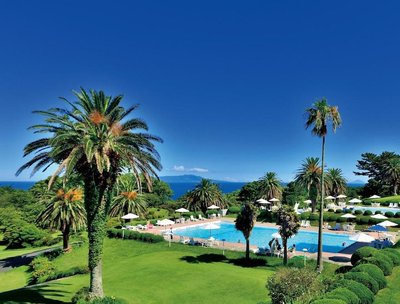
Kawana Hotel
Ryuguden
Kaneyamaen
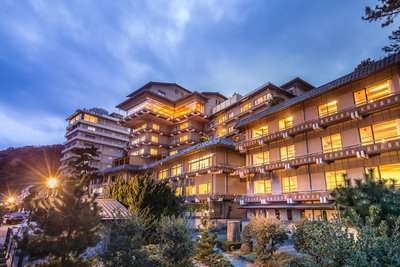
Bousui
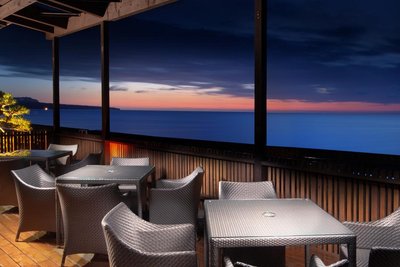
Tsuruya Kisshotei
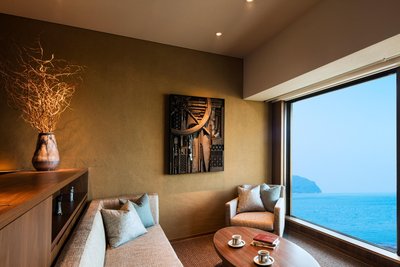
Hoshino Resorts Kai Anjin
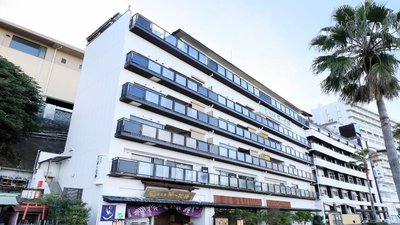
Syukaen Yunohanazen
Atami Sekaie
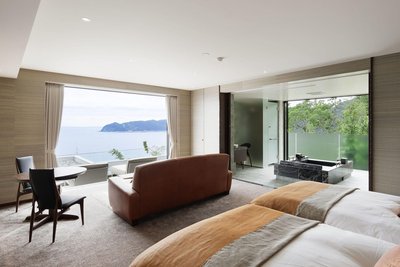
The Hiramatsu Hotels & Resorts Atami
Shuhokaku Kogetsu
Laforet Hakone Gora Yunosumika

Inatori Ginsuiso
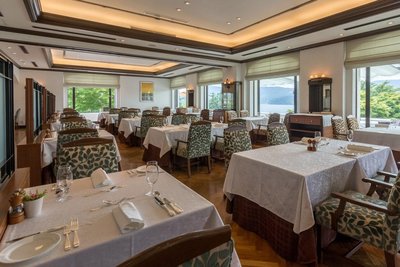
Odakyu Hotel de Yama
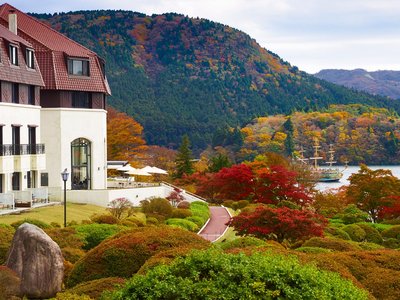
Hotakajyo

Onyado Nono Asakusa Bettei Hot Spring
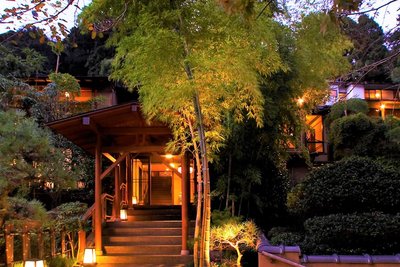
Shiki wo Ajiwau Yado Yamano Chaya
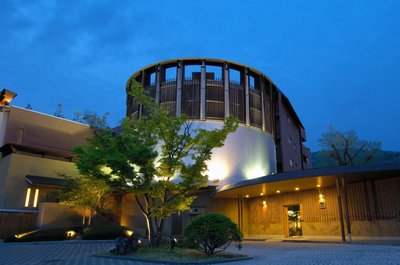
Hoshino Resorts Kai Matsumoto
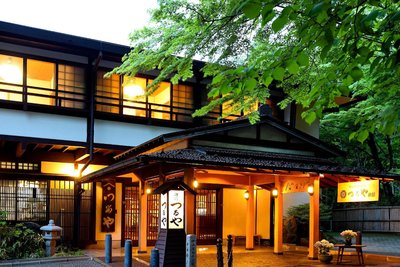
Tsuruya Ryokan
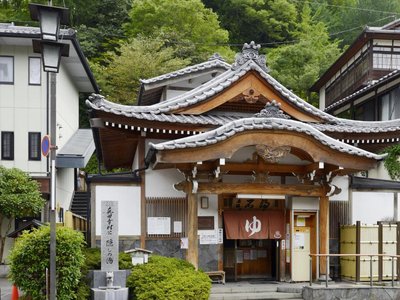
Nakamatsuya Ryokan
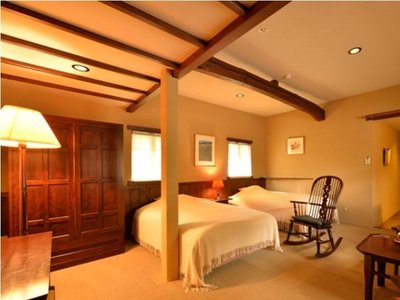
Ryokan Sugimoto
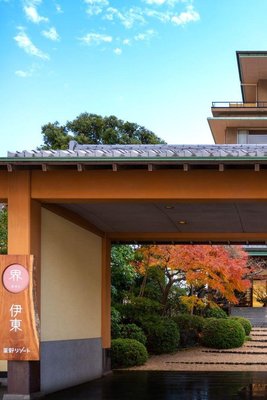
Hoshino Resorts Kai Ito
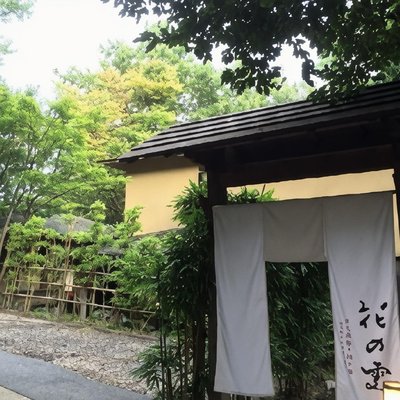
Hana No Kumo
Yoshiike Ryokan
Hotel Gajoen Tokyo
Gora Hanaougi
Fukiya Ryokan
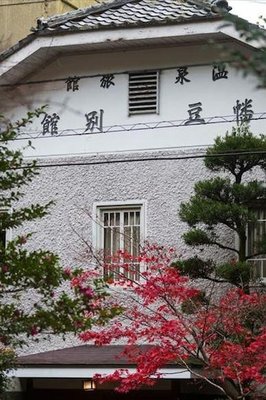
Oku-Mikawa・Yuya Onsen HAZU Bekkan
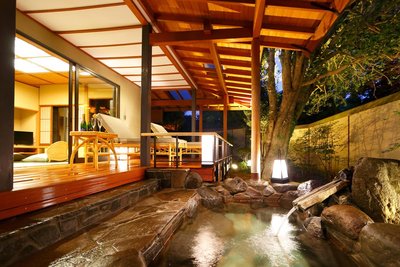
Yoshiharu Ryokan – Izu Nagaoka Onsen
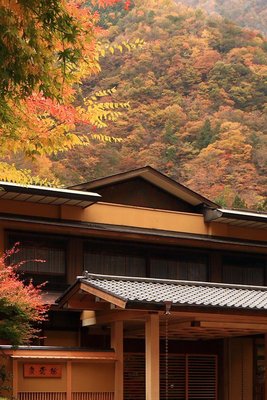
Nishiyama Onsen Keiunkan
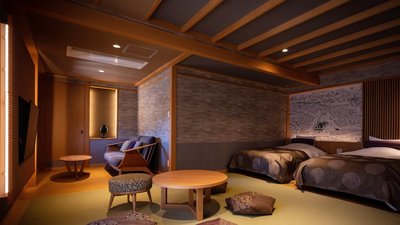
Naraya
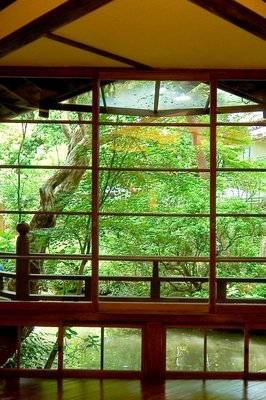
Yukairo Kikuya
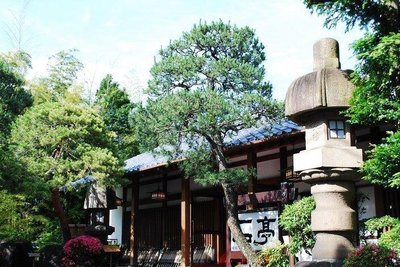
Atami Sekitei
Abba Resorts Izu - Zagyosoh
Bellustar Tokyo, A Pan Pacific Hotel
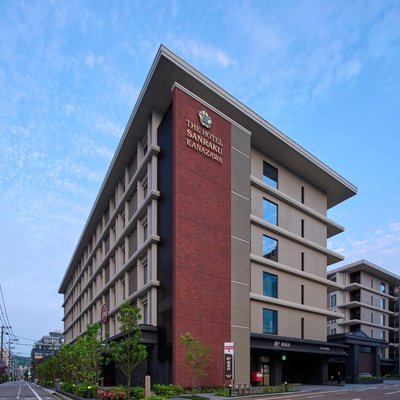
The Hotel Sanraku Kanazawa 21th December 2022 Open
JW Marriott Hotel Tokyo
Andaz Tokyo Toranomon Hills- A Concept by Hyatt
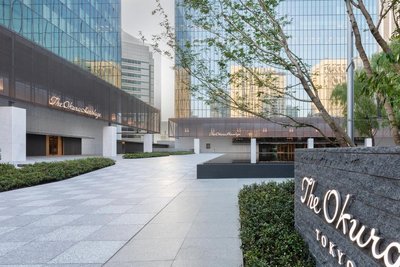
The Okura Tokyo
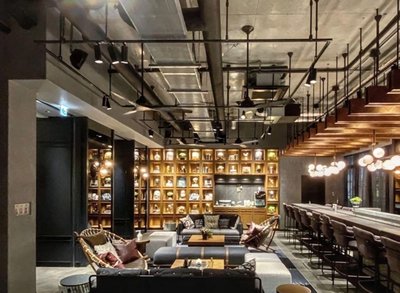
The Lively Azabujuban Tokyo
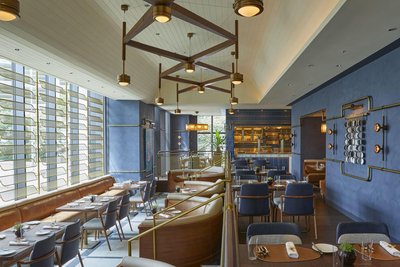
Kimpton Shinjuku Tokyo

HOTEL K5
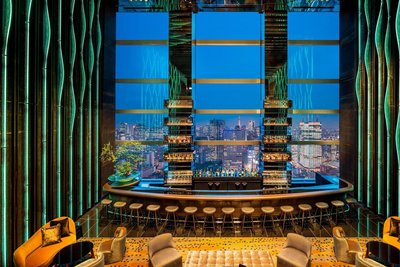
The Prince Gallery Tokyo Kioicho, a Luxury Collection Hotel
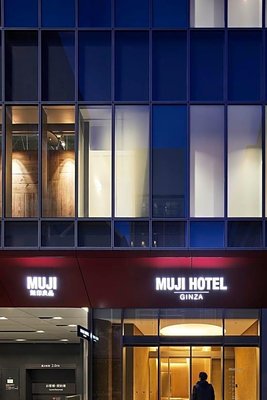
Muji Hotel Ginza

The Address Akakura
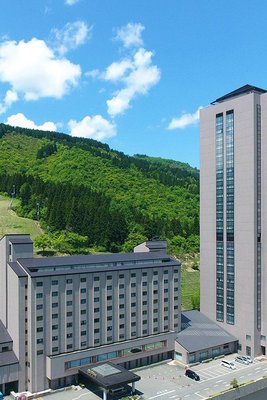
Naspa New Otani
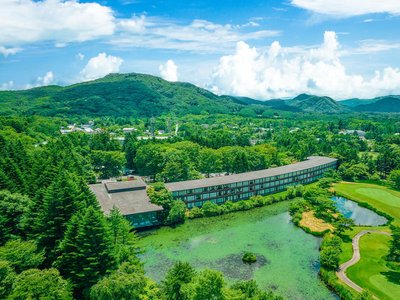
The Prince Karuizawa
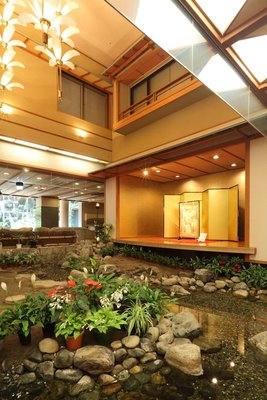
Hotel Futaba
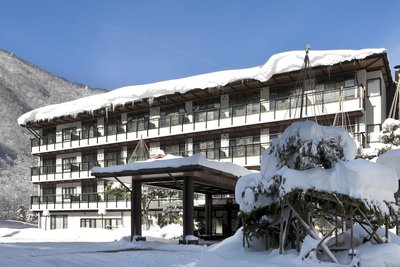
Okada Ryokan Warakutei
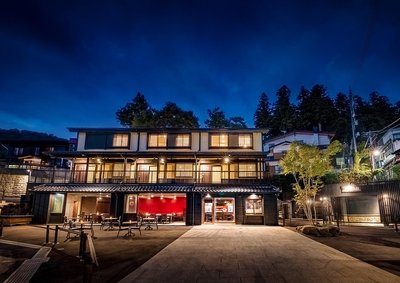
Ryokan Sakaya
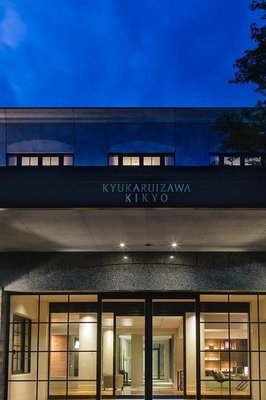
Kyukaruizawa Kikyo, Curio Collection by Hilton
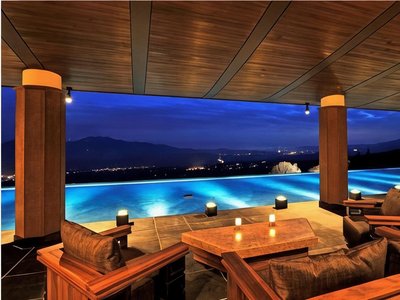
Akakura Kanko Hotel
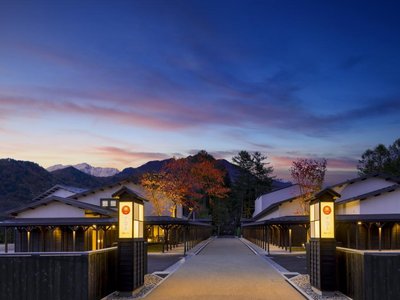
Hoshino Resorts KAI Alps
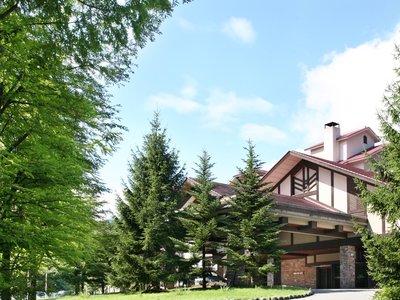
Hakuba Tokyu Hotel
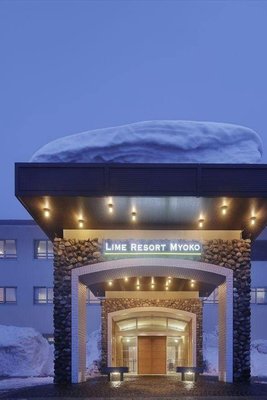
Lime Resort Myoko
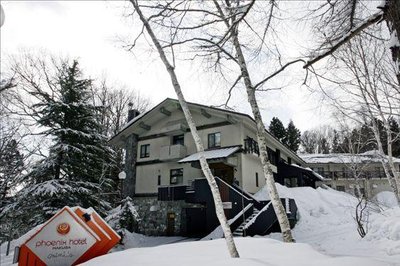
Phoenix Hotel by Hhg

Four Seasons Yuzawa Quattro
Courtyard by Marriott Hakuba
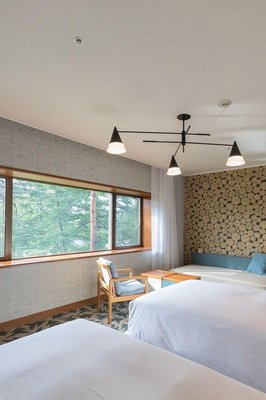
Karuizawa Prince Hotel East
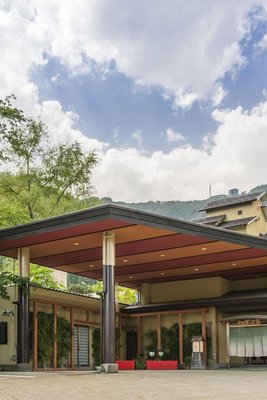
Shosenkaku Kagetsu
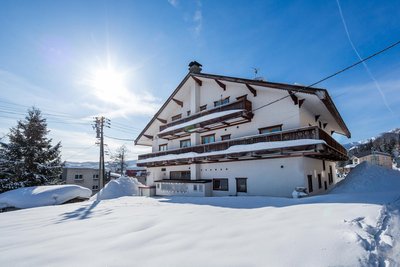
Marillen Hotel by Hhg
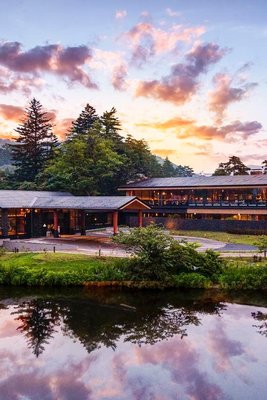
Karuizawa Prince Hotel West
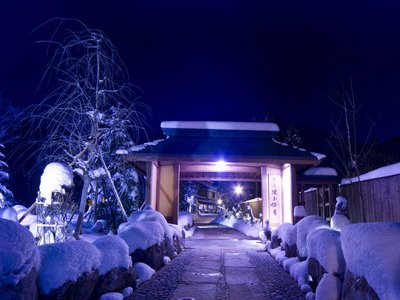
Miyama Ouan
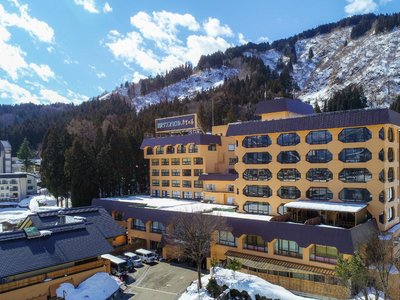
Yuzawa Grand Hotel
Bvlgari Hotel Tokyo
Four Seasons Hotel Tokyo at Marunouchi
Mandarin Oriental, Tokyo
The Ritz-Carlton, Tokyo
Andaz Tokyo Toranomon Hills- A Concept by Hyatt
Gora Kadan
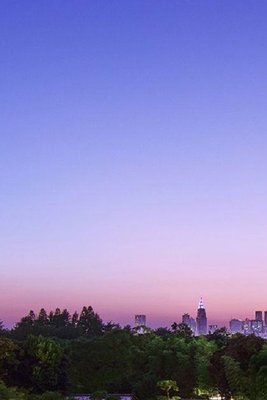
Hotel New Otani Tokyo the Main
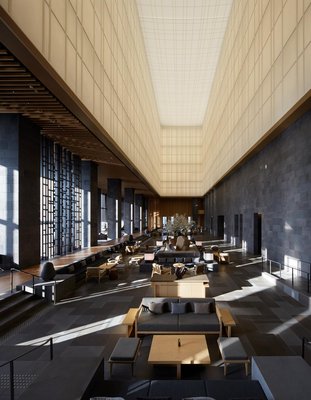
Aman Tokyo
Odakyu Hotel de Yama
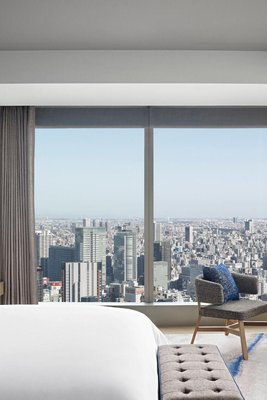
Four Seasons Hotel Tokyo at Otemachi
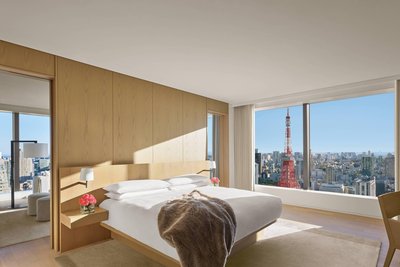
The Tokyo Edition, Toranomon

Hyatt Centric Kanazawa
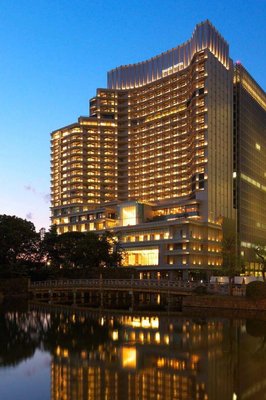
Palace Hotel Tokyo
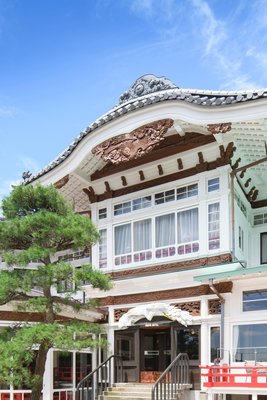
Fujiya Hotel
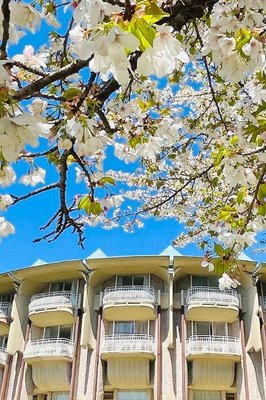
The Prince Hakone Lake Ashinoko
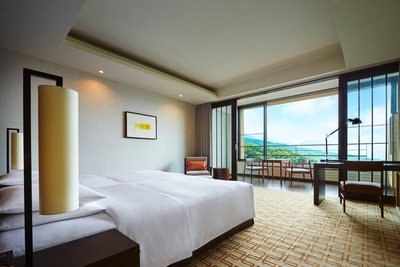
Hyatt Regency Hakone Resort and Spa
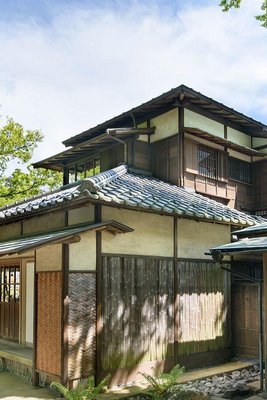
Hakone Suishoen
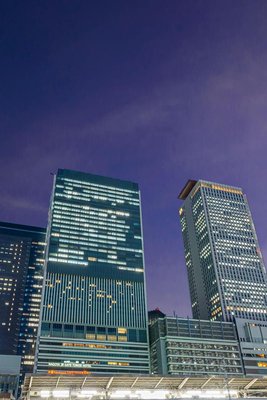
Nagoya JR Gate Tower Hotel (JR-Central Hotels)
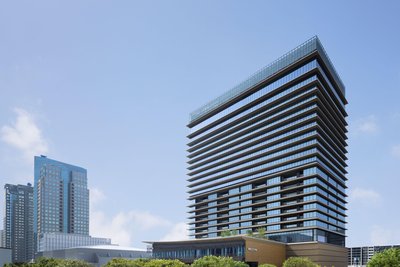
The Westin Yokohama
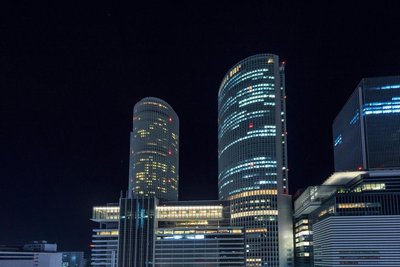
Nagoya Marriott Associa Hotel

Rakuten STAY VILLA Nasu
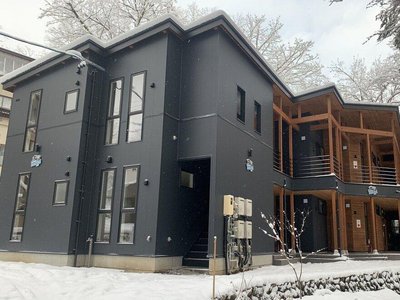
Hakuba Gondola Apartments
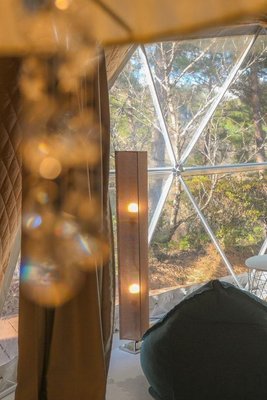
glampark Gekkabijin Nagano
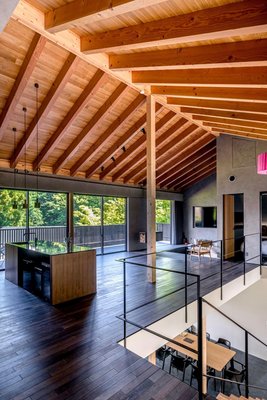
MONS GORA

Phoenix Chalets by Hhg
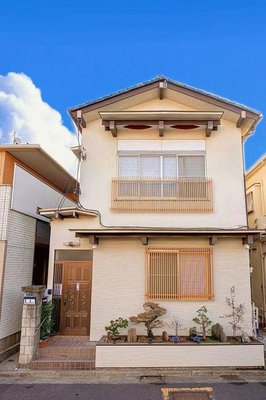
Tokyo Star House-Shinkoiwa
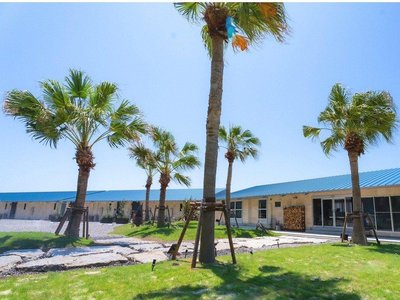
Glamping&Resort Wood Design Park Noma
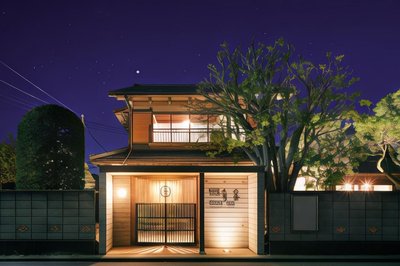
Machi-Jyu
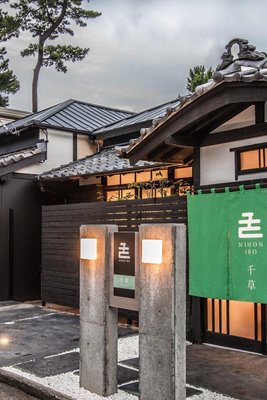
Nihon Iro
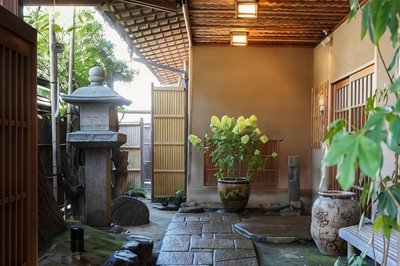
Ryokan Asadaya
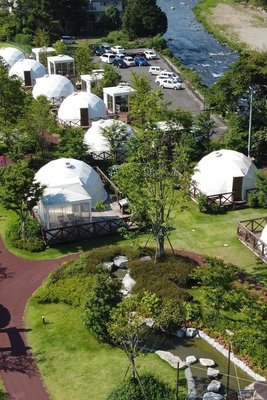
Ufufu Village
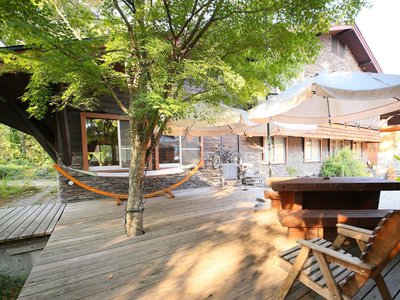
Kunugi Relaxation with 4 Modern Rooms
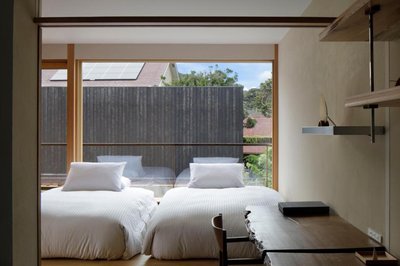
Modern Ryokan Kishi-ke

Petals Tokyo - Floating Hotel
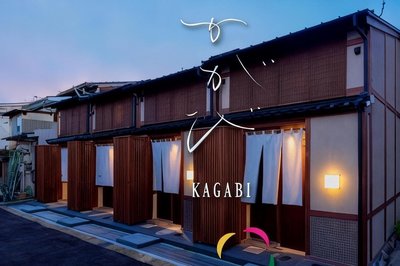
Kagabi Machiya House
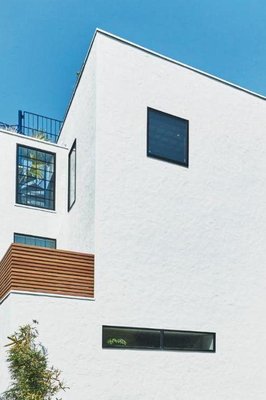
The Flow Kamakura
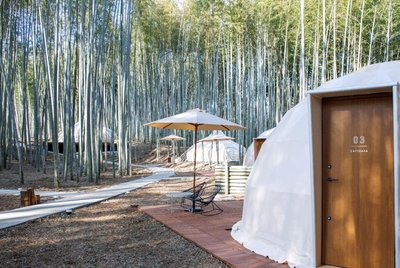
THE BAMBOO FOREST
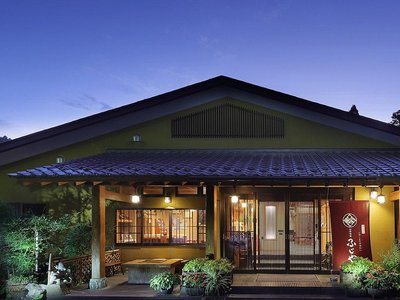
Shikimitei Fujiya
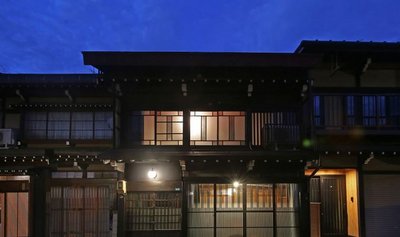
Iori Stay Hida
Frequently Asked Questions about Traveling to Oshino
Questions You Might Need to Know About Traveling to Oshino
In Fujimi Village, the best hotel is Ninomaru Onsen Ryokan, located just steps from the Eight Springs (Ninohama). This traditional Japanese inn offers private outdoor baths overlooking serene pools and serves authentic kaiseki cuisine made with local ingredients. Another excellent choice is Lake Ninohara Guesthouse, situated directly beside Lake Ninohara, ideal for travelers seeking tranquility and nature immersion. Both properties emphasize Yamanashi prefecture's cultural heritage and offer immersive experiences in mountain wellness and sustainable living.
The Eight Springs (Ninohama) area is the prime location for lodging in Fujimi Village. It’s centrally positioned near all major attractions—such as the fountain group and Ninohama Dam—and offers breathtaking views of misty morning lakes and starlit nights. Most boutique inns and guesthouses cluster here, with easy access to Ninohama Main Street for local snacks and souvenirs. Opt for rooms facing the lake or shaded forest paths to maximize scenic enjoyment and peaceful ambiance.
Visitors to Fujimi Village should not miss the Ninohama Water Shrine Ritual, a centuries-old ceremony held annually in spring where guests participate in purification rites, lantern offerings, and prayers for prosperity. Additionally, hands-on workshops at Yamanashi Pottery Studios allow you to craft traditional Ninohama-style ceramics using locally sourced clay. For nature lovers, guided eco-tours of the Fuji Five Lakes watershed reveal insights into the underground aquifer system sustaining the springs and regional conservation efforts.
Hot spring hotels in Fujimi Village are renowned for their natural mineral-rich waters drawn directly from the region’s underground sources, known for soothing muscle fatigue and improving skin health. The Ninomaru Onsen Ryokan features an open-air bath with panoramic views of Ninohama Pools, where you can soak while gazing at Mount Fuji reflected in the water. Some hotels also offer herbal baths and forest aromatherapy treatments, using indigenous Yamanashi plants. Guests often receive complimentary hot spring-boiled eggs and local sake, highlighting regional culinary traditions.
Yes, Fujimi Village is highly suitable for families. The village features child-friendly facilities such as the Ninohama Nature Education Center, which hosts interactive ecological lessons and kid-friendly tour guides. The Ninohama Walking Path is flat and safe for strollers, with informative signs explaining the formation of the spring system. Many guesthouses provide kids’ yukata robes and hands-on pottery workshops, encouraging children to engage with local culture. Family-friendly restaurants offer designated seating areas and healthy, organic meals, ensuring comfort and nutrition for all ages.
The best times to visit Fujimi Village are spring (March–May) and autumn (September–November). In spring, cherry blossoms and fresh greenery blend with reflections of Mount Fuji on the calm Ninohama Pools, creating a painterly landscape. Autumn brings vibrant maple colors, turning the hills golden and crimson, with stunning mirrored views in the water. Weather is mild, crowds are light, perfect for slow travel and photography. Summer offers nighttime firefly walks; winter presents snow-draped villages ideal for serene, contemplative visits.
Must-try dishes in Fujimi Village include Ninohama tofu cuisine, made with pure Fuji Mountain spring water, served in delicate tofu hot pots and tempura. Another highlight is Yamanashi apple pie, crafted with locally grown Fuji apples, offering a sweet, crisp contrast. Don’t miss Ninohama milk ice pops and malt-glazed chestnuts, popular street treats. Some ryokans offer one-day-only kaiseki menus featuring seasonal produce and mountain-grown ingredients, fully showcasing Yamanashi’s agricultural heritage and farm-to-table philosophy.
While Fujimi Village lies in a mountainous region, access is well-managed. From Tokyo Station, take the JR Chuo Line to Omiya Station, then transfer to a bus that reaches Fujimi Village Entrance in about 40 minutes. Within the village, car access is restricted; bicycles and walking are recommended. Free shuttle buses connect key attractions like Ninohama Springs and main accommodations. For self-drivers, parking is available at Ninohama Main Street Parking, clearly marked with directional signs. Overall, the layout supports efficient and stress-free exploration.
Absolutely. Fujimi Village is considered one of Japan’s most photogenic destinations, especially around the Eight Springs (Ninohama), where still waters mirror Mount Fuji and lush forests at dawn and dusk—ideal for landscape photography. Early morning (before sunrise) offers soft light and minimal crowds for pristine shots. The historic Ninohama Old Town with its wooden eaves and lanterns provides rich opportunities for documentary-style photography. Some inns even offer professional photography guidance, helping guests plan optimal timing and composition for memorable images.
Accommodation prices in Fujimi Village vary by season and quality. Budget-friendly guesthouses cost ¥6,000–¥12,000 per night, including breakfast and onsen access. Mid-range ryokans like Ninomaru Onsen Ryokan range from ¥15,000–¥25,000, featuring kaiseki meals and private baths. Prices rise 30–50% during peak seasons (spring and autumn); HopeGoo 2–3 months ahead is advised. Family rooms and multi-person suites are available at competitive rates, making it a worthwhile investment for those seeking authentic, nature-integrated stays.
Oshino Overview
City Summary
Oshino Village is a charming rural settlement located at the foothills of Mount Fuji in Yamanashi Prefecture, Japan, renowned for its traditional thatched-roof houses and the crystal-clear Oshino Hakkai Springs. The village preserves its pristine countryside charm, offering visitors breathtaking views of Mount Fuji and an immersive experience in traditional Japanese culture harmonizing with nature. The eight spring ponds, known as "Oshino Hakkai," are designated natural monuments, attracting photographers and nature enthusiasts alike.
Must-See Attractions
In Oshino Village, Oshino Hakkai is a must-visit, featuring eight pristine spring ponds, with Waku-ike and Kagami-ike being the most famous. Visitors can stroll through the village to admire the traditional thatched-roof houses and soak in the rustic atmosphere. Nearby, the 5th Station of Mount Fuji is a popular spot for hiking and panoramic views. Small museums and souvenir shops in the village provide deeper insights into local culture.
Food Guide
Oshino Village is famous for its traditional Japanese cuisine, featuring dishes made with fresh local ingredients. Don’t miss Hōtō, a hearty noodle stew, and Fujiyama spring water tofu. Cozy restaurants and tea houses in the village offer delightful dining experiences, often using Oshino Hakkai’s spring water in their cooking to enhance flavors.
Transportation Guide
Transportation in Oshino Village primarily relies on buses and taxis. Buses from Fujiyoshida or Fujikawaguchiko take about 30 minutes to reach the village center. Renting a car is also convenient, with parking available near major attractions. Check bus schedules in advance to minimize wait times. Most attractions are within walking distance.
Best Time to Visit
The best times to visit are spring (April–May) and autumn (September–November), when cherry blossoms and autumn foliage complement Mount Fuji’s grandeur. Summers are cool but crowded, while winters may see limited access due to snow.
Travel Tips
- Respect local culture: Oshino Village maintains traditional lifestyles—keep noise levels low and respect privacy.
- Wear comfortable shoes: The village has cobblestone paths and natural trails.
- Carry cash: Many small shops and restaurants don’t accept credit cards.
- Protect the environment: Oshino Hakkai is a protected area—avoid littering.
- Book accommodation early: Options are limited, especially in peak seasons.
- Follow photography etiquette: Ask for permission before photographing locals or private property.
Useful Information
Language: Japanese is primary; some signs have basic English. Learning simple phrases is helpful. Internet coverage is good but spotty in remote areas. Payment: Cash is king; cards are accepted only at larger establishments. A small clinic serves minor health issues, but major concerns require hospitals in Fujiyoshida or Fujikawaguchiko. Emergency numbers: 110 (police) or 119 (ambulance). The tourist center offers maps and local info.