Hotels in Oshino
Discover your perfect stay in Oshino.
Oshino(Japan) Travel 2026: Cheap Flights, Hotels & Top Attractions
Popular Landmarks in Oshino
Discover the most iconic attractions in Oshino
Recommended Hotels in Oshino
Find the perfect place to stay in Oshino
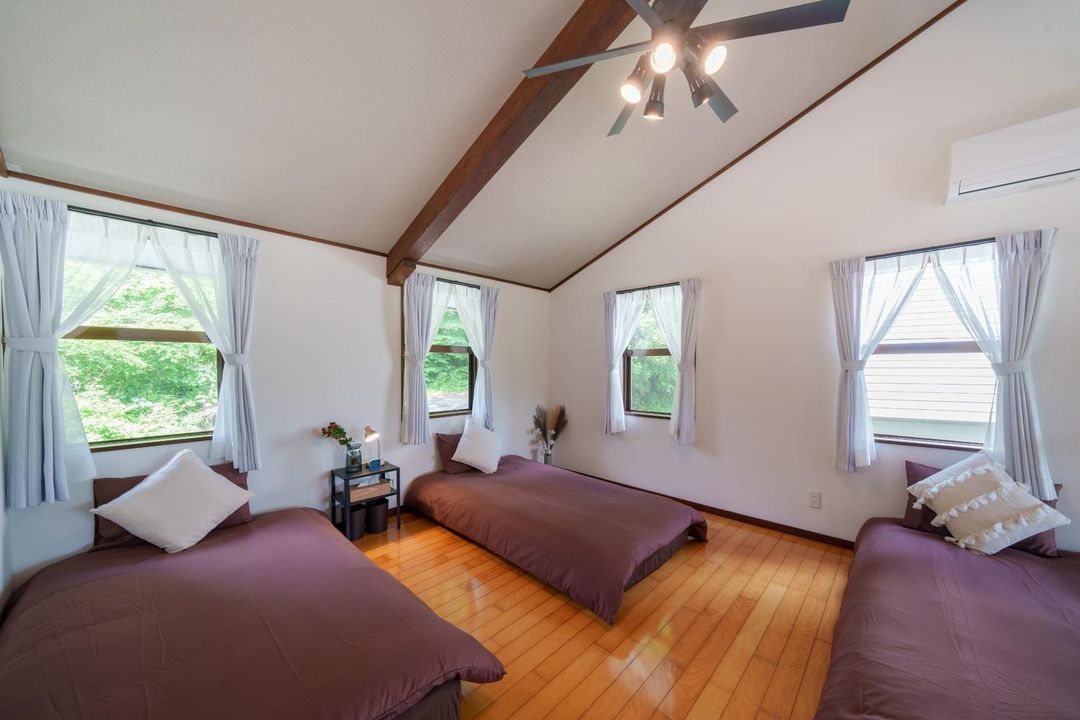
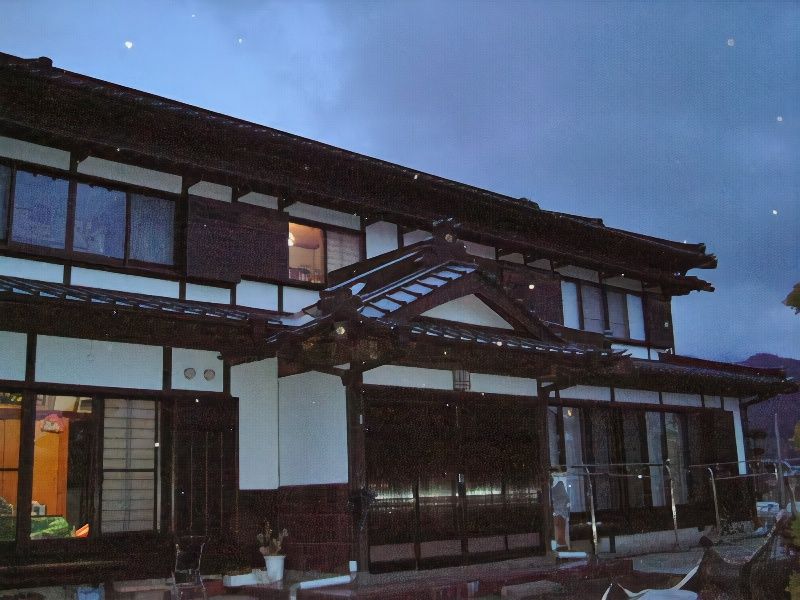
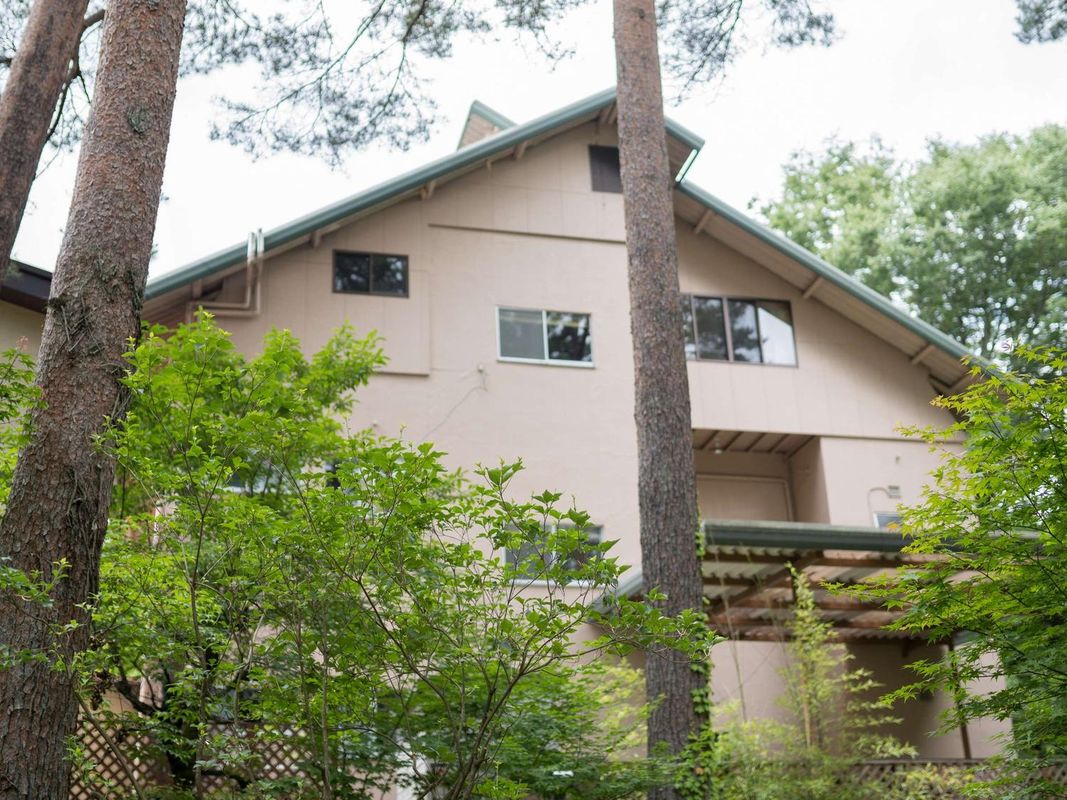
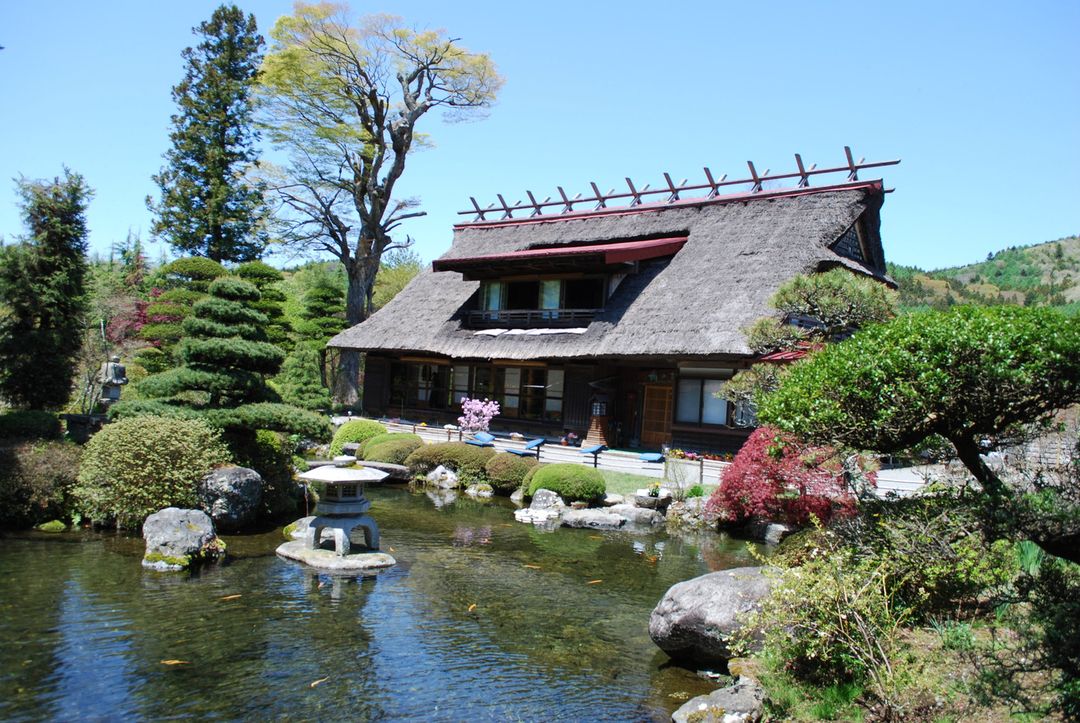
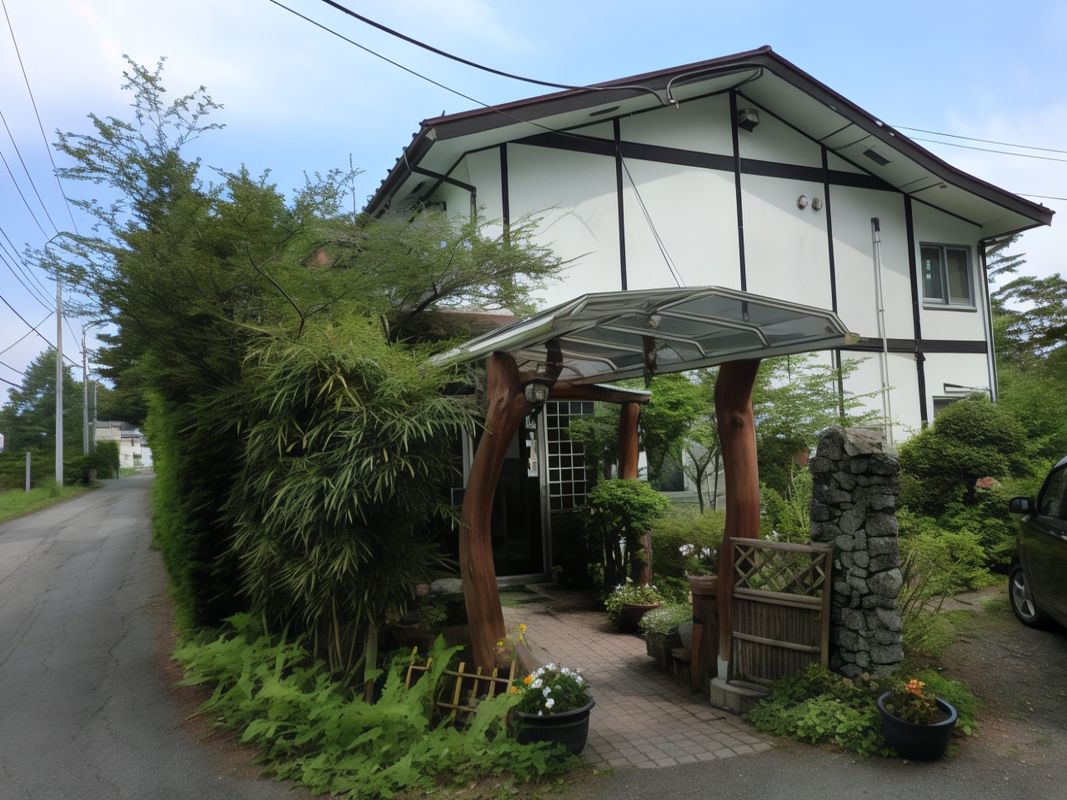
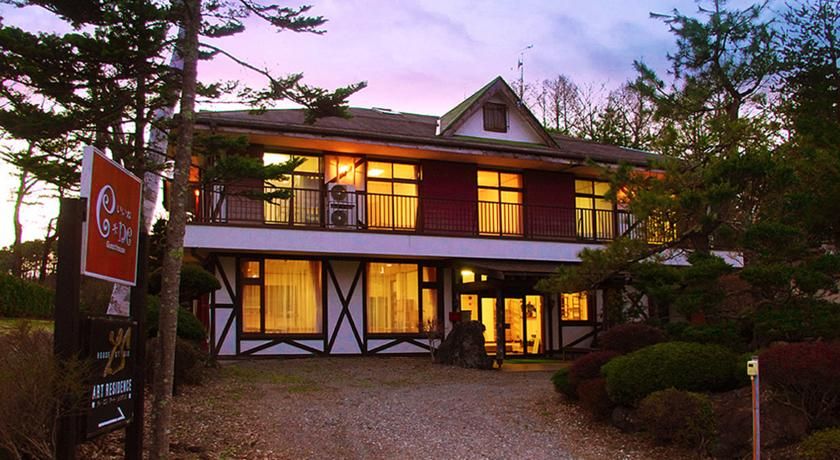
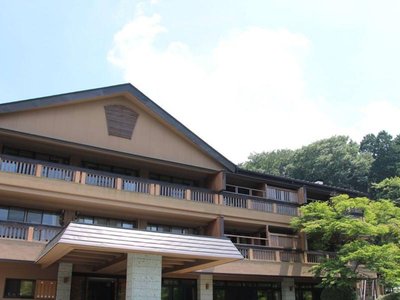
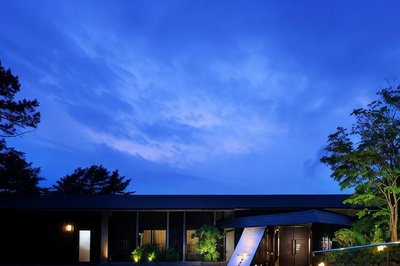
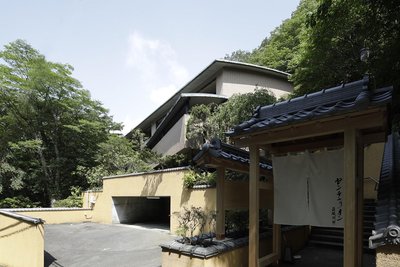
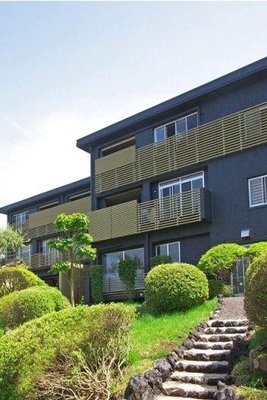
Best Hotels in Oshino
Discover curated hotel collections in Oshino
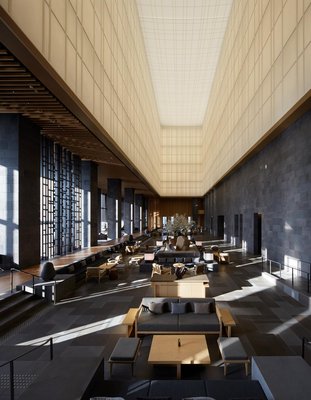

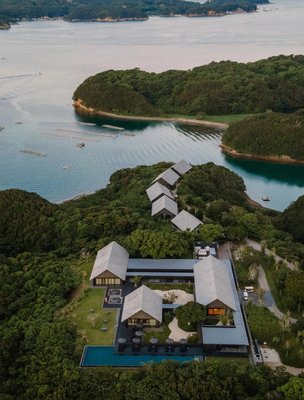
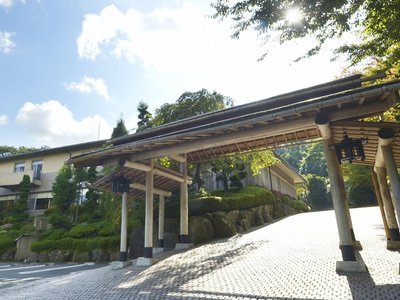
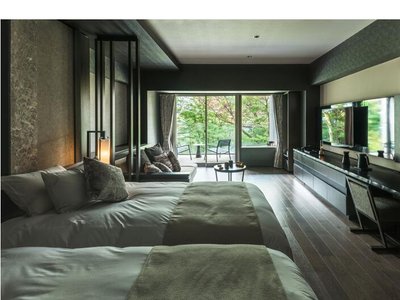
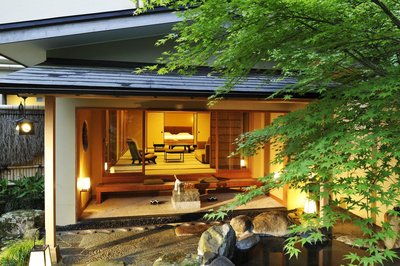
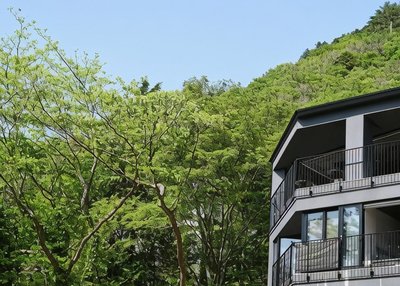
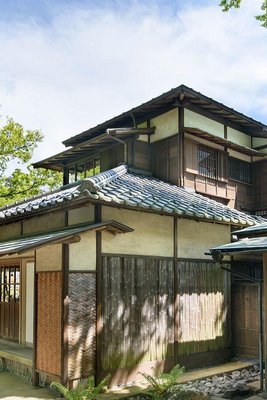
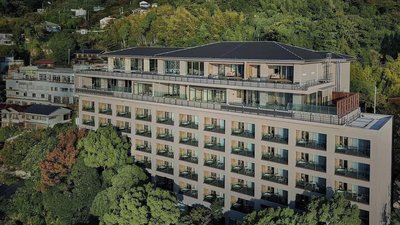
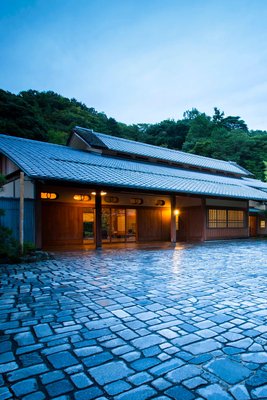
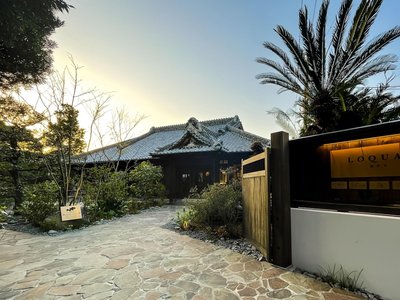


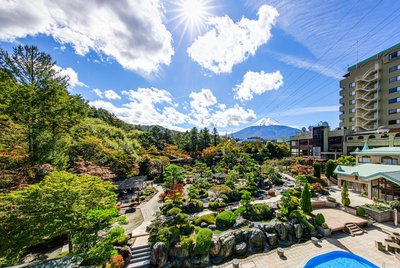
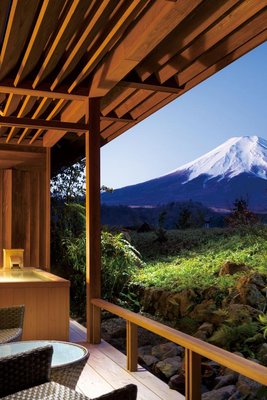
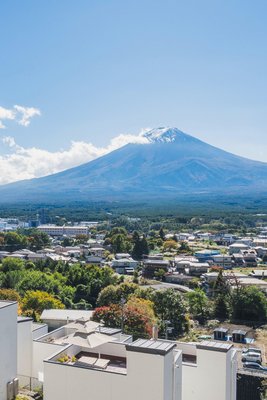
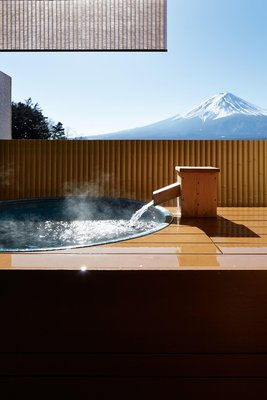
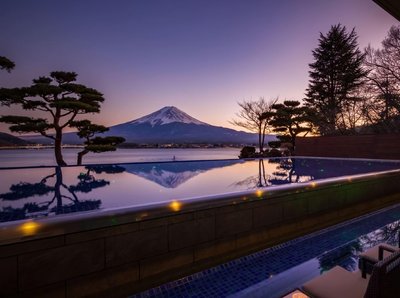

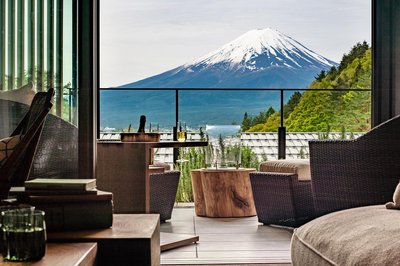
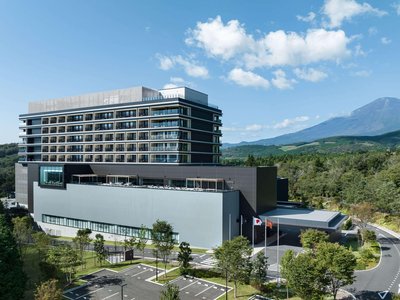
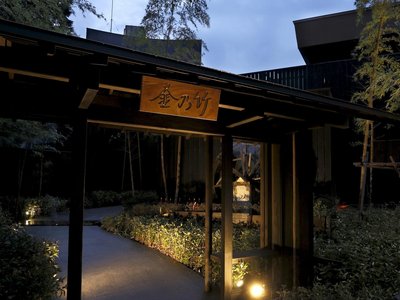




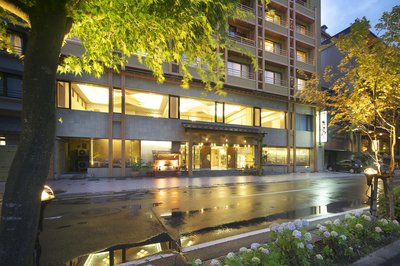
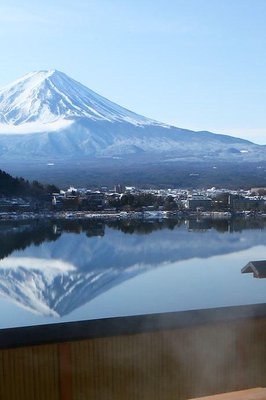

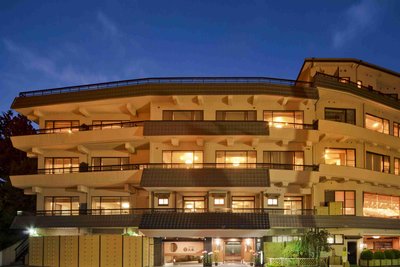
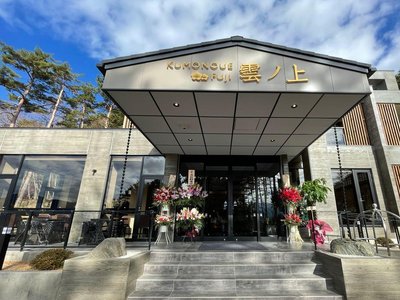
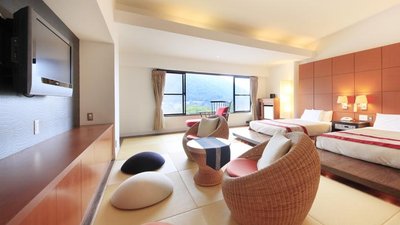
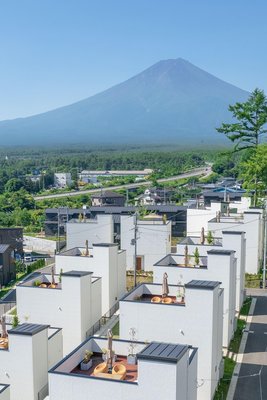
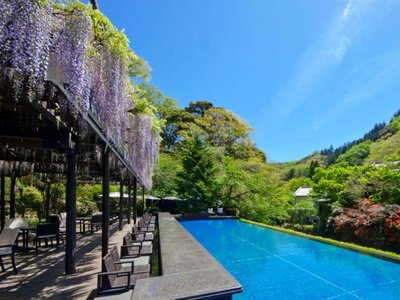
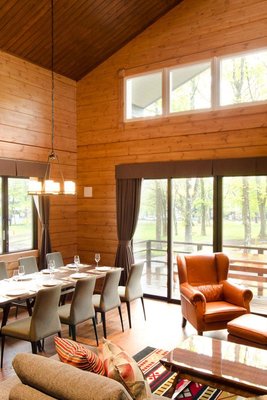







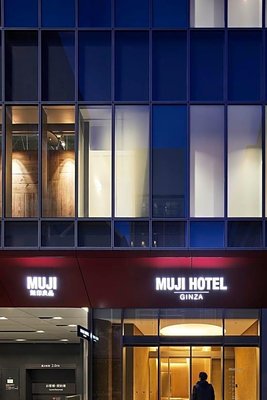

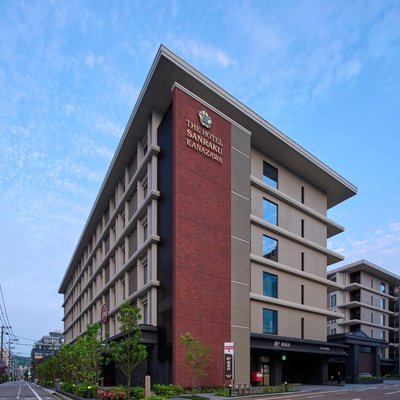
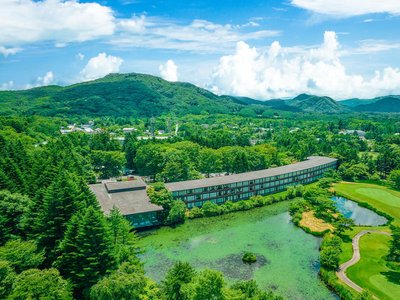
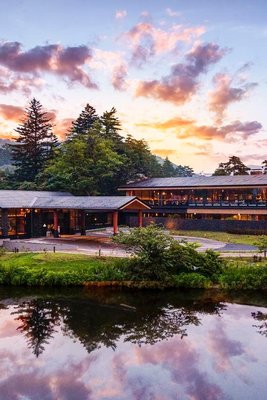











Frequently Asked Questions about Traveling to Oshino
Questions You Might Need to Know About Traveling to Oshino
Oshino Overview
City Summary
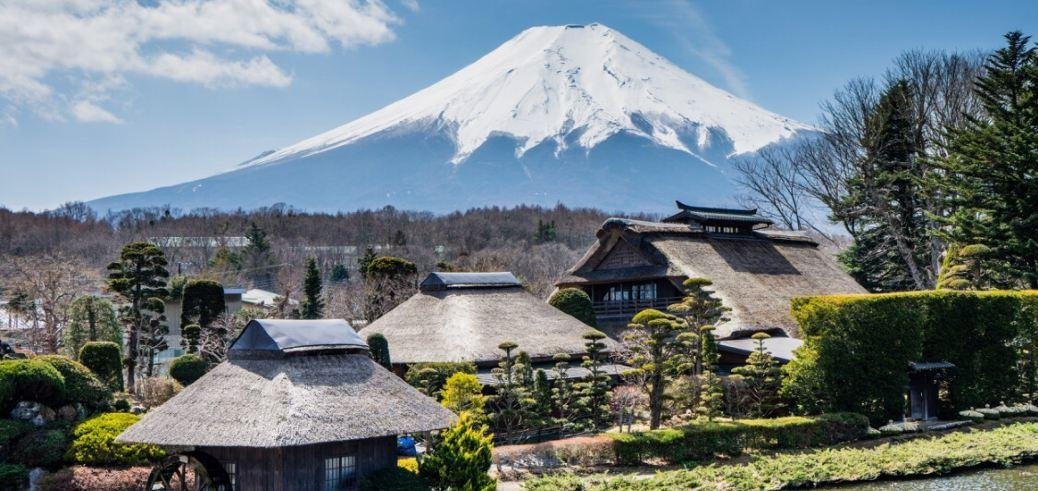
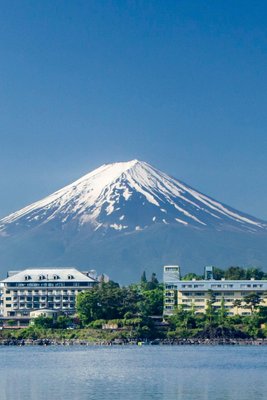
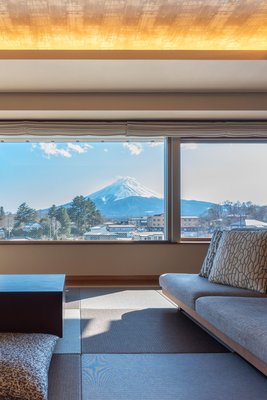
Oshino Village is a charming rural settlement located at the foothills of Mount Fuji in Yamanashi Prefecture, Japan, renowned for its traditional thatched-roof houses and the crystal-clear Oshino Hakkai Springs. The village preserves its pristine countryside charm, offering visitors breathtaking views of Mount Fuji and an immersive experience in traditional Japanese culture harmonizing with nature. The eight spring ponds, known as "Oshino Hakkai," are designated natural monuments, attracting photographers and nature enthusiasts alike.
Must-See Attractions
In Oshino Village, Oshino Hakkai is a must-visit, featuring eight pristine spring ponds, with Waku-ike and Kagami-ike being the most famous. Visitors can stroll through the village to admire the traditional thatched-roof houses and soak in the rustic atmosphere. Nearby, the 5th Station of Mount Fuji is a popular spot for hiking and panoramic views. Small museums and souvenir shops in the village provide deeper insights into local culture.
Food Guide
Oshino Village is famous for its traditional Japanese cuisine, featuring dishes made with fresh local ingredients. Don’t miss Hōtō, a hearty noodle stew, and Fujiyama spring water tofu. Cozy restaurants and tea houses in the village offer delightful dining experiences, often using Oshino Hakkai’s spring water in their cooking to enhance flavors.
Transportation Guide
Transportation in Oshino Village primarily relies on buses and taxis. Buses from Fujiyoshida or Fujikawaguchiko take about 30 minutes to reach the village center. Renting a car is also convenient, with parking available near major attractions. Check bus schedules in advance to minimize wait times. Most attractions are within walking distance.
Best Time to Visit
The best times to visit are spring (April–May) and autumn (September–November), when cherry blossoms and autumn foliage complement Mount Fuji’s grandeur. Summers are cool but crowded, while winters may see limited access due to snow.
Travel Tips
- Respect local culture: Oshino Village maintains traditional lifestyles—keep noise levels low and respect privacy.
- Wear comfortable shoes: The village has cobblestone paths and natural trails.
- Carry cash: Many small shops and restaurants don’t accept credit cards.
- Protect the environment: Oshino Hakkai is a protected area—avoid littering.
- Book accommodation early: Options are limited, especially in peak seasons.
- Follow photography etiquette: Ask for permission before photographing locals or private property.
Useful Information
Language: Japanese is primary; some signs have basic English. Learning simple phrases is helpful. Internet coverage is good but spotty in remote areas. Payment: Cash is king; cards are accepted only at larger establishments. A small clinic serves minor health issues, but major concerns require hospitals in Fujiyoshida or Fujikawaguchiko. Emergency numbers: 110 (police) or 119 (ambulance). The tourist center offers maps and local info.