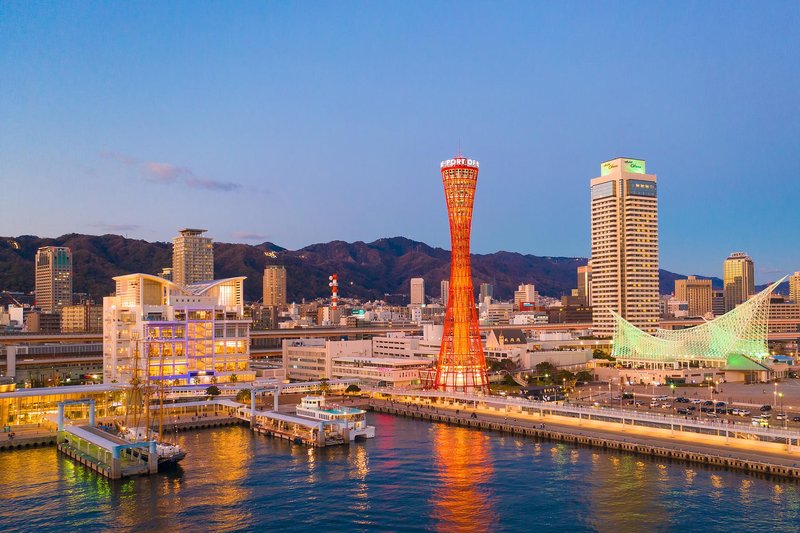
Hotels in Otari
Discover your perfect stay in Otari.
Otari(Japan) Travel 2026: Cheap Flights, Hotels & Top Attractions
Popular Landmarks in Otari
Discover the most iconic attractions in Otari
Recommended Hotels in Otari
Find the perfect place to stay in Otari
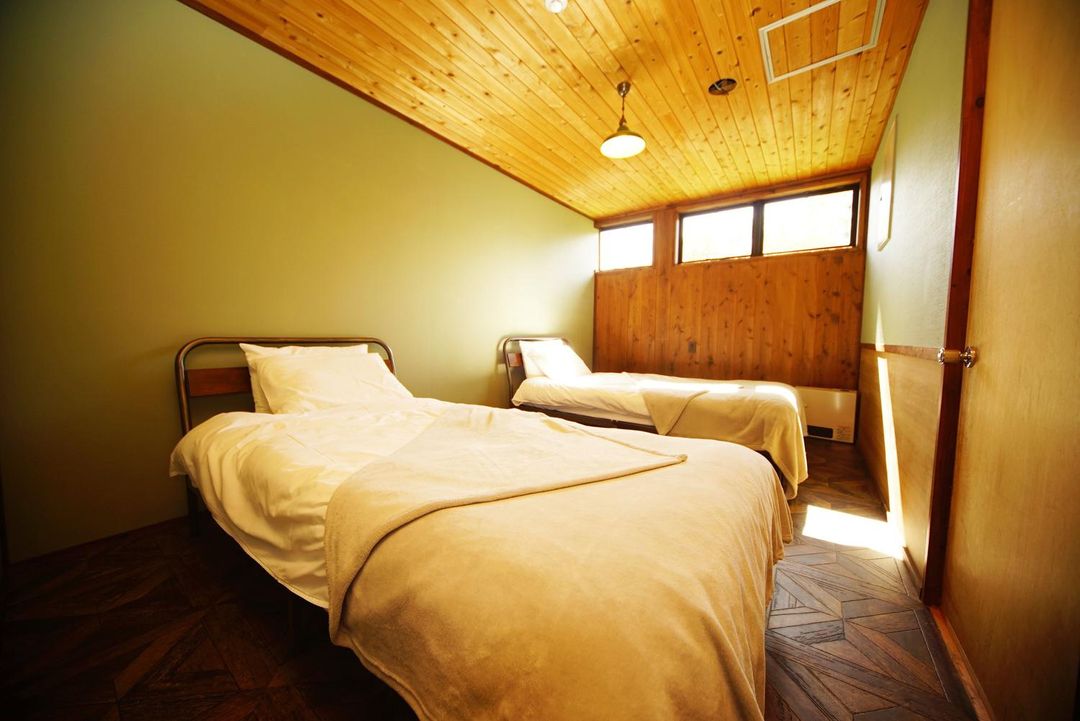
Hakuba Lodge Omusubi
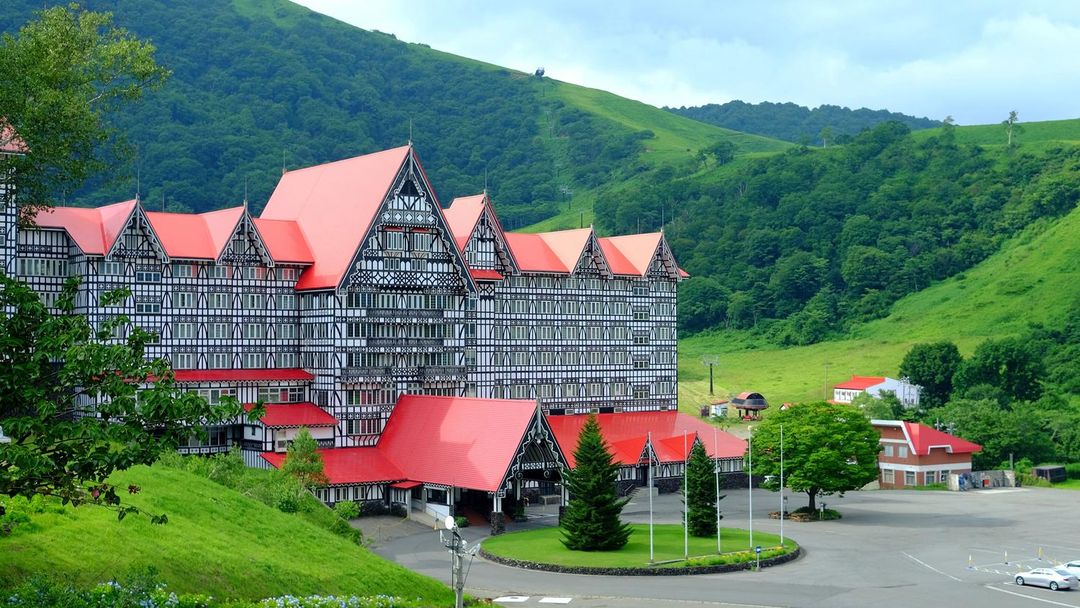
Hotel Green Plaza Hakuba
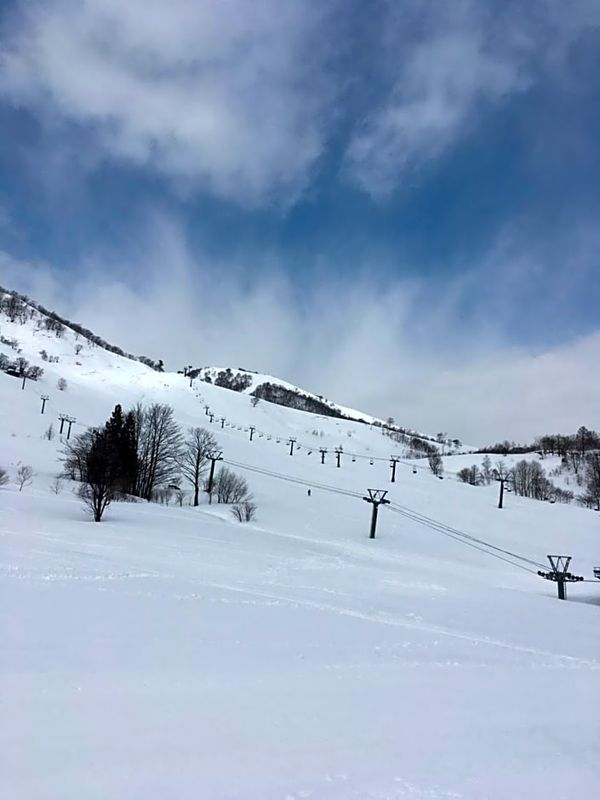
Momiji
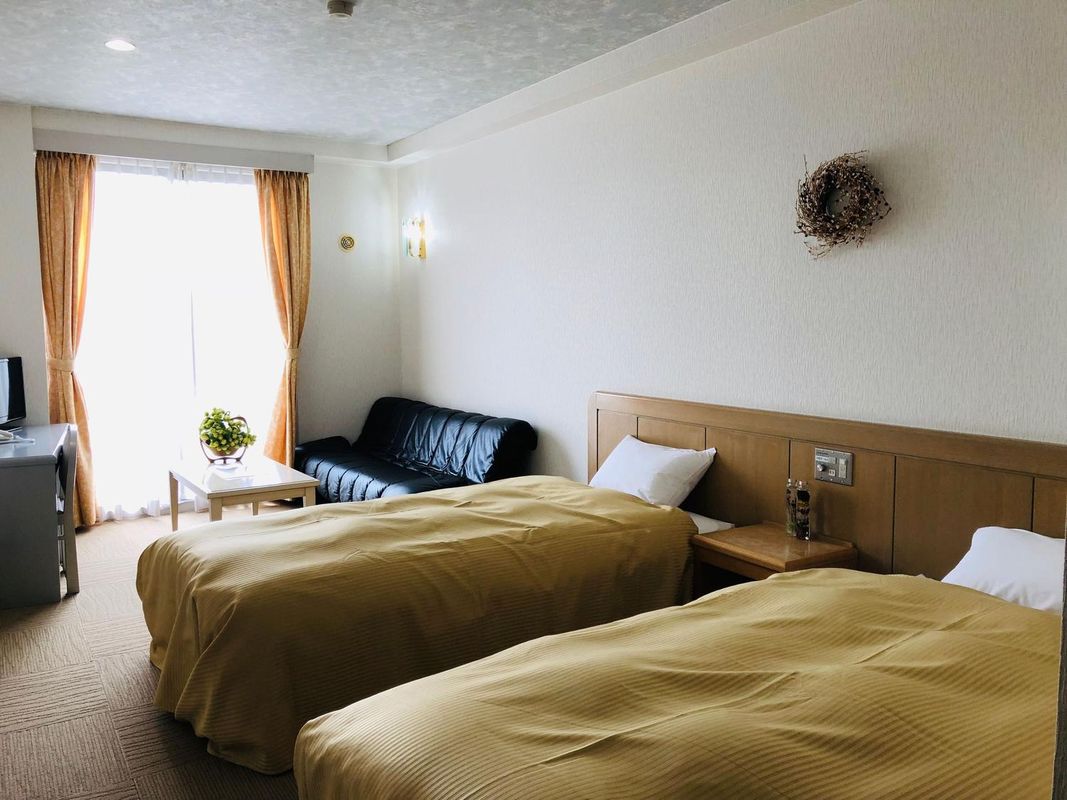
Hotel Belle-Cour Inomata
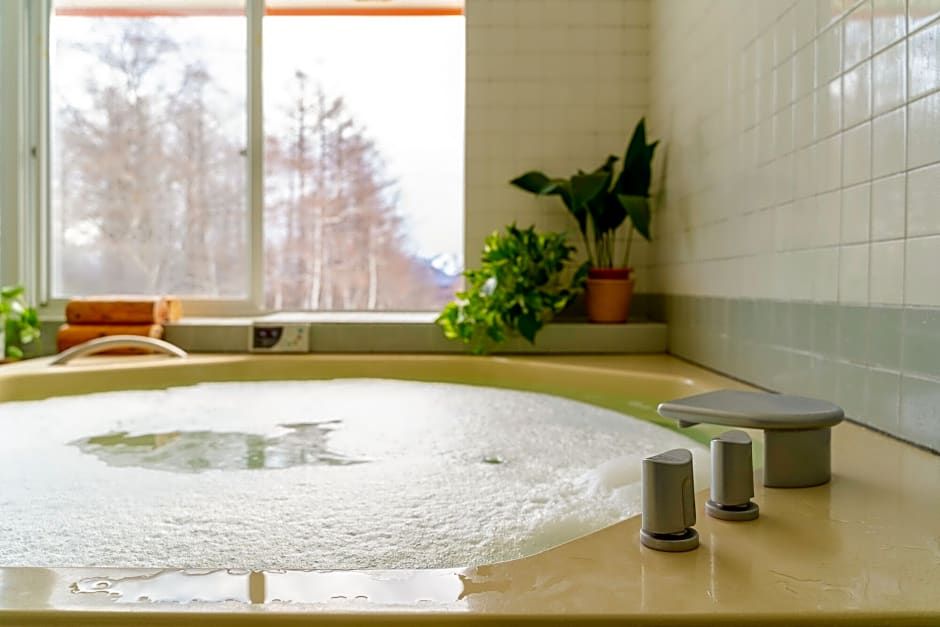
Canopy Lodge - Boutique Lodge at Hakuba Cortina
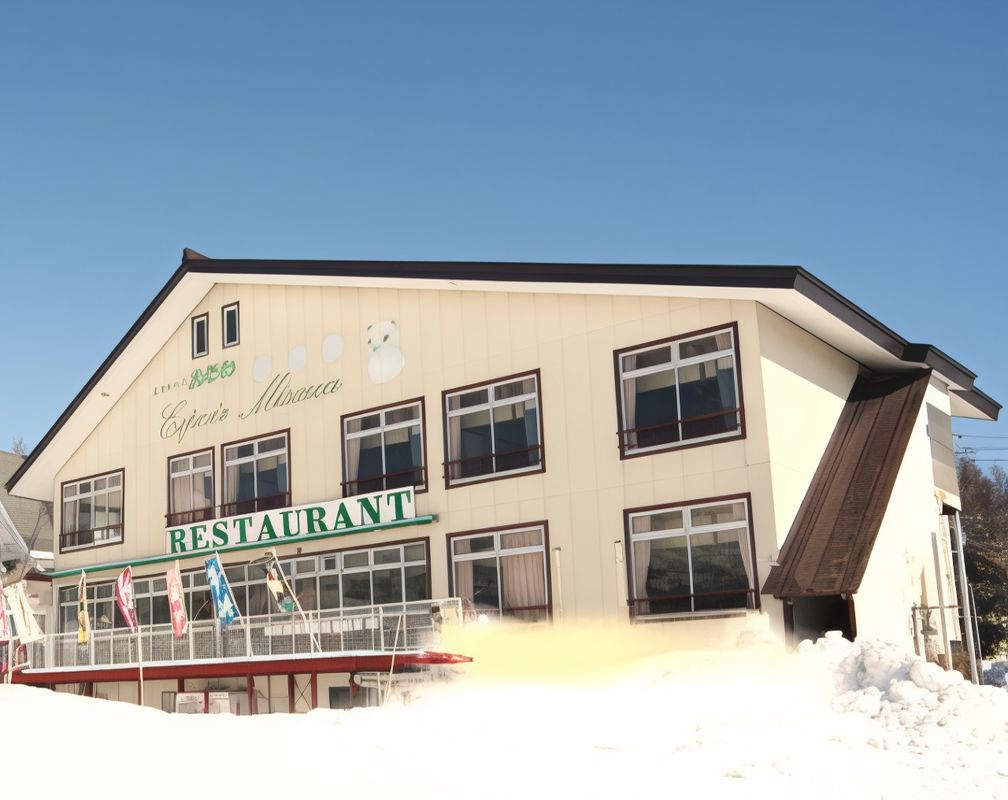
Hakuba Tsugaike Ski Slope Side Espoir Misawa
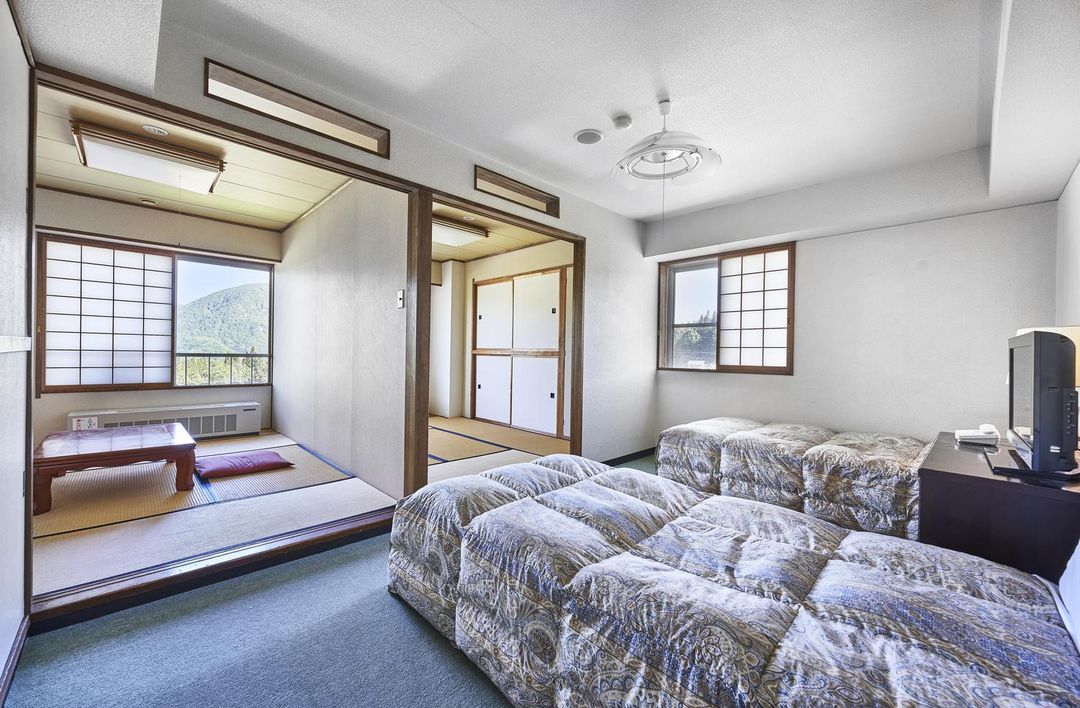
Hakuba Alps Hotel
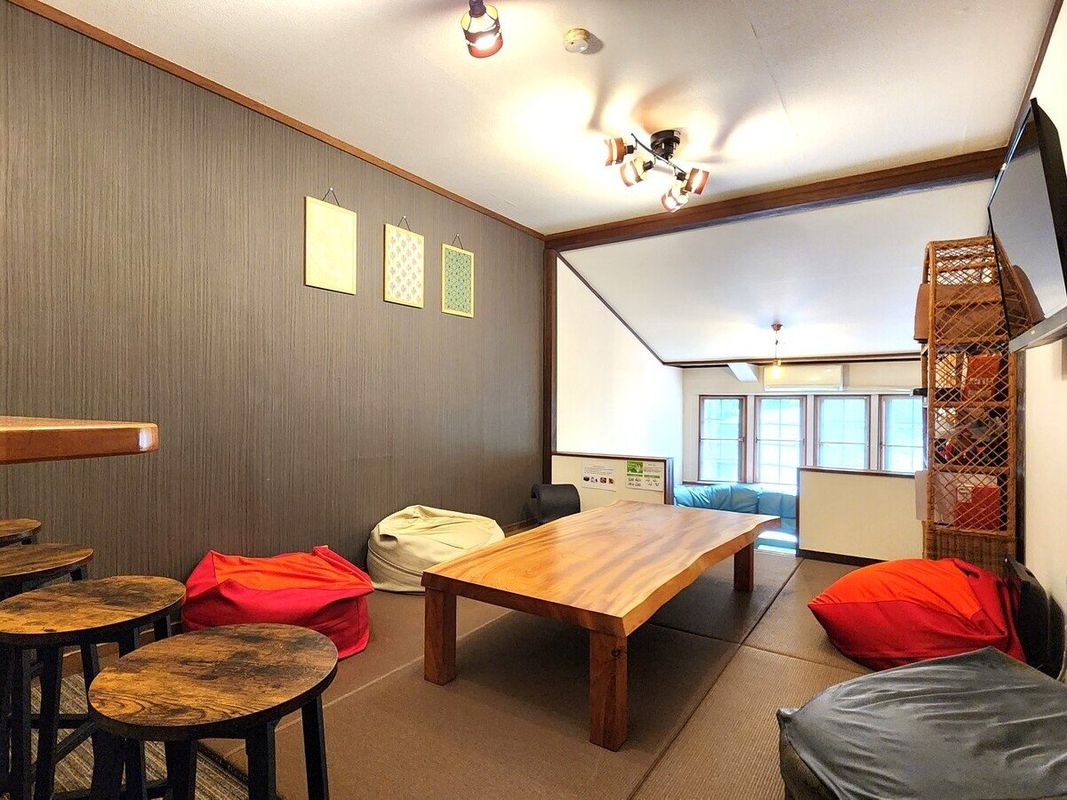
Pension Kobekko
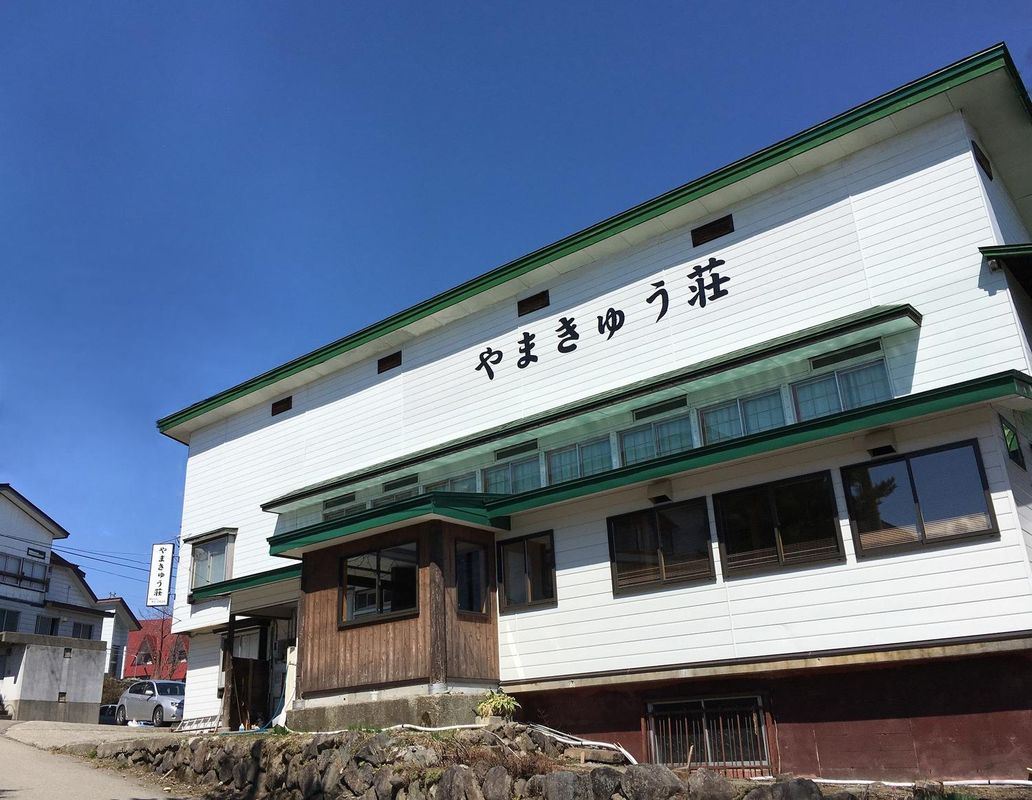
Yamakyuso
Best Hotels in Otari
Discover curated hotel collections in Otari

Bvlgari Hotel Tokyo
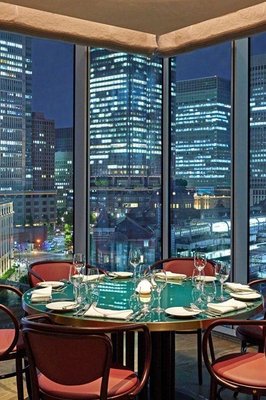
Four Seasons Hotel Tokyo at Marunouchi

Mandarin Oriental, Tokyo
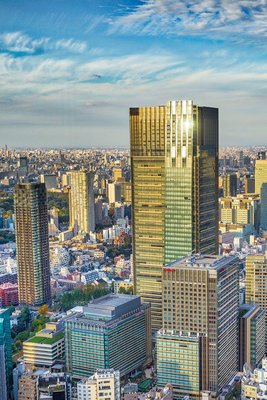
The Ritz-Carlton, Tokyo
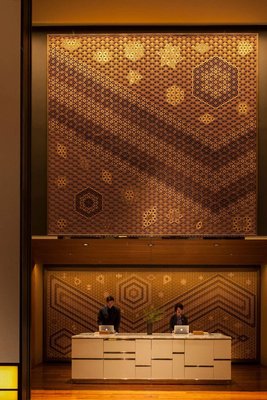
Andaz Tokyo Toranomon Hills- A Concept by Hyatt
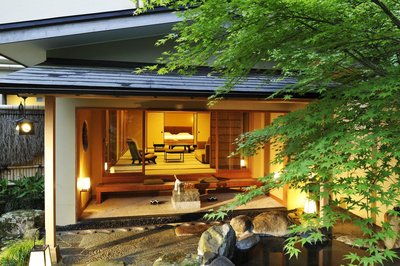
Gora Kadan
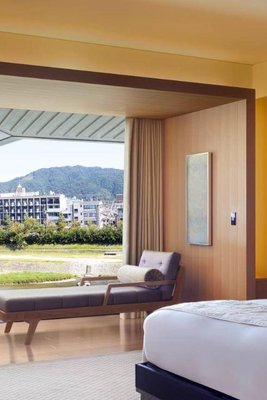
The Ritz-Carlton, Kyoto

Hotel New Otani Tokyo the Main
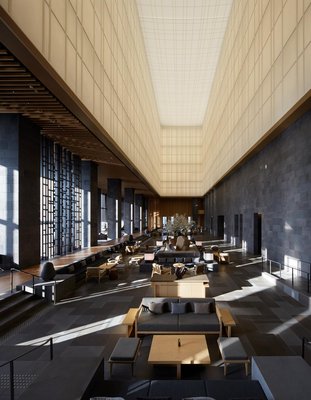
Aman Tokyo
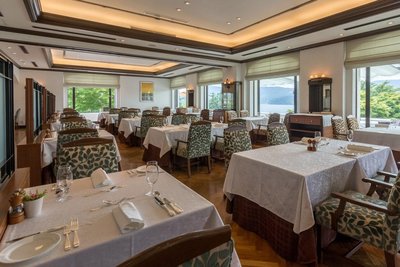
Odakyu Hotel de Yama
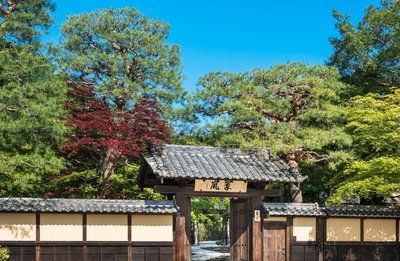
Suiran, a Luxury Collection Hotel, Kyoto
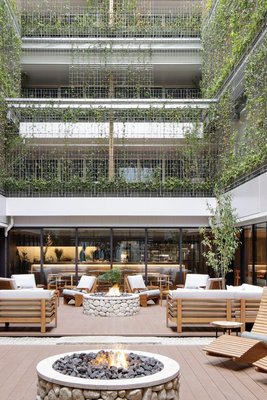
GOOD NATURE HOTEL KYOTO
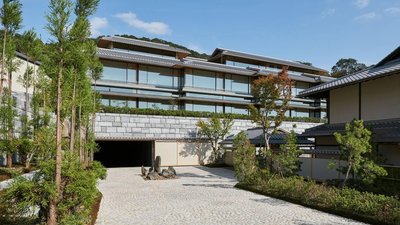
Park Hyatt Kyoto
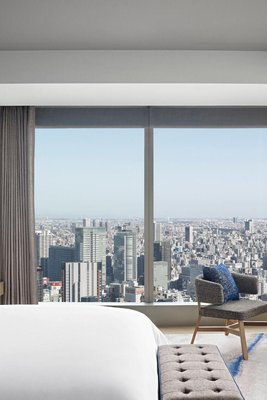
Four Seasons Hotel Tokyo at Otemachi

The Tokyo Edition, Toranomon

Hyatt Centric Kanazawa
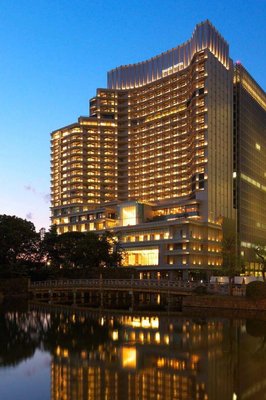
Palace Hotel Tokyo
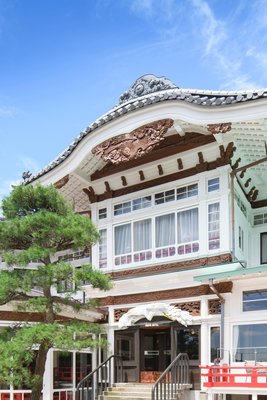
Fujiya Hotel
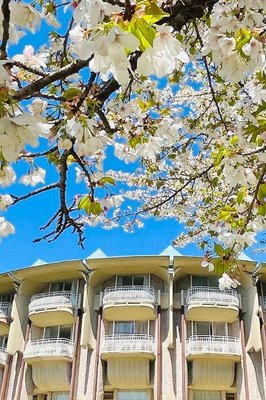
The Prince Hakone Lake Ashinoko
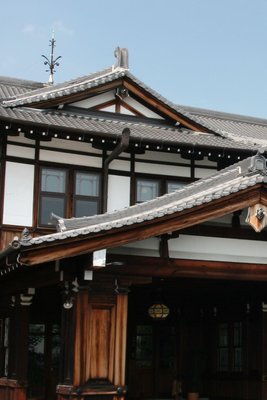
Nara Hotel
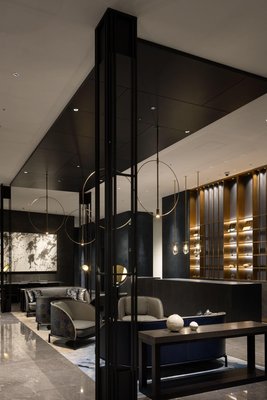
Bellustar Tokyo, A Pan Pacific Hotel
Bvlgari Hotel Tokyo
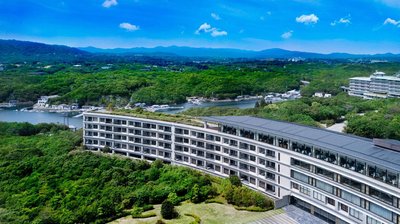
Shima Kanko Hotel the Bay Suites
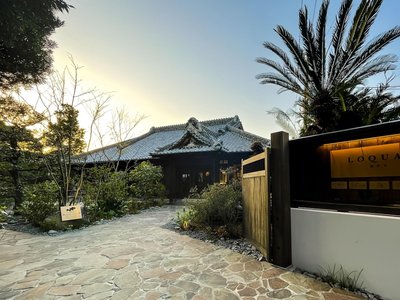
Loquat Nishiizu
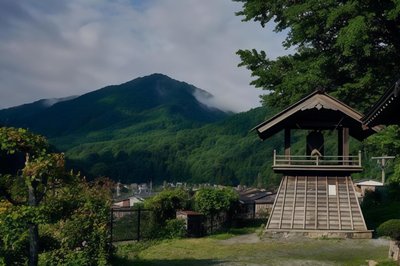
Byaku Narai
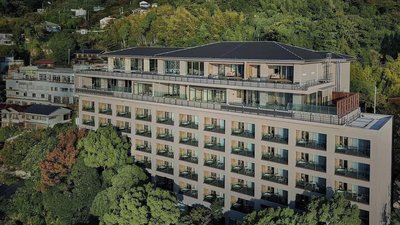
Atami Izusan Karaku
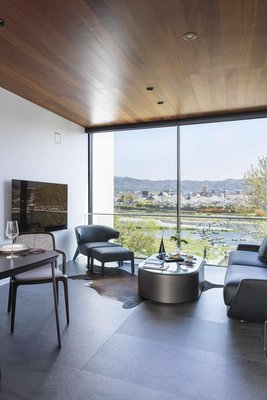
Kamo Residences by Reflections
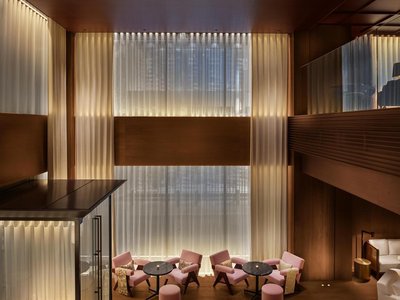
The Tokyo Edition, Ginza

Janu Tokyo
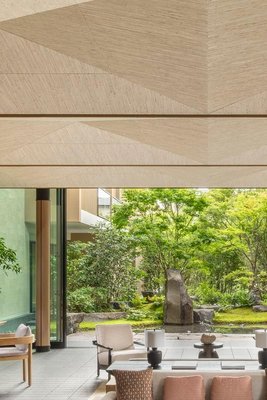
Six Senses Kyoto
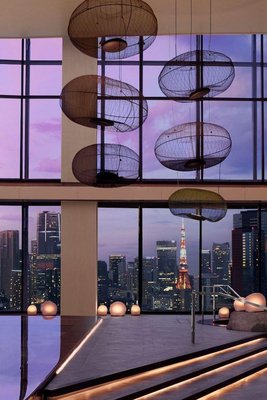
JW Marriott Hotel Tokyo
Four Seasons Hotel Tokyo at Marunouchi
Mandarin Oriental, Tokyo
The Ritz-Carlton, Tokyo
Andaz Tokyo Toranomon Hills- A Concept by Hyatt
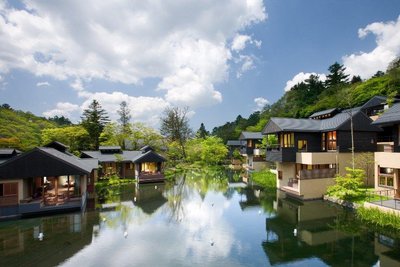
Hoshinoya Karuizawa
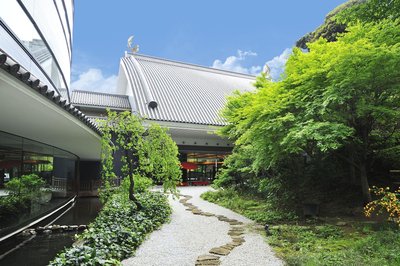
Hotel Gajoen Tokyo
Gora Kadan
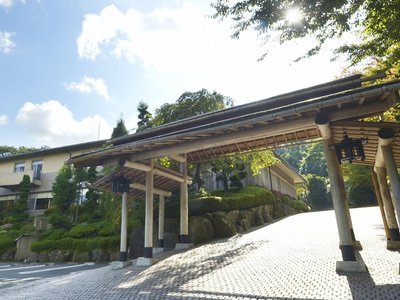
Gora Hanaougi

The Hiramatsu Hotels & Resorts Kashikojima

The Address Akakura
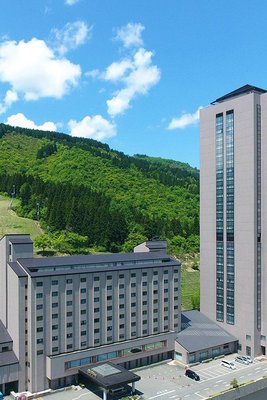
Naspa New Otani
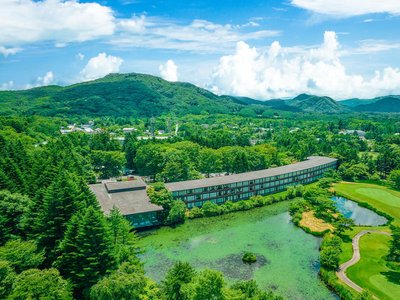
The Prince Karuizawa
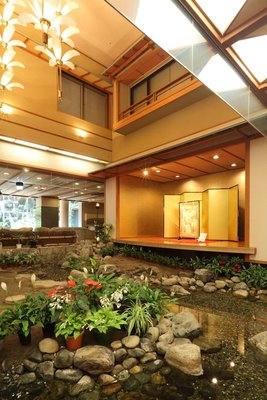
Hotel Futaba
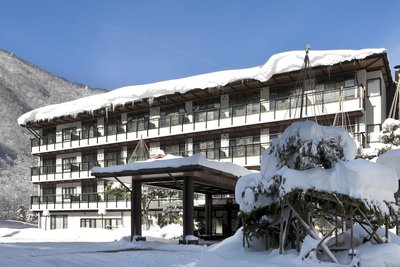
Okada Ryokan Warakutei
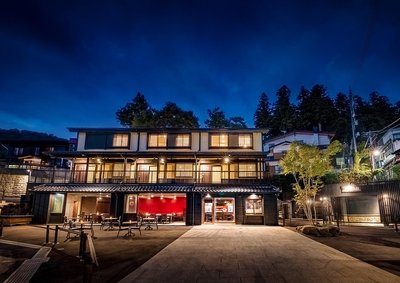
Ryokan Sakaya

Kyukaruizawa Kikyo, Curio Collection by Hilton
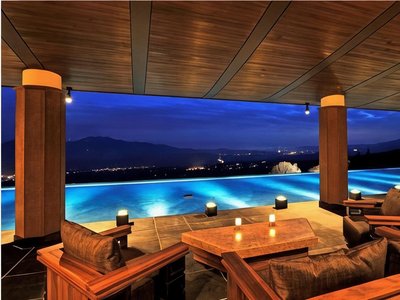
Akakura Kanko Hotel
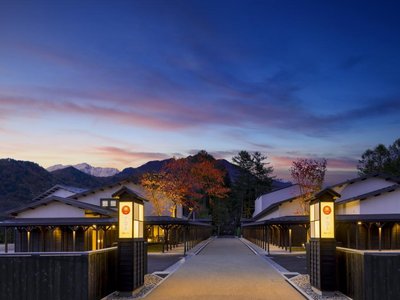
Hoshino Resorts KAI Alps
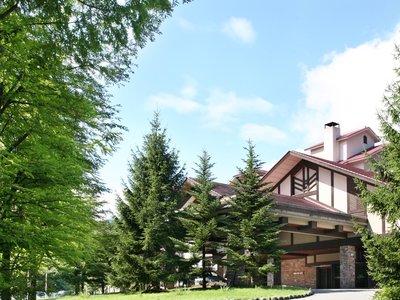
Hakuba Tokyu Hotel
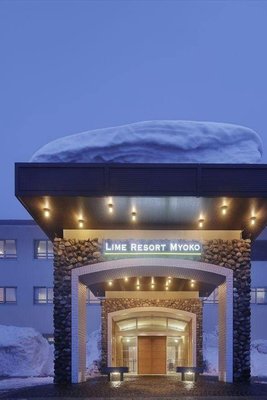
Lime Resort Myoko
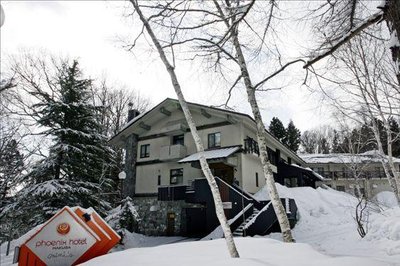
Phoenix Hotel by Hhg

Four Seasons Yuzawa Quattro

Courtyard by Marriott Hakuba
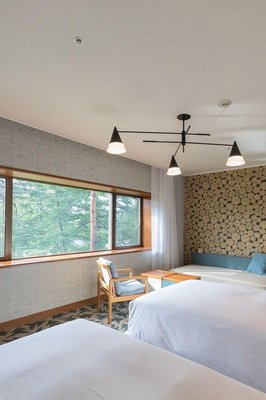
Karuizawa Prince Hotel East
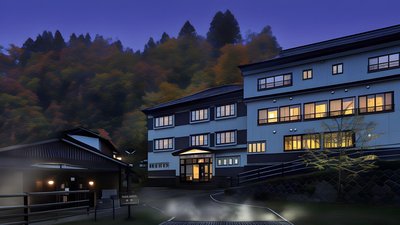
Zao Onsen Omiya Ryokan
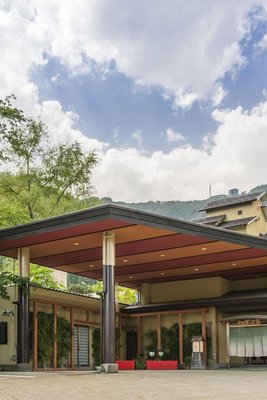
Shosenkaku Kagetsu
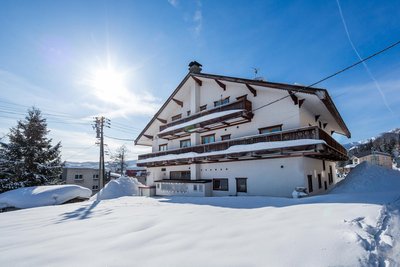
Marillen Hotel by Hhg
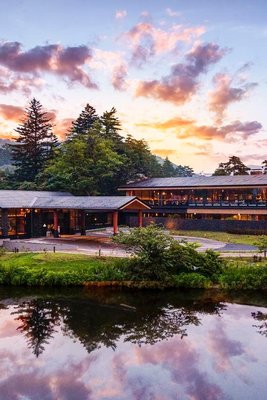
Karuizawa Prince Hotel West
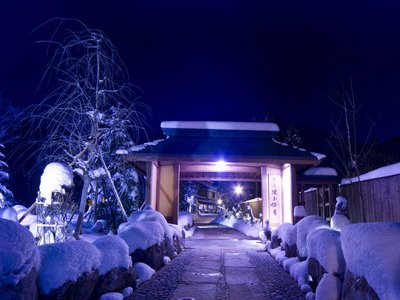
Miyama Ouan
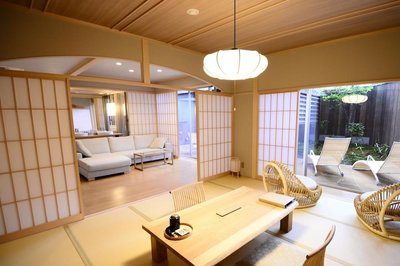
Hakone Gora Byakudan
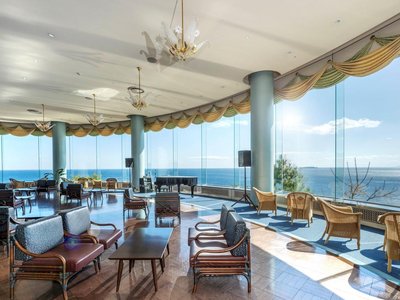
Hotel New Akao
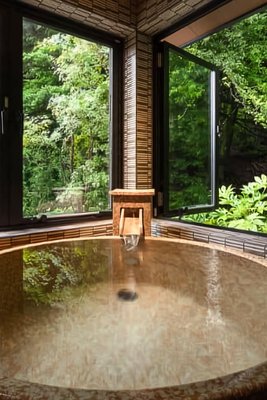
Hakkai Konohanakan
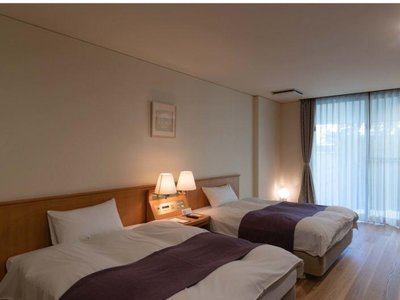
Auberge Suzukane

Onyado Nono Asakusa Bettei Hot Spring
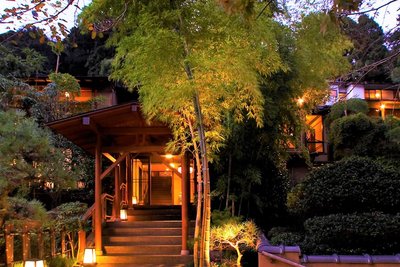
Shiki wo Ajiwau Yado Yamano Chaya
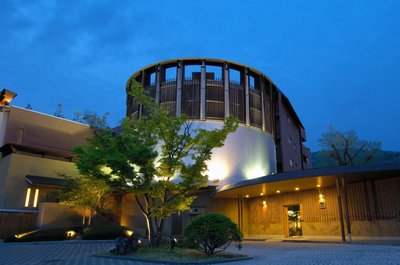
Hoshino Resorts Kai Matsumoto
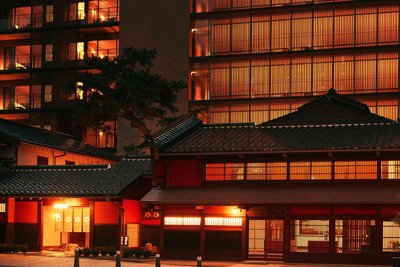
Hoshino Resorts Kai Kaga
The Address Akakura
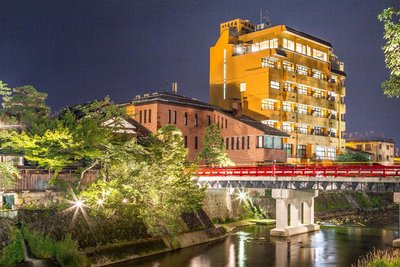
HONJIN HIRANOYA BEKKAN
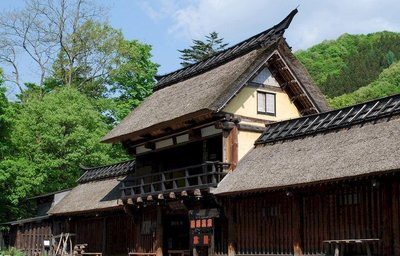
Kayabukinosato Yakushionsen Hatago
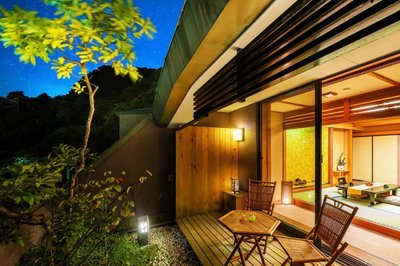
Konjakutei
Hotel Futaba
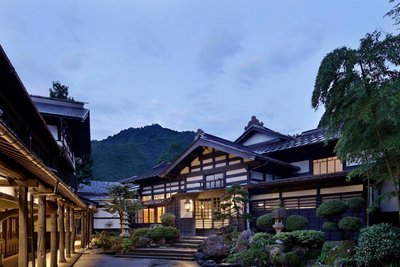
Ryugon

Tokinoniwa

The Kukuna
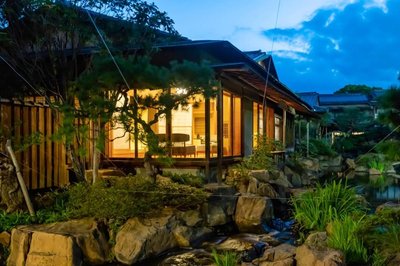
Tokiwa Hotel
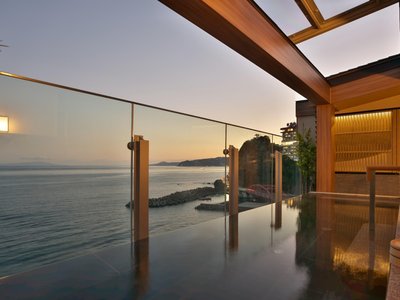
Hotel New Sagamiya
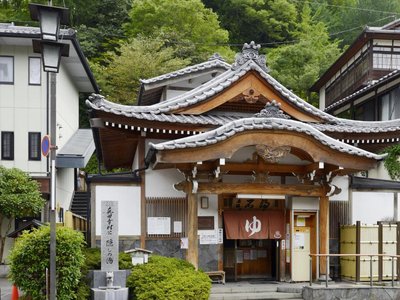
Nakamatsuya Ryokan
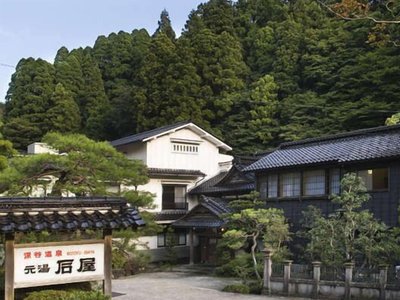
Motoyu Ishiya
Hakone Gora Byakudan
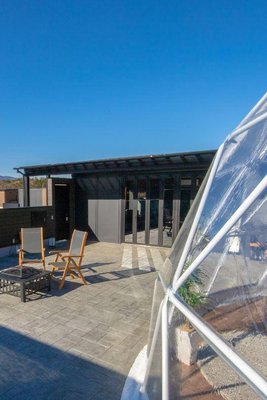
Panoramic Mt. Fuji Views from All Rooms – Vision Glamping Resort & Spa Yamanakako
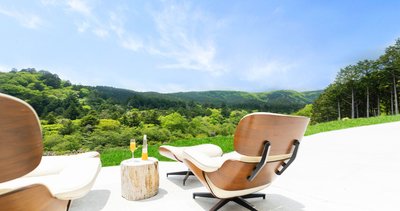
Shelter Garden Nikko
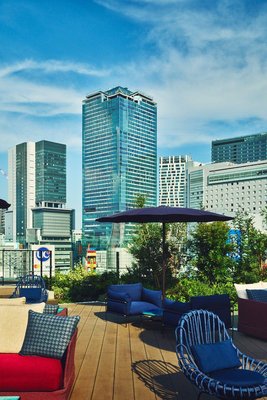
Hotel Indigo Tokyo Shibuya

TIAD, AUTOGRAPH COLLECTION

Dusit Thani Kyoto
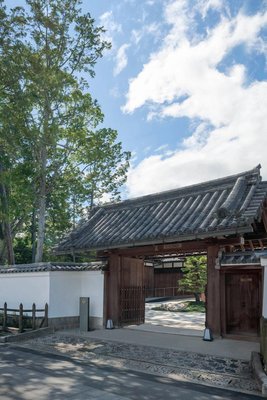
Shisui, a Luxury Collection Hotel, Nara

Hilton Kyoto
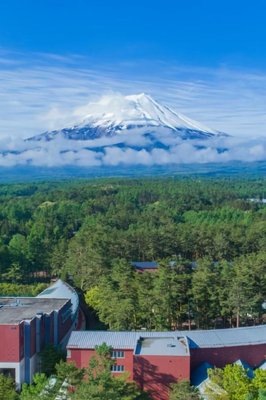
Forest Village (Fuji Premium Resort)

Hotel Toranomon Hills

Fufu Kyu-Karuizawa Restful Forest
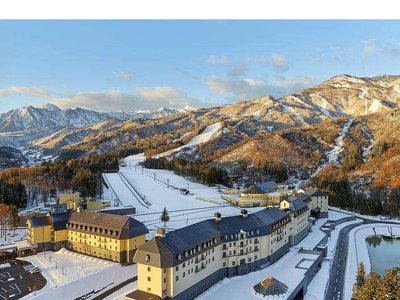
Lotte Arai Resort
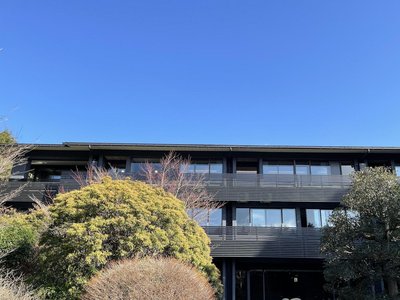
Sengokubara Cocon
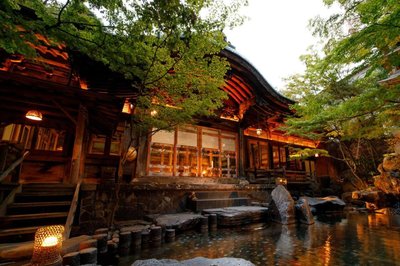
Shoraiso
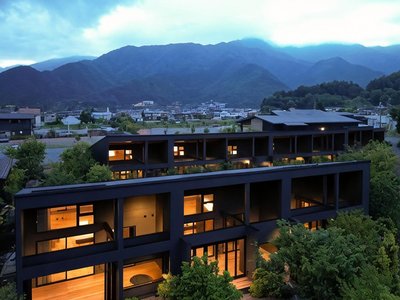
7C Villa and Winery
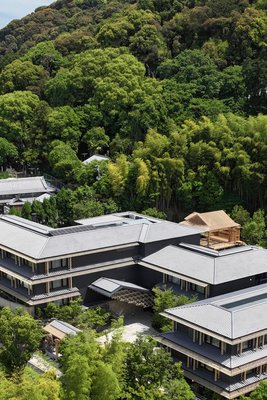
Banyan Tree Higashiyama Kyoto

Hotel la Vigne Hakuba by Onko Chishin
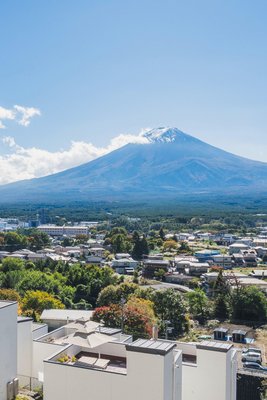
THE TOKI FujiKawaguchiko
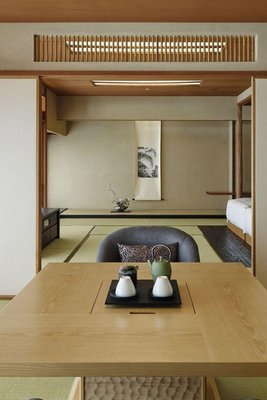
Takanawa Hanakohro (in Grand Prince Hotel Takanawa)

Hyatt Centric Ginza Tokyo
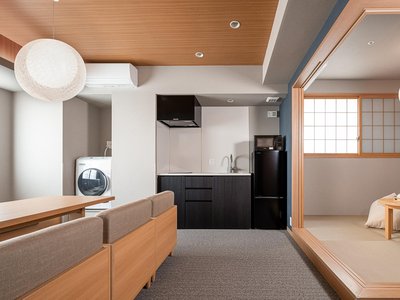
MIMARU SUITES Tokyo Asakusa
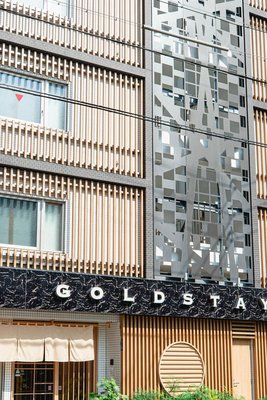
Gold Stay Nagoya OSU

La Terra Resort

karaksa hotel colors Tokyo Yaesu

HOTEL GROOVE SHINJUKU, A PARKROYAL Hotel

Korinkyo

GOLD STAY Nagoya Sakae
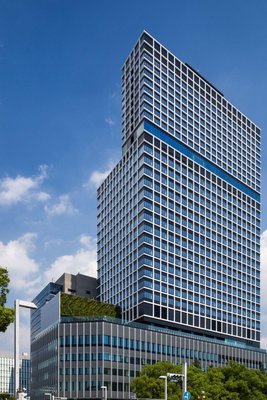
The Royal Park Hotel Iconic Nagoya

Awaumi Fujikawaguchiko Resort
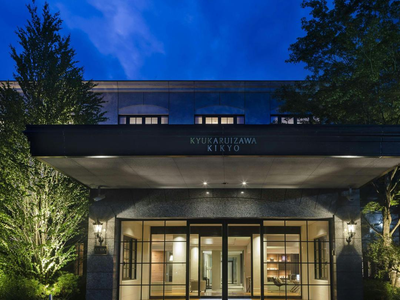
Fufu Karuizawa Wind of Sunshine
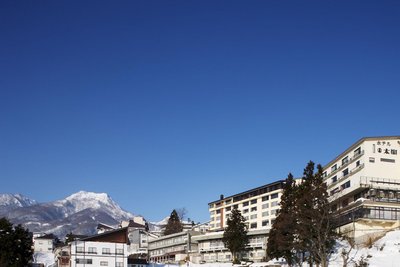
Hotel Taiko, Akakura Onsen
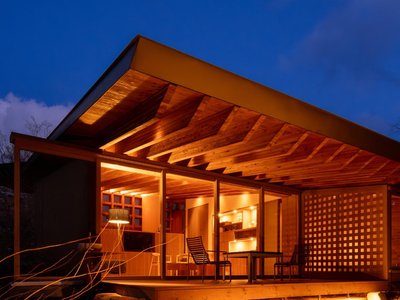
Nasu Mukunone
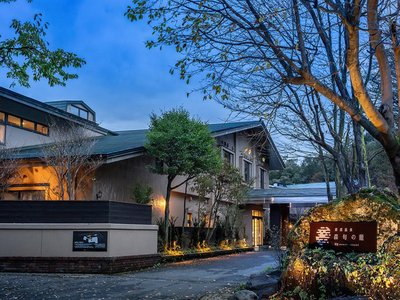
Nasu Onsen Shinshun no Kago Hewitt Resort
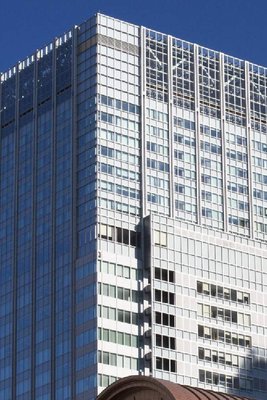
Hotel Metropolitan Tokyo Marunouchi
Hoshino Resorts Kai Kaga
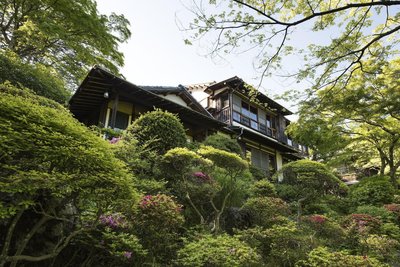
Gora Kansuiro
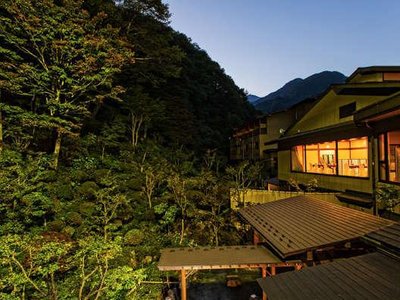
Futari Shizuka
Naspa New Otani

HOTEL KANICHI
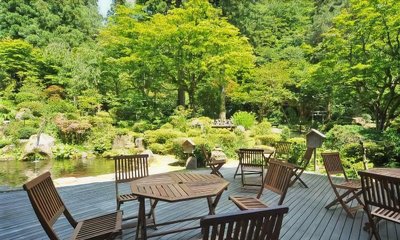
Choseikan
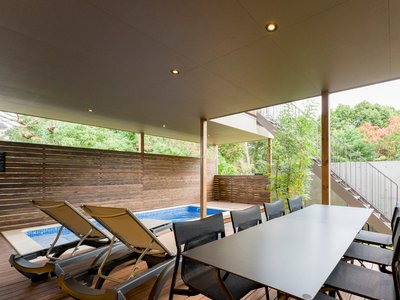
Rakuten STAY VILLA Kamogawa
Awaumi Fujikawaguchiko Resort
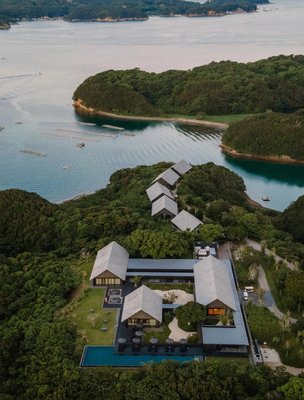
Amanemu
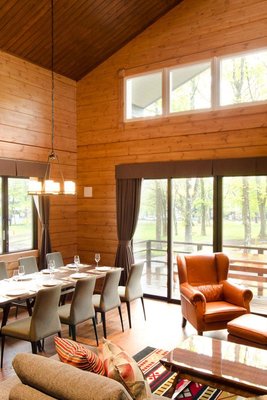
The Prince Villa Karuizawa
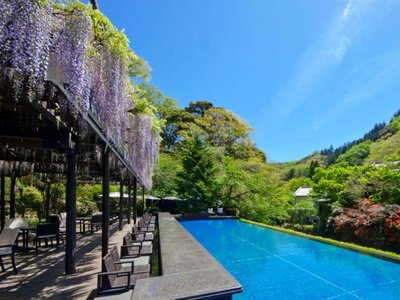
Tofuya Resort & Spa Izu
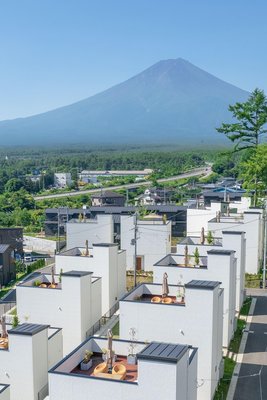
Fuji Granvilla -TOKI-
Hakone Gora Byakudan
Hotel New Akao
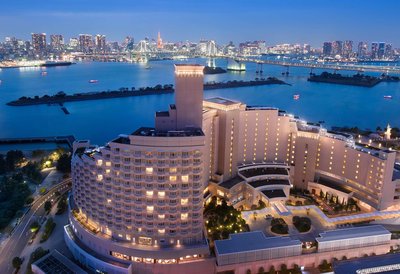
Hilton Tokyo Odaiba
JW Marriott Hotel Tokyo
The Prince Karuizawa

Izumigo Hotel Altia Toba
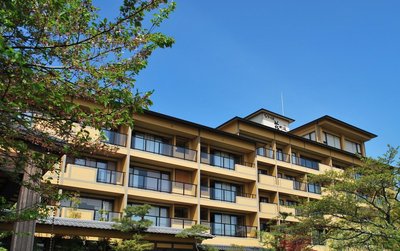
BIWAKO HANAKAIDO
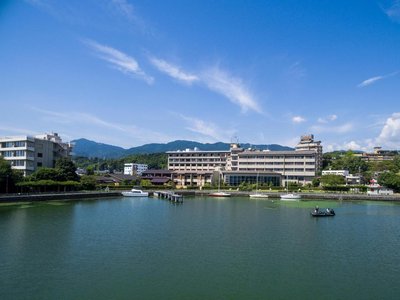
Biwako Ryokusuitei
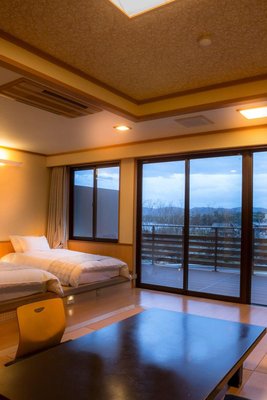
Hotel Kitanoya
The Kukuna
Hotel New Sagamiya
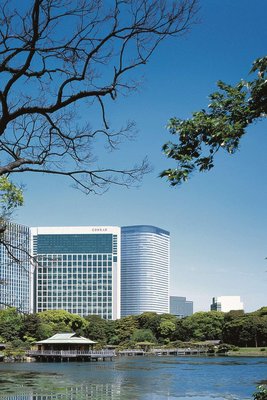
Conrad Tokyo
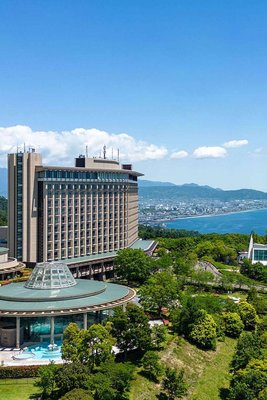
Hilton Odawara Resort & Spa
Hoshinoya Karuizawa
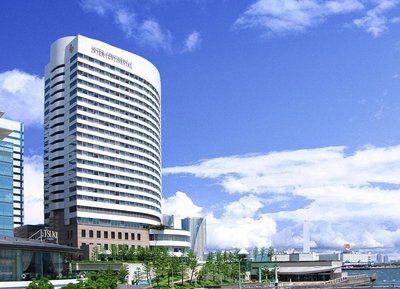
InterContinental Tokyo Bay
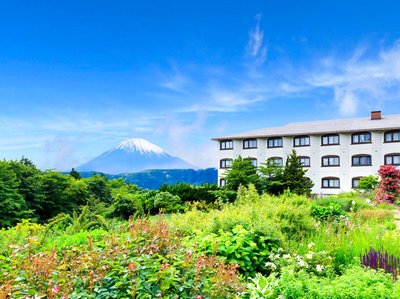
Hotel Green Plaza Hakone
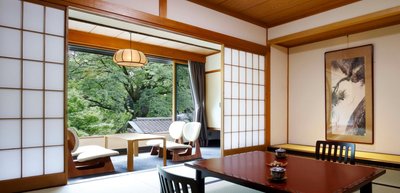
Yoshiike Ryokan
Akakura Kanko Hotel
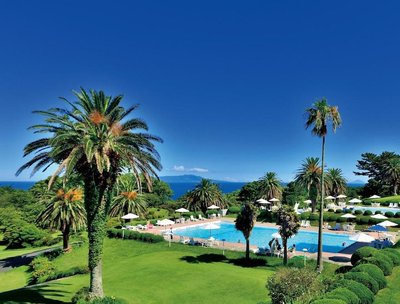
Kawana Hotel
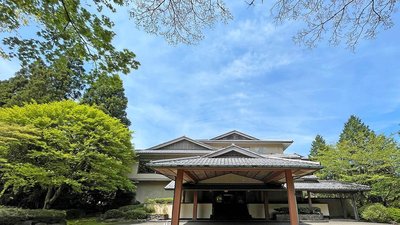
Ryuguden
Bellustar Tokyo, A Pan Pacific Hotel
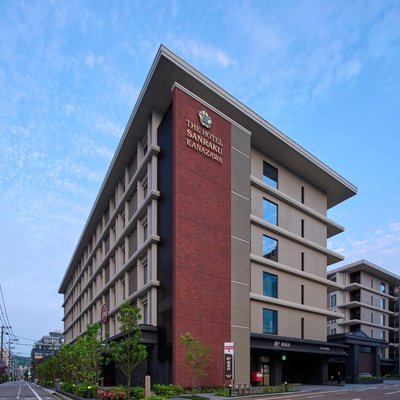
The Hotel Sanraku Kanazawa 21th December 2022 Open

22 PIECES
JW Marriott Hotel Tokyo
Andaz Tokyo Toranomon Hills- A Concept by Hyatt

The Thousand Kyoto
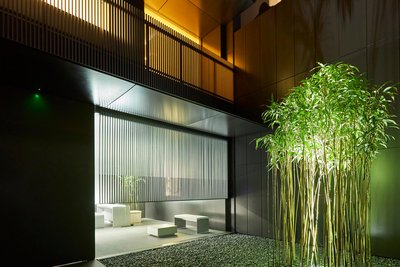
Mogana
GOOD NATURE HOTEL KYOTO
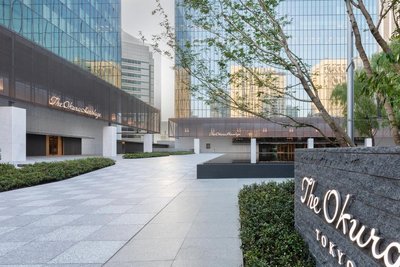
The Okura Tokyo

The Lively Azabujuban Tokyo

Kimpton Shinjuku Tokyo

Nol Kyoto Sanjo

HOTEL K5
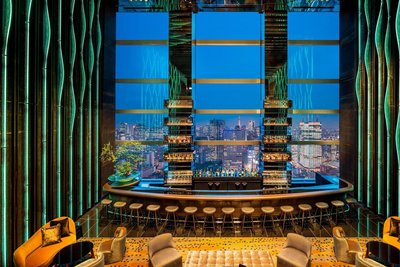
The Prince Gallery Tokyo Kioicho, a Luxury Collection Hotel

Garrya Nijo Castle Kyoto

Hotel Kanra Kyoto

Muji Hotel Ginza

Yado Kiramachi
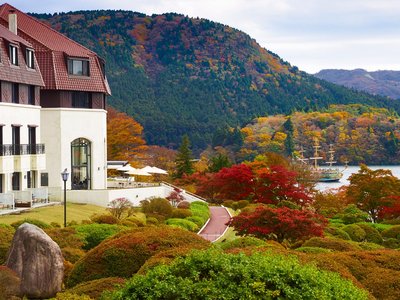
Hotakajyo
Auberge Suzukane
Onyado Nono Asakusa Bettei Hot Spring
Shiki wo Ajiwau Yado Yamano Chaya
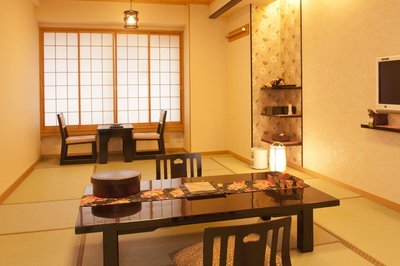
Matsui-Bekkan Hanakanzashi
Hoshino Resorts Kai Matsumoto

Taikyourou
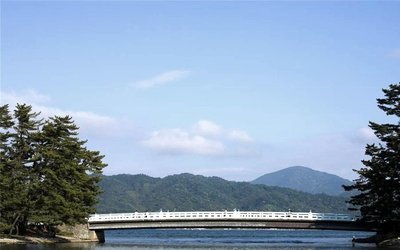
Monjusou Shourotei
Konjakutei
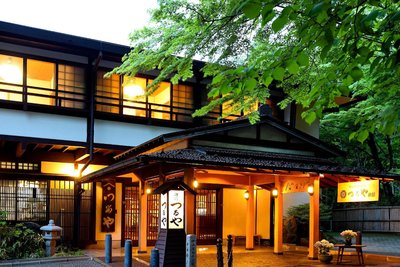
Tsuruya Ryokan
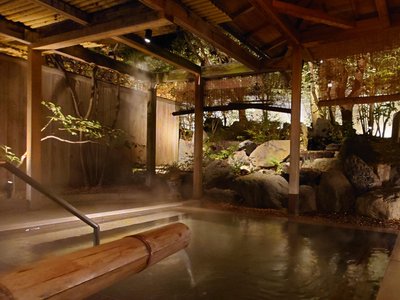
Kasuga Hotel
Nakamatsuya Ryokan
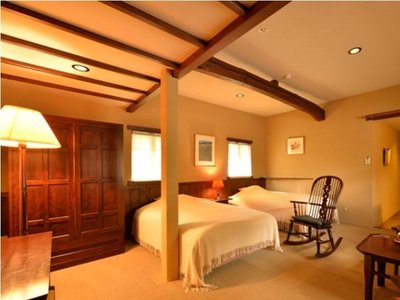
Ryokan Sugimoto
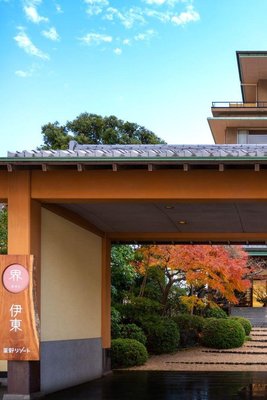
Hoshino Resorts Kai Ito
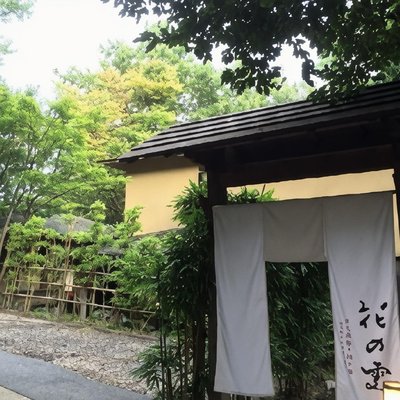
Hana No Kumo
Yoshiike Ryokan
Hotel Gajoen Tokyo
Gora Hanaougi
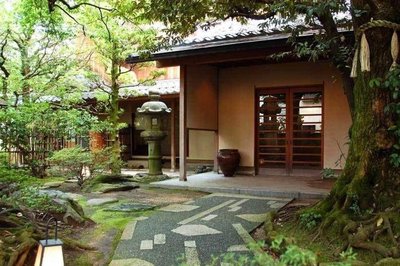
Kocho

Rakuten STAY VILLA Nasu
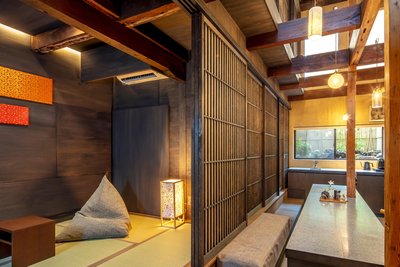
Kyo No Oozora Kihana
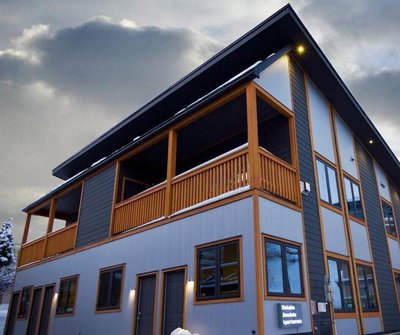
Hakuba Gondola Apartments
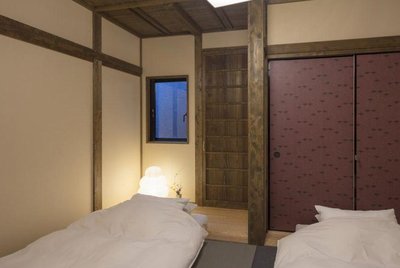
Hanagoromo Machiya House

Maana Kiyomizu
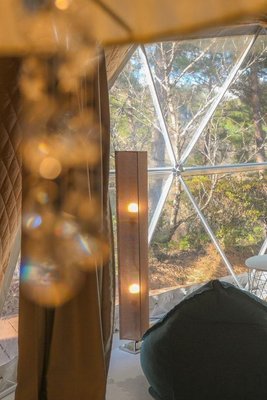
glampark Gekkabijin Nagano
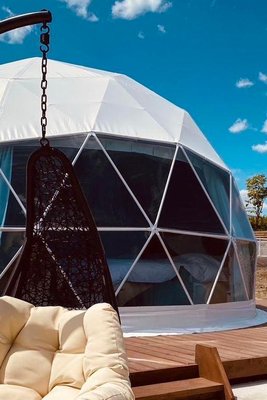
chillout glamping zao
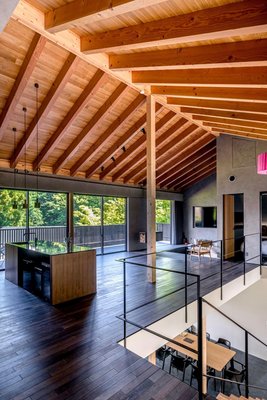
MONS GORA

Phoenix Chalets by Hhg
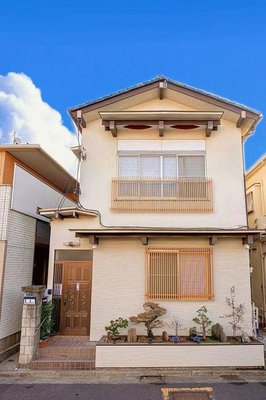
Tokyo Star House-Shinkoiwa
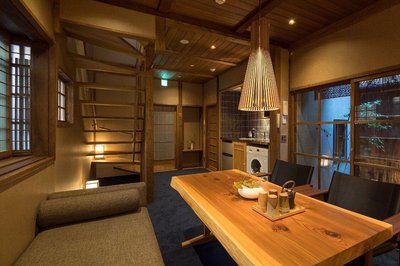
Bonbori an Machiya House
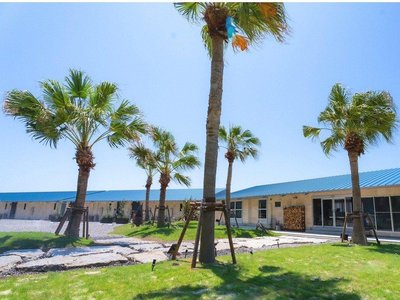
Glamping&Resort Wood Design Park Noma
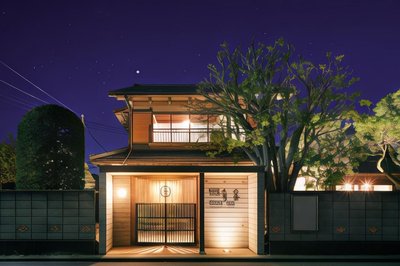
Machi-Jyu
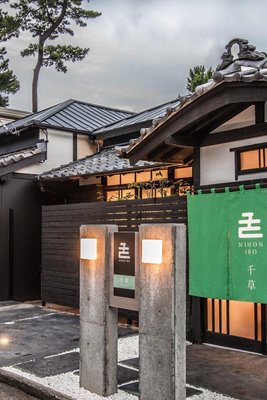
Nihon Iro
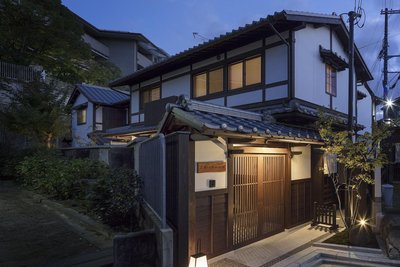
The Machiya Villa Sanjo Shirakawa Koji
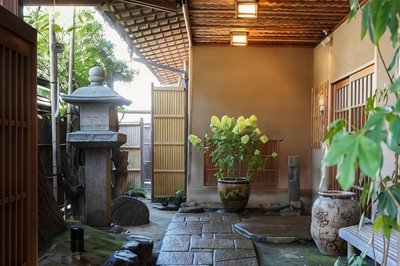
Ryokan Asadaya
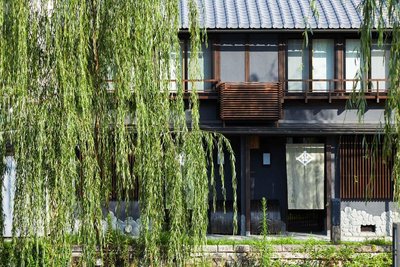
Gion Shirakawa No Yado

Kitashirakawa Natural Radium Onsen
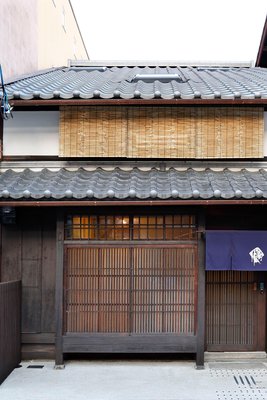
Kyo No Ondokoro Kamanza Nijo #2
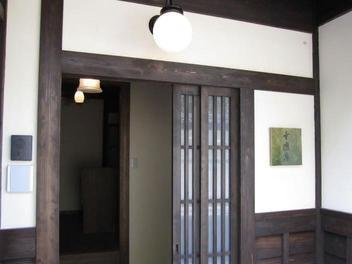
Gion Koyu an Machiya House
Frequently Asked Questions about Traveling to Otari
Questions You Might Need to Know About Traveling to Otari
In Koyama Village, top eco-lodges include Yamaguchi-no-Yado, a centuries-old wooden house transformed into a sustainable retreat with solar-powered heating and rainwater harvesting systems. Another standout is Matsunomori Cabin, built entirely from locally sourced timber, offering forest-view rooms and zero-waste practices. Both properties host local farming workshops and offer organic meals sourced from village gardens. Guests enjoy quiet mountain serenity and hands-on experiences in traditional Japanese sustainability. They emphasize minimal environmental impact while preserving cultural authenticity.
The Yaguchi District is the most serene area in Koyama Village, nestled near the entrance to Nagano Prefectural Natural Park. It features secluded lodges like Midoriya and Yamabare, surrounded by pine forests and clear streams. The area has low tourist traffic, making it perfect for stargazing—especially during the Milky Way season. With no streetlights, night skies reveal breathtaking constellations. Ideal for travelers seeking tranquility, nature immersion, and digital detox. Many lodges also provide guided night walks and mindfulness sessions.
In Koyama Village, experience traditional bamboo weaving workshops led by master artisans passed down through generations. You’ll craft your own basket or lantern using natural materials. Participate in the annual Snowmelt Festival (Ice River Liberation Ceremony), where villagers light bonfires to welcome spring and pray for abundance. Visit the handmade tofu workshop, where you can taste fresh Koyama white tofu paired with local pickles. These immersive activities offer authentic insight into rural Japanese life and seasonal rhythms.
Winter in Koyama Village shines with snow-covered onsen experiences. Stay at Yukinokō Onsen Hotel, where open-air baths are framed by snow-laden pines and starlit skies. The village hosts an ice sculpture festival, where artists carve intricate figures from natural snow, illuminated at night. Nearby, the Omitsu Highlands Ski Lift offers gentle slopes suitable for families and beginners, flanked by dense cedar forests. Snowshoeing trails and nighttime firelight forest walks add to the magical atmosphere.
For families, Nature Kids House stands out with child-safe rooms, a sandbox, farm animal feeding stations, and daily forest scavenger hunts. Each room features low beds and non-slip flooring for safety. Nearby, Ina Field Tent offers tent camping with nightly firefly watching and outdoor storytelling under the stars. Children learn about local flora and fauna through interactive programs. All lodges provide multilingual staff and kid-sized amenities, ensuring a joyful, educational stay for all ages.
Photographers love Thousand Pine Forest Trail at dawn, where mist swirls between ancient trees, creating ethereal compositions. At dusk, head to Mirror Lake Wetland for stunning reflections of autumn foliage. The stone lantern path leading to the shrine is especially photogenic at night, lit by soft glows. For dramatic landscapes, visit the Cloud Sea Observation Deck, which frequently reveals vast sea-of-clouds after rainfall. Equipment rentals and guided photo tours are available for visitors seeking professional-level shots.
Try wild mountain vegetable tempura, featuring seasonal greens like fiddlehead ferns and wild parsley, fried to perfection. A must-try is Koyama black bean rice, slow-cooked with locally grown beans and served with homemade miso soup. Don’t miss I-no-Tsubo soba noodles, hand-ground from stone-milled buckwheat and served with a cold dipping sauce made from mountain spring water. During festivals, sample Yukimi mochi—sweet rice cakes dusted with snow powder and filled with red bean paste—symbolizing the arrival of spring.
From Tokyo Station, take the JR Shin'etsu Main Line to Nagano Station (~2 hours), then transfer to the Nagano Electric Railway to Koyama Village Station (~40 minutes). Alternatively, book a private car service for a direct 3.5-hour ride through scenic Mount Akagi and Myoko Highland. Many lodges offer free shuttle services. HopeGoo in advance is recommended, especially during peak seasons like cherry blossom and autumn foliage periods.
Koyama Village’s onsen hotels feature natural alkaline sulfur springs, known for their therapeutic benefits on skin and muscles. Tani-yu Onsen Hotel offers open-air baths surrounded by cedar forests, with private tubs and panoramic views. Seiryu Onsen blends traditional Japanese garden design with modern comfort, including a waterfall bath and meditation space. All facilities use eco-friendly water filtration and avoid chemical additives. Some rooms even have private onsen tubs, providing ultimate privacy and relaxation amidst pristine mountain air.
Recommended trails include the Shrine-to-Mirror Lake Loop (~4 km), passing through century-old trees and cascading streams, ideal for wildlife spotting. The Thousand Pine Forest Traverse (6 km) suits intermediate hikers, ending with sweeping views of the village and Lake Suwa. Trails are well-marked with maps and signage, and rental audio guides are available. Emergency stations and drinking water points are provided along the way. Guided hikes with local rangers offer deeper insights into flora, fauna, and indigenous traditions.
Otari Overview
City Summary
Otari Village is located in the northern part of Nagano Prefecture, Japan, surrounded by majestic mountains. Known for its pristine natural scenery and traditional Japanese rural culture, it is an ideal destination for those seeking escape from urban hustle. Winter ski resorts and summer hiking activities attract numerous outdoor enthusiasts.
Must-See Attractions
The Tsugaike Nature Park in Otari Village is a must-visit, featuring alpine plants in summer and transforming into a ski resort in winter. The Shirahone Onsen, a famous hot spring with a long history, offers unique milky-white waters. Additionally, the village's traditional gassho-zukuri farmhouses showcase Japan's rural architectural style.
Food Guide
Otari's culinary culture focuses on mountain vegetables and wild plants. Don't miss the soba noodles, made from locally sourced buckwheat flour, offering a distinctive flavor. Salt-grilled iwana (char) and tempura with wild vegetables are other highlights, reflecting the mountain region's unique tastes.
Transportation Guide
To reach Otari Village, take a train or bus from Nagano City, which takes about 2 hours. Local transportation relies on buses and taxis, but services are limited, so plan ahead. Renting a car is recommended for flexibility. Winter driving requires caution due to snowy roads.
Best Time to Visit
The best times to visit are December to March for skiing and June to September for hiking and flower viewing. Winter offers stunning snowscapes, while summer provides cool weather ideal for outdoor activities.
Travel Tips
- Pack warm clothing and snow gear for winter visits.
- Respect onsen etiquette by washing thoroughly before entering.
- Few shops are available, so bring essentials.
- Mountain weather is unpredictable; check forecasts regularly.
- Carry out trash to maintain cleanliness.
Useful Information
Japanese is the primary language in Otari Village, with low English proficiency, so a translation app is helpful. Network coverage is good, but some mountain areas have weak signals. Cash is the main payment method, though some hotels and restaurants accept cards. Emergency facilities are concentrated in the village center; dial 119 for emergencies.