Hotels in Otterup
Discover your perfect stay in Otterup.
Otterup(Denmark) Travel 2026: Cheap Flights, Hotels & Top Attractions
Popular Landmarks in Otterup
Discover the most iconic attractions in Otterup
Best Hotels in Otterup
Discover curated hotel collections in Otterup
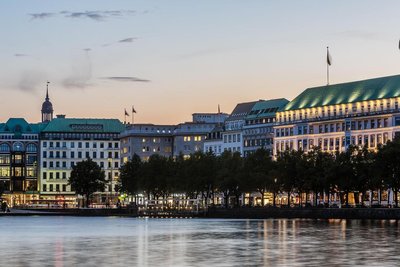
Fairmont Hotel Vier Jahreszeiten
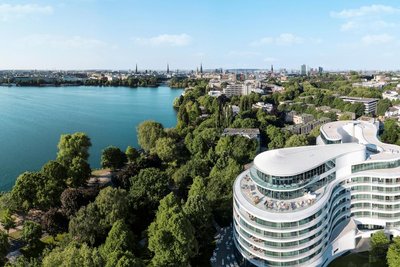
The Fontenay Hamburg
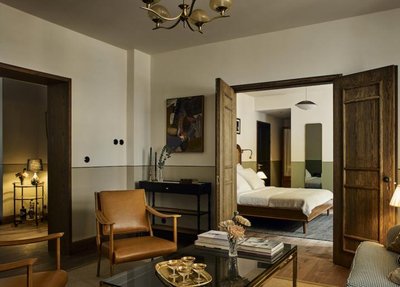
Hotel Sanders
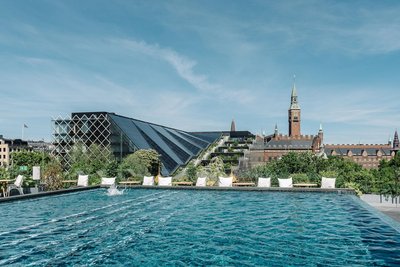
Nimb Hotel
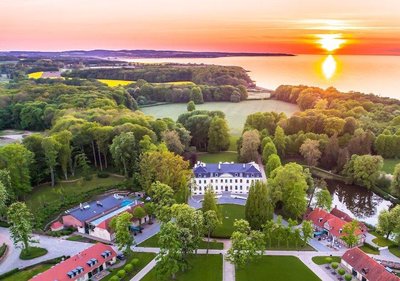
Weissenhaus Private Nature Luxury Resort
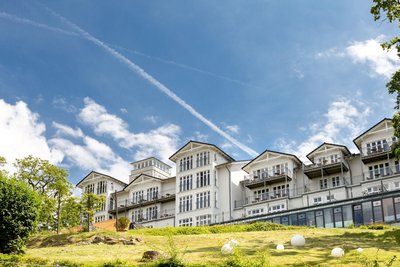
Vju Hotel Rügen
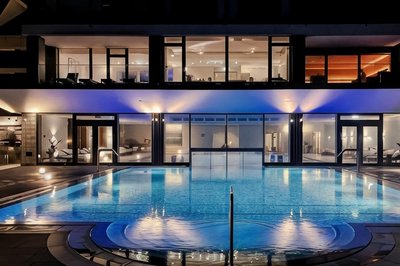
Upstalsboom Wyk Auf Föhr
Fairmont Hotel Vier Jahreszeiten
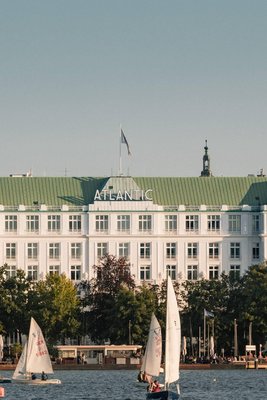
Hotel Atlantic Hamburg-Autograph Collection
The Fontenay Hamburg
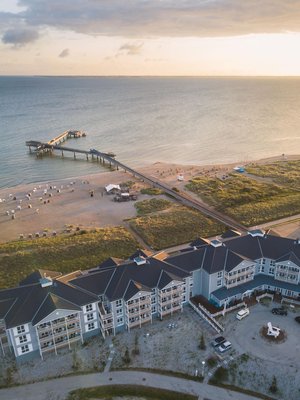
Beach Apartments Heiligenhafen
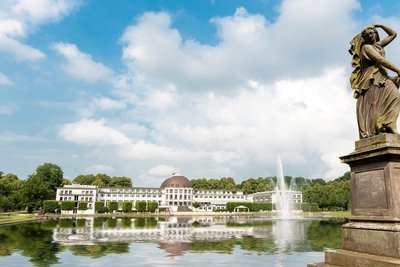
Parkhotel Bremen – ein Mitglied der Hommage Luxury Hotels Collection
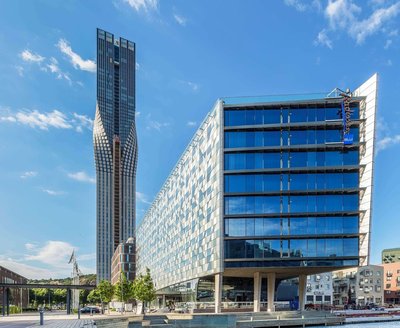
Radisson Blu Riverside Hotel Gothenburg
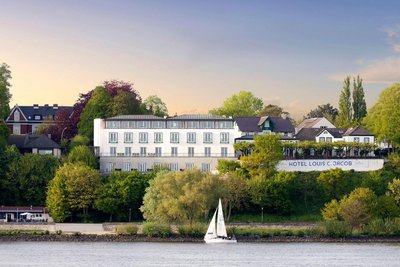
Hotel Louis C. Jacob
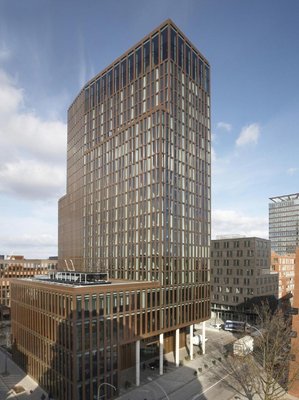
Empire Riverside Hotel
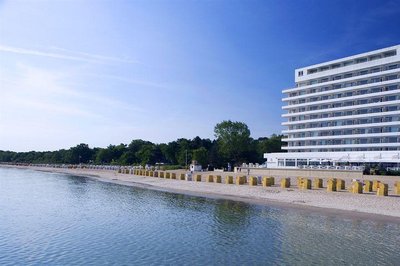
Grand Hotel Seeschlösschen Sea Retreat & Spa
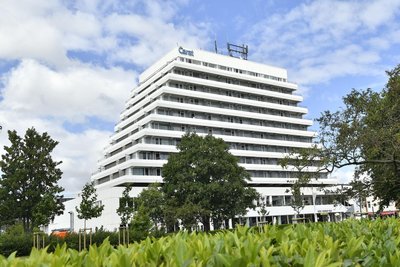
Carat Hotel Grömitz
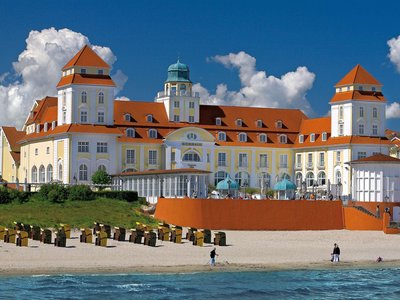
A-Rosa Kurhaus Binz
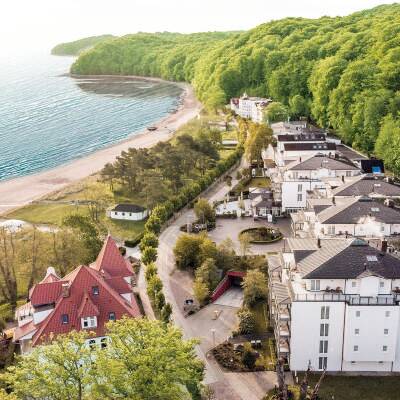
Grand Hotel Binz
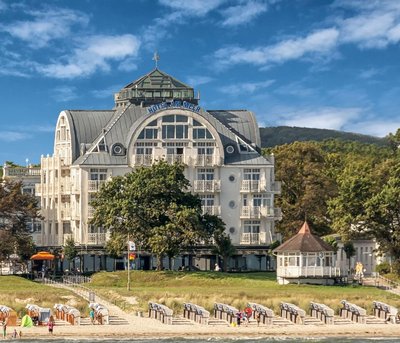
Hotel am Meer & Spa
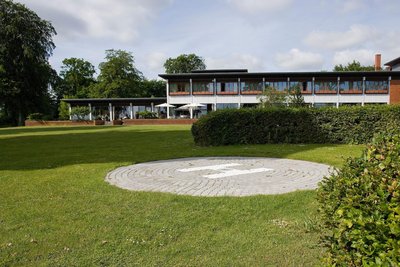
Hotel Hesselet
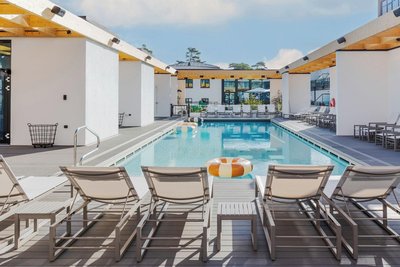
Hotel Riviera Strand

Das Ahlbeck Hotel & Spa
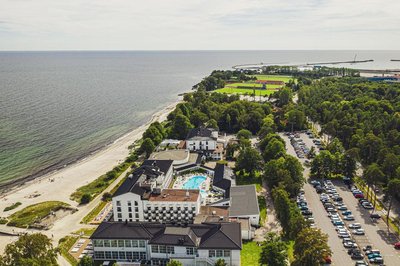
Ystad Saltsjöbad
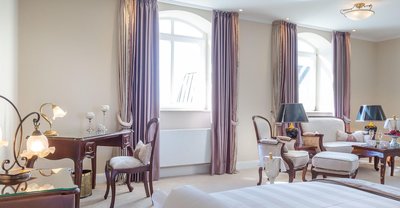
Hotel Miramar
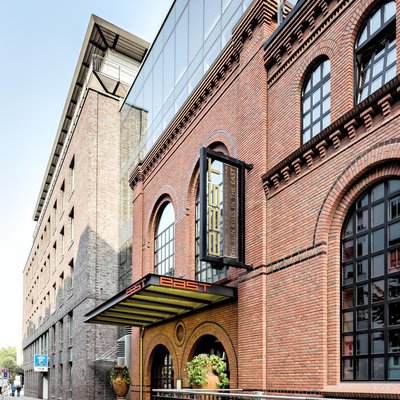
East Hotel Hamburg
Hotel Sanders
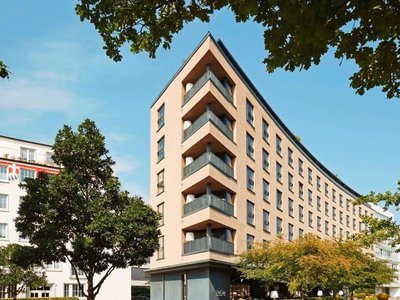
The George Hamburg
Nimb Hotel

Side, Hamburg, a Member of Design Hotels

Villa Copenhagen

The Breeze
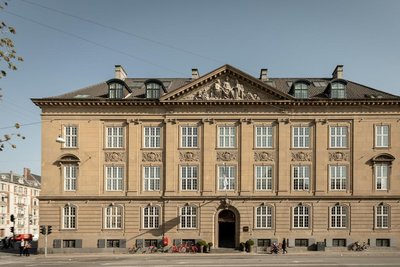
Nobis Hotel Copenhagen, a Member of Design Hotels
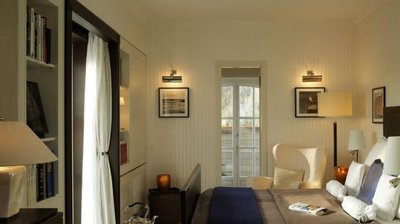
Dorint Soel'Ring Hof Sylt-Rantum
Upstalsboom Wyk Auf Föhr
Hotel Atlantic Hamburg-Autograph Collection
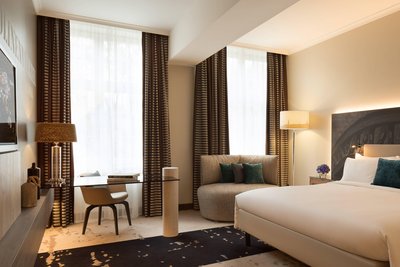
Renaissance Hamburg Hotel
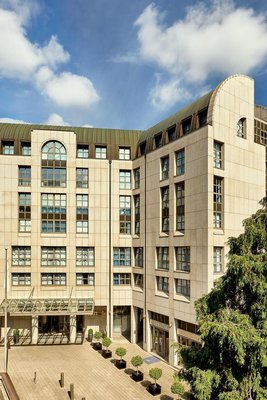
Hamburg Marriott Hotel
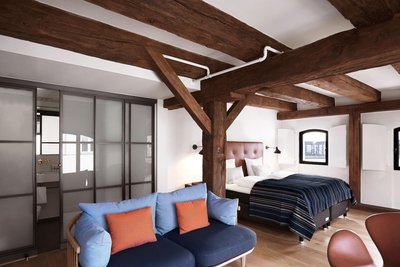
71 Nyhavn Hotel
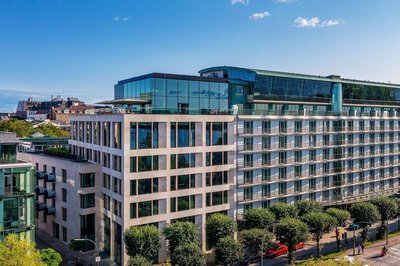
Le Méridien Hamburg
Parkhotel Bremen – ein Mitglied der Hommage Luxury Hotels Collection
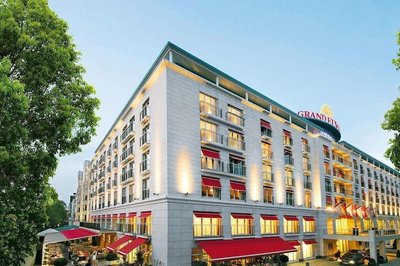
Grand Elysee Hamburg
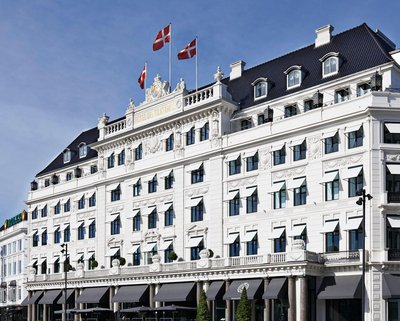
D'Angleterre, Copenhagen
Side, Hamburg, a Member of Design Hotels
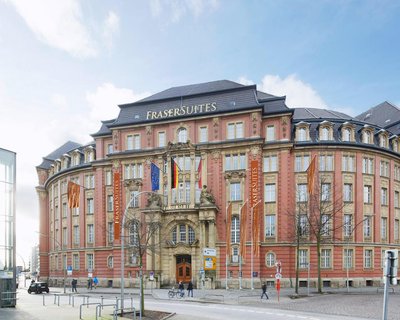
Fraser Suites Hamburg
Hotel Louis C. Jacob
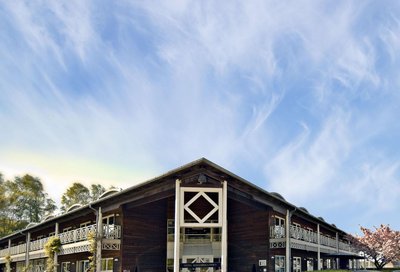
Comwell Kongebrogaarden
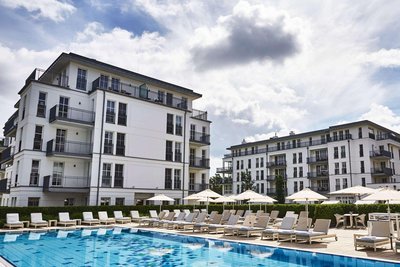
Steigenberger Grandhotel & Spa Heringsdorf
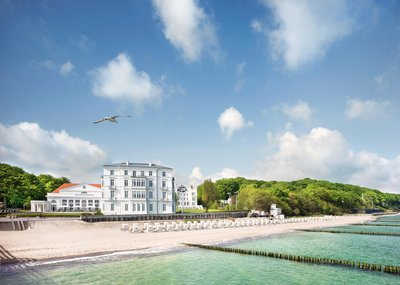
Grand Hotel Heiligendamm - the Leading Hotels of the World
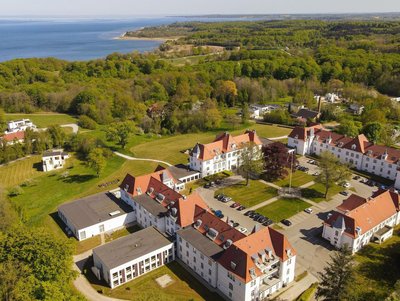
Comwell Kellers Park
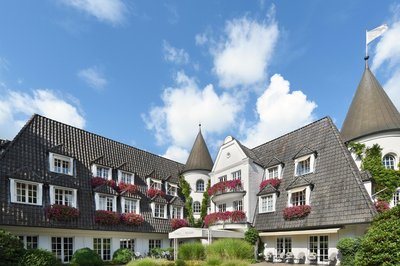
Hotel Landhaus Wachtelhof
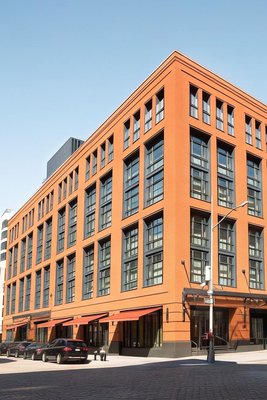
Hotel Barrière Fouquet's New York
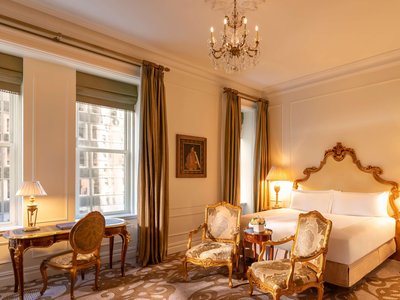
The Plaza - A Fairmont Managed Hotel
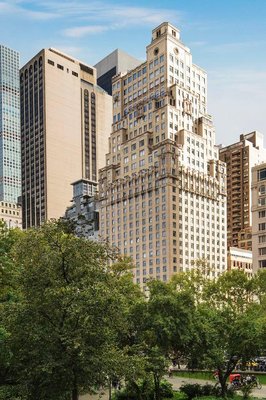
The Ritz-Carlton New York, Central Park

Four Seasons Hotel New York
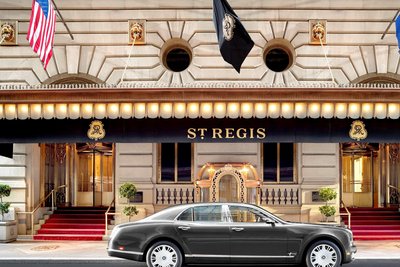
The St. Regis New York
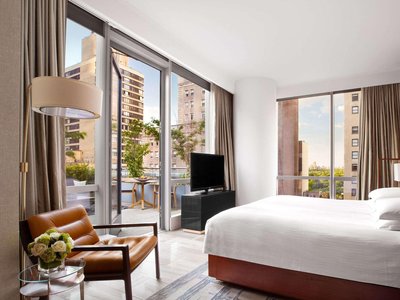
Park Hyatt New York
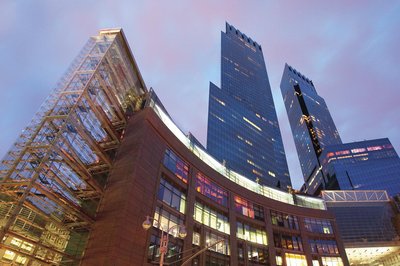
Mandarin Oriental New York
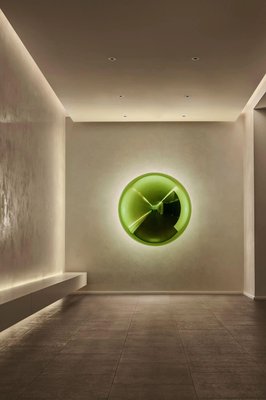
Times Square Edition New York
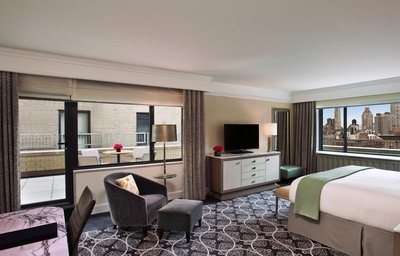
Loews Regency New York Hotel
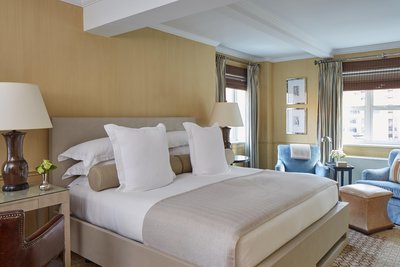
Lowell Hotel
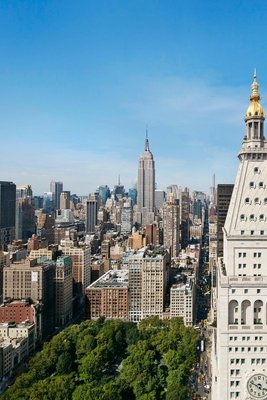
New York Edition
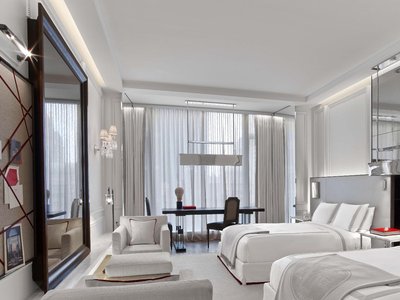
Baccarat Hotel New York
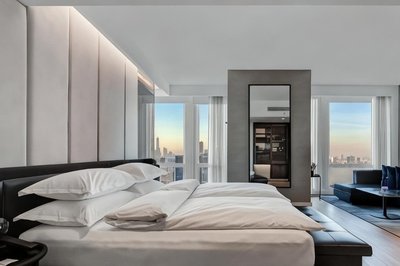
Equinox Hotel New York

Four Seasons Hotel New York Downtown
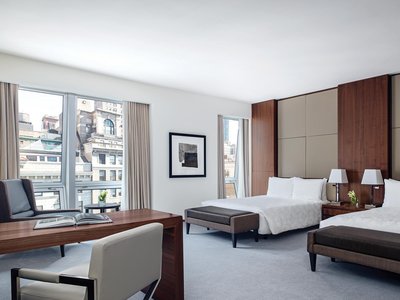
The Langham, New York, Fifth Avenue

The Carlyle, A Rosewood Hotel

The Chatwal, in the Unbound Collection by Hyatt
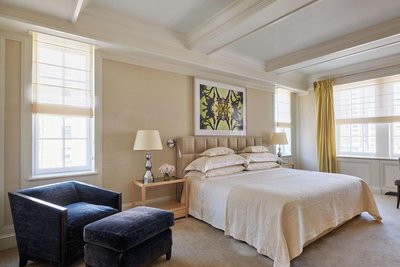
The Mark New York

Trump International Hotel & Tower® New York
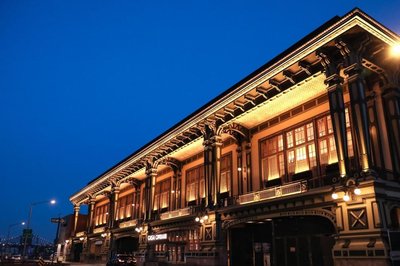
Casa Cipriani New York
Frequently Asked Questions about Traveling to Otterup
Questions You Might Need to Know About Traveling to Otterup
In Aarhus, the top choice for families is Hotel Morsing, located just steps from Den Permanente and near Mølleparken. This eco-conscious hotel offers spacious family rooms with bunk beds, a kids’ play area, and a rooftop garden with views of the city skyline. The on-site restaurant serves organic Danish dishes, including fresh seafood and homemade pastries. Guests can also join guided family tours to explore the historic Aarhus Old Town or participate in pottery workshops at local studios, making it ideal for both relaxation and cultural engagement.
The City Centre district is the most convenient for visitors, offering easy access to major attractions like ARoS Aarhus Art Museum, Aarhus Cathedral, and Viborggade Shopping Street. Staying here means you’re within walking distance of restaurants, cafes, and public transport hubs. Many boutique hotels and guesthouses in this area blend modern design with historic architecture, such as Hotel Sønderborg with its restored 18th-century façade. The district is also safe, well-lit, and lively, perfect for evening strolls and discovering local life.
Aarhus offers unforgettable cultural moments: visit Den Gamle By (The Old Town), an open-air museum showcasing life in 18th–19th century Denmark with costumed actors and period buildings. Attend a performance at Aarhus Theatre, known for its innovative Nordic plays. Don’t miss the Aarhus Jazz Festival in July, one of Scandinavia’s largest music events held in the city’s parks and halls. You can also take part in a Danish baking workshop at Bakkeriet, learning to make traditional wienerbrød and rugbrød breads using local recipes.
Yes, Aarhus Hostel – Øst is a top pick for solo travelers, located just 10 minutes from the city center. It features clean dorm rooms with lockers, private cabins, and a shared kitchen. The hostel is housed in a former warehouse with exposed brick walls and industrial-chic interiors. Free bike rentals are available, and the staff organizes weekly pub crawls and city walks. With affordable meals at nearby street food stalls and free entry to some museums, it’s a great base for low-budget exploration.
Evenings in Aarhus shine with charm. Head to Rådhuspladsen Square for live acoustic music during summer months, often performed by local artists under string lights. For a quieter experience, stroll along Mølleåen River and enjoy the illuminated bridges and reflections. The ARoS Roof Walk remains open late, offering panoramic views of the city lit up at night. Some hostels also host themed nights—like film screenings or cocktail-making classes—perfect for meeting fellow travelers.
Aarhus is a photographer’s paradise. Capture the golden hour light on Aarhus Bay, especially at Nordhavn Pier where boats and sky blend into surreal reflections. The old wooden houses in Mølleparken offer intricate textures and warm tones when shot in soft sunlight. During winter, photograph snow-covered rooftops around Aarhus Cathedral. The ARoS Aarhus Art Museum’s rainbow installation is iconic—ideal for wide-angle shots at dusk. Bring a tripod to experiment with long exposures of moving water and city lights.
Try smørrebrød (open-faced sandwiches) at Lille Højskole—a local favorite featuring smoked salmon, pickled herring, and fresh dill. Sample danish pastry from Pandem bakery, known for its flaky layers and natural fillings. For a hearty meal, visit Fiskebaren for freshly caught cod fillets served with boiled potatoes and mustard sauce. Don’t miss Aarhus’s seasonal berries—especially wild blueberries in August—used in jams, desserts, and even cocktails at local bars.
On day one, start with a visit to ARoS Aarhus Art Museum, then walk through Den Permanente park to Aarhus Cathedral. Enjoy lunch at Viborggade Market before exploring Mølleparken and the Old Town. In the evening, dine at Søndre Kælder for fine Danish cuisine. On day two, tour Den Gamle By, then head to Nordhavn Harbour for a harbor cruise. Stop by Bakkeriet for a baking class, followed by shopping at Gammel Torv. End your trip with a sunset view from ARoS Roof Walk, creating a memorable balance of culture, history, and nature.
Yes, Aarhus has a reliable and extensive public transit system. The Aarhus Letbane (light rail) connects the city center with suburbs and major landmarks like Aarhus University and Aarhus Central Station. Buses run frequently, and all vehicles accept mobile ticketing via the Rejseplanen app. The city also promotes cycling—over 200 km of dedicated bike lanes exist—and bike-sharing stations are widely available. For short distances, walking is often faster than waiting for transport, especially in the compact city center.
The best time to visit Aarhus is between May and September, when temperatures range from 15°C to 22°C and daylight lasts long. July hosts the Aarhus Festival, featuring music, art, and street performances across the city. Spring (April–May) brings blooming gardens and fewer crowds, while autumn (September–October) offers crisp air and stunning foliage. Avoid winter (December–February) if you prefer sunny days, though the festive Christmas market at Rådhuspladsen adds charm to the season.
Otterup Overview
City Summary
Odrup is a tranquil town in the South Denmark Region, known for its pastoral scenery and rural charm. Surrounded by lush greenery, historic buildings, and friendly locals, it offers a perfect escape from city life. The area boasts beautiful natural attractions like forests and lakes, ideal for hiking and cycling.
Must-See Attractions
In Odrup, visit historic landmarks such as Sct. Peders Kirke. Nearby nature reserves like Hjerting Lake and Vejle River offer excellent outdoor activities. Don’t miss the town’s farmers' markets, where you can experience Danish rural culture and fresh local produce.
Food Guide
Odrup’s cuisine features traditional Danish countryside dishes. Try locally produced dairy and meats, especially Rugbrød (rye bread) and Frikadeller (Danish meatballs). The town’s cozy cafés also serve homemade cakes and coffee, perfect for relaxation.
Transportation Guide
Odrup’s public transport relies on buses, connecting to nearby towns like Vejle and Kolding. Renting a car is convenient for exploring the countryside. Cycling is popular, with dedicated bike lanes. Trains to Copenhagen take around 2.5 hours.
Best Time to Visit
The best time to visit is May to September, with mild weather ideal for outdoor activities. Summer offers long daylight hours. Winter is colder but festive.
Travel Tips
- Danes value punctuality—arrive on time for bookings.
- Bicycles are common; follow traffic rules when riding.
- Smaller grocery stores have limited hours—plan shopping ahead.
- Rural areas may prefer cash over cards.
- Respect the environment by avoiding littering.
Useful Information
Danish is the main language, but English is widely spoken. Free Wi-Fi is available in public areas. Credit cards are preferred, but cash may be needed in small shops. Emergency number: 112. Medical facilities are limited, so check nearby towns for clinics.