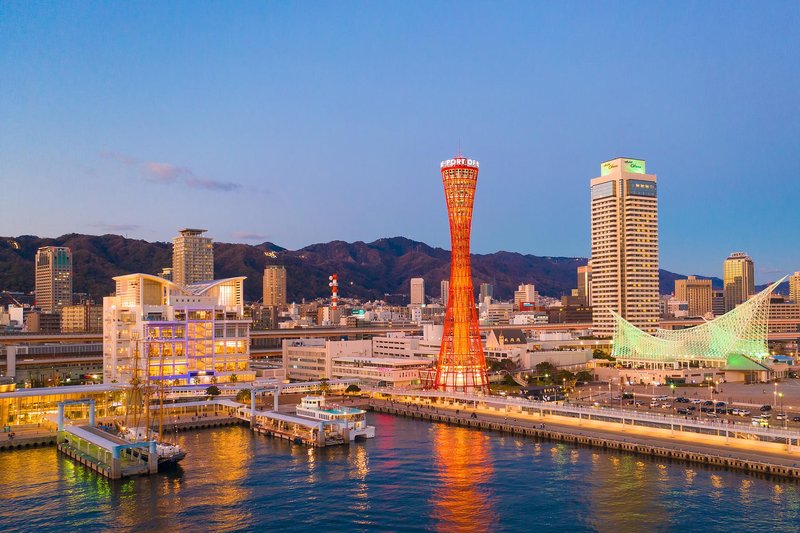
Hotels in Oyama
Discover your perfect stay in Oyama.
Oyama(Japan) Travel 2026: Cheap Flights, Hotels & Top Attractions
Popular Landmarks in Oyama
Discover the most iconic attractions in Oyama
Recommended Hotels in Oyama
Find the perfect place to stay in Oyama
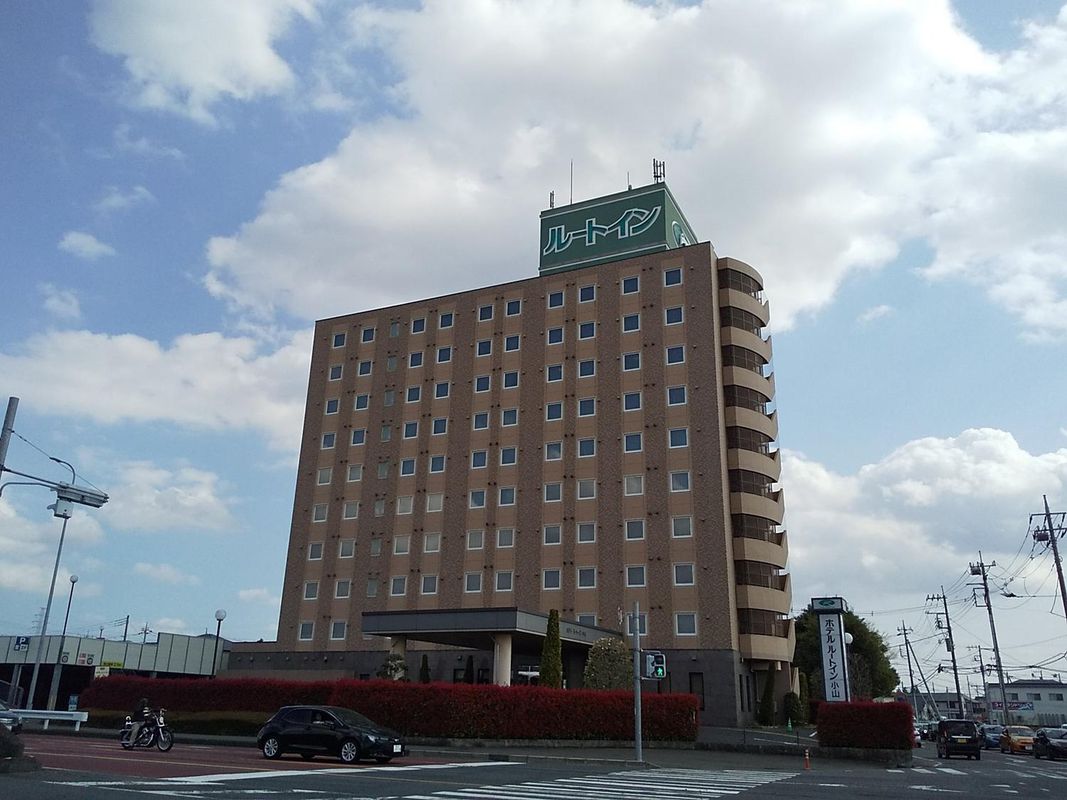
Hotel Route-Inn Oyama
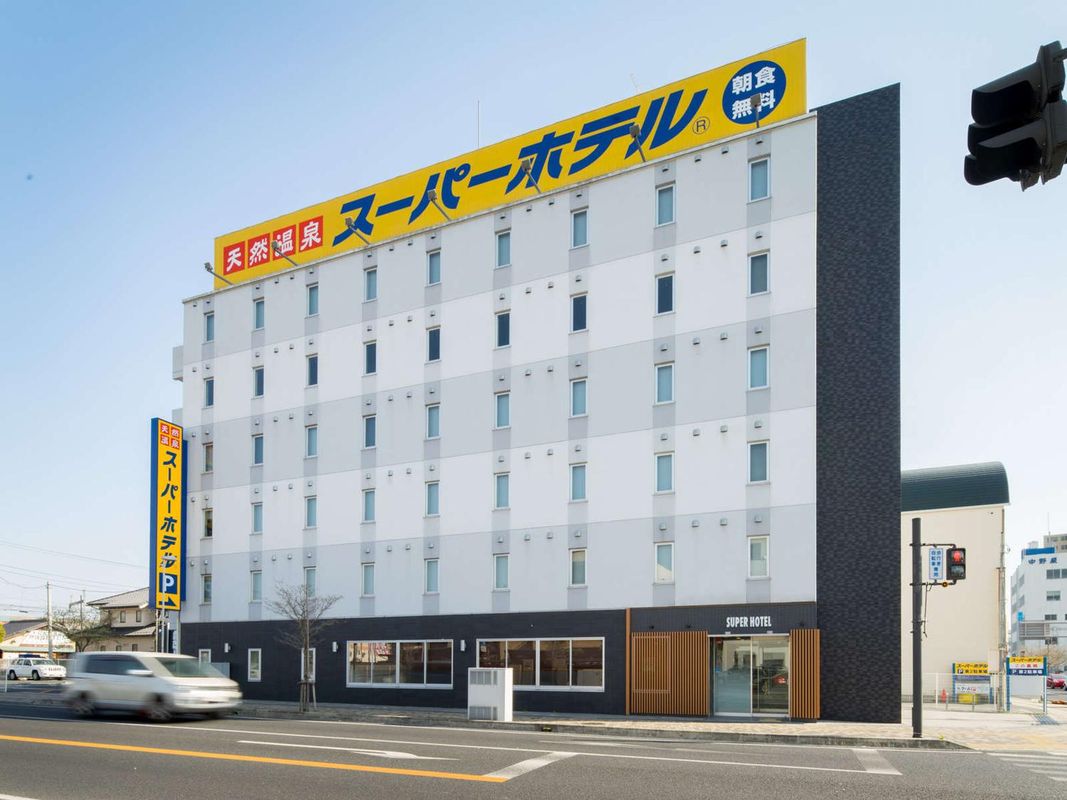
Super Hotel Oyama
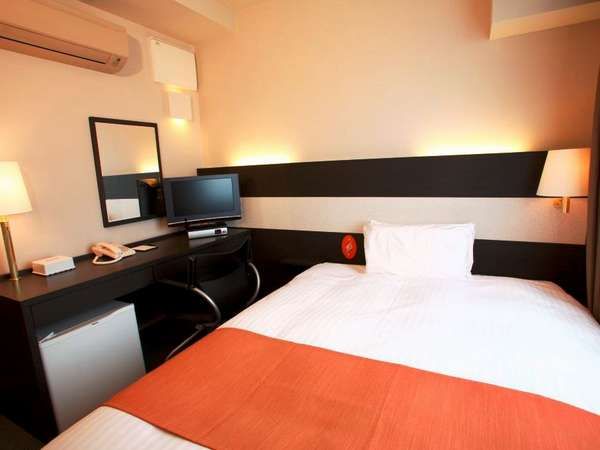
Ai Hotel Oyama
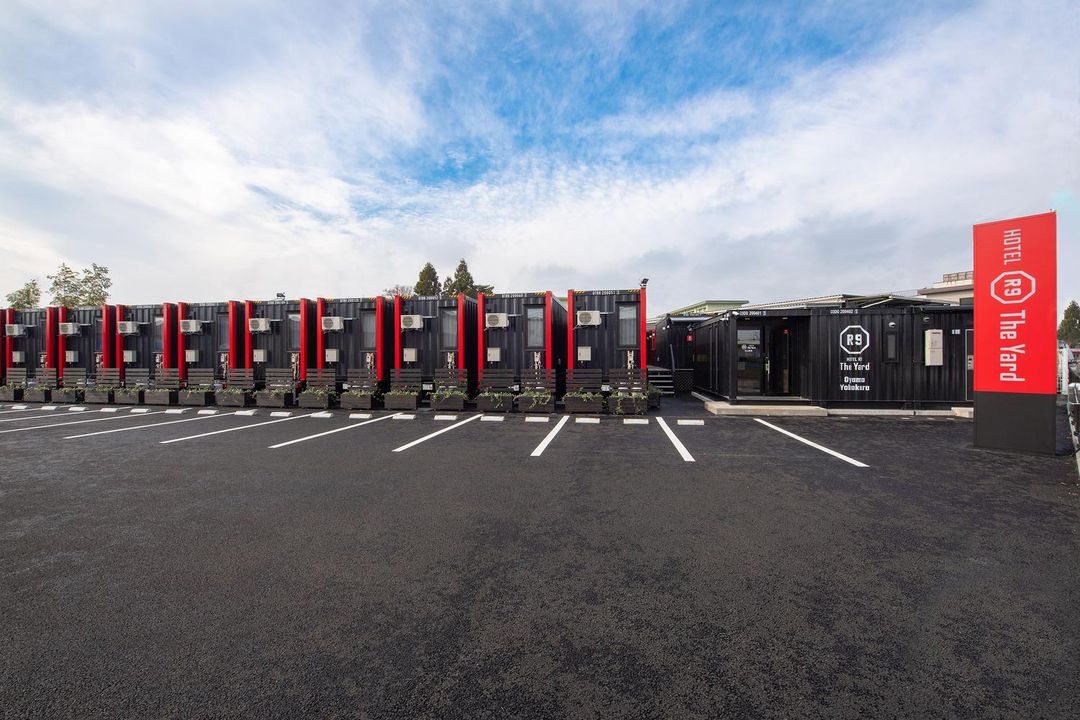
Hotel R9 the Yard Oyamayokokura
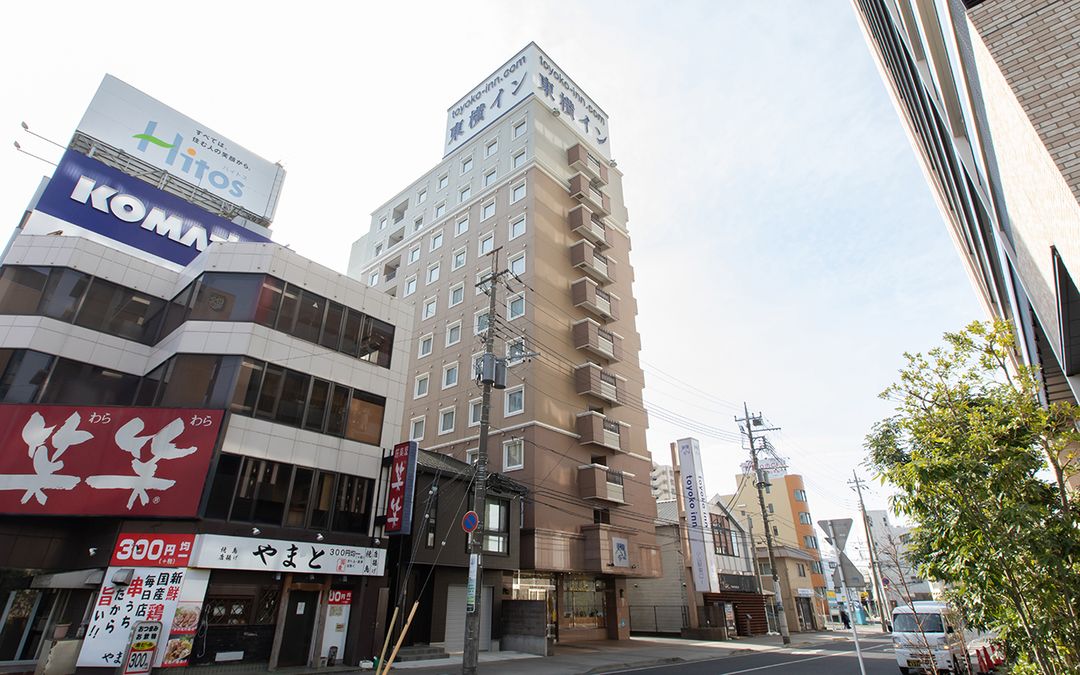
Toyoko Inn Oyama Eki Higashi Guchi No 1
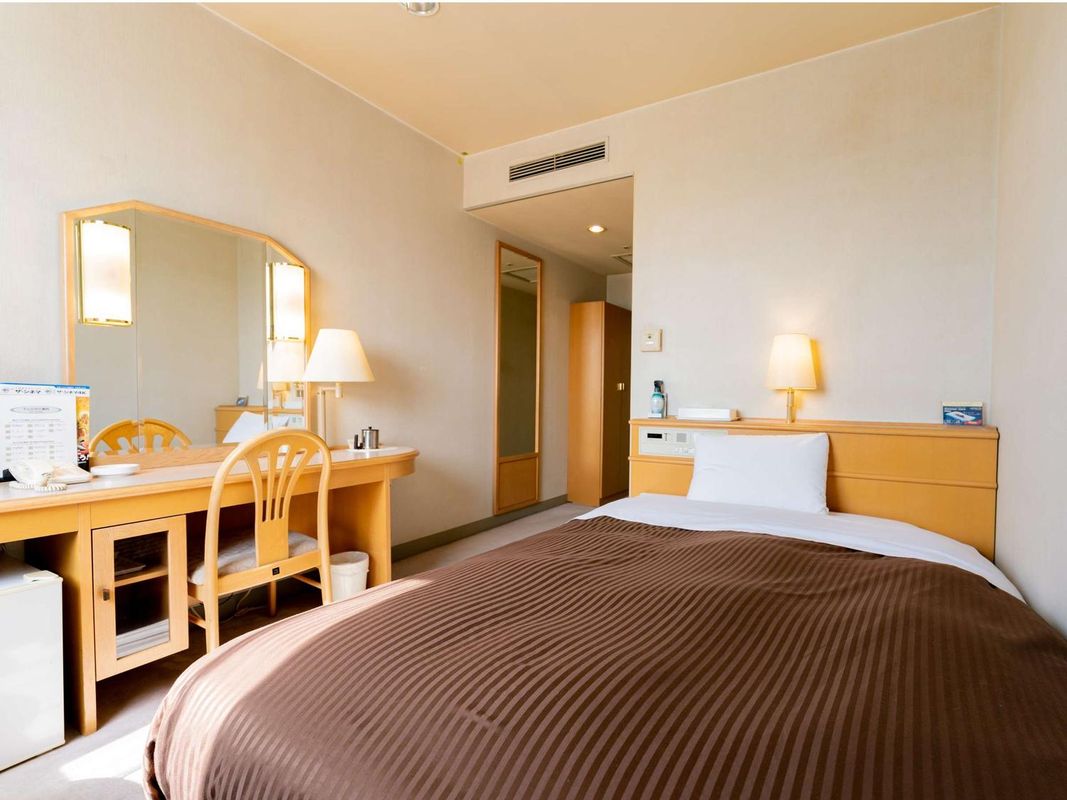
Oyama Palace Hotel
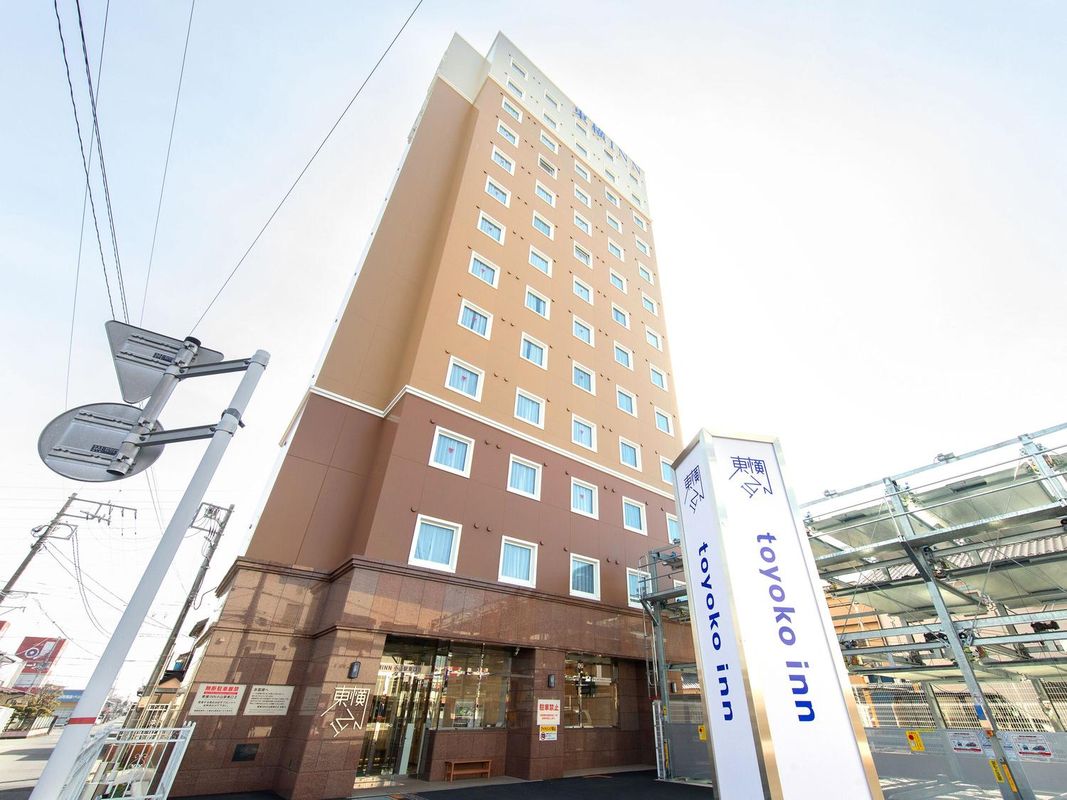
Toyoko Inn Oyama Eki Higashi-guchi 2
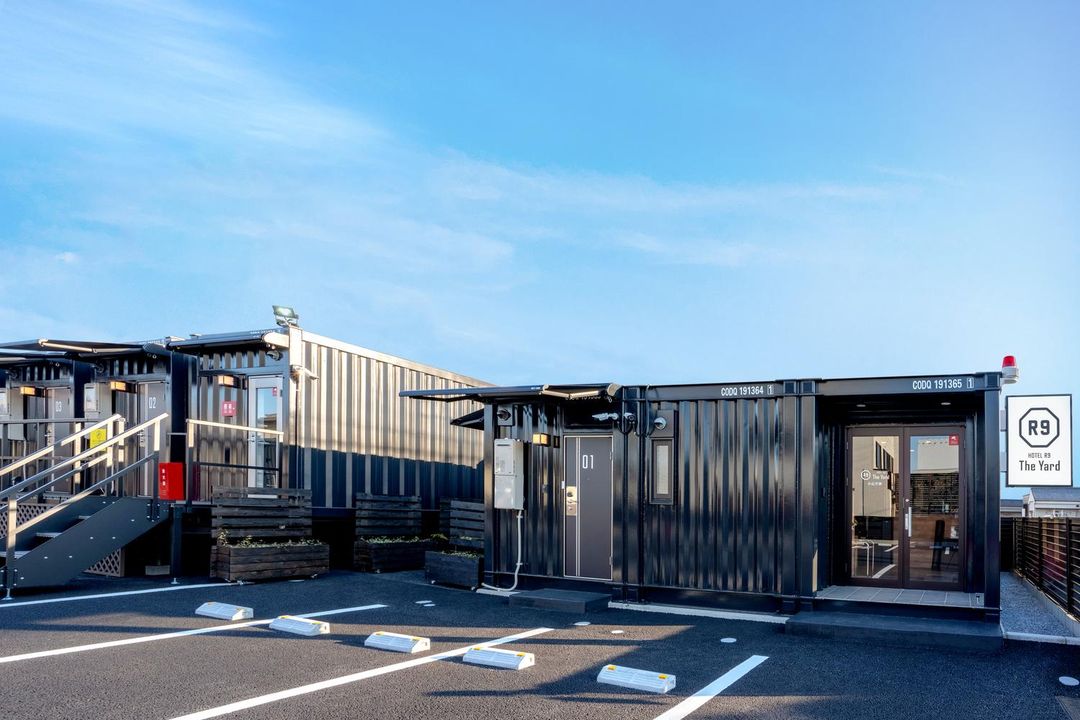
Hotel R9 the Yard Oyama Tenjin
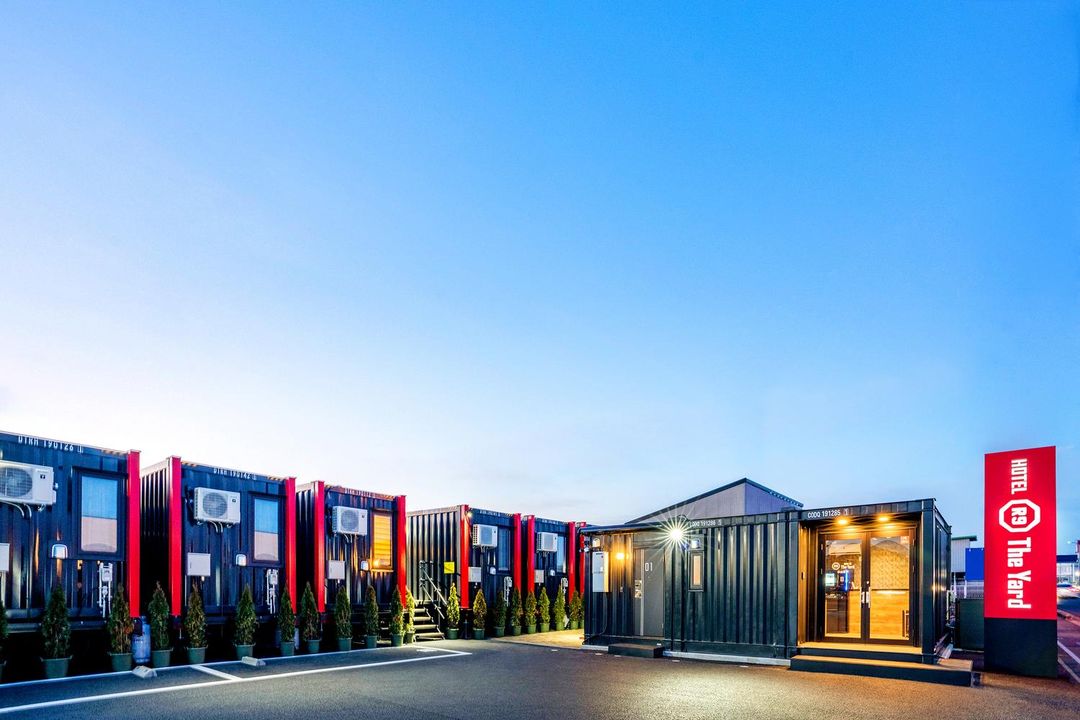
Hotel R9 the Yard Oyama Kizawa
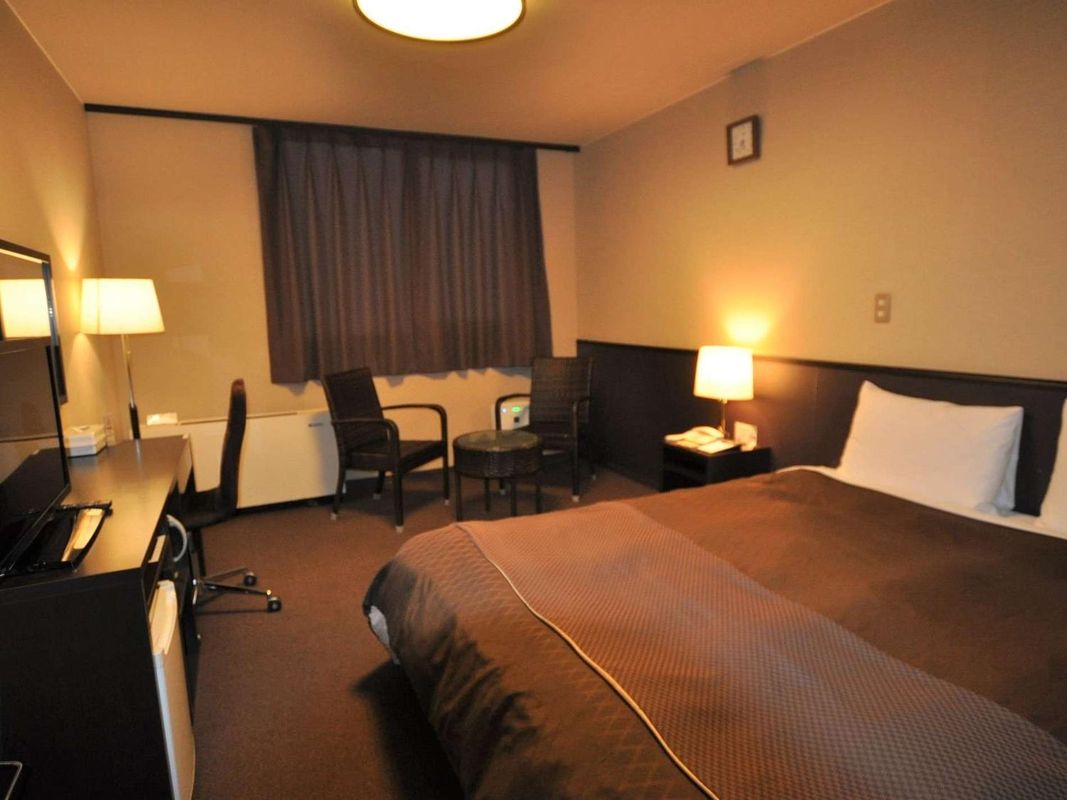
Oyama Kokusai Daiichi Hotel
Best Hotels in Oyama
Discover curated hotel collections in Oyama
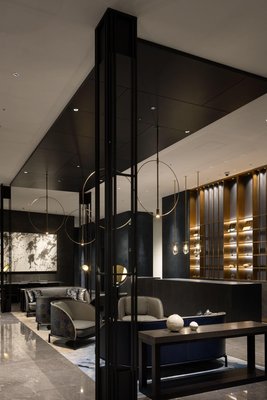
Bellustar Tokyo, A Pan Pacific Hotel
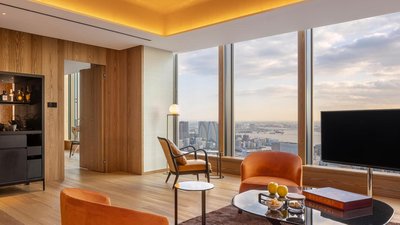
Bvlgari Hotel Tokyo
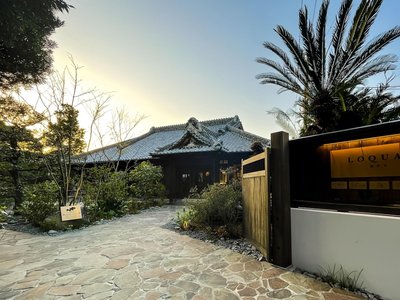
Loquat Nishiizu
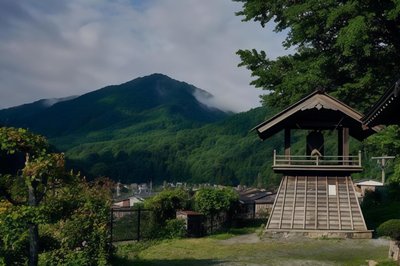
Byaku Narai
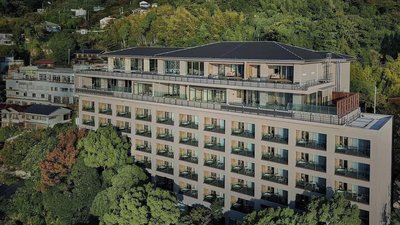
Atami Izusan Karaku
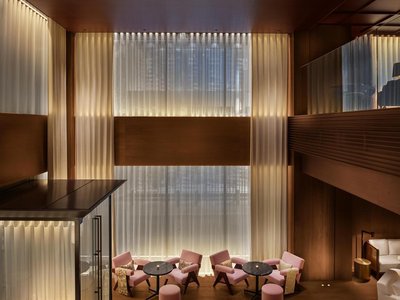
The Tokyo Edition, Ginza
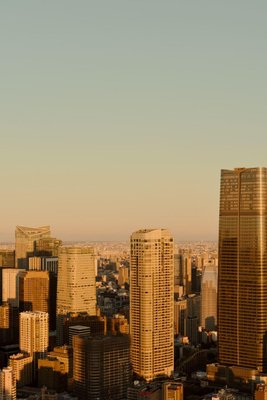
Janu Tokyo
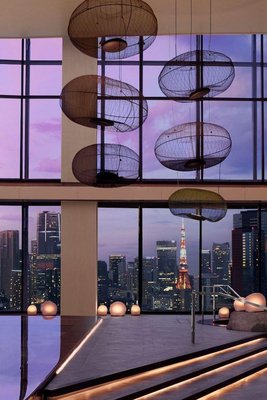
JW Marriott Hotel Tokyo
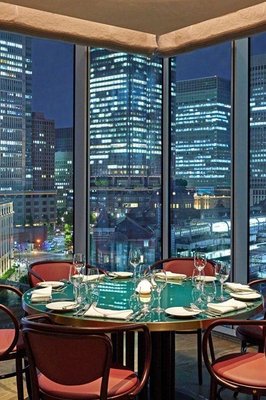
Four Seasons Hotel Tokyo at Marunouchi

Mandarin Oriental, Tokyo
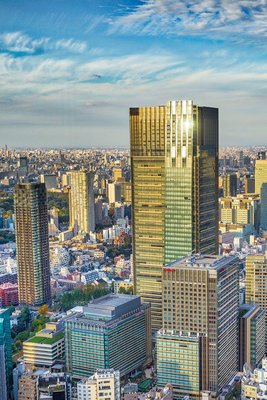
The Ritz-Carlton, Tokyo
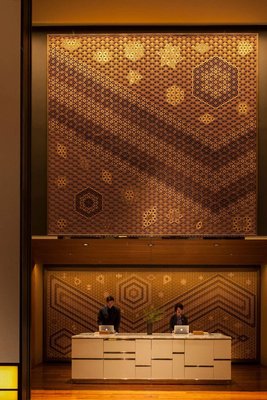
Andaz Tokyo Toranomon Hills- A Concept by Hyatt
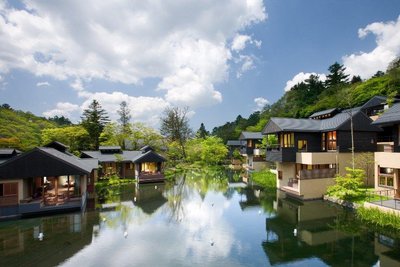
Hoshinoya Karuizawa
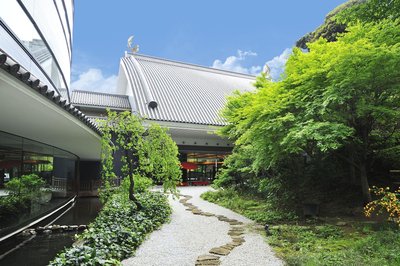
Hotel Gajoen Tokyo
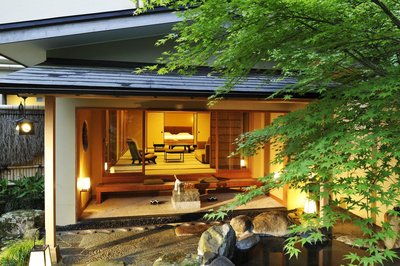
Gora Kadan
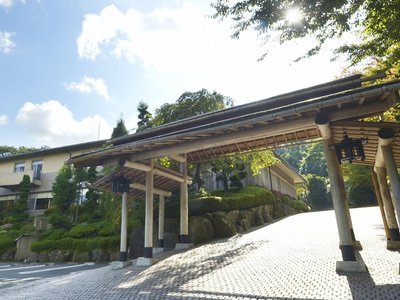
Gora Hanaougi
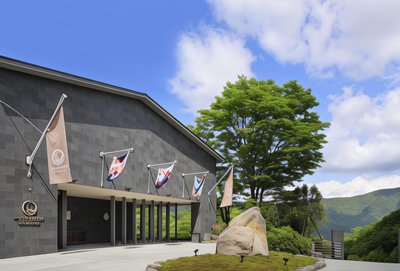
The Hiramatsu Hotels & Resorts Sengokuhara Hakone
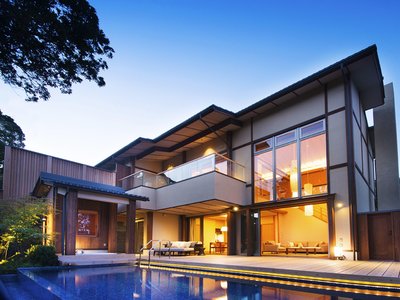
Abba Resorts Izu - Zagyosoh
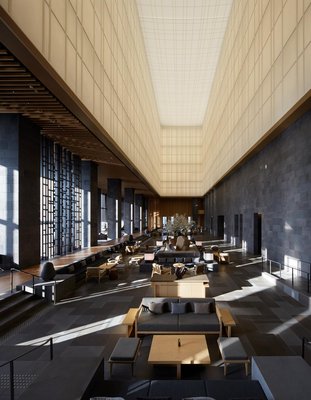
Aman Tokyo
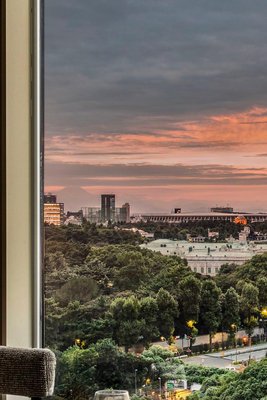
Hotel New Otani Tokyo, Executive House Zen
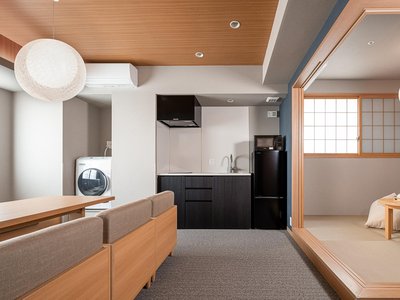
MIMARU SUITES Tokyo Asakusa
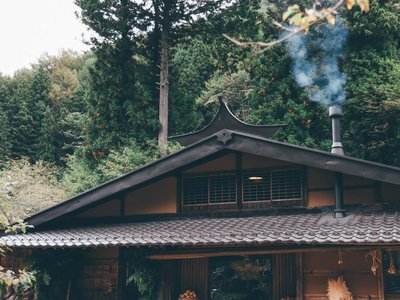
La Terra Resort
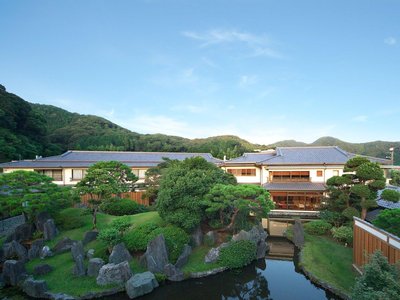
Kagetsutei
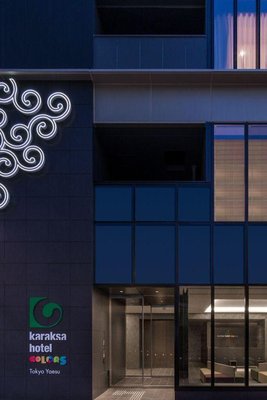
karaksa hotel colors Tokyo Yaesu
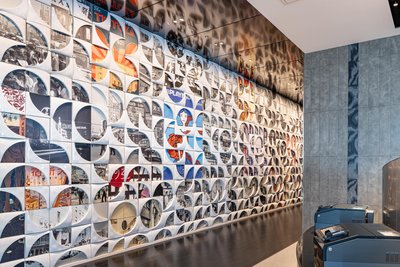
HOTEL GROOVE SHINJUKU, A PARKROYAL Hotel

EN Resort Grandeco Hotel
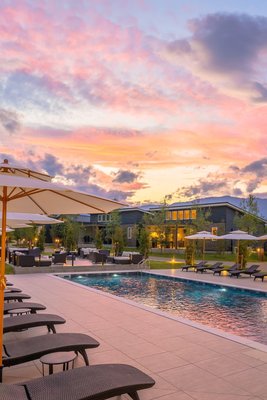
Awaumi Fujikawaguchiko Resort
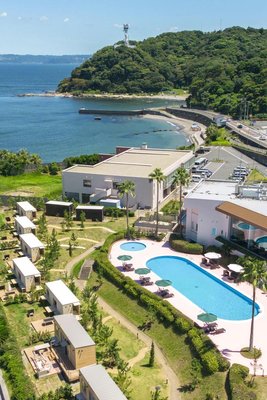
La vista Yokosuka Kannonzaki Terrace
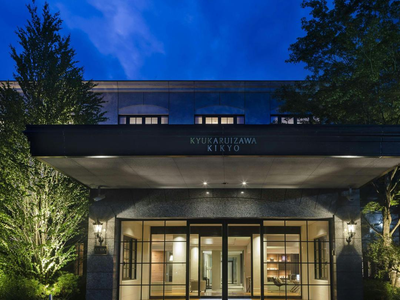
Fufu Karuizawa Wind of Sunshine
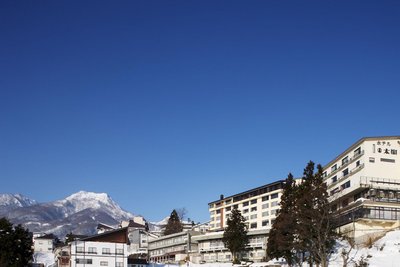
Hotel Taiko, Akakura Onsen
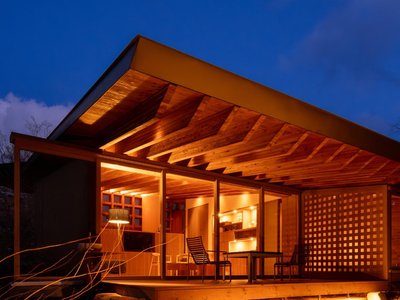
Nasu Mukunone
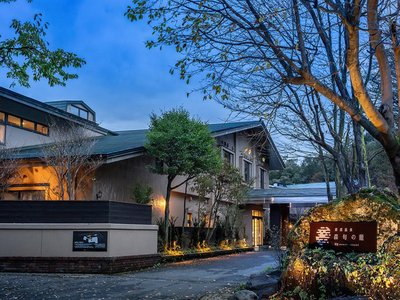
Nasu Onsen Shinshun no Kago Hewitt Resort

Scapes the Suite
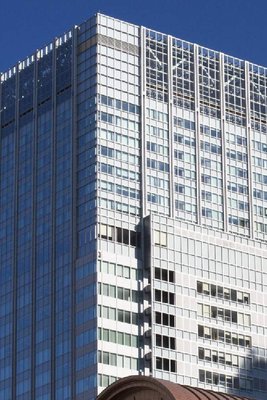
Hotel Metropolitan Tokyo Marunouchi
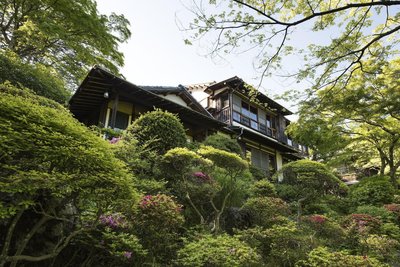
Gora Kansuiro
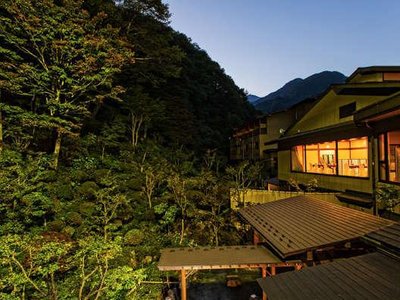
Futari Shizuka
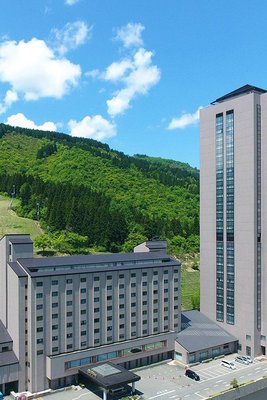
Naspa New Otani
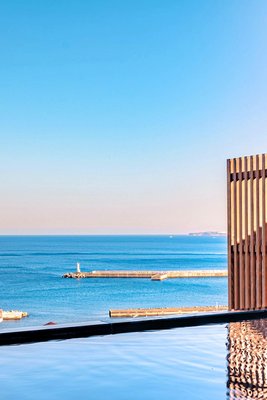
HOTEL KANICHI
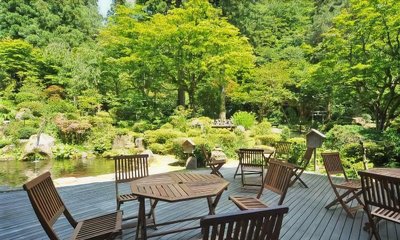
Choseikan
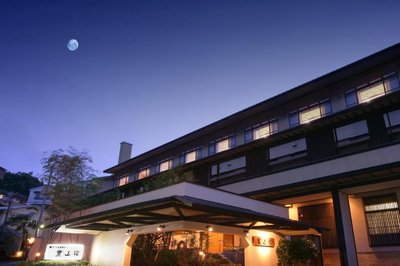
Hayamakan
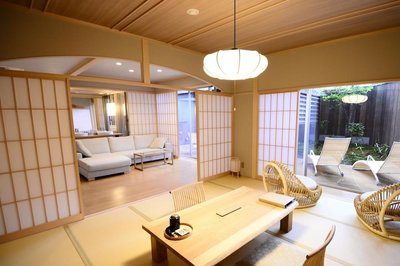
Hakone Gora Byakudan
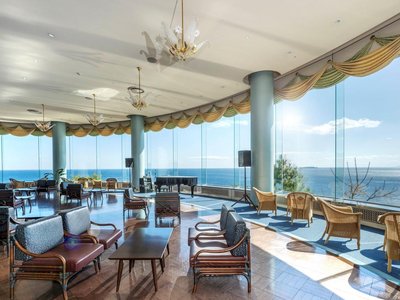
Hotel New Akao
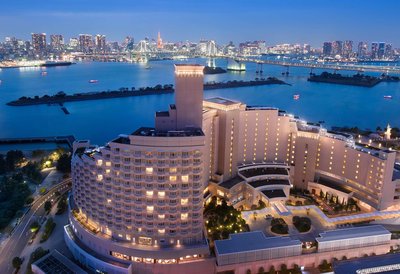
Hilton Tokyo Odaiba
JW Marriott Hotel Tokyo
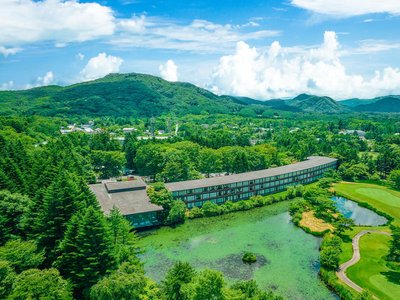
The Prince Karuizawa
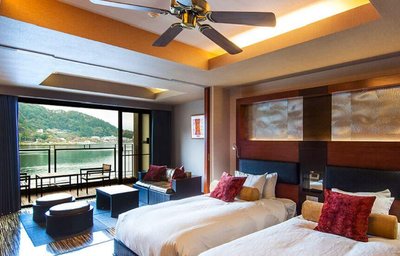
The Kukuna
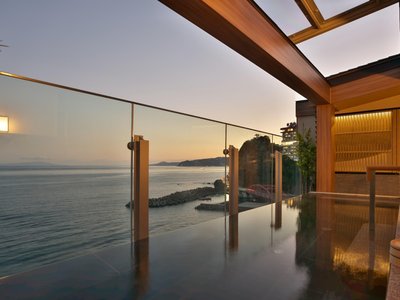
Hotel New Sagamiya
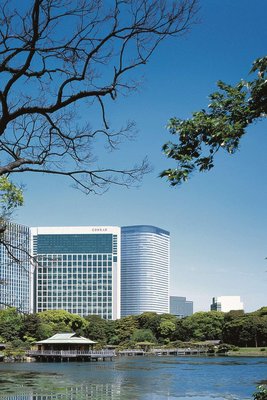
Conrad Tokyo
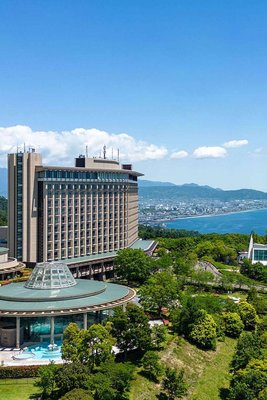
Hilton Odawara Resort & Spa
Hoshinoya Karuizawa
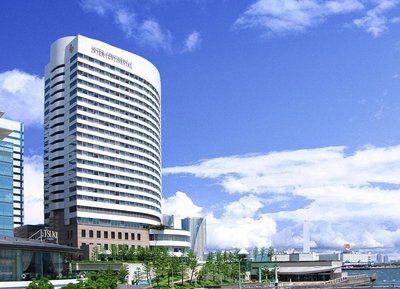
InterContinental Tokyo Bay
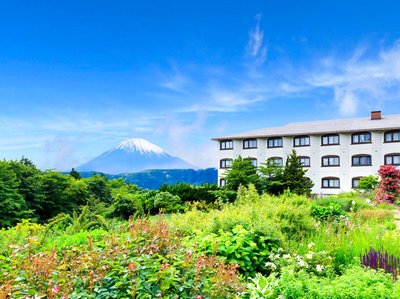
Hotel Green Plaza Hakone
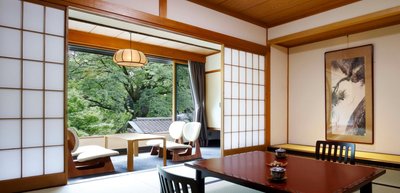
Yoshiike Ryokan
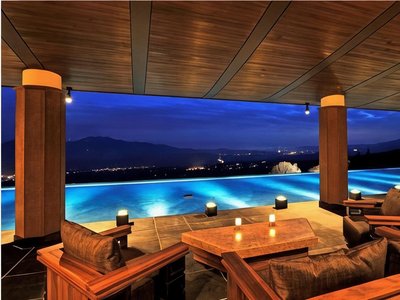
Akakura Kanko Hotel
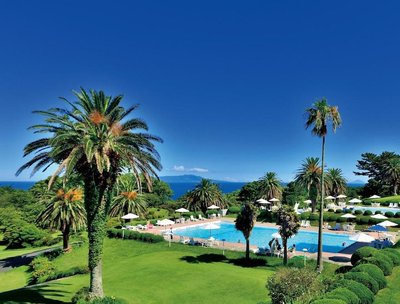
Kawana Hotel
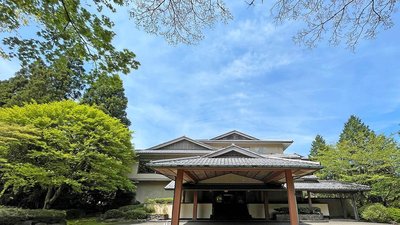
Ryuguden
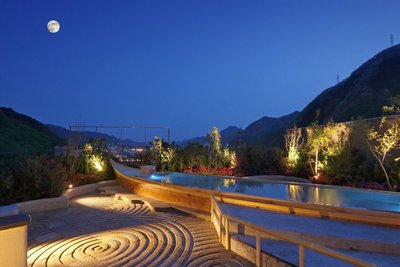
Asaya
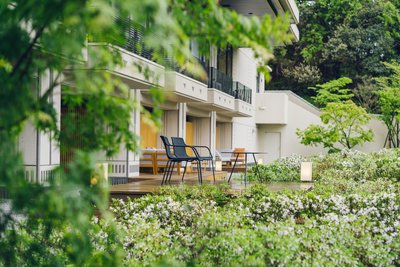
Hoshino Resorts Kai Enshu
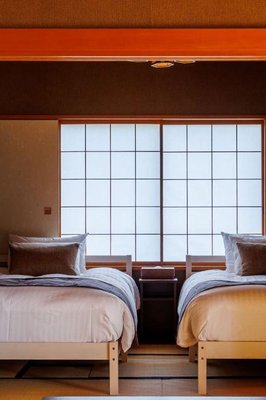
Sado Resort Hotel Azuma
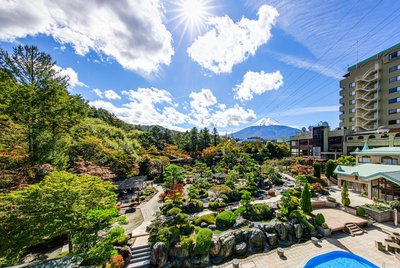
Kaneyamaen
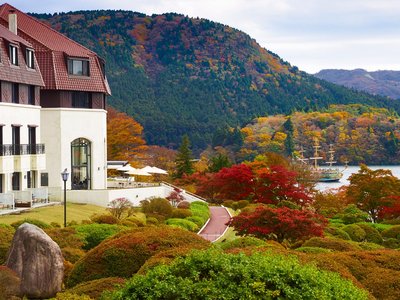
Hotakajyo
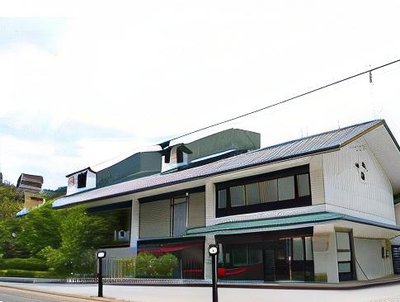
Auberge Suzukane

Onyado Nono Asakusa Bettei Hot Spring
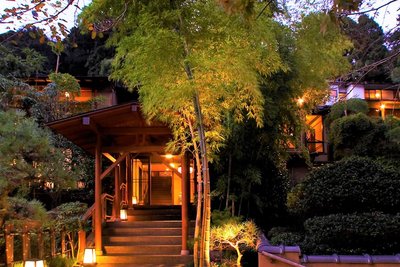
Shiki wo Ajiwau Yado Yamano Chaya
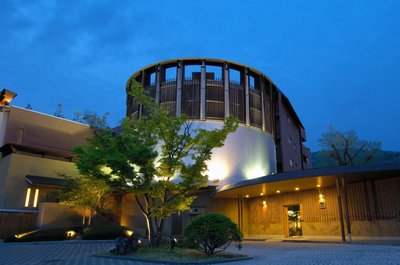
Hoshino Resorts Kai Matsumoto
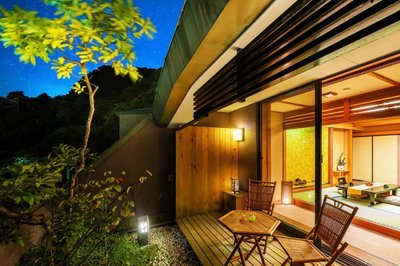
Konjakutei
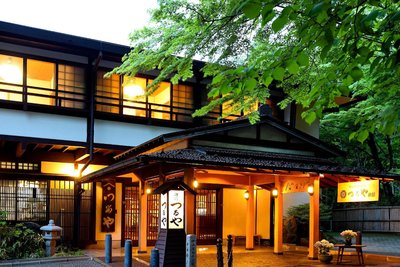
Tsuruya Ryokan
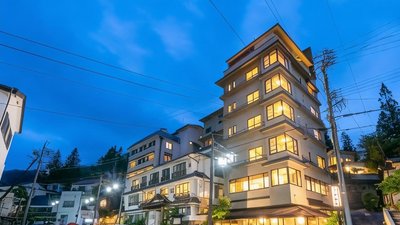
Nakamatsuya Ryokan
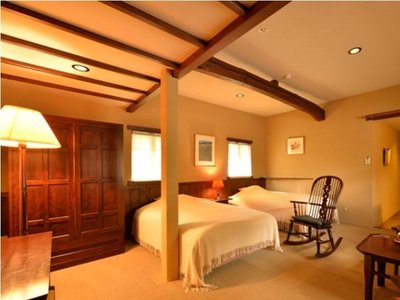
Ryokan Sugimoto
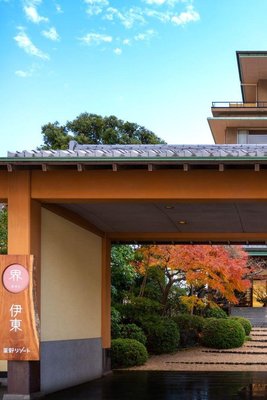
Hoshino Resorts Kai Ito
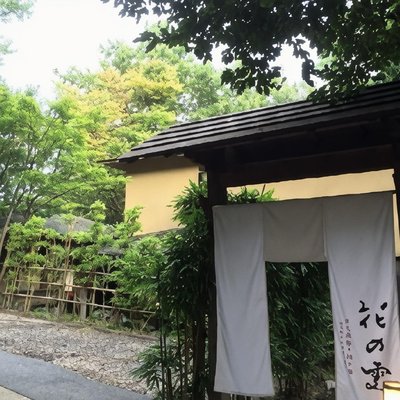
Hana No Kumo
Yoshiike Ryokan
Hotel Gajoen Tokyo
Gora Hanaougi
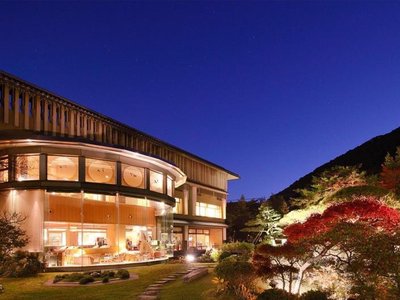
Shikisai Ichiriki
Sado Resort Hotel Azuma
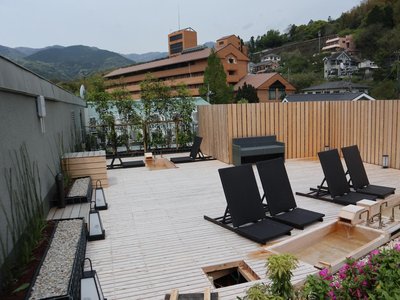
Fukiya Ryokan
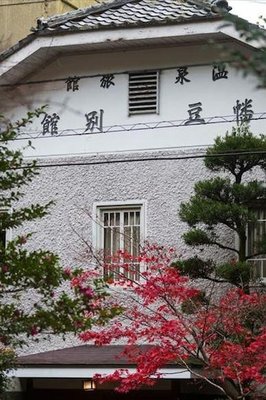
Oku-Mikawa・Yuya Onsen HAZU Bekkan
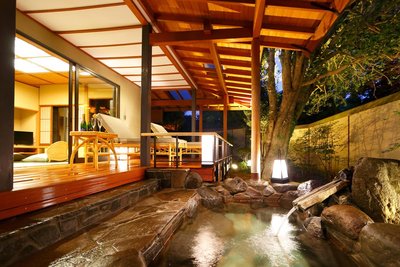
Yoshiharu Ryokan – Izu Nagaoka Onsen
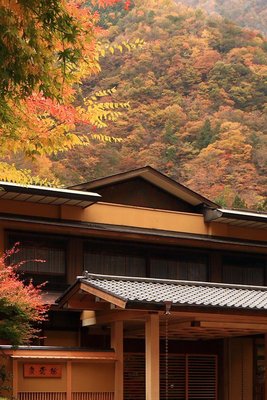
Nishiyama Onsen Keiunkan
Bellustar Tokyo, A Pan Pacific Hotel
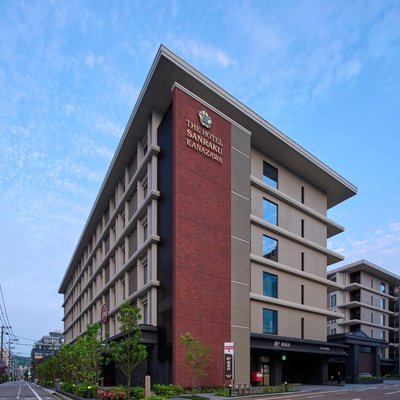
The Hotel Sanraku Kanazawa 21th December 2022 Open
JW Marriott Hotel Tokyo
Andaz Tokyo Toranomon Hills- A Concept by Hyatt
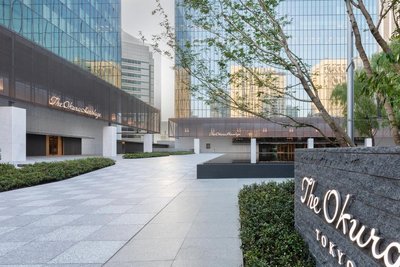
The Okura Tokyo
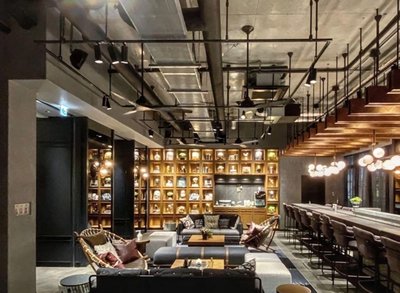
The Lively Azabujuban Tokyo
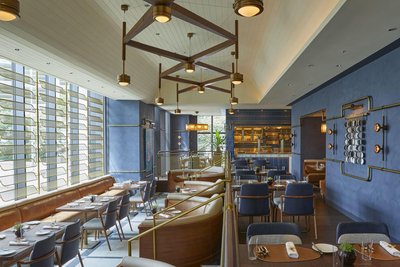
Kimpton Shinjuku Tokyo

HOTEL K5
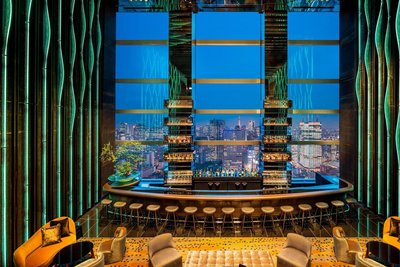
The Prince Gallery Tokyo Kioicho, a Luxury Collection Hotel
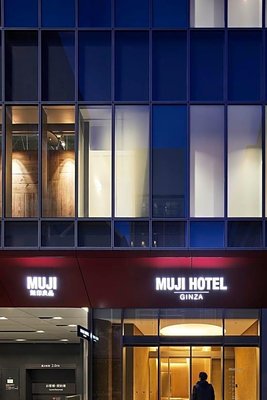
Muji Hotel Ginza
Hakone Gora Byakudan
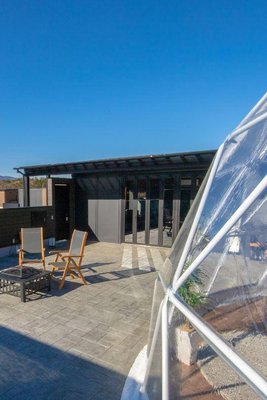
Panoramic Mt. Fuji Views from All Rooms – Vision Glamping Resort & Spa Yamanakako
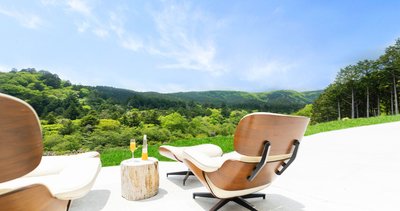
Shelter Garden Nikko
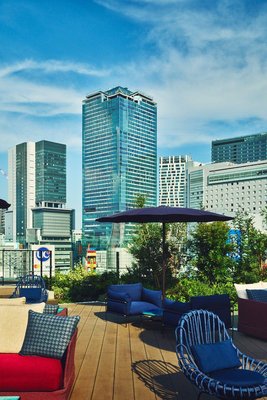
Hotel Indigo Tokyo Shibuya
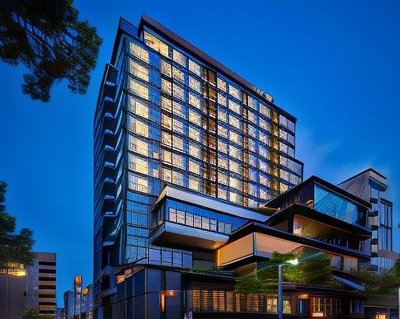
TIAD, AUTOGRAPH COLLECTION
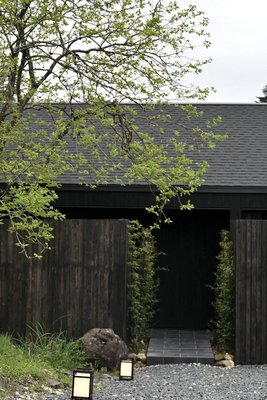
THE LAKOTAN
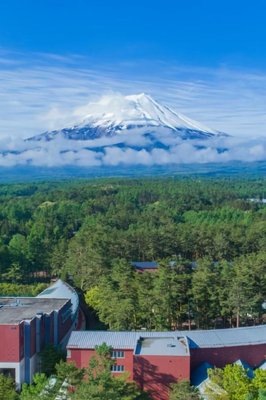
Forest Village (Fuji Premium Resort)
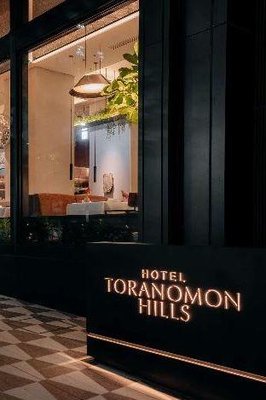
Hotel Toranomon Hills
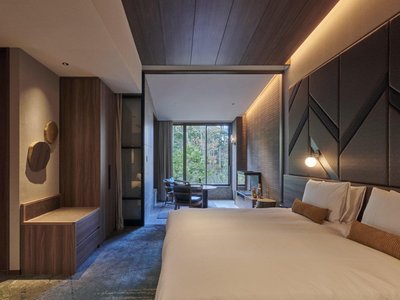
Fufu Kyu-Karuizawa Restful Forest
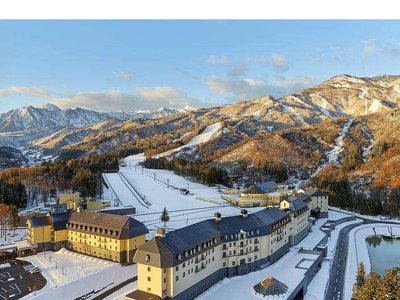
Lotte Arai Resort
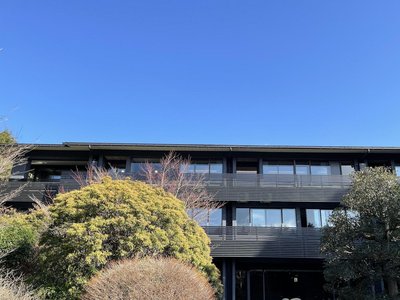
Sengokubara Cocon
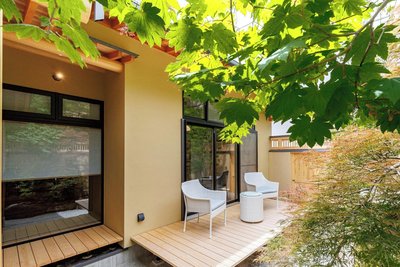
Shoraiso
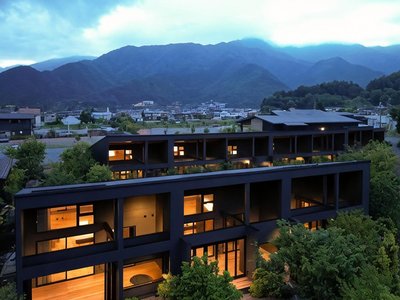
7C Villa and Winery
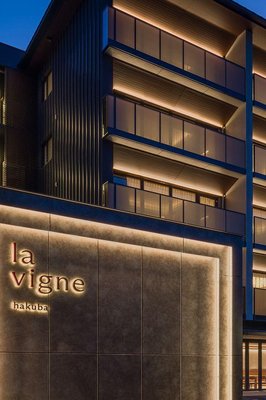
Hotel la Vigne Hakuba by Onko Chishin
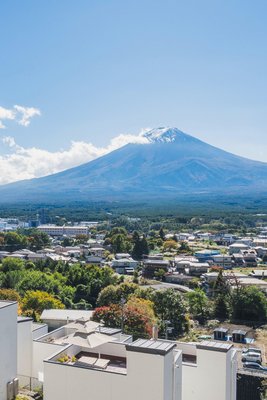
THE TOKI FujiKawaguchiko
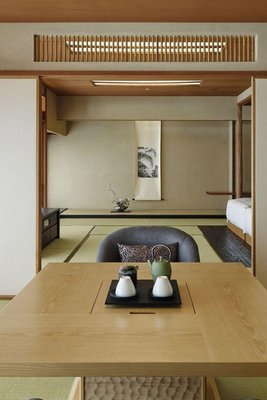
Takanawa Hanakohro (in Grand Prince Hotel Takanawa)
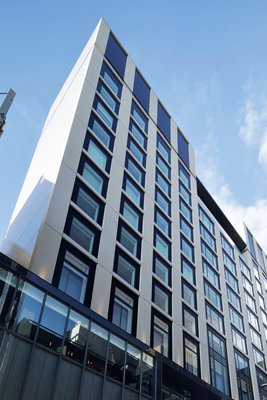
Hyatt Centric Ginza Tokyo
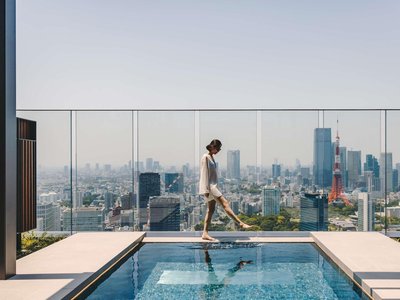
Fairmont Tokyo
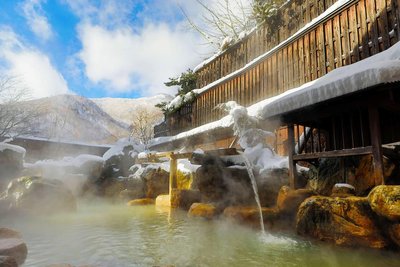
Miyamaouanbekkan yumegurinoyado hirayukan
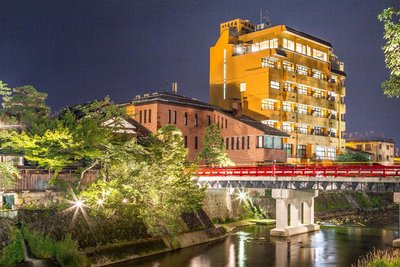
HONJIN HIRANOYA BEKKAN
Bvlgari Hotel Tokyo
Four Seasons Hotel Tokyo at Marunouchi
Mandarin Oriental, Tokyo
The Ritz-Carlton, Tokyo
Andaz Tokyo Toranomon Hills- A Concept by Hyatt
Gora Kadan
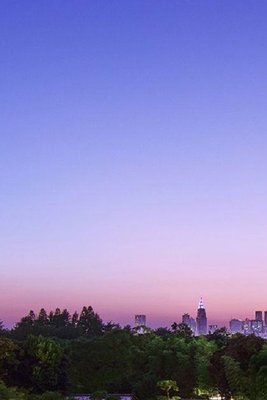
Hotel New Otani Tokyo the Main
Aman Tokyo
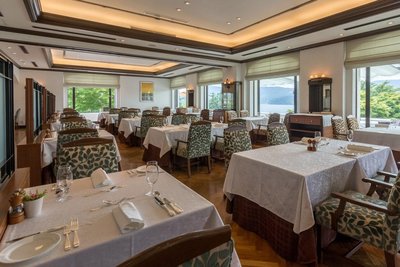
Odakyu Hotel de Yama
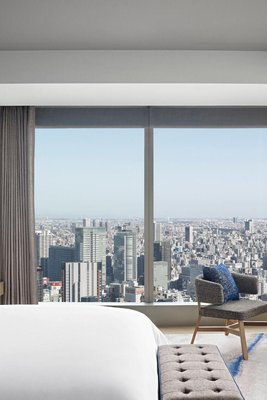
Four Seasons Hotel Tokyo at Otemachi
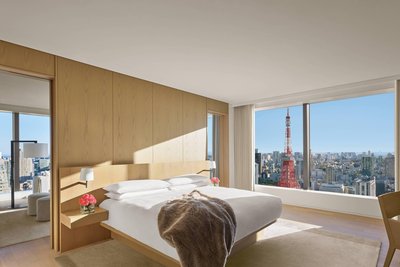
The Tokyo Edition, Toranomon

Hyatt Centric Kanazawa
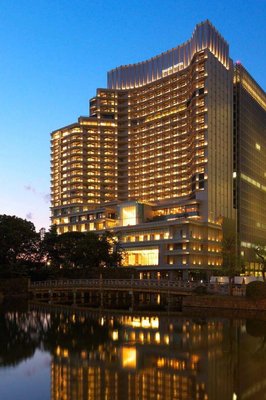
Palace Hotel Tokyo
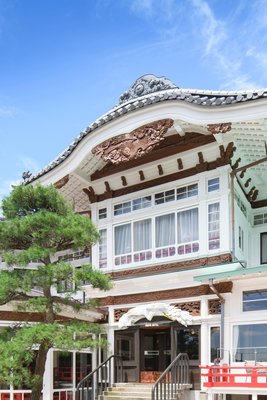
Fujiya Hotel
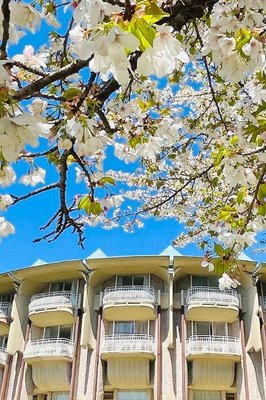
The Prince Hakone Lake Ashinoko
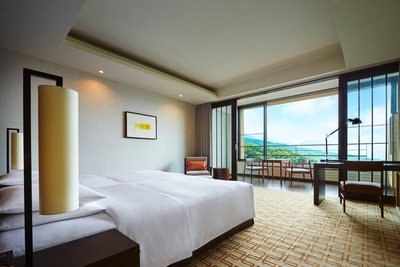
Hyatt Regency Hakone Resort and Spa
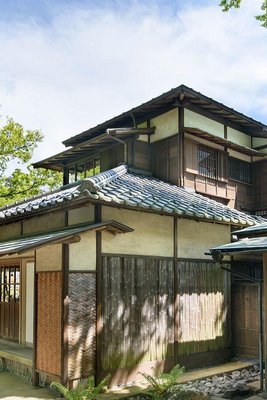
Hakone Suishoen
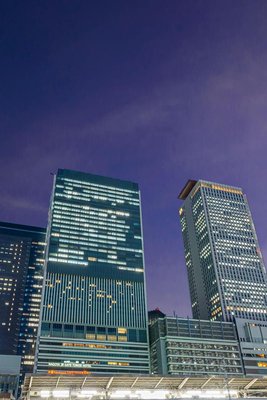
Nagoya JR Gate Tower Hotel (JR-Central Hotels)
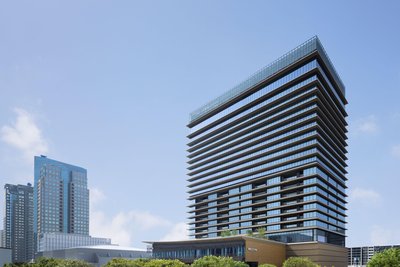
The Westin Yokohama
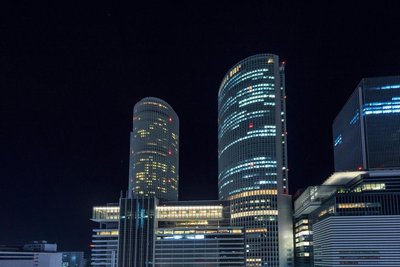
Nagoya Marriott Associa Hotel
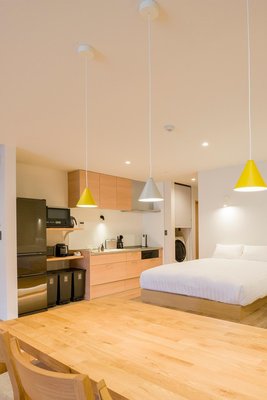
Rakuten STAY VILLA Nasu
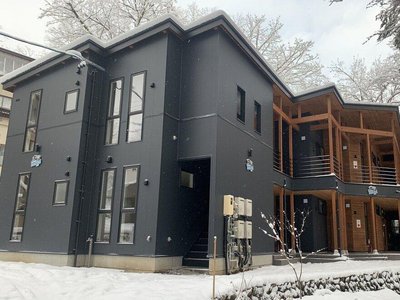
Hakuba Gondola Apartments
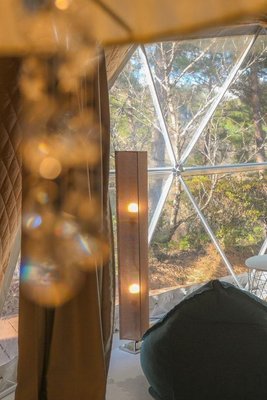
glampark Gekkabijin Nagano
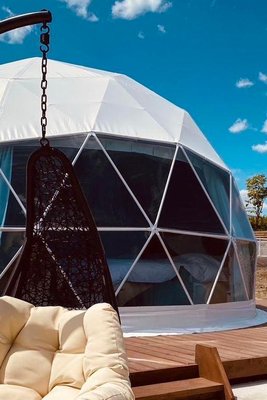
chillout glamping zao
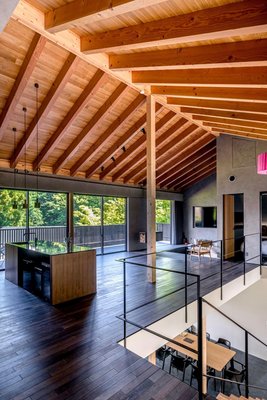
MONS GORA

Phoenix Chalets by Hhg
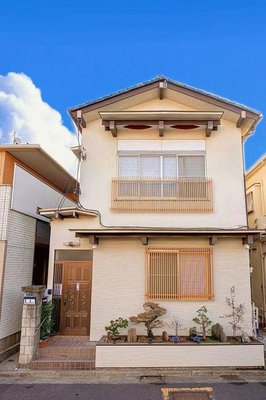
Tokyo Star House-Shinkoiwa
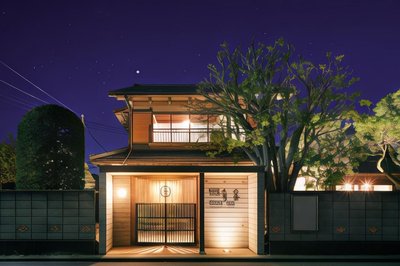
Machi-Jyu
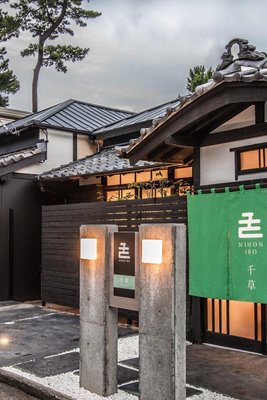
Nihon Iro
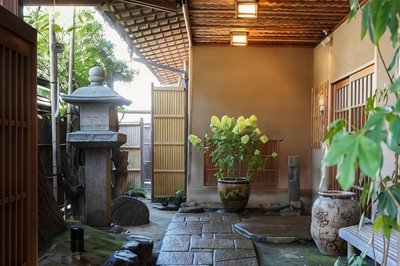
Ryokan Asadaya
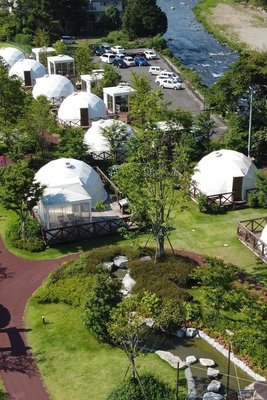
Ufufu Village
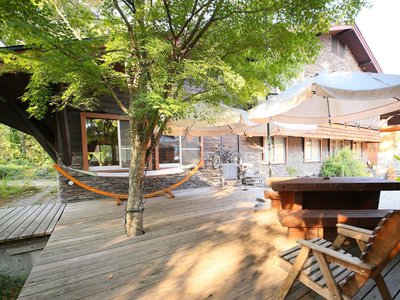
Kunugi Relaxation with 4 Modern Rooms
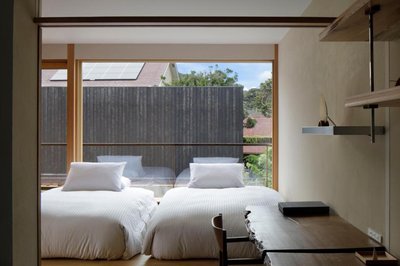
Modern Ryokan Kishi-ke
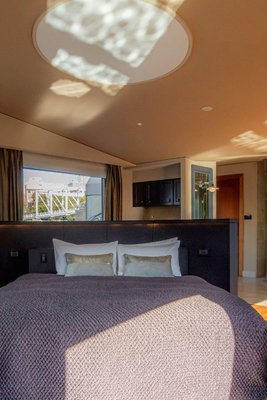
Petals Tokyo - Floating Hotel
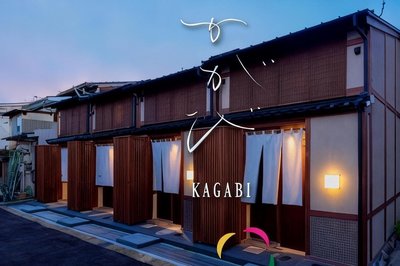
Kagabi Machiya House
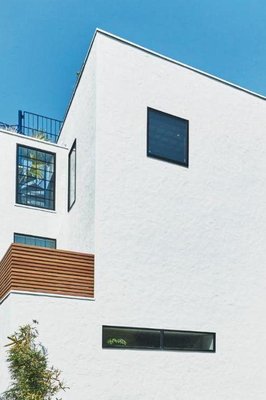
The Flow Kamakura
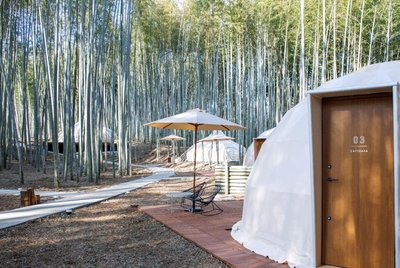
THE BAMBOO FOREST
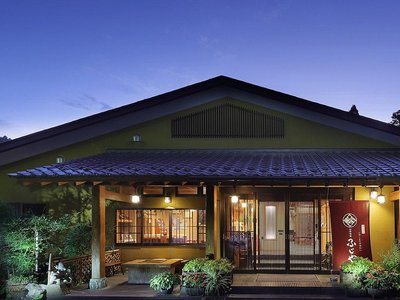
Shikimitei Fujiya
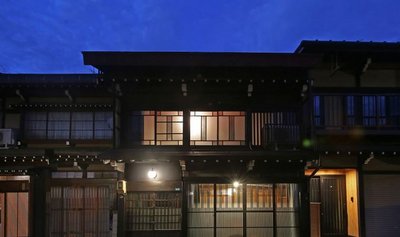
Iori Stay Hida
Bellustar Tokyo, A Pan Pacific Hotel

Hotel Barrière Fouquet's New York
Bvlgari Hotel Tokyo
Loquat Nishiizu
Byaku Narai
Atami Izusan Karaku
The Tokyo Edition, Ginza
Janu Tokyo
JW Marriott Hotel Tokyo
Four Seasons Hotel Tokyo at Marunouchi
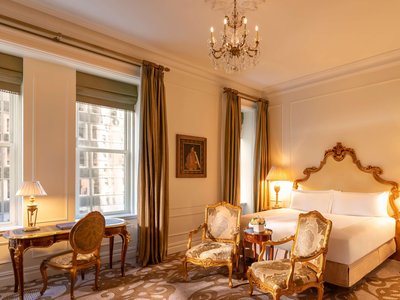
The Plaza - A Fairmont Managed Hotel
Mandarin Oriental, Tokyo
The Ritz-Carlton, Tokyo
Andaz Tokyo Toranomon Hills- A Concept by Hyatt
Hoshinoya Karuizawa
Hotel Gajoen Tokyo
Gora Kadan
Gora Hanaougi
The Hiramatsu Hotels & Resorts Sengokuhara Hakone
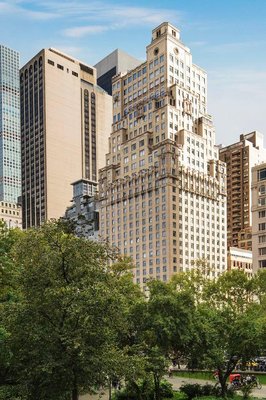
The Ritz-Carlton New York, Central Park
Frequently Asked Questions about Traveling to Oyama
Questions You Might Need to Know About Traveling to Oyama
In Koyama City, the best hotel with cultural charm is Koyama Castle Hotel, housed in the former residence of the feudal domain's lord, featuring original Edo-period architecture and traditional Japanese gardens. Guests can enjoy tea ceremonies and explore samurai history through guided tours. Another standout is Nikko Koyama Onsen Ryokan, nestled near Nikko National Park, offering natural hot springs and kaiseki dining with local ingredients. Both properties blend heritage and comfort, perfect for travelers seeking authentic Tochigi Prefecture experiences.
The city center around Koyama Station is the optimal area for lodging, offering easy access to major attractions like Koyama City Museum and the historic Castle Town District. It’s also close to the Toshogu Shrine Approach, ideal for exploring local festivals and street food. The area features a mix of modern hotels and traditional ryokans, with excellent dining options. For convenience and immersion in daily life, staying here ensures seamless exploration of both culture and nature in Koyama City.
Visitors should not miss the Koyama Festival held annually in summer, featuring grand yatai floats and energetic taiko drum performances. Walk the castle town streets in yukata, taste persimmon leaf sushi—a regional specialty—and attend traditional craft workshops. Don’t miss the Koyama City Museum for insights into local art and samurai history. For spiritual insight, visit the Toshogu Shrine Approach, where ancient rituals and serene pathways offer deep cultural connection.
Yes, Nikko Koyama Onsen Ryokan is highly recommended, located at the edge of Nikko National Park, offering private outdoor baths with mineral-rich waters known for skin benefits. The hotel serves exquisite kaiseki dinners using locally sourced ingredients. Another great choice is Koyama Onsen Betsuin, a tranquil retreat with family-friendly rooms and a children’s bath. Both provide early-morning soak opportunities amidst forest mist, delivering a peaceful, rejuvenating experience.
Koyama Castle Hotel and Nikko Koyama Onsen Ryokan are perfect for families. The former offers kids’ activity zones and samurai costume experiences; the latter has family suites, child-safe baths, and game rooms. Both provide family packages including breakfast, local craft workshops, and children’s gift boxes. Nearby attractions like Koyama City Children’s Science Museum and forest trails ensure safe, engaging outings for all ages.
Koyama Castle Hotel stands out for its striking Edo-era architecture, red tile roofs, and stone walls, making it a favorite among photographers. Its dry landscape garden and lantern-lined corridors exude timeless elegance. Nikko Koyama Onsen Ryokan features bamboo groves and maple-filled courtyards, especially stunning during autumn foliage season. Visit early morning or dusk for soft lighting and fewer crowds—ideal for capturing dreamy, high-quality photos.
Must-try dishes include persimmon leaf sushi, wrapped in fermented persimmon leaves for a unique aroma and flavor, a Tochigi speciality. Try Koyama sake, a smooth local brew, paired with grilled yakitori. At Hachiman Yashiki Restaurant in the old town, savor handmade buckwheat noodles and local chicken stew. Weekly markets near the museum sell limited-edition gifts like sushi gift sets and hand-painted ceramics—perfect souvenirs.
Start at Koyama City Museum to learn about local art and history. Then stroll through the Castle Town District, sampling persimmon leaf sushi and browsing shops. In the afternoon, visit the Toshogu Shrine Approach, enjoying views of Nikko mountains. Return to Koyama Castle Hotel for a relaxing evening tea in the garden. If visiting in summer, stay for the Koyama Festival with parades and fireworks. All sites are walkable, making it an effortless yet immersive day.
Yes, Koyama Station is served by the Tobu Nikko Line, connecting directly from Tokyo in about 1 hour. Free shuttle buses link key attractions to the station. The city center has ample parking and rental car services for those driving. Most major sites—including the Castle Town District and Toshogu Shrine Approach—are within walking distance. Whether by train, bus, or car, getting around Koyama City is efficient and stress-free.
The highlight is the summer Koyama Festival, featuring large yatai floats and taiko drumming. Spring brings the Cherry Blossom Festival at Koyama Castle Ruins Park, with illuminated cherry trees at night. Autumn hosts the Red Leaf Festival, combining hiking tours and tea ceremonies amid vibrant foliage. Winter features the Koyama Light Festival, where thousands of lanterns line the shrine approach, creating a magical atmosphere. These events celebrate the city’s heritage and natural beauty.
Oyama Overview
City Summary
Oyama City, located in southern Tochigi Prefecture, blends historical heritage with natural beauty. Known for Oyama Castle Ruins and Shiokawa Hot Springs, it serves as a transportation hub between Tokyo and Tohoku region. The harmonious mix of rural landscapes and modern facilities makes it ideal for culture-seeking travelers.
Must-See Attractions
Top attractions include Oyama Castle Ruins (a Warring States period site), Shiokawa Hot Springs (natural hot springs for relaxation), and Oyama City Museum (showcasing local history). Tochigi Flower Park dazzles with seasonal blooms, especially cherry blossoms in spring and cosmos in autumn.
Food Guide
The cuisine reflects Kanto region influences. Must-tries are Sano Ramen (soy sauce-based broth), Utsunomiya Gyoza (crispy pan-fried dumplings), and locally grown strawberries (in season from winter to spring). Street snacks like dango (rice dumplings) and yakitori (grilled chicken skewers) are also popular.
Transportation Guide
JR East trains (with Oyama Station as the main hub) and private buses serve the city. The Shinkansen from Tokyo takes about 50 minutes. Consider a JR East Pass for cost-effective travel. Taxis are expensive; biking or walking is recommended for downtown exploration.
Best Time to Visit
Best visited in spring (March-May) and autumn (September-November) for mild weather and scenic beauty. Summers are humid, while winters may see snow with fewer tourists. Avoid Golden Week (late April to early May) for lighter crowds.
Travel Tips
- Onsen etiquette: Wash thoroughly before bathing, no swimwear allowed.
- English signage is limited; basic Japanese greetings are appreciated.
- Strict trash sorting required; carry a portable trash bag.
- Smoking is restricted in most dining areas.
- Cash remains dominant; carry sufficient yen.
- Maintain modest volume in public spaces.
Useful Information
Language: Japanese primary; basic English at transit hubs. Internet: Prepaid SIMs available at convenience stores; free Wi-Fi at hotels. Payment: Credit cards accepted in major stores; cash-only at small businesses. Emergency: Dial 119 for ambulance; Oyama City Hospital provides comprehensive care. Voltage: 100V, Type A sockets (no adapter needed).