Hotels in Pa Sang
Discover your perfect stay in Pa Sang.
Pa Sang(Thailand) Travel 2026: Cheap Flights, Hotels & Top Attractions
Popular Landmarks in Pa Sang
Discover the most iconic attractions in Pa Sang
Recommended Hotels in Pa Sang
Find the perfect place to stay in Pa Sang
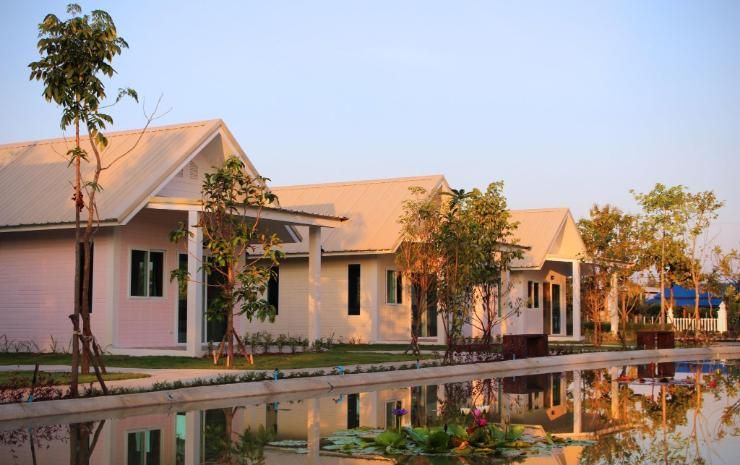
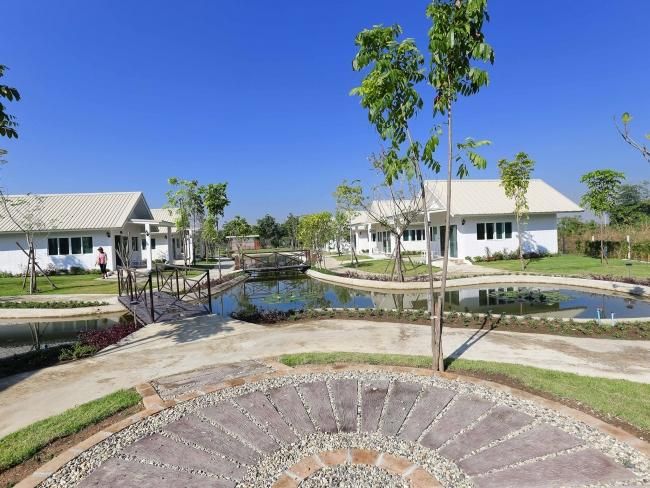
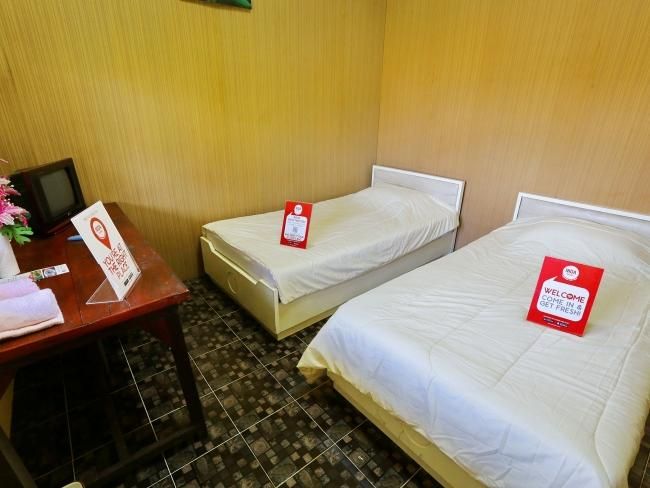
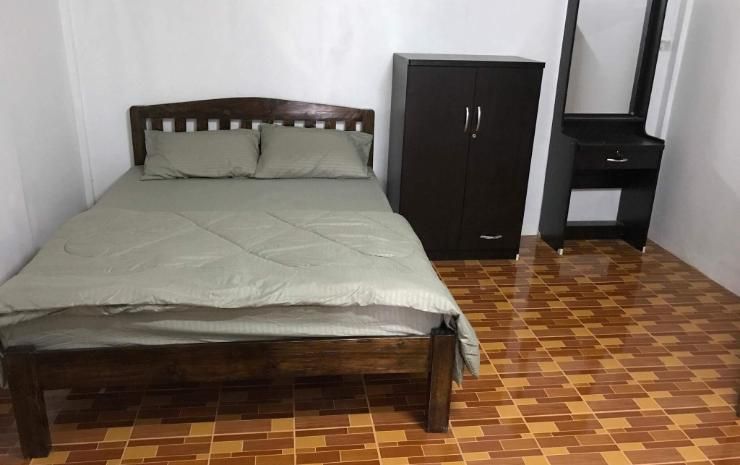
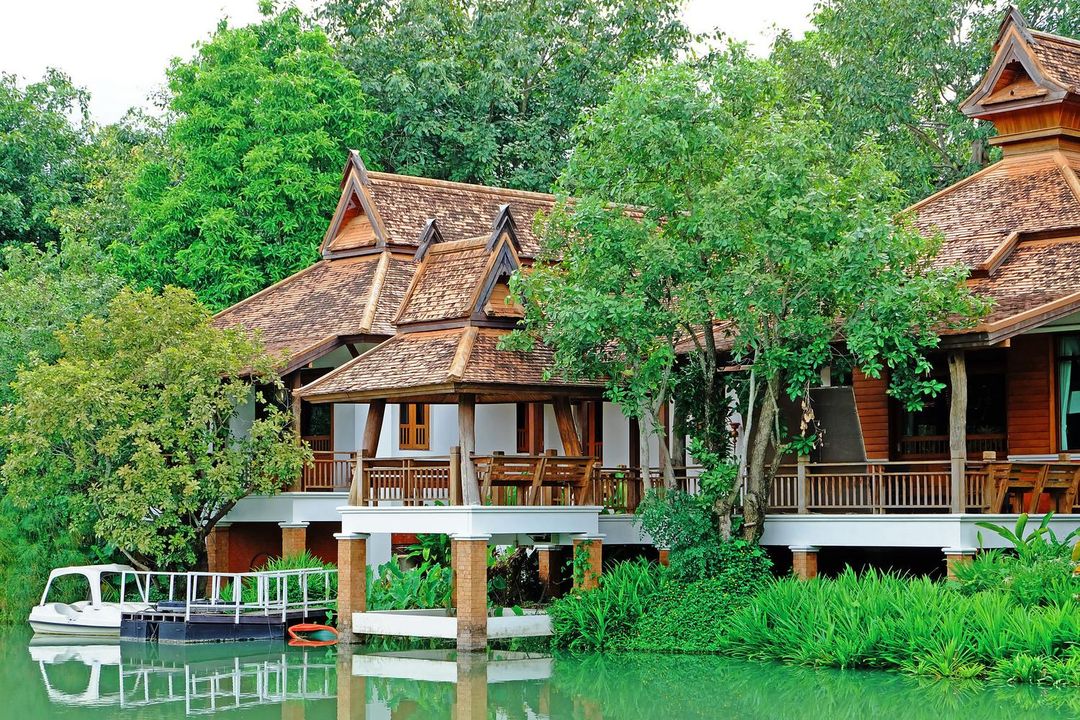
Best Hotels in Pa Sang
Discover curated hotel collections in Pa Sang
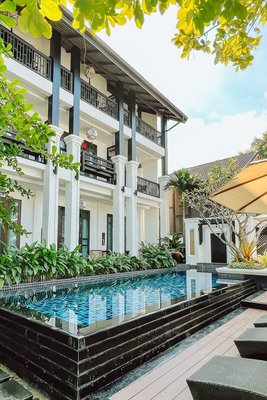
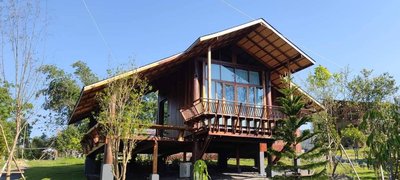
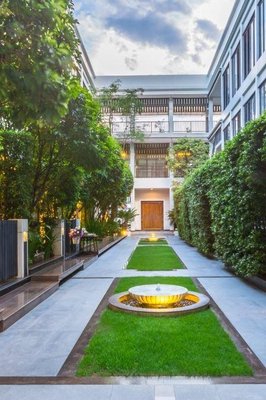
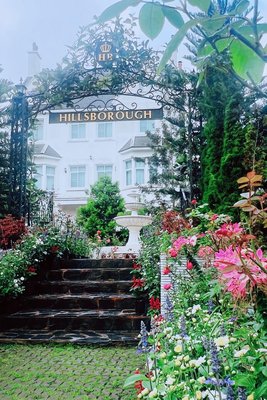
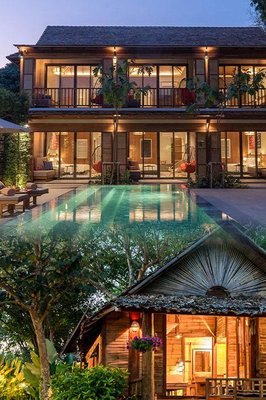
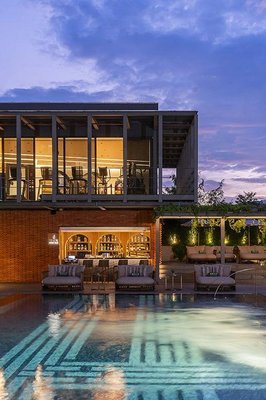
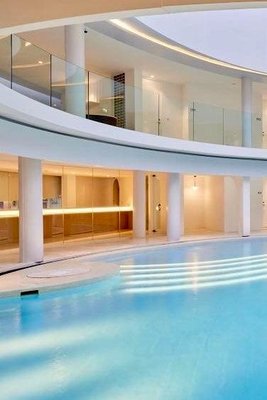
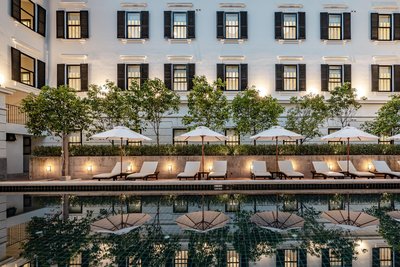


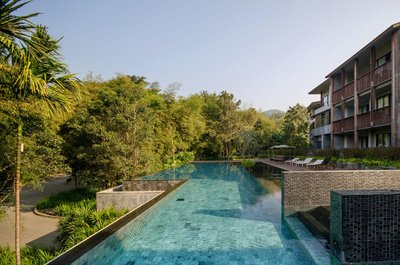
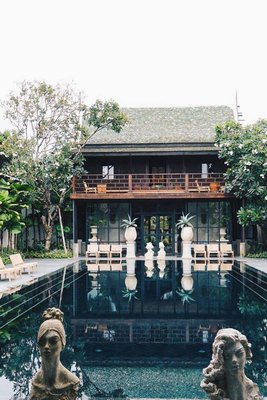
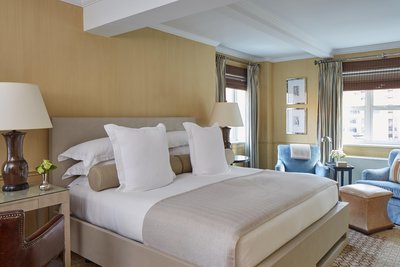
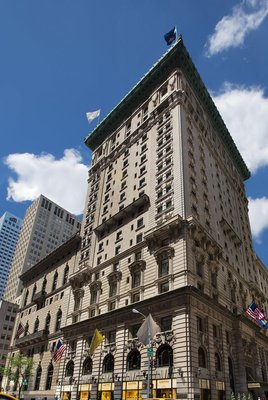


Frequently Asked Questions about Traveling to Pa Sang
Questions You Might Need to Know About Traveling to Pa Sang
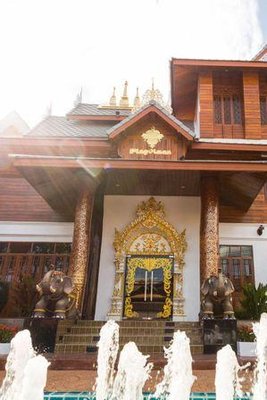
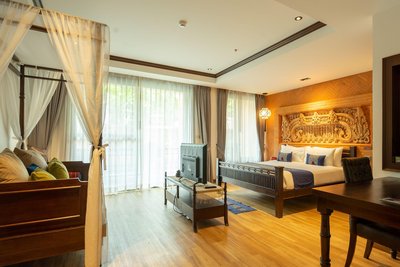
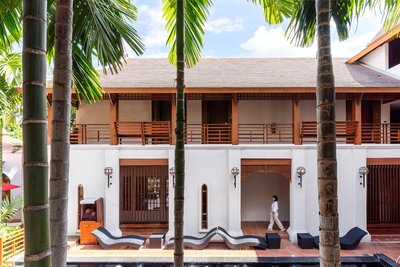
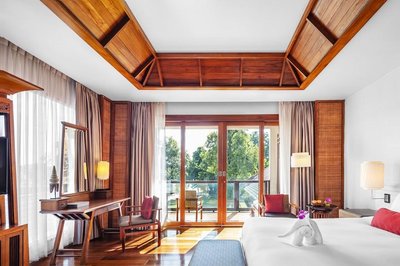
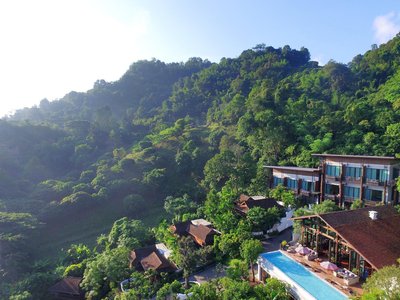
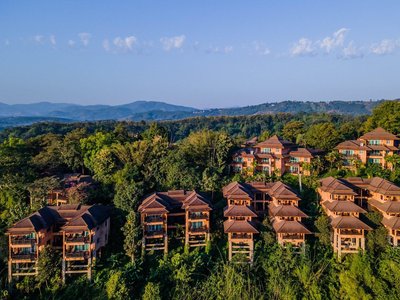
In Bassang District, the top boutique accommodations offering deep cultural immersion include Chiang Mai Hill Resort, a hillside retreat blending traditional Lanna architecture with modern comfort. Each room features handcrafted teak wood furnishings and private terraces overlooking rice paddies. Guests can participate in daily monk alms rounds, learn Lanna weaving techniques at local workshops, or join family-style dinners using organic ingredients from nearby farms. The resort also hosts seasonal fire lantern festivals and offers guided tours to ancient temples like Wat Bassang and Phra That Chet Ton, ensuring an authentic connection to Northern Thai heritage.
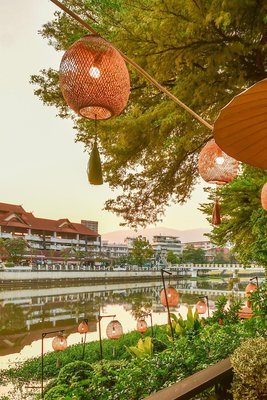
The riverfront zone near the Mae Sa River is the most ideal area for tranquil nature experiences in Bassang District. This serene stretch offers access to eco-friendly lodges like Lanna Courtyard Inn and Mae Sa Riverside Cottage, nestled among bamboo groves and fruit orchards. Guests enjoy peaceful mornings with birdwatching, evening strolls along riverbanks, and guided night walks to spot fireflies. The area’s proximity to untouched farmlands and forest trails makes it perfect for hiking, cycling, and meditation retreats. Many properties offer free bicycles and organize community-led activities such as traditional farming demonstrations and forest herbal walks, creating a harmonious blend of relaxation and cultural discovery.
Overnight stays in Bassang District offer immersive cultural experiences: attend the morning alms-giving ceremony at Wat Bassang to witness Buddhist traditions firsthand; take part in a handmade paper lantern workshop inspired by local water festival customs; or join a family dinner where dishes like Northern Thai yellow curry pork and mango sticky rice are prepared using ancestral recipes. Some guesthouses even host nighttime storytelling sessions led by elders sharing folklore from the Lanna Kingdom. These activities provide genuine insight into rural Northern Thai life, fostering meaningful connections beyond typical tourist attractions.
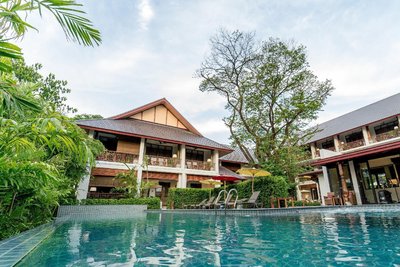
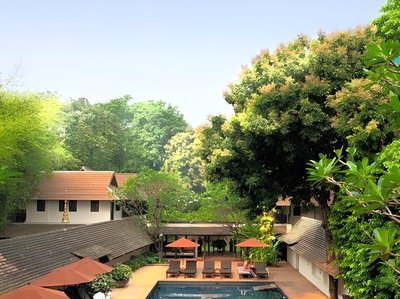
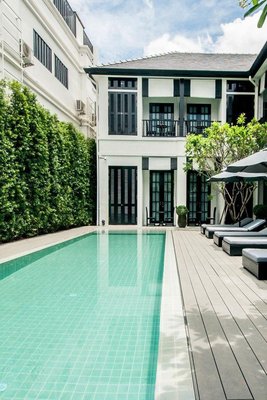
Yes. Bassang Green Valley Family Resort is a premier family-friendly resort designed for children and parents alike. It features spacious wooden villas with private gardens, a safe swimming pool, and a dedicated nature exploration zone with mini farm animals and insect habitats. Kids can join fun, educational programs like forest scavenger hunts, clay sculpting classes, and night bug-watching expeditions. Parents enjoy wellness treatments while kids learn Lanna folk songs and traditional mask-making under expert guidance. The resort also provides kid-sized bicycles and organized group games, making it an ideal destination for multigenerational travel in a peaceful, green setting.
Must-try local delicacies in Bassang District include Northern Thai yellow curry pork (slow-cooked with galangal and turmeric), sticky rice wrapped in banana leaves (steamed with coconut milk), and spicy mountain bamboo shoot soup (flavored with fermented fish paste). These dishes are often served at roadside stalls like Ama Kitchen in the old market or within homestays offering private cooking classes. Many restaurants source ingredients directly from local farms, emphasizing freshness and sustainability. Tasting these meals isn’t just about flavor—it’s a journey into Lanna culinary traditions rooted in harmony with nature and ancestral wisdom.
The easiest way to reach Bassang District from Chiang Mai is by taking a local bus from Nong Prue Bus Terminal, which runs multiple times daily and takes about 1.5 hours (fare around 120 THB). For more flexibility, private car hire costs approximately 600 THB for a round trip, ideal for families or groups. Upon arrival, visitors can explore on foot or rent bicycles to discover the surrounding villages. For a scenic alternative, consider a Mae Sa River cruise, offering panoramic views of lush landscapes and century-old banyan trees. Travel during early morning or late afternoon avoids midday heat and enhances the overall experience.
Key historical landmarks in Bassang District include Wat Bassang, a 18th-century temple housing a 3-meter bronze Buddha statue from the Lanna era; Phra That Chet Ton, a sacred stupa atop a hill believed to enshrine a relic from a Buddha disciple; and the ruins of the old Nong Pho city wall, remnants of early defensive structures. These sites are located within walking distance of the town center and are especially atmospheric in the morning light. Visiting them alongside rituals like early morning chanting sessions offers a profound understanding of Northern Thailand’s spiritual and architectural legacy.
Accommodation prices in Bassang District vary widely: budget-friendly guesthouses start at 300–600 THB per night (e.g., Bassang Bungalow), offering basic amenities and breakfast. Mid-range boutique lodges cost 800–1,500 THB, featuring private balconies, garden access, and cultural activities. Premium eco-resorts like Bassang Green Valley Family Resort range from 2,000–4,000 THB, including meals, guided tours, and airport transfers. Prices rise by about 20% during peak season (November–February). Overall, Bassang offers exceptional value compared to Chiang Mai, making it ideal for travelers seeking authenticity without high costs.
The best time to visit Bassang District is between November and February, when temperatures range from 18–25°C and humidity is low—ideal for outdoor adventures. The dry season ensures clear skies perfect for sunrise photography and temple visits. December’s Fire Lantern Festival and January’s Water Festival bring vibrant celebrations. For fewer crowds, consider visiting mid-January. This period also coincides with agricultural cycles, allowing guests to participate in traditional farming events and artisan markets. Avoid the rainy season (May–October) due to potential flooding and slippery paths.
Nighttime highlights in Bassang District include a bonfire gathering by the Mae Sa River, where locals sing Lanna folk songs and share village stories; a walk through the illuminated Old Town, exploring lit-up wooden shops serving grilled street food; and attending evening chanting ceremonies at Wat Bassang. Some resorts offer stargazing sessions with telescopes and guides who explain local constellations. These intimate, low-key experiences allow travelers to connect deeply with community rhythms and spiritual traditions, offering a peaceful contrast to bustling city nightlife.
Pa Sang Overview
City Summary
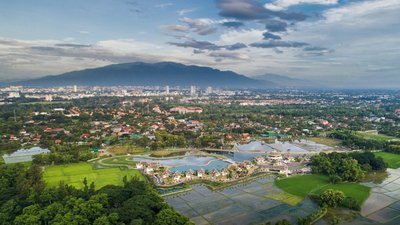
Baan San District in Lamphun Province, Thailand, is a serene countryside destination known for its rustic charm and traditional crafts. Famous for handwoven textiles and pottery, it offers a glimpse into authentic Northern Thai life, away from urban hustle. The district's tranquil landscapes and cultural heritage make it a hidden gem for travelers.
Must-See Attractions
Top attractions include local craft villages where artisans demonstrate traditional weaving and pottery techniques. The ancient Wat Phra That Hariphunchai showcases Lanna-style architecture. Nature enthusiasts can explore scenic farmlands and mountain trails ideal for hiking and photography.
Food Guide
Savor Northern Thai street food like Khao Soi (curry noodles) and Sai Oua (herbal sausage). Local markets offer fresh fruits and desserts such as sticky rice with mango. The cuisine reflects a blend of Lanna and Burmese influences, with bold flavors.
Transportation Guide
Renting a motorbike is the most flexible way to explore. Songthaews (shared taxis) are affordable but have limited routes. From Lamphun town, take a bus or taxi (30-minute ride). Note that rural roads may lack clear signage.
Best Time to Visit
Visit between November-February for cool, dry weather. Avoid April-May (hot season) with temperatures above 35°C. The rainy season (June-October) brings lush greenery but fewer tourists.
Travel Tips
- Temple etiquette: Dress modestly and remove shoes.
- Cash preferred: Carry Thai baht as rural areas rarely accept cards.
- Sun protection: Essential during hot months.
- Basic Thai phrases: Enhances local interactions.
- Road safety: Wear helmets when riding motorbikes.
- Eco-friendly: Minimize plastic use; support handmade goods.
Useful Information
Language: Thai is primary; English is limited. Mobile networks: 4G in towns; spotty in villages. Currency: Cash dominates; some QR payments accepted. Healthcare: Lamphun Hospital is well-equipped; travel insurance advised. Voltage: 220V, two-prong plugs. Pack mosquito repellent against dengue.