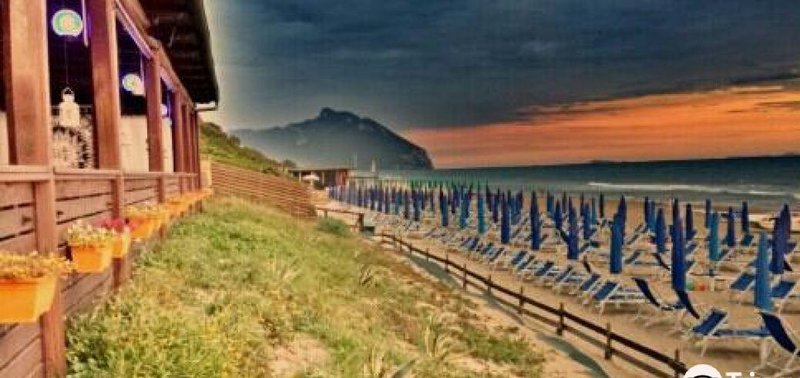
Hotels in Paciano
Discover your perfect stay in Paciano.
Paciano(Italy) Travel 2026: Cheap Flights, Hotels & Top Attractions
Popular Landmarks in Paciano
Discover the most iconic attractions in Paciano
Recommended Hotels in Paciano
Find the perfect place to stay in Paciano
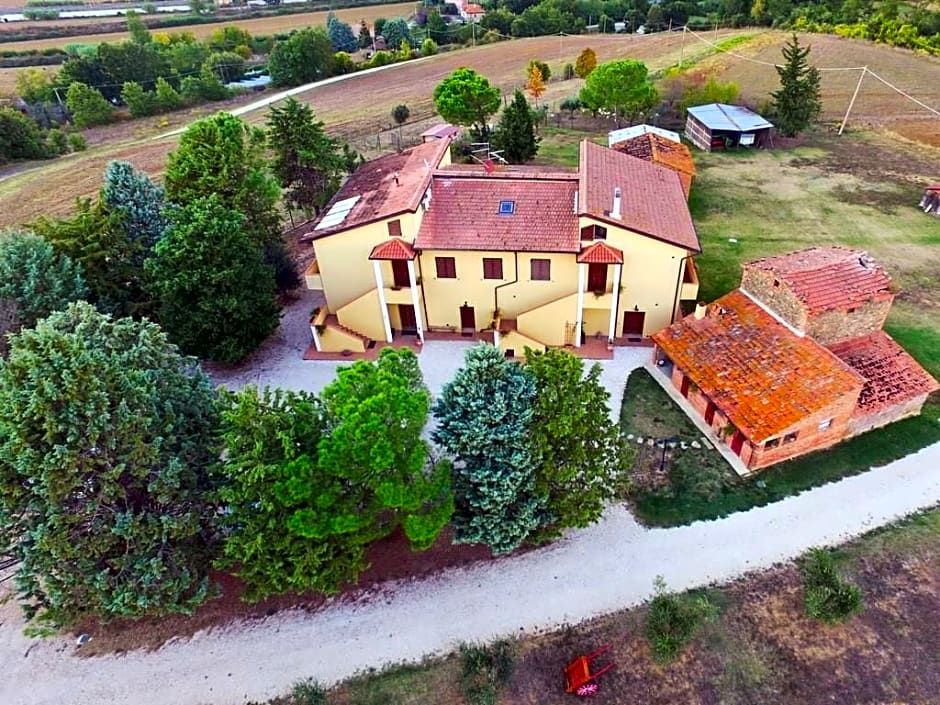
Agriturismo Con Cucina Il Favaio
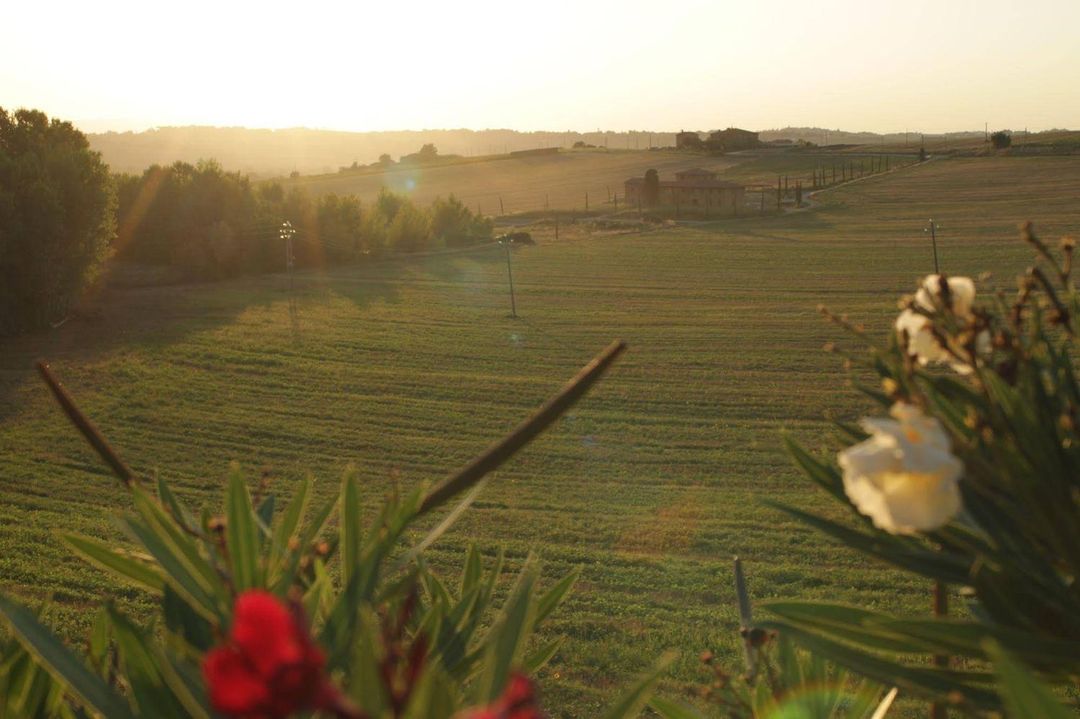
Le Terre di Giano
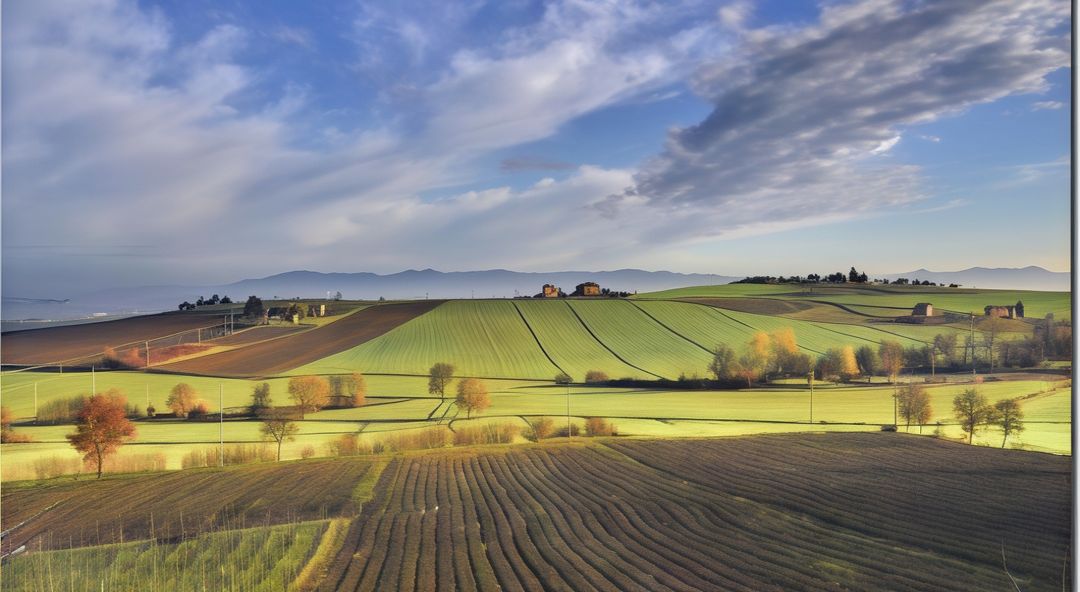
Vacanze Ideali
Relais Mastro Cinghiale
Frequently Asked Questions about Traveling to Paciano
Questions You Might Need to Know About Traveling to Paciano
In Passignano, the standout boutique hotel is Hotel La Corte di Passignano, nestled within a restored 15th-century castle. This luxury retreat blends Renaissance architecture with modern elegance, featuring handcrafted stone walls, oak-beamed ceilings, and panoramic views over the Umbrian hills. Each room offers private terraces overlooking vineyards and ancient olive groves.
Another exceptional choice is B&B Il Giardino delle Rose, a charming garden villa in the historic center. With its floral courtyard and local art decor, it provides an intimate experience near the Church of the Assumption and the weekly artisan market. Both properties offer curated experiences like wine tastings at nearby vineyards and cooking classes using organic ingredients from regional farms—perfect for travelers seeking authenticity and charm in central Italy.
The historic center (Centro Storico) is the prime area for accommodations in Passignano. This car-free district features cobbled alleys, archways, and centuries-old buildings, offering an immersive experience of authentic Umbrian life. Staying here grants easy access to the Church of the Assumption, the Piazza del Comune, and numerous artisan shops selling handmade ceramics and textiles.
Many boutique B&Bs and family-run guesthouses are housed in restored palaces or farmhouses, such as Casa del Sole B&B, which offers panoramic views and a cozy breakfast terrace. The area is quiet at night, ideal for travelers who appreciate tranquility and proximity to cultural landmarks. For nature lovers, some hillside villas just outside the town provide direct access to hiking trails and scenic viewpoints, though they require a short drive to reach the town core.
Visitors to Passignano can immerse themselves in local traditions through the annual Olive Oil Festival (Festa dell'Olio) held each autumn. This event showcases traditional pressing methods in century-old oil mills, where guests can participate in hands-on olive crushing and learn about the craft from local farmers.
The festival also features cooking workshops led by regional chefs, teaching how to pair high-quality Umbrian extra virgin olive oil with pasta, bread, and salads. On the first Saturday of every month, the Piazza del Comune hosts a vibrant artisan market featuring potters, leatherworkers, and weavers, offering one-of-a-kind handmade goods.
For art enthusiasts, guided tours at the Museo Civico reveal well-preserved 15th-century frescoes and religious paintings, reflecting Passignano’s rich artistic heritage and deep connection to Umbrian spirituality.
Near Passignano, several must-see attractions highlight both natural beauty and historical significance. The Church of the Assumption (Chiesa della Assunta) stands out with its stunning 14th-century frescoes still vividly preserved, offering a rare glimpse into medieval Umbrian religious art.
The Passignano Castle Ruins (Rocca di Passignano) provide breathtaking panoramic views of the surrounding valley and distant mountain ranges. The site includes a small museum detailing the town’s military past and noble families who once ruled the region.
Nature lovers should explore the Sentiero dell'Alpina, a scenic hiking trail along the Alpina River that winds through ancient oaks and wildflower meadows, ending at a 12th-century hermitage. Interpretive signs along the path explain local flora and fauna, making it ideal for eco-tourism and outdoor education.
Passignano’s cuisine centers on traditional Umbrian farm-to-table flavors. Must-try dishes include Cecina con Fagioli, a hearty stew of dried beans slow-cooked with smoked pancetta, delivering rich, earthy depth. Another local favorite is Pane Nero con Tartufo, dark rye bread served with fresh Pescaraola truffle, a prized variety harvested in nearby woods.
The town is also famed for its Prosciutto di Passignano, a dry-cured ham aged for three years, known for its sweet-savory balance. Pair it with local Montepulciano d'Abruzzo wine—a full-bodied red from neighboring vineyards—ideal for enhancing robust flavors.
Dine at Trattoria La Vigna, a family-run restaurant committed to sourcing ingredients daily from local markets. They offer private dining experiences with storytelling behind each dish, allowing guests to connect deeply with the region’s culinary roots.
Yes, Passignano is highly suitable for family travel, especially for those seeking a slow-paced, educational, and nature-rich experience. The town center is pedestrian-friendly, safe for children, and filled with open spaces like the Piazza del Comune, where kids can play near fountains and watch street performers.
Many B&Bs and agritourisms offer family suites, playgrounds, and even free kids’ activity programs. Casa del Sole B&B, for instance, runs weekly family-friendly tours to the castle ruins, introducing children to local history and agriculture through interactive games and storytelling.
The Alpina River Trail is perfect for family hikes, with child-friendly paths and nature observation points. Additionally, the monthly Farm Day events let families participate in milking goats, harvesting vegetables, and baking bread—making it an ideal destination for experiential learning and bonding in a serene countryside setting.
Passignano is well-connected despite being a small town. The nearest airport is Florence Peretola Airport (FLR), about 1 hour and 15 minutes away. Renting a car via providers like Hertz or Sixt is convenient, and many hotels offer complimentary shuttle services.
By train, travelers can reach Valdichiana Station, then take a local bus or taxi (20 minutes) to Passignano. The town itself is largely car-free, with narrow streets designed for walking and electric shuttle buses for tourists.
Regional trains operated by Trenitalia link Passignano to major cities like Perugia, Arezzo, and Urbino, enabling seamless day trips. For non-drivers, guided private transfers are available through local tour operators, offering expert-led journeys with stops at hidden gems and scenic viewpoints across Umbria.
Accommodation prices in Passignano vary by type and season. Boutique B&Bs and family guesthouses typically range from €80 to €150 per night, often including breakfast and free parking. For example, B&B Il Giardino delle Rose offers a garden-view double room starting at €95.
Luxury options like Hotel La Corte di Passignano, a castle-turned-hotel, charge between €200 and €350 per night, with packages including dinner and guided excursions. Prices rise 20%-30% during peak season (April–October), especially around the Olive Oil Festival—reservations are advised at least two months in advance.
Budget travelers can find affordable stays at hostels or agriturismi (farm stays) for €50–€70 per night. These often include meals and farm activities. Use platforms like HopeGoo or HopeGoo to compare ratings and amenities, and look for “farm experience bundles” for excellent value.
The ideal times to visit Passignano are spring (April–June) and autumn (September–October), when temperatures range from 15°C to 25°C, skies are clear, and the landscape bursts with color.
Spring brings blooming cherry and almond trees across the Umbrian hills, while autumn marks the olive harvest season, filling the air with the scent of fresh oil. These seasons are perfect for hiking, photography, and enjoying outdoor meals.
Summer (July–August) can be hot and humid, with occasional thunderstorms, though some hotels offer cooling packages with pools and chilled drinks. Winter (December–February) is cold and occasionally snowy, but the town hosts festive events like the Christmas Market and Hot Wine Festival, creating a cozy, magical atmosphere for those who love seasonal celebrations.
In Passignano, visitors should seek out authentic local crafts and food products. The weekly artisan market in the Piazza del Comune features handmade ceramics, wool blankets, natural dye textiles, and leather accessories—all crafted by local artisans using traditional techniques.
La Bottega del Contadino, a long-standing shop, specializes in Prosciutto di Passignano, black rye bread, organic olive oil, and truffle spreads, all sourced directly from nearby farms. Samples are available, and items can be shipped internationally.
For souvenirs, consider handmade soaps and herbal essential oils produced by a women’s cooperative, made with locally grown herbs and flowers. Some stores offer personalized engraving services, allowing you to etch names or dates onto wooden boxes or ceramic jars—creating a meaningful keepsake from your Umbrian journey.
Paciano Overview
City Summary
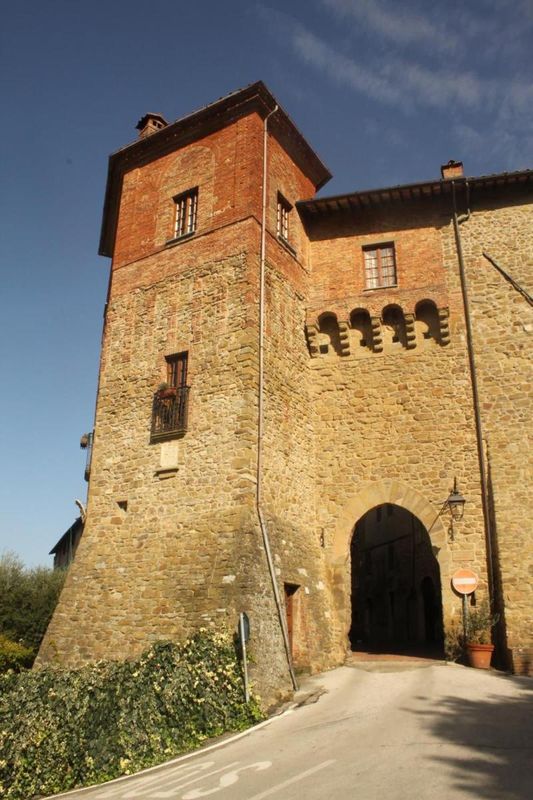
Paciano is a captivating medieval hill town in Umbria, Italy, renowned for its well-preserved stone architecture, olive groves, and tranquil rural ambiance. With fewer than 1,000 inhabitants, this "Borgo Più Bello d'Italia" member enchants visitors with its intact 14th-century walls and timeless cobblestone alleys, offering an authentic slow-travel experience.
Must-See Attractions
Must-see sites include the 15th-century frescoes in Chiesa di Santa Maria Assunta and the Renaissance courtyard of Palazzo Balacani. Nearby Lake Trasimeno provides boating and cycling routes, while local olive oil mill tours are essential. The monthly antique market (third Sunday) offers deep cultural immersion.
Food Guide
Paciano is famed for cold-pressed extra virgin olive oil, best paired with traditional "pan nociato" bread. Don't miss pappardelle al cinghiale (wild boar pasta) or Umbrian lentil soup. Family-run Osteria del Teatro serves truffle pizza baked in a century-old stone oven, with summer cherries and figs as seasonal highlights.
Transportation Guide
With no train station, the nearest transit hub is Chiusi (15km away). Walking is the only option within town—cobblestones make wheeled luggage impractical. Rent a car from Perugia or Florence to explore nearby hill towns like Cortona. Note ZTL traffic restrictions and use free parking outside walls.
Best Time to Visit
Visit April-June or September-October to avoid summer heat and winter fog. May's olive blossoms mean fewer tourists, while September's harvest festival requires early accommodation bookings.
Travel Tips
- Observe siesta hours (1-4pm) when shops close
- Cover shoulders/knees for church visits
- Carry cash—rural card acceptance is limited
- Book olive grove tours; no trespassing
- Strict recycling rules (€500 fines apply)
- Bring a flashlight for limited night lighting
Useful Information
Italian is primary; basic English works. Free town-wide Wi-Fi (PACIANO_FREE). For emergencies, Perugia Hospital is 30km away. Pharmacies operate Mon-Sat. Get rental car insurance covering rural roads—ZTL fines often arrive late. Voltage is 220V with Type L sockets.