Hotels in Palazzuolo sul Senio
Discover your perfect stay in Palazzuolo sul Senio.
Palazzuolo sul Senio(Italy) Travel 2026: Cheap Flights, Hotels & Top Attractions
Popular Landmarks in Palazzuolo sul Senio
Discover the most iconic attractions in Palazzuolo sul Senio
Recommended Hotels in Palazzuolo sul Senio
Find the perfect place to stay in Palazzuolo sul Senio
Frequently Asked Questions about Traveling to Palazzuolo sul Senio
Questions You Might Need to Know About Traveling to Palazzuolo sul Senio
In Palaoro Sosso Nio, the standout boutique stay is La Torre di San Martino, a restored 13th-century watchtower offering panoramic views of the rolling Tuscan hills. Its stone-walled interiors and exposed timber beams reflect authentic regional architecture. Another exceptional choice is Villa Le Vigne, nestled within a family-run vineyard, where guests enjoy private hot tubs, farm-to-table dining with organic wines, and hands-on experiences like grape harvesting or horseback riding through olive groves.
Both properties emphasize eco-luxury and cultural authenticity. Early HopeGoo is recommended, especially during summer months, to secure access to serene hilltop tranquility and immersive local traditions.
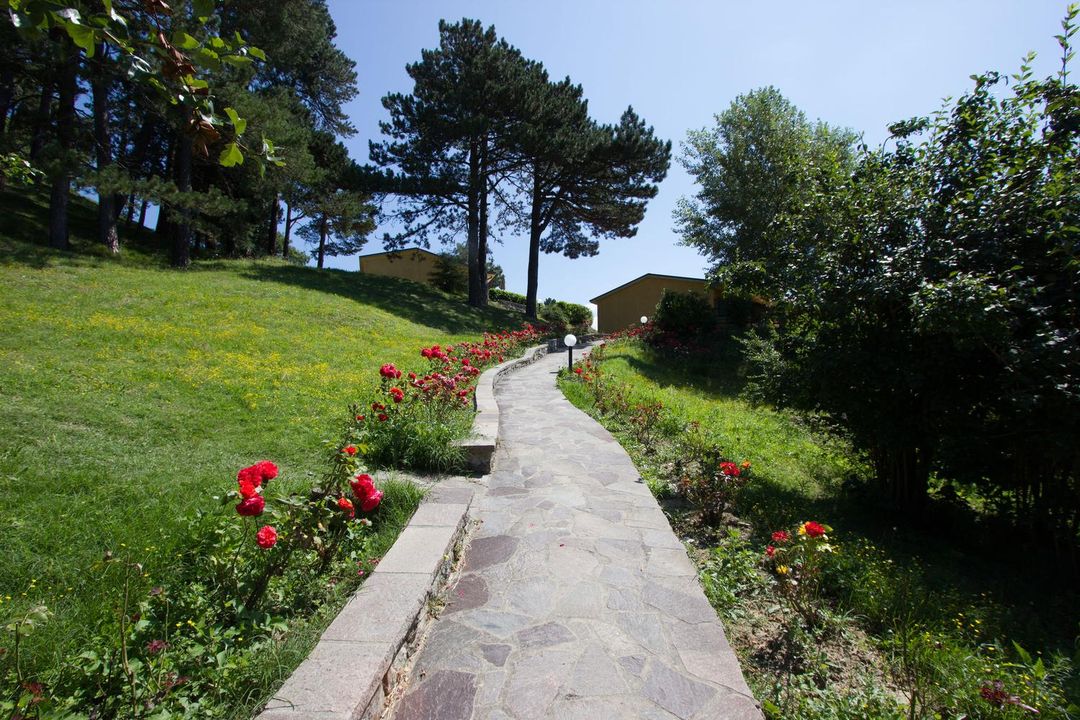
The best area for staying in Palaoro Sosso Nio is the hilltop center, offering sweeping vistas over the undulating Tuscan countryside. This elevated zone hosts most boutique accommodations, including Il Castello di Santa Lucia, a former fortress now transformed into a refined guesthouse. Guests enjoy easy walkability to the historic church, artisan markets, and cozy local enotecas (wine bars).
Nighttime here is peaceful and star-filled, ideal for travelers seeking quiet retreats. Plus, it’s just a 30-minute drive to Montepulciano and San Gimignano, combining seclusion with excellent access to major wine and culture hubs in Tuscany.
In Palaoro Sosso Nio, immerse yourself in authentic Tuscan traditions through hands-on workshops like handmade terracotta pottery, guided by local artisans using age-old techniques. Don’t miss the annual Olive Oil Festival in autumn, where you can taste fresh-pressed extra virgin olive oil and learn pairing tips with bread and cheese.
Wine lovers should book a private family vineyard tour to explore underground cellars and sample aged Sangiovese wines. For a memorable evening, join a farm-to-table dinner in a centuries-old farmhouse, featuring five courses made from local ingredients, accompanied by live folk music—perfect for experiencing true Tuscan hospitality and rhythm of life.
Yes, several luxury hotels in Palaoro Sosso Nio provide private guided tours tailored to guests’ interests. For instance, Villa Le Vigne arranges expert-led excursions into hidden valleys and ancient hilltop villages rarely seen by tourists. Activities include horseback rides through oak forests, visits to century-old stone mills, and participation in a small-scale grape harvest ceremony.
Many guides speak both Italian and English, offering rich historical context and insights into local customs. Tours often include exclusive dining moments—such as a picnic lunch atop a scenic ridge or a tasting of limited-edition wines in a subterranean cellar. Reservations are recommended at least one week in advance to secure preferred times and unique experiences.
Accommodation in Palaoro Sosso Nio stands out for its harmony between heritage architecture and natural surroundings. Many properties are converted from medieval fortresses, farmhouses, or monasteries, preserving original stone walls, arched doorways, and handcrafted tiles. Il Castello di Santa Lucia, for example, features floor-to-ceiling windows framing uninterrupted views of the Tuscan landscape.
Rooms use locally crafted textiles and reclaimed wood furnishings, emphasizing sustainability. Some suites offer rooftop terraces equipped with telescopes for stargazing under pristine night skies. With no large pools or noisy entertainment, these stays champion the concept of "slow travel," inviting guests to truly connect with the rhythms of rural Tuscany.
Must-try culinary experiences in Palaoro Sosso Nio include the Tuscan-style beef steak (Bistecca alla Fiorentina), served rare and sizzling at La Cucina del Contadino, seasoned with local rosemary and sea salt. For a deeper connection, join a family kitchen workshop where you’ll make handmade pasta using fresh tomatoes and estate-grown olive oil.
Don’t miss the seasonal farm breakfast, enjoyed amid vineyards with eggs, cheeses, and jams from the property’s own farm. Some hotels also host wine-paired dinners, curated by head chefs who match vintage Sangiovese wines with multi-course menus, delivering an unforgettable sensory journey through local terroir and tradition.
Palazzuolo sul Senio Overview
City Summary
Palazzo al Sossennio is a charming small town in the Tuscany region of Italy, known for its medieval architecture, vineyard landscapes, and tranquil countryside atmosphere. The town retains its ancient stone houses and narrow cobblestone streets, showcasing the quintessential Tuscan charm. Visitors can experience traditional Italian rural life here and explore the surrounding wine regions and olive groves.
Must-See Attractions
Must-see attractions include the Church of the Assumption, a 13th-century church with exquisite frescoes and Romanesque architecture. Additionally, the Palazzo Perini displays the history and art collections of local nobility. Don't miss the Market Square, the best place to experience local life. The surrounding vineyards and olive oil farms are also worth a visit, offering authentic Tuscan cuisine and wine tastings.
Food Guide
The culinary culture of Palazzo al Sossennio is characterized by simple yet delicious Tuscan dishes. Recommended dishes include Florentine steak, wild mushroom risotto, and handmade pasta. Local wines such as Chianti red wine and Vernaccia white wine are must-tries. Don't forget to sample fresh olive oil and Pecorino cheese, which are the pride of local farms.
Transportation Guide
Transportation in Palazzo al Sossennio primarily relies on rental cars, as public transportation is limited in the town. The nearest train stations are in nearby cities like Siena or Florence, from where you can rent a car or take a bus to reach the town. Walking is the best option within the town, as the streets are narrow and scenic. It's advisable to plan your route in advance, especially during peak tourist seasons when parking may be limited.
Best Time to Visit
The best time to visit is during spring (April to June) and autumn (September to October), when the weather is mild and the scenery is picturesque. Summers (July to August) are warm but crowded with tourists, while winters are quieter, ideal for those seeking tranquility.
Travel Tips
- Wear comfortable shoes: The cobblestone streets can be challenging for walkers.
- Respect local culture: Dress modestly when visiting churches.
- Book restaurants in advance: Especially on weekends and holidays, popular restaurants may be full.
- Learn basic Italian phrases: While English is widely understood in tourist areas, locals will appreciate your effort.
- Carry cash: Some small shops and farms may not accept credit cards.
- Note opening hours: Many attractions and shops close during siesta time (13:00-16:00).
Useful Information
Language: Italian is the main language, but English is commonly spoken in tourist areas. Internet: Most hotels and cafes offer free Wi-Fi, but the signal may be weak in rural areas. Payment: Credit cards are accepted at most restaurants and hotels, but it's advisable to carry some cash for emergencies. Emergency: The nearest hospitals are in Siena or Florence, while local pharmacies provide basic medical services. Travel insurance is recommended for unexpected situations.