Hotels in Palmira
Discover your perfect stay in Palmira.
Palmira(Colombia) Travel 2026: Cheap Flights, Hotels & Top Attractions
Popular Landmarks in Palmira
Discover the most iconic attractions in Palmira
Recommended Hotels in Palmira
Find the perfect place to stay in Palmira
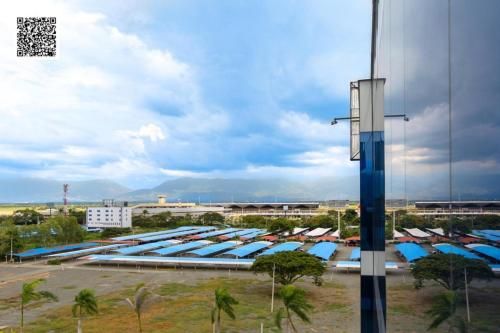
Hotel Real Elim International
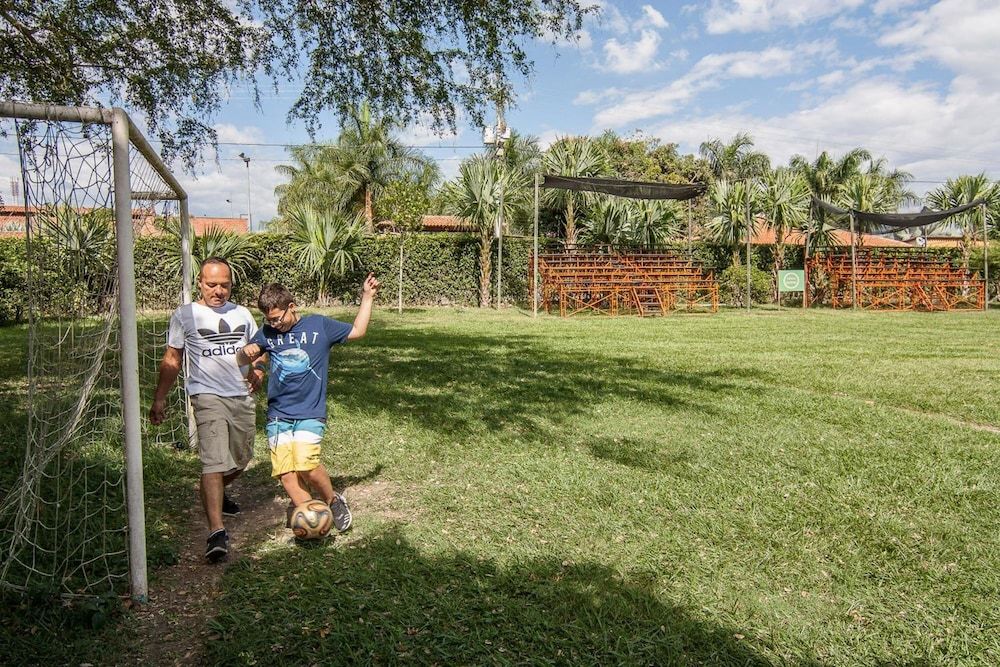
El Fuerte de Rozo Hotel Restaurante
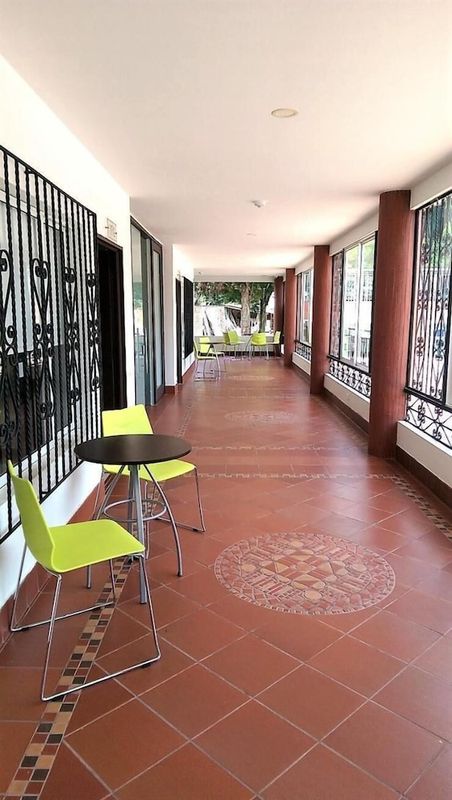
Hotel Campestre Nala
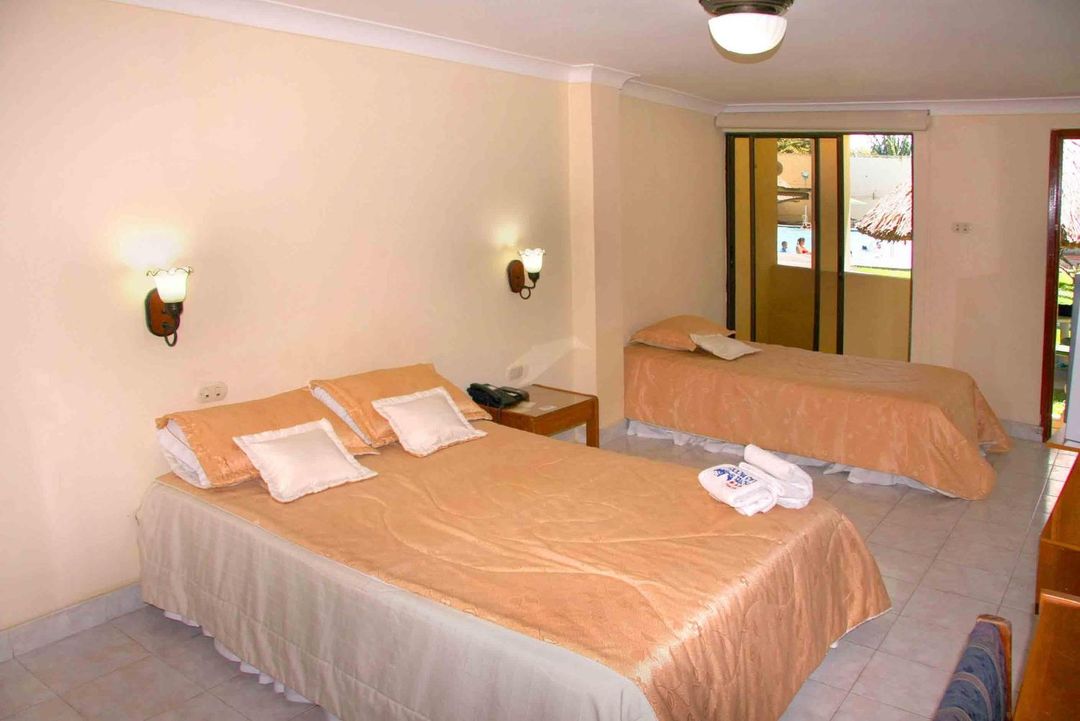
Hotel Las Victorias Palmira
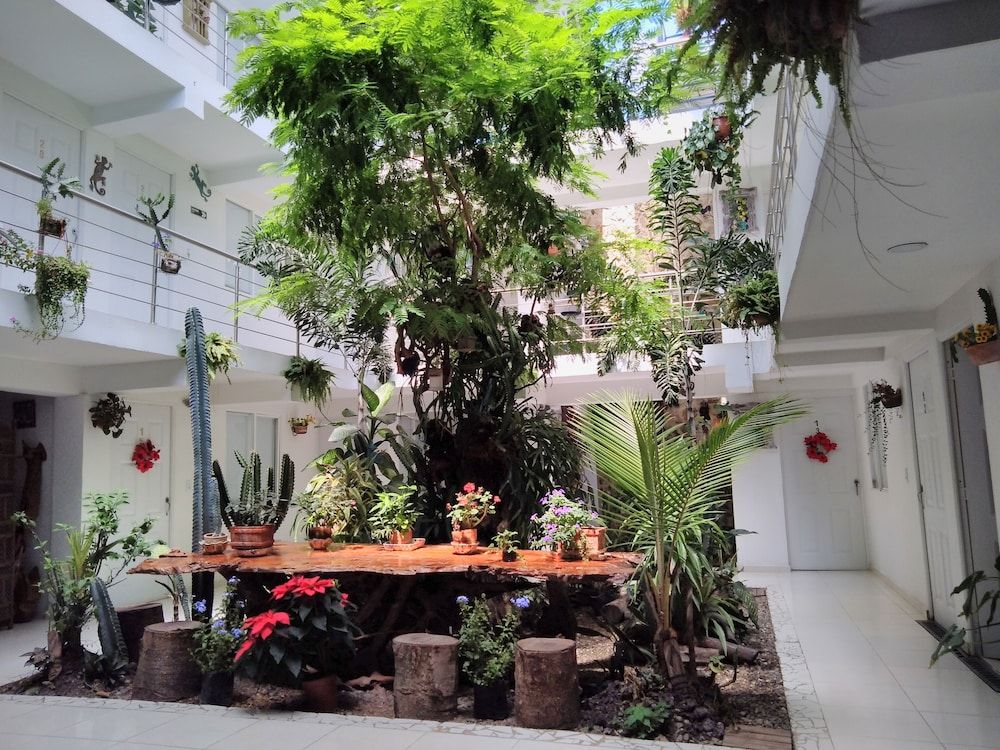
Hotel Boutique Los Remansos
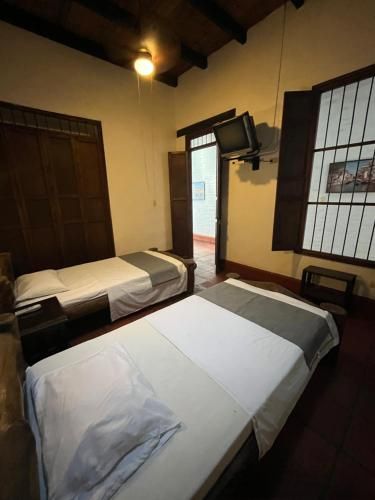
Hotel Colonial Palmira
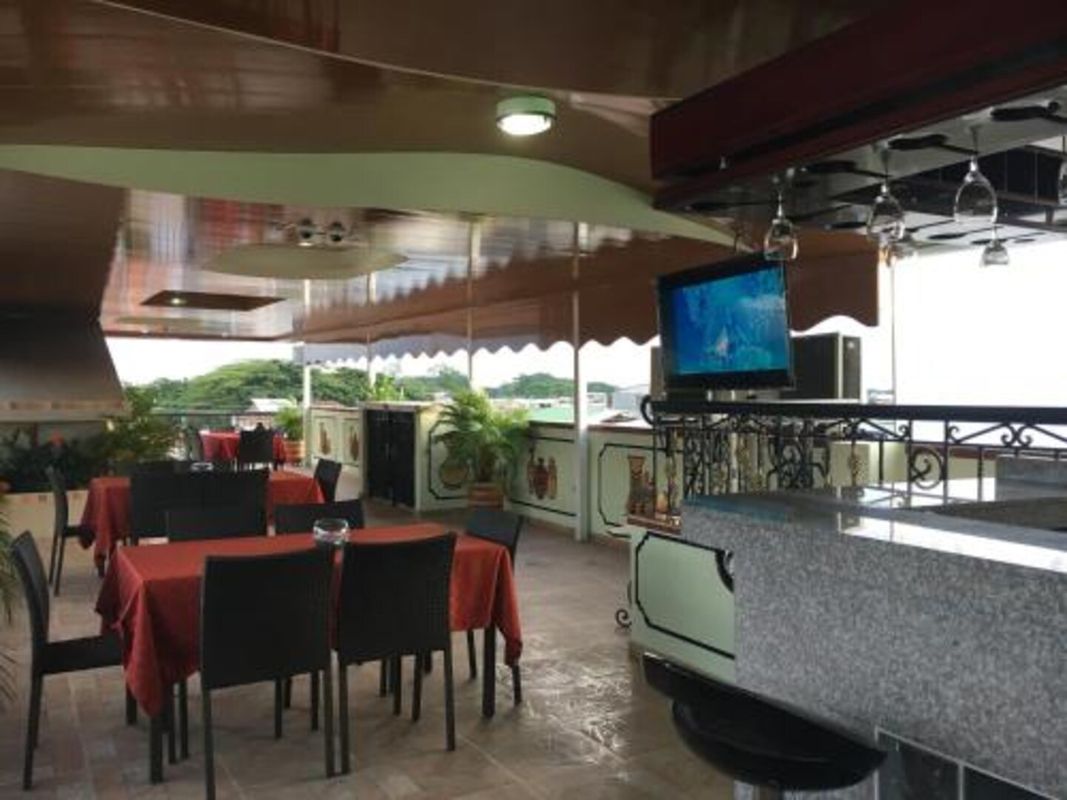
The Clover Home
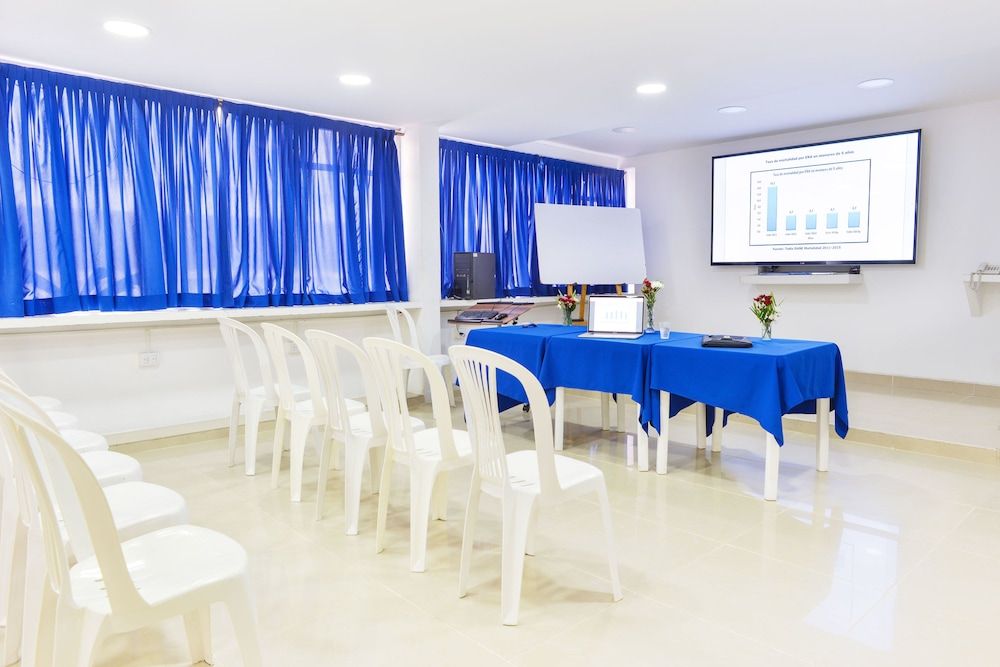
Hotel Thama
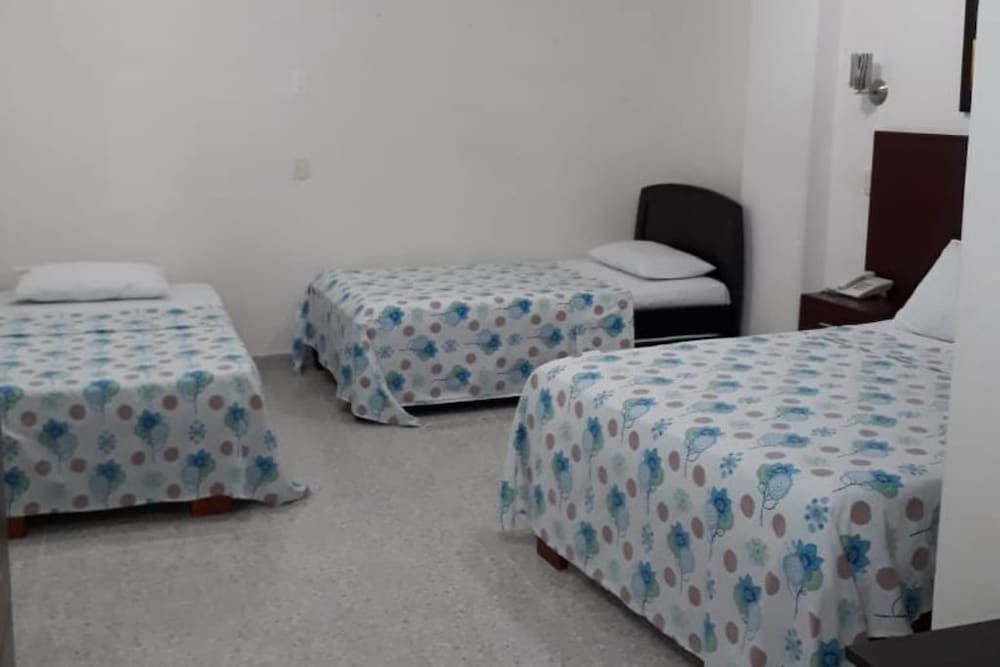
Hidalgo Hotel
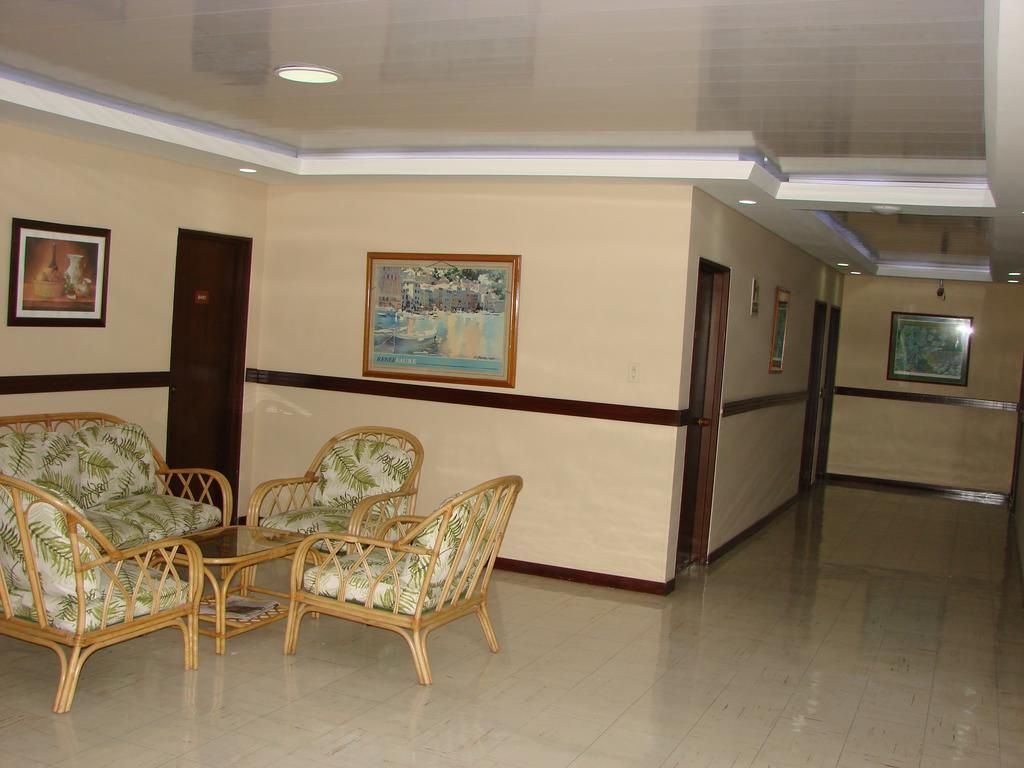
GHL Hotel Aeropuerto Cali
Best Hotels in Palmira
Discover curated hotel collections in Palmira

JW Marriott Hotel Bogota
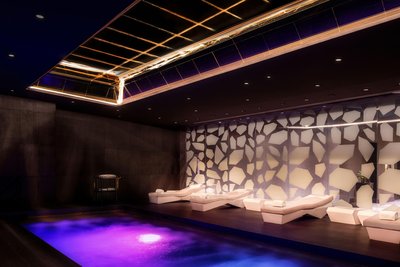
W Bogota
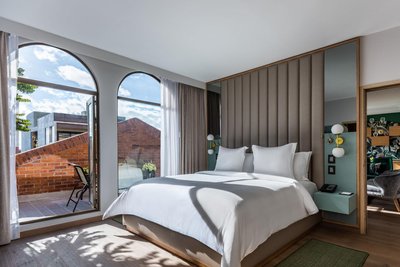
Four Seasons Hotel Bogota
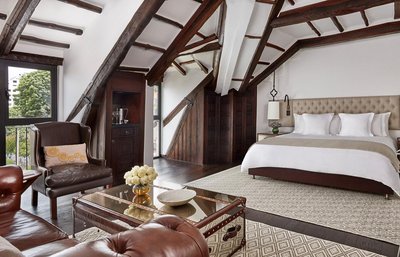
Four Seasons Hotel Casa Medina Bogota
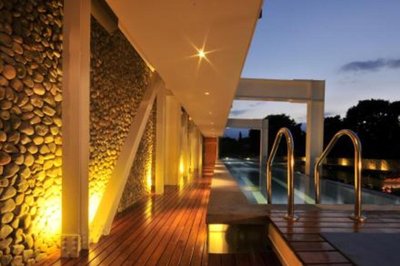
AcquaSanta Lofts Hotel

Hotel Barrière Fouquet's New York

The Plaza - A Fairmont Managed Hotel

The Ritz-Carlton New York, Central Park

Four Seasons Hotel New York

The St. Regis New York

Park Hyatt New York
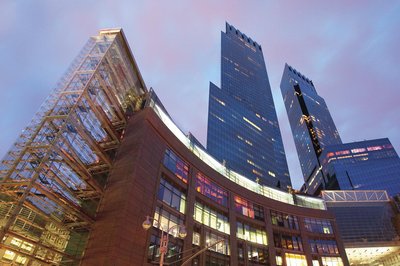
Mandarin Oriental New York

Times Square Edition New York

Loews Regency New York Hotel

Lowell Hotel

New York Edition

Baccarat Hotel New York

Equinox Hotel New York

Four Seasons Hotel New York Downtown

The Langham, New York, Fifth Avenue

The Carlyle, A Rosewood Hotel

The Chatwal, in the Unbound Collection by Hyatt

The Mark New York

Trump International Hotel & Tower® New York
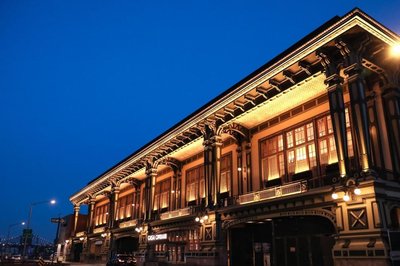
Casa Cipriani New York
Frequently Asked Questions about Traveling to Palmira
Questions You Might Need to Know About Traveling to Palmira
The best area to stay in Palmira is Centro Histórico, where you’ll find easy access to cultural landmarks like the Catedral de San Antonio and bustling markets. For a quieter experience, consider El Poblado, known for its boutique hotels and proximity to coffee farms. Both areas offer excellent local cuisine and safe walking environments, ideal for travelers seeking authenticity and convenience.
Hotel El Poblado provides panoramic views of the Cauca Valley Mountains from its rooftop terrace and guest rooms. Located just 5 minutes from downtown, this boutique property blends colonial architecture with modern comforts. Guests often enjoy morning coffee while watching mist rise over the Andean peaks—a truly unforgettable experience that captures the soul of Palmira.
Beyond museums, guests in Palmira can join a traditional coffee ceremony at a family-run farm in the Cauca Valley, learning about cultivation techniques passed down for generations. You can also attend a mestizo folk dance performance in a local plaza or participate in a handmade textile workshop led by indigenous artisans—each offering authentic insight into the region’s rich heritage.
Yes, Hotel Casa del Bosque is an eco-lodge nestled in the San Isabel Ecological Zone, featuring sustainable design and family-oriented programs. Kids can explore nature trails, ride on pedal carts through the forest, or join guided sessions on composting and organic farming. The hotel also hosts weekend chocolate-making workshops and birdwatching tours, making it perfect for environmentally conscious families.
Head to Restaurante El Jardín in the historic center of Palmira for genuine Cauca Valley cuisine. Their signature dish, Atepeu stew, features locally grown black beans, potatoes, and slow-cooked pork, served with fresh corn tamales and homemade guava chutney. Many hotels, including Hotel El Poblado, offer private dining experiences in garden settings, where you can savor these flavors while listening to traditional Andean folk tales.
Yes, the San Antonio Festival in Palmira is open to visitors and held every June. Must-see events include the folkloric parade, artisan market, and the nighttime candlelight procession—a breathtaking sight as thousands walk through the streets with glowing lanterns. During the Coffee Festival, don’t miss hands-on roasting workshops and tastings of rare Arabica beans grown in the highlands.
At night, head to Plaza Central in Palmira, where live Andean folk music performances bring the square to life. For a relaxed evening, visit riverside bars along the Guadalupe River, enjoying tropical cocktails under string lights. For stargazers, book a guided night sky tour in the highlands—far from city lights, you’ll witness the Milky Way and constellations like Orion in stunning clarity.
Beginner hikers should try the Ruta del Arcoíris trail in San Isabel Ecopark, a 1.5-kilometer path with clear signage about native flora and birds. Another great option is the Guadalupe Canyon Trail, gently sloped with panoramic views of the Andes Mountains and coffee plantations. Both routes offer guided tours, and many hotels provide free rental gear—perfect for families and first-time trekkers.
Yes, TransPalmira red buses cover key attractions and commercial zones with affordable fares and frequent schedules. Electric scooter sharing services are also widely available—just scan a QR code to rent one for short trips. While remote sites require taxis, most hotels offer complimentary shuttle services. With pedestrian-friendly streets and bike lanes, Palmira is highly accessible without a car.
Photographers should visit the La Estación Antigua ruins—its rusted tracks and weathered walls create dramatic contrasts. The colorful murals behind San Isabel Church depict rural life in vivid detail. Early mornings between 5–7 AM offer ideal lighting for capturing misty coffee fields. Don’t miss the vine-covered bridge along the Guadalupe River during rainy season, where lush greenery and reflections form a natural frame—perfect for artistic shots.
Palmira Overview
City Summary
Palmira is a charming city in Colombia's Valle del Cauca department, renowned for its rich historical culture and unique natural landscapes. As a core region for coffee production, it also boasts well-preserved colonial architecture. Its laid-back lifestyle and vibrant Latin flair attract travelers seeking cultural immersion and nature exploration.
Must-See Attractions
Must-see attractions in Palmira include the San Antonio Church, a historic colonial-era building showcasing local religious culture. The central Palmira Park is a popular spot for relaxation and socializing, surrounded by lively cafes and shops. Nature enthusiasts can enjoy activities like boating and fishing along the nearby Cauca River.
Food Guide
Palmira's cuisine is deeply influenced by Colombian traditions. Must-try dishes include "arepas" (cornmeal bread) and "bunuelos" (cheese-filled dough balls). The local coffee culture is also a highlight, with many cafes serving freshly roasted beans from nearby plantations. Street vendors offer delicious "empanadas" (savory pastries) that should not be missed.
Transportation Guide
Inner-city transportation in Palmira relies mainly on buses and taxis. The bus system is extensive and affordable, making it an economical choice for tourists. Taxis are more convenient; it's recommended to use licensed services for safety. Most city attractions are within walking distance, but visiting suburban areas like the Cauca River requires a ride. Car rental is another option, but local traffic rules should be noted.
Best Time to Visit
The best time to visit is during the dry season from June to September, with warm weather and minimal rainfall ideal for outdoor activities. December to March is the rainy season but offers fewer crowds for those seeking tranquility.
Travel Tips
- Keep personal belongings secure and avoid carrying valuables in crowded areas.
- Respect local customs; dress modestly when entering churches.
- Learning basic Spanish phrases will enhance your communication experience.
- Use licensed taxi services to avoid risks.
- Choose popular street food stalls for better hygiene.
- Carry sunscreen as Palmira's sunlight can be intense.
Useful Information
Spanish is the official language in Palmira, and English may be limited outside tourist areas. A translation app is recommended. Internet connectivity is stable in the city but weaker in suburbs. The local currency is the Colombian peso; credit cards are accepted in larger establishments, but cash is preferred by small vendors. Emergency services can be reached by dialing 123, with several clinics and pharmacies available for basic medical needs.