Hotels in Pampilhosa da Serra
Discover your perfect stay in Pampilhosa da Serra.
Pampilhosa da Serra(Portugal) Travel 2026: Cheap Flights, Hotels & Top Attractions
Popular Landmarks in Pampilhosa da Serra
Discover the most iconic attractions in Pampilhosa da Serra
Recommended Hotels in Pampilhosa da Serra
Find the perfect place to stay in Pampilhosa da Serra
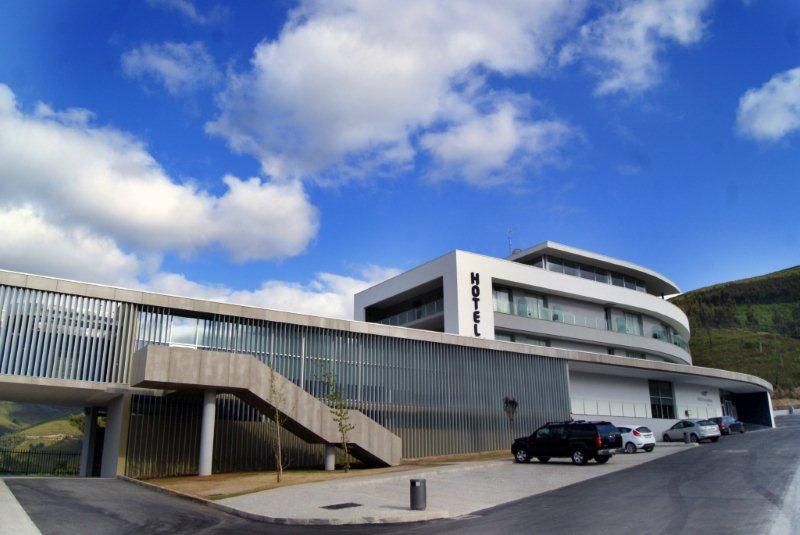
Villa Pampilhosa Hotel
Best Hotels in Pampilhosa da Serra
Discover curated hotel collections in Pampilhosa da Serra
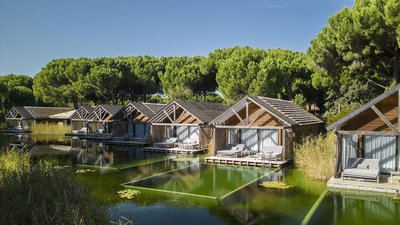
Sublime Comporta Country Retreat & Spa
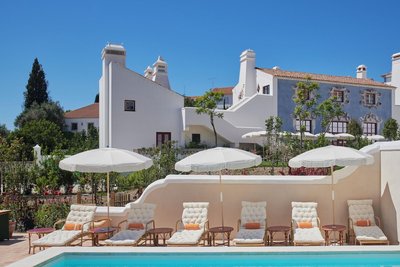
Vermelho Melides - Relais & Châteaux
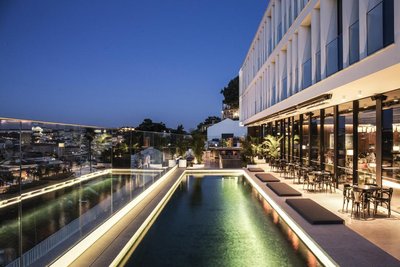
Memmo Príncipe Real - Design Hotels
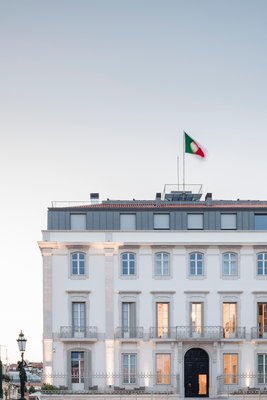
Verride Palácio Santa Catarina
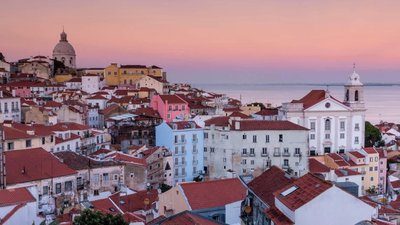
Four Seasons Hotel Ritz Lisbon
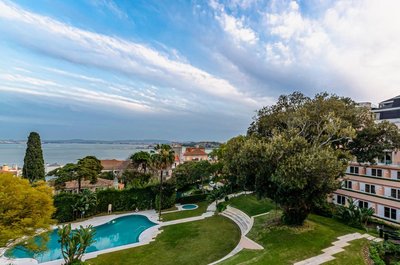
Olissippo Lapa Palace – The Leading Hotels of the World
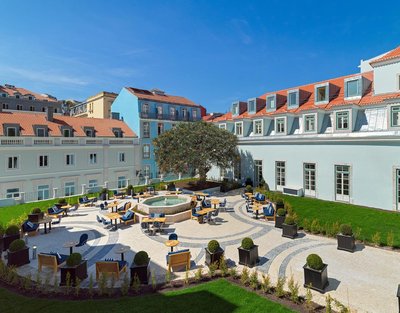
The One Palácio da Anunciada
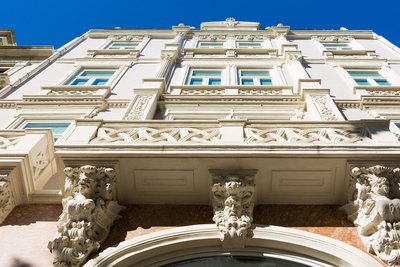
Hotel Valverde Lisboa - Relais & Chateaux
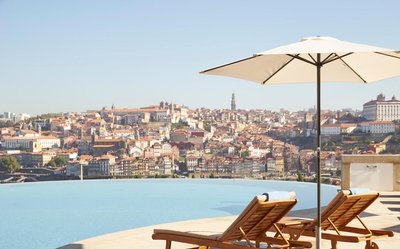
The Yeatman
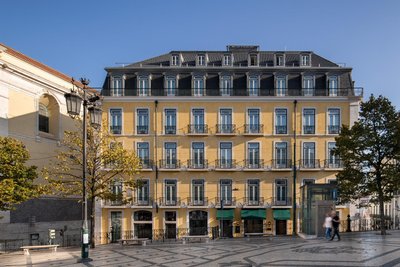
Bairro Alto Hotel
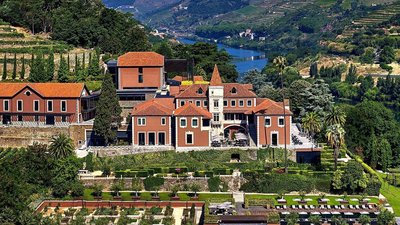
Six Senses Douro Valley
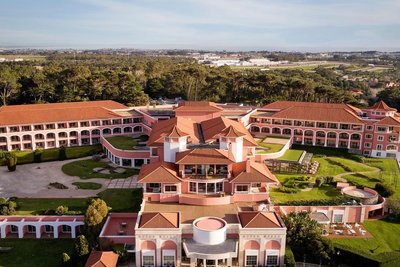
Penha Longa Resort
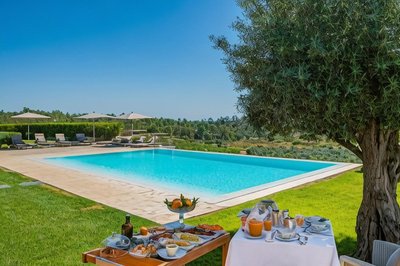
Herdade da Malhadinha Nova - Relais & Châteaux
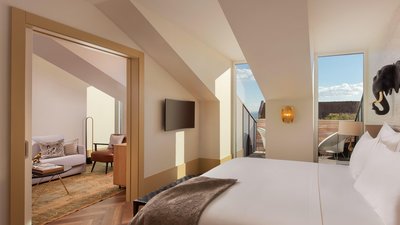
The Ivens, Autograph Collection
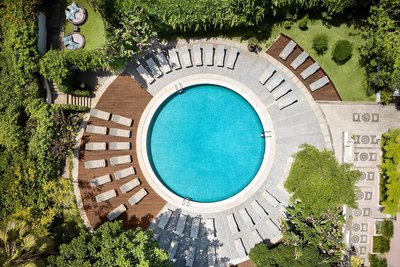
Tivoli Avenida Liberdade
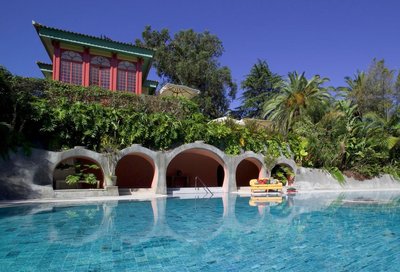
Pestana Palace Lisboa Hotel & National Monument - the Leading Hotels of the World
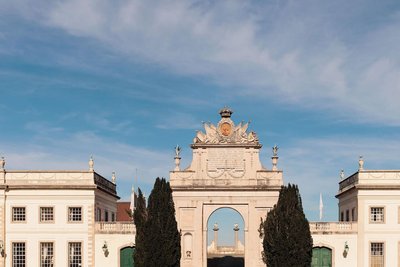
Valverde Sintra Palácio de Seteais - the Leading Hotels of the World
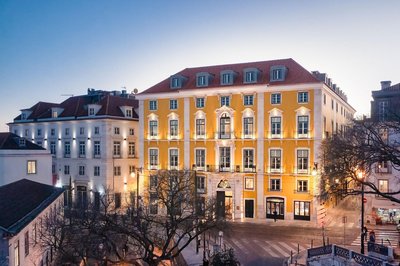
Palácio Ludovice Wine Experience Hotel
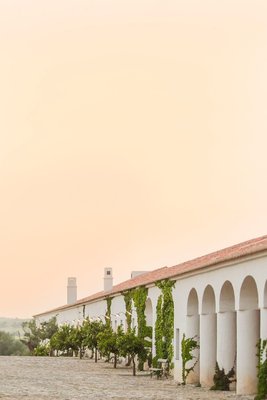
São Lourenço do Barrocal
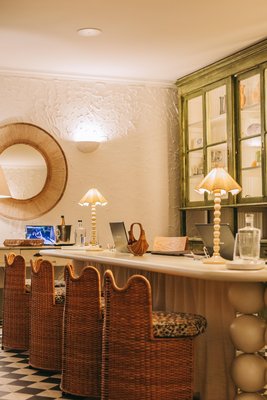
Torel Saboaria
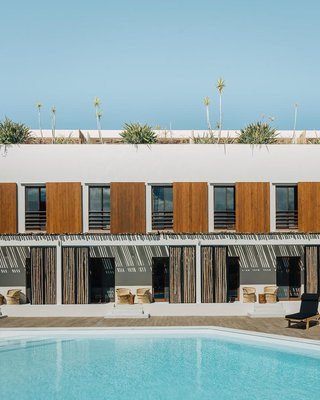
AlmaLusa Comporta
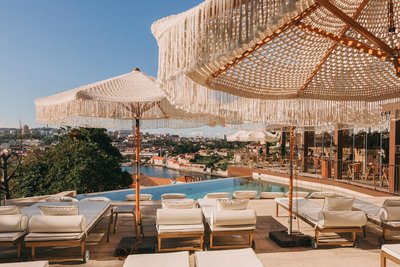
Torel Avantgarde
Memmo Príncipe Real - Design Hotels
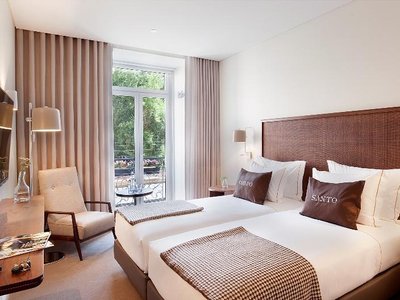
Corpo Santo Lisbon Historical Hotel
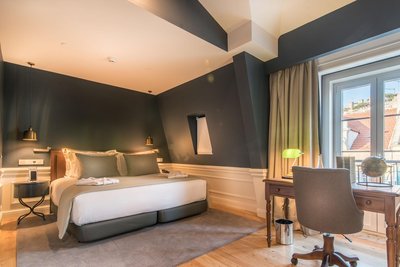
Hotel da Baixa
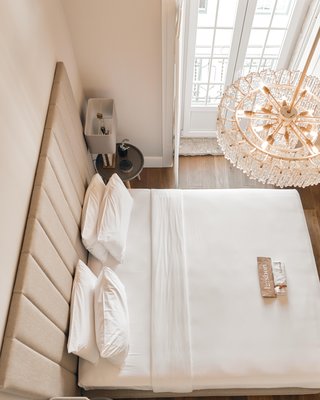
Dare Lisbon House
The One Palácio da Anunciada
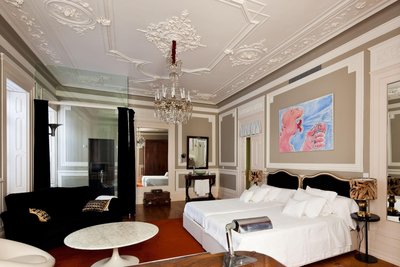
Palacete Chafariz Del Rei - by Unlock Hotels
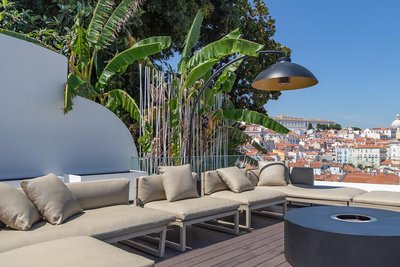
Memmo Alfama - Design Hotels
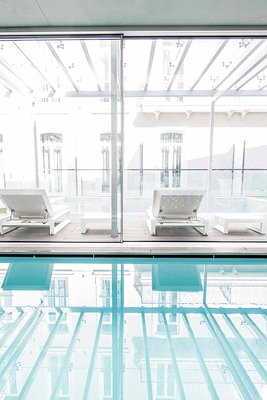
BessaHotel Liberdade
Hotel Valverde Lisboa - Relais & Chateaux
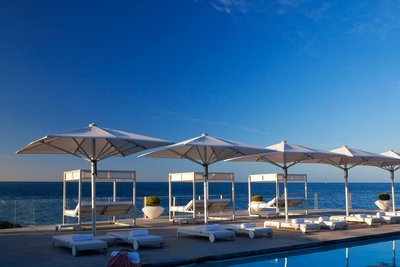
Farol Hotel
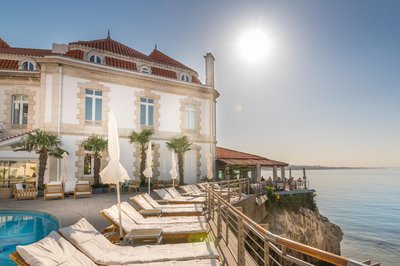
The Albatroz Hotel
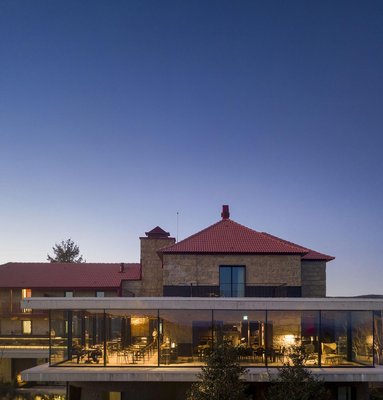
Casa de São Lourenço - Burel Panorama Hotel - Member of Design Hotels
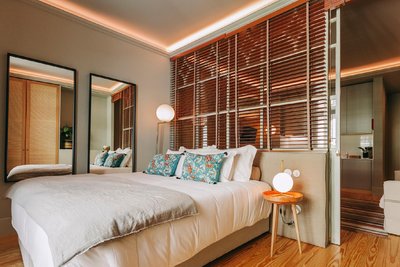
Torel 1884 Suites & Apartments
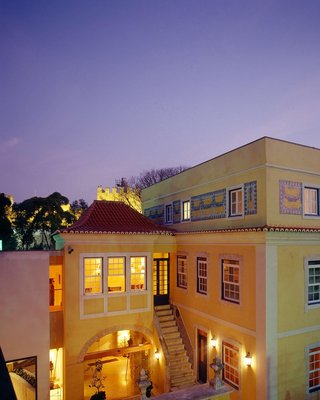
Solar do Castelo - Lisbon Heritage Collection - Alfama
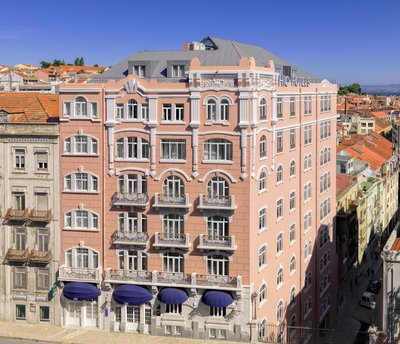
H10 Duque de Loule
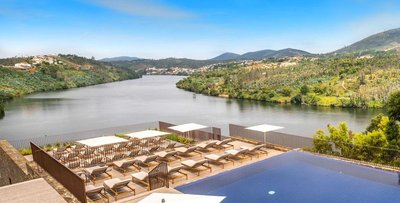
Octant Douro
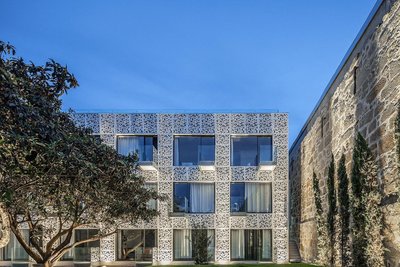
Caléway Hotel
Frequently Asked Questions about Traveling to Pampilhosa da Serra
Questions You Might Need to Know About Traveling to Pampilhosa da Serra
In Pombalosa-das-Cerejas, the standout choice is Casa de Campo da Pombal, a boutique farmstay blending traditional Portuguese architecture with modern comfort. Nestled on a hill overlooking the fertile plains of the Coimbra region, it offers panoramic views of terraced vineyards and the winding Alcantara River. Guests enjoy authentic Portuguese farmhouse cuisine made with organic produce from the estate’s garden and nearby farms. The property also hosts weekly artisan pottery workshops, led by local elders, where visitors can craft traditional ceramic pieces. For cultural immersion, stay during the autumn harvest festival, when the village celebrates with live folk music, bonfires, and communal feasts.
The ideal area for lodging is the hillside hamlets west of the town center, where several converted farmhouses offer serene retreats. Casinha do Alcáçar is a prime example—quiet, family-run, and surrounded by lush greenery. This zone lies near the Coimbra University Rural Research Station, attracting scholars and creatives who contribute to a vibrant cultural atmosphere. Morning coffee on the terrace reveals sweeping vistas of the Alcantara River valley. With easy access to ancient Roman trail paths, it's perfect for early morning hikes or bike rides through scenic countryside, combining nature and history seamlessly.
Visitors should not miss the annual Harvest Festival (Festa da Colheita) held in autumn, where locals use traditional wooden presses to extract fresh wine and host open-air concerts and bonfire dinners. Another highlight is the traditional straw hat weaving workshop, taught by elderly women using locally grown reeds to create symbolic harvest hats—ideal as souvenirs. Additionally, the village still practices an ancient rain ritual ceremony during dry seasons, held at the Church of São João, reflecting deep-rooted folk spirituality. These traditions showcase the community’s enduring connection to land and heritage.
Yes, several family-oriented lodgings exist, such as Fazenda Bella Vista, which features a dedicated children’s play area, indoor activity space, and complimentary childcare services. The farm has expansive lawns and a small animal enclosure where kids can interact with chickens, goats, and sheep, learning about sustainable farming. Weekly starlight storytelling nights are hosted by local narrators, sharing Portuguese folk tales with hot cocoa and homemade cookies. The restaurant also offers a child-friendly menu using organic ingredients, ensuring safe, nutritious meals. The peaceful, secure environment makes it ideal for parents and children alike.
Nearby highlights include the Alcantara River Valley Trail (Trilha do Rio Alcantara), an 8-kilometer path winding along clear streams beneath oak and chestnut trees, occasionally spotted with European red squirrels. Three scenic viewpoints dot the route, including Cloud Shadow Lookout, offering sweeping views of the valley and distant Coimbra city skyline. Another hidden gem is Gruta de Santa Maria, a limestone cave with stalactites and underground rivers, accessible only via guided tours. At night, visitors can join the cave light show, where projections bring prehistoric life to the walls—an educational and immersive experience.
Must-try dishes include Pombalosa Roast Pork (Porco Assado da Pombal), slow-roasted black Iberian pigs marinated in rosemary, garlic, and olive oil, served with house-made sauerkraut and sweet potato mash. Another local favorite is Cornmeal Pancakes with Wild Honey (Bolo de Milho com Mel de Colmeia), handmade by village elders—soft, sweet, and rich in flavor. For drinks, try Mountain Fruit Wine (Vinho de Montanha), crafted from wild raspberries and blackberries, available only in limited batches during autumn. All dishes reflect the region’s commitment to farm-to-table sustainability, rooted in centuries-old agricultural traditions.
While rural, Pombalosa-das-Cerejas is well-connected. The nearest city, Coimbra, is just 25 minutes away by car, accessible via the Eixo Norte bus line, which runs four times daily with a 30-minute journey. For self-drive travelers, take A23 Highway then switch to EN114 Regional Road—both well-maintained with clear signage. Local electric scooter rental service is available at guesthouses and farm stays, ideal for short trips to nearby villages and archaeological sites. However, avoid peak hours due to narrow, winding roads; extra caution is advised for drivers unfamiliar with rural terrain.
Accommodation prices vary: budget farm stays like Casade Castelhinho cost €60–80 per night; mid-range boutique lodges such as Casa de Campo da Pombal range from €120–180; and luxury private villas like Alcáçar Estate start at €250, including breakfast and guided tours. Prices rise by about 20% during peak season (May–September), but guests receive additional perks like free workshops and dinner events. All properties offer free parking, Wi-Fi, and many provide kitchenettes and laundry facilities. Overall, rates remain significantly lower than major Portuguese cities, offering excellent value.
Historically, Pombalosa-das-Cerejas was a Roman frontier fortress, with remnants visible at the Old Castle Ruins (Castelo Velho), built from massive stones and inscribed with Latin texts. During the Middle Ages, it served as a battleground between Christian and Moorish forces, leaving behind the Santa Maria Convent ruins and intricately carved stone gates. In the 17th century, after Coimbra University relocated, the region evolved into an agricultural hub, yet preserved numerous Gothic church structures and stone cottage clusters. Recent archaeological digs uncovered ancient ceramics and coins, proving its role as a key trade stop along historic Iberian routes—adding profound depth to its heritage.
Absolutely. Known as the "Mirror Land of Portugal," Pombalosa-das-Cerejas offers stunning golden-hour reflections on the Alcantara River, perfect for long-exposure shots and mirror-image compositions. In spring, vast fields of purple vetches bloom, creating dreamy backdrops for landscape and lifestyle photography. The old stone houses with wooden shutters act as natural frames, capturing dramatic light patterns. During October’s Light Festival, large-scale projections animate ancient stories onto historic walls—an immersive visual spectacle. Bring a tripod and wide-angle lens for optimal results, especially during sunrise and sunset.
Pampilhosa da Serra Overview
City Summary
Pampilhosa da Serra is a charming town in Portugal's Coimbra District, renowned for its natural beauty and historical heritage. Surrounded by the Serra da Estrela mountains, it offers abundant outdoor activities like hiking and rock climbing. The town's medieval architecture and traditional culture transport visitors back in time.
Must-See Attractions
Must-see attractions include the Pampilhosa da Serra Castle, a medieval fortress with stunning mountain views. The Church of Our Lady of the Assumption showcases exquisite Baroque style. Nature lovers can explore the Serra da Estrela Natural Park, a paradise for hiking and birdwatching.
Food Guide
Local cuisine features mountain flavors, with recommended dishes like lamb stew and smoked sausages. For dessert, try the classic egg pudding. Many family-run restaurants serve traditional Portuguese dishes paired with local wines.
Transportation Guide
Transportation is most convenient by car, with narrow but scenic town roads. Buses connect to Coimbra and nearby towns, but schedules are limited. Check timetables in advance. The town is walkable with no need for public transport.
Best Time to Visit
Best time to visit is spring (April-June) and autumn (September-October), with mild weather and fewer tourists. Winter is cold but ideal for skiing, while summer can be crowded.
Travel Tips
- Wear comfortable shoes: Cobblestone streets require sturdy footwear.
- Carry cash: Many small shops don't accept credit cards.
- Respect local customs: Dress modestly when visiting churches.
- Book accommodation early: Hotels fill quickly in peak season.
- Prepare for weather changes: Mountain climate can be unpredictable.
Useful Information
Portuguese is the main language, with English understood in tourist areas. Internet coverage is good, with most hotels offering free Wi-Fi. Payment is mostly cash-based, though some restaurants accept cards. For emergencies, dial 112; the town has a small medical center. Voltage is 220V with European standard plugs.