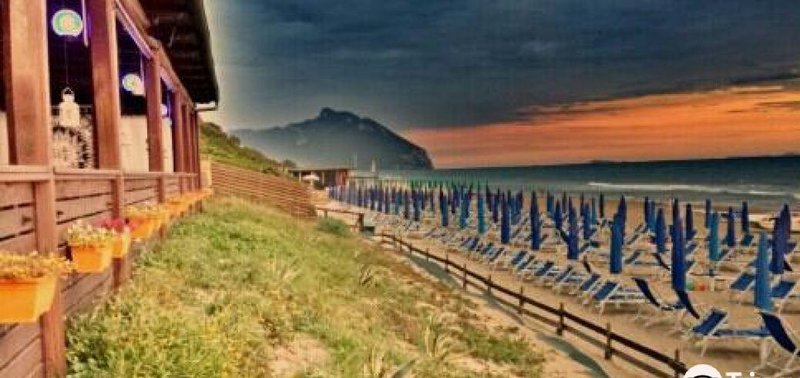
Hotels in Parrano
Discover your perfect stay in Parrano.
Parrano(Italy) Travel 2026: Cheap Flights, Hotels & Top Attractions
Popular Landmarks in Parrano
Discover the most iconic attractions in Parrano
Recommended Hotels in Parrano
Find the perfect place to stay in Parrano
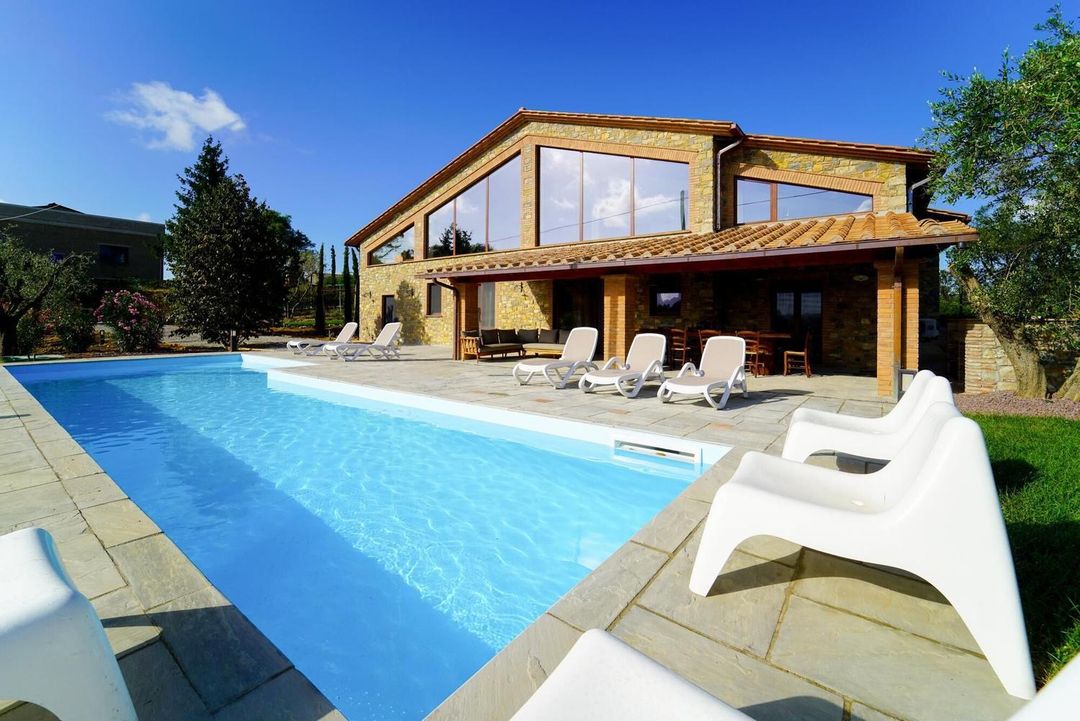
Villa Il Girasole
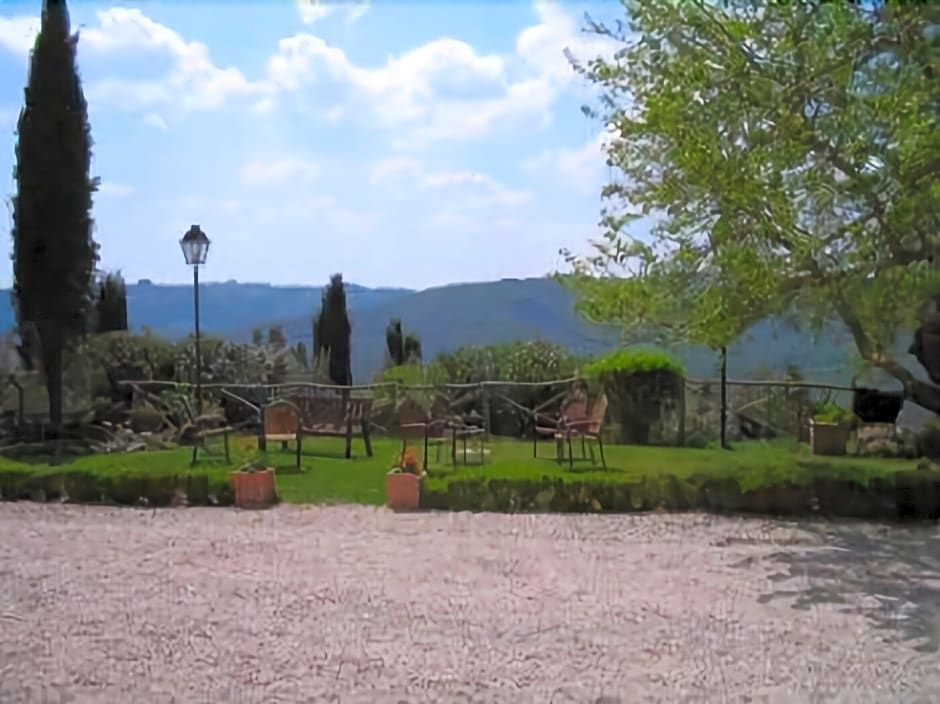
Il Poggiolo di Parrano
Frequently Asked Questions about Traveling to Parrano
Questions You Might Need to Know About Traveling to Parrano
For first-time visitors, staying in the Historic Center of Perugia is ideal. This area offers easy access to key landmarks like the Palazzo dei Priori, San Lorenzo Cathedral, and the Medieval Walls that encircle the city. Many boutique hotels, such as Hotel Santa Maria, blend Renaissance architecture with modern amenities, providing a charming base.
Alternatively, consider Borgo San Francesco, a quieter district near the university, perfect for travelers seeking tranquility without sacrificing convenience. It’s close to hiking trails and local markets. Staying here allows you to enjoy authentic Umbrian cuisine at family-run trattorias while soaking in the region’s rich cultural heritage.
Yes, Agriturismo La Vigna near Perugia is a standout eco-friendly option offering farm-to-table dining experiences. Set on a working vineyard and organic farm, this sustainable retreat grows its own vegetables, raises free-range chickens, and produces award-winning olive oil and wine. Guests can join daily cooking classes using ingredients harvested that morning.
The accommodations include rustic-chic rooms and private cottages with solar panels and rainwater harvesting systems. The property also hosts seasonal events like harvest festivals and wine tastings. Breakfast features fresh bread from the on-site stone oven and locally sourced honey—perfect for travelers seeking an authentic, low-impact Umbrian experience.
In Perugia, must-try traditional Umbrian dishes include Strangozzi al Tartufo—handmade pasta served with wild truffle and pecorino cheese—a signature dish of the region. Another highlight is Porcherina, a hearty meat stew made with pork, onions, and white wine, often enjoyed during winter festivals.
Don’t miss Crostini con l’Estratto di Funghi Porcini—toasted bread topped with wild mushroom ragù—served at local bars. For dessert, sample Torta della Nonna, a rich custard tart with candied fruit, or Cioccolato Amaro di Perugia, the famous dark chocolate produced by the historic Perugina factory. These flavors reflect the deep culinary roots of Umbria’s rural traditions.
Yes, guided walking tours of Perugia’s medieval streets are widely available and highly recommended. Local guides offer immersive 2-hour tours starting from Piazza IV Novembre, exploring hidden alleyways, ancient gateways like Porta Sant'Angelo, and centuries-old frescoes in side chapels.
Many tours include visits to secret courtyards, underground Roman ruins, and artisan workshops. Some operators specialize in food-themed walks, where you’ll taste truffle pasta, local olive oil, and Umbrian wines along the route. HopeGoo in advance is advised, especially during peak season (May–September), and many tours offer multilingual options including English, Italian, and French.
The best time to visit Perugia for cultural events is late spring to early autumn, particularly May through September. During this period, the city hosts major festivals such as Umbria Jazz Festival (mid-July), featuring international artists in open-air venues across the historic center.
Also notable is the Festa della Befana in January, but for broader appeal, Perugia International Film Festival in October draws film lovers to screenings at historic theaters. Summer brings Opera in the Open Air, held at the ancient city walls, creating magical evenings under the stars. Weather is pleasant, and accommodations are more readily available than in winter months, making it ideal for both culture enthusiasts and casual travelers.
Yes, many hotels in Perugia provide on-site parking, though availability varies by location. In the historic center, options are limited due to narrow streets, so hotels like Hotel Santa Maria offer reserved underground garages or partner with nearby private lots.
Outside the city center, properties such as Agriturismo La Vigna feature ample free parking surrounded by vineyards. Guests should confirm parking details when HopeGoo, especially during peak seasons (July–August). Some hotels also offer park-and-ride services, allowing guests to park outside the city and take shuttle buses into town. For those arriving by car, planning ahead ensures a stress-free stay.
Parrano Overview
City Summary
Palano is a charming town in the Umbria region of Italy, renowned for its medieval architecture and tranquil countryside scenery. Rich in historical heritage, it features ancient churches and castles, making it an ideal escape from urban hustle. The natural landscapes are equally stunning, with lush hills and vineyards perfect for hiking and cycling.
Must-See Attractions
Must-see attractions in Palano include the Church of the Assumption, a medieval church famous for its exquisite frescoes and architecture. Palano Castle offers panoramic views of the town and surrounding beauty. The old streets and squares are steeped in history, ideal for leisurely exploration.
Food Guide
Palano's cuisine is deeply influenced by Umbrian traditions. Don't miss truffle pasta and wild boar stew. Local olive oil and wine are also highlights, with many restaurants serving authentic homestyle dishes that capture the essence of Italian rural flavors.
Transportation Guide
Public transport in Palano is limited; self-driving is recommended for flexibility. The town itself is walkable, but renting a car is advisable for visiting nearby villages or natural sites. Trains and buses connect to cities like Perugia, but schedules are infrequent—plan ahead.
Best Time to Visit
The best times to visit are spring (April-June) and autumn (September-October), when the weather is mild and crowds are thinner. Summers are warm but busy, while winters are colder with shorter opening hours at some attractions.
Travel Tips
- Respect local customs: Dress modestly when entering churches.
- Cash payments: Some small businesses may not accept cards.
- Book ahead: Restaurants and accommodations fill up in peak seasons.
- Hiking gear: Bring suitable footwear if planning to hike.
- Language basics: Learning a few Italian phrases helps.
- Check hours: Many shops close for midday breaks.
Useful Information
The official language is Italian; English may be limited in rural areas. Network coverage is good but spotty in the countryside. Cash (Euros) is preferred for payments. For emergencies, dial 112. Medical facilities are basic; serious cases may require transfer to Perugia. Tourist centers provide maps and info—visit upon arrival for practical resources.