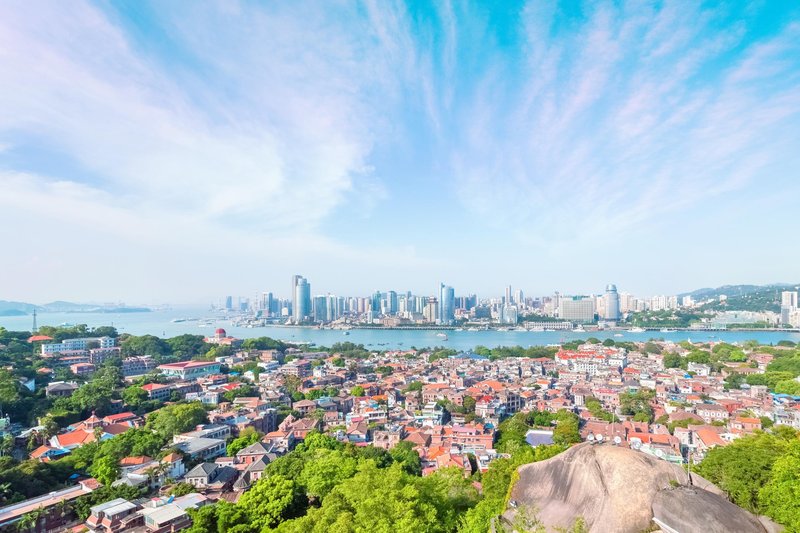
Hotels in Penela
Discover your perfect stay in Penela.
Penela(Portugal) Travel 2026: Cheap Flights, Hotels & Top Attractions
Popular Landmarks in Penela
Discover the most iconic attractions in Penela
Recommended Hotels in Penela
Find the perfect place to stay in Penela

HD | Duecitânia Design Hotel
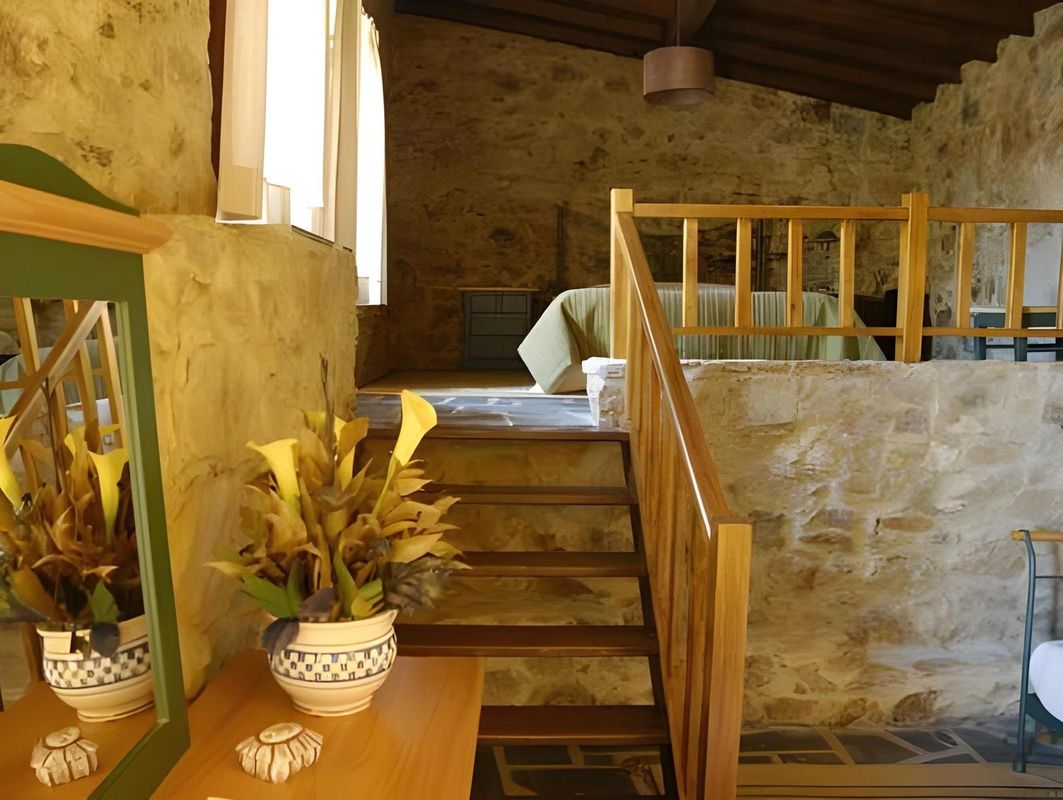
Casa Do Ze Sapateiro
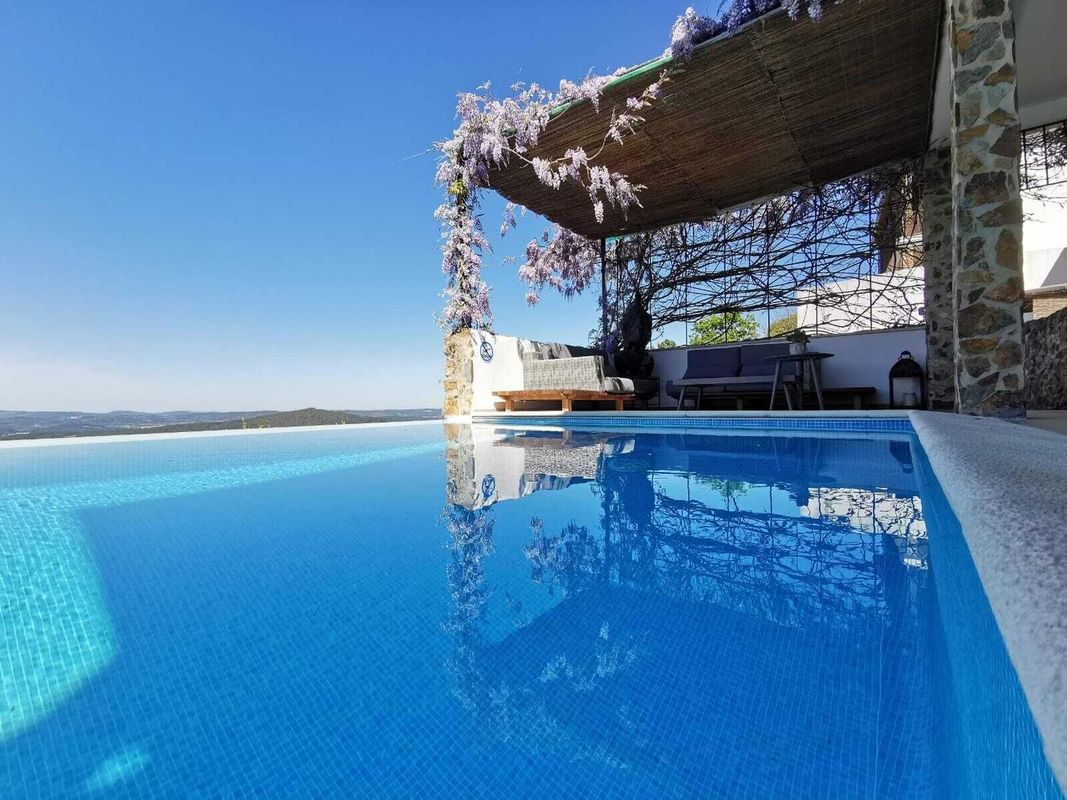
Casa BelaVista Penela Portugal
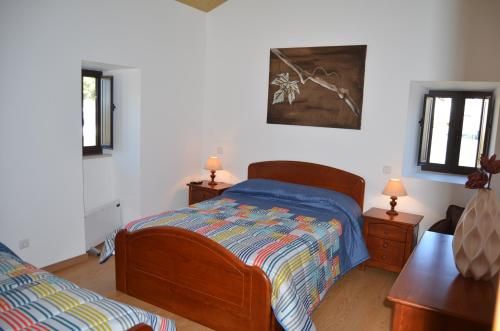
Sicó in and Out
Best Hotels in Penela
Discover curated hotel collections in Penela
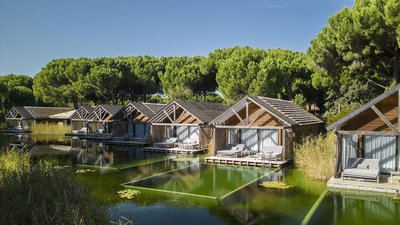
Sublime Comporta Country Retreat & Spa
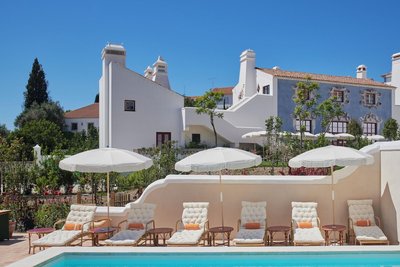
Vermelho Melides - Relais & Châteaux
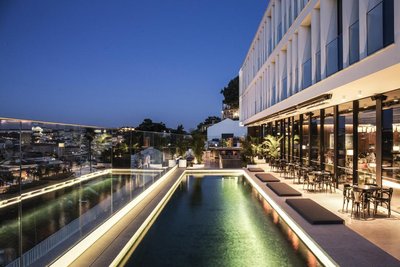
Memmo Príncipe Real - Design Hotels
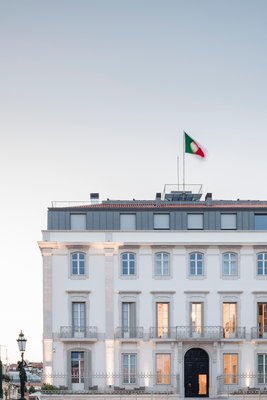
Verride Palácio Santa Catarina
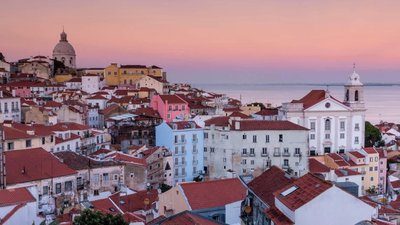
Four Seasons Hotel Ritz Lisbon
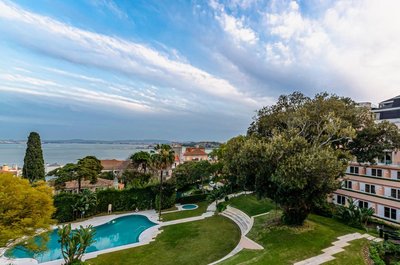
Olissippo Lapa Palace – The Leading Hotels of the World
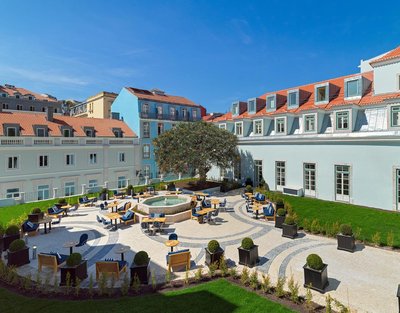
The One Palácio da Anunciada
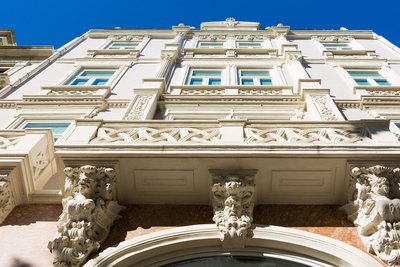
Hotel Valverde Lisboa - Relais & Chateaux
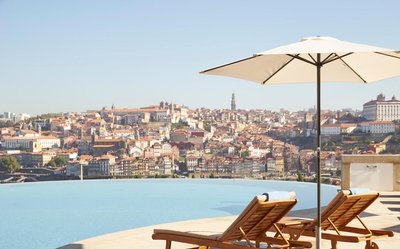
The Yeatman
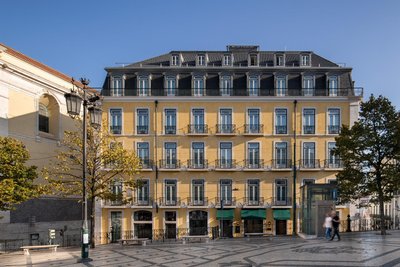
Bairro Alto Hotel
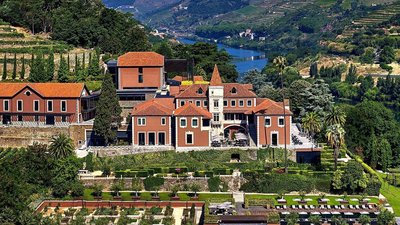
Six Senses Douro Valley
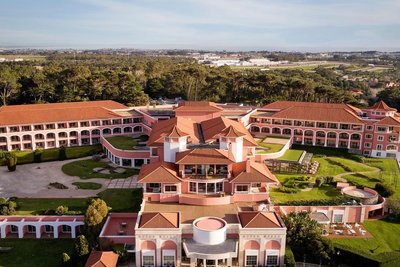
Penha Longa Resort
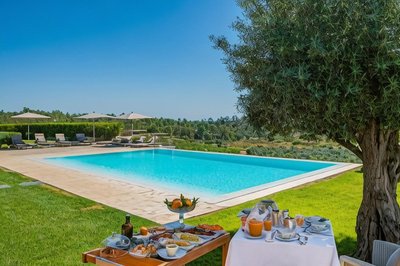
Herdade da Malhadinha Nova - Relais & Châteaux
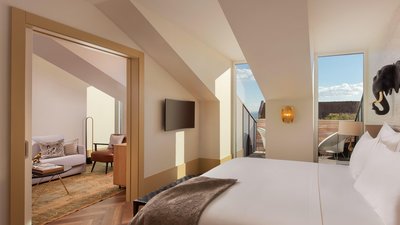
The Ivens, Autograph Collection
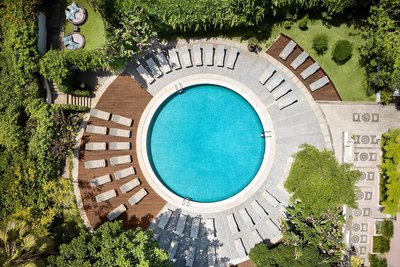
Tivoli Avenida Liberdade
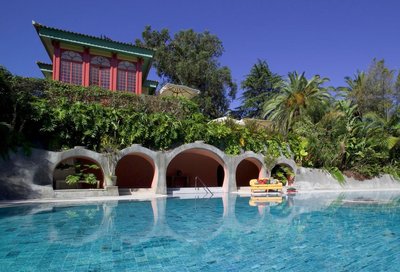
Pestana Palace Lisboa Hotel & National Monument - the Leading Hotels of the World
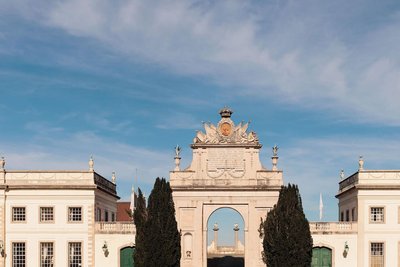
Valverde Sintra Palácio de Seteais - the Leading Hotels of the World
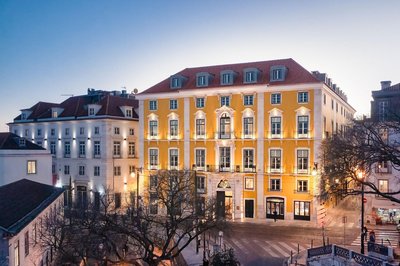
Palácio Ludovice Wine Experience Hotel

São Lourenço do Barrocal
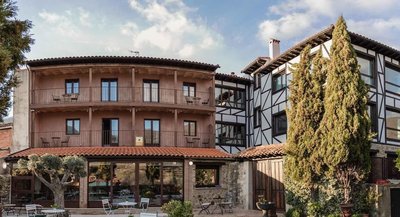
Hotel Spa Aura del Jerte
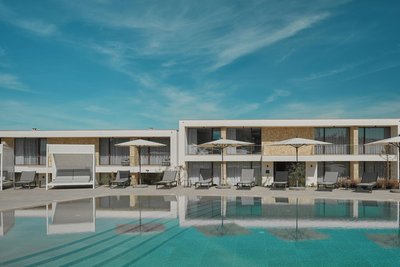
West Cliffs Ocean and Golf Resort

CBR Boutique Hotel - Coimbra
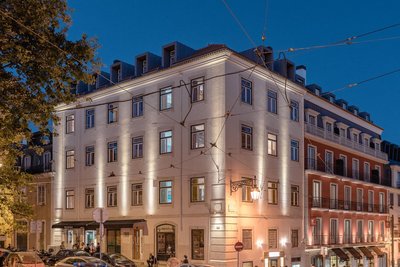
Chiado Arty Flats
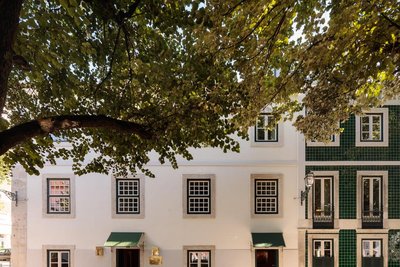
Hotel Das Amoreiras - Small Luxury Hotels of the World
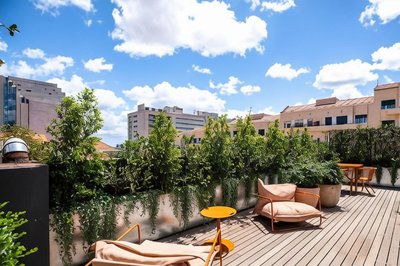
Sublime Lisboa
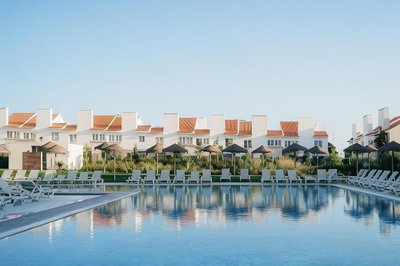
Porto Covo Praia Hotel & Spa

Aqua Et Oleum
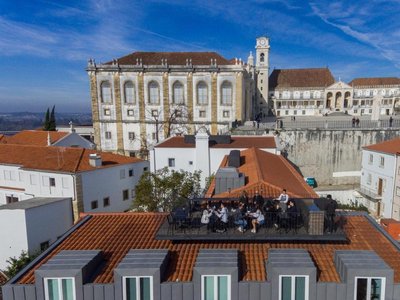
Sapientia Boutique Hotel
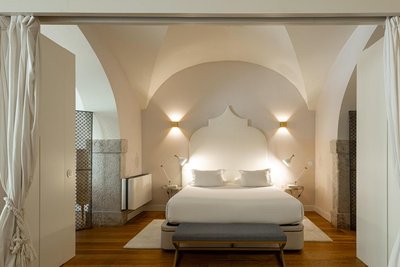
Almaria - Da Corte Apartments | Chiado

Villa Theatro Heritage Apartments
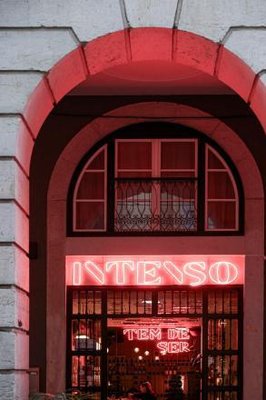
Look Living, Lisbon Design Apartments
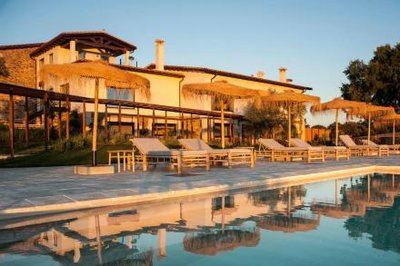
Hábitat Cigüeña Negra

Hotel Cotto do Gatto
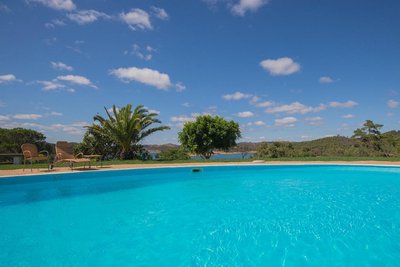
Santa Clara Country Hotel
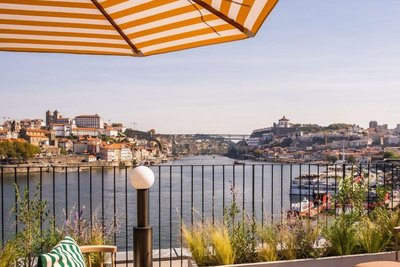
The Rebello Hotel & Spa - Small Luxury Hotels of the World
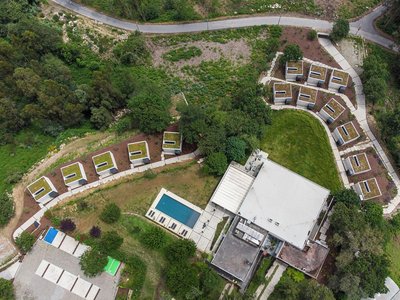
Hotel Pepe Vieira
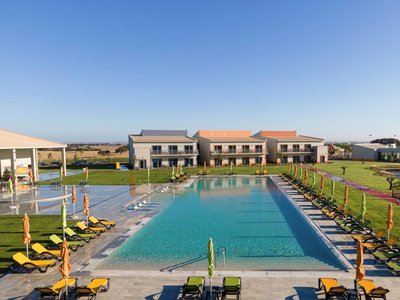
Vila Gale Nep Kids
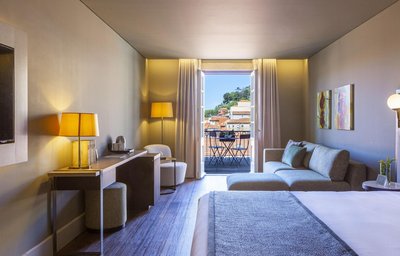
Timbre Virtudes
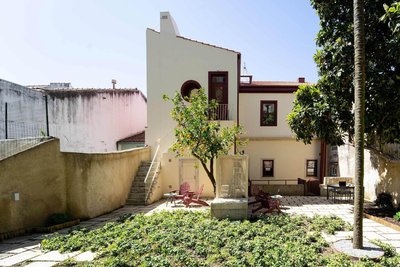
Entre Ruas Apartments
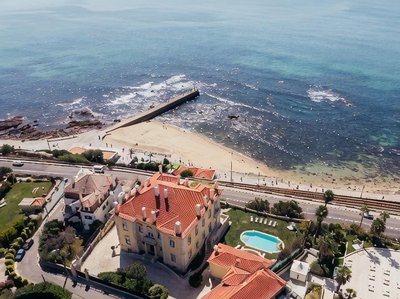
Estoril Vintage Hotel
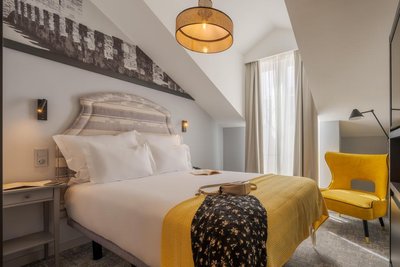
Pousada Alfama
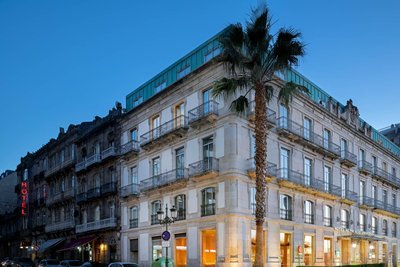
AC Hotel Palacio Universal
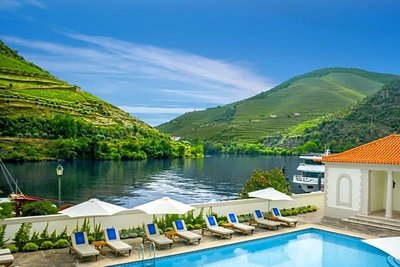
The Vintage House - Douro
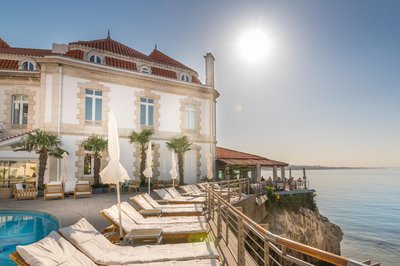
The Albatroz Hotel
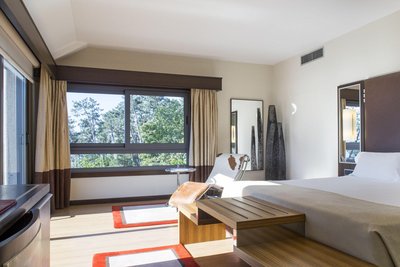
Gran Talaso Hotel Sanxenxo
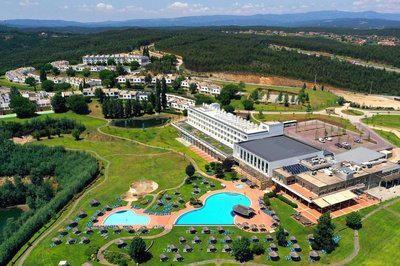
Montebelo Aguieira Lake Resort & Spa
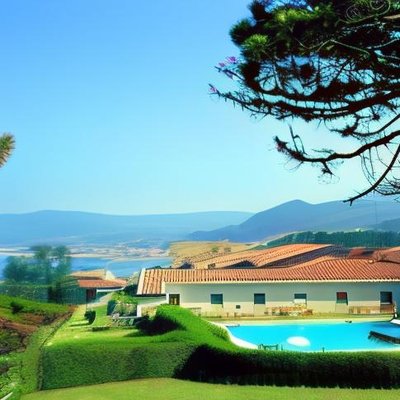
Parador de Baiona
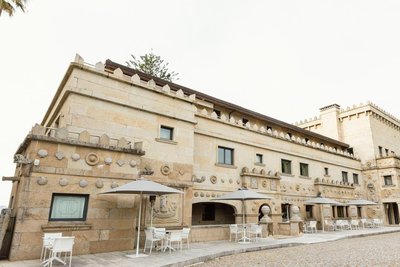
Pazo Los Escudos Hotel Spa & Resort
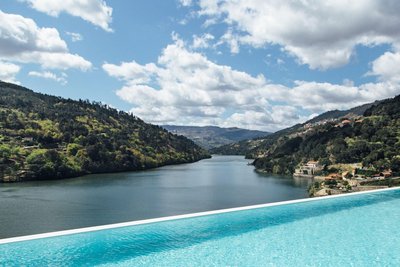
Douro Royal Valley Hotel & Spa
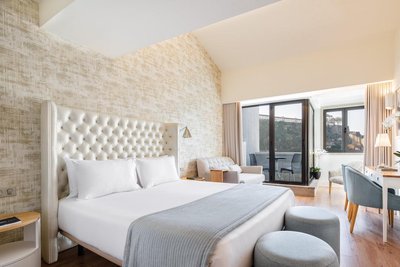
Eurostars Porto Douro
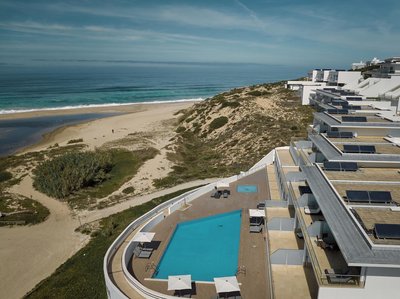
The Beachfront - Praia d'El Rey Golf & Beach Resort
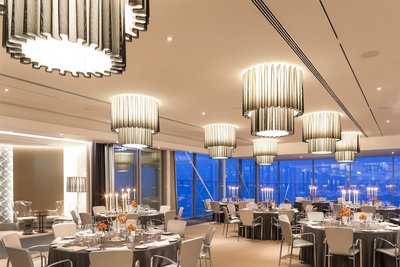
MYRIAD by SANA Hotels
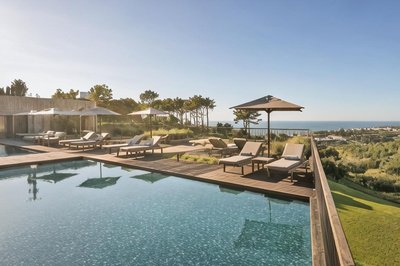
Immerso Hotel, a Member of Design Hotels
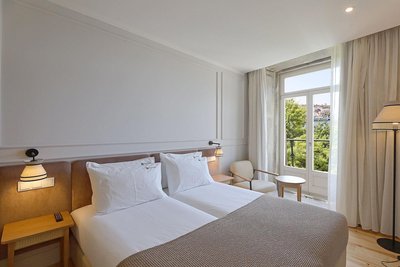
Memoria Porto FLH Hotels
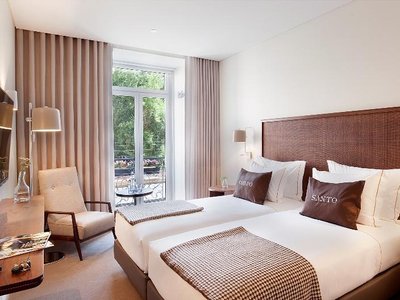
Corpo Santo Lisbon Historical Hotel
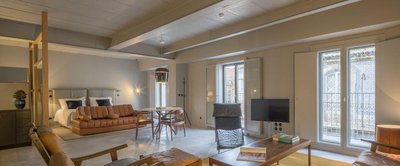
Raw Culture Art & Lofts Bairro Alto
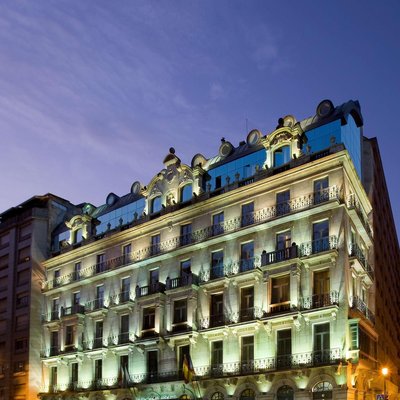
NH Collection Vigo
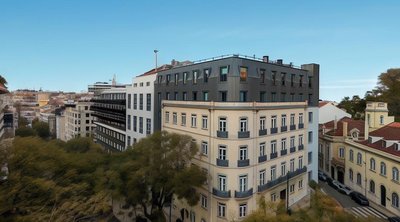
The Vintage Hotel & Spa – Lisbon

Dom Pedro Lisboa Hotel, a member of Radisson Individuals
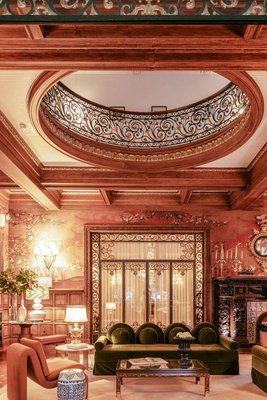
Small Luxury Hotels of the World - Hospes Infante Sagres Porto
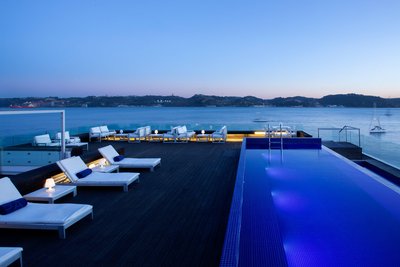
Altis Belem Hotel & Spa, a Member of Design Hotels
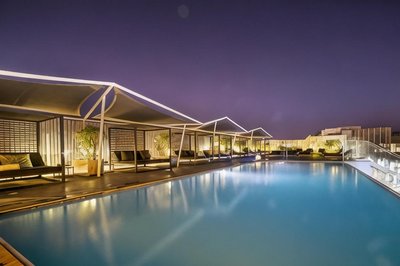
EPIC SANA Lisboa Hotel
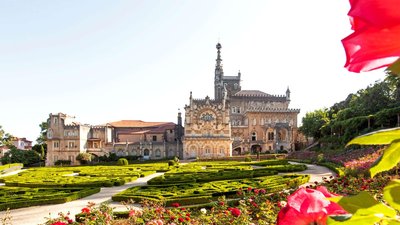
Palace Hotel do Bussaco
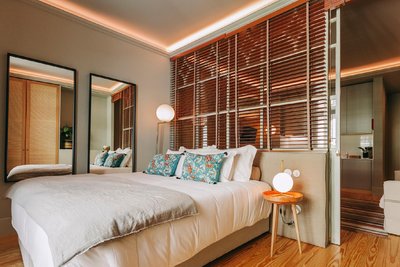
Torel 1884 Suites & Apartments
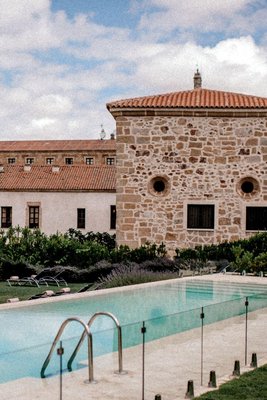
Hospes Palacio de San Esteban
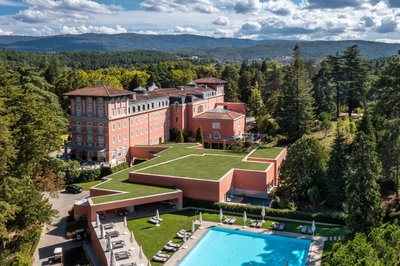
Vidago Palace
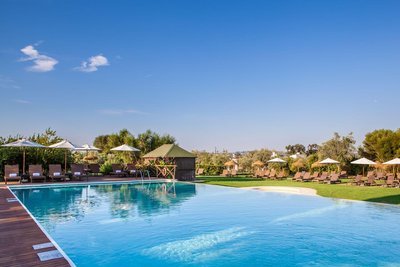
Convento do Espinheiro, Historic Hotel & Spa
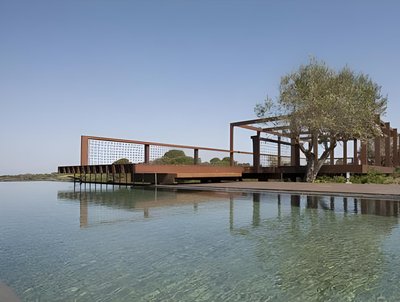
Wecamp Reserva Alecrim
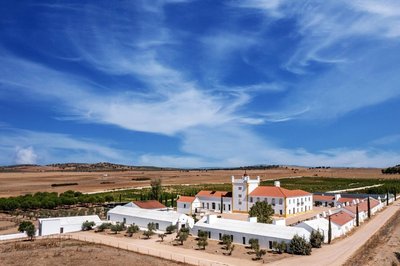
Torre de Palma Wine Hotel, Monforte, a Member of Design Hotels
The Ivens, Autograph Collection
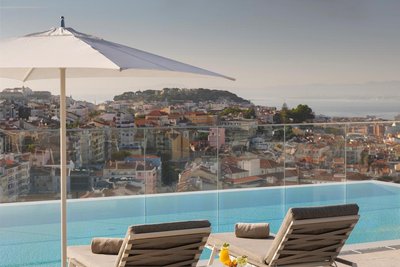
EPIC SANA Marquês Hotel
Pestana Palace Lisboa Hotel & National Monument - the Leading Hotels of the World
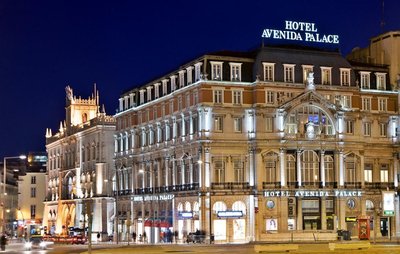
Hotel Avenida Palace
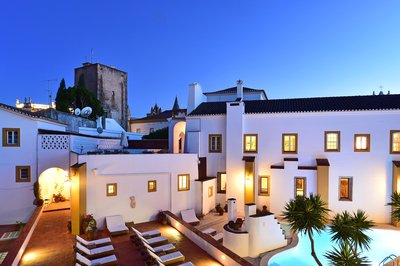
Pousada Convento de Evora – Historic Hotel
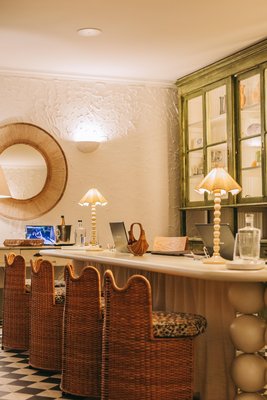
Torel Saboaria
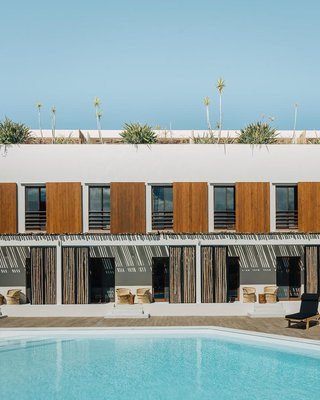
AlmaLusa Comporta
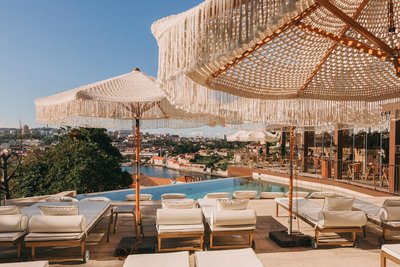
Torel Avantgarde
Memmo Príncipe Real - Design Hotels
Corpo Santo Lisbon Historical Hotel
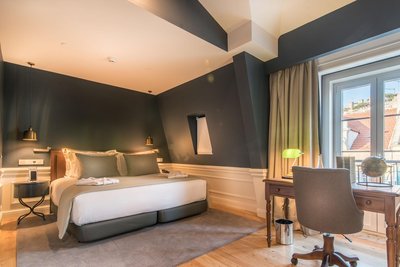
Hotel da Baixa
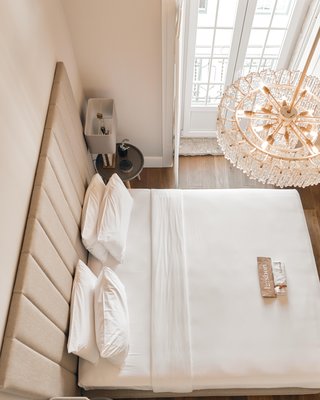
Dare Lisbon House
The One Palácio da Anunciada
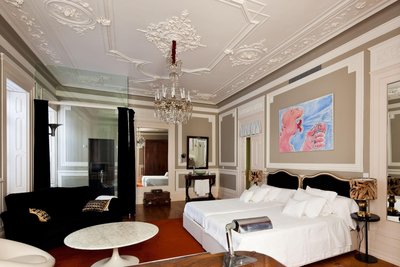
Palacete Chafariz Del Rei - by Unlock Hotels
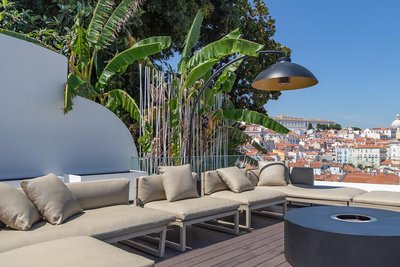
Memmo Alfama - Design Hotels
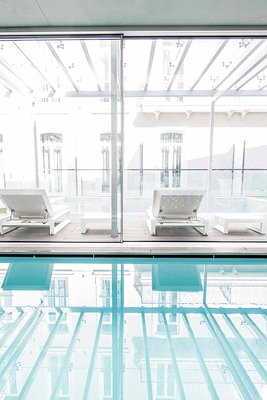
BessaHotel Liberdade
Hotel Valverde Lisboa - Relais & Chateaux
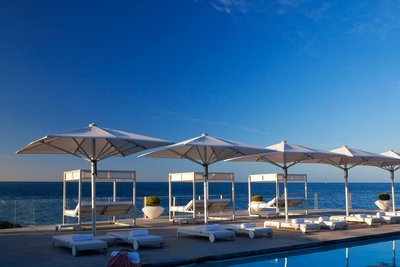
Farol Hotel
The Albatroz Hotel
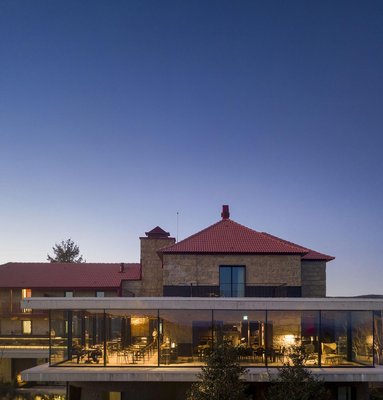
Casa de São Lourenço - Burel Panorama Hotel - Member of Design Hotels
Torel 1884 Suites & Apartments
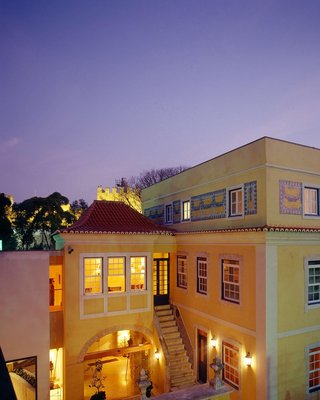
Solar do Castelo - Lisbon Heritage Collection - Alfama
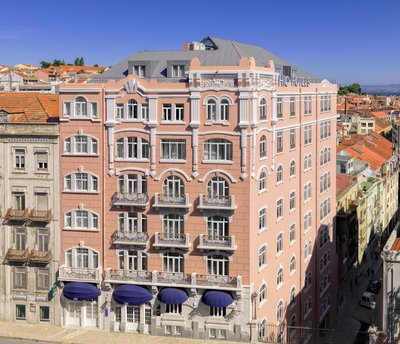
H10 Duque de Loule
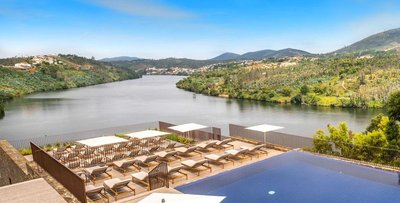
Octant Douro
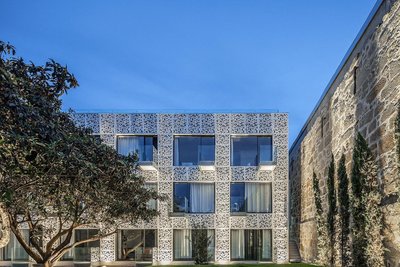
Caléway Hotel
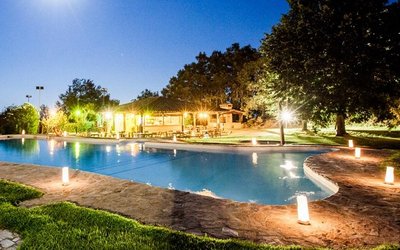
Hotel Rural Peña Del Alba
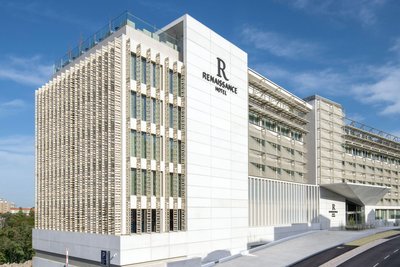
Renaissance Porto Lapa Hotel
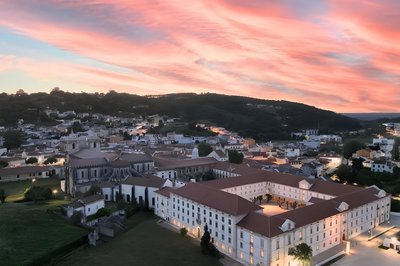
Montebelo Mosteiro de Alcobaça Historic Hotel
Estoril Vintage Hotel
Torel Avantgarde

Wine & Books Porto Hotel
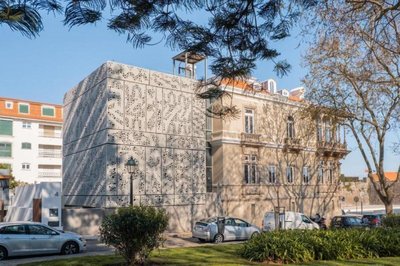
Artsy Cascais
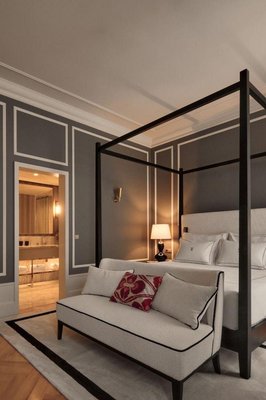
GA Palace Hotel & Spa, a Xixth-Century Villa
Corpo Santo Lisbon Historical Hotel
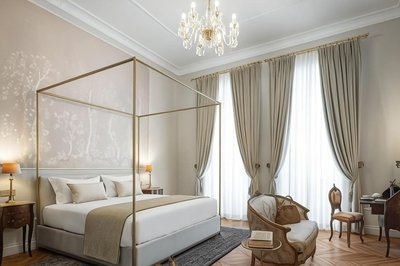
MS Collection Aveiro - Palacete Valdemouro
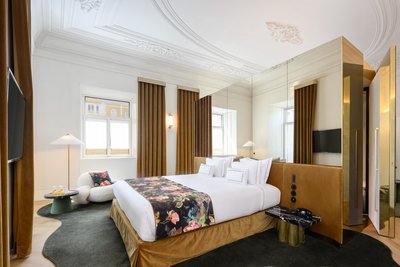
Montebelo Vista Alegre Lisboa Chiado Hotel
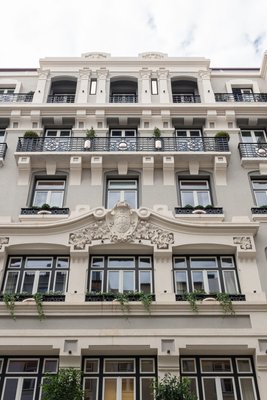
Art Legacy Hotel
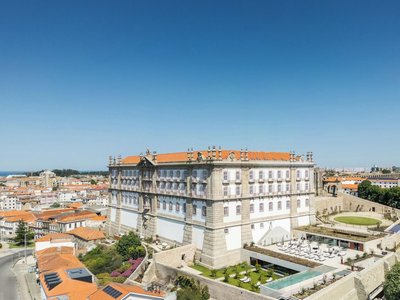
The Lince Santa Clara
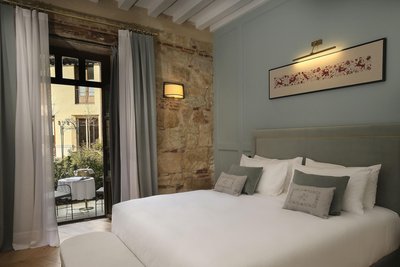
Eunice Hotel Gastronómico
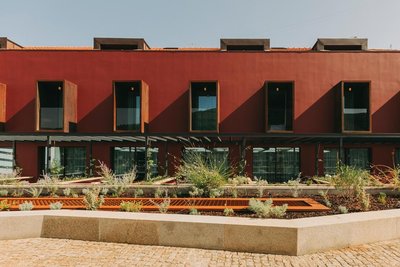
Torel Quinta da Vacaria – Douro Valley
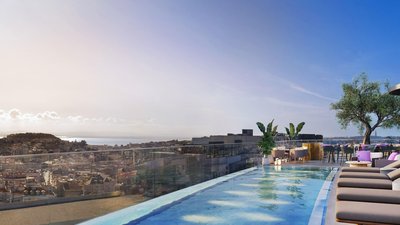
ME Lisbon
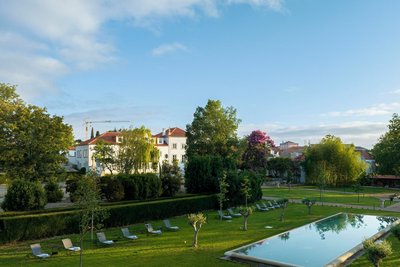
Valverde Santar Hotel & SPA
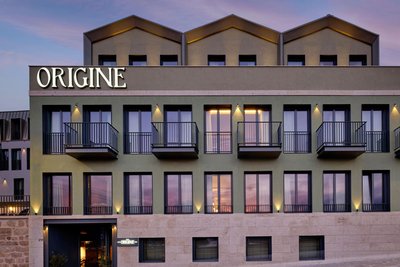
Origine Porto Gaia, a Tribute Portfolio Hotel
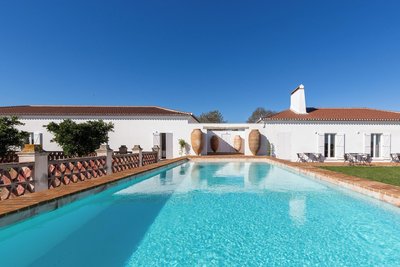
Cenoura-Brava Villas & Suites.
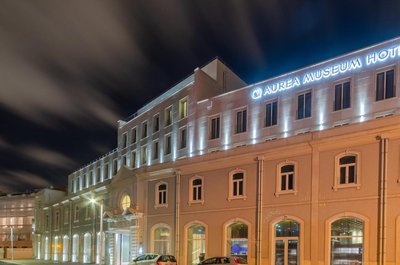
Áurea Museum by Eurostars Hotel Company
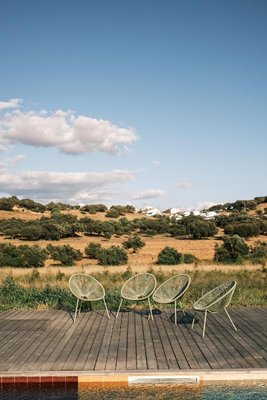
Viva! Farmhouse
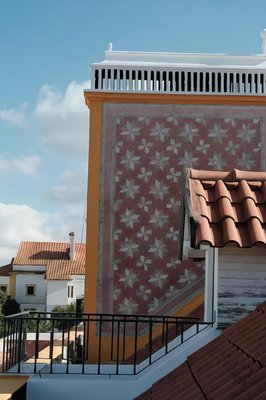
Lilases Boutique House & Garden
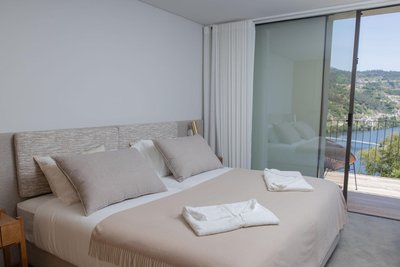
Quinta Alto Do Rio
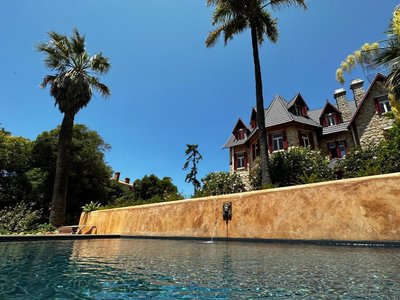
Chalet Ficalho
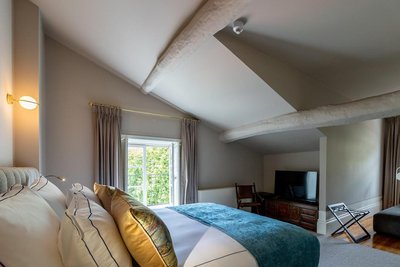
Maison Bleue by Vila Foz
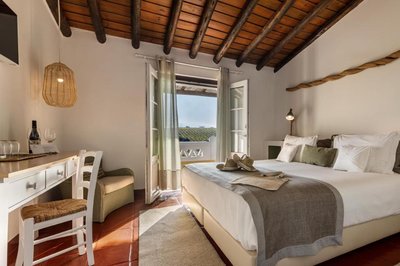
Herdade Do Sobroso Wine & Luxury Boutique Hotel
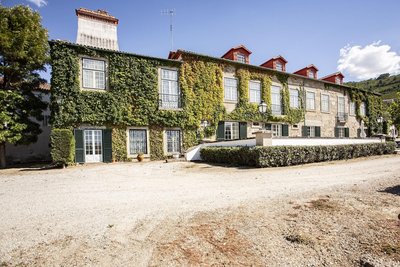
Casa Do Cimo
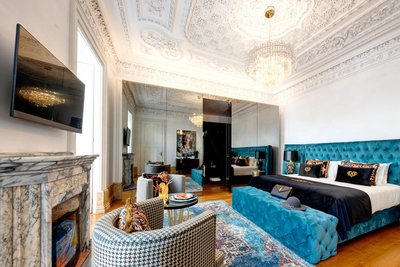
1877 Estrela Palace
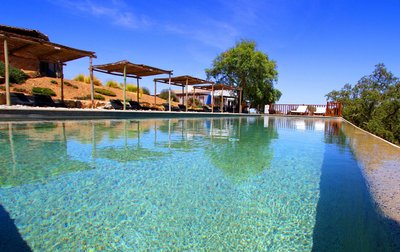
Monte Gois Country House e Spa

Hotel Barrière Fouquet's New York
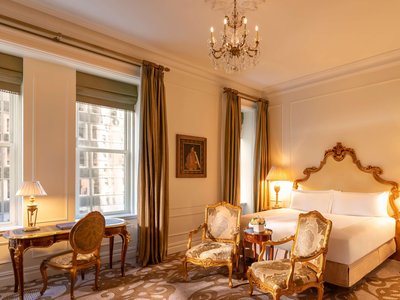
The Plaza - A Fairmont Managed Hotel
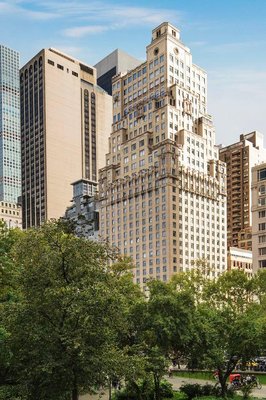
The Ritz-Carlton New York, Central Park

Four Seasons Hotel New York
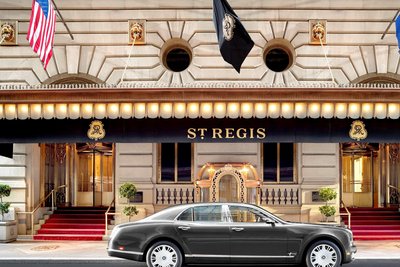
The St. Regis New York
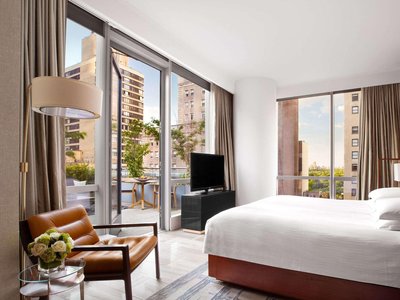
Park Hyatt New York

Mandarin Oriental New York
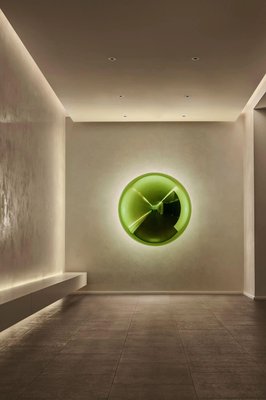
Times Square Edition New York

Loews Regency New York Hotel
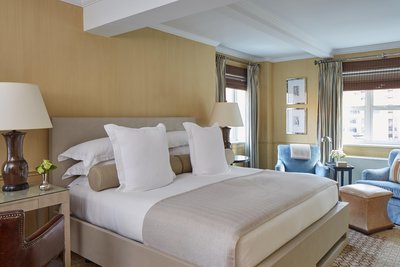
Lowell Hotel

New York Edition
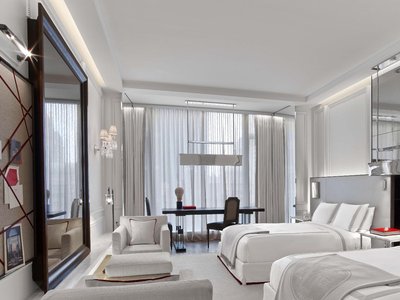
Baccarat Hotel New York
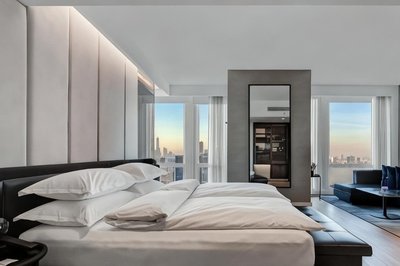
Equinox Hotel New York

Four Seasons Hotel New York Downtown
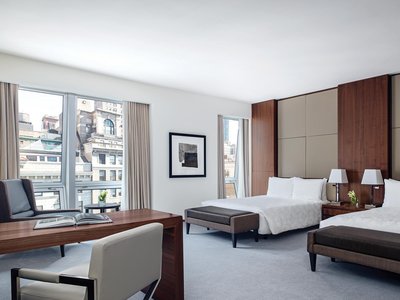
The Langham, New York, Fifth Avenue
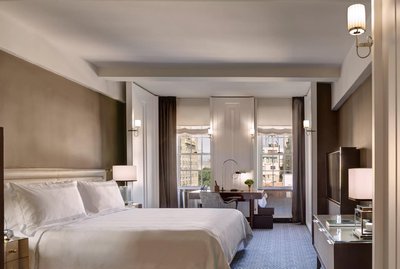
The Carlyle, A Rosewood Hotel

The Chatwal, in the Unbound Collection by Hyatt
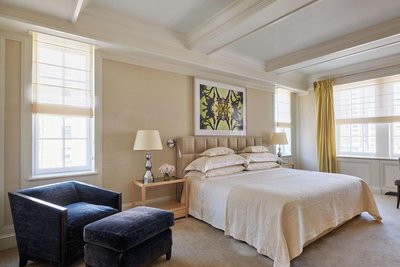
The Mark New York

Trump International Hotel & Tower® New York
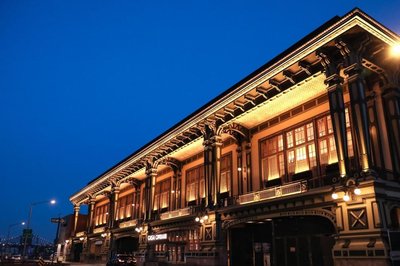
Casa Cipriani New York
Frequently Asked Questions about Traveling to Penela
Questions You Might Need to Know About Traveling to Penela
The best area to stay in Penela is the historic Centro Velho (Old Town), where cobbled streets wind through 18th-century stone houses and hidden courtyards. This district offers easy access to Castelo de Penela, a 12th-century fortress with panoramic views of the surrounding Serra da Lousã mountains, and the charming Igreja de Santa Maria, a Romanesque church with intricate stonework. Staying here immerses travelers in authentic local life, with family-run cafes serving traditional dishes like truta grelhada (grilled trout) and queijo de cabra (goat cheese). Many boutique accommodations, such as Casa da Ribeira and Pousada de Penela, are located within this zone, blending heritage architecture with modern comfort. Perfect for those seeking quiet charm and cultural depth beyond typical tourist routes.
Pousada de Penela, housed in a former convent, offers one of the most authentic culinary experiences in the region. Guests can enjoy breakfast featuring locally sourced ingredients: fresh bread from nearby mills, artisanal cheeses like Queijo Serra da Estrela, and house-made jams from seasonal fruits. The on-site restaurant serves traditional Coimbra-style dishes, including bacalhau à brás (salted cod with potatoes and eggs) and sopa de peixe (fish soup), prepared using recipes passed down through generations. Special themed dinners are occasionally hosted, showcasing seasonal harvests and regional festivals. The kitchen also collaborates with local farmers and fishermen, ensuring sustainability and authenticity. Dining here isn’t just a meal—it’s a cultural immersion into rural Portuguese life.
Yes, Casa da Ribeira stands out as an eco-conscious choice in Penela. The property runs entirely on solar energy, uses rainwater harvesting systems, and employs composting toilets. All furnishings are made from reclaimed wood or sustainably sourced materials, while linens are organic cotton. The hotel supports local conservation efforts by partnering with Serra da Lousã Nature Park to protect native flora and fauna. Guests are encouraged to participate in low-impact activities like tree planting, guided nature walks, and waste reduction challenges. Even the toiletries are refillable and biodegradable, minimizing plastic use. The restaurant sources ingredients exclusively from nearby farms and fishermen, reducing food miles. This commitment to sustainability makes it a top pick for environmentally conscious travelers seeking a green retreat in central Portugal.
Visitors to Penela can enjoy several unique night-time experiences. One of the most magical is the firefly watching along the Ribeira River, especially during summer months (June–August), when thousands of glowing fireflies illuminate the banks at dusk. Local guides from Casa da Ribeira lead quiet, eco-friendly excursions with red-filtered flashlights to avoid disturbing the insects. Another highlight is the illuminated history nights at Castelo de Penela, where projection mapping brings medieval tales to life across ancient stone walls. On weekends, cozy taverns host live folk music sessions featuring traditional fado and regional melodies. For a deeper cultural connection, guests can join a "Night of Stories" event, where elders recount local legends about mountain spirits, river deities, and forgotten villages under the stars—offering a hauntingly beautiful glimpse into rural Portuguese folklore.
Hotels in Penela actively foster cultural connection through immersive programs. Pousada de Penela hosts weekly cultural workshops led by local artisans: traditional pottery crafting, wool weaving, and fado poetry readings. Guests at Casa da Ribeira can participate in a full-day "Farmer for a Day" experience—harvesting organic vegetables, milking goats, and pressing apples for local cider—offering genuine insight into rural life. The hotels also organize shared meals with villagers, where stories, recipes, and family traditions are exchanged over home-cooked dishes. Each guest receives a free heritage map highlighting sacred sites, old mill ruins, and folk tale locations. Room interiors feature handcrafted items like ceramics and embroidery, created by nearby craftspeople, turning the stay into a living museum of Portuguese rural identity.