Hotels in Phan
Discover your perfect stay in Phan.
Phan(Thailand) Travel 2026: Cheap Flights, Hotels & Top Attractions
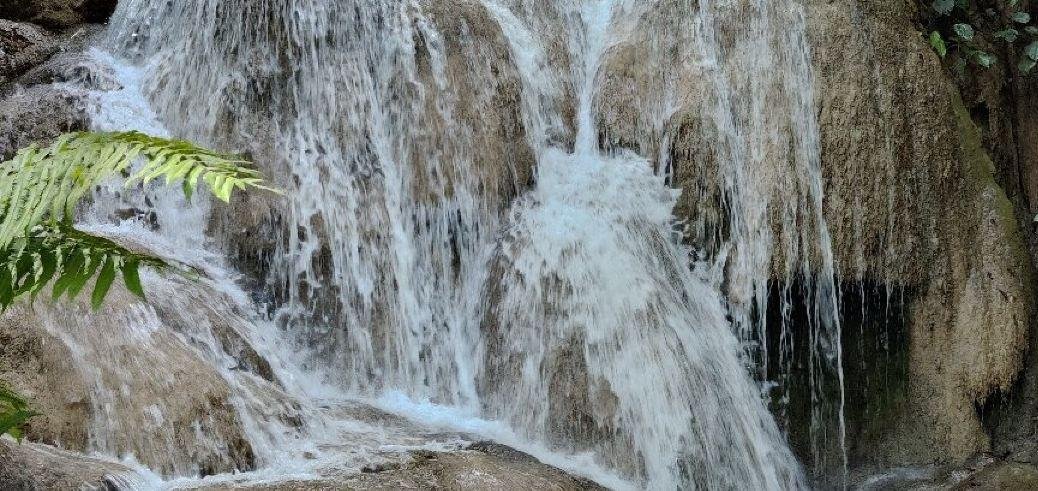
Phan Overview
City Summary
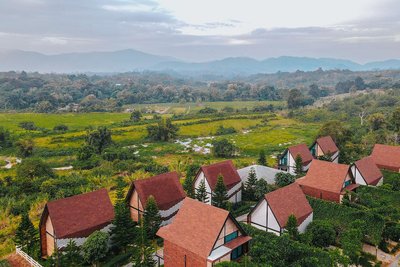
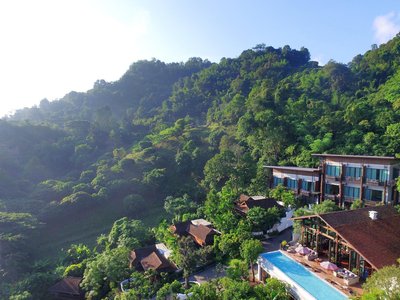
Phaan is a tranquil district in Chiang Rai Province, Thailand, renowned for its pristine landscapes and ethnic cultural heritage. As a gateway to Northern Thai highlands, it features terraced rice fields and hill tribe villages. The core appeal lies in its off-the-beaten-path charm, ideal for immersive travelers.
Must-See Attractions
Must-see spots include Phaan Hot Springs (natural geothermal pools) and Phu Chi Fa Mountain (sea of clouds viewpoint). Culture enthusiasts can visit Akha villages for handicraft demonstrations. Night walking street offers handmade souvenirs, while Mekong River sunset cruises provide romantic moments.
Food Guide
Street food highlights Northern Thai flavors like Khao Soi (curry noodles) and Sai Oua (herb sausage). Local markets serve wild forest produce and honey, reflecting Burmese-Laotian culinary influences. Don't miss sticky rice in bamboo tubes cooked over open fire.
Transportation Guide
Local transport relies on songthaews (shared pickups) or motorbike rentals. No metered taxis available—always negotiate fares upfront. Intercity buses connect to Chiang Rai. Mountain roads are winding; self-drivers should exercise caution. Best travel period is dry season (Nov-Feb), as monsoon rains may disrupt routes.
Best Time to Visit
Prime visiting window is November-February with cool, dry weather (15-25°C). March-May brings heavy haze, while June-October rains may hinder mountain access. Book early during festivals (e.g., December Loy Krathong).
Travel Tips
- Cultural etiquette: Remove shoes before entering temples
- Cash reliance: Most vendors don't accept cards
- Packing tip: Bring layers for highland temperature drops
- Safety note: Avoid isolated paths after dark
- Eco-practices: Dispose trash properly—some villages ban plastics
- Language: Basic Thai greetings earn smiles
Useful Information
Language: Thai predominates; limited English in tourist areas Connectivity: 4G in town, patchy in mountains Payments: Cash dominates, few venues accept PromptPay Voltage: 220V, Type A/B/C outlets Healthcare: Phaan Hospital handles basics; serious cases transfer to Chiang Rai Emergency: Tourist Police 1155, Ambulance 1669
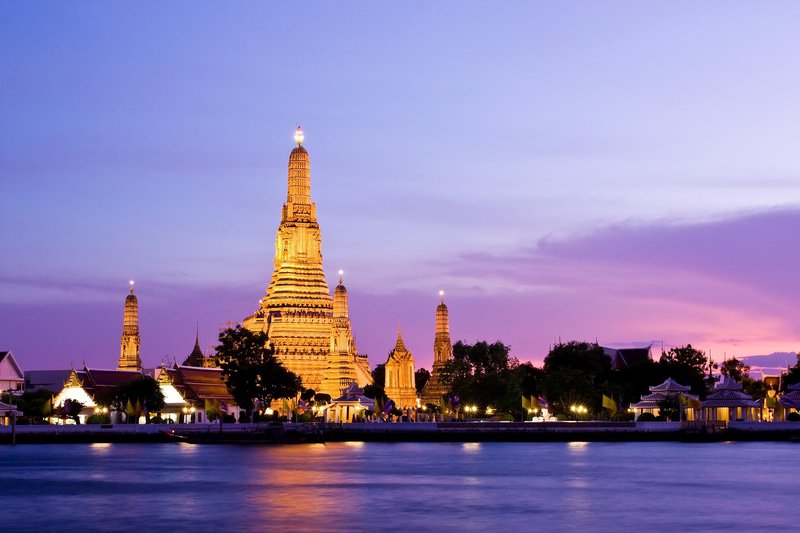
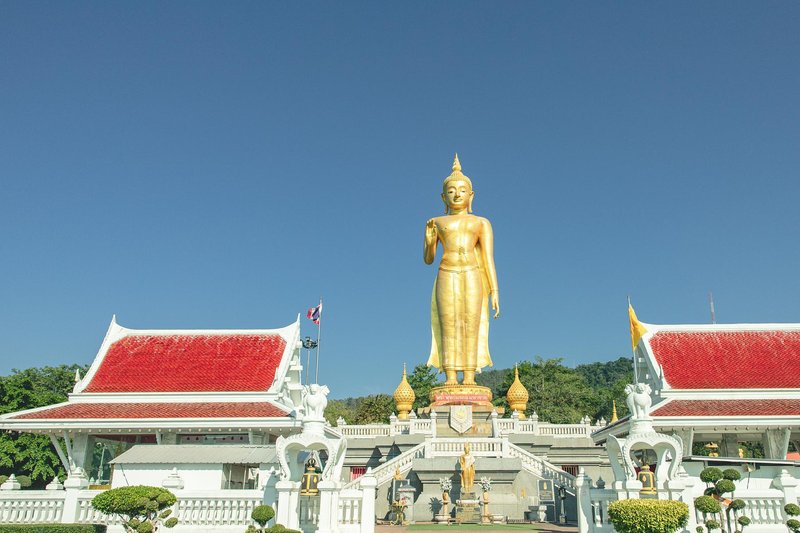
Popular Landmarks in Phan
Discover the most iconic attractions in Phan
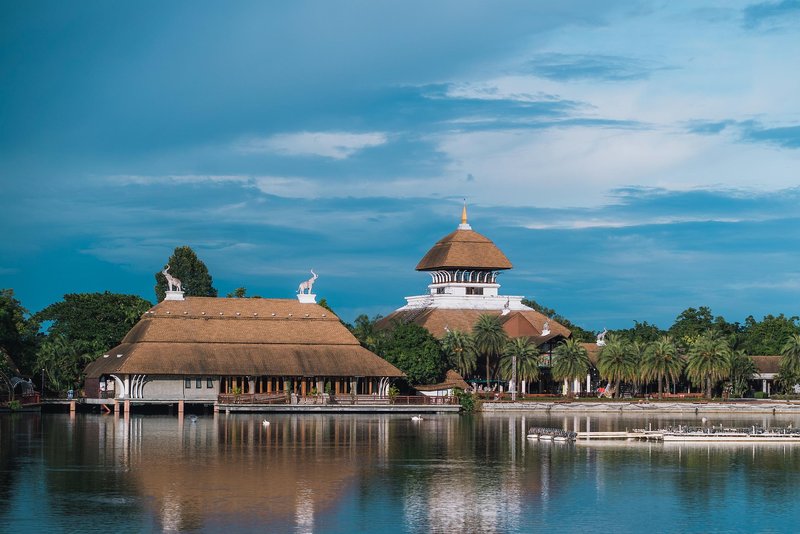
Recommended Hotels in Phan
Find the perfect place to stay in Phan
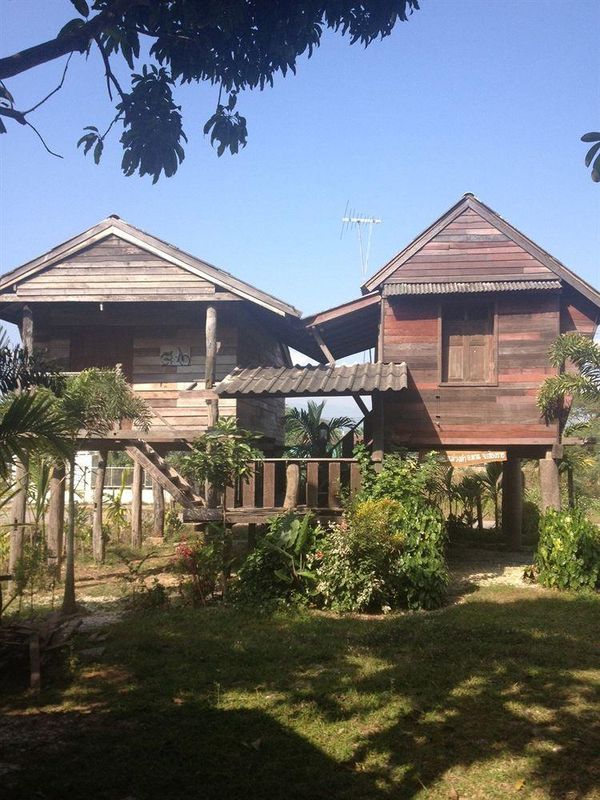
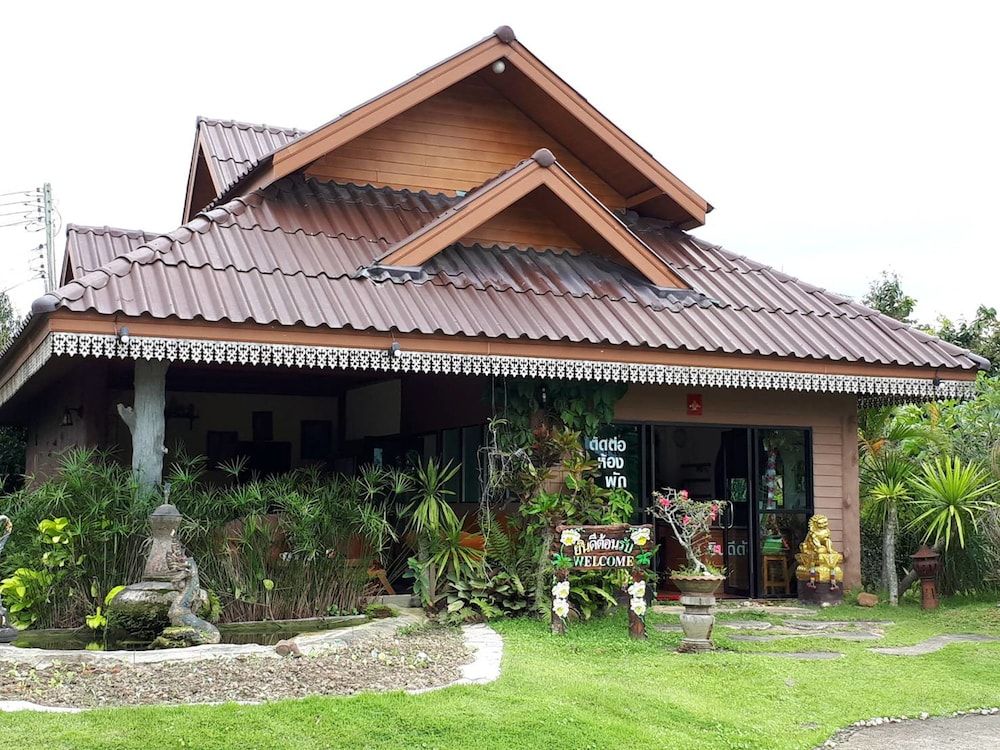
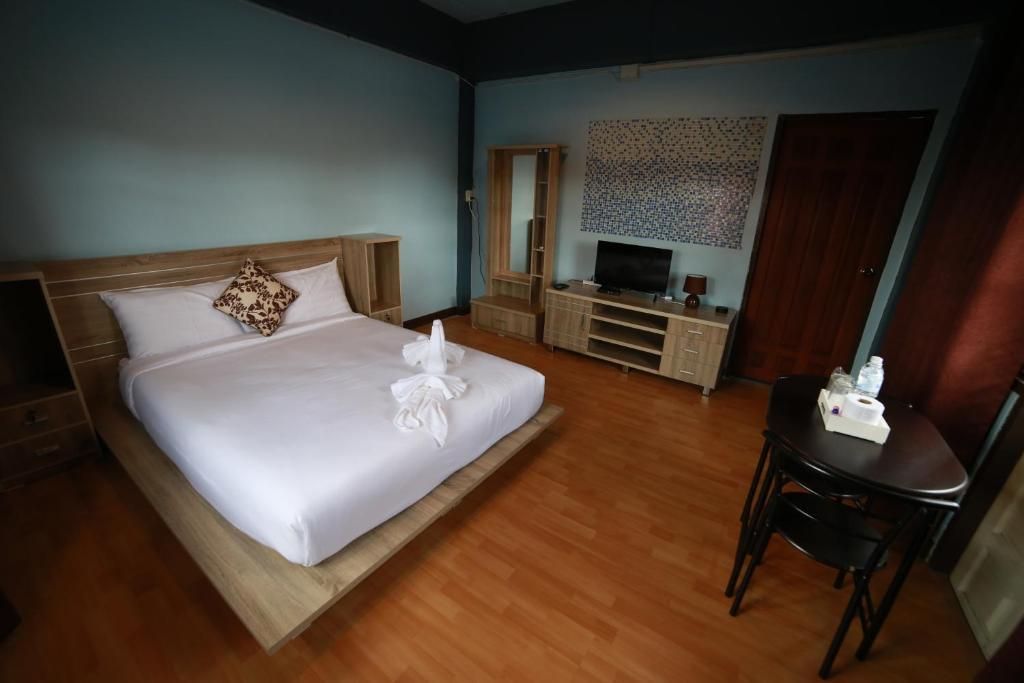
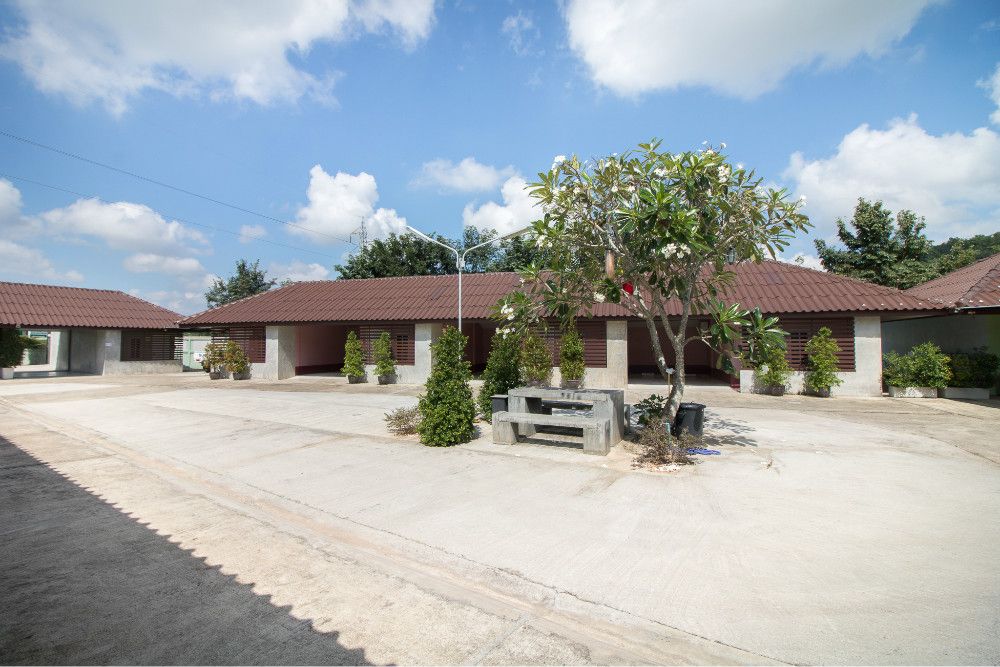
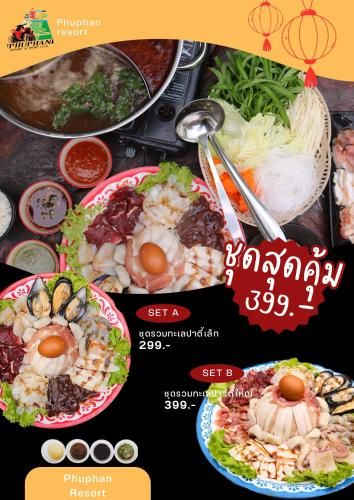
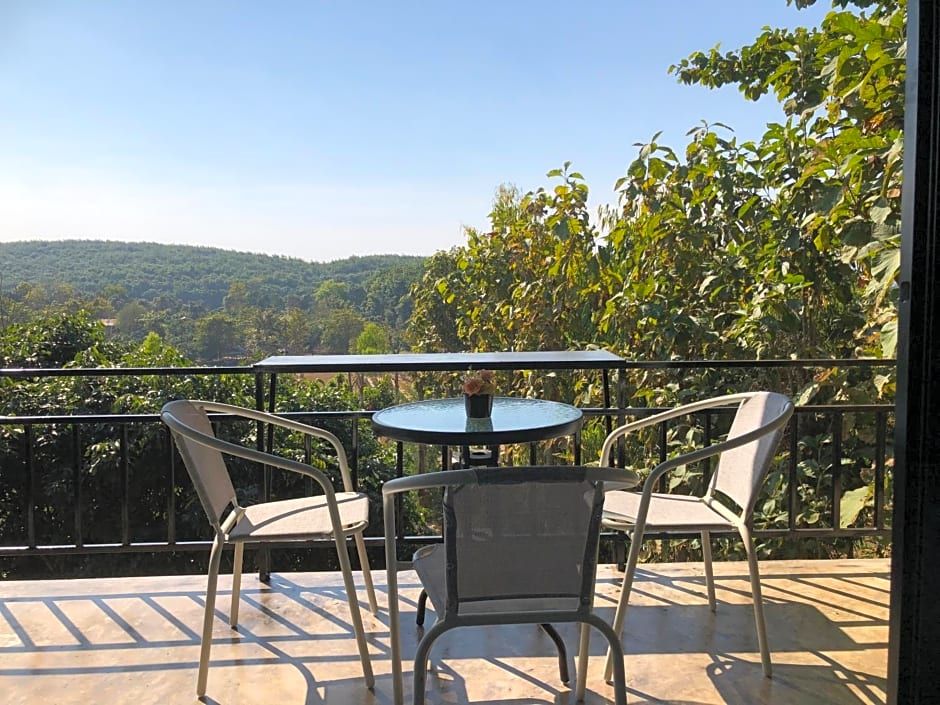
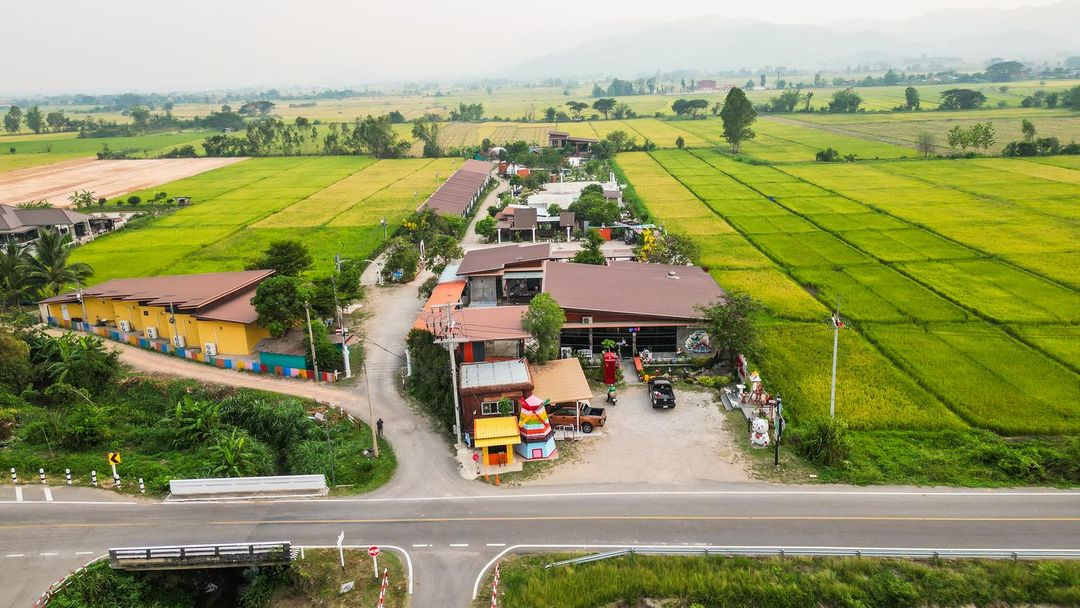
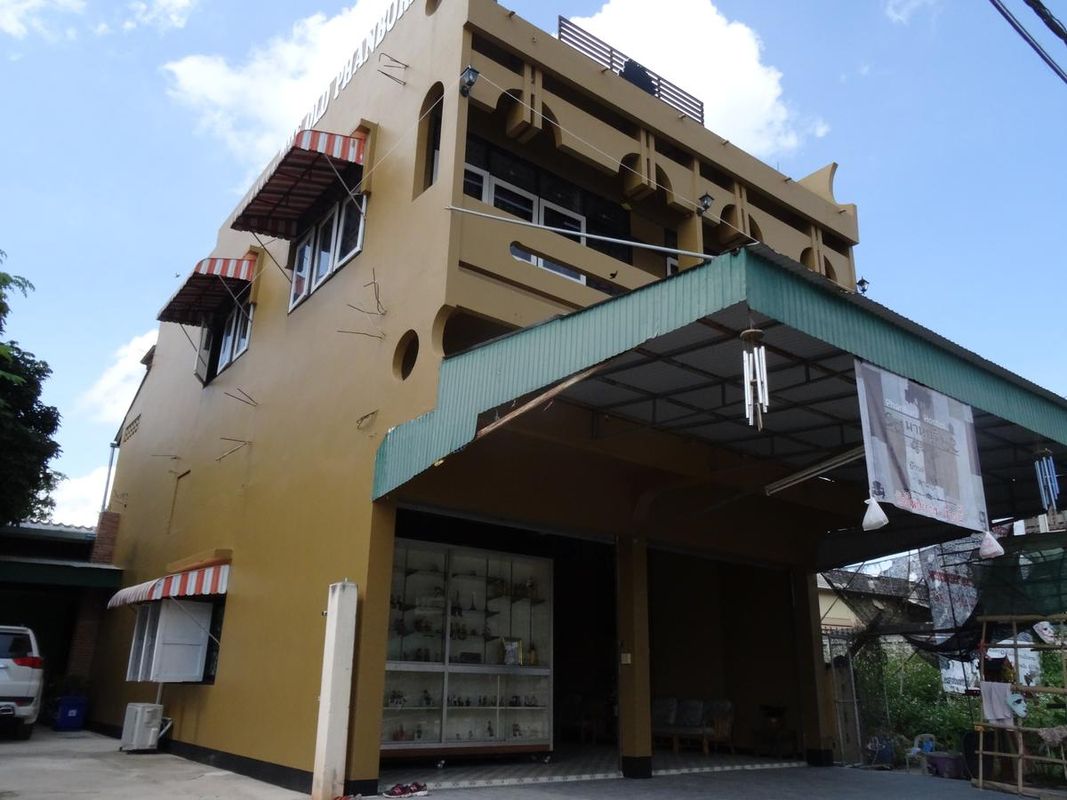
Best Hotels in Phan
Discover curated hotel collections in Phan
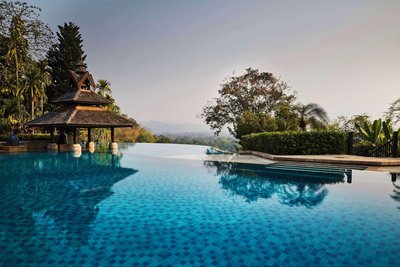

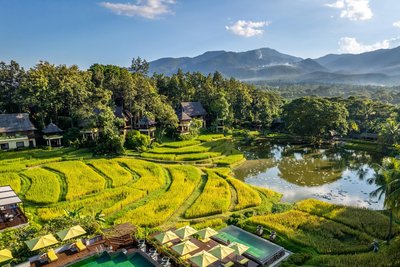

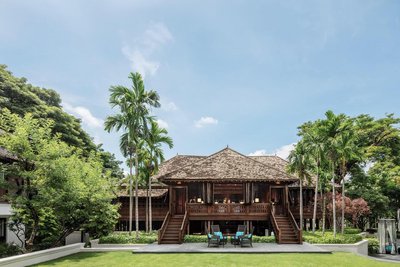








































Phan Overview
City Summary
Phaan is a tranquil district in Chiang Rai Province, Thailand, renowned for its pristine landscapes and ethnic cultural heritage. As a gateway to Northern Thai highlands, it features terraced rice fields and hill tribe villages. The core appeal lies in its off-the-beaten-path charm, ideal for immersive travelers.
Must-See Attractions
Must-see spots include Phaan Hot Springs (natural geothermal pools) and Phu Chi Fa Mountain (sea of clouds viewpoint). Culture enthusiasts can visit Akha villages for handicraft demonstrations. Night walking street offers handmade souvenirs, while Mekong River sunset cruises provide romantic moments.
Food Guide
Street food highlights Northern Thai flavors like Khao Soi (curry noodles) and Sai Oua (herb sausage). Local markets serve wild forest produce and honey, reflecting Burmese-Laotian culinary influences. Don't miss sticky rice in bamboo tubes cooked over open fire.
Transportation Guide
Local transport relies on songthaews (shared pickups) or motorbike rentals. No metered taxis available—always negotiate fares upfront. Intercity buses connect to Chiang Rai. Mountain roads are winding; self-drivers should exercise caution. Best travel period is dry season (Nov-Feb), as monsoon rains may disrupt routes.
Best Time to Visit
Prime visiting window is November-February with cool, dry weather (15-25°C). March-May brings heavy haze, while June-October rains may hinder mountain access. Book early during festivals (e.g., December Loy Krathong).
Travel Tips
- Cultural etiquette: Remove shoes before entering temples
- Cash reliance: Most vendors don't accept cards
- Packing tip: Bring layers for highland temperature drops
- Safety note: Avoid isolated paths after dark
- Eco-practices: Dispose trash properly—some villages ban plastics
- Language: Basic Thai greetings earn smiles
Useful Information
Language: Thai predominates; limited English in tourist areas Connectivity: 4G in town, patchy in mountains Payments: Cash dominates, few venues accept PromptPay Voltage: 220V, Type A/B/C outlets Healthcare: Phaan Hospital handles basics; serious cases transfer to Chiang Rai Emergency: Tourist Police 1155, Ambulance 1669
Frequently Asked Questions about Traveling to Phan
Questions You Might Need to Know About Traveling to Phan