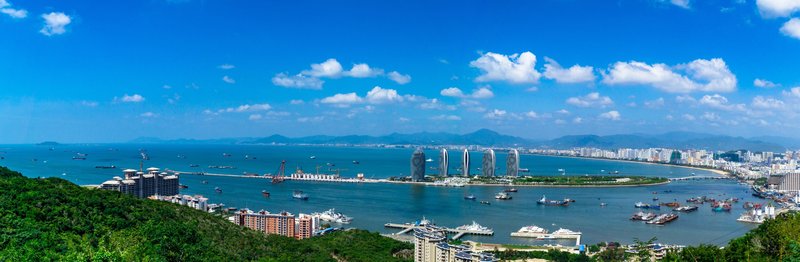
Hotels in Phatthalung
Discover your perfect stay in Phatthalung.
Phatthalung(Thailand) Travel 2026: Cheap Flights, Hotels & Top Attractions
Popular Landmarks in Phatthalung
Discover the most iconic attractions in Phatthalung
Recommended Hotels in Phatthalung
Find the perfect place to stay in Phatthalung
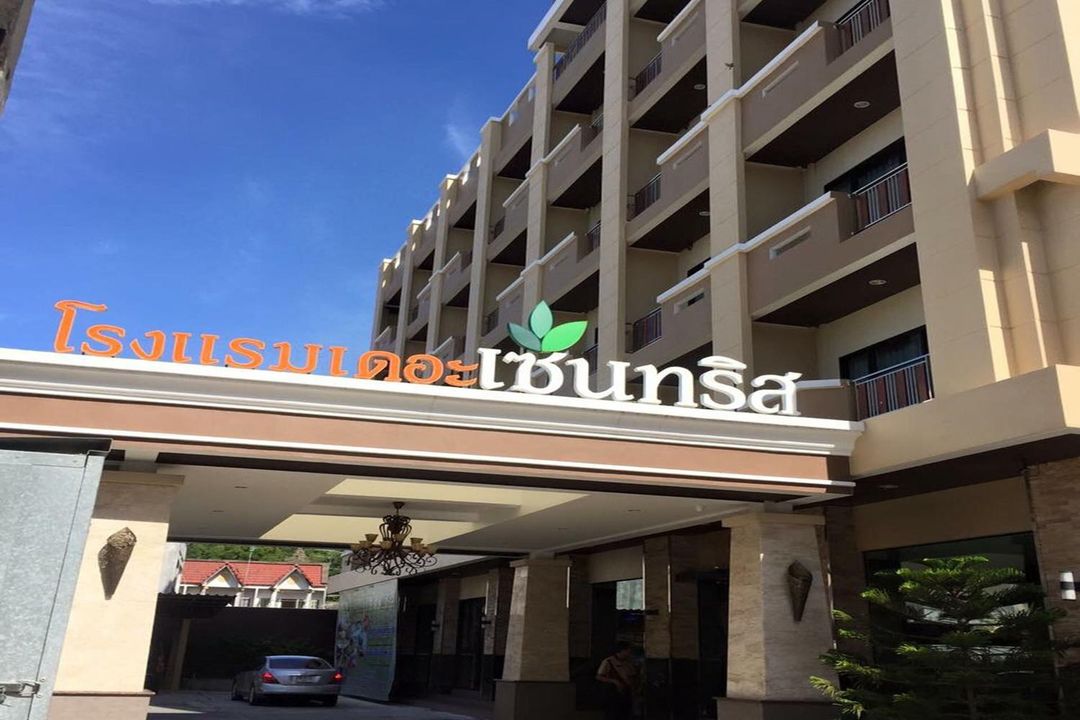
The Centris Hotel Phatthalung
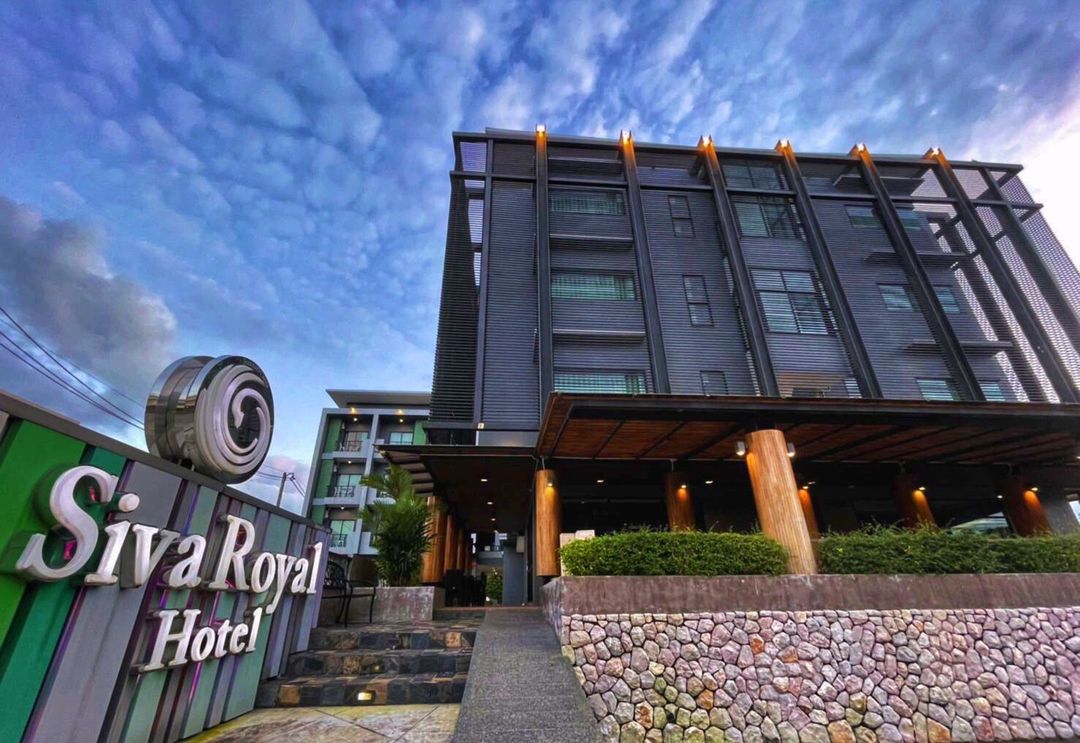
Siva Royal Hotel
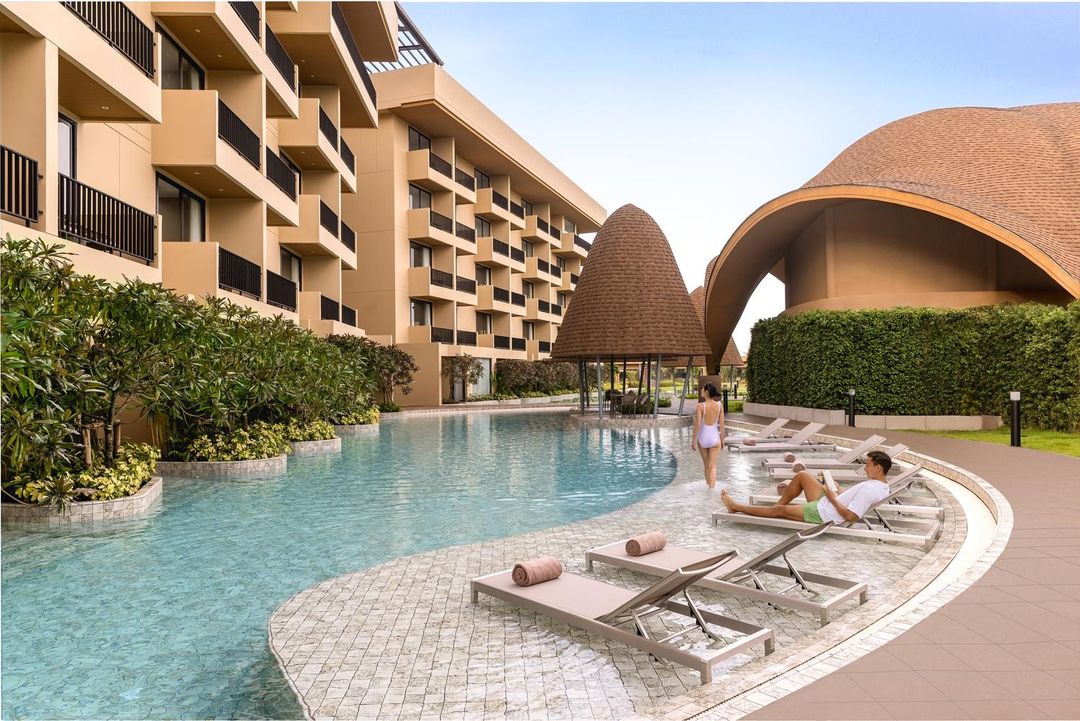
Dusit Princess Phatthalung

Merdelong Hotel
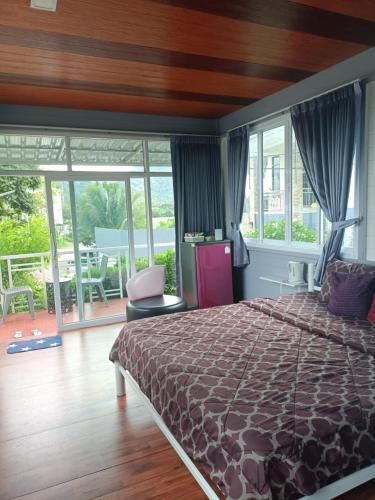
Mountain View Guest House
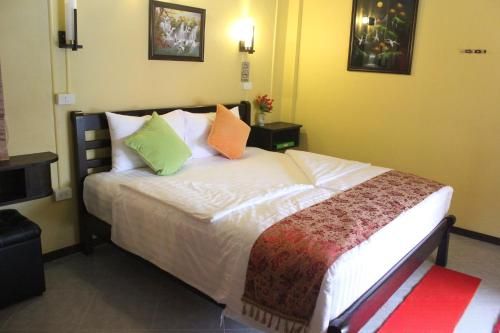
Rimlay Park Resort
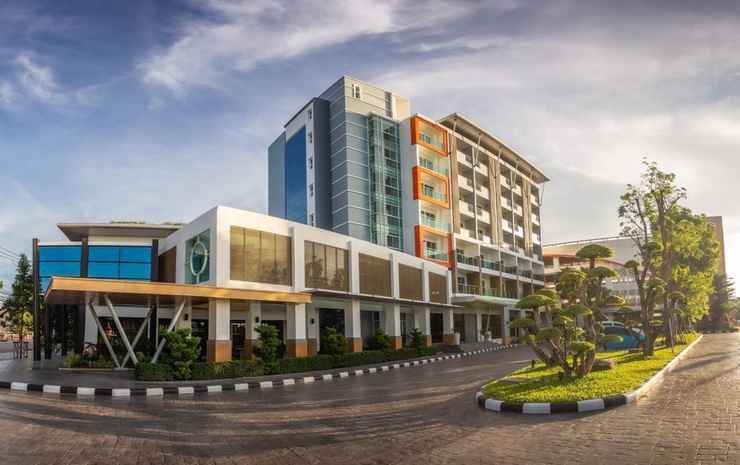
Sitthinard Grandview Hotel
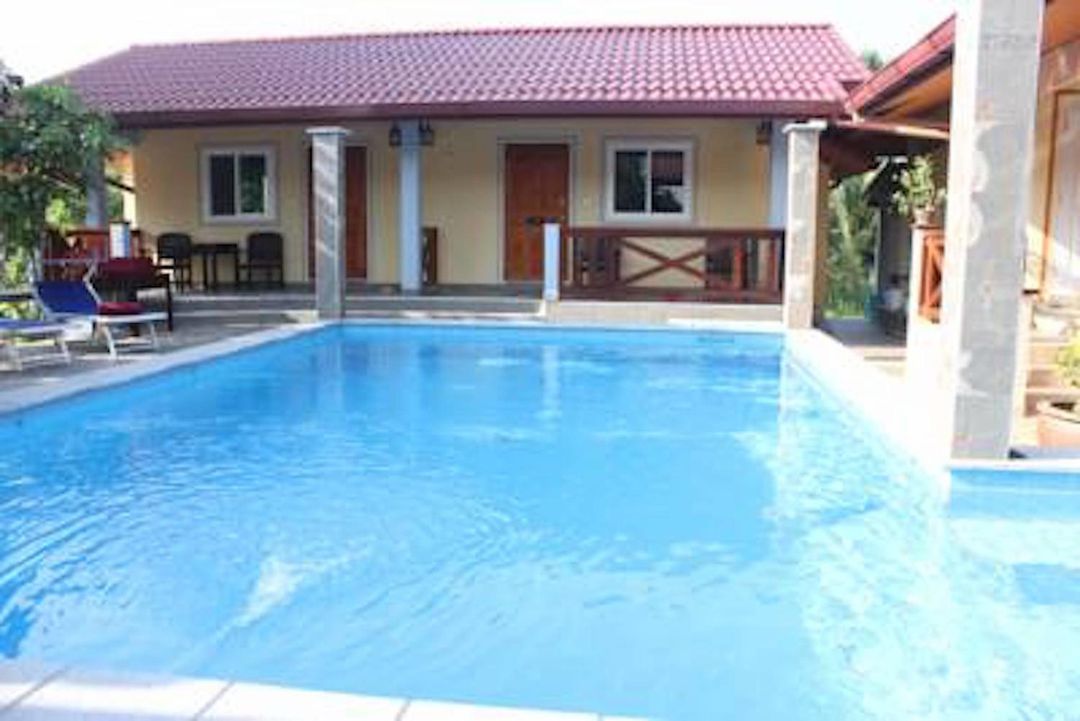
Rimlay Park Resort
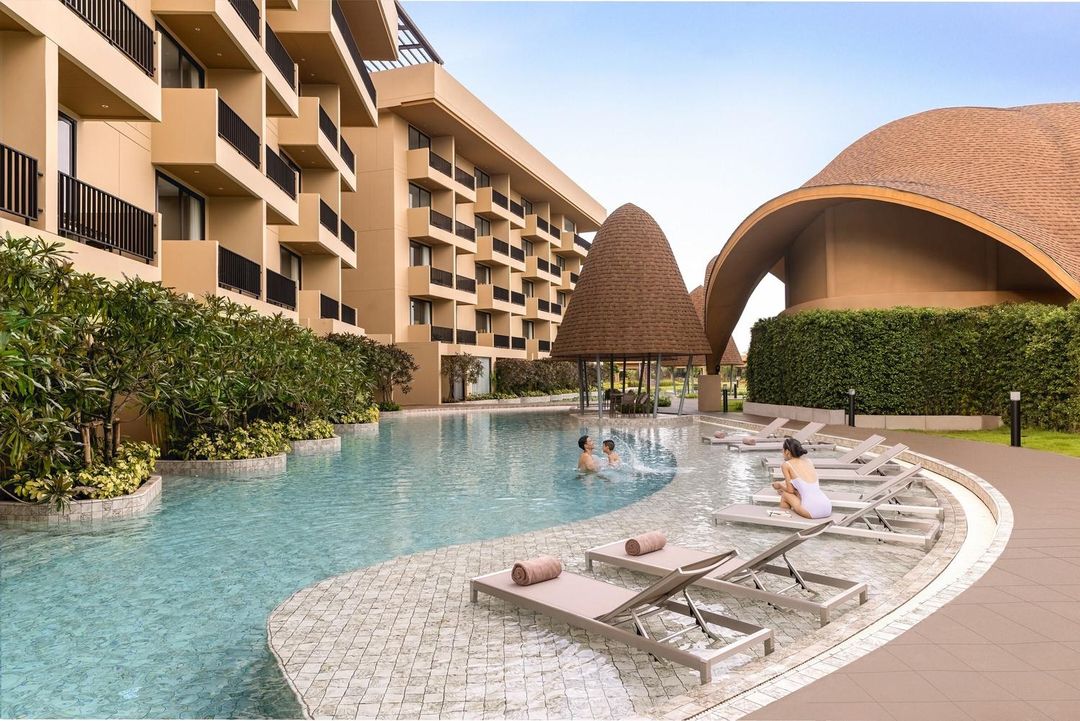
Dusit Princess Phatthalung
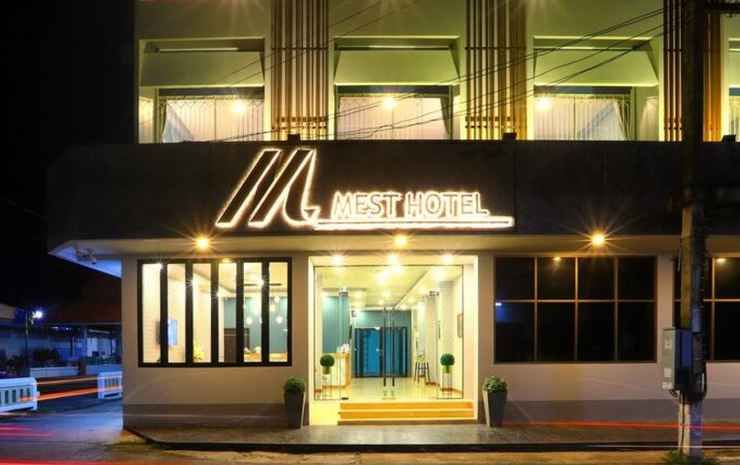
Mest Hotel
Best Hotels in Phatthalung
Discover curated hotel collections in Phatthalung
Conrad Koh Samui
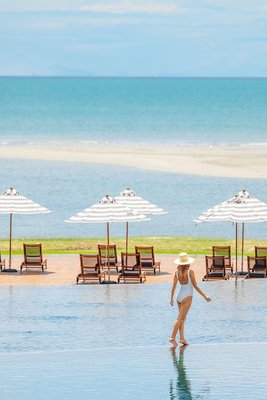
Anantara Koh Yao Yai Resort & Villas

Rosewood Phuket
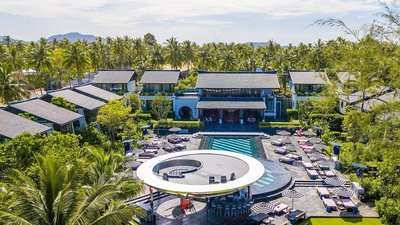
Baba Beach Club Natai Luxury Pool Villa Hotel by Sri Panwa
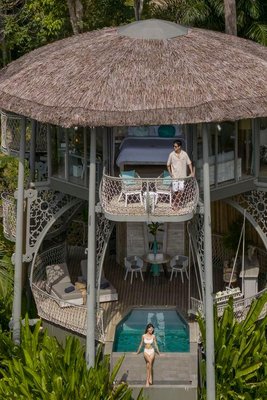
TreeHouse Villas Koh Yao - Adults Only
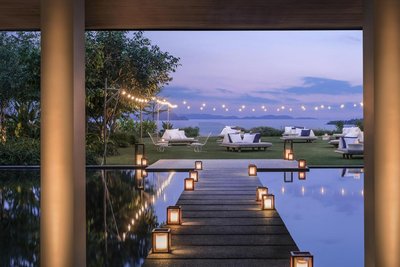
COMO Point Yamu, Phuket
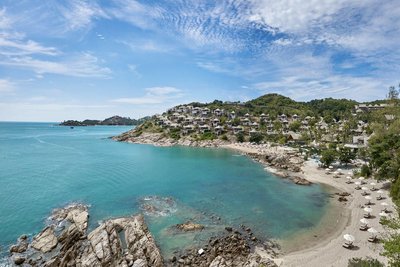
The Ritz-Carlton, Koh Samui
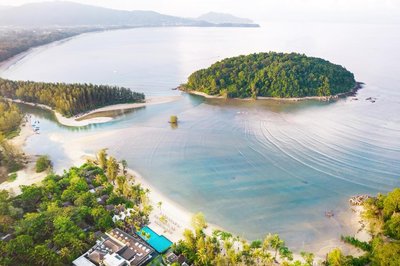
Anantara Layan Phuket Resort
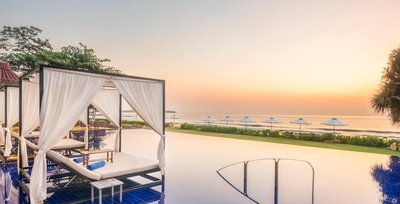
Vana Belle, A Luxury Collection Resort, Koh Samui
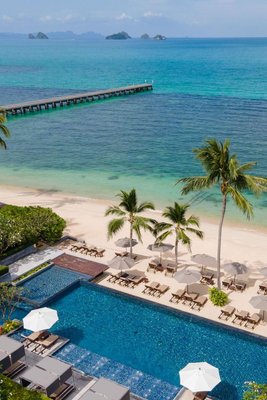
InterContinental Koh Samui Resort
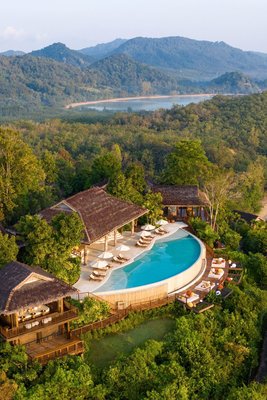
Six Senses Yao Noi
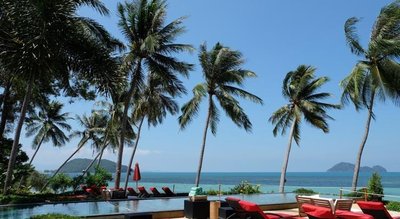
Kupu Kupu Phangan Beach Villas & Spa
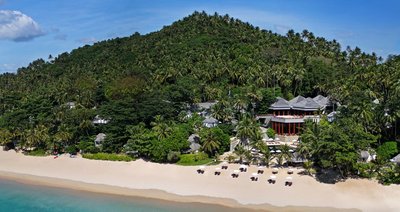
The Surin Phuket
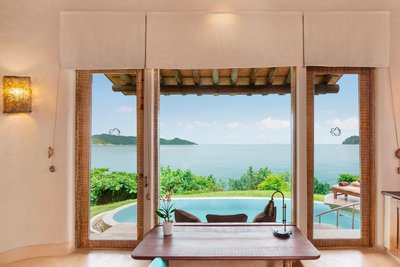
The Naka Island, a Luxury Collection Resort & Spa, Phuket
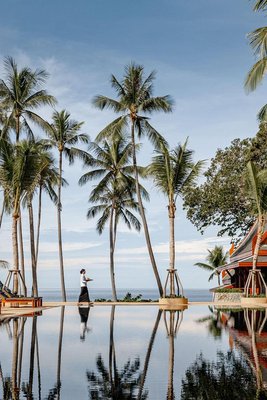
Amanpuri
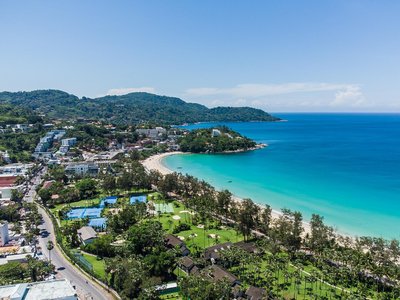
Club Med Phuket
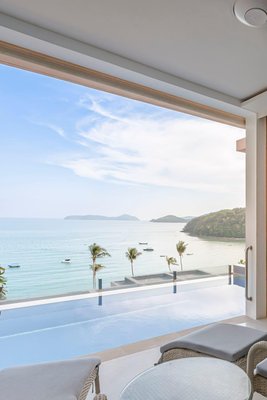
Bandara Pool Villas, Phuket
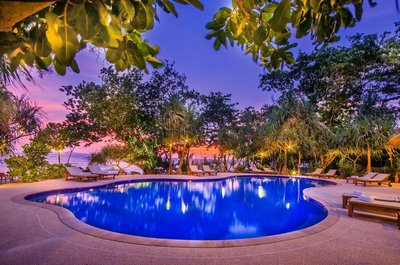
Koh Jum Beach Villas "A member of Secret Retreats"
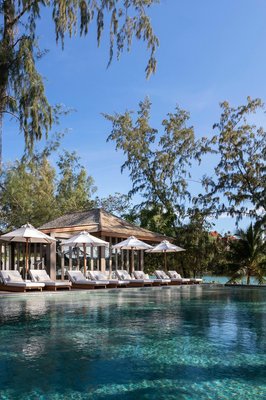
Cape Fahn Hotel – Private Islands Samui
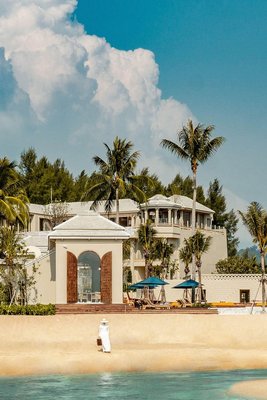
Devasom Khao Lak Beach Resort & Villas
Conrad Koh Samui
Anantara Koh Yao Yai Resort & Villas
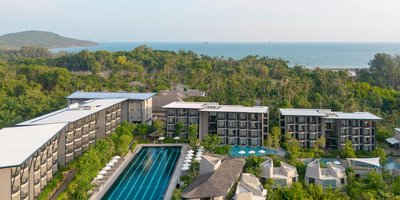
VARANA Krabi Hotel
COMO Point Yamu, Phuket
The Ritz-Carlton, Koh Samui
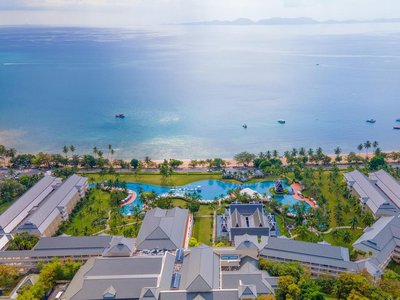
Sofitel Krabi Phokeethra Golf and Spa Resort
Anantara Layan Phuket Resort
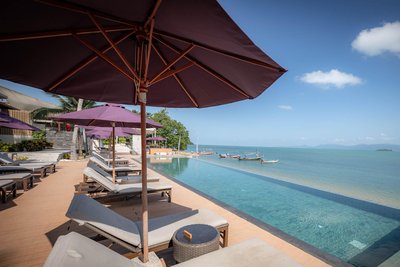
Prana Resort Nandana
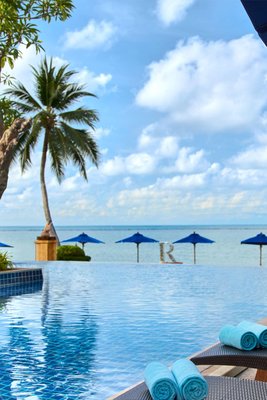
Renaissance Koh Samui Resort & Spa
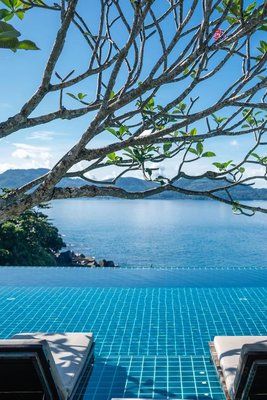
Zenmaya Oceanfront Phuket, Trademark Collection by Wyndham
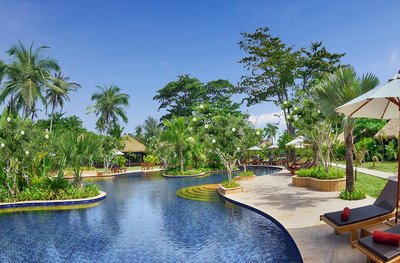
Mali Resort Sunrise Beach Koh Lipe
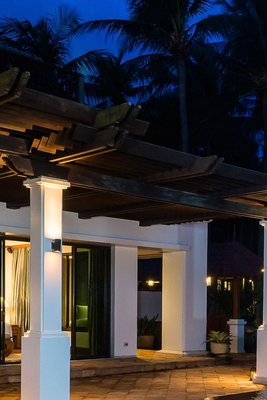
JW Marriott Phuket Resort & Spa
Vana Belle, A Luxury Collection Resort, Koh Samui
InterContinental Koh Samui Resort
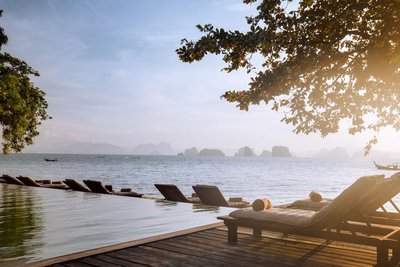
Koyao Island Resort
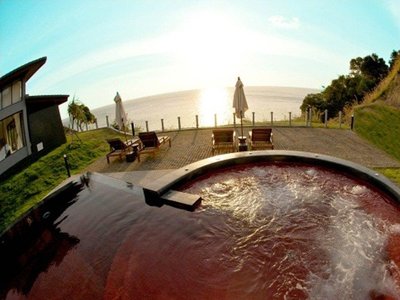
The Houben - Adult Only
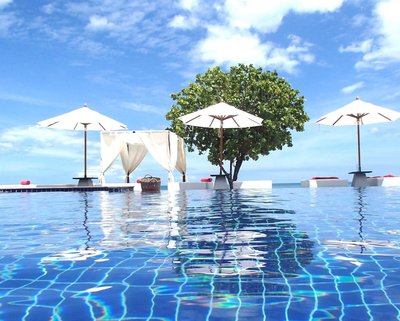
Aava Resort and Spa
Six Senses Yao Noi
The Surin Phuket

The Tubkaak Krabi Boutique Resort
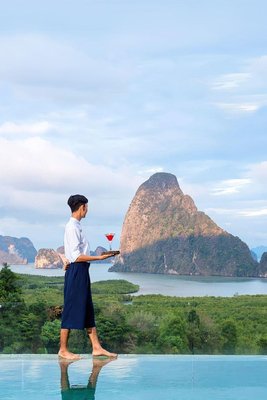
Sametnangshe Boutique
Conrad Koh Samui
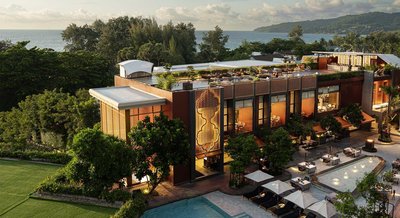
Avista Grande Phuket Karon - MGallery
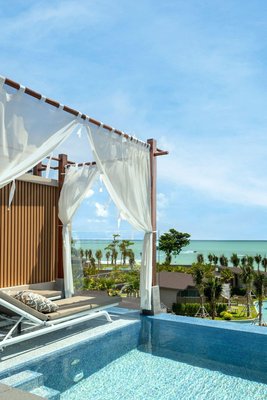
The Little Shore Khao Lak by Katathani
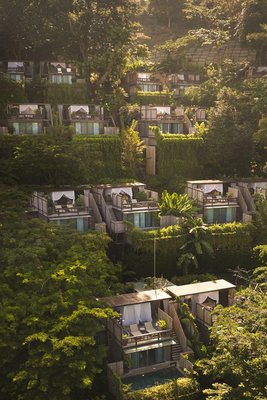
Dinso Resort & Villas Phuket, Vignette Collection by IHG
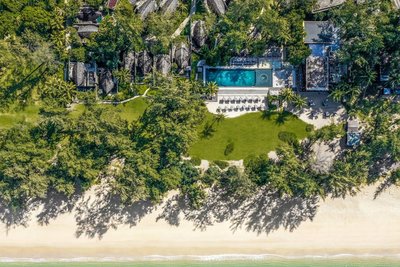
Renaissance Phuket Resort & Spa (Marriott International)
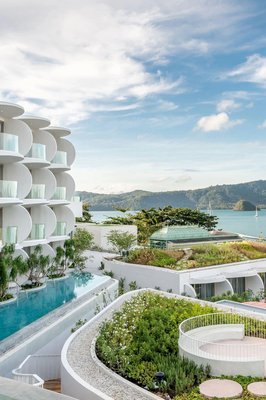
Veranda Resort Phuket, Autograph Collection (Marriott International)
Renaissance Koh Samui Resort & Spa
InterContinental Koh Samui Resort
Cape Fahn Hotel – Private Islands Samui
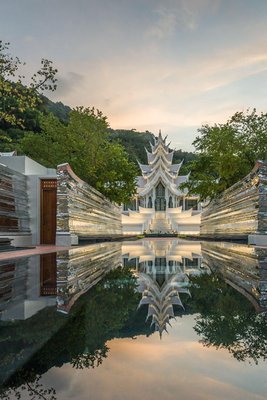
InterContinental Phuket Resort
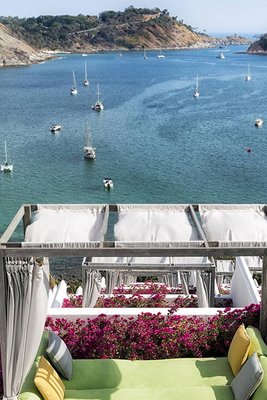
The Nai Harn
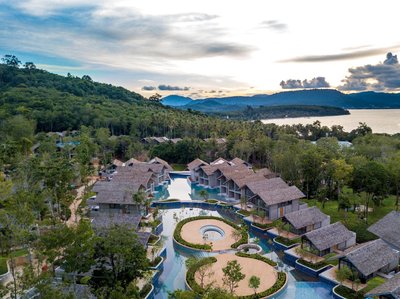
Island Escape Burasari
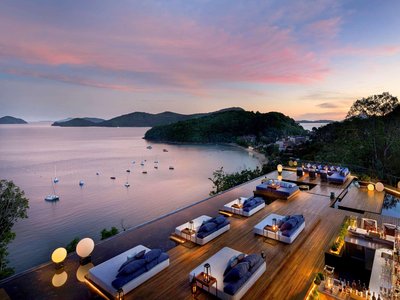
V Villas Phuket Mgallery
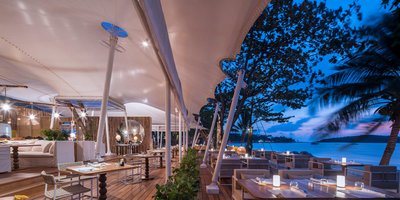
SALA Samui Chaweng Beach Resort
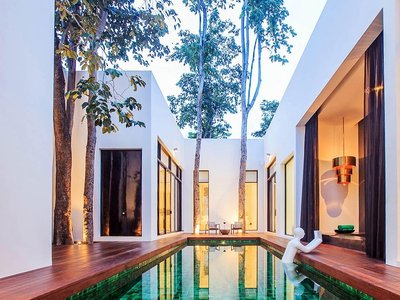
The Library
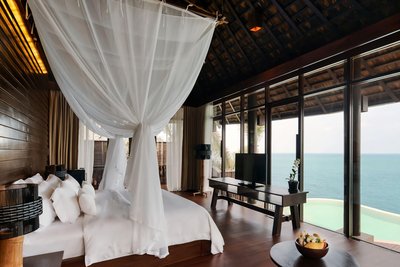
Silavadee Pool Spa Resort
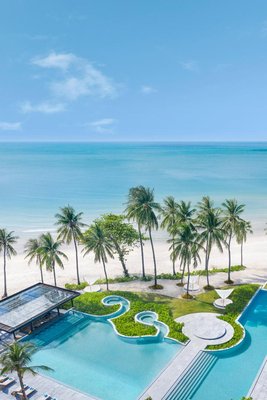
Centara Reserve Samui

Sinae Phuket Luxury Hotel
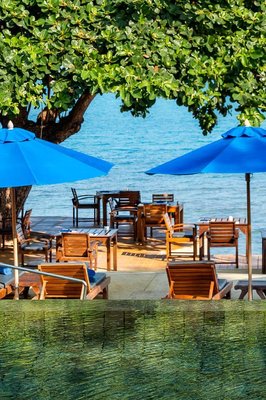
SAii Koh Samui Villas Adults Only

Hotel Barrière Fouquet's New York
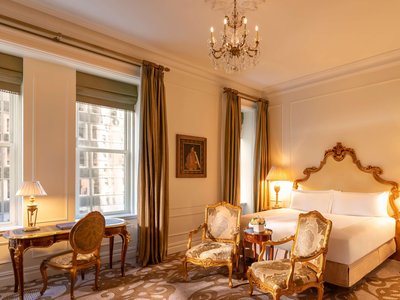
The Plaza - A Fairmont Managed Hotel
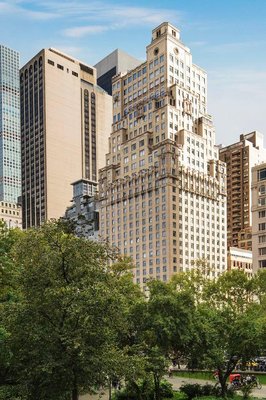
The Ritz-Carlton New York, Central Park

Four Seasons Hotel New York
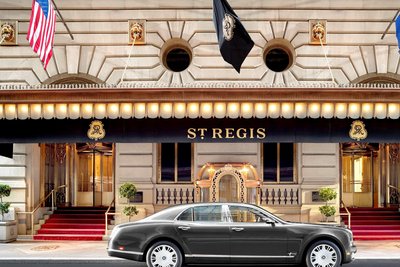
The St. Regis New York
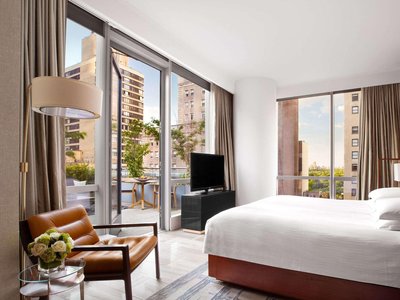
Park Hyatt New York
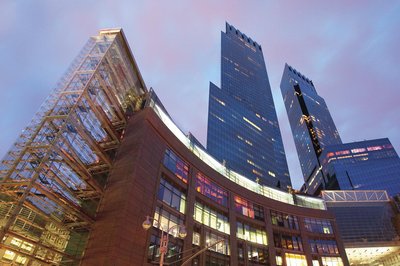
Mandarin Oriental New York
Times Square Edition New York

Loews Regency New York Hotel
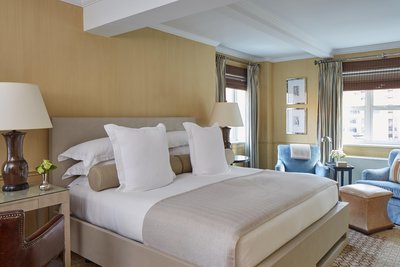
Lowell Hotel
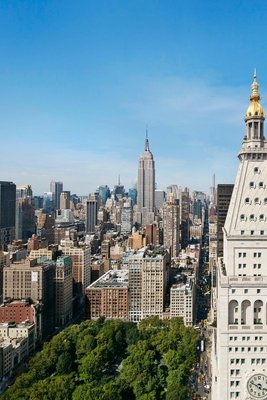
New York Edition
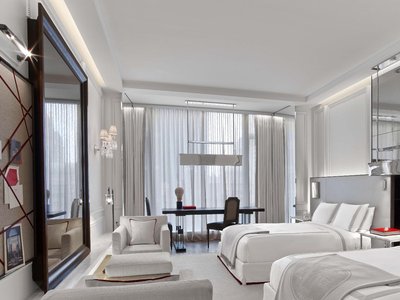
Baccarat Hotel New York
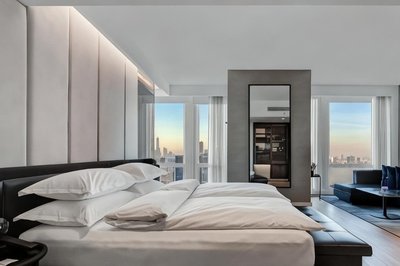
Equinox Hotel New York
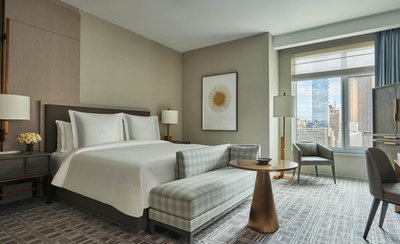
Four Seasons Hotel New York Downtown
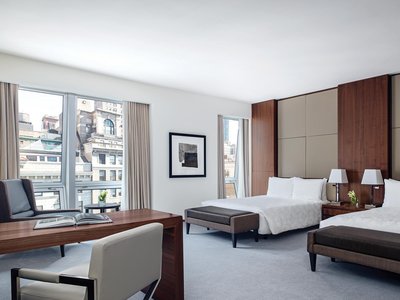
The Langham, New York, Fifth Avenue

The Carlyle, A Rosewood Hotel

The Chatwal, in the Unbound Collection by Hyatt
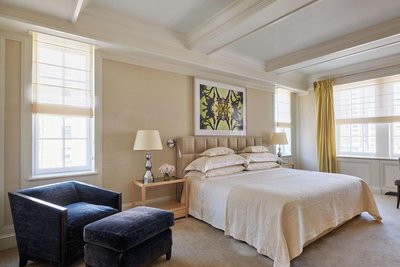
The Mark New York
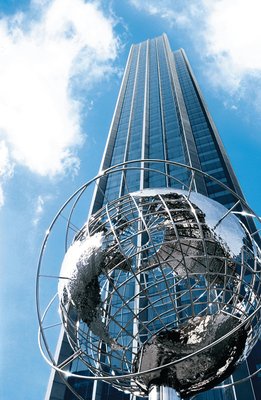
Trump International Hotel & Tower® New York
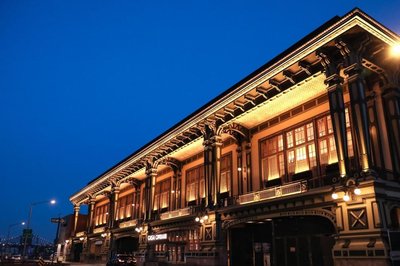
Casa Cipriani New York
Frequently Asked Questions about Traveling to Phatthalung
Questions You Might Need to Know About Traveling to Phatthalung
In Bangkok, top family-friendly options include Siam Kempinski Hotel Bangkok, offering spacious family suites, a kids’ club, and a rooftop pool with city views. Another excellent choice is Anantara Sathorn Bangkok, which features a dedicated children’s program, garden play areas, and easy access to Sathorn Market and Chao Phraya River. Both hotels provide high-speed Wi-Fi, babysitting services, and multilingual staff, ensuring a stress-free stay for families. Their central locations also allow quick access to major attractions like Grand Palace and Chatuchak Weekend Market.
The Old City District is the prime area for accommodations in Chiang Mai, offering walkable access to temples like Wat Phra Singh, local markets such as Warorot Market, and cultural landmarks including Doi Suthep Temple. This historic neighborhood blends traditional Lanna architecture with modern cafes and boutique hotels. For tranquility, consider staying near Ping River, where riverside resorts like Chiang Mai Riverside Resort offer serene views and private gardens. Regardless of preference, being in the Old City ensures proximity to authentic experiences, from morning alms-giving ceremonies to evening street food tours.
In Chiang Mai, must-try cultural experiences include attending a morning alms-giving ceremony at Wat Phra That Doi Suthep, where monks collect offerings from locals. Participate in a Thai cooking class hosted by a local family in a traditional house, learning to prepare dishes like Khao Soi and Som Tum. Don’t miss the Yi Peng Lantern Festival, when thousands of sky lanterns are released in honor of the full moon. Additionally, visit Lanna Cultural Center to explore ancient manuscripts, traditional textiles, and indigenous art forms, deepening your understanding of Northern Thailand’s heritage.
Must-try foods in Chiang Mai include Khao Soi, a rich coconut curry noodle soup with crispy fried noodles on top, often served with pickled mustard greens. Try Sai Oua, a spicy northern Thai sausage made with lemongrass and herbs, grilled over charcoal. For dessert, sample Mango Sticky Rice, especially during mango season, served warm with sweet coconut milk. These dishes are widely available at Warorot Market, Night Bazaar, and roadside stalls, offering authentic flavors at affordable prices and an immersive culinary journey through local traditions.
Photographers love Doi Suthep Temple at sunrise, where golden rooftops glow against misty mountain peaks. The Chiang Mai Night Bazaar’s neon-lit alleys create vibrant urban scenes perfect for night photography. Visit Thepprasit Floating Garden, a tranquil lotus-filled pond surrounded by bamboo huts, ideal for peaceful, dreamy shots. At dusk, the Ping River bridges lit with lanterns reflect beautifully on the water. Lastly, the Baan Tawai Art Village offers colorful murals and intricate wooden carvings, making it a unique backdrop for cultural and architectural photos.
Yes, transportation in Chiang Mai is convenient and affordable. Use Tuk-tuks, Songthaews (shared pickup trucks), or motorbike taxis for short trips around the city. For longer distances, bus terminals connect to nearby provinces like Chiang Rai and Mae Hong Son. Many hotels offer free shuttle services to major sites such as Wang Pho and Tha Phae Gate. Ride-hailing apps like Grab are widely used, and renting a motorbike allows greater flexibility for exploring rural temples and hill tribe villages. Public transit is efficient, making it easy to navigate both urban and scenic areas.
Chiang Mai has a tropical climate with three seasons: hot (March–May), rainy (June–October), and cool (November–February). The hottest months bring temperatures up to 40°C, so plan indoor activities like visiting museums or spas. The rainy season brings frequent showers but lush greenery and fewer crowds. The coolest months, especially December–January, offer pleasant weather (20–28°C) and are ideal for outdoor adventures like hiking Doi Inthanon or touring elephant sanctuaries. Avoid peak rain months if you prefer dry conditions and clear skies for sightseeing.
For couples seeking romance, Lebua Chiang Mai offers private infinity pools overlooking the Ping River, candlelit dinners on the terrace, and personalized spa treatments. Another enchanting option is Sripanwa Boutique Resort, nestled in a quiet garden with open-air bungalows, private jacuzzis, and nightly fire-pit gatherings. Both properties feature intimate settings, exceptional service, and proximity to Doi Suthep Temple and night markets. Enjoy sunset river cruises or stargazing under the clear northern sky—perfect for creating unforgettable memories together.
The best time to visit Chiang Mai is between November and February, when temperatures range from 20–28°C, humidity is low, and skies are clear—ideal for outdoor activities. This period includes major festivals like Yi Peng Lantern Festival and Songkran Water Festival, offering vibrant cultural experiences. Avoid the hot season (March–May), when temperatures exceed 40°C, and the rainy season (June–October), which brings frequent downpours. Traveling during the dry season ensures comfortable exploration of temples, markets, and nature trails without weather disruptions.
Must-visit historical sites in Chiang Mai include Wat Phra That Doi Suthep, a sacred temple atop a mountain with panoramic views and a revered Buddha relic. Explore the Old City Walls and Moat, remnants of the 13th-century Lanna Kingdom capital. Visit Wat Chedi Luang, home to a massive chedi that once housed a sacred Buddha tooth. Also tour King Mangrai’s Palace Ruins, where the city’s founder lived, now a peaceful archaeological park. These sites reflect Chiang Mai’s rich past as a political and spiritual center of Northern Thailand.
Phatthalung Overview
City Summary
Phatthalung is a picturesque province in southern Thailand, known for its natural beauty and cultural heritage. The region features tropical rainforests, waterfalls, and hot springs, making it an ideal escape from urban life. Phatthalung is also famous for its traditional Thai temples and local handicrafts, showcasing the rich culture of southern Thailand.
Must-See Attractions
Must-see attractions include Khao Ok Thalu, a striking limestone mountain offering panoramic views. Thale Noi Lake is a birdwatcher's paradise, especially during migratory seasons. The Wat Khuha Sawan temple, with its intricate architecture, provides insight into Buddhist traditions.
Food Guide
Phatthalung's street food highlights southern Thai flavors. Don't miss Gaeng Tai Pla (spicy fish curry) and Khanom Jeen (fermented rice noodles). Night markets are perfect for tasting grilled seafood and coconut-based desserts.
Transportation Guide
Local transport relies on motorbike rentals and songthaews (shared taxis). For longer trips, buses or taxis are available, but advance HopeGoo is recommended. Mountain roads to some attractions require cautious driving.
Best Time to Visit
The best time to visit is November to February, with cool and dry weather. Avoid the rainy season (May-October) for outdoor activities.
Travel Tips
- Dress modestly: Cover shoulders and knees when visiting temples.
- Mosquito protection: Use repellent in tropical areas.
- Respect customs: Remove shoes before entering temples.
- Book transport early: Essential during peak seasons.
- Carry cash: Many small vendors don't accept cards.
- Eco-consciousness: Avoid littering in natural sites.
Useful Information
Language: Thai is primary; English works in tourist areas. Internet: 4G coverage in towns, weak in remote spots. Payments: Cash preferred, some cards accepted. Emergencies: Hospitals in cities; travel insurance advised. Voltage: 220V, plug types A/B/C.