Hotels in Phra Samut Chedi District
Discover your perfect stay in Phra Samut Chedi District.
Phra Samut Chedi District(Thailand) Travel 2026: Cheap Flights, Hotels & Top Attractions
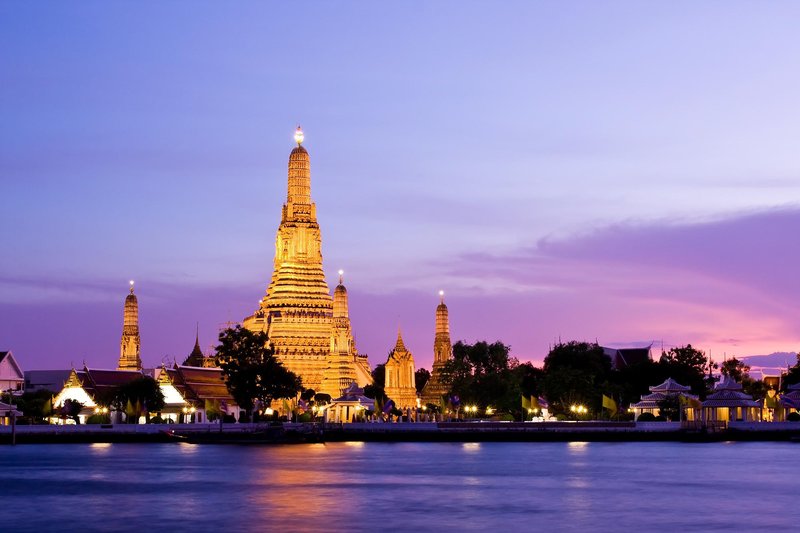
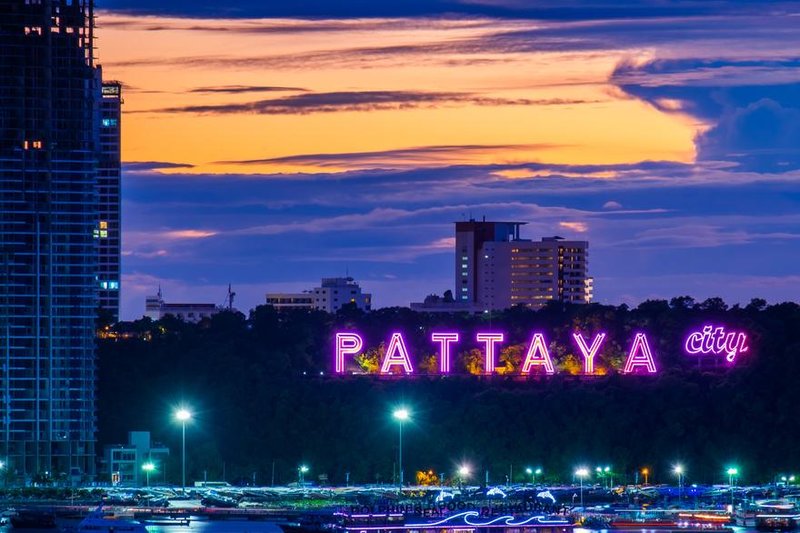
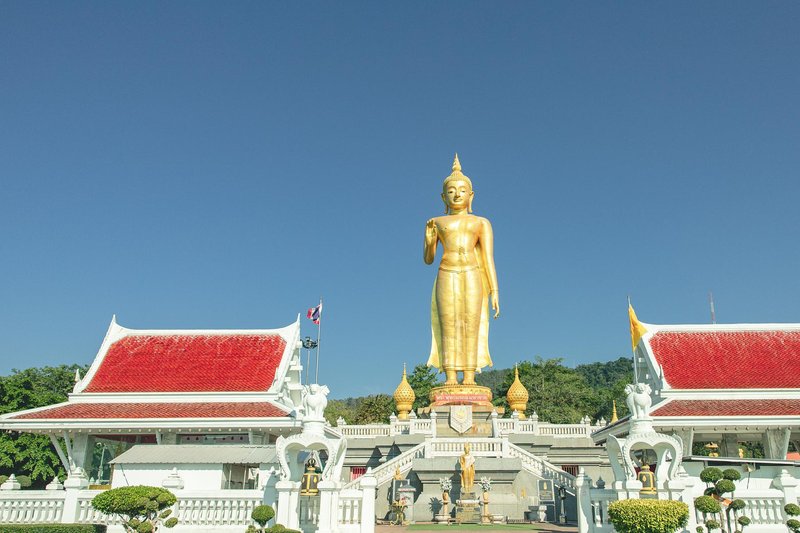
Popular Landmarks in Phra Samut Chedi District
Discover the most iconic attractions in Phra Samut Chedi District
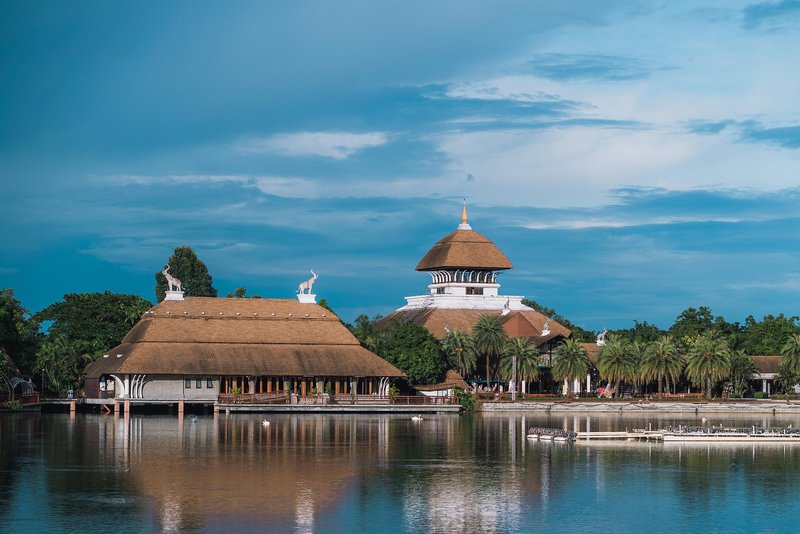
Best Hotels in Phra Samut Chedi District
Discover curated hotel collections in Phra Samut Chedi District


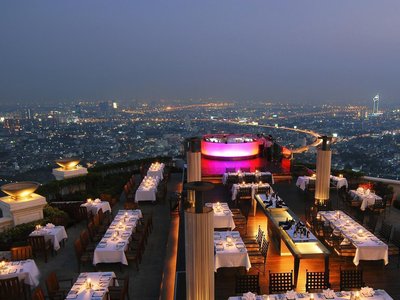
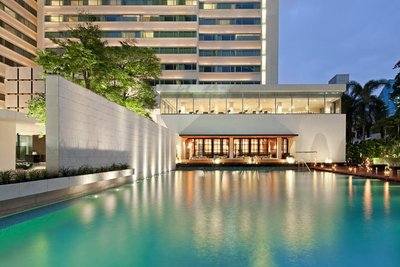
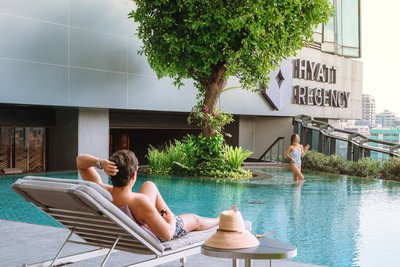
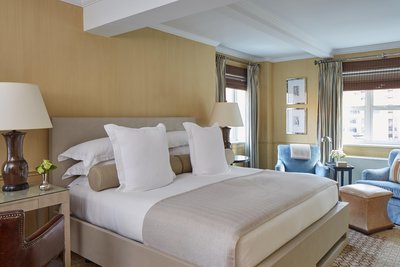
Frequently Asked Questions about Traveling to Phra Samut Chedi District
Questions You Might Need to Know About Traveling to Phra Samut Chedi District
In the Pasamum Buddha Tower District, recommend staying at Chiang Mai Garden Resort, a serene riverside property offering a children’s pool, family rooms, and on-site Thai massage. Located just steps from the iconic Pasamum Buddha Tower, guests enjoy easy access to morning alms ceremonies and cultural tours. The resort blends traditional Thai architecture with modern comforts, featuring local artwork and a farm-to-table restaurant serving authentic regional dishes. Another excellent option is Nonthaburi Eco Homestay, run by a local family, providing farm tours, organic breakfasts, and hands-on activities like rice planting—perfect for families seeking immersive, sustainable travel experiences.
The ideal area for lodging in Pasamum Buddha Tower District is the walking zone near the temple, where you can easily access the Pasamum Buddha Tower for early morning alms rounds and quiet contemplation. This neighborhood hosts boutique guesthouses like Lotus Temple Inn, known for its peaceful ambiance and warm hospitality. Nearby, the riverfront district offers scenic views and tranquil evenings along the water. Staying close to the main religious site and public transport hubs ensures convenient access to markets, temples, and day trips to Bangkok’s outskirts, maximizing both comfort and cultural immersion.
Must-try experiences in Pasamum Buddha Tower District include participating in the morning alms ceremony as monks walk through the streets collecting offerings—a deeply spiritual ritual. Visit the Pasamum Buddha Tower itself to admire intricate Thai-style sculptures and golden rooftops. During the annual Lantern Festival in March, thousands of handcrafted lanterns illuminate the riverbanks, symbolizing peace and remembrance. Travelers can also join guided Thai meditation workshops at nearby temples, learning breathing techniques and mindfulness practices rooted in Theravāda Buddhism. These authentic experiences offer profound insight into Thai spirituality and daily life.
Yes, several mid-to-high-end hotels in Pasamum Buddha Tower District provide complimentary shuttle services. Chiang Mai Garden Resort and Nonthaburi Eco Homestay operate scheduled shuttles between their properties and major transit points like Nonthaburi Station and popular attractions such as the market and shopping center. Shuttles typically run from 9 AM to 7 PM daily. However, smaller guesthouses may not offer this service—guests should confirm availability upon HopeGoo. For those without shuttles, local Tuk-Tuk drivers or ride-hailing apps like Grab are affordable and efficient alternatives, ensuring seamless mobility throughout the district.
Absolutely. Pasamum Buddha Tower District is a paradise for photographers. Stay at Lotus Temple Inn, whose garden courtyard features lotus ponds and golden temple reflections perfect for sunrise shots. The hotel’s blend of traditional Thai design and modern minimalism creates striking visual contrast. At Chiang Mai Garden Resort, expansive greenery and riverside pathways offer rich compositions—especially during golden hour when monks in saffron robes stroll past. Many hotels also provide designated photo spots and even arrange private guides to help locate ideal angles. Whether capturing architecture, culture, or nature, the district delivers endless inspiration for both amateur and professional photographers.
Travelers should try the Thai Cooking Class hosted at a local family kitchen near the Pasamum Buddha Tower, where you’ll learn to prepare authentic dishes like Tom Yum Goong, Som Tum, and Mango Sticky Rice while discovering ingredient origins and flavor philosophies. After cooking, enjoy your creations with local herbal tea. Another highlight is the Temple Market Day Trip, starting with a morning visit to the bustling local market, followed by crafting handmade incense and prayer flags at the temple. These experiences seamlessly blend culinary tradition, craftsmanship, and spiritual practice, offering deep cultural connection and unforgettable memories.
Yes, many hotels in Pasamum Buddha Tower District cater to long-term visitors. Nonthaburi Eco Homestay and Chiang Mai Garden Resort offer extended-stay discounts, spacious family suites, laundry facilities, and high-speed Wi-Fi—ideal for digital nomads or remote workers. The area’s calm atmosphere, away from city noise, supports focus and relaxation. On-site wellness programs like herbal baths, acupressure sessions, and Tai Chi classes help maintain physical and mental balance. With nearby convenience stores, clinics, and community parks, daily needs are easily met. Opt for rooms with private balconies or gardens to enjoy morning birdsong and evening breezes—perfect for a slow, mindful lifestyle.
Evening highlights in Pasamum Buddha Tower District include the Riverside Lantern Walk, where handcrafted paper lanterns glow above the water, creating a dreamlike ambiance. Some temples host night meditation and chanting ceremonies, open to visitors seeking serenity. On weekends, Temple Square transforms into a cultural hub with live Thai theater performances and street music, paired with local snacks. For a relaxed night out, stay at Chiang Mai Garden Resort’s rooftop bar, sipping Thai-inspired cocktails under starlight while gazing over the river. These experiences blend tranquility, tradition, and gentle celebration, making evenings here truly memorable.
Hotels in Pasamum Buddha Tower District actively foster local integration. Lotus Temple Inn hosts monthly Community Dining Nights, inviting guests to share meals with villagers, exchange recipes, and hear family stories. Nonthaburi Eco Homestay offers a Farmer’s Day Experience, teaching guests how to harvest vegetables, care for animals, and make compost—hands-on lessons in sustainable living. Many properties also provide basic Thai language lessons and craft workshops in weaving, tie-dye, and temple model building. These initiatives create genuine human connections, allowing travelers to experience the warmth, values, and rhythms of everyday Thai life beyond tourism.
Transportation in Pasamum Buddha Tower District is highly convenient. The area is just 30 minutes from Bangkok via the Airport Rail Link to Nonthaburi Station, then a short tuk-tuk or taxi ride. Most hotels offer free parking, and some provide shuttle services to key locations. The district has well-maintained roads, bike lanes, and pedestrian paths—ideal for cycling along the riverside. Ride-hailing apps like Grab and Line Man are widely used and reliable. For eco-conscious travelers, electric scooters are available for rent, enabling leisurely exploration through villages, rice fields, and ancient temples—offering both efficiency and scenic charm.
Phra Samut Chedi District Overview
City Summary
Phra Samut Chedi District in Samut Prakan, Thailand, is renowned for its Phra Samut Chedi, a significant Buddhist pilgrimage site. The area blends traditional Thai culture with modern urban life, offering historical landmarks and a serene religious atmosphere. Visitors can immerse in Buddhist culture, explore local markets, and enjoy the laid-back vibe of Samut Prakan.
Must-See Attractions
The Phra Samut Chedi is the district's highlight, featuring a golden stupa and sacred Buddha statues. Nearby temple complexes showcase Thai traditional art and religious heritage. The local markets are perfect for handicrafts and street food, providing an authentic Thai experience.
Food Guide
Street food in Phra Samut Chedi is a must-try, with classics like Pad Thai, mango sticky rice, and grilled meat skewers. Vendors cluster around markets, offering affordable and flavorful bites.
Transportation Guide
Buses and taxis are the main transport options. Using Grab for ride-hailing ensures fair pricing. From Bangkok, take a bus or train to Samut Prakan, then transfer to local transport. Walking is feasible but mind the heat and traffic.
Best Time to Visit
The best time to visit is November to February, with cool and dry weather. Avoid April's Songkran festival for fewer crowds.
Travel Tips
- Dress modestly: Cover shoulders and knees in temples.
- Respect customs: Remove shoes before entering sacred areas.
- Sun protection: Bring hats and sunscreen.
- Cash payments: Most vendors don't accept cards.
- Rush hours: Avoid morning and evening commutes.
- Language: Learn basic Thai greetings.
Useful Information
Language: Thai is primary; some English is spoken. Internet: Buy local SIMs at convenience stores. Payments: Cash is king; few restaurants take cards. Emergencies: Hospitals are available; travel insurance is advised. Voltage: 220V, plug types A/B/C.