Hotels in Phuc Yen
Discover your perfect stay in Phuc Yen.
Phuc Yen(Vietnam) Travel 2026: Cheap Flights, Hotels & Top Attractions
Popular Landmarks in Phuc Yen
Discover the most iconic attractions in Phuc Yen
Recommended Hotels in Phuc Yen
Find the perfect place to stay in Phuc Yen

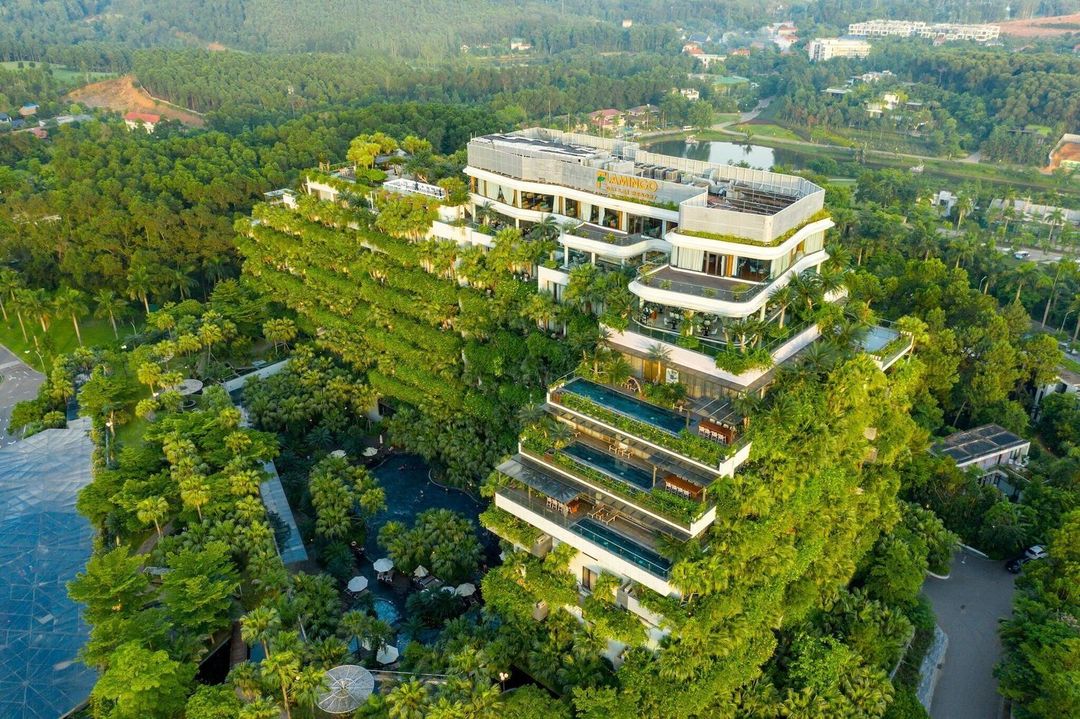
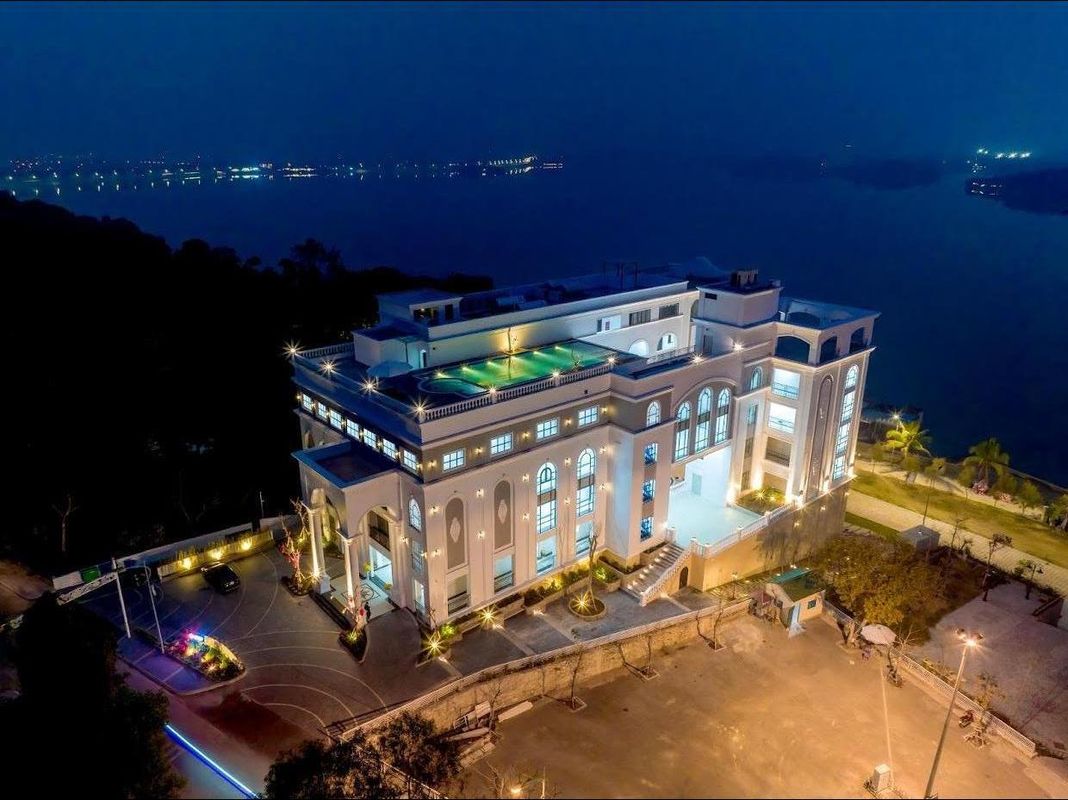
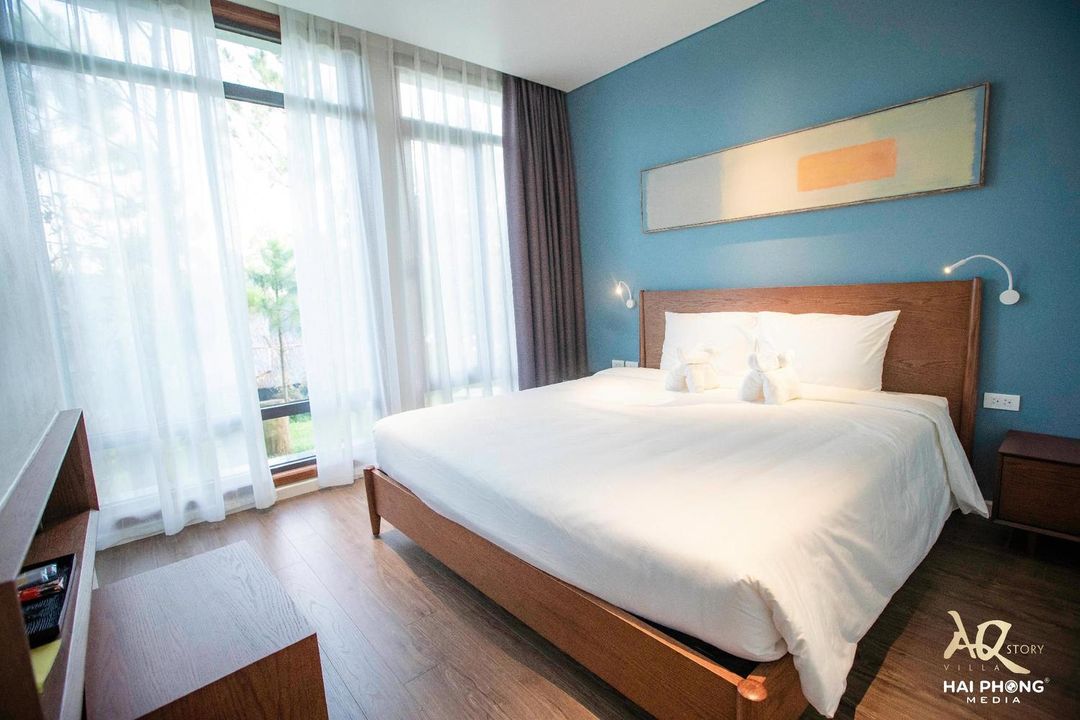
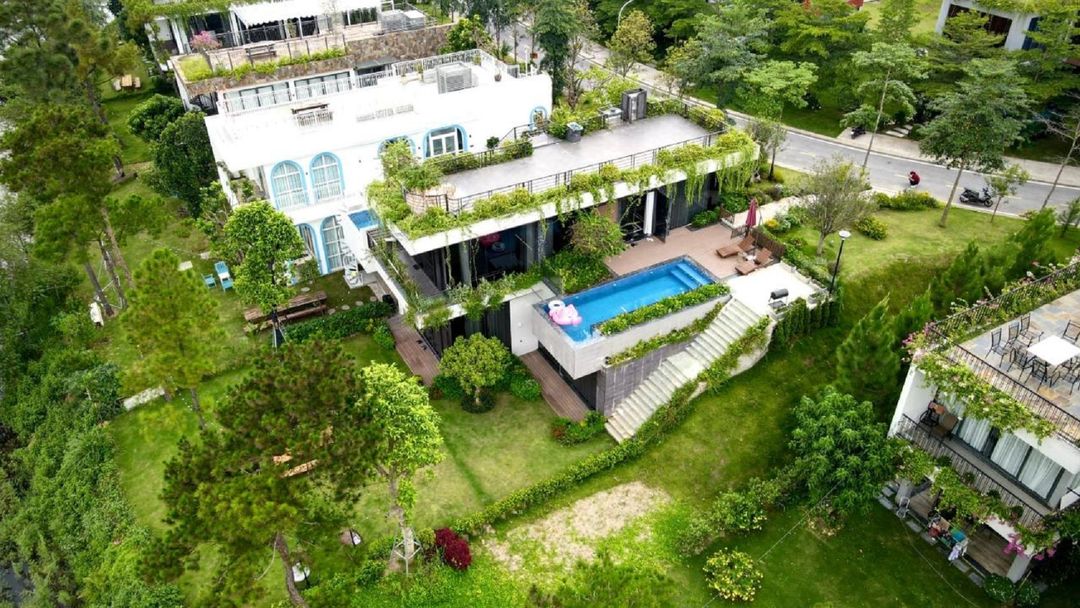
Best Hotels in Phuc Yen
Discover curated hotel collections in Phuc Yen



















































Frequently Asked Questions about Traveling to Phuc Yen
Questions You Might Need to Know About Traveling to Phuc Yen
For authentic cultural experiences, stay at Phu An Ancient Town Inn, a heritage property converted from a 19th-century family home. The rooms feature traditional Vietnamese joinery, red-brick walls, and carved wooden windows overlooking the serene Phu An Temple courtyard. Daily activities include handmade sticky rice dumpling workshops and Vietnamese tea ceremony sessions, offering deep insight into North Vietnam’s rural craftsmanship and intangible heritage.
The Old Town District is ideal for walking. It boasts well-preserved French colonial architecture, handcrafted bamboo markets, and narrow alleys lined with century-old trees. Stay at Phu An Riverside Stay, just a 5-minute walk from Phu An Bridge, where you can stroll to morning prayer temples and evening night market alleys. With no motor vehicles, this area offers an immersive, unhurried experience of local life.
Book the Rice Festival Experience every Saturday at Phu An Ancient Town Inn—participate in buffalo plowing demonstrations, traditional weaving workshops, and ethnic minority folk singing duels. You can also join a family-run pottery studio, crafting your own ceramic piece using local clay. All activities are led by local women cooperatives, ensuring authenticity and community benefit.
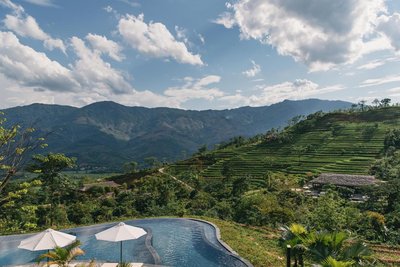
Yes, Phu An Greenfield Homestay sits amidst terraced rice fields with panoramic views of endless green waves. Built with bamboo frames and mud walls, it features thatched roofs and stargazing decks. The owner, a retired farmer, leads guided hikes to Ming Dynasty watchtowers, sharing stories of border defense. This blend of ecological design and historical storytelling makes it perfect for nature lovers.
Don’t miss the Lantern Festival on lunar full moon nights at Phu An Bridge Square, where thousands of paper lanterns create a starlit reflection on the river. Join a lantern painting workshop using natural plant dyes, then follow the dragon dance parade. Enjoy live shadow puppetry performances of The Legend of White Snake, a rare glimpse into North Vietnam’s spiritual traditions.
Phu An Kids' Haven provides unique family services: a mini rice farm where children can plant seedlings and feed pigs, children’s Vietnamese language classes, and kite-making workshops. All furniture is made from eco-friendly bamboo, and rooms feature interactive projection maps showing historical sites. Parents can book family cooking sessions to make spring rolls and coconut cakes together.
At Phu An Weaving House, guests participate in the complete handloom process: from cotton harvesting and spinning to dyeing and pattern weaving. Each visitor creates a 20×30 cm handwoven scarf under the guidance of third-generation female artisans. The lodge also hosts textile history lectures featuring 18th-century silk patterns, preserving the cultural significance behind each design.
Phu An Light & Shadow Lodge is designed for visual artists. Its light-filtering glass bricks create dynamic shadows during the day and serve as a star trail photography base at night. Each room has a floor-to-ceiling window facing the Phu An Bell Tower, perfect for capturing foggy morning chimes or twilight silhouettes. Free DSLR rentals and composition coaching are provided, plus moon phase photography trips to capture rare northern border auroras.
Stay at Phu An Flavors Garden for a private kitchen journey. Begin by harvesting herbs like lemongrass and nine-layered basil from the organic garden, then cook Phu An sour fish soup over a stone hearth. Learn the Vietnamese flavor philosophy—balancing sour, sweet, salty, and umami—while tasting homemade chili sauce with sticky rice wine. All ingredients come from certified local farms.
Phu An Eco-Lodge operates with zero waste: powered by solar energy, uses rainwater harvesting, and features composting toilets. Materials are sourced from reclaimed local timber, and meals use partnered organic produce. Guests receive a carbon footprint tracker, recording daily water and electricity use. Monthly forest clean-up days allow visitors to plant native trees, earning digital certificates that certify their environmental impact.
Phuc Yen Overview
City Summary
Phu An is a district-level administrative region in Bac Ninh Province, Vietnam, known for its traditional handicrafts and agricultural culture. It is famous for silk weaving and ceramic production, offering visitors an authentic Vietnamese rural experience. The core appeal of Phu An lies in its tranquil countryside scenery and rich historical heritage, making it an ideal escape from urban hustle.
Must-See Attractions
The main attractions in Phu An include traditional craft villages, such as silk weaving and ceramic villages, where visitors can witness the artisans' exquisite skills. Additionally, local temples and historical sites are must-see cultural experiences. The vibrant rural markets are great places to immerse in local life.
Food Guide
Phu An's street food features traditional Vietnamese dishes, such as Pho (Vietnamese noodle soup) and Banh Mi (Vietnamese baguette). Local specialties also include Nem Ran (fried spring rolls) and Bun Cha (grilled pork with noodles), which are widely available at street stalls and markets.
Transportation Guide
Public transportation in Phu An mainly consists of buses and motorbikes, with relatively simple intra-city travel. Visitors can choose to rent a motorbike or take a bus to nearby attractions. Due to complex road conditions, first-time visitors are advised to hire a local guide or book a private car service.
Best Time to Visit
The best time to visit is from November to April, when the weather is cool and dry, perfect for outdoor activities. Avoid the rainy season (May to October) to prevent travel disruptions.
Travel Tips
- Safety Advice: Keep personal belongings secure and avoid displaying valuables in crowded areas.
- Etiquette Tip: Remove shoes when entering temples and dress modestly.
- Customs: Locals are hospitable; respond politely to invitations.
- Dining Tip: Street food hygiene varies; opt for popular stalls.
- Transport Tip: Motorbikes are the main transport; exercise caution when crossing roads.
- Language Barrier: Learning basic Vietnamese phrases aids communication.
Useful Information
Language: Vietnamese is the primary language; English proficiency is low. A translation app is recommended. Internet: Urban areas have Wi-Fi, but rural zones may have weak signals. Payment: Cash is dominant; credit cards are accepted in larger stores and hotels. Emergency: Medical facilities in Phu An are limited; serious cases should seek treatment in Bac Ninh City or Hanoi. Voltage: 220V, plug types A and C; bring an adapter if needed.