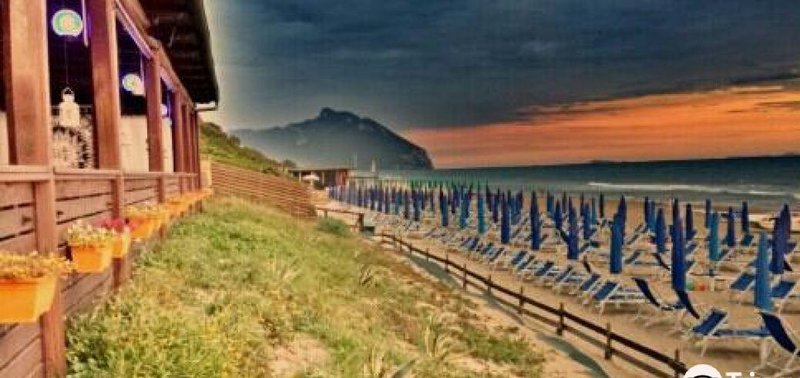
Hotels in Pieve Fosciana
Discover your perfect stay in Pieve Fosciana.
Pieve Fosciana(Italy) Travel 2026: Cheap Flights, Hotels & Top Attractions
Popular Landmarks in Pieve Fosciana
Discover the most iconic attractions in Pieve Fosciana
Recommended Hotels in Pieve Fosciana
Find the perfect place to stay in Pieve Fosciana
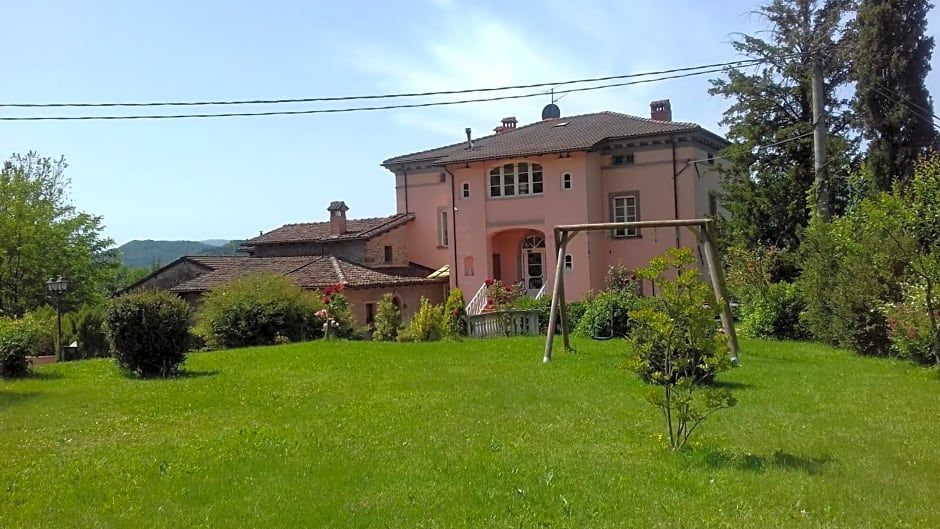
Villa Belvedere
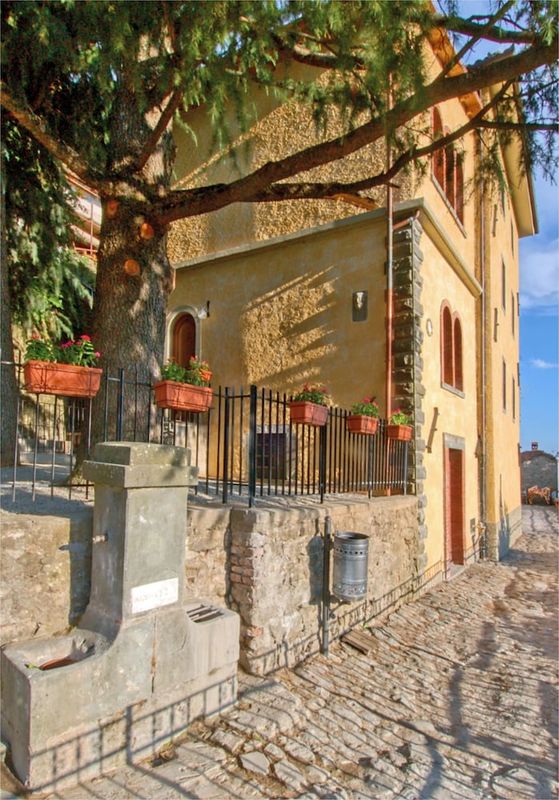
Casa Vacanze le Muse Sillico
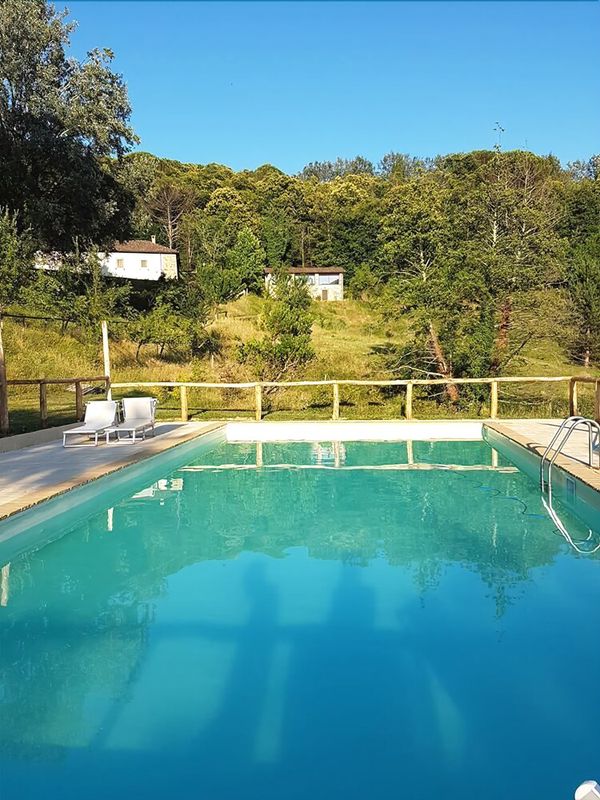
Agriturismo "Ai frati"
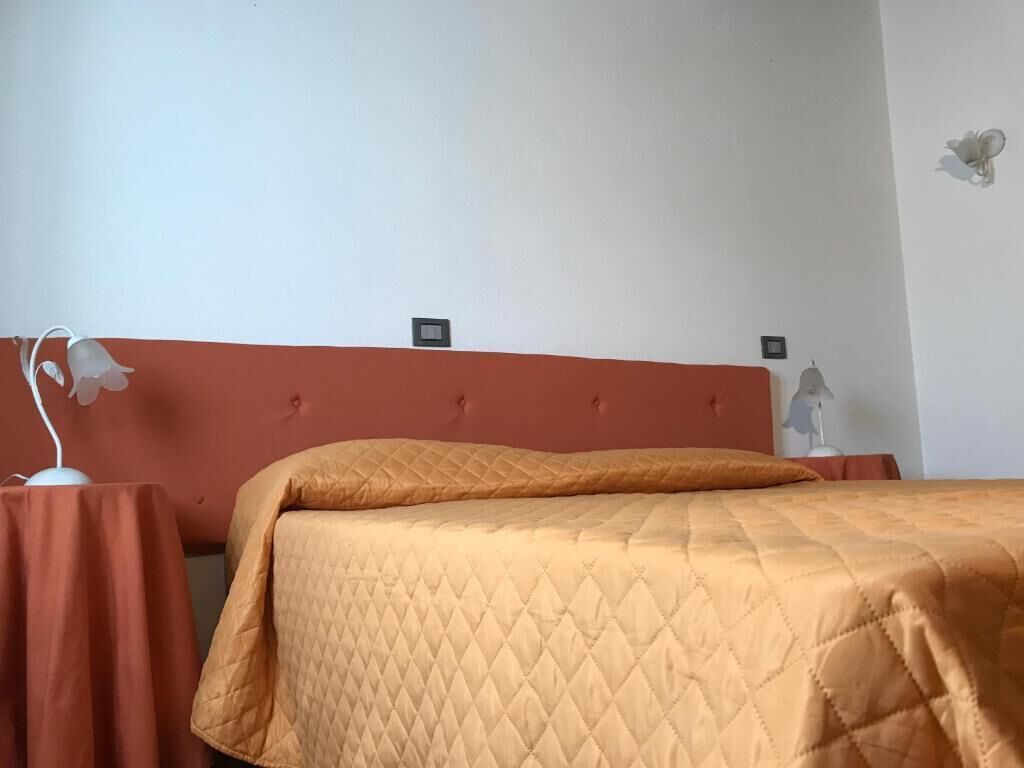
Il Pianetto Holiday Accomodation
Best Hotels in Pieve Fosciana
Discover curated hotel collections in Pieve Fosciana
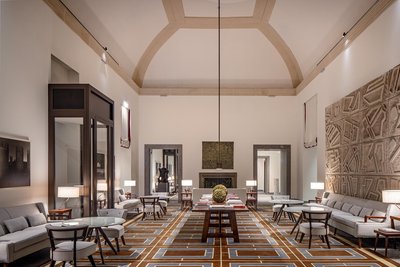
Portrait Milano - Lungarno Collection
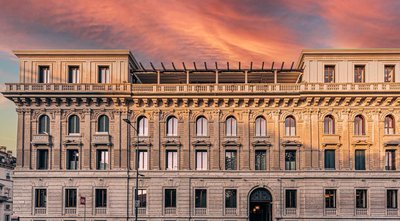
Casa Cipriani Milano
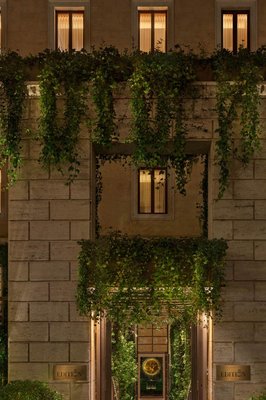
The Rome Edition
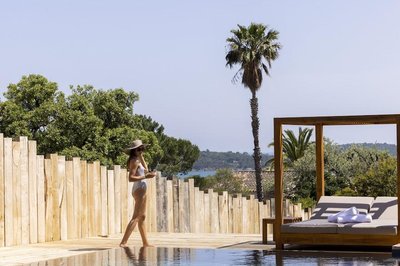
Les Regalia Hôtel & Spa
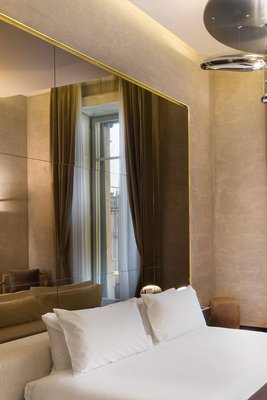
The Glamore Milano Duomo
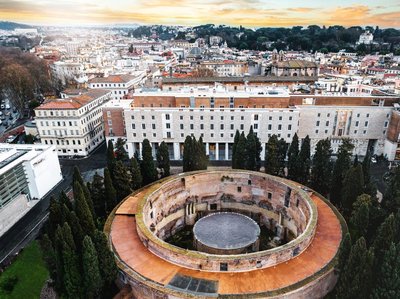
Bulgari Hotel Roma
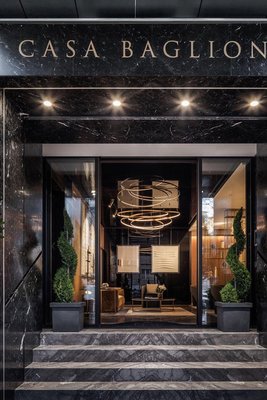
Casa Baglioni Milan - the Leading Hotels of the World
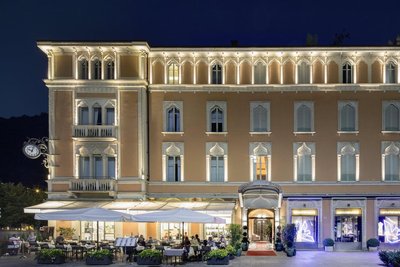
Vista Lago di Como
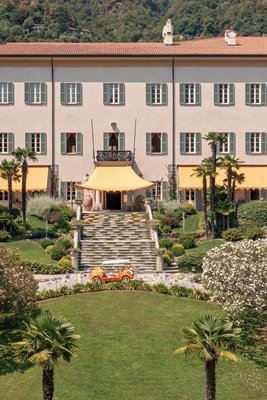
Passalacqua
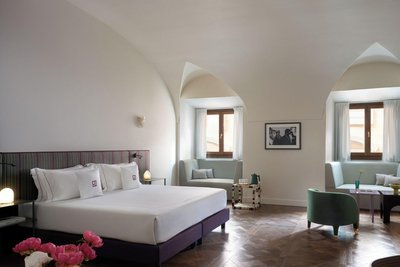
Palazzo Talìa - Small Luxury Hotels of the World
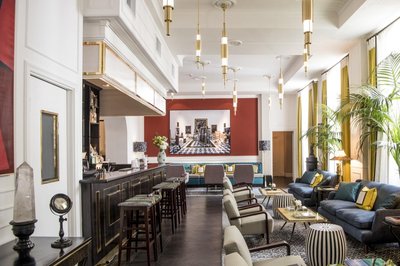
Hotel Vilòn
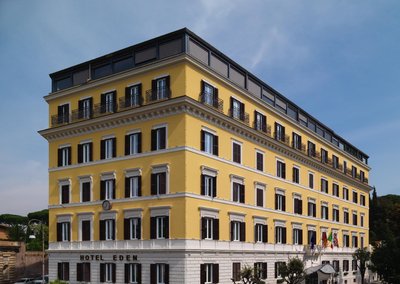
Hotel Eden - Dorchester Collection
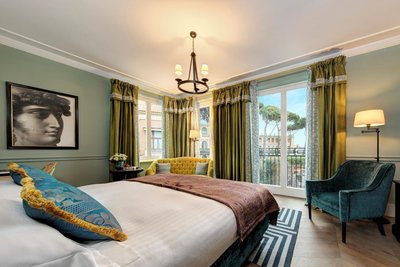
Rocco Forte Hotel de La Ville
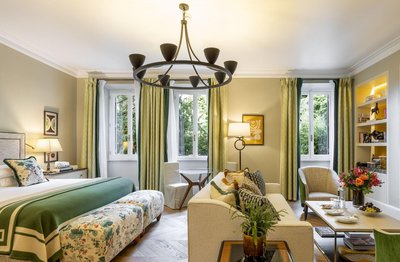
Rocco Forte Hotel De Russie

Kulm Hotel St. Moritz
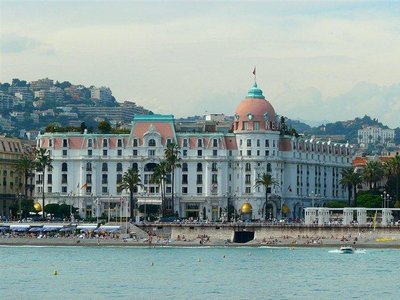
Hotel le Negresco
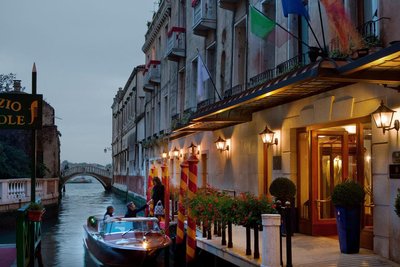
Baglioni Hotel Luna
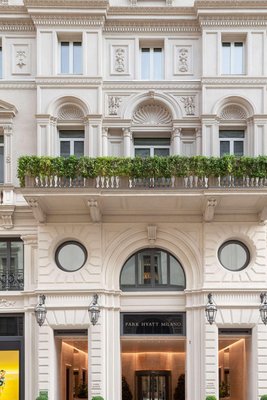
Park Hyatt Milan
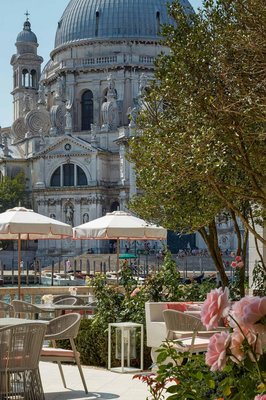
The St. Regis Venice
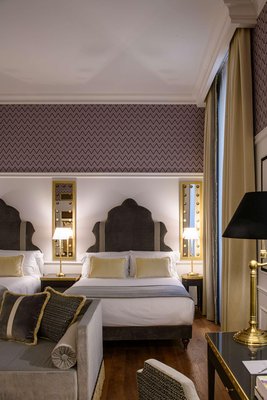
Il Tornabuoni Unbound
Frequently Asked Questions about Traveling to Pieve Fosciana
Questions You Might Need to Know About Traveling to Pieve Fosciana
For an authentic Tuscan countryside experience, stay at Agriturismo La Vigna, a restored 17th-century farmhouse nestled among vineyards and olive groves. Enjoy hands-on activities like wine-making workshops, olive harvesting, and farm-to-table dinners featuring local ingredients such as wild boar stew and truffle pasta. The property offers rustic-chic rooms with mountain views, a private pool overlooking valleys, and access to hiking trails through the Apuan Alps. Guests can also join morning yoga sessions or visit nearby medieval churches. This immersive retreat captures the soul of rural Tuscany with zero tourist crowds.
The historic center (Centro Storico) is ideal for peaceful strolls. Cobblestone alleys wind past centuries-old stone houses, artisan shops, and the striking Church of the Assumption with its Romanesque façade. Explore hidden courtyards, browse handmade ceramics and leather goods, then relax at a sunlit café in the main square. In the evening, enjoy a tranquil atmosphere as locals gather for wine and conversation. The area’s low-key charm, surrounded by rolling hills and distant forested ridges, makes it perfect for slow travel and deep cultural immersion.
Start your day at the ancient Abbey of San Miniato, where you’ll hear stories of Pope Gregory VII and admire preserved 12th-century frescoes. Then join a traditional cooking class hosted by a local family—learn to make tomato sauce with dried pasta and cheese lasagna using seasonal ingredients. Afterward, visit the open-air market for fresh produce, honey, and handcrafted pottery. End your day with a farm dinner under the stars, paired with Brunello di Montalcino wine. No tour groups, just genuine connections—with nature, food, and history—making this a deeply personal journey into Tuscan life.
Cycle the Val di Nievole River Trail, a 12-kilometer route from Pieve di Teco westward through lush forests and historic sites like the ruins of San Bartolomeo Monastery. Along the way, spot deer and birds in the oak woodland reserve, pause at a 16th-century stone bridge for a picnic, and ride through fragrant lavender fields in late summer. The path includes gentle gradients, making it suitable for all levels. Rent an electric bike to ease uphill sections. This route blends natural beauty with historical depth—perfect for riders seeking both adventure and serenity.
The northern hillside zone (Zona Collinare Nord) delivers unmatched tranquility. Surrounded by pine forests and lavender fields, this area hosts secluded villas and agritourism stays like Villa del Sole Agriturismo, which features private pools with panoramic valley views. Wake up to sunrise over the Apuan Alps, enjoy homemade almond cookies on your terrace, and listen to the distant sound of shepherd’s flutes. With minimal traffic and no commercial noise, it’s the ultimate retreat for those seeking stillness, starlit skies, and a true escape from modern life.
Don’t miss the Festa dell’Uva e del Vino (Grape & Wine Festival), held during the first weekend of September. The town transforms into a vibrant celebration: streets overflow with wine stalls, grape-stomping areas, and traditional folk music. The highlight is the Queen of Grapes contest, where candidates recite poems about local viticulture. Other events include a torchlight procession and a bonfire night market serving warm mulled wine and roasted suckling pig. The festival captures the heart of Tuscan tradition—community, harvest, and joy—in a way that’s both lively and deeply rooted in heritage.
Visit Bambini in Fattoria, a dedicated children’s farm experience where kids can milk goats, feed chickens, and shape their own handmade pasta. The site includes a maze garden, nature discovery trails with magnifying glasses, and a cozy barn playroom. Parents can relax at the adjacent vineyard tea house while children enjoy supervised outdoor games. Lunch features kid-sized Tuscan meals—like gluten-free bread and fruit compote. This interactive, educational program fosters connection with nature and farming, making it a memorable and enriching outing for families.
Must-try dishes include Cinghiale al Vino Rosso (wild boar stewed in Chianti wine), rich and savory with a hint of herbs; Torta di Lenticchie (lentil cake), a sweet-savory treat made with local red lentils, honey, and cinnamon; and Pane di Campagna con Formaggio di Capra (country bread with goat cheese), served fresh daily. These flavors shine at local markets, family-run trattorias, and farm dinners. Try them early—many dishes are seasonal and limited in supply. Each bite tells a story of land, labor, and tradition.
The Abbey of San Miniato stands out with its blend of Romanesque and Gothic architecture, including one of Italy’s oldest bell towers, whose chimes echo across the valley. Inside, rare 12th-century frescoes depict saints’ lives in faded but vivid hues. Behind the abbey lies a monastic garden cultivated by monks for centuries, filled with medicinal herbs and roses. During Easter, a candlelit Mass fills the church with solemn beauty. More than a place of worship, it’s a living archive of medieval spirituality and craftsmanship.
The best time to visit is late May to mid-June, when temperatures hover between 18–24°C and the landscape bursts into spring glory. Lavender and olive blossoms perfume the air, while young grapevines shimmer in the sunlight. This period avoids summer heat and peak tourism, offering quiet exploration of trails and villages. Autumn (September–October) is also excellent for the harvest festival and wine releases, though crowds increase slightly. For peace, natural beauty, and optimal conditions, choose late spring.