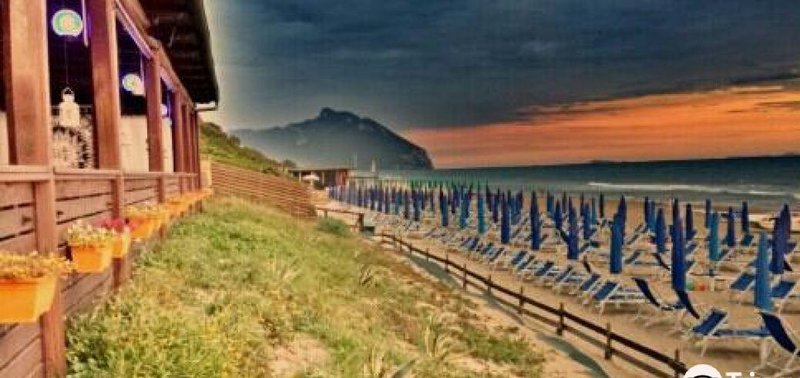
Hotels in Pieve Santo Stefano
Discover your perfect stay in Pieve Santo Stefano.
Pieve Santo Stefano(Italy) Travel 2026: Cheap Flights, Hotels & Top Attractions
Popular Landmarks in Pieve Santo Stefano
Discover the most iconic attractions in Pieve Santo Stefano
Recommended Hotels in Pieve Santo Stefano
Find the perfect place to stay in Pieve Santo Stefano
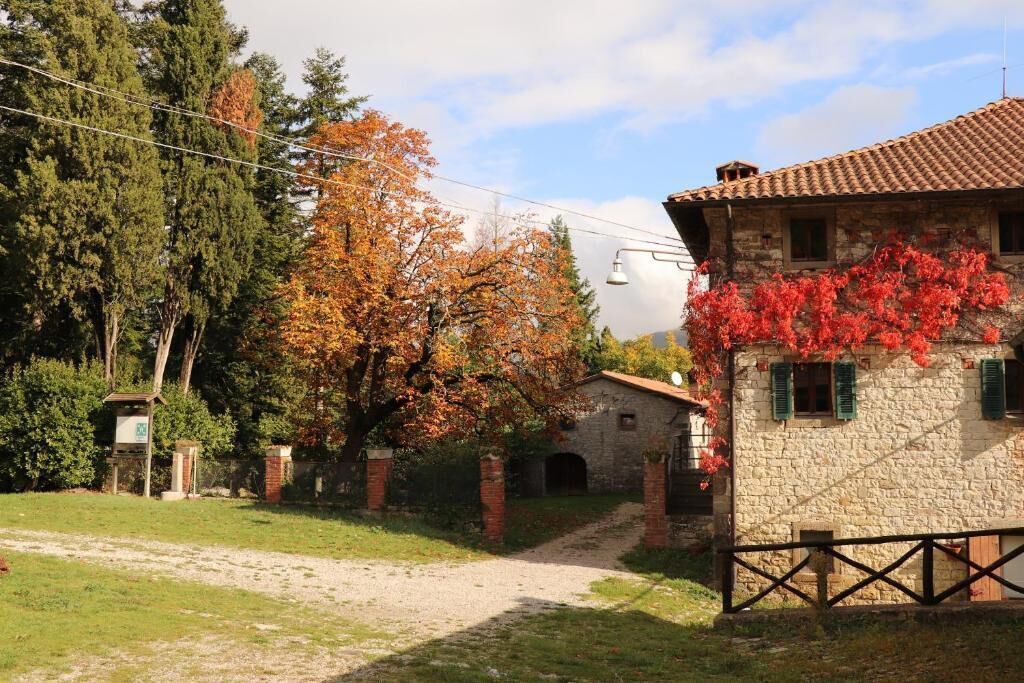
Agriturismo Villaggio Eden
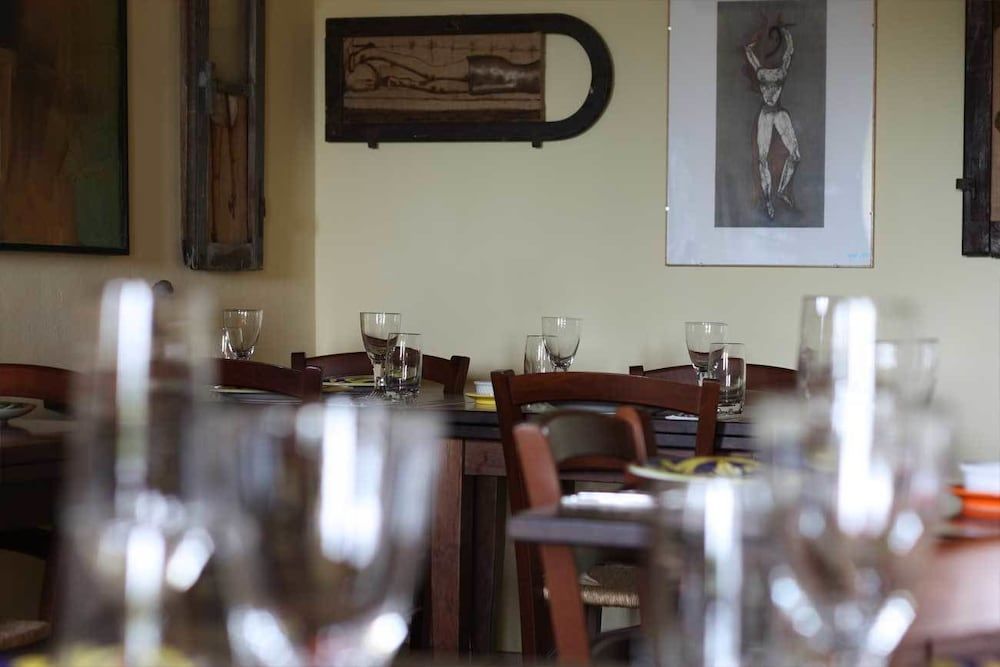
Agriturismo il Capannino
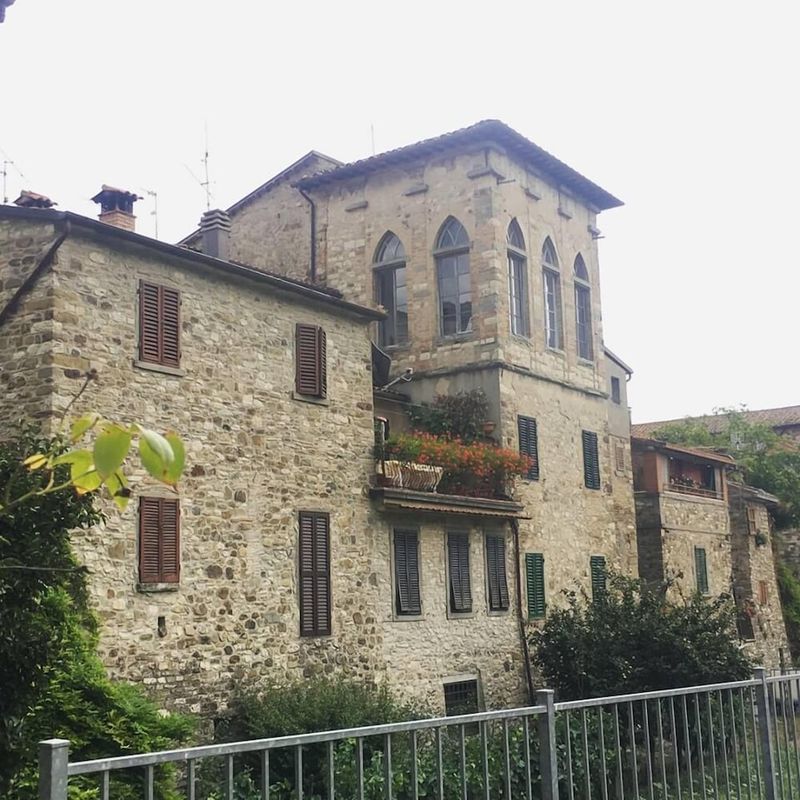
La Torre di Pieve
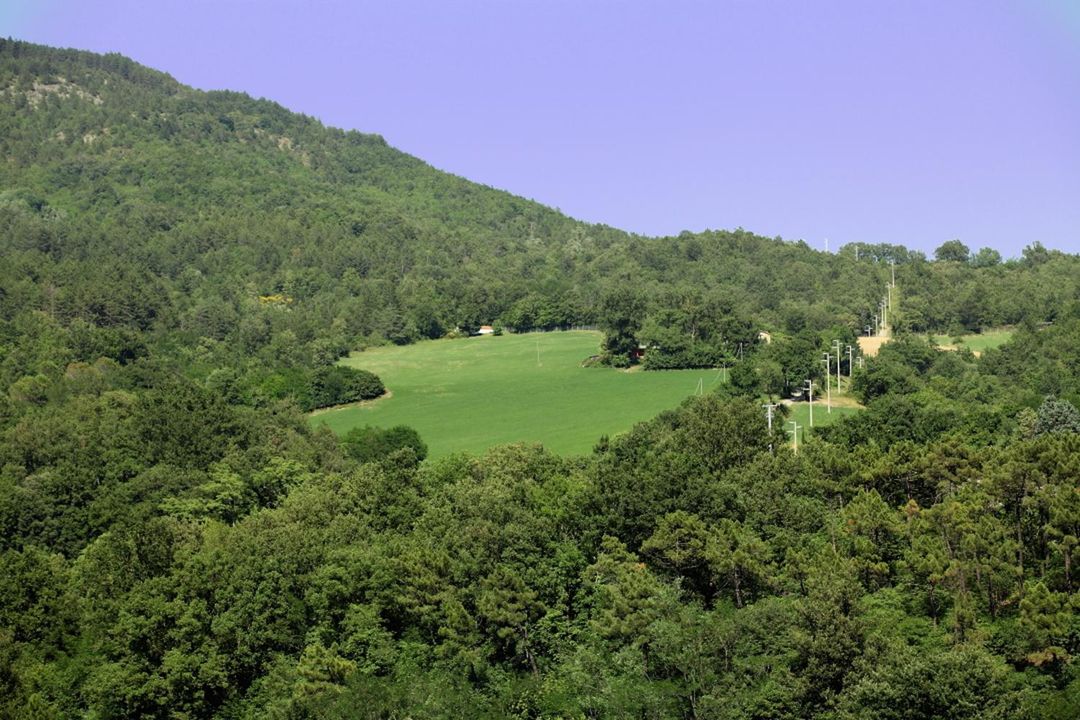
Euro Hotel
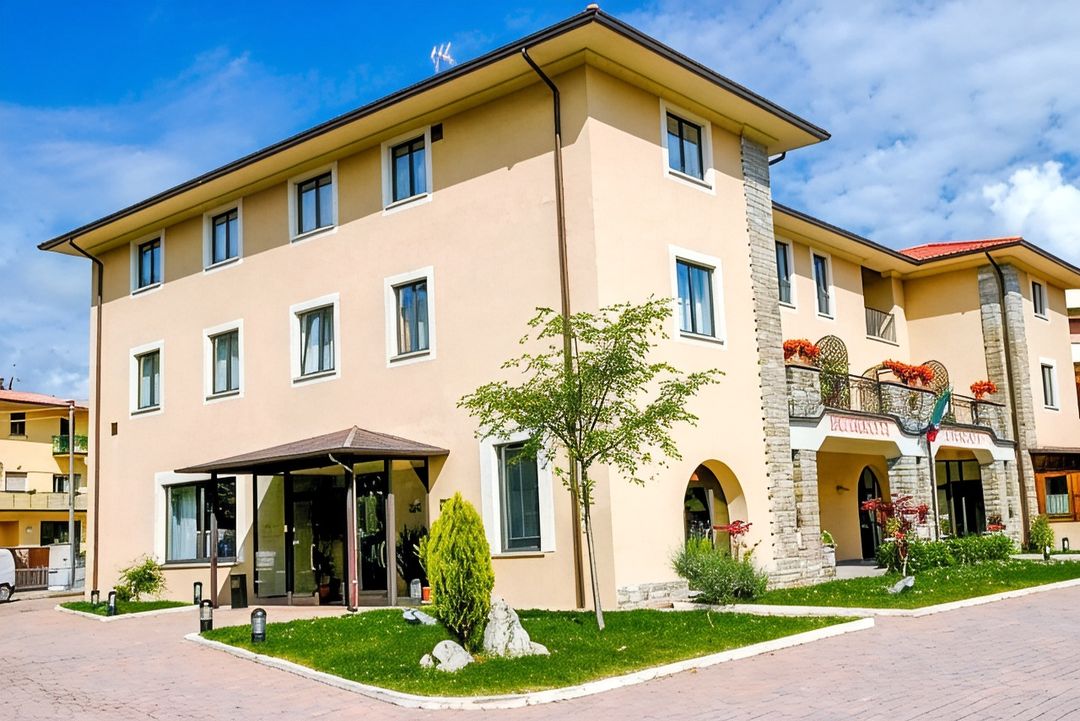
Hotel Santo Stefano
Best Hotels in Pieve Santo Stefano
Discover curated hotel collections in Pieve Santo Stefano
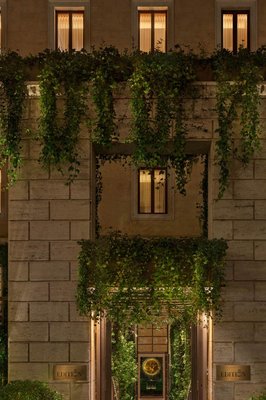
The Rome Edition
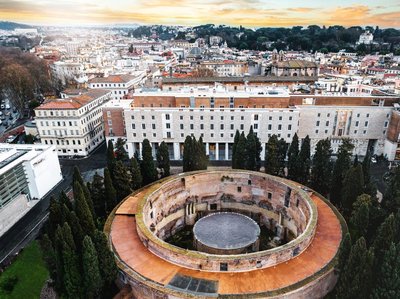
Bulgari Hotel Roma
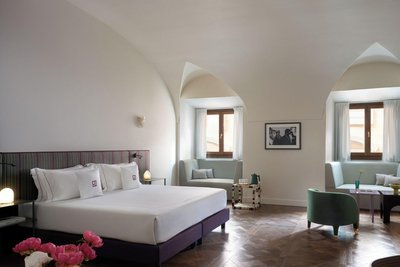
Palazzo Talìa - Small Luxury Hotels of the World
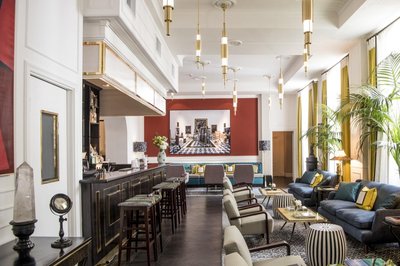
Hotel Vilòn
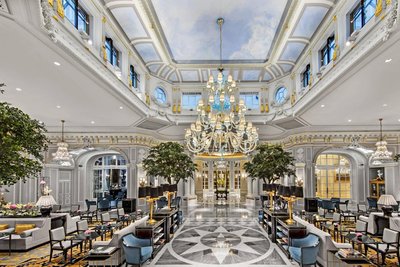
The St. Regis Rome
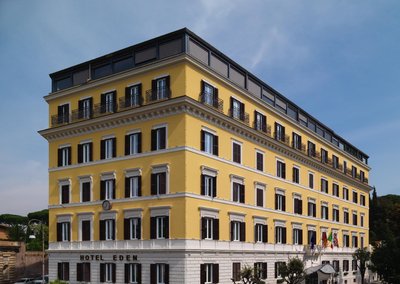
Hotel Eden - Dorchester Collection
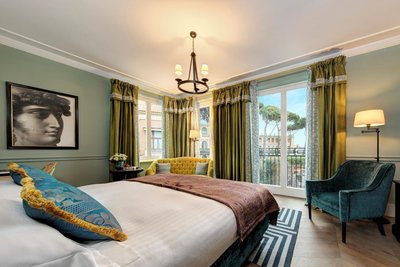
Rocco Forte Hotel de La Ville
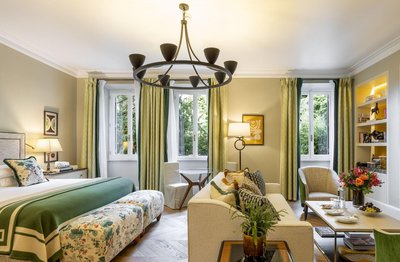
Rocco Forte Hotel De Russie
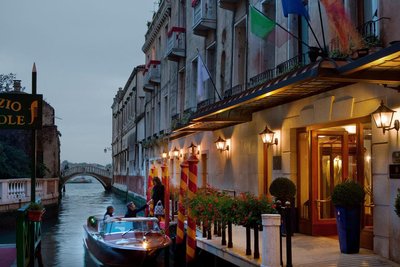
Baglioni Hotel Luna
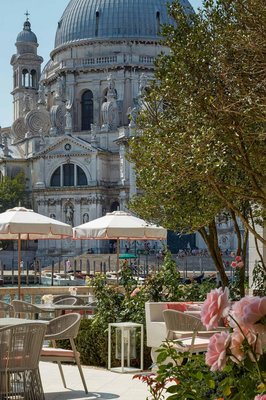
The St. Regis Venice
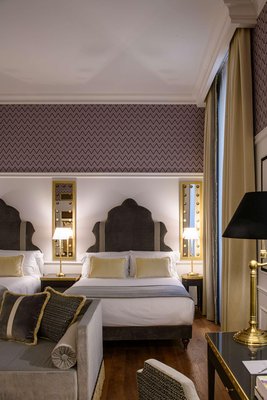
Il Tornabuoni Unbound
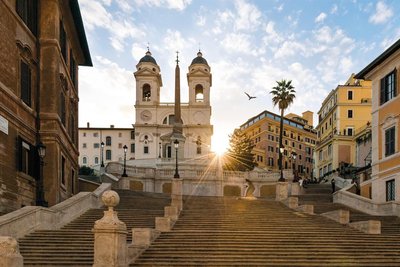
Hassler Roma
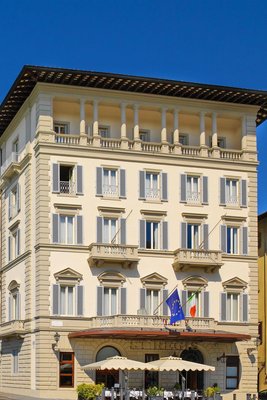
The St. Regis Florence
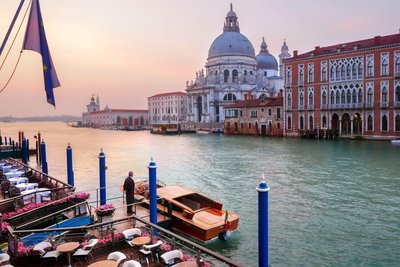
The Gritti Palace, a Luxury Collection Hotel, Venice
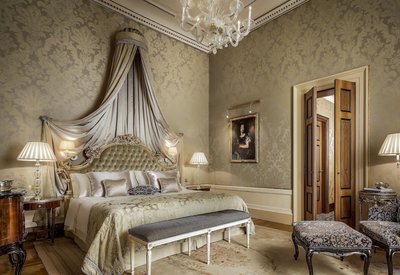
Hotel Danieli, Venice
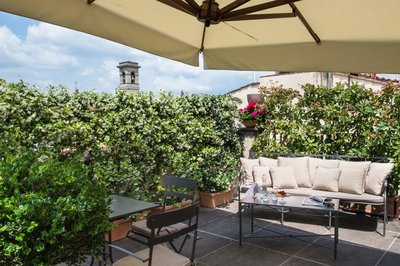
Palazzo Vecchietti - Residenza d'Epoca
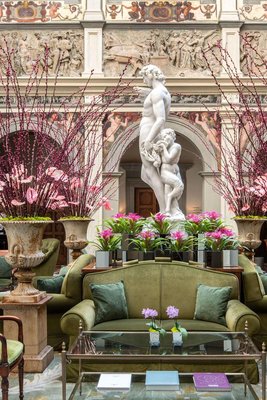
Four Seasons Hotel Firenze
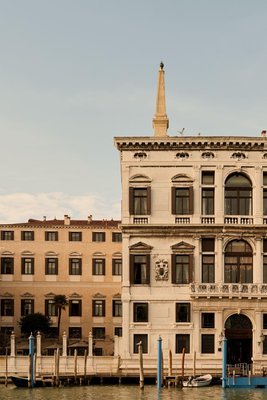
Aman Venice
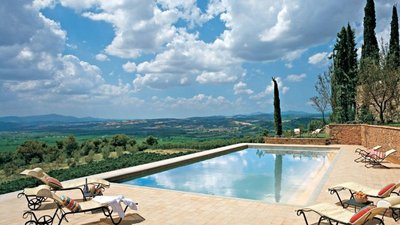
Castello Banfi - Il Borgo - Relais et Chateaux
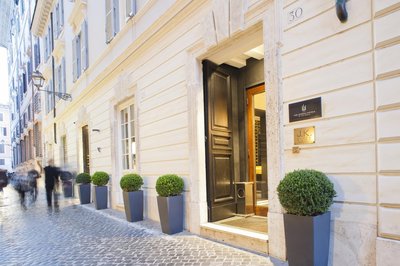
J.K. Place Roma - the Leading Hotels of the World
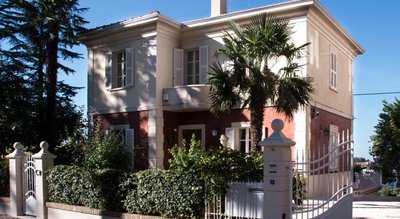
Residenza Ambrogi
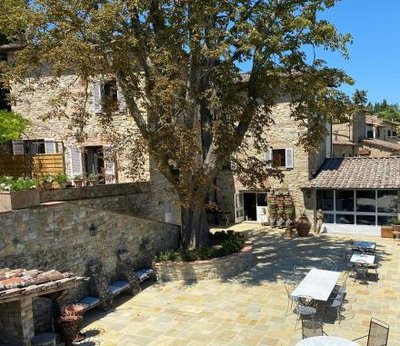
Villa la Petraia
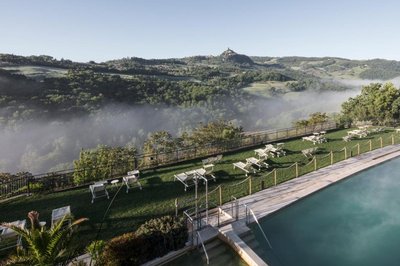
La Posta Hotel & Thermal Spa
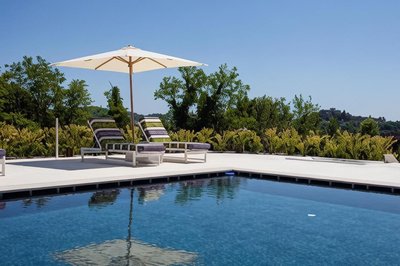
Villa Francesca Relais

Castello di Pandora
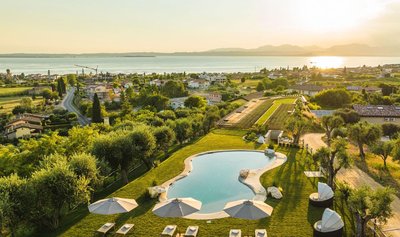
Privilegium Lazise
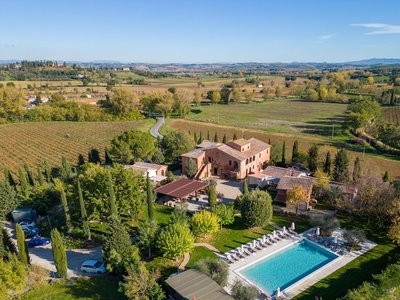
Borgo San Vincenzo
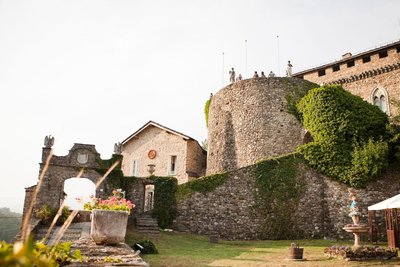
Castello di Compiano Hotel Relais Museum

Vigna Caio Relais & Spa
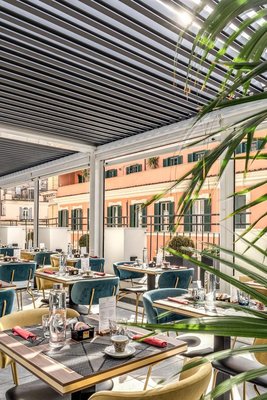
CC Palace Hotel
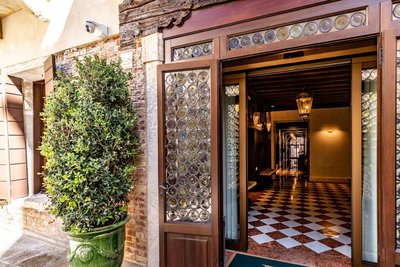
Palazzo Keller
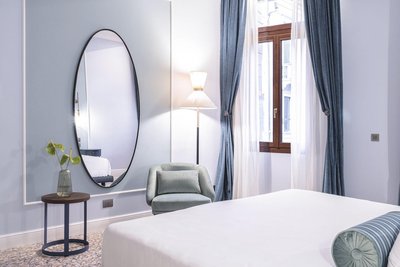
Be Mate Ponte di Rialto
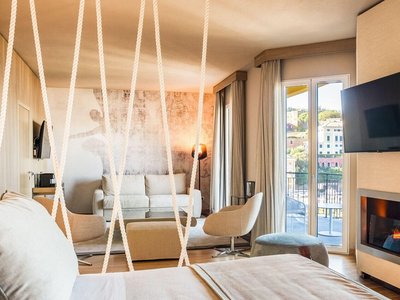
Miramare Suites
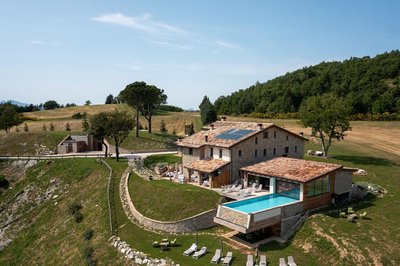
Aura Relais
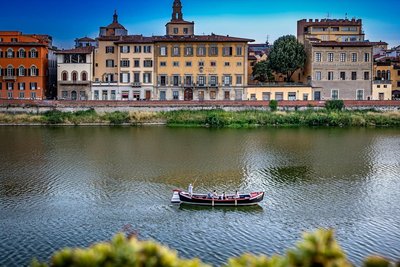
Il Rivalta
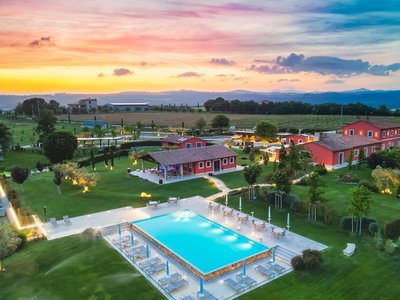
Tenuta Fogliani Resort & Natural Spa
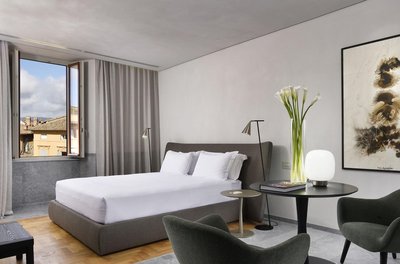
The Bank - Locanda Della Posta Dependance

Visionair Suites
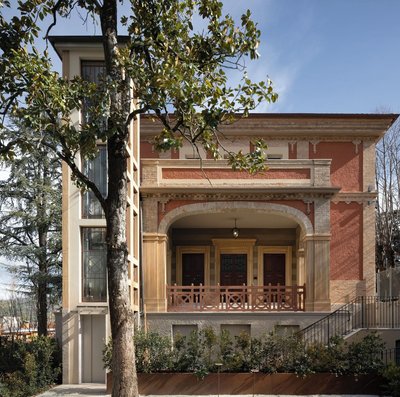
Interno Marche Design Experience Hotel
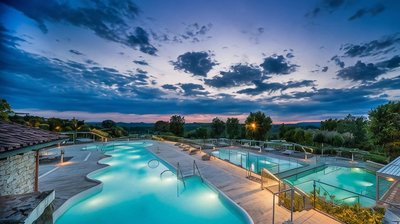
San Giovanni Terme Rapolano
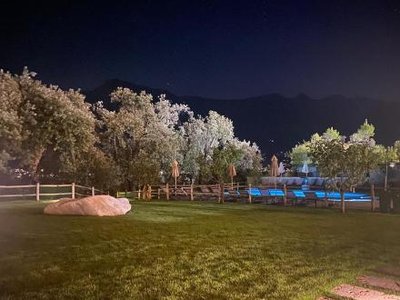
Sibenbras Natural Aparthotel
Miramare Suites
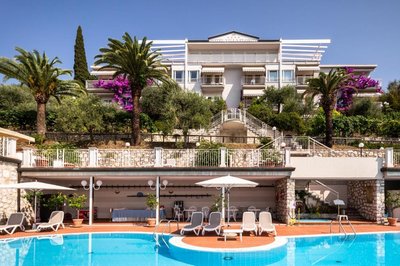
Hotel Villa Florida & Suite Apartments
Il Rivalta

Kempinski Palace Portoroz Slovenia
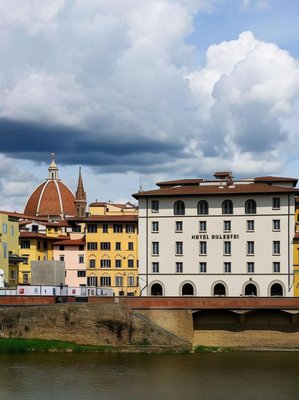
Hotel Balestri - Wtb Hotels
The St. Regis Florence
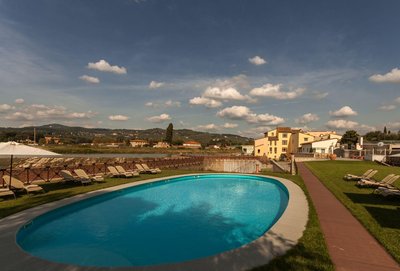
Hotel Mulino di Firenze, WorldHotels Crafted
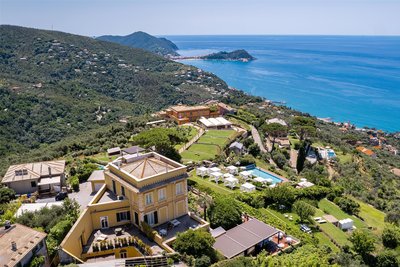
Villa Riviera Resort
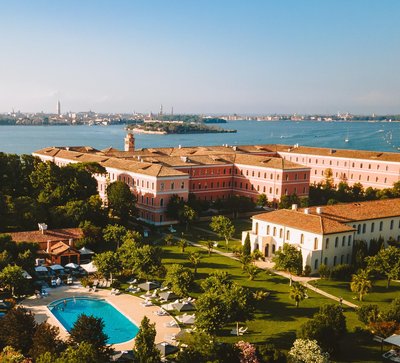
San Clemente Palace, Venice
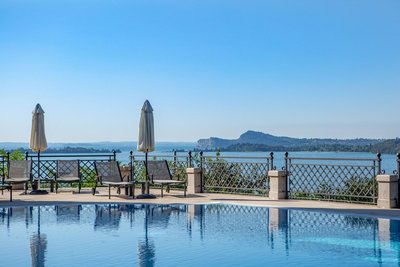
Hotel Villa Del Sogno
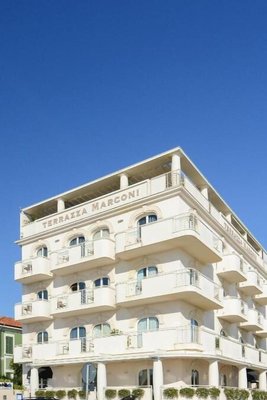
Terrazza Marconi Hotel&Spamarine

Boutique Hotel Torre di Cala Piccola
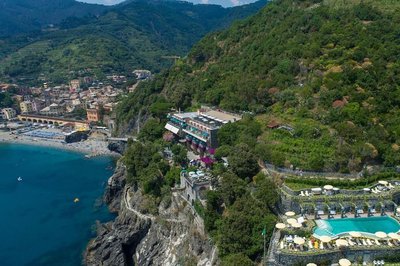
Hotel Porto Roca
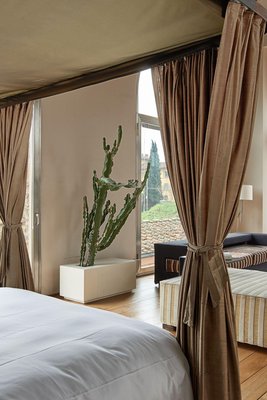
Riva Lofts Florence
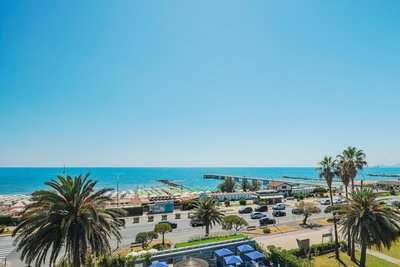
Hotel Excelsior
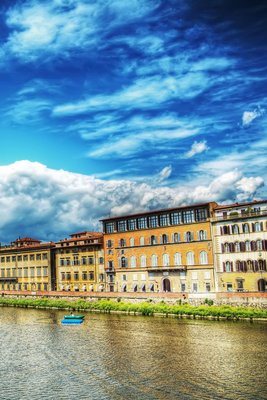
Palazzo Alfieri Residenza d'Epoca
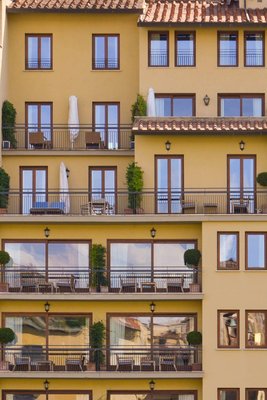
Hotel Lungarno - Lungarno Collection
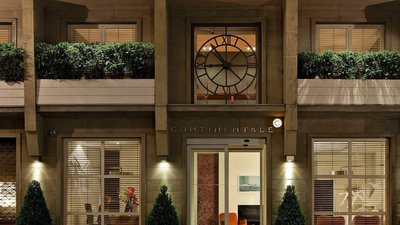
Hotel Continentale - Lungarno Collection
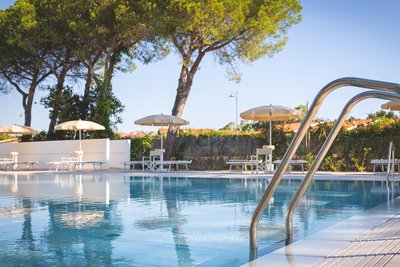
The Sense Experience Resort - Preferred Hotels & Resorts
Castello di Compiano Hotel Relais Museum
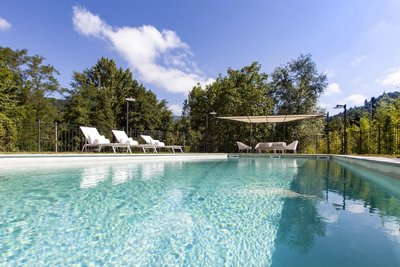
Castello di Pontebosio Luxury Resort
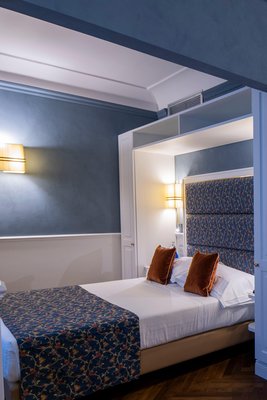
Rivoli Boutique Hotel
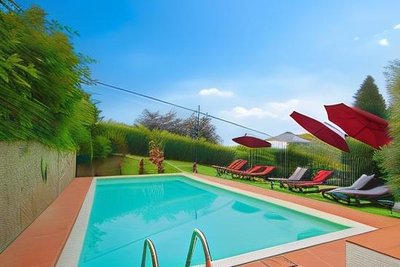
Hotel Villa Sermolli
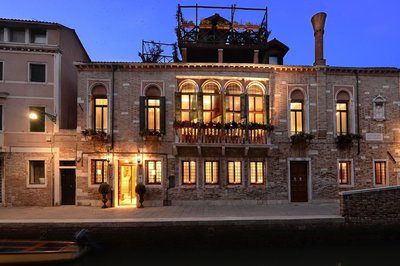
Palazzetto Madonna
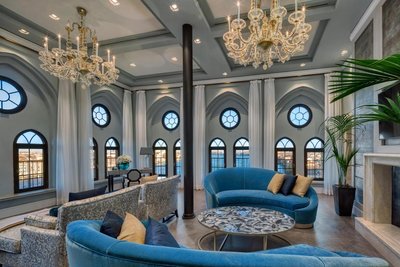
Hilton Molino Stucky Venice
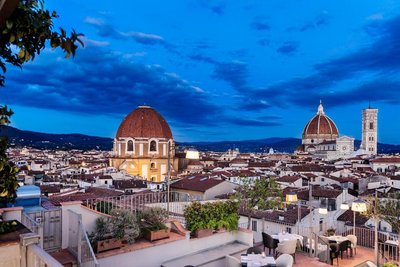
Grand Hotel Baglioni
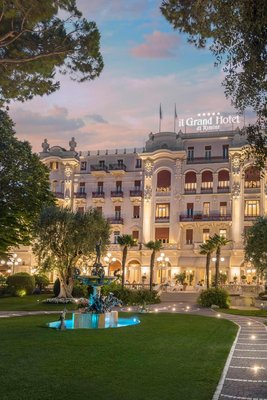
Grand Hotel Rimini

Palazzetto Pisani Grand Canal
The St. Regis Rome
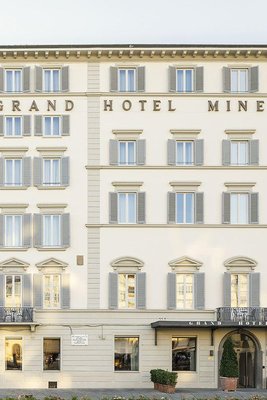
Grand Hotel Minerva
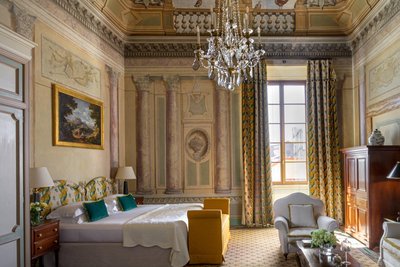
Grand Hotel Continental Siena - Starhotels Collezione
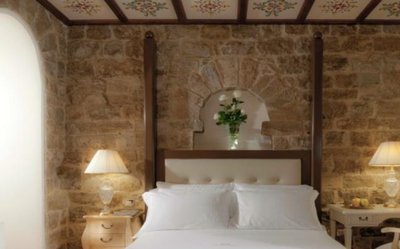
Golden Tower Hotel & Spa
Baglioni Hotel Luna
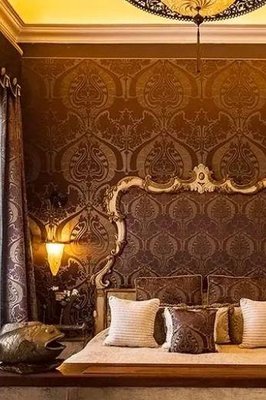
Hotel Metropole Venezia
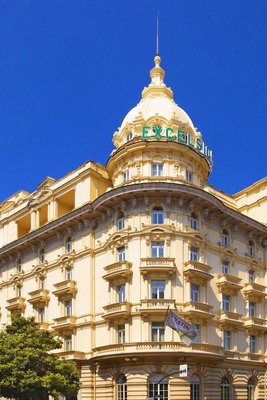
The Westin Excelsior, Rome
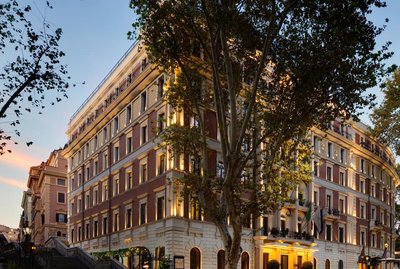
InterContinental Rome Ambasciatori Palace
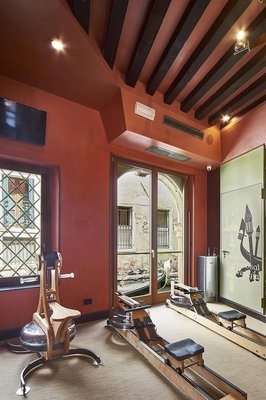
Hotel Saturnia & International
The Gritti Palace, a Luxury Collection Hotel, Venice
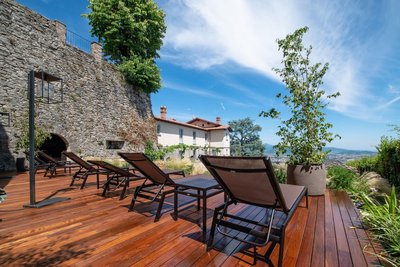
Relais San Vigilio Al Castello
Bulgari Hotel Roma
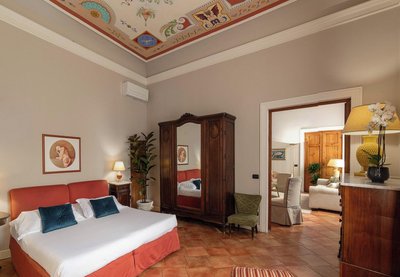
Palazzo Alfani - Residenza d'Epoca
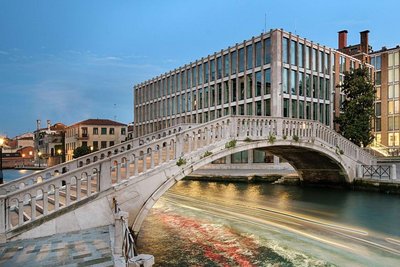
Avani Rio Novo Venice Hotel
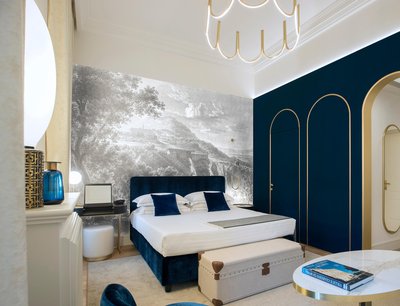
Elizabeth Unique Hotel Rome By Design Hotels
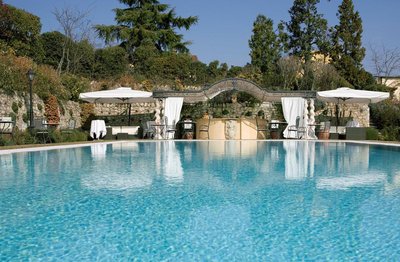
Byblos Art Hotel Villa Amista
Grand Hotel Minerva
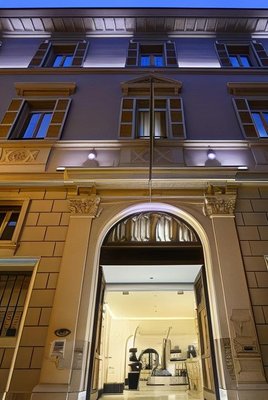
The First Arte - Preferred Hotels & Resorts
Il Tornabuoni Unbound
Hassler Roma
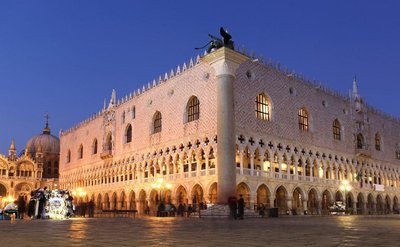
Ai Mori d'Oriente
Hotel Saturnia & International
The Gritti Palace, a Luxury Collection Hotel, Venice
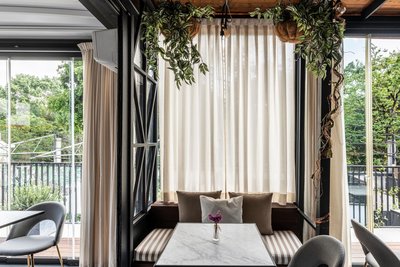
Horti 14 Borgo Trastevere Hotel
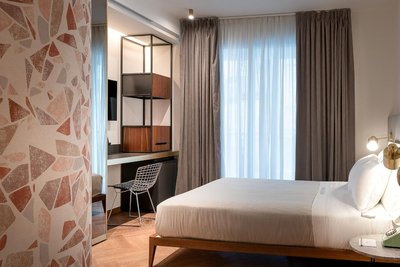
The Box Riccione - Adults Only
J.K. Place Roma - the Leading Hotels of the World
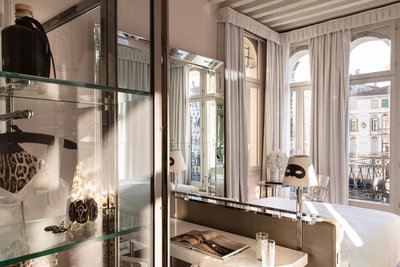
Palazzina Grassi
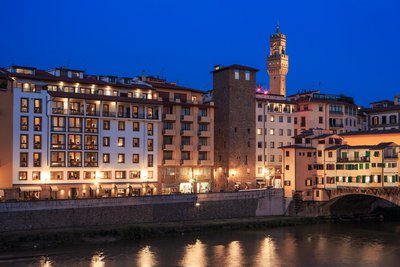
Portrait Firenze - Lungarno Collection
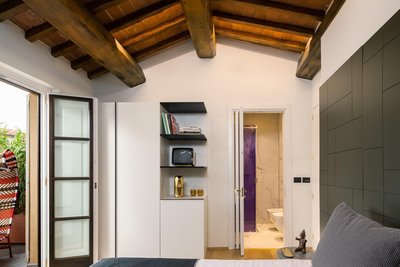
Hotel Milu Florence
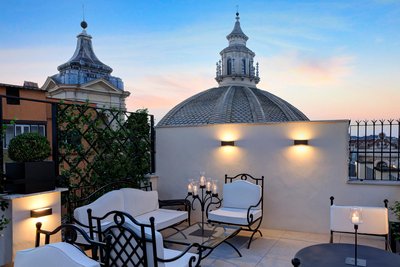
Palazzo Nainer
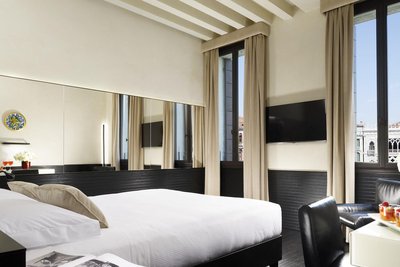
Hotel l'Orologio Venezia - Wtb Hotels
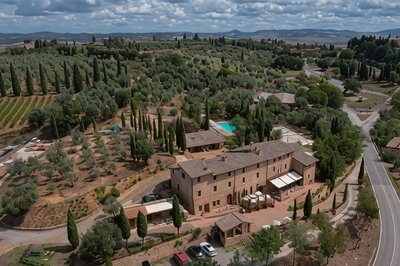
Il Miraggio in Val d'Orcia Relais & Spa
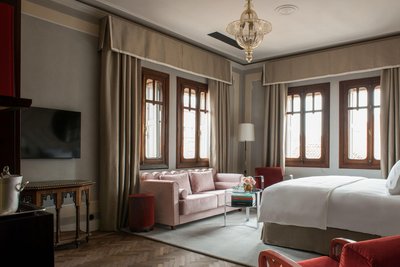
Nolinski Venezia - Evok Collection
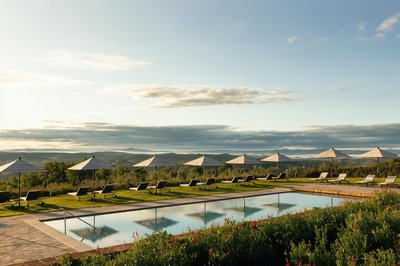
The Club House
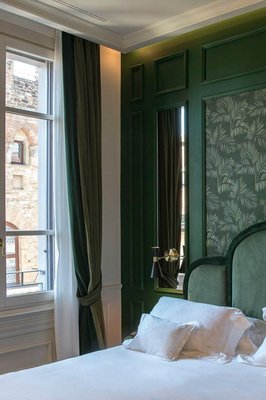
Hotel la Gemma
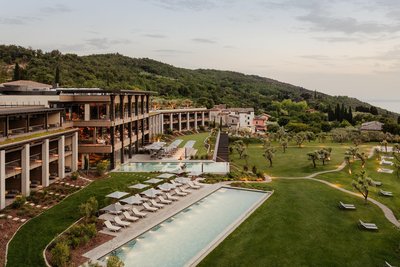
Cape of Senses
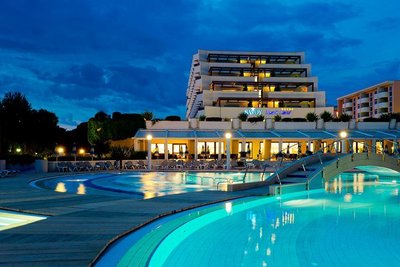
Savoy Beach Hotel & Thermal Spa
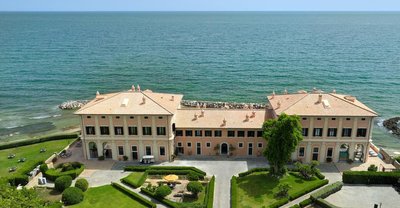
La Posta Vecchia Hotel
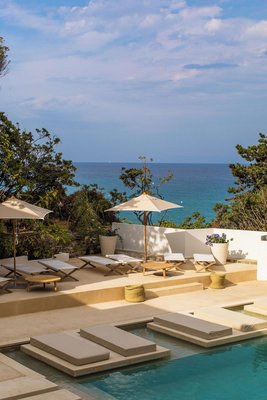
Misincu
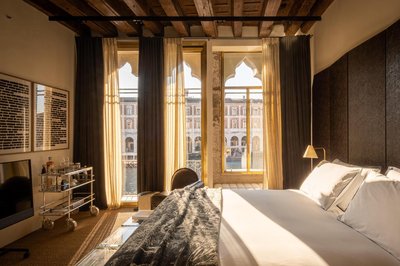
The Venice Venice Hotel
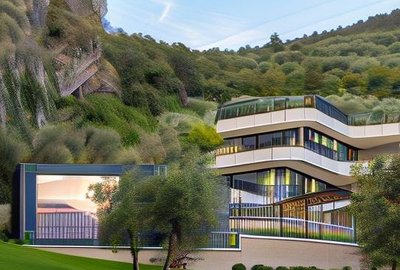
Gardea SoulFamily Resort
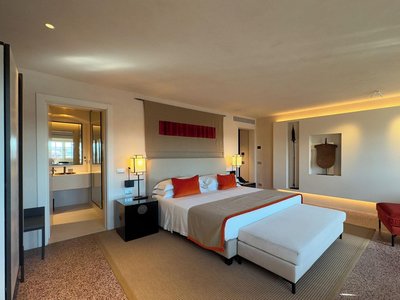
Hotel Palazzo Durazzo Suites
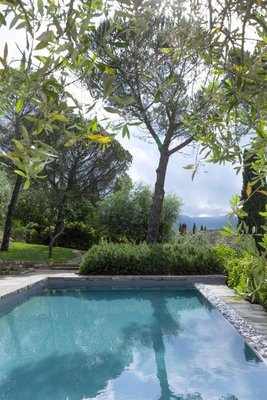
Pieve Aldina Relais & Châteaux
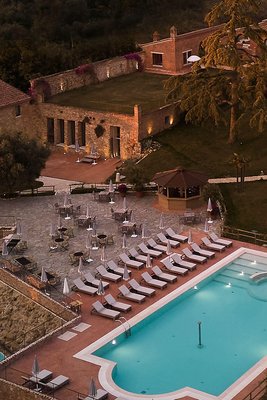
Precise Tale Poggio Alla Sala
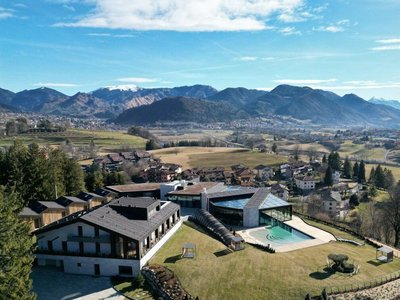
Collina Luxury Relais
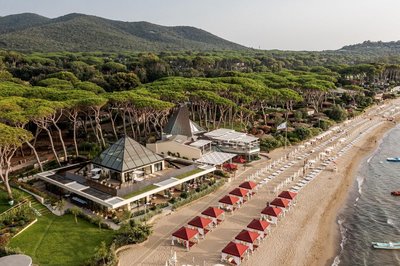
Cala Beach Resort
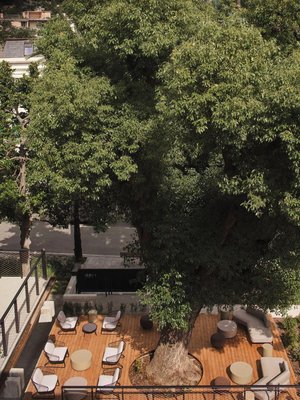
Capitolo Riviera

Palazzo Roma

Palazzo Shedir - the Leading Hotels of the World
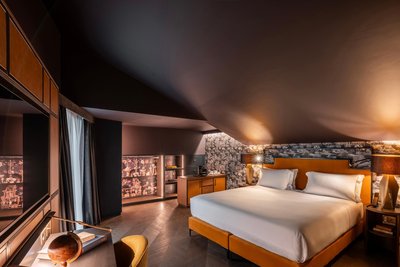
The Goethe Hotel
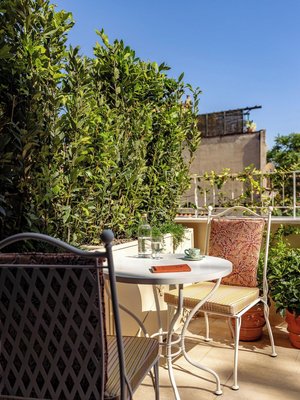
Hotel Casa Monti Roma
Grand Hotel Baglioni
Hotel Eden - Dorchester Collection
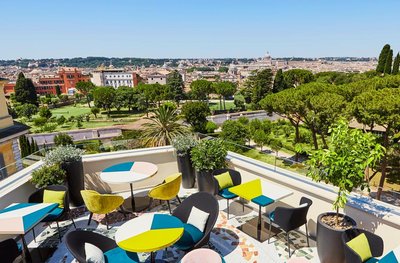
Sofitel Roma Villa Borghese
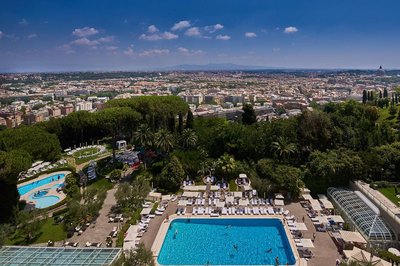
Rome Cavalieri, A Waldorf Astoria Hotel
The First Arte - Preferred Hotels & Resorts
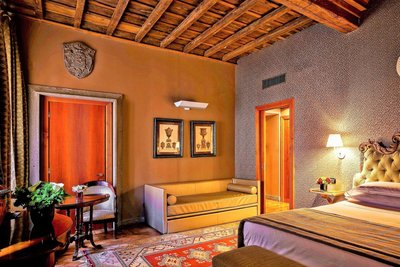
Hotel Valadier
Baglioni Hotel Luna
The St. Regis Venice
Hassler Roma
The St. Regis Florence
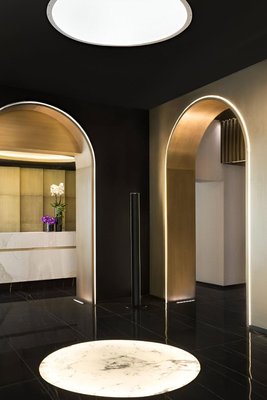
The Pantheon Iconic Rome Hotel, Autograph Collection
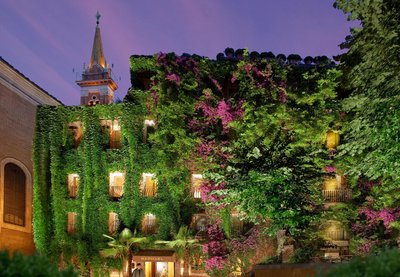
Bio Hotel Raphael - Relais & Châteaux
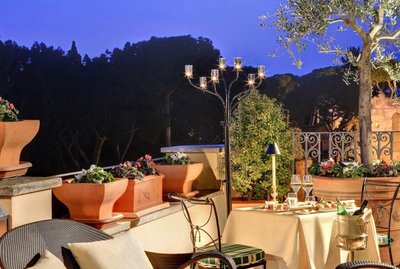
Hotel Splendide Royal - the Leading Hotels of the World
Four Seasons Hotel Firenze
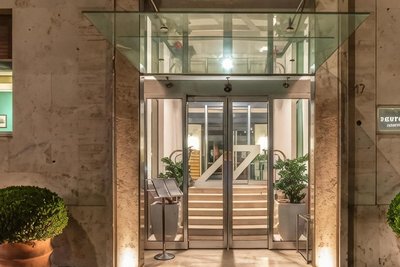
47 Boutique Hotel
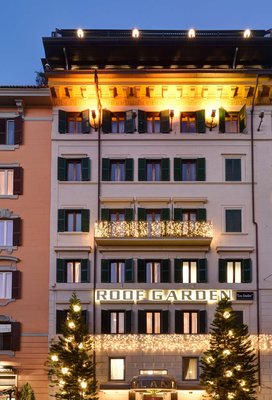
Atlante Star Hotel
Portrait Firenze - Lungarno Collection
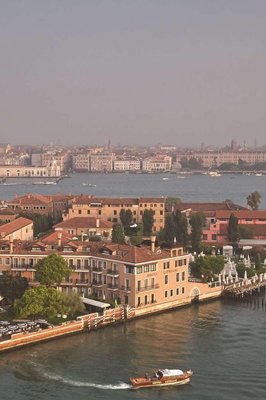
Hotel Cipriani, A Belmond Hotel, Venice
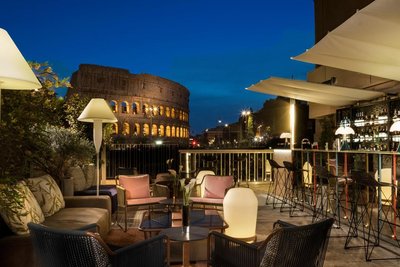
Hotel Palazzo Manfredi – Small Luxury Hotels of The World
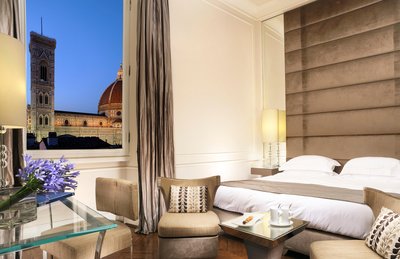
Brunelleschi Hotel
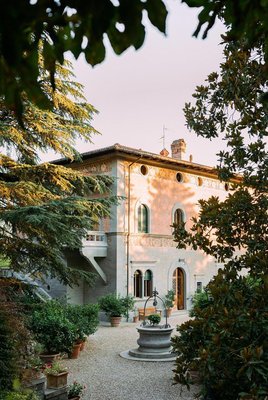
Villa la Commenda Concordia
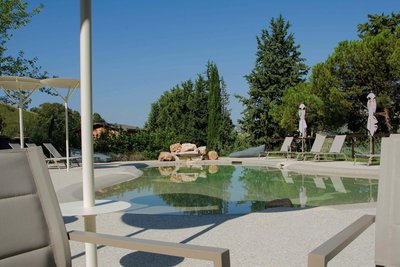
Colle Serrano Relais & Spa
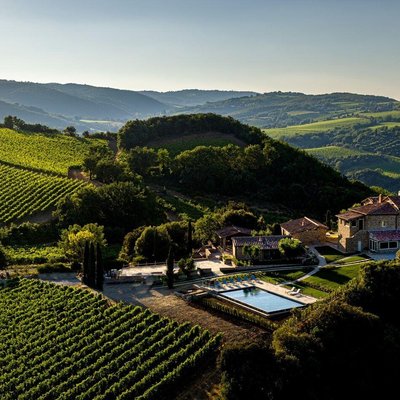
Mastrojanni Relais
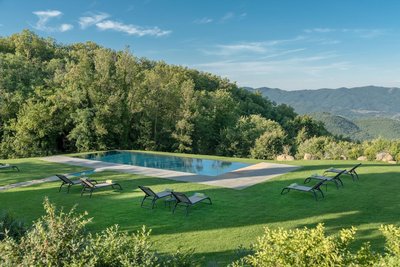
Badia di Pomaio
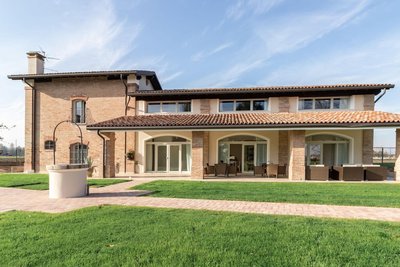
Monteborre
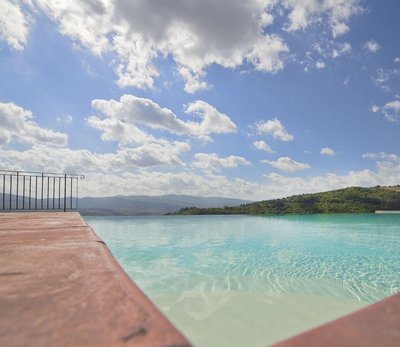
Castello Vicchiomaggio
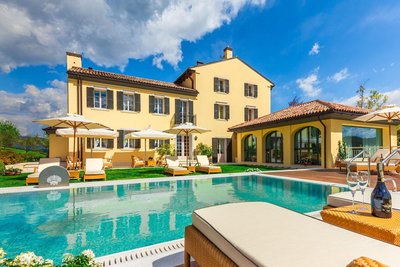
Romantik Relais d'Arfanta
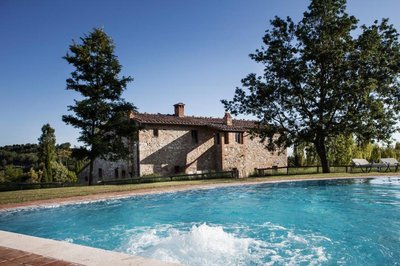
B&B - Podere Monti
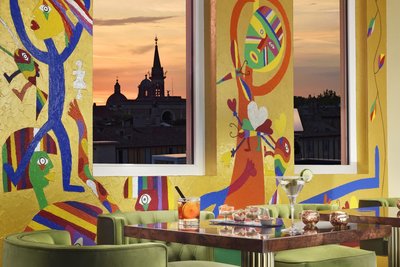
Lifestyle Suites Rome
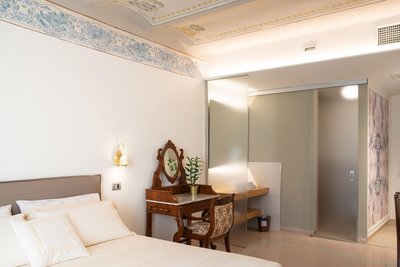
Portica10
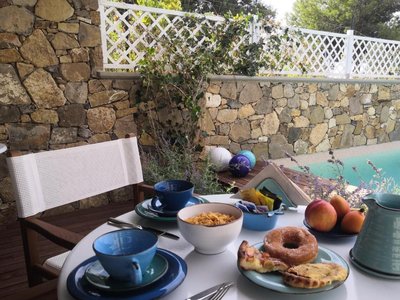
Stile Libero b&b
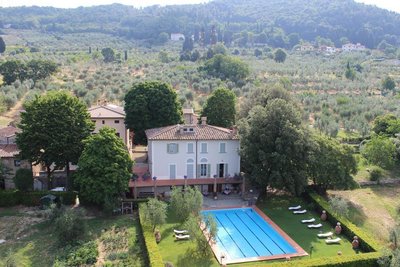
Borgo I Vicelli
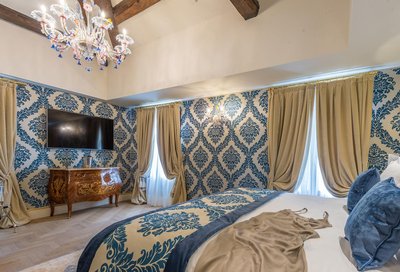
Ai Patrizi di Venezia
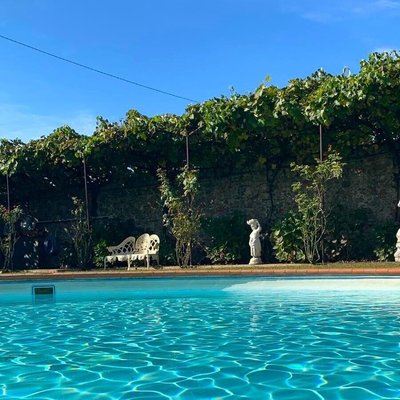
Villa la Preziosa
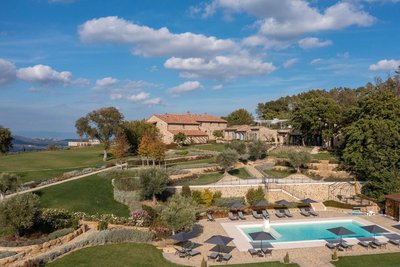
I Borghi Dell'Eremo
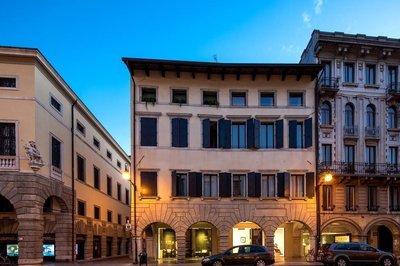
Mercatovecchio Luxury Suites
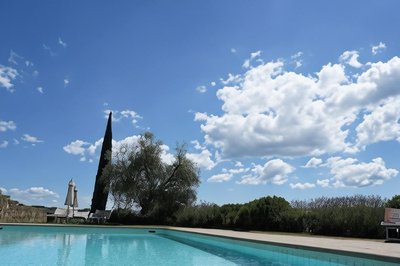
Wine Resort Dievole
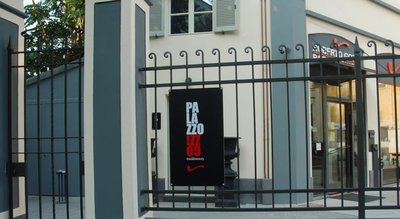
Palazzo Gozzi Bed & Beauty
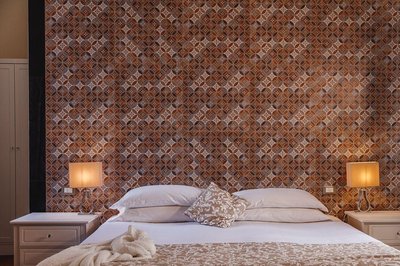
My Spanishsteps
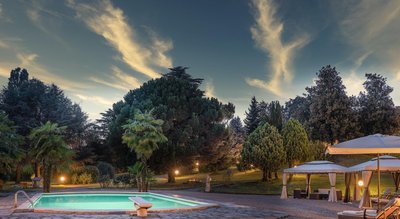
Palazzo Cavagna Sangiuliani
Frequently Asked Questions about Traveling to Pieve Santo Stefano
Questions You Might Need to Know About Traveling to Pieve Santo Stefano
In Pieve Santo Stefano, the standout boutique option is La Torre del Sole, a restored 18th-century tower nestled in the heart of Tuscany’s rolling hills. This intimate hotel blends rustic stone architecture with modern comforts, featuring handcrafted wooden furnishings and panoramic views from its private terraces. Guests enjoy access to an organic garden and a natural swimming pool surrounded by olive trees.
Another exceptional choice is Villa La Piana, a 17th-century farmhouse converted into a luxury agriturismo. Its interior showcases original frescoes, terracotta floors, and locally made ceramics. The villa offers wine tastings using grapes from their own vineyard and guided hikes through nearby forests. Both properties embody authentic Tuscan lifestyle, perfect for travelers seeking privacy, history, and immersion in rural Italy.
The best area for serene, scenic stays is the hillside district near Monte Baccano, just above the historic center. This elevated zone offers sweeping vistas of the Valdarno Valley, with uninterrupted views of vineyards, cypress trees, and distant hilltop villages. Accommodations here include secluded farmhouses like Podere Santa Lucia, which provide private gardens, outdoor showers, and direct access to hiking trails.
Staying in this area ensures peace and tranquility, with minimal traffic and no nightlife noise. It’s ideal for couples or solo travelers seeking solitude, sunrise photography, or stargazing. Many properties also offer farm-to-table breakfasts using ingredients grown on-site, enhancing the connection to nature and local culture.
Pieve Santo Stefano offers several distinctive cultural experiences. Attend the monthly Pasta Workshop, where locals teach how to make Tortelli di Zucca—stuffed pumpkin ravioli wrapped in thin dough—a traditional dish passed down through generations.
Visit the Church of San Stefano, home to rare 14th-century frescoes depicting biblical scenes, some still preserved under layers of time. During autumn, join the Festa dell’Uva (Grape Festival), a vibrant celebration featuring open-air feasts, live folk music, and wine tastings from family-run vineyards.
Additionally, book a family-guided farm tour to learn about sustainable agriculture, including olive harvesting and organic grape cultivation. These immersive activities offer genuine insight into the community’s heritage and daily life.
For a truly authentic breakfast, visit Caffè San Giorgio, a century-old café in the old town center. Their menu features freshly baked brioche rolls, creamy espresso, and a signature tomato-and-Parmesan toast drizzled with local honey.
For a more immersive experience, stay at Agriturismo Il Poggio, where breakfast is served family-style with eggs from free-range hens, homemade jam, and sourdough bread baked daily. All ingredients come from the estate’s organic garden and orchard, ensuring freshness and flavor.
Both spots offer a warm, welcoming atmosphere—perfect for starting your day with the rhythm of rural Tuscany, where every bite tells a story of tradition and terroir.
Yes, Pieve Santo Stefano is highly suitable for families. The village is small, safe, and car-free in the historic center, making it ideal for children to explore freely. Many guesthouses, such as Villa La Piana, offer child-friendly amenities like mini-orchards, pottery workshops, and storytelling evenings.
Outdoor activities abound: easy hiking trails lead to scenic viewpoints like Monte Baccano, while the surrounding farmland invites kids to feed goats and collect eggs. The annual open-air theater festival often features children’s performances based on Italian folklore.
With low noise levels and a strong sense of community, families will appreciate the slow pace of life, natural beauty, and opportunities for hands-on learning—all within a charming, unspoiled Tuscan setting.
Evening life in Pieve Santo Stefano is peaceful and intimate. After dark, the cobblestone streets glow softly under vintage lanterns, creating a romantic ambiance perfect for evening walks.
Head to Osteria del Sole, a cozy tavern serving seasonal dishes like grilled wild boar and slow-cooked beans, paired with local wines. The restaurant closes at 10 PM, offering a relaxed, unhurried dining experience.
Some guesthouses host starlight dinners on rooftop terraces, complete with astronomy guides and candlelit tables. Occasionally, local musicians perform acoustic sets in the central square. There’s no nightlife scene, but the atmosphere is rich in warmth, conversation, and authenticity—ideal for recharging after a day of countryside exploration.
The most photogenic locations include the Church of San Stefano, whose medieval façade features intricate stonework and a glowing rose window that casts dramatic shadows at golden hour. Capture reflections in the church’s stone fountain during early morning light.
The ancient stone alleyways lined with drying herbs and hanging laundry create classic Italian countryside imagery—especially after rain when surfaces glisten.
The Il Poggio Garden offers a breathtaking vantage point overlooking endless fields of sunflowers and olive groves, ideal for wide-angle shots. At dusk, the valley turns gold beneath a deep blue sky.
Finally, many farmhouses feature ceramic-decorated courtyards and wrought-iron lanterns—perfect for candid portraits. Use a wide lens or long exposure to highlight the timeless beauty of this hidden corner of Tuscany.
Public transport options are limited in Pieve Santo Stefano. There is no train station, and bus services are infrequent, connecting only to Arezzo and San Casciano in Val di Pesa via Tuscan Bus.
The best way to explore is by renting a car, which allows flexibility to reach nearby villages, vineyards, and hiking trails. Local roads are narrow and winding, so parking should be planned carefully.
Some guesthouses offer airport or station transfers upon request. For those without a vehicle, consider HopeGoo a private driver or joining group tours from larger towns. While not ideal for spontaneous travel, the village remains accessible with proper planning and a willingness to embrace slow, scenic journeys.
Must-buy souvenirs include handcrafted Sangiovese wine, aged in oak barrels and bottled in traditional flasks—perfect for gifting or enjoying at home.
Cold-pressed extra virgin olive oil, produced from local trees using ancient methods, comes in elegant ceramic bottles and pairs beautifully with bread or pasta.
Handmade pottery jars made by artisans in the village feature rustic designs and are used for storing oil, wine, or dried herbs—both functional and decorative.
Also consider dried lavender bundles harvested from the hillsides, excellent as sachets or gifts. Some farms sell curated gift boxes combining wine, oil, and a handwritten note—ideal for preserving memories of your stay.
Each season brings unique character to Pieve Santo Stefano. In spring (March–May), the landscape bursts into life with blooming cherry trees and wildflowers along country lanes—perfect for photography and gentle walks.
Summer (June–August) is warm and sunny, ideal for evening strolls and outdoor dining. The air hums with cicadas, and vineyards turn lush green.
Autumn (September–November) is the peak season: harvest festivals, grape stomping, and wine tastings fill the calendar. The hills glow amber with ripening wheat and vines.
Winter (December–February) is quiet and contemplative. Snow-dusted rooftops and foggy mornings give the village a dreamlike quality. Cozy indoor gatherings with wood-fired meals become the norm.
Whether you seek vibrant celebrations or serene solitude, Pieve Santo Stefano offers a distinct seasonal rhythm rooted in nature and tradition.