Hotels in Pignone
Discover your perfect stay in Pignone.
Pignone(Italy) Travel 2026: Cheap Flights, Hotels & Top Attractions
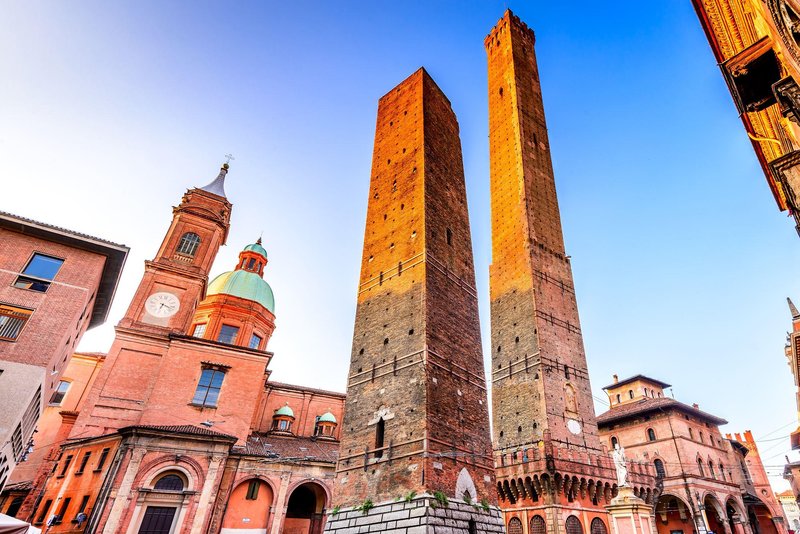
Popular Landmarks in Pignone
Discover the most iconic attractions in Pignone
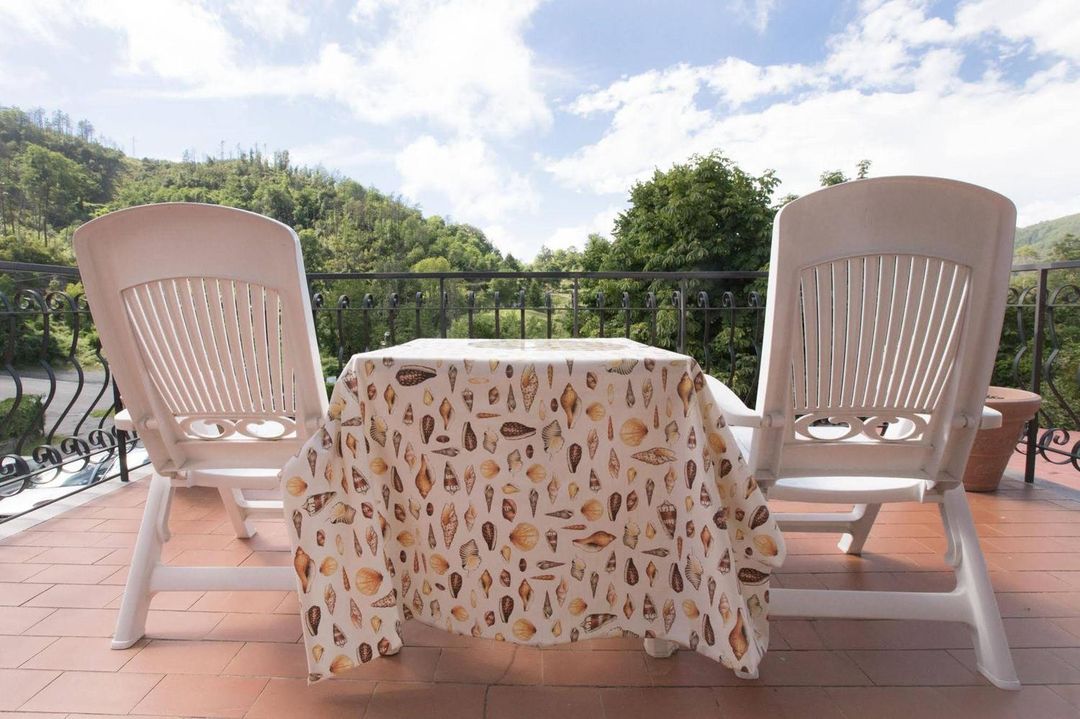
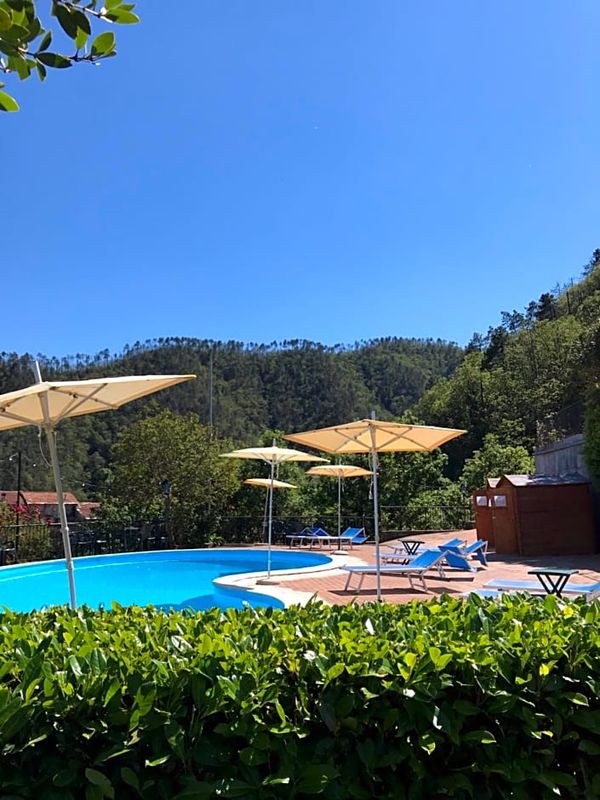
Recommended Hotels in Pignone
Find the perfect place to stay in Pignone
Frequently Asked Questions about Traveling to Pignone
Questions You Might Need to Know About Traveling to Pignone
Pignone Overview
City Summary
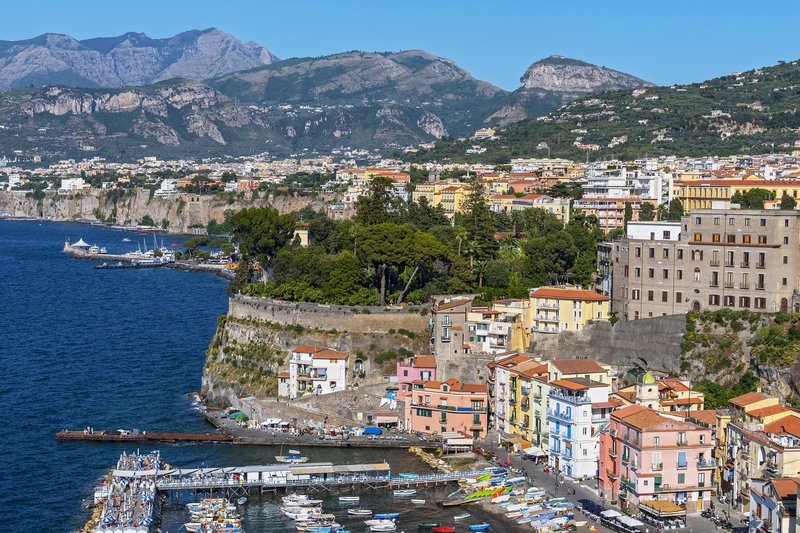
Pignone is a charming small town in the Liguria region of Italy, nestled along the Mediterranean coast with a rich fishing village history and stunning sea views. Known for its tranquil beaches, traditional architecture, and fresh seafood, Pignone offers a slow-paced lifestyle and Mediterranean charm, making it an ideal getaway from city life.
Must-See Attractions
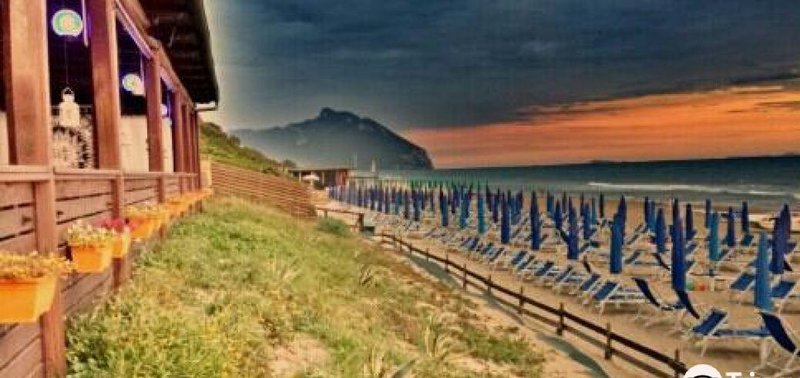
Key attractions in Pignone include the Church of San Giorgio (Chiesa di San Giorgio), a historic building showcasing local religious culture. The harbor area is the best place to experience the fishing village ambiance, where you can watch fishermen returning with their catch and dine at waterfront restaurants. A beach stroll is a must, especially during sunset when the scenery is breathtaking.
Food Guide
Pignone is famous for its seafood dishes, particularly fried squid and grilled fish. Local restaurants recommend trying seafood risotto (Risotto ai Frutti di Mare) or Ligurian-style grilled lobster. Don’t miss the regional pasta Trofie al Pesto, served with traditional pesto sauce. Street food like fried seafood platters is also a great choice.
Transportation Guide
Getting around Pignone is best done on foot, as the town is small and most attractions are within easy reach. From nearby Genoa, trains or buses take about 1 hour. If driving, coastal roads are scenic, but parking is limited in town. Taxis are rare; HopeGoo in advance or using public transport is advised. Pignone has no metro, and bus routes are simple, suited for leisurely travel.
Best Time to Visit
The best time to visit is May to September, with warm weather perfect for beach activities. July and August are peak tourist months—consider avoiding crowds. Spring and early autumn (April or October) also offer pleasant weather with fewer visitors.
Travel Tips
- Respect local culture: Pignone residents are friendly—be polite and avoid loud noises.
- Cash readiness: Some restaurants and shops may not accept cards, so carry sufficient euros.
- Sun protection: Mediterranean sun is strong—bring sunscreen and hats.
- Seafood freshness: Observe daily catches at restaurants to ensure fresh ingredients.
- Eco-friendliness: The town values sustainability—reduce plastic use and clean up after yourself.
- Nearby exploration: Consider a day trip to Cinque Terre if time allows.
Useful Information
In Pignone, Italian is the main language, but basic English is understood in tourist areas. Mobile networks like TIM and Vodafone provide good coverage. Credit cards are widely accepted, but carrying euros in cash is recommended for smaller establishments. For medical needs, a local clinic is available, with major hospitals in Genoa for emergencies. The voltage is 220V with standard European two-pin plugs. Car rentals should be booked in advance, and Italian traffic rules observed.