Hotels in Pindamonhangaba
Discover your perfect stay in Pindamonhangaba.
Pindamonhangaba(Brazil) Travel 2026: Cheap Flights, Hotels & Top Attractions
Popular Landmarks in Pindamonhangaba
Discover the most iconic attractions in Pindamonhangaba
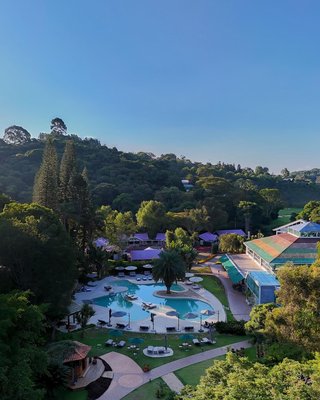
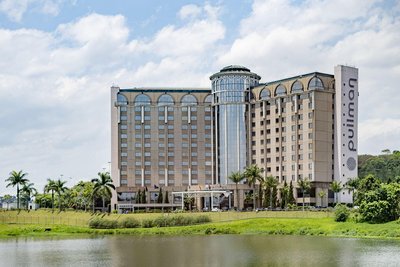
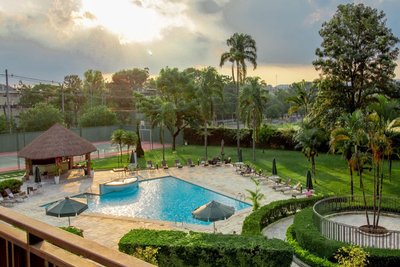
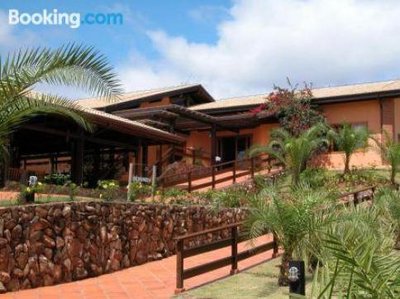
Recommended Hotels in Pindamonhangaba
Find the perfect place to stay in Pindamonhangaba
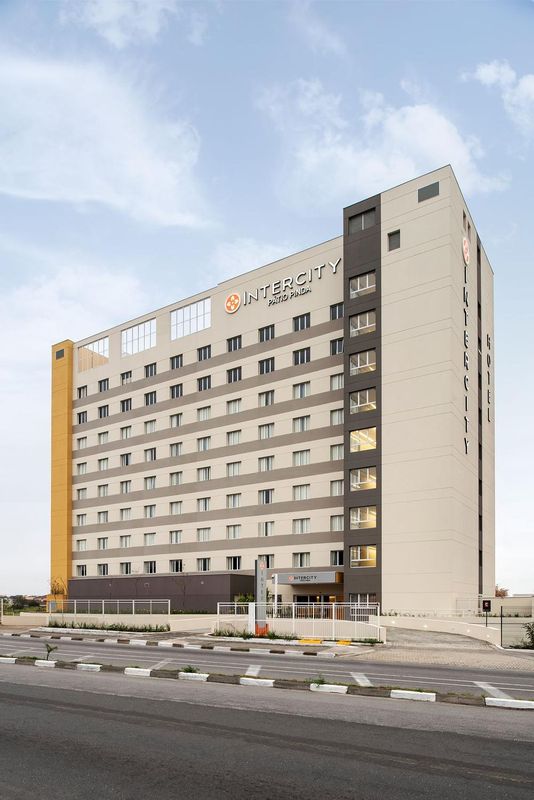
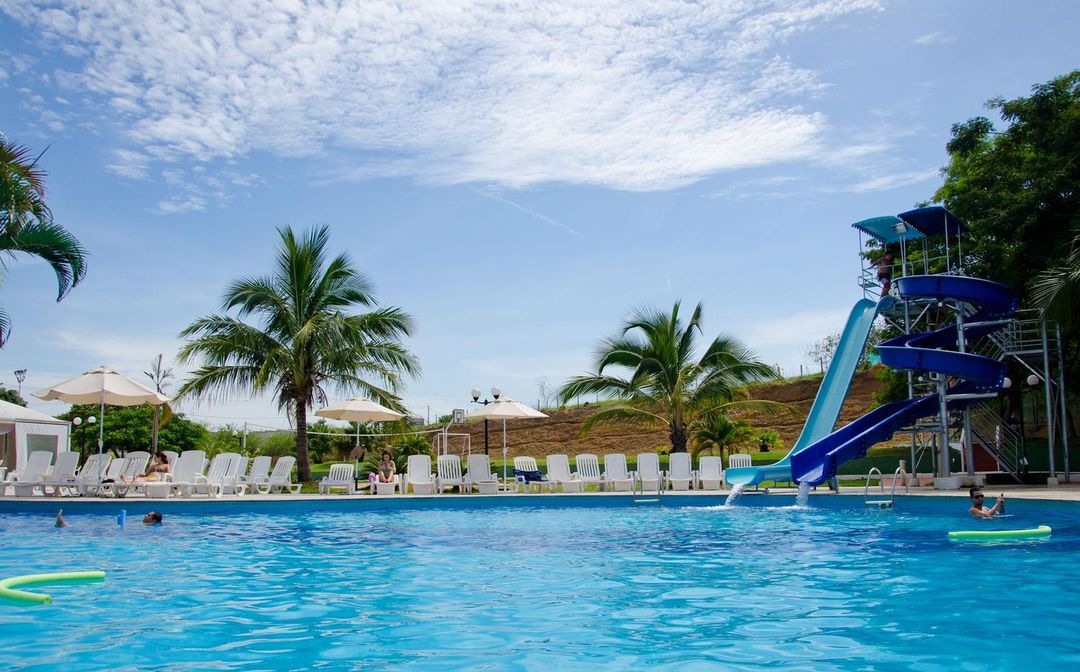
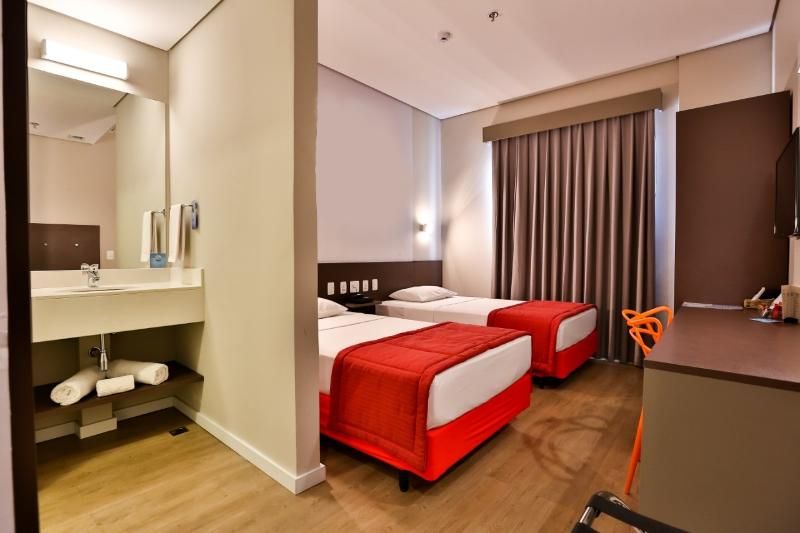
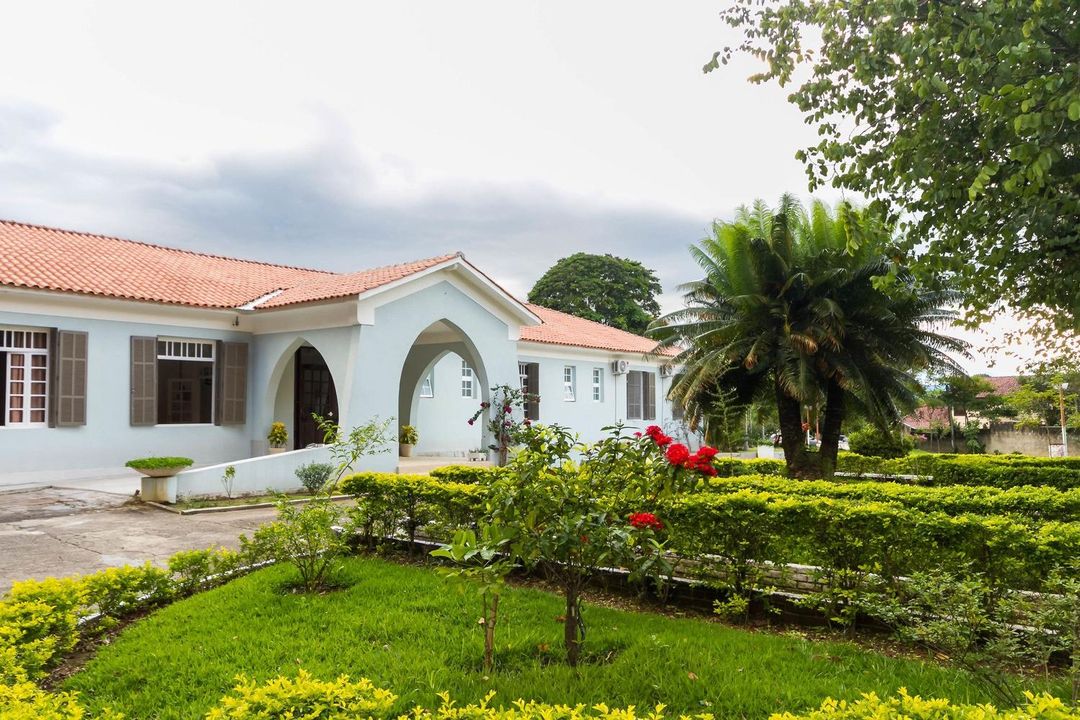
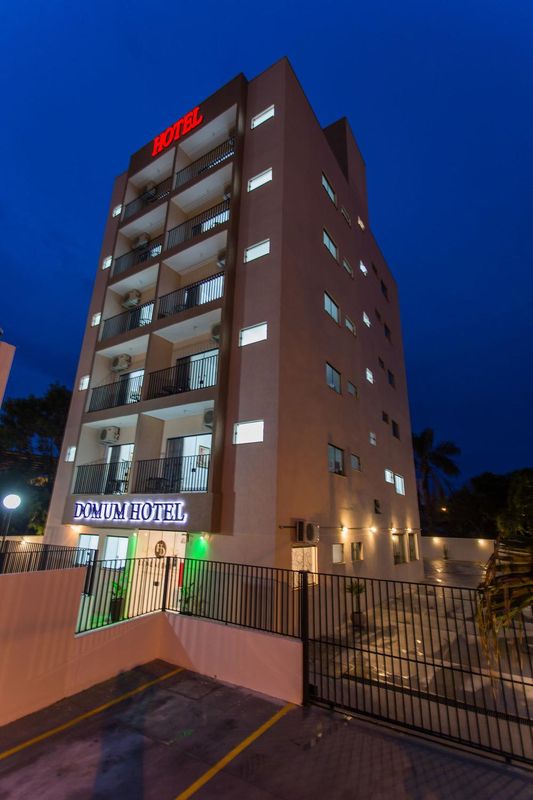
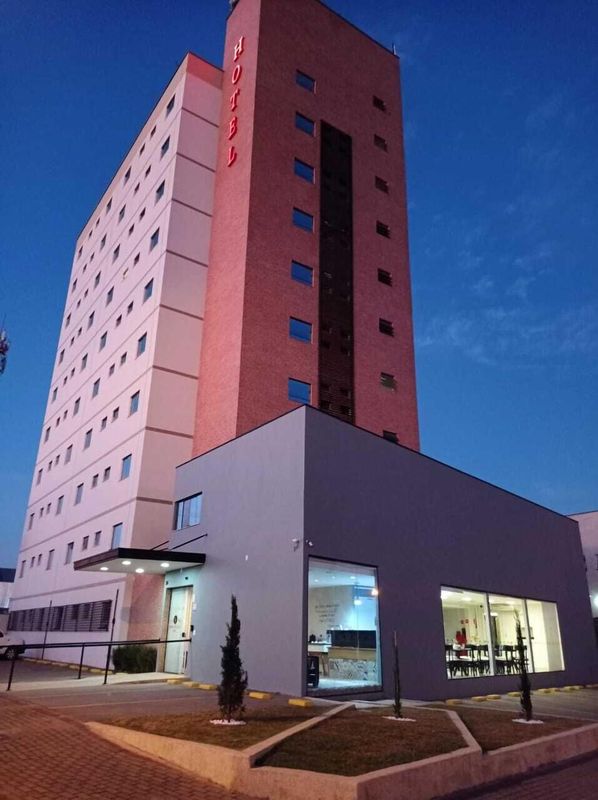

Best Hotels in Pindamonhangaba
Discover curated hotel collections in Pindamonhangaba

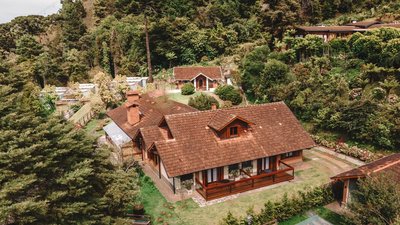
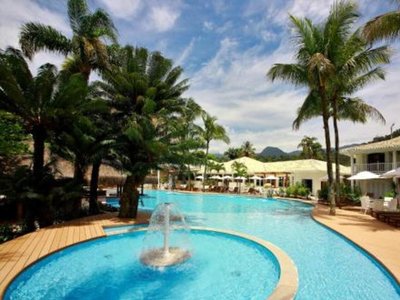

























Frequently Asked Questions about Traveling to Pindamonhangaba
Questions You Might Need to Know About Traveling to Pindamonhangaba
Pindamonhangaba Overview
City Summary
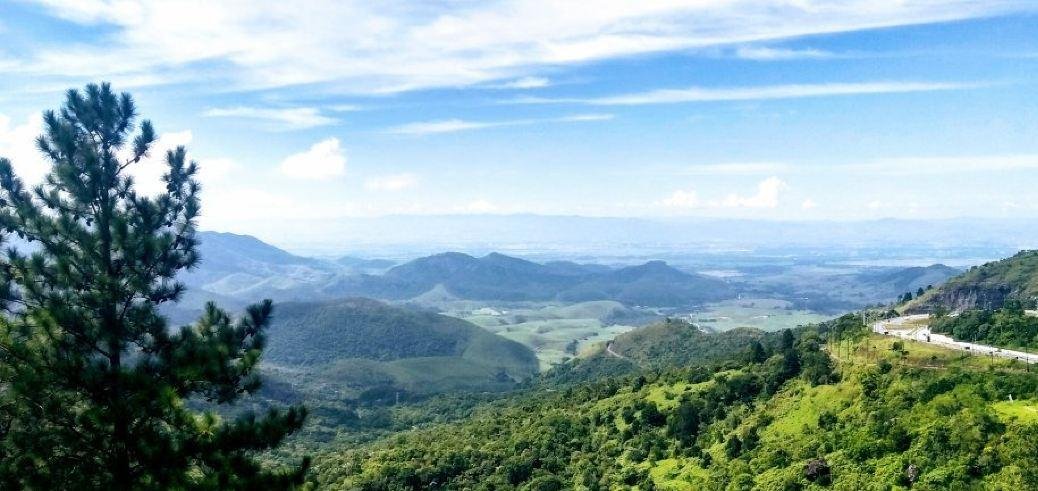
Pindamonhangaba is a charming small town in the state of São Paulo, Brazil, known for its rich natural landscapes and relaxed rural atmosphere. With vast farmlands, lush forests, and clear rivers, it is an ideal destination for those looking to escape the hustle and bustle of the city. The culture of Pindamonhangaba is deeply influenced by traditional Brazilian rural life, and the locals are known for their warm hospitality, offering visitors an authentic Brazilian countryside experience.
Must-See Attractions
The main attractions in Pindamonhangaba include its beautiful nature reserves and farms. Visitors can tour local coffee plantations to learn about the coffee production process and taste freshly roasted coffee. Additionally, the nearby rivers and forests are perfect for hiking and birdwatching. Although the town center is small, it features colonial-era architecture worth exploring.
Food Guide
The cuisine in Pindamonhangaba is centered around traditional Brazilian rural dishes. Be sure to try "Feijoada," a classic Brazilian stew made with black beans and various meats. Among street foods, "Pastel," a deep-fried pastry with various fillings, is highly popular. Local fresh fruits and homemade cheeses are also must-try delicacies.
Transportation Guide
Transportation in Pindamonhangaba primarily relies on buses and private cars. From São Paulo, you can take a long-distance bus, with a journey time of about 2-3 hours. There is no subway system in the town, but taxis and local bus services are readily available. Self-driving visitors are advised to plan their routes in advance, as some rural roads may be rough.
Best Time to Visit
The best time to visit is from April to September, when the weather is cool and dry, ideal for outdoor activities. Avoid the rainy season (October to March), as rainfall may disrupt travel plans. Pindamonhangaba sees relatively few tourists, so it is never overly crowded.
Travel Tips
- Respect local customs and dress modestly, especially when visiting religious sites.
- Learn a few basic Portuguese phrases to facilitate communication with locals.
- Carry insect repellent, especially during summer and the rainy season.
- Avoid traveling alone to remote areas at night.
- Pay attention to food hygiene when trying local dishes.
- Check bus schedules in advance to avoid missing the last departure.
Useful Information
The official language in Pindamonhangaba is Portuguese, and English is not widely spoken, so a translation tool is recommended. Local network coverage is good, but rural areas may have weak signals. Cash is the primary payment method, though some businesses accept credit cards. Medical facilities are limited, so bring essential medications. In emergencies, dial 190 for police or 192 for an ambulance.