Hotels in Pippu
Discover your perfect stay in Pippu.
Pippu(Japan) Travel 2026: Cheap Flights, Hotels & Top Attractions
Popular Landmarks in Pippu
Discover the most iconic attractions in Pippu
Recommended Hotels in Pippu
Find the perfect place to stay in Pippu
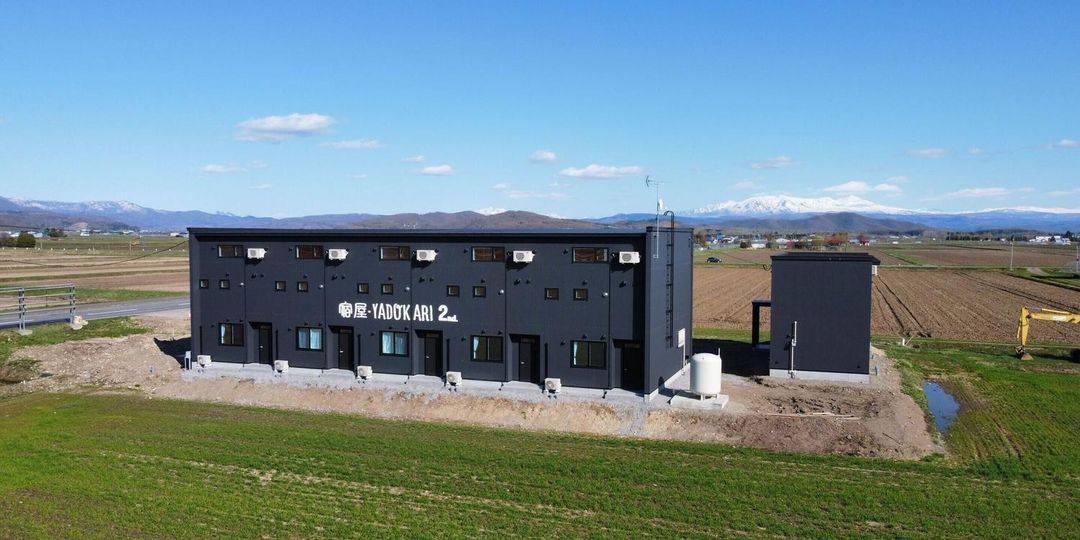
Yadoya YADOKARI 2nd
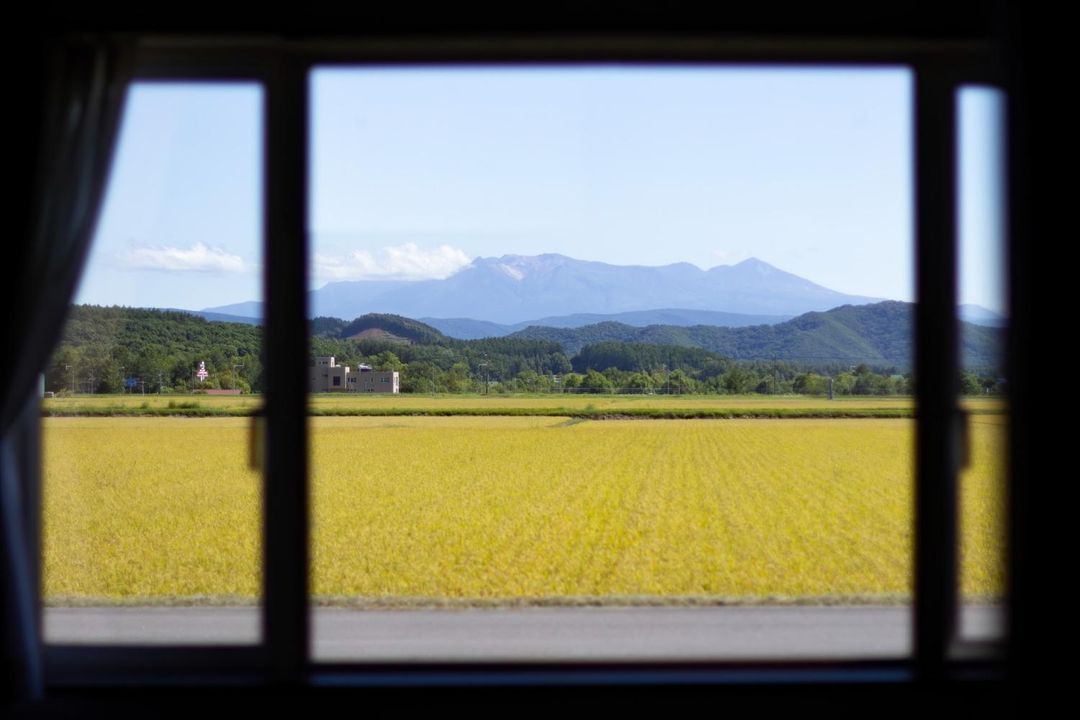
Yadoya Yadokari
Best Hotels in Pippu
Discover curated hotel collections in Pippu
SANSUI NISEKO
Lake Toya Tsuruga Resort Hikarinouta
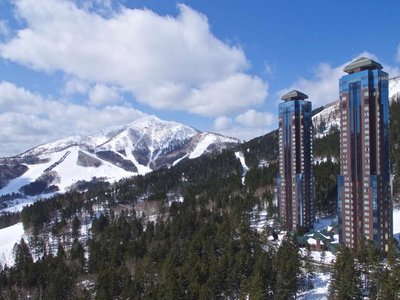
Hoshino Resorts RISONARE Tomamu
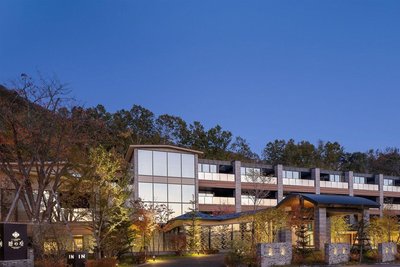
Lake Shikotsu Tsuruga Bessou Ao No Za
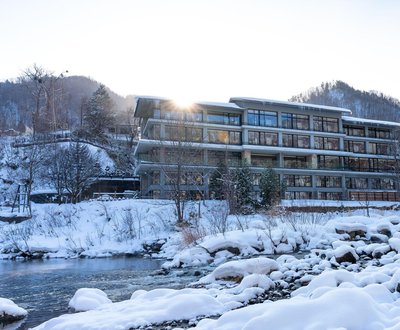
Chalet Ivy Jozankei
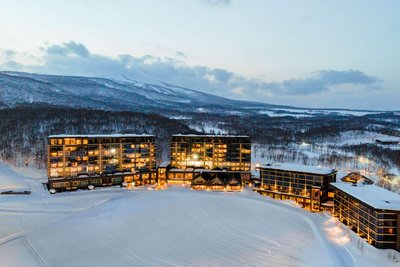
Park Hyatt Niseko Hanazono
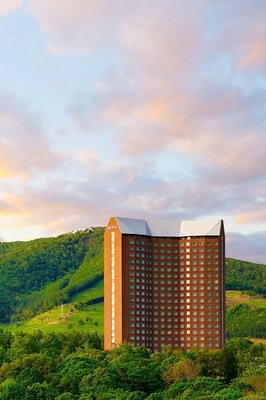
The Westin Rusutsu Resort
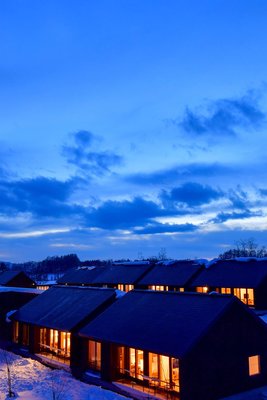
Niseko Inn of Youtei Raku Suisan
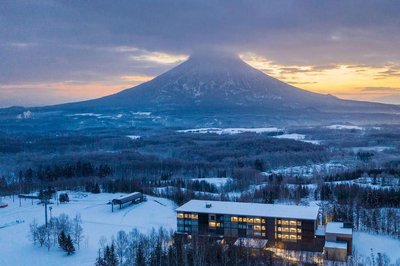
Higashiyama Niseko Village, a Ritz-Carlton Reserve
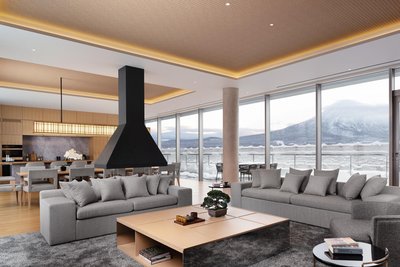
Setsu Niseko
SANSUI NISEKO
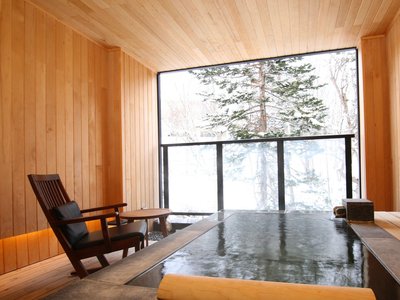
Niseko Konbu Onsen Tsuruga Moku-No-Sho
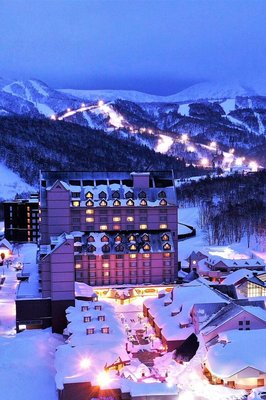
Club Med Kiroro Grand
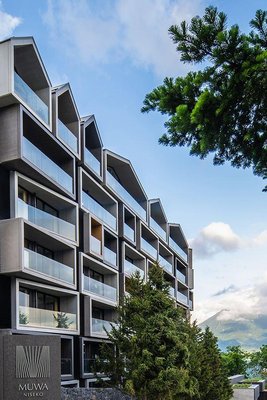
MUWA NISEKO
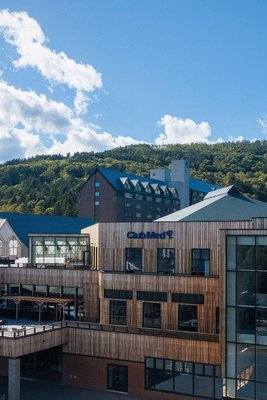
Club Med Tomamu Hokkaido
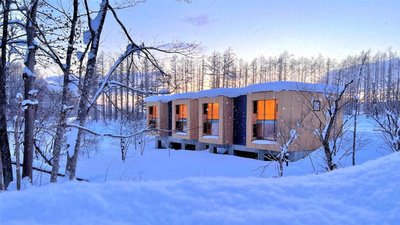
Miru Niseko
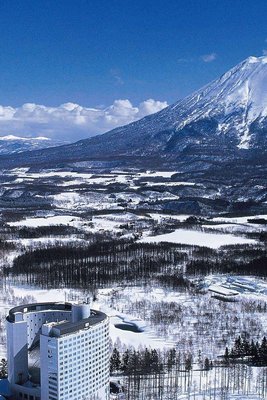
Hilton Niseko Village
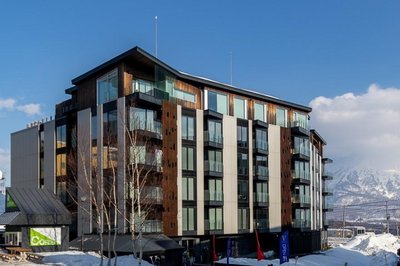
The Vale Niseko
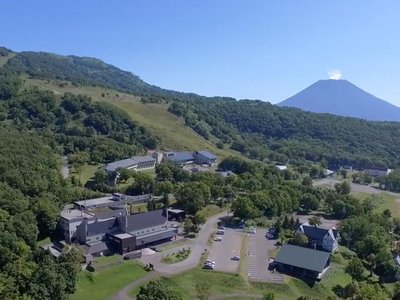
Niseko Hot Spring Ikoino Yuyado Iroha
Hoshino Resorts RISONARE Tomamu
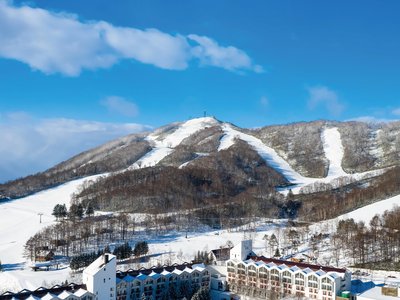
Rusutsu Resort Hotel & Convention
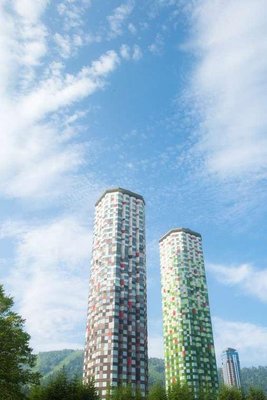
Hoshino Resorts Tomamu The Tower
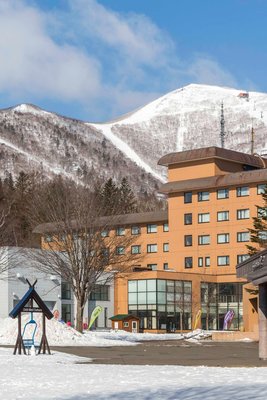
Club Med Sahoro Hokkaido
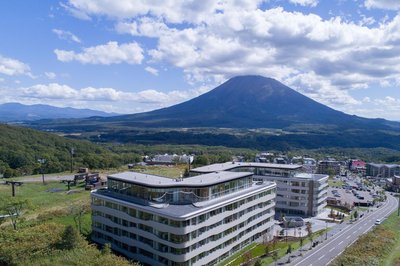
Skye Niseko
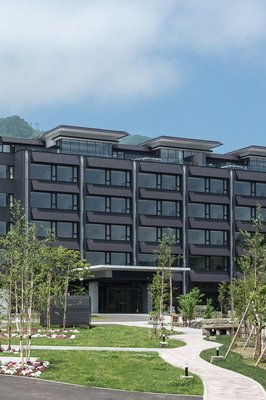
Ki Niseko
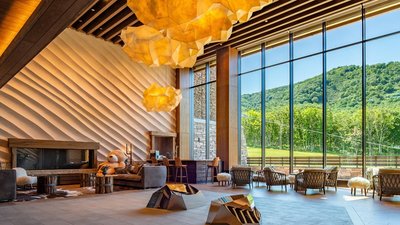
Yu Kiroro, Ski-in Ski-out Luxury Residences
Park Hyatt Niseko Hanazono
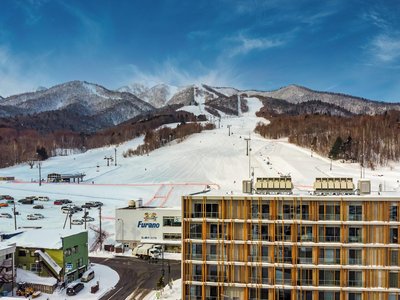
Fenix Furano
The Westin Rusutsu Resort
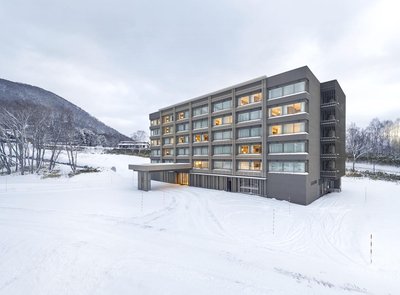
Hinode Hills Niseko Village, Curio Collection by Hilton
Lake Toya Tsuruga Resort Hikarinouta
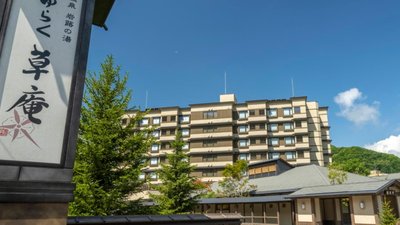
Jozankei Onsen Yurakusoan
Niseko Konbu Onsen Tsuruga Moku-No-Sho
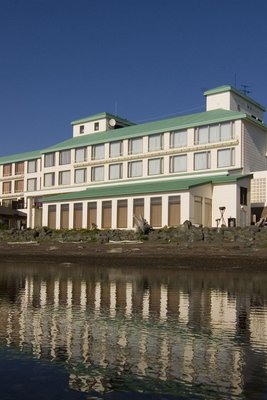
Lake Saroma Tsuruga Resort
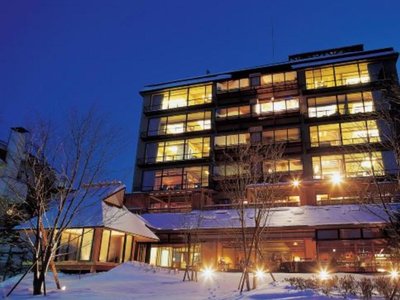
Akan Tsuruga Besso Hinanoza
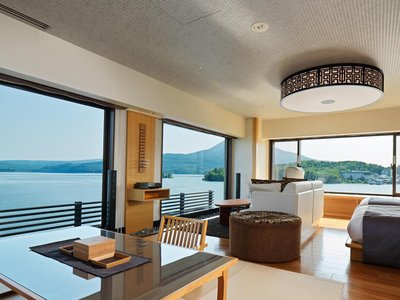
Akan Yuku No Sato Tsuruga
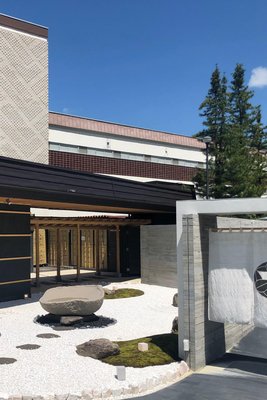
Shogetsu Grand Hotel
Niseko Hot Spring Ikoino Yuyado Iroha
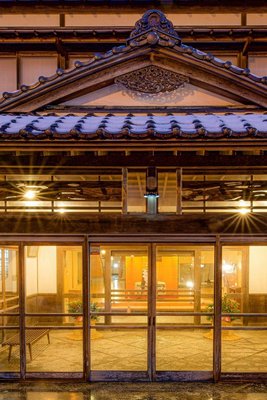
Wakamatsu Hot Spring Resort
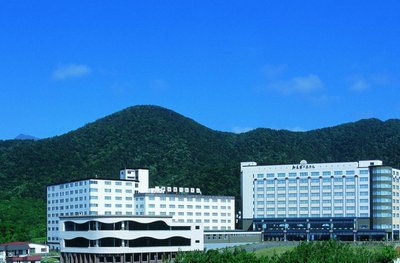
Shiretoko Daiichi Hotel
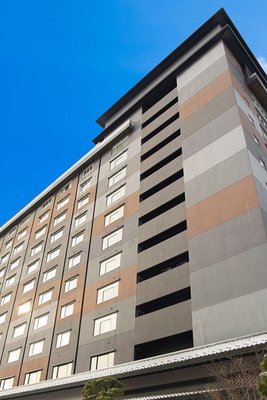
Bourou NOGUCHI Hakodate
Hoshino Resorts RISONARE Tomamu
Rusutsu Resort Hotel & Convention
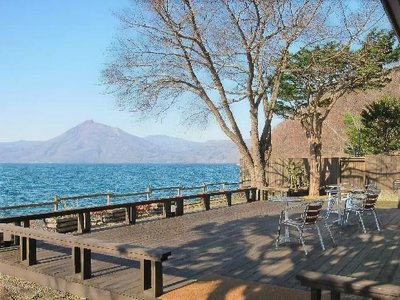
Lakeside Villa Suimeikaku
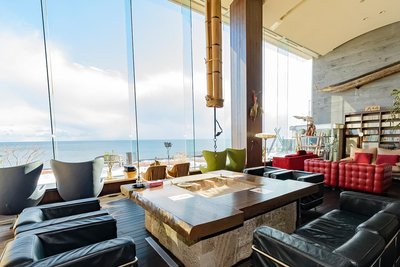
Kokorono Resort Umino Bettei Furukawa
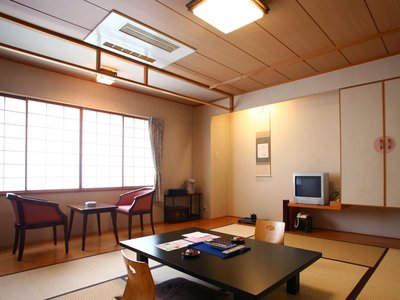
Takinoya Bekkan Tamanoyu
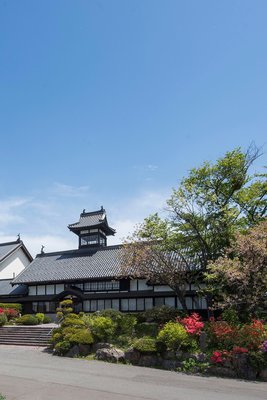
Ginrinsou
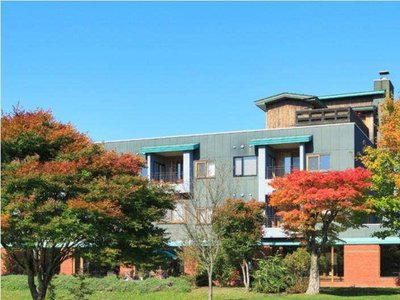
Sanyoan
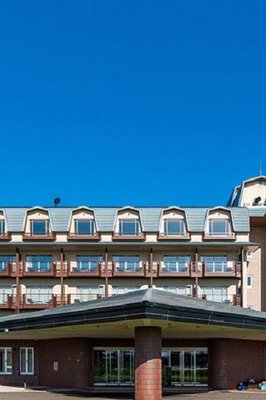
Tokachigawa Onsen Daiichi Hotel
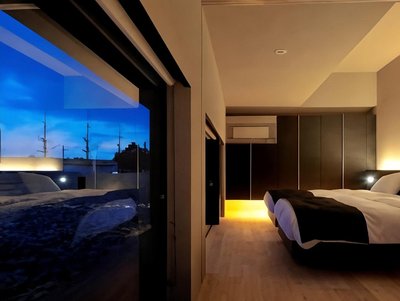
Esashi Ryotei Kuki
Jozankei Onsen Yurakusoan
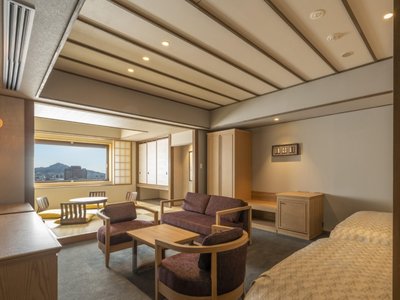
La Vista Hakodate Bay Annex
Niseko Konbu Onsen Tsuruga Moku-No-Sho
Club Med Kiroro Grand
Akan Tsuruga Besso Hinanoza
Akan Yuku No Sato Tsuruga
MUWA NISEKO
Club Med Tomamu Hokkaido
Hilton Niseko Village
Wakamatsu Hot Spring Resort
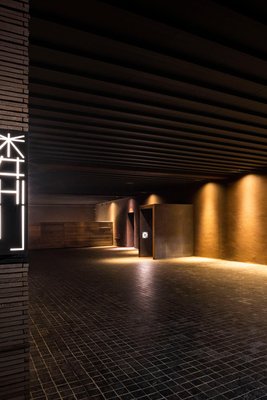
Bourou Noguchi Noboribetsu (Adult Only)
Bourou NOGUCHI Hakodate
Club Med Sahoro Hokkaido
Skye Niseko
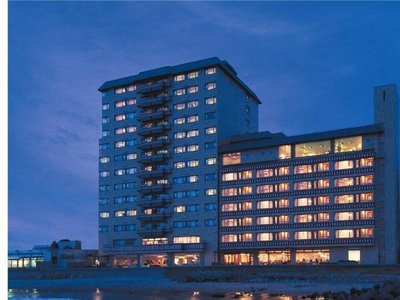
Heiseikan Shiosaitei Hanatsuki
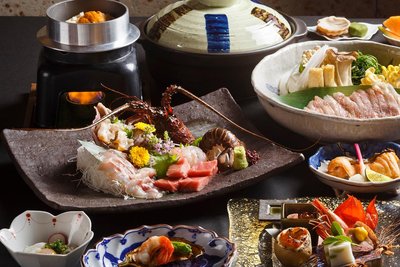
La Vista Akangawa
Yu Kiroro, Ski-in Ski-out Luxury Residences
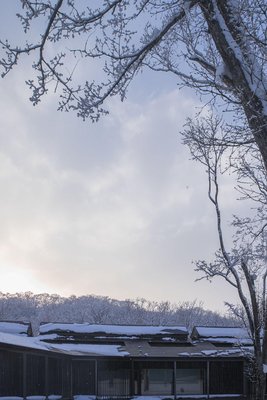
Zaborin
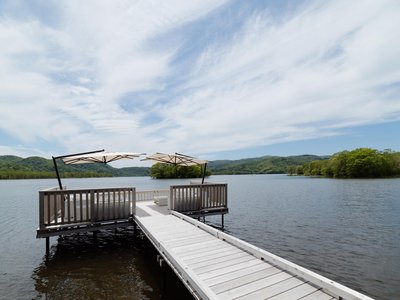
Hakodate Onuma Tsuruga Resort EPUY
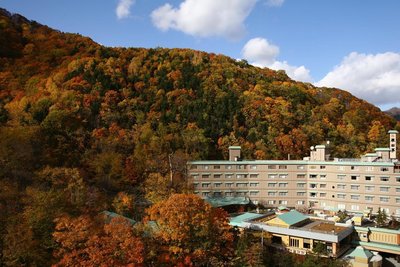
Jozankei Daiichi Hotel Suizantei
Lake Saroma Tsuruga Resort
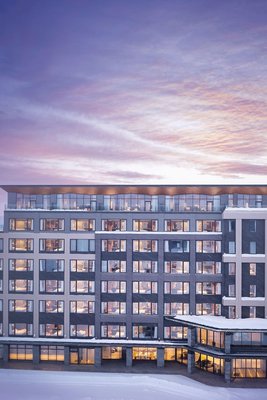
Nikko Style Niseko Hanazono
Miru Niseko
Shogetsu Grand Hotel
The Vale Niseko
Rusutsu Resort Hotel & Convention
Hoshino Resorts Tomamu The Tower
Kokorono Resort Umino Bettei Furukawa
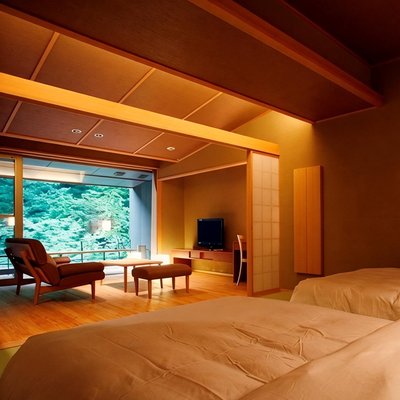
Noboribetsu Onsenkyo Takinoya
Ginrinsou
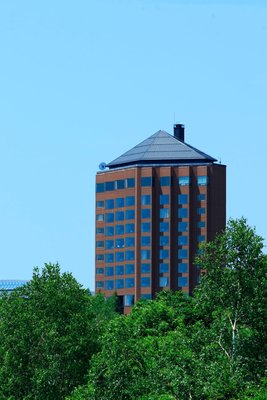
Furano Resort Orika
Sanyoan
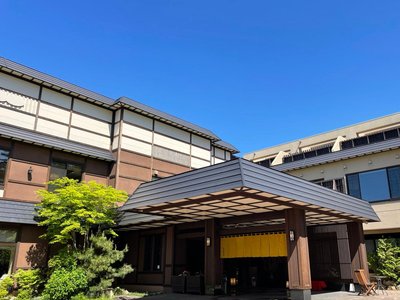
Otaru Kourakuen
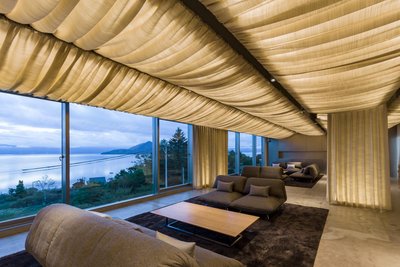
WE Hotel Toya
Ki Niseko
Tokachigawa Onsen Daiichi Hotel
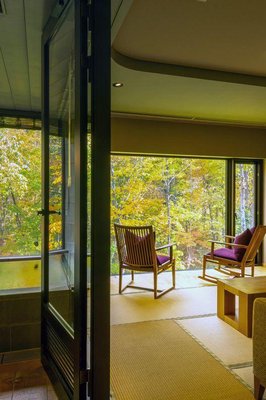
Okujozankei Onsen Kasho Gyoen
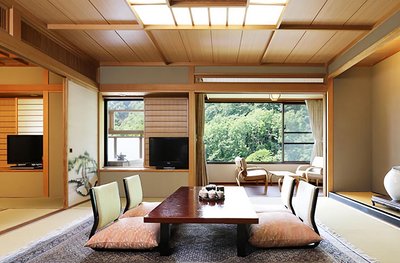
Ryotei Hanayura
Fenix Furano
Hinode Hills Niseko Village, Curio Collection by Hilton
Lake Saroma Tsuruga Resort
Akan Yuku No Sato Tsuruga
Hilton Niseko Village
Wakamatsu Hot Spring Resort
Shiretoko Daiichi Hotel
Lakeside Villa Suimeikaku
Kokorono Resort Umino Bettei Furukawa
WE Hotel Toya
Heiseikan Shiosaitei Hanatsuki
La Vista Akangawa
Park Hyatt Niseko Hanazono
The Westin Rusutsu Resort
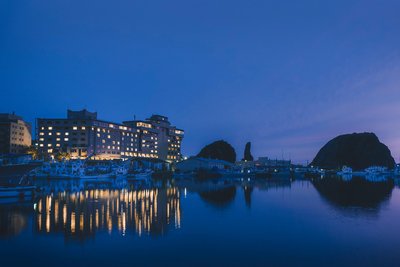
Kitakobushi Shiretoko Hotel & Resort
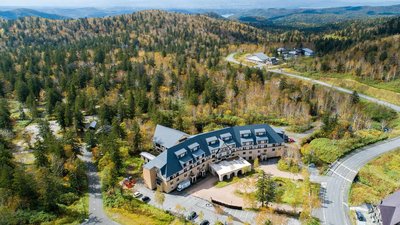
La Vista Daisetsuzan
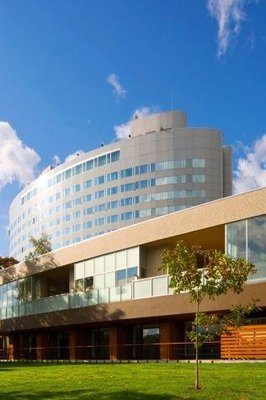
Shin Furano Prince Hotel
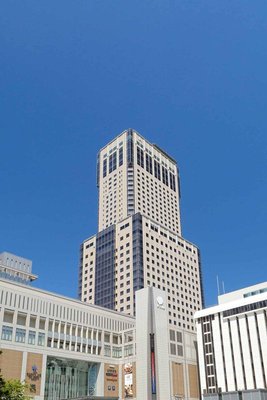
JR tower hotel nikko sapporo
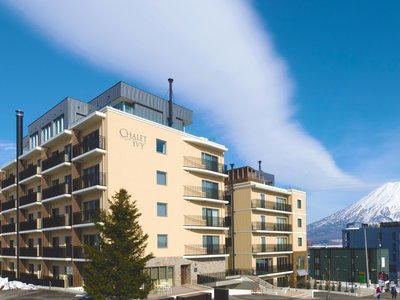
Chalet Ivy Hirafu, Niseko
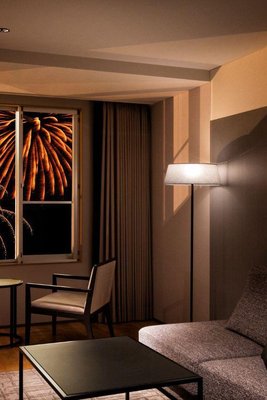
The Lake View Toya Nonokaze Resort
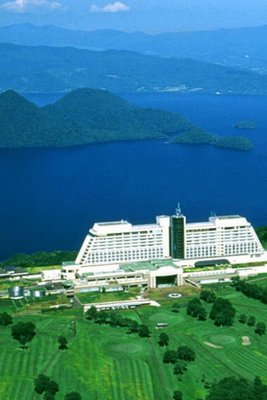
The Windsor Hotel TOYA,Vignette Collection
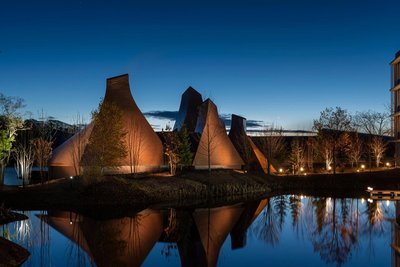
Hoshino Resorts KAI Poroto
Wakamatsu Hot Spring Resort
Ryotei Hanayura
Lake Shikotsu Tsuruga Bessou Ao No Za
Zaborin
Niseko Inn of Youtei Raku Suisan
Jozankei Daiichi Hotel Suizantei
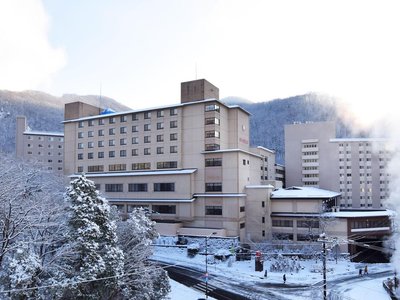
Dai-ichi Takimotokan
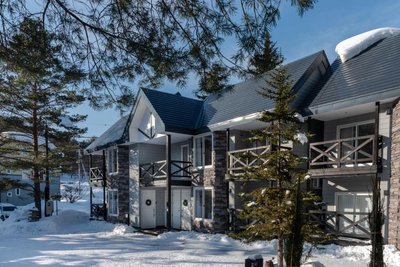
Furano Lofts
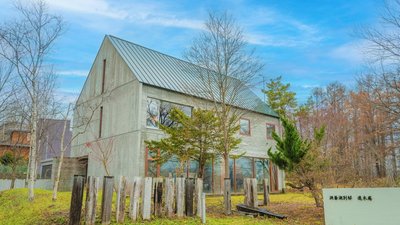
Toyako Villa Susukian
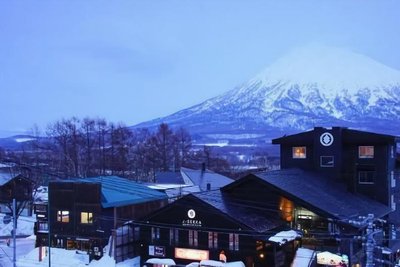
Snow Crystal
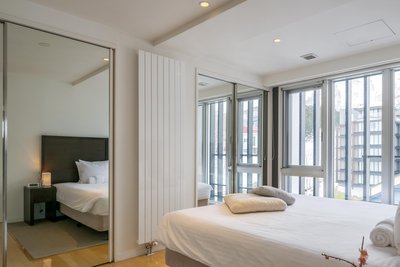
Alpen Ridge
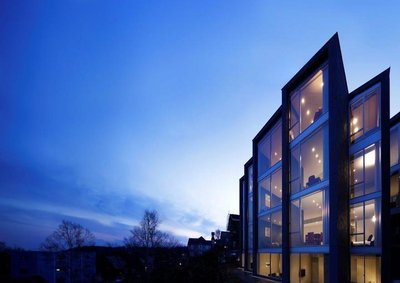
Terrazze
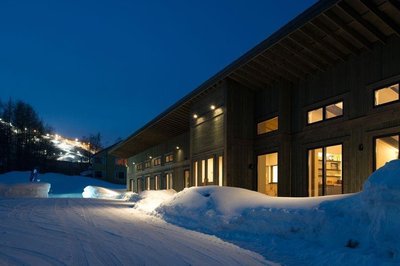
The Orchards Niseko
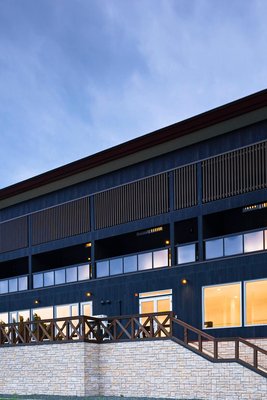
Furano Lookout
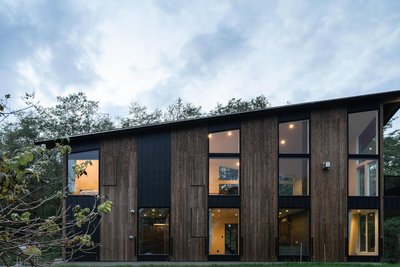
Furano Peak
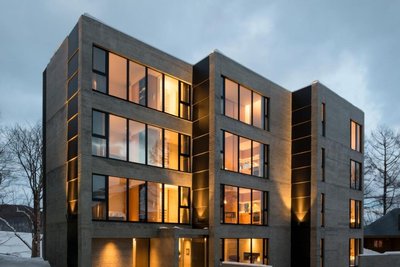
Kozue
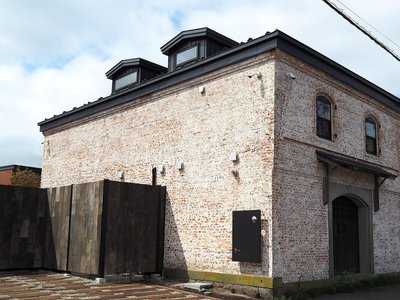
Pres de La Mer
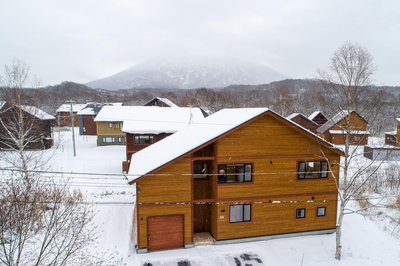
Country Resort Niseko
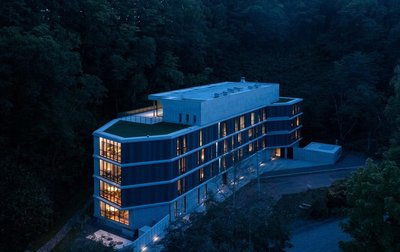
Yamakei Residences
Frequently Asked Questions about Traveling to Pippu
Questions You Might Need to Know About Traveling to Pippu
In Hibiki, the top choice for families is Hibiki Onsen Kōdo-kan, a traditional Japanese ryokan nestled in a serene valley surrounded by mountains. It offers private onsen baths, kid-friendly meals using local ingredients like fresh potatoes and dairy, and spacious rooms with tatami flooring. Located near Hibiki River and Birch Forest Trail, it’s ideal for nature walks and outdoor activities. Book early during winter to enjoy the "snow-covered bath" experience, where steaming hot springs contrast beautifully with snow-laden trees—perfect for creating lasting family memories.
The best area for staying in Hibiki is the town center near Hibiki Station, offering easy access to Hibiki Onsen Street, local restaurants, and public transport. This district hosts numerous guesthouses and ryokans with warm hospitality and convenient amenities. Nearby attractions include Hibiki Forest Park and the Hokkaido Agriculture Museum, making it ideal for both relaxation and cultural exploration. Staying here ensures seamless access to nature trails, seasonal festivals, and authentic rural life in northern Hokkaido.
Hibiki offers immersive cultural experiences centered around craftsmanship and tradition. Visitors can join hands-on pottery workshops at Hibiki Pottery Studio, shaping their own ceramic pieces using local clay. The annual Hibiki Rice Field Festival celebrates agricultural heritage with rice art displays, handmade mochi-making, and folk performances. At night, guests can participate in stargazing tours under pristine skies, where the Milky Way stretches across the horizon. These activities reflect Hibiki’s deep connection to nature and sustainable living.
Hibiki’s hot springs are renowned for their mild alkaline bicarbonate mineral water, known for soothing skin and easing muscle fatigue. The historic Hibiki Onsen Public Bath features a Meiji-era wooden structure with modern facilities and scenic viewing decks overlooking the Daisetsuzan Mountains. Some luxury ryokans offer cave onsen and forest open-air baths, blending natural sounds, pine scents, and panoramic views. These immersive bathing experiences make Hibiki a top destination for wellness and tranquility seekers.
A stay of 2 to 3 days is ideal to fully enjoy Hibiki’s charm. Day one: explore Hibiki Onsen Street and the Agriculture Museum, then savor local dishes like potato stew and cheese sandwiches. Day two: hike through Hibiki Forest Park along the Hibiki River, spotting wildlife and waterfalls. Day three: participate in a pottery workshop or join a night stargazing tour. This itinerary balances relaxation, nature, and culture—perfect for escaping urban life and embracing Hokkaido’s quiet countryside rhythm.
Hibiki is a paradise for photographers seeking seasonal beauty and natural light. Capture spring cherry blossoms along the Hibiki River, morning mist in the birch forest trail, and golden rice fields in autumn. Winter offers stunning shots of snow-dusted onsen steam rising under lanterns. For astrophotography, visit the Hibiki Observatory during clear nights to shoot the Milky Way arch and meteor showers. Each season provides a distinct visual narrative, making Hibiki a year-round destination for creative storytelling through images.
Must-try dishes in Hibiki include local potato stew, made with Hokkaido-grown red-skinned potatoes that melt in your mouth. Another highlight is the Hibiki cheese sandwich, featuring house-made butter and fresh vegetables. During winter, don’t miss grilled salmon skewers and onsen tamago rice bowls. Many guesthouses offer farm-to-table dinner experiences, where chefs explain ingredient origins and cooking techniques—turning every meal into a cultural journey.
The most convenient way to reach Hibiki is via JR Hakodate Main Line from Sapporo, taking about 1 hour 40 minutes. From Hibiki Station, shuttle buses run directly to major ryokans and onsen areas. For those driving, take the Douto Expressway from Sapporo, approximately 2 hours. Renting a car through Hokkaido rental services is recommended due to scattered attractions and narrow roads. Park at Hibiki Central Parking Lot upon arrival for easy access to town centers and hiking trails.
Hibiki’s guesthouses are often converted traditional Japanese townhouses (machiya), preserving original wood beams, tatami floors, and garden courtyards. Hibiki Koya offers full-wood interiors and a tea room with seasonal decorations. Hosts frequently share personal stories, farming practices, and seasonal tips. Many provide shared onsen baths and wood-fired heating systems, creating a cozy, homely atmosphere. Staying here not only reduces costs but also fosters deeper connections with local life and slow-paced rural traditions.
Nighttime in Hibiki is magical. Join the nighttime astronomy tour at Hibiki Observatory, where expert guides reveal constellations under crystal-clear skies. The Hibiki Onsen Street glows softly at night, with steam rising from bathhouses and lanterns casting warm reflections on snow-covered paths—ideal for romantic or contemplative walks. During festivals, enjoy bonfire ceremonies and lantern release events. These quiet, luminous moments reflect Hibiki’s spiritual connection to nature and time-honored rituals.
Pippu Overview
City Summary
Bibai Town, located in central Hokkaido, Japan, is a peaceful and picturesque town known for its natural beauty and hot springs. The town experiences four distinct seasons, with cherry blossoms in spring, lush greenery in summer, vibrant foliage in autumn, and snowy landscapes in winter. Bibai's hot springs are particularly popular, offering a perfect retreat for relaxation. Additionally, the town's thriving agriculture and dairy industry provide visitors with fresh local produce and authentic Hokkaido cuisine.
Must-See Attractions
Key attractions in Bibai include the Bibai Hot Springs and nearby natural parks. The hot springs are renowned for their mineral-rich waters, beneficial for health. Natural parks offer hiking and bird-watching opportunities, allowing visitors to connect with nature. Farms and ranches in Bibai also welcome visitors for activities like milking cows or picking fresh vegetables.
Food Guide
Bibai's cuisine is based on Hokkaido's fresh ingredients. Recommended dishes include local dairy products like milk and cheese, as well as fresh seafood and farm produce. Local restaurants and food stalls serve various Hokkaido specialties, such as Genghis Khan barbecue and soup curry. Many ryokans (traditional inns) in Bibai also offer lavish Japanese breakfasts and dinners featuring authentic Hokkaido flavors.
Transportation Guide
Public transportation in Bibai is limited, so renting a car or taking taxis is recommended. From Sapporo, JR trains take about 1.5 hours to reach Bibai. Major attractions within the town can be accessed on foot or by bicycle, but renting a car or HopeGoo a taxi is advisable for visiting rural natural sites. In winter, be mindful of snow affecting road conditions.
Best Time to Visit
Bibai is enjoyable year-round, but the best times to visit are spring (April-May) and autumn (September-October) for pleasant weather and beautiful scenery. Summer (June-August) is ideal for outdoor activities, while winter (December-February) offers hot springs and snowy landscapes, though temperatures can be very low.
Travel Tips
- Onsen Etiquette: Bathe thoroughly before entering hot springs, and swimwear is prohibited.
- Winter Warmth: Hokkaido winters are cold; pack warm clothing and anti-slip shoes.
- Respect Local Culture: Maintain quiet and follow protocols at shrines or temples.
- Language: English is limited; learn basic Japanese phrases or use translation apps.
- Cash Handling: Rural areas may not accept credit cards; carry sufficient cash.
- Environmental Awareness: Strict waste separation rules; follow local disposal guidelines.
Useful Information
Language: Japanese is primary; English is uncommon, so learn basic phrases or use translation tools. Internet: Most hotels and restaurants offer free Wi-Fi, but rural areas may have spotty coverage. Payments: Credit cards work in urban areas, but cash is preferred in rural shops. Healthcare: Bibai has small clinics; serious cases require hospitals in Sapporo. Emergency Numbers: Dial 110 for police, 119 for ambulance/fire in Japan. Voltage: Japan uses 100V with two-flat-pin plugs; check device compatibility.









