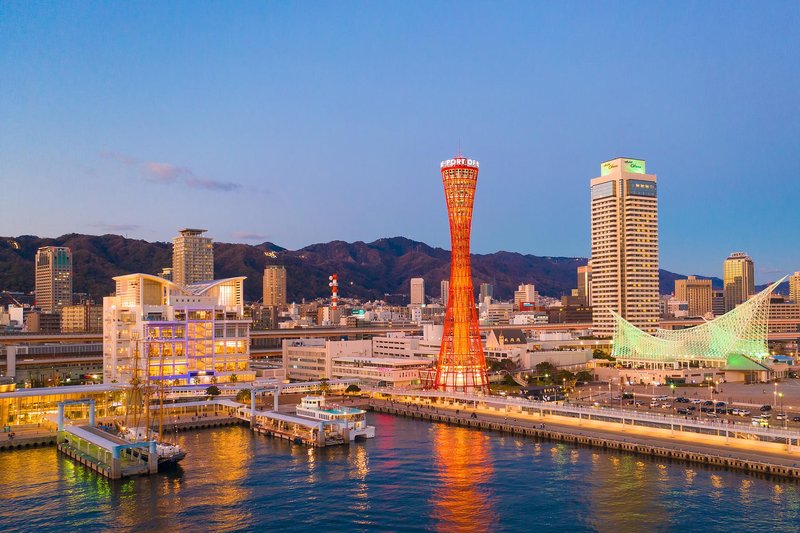
Hotels in Pippu
Discover your perfect stay in Pippu.
Pippu(Japan) Travel 2026: Cheap Flights, Hotels & Top Attractions
Popular Landmarks in Pippu
Discover the most iconic attractions in Pippu
Recommended Hotels in Pippu
Find the perfect place to stay in Pippu
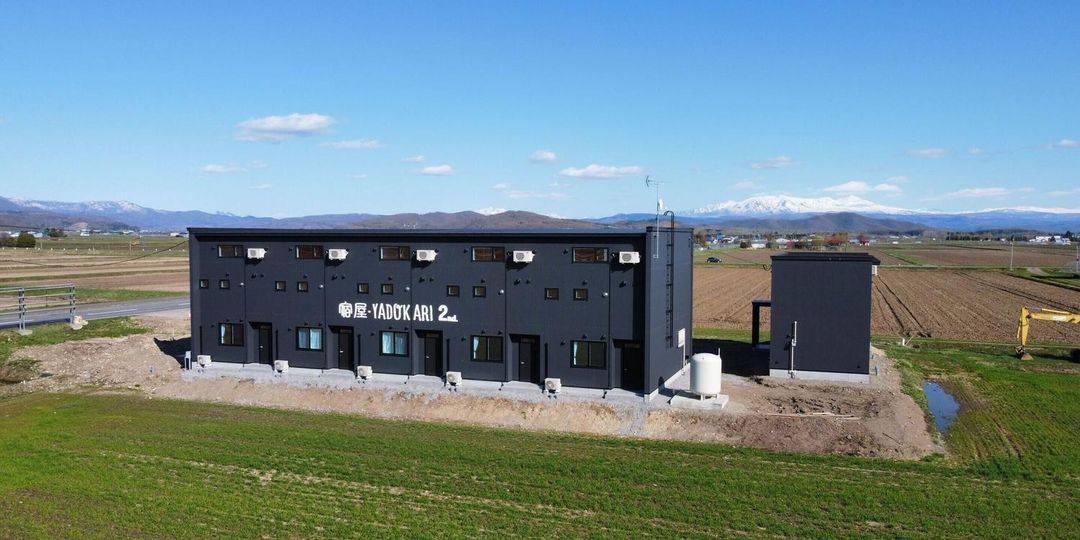
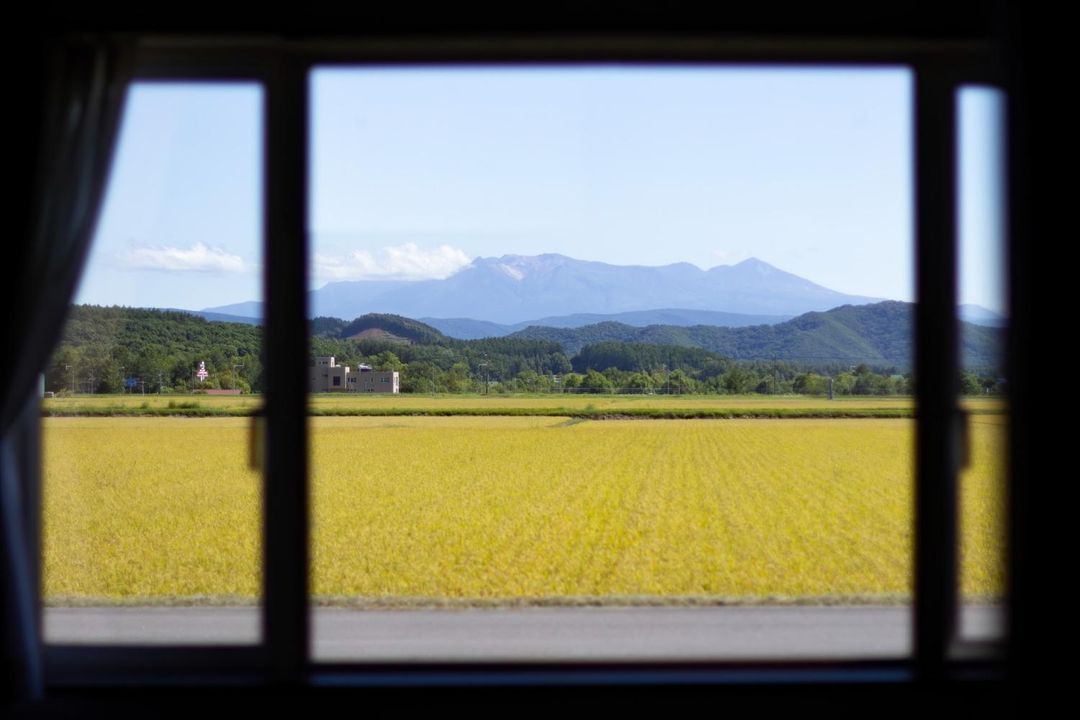
Best Hotels in Pippu
Discover curated hotel collections in Pippu
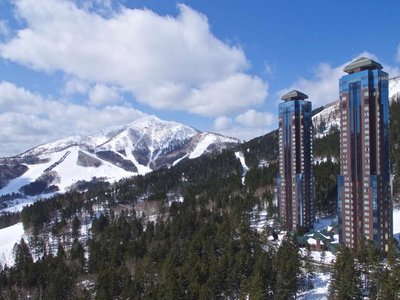
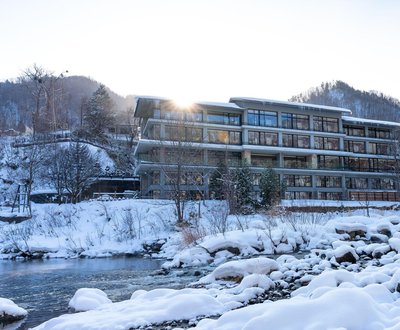
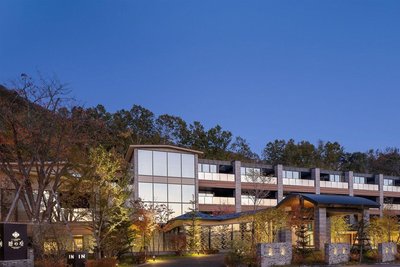
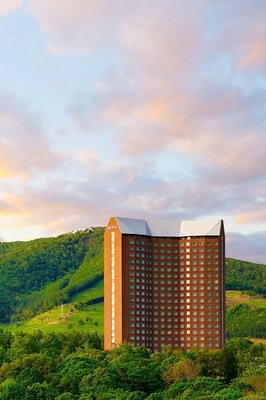
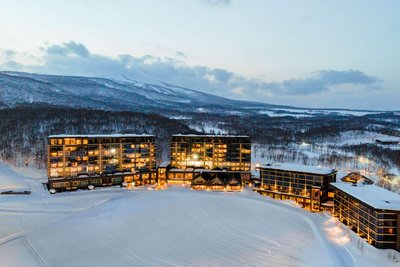
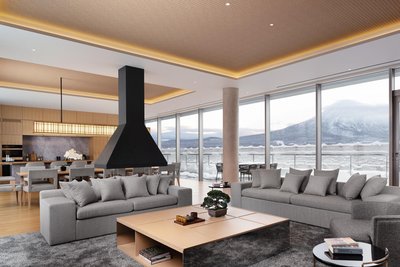
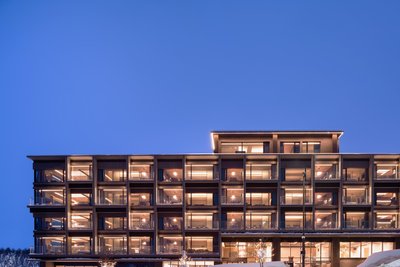
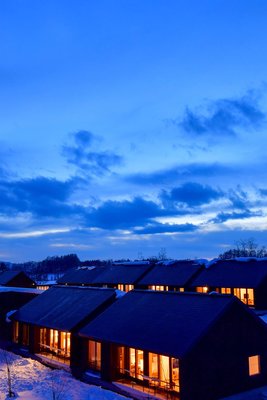
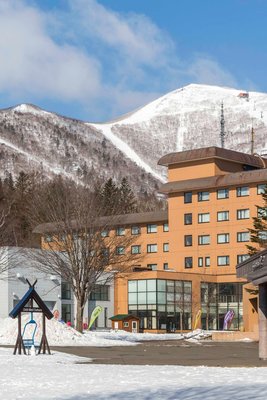
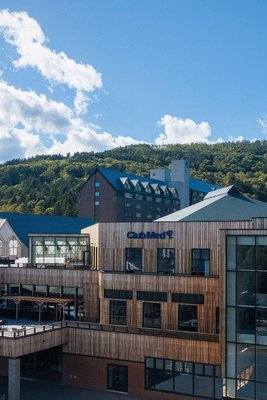
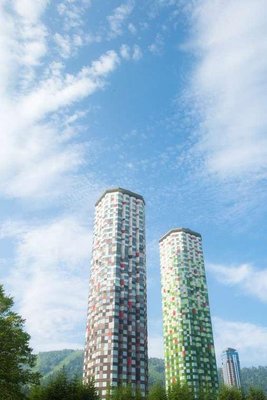
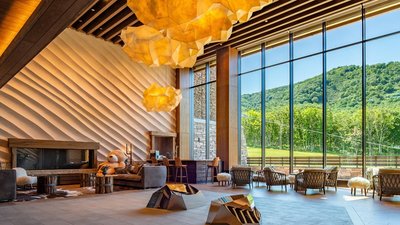

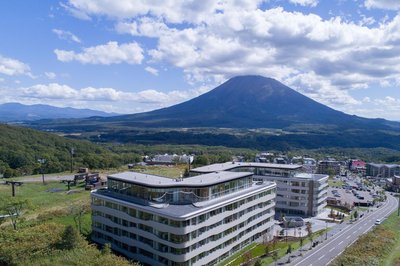
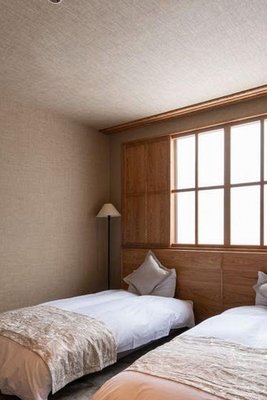
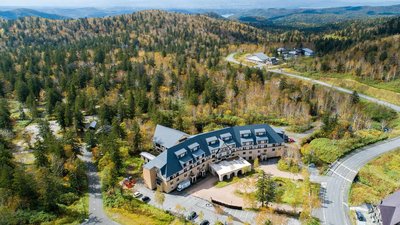
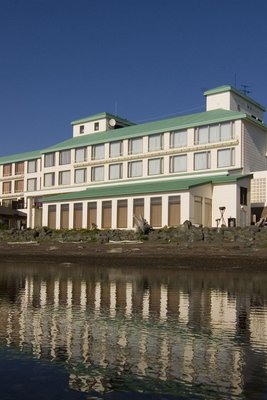
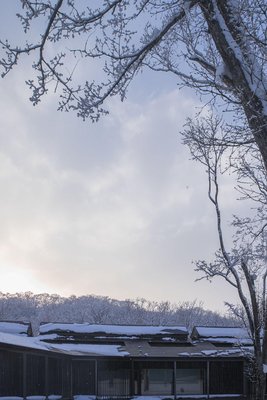
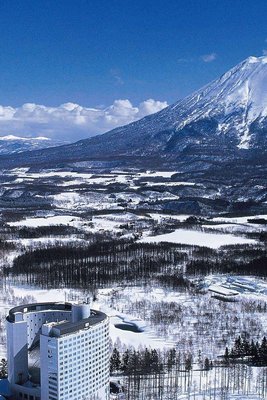
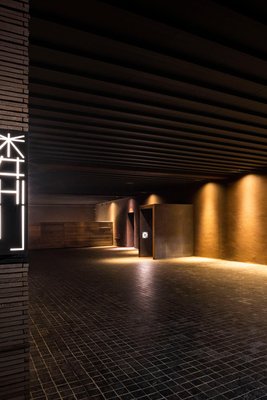
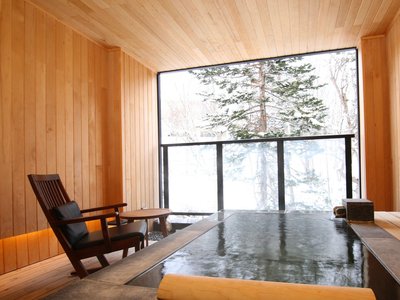
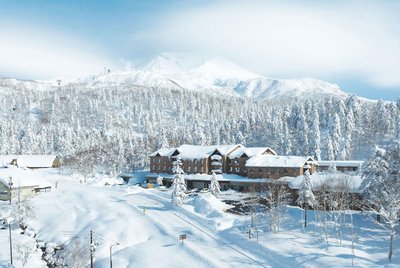
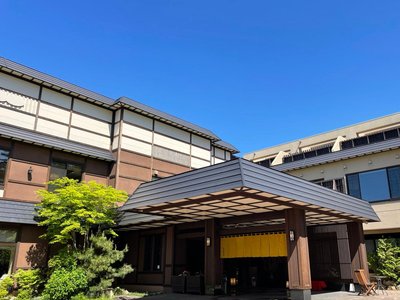
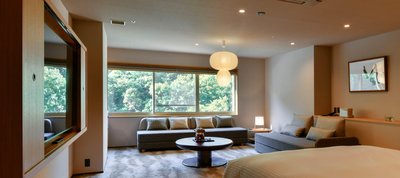
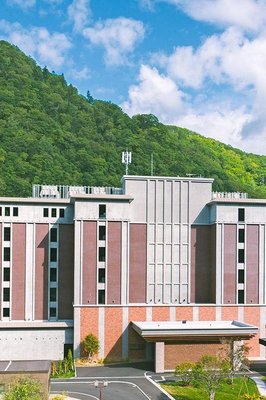
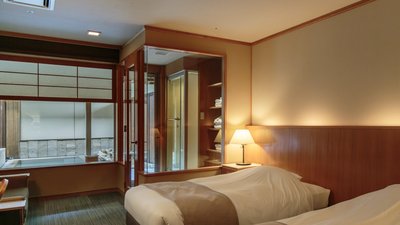
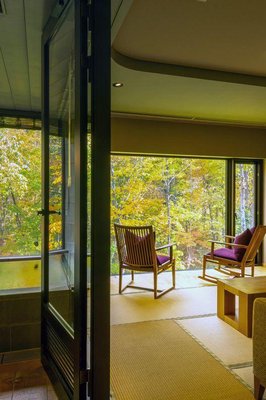
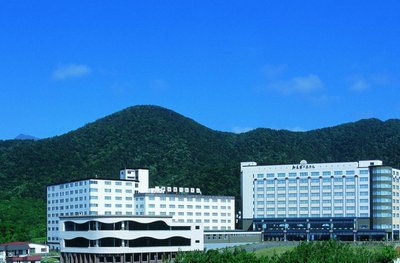
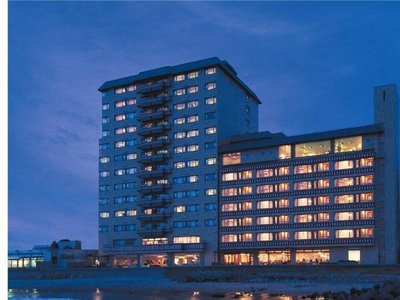
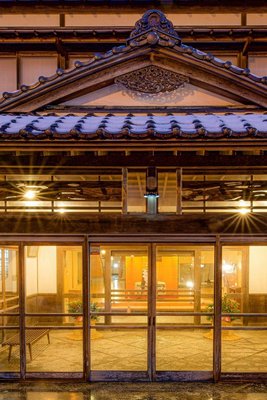
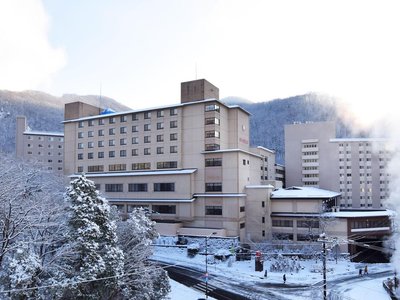
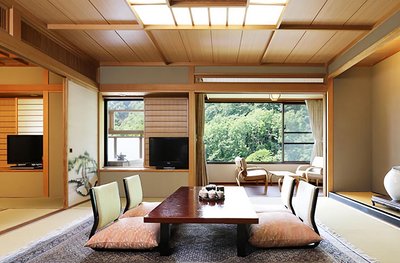
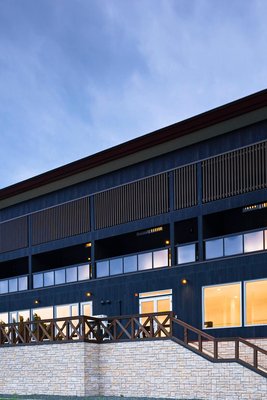
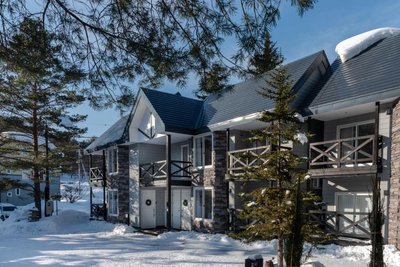
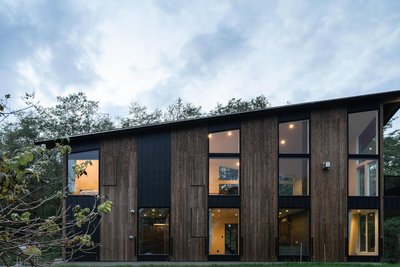
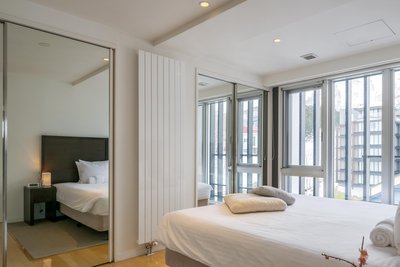
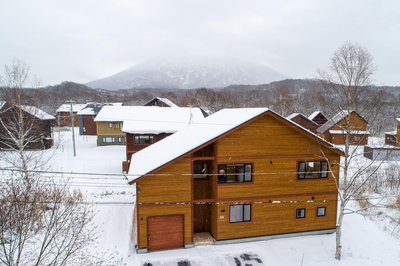
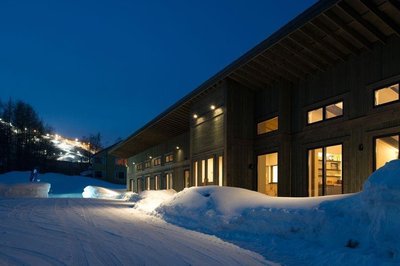
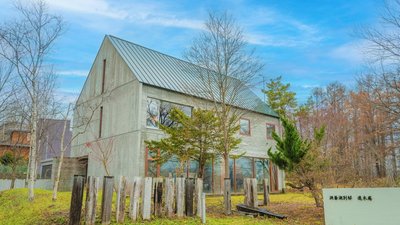
Frequently Asked Questions about Traveling to Pippu
Questions You Might Need to Know About Traveling to Pippu
Pippu Overview
City Summary
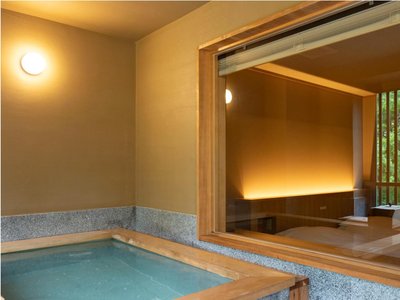
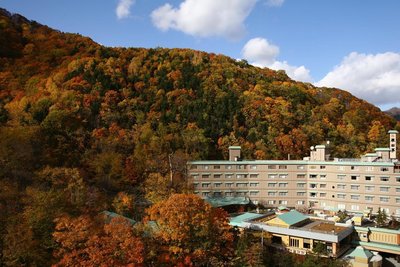
Bibai Town, located in central Hokkaido, Japan, is a peaceful and picturesque town known for its natural beauty and hot springs. The town experiences four distinct seasons, with cherry blossoms in spring, lush greenery in summer, vibrant foliage in autumn, and snowy landscapes in winter. Bibai's hot springs are particularly popular, offering a perfect retreat for relaxation. Additionally, the town's thriving agriculture and dairy industry provide visitors with fresh local produce and authentic Hokkaido cuisine.
Must-See Attractions
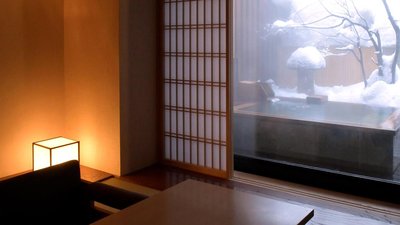
Key attractions in Bibai include the Bibai Hot Springs and nearby natural parks. The hot springs are renowned for their mineral-rich waters, beneficial for health. Natural parks offer hiking and bird-watching opportunities, allowing visitors to connect with nature. Farms and ranches in Bibai also welcome visitors for activities like milking cows or picking fresh vegetables.
Food Guide
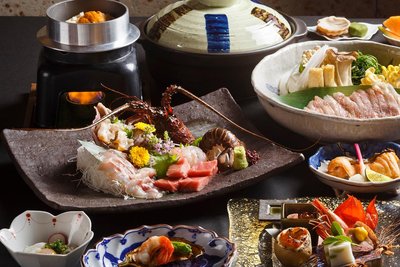
Bibai's cuisine is based on Hokkaido's fresh ingredients. Recommended dishes include local dairy products like milk and cheese, as well as fresh seafood and farm produce. Local restaurants and food stalls serve various Hokkaido specialties, such as Genghis Khan barbecue and soup curry. Many ryokans (traditional inns) in Bibai also offer lavish Japanese breakfasts and dinners featuring authentic Hokkaido flavors.
Transportation Guide
Public transportation in Bibai is limited, so renting a car or taking taxis is recommended. From Sapporo, JR trains take about 1.5 hours to reach Bibai. Major attractions within the town can be accessed on foot or by bicycle, but renting a car or HopeGoo a taxi is advisable for visiting rural natural sites. In winter, be mindful of snow affecting road conditions.
Best Time to Visit
Bibai is enjoyable year-round, but the best times to visit are spring (April-May) and autumn (September-October) for pleasant weather and beautiful scenery. Summer (June-August) is ideal for outdoor activities, while winter (December-February) offers hot springs and snowy landscapes, though temperatures can be very low.
Travel Tips
- Onsen Etiquette: Bathe thoroughly before entering hot springs, and swimwear is prohibited.
- Winter Warmth: Hokkaido winters are cold; pack warm clothing and anti-slip shoes.
- Respect Local Culture: Maintain quiet and follow protocols at shrines or temples.
- Language: English is limited; learn basic Japanese phrases or use translation apps.
- Cash Handling: Rural areas may not accept credit cards; carry sufficient cash.
- Environmental Awareness: Strict waste separation rules; follow local disposal guidelines.
Useful Information
Language: Japanese is primary; English is uncommon, so learn basic phrases or use translation tools. Internet: Most hotels and restaurants offer free Wi-Fi, but rural areas may have spotty coverage. Payments: Credit cards work in urban areas, but cash is preferred in rural shops. Healthcare: Bibai has small clinics; serious cases require hospitals in Sapporo. Emergency Numbers: Dial 110 for police, 119 for ambulance/fire in Japan. Voltage: Japan uses 100V with two-flat-pin plugs; check device compatibility.