Hotels in Pistoia
Discover your perfect stay in Pistoia.
Pistoia(Italy) Travel 2026: Cheap Flights, Hotels & Top Attractions
Popular Landmarks in Pistoia
Discover the most iconic attractions in Pistoia
Recommended Hotels in Pistoia
Find the perfect place to stay in Pistoia




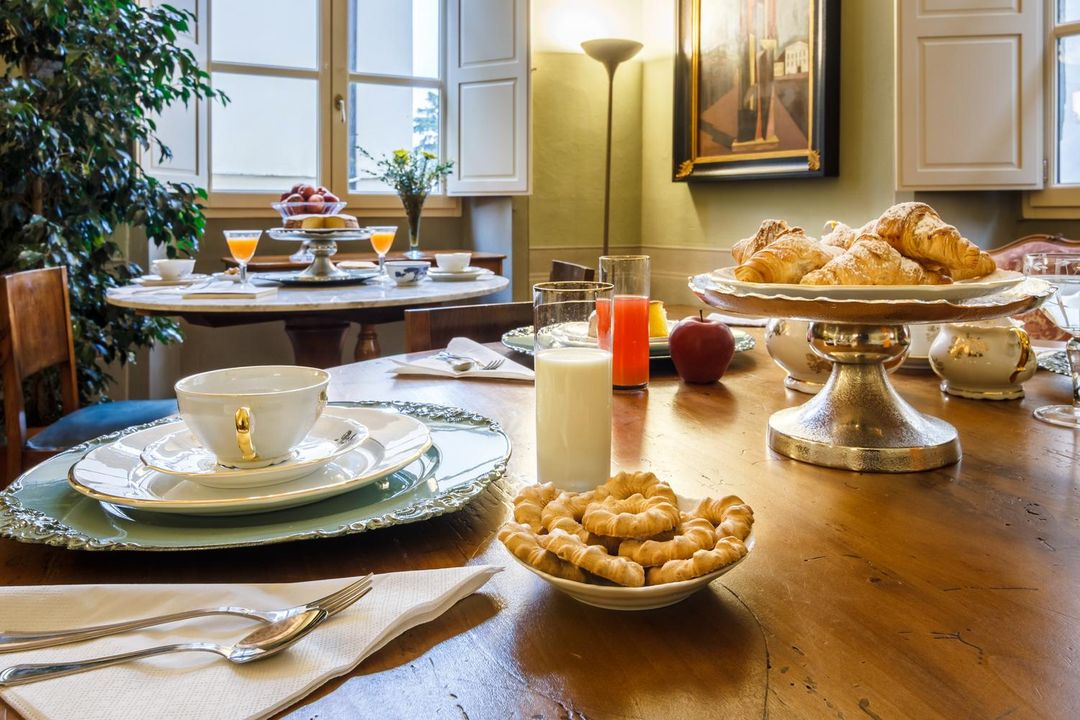
Frequently Asked Questions about Traveling to Pistoia
Questions You Might Need to Know About Traveling to Pistoia
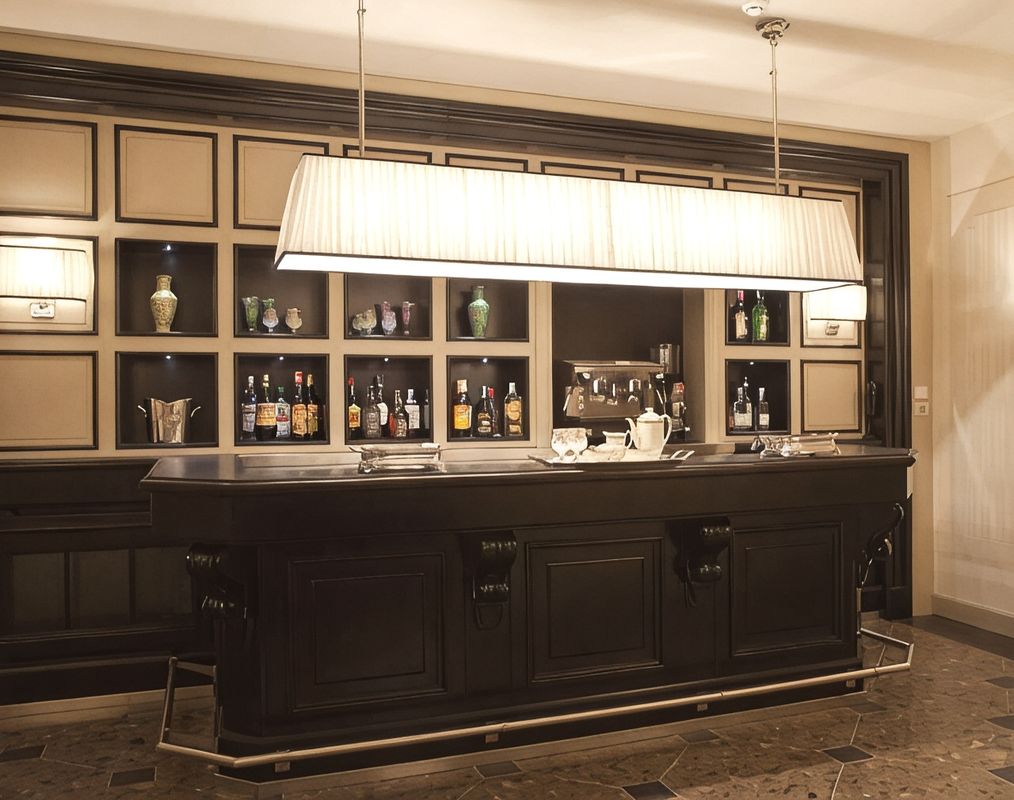
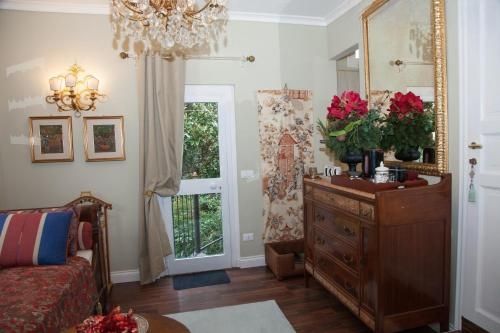
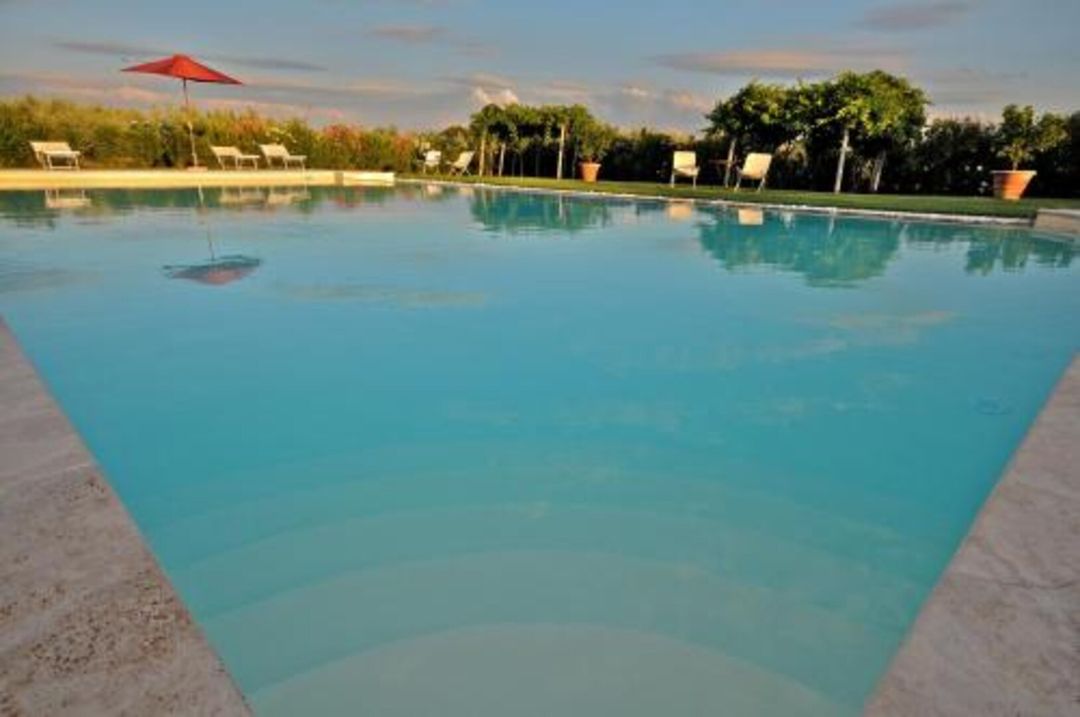
In Pistoia, top boutique stays include Hotel La Palma, a charming Renaissance-inspired hotel near Pistoia Cathedral and Piazza della Sala, offering elegant rooms with modern amenities like smart climate control. Its rooftop terrace provides panoramic views of the historic city center. For a more immersive cultural experience, Relais San Francesco—housed in a restored 14th-century convent—features original frescoes and hosts nightly music salons in the cloister. Another standout is B&B Hotel Pistoia, a budget-friendly option just a 5-minute walk from the train station, ideal for travelers seeking convenience without compromising comfort. Each offers unique local character and personalized service.
For those seeking authenticity, Villa Il Roseto offers a secluded countryside retreat with private gardens and farm-to-table breakfasts, perfect for quiet reflection and nature immersion.
The historic city center, especially around Piazza della Sala and Piazza del Duomo, is ideal for first-time visitors to Pistoia. This compact area is within walking distance of major landmarks including Pistoia Cathedral, the Palazzo Comunale, and numerous traditional cafés and artisan shops. The cobblestone streets glow beautifully at night, creating a romantic atmosphere perfect for evening strolls. From here, you can easily reach Florence (30 minutes by train) or Arezzo (40 minutes), making it a strategic base. For a quieter alternative with rich history, consider San Lorenzo district, where ancient stone buildings and narrow alleys offer a peaceful retreat into medieval life.
Pistoia offers distinctive cultural experiences such as the Festa di San Jacopo held every June, celebrating Saint James with traditional processions, folk music, and craft markets. Visitors can also tour the Biblioteca del Duomo, home to over 2,000 medieval manuscripts, some accessible via VR technology for an interactive journey through history. Don’t miss the Cappella di San Pietro in Santa Maria della Sala, featuring early Renaissance frescoes by Giotto. At night, join the Candlelight Guided Tours through the cathedral cloisters, where storytellers bring centuries-old legends to life in dimly lit halls, offering a deeply atmospheric encounter with Tuscany’s spiritual heritage.
Must-try dishes in Pistoia include Cacciucco alla pistoiese, a rich fish stew made with local catch and tomatoes, rooted in the town’s fishing traditions. Another highlight is Crostini di fegatini—toasted bread topped with duck liver pâté—best enjoyed with a glass of regional Chianti Classico. Visit Pasticceria Bucci, a century-old bakery, for handmade Torta di ricotta (ricotta cake) and Sfrappole, deep-fried pastries dusted with sugar. For wine lovers, La Bottega del Vino offers tastings of locally sourced wines, including San Gimignano Bianco. Be sure to visit the Mercato Contadino on Fridays to sample fresh olive oil, honey, and lavender soaps—perfect for gifts and authentic taste memories.
Yes, Pistoia is family-friendly despite its small size. The Museo dei Bambini (Children’s Museum), housed in a former military barracks, features interactive exhibits, pottery workshops, and outdoor play zones ideal for ages 3–12. Nearby, Parco di Santa Maria offers open green spaces, playgrounds, and a small zoo with educational programs. Families can rent bikes and ride along the scenic Arno River Greenway, passing vineyards and farmland. Many hotels, including Hotel La Palma, provide cribs and child-friendly meals. Weekly events like Family Art Days invite parents and kids to co-create murals or make ceramics, fostering creativity and connection in a welcoming environment.
Transportation in Pistoia is highly convenient. The Pistoia Train Station connects directly to Florence (30 min), Pisa (50 min), and Rome (2 hours) via regional and high-speed lines. The city’s bus network covers all major attractions and integrates with mobile ticketing apps. For those traveling by car, the A1 Highway provides quick access to surrounding towns like Arezzo and Montepulciano. Although Pistoia Airport is a small general aviation field, several rental agencies operate nearby. For tourists preferring guided sightseeing, HopeGoo Pistoia offers hop-on/hop-off buses with audio guides, allowing flexible exploration of key sites without needing a car.
Pistoia excels in artisanal shopping. Head to Via della Vigna, where independent studios sell handcrafted leather goods, embroidered scarves, and ceramic sculptures. The weekly Mercato Coperto (covered market) on Wednesdays and Saturdays features local honey, olive oil, and lavender soap. Antica Bottega del Cuoio, a centuries-old tannery, offers custom leatherwork with live demonstrations. For souvenirs, try Pistoiese Olive Oil or the L'Arca del Gusto gourmet gift box—packed with house-made pasta sauces and dried fruits—ideal for sharing a piece of Tuscan tradition. Shopping here feels personal, authentic, and deeply rooted in craftsmanship.
Pistoia has a Mediterranean climate: hot, dry summers (25–30°C in June–August), with occasional heatwaves—best visited in the early morning or late afternoon. Winters (December–February) are mild but rainy, often foggy, so pack a windproof jacket. Spring (April–May) and autumn (September–October) are ideal—pleasant temperatures, low humidity, and vibrant foliage. These seasons coincide with festivals like the Festa di San Jacopo and wine harvest events, offering richer cultural immersion. Always carry a lightweight raincoat; sudden showers are common in the hills. Regardless of season, pack layers and sun protection for full enjoyment.
Key religious sites in Pistoia include the Duomo di Pistoia, a 12th-century cathedral blending Romanesque and Gothic styles, housing a Michelangelo-designed Virgin statue and fragments of Giotto’s frescoes. The Chiesa di San Francesco features well-preserved 14th-century frescoes depicting the life of St. Francis. The Chiesa di Santa Maria della Sala, the city’s main cathedral, boasts a striking bell tower with panoramic views of the valley. During Easter, attend the Candlelight Mass, where hundreds of candles illuminate the square in a solemn procession—a moving ritual that reflects the town’s deep spiritual roots and artistic legacy.
Absolutely. Pistoia is one of Italy’s most welcoming destinations for solo travelers. The city is safe, quiet, and pedestrian-friendly, with friendly locals who greet visitors warmly. The Biblioteca Civica hosts a “Solo Traveler Corner” offering free tea, travel guides, and monthly “One Person, One Story” meetups. Cafés like Caffè delle Arti have cozy single seats perfect for reading or journaling. The Pistoia Art Walk offers self-guided audio tours, allowing independent exploration. Nighttime, join the Lonely Dinners event at a family-run trattoria, where solo guests share meals and stories—great for connecting with kindred spirits. With its unhurried pace and soulful charm, Pistoia is an ideal place to reflect, recharge, and rediscover yourself.
Pistoia Overview
City Summary
Pistoia is a charming small city in Italy's Tuscany region, known for its medieval architecture, Renaissance art, and tranquil atmosphere. Rich in historical heritage, the city boasts numerous churches, squares, and museums that reflect the deep cultural roots of Tuscany. Visitors can enjoy a slow-paced lifestyle, away from the hustle and bustle of larger cities.
Must-See Attractions
Pistoia Cathedral (Cattedrale di San Zeno) is the heart of the city, featuring a stunning silver altar and Renaissance artworks. Piazza del Duomo, surrounded by historic buildings, is the perfect spot to soak in the city's vibe. Chiesa di Sant'Andrea attracts visitors with its unique Romanesque architecture. Additionally, Pistoia’s markets and artisan shops are worth exploring.
Food Guide
Pistoia’s traditional cuisine is heavily influenced by Tuscan food culture. Don’t miss Cinghiale in umido (wild boar stew) and Pappardelle (handmade pasta). For dessert, try Castagnaccio, a unique cake made with chestnut flour. Local wines, such as Chianti, are excellent pairings.
Transportation Guide
Pistoia’s city center is compact, making walking the most convenient way to explore. The city has a bus system, but services are infrequent, so check schedules in advance. To visit nearby towns (like Florence or Pisa), take the train—Pistoia’s station connects to major Tuscan cities. Driving is another option, but be aware of traffic restrictions in the historic center.
Best Time to Visit
The best times to visit are spring (April to June) and autumn (September to October), when the weather is mild and crowds are smaller. Summer (July to August) can be hot and crowded, while winter (November to March) is quieter but some attractions may have shorter hours.
Travel Tips
- Respect local customs: Dress modestly when entering churches.
- Check opening hours: Many shops and restaurants close in the afternoon (around 1:00–4:00 PM).
- Carry cash: Small businesses may not accept credit cards.
- Learn basic Italian phrases, like greetings, to connect with locals.
- Watch for pickpockets, especially in crowded markets or stations.
- Join local festivals or markets to experience authentic culture.
Useful Information
Language: Italian is the main language; English is understood in tourist areas. Internet: Most cafes and hotels offer free Wi-Fi, but connections may be spotty. Payment: Credit cards are accepted in large establishments, but cash is preferred in smaller shops. Emergency: Pistoia has a hospital (Ospedale San Jacopo); dial 118 for emergencies. Voltage: 230V, with Type C/F plugs. Travel insurance is recommended.