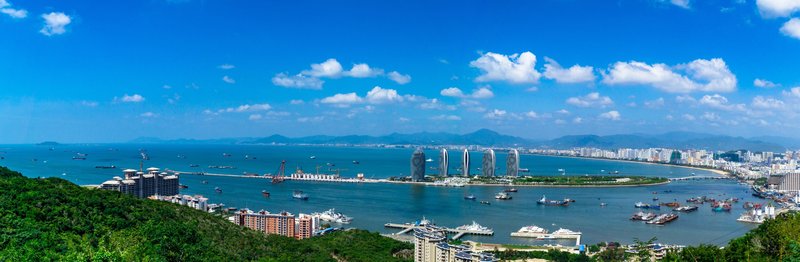
Hotels in Plaeng Yao
Discover your perfect stay in Plaeng Yao.
Plaeng Yao(Thailand) Travel 2026: Cheap Flights, Hotels & Top Attractions
Popular Landmarks in Plaeng Yao
Discover the most iconic attractions in Plaeng Yao
Recommended Hotels in Plaeng Yao
Find the perfect place to stay in Plaeng Yao
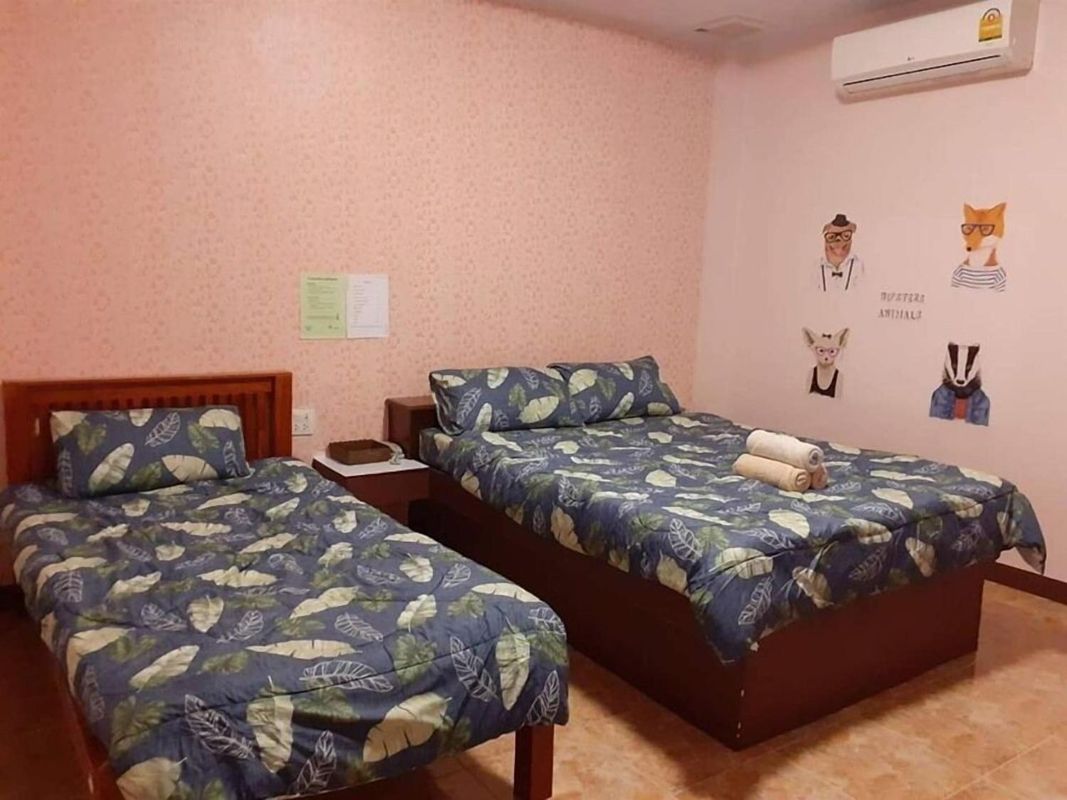
Tonpalm Resort
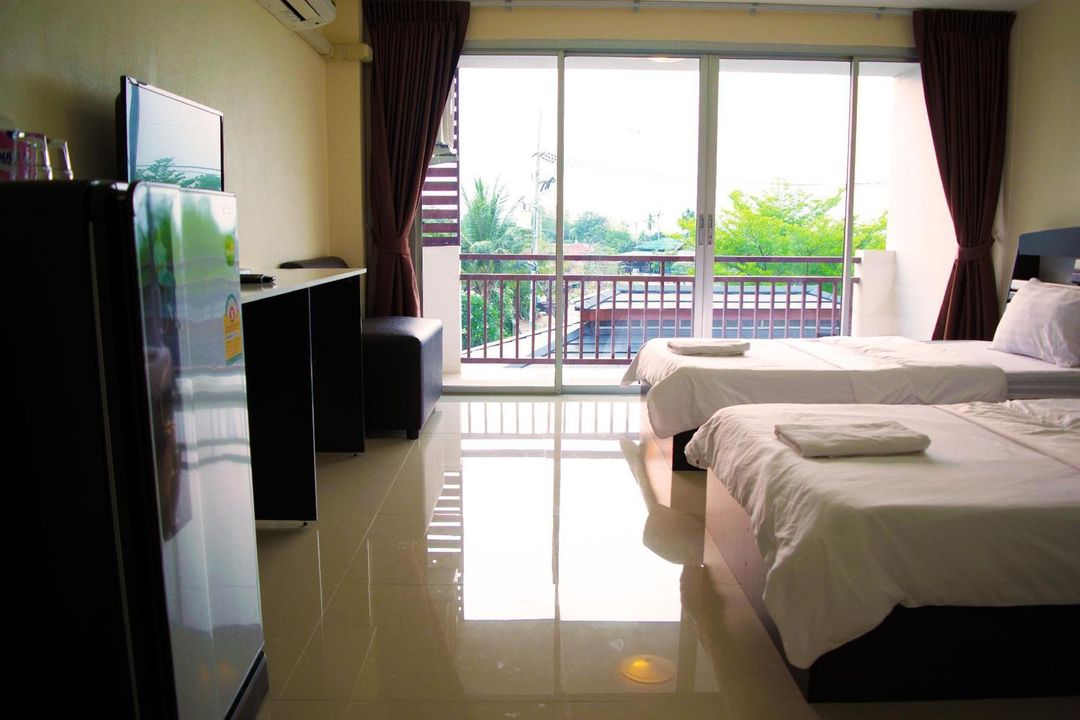
Nantharom Hotel and Restaurant
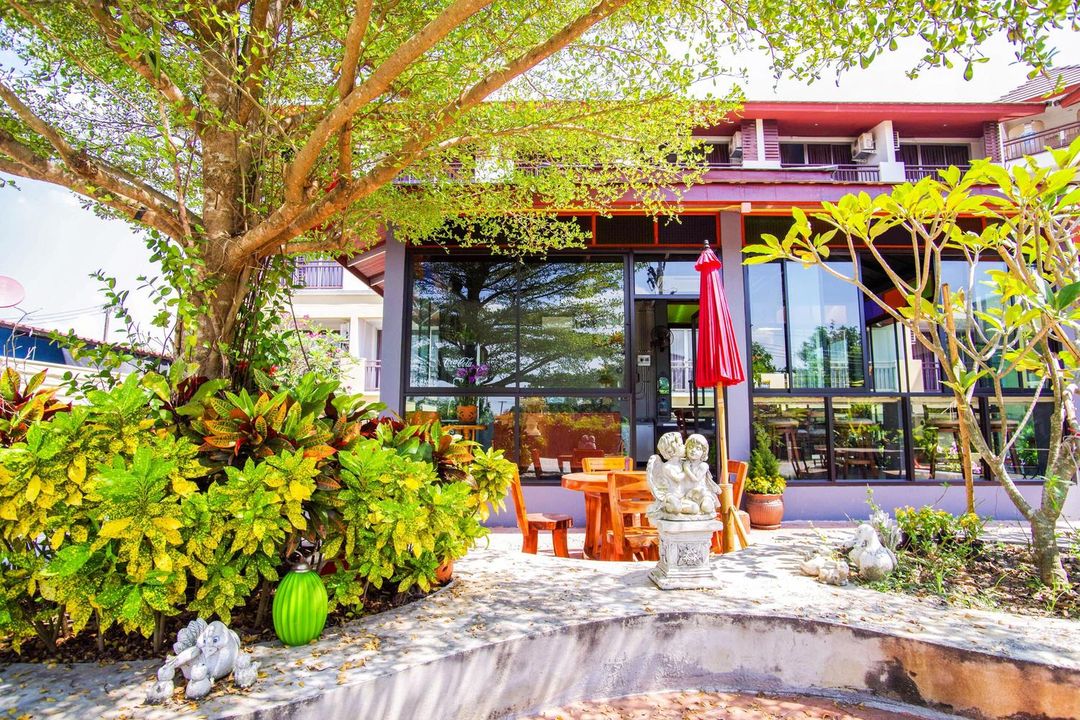
OYO 398 Nantharom Hotel And Residence
Best Hotels in Plaeng Yao
Discover curated hotel collections in Plaeng Yao
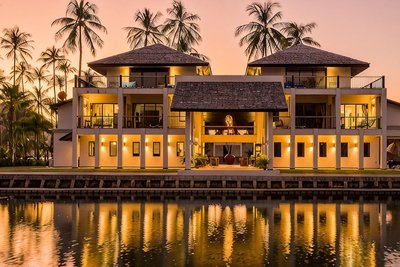
Shambhala Beach Resort
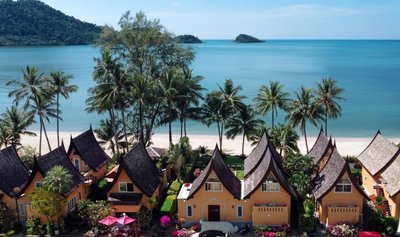
Utalay Koh Chang Villas
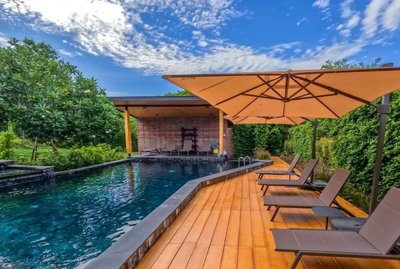
La Levée Resort
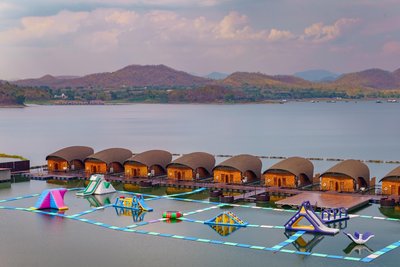
Leaf Lake Kan Resort
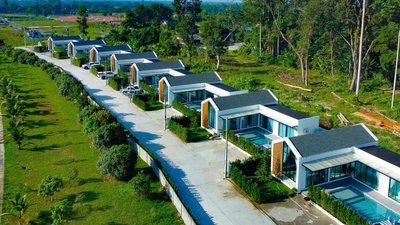
Villa Paramount 2
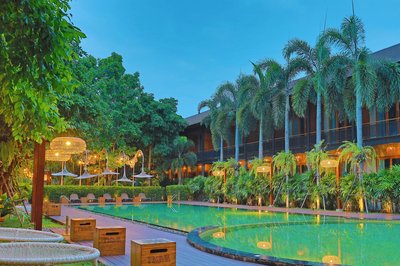
The Buffalo Amphawa
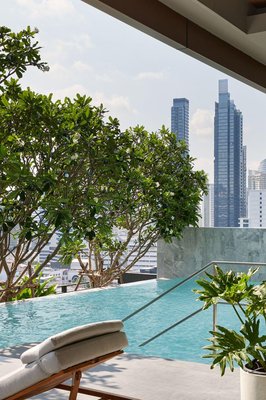
dusitD2 Samyan Bangkok
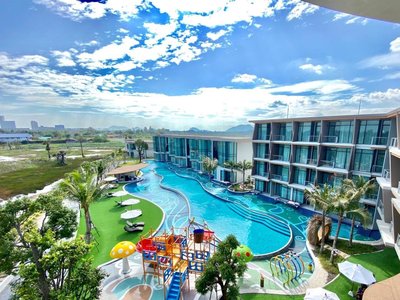
Elmas Cha am Design Hotel
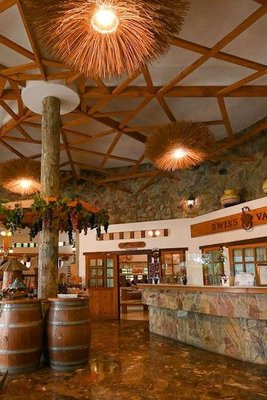
Swiss Valley Hip Resort
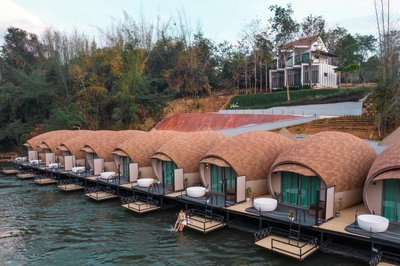
VeeVaree Riverkwai Resort

Samed Tamarind Beach Resort
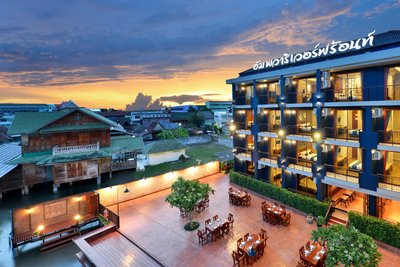
Amphawa Riverfront Hotel
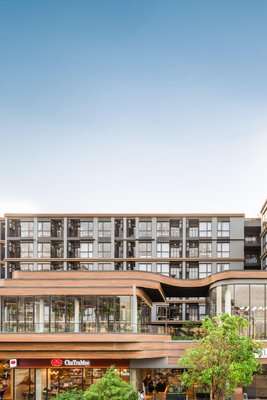
Salaya One Hotel & Service Apartment
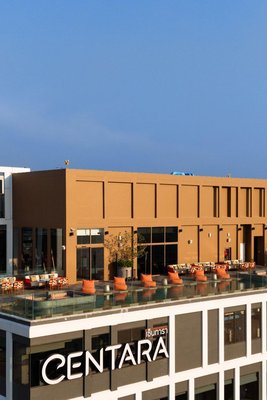
Centara Ayutthaya
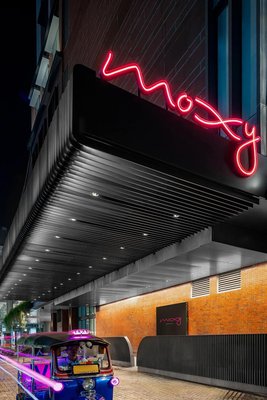
Moxy Bangkok Ratchaprasong
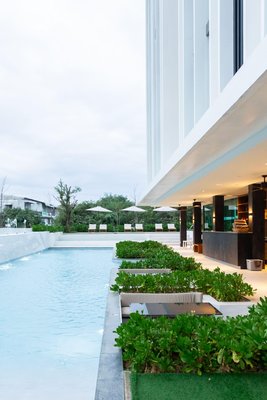
GOOD Nakhonsawan Hotel
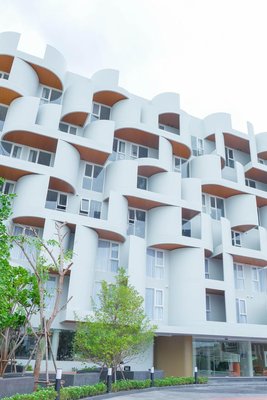
Maybis Hotel
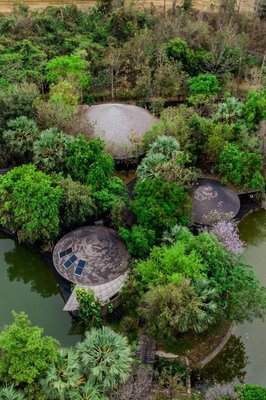
Sanctuary Kanchanaburi
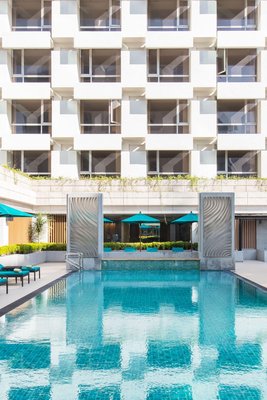
Holiday Inn Bangkok

Novotel Bangkok on Siam Square
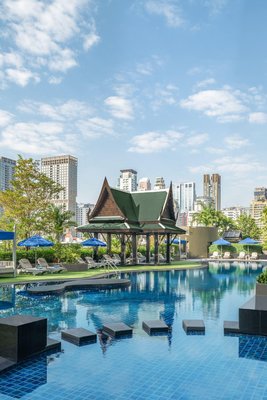
The Athenee Hotel, a Luxury Collection Hotel, Bangkok
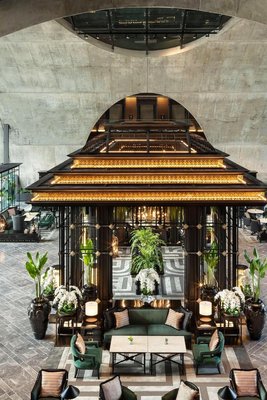
Sindhorn Kempinski Hotel Bangkok
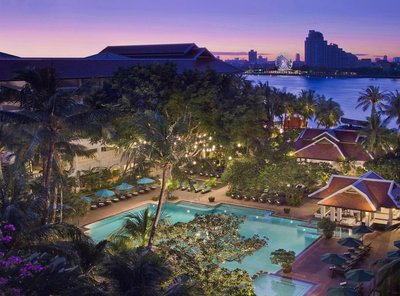
Anantara Riverside Bangkok Resort
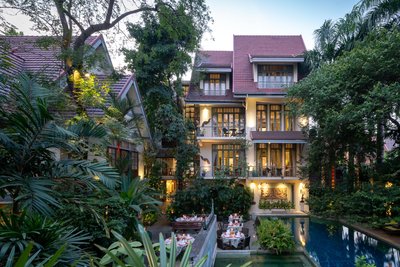
Ariyasom Villa
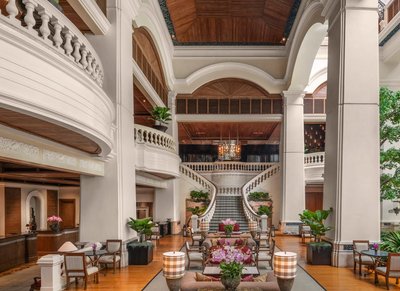
Grand Hyatt Erawan Bangkok
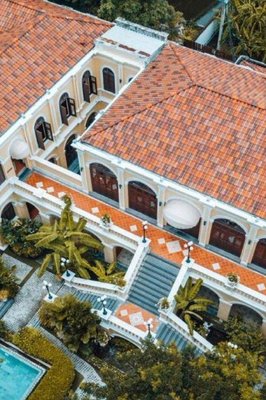
Praya Palazzo
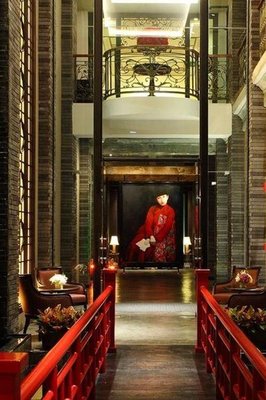
Shanghai Mansion Bangkok
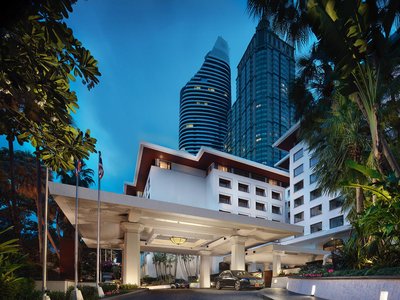
Anantara Siam Bangkok Hotel
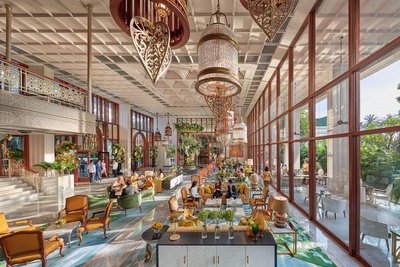
Mandarin Oriental Bangkok
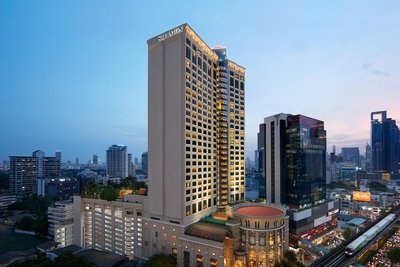
Sheraton Grande Sukhumvit, a Luxury Collection Hotel, Bangkok
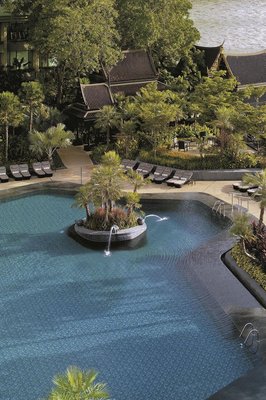
Shangri-La Bangkok
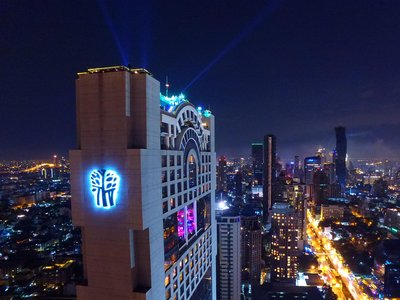
Banyan Tree Bangkok
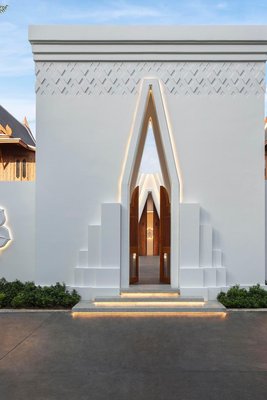
The Sukhothai Bangkok
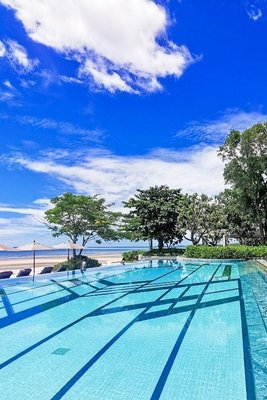
Baba Beach Club Hua Hin Luxury Pool Villa by Sri Panwa
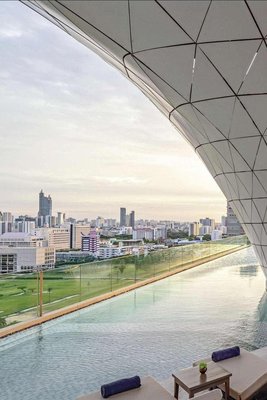
Waldorf Astoria Bangkok
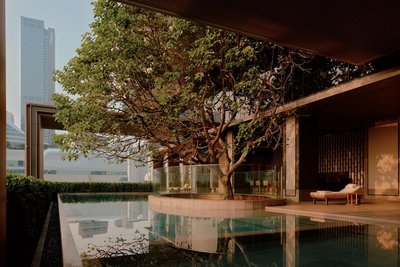
Aman Nai Lert Bangkok
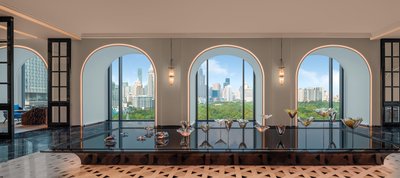
The Ritz-Carlton, Bangkok
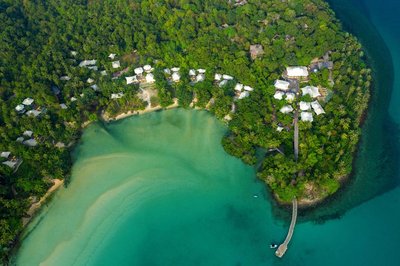
Kiri Private Reserve

Te Mata Glamping
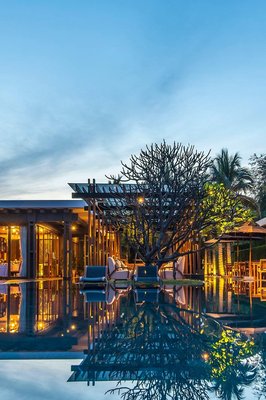
V Villas Hua Hin, MGallery Hotel Collection
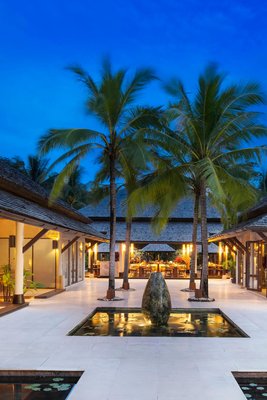
Sheraton Hua Hin Pranburi Villas

High Season Pool Villa & Spa

Rosewood Bangkok
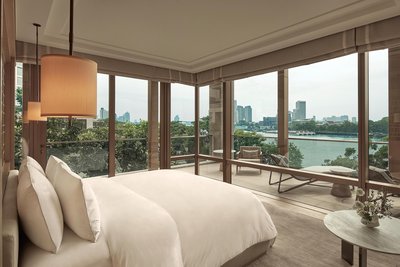
Capella Bangkok
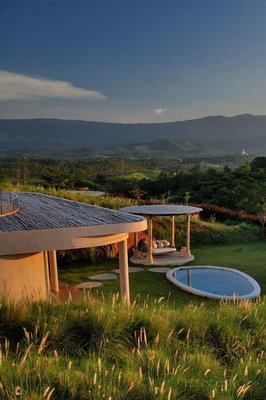
Sala Khaoyai
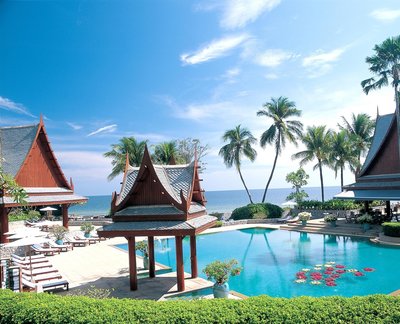
Chiva-Som International Health Resort
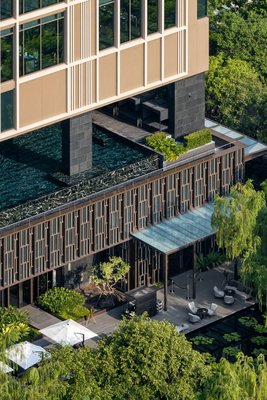
Kimpton Maa-Lai Bangkok
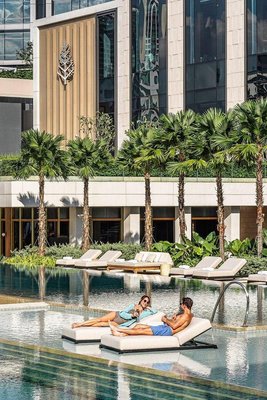
Four Seasons Hotel Bangkok at Chao Phraya River
Sindhorn Kempinski Hotel Bangkok
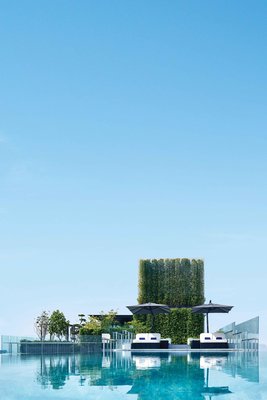
137 Pillars Suites Bangkok
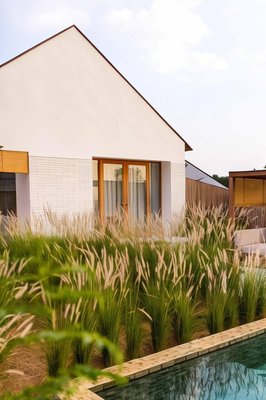
Roukh Kiri Khaoyai, The Centara Collection
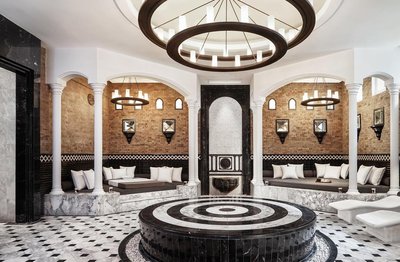
The Siam
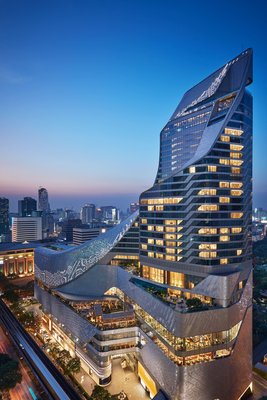
Park Hyatt Bangkok
Frequently Asked Questions about Traveling to Plaeng Yao
Questions You Might Need to Know About Traveling to Plaeng Yao
In Balei Yai, the top boutique stay is Balei Yai Riverside Resort, a beautifully restored traditional Thai riverside villa blending old-world elegance with modern comfort. Located along the Chachoengsao River, each room opens to private river views and features hand-carved teak furniture, natural bamboo ceilings, and organic cotton linens. The resort hosts daily Thai cooking classes, shadow puppet storytelling nights, and guided rice field walks with local farmers. Guests can also participate in seasonal paddy planting ceremonies and enjoy in-house herbal massages using locally sourced ingredients. Its secluded setting offers an immersive cultural experience far from tourist crowds.
The most tranquil area for stays in Balei Yai is the riverfront zone near the ancient temple (Wat Ban Rai), where eco-lodges and family-run homestays blend seamlessly with nature. This stretch of the Chachoengsao River is lined with mangroves and fruit trees, offering peaceful mornings with birdwatching and evening strolls under starlight. Accommodations here prioritize sustainability—many use solar power, compost toilets, and zero-waste practices. Guests often receive personalized welcome baskets with local snacks and handmade crafts. It’s perfect for travelers seeking solitude, mindfulness, and direct connection with rural Thai life.
Visitors to Balei Yai can immerse themselves in rare traditions like Nang Talung shadow puppetry, a centuries-old performance art passed down through generations. These nighttime shows feature epic tales told through intricately carved puppets and live narration. Another highlight is the handwoven fabric workshop, where guests learn to weave cotton on traditional wooden looms under the guidance of village women. During November’s Rice God Festival, locals hold prayers, dance processions, and offer symbolic rice offerings to honor the harvest. These authentic, community-led events provide deep insight into North Chachoengsao’s spiritual and agricultural roots.
Yes, Balei Yai is highly suitable for families. The village offers child-friendly activities such as rice paddy planting sessions, fishing with local fishermen, and nature scavenger hunts in the riverbank forests. Many homestays provide family rooms, kids’ play areas, and organic meals made from farm-fresh ingredients. Children love spotting fireflies at dusk and participating in traditional lantern-making workshops. With low traffic and friendly locals, parents can relax knowing their kids are safe and engaged in meaningful, hands-on learning experiences rooted in Thai rural culture.
Must-try dishes in Balei Yai include Tom Yum Kung Lek, a spicy-sour shrimp soup made with wild lemongrass and river shrimp, and Khao Chae, a refreshing rice dish served with chilled coconut milk and tropical fruits. Don’t miss grilled bamboo chicken, a local specialty cooked over charcoal in hollow bamboo tubes. Many guesthouses offer cooking classes where you can learn to prepare these recipes using ancestral techniques. Early morning street vendors sell Thai banana pancakes and curry noodles, offering a true taste of village life. These dishes reflect the region’s agricultural abundance and culinary heritage.
Once in Balei Yai, the best way to explore is by renting a motorbike or electric bicycle—most roads are quiet and well-maintained. For longer trips, local boat tours along the Chachoengsao River offer scenic views of rice fields and temples. Some homestays provide free pickup services from nearby bus stops. If you prefer guided travel, local drivers offer half-day cultural tours that include visits to farms, markets, and craft villages. While public transport is limited, the compact layout makes walking feasible between key sites. Overall, the lack of heavy traffic enhances the sense of peace and authenticity.
The ideal time to visit Balei Yai is from November to March, when temperatures range between 25–30°C, humidity is low, and skies are clear. This period coincides with the Rice God Festival and peak firefly season, making it perfect for cultural immersion and night-time nature viewing. The rainy season (May–October) brings lush greenery and fewer tourists but occasional afternoon showers. Though paths may be muddy, the vibrant landscapes and cooler evenings make it worth considering for nature lovers seeking solitude and ecological beauty.
Absolutely. Balei Yai is exceptionally safe and welcoming for solo travelers. The village has a close-knit community where locals greet visitors warmly. Many homestays offer single rooms with shared common spaces designed for socializing, making it easy to meet fellow travelers. Activities like evening meditation sessions, pottery workshops, and river walks encourage quiet reflection or light interaction. The absence of nightlife ensures a peaceful atmosphere. Solo travelers often receive personal attention—from helping with meal planning to receiving detailed local tips—making it one of Thailand’s most authentic and reassuring destinations for independent exploration.
Nighttime in Balei Yai shines brightest with firefly watching along the Chachoengsao River, where thousands of tiny lights flicker above the water after dark. Many lodges organize guided night walks with flashlights and storytelling. You can also attend live Nang Talung shadow puppet performances under the stars, accompanied by traditional music. Some homestays host open-air dinners with candlelit tables and local folk songs. These serene, intimate experiences allow travelers to connect deeply with nature and culture, creating unforgettable memories under the night sky.
The standout natural feature in Balei Yai is the Chachoengsao River ecosystem, home to diverse wildlife including kingfishers, herons, and rare orchids. The wooden boardwalk trails stretch through mangrove forests and rice paddies, ideal for photography and birdwatching. A highlight is the ancient banyan tree, over 1,000 years old, revered as a spiritual site. At dawn, mist rises over flooded fields, creating ethereal scenes. During monsoon season, the river swells and supports seasonal wetlands, attracting migratory birds. These untouched landscapes offer a rare glimpse into Thailand’s rural biodiversity and sustainable living traditions.
Plaeng Yao Overview
City Summary
Bang Pakong is a tranquil town in Chachoengsao Province, Thailand, known for its traditional fishing village charm and rich aquatic lifestyle. It's an ideal destination to experience the untouched beauty of Eastern Thailand, with pristine natural landscapes and friendly local communities.
Must-See Attractions
Must-see attractions include the Bang Pakong Floating Market, where you can witness traditional boat trading and sample local snacks. The nearby mangrove forest reserve is perfect for eco-tourists, offering boating and bird-watching activities. The town's temples and local handicraft shops are also worth visiting.
Food Guide
Food Guide: Bang Pakong is famous for its fresh seafood, especially grilled fish and Thai spicy soup. Street food like fried bananas and coconut desserts are must-tries. Don't miss the fresh fruits at local markets.
Transportation Guide
Transportation: Public transport in Bang Pakong is limited; renting a car or hiring a private vehicle is recommended. Within the town, walking or renting a motorbike are good options. From Bangkok, take a bus or train to Chachoengsao and then transfer to local transport.
Best Time to Visit
The best time to visit is from November to February, when the weather is cool and dry, ideal for outdoor activities. Avoid the rainy season (May to October) to prevent travel disruptions.
Travel Tips
- Respect local customs; dress modestly when visiting temples.
- Carry cash, as credit card acceptance is limited in the town.
- Use sunscreen and insect repellent due to the tropical climate.
- Learn basic Thai phrases to facilitate communication with locals.
- Ensure water safety by wearing life jackets during water activities.
Useful Information
Useful Guide: The primary language is Thai, with limited English proficiency. Network coverage is average; consider purchasing a local SIM card. Cash is the main payment method, with few businesses accepting credit cards. Medical facilities are limited; bring essential medications. The voltage is 220V, with Type A or B sockets.