Hotels in Pogliano Milanese
Discover your perfect stay in Pogliano Milanese.
Pogliano Milanese(Italy) Travel 2026: Cheap Flights, Hotels & Top Attractions
Popular Landmarks in Pogliano Milanese
Discover the most iconic attractions in Pogliano Milanese
Recommended Hotels in Pogliano Milanese
Find the perfect place to stay in Pogliano Milanese
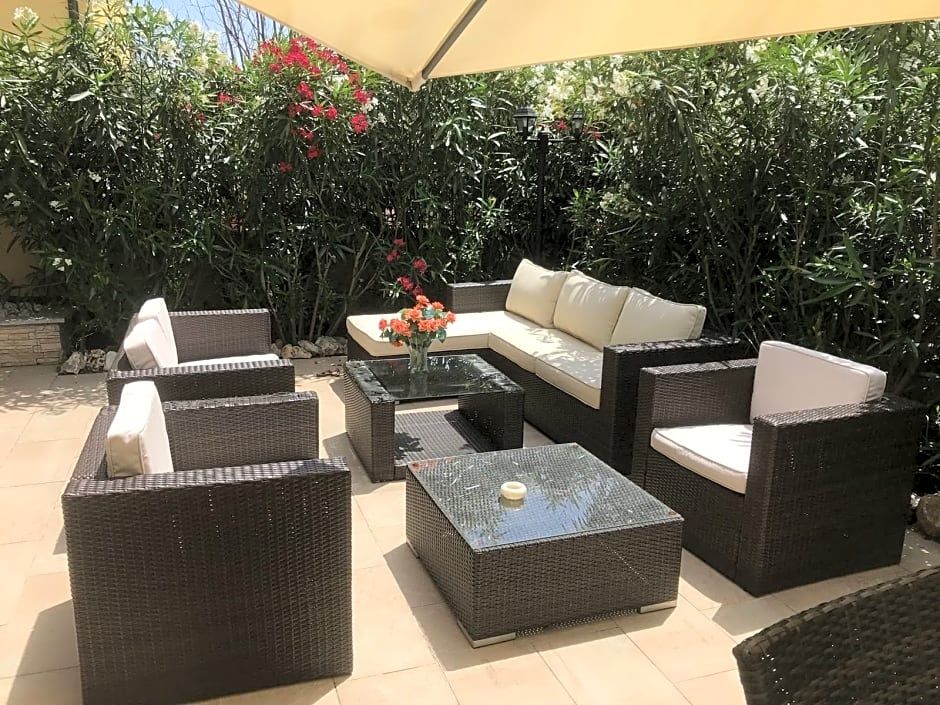
Villa le Tre Palme
Best Hotels in Pogliano Milanese
Discover curated hotel collections in Pogliano Milanese
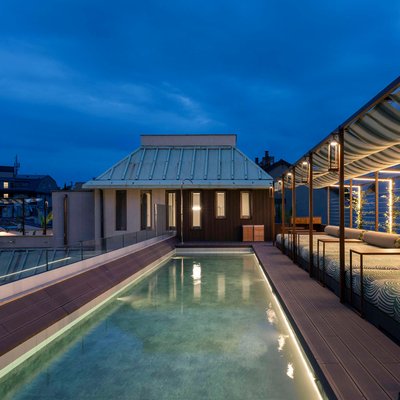
Radisson Collection Hotel Santa Sofia Milan
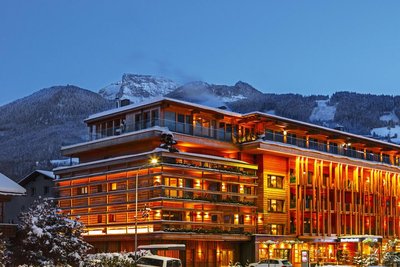
Small Luxury Hotel of the World - DasPosthotel
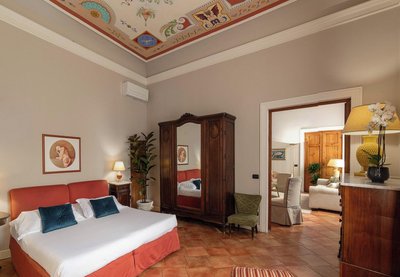
Palazzo Alfani - Residenza d'Epoca
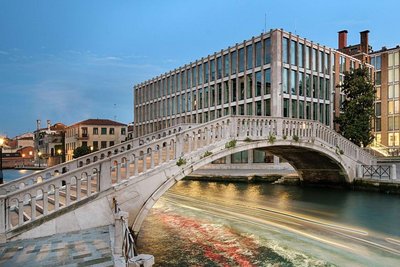
Avani Rio Novo Venice Hotel
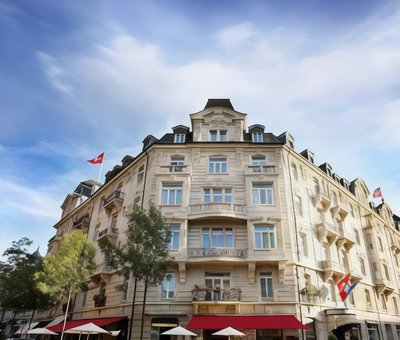
Small Luxury Hotel Ambassador Zurich
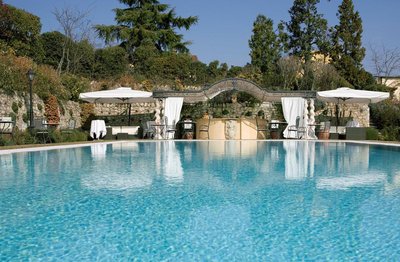
Byblos Art Hotel Villa Amista
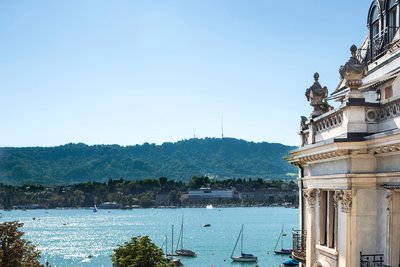
La Réserve Eden au Lac Zurich
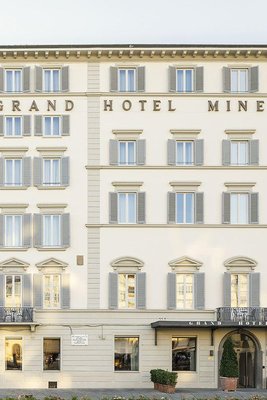
Grand Hotel Minerva
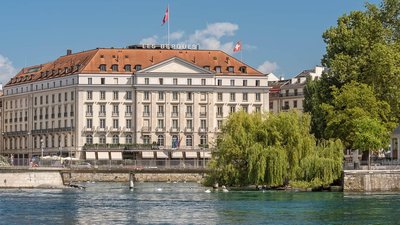
Four Seasons Hotel des Bergues Geneva
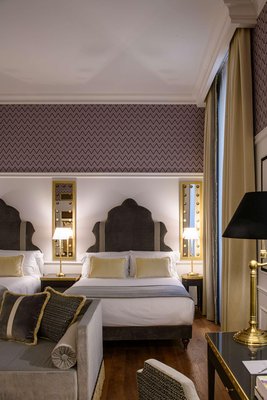
Il Tornabuoni Unbound
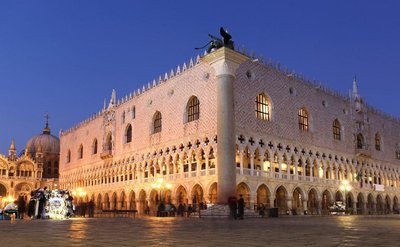
Ai Mori d'Oriente
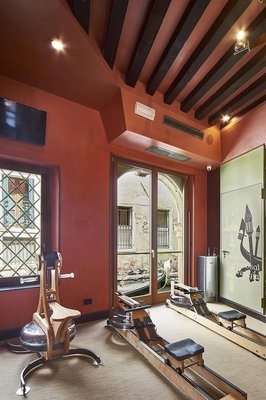
Hotel Saturnia & International
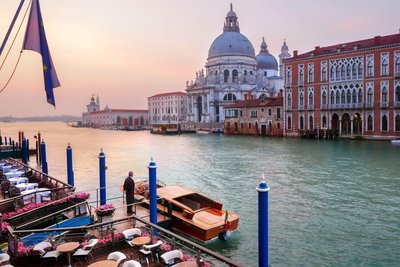
The Gritti Palace, a Luxury Collection Hotel, Venice
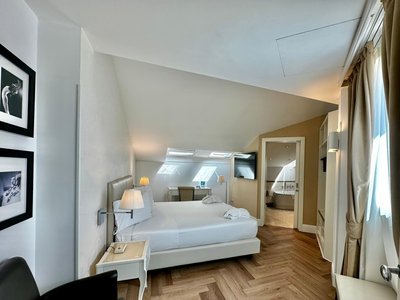
Maison Milano | UNA Esperienze
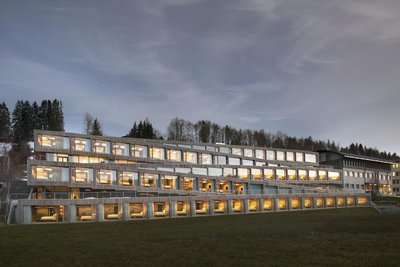
Hôtel des Horlogers
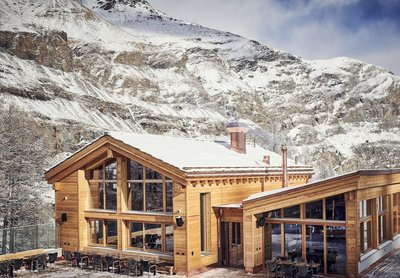
Matthiol Boutique Hotel
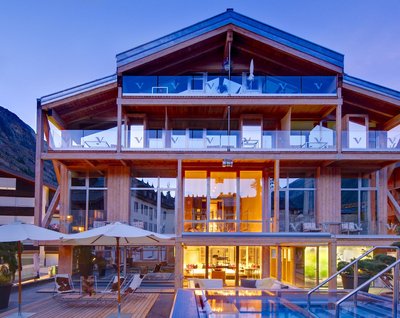
Backstage Boutique Spa Hotel
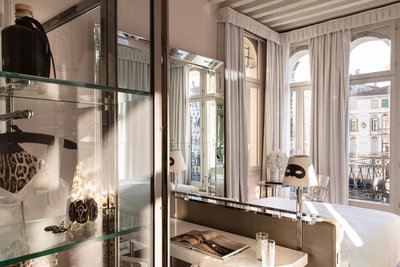
Palazzina Grassi
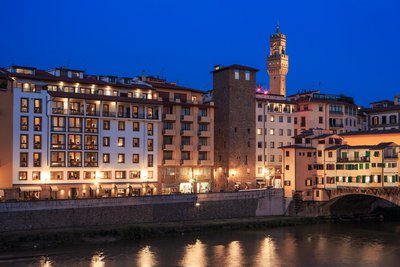
Portrait Firenze - Lungarno Collection
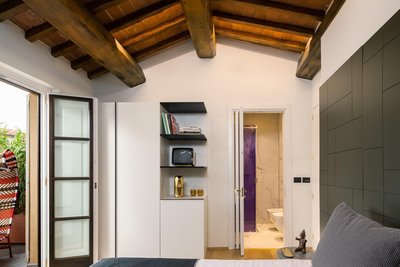
Hotel Milu Florence
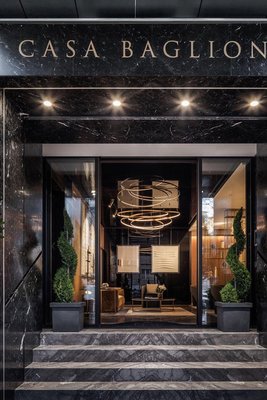
Casa Baglioni Milan - the Leading Hotels of the World
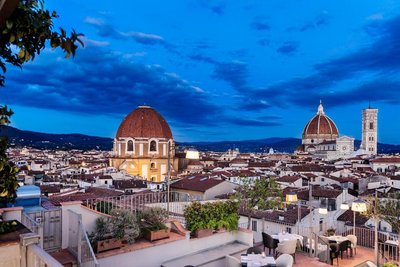
Grand Hotel Baglioni
Four Seasons Hotel des Bergues Geneva
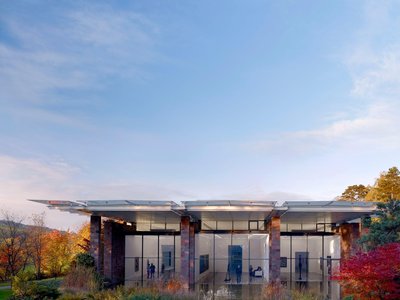
Grand Hotel les Trois Rois
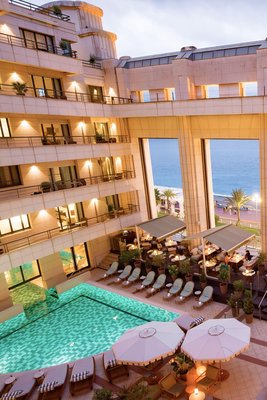
Hyatt Regency Nice Palais de la Méditerranée
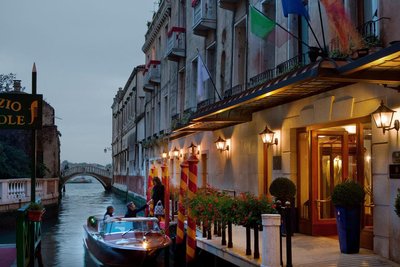
Baglioni Hotel Luna
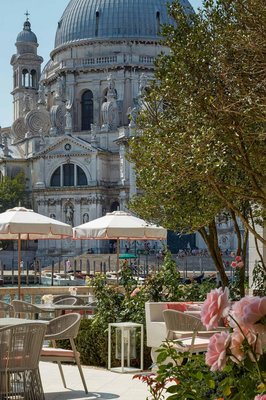
The St. Regis Venice
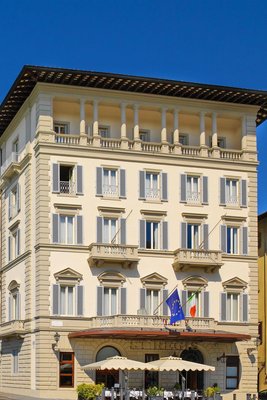
The St. Regis Florence
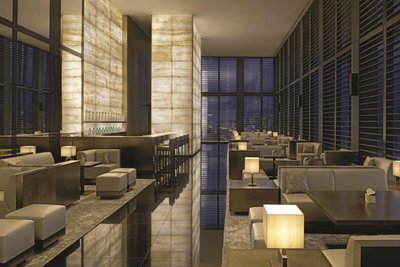
Armani Hotel Milano
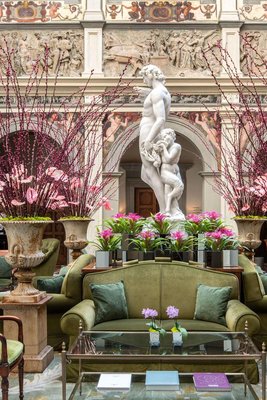
Four Seasons Hotel Firenze
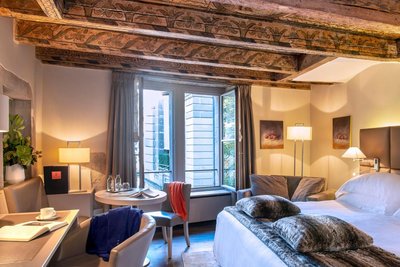
Hôtel les Armures
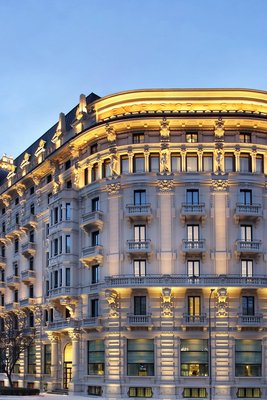
Excelsior Hotel Gallia, a Luxury Collection Hotel, Milan
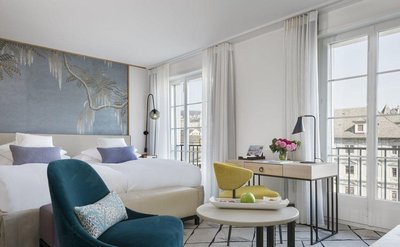
Storchen Zürich
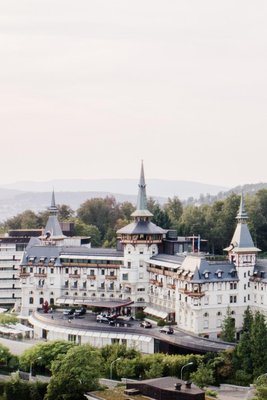
The Dolder Grand
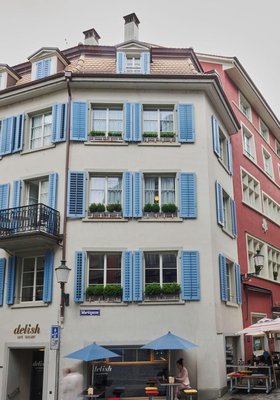
Marktgasse Hotel
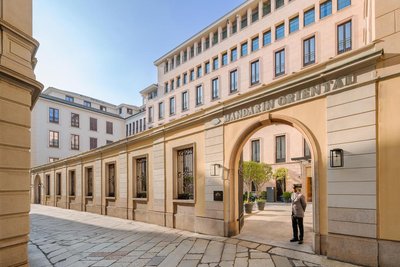
Mandarin Oriental, Milan
Portrait Firenze - Lungarno Collection
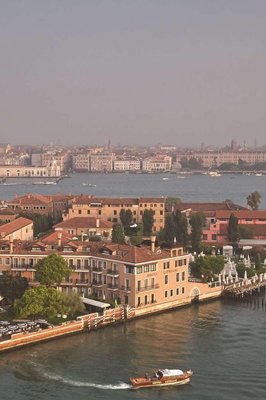
Hotel Cipriani, A Belmond Hotel, Venice
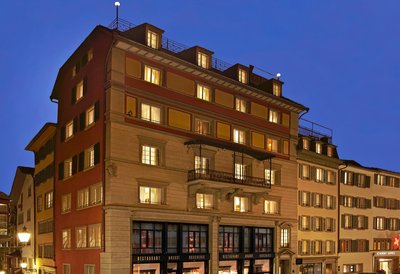
Widder Hotel - Zurichs Luxury Hideaway
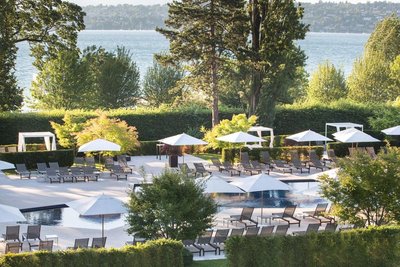
La Réserve Genève Hotel & Spa
Frequently Asked Questions about Traveling to Pogliano Milanese
Questions You Might Need to Know About Traveling to Pogliano Milanese
In Polignano Milanesi, the standout boutique option is Villa delle Stelle, a restored 18th-century estate offering panoramic views of the Alpine foothills and Milan plain. Each room features floor-to-ceiling windows framing lush valleys, ideal for sunrise photography. The hotel blends Lombard architectural heritage with modern comforts—think hand-carved wooden beams, heated stone floors, and smart climate control. Guests enjoy private terraces with outdoor hot tubs, perfect for stargazing. The on-site organic garden restaurant serves authentic Lombard cuisine, including wild boar stew with balsamic glaze and polenta fritta with local cheese. Located just 10 minutes from the town center, it’s an ideal base for exploring mountain trails and historic churches.
The most authentic experience lies in the historic old town center, where cobbled streets wind past 18th-century houses and the Church of Santa Maria. This quiet, car-free zone preserves traditional Lombard village life—families gather at the piazza fountain, artisans sell handmade crafts, and bakeries offer fresh Polignano biscotti daily. Stay at a family-run B&B like La Corte dei Bambini, which doubles as a cultural hub: hosts weekly oral history sessions with elders sharing WWII resistance stories, and organizes artisan workshops (e.g., embroidery, pottery). Evening visits to the town library archives reveal rare photos and documents from the region’s agrarian past, deepening your connection to local identity.
Visitors to Polignano Milanesi should attend the Sunday artisan market at the Piazza del Comune, where local craftsmen demonstrate Lombard lace-making, wood carving, and ceramic painting. On special days like Assumption Day (August 15), join the procession in traditional costumes, carrying silver candlesticks and vintage flags through the village. For deeper immersion, book a private storytelling session at the town library—elder residents recount tales of Alpine partisan fighters during WWII. During the Autumn Harvest Festival (September), participate in guided mushroom foraging and cooking classes using wild fungi, honey, and herbs gathered from nearby forests. These experiences blend tradition, sustainability, and community pride.
Yes, B&B La Corte dei Bambini stands out as a top family-friendly choice. Housed in a 19th-century farmhouse, it offers spacious rooms with adjustable cribs, non-slip bathrooms, and a large garden playground. Kids can join weekly workshops like making homemade pasta or crafting acorn art. The hotel provides free activity kits including maps, binoculars, and nature guides to explore nearby forest trails and butterfly gardens. Weekly events include night sky observation with telescopes and interactive cooking classes teaching how to make Milanese risotto. Parents appreciate the open kitchen concept and the availability of high chairs and baby monitors—perfect for creating lasting memories in a safe, engaging environment.
Travelers can reach Milan Central Station (Milano Centrale) via regional express trains (SFM) from the Polignano Milanesi station, with 3 direct daily departures—each journey takes about 45 minutes. Alternatively, hotel shuttle services are available from Hotel Villa Celimontana and Villa delle Stelle, offering door-to-door transfers. For cyclists, the town has shared e-bike rentals near the train station; a 12-minute ride brings you to the platform. Those driving can use free parking at luxury hotels and follow smart navigation routes to Linate Airport (58 km, ~1 hour 10 minutes). Some high-end properties even provide airport priority access and luggage concierge services.
Must-try dishes include braised wild boar with balsamic reduction, cheese-stuffed polenta fritters, and honey-almond cake (Torta di Noci e Miele). These are served at century-old trattorias like Osteria del Sole, where kitchens still use wood-fired ovens and stone grinders. Many hotels offer private chef experiences—guests cook alongside professionals, learning to prepare Lombard-style risotto or cassoeula (pork stew). During the Autumn Harvest Festival (September), visit the pop-up food market featuring foraged mushrooms, local honey, and handcrafted sausages. Interactive tastings let you sample ingredients and even create your own spice blend to take home.
For couples, Villa delle Stelle offers an unforgettable romantic escape. Each suite features a private terrace with a hot tub, facing the valley mist and distant church spires. Interior design combines antique furnishings, hearth fireplaces, and velvet drapes, evoking 18th-century elegance. Enjoy a customized candlelit dinner prepared by the chef in your room, featuring truffle pasta and chocolate lava cake. At night, reserve access to the rooftop observatory with professional telescopes—ideal for viewing the Milky Way. Complimentary amenities include aromatherapy massages, classical piano music playlists, and a personalized star chart of your stay, making it perfect for honeymoons or anniversaries.
Yes, several hotels in Polignano Milanesi host intimate weddings. Villa delle Stelle and Hotel Villa Celimontana feature outdoor ceremony spaces under centuries-old chestnut trees, accommodating 20–40 guests. Full-service packages include wedding coordination, flower arrangements, live string quartet performances, and a traditional Lombard banquet with antipasti, main courses, and dessert. All venues comply with Italian heritage regulations, ensuring historical authenticity. Newlyweds can also apply for the "Romantic Town Wedding Certificate" issued by the municipal council—a cherished keepsake. Some hotels offer honeymoon suites and dedicated butler service to extend the celebration beyond the ceremony.
B&B La Corte dei Bambini partners with the Alpine Foothills Nature Reserve to offer comprehensive hiking support. Guests receive topographic maps, walking poles, and emergency kits upon arrival. Guided hikes along the Sentiero San Martino trail (7 km) traverse ancient forests and alpine meadows, where sightings of red deer and golden eagles are common. The hotel rents eco-friendly camping gear for overnight stays in designated zones. Morning sessions include forest mindfulness meditation led by local yoga instructors, blending breathwork with ambient bird sounds. Seasonal workshops teach identification of medicinal ferns and edible mushrooms, enhancing guests’ connection to nature.
Hotels actively participate in local festivities. During Assumption Day, Hotel Villa Celimontana transforms its lobby into a 18th-century marketplace, adorned with handmade lanterns and dried flower garlands. Staff wear traditional rural attire, and guests join the torchlight procession and folk dance performances. For the Winter Light Festival, hotels collaborate to illuminate hundreds of paper lanterns, forming a glowing path to the summit viewpoint. Special packages include mulled wine, gingerbread, and holiday music boxes. Additionally, public spaces feature rotating murals painted by local artists, reflecting seasonal themes—making each stay a living part of the town’s cultural tapestry.
Pogliano Milanese Overview
City Summary
Poliano Milanese is a charming small town in Italy's Lombardy region, renowned for its tranquil countryside scenery and rich history. With its medieval architecture and traditional Italian lifestyle, it's perfect for travelers seeking escape from urban bustle.
Must-See Attractions
Key attractions include San Giovanni Church, showcasing Lombard Romanesque architecture. Stroll through the town square to absorb local life, or visit nearby vineyards for wine tasting.
Food Guide
Savor Lombard cuisine like Polenta con Brasato (cornmeal with braised meat) and local cheese platters, paired with regional wines. Small trattorias serve authentic homemade dishes.
Transportation Guide
The town is accessible by bus from nearby cities, though renting a car provides more flexibility. From Milan, take a train to Pavia then transfer to a bus (approx. 1.5 hours total). Check bus schedules in advance.
Best Time to Visit
Visit in spring (April-June) or autumn (September-October) for pleasant weather and fewer crowds, ideal for experiencing village life.
Travel Tips
- Respect the slow-paced lifestyle; shops close during lunch (1-3 PM).
- Carry cash as some small shops don't accept cards.
- Wear comfortable shoes for cobblestone streets.
- Dress modestly when visiting churches.
- Learn basic Italian greetings for better interactions.
- Download offline maps as rural areas may have spotty connectivity.
Useful Information
Italian is the main language with limited English proficiency in rural areas. Euros are used; cash is preferred in small establishments. Emergency number is 118, though serious cases may require transfer to Pavia or Milan. Wi-Fi is mainly available in cafés and hotels; consider a local SIM card for consistent internet access.