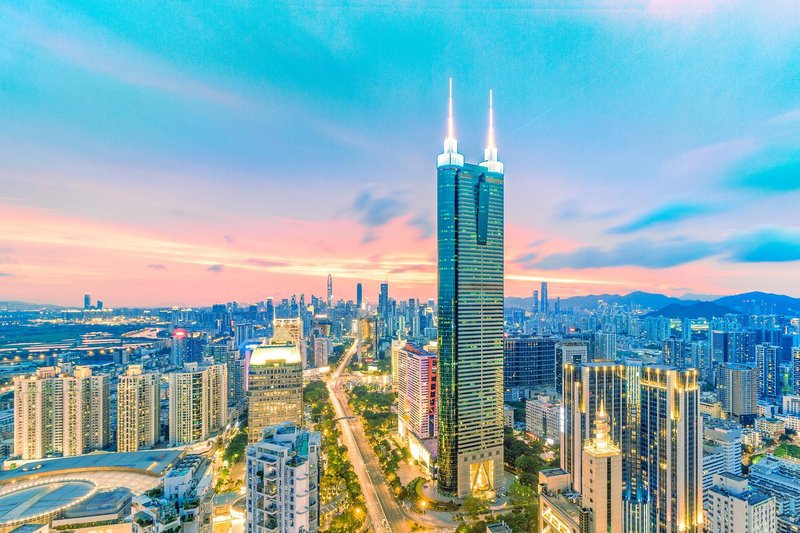
Hotels in Pombal
Discover your perfect stay in Pombal.
Pombal(Portugal) Travel 2026: Cheap Flights, Hotels & Top Attractions
Popular Landmarks in Pombal
Discover the most iconic attractions in Pombal
Recommended Hotels in Pombal
Find the perfect place to stay in Pombal
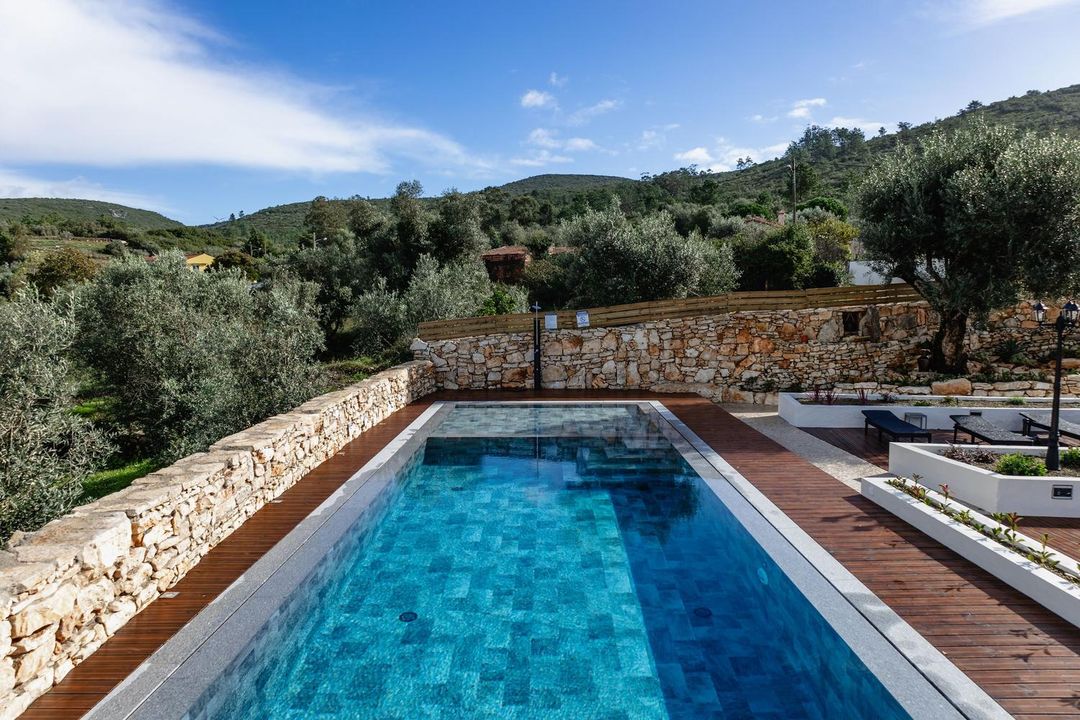
Recantos d'Almerinda
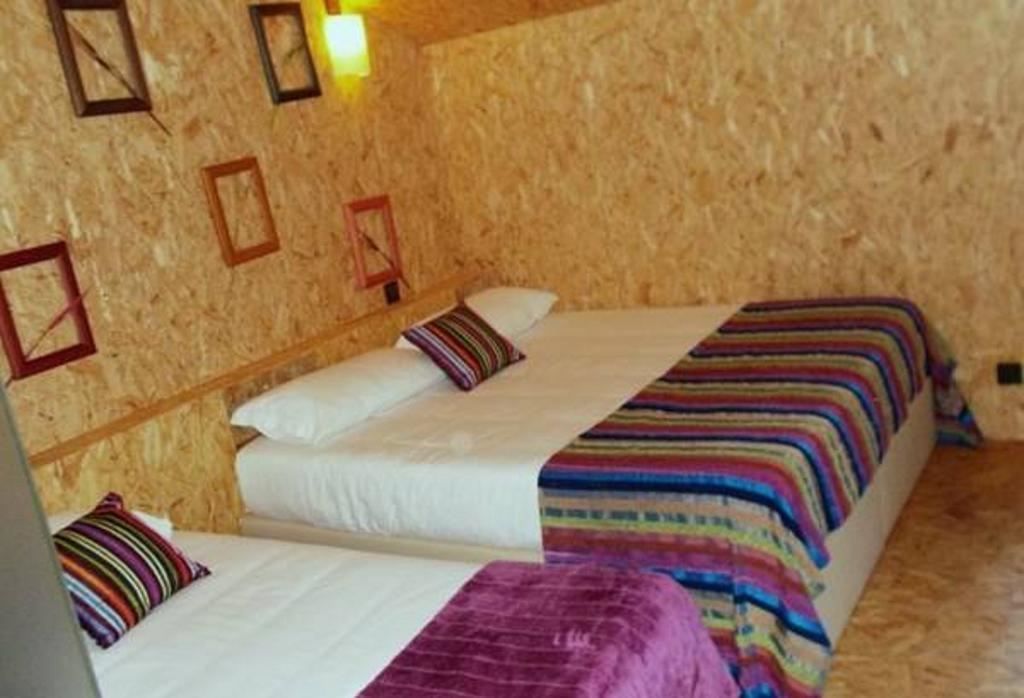
Acquavilla
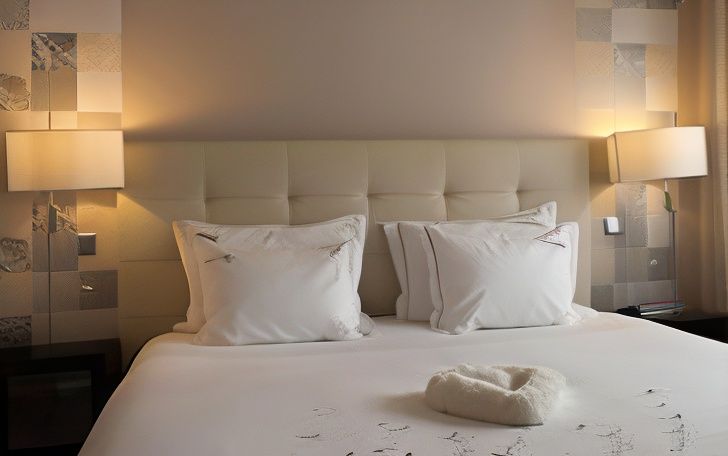
Belem Hotel
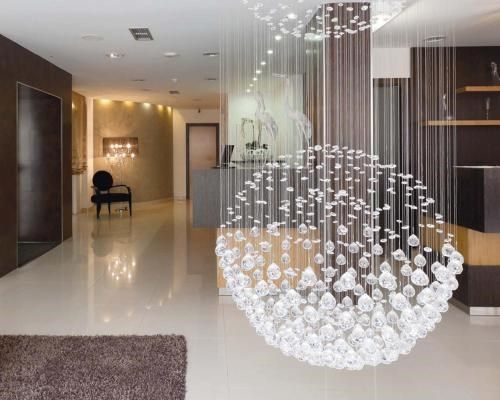
Cardal Hotel
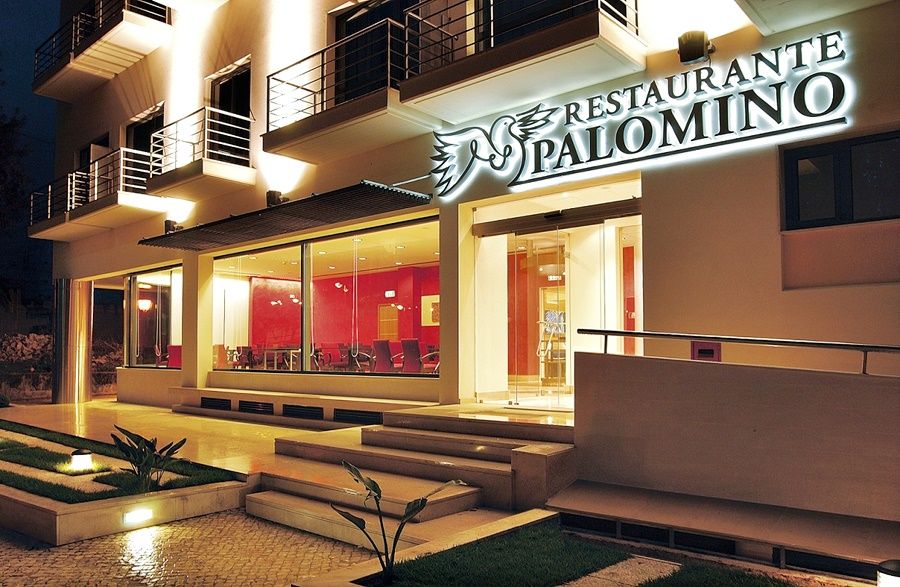
Hotel Pombalense
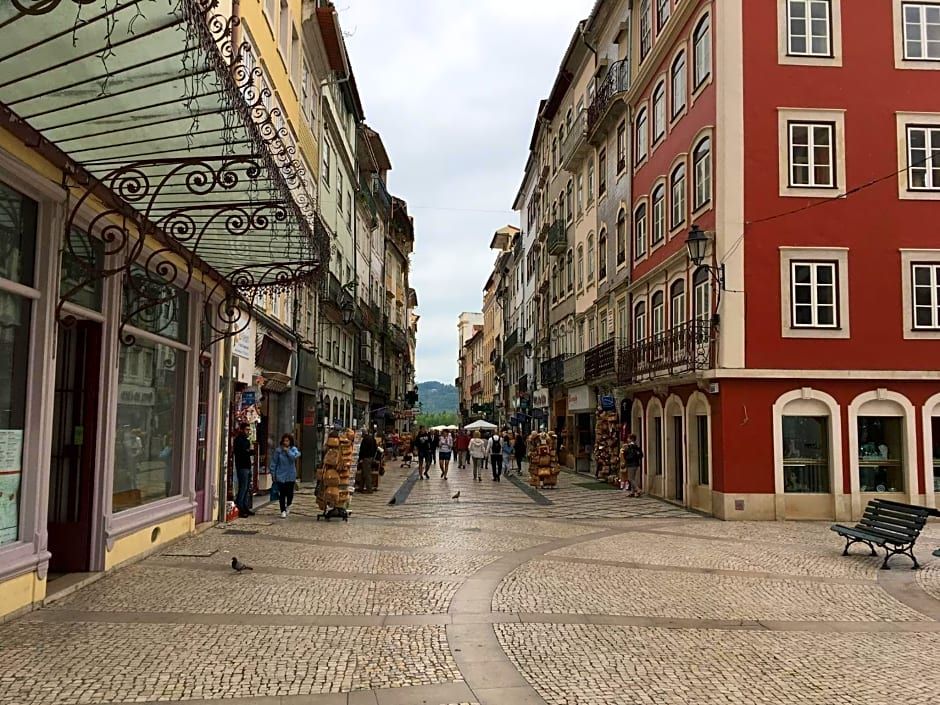
Coudelaria Residence
Best Hotels in Pombal
Discover curated hotel collections in Pombal
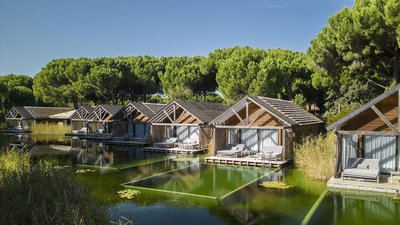
Sublime Comporta Country Retreat & Spa
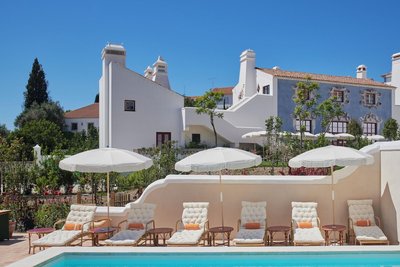
Vermelho Melides - Relais & Châteaux
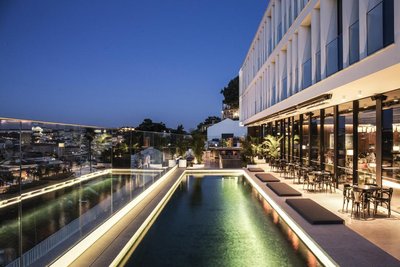
Memmo Príncipe Real - Design Hotels
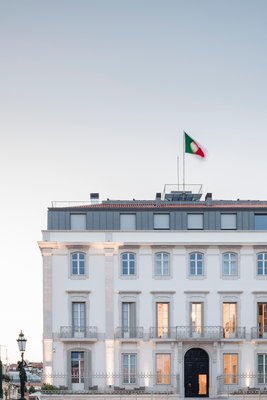
Verride Palácio Santa Catarina
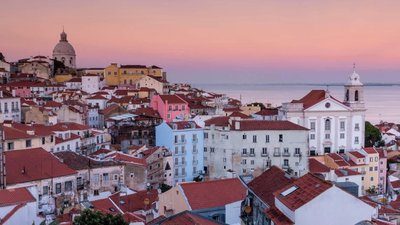
Four Seasons Hotel Ritz Lisbon
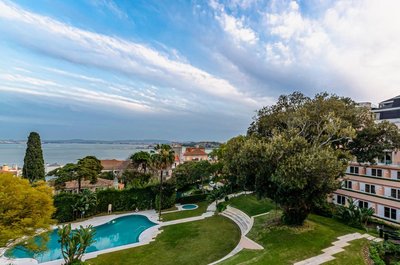
Olissippo Lapa Palace – The Leading Hotels of the World
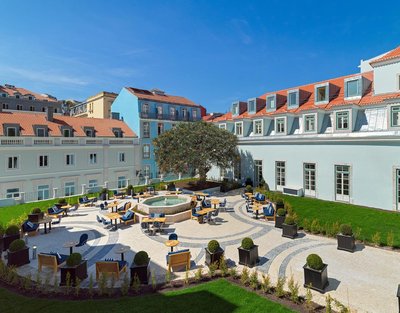
The One Palácio da Anunciada
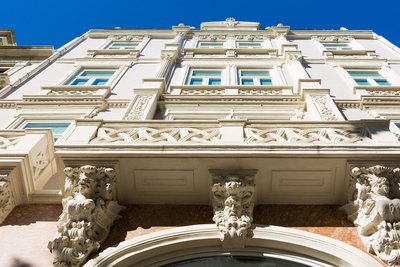
Hotel Valverde Lisboa - Relais & Chateaux
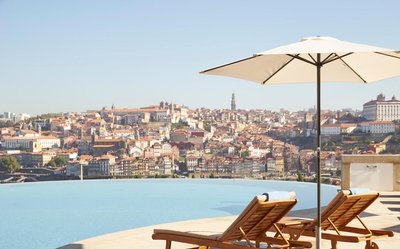
The Yeatman
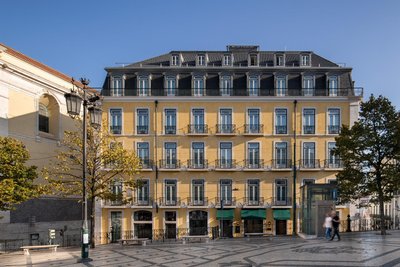
Bairro Alto Hotel
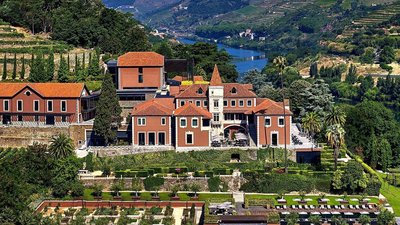
Six Senses Douro Valley
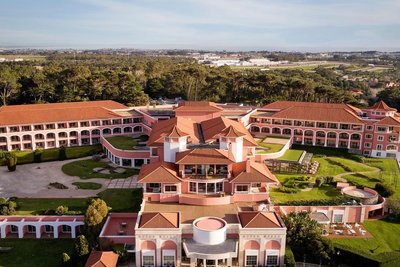
Penha Longa Resort
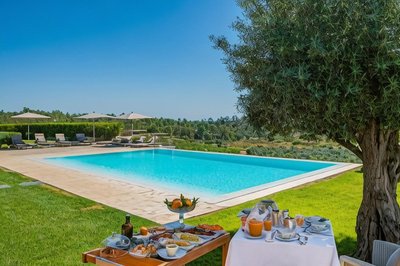
Herdade da Malhadinha Nova - Relais & Châteaux
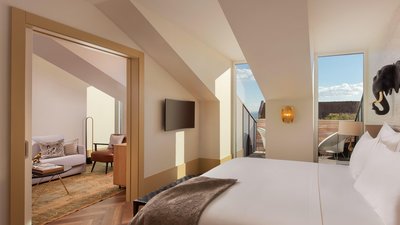
The Ivens, Autograph Collection
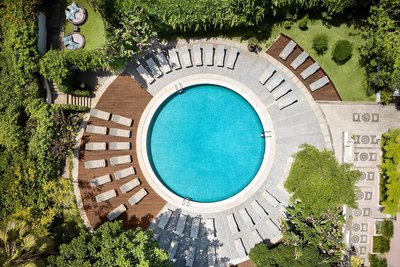
Tivoli Avenida Liberdade
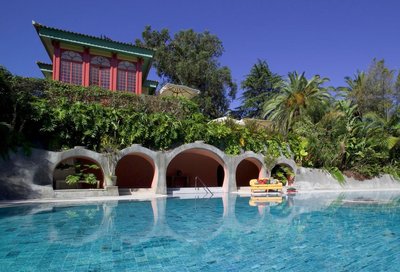
Pestana Palace Lisboa Hotel & National Monument - the Leading Hotels of the World
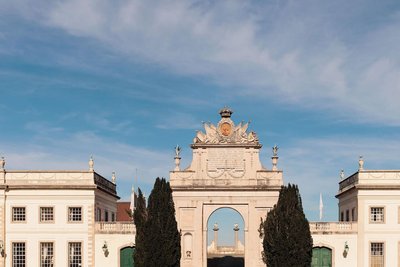
Valverde Sintra Palácio de Seteais - the Leading Hotels of the World
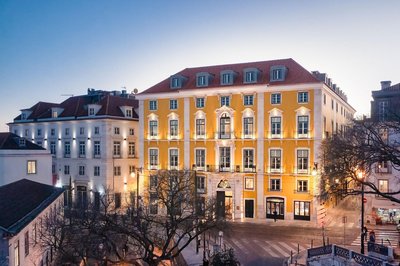
Palácio Ludovice Wine Experience Hotel
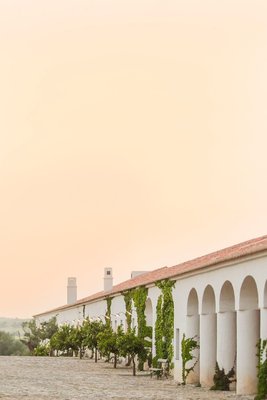
São Lourenço do Barrocal
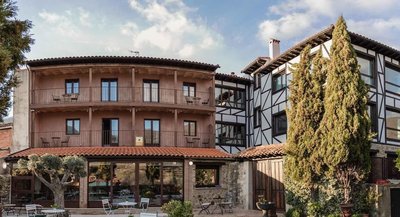
Hotel Spa Aura del Jerte
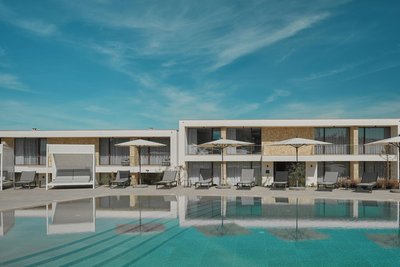
West Cliffs Ocean and Golf Resort
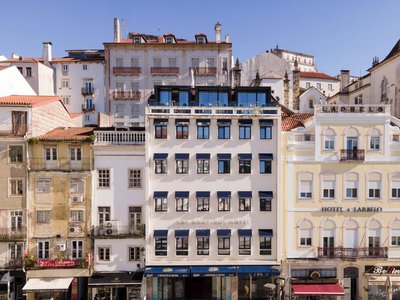
CBR Boutique Hotel - Coimbra
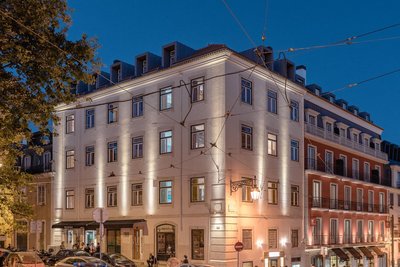
Chiado Arty Flats
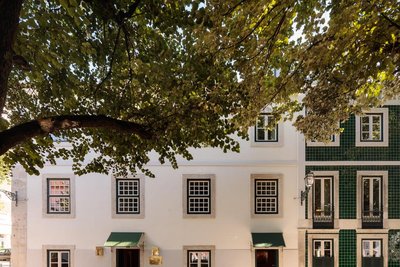
Hotel Das Amoreiras - Small Luxury Hotels of the World
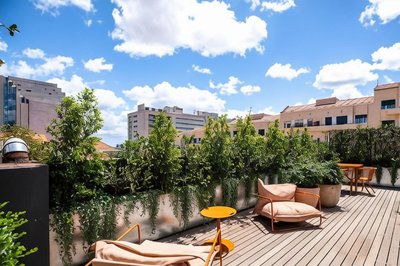
Sublime Lisboa
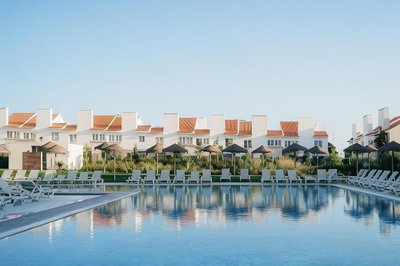
Porto Covo Praia Hotel & Spa

Aqua Et Oleum
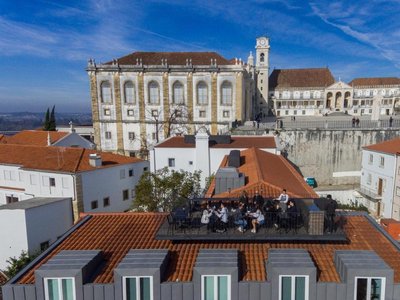
Sapientia Boutique Hotel
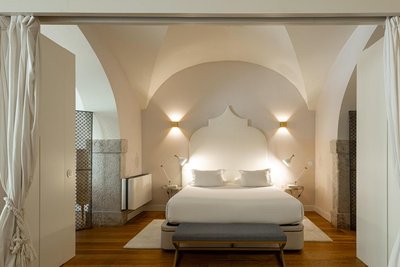
Almaria - Da Corte Apartments | Chiado

Villa Theatro Heritage Apartments
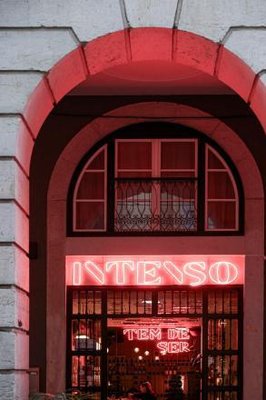
Look Living, Lisbon Design Apartments
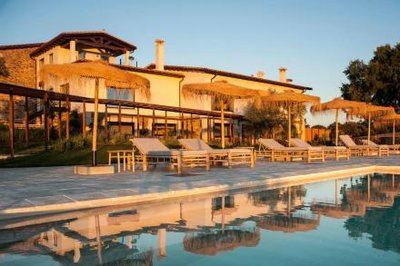
Hábitat Cigüeña Negra

Hotel Cotto do Gatto
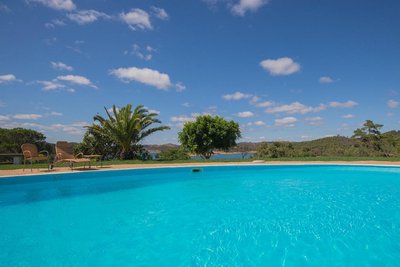
Santa Clara Country Hotel
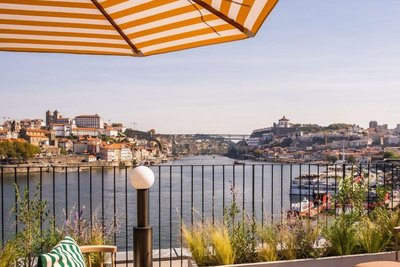
The Rebello Hotel & Spa - Small Luxury Hotels of the World
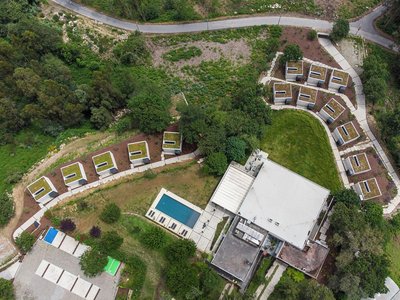
Hotel Pepe Vieira
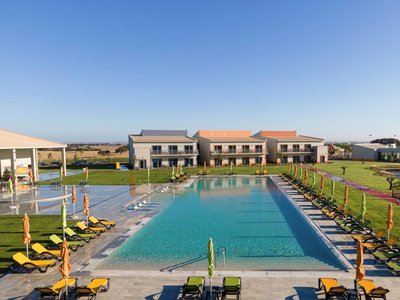
Vila Gale Nep Kids
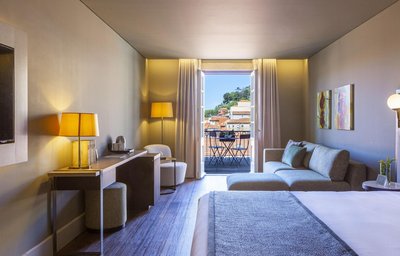
Timbre Virtudes
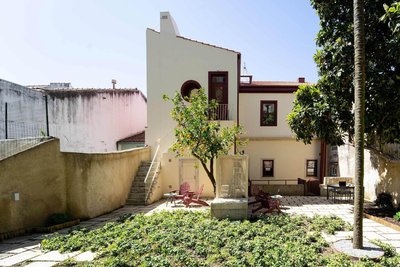
Entre Ruas Apartments
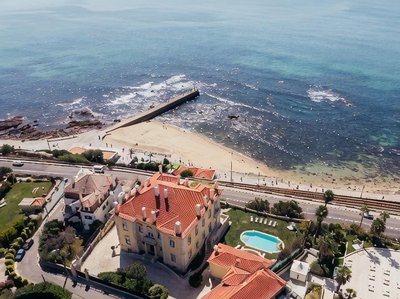
Estoril Vintage Hotel
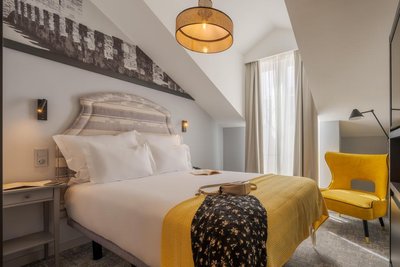
Pousada Alfama
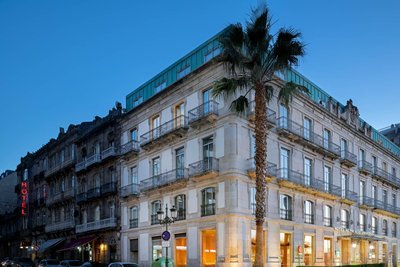
AC Hotel Palacio Universal
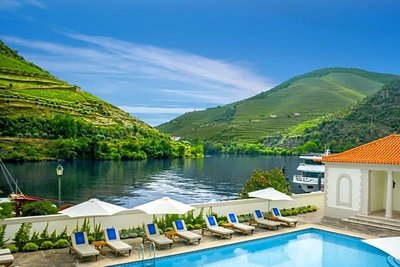
The Vintage House - Douro
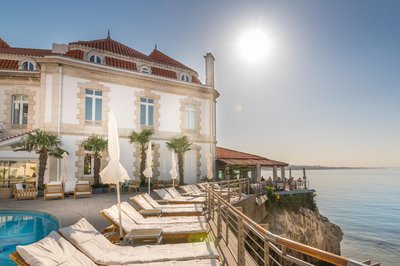
The Albatroz Hotel
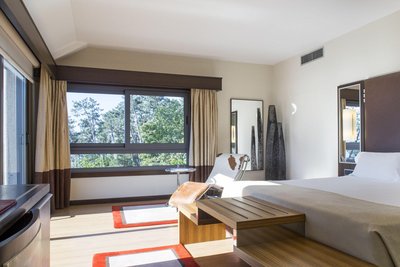
Gran Talaso Hotel Sanxenxo
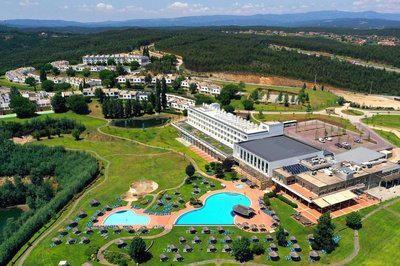
Montebelo Aguieira Lake Resort & Spa
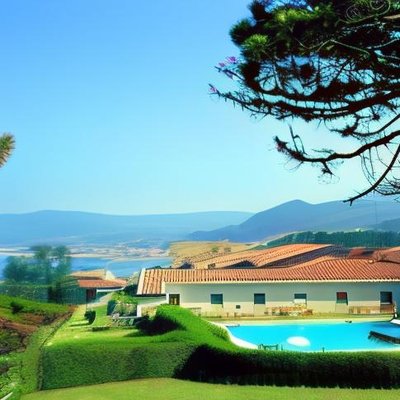
Parador de Baiona
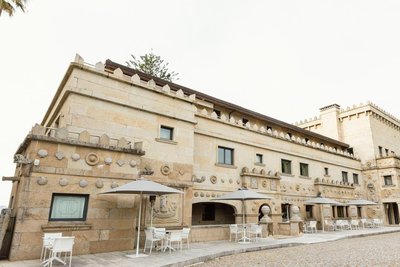
Pazo Los Escudos Hotel Spa & Resort
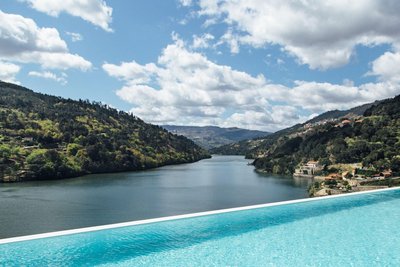
Douro Royal Valley Hotel & Spa
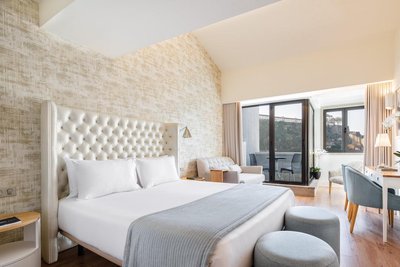
Eurostars Porto Douro
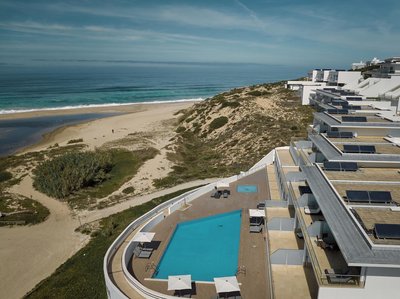
The Beachfront - Praia d'El Rey Golf & Beach Resort
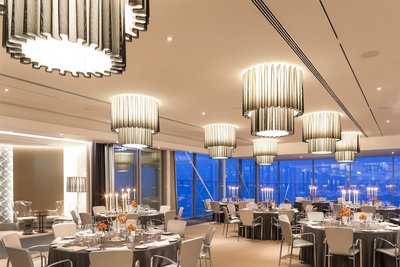
MYRIAD by SANA Hotels
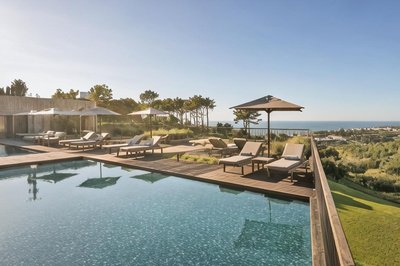
Immerso Hotel, a Member of Design Hotels
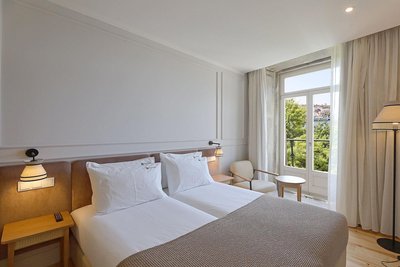
Memoria Porto FLH Hotels
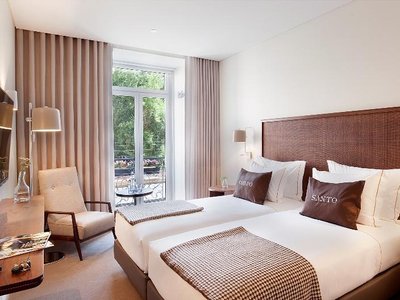
Corpo Santo Lisbon Historical Hotel
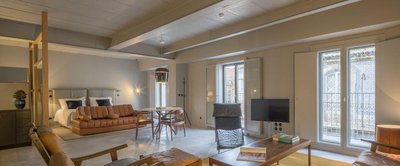
Raw Culture Art & Lofts Bairro Alto
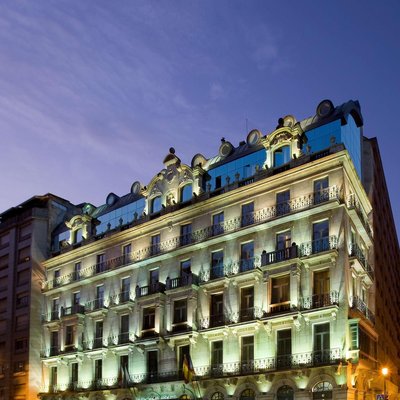
NH Collection Vigo
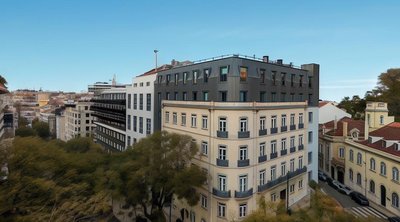
The Vintage Hotel & Spa – Lisbon

Dom Pedro Lisboa Hotel, a member of Radisson Individuals
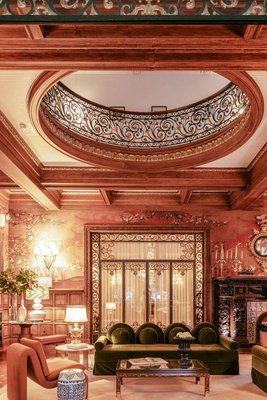
Small Luxury Hotels of the World - Hospes Infante Sagres Porto
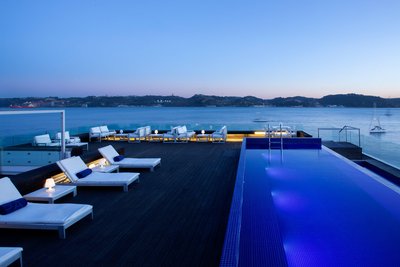
Altis Belem Hotel & Spa, a Member of Design Hotels
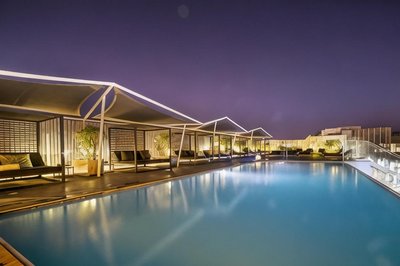
EPIC SANA Lisboa Hotel
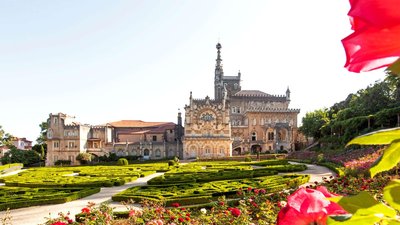
Palace Hotel do Bussaco
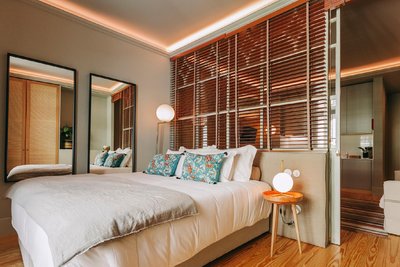
Torel 1884 Suites & Apartments
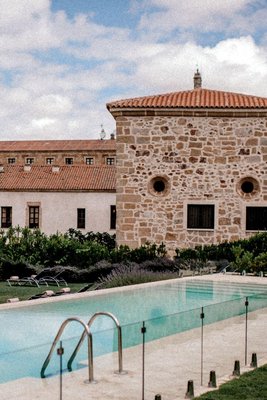
Hospes Palacio de San Esteban
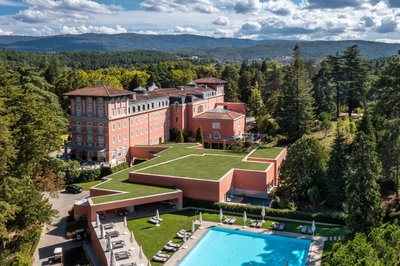
Vidago Palace
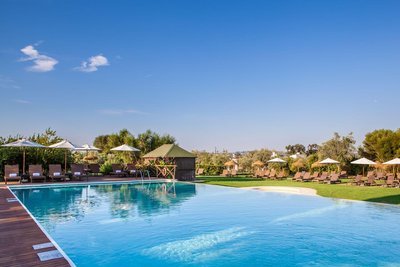
Convento do Espinheiro, Historic Hotel & Spa
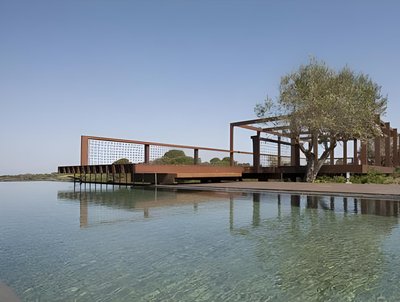
Wecamp Reserva Alecrim
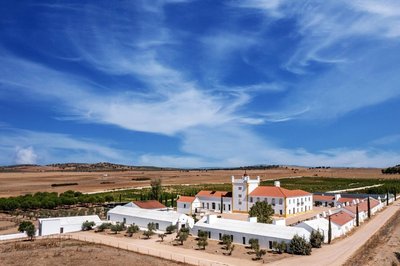
Torre de Palma Wine Hotel, Monforte, a Member of Design Hotels
The Ivens, Autograph Collection
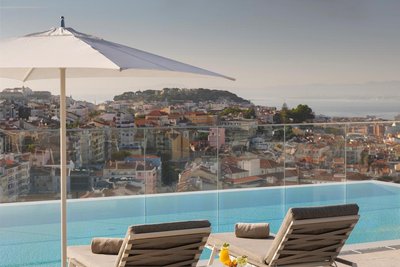
EPIC SANA Marquês Hotel
Pestana Palace Lisboa Hotel & National Monument - the Leading Hotels of the World
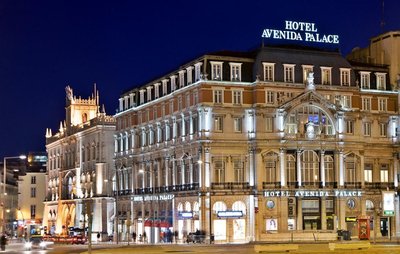
Hotel Avenida Palace
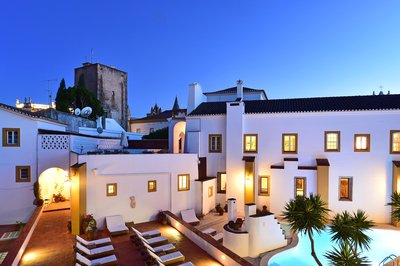
Pousada Convento de Evora – Historic Hotel
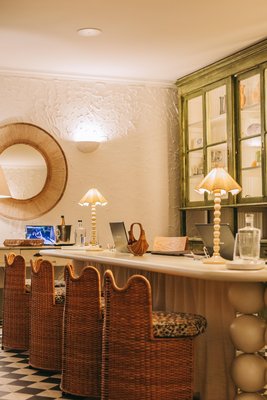
Torel Saboaria
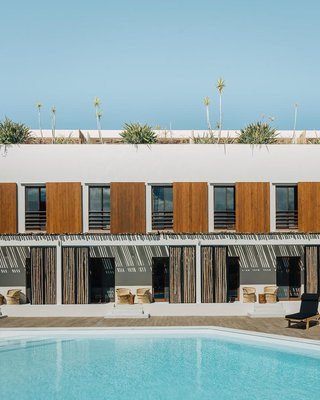
AlmaLusa Comporta
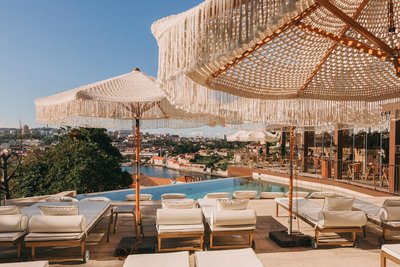
Torel Avantgarde
Memmo Príncipe Real - Design Hotels
Corpo Santo Lisbon Historical Hotel
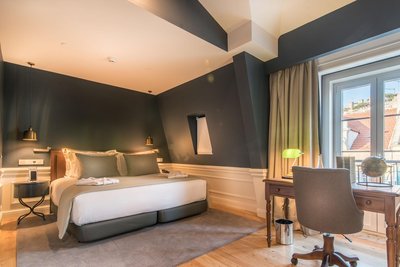
Hotel da Baixa
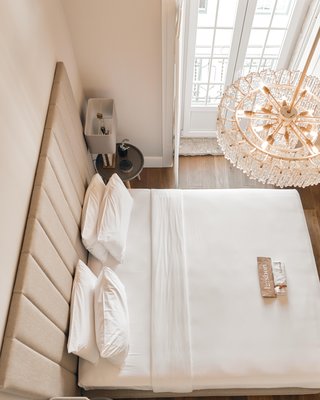
Dare Lisbon House
The One Palácio da Anunciada
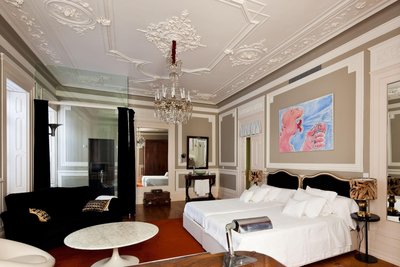
Palacete Chafariz Del Rei - by Unlock Hotels
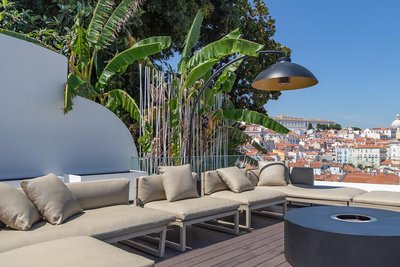
Memmo Alfama - Design Hotels
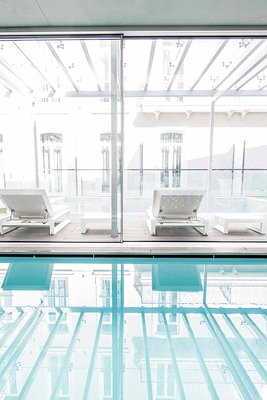
BessaHotel Liberdade
Hotel Valverde Lisboa - Relais & Chateaux
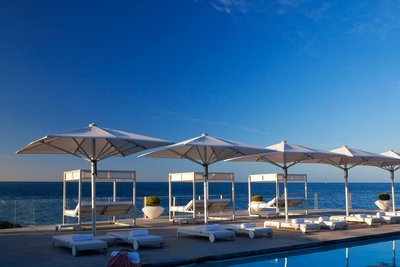
Farol Hotel
The Albatroz Hotel
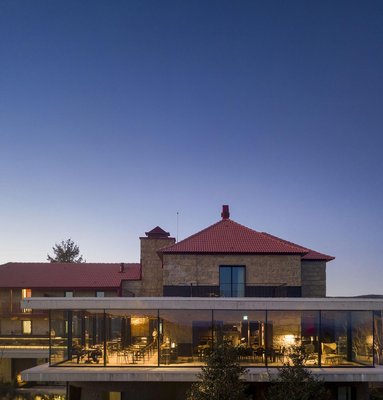
Casa de São Lourenço - Burel Panorama Hotel - Member of Design Hotels
Torel 1884 Suites & Apartments
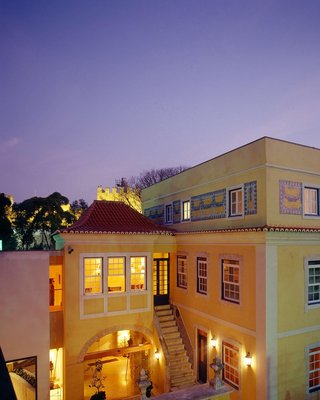
Solar do Castelo - Lisbon Heritage Collection - Alfama
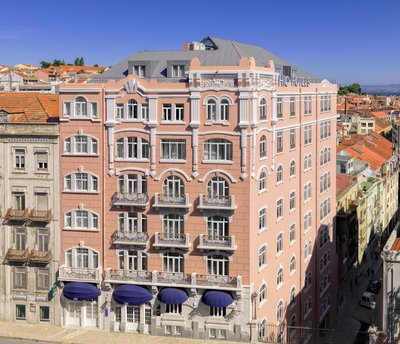
H10 Duque de Loule
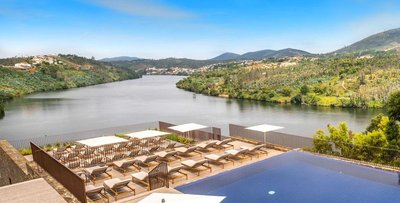
Octant Douro
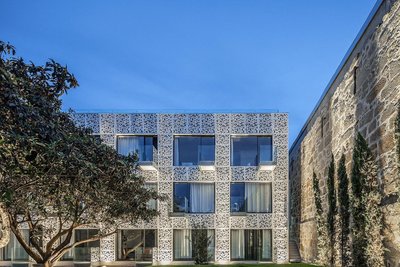
Caléway Hotel
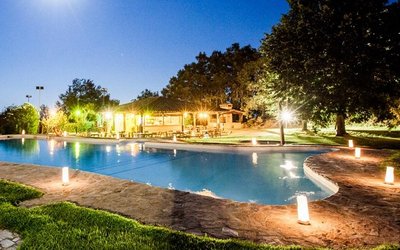
Hotel Rural Peña Del Alba
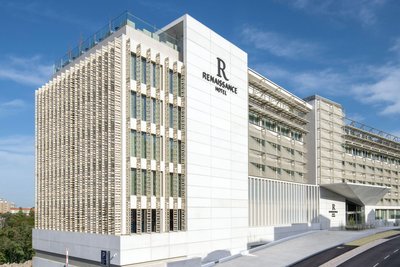
Renaissance Porto Lapa Hotel
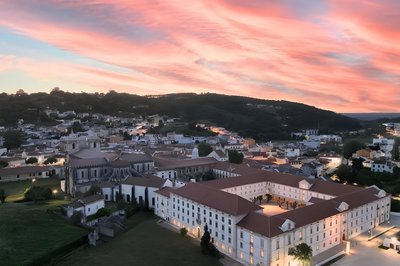
Montebelo Mosteiro de Alcobaça Historic Hotel
Estoril Vintage Hotel
Torel Avantgarde

Wine & Books Porto Hotel
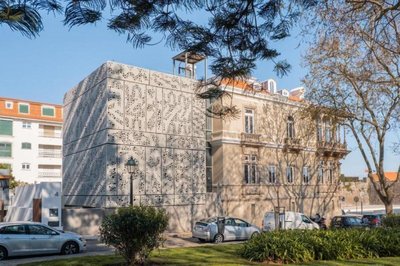
Artsy Cascais
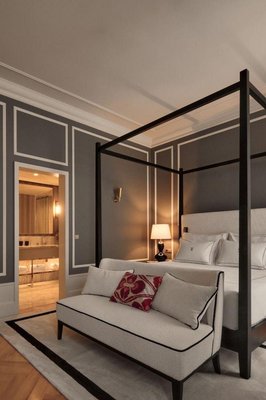
GA Palace Hotel & Spa, a Xixth-Century Villa
Corpo Santo Lisbon Historical Hotel
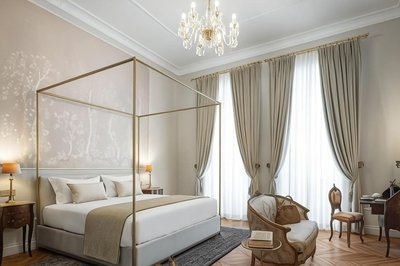
MS Collection Aveiro - Palacete Valdemouro
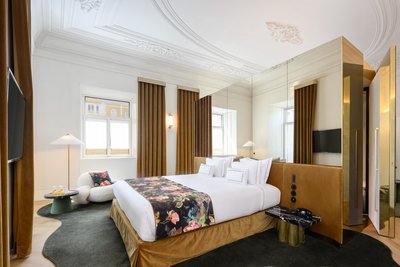
Montebelo Vista Alegre Lisboa Chiado Hotel
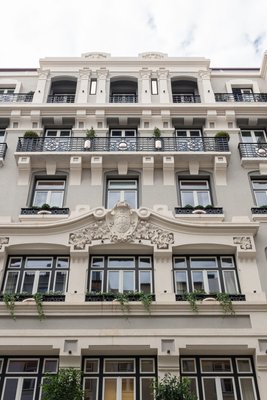
Art Legacy Hotel
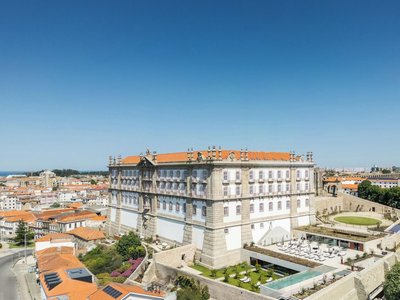
The Lince Santa Clara
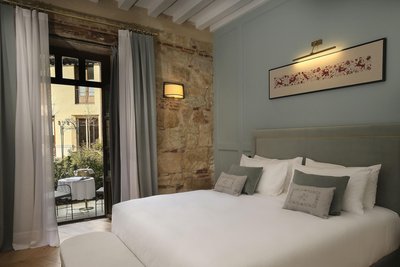
Eunice Hotel Gastronómico
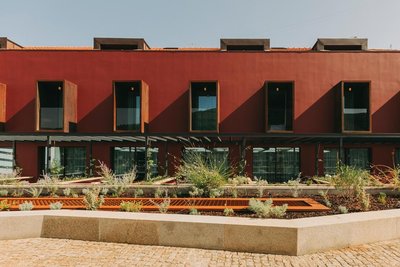
Torel Quinta da Vacaria – Douro Valley
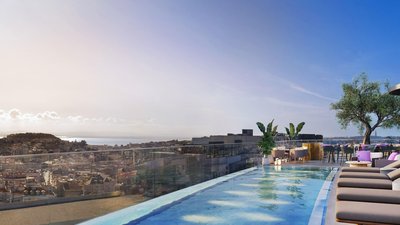
ME Lisbon
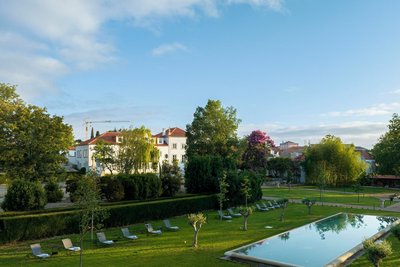
Valverde Santar Hotel & SPA
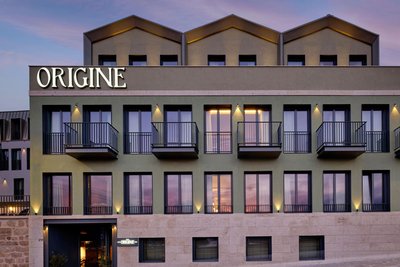
Origine Porto Gaia, a Tribute Portfolio Hotel
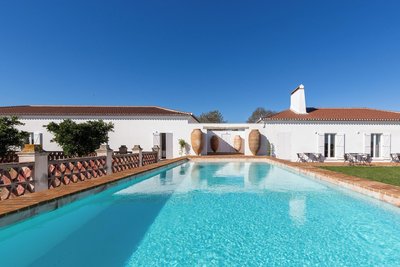
Cenoura-Brava Villas & Suites.
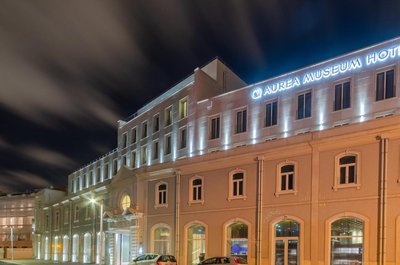
Áurea Museum by Eurostars Hotel Company
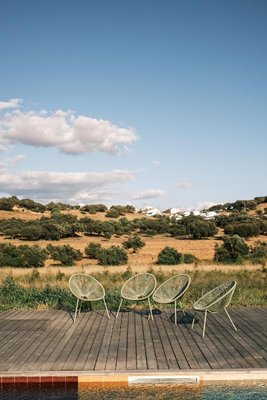
Viva! Farmhouse
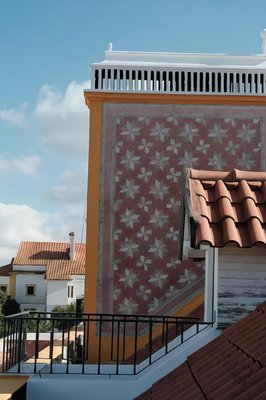
Lilases Boutique House & Garden
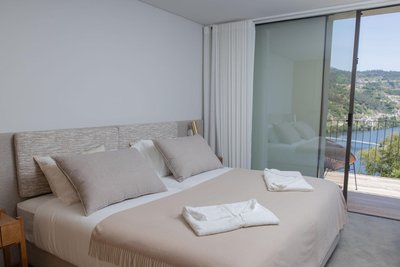
Quinta Alto Do Rio
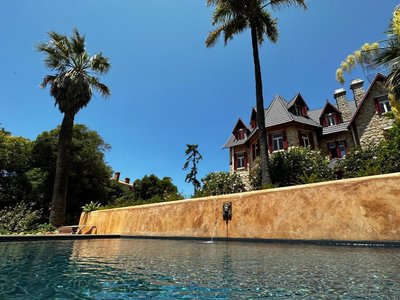
Chalet Ficalho
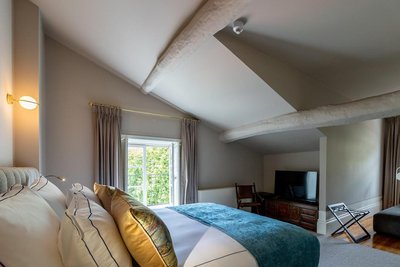
Maison Bleue by Vila Foz
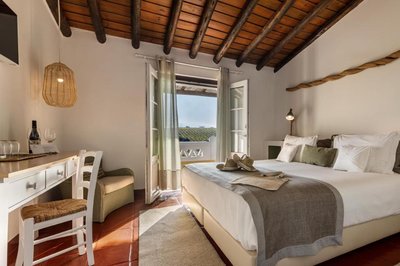
Herdade Do Sobroso Wine & Luxury Boutique Hotel
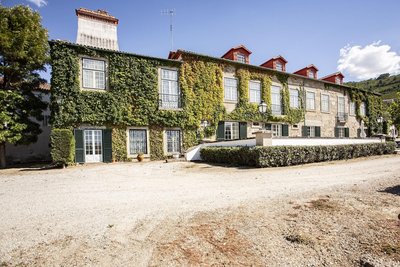
Casa Do Cimo
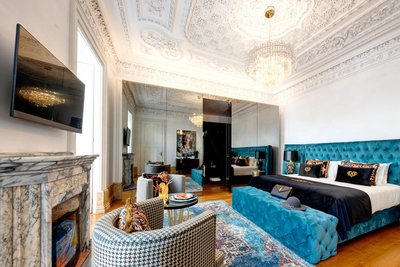
1877 Estrela Palace
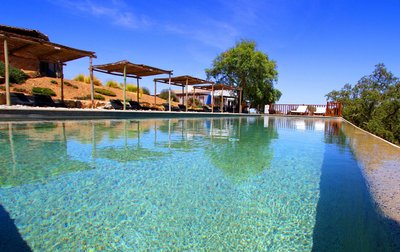
Monte Gois Country House e Spa

Hotel Barrière Fouquet's New York
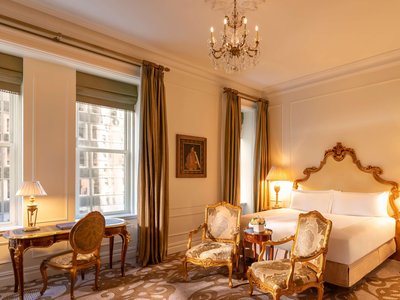
The Plaza - A Fairmont Managed Hotel
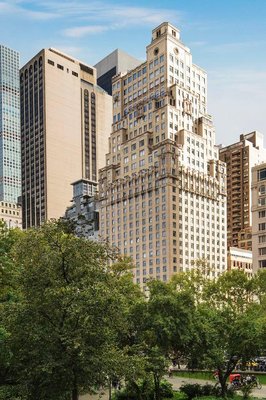
The Ritz-Carlton New York, Central Park

Four Seasons Hotel New York
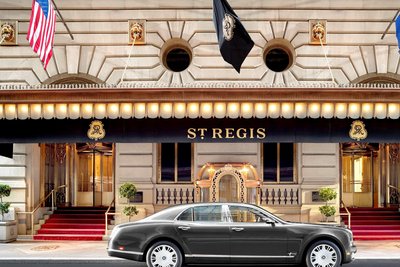
The St. Regis New York
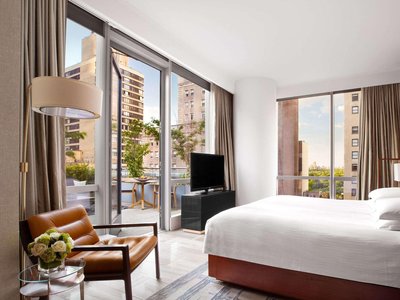
Park Hyatt New York
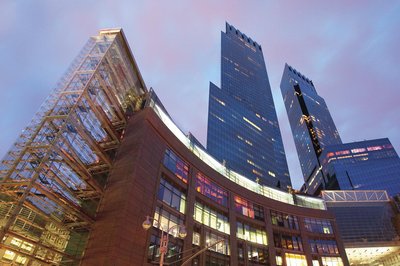
Mandarin Oriental New York
Times Square Edition New York

Loews Regency New York Hotel
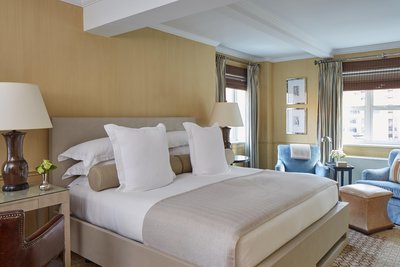
Lowell Hotel

New York Edition
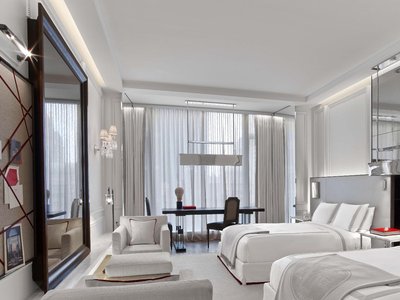
Baccarat Hotel New York
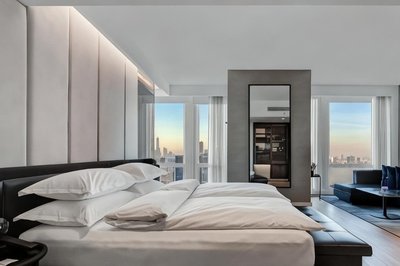
Equinox Hotel New York

Four Seasons Hotel New York Downtown
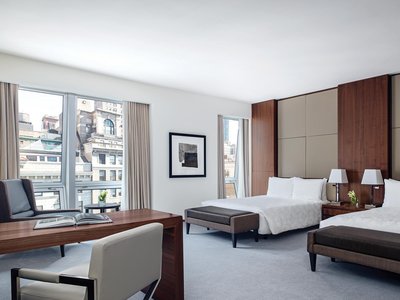
The Langham, New York, Fifth Avenue
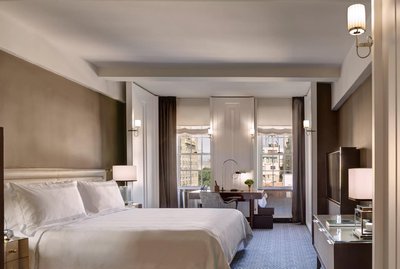
The Carlyle, A Rosewood Hotel

The Chatwal, in the Unbound Collection by Hyatt
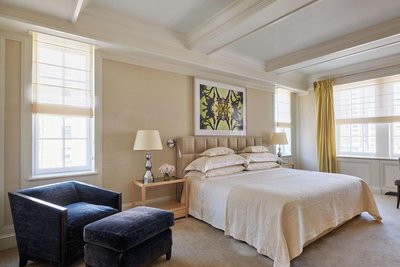
The Mark New York

Trump International Hotel & Tower® New York
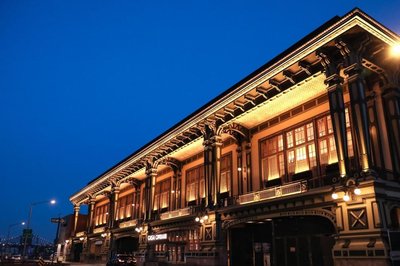
Casa Cipriani New York
Frequently Asked Questions about Traveling to Pombal
Questions You Might Need to Know About Traveling to Pombal
In Pombal, the Hotel Rural do Pombal stands out as a premier choice, blending traditional Portuguese architecture with modern comfort. Nestled in a quiet countryside setting surrounded by olive groves, it offers authentic regional cuisine like roast suckling pig and almond cake. Its proximity to landmarks such as the Matriz Church and Historical Museum makes it ideal for cultural exploration. The hotel also features a charming garden terrace perfect for evening relaxation.
The city center of Pombal is the most convenient and charming area to stay. Located near the Town Hall Square and Cathedral, it offers easy access to main attractions. This historic district is filled with local restaurants, artisan shops, and cobbled streets that reflect authentic Central Portugal life. Stay at boutique guesthouses like Casa da Rua Velha for a cozy, immersive experience with a touch of heritage charm.
To immerse yourself in authentic Portuguese rural life, join hands-on workshops in pottery making or traditional weaving hosted by local artisans. Visit the weekly market near the São Miguel Monastery to buy handmade baskets and local honey. In the evening, attend a wine tasting event featuring Alentejo-style red wines, paired with dishes like cozido stew and garlic bread—perfect for savoring the slow-paced, community-centered lifestyle of Central Portugal.
The Cathedral of Pombal is the city’s most iconic landmark, showcasing a blend of 18th-century Baroque and Gothic elements. Nearby, the Town Hall Square hosts seasonal fairs and folk performances. The Matriz Church houses exquisite 17th-century religious paintings. Don’t miss the Pombal Historical Museum, which displays archaeological finds from Roman times to modern history—essential for understanding the region’s rich cultural evolution.
In Pombal, try the signature dish: roast suckling pig (Leitão Assado), renowned for its crispy skin and tender meat—often served with mashed potatoes and tangy sauce. Satisfy your sweet tooth with almond cake (Bolo de Alfarroba), made with local carob and almonds, available at the central market. For a true home-cooked meal, visit Restaurante O Gato e o Cão, where daily-changing menus feature fresh ingredients sourced directly from nearby farms.
Yes, Pombal is highly family-friendly. The Municipal Park offers spacious green areas, playgrounds, and walking paths—ideal for kids. Many accommodations, including Hotel Rural do Pombal, provide family rooms and child-friendly amenities. The Historical Museum features interactive exhibits that engage young visitors. On weekends, families can enjoy farm experiences like milking goats and feeding sheep, turning travel into an educational adventure.
Pombal has a Mediterranean climate: hot, dry summers (often above 30°C) and mild winters. It’s best to visit during spring (April–June) or autumn (September–October) when temperatures average around 20°C. Avoid July and August if you prefer cooler weather. Pack sunscreen and light layers, as daytime heat contrasts with cooler evenings—especially in the hills surrounding the town.
While Pombal is a small town, it’s well-connected. The town center is walkable, and bike rentals are available. Regional buses link Pombal to Lisbon and Coimbra in about 1.5 hours. The railway line passes through Leiria Station, offering easy transfers across Portugal. Renting a car is ideal for exploring nearby vineyards and rural villages, with scenic routes through rolling hills and olive orchards.
Capture stunning shots at the Pombal Cathedral and Town Hall Square, especially during golden hour when sunlight highlights the stone facades. The Matriz Church interior features vibrant stained glass and religious murals—perfect for artistic photography. Wander the narrow alleys lined with ivy-covered walls and rustic doors for a vintage aesthetic. For panoramic views, climb the bell tower to see the entire town framed by distant hills and vineyards.
Evenings in Pombal are peaceful and vibrant. Enjoy a coffee and Portuguese custard tart (Pastel de Nata) at a square café while listening to live fado music by local musicians. Some venues, like Adega do Castelo, host intimate folk nights with traditional songs. For a unique experience, book a countryside camping stay near vineyards, where you can stargaze and listen to the night breeze—perfect for disconnecting and reconnecting with nature.
Pombal Overview
City Summary
Pombal, a charming town in Portugal's Leiria District, is renowned for its medieval castle and tranquil rural landscapes. Blending historical heritage with natural beauty, its core attractions include the well-preserved Castelo de Pombal and surrounding forests and river views. Pombal is also famous for traditional Portuguese crafts and festivals, making it ideal for authentic cultural experiences.
Must-See Attractions
Top sights begin with Castelo de Pombal, a 12th-century military structure offering panoramic town views with its stone towers. The Baroque altar at Igreja Matriz de Pombal (Mother Church) is noteworthy. Nature lovers can hike along Rio Soure or explore limestone caves in Serra do Sicó. Don't miss the Festa da Cidade in June featuring traditional performances.
Food Guide
Must-try foods include wood-fired Leitão à Bairrada (suckling pig) and Chanfana (wine-stewed goat). Street vendors sell Pasteis de Tentúgal (custard tarts) paired with local Bairrada wines. Restaurante O Alcaide is famed for authentic Arroz de Marisco (seafood rice).
Transportation Guide
Transport tips: Drive from Lisbon (~2 hours) or take trains to Pombal Station (transfer at Coimbra). Central sights are walkable, but renting a car is advised for outskirts. Bus services are limited—check schedules in advance. Note: Avoid driving in the narrow old town lanes.
Best Time to Visit
Best season is May-September with warm weather (20-30°C) and festivals. July-August sees crowds; weekdays are quieter. Winters (November-February) are rainy but offer lower accommodation rates.
Travel Tips
- Safety: Wear anti-slip shoes on cobbled streets.
- Etiquette: Dress modestly for church visits.
- Payments: Carry euros as small shops may not accept cards.
- Language: Basic Portuguese greetings (e.g., "Bom dia") are appreciated.
- Internet: Free Wi-Fi in main areas; weak signals in rural zones.
- Eco-rules: Strict recycling—follow local guidelines.
Useful Information
Essentials:
- Language: Portuguese; English understood in tourist areas.
- Currency: Euro (€); cash preferred for small transactions.
- Emergency: Dial 112.
- Healthcare: Centro de Saúde de Pombal clinic handles minor issues; serious cases require Coimbra hospitals.
- Voltage: 230V, Type C plugs.
- Mobile: Prepaid SIMs from Vodafone/MEO offer good coverage.