Hotels in Pong Nam Ron
Discover your perfect stay in Pong Nam Ron.
Pong Nam Ron(Thailand) Travel 2026: Cheap Flights, Hotels & Top Attractions
Popular Landmarks in Pong Nam Ron
Discover the most iconic attractions in Pong Nam Ron
Recommended Hotels in Pong Nam Ron
Find the perfect place to stay in Pong Nam Ron
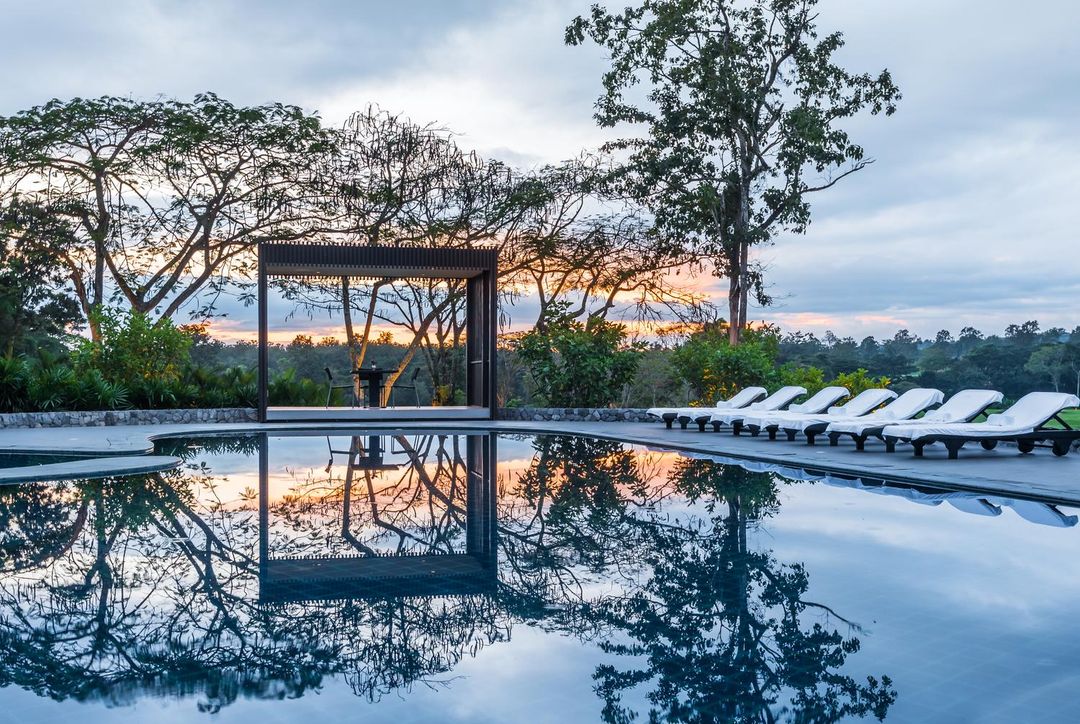
Chatrium Golf Resort Soi Dao Chanthaburi
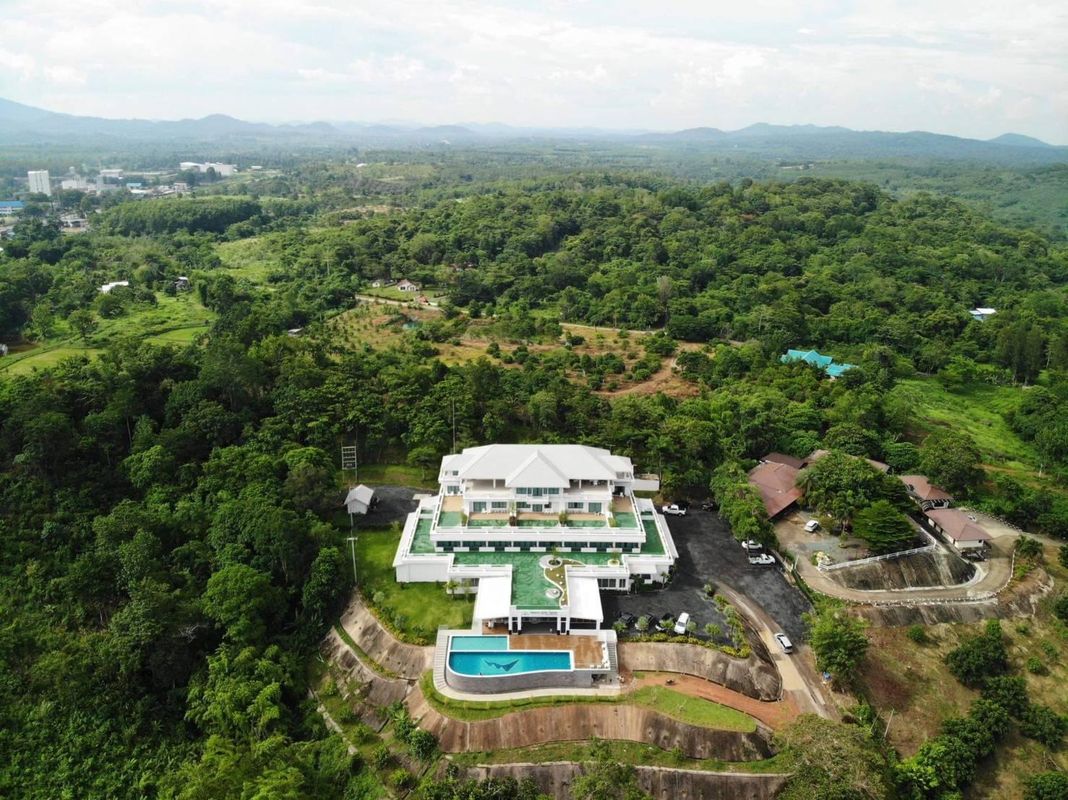
Soidao Good View Resort
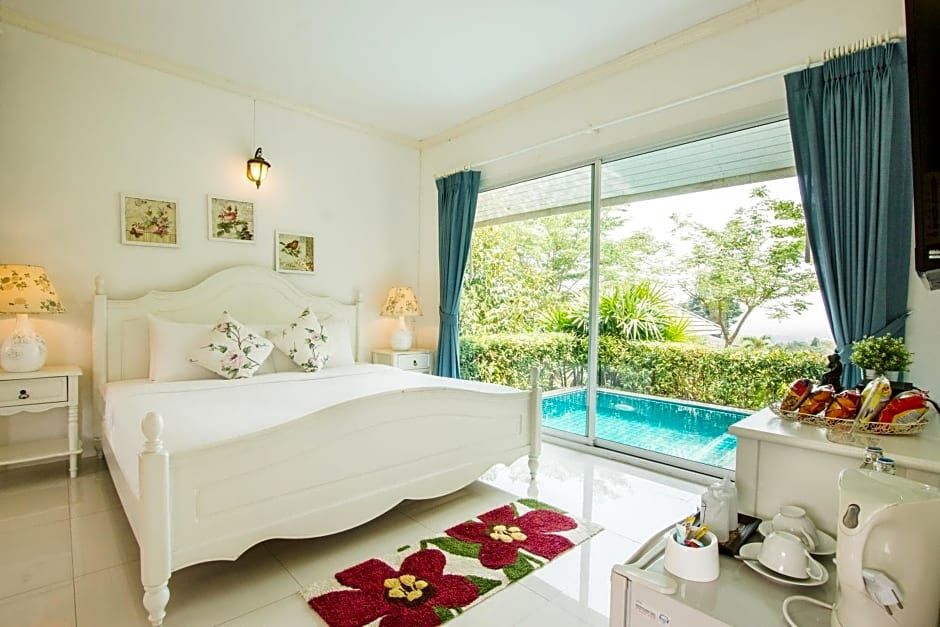
The Natural Garden Resort
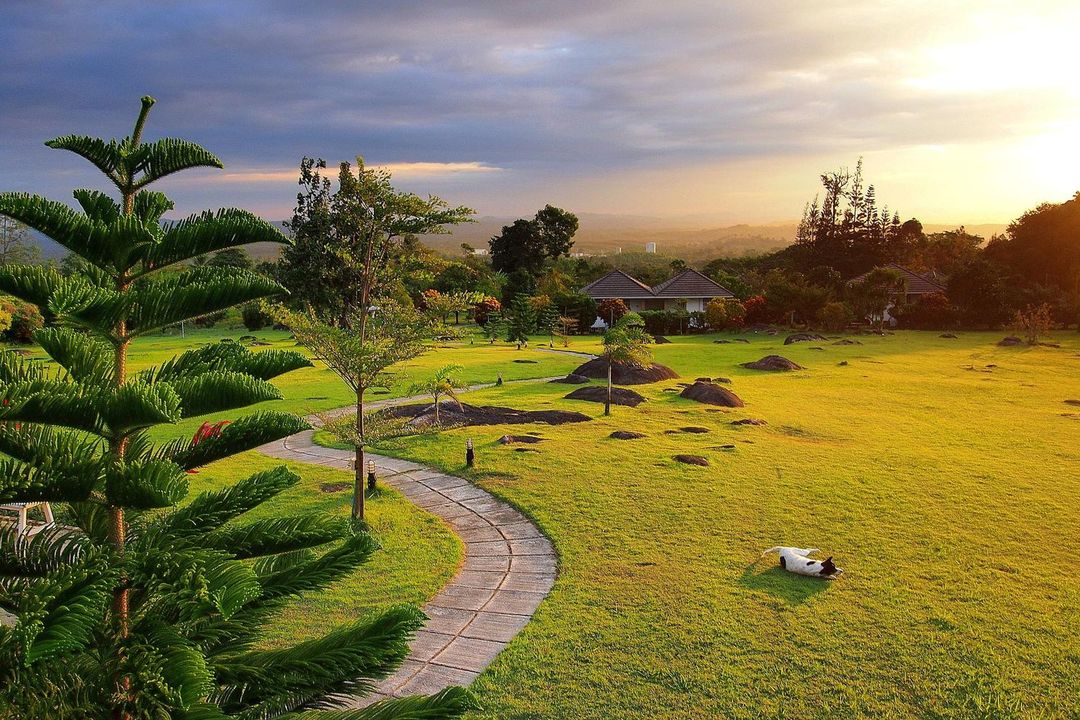
The Natural Garden - Khao Soi Dao -
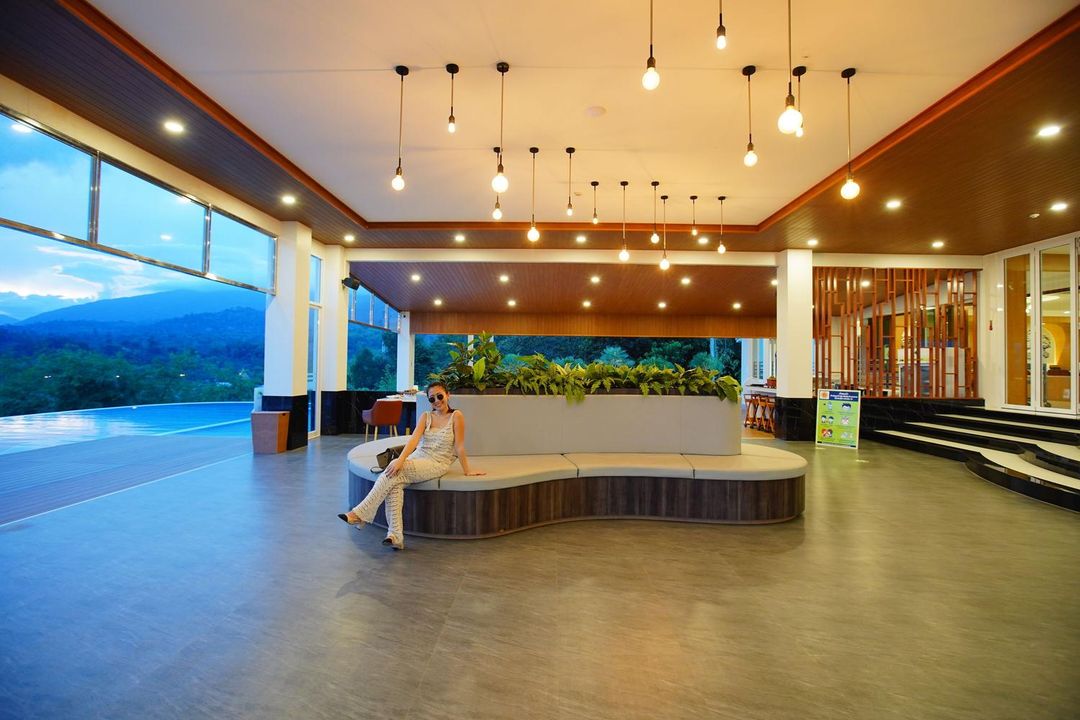
Soidao Goodview Resort
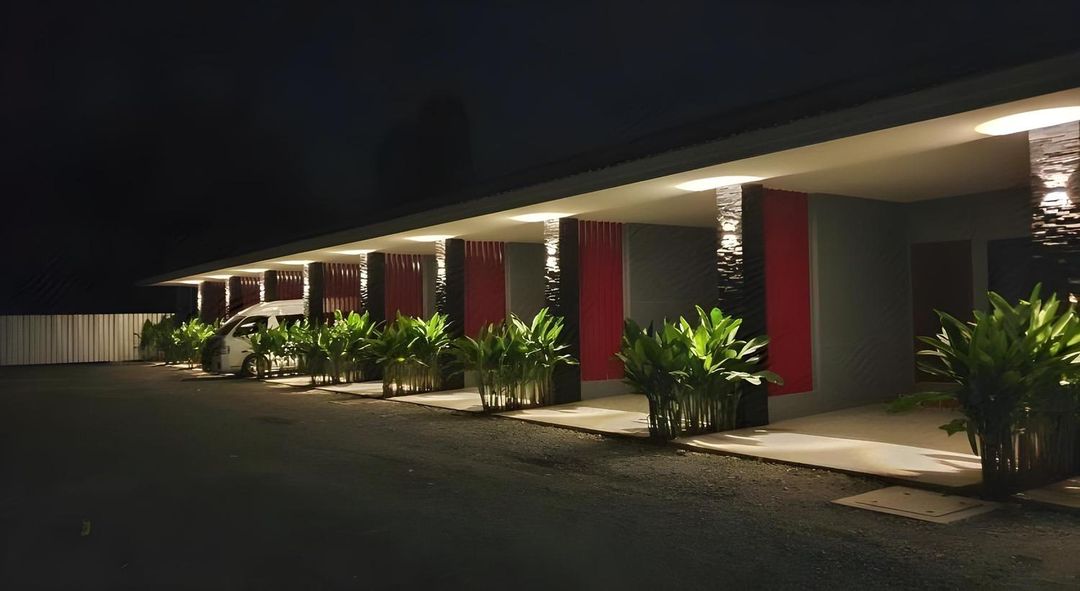
Pailin Place
Best Hotels in Pong Nam Ron
Discover curated hotel collections in Pong Nam Ron
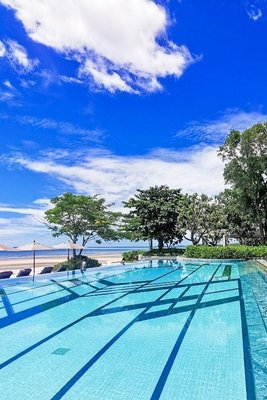
Baba Beach Club Hua Hin Luxury Pool Villa by Sri Panwa
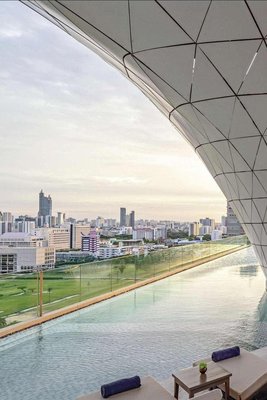
Waldorf Astoria Bangkok
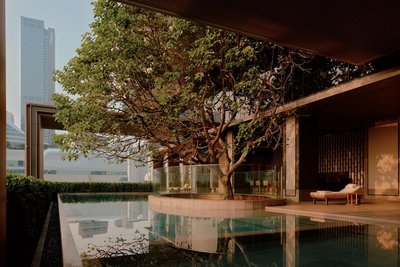
Aman Nai Lert Bangkok
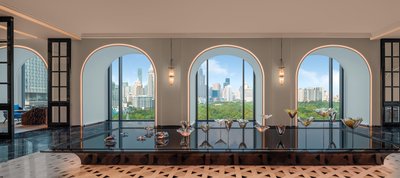
The Ritz-Carlton, Bangkok
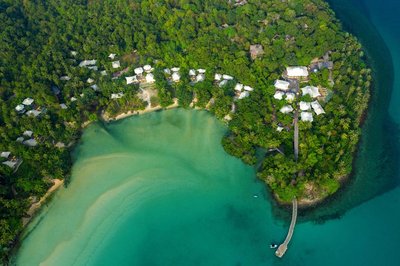
Kiri Private Reserve

Te Mata Glamping
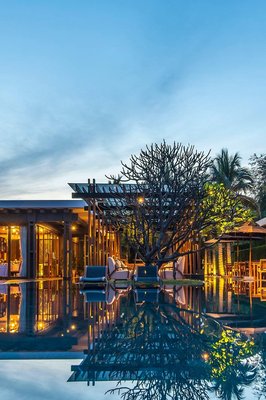
V Villas Hua Hin, MGallery Hotel Collection
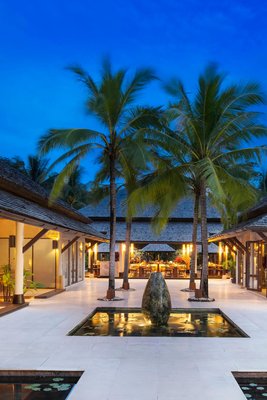
Sheraton Hua Hin Pranburi Villas

High Season Pool Villa & Spa
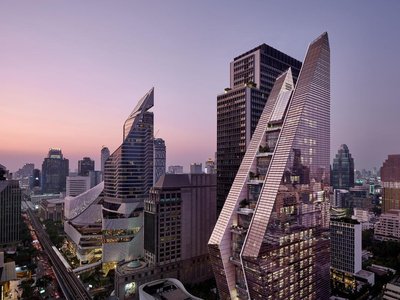
Rosewood Bangkok
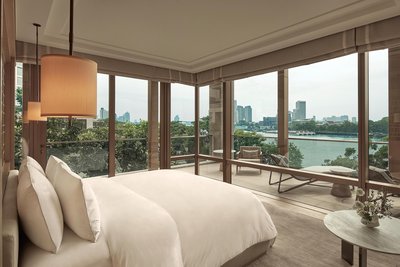
Capella Bangkok
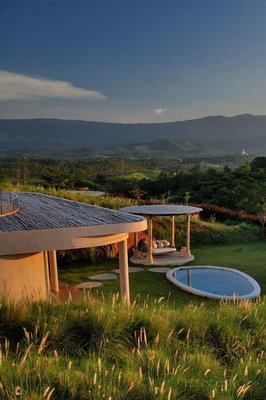
Sala Khaoyai
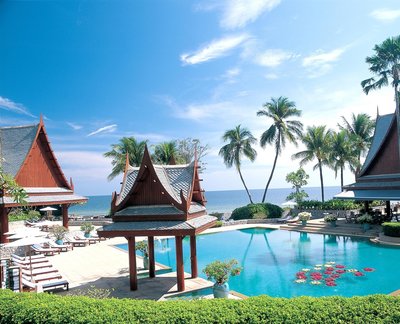
Chiva-Som International Health Resort
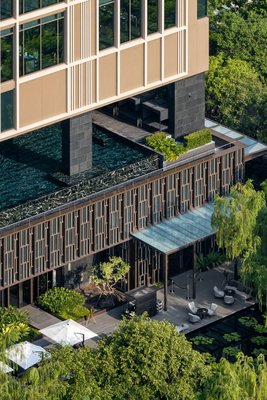
Kimpton Maa-Lai Bangkok
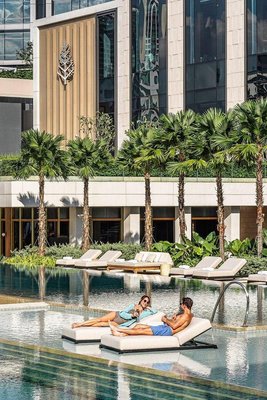
Four Seasons Hotel Bangkok at Chao Phraya River
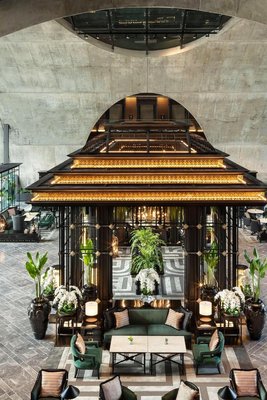
Sindhorn Kempinski Hotel Bangkok
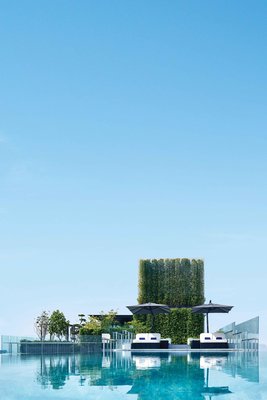
137 Pillars Suites Bangkok
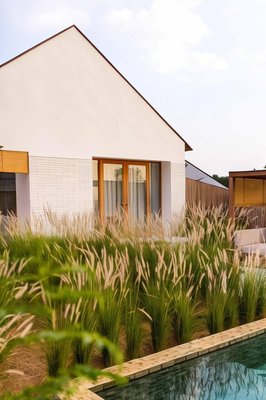
Roukh Kiri Khaoyai, The Centara Collection
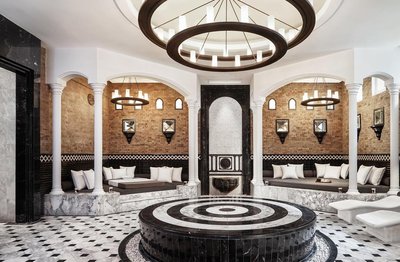
The Siam
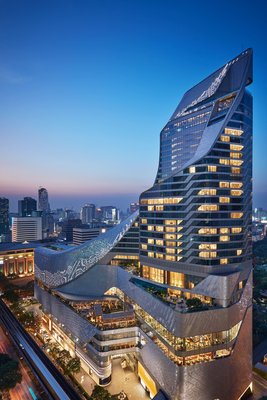
Park Hyatt Bangkok
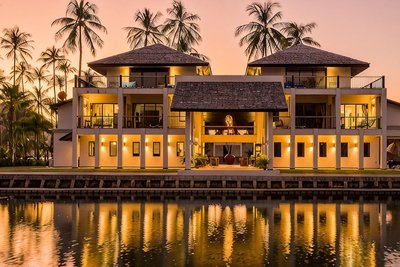
Shambhala Beach Resort
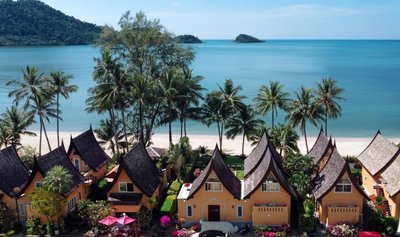
Utalay Koh Chang Villas
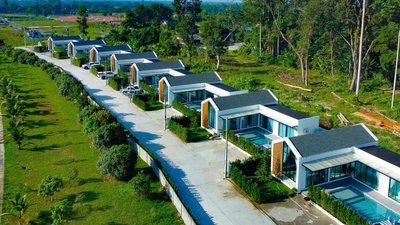
Villa Paramount 2
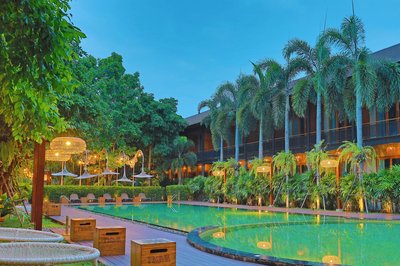
The Buffalo Amphawa
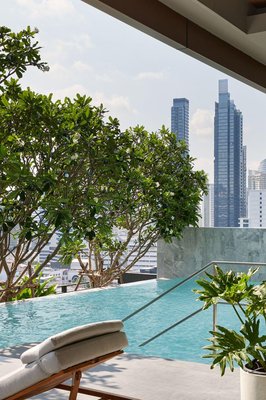
dusitD2 Samyan Bangkok
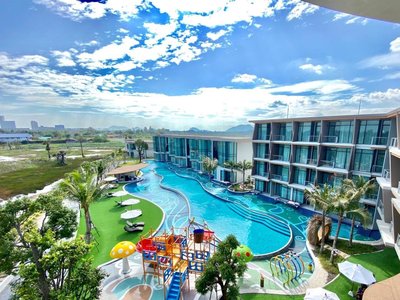
Elmas Cha am Design Hotel

Samed Tamarind Beach Resort
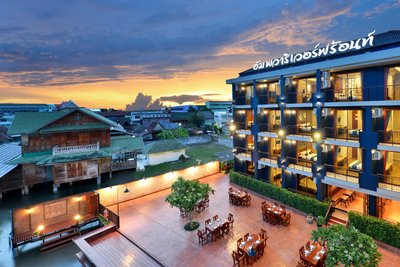
Amphawa Riverfront Hotel
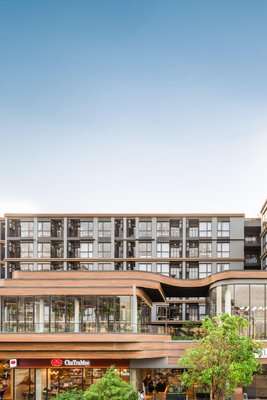
Salaya One Hotel & Service Apartment
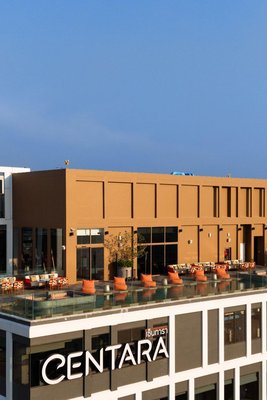
Centara Ayutthaya
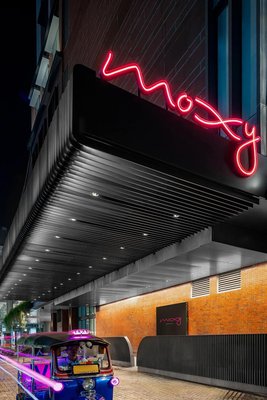
Moxy Bangkok Ratchaprasong
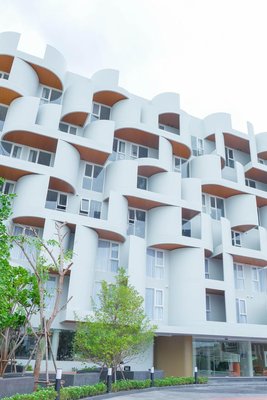
Maybis Hotel
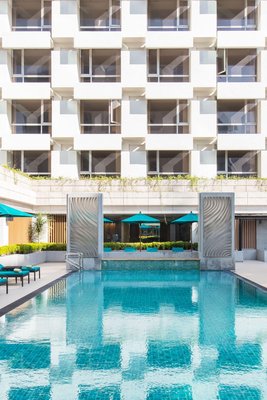
Holiday Inn Bangkok

Novotel Bangkok on Siam Square
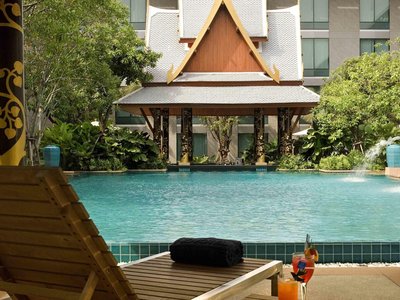
Hyatt Regency Bangkok Suvarnabhumi Airport
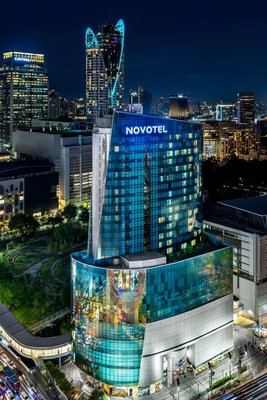
Novotel Bangkok Platinum Pratunam
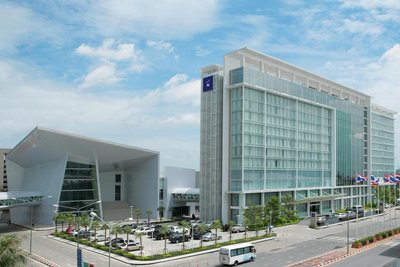
Novotel Bangkok Impact
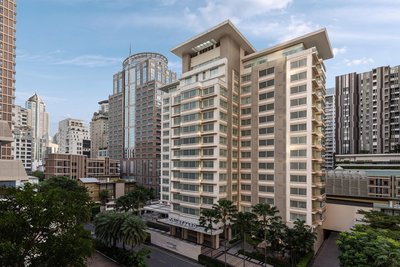
Courtyard by Marriott Bangkok
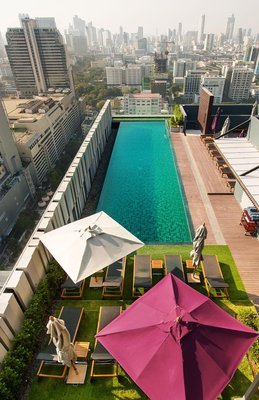
Mercure Bangkok Siam
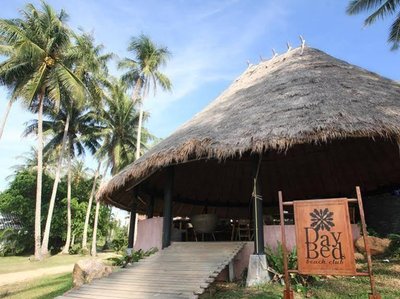
Seavana Koh Mak Beach Resort
Baba Beach Club Hua Hin Luxury Pool Villa by Sri Panwa
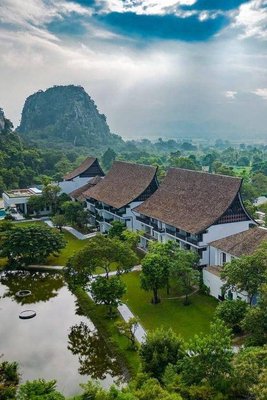
The Soul Resort
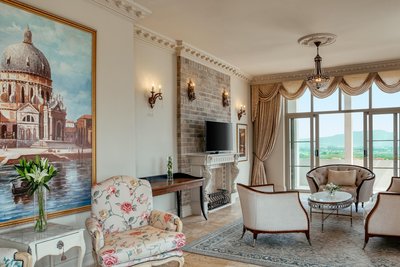
Mövenpick Resort Khao Yai
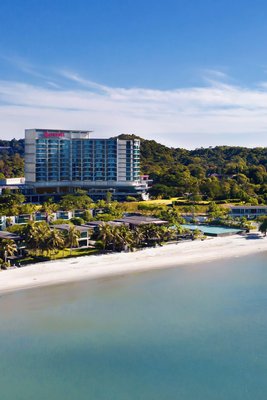
Rayong Marriott Resort & Spa
The Ritz-Carlton, Bangkok
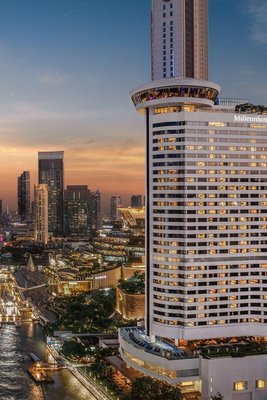
Millennium Hilton Bangkok
Kiri Private Reserve
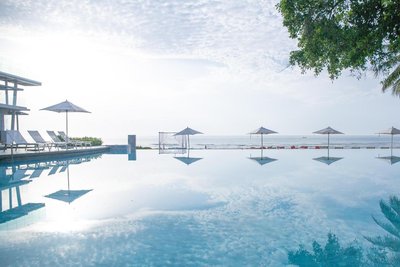
Veranda Resort & Villas Hua Hin Cha Am
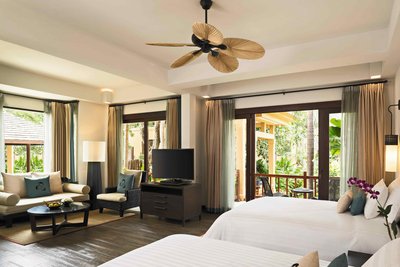
Mövenpick Asara Resort & Spa Hua Hin
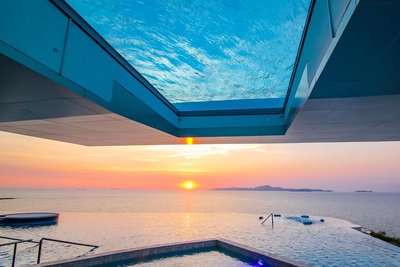
Royal Cliff Beach Hotel Pattaya
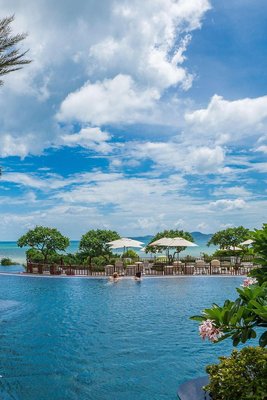
Royal Cliff Grand Hotel Pattaya
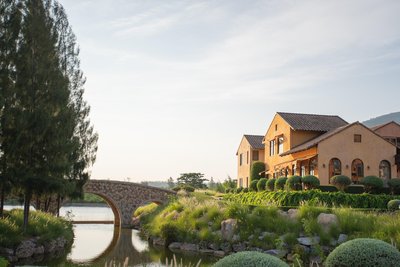
Toscana Hotel la Casetta
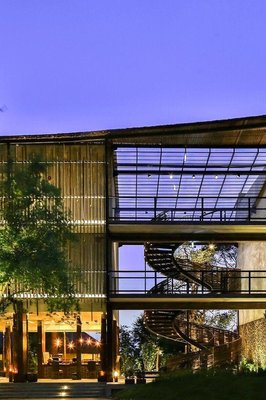
U Pattaya
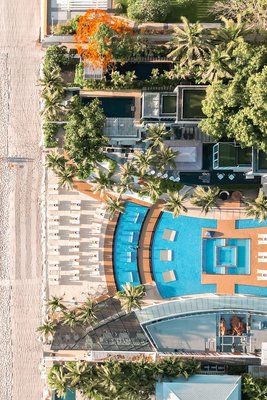
InterContinental Hua Hin Resort

Aleenta Hua Hin - Pranburi
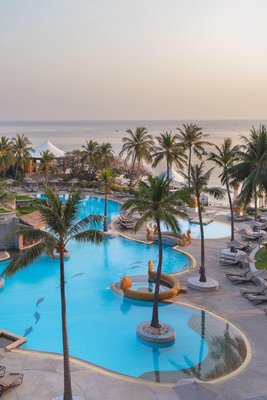
Hilton Hua Hin Resort & Spa
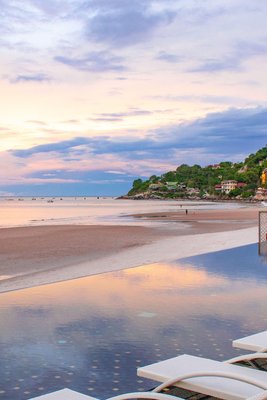
The Yana Villas Hua Hin
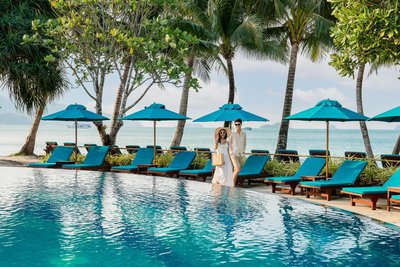
Koh Chang Paradise Resort & Spa
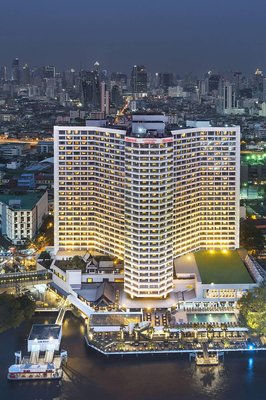
Royal Orchid Sheraton Riverside Hotel Bangkok
Sala Ayutthaya
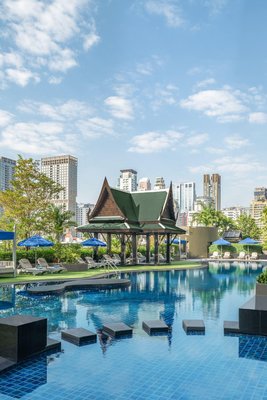
The Athenee Hotel, a Luxury Collection Hotel, Bangkok
Sindhorn Kempinski Hotel Bangkok
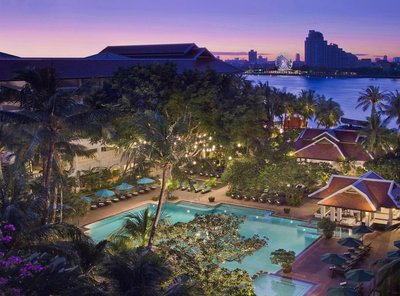
Anantara Riverside Bangkok Resort
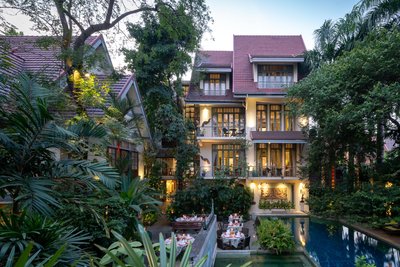
Ariyasom Villa
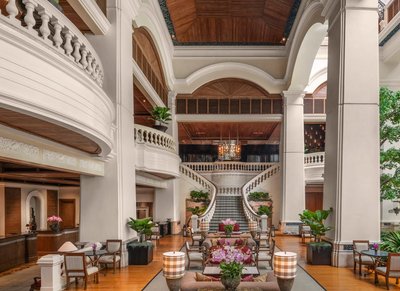
Grand Hyatt Erawan Bangkok
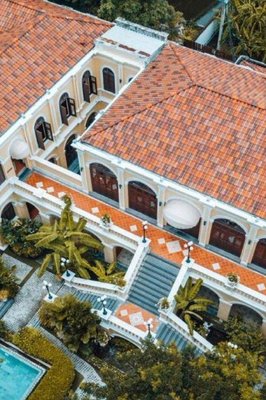
Praya Palazzo
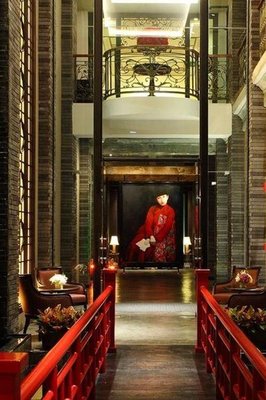
Shanghai Mansion Bangkok
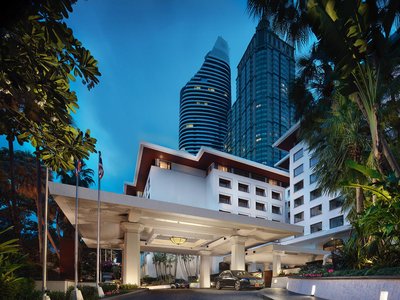
Anantara Siam Bangkok Hotel
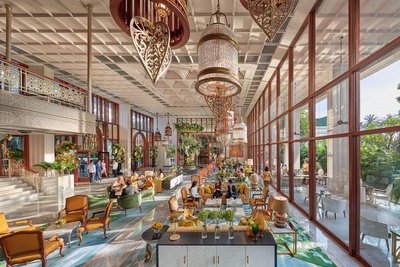
Mandarin Oriental Bangkok
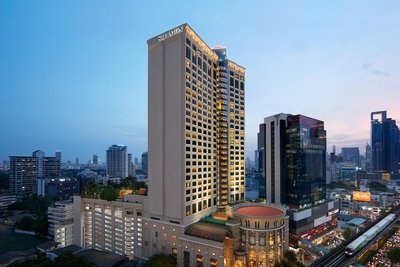
Sheraton Grande Sukhumvit, a Luxury Collection Hotel, Bangkok
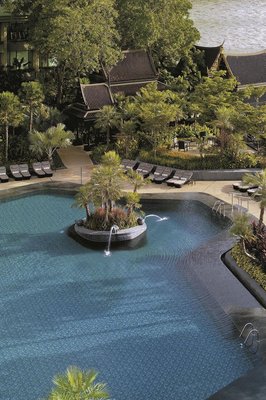
Shangri-La Bangkok
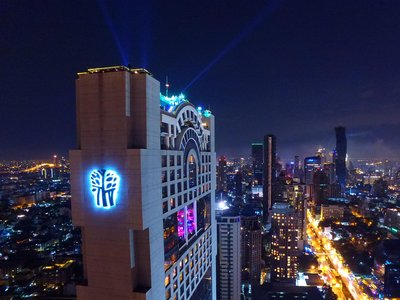
Banyan Tree Bangkok
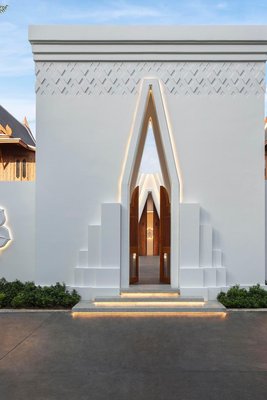
The Sukhothai Bangkok
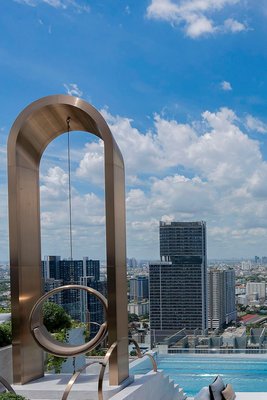
INNSiDE by Meliá Bangkok Sukhumvit
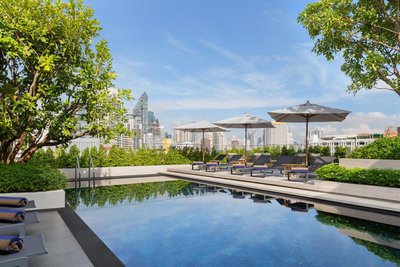
Madi Paidi Bangkok, Autograph Collection (Marriott international)
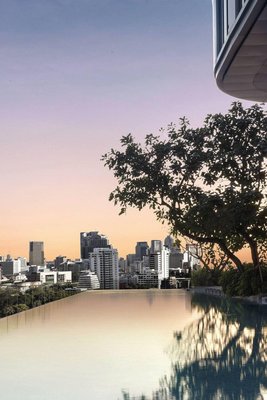
SO/ Bangkok
Waldorf Astoria Bangkok
The Ritz-Carlton, Bangkok
V Villas Hua Hin, MGallery Hotel Collection
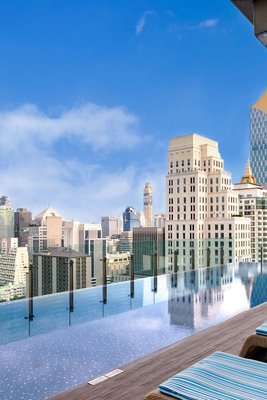
Hotel Indigo Bangkok Wireless Road
Toscana Hotel la Casetta
The Athenee Hotel, a Luxury Collection Hotel, Bangkok
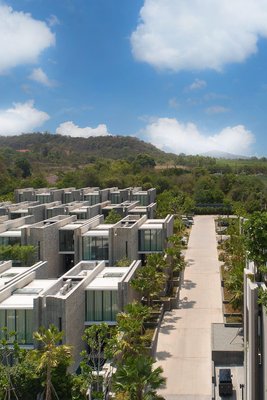
Oceanphere Pattaya Villa by Elite Suites
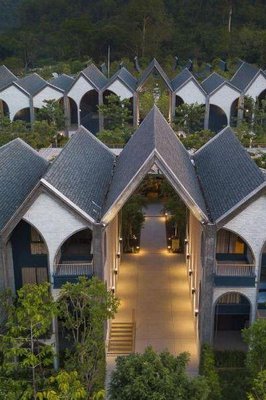
Hotel Labaris Khao Yai
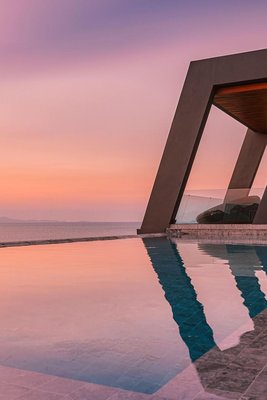
MASON
Rosewood Bangkok
Capella Bangkok
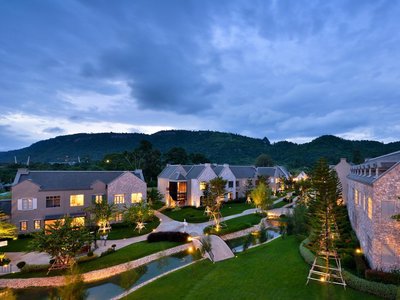
Thames Valley Khao Yai
Sala Khaoyai
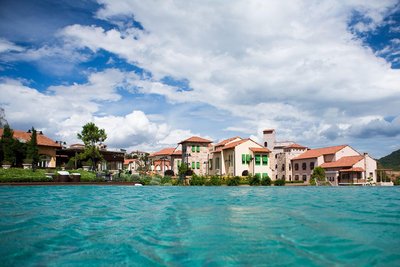
Toscana Town Square Suites
Kimpton Maa-Lai Bangkok
Four Seasons Hotel Bangkok at Chao Phraya River
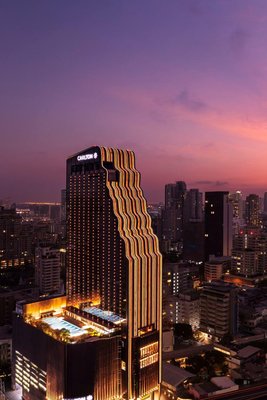
Carlton Hotel Bangkok Sukhumvit
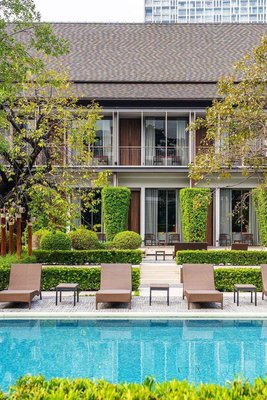
Villa Deva Resort & Hotel Bangkok
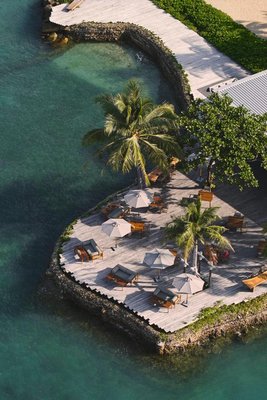
The Retreat Koh Chang , an SLH Hotel
The Soul Resort
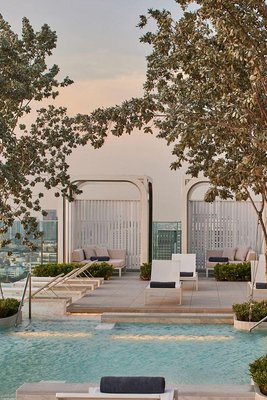
Eastin Grand Hotel Phayathai
Mövenpick Resort Khao Yai
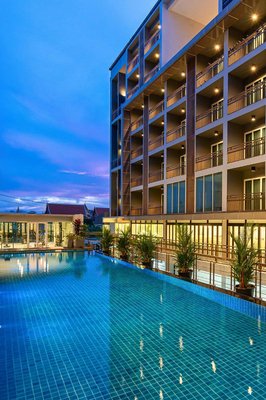
Tisha Hotel
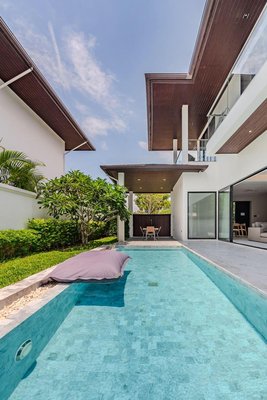
Argo Pattaya Resort and Villas
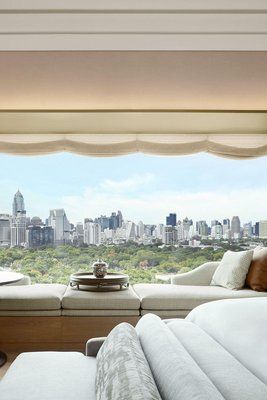
Dusit Thani Bangkok
Rayong Marriott Resort & Spa
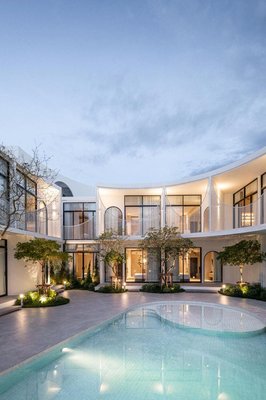
Halff Hotel
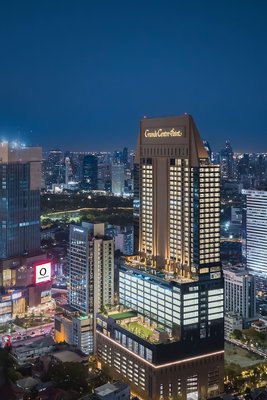
Grande Centre Point Lumphini Bangkok
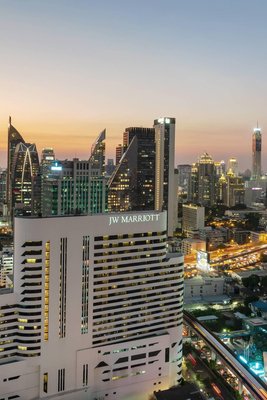
JW Marriott Hotel Bangkok
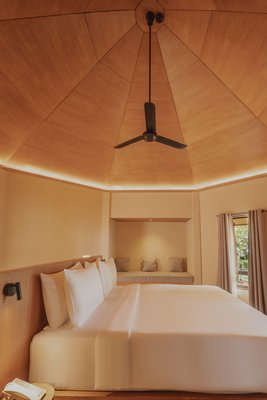
Kira Baya Koh Samed
Millennium Hilton Bangkok
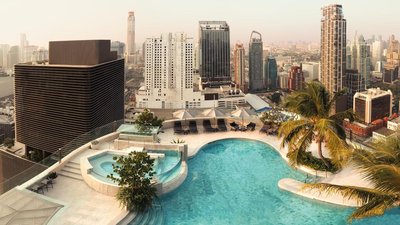
InterContinental Bangkok
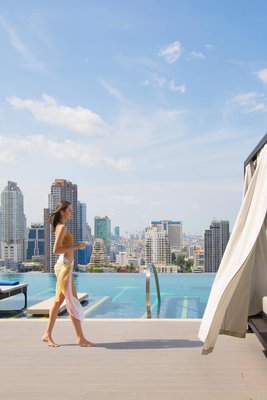
Bangkok Marriott Hotel the Surawongse
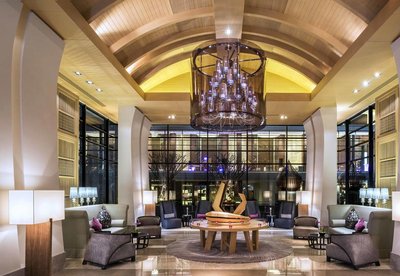
Le Méridien Suvarnabhumi, Bangkok Golf Resort & Spa
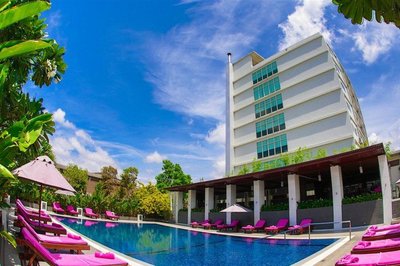
Amaranth Suvarnabhumi Hotel - Free Suvarnabhumi Airport Shuttle
InterContinental Hua Hin Resort
Aleenta Hua Hin - Pranburi
INNSiDE by Meliá Bangkok Sukhumvit
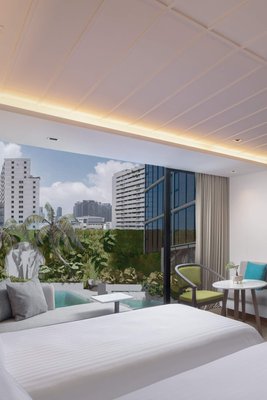
Nysa Hotel Bangkok Sukhumvit 11
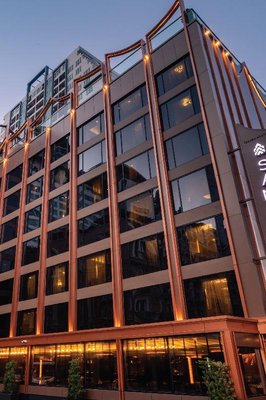
Samala Hotel Bangkok
Aman Nai Lert Bangkok
The Ritz-Carlton, Bangkok
JW Marriott Hotel Bangkok
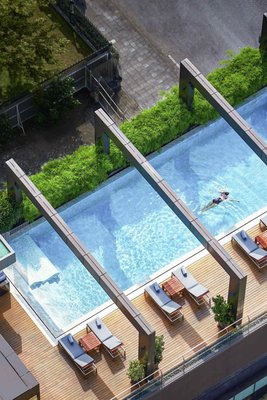
VIE Hotel Bangkok, MGallery Hotel Collection
InterContinental Hua Hin Resort
The Athenee Hotel, a Luxury Collection Hotel, Bangkok
Royal Orchid Sheraton Riverside Hotel Bangkok
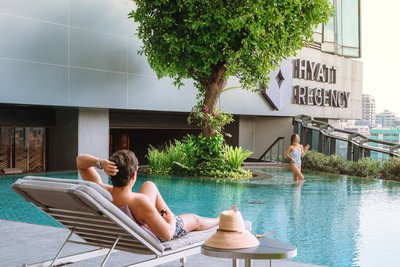
Hyatt Regency Bangkok Sukhumvit
Rosewood Bangkok
Capella Bangkok
Sindhorn Kempinski Hotel Bangkok
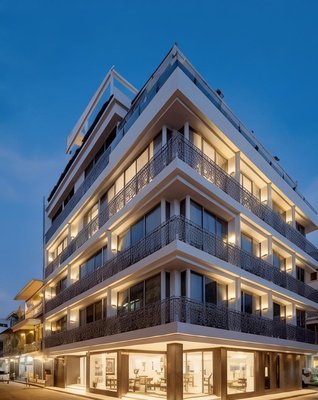
Riva Arun Bangkok
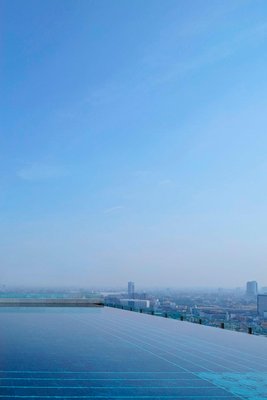
137 Pillars Residences Bangkok
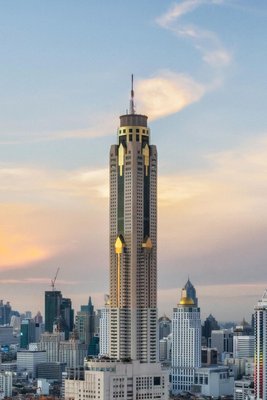
Baiyoke Sky Hotel Bangkok
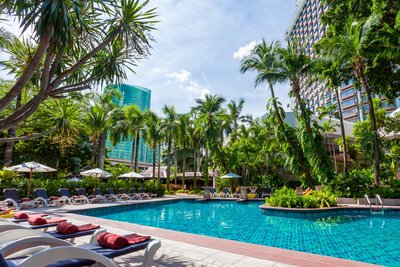
Centara Grand at Central Plaza Ladprao Bangkok
Grand Hyatt Erawan Bangkok
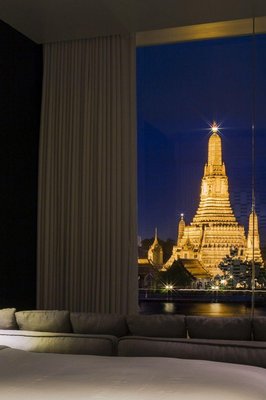
Sala Rattanakosin Bangkok
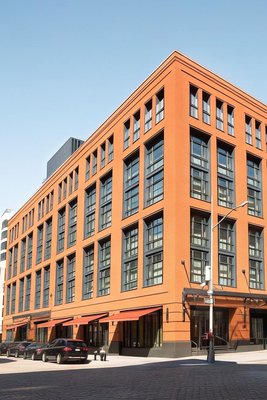
Hotel Barrière Fouquet's New York
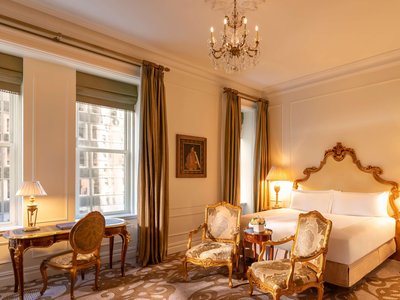
The Plaza - A Fairmont Managed Hotel
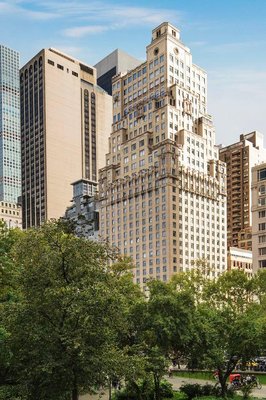
The Ritz-Carlton New York, Central Park
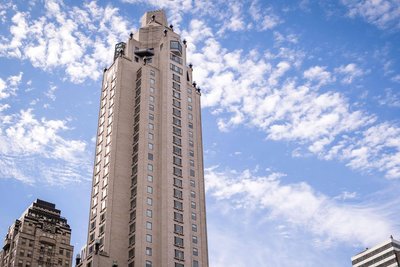
Four Seasons Hotel New York
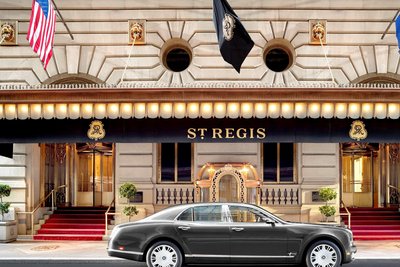
The St. Regis New York
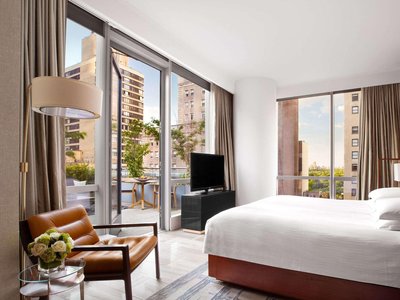
Park Hyatt New York
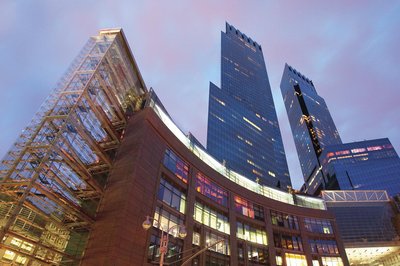
Mandarin Oriental New York
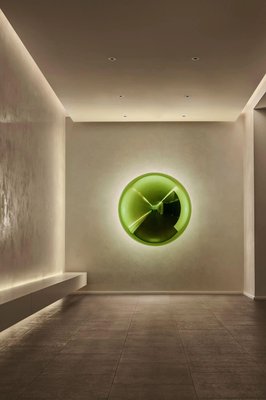
Times Square Edition New York
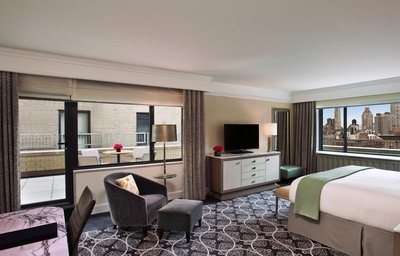
Loews Regency New York Hotel
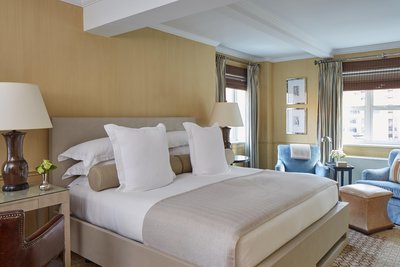
Lowell Hotel
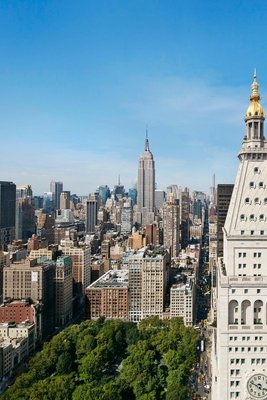
New York Edition
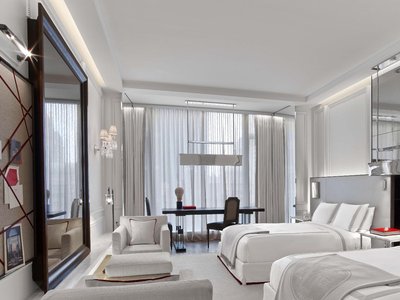
Baccarat Hotel New York
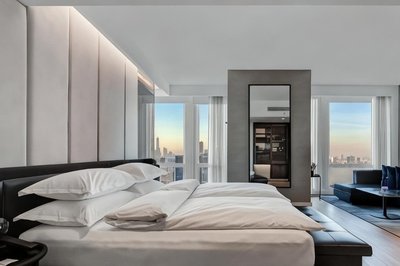
Equinox Hotel New York
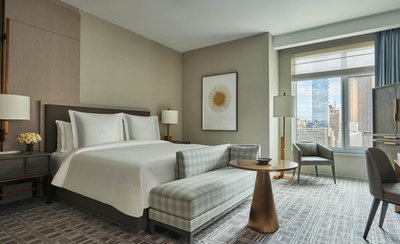
Four Seasons Hotel New York Downtown
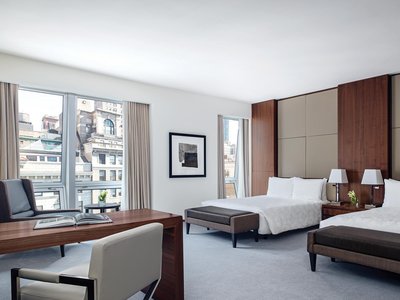
The Langham, New York, Fifth Avenue
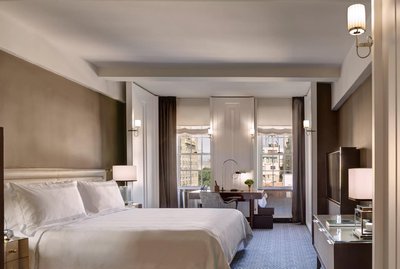
The Carlyle, A Rosewood Hotel

The Chatwal, in the Unbound Collection by Hyatt
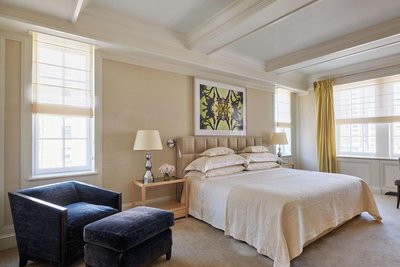
The Mark New York
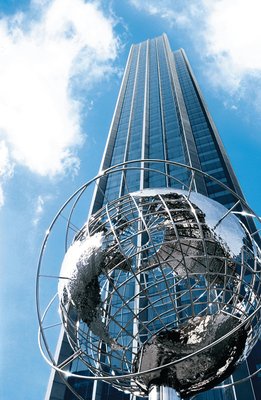
Trump International Hotel & Tower® New York
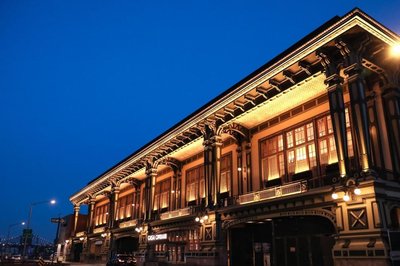
Casa Cipriani New York
Frequently Asked Questions about Traveling to Pong Nam Ron
Questions You Might Need to Know About Traveling to Pong Nam Ron
In Bang Nam Ron, the standout boutique option is Bang Nam Ron Riverfront Boutique Hotel, a bamboo-structured retreat along the Mae Klong River featuring eco-friendly design and handmade Thai furnishings. Nearby, Chiang Mai Riverside Resort offers private pool villas with traditional Lanna architecture and organic dining. Both properties emphasize sustainability and cultural immersion, making them ideal for travelers seeking authentic, low-impact stays in Chanthaburi Province.
The most tranquil area in Bang Nam Ron is the riverside district near Wat Wara Larn Temple, where quiet wooden bungalows line the banks of the Mae Klong River. This zone offers serene views of rice paddies and lotus ponds, minimal traffic, and easy access to morning alms-giving ceremonies. Staying here allows guests to experience true rural Thai life, with opportunities for river kayaking, birdwatching, and evening strolls under starlit skies.
Visitors to Bang Nam Ron can participate in traditional Thai weaving workshops led by local women using handlooms and natural dyes. Another highlight is joining the morning alms procession at Wat Wara Larn, followed by a riverboat dinner cruise with live folk music and panoramic views of golden-hour rice fields. These immersive activities offer deep insight into the spiritual and artisanal heritage of Chanthaburi Province.
Yes, several family-friendly options exist in Bang Nam Ron, including Chiang Mai Riverside Resort, which features child-safe pools, jungle play areas, and hands-on activities like rice planting tours and bamboo craft classes. Many guesthouses also offer bicycle rentals for family rides through village trails. With warm staff, simple Thai meals, and proximity to nature, it’s an ideal destination for multi-generational travel in northern Thailand.
Must-try dishes in Bang Nam Ron include Pla Pao, a spicy sour fish stew made with wild river fish, kaffir lime, and galangal, and sticky rice wrapped in banana leaves, steamed with coconut cream. At the riverside night market, sample grilled pork neck and coconut milk sticky rice. For authenticity, visit stalls near Wat Wara Larn Temple, where generations-old recipes deliver rich, unfiltered flavors of Chanthaburi cuisine.
From Bangkok, take a direct bus to Chanthaburi Province, then transfer to a local minibus or taxi to Bang Nam Ron, a journey of about 4 hours total. Alternatively, book a private car for a scenic route through countryside landscapes and rice fields. For a more nostalgic trip, take the State Railway of Thailand to Chanthaburi Station and connect via local transport—though slower, it offers a charming glimpse into rural Thai life.
Bang Nam Ron has a tropical monsoon climate: hot and humid during the rainy season (May–October), so opt for well-ventilated, elevated lodgings like Bang Nam Ron Riverfront Boutique Hotel with raised wooden decks and cross-ventilation. During the dry season (November–April), when temperatures are pleasant, choose river-view villas with outdoor terraces to enjoy cool evenings. Air conditioning and moisture-resistant materials are essential year-round.
Top photo locations in Bang Nam Ron include the ancient banyan tree at Wat Wara Larn Temple, framed by golden temple roofs and dramatic shadows. The Mae Klong River sunset promenade offers mirror-like reflections of bamboo huts and sky hues. For landscape shots, hike the rice paddy trails at dawn, where mist blankets the fields like a soft blanket. Bring a wide-angle lens to capture the harmony between nature and culture.
In Bang Nam Ron, purchase handwoven indigo-dyed scarves and natural fiber baskets crafted by local artisans using traditional techniques. The riverside market sells bamboo lanterns, eco-friendly tableware, and herbal sachets made from local plants. For souvenirs, try homemade curry pastes or lemongrass tea blends—all produced in small family-run workshops, offering genuine taste and craftsmanship from Chanthaburi Province.
Evening highlights in Bang Nam Ron include the riverside night market, featuring street food, live Thai folk music, and lantern displays. Some resorts host bonfire gatherings with storytelling and traditional drumming under the stars. At Wat Wara Larn, nightly light ceremonies illuminate the temple grounds, creating a meditative atmosphere. For a quieter option, enjoy a moonlit river cruise or simply relax on a riverside veranda with a cup of Thai herbal tea.
Pong Nam Ron Overview
City Summary
Pang Nan Ron is a small town in Chanthaburi Province, Thailand, known for its natural beauty and cultural heritage. The area is famous for its fruit plantations, particularly durian and mangosteen. Surrounded by lush orchards and majestic mountains, it's an ideal destination for nature lovers and those seeking a taste of traditional Thai rural life.
Must-See Attractions
In Pang Nan Ron, the fruit plantations are a must-visit, offering tours and fresh fruit tastings. Nearby, Khao Yai National Park provides stunning landscapes, hiking trails, waterfalls, and wildlife sightings. Local temples like Wat Khun Rathanaram showcase traditional Thai architecture and Buddhist culture.
Food Guide
Pang Nan Ron is renowned for its fresh fruits, especially durian and mangosteen. Local markets offer a variety of Thai street food, such as grilled meat skewers, mango sticky rice, and pad Thai. Seafood dishes are also popular due to the town's proximity to the coast.
Transportation Guide
Transportation in Pang Nan Ron primarily relies on private vehicles like motorbikes or car rentals, as public transport is limited. Buses or taxis from Chanthaburi city take about 1-2 hours. Self-driving is recommended for exploring the surrounding areas. Roads are generally well-maintained, but some rural paths may be rough.
Best Time to Visit
The best time to visit is November to February, when the weather is cool and dry. March to May can be hot, while June to October is the rainy season, which may disrupt travel. The fruit harvest season (May to August) is ideal for tasting local specialties.
Travel Tips
- Respect local culture: Dress modestly when visiting temples, avoiding shorts and sleeveless tops.
- Sun protection: Thailand's sun is strong; bring sunscreen and a hat.
- Carry cash: Credit cards are less accepted in rural areas.
- Learn basic Thai: Simple greetings can help with local interactions.
- Food safety: Street food is delicious, but choose vendors with good hygiene.
Useful Information
Language: Thai is the main language, with English spoken in tourist areas. Internet: 4G coverage is available in town, but rural areas may have weaker signals. Payment: Cash is preferred, though some restaurants and hotels accept cards. Emergency: Hospitals are available in Chanthaburi; travel insurance is advised. Voltage: 220V, with plug types A, B, and C; bring a converter if needed.