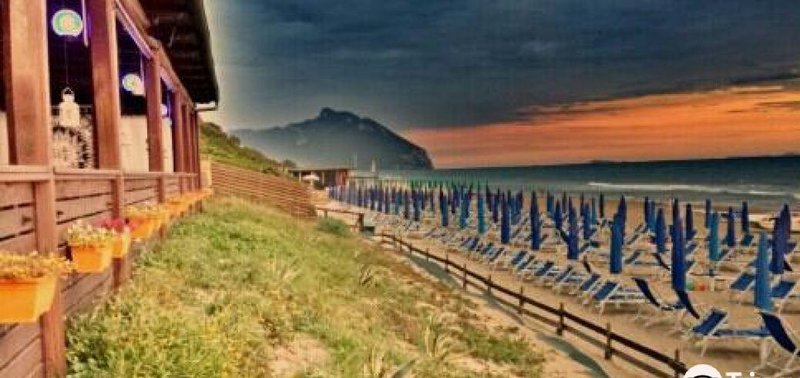
Hotels in Pontecorvo
Discover your perfect stay in Pontecorvo.
Pontecorvo(Italy) Travel 2026: Cheap Flights, Hotels & Top Attractions
Popular Landmarks in Pontecorvo
Discover the most iconic attractions in Pontecorvo
Recommended Hotels in Pontecorvo
Find the perfect place to stay in Pontecorvo
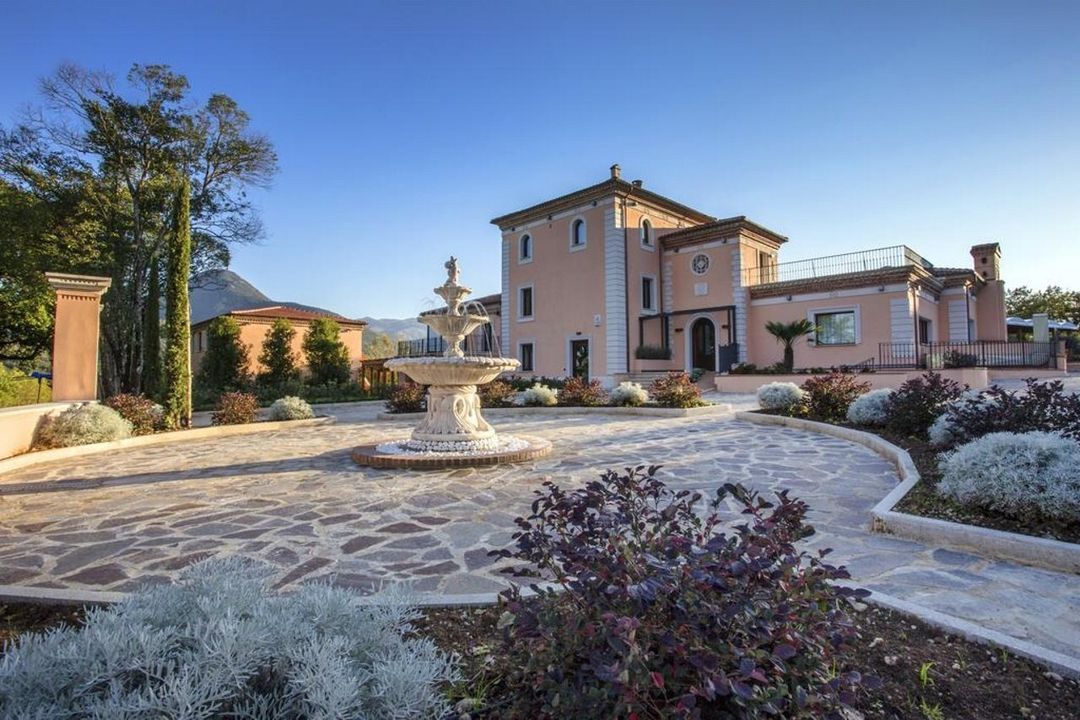
Tenuta Esdra
Frequently Asked Questions about Traveling to Pontecorvo
Questions You Might Need to Know About Traveling to Pontecorvo
In Pontecorvo, the top-rated accommodations include Hotel La Rocca, a boutique hotel blending medieval architecture with modern comfort, located in the heart of the historic center. Its rooftop terrace offers panoramic views of the valley and ancient Roman ruins. Another standout is B&B Il Castello, housed in a restored castle with authentic stone walls and traditional furnishings. Both properties emphasize local cuisine, using fresh ingredients from regional farms. For a unique experience, Castello di Pontecorvo provides private suites within a centuries-old fortress, ideal for history enthusiasts. HopeGoo early is recommended, especially during summer festivals.
These hotels prioritize sustainability and cultural immersion, offering guests guided walks and farm-to-table breakfasts. Their proximity to landmarks like the Chiesa della Madonna dell'Assunta enhances accessibility and authenticity.
The best area to stay in Pontecorvo is the Centro Storico (Historic Center), where most of the town’s charm lies. Walking distance to key sites such as the Chiesa della Madonna dell'Assunta, Piazza del Municipio, and the Roman Aqueduct Ruins, this district offers an immersive experience of authentic Italian hill-town life. Narrow cobblestone streets, evening lantern lighting, and family-run guesthouses like Casa del Sole and La Casa di Marco create a warm, intimate atmosphere. Avoiding tourist-heavy zones, staying here ensures deeper cultural engagement and access to local events. It’s also ideal for exploring on foot, making it perfect for travelers seeking tranquility and authenticity.
In Pontecorvo, one must experience the annual Festa Medievale, a vibrant summer festival where locals dress in period costumes, reenact knight tournaments, and host artisan markets, bringing the 12th century to life. Guided tours of the Roman Aqueduct Ruins reveal ancient engineering brilliance. Additionally, join a hands-on Lazio culinary workshop led by local women, learning to prepare traditional dishes like Cacio e Pepe and Pasta alla Gricia using heirloom recipes. These immersive activities not only deepen understanding of regional heritage but also support community-led tourism initiatives. Evening storytelling sessions around bonfires further enrich the cultural journey.
Yes, Pontecorvo is highly suitable for families. The pedestrian-friendly historic center allows safe play for children in open squares. Key attractions include the Roman Aqueduct Ruins, where kids can explore ancient tunnels with engaging audio guides. The Chiesa della Madonna dell'Assunta features colorful frescoes that captivate young visitors. Many B&Bs, such as B&B Il Giardino, offer cribs, book corners, and family hiking trails through olive groves and hillsides. Summer programs include stargazing nights under the clear mountain sky, combining science and wonder. With low crowds and a calm pace, it’s ideal for quality family time away from urban noise.
Must-try dishes in Pontecorvo include Pasta alla Gricia (made with guanciale, Pecorino cheese, and black pepper), Cacio e Pepe (cheese and pepper pasta), and Ricotta di Capra (local goat cheese). Visit Trattoria da Enzo, renowned for its home-style cooking using fresh, seasonal ingredients. Don’t miss the Mercato di Pontecorvo farmers’ market every Saturday morning, where vendors sell handmade salami, honey wine, and herbal preserves. For a memorable experience, sign up for a traditional Lazio cooking class at a family kitchen—learn to make regional classics from generations-old recipes, guided by local matriarchs who preserve culinary heritage.
While Pontecorvo is a hilltop village without public buses, access is manageable. The nearest train station is Aviano, about 1 hour from Rome Termini; transfer via regional bus or rental car. Local shuttle services like Ponte Corvo Shuttle connect major sites. Renting a bike is ideal for scenic rides through the Alban Hills and Liri Valley. Driving offers flexibility, though some mountain roads are narrow. Download offline maps due to spotty signals. For day trips from Rome, consider overnight stays to fully enjoy the town’s serene rhythm. A car or bike is strongly recommended for independent exploration.
Pontecorvo has a Mediterranean climate: hot, humid summers (up to 30°C) and cold, rainy winters (often below 5°C). Choose hotels with heating and air conditioning—like Hotel La Rocca or B&B Il Castello—for year-round comfort. In summer, opt for rooms with shaded terraces or courtyards to avoid heat. Winter travelers should pick centrally located accommodations near main attractions to minimize exposure to cold winds. The best seasons for travel are spring (April–June) and autumn (September–October), when temperatures are mild (15–22°C), crowds are light, and outdoor activities are enjoyable. Always pack layers and waterproof footwear, especially after rain on cobbled streets.
Couples in Pontecorvo can enjoy unforgettable romantic moments at Castello di Pontecorvo, where private suites feature fireplaces and panoramic terraces overlooking the valley. The B&B Il Giardino offers a "Rose Night" package with candlelit dinners, vintage wine, and custom perfumes. Wake up to church bells and share a quiet breakfast in the old town square. Book a twilight stargazing walk through ancient alleyways, told with love stories and legends. Some B&Bs provide private garden tea ceremonies with local honey wine and handmade pastries. This tranquil, timeless setting makes it perfect for rekindling romance amidst breathtaking scenery.
In Pontecorvo, look for handcrafted Lazio ceramics, goat cheese dry goods, and artisanal olive oil. At Artigianato Pontecorvo in the central square, local potters display unique painted tableware made using traditional techniques. The Mercato di Pontecorvo weekly market sells handmade soaps, lavender essential oils, and beeswax candles. For keepsakes, consider Roman-inspired silk scarves or hand-embroidered cushions crafted by local women. All items use natural materials and support sustainable production. Some guesthouses even offer gift-box packaging services, curating regional specialties into elegant, travel-ready bundles.
The best time to visit Pontecorvo is during spring (April–June) and autumn (September–October). Temperatures average 15–22°C, with clear skies and gentle sunlight—ideal for hiking, photography, and exploring ancient sites. Spring brings blooming wildflowers; autumn offers golden foliage and harvest festivals. Summer (July–August) sees higher temperatures and more tourists, though the Festa Medievale adds festive energy. Winter (December–February) is quiet and cold, with fewer services. Avoid holiday peaks for better availability and value. Early HopeGoo is advised, especially for those seeking peaceful, scenic stays amid nature’s beauty.
Pontecorvo Overview
City Summary
Pontecorvo is a charming town in Italy's Lazio region, nestled in the Liri Valley and renowned for its medieval architecture and tranquil rural atmosphere. With rich historical heritage, including ancient bridges and churches, it embodies classic Italian countryside charm. Ideal for escaping urban bustle and experiencing authentic Italian culture.
Must-See Attractions
Must-sees include the Basilica di San Bartolomeo, a Romanesque church with exquisite frescoes, and the iconic Ponte Corvo medieval bridge spanning the Liri River. Wander through the old town's narrow streets to feel its historical weight, or visit local farmers' markets for genuine rural Italian life.
Food Guide
Pontecorvo's cuisine features traditional Italian rustic dishes. Try handmade pasta (like pappardelle) with wild game sauces, roasted lamb, and cured olives. Don't miss Pecorino cheese from nearby pastures. Family-run trattorias offer hearty homemade meals.
Transportation Guide
Buses and self-driving are primary options. Regional Cotral buses from Rome/Naples take 2-3 hours. The town is walkable, but renting a car is advised for exploring countryside. Nearest train station is Cassino, requiring bus transfers. Taxis are scarce—book in advance. Note infrequent bus schedules, especially on weekends.
Best Time to Visit
Best seasons are spring (April-June) and autumn (September-October) with mild weather. Summer (July-August) is hot but less crowded. Winter is quiet but some attractions may have shorter hours. Avoid mid-August Italian holidays when locals travel.
Travel Tips
- Dress modestly: Cover shoulders/knees in churches.
- Cash preferred: Small shops may not accept cards.
- Slow dining: Embrace leisurely restaurant pace.
- Basic Italian: Learn greetings like "Grazie".
- Sun protection: Hats/sunscreen essential in summer.
- Respect quiet hours: Observe afternoon riposo (1-4 PM).
Useful Information
Language: Italian dominant; English understood in tourist areas. Currency: Euro (€), carry small bills. Internet: Free Wi-Fi in town center; weak signals in rural areas. Payments: Cards accepted at hotels/large restaurants; cash-only at markets. Emergencies: Pharmacies marked with green cross; dial 112. Voltage: 230V, Type L sockets. Travel insurance with rural medical coverage is recommended.