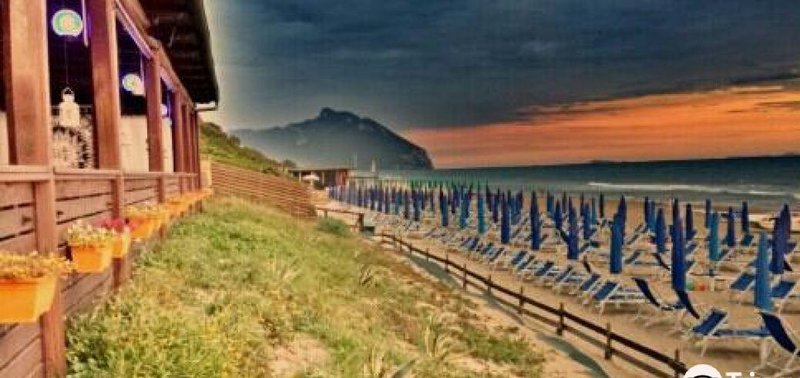
Hotels in Porano
Discover your perfect stay in Porano.
Porano(Italy) Travel 2026: Cheap Flights, Hotels & Top Attractions
Popular Landmarks in Porano
Discover the most iconic attractions in Porano
Recommended Hotels in Porano
Find the perfect place to stay in Porano
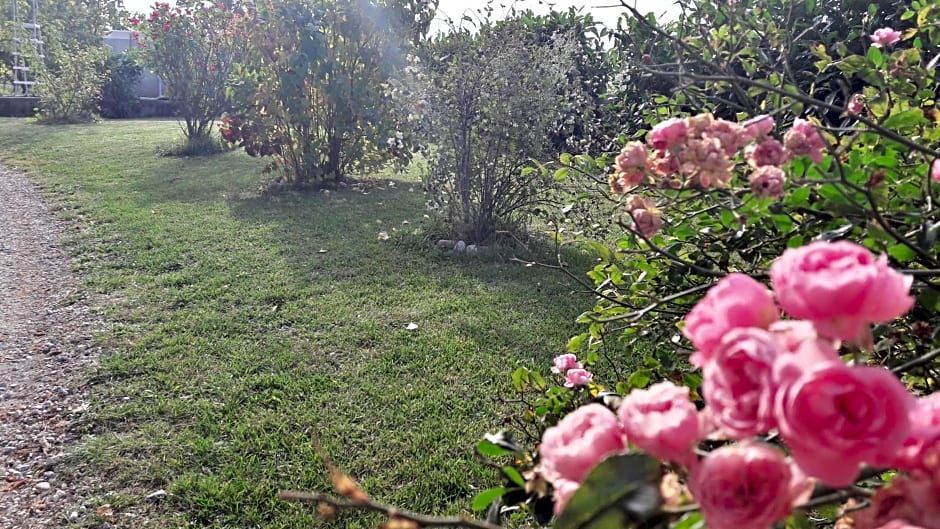
B&B Il Cardellino
Best Hotels in Porano
Discover curated hotel collections in Porano
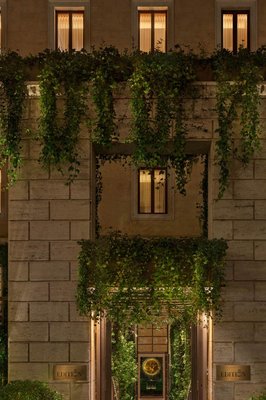
The Rome Edition
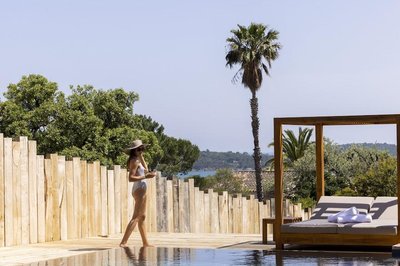
Les Regalia Hôtel & Spa
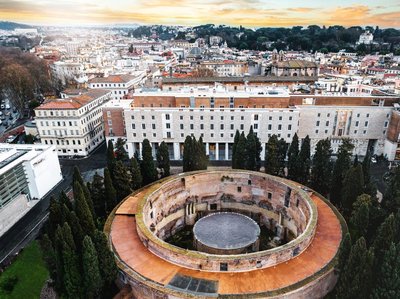
Bulgari Hotel Roma
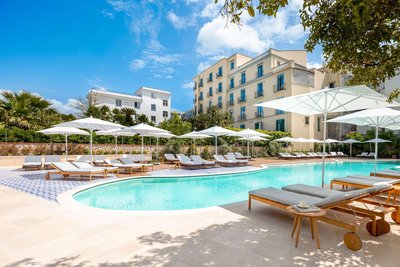
Ara Maris
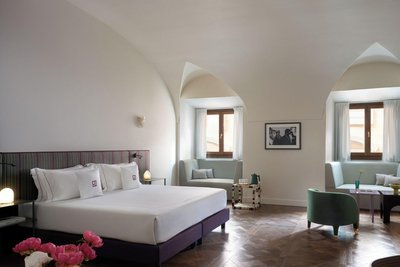
Palazzo Talìa - Small Luxury Hotels of the World
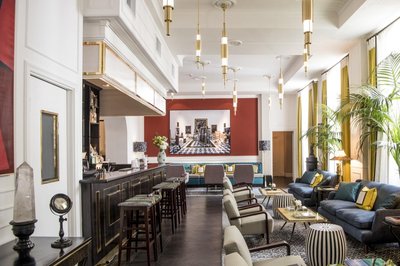
Hotel Vilòn
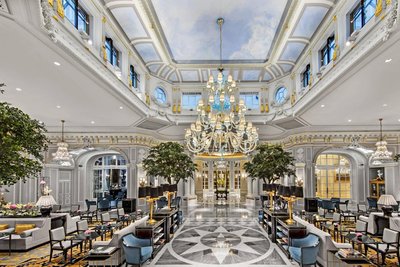
The St. Regis Rome
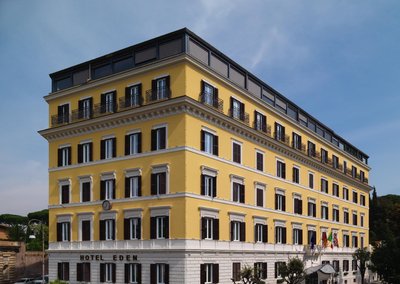
Hotel Eden - Dorchester Collection
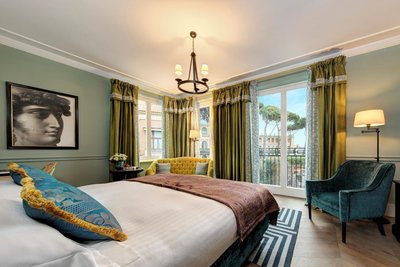
Rocco Forte Hotel de La Ville
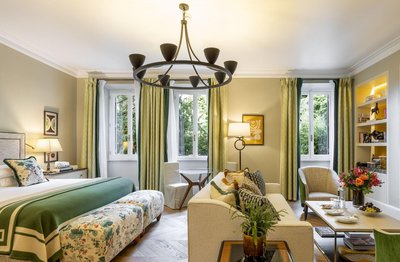
Rocco Forte Hotel De Russie
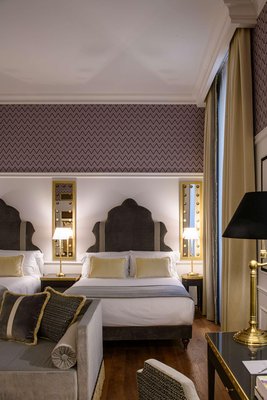
Il Tornabuoni Unbound
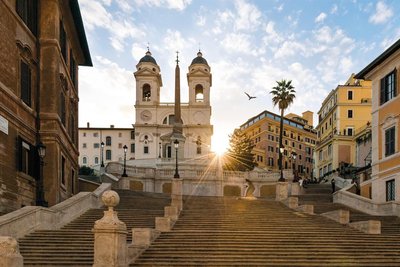
Hassler Roma
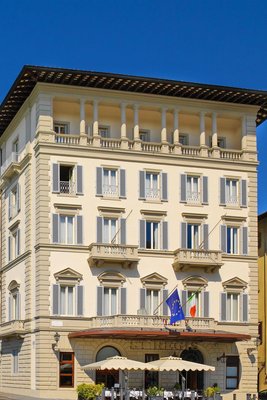
The St. Regis Florence
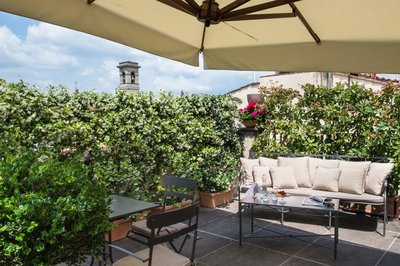
Palazzo Vecchietti - Residenza d'Epoca
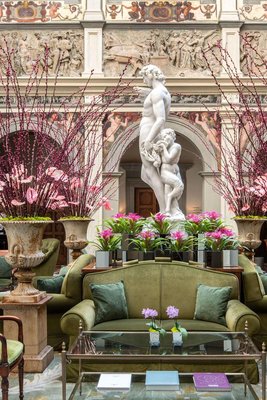
Four Seasons Hotel Firenze
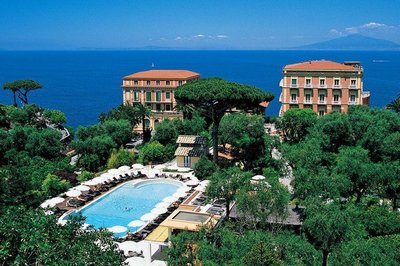
Grand Hotel Excelsior Vittoria
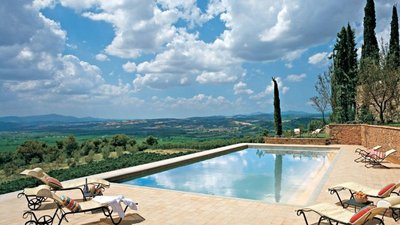
Castello Banfi - Il Borgo - Relais et Chateaux
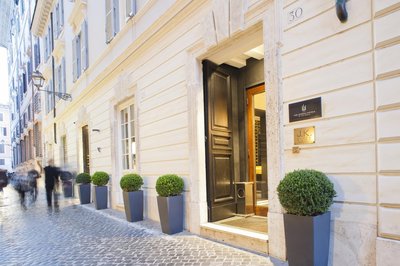
J.K. Place Roma - the Leading Hotels of the World
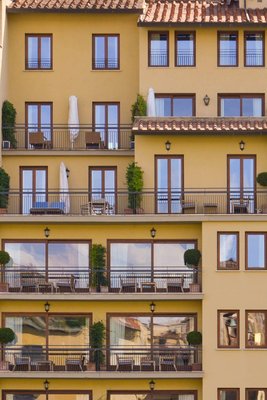
Hotel Lungarno - Lungarno Collection
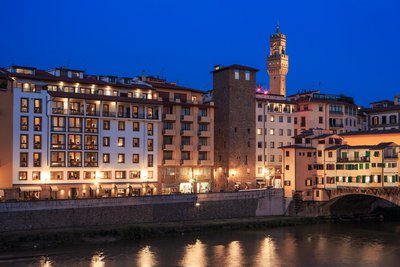
Portrait Firenze - Lungarno Collection
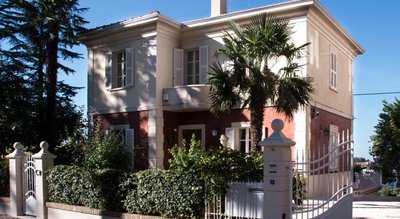
Residenza Ambrogi
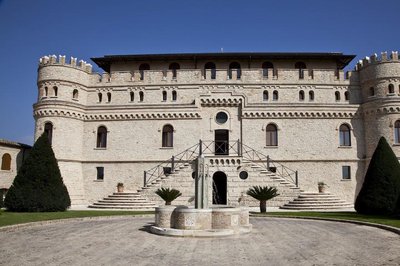
Hotel Castello di Septe
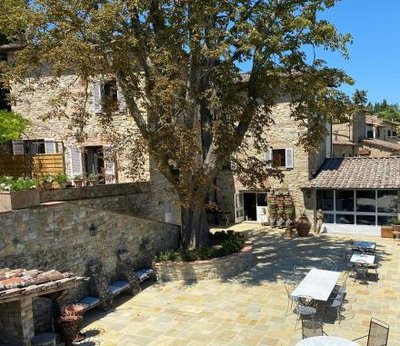
Villa la Petraia
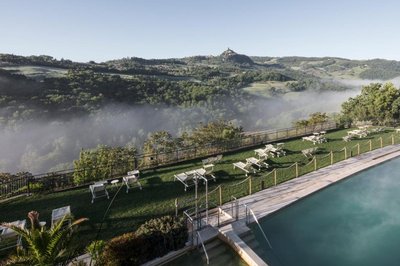
La Posta Hotel & Thermal Spa
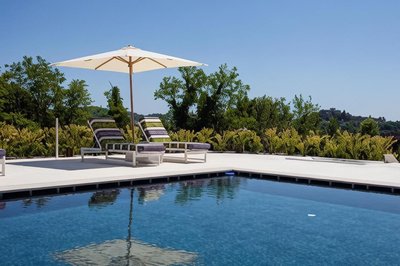
Villa Francesca Relais

Castello di Pandora
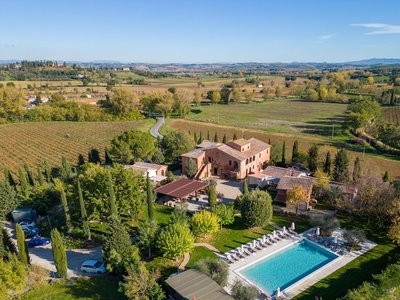
Borgo San Vincenzo
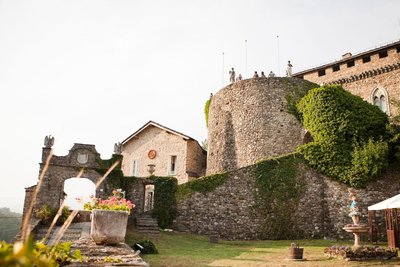
Castello di Compiano Hotel Relais Museum

Vigna Caio Relais & Spa
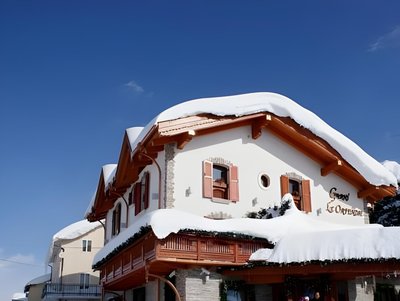
Hotel le Ortensie
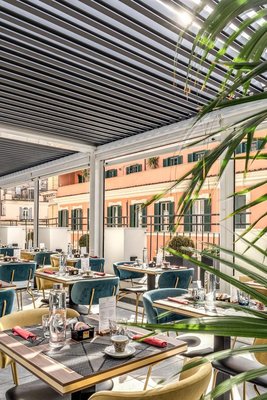
CC Palace Hotel
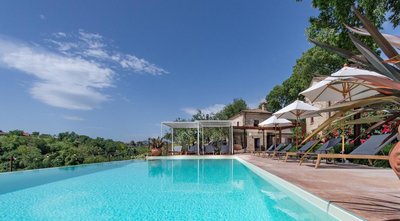
Borgo Baccile by Vini Fantini
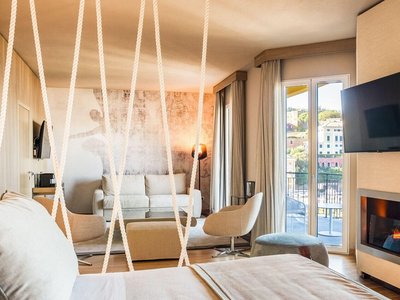
Miramare Suites
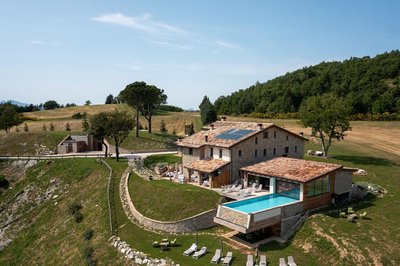
Aura Relais
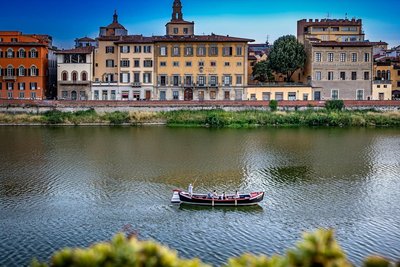
Il Rivalta
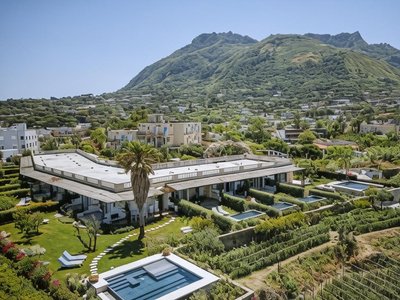
OraBlu Exclusive Villas
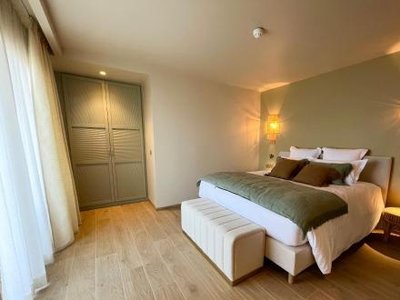
Hotel Riva Beach
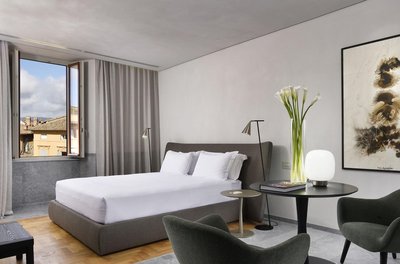
The Bank - Locanda Della Posta Dependance

Visionair Suites
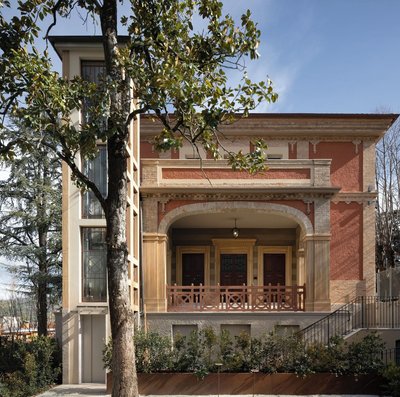
Interno Marche Design Experience Hotel
Miramare Suites
Il Rivalta
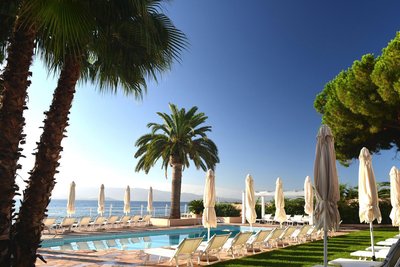
Hôtel les Mouettes - Teritoria
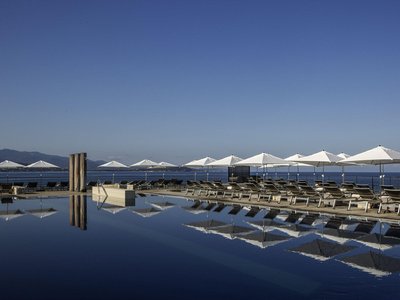
Sofitel Golfe d'Ajaccio Thalassa Sea & Spa
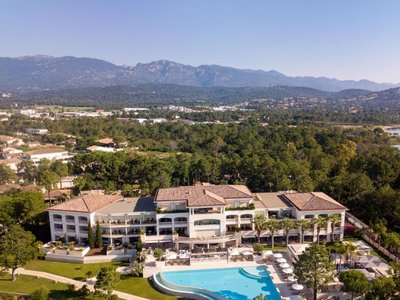
Hotel Don Cesar
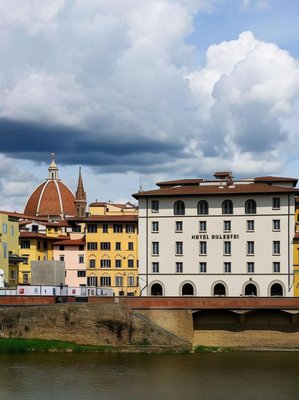
Hotel Balestri - Wtb Hotels
The St. Regis Florence
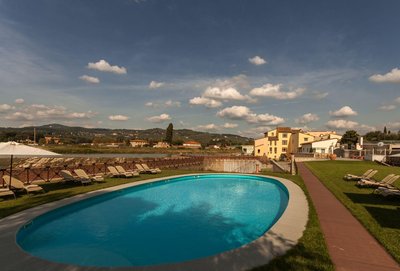
Hotel Mulino di Firenze, WorldHotels Crafted
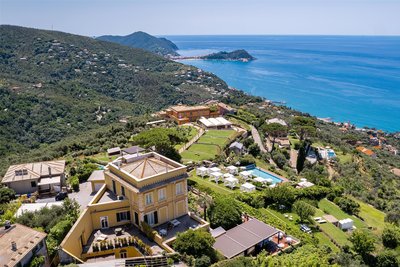
Villa Riviera Resort
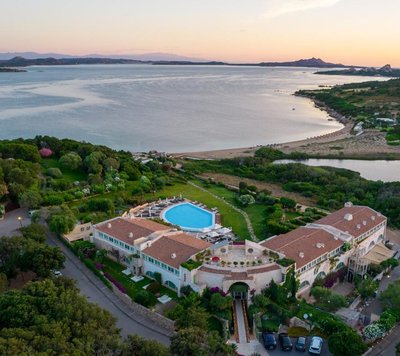
L'Ea Bianca Luxury Resort
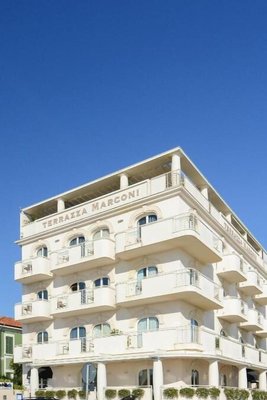
Terrazza Marconi Hotel&Spamarine

Boutique Hotel Torre di Cala Piccola
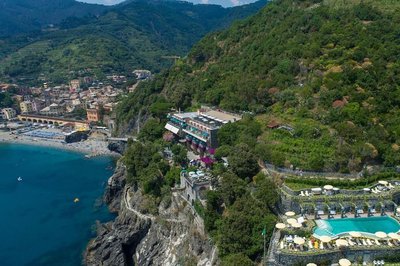
Hotel Porto Roca
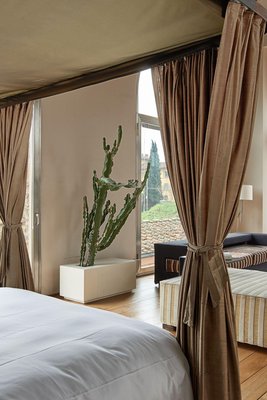
Riva Lofts Florence
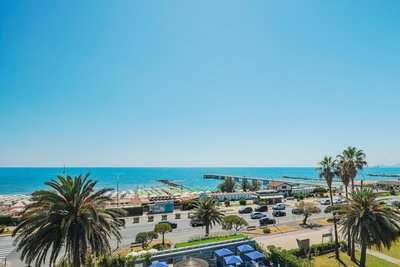
Hotel Excelsior
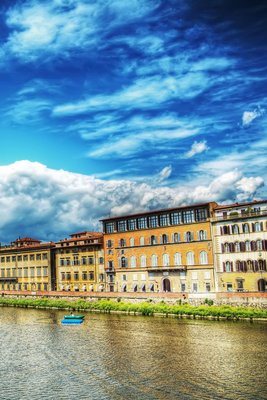
Palazzo Alfieri Residenza d'Epoca
Hotel Lungarno - Lungarno Collection
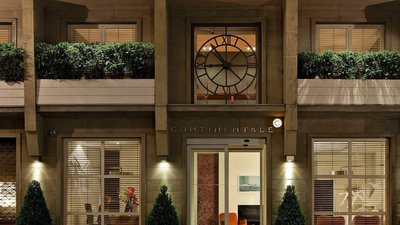
Hotel Continentale - Lungarno Collection
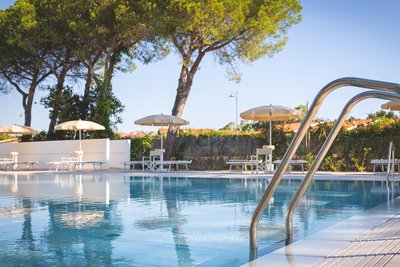
The Sense Experience Resort - Preferred Hotels & Resorts
Portrait Firenze - Lungarno Collection
Castello di Compiano Hotel Relais Museum
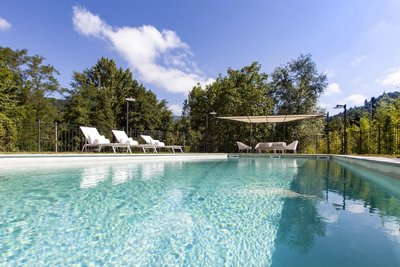
Castello di Pontebosio Luxury Resort
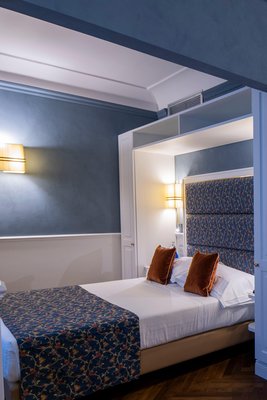
Rivoli Boutique Hotel
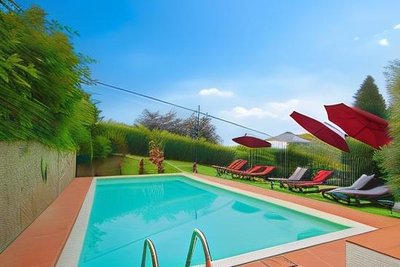
Hotel Villa Sermolli
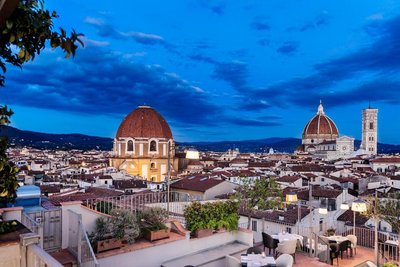
Grand Hotel Baglioni
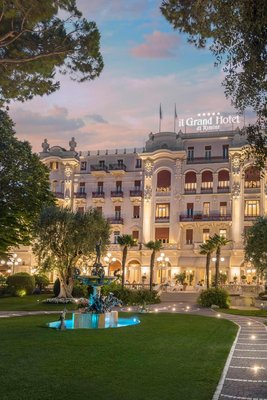
Grand Hotel Rimini
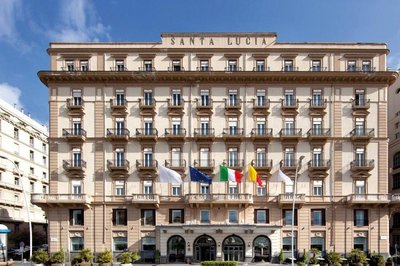
Grand Hotel Santa Lucia
The St. Regis Rome
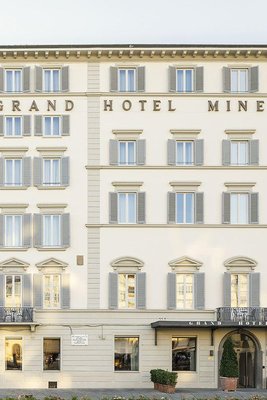
Grand Hotel Minerva
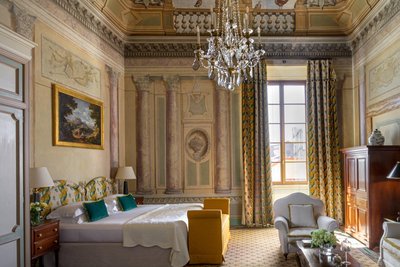
Grand Hotel Continental Siena - Starhotels Collezione
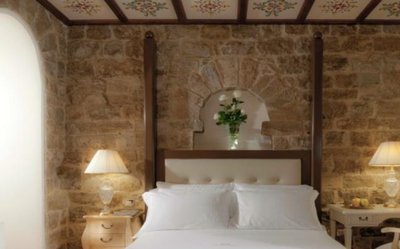
Golden Tower Hotel & Spa

Eurostars Hotel Excelsior
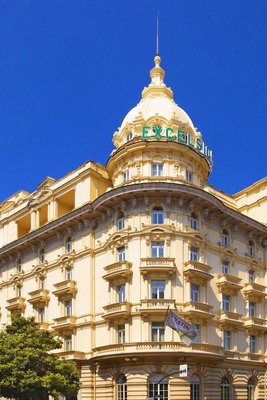
The Westin Excelsior, Rome
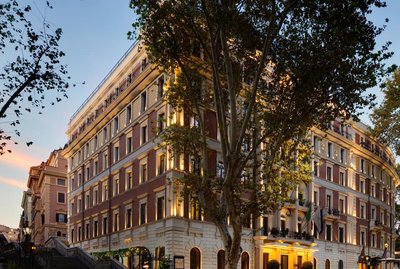
InterContinental Rome Ambasciatori Palace
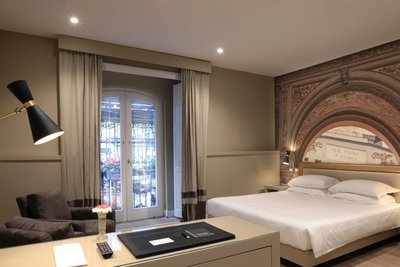
Caruso Place Boutique & Wellness Suites
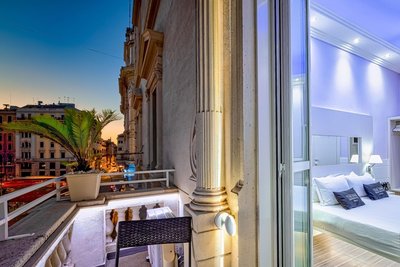
The One Boutique Hotel & Spa Rome
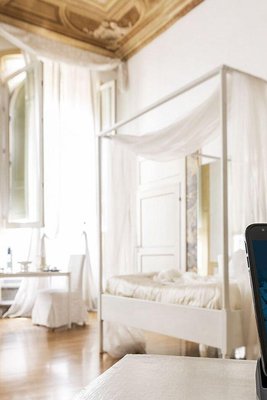
Palazzo Tolomei - Residenza d'Epoca
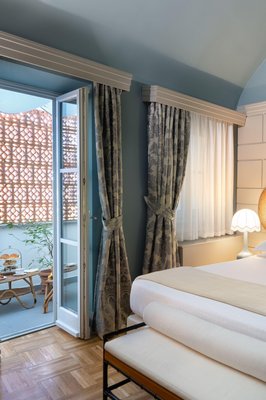
Hotel Number Nine
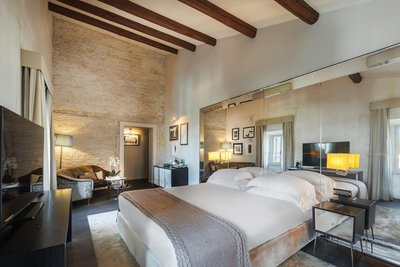
Dom Hotel Roma - Preferred Hotels & Resorts
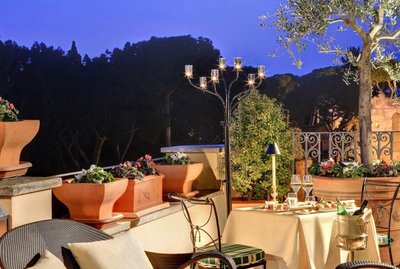
Hotel Splendide Royal - the Leading Hotels of the World
Bulgari Hotel Roma
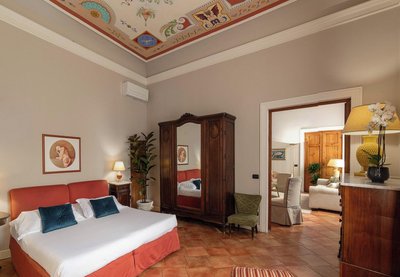
Palazzo Alfani - Residenza d'Epoca
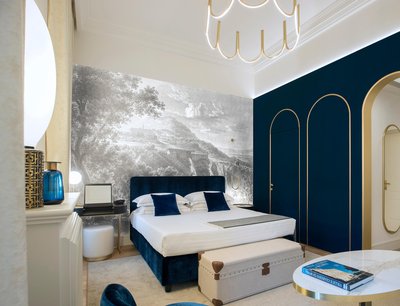
Elizabeth Unique Hotel Rome By Design Hotels
Grand Hotel Minerva
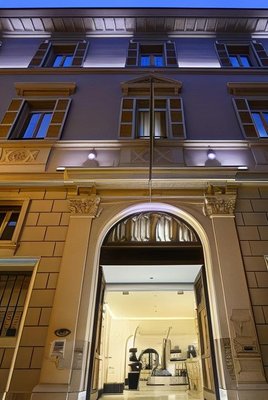
The First Arte - Preferred Hotels & Resorts
Il Tornabuoni Unbound
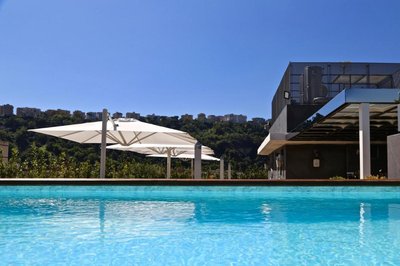
LHP Napoli Palace & Spa
Hassler Roma
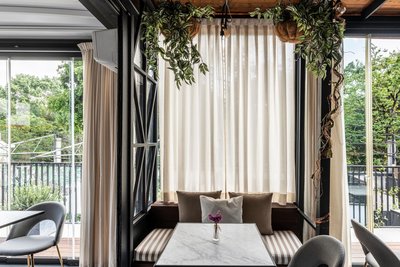
Horti 14 Borgo Trastevere Hotel
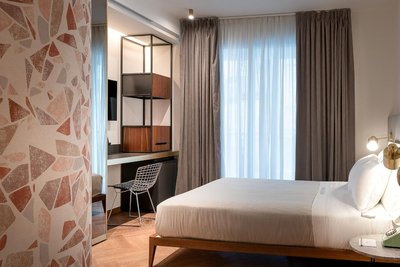
The Box Riccione - Adults Only
J.K. Place Roma - the Leading Hotels of the World
Portrait Firenze - Lungarno Collection
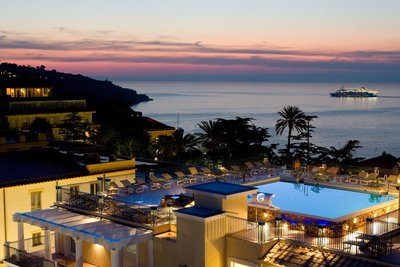
Grand Hotel la Favorita
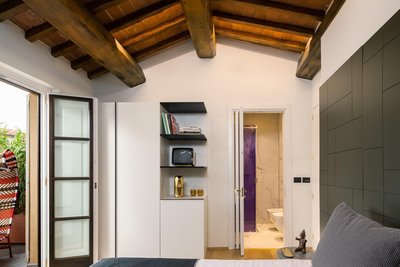
Hotel Milu Florence
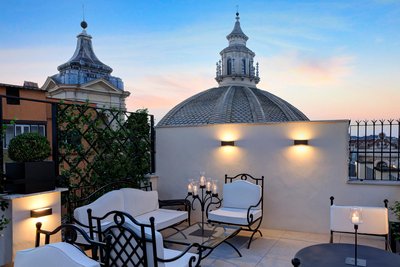
Palazzo Nainer
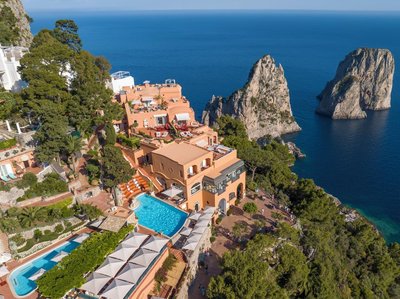
Hotel Punta Tragara
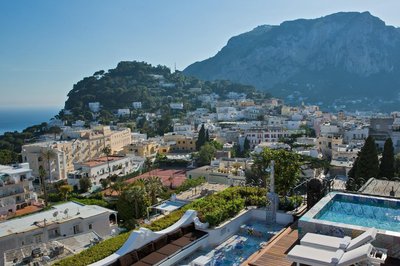
Capri Tiberio Palace
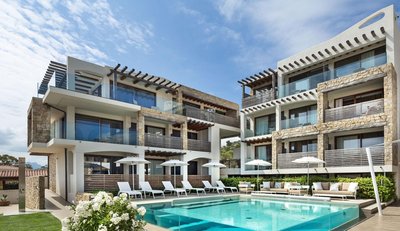
Sandalia Boutique Hotel - Adults Only
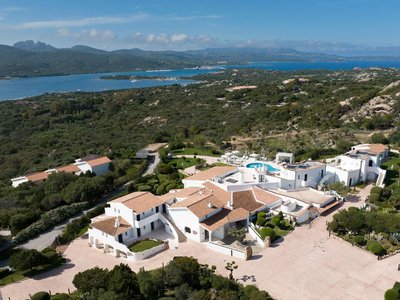
Sulia House Porto Rotondo, Curio Collection by Hilton
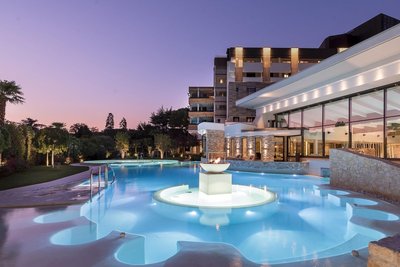
Esplanade Tergesteo - Luxury Retreat
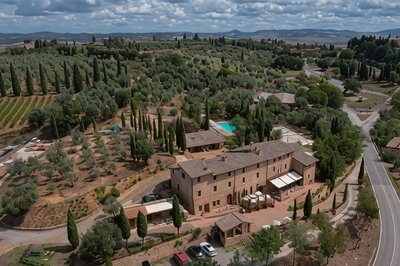
Il Miraggio in Val d'Orcia Relais & Spa
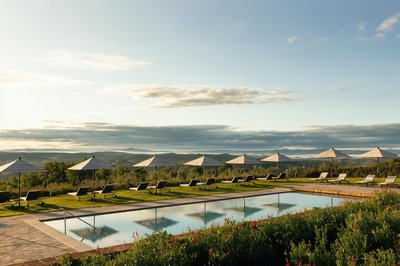
The Club House
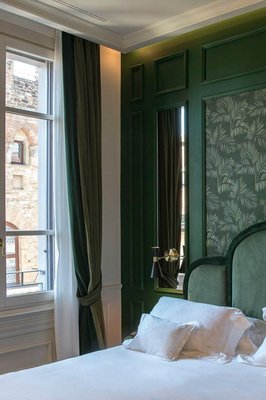
Hotel la Gemma
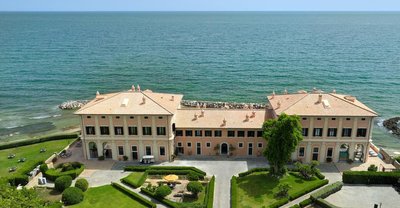
La Posta Vecchia Hotel
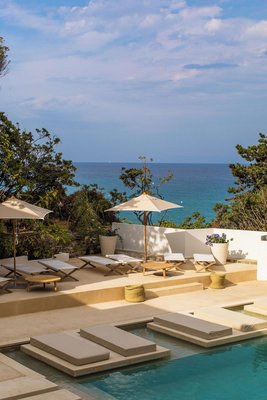
Misincu
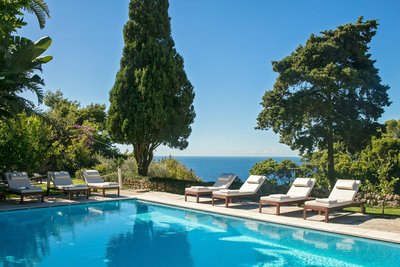
Hotel la Minerva
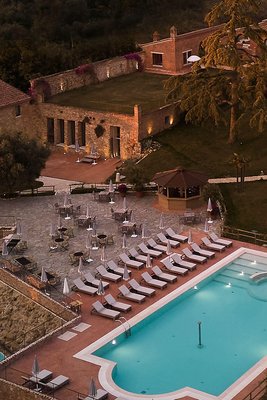
Precise Tale Poggio Alla Sala
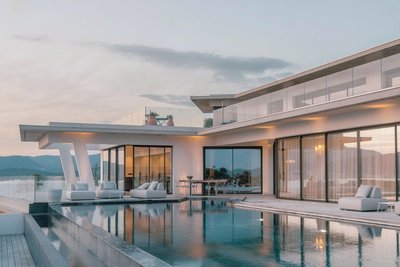
Villa Urbana

Palazzo Roma
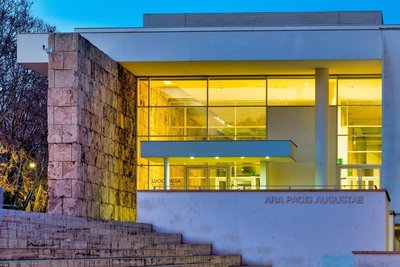
Palazzo Shedir - the Leading Hotels of the World
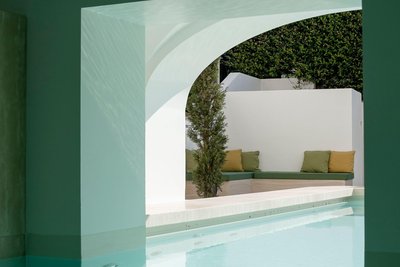
Villa Certosa Capri
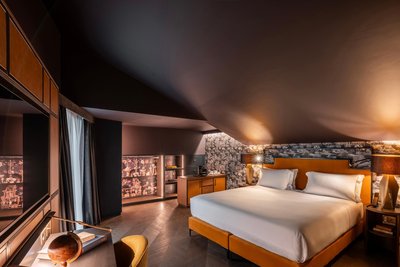
The Goethe Hotel
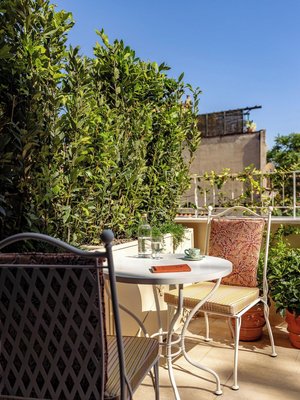
Hotel Casa Monti Roma
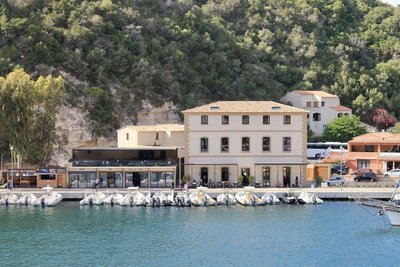
Hotel Centre Nautique
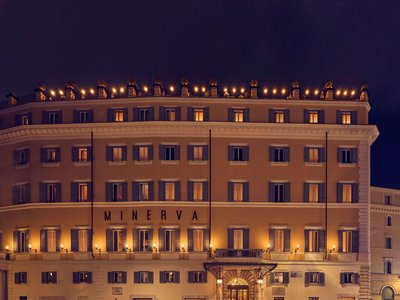
Orient Express la Minerva
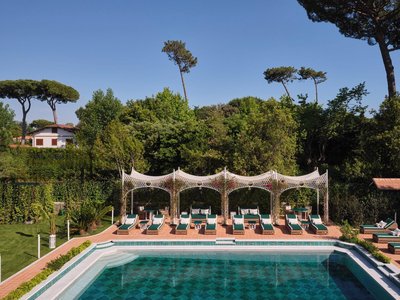
Pensione America
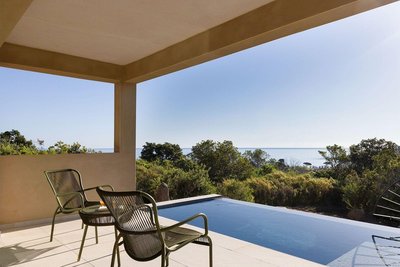
Hôtel A Cala - Suites Piscines privées et Vue Mer
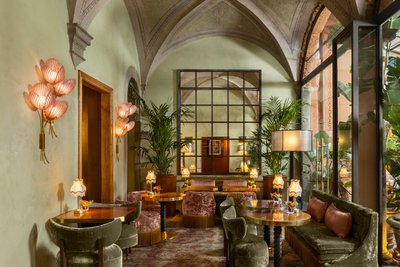
The James Suite Hotel Firenze 1564 - Small Luxury Hotels of the World
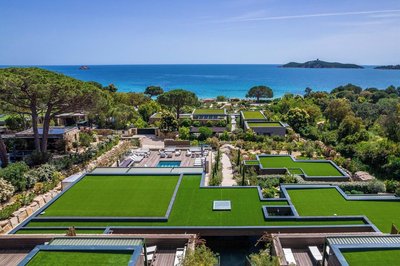
Hôtel MAIER
Elizabeth Unique Hotel Rome By Design Hotels
Grand Hotel Baglioni
Hotel Eden - Dorchester Collection
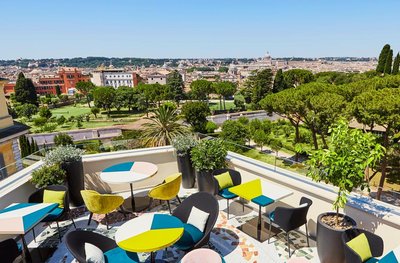
Sofitel Roma Villa Borghese
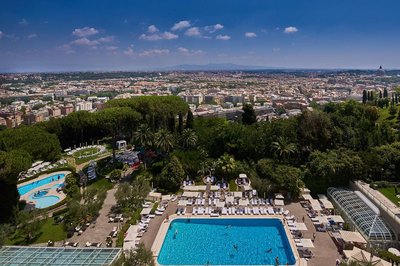
Rome Cavalieri, A Waldorf Astoria Hotel
The First Arte - Preferred Hotels & Resorts
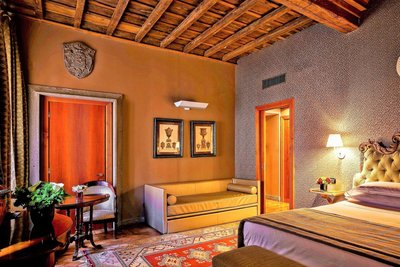
Hotel Valadier
Hassler Roma
The St. Regis Florence
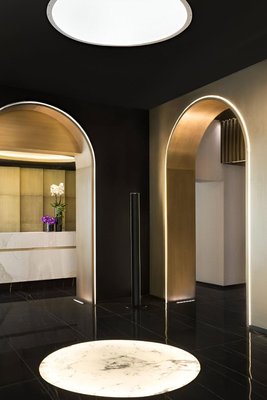
The Pantheon Iconic Rome Hotel, Autograph Collection
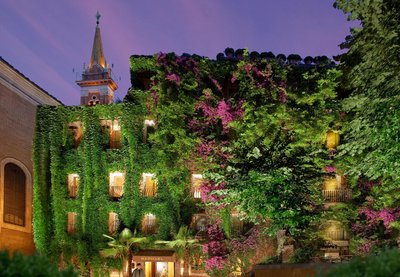
Bio Hotel Raphael - Relais & Châteaux
Hotel Splendide Royal - the Leading Hotels of the World
Four Seasons Hotel Firenze
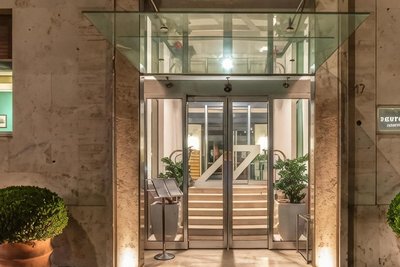
47 Boutique Hotel
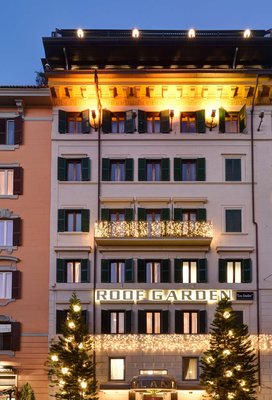
Atlante Star Hotel
Portrait Firenze - Lungarno Collection
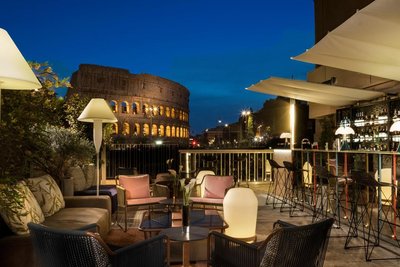
Hotel Palazzo Manfredi – Small Luxury Hotels of The World
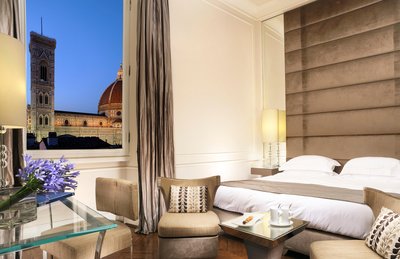
Brunelleschi Hotel
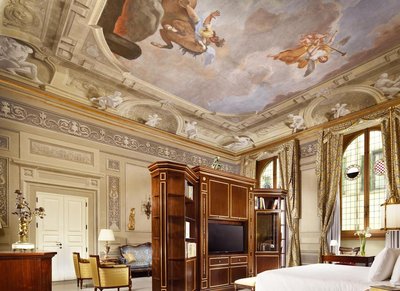
Palazzo Portinari Salviati Residenza d'Epoca
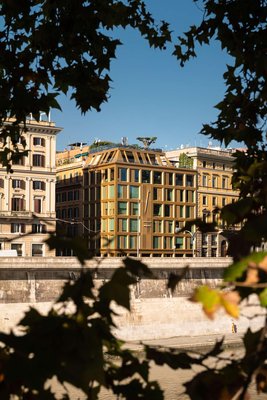
The First Musica - Preferred Hotels & Resorts
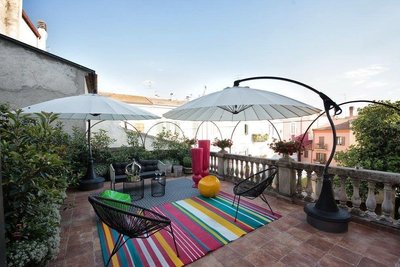
Palazzo Cannavina Suite & Private Spa
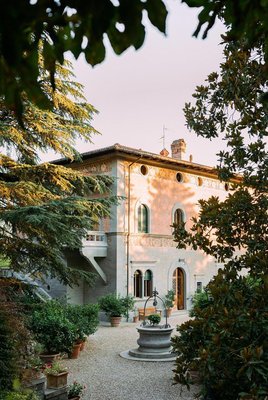
Villa la Commenda Concordia
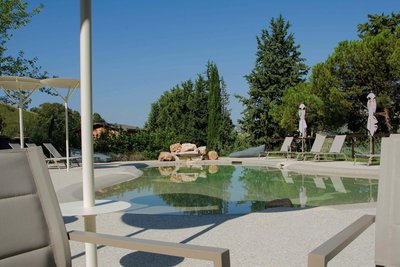
Colle Serrano Relais & Spa
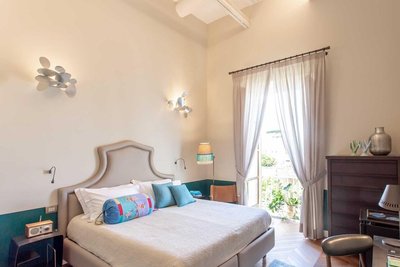
Accademia 39
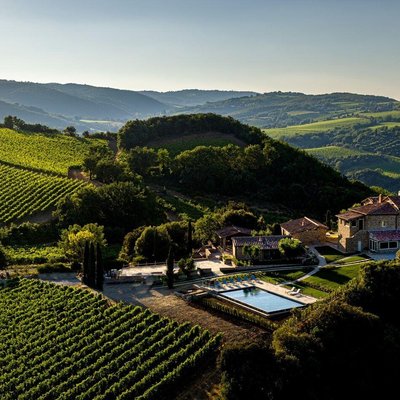
Mastrojanni Relais
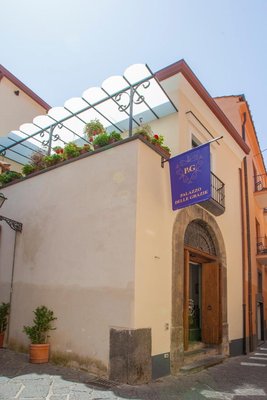
Palazzo Delle Grazie
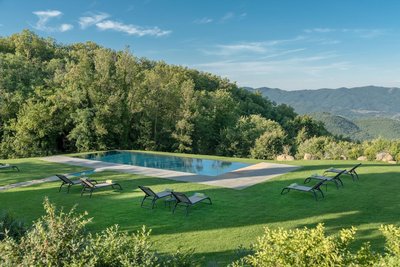
Badia di Pomaio
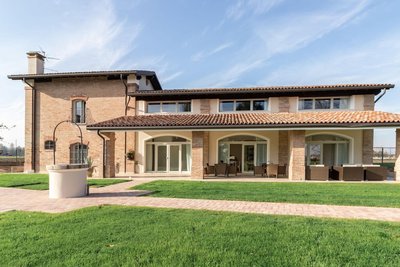
Monteborre
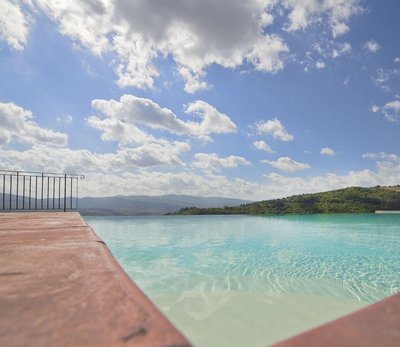
Castello Vicchiomaggio
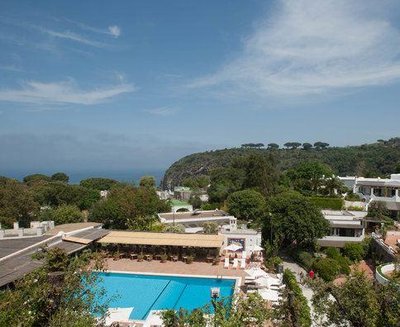
Botania Relais & Spa - the Leading Hotels of the World
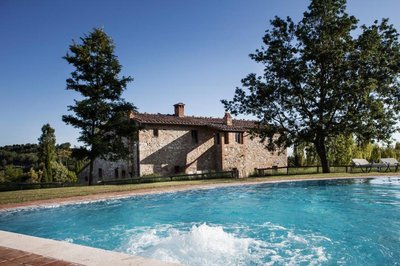
B&B - Podere Monti
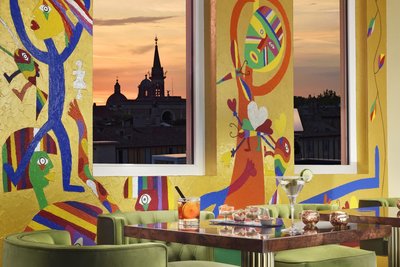
Lifestyle Suites Rome
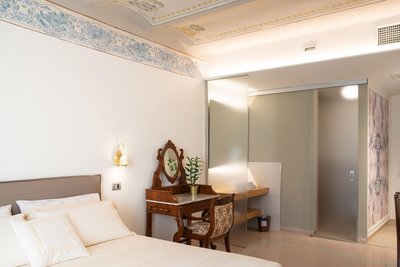
Portica10
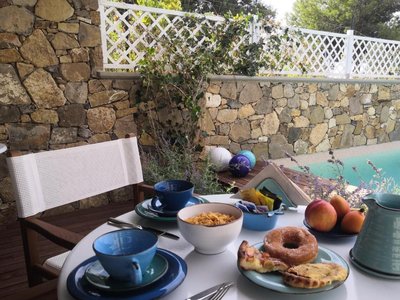
Stile Libero b&b
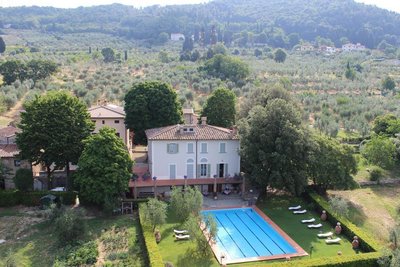
Borgo I Vicelli
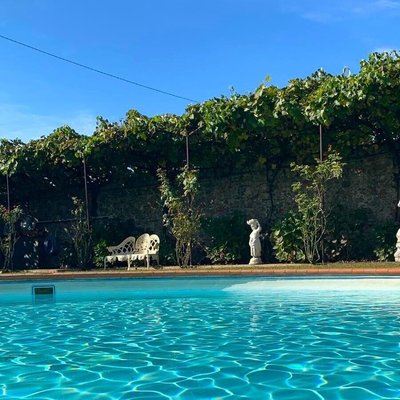
Villa la Preziosa
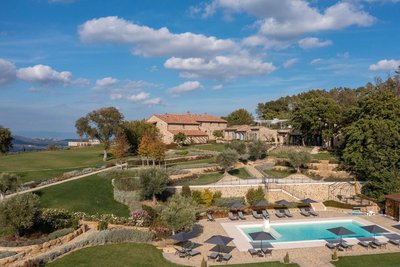
I Borghi Dell'Eremo
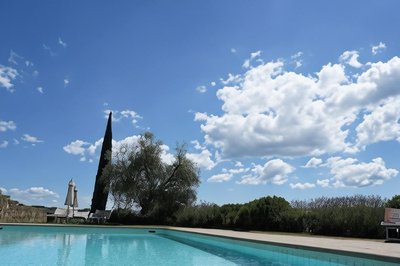
Wine Resort Dievole
Palazzo Gozzi Bed & Beauty
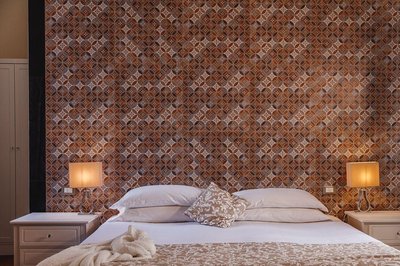
My Spanishsteps
Frequently Asked Questions about Traveling to Porano
Questions You Might Need to Know About Traveling to Porano
In Bolano, the standout boutique hotel is Hotel La Corte di San Francesco, a former convent transformed into a luxury retreat with medieval stone walls and handcrafted wooden furnishings. Located steps from Piazza del Popolo, it offers panoramic views of the Umbrian hills and features an on-site spa using local olive oil treatments. Another gem is B&B Villa Poggio delle Rose, a secluded villa nestled among vineyards, perfect for guests seeking privacy and organic farm-to-table breakfasts. Both properties blend history, elegance, and authentic Umbrian hospitality.
The heart of Bolano’s cultural experience lies in its historic town center, especially Piazza del Popolo, where daily life unfolds around artisan shops, family-run cafés, and seasonal markets. Don’t miss the Church of San Francesco, renowned for its 14th-century frescoes depicting religious scenes. For deeper immersion, join the Olio e Vino Festival in autumn to taste local olive oil and wine, or participate in a traditional pottery workshop led by local artisans. These activities offer genuine access to Umbrian rural traditions and community spirit.
Visitors to Bolano should try truffle risotto made with freshly harvested black truffles from the surrounding woods—best enjoyed at Ristorante Il Palazzo, known for its slow-cooked meats and regional wines. Sample Sfogliatella di Polenta, a cornmeal pastry filled with ricotta and honey, at Pasticceria San Francesco. For a full sensory journey, book a farm-to-table dinner at Villa Santa Lucia, where ingredients are sourced directly from nearby organic farms. Each meal reflects the deep connection between Umbrian cuisine and the land.
The ideal time to visit Bolano is during spring (April–June) and autumn (September–October). Temperatures hover between 15–22°C, ideal for hiking, sightseeing, and outdoor dining. Spring brings blooming wildflowers across the hillsides, while autumn offers harvest festivals and clear skies perfect for stargazing. With fewer tourists than summer months, these seasons allow for peaceful exploration of medieval streets and ancient churches, enhancing the authenticity of your stay.
The most convenient way to reach Bolano from Rome is by taking a TER regional train to Terni Station (approx. 1h15m), then transferring to a local bus or taxi (30 minutes). Alternatively, private transfers or car rentals offer direct access via SS75 road from Perugia. While Umbria’s rail network is modest, the connections are reliable and scenic. For those preferring flexibility, driving allows easy access to hidden trails and vineyard stops along the way.
Yes, Bolano offers several family-friendly stays. Villa Santa Lucia provides spacious suites with private gardens, baby cots, and kid-friendly menus. Hotel La Corte di San Francesco features interconnected rooms and hosts themed children’s tours like "Knight’s Quest Adventure," turning history into fun. The town also has safe, well-marked walking paths suitable for families. Many restaurants welcome children with high chairs and special meals, making Bolano an ideal destination for multi-generational travel.
Outdoor enthusiasts will love hiking the Cerignola Trail, leading through forests and offering sweeping views of the Trasimeno Valley. Cycling routes weave through vineyards and olive groves, perfect for leisurely rides. In winter, snowshoeing is possible on nearby slopes. For nature lovers, night sky observation sessions are hosted near the town, thanks to minimal light pollution. These activities highlight Bolano’s natural beauty and commitment to sustainable tourism.
Absolutely. Bolano is highly suitable for solo travelers due to its quiet charm, low crime rate, and welcoming locals. Many cafes and B&Bs encourage guest interaction, and guided walks often include solo participants. The town’s compact size makes it easy to explore independently, while evening events like open-air concerts provide opportunities to meet fellow travelers. Its serene atmosphere and focus on wellness make it ideal for introspection and self-discovery.
Must-see landmarks in Bolano include the Church of San Francesco, famous for its stunning 14th-century frescoes; the ancient city walls, offering panoramic views of the Umbrian countryside; and Piazza del Popolo, the vibrant heart of town with its central fountain and century-old trees. The Cerignola Hill viewpoint is another highlight, accessible via a short hike, providing breathtaking vistas. These sites reflect centuries of medieval heritage and artistic legacy.
Yes, most hotels in Bolano employ staff fluent in English, and some, such as Hotel La Corte di San Francesco and Villa Santa Lucia, offer Chinese-speaking receptionists upon request. Information boards throughout the town are available in English, German, and Chinese, aiding international visitors. HopeGoo platforms often allow language preferences to be noted in advance. This multilingual support enhances accessibility and comfort for global travelers.
Porano Overview
City Summary
Borano is a charming town in Italy's Umbria region, renowned for its medieval architecture, tranquil countryside, and rich historical heritage. Its cobblestone streets and ancient churches exude a profound historical ambiance, making it an ideal escape from urban hustle. The surrounding natural landscapes are equally stunning, perfect for hiking and photography enthusiasts.
Must-See Attractions
The Church of San Michele is a must-visit, with its Romanesque architecture and interior frescoes. The Town Hall Square is the heart of local life, surrounded by historic buildings. Nearby Monte Cucco Park offers excellent hiking trails with panoramic views of Umbria.
Food Guide
Borano's cuisine reflects Umbrian traditions—try handmade pasta (like strozzapreti) and truffle dishes. Local olive oil and wine are also highlights; savor them at small-town trattorias.
Transportation Guide
Public transport is limited; renting a car or taking regional buses is advised. The town center is walkable, but rural areas require advance planning. The train station is distant—taxis are available for transfers.
Best Time to Visit
Spring (April-June) and autumn (September-October) offer mild weather and fewer crowds. Summers are warm but can be hot; winters are chilly but festive.
Travel Tips
- Respect local customs—dress modestly in churches.
- Shops have long lunch breaks; check opening hours.
- Drivers: note narrow streets and limited parking.
- Learn basic Italian phrases like "Ciao" (Hello) and "Grazie" (Thank you).
- Small vendors often accept only cash (Euros).
- Carry water and sunscreen for hikes.
Useful Information
Italian is the official language; English is uncommon. Wi-Fi coverage is sparse—consider a local SIM. Medical facilities are in nearby cities; dial 118 for emergencies. Most restaurants accept credit cards, but cash is king at stalls. Voltage is 220V, plug type F (two round pins).