Hotels in Porto Azzurro
Discover your perfect stay in Porto Azzurro.
Porto Azzurro(Italy) Travel 2026: Cheap Flights, Hotels & Top Attractions
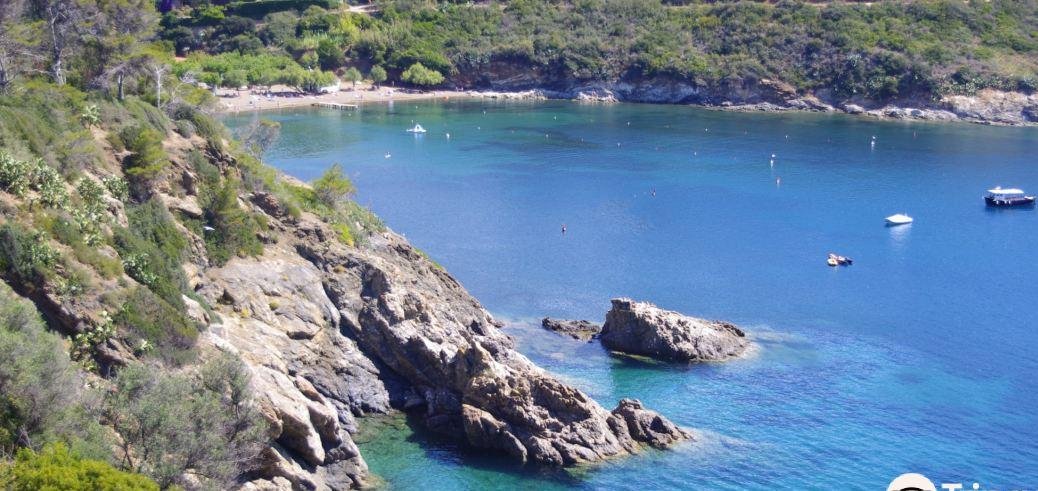
Popular Landmarks in Porto Azzurro
Discover the most iconic attractions in Porto Azzurro
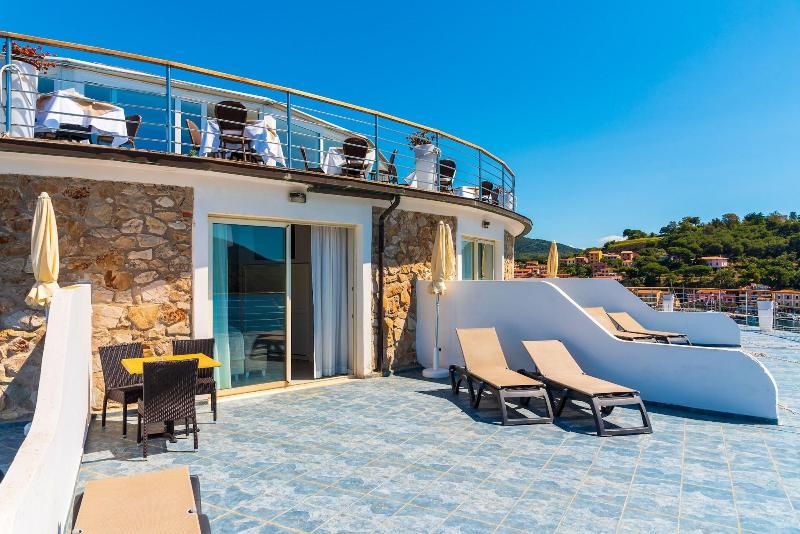
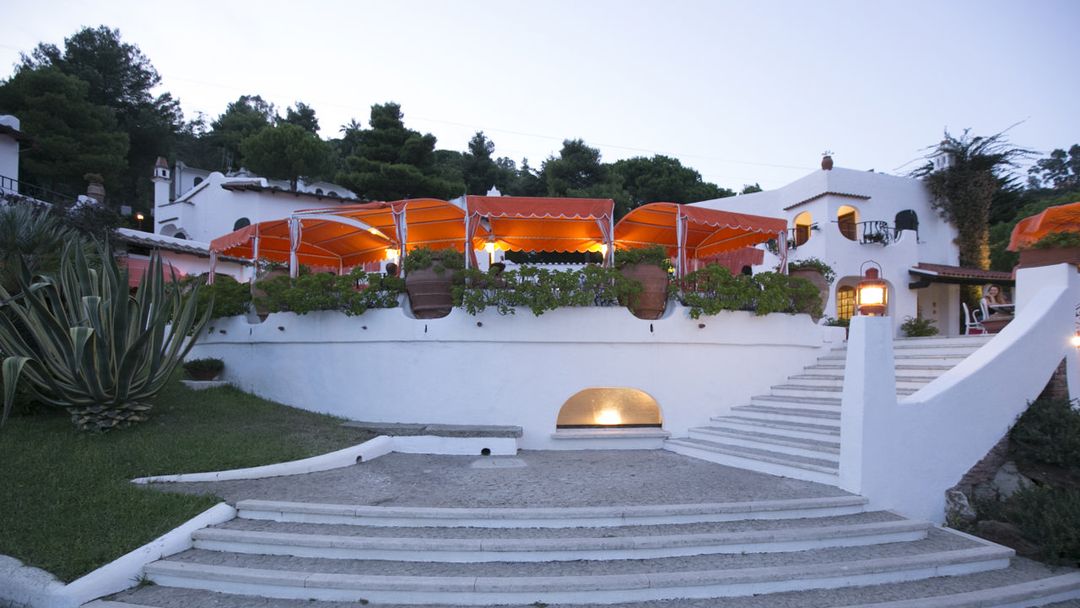
Recommended Hotels in Porto Azzurro
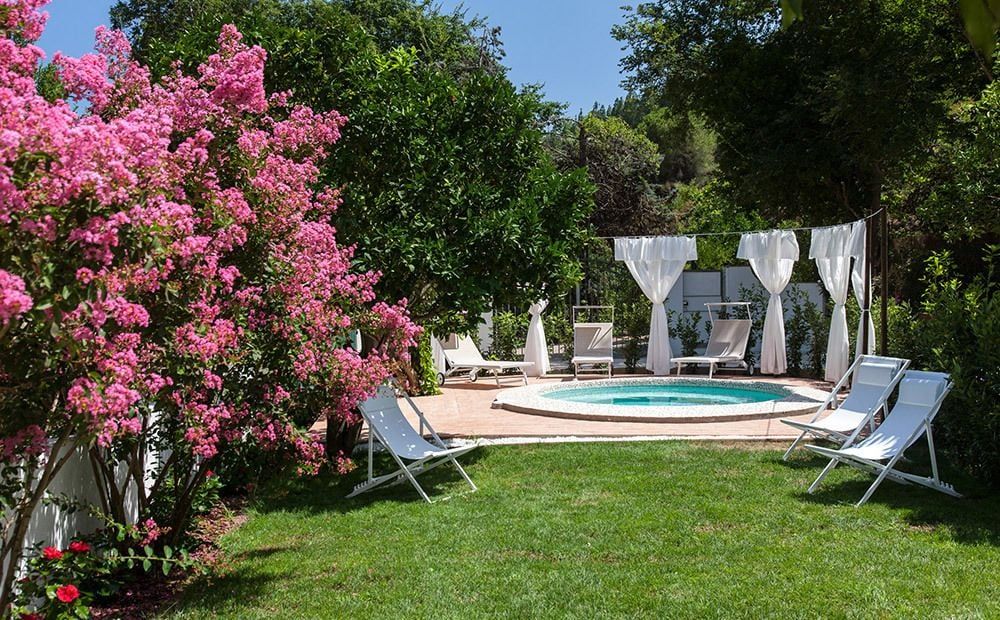
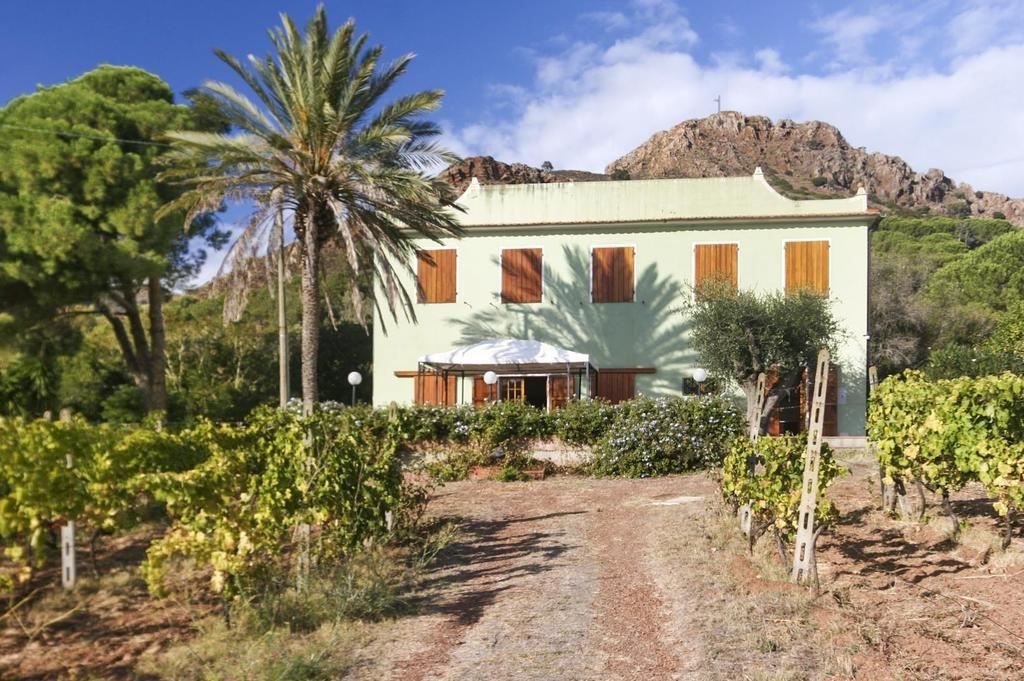
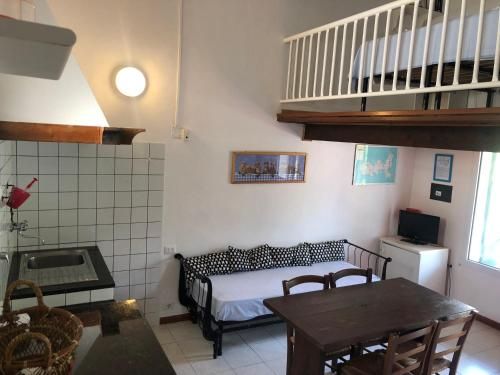
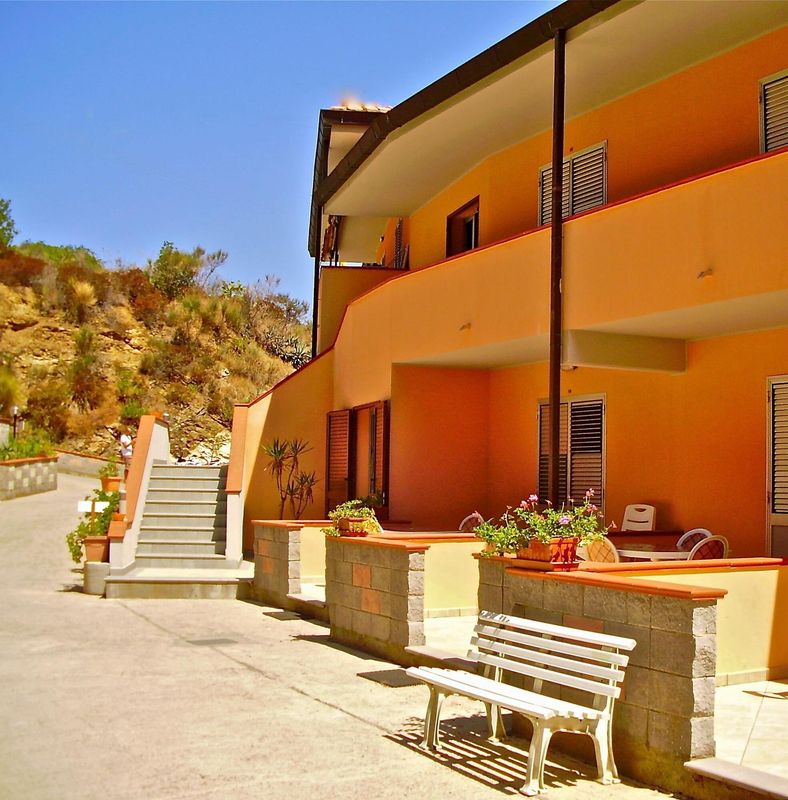
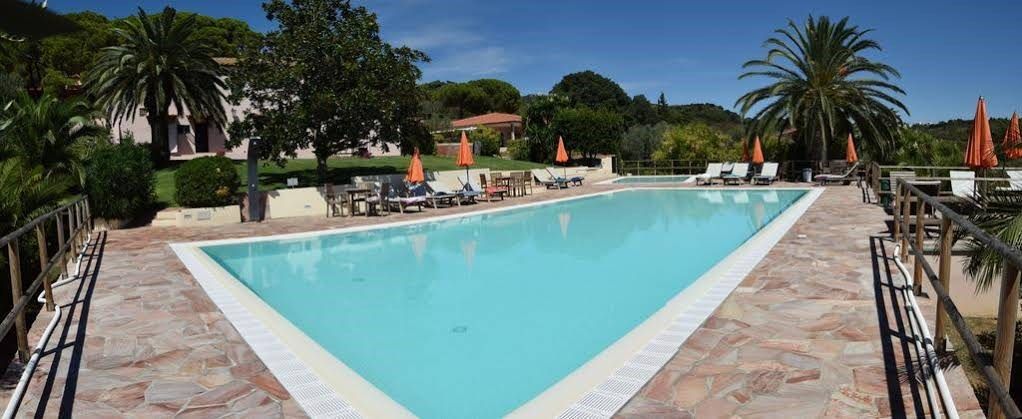
Find the perfect place to stay in Porto Azzurro
Frequently Asked Questions about Traveling to Porto Azzurro
Questions You Might Need to Know About Traveling to Porto Azzurro
Porto Azzurro Overview
City Summary
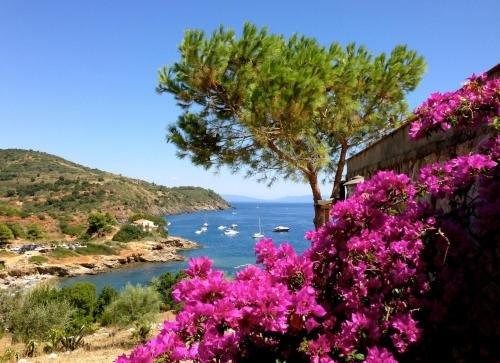
Porto Azzurro is a charming coastal town in the Tuscany region of Italy, located on the eastern coast of Elba Island. This picturesque port is renowned for its azure waters, historic architecture, and relaxed Mediterranean atmosphere. A haven for sailing enthusiasts, Porto Azzurro also boasts rich historical heritage and delectable local cuisine, making it an ideal escape from urban hustle.
Must-See Attractions
Key attractions in Porto Azzurro include the historic Spanish Fortress (Fortezza Spagnola), a 16th-century fortress overlooking the harbor with stunning sea views. The Church of San Giacomo (Chiesa di San Giacomo) is a beautiful Baroque church with exquisite interiors. The town's seaside promenade is perfect for strolls and sunset views, while nearby beaches like Spiaggia Barbarossa offer great swimming and sunbathing opportunities.
Food Guide
Porto Azzurro is famous for its fresh seafood and Tuscan traditional dishes. Must-try local specialties include Cacciucco (a seafood stew) and Bruschetta al Pomodoro (tomato-topped bread). Many restaurants serve freshly caught fish and shellfish, paired with local wines, especially those produced on Elba Island.
Transportation Guide
Getting around Porto Azzurro primarily involves walking and car rentals. The town center is compact and easily explored on foot. To explore other parts of Elba Island, renting a car or scooter is recommended. Public transport options include buses connecting major towns, but services are limited. To reach Porto Azzurro from mainland Italy, take a ferry from Piombino to Portoferraio on Elba Island, then transfer by bus or taxi.
Best Time to Visit
The best time to visit is from May to September, when the weather is warm and ideal for beach activities and outdoor exploration. July and August are peak tourist months, so HopeGoo accommodations in advance is advisable.
Travel Tips
- Respect local customs by avoiding loud noises or revealing attire in churches.
- In summer, book restaurants in advance, especially popular seaside spots.
- Bring sunscreen and a sunshade to the beach due to strong sunlight.
- Carry small cash for purchases at small shops or markets.
- Be mindful of narrow roads and parking restrictions when renting a car.
- Learning a few basic Italian phrases can help you connect with locals.
Useful Information
Italian is the primary language, but many tourism workers speak basic English. Internet coverage is good, with most hotels and restaurants offering free Wi-Fi. Payment methods include cash and cards, though small shops may only accept cash. Emergency services are available through local medical centers or by dialing 112. Travel insurance is recommended for unforeseen situations.